


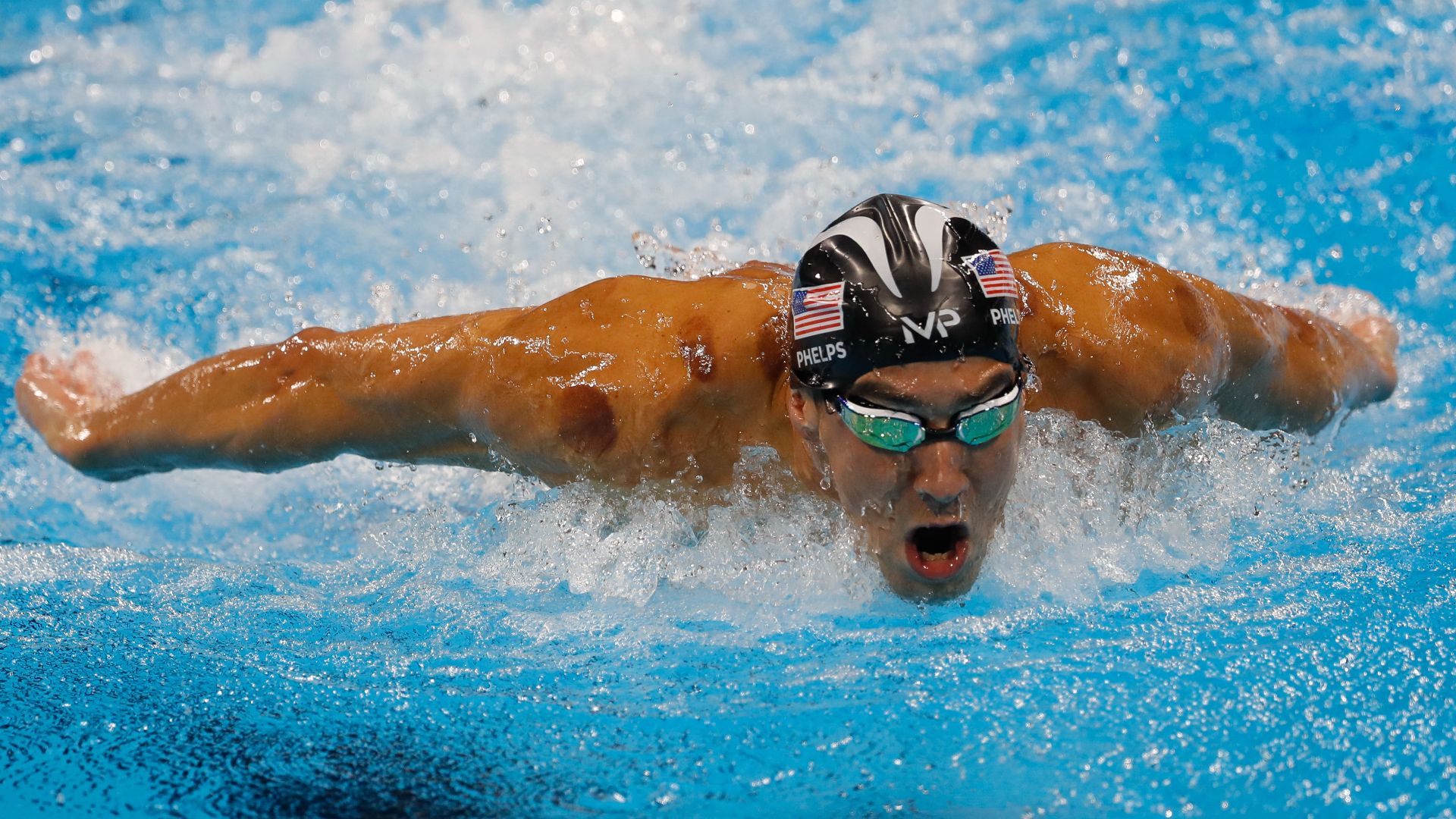
 Fernando Frazão/Agência Brasil on Wikimedia
Michael Phelps isn’t just another decorated Olympian. He stands as one of the most accomplished athletes in modern sports, with a career that reshaped expectations in competitive swimming. When people talk about dominance on the Olympic stage, his name inevitably rises to the top of the conversation. Appreciating his place in sporting history requires looking beyond medal counts and considering the broader impact he had on athletics.
His success didn’t happen in isolation or by chance. It came through years of disciplined training, strategic coaching, and an unusual combination of physical ability and mental focus. At the same time, his journey unfolded under the intense global spotlight of the Olympic Games. Understanding that context helps explain why his achievements still resonate years after his final race.
A Record-Breaking Olympic Career
Michael Phelps holds the record for the most Olympic medals won by any athlete in history. Over the course of several Olympic Games from 2000 to 2016, he earned 28 medals, including 23 gold medals. No other Olympian has come close to matching that gold medal total. His performance at the 2008 Beijing Games, where he won eight gold medals in a single Olympics, broke Mark Spitz’s long-standing record of seven golds set in 1972.
The range of events Phelps competed in also sets him apart. He excelled in butterfly, freestyle, and individual medley races, which require mastery of multiple strokes. Winning across different disciplines demands versatility, stamina, and technical precision. It’s rare for swimmers to dominate in both sprint and middle-distance events, yet Phelps consistently delivered under pressure.
Longevity further defines his Olympic legacy. Many swimmers peak in one Olympic cycle, but Phelps remained competitive for more than a decade. He first competed in Sydney in 2000 at just 15 years old and later returned from retirement to compete in Rio in 2016. Sustaining that level of excellence over multiple Games required constant adaptation and relentless commitment.
Redefining Standards In Competitive Swimming
Phelps didn’t simply win races; he changed what people believed was possible in the pool. His 2008 performances included several world records, often won by razor-thin margins. The 100-meter butterfly final in Beijing, where he won by just 0.01 seconds, became one of the most dramatic finishes in Olympic history. Moments like that elevated swimming into a prime-time global spectacle.
His physical attributes were frequently discussed as part of his success. Standing 6 feet 4 inches tall with an unusually long wingspan and large hands and feet, he possessed traits that aided propulsion and efficiency in the water. However, those advantages alone don’t explain his dominance. Countless athletes have favorable physiques, but few pair them with the work ethic and technical discipline that Phelps demonstrated.
Training was another defining factor in his career. Under coach Bob Bowman, Phelps followed an intense regimen that often included multiple daily swim sessions and thousands of yards in the pool. Reports from his peak years described training schedules that left little room for complacency. That relentless preparation translated into consistent performance when the stakes were highest.
Influence Beyond The Pool
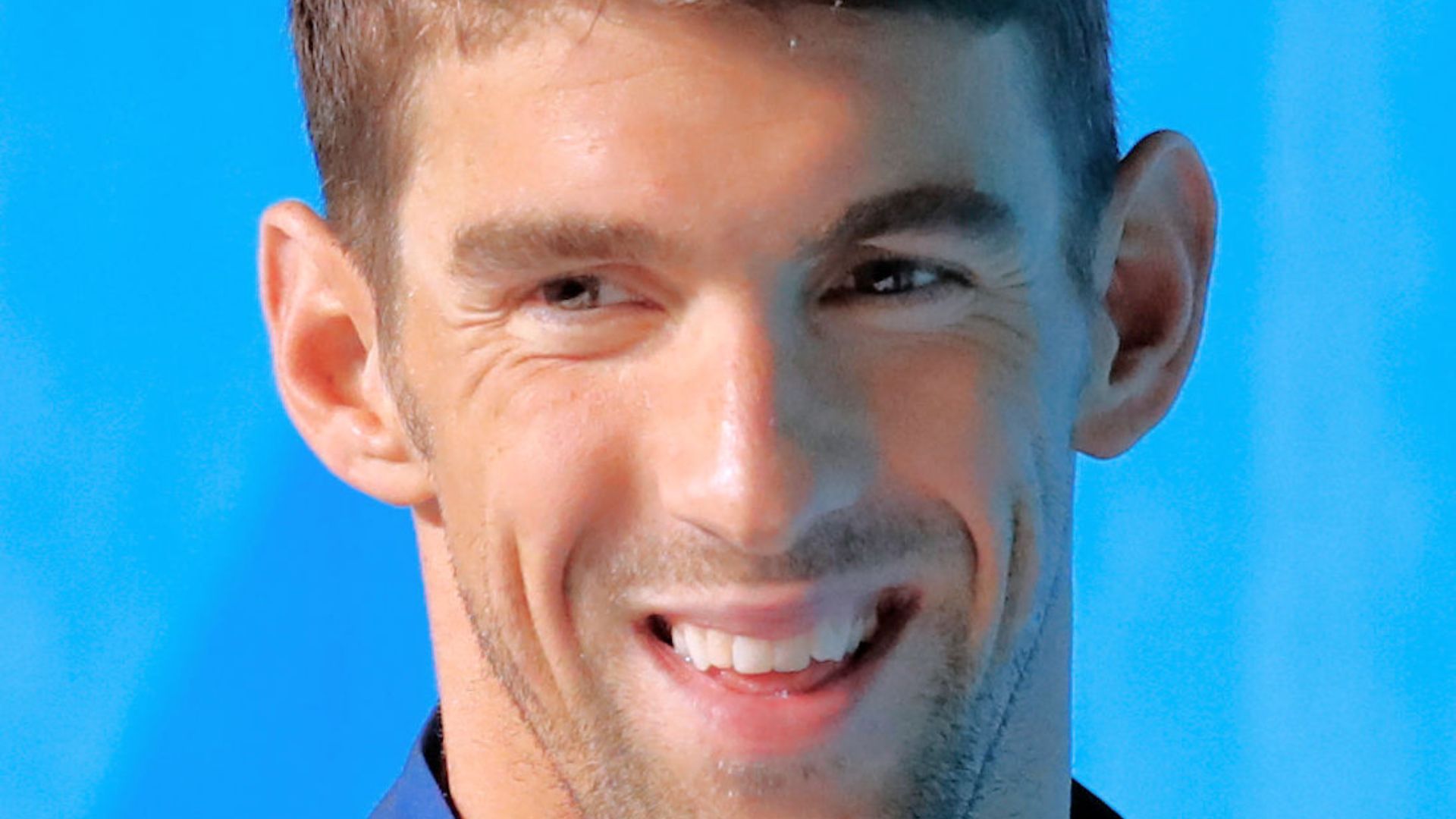 Agência Brasil Fotografias on Wikimedia
Phelps’ impact extends far beyond his medal haul. His success drew unprecedented attention to swimming, especially in the United States. Young swimmers who watched him compete often cite him as a direct inspiration for pursuing the sport. Increased youth participation and media coverage during his Olympic years reflect that influence.
He also helped normalize conversations around mental health in athletics. After retiring, Phelps spoke openly about his struggles with depression and the pressures of elite competition. By sharing his experiences, he encouraged broader discussions about athlete well-being. That willingness to be vulnerable added another layer to his public legacy.
Commercially and culturally, Phelps became one of the most recognizable Olympians of his era. Endorsements, interviews, and global media exposure positioned him as a symbol of Olympic excellence. Yet despite that fame, his reputation remains anchored in performance rather than celebrity. His achievements in the pool continue to define his standing in sporting history.
When evaluating Michael Phelps’ place in sporting history, it’s difficult to find a comparable figure in Olympic competition. His medal count alone secures his status, but the consistency, versatility, and longevity of his career deepen that distinction. He elevated swimming to new heights while also shaping conversations about athlete preparation and mental health. Generations of competitors will chase his records, yet his impact extends beyond numbers on a results sheet. In the broader landscape of sports history, Michael Phelps stands as a benchmark for sustained excellence and transformative influence.
KEEP ON READING

The Island Bought for Beads and Trinkets
Alfred Fredericks on WikimediaThe story is one of the most…
By Cameron Dick Jun 2, 2026
20 Historical Wills That Were Written Purely to Spite the…
Petty From Beyond the Grave. While most people view a…
By Sara Springsteen Jun 2, 2026
20 Historical Divorces That Shocked Society
When Private Heartbreak Became Public History. History has never been…
By Annie Byrd Jun 2, 2026
20 Historical Figures Who Went by Fake Names
Famed Pseudonyms. Here's a fun fact for you: Pablo Picasso's…
By Christy Chan Jun 1, 2026
20 Forgotten Historical Inventors Who Need More Credit
Stepping Out of the Shadows. We all know the famous…
By Sara Springsteen Jun 1, 2026
20 Historical "Hustlers" Who Went from Rags to Riches
Chasing the Ultimate Dream. History is packed with individuals who…
By Sara Springsteen Jun 1, 2026