Luxury Doesn't Stay Exclusive Forever
History has a funny way of turning yesterday's symbols of wealth into today's everyday conveniences. Many comforts that once belonged only to kings, nobles, industrialists, or the upper class have gradually become accessible to ordinary households thanks to advances in technology, manufacturing, and infrastructure. The next time you enjoy one of these modern routines, remember that not too long ago, it would've been considered an extraordinary luxury.
 William Merritt Chase on Wikimedia
1. Taking a Hot Shower Every Morning
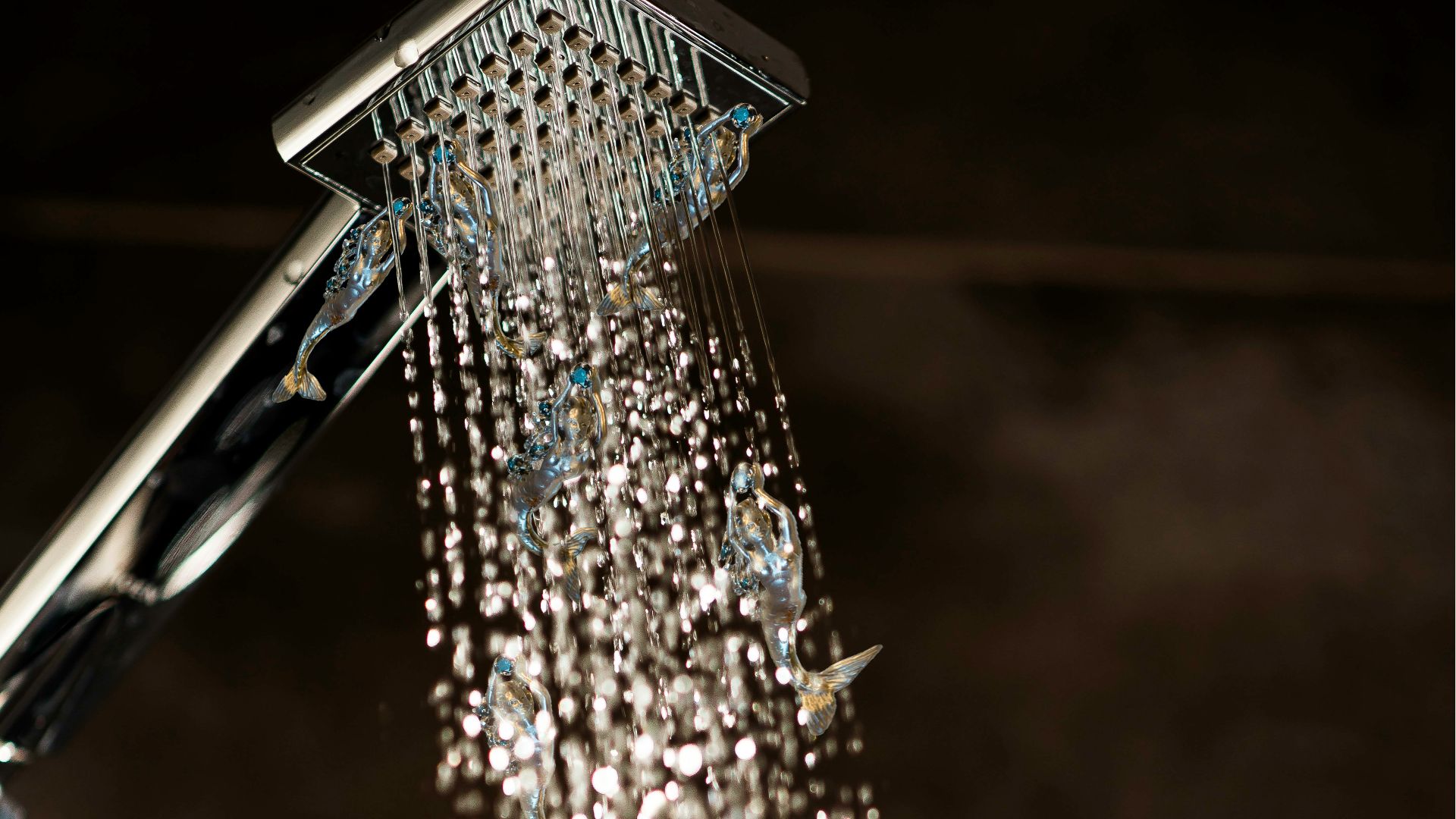
For centuries, reliable hot water was a privilege reserved for the wealthy. Heating enough water for a bath required servants, firewood, and plenty of time, making daily bathing unrealistic for most people. Today, turning a faucet and stepping into a hot shower before work is a routine that millions barely think twice about.
2. Keeping Food Cold
Refrigerators were not available to most people before the early 1900s. Storing fresh food was expensive and tedious work. Rich families kept ice delivered in the winter stored in special icehouses or had their perishables delivered daily. Today, middle-class families expect to have fresh veggies, milk, and leftovers all year round.

3. Owning More Than One Pair of Shoes
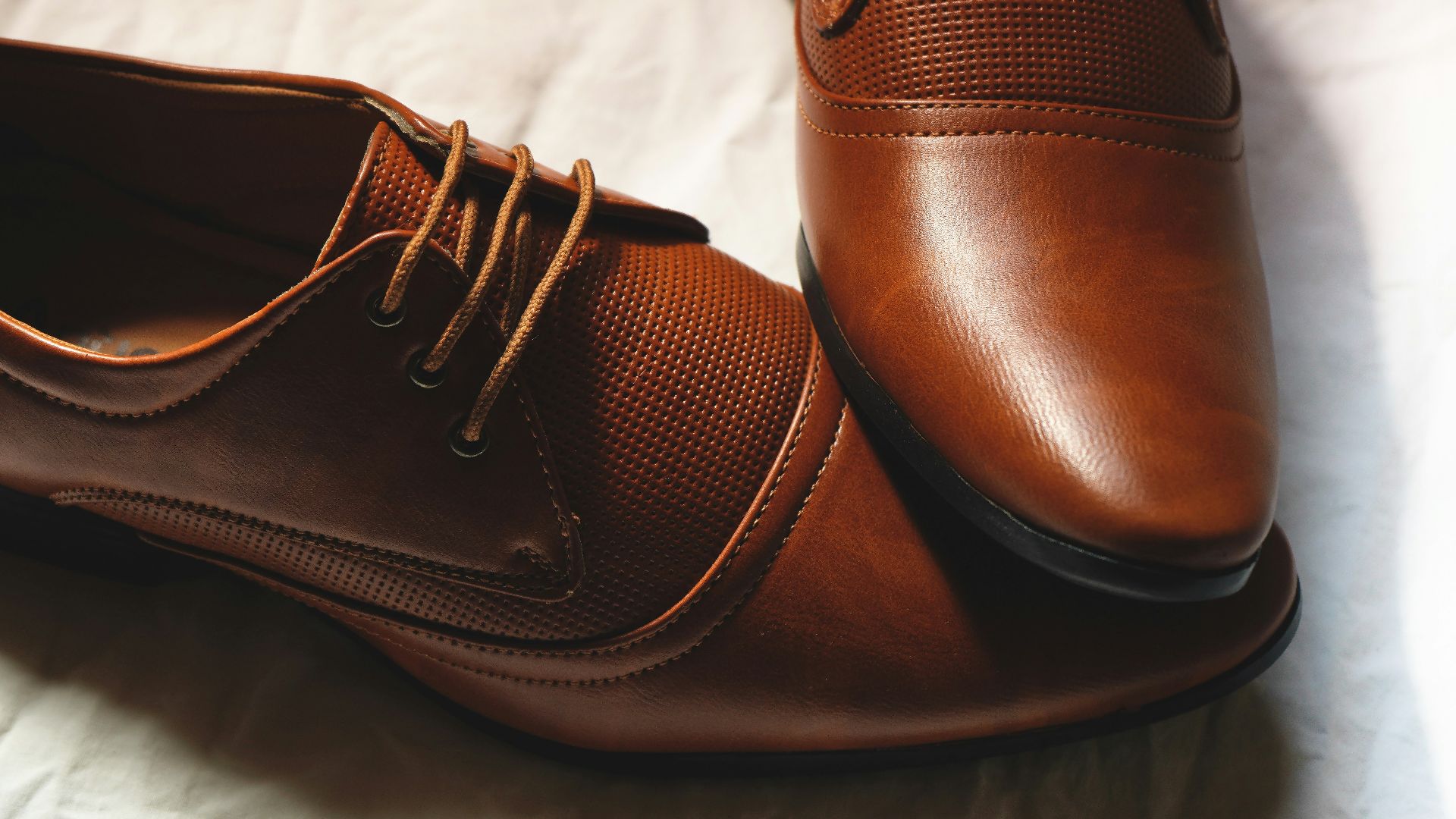
A large shoe collection was once an unmistakable sign of wealth because quality footwear was expensive and labor-intensive to produce. Most people owned only one practical pair and repaired them until they could no longer be worn. These days, it's common for someone to have separate shoes for work, exercise, formal events, and casual outings.
4. Traveling Long Distances for Vacation
Up until recent history, traveling was reserved for those who could afford the time and expense. Unless you were wealthy enough to ride in your carriage, trips took days to weeks and were often unpleasant. Middle-class families can look forward to vacations by affordable cars, commercial airlines, and paid time off from work.

5. Having Fresh Fruit Year-Round
Exotic fruits and out-of-season produce were once imported only for wealthy households that could afford the cost. Seasonal eating wasn't a lifestyle choice but a necessity for most people. Thanks to global agriculture and refrigerated transportation, picking up strawberries in winter or bananas any time of year has become completely ordinary.

6. Reading a Personal Library
Book collectors in medieval times used to showcase private libraries as a status symbol. Producing books required vast amounts of manual labor until the printing press was invented. Bookshelves brimming with novels and reading e-books or digital libraries give people access to more reading material than many kings.

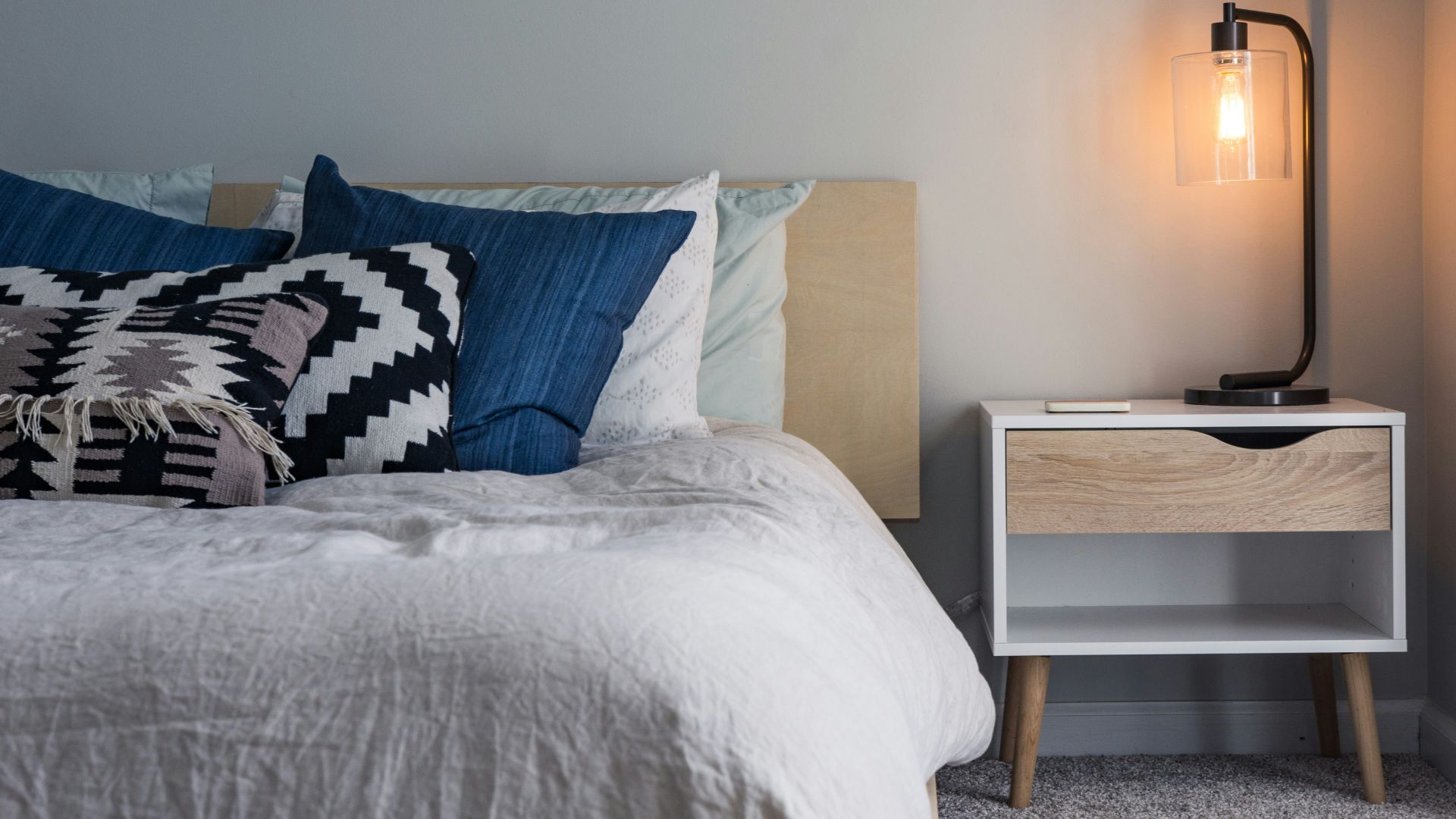
7. Having Your Own Bedroom
Private bedrooms were uncommon for much of history, especially among working families. Many households shared sleeping spaces to conserve heat and make the most of limited room. Today, having separate bedrooms for parents and children is considered a standard feature in many middle-class homes.
8. Drinking Clean Water From the Tap
Reliable access to safe drinking water would've amazed much of the world's population throughout history. Wealthy estates often invested in cleaner wells or elaborate plumbing while everyone else relied on rivers, public pumps, or questionable sources. Turning on the kitchen faucet without worrying about water quality has become one of modern life's greatest conveniences.

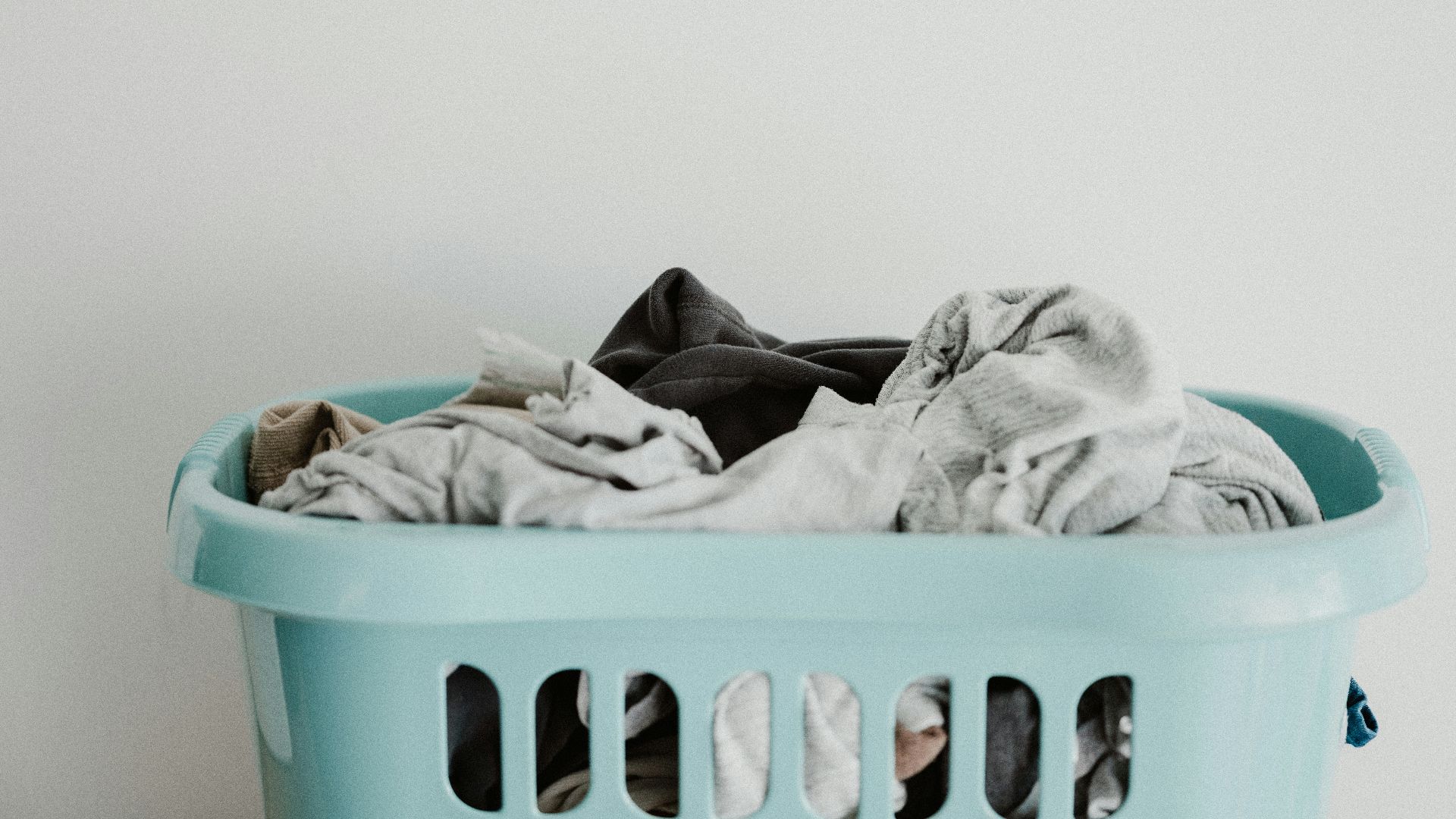
9. Wearing Freshly Washed Clothes Every Week
Doing laundry used to be a full day of backbreaking work that required you to boil water, scrub your clothes by hand, and hang them all to dry. Many servants in wealthy households had the laundry duty while common folk washed their clothes less frequently. Being able to wash and dry a load of laundry in your home comfortably is a privilege of modern appliances.
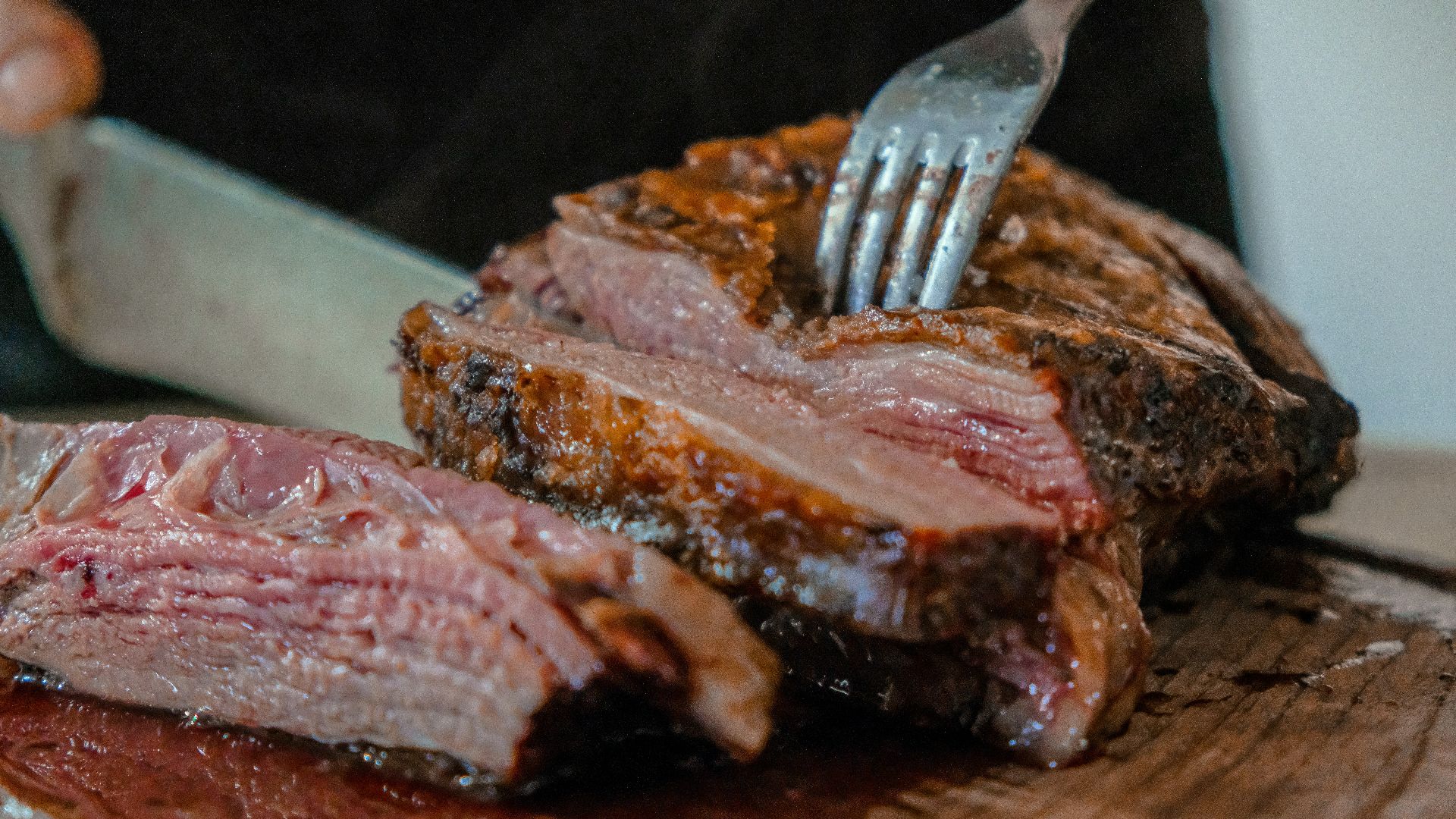
10. Eating Meat Whenever You Want
Regular meat consumption was once associated with wealth because livestock required land, feed, and significant expense. Many ordinary families ate meat only on special occasions or in small portions. Grocery stores now offer a wide variety of affordable options that previous generations could only dream about.
 José Ignacio Pompé on Unsplash
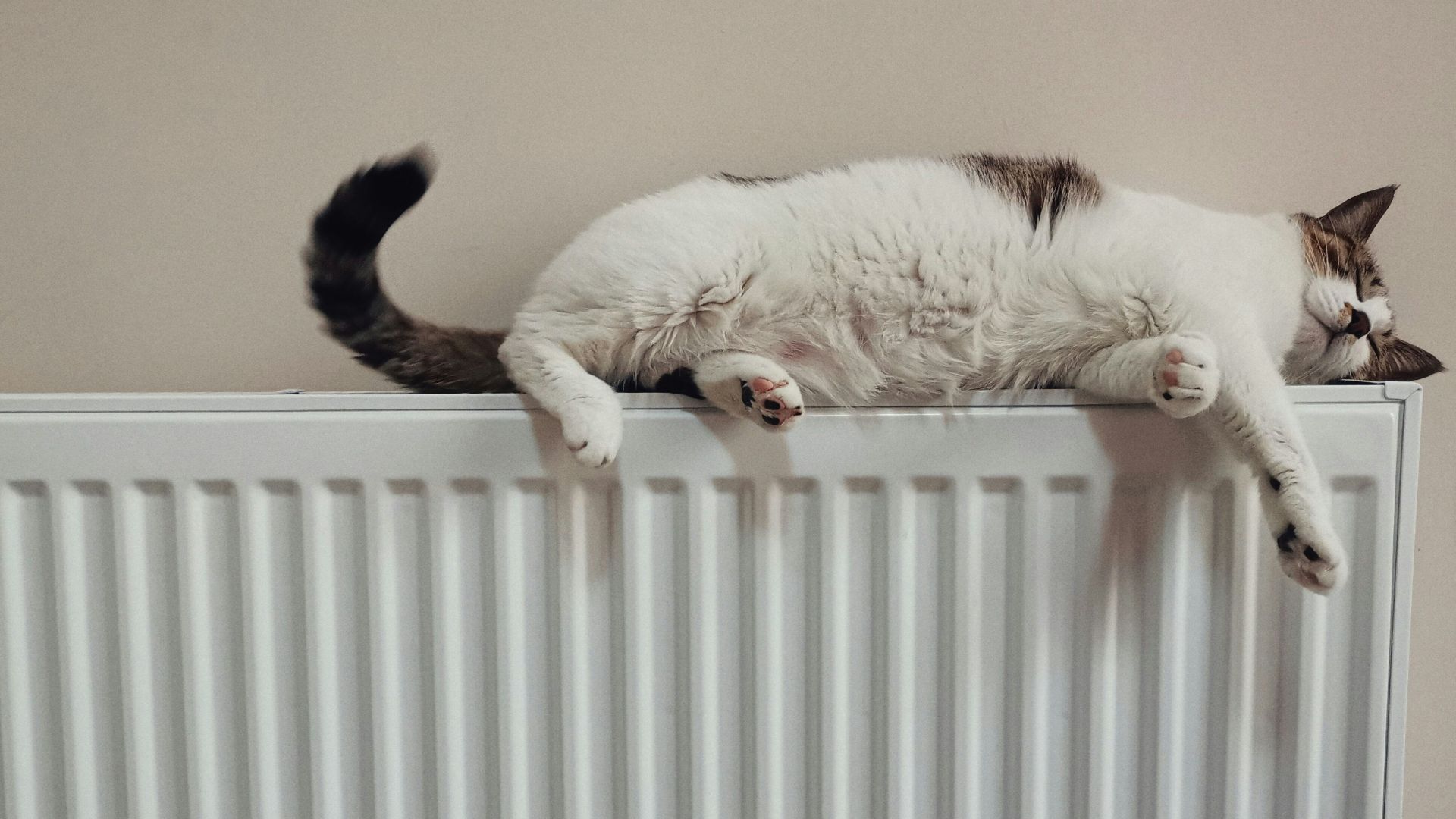
11. Heating Your Home With the Push of a Button
Fireplaces, wood-burning stoves, and coal needed constant maintenance before the invention of central heating. Homes with greater wealth typically had servants whose job it was to keep fires going throughout the day and night. Now we can heat our entire homes comfortably by pushing a button on the thermostat.
12. Having Indoor Plumbing
Indoor bathrooms represented incredible luxury when they first appeared in private homes. Many people depended on outhouses or shared public facilities well into the modern era. Today, multiple bathrooms in a single home are common enough that many buyers consider them a necessity rather than a luxury.

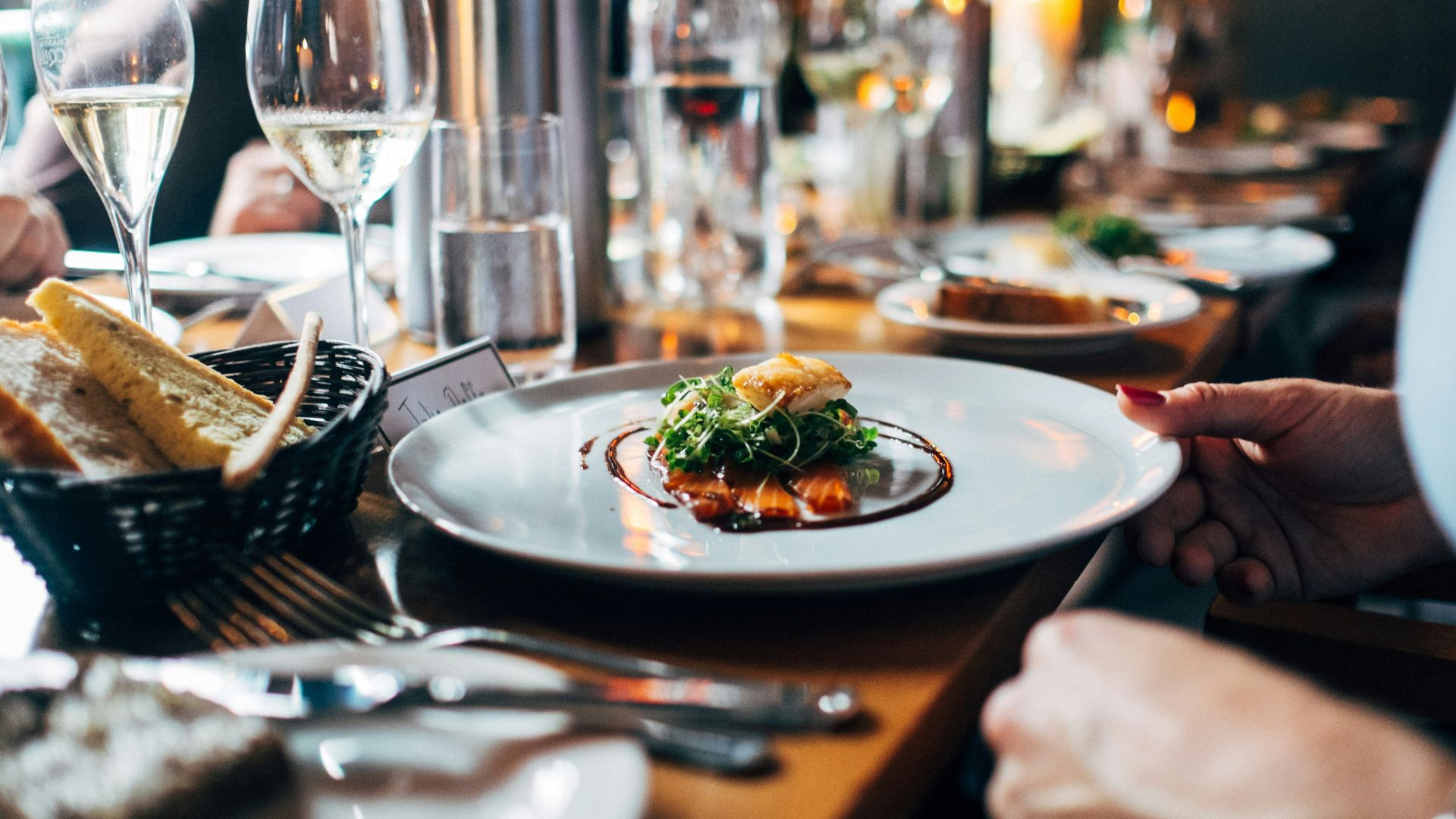
13. Dining at Restaurants
Eating meals prepared by professional cooks wasn't something most people experienced regularly in earlier centuries. Wealthy individuals dined at inns, clubs, or private establishments while others cooked nearly every meal themselves. Restaurants now serve everyone from families celebrating birthdays to office workers grabbing lunch during a break.
14. Seeing a Doctor Regularly
Doctors used to be reserved for the rich and famous before healthcare became widely available. If you weren’t wealthy or lived in certain parts of the world you might not have access to doctors at all. Regular checkups and walking into urgent care are now normalized and doctor’s offices are spread across neighborhood.

15. Owning Fine Furniture
Beautifully crafted furniture used to be built by skilled artisans and commissioned by wealthy clients. Ordinary households often relied on simple handmade pieces that served only basic functions. Mass production has made attractive, durable furniture available at prices that fit many middle-class budgets.

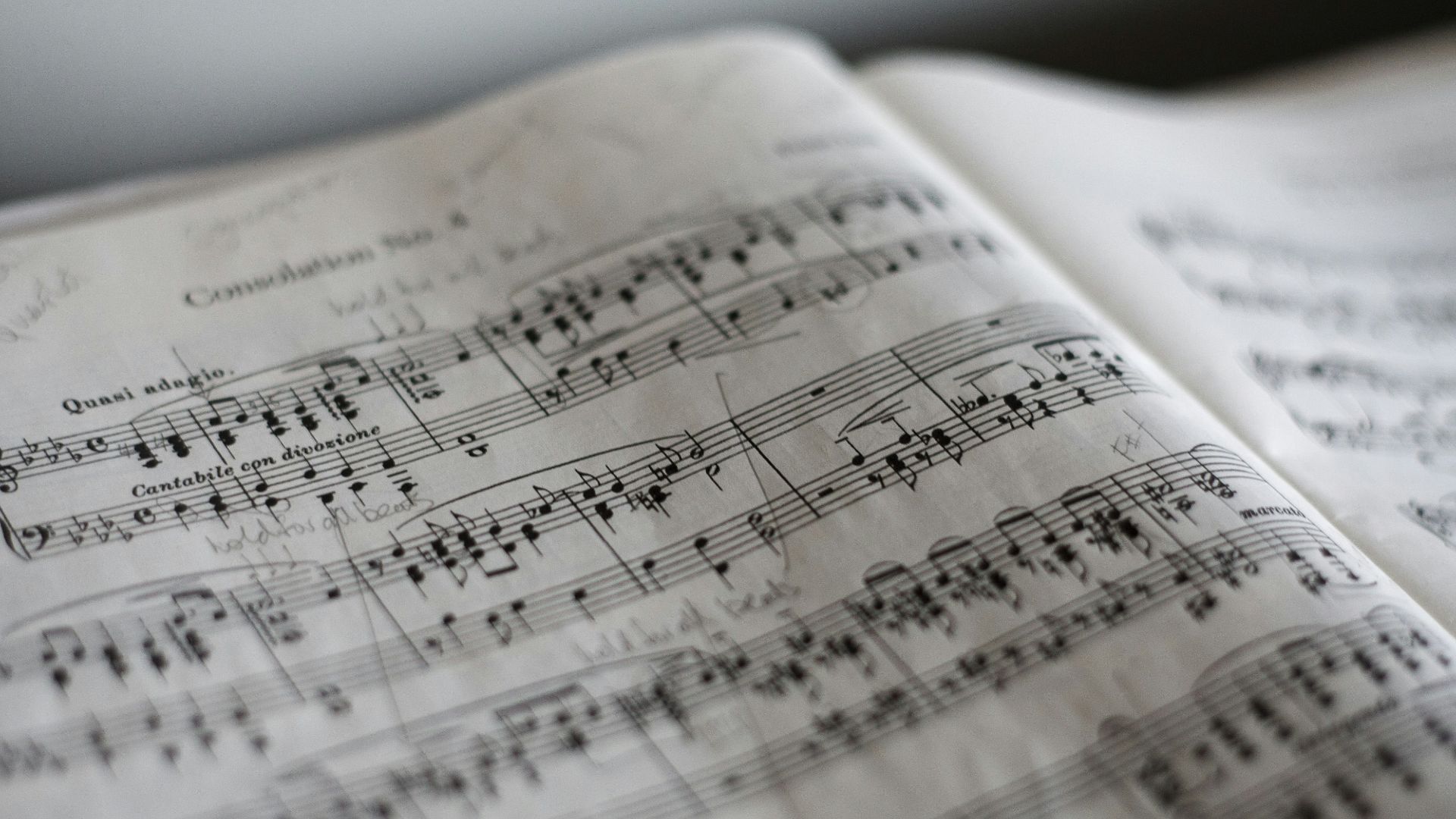
16. Listening to Music Whenever You Feel Like It
Before recorded music, hearing a performance usually meant attending a live event or hiring musicians, both of which favored the wealthy. Musical entertainment was much rarer for ordinary households. Today, millions of songs are available instantly through streaming services, radios, and personal devices.
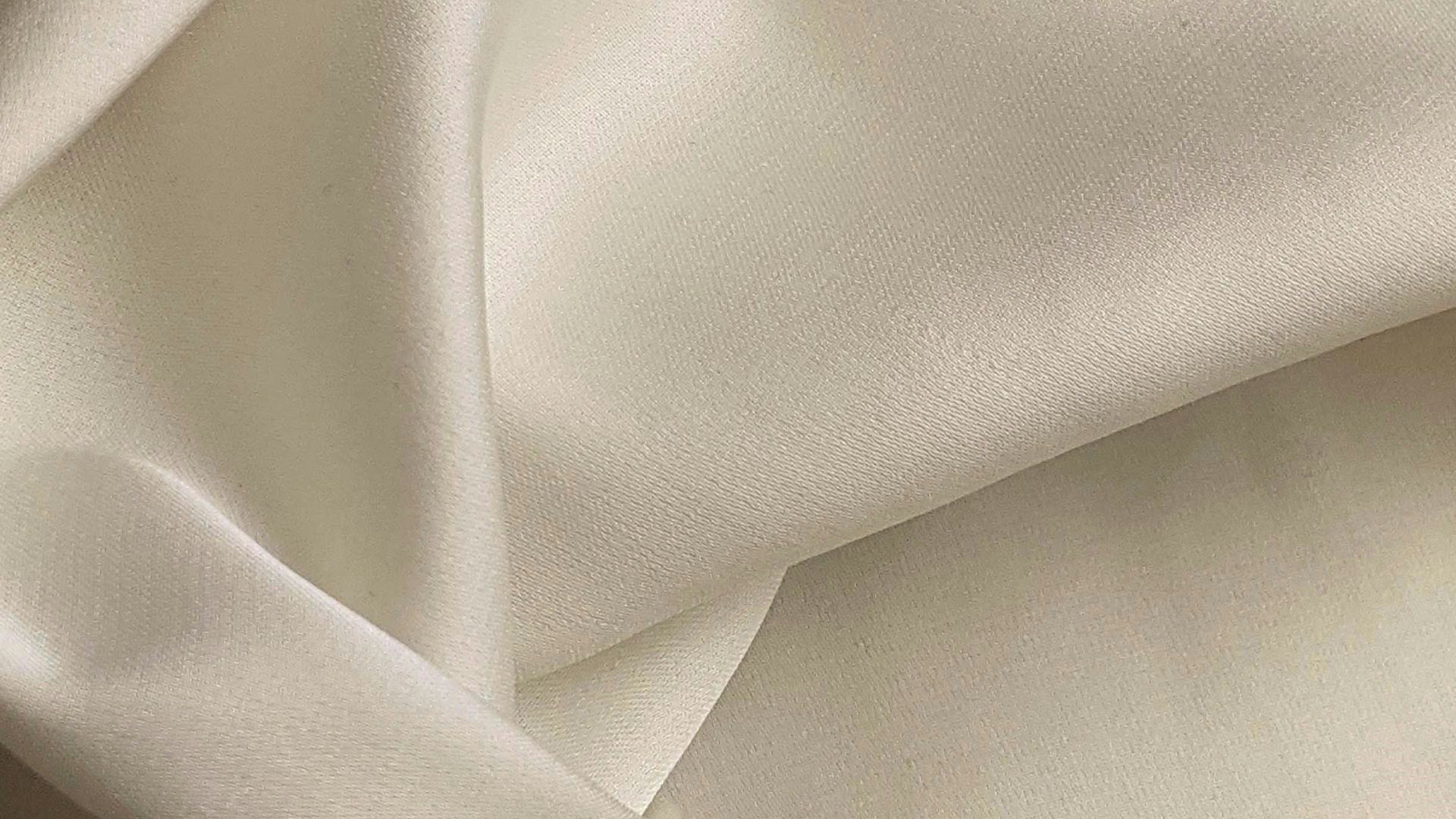
17. Wearing Clothes Made From Soft Fabrics
Silk, fine cotton, and other soft textiles used to be very expensive. Clothing that was comfortable instead of itchy and rough was a sign of wealth. Production has made soft comfortable clothes accessible for all budgets.
18. Lighting Every Room in the House
Candles and oil lamps were costly enough that many families carefully limited how much light they used after sunset. Wealthy homes could afford brighter rooms and more decorative lighting throughout their estates. Flipping a light switch in every room is now such a normal habit that it's easy to forget how remarkable electric lighting really is.

19. Sending Messages Across the World Instantly
Communicating with someone in another country once required handwritten letters that could take weeks or months to arrive. Wealthy merchants and governments often had access to faster courier networks than ordinary citizens. Today, a quick text, email, or video call connects you with people around the globe in seconds.
 Priscilla Du Preez 🇨🇦 on Unsplash
20. Controlling the Temperature Indoors
Air conditioning would have been laughable to wealthy families centuries ago. The only way to keep cool was through thick stone walls and hand fans. Some households would even have servants fan themselves when they were hot.