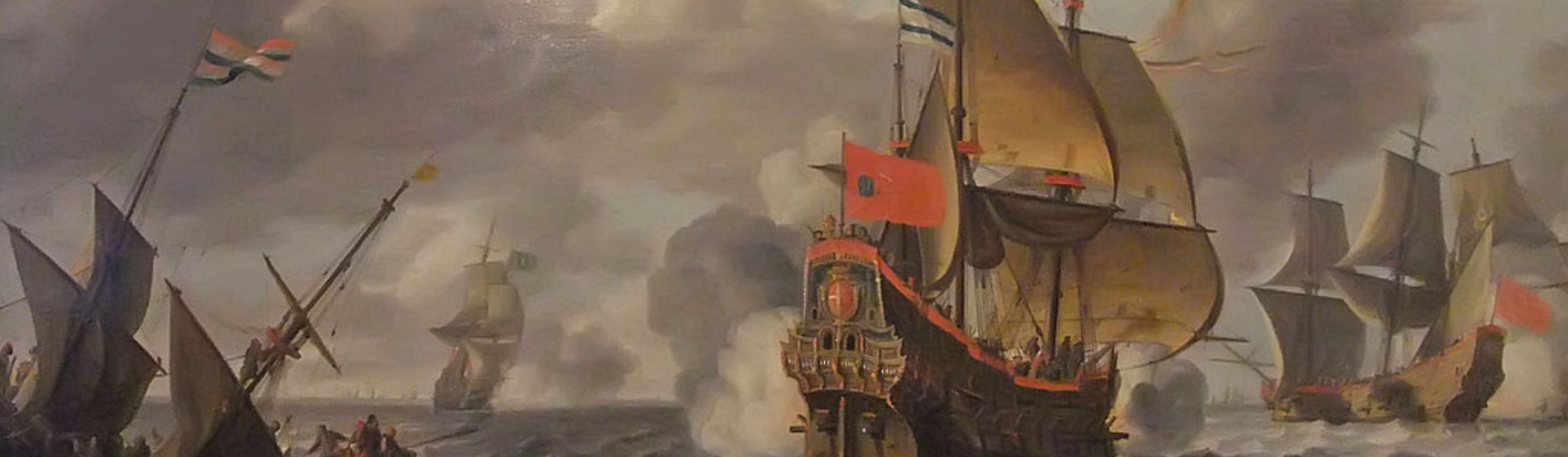
 The Relief of the Light Brigade on Wikimedia
When people talk about the war that changed warfare forever, most of the time they're referring to World War I. After all, if the War to End All Wars didn't reshape military history forever, then what did? While WWI saw saw the last gasp of many empires, incorporated new technology, and developed trench warfare, it wasn't necessarily the first modern war.
When Can Their Glory Fade?
Instead, we have to go back to 1853. In the century between the fall of Napoleon and Franz Ferdinand's assassination in Sarajevo, the Crimean War was the bloodiest and most influential European war of the 19th century. Often overlooked today, especially in America, which was involved in its own boiling tensions at the time, the Crimean War shaped modern warfare in more ways than you could guess.
To vastly oversimplify history, the Crimean War was fought over two main issues: territorial expansion and religious disputes. Russia wanted to expand into the territory held by the "sick man of Europe", the Ottoman Empire. Meanwhile, France and Russia disputed over who had the right to govern Christian minorities in Palestine.
Faced with the choice between a rock (the crumbling Ottoman Empire) and a hard place (the ever-hungry Russian Empire), France and Great Britain, the two great powers of Europe, unilaterally sided with the Ottomans. War was declared on October 16, 1853. Two and a half years later, over half a million lives were loss and thousands more were irrevocably changed.
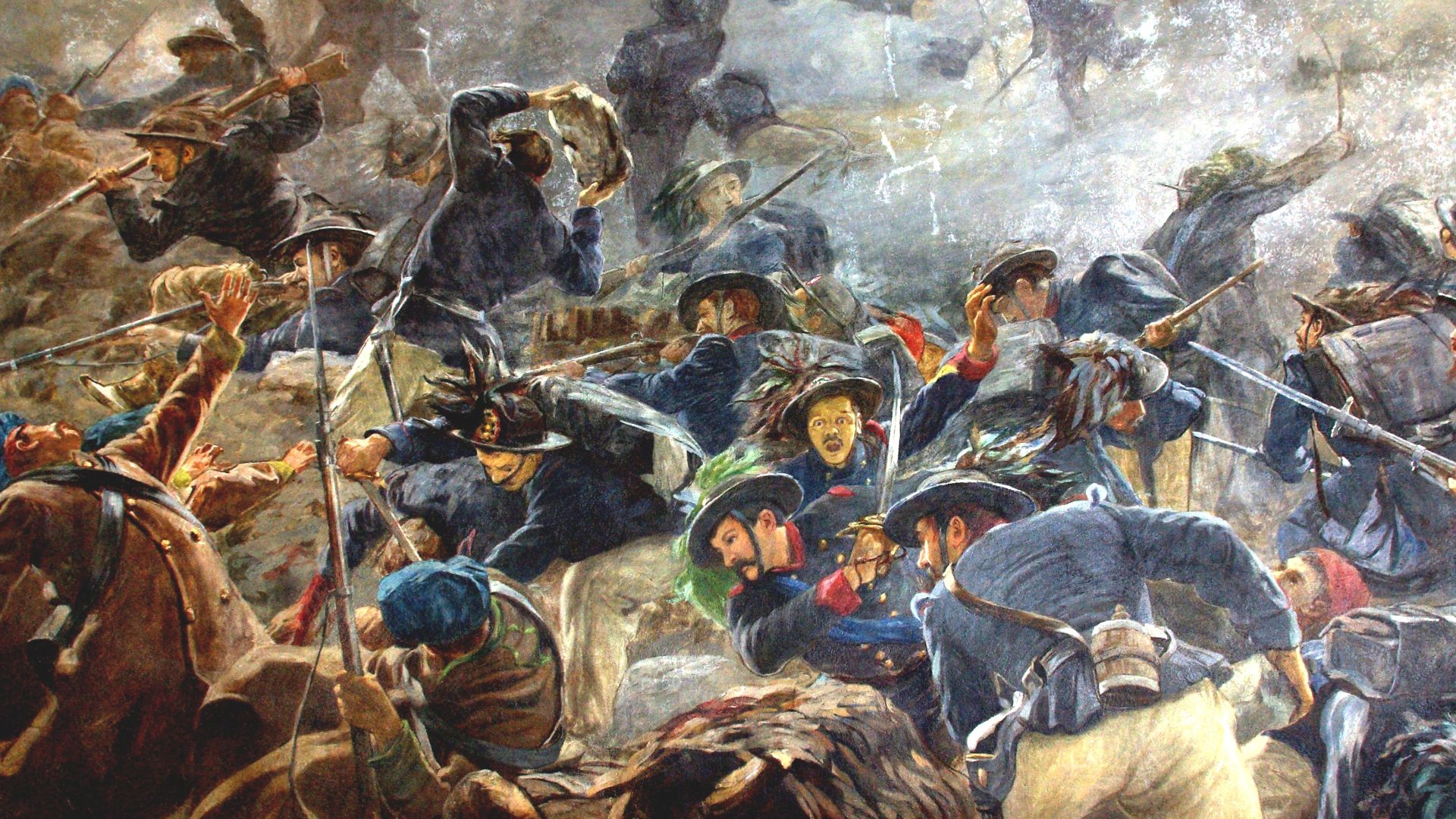
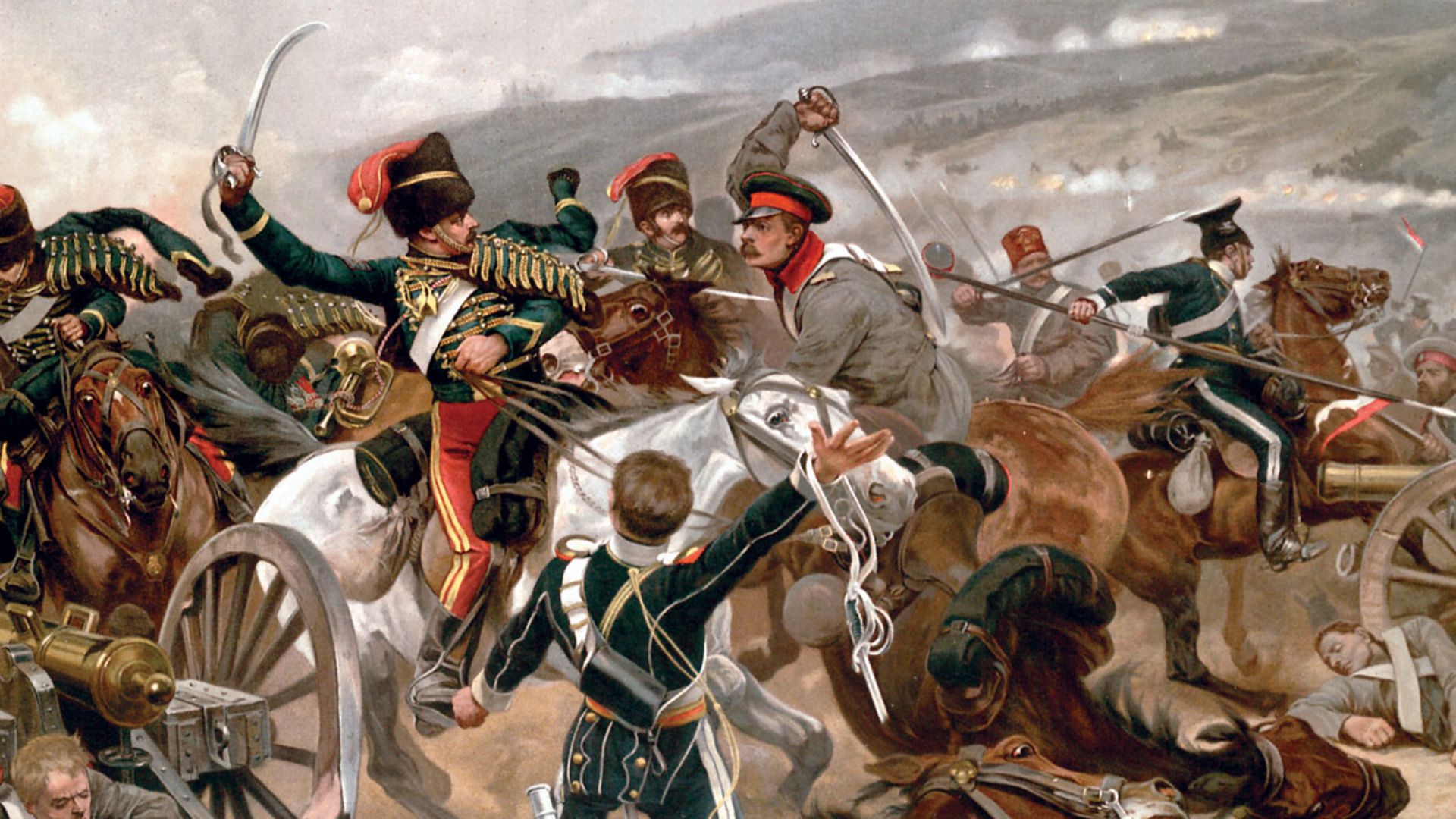
Today, the Crimean War is regarded, as wars often are, as a serious of blunders which led to an entire generation of young men being senselessly mowed down. Most infamously, the Battle of Balaclava saw the legendary Charge of the Light Brigade. Due to miscommunication, the brigade rode "into the valley of death" before being forced to retreat, gaining no land and losing many lives.
The Valley Of Death
Meanwhile, it was the Siege of Sevastopol rather than any 20th-century battle which saw the development of trench warfare. Sevastopol, on the Black Sea, was heavily fortified, and the siege dragged on for nearly a year of brutal warfare. Thanks to brutal winter conditions, rampant disease, and miscommunication, the opposing armies had no choice but to dig a complex network of tunnels and hunker down if they were to survive.
In the face of modern artillery, such as the Minié rifle, classic sieges and sabre-wielding cavalry were quickly becoming obsolete. To prevent allied forces from entering Sevastopol harbor, the Russian navy created a barricade of ironclad warships. Railway and telegraph lines laid along the front lines added an additional sense of urgency to the conflict.
Rather than waiting weeks or even months to learn the outcomes of the war, front-line journalists—a young Leo Tolstoy among them—sent eyewitness accounts to publishers as soon as they were written. The Crimean War was the first wide-scale conflict to utilize the media this way. The brutality of conflict was impossible to ignore when it was splashed onto the front page of every paper.
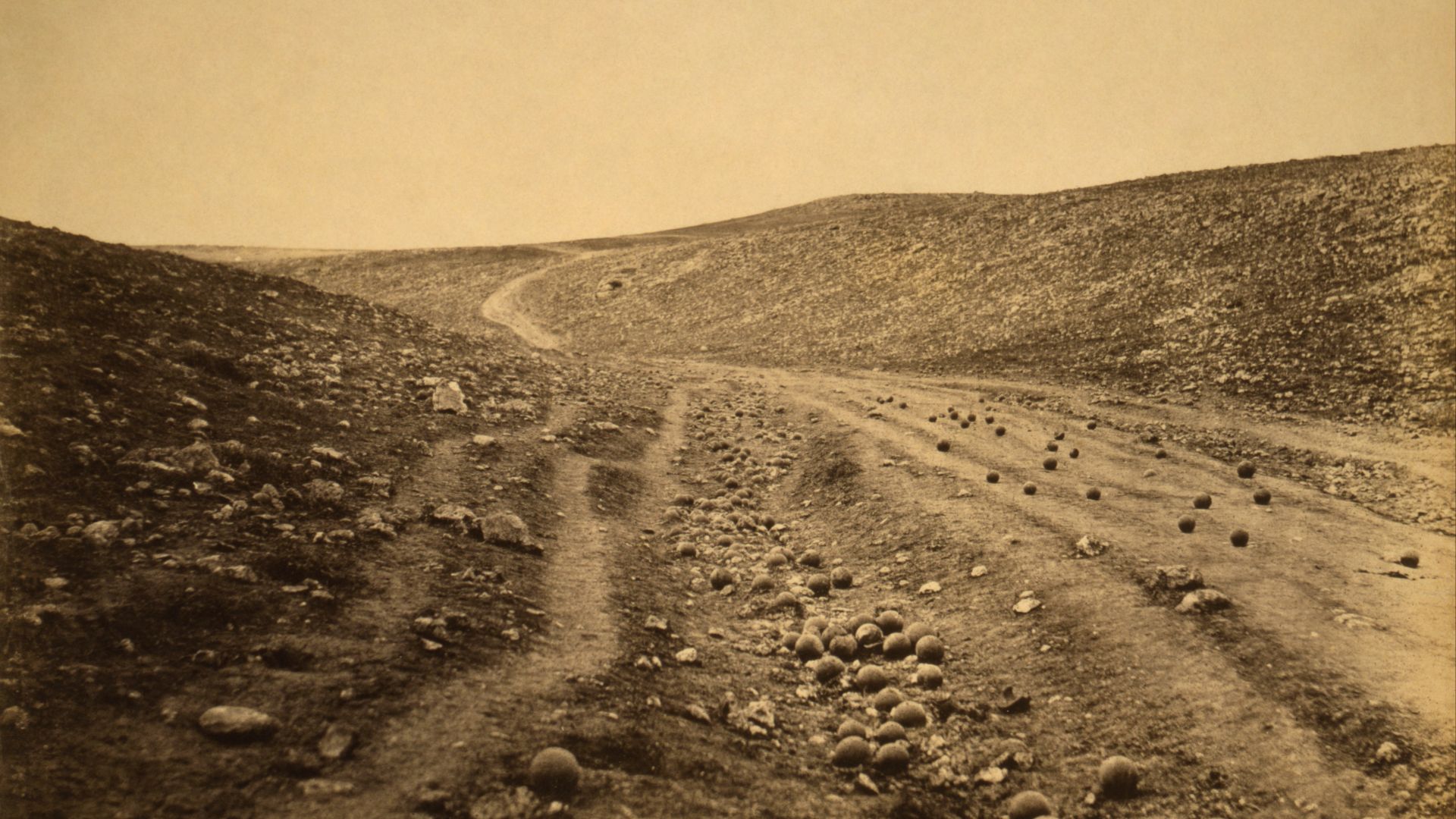
Additionally, people at home could see firsthand just how brutal the fighting was. Photography was in its infancy in the 1850s, but static silver prints of decimated landscapes and mutilated bodies were just as compelling as stylized action shots. The first war photographer, Roger Fenton, took more than 350 pictures which were distributed throughout the biggest newspapers in British.
Lasting Legacies
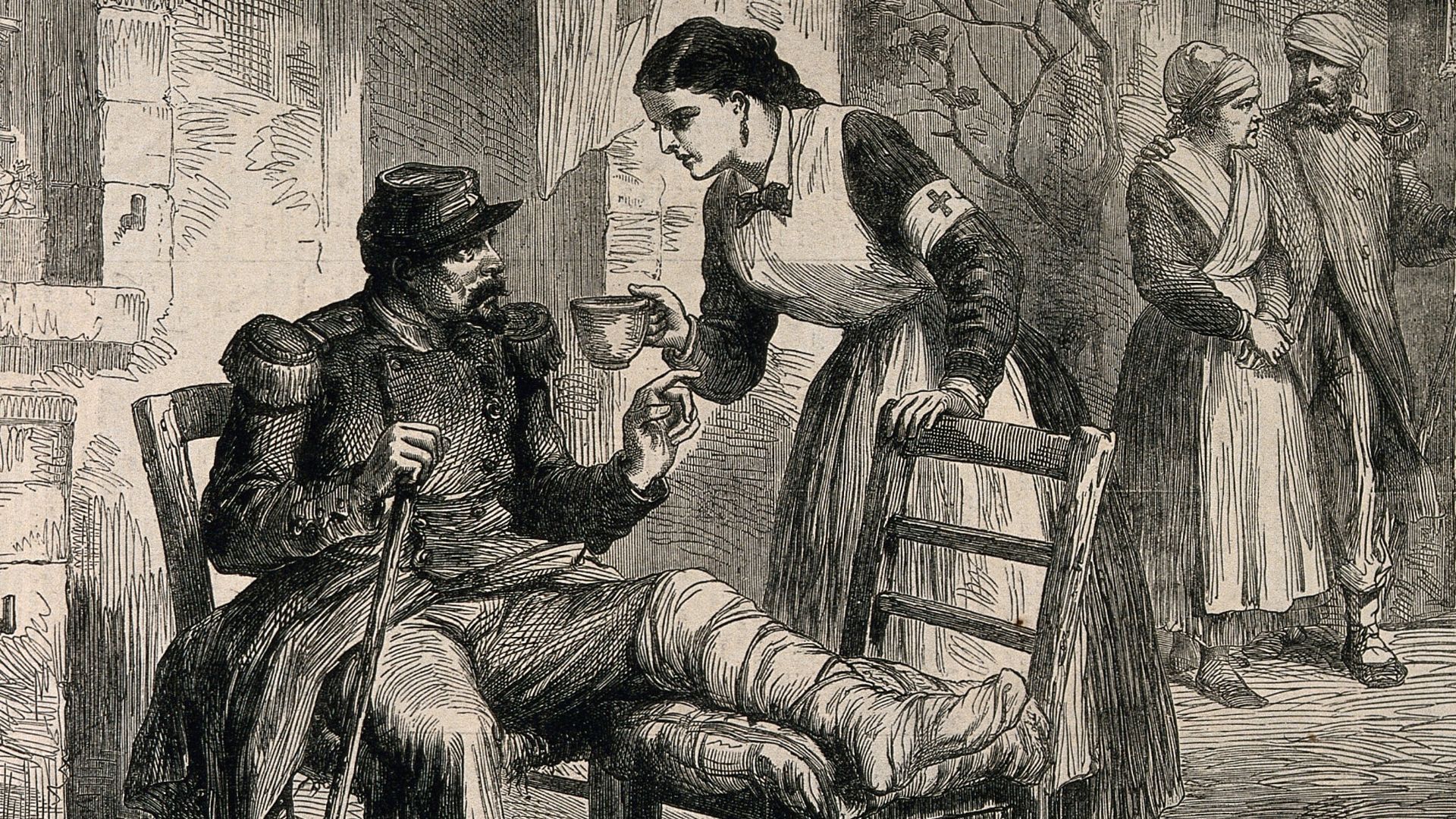
Combat and technology weren't the only things that changed in the Crimean War. Field surgery and particularly the art of nursing were refined and modernized. Nearly half of all casualties on either side of the war were due to infection.
These deplorable conditions mobilized two of the greatest nurses in British history: Mary Seacole and Florence Nightingale. These two women demanded reform in medicine, stressing the importance of sanitation in overcrowded hospitals. As a result, hospitals were built to better train both nurses on doctors.
On the Russian side of the conflict, surgeon Nikolay Pirogov galvanized the art of field medicine. He set bones in plaster casts, used ether as anesthetic, implemented an early triage system. Pirogov's innovation helped saved countless lives, both in Crimea and in future wars.
In addition to what we've discussed, the Crimean War shaped culture in ways that are difficult to fathom. It gave us cardigans and balaclavas, inspired one of Tennyson's greatest poems, and even coined the phrase "the thin red line". Though often overlooked, the Crimean War has a much greater legacy than it is credited with.