

10 Expeditions That Ended in Total Disaster & 10 That Ended in Triumph
When Exploration Goes Sideways (or Somehow Works Anyway)
Expeditions are basically a mix of bravery, planning, and the universe’s willingness to cooperate. Sometimes everything that can go wrong does, and you end up with a cautionary tale people can’t stop talking about. Other times, the same kind of risk-taking pays off, and you get a triumph that changes maps, science, or history. Here are 10 expeditions that went down in flames and 10 that stuck the landing.
1. The Franklin Expedition (1845–1848)
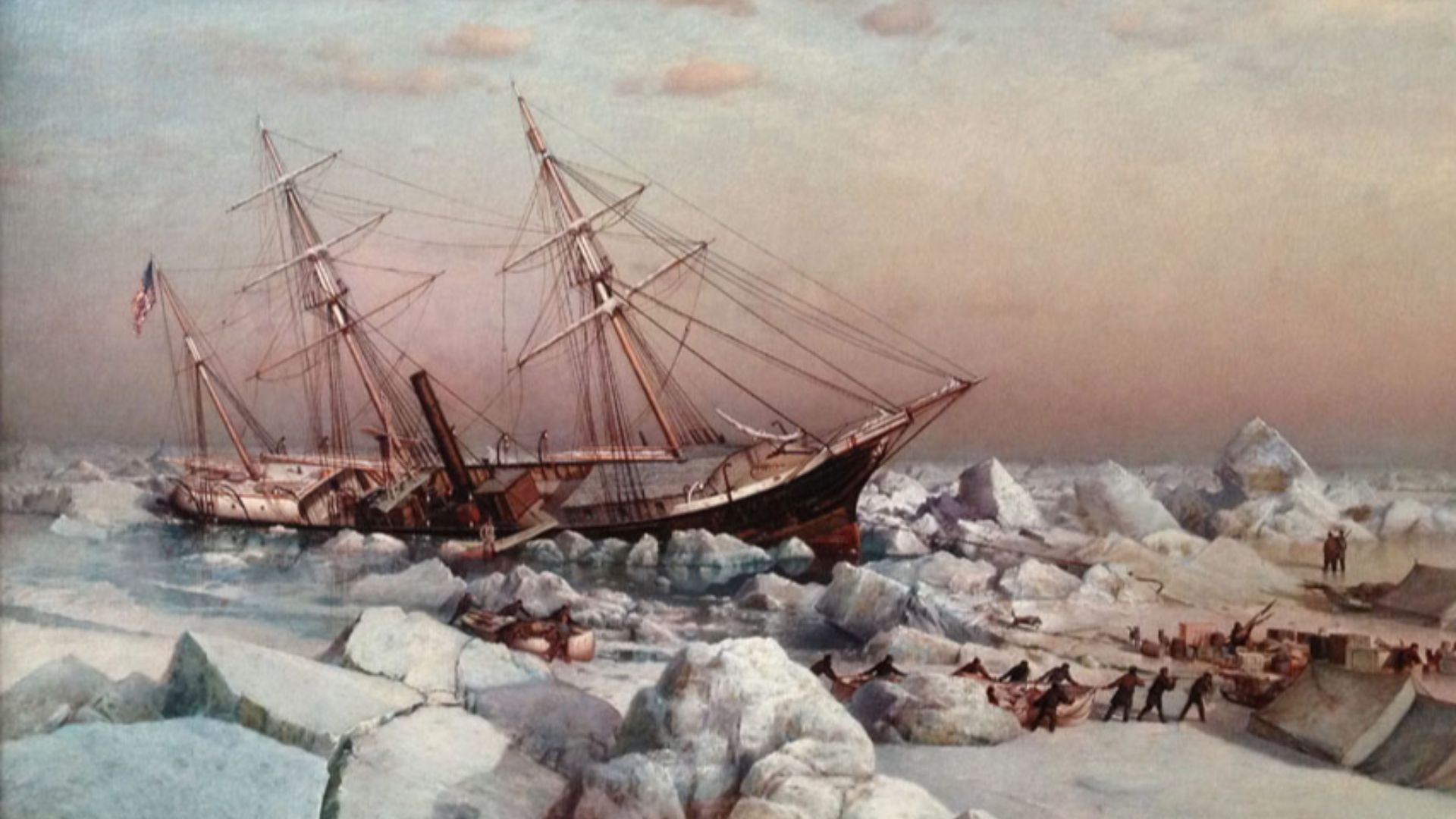
Sir John Franklin set out to find the Northwest Passage, and it became one of polar exploration’s most infamous endings. Both ships were trapped in Arctic ice, and the entire crew of 129 men died. Over time, evidence pointed to a brutal mix of cold, starvation, disease, and desperate measures.
2. Scott’s Terra Nova Expedition (1910–1913)
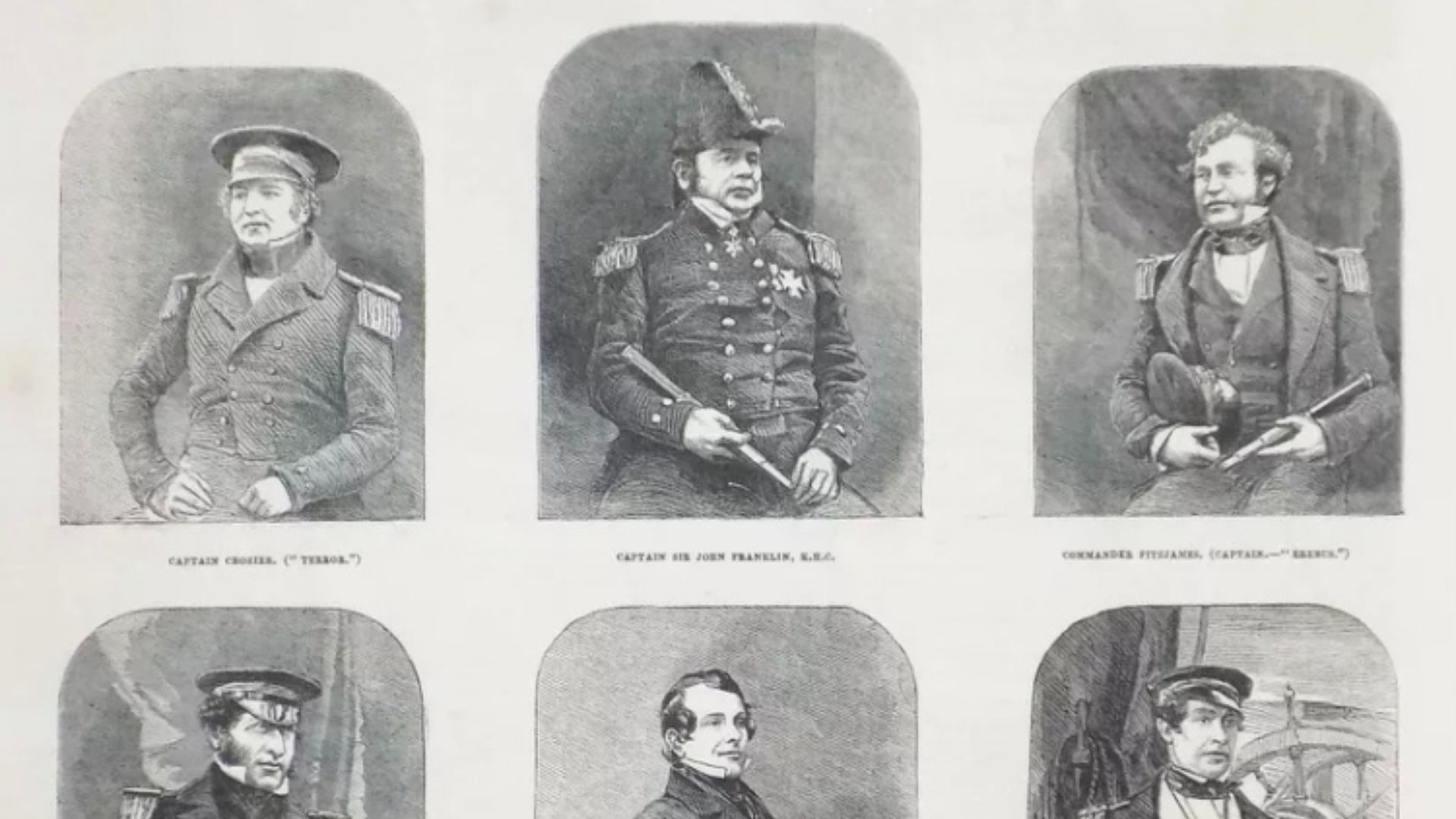
Robert Falcon Scott reached the South Pole in January 1912, only to find Roald Amundsen had beaten him there by weeks. Scott and four companions died on the return journey. The tragedy wasn’t just bad luck; it was a punishing environment plus decisions that didn’t leave much margin for error. The fact that they just missed their goal by a hair makes it even more heartbreaking.
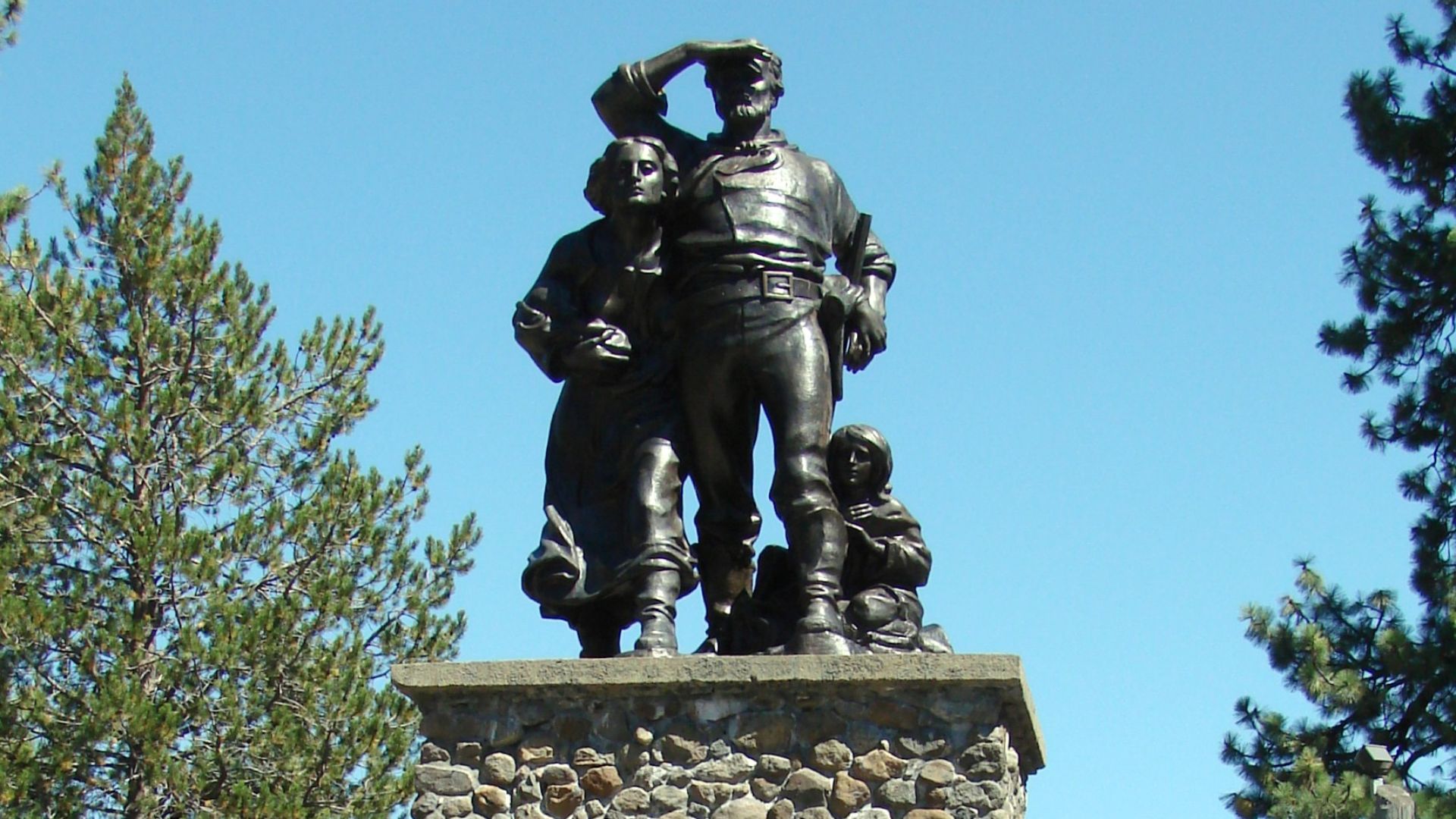
3. The Donner Party (1846–1847)
In one of the most infamous stories of America's western expansion, a wagon train headed for California got trapped by heavy snow in the Sierra Nevada, and the situation turned catastrophic. With food gone and rescue delayed, some survivors reportedly resorted to cannibalism of those already dead. It became a grim symbol of how quickly a “normal” journey can become a survival nightmare.
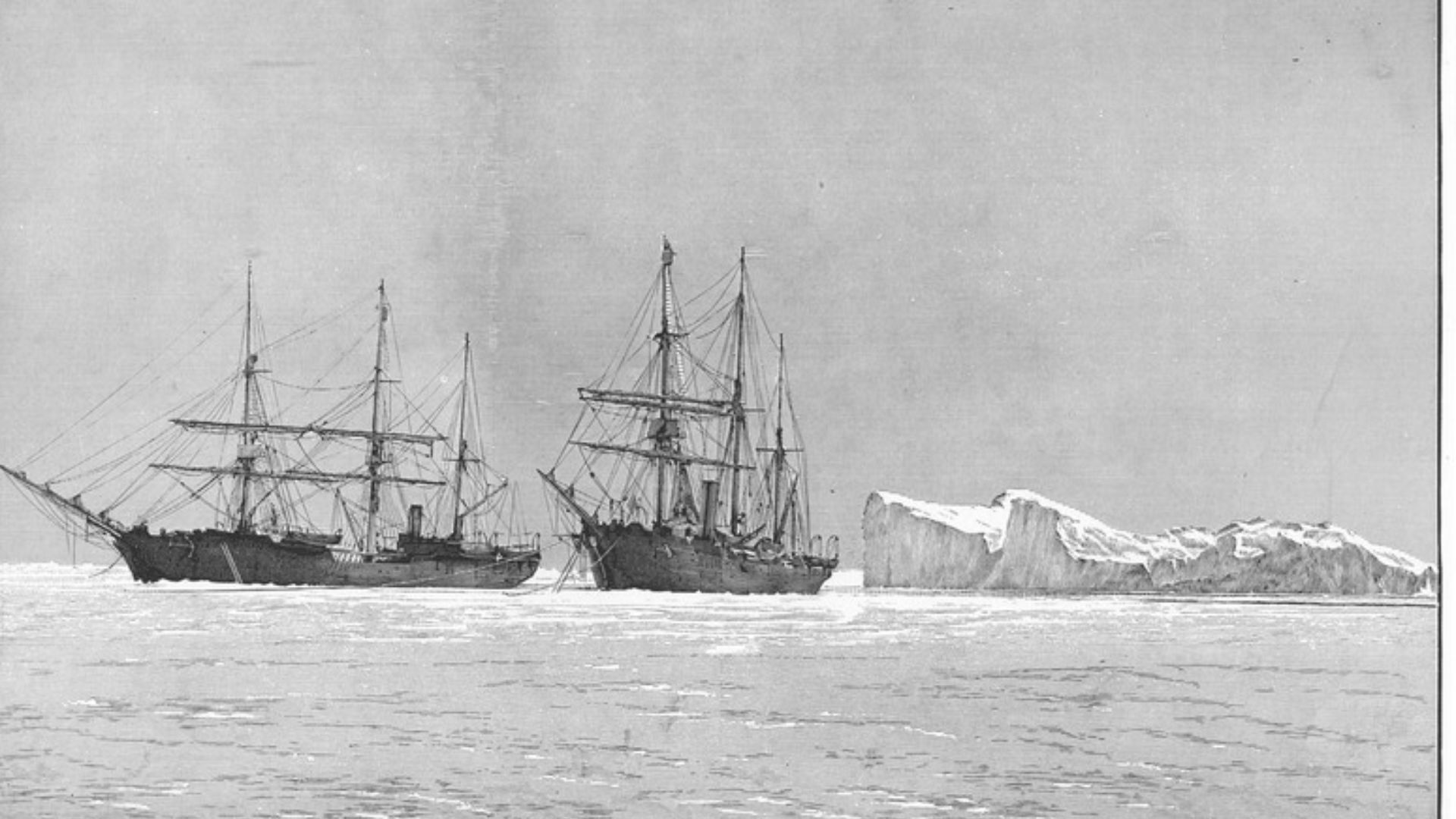
4. The Lady Franklin Bay (Greely) Expedition (1881–1884)
This U.S.-backed Arctic mission aimed to collect scientific data, but supply failures and delays pushed it into a fight for survival. Of the original 25 men, only a small handful made it back alive. The rescue found survivors in horrifying condition after extreme starvation and hardship.
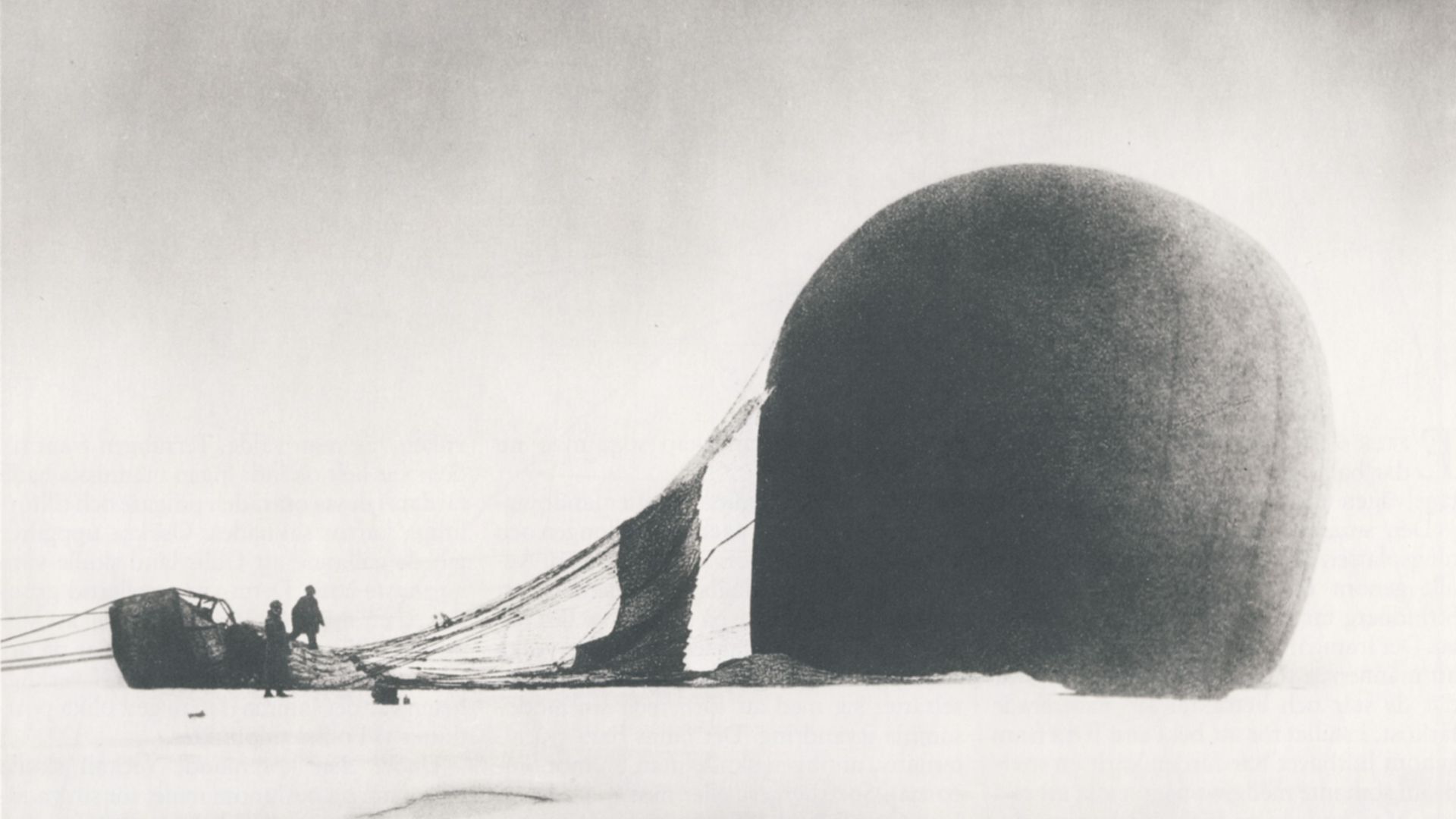
5. Andrée’s Arctic Balloon Expedition (1897)
Salomon August Andrée tried to reach the North Pole by hydrogen balloon, which sounds whimsical until you remember how unforgiving the Arctic is. The balloon came down on the ice, and Andrée and his two teammates ultimately perished.
6. The Burke & Wills Expedition (1860–1861)
This Australian expedition did manage a major geographic feat, reaching the Gulf of Carpentaria, but the return trip turned deadly. Poor planning, supply issues, and harsh conditions contributed to multiple deaths, including leaders Burke and Wills. It's considered a "heroic failure" in that it achieved an important goal, but ended in tragedy.
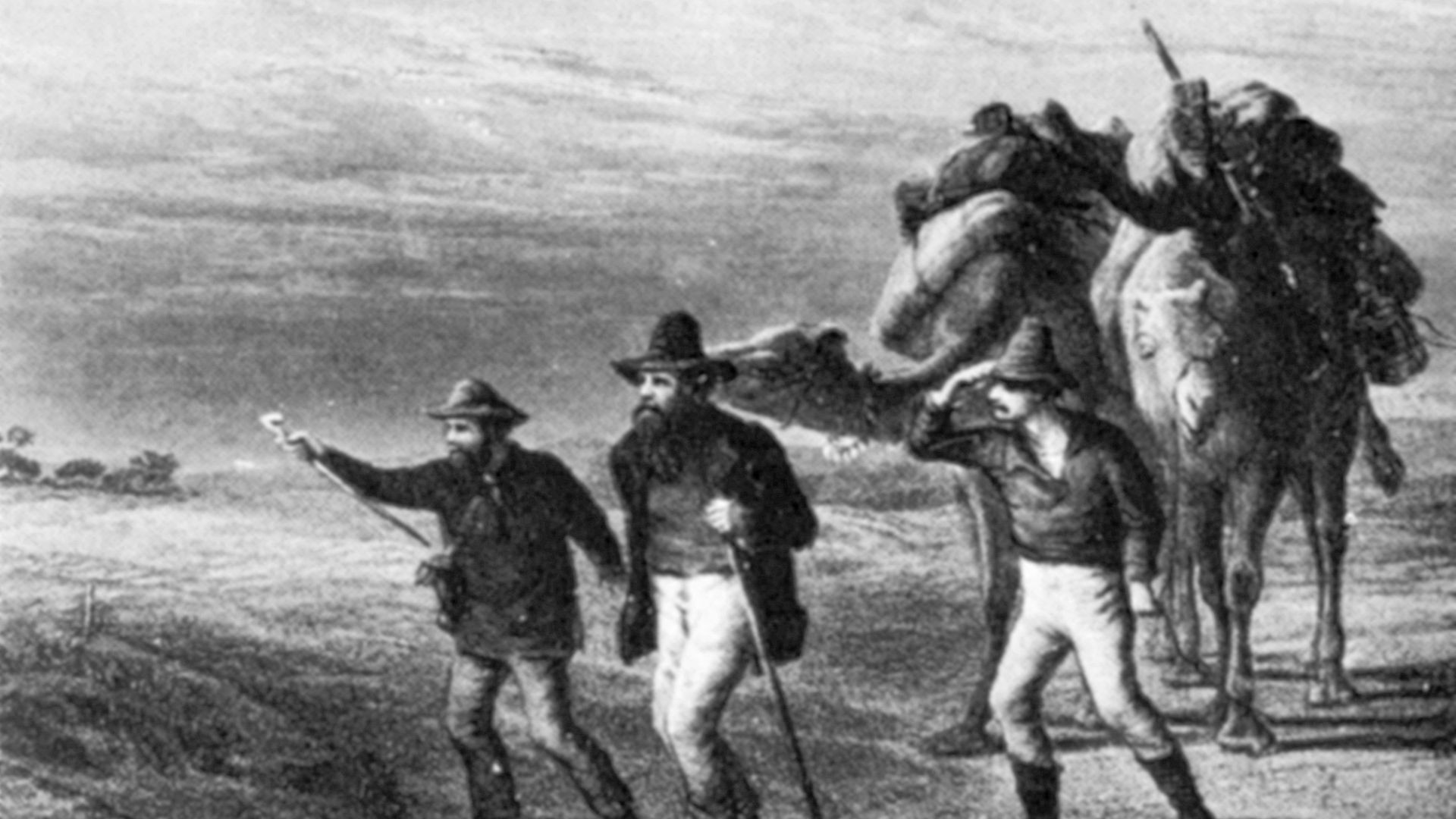 Nicholas Chevalier on Wikimedia
7. The Dyatlov Pass Incident (1959)
Nine experienced Soviet hikers died under mysterious circumstances in the northern Ural Mountains. Their tent was found cut open from the inside, and the scene raised questions that still fuel debates. Later investigations and theories have tried to explain what happened, but the case remains famously unsettling.
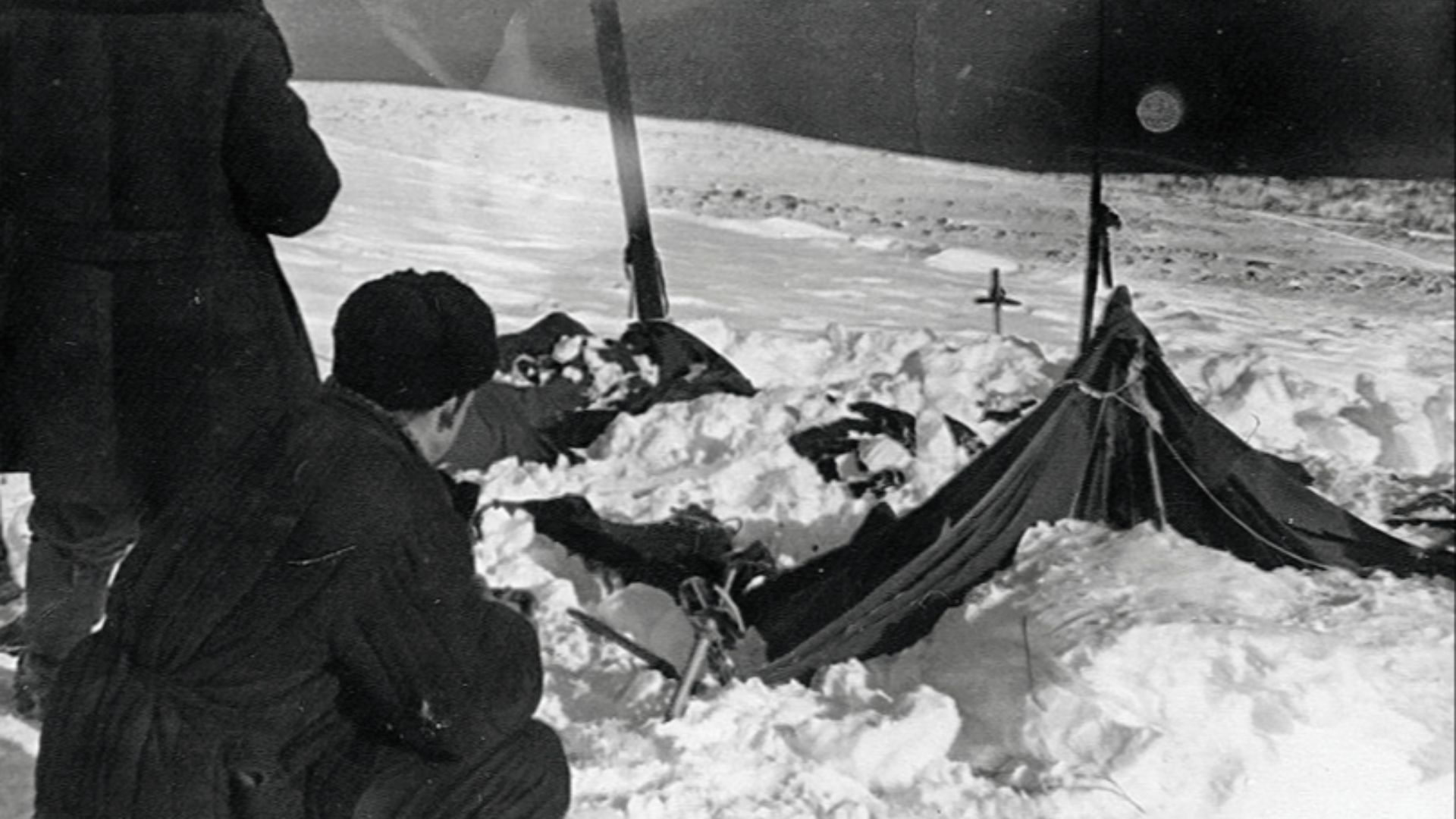 Soviet investigators on Wikimedia
8. The Narváez Expedition (1527–1528)
Spain sent Pánfilo de Narváez to colonize parts of Florida, and the plan unraveled fast. Storms, confusion, and a disastrous decision to split forces left the expedition in chaos. Many died, and only a tiny number ultimately survived the ordeal.
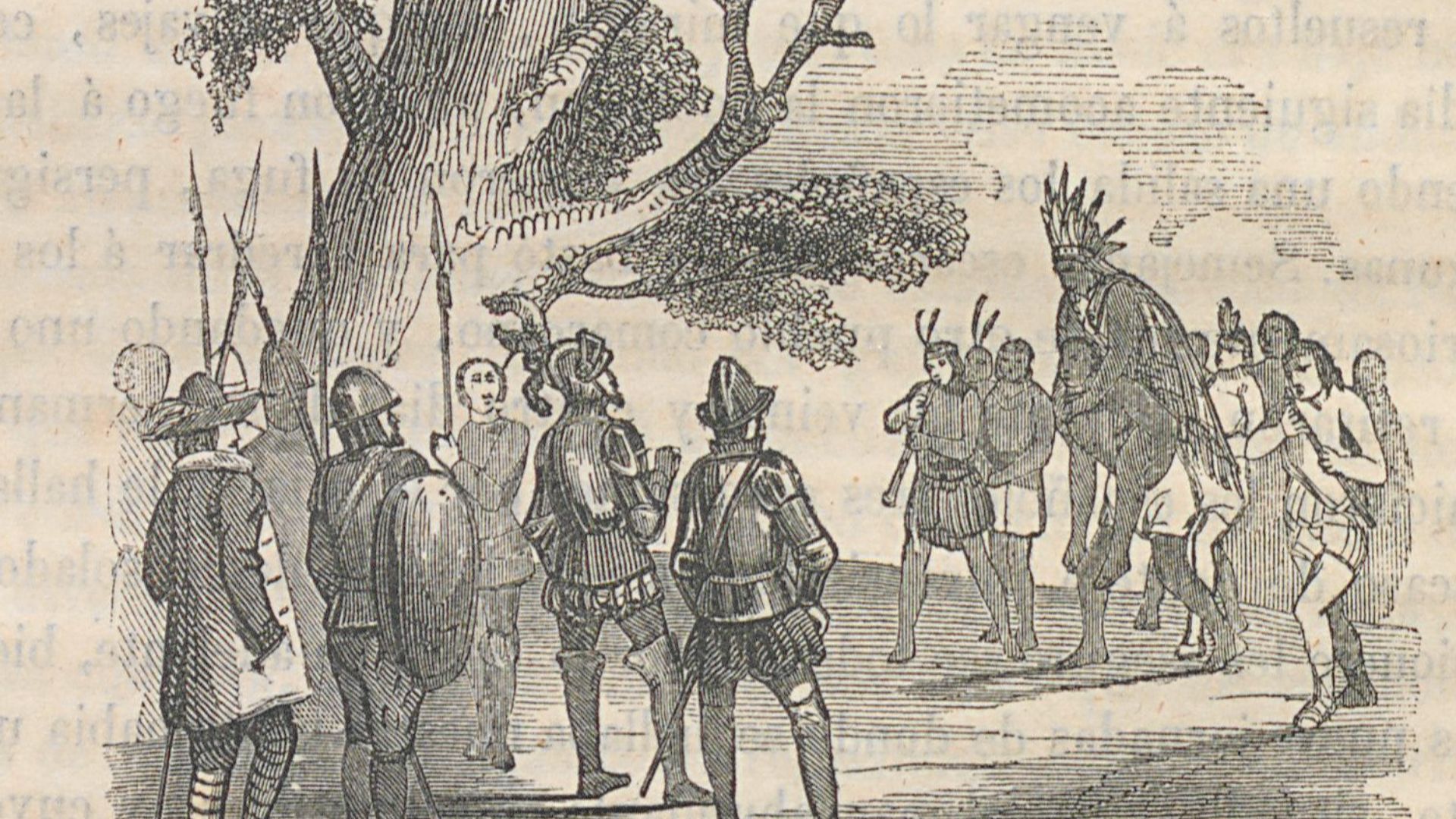 Biblioteca Rector Machado y Nuñez on Wikimedia
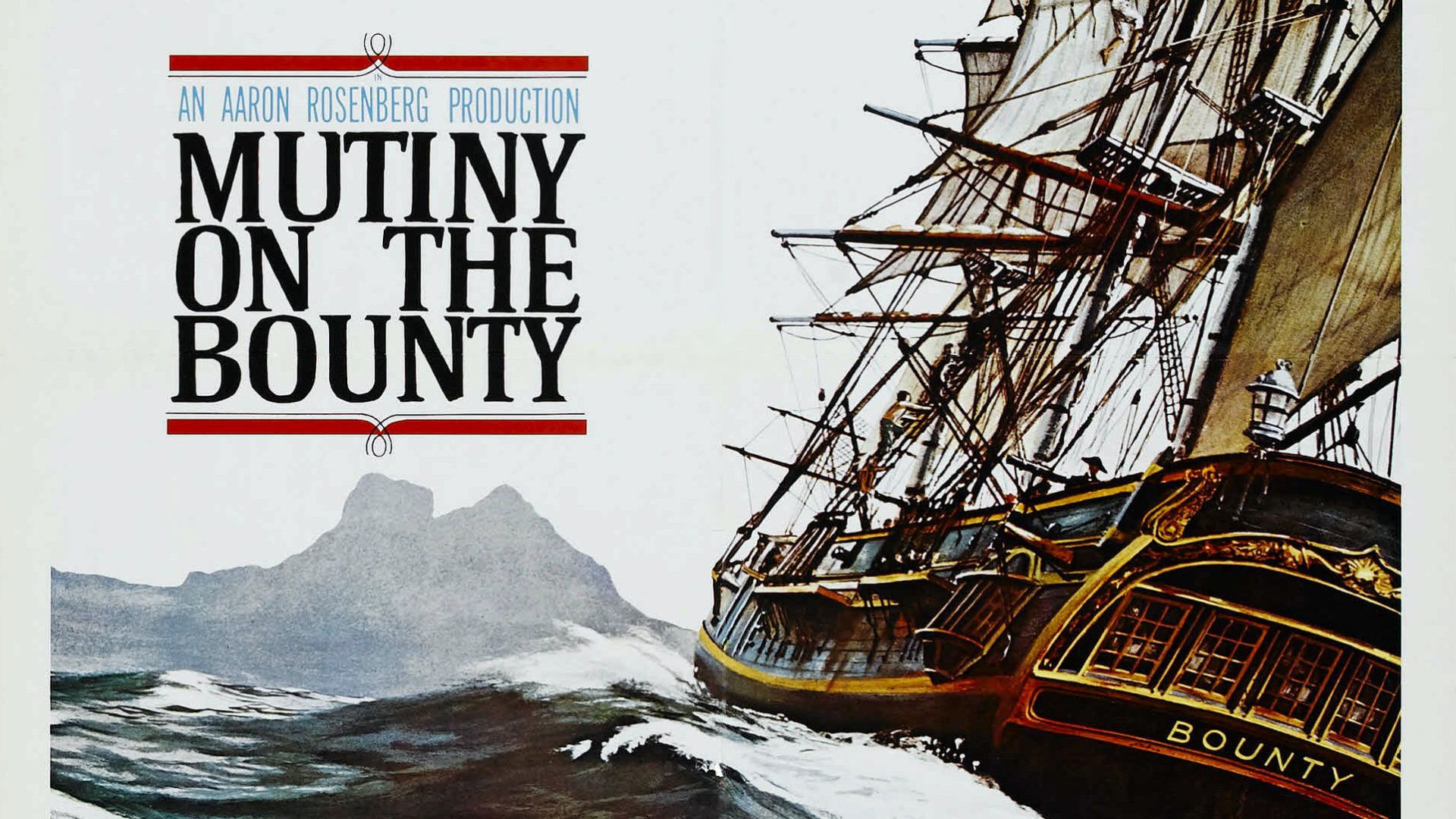
9. The Mutiny on the Bounty (1789)
HMS Bounty wasn’t doomed by weather at first, but by people, which can be even messier. Mutineers seized the ship and set Captain William Bligh and 18 loyalists adrift in a small open launch. Using only a pocket watch and a sextant, he managed to navigate over 3,600 nautical miles to Timor, losing only one man along the way. As extraordinary as this survival story is, the expedition was still a colossal failure.
10. The Jeannette Arctic Expedition (1879–1881)
The U.S. Navy ship USS Jeannette sailed into the Arctic hoping to reach the North Pole via the Bering Strait, but the ice had other plans. After getting trapped for nearly two years, the ship was eventually crushed and sank, forcing the crew onto the drifting ice with limited supplies. Thirteen out of the 33-man crew survived, which is miraculous, but doesn't change the fact that the expedition was a total failure.
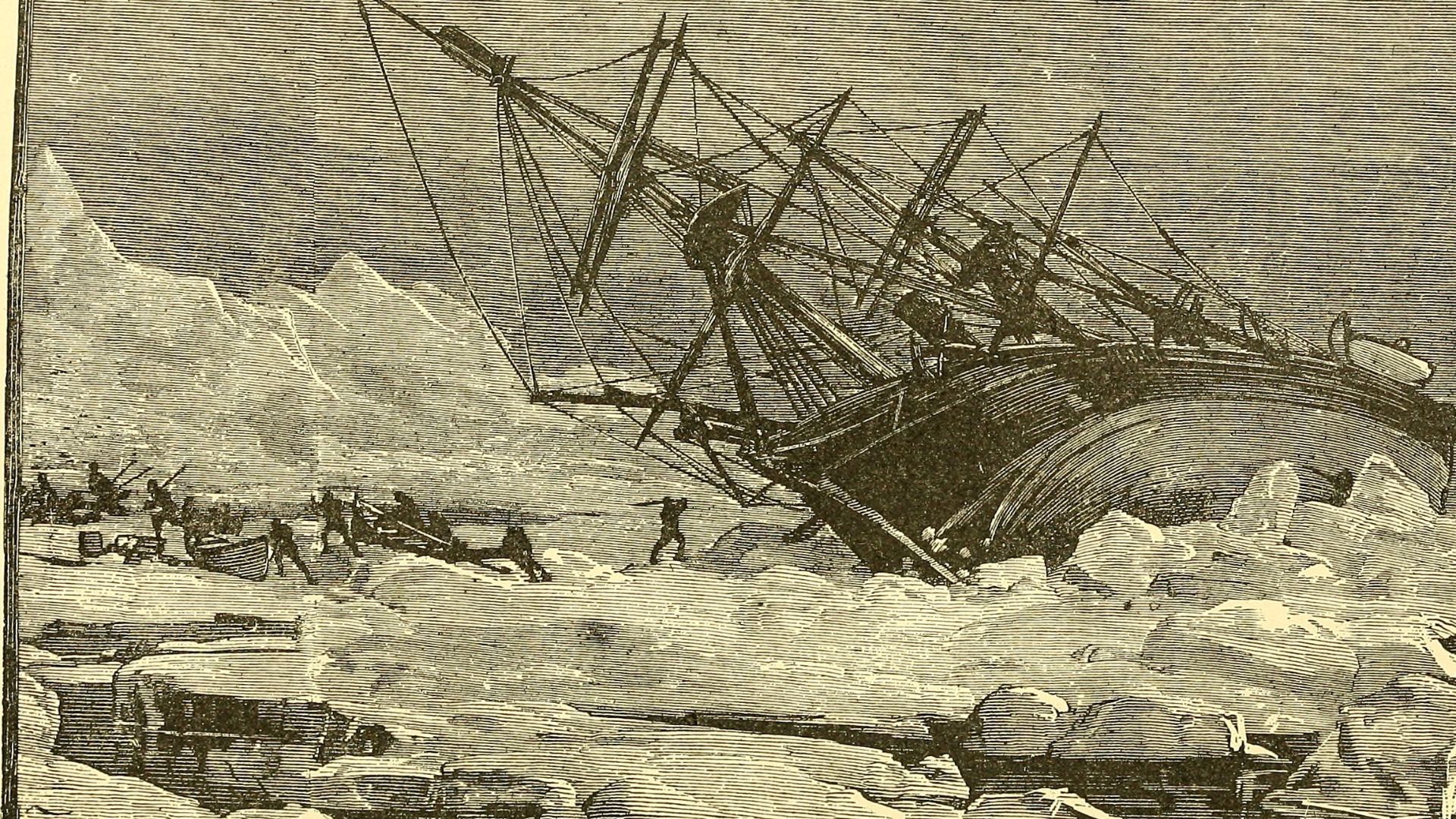 Internet Archive Book Images on Wikimedia
Now that we've discussed 10 of the most disastrous expeditions, let's talk about the ones that were successes.
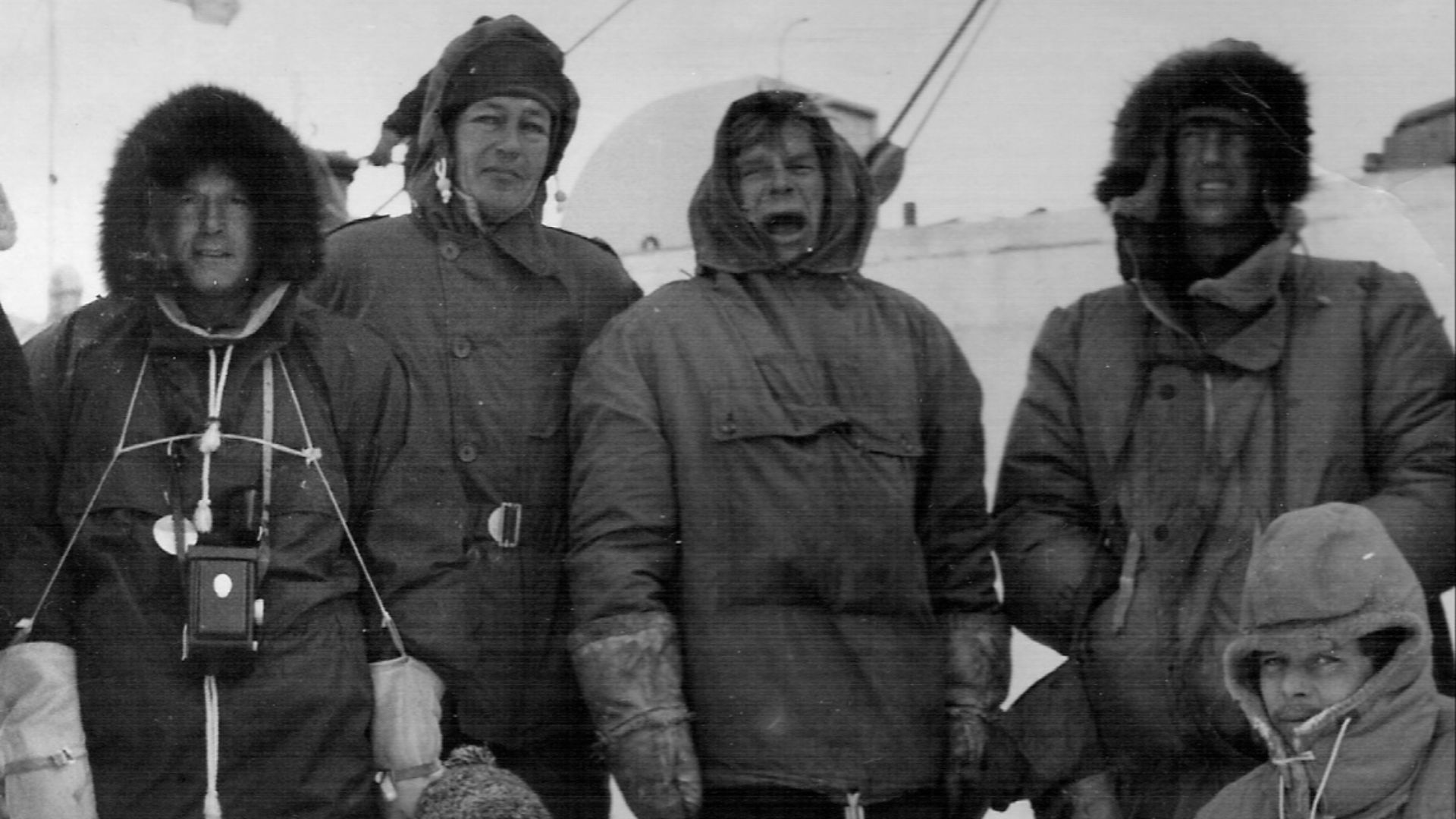
1. The Commonwealth Trans-Antarctic Expedition (1955–1958)
This expedition set out to complete the first overland crossing of Antarctica, traveling from the Weddell Sea to the Ross Sea via the South Pole, and it actually pulled it off. The crossing party reached Scott Base on March 2, 1958, completing the goal in 99 days of overland travel.
 Gabriella Bullock on Wikimedia
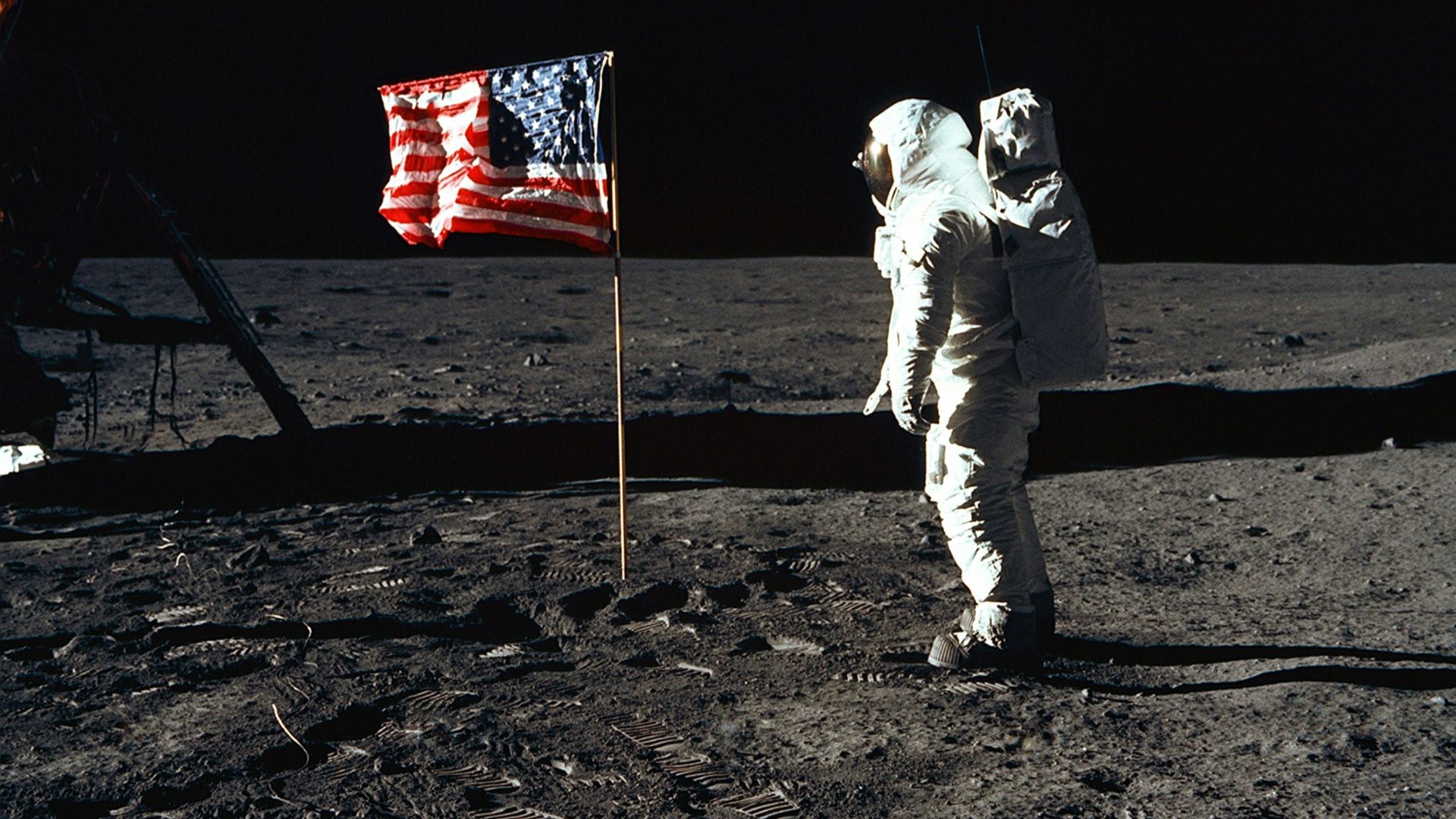
2. Apollo 11 (1969)
Apollo 11 pulled off the first crewed Moon landing and returned the astronauts safely to Earth. The mission’s success depended on thousands of details lining up, plus calm problem-solving when things got tense. It truly was a "giant leap for mankind."
3. The Lewis & Clark Expedition (1804–1806)
Lewis and Clark reached the Pacific Ocean, returned, and brought back major geographic knowledge that reshaped U.S. understanding of the West. Their work produced maps and documentation that influenced exploration and land claims for decades. The trip wasn’t easy, but it did what it set out to do and then some.

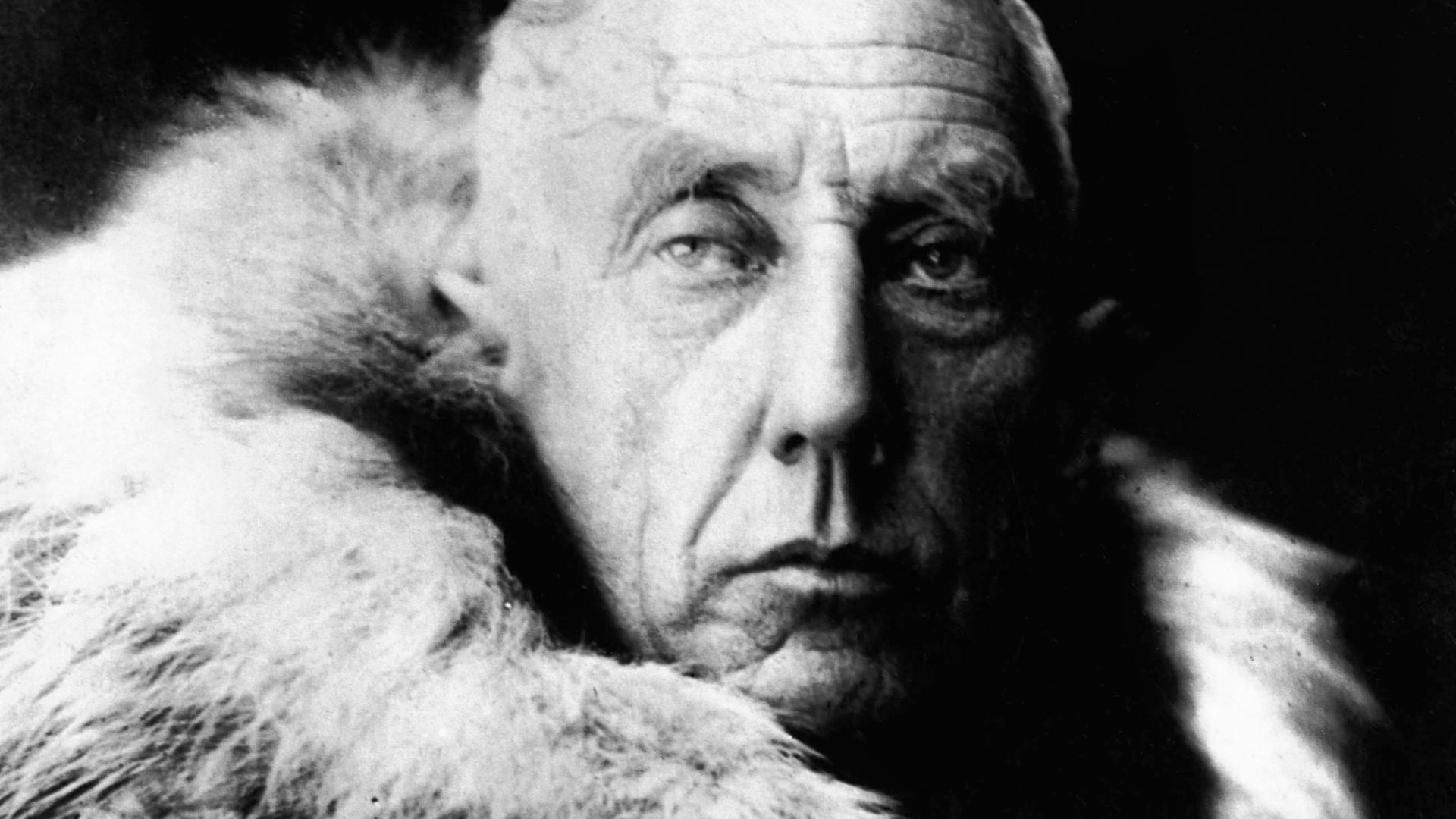
4. Amundsen Reaches the South Pole (1911)
Roald Amundsen and his team became the first to reach the geographic South Pole on December 14, 1911. What's more, they returned safely, which sadly can't be said for so many polar expeditions. Logistics, clothing choices, and dogs gave them a serious edge.
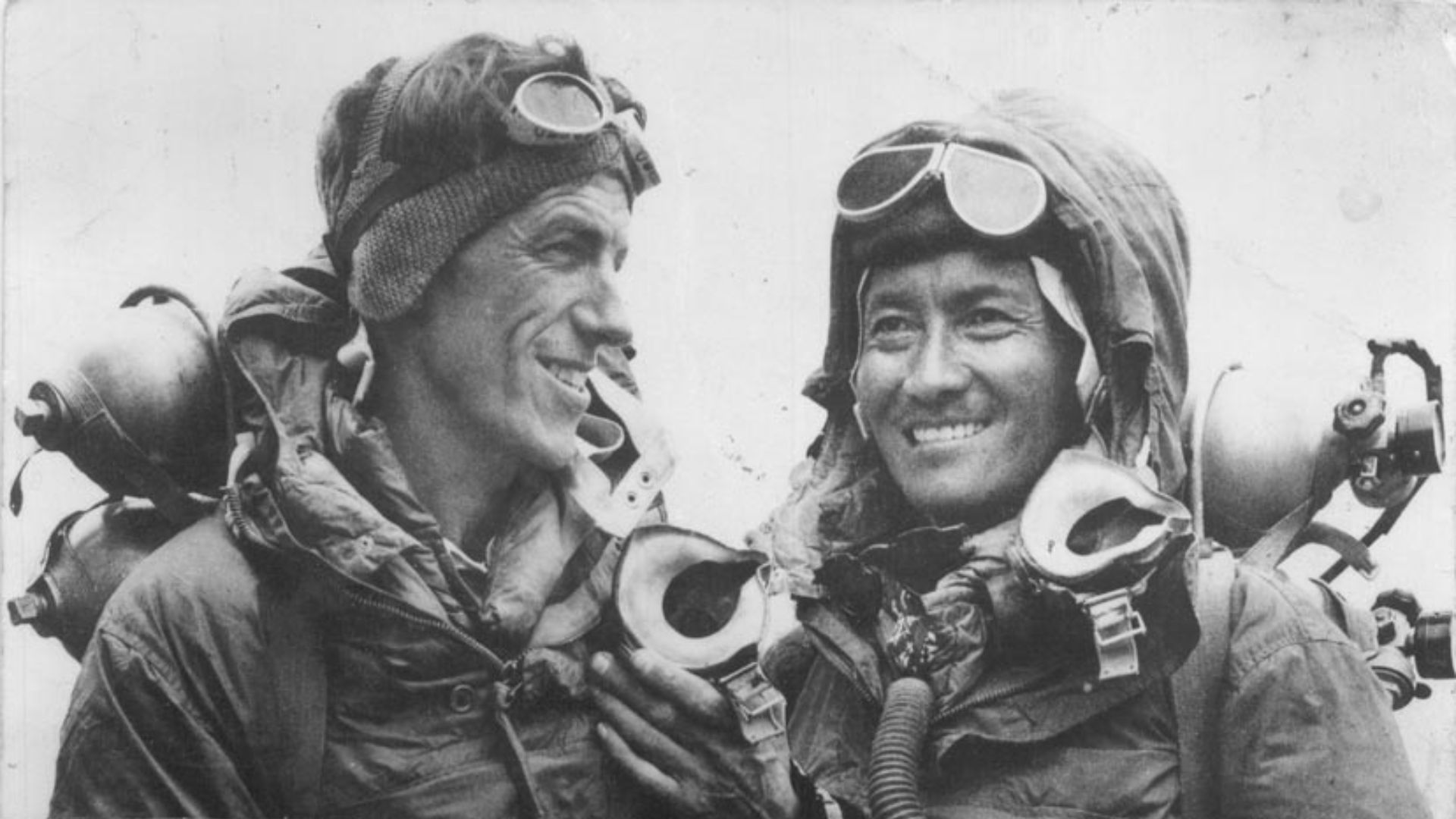
5. First Confirmed Everest Summit (1953)
The 1953 British expedition succeeded when Edmund Hillary and Tenzing Norgay reached Everest’s summit on May 29, 1953, becoming the first known humans to stand on the highest point on Earth. That climb became a global headline for a reason: altitude, weather, and risk were all working against them. The team effort behind the scenes was huge.
 Jamling Tenzing Norgay on Wikimedia
6. Darwin’s Voyage on HMS Beagle (1831–1836)
The Beagle voyage wasn’t about planting a flag, but it reshaped science in a way that still echoes today. Charles Darwin’s observations and specimens from the trip became foundational for his later work on evolution by natural selection. It’s the rare expedition where the takeaway was a whole new framework for understanding life on Earth.

7. The Kon-Tiki Expedition (1947)
Thor Heyerdahl and his small crew sailed a balsa-wood raft from Peru across the Pacific and made landfall in Polynesia after 101 days. This was to prove his controversial and generally rejected theory that Polynesians originated from South America, not Asia. Putting this aside, his team did successfully cross in the raft, which is pretty extraordinary.
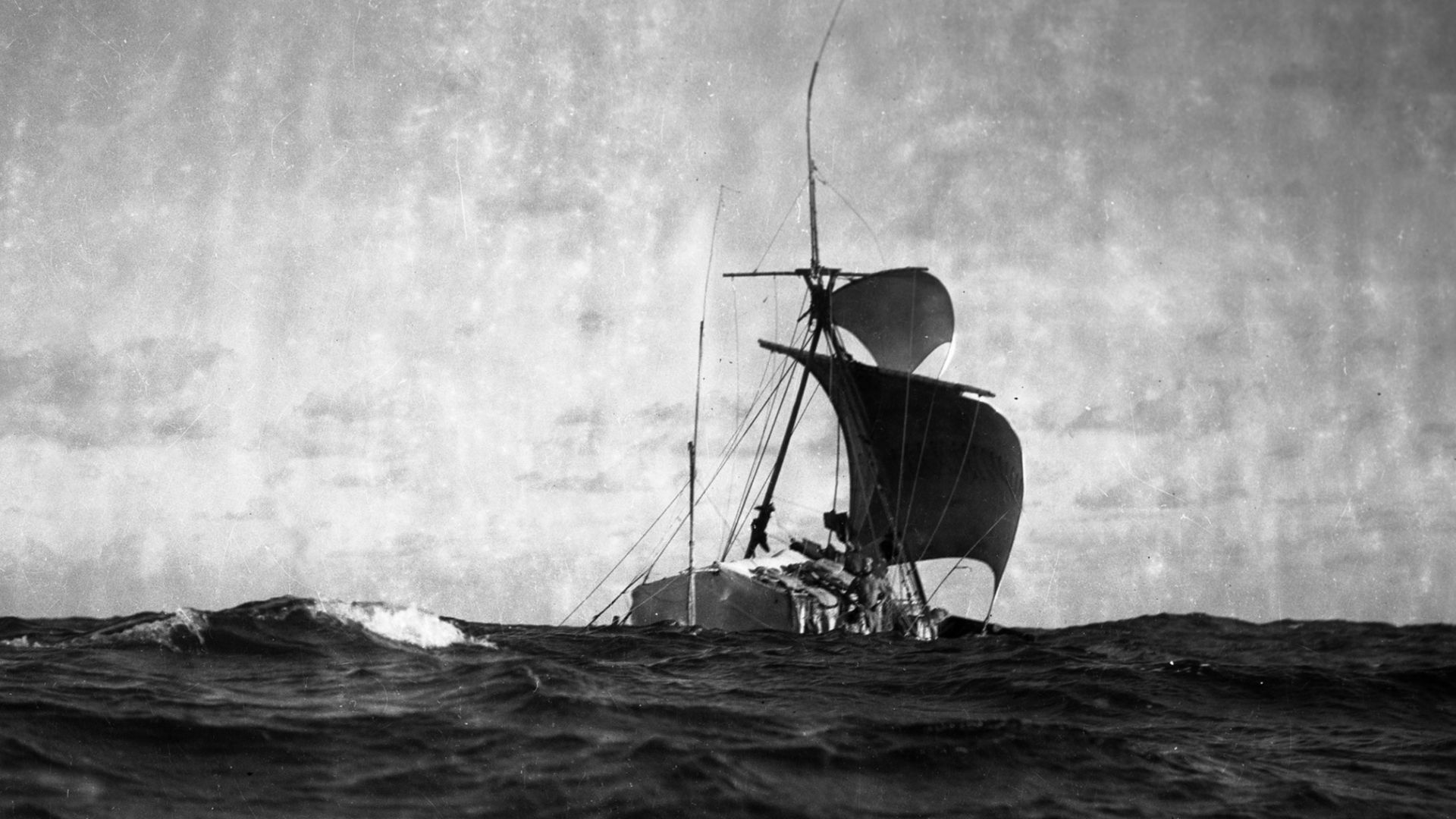 Kon-Tiki Museet - link on Wikimedia
8. Nansen’s Fram Drift Expedition (1893–1896)
Fridtjof Nansen tried to use Arctic currents to drift toward the North Pole, and the expedition produced major scientific results even without reaching the pole itself. The journey helped confirm oceanographic and drift patterns and gathered valuable data from the central Arctic. The ship Fram survived intense pressure from pack ice, which was an impressive engineering feat in itself.

9. Voyager 1’s Grand Tour of the Outer Planets (1977–1981 and beyond)
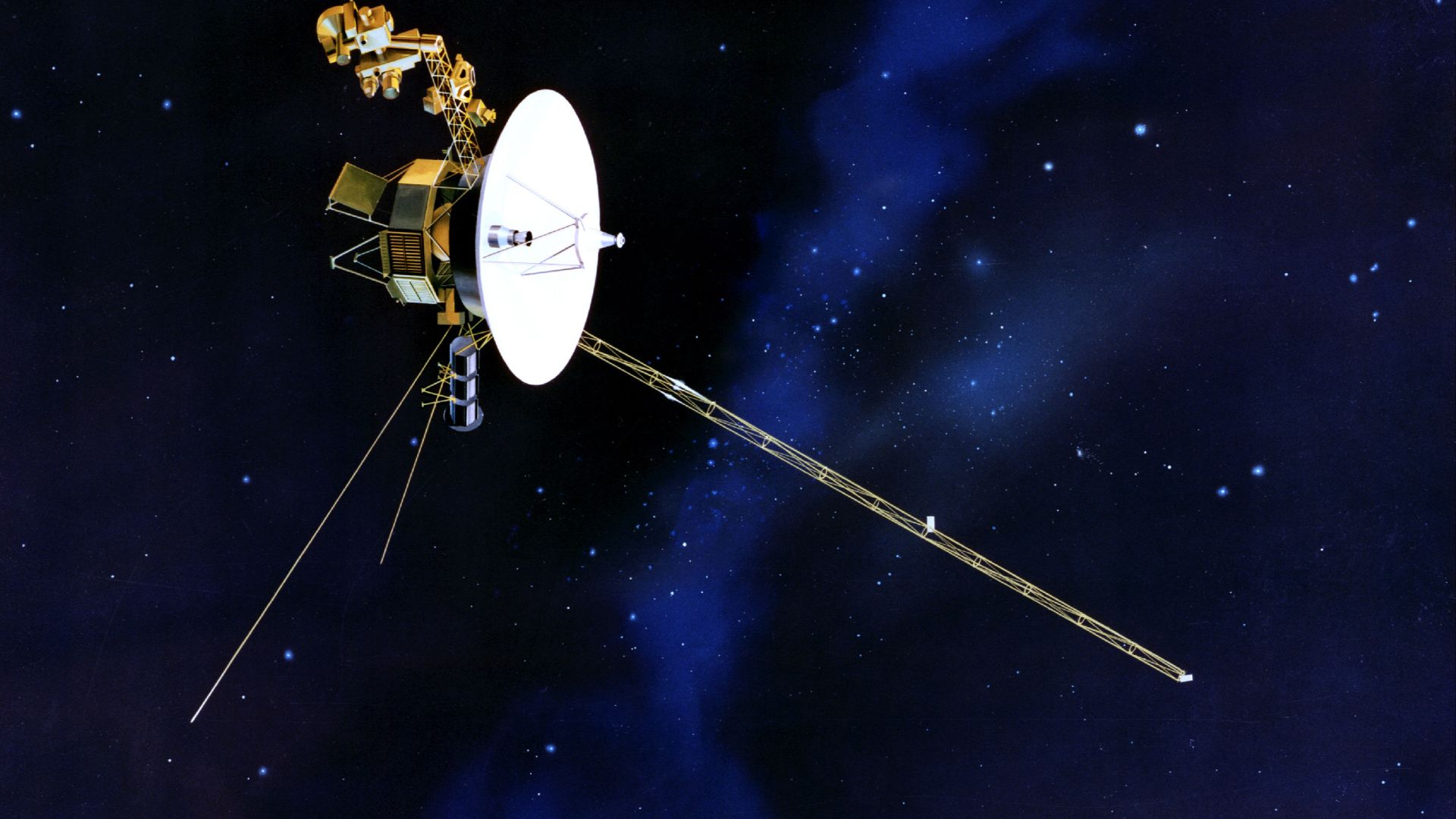
Voyager 1 launched to explore the outer solar system, and it delivered a string of wins that kept getting bigger. It returned landmark close-up data from Jupiter and Saturn, including details on atmospheres, rings, and moons that reshaped what scientists thought they knew. Instead of ending there, it kept going and later became the first spacecraft to enter interstellar space. It continues to send back data today and is the most distant human-made object from Earth.
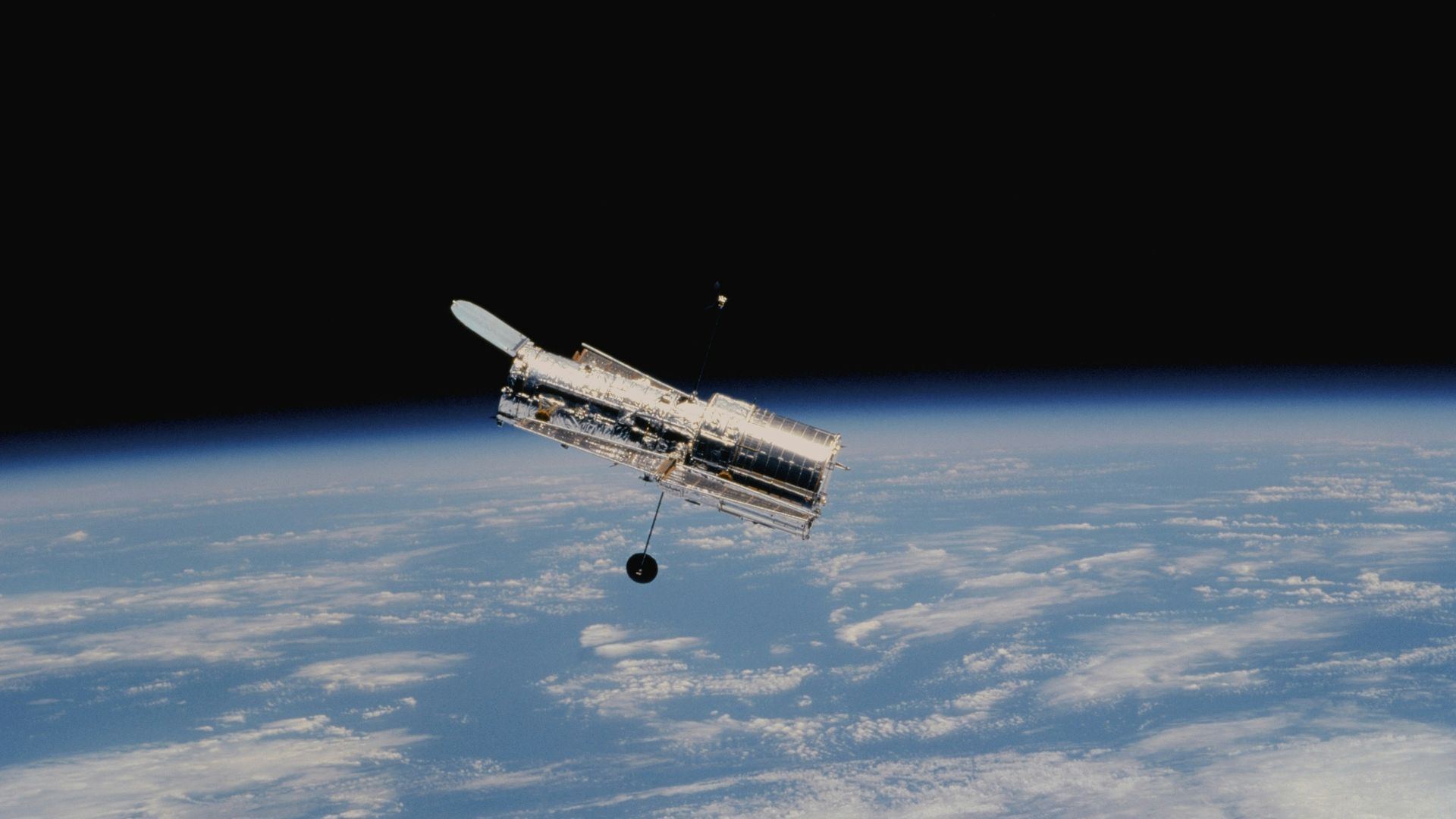
10. Hubble Servicing Mission 1 (STS-61, 1993)
Hubble’s early vision problems could’ve turned it into an expensive disappointment, but astronauts fixed the issue in orbit. Servicing Mission 1 installed corrective optics and upgrades that restored the telescope’s performance. It’s one of the best examples of “we can repair this,” actually working at the highest possible difficulty level. Hubble went on to deliver the kind of images that make you stop scrolling.
KEEP ON READING

10 Greatest Quarterbacks Of All Time & 10 That Are…
Do You Disagree?. Few topics in sports generate as much…
By Farva Ivkovic Dec 2, 2025
The story of Ching Shih, the Woman Who Became the…
Unknown author on WikimediaFew figures in history are as feared…
By Emilie Richardson-Dupuis Dec 29, 2025
20 Shakespearean Words, Translated For A Modern Audience
What’s In A Word?. Shakespeare was a wordsmith of the…
By Breanna Schnurr Dec 17, 2025
20 Inspiring Stories From Native American History
Incredible Stories Of Resilience And Endurance. Many of us didn't…
By Ashley Bast Dec 17, 2025
You Think You Have Problems? These Royal Families Were Cursed
Boasson and Eggler St. Petersburg Nevsky 24. on WikimediaHeavy is…
By Ashley Bast Dec 5, 2025
MH370: The Plane That Can't Be Found
Anna Zvereva from Tallinn, Estonia on WikimediaEleven years after Malaysia…
By Christy Chan Dec 10, 2025