The Origin Story of the FIFA World Cup & How It Changed More Than Just Sports
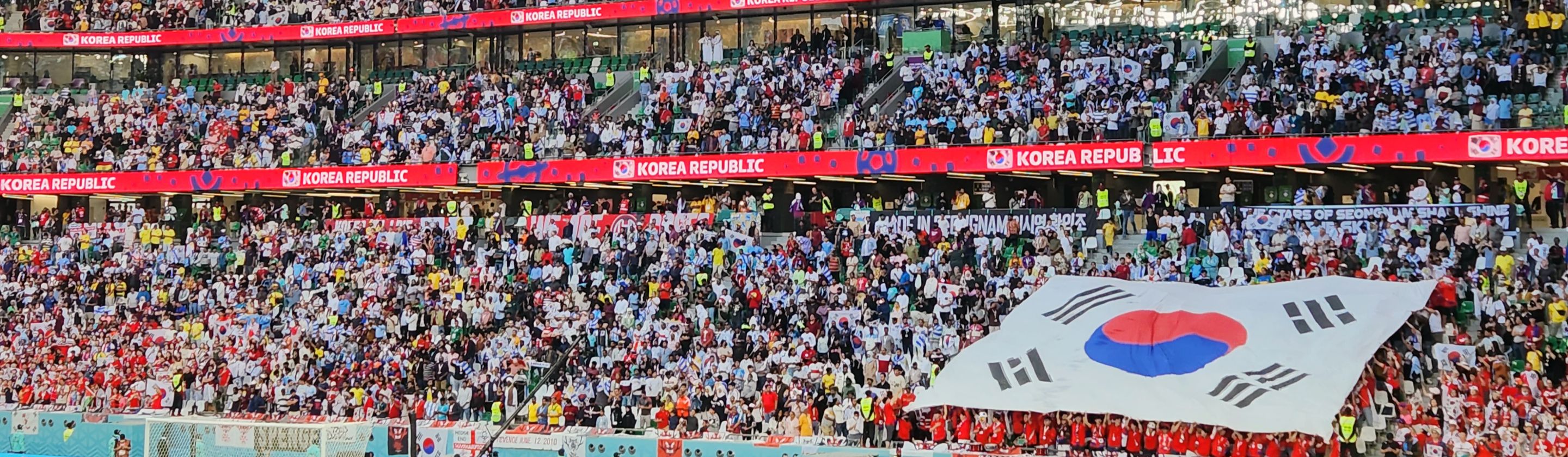
The FIFA World Cup feels inevitable now, as if the world was always destined to stop every four years and argue passionately about lineups, penalties, and whether the referee needs stronger glasses. It’s the biggest event in soccer, but it’s also much more than a tournament. It turns countries into temporary neighbors, rivals into headline stories, and players into national symbols. For a few weeks, the sport becomes a shared global language, even when everyone is shouting in different ones.
Before the World Cup existed, international soccer was mostly tied to the Olympic Games, where amateur rules and organizational limits made it hard for the sport to grow on its own terms. FIFA wanted a competition that belonged fully to soccer and could include the best national teams without Olympic restrictions. What began as a risky idea in the late 1920s became one of the most influential cultural events on Earth.
The World Cup Was Born From a Big Soccer Ambition
FIFA was founded in 1904, but it took years before the organization had the power, confidence, and timing to create its own worldwide tournament. Soccer played at the Olympics had already helped prove that international matches could capture attention. Still, Olympic soccer wasn't enough for leaders who wanted the sport to have a world championship of its own. The idea needed someone stubborn enough to push it from dream to reality.
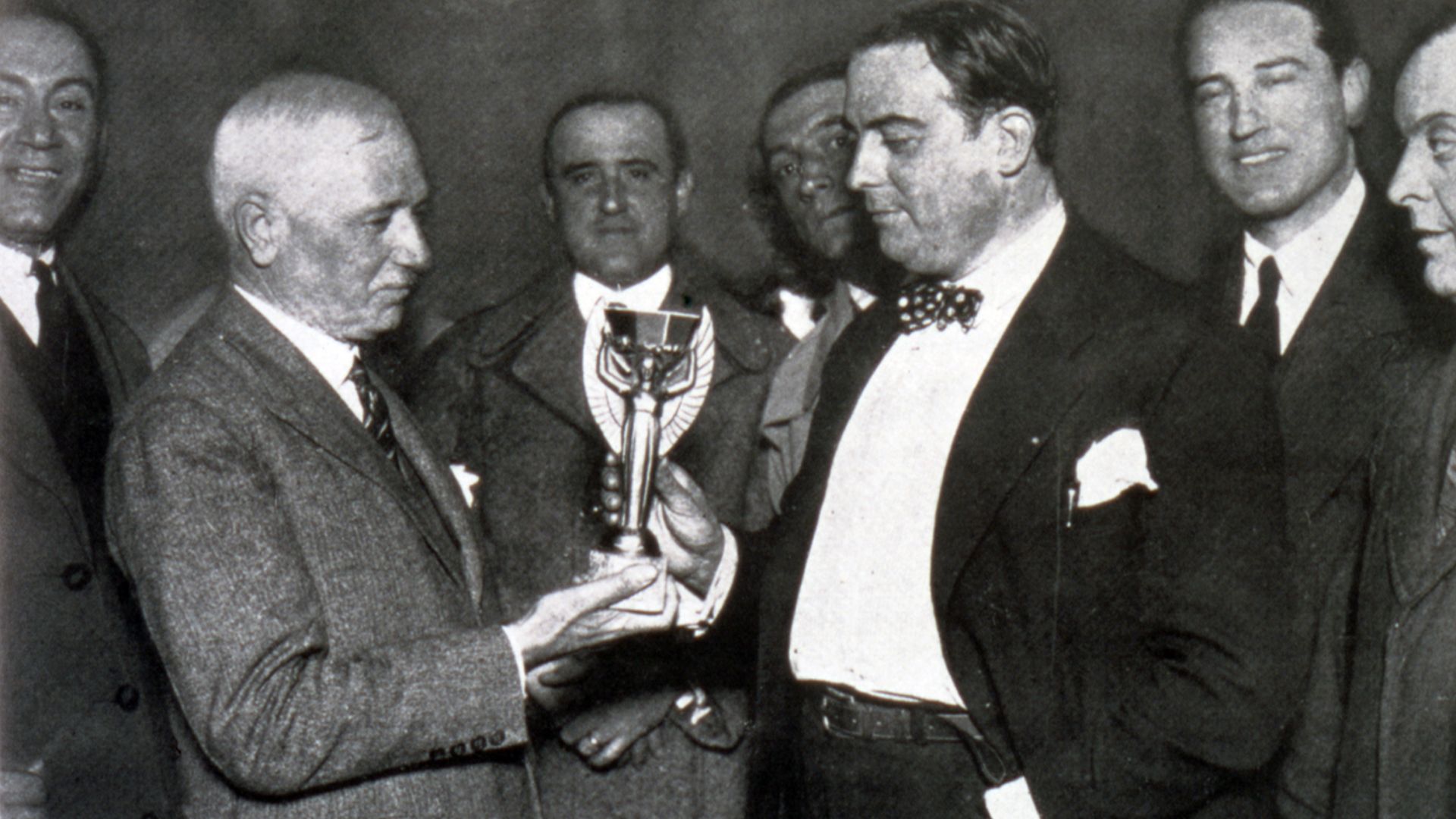
That person was Jules Rimet, FIFA’s president from 1921 to 1954 and the figure most closely associated with the World Cup’s birth. Rimet believed soccer could connect nations through competition, even if the real world wasn't always feeling especially friendly. After World War I, that idea had emotional weight. A global soccer tournament sounded idealistic, ambitious, and slightly impractical, which is often how big sports traditions begin.
In 1928, FIFA voted to create its own international championship, separate from the Olympics. Uruguay was chosen to host the first tournament in 1930, partly because it had won Olympic soccer gold in 1924 and 1928 and was celebrating the centennial of its first constitution. That made Uruguay a fitting host, though not necessarily a convenient one for everyone. For European teams, traveling across the Atlantic during the Great Depression was expensive, slow, and not exactly a casual weekend plan.
The First Tournament Was Small but Symbolic
The 1930 World Cup looked tiny compared with the modern version. Only 13 teams took part, with most coming from the Americas and just a handful making the long trip from Europe. All the matches were played in Montevideo, Uruguay, and was less a polished global machine and more an experiment with very high hopes.
Travel itself became part of the story. European teams crossed the ocean by ship, and Jules Rimet reportedly traveled with them, along with the trophy. That detail gives the first tournament a slightly charming, slightly chaotic feeling compared with today’s private jets, broadcast deals, and giant sponsor displays.
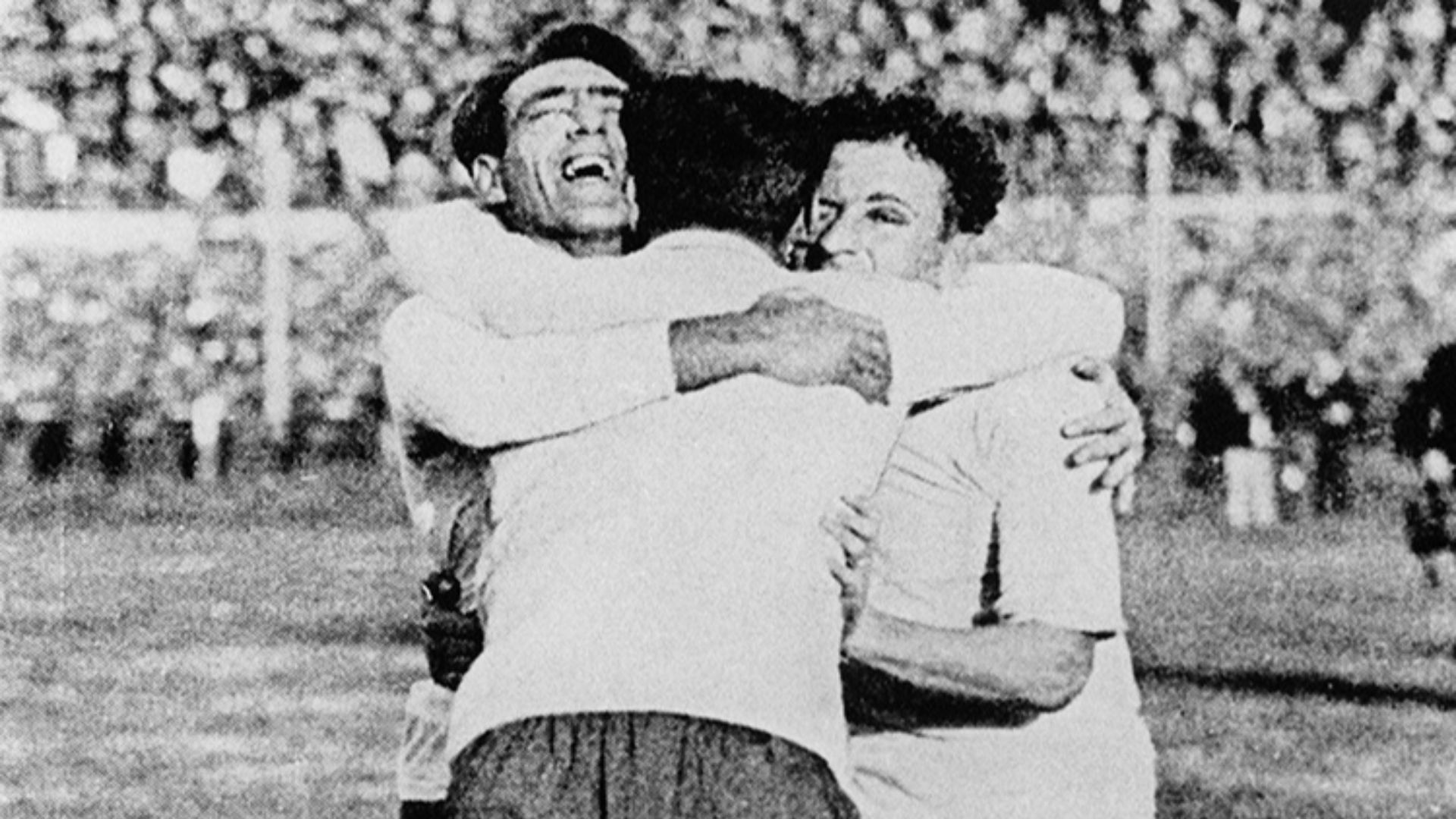
Uruguay won the tournament by beating Argentina in the final, creating immediate drama and regional pride. The match took place in the newly built Estadio Centenario, a stadium designed to celebrate both the tournament and Uruguay’s national milestone. The victory gave the World Cup its first host-nation fairy tale and helped prove the competition could produce emotion far beyond ordinary matches. FIFA’s experiment had worked, even if it was still far from truly global.
It Changed National Identity & Global Attention
The World Cup quickly became more than a sporting contest because national teams carry emotional meaning that club teams usually can’t match. When a country plays, fans often see language, history, pride, politics, and belonging all wrapped into the jersey.
A win can feel like international recognition, while a loss can feel unfairly personal. That’s why people who barely follow soccer during the rest of the year suddenly care deeply when their country is involved.
The tournament also gave smaller or less globally powerful nations a rare chance to command attention. On the field, a country didn't need the largest economy or military to matter. Upsets became part of the tournament’s magic because they challenged assumptions about power and prestige. The World Cup made it possible for a nation’s image to shift through sport, sometimes with one unforgettable match.
Politics has never stayed far away from the event either. Governments have used the World Cup to project strength, unity, modernity, or national pride. Hosting can become a massive statement, while boycotts, protests, and controversies show how deeply the tournament intersects with global issues. FIFA may prefer to talk about football, but the world keeps bringing politics to the stadium.
The World Cup Built a Global Cultural Stage
As broadcasting grew, the World Cup became a shared media event on a scale few competitions could match. Radio, television, satellite coverage, and later streaming turned the tournament into something billions of people could experience together. Players became international celebrities, and moments from a single match could become part of global memory.
The sport didn’t just cross borders; it entered living rooms, bars, public squares, and schoolyards.
The tournament also changed how countries imagined soccer development. Nations invested in youth systems, stadiums, coaching, and professional leagues partly because World Cup success became so valuable. Qualifying for the tournament could boost national pride, while hosting it could reshape infrastructure and tourism. Not every promise around hosting has aged well, but the World Cup undeniably changed how governments and federations thought about sport.
Today’s World Cup is bigger, richer, more commercial, and far more complicated than the 1930 tournament. It has expanded across continents, created legends, sparked scandals, and given fans some of the most emotional moments in sports history.