20 Royal Women Who Had To Give Birth In Front Of Strangers
When The Delivery Room Was A State Occasion
Giving birth was hard enough without half the royal court watching. But a baby who might one day inherit a throne came with questions, and courts wanted witnesses who could swear the child hadn't been switched. The mother rarely got to choose who stood around her bed, and the custom stuck around for roughly two centuries after its original purpose had faded. Here are 20 royal women who gave birth with an audience, and a few who did their best to avoid one.
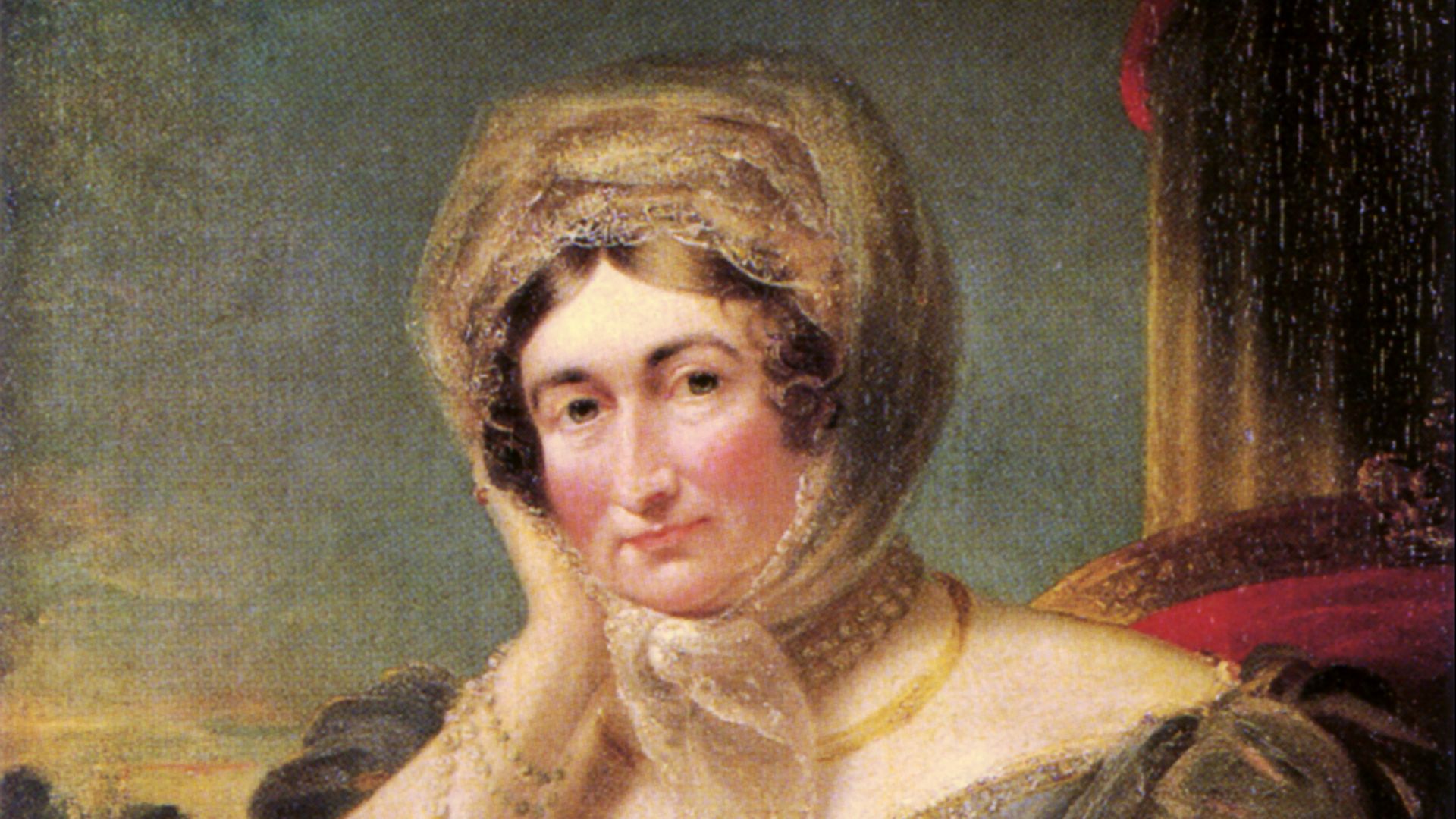
1. Maria Theresa Of Spain Nearly Died In Front Of The Court
Maria Theresa went into labor with the Grand Dauphin on 31 October 1661, and the court was notified so the ranking members could assemble. Her bedchamber filled with everyone high enough on the ladder to serve as a witness. For hours nobody knew whether she would live, and Louis stayed until five in the morning, when he was told she might not.
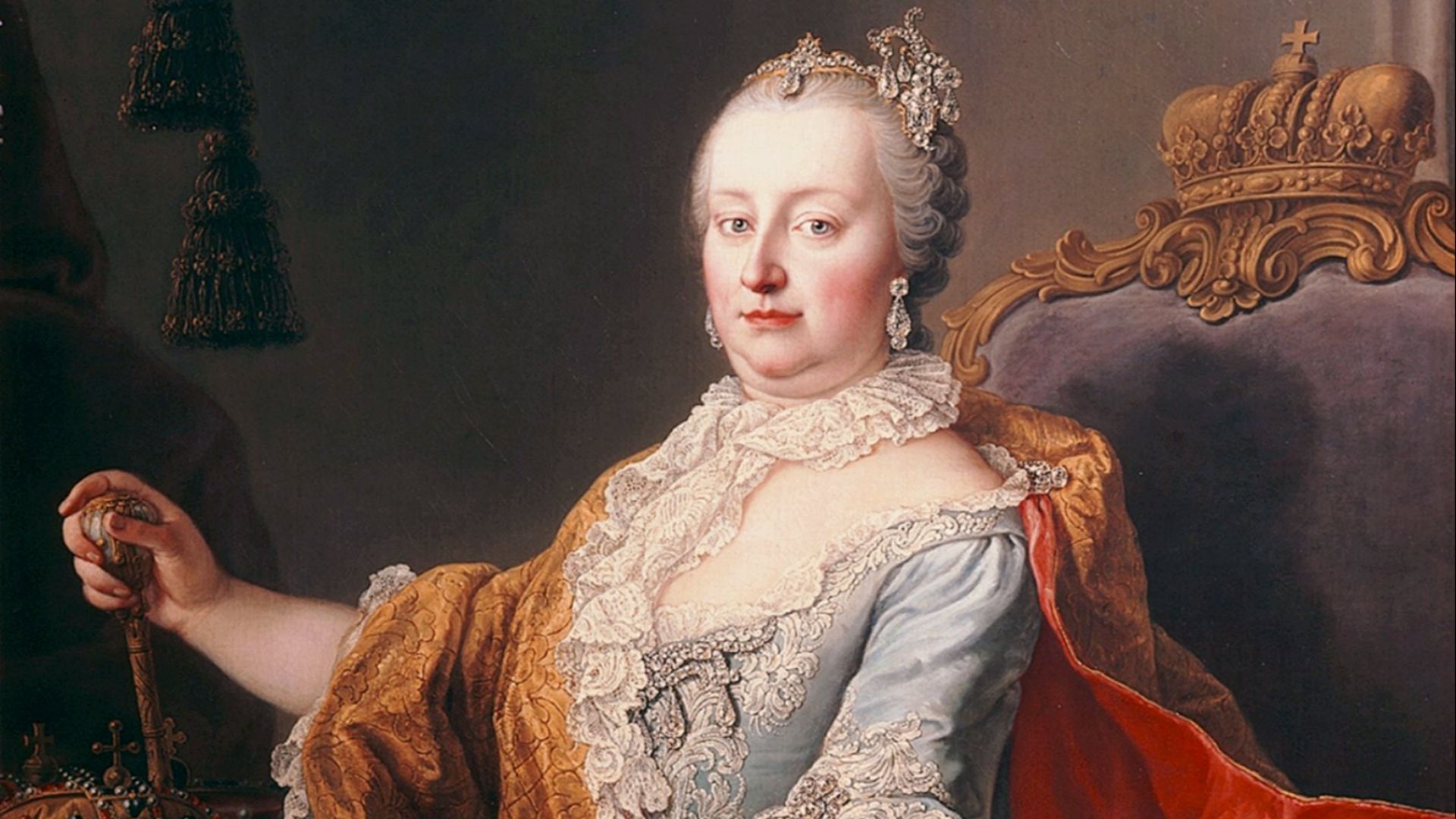 Martin van Meytens on Wikimedia
2. Mary Of Modena Packed The Room And It Still Wasn't Enough
The wife of James II delivered a son at St James's Palace on 10 June 1688 before the king and most of the Privy Council. Protestant England decided anyway that the baby had been smuggled in inside a warming pan. James convened a council at Whitehall where forty-two witnesses swore to what they had seen. The printed depositions persuaded nobody, partly because the room had been too crowded for people to see clearly.
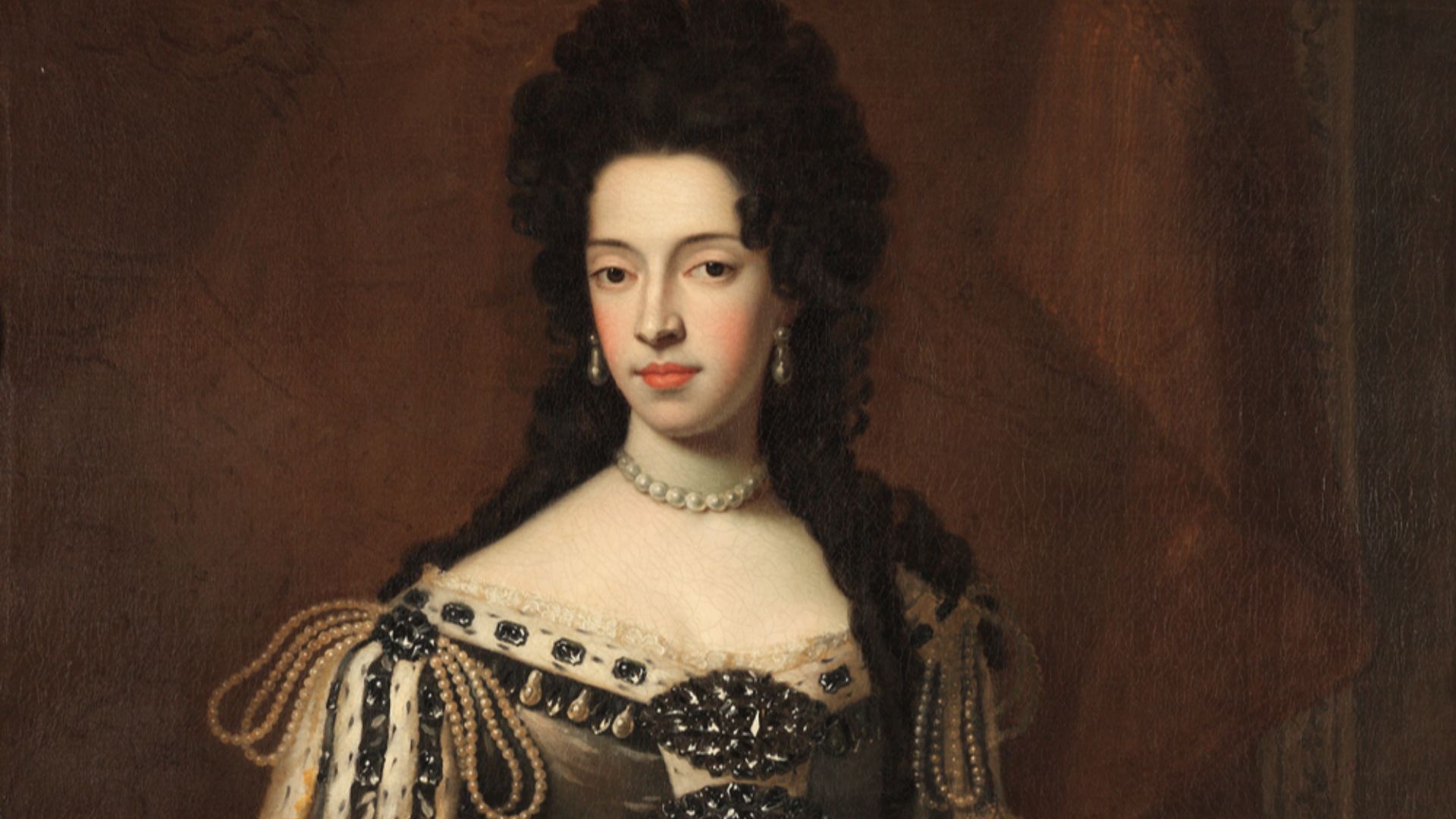 Godfrey Kneller and workshop on Wikimedia
3. Queen Anne Was Watched By Most Of The Court
Anne bore William, Duke of Gloucester, at Hampton Court on 24 July 1689, the year after the warming pan affair. Witnesses were standard for any child who might inherit, so the king and queen attended with most of the persons of quality about the court. Gloucester was the only one of her seventeen pregnancies to produce a child who lived past infancy.
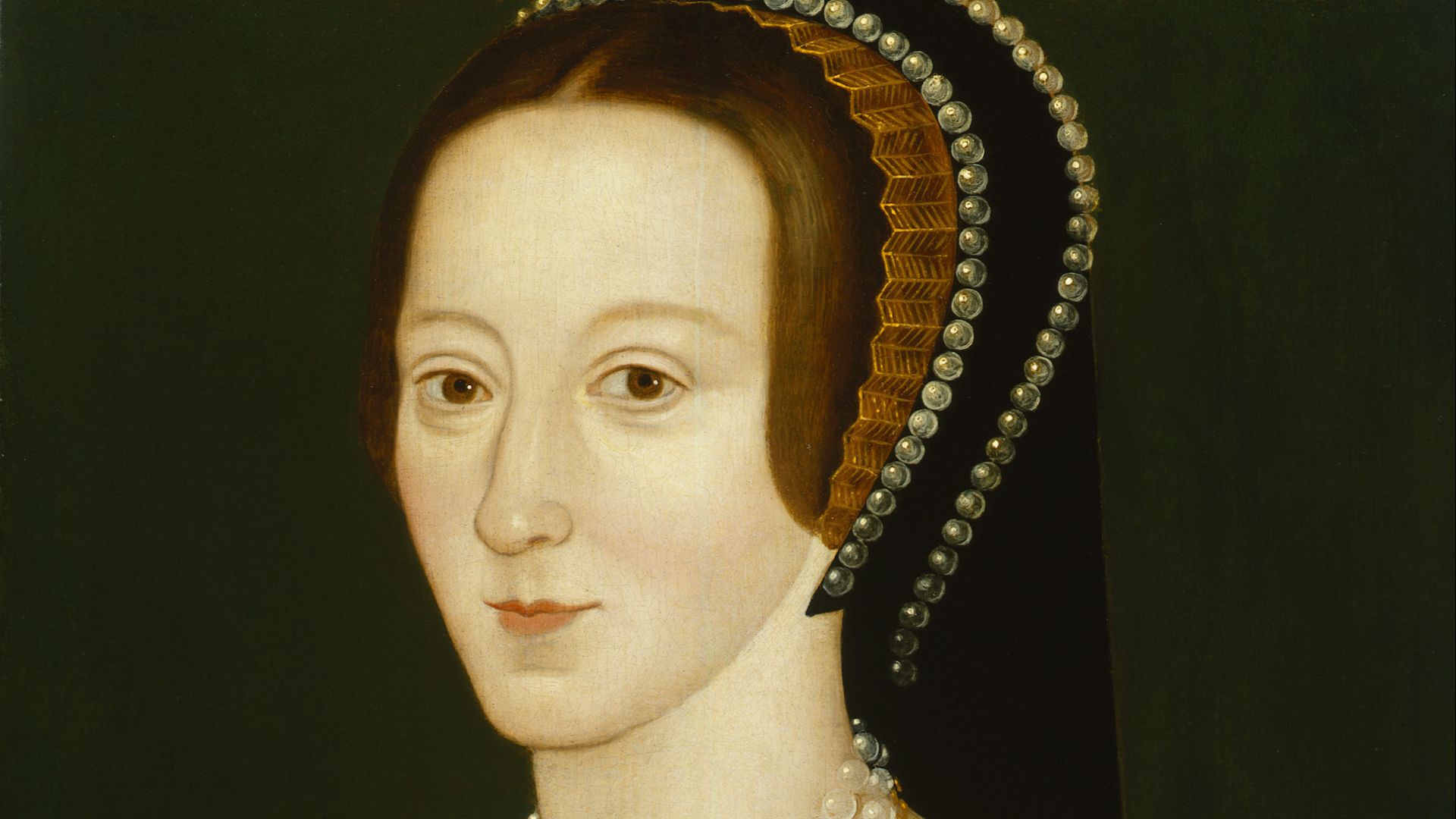 UnknownUnknown , English on Wikimedia
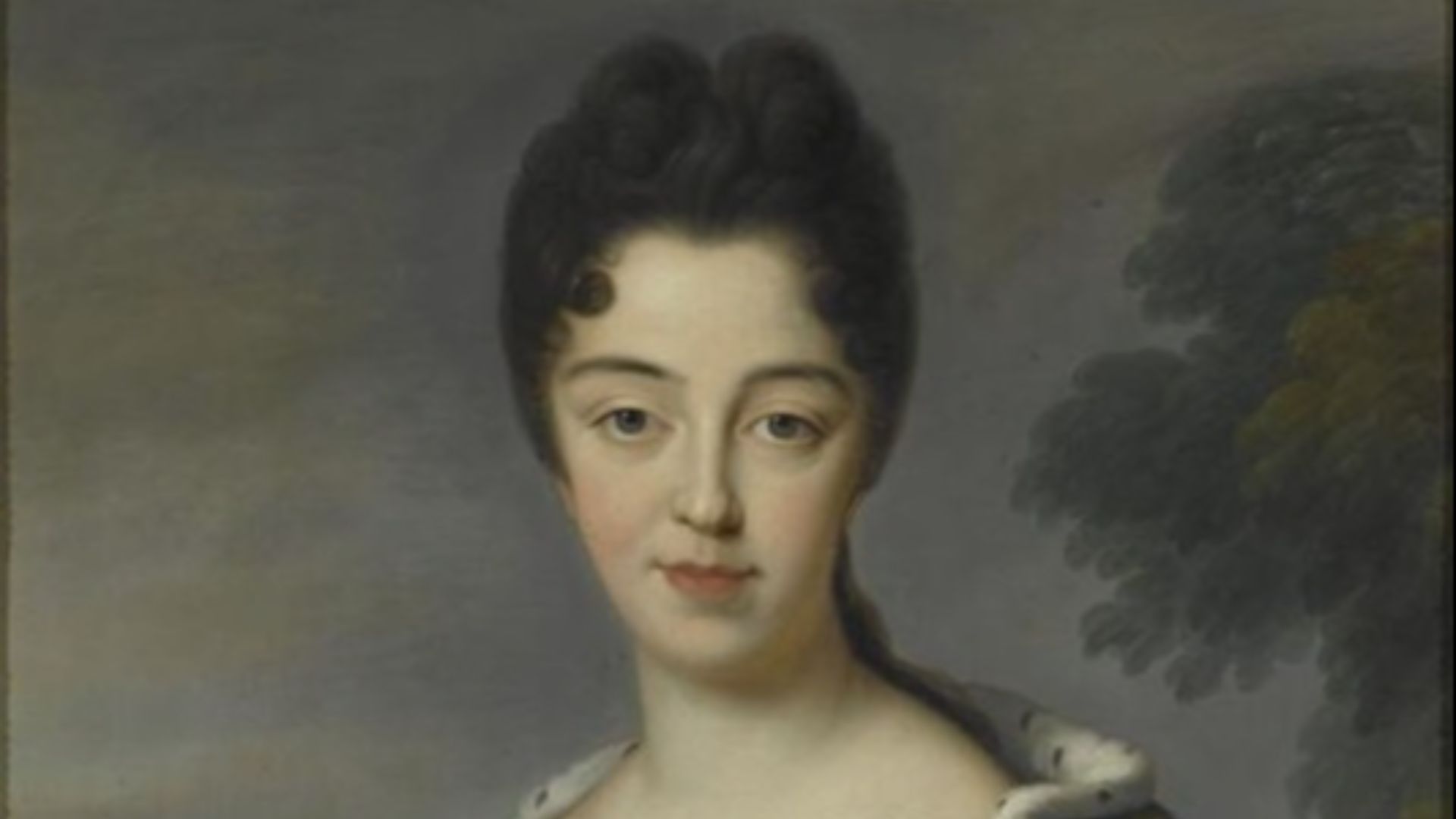
4. Marie Adélaïde Of Savoy Used The Room Built For Watching
The Duchess of Burgundy gave birth to the future Louis XV at Versailles on 15 February 1710, in the queen's bedchamber at the heart of the palace. That room is one of the largest in the private apartments, sized for the number of people expected to stand in it. She died of measles there two years later, at twenty-six.
 Jean-Baptiste Santerre on Wikimedia
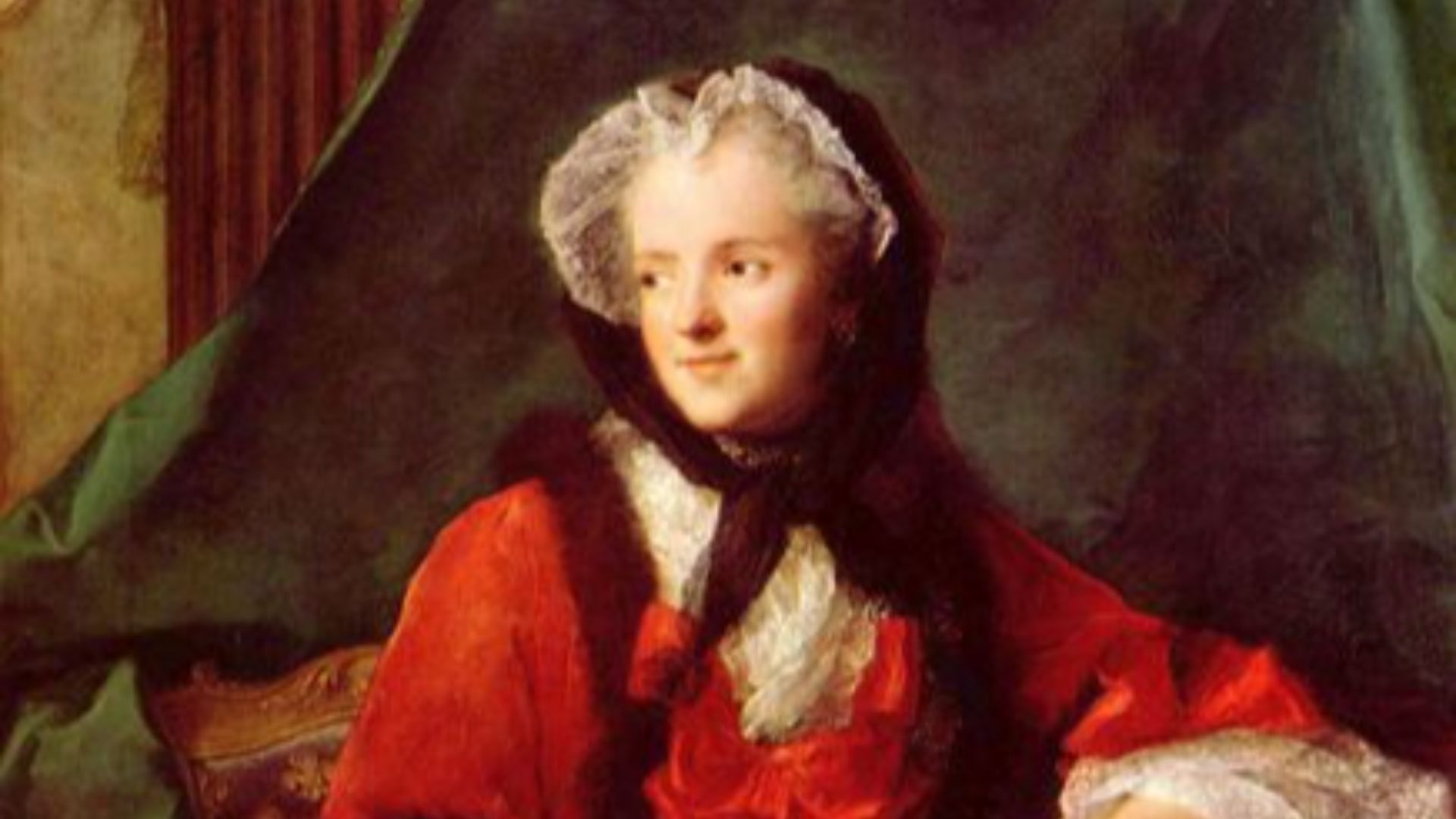
5. Marie Leszczyńska Did It Ten Times
The Polish queen of Louis XV bore ten children between 1727 and 1737, nearly all at Versailles under the arrangement her predecessors had used. Nineteen royal children were born in that bedchamber over roughly a century. The palace now argues that calling these births public oversells it, since only the household and the princesses of the blood were admitted.
 Unknown authorUnknown author on Wikimedia
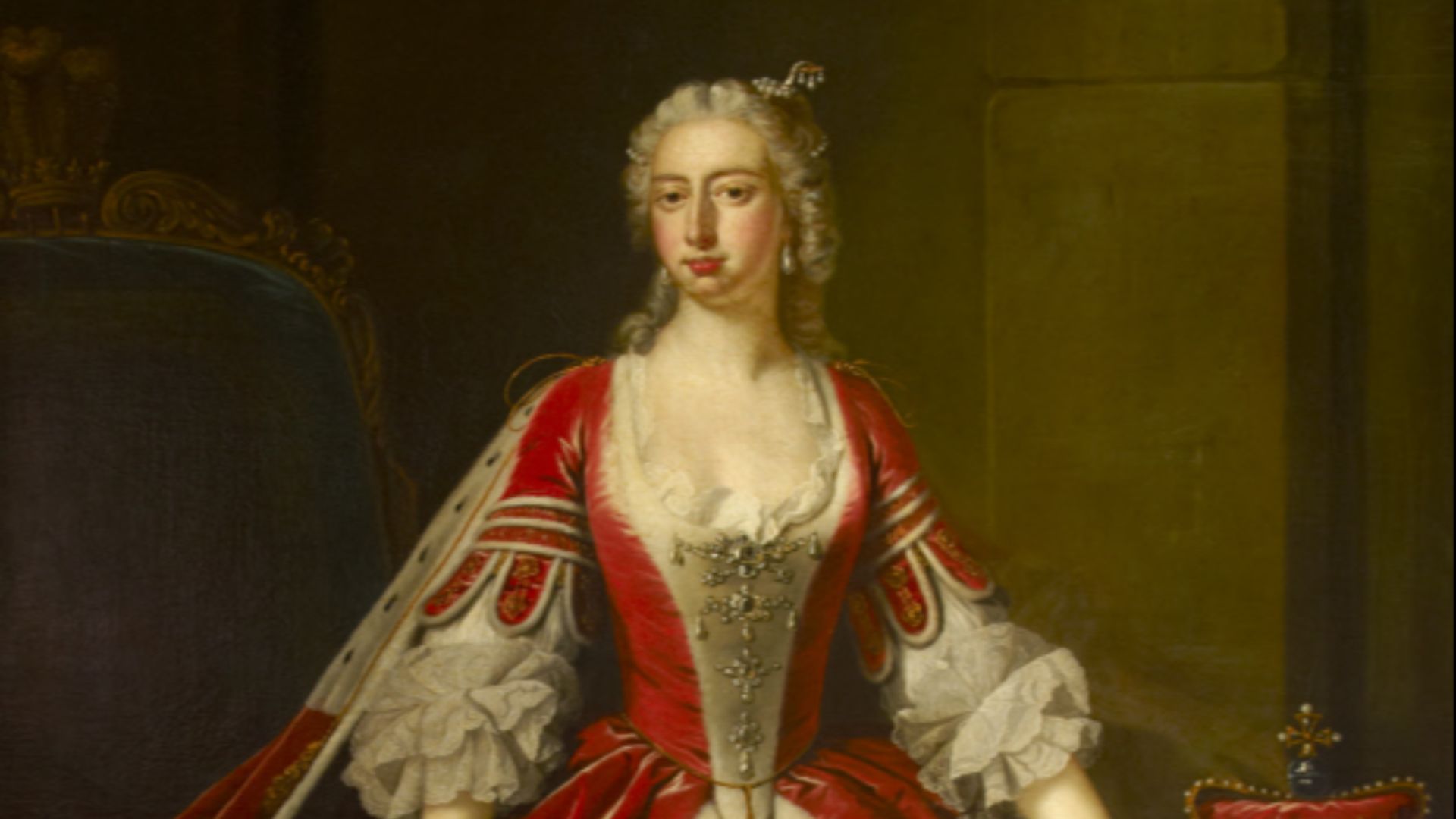
6. Augusta Of Saxe-Gotha Was Driven Across London To Escape The Witnesses
George II and Queen Caroline insisted on attending the birth of their son Frederick's first child in 1737. Frederick refused. When Augusta's labor started after dinner at Hampton Court he bundled her into a carriage at night and drove her across London to St James's Palace. She delivered within about an hour of arriving, and the king threw the couple out afterward.
7. Queen Charlotte Let The Men In
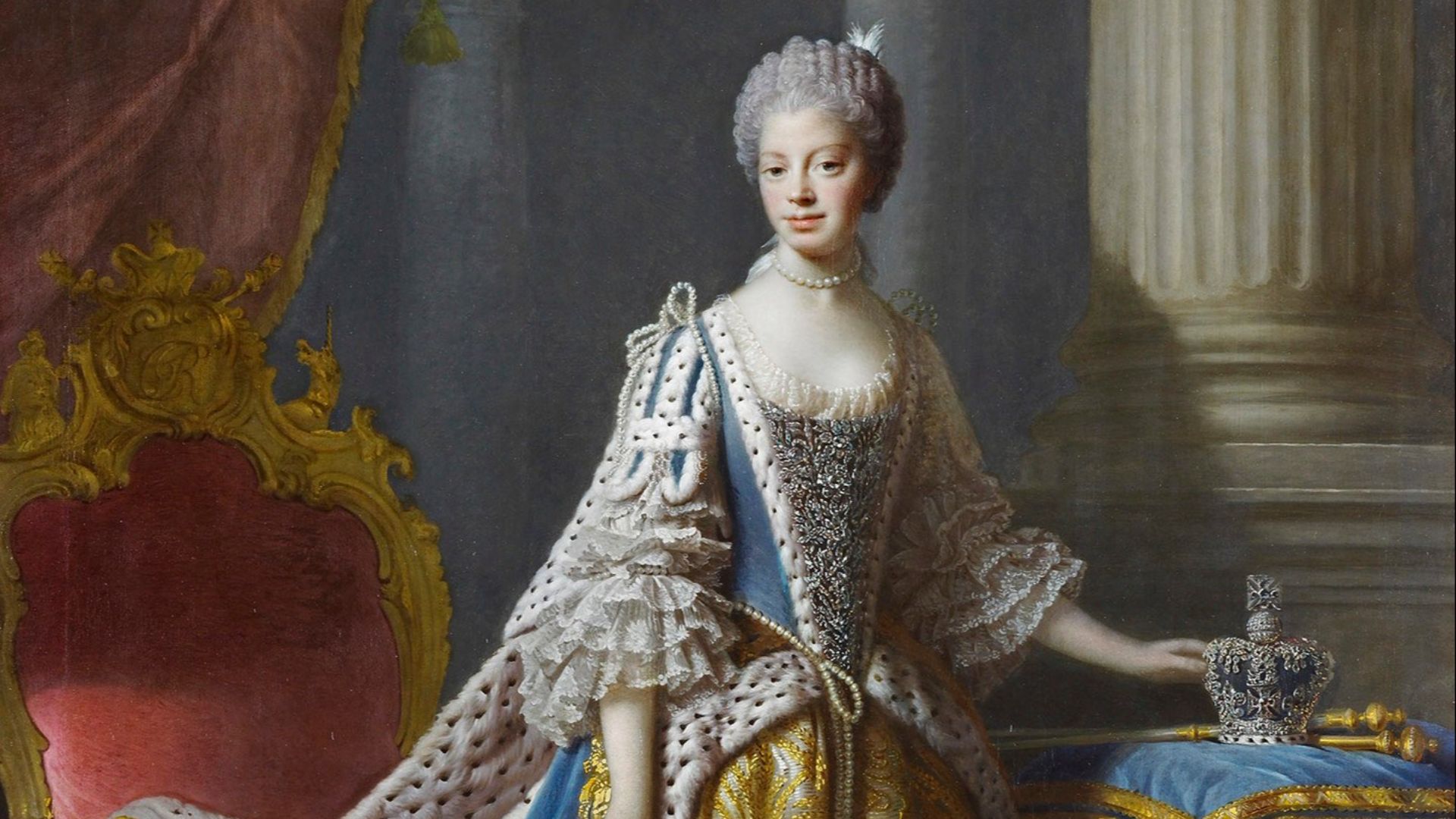
George III's wife had fifteen children starting in 1762, and British royal confinement until then had been an all-female business. William Hunter was appointed royal obstetrician in 1764, the point at which man-midwives entered the royal birth chamber. Privy councillors and ministers were already standing in the chamber alongside the medical staff.
8. Marie Antoinette's Room Was Rushed By Sightseers
Versailles emptied toward the queen's apartments on 19 December 1778, the moment her doctor called out that she was delivering. Her chambermaid wrote that the crush of people who poured in very nearly killed her. Two chimney sweeps, by the same account, climbed up for a better view. Louis XVI had built a tent around the bed to give her cover and it was useless. He banned public viewing afterward, and her next three children arrived with only family and a few trusted courtiers.
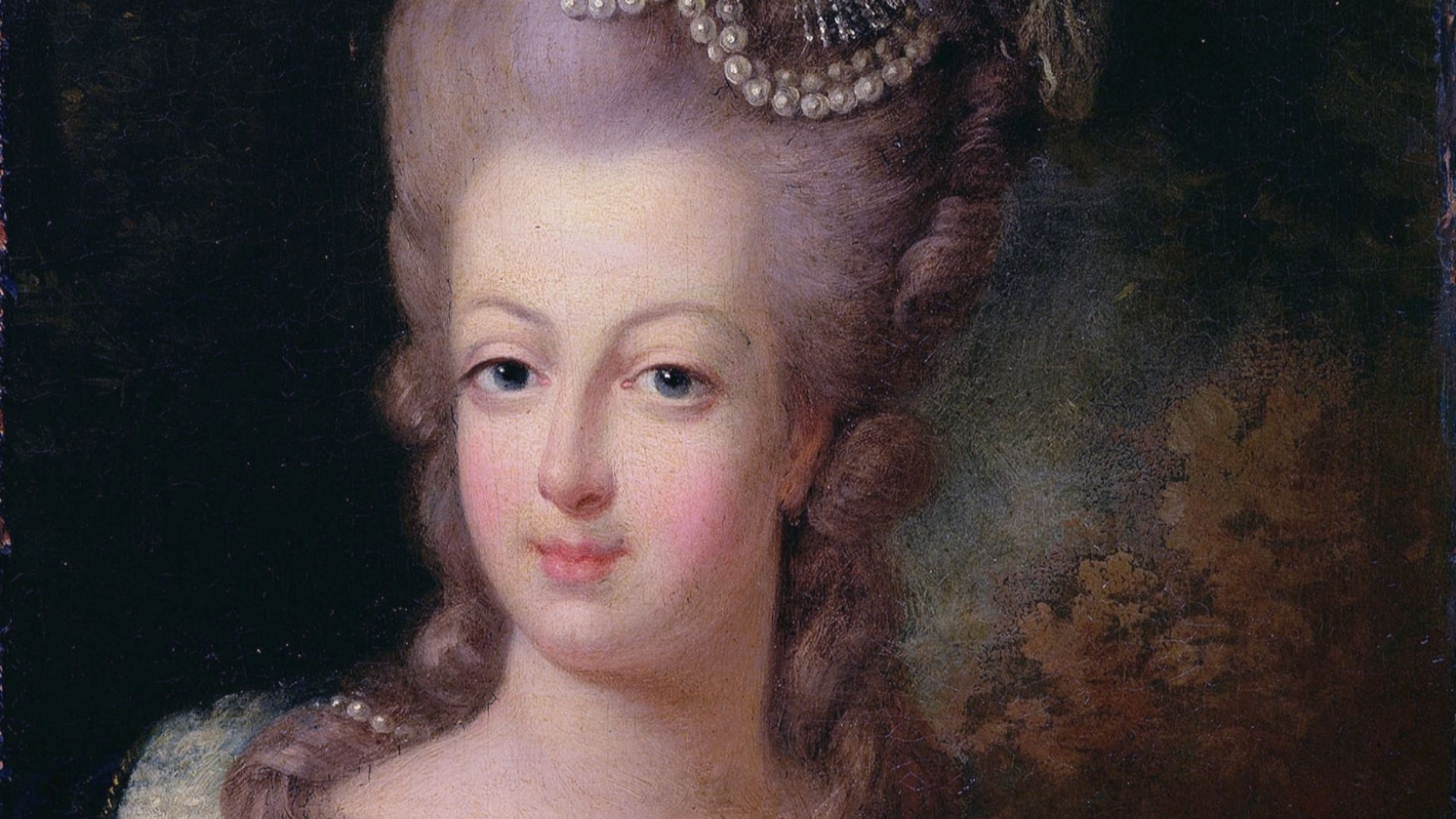 After Jean-Baptiste André Gautier-Dagoty on Wikimedia
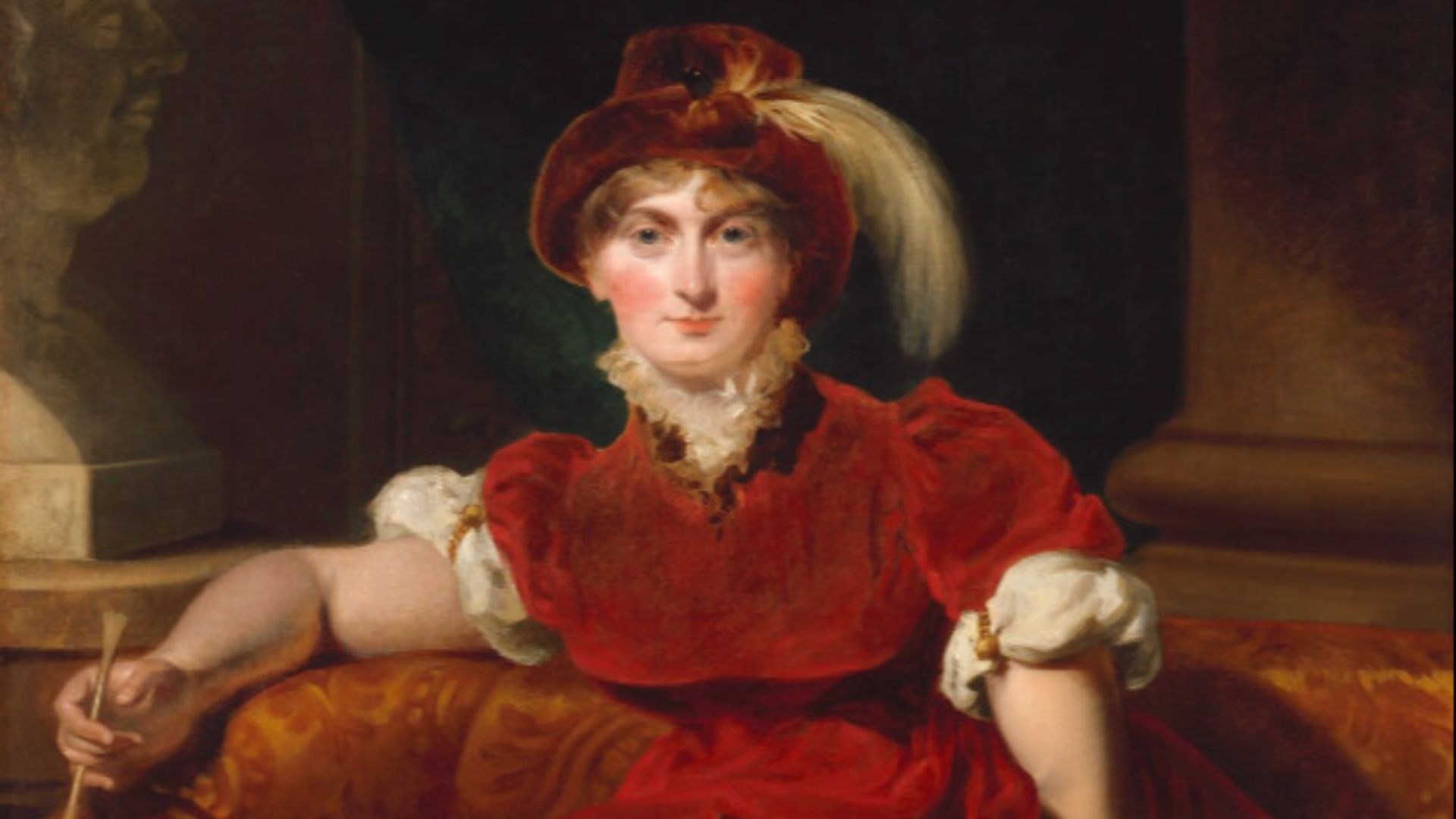
9. Caroline Of Brunswick Had An Heir Under The Old Rules
Caroline of Brunswick, estranged from the future George IV, had Princess Charlotte at Carlton House in January 1796, when the British birth chamber still held privy councillors and ministers as a matter of course. Charlotte was the only legitimate grandchild George III would get from his eldest son. Her parents separated within months of the birth.
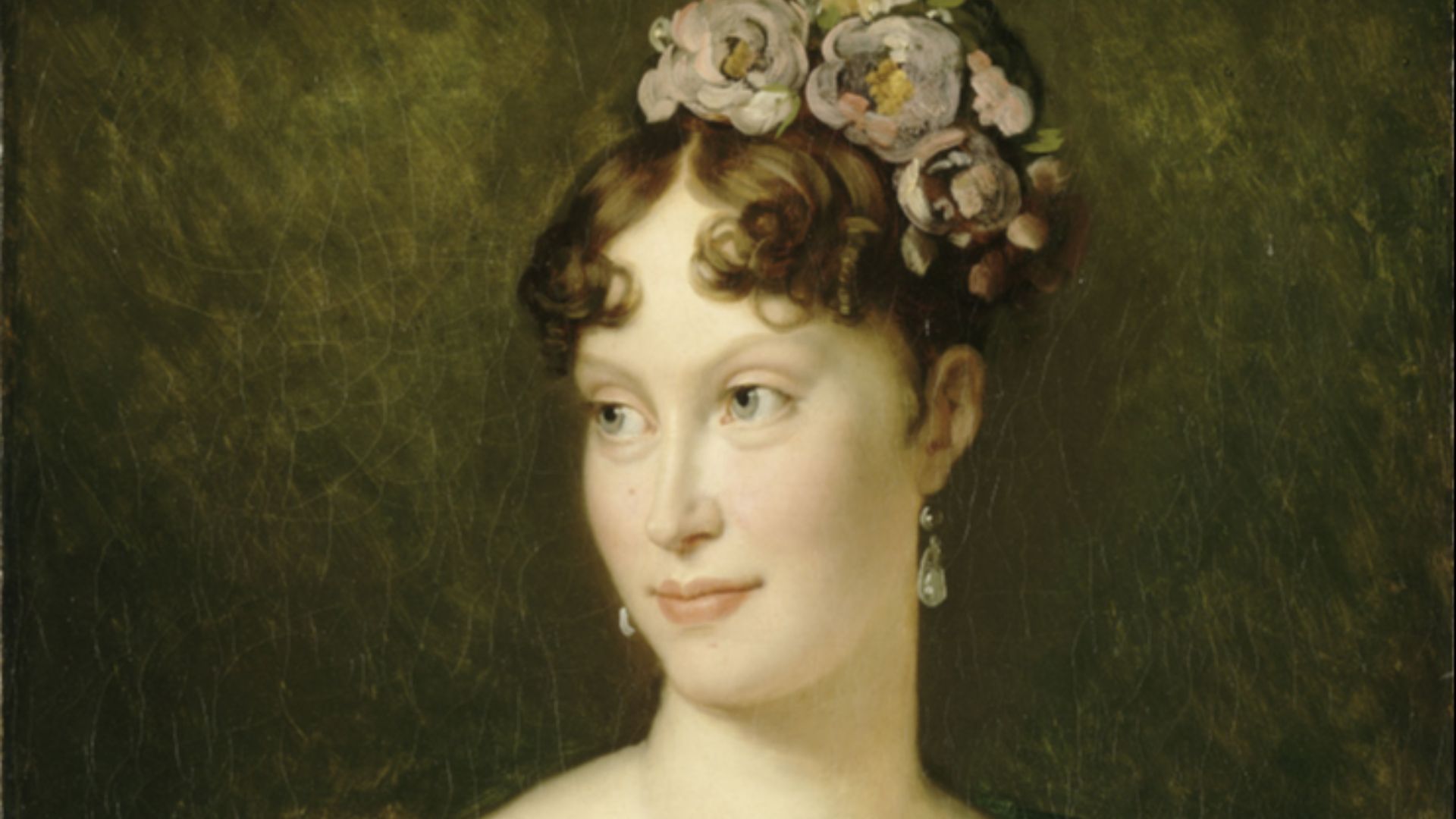
10. Marie Louise Was The Life Napoleon Chose To Save
Napoleon's second wife began a long labor at the Tuileries on 20 March 1811 with the child presenting feet first. The attending doctor told Napoleon the birth could only happen at the cost of the mother's life, and Napoleon told him to save her. Both survived, and a hundred and one cannon announced the result to Paris.
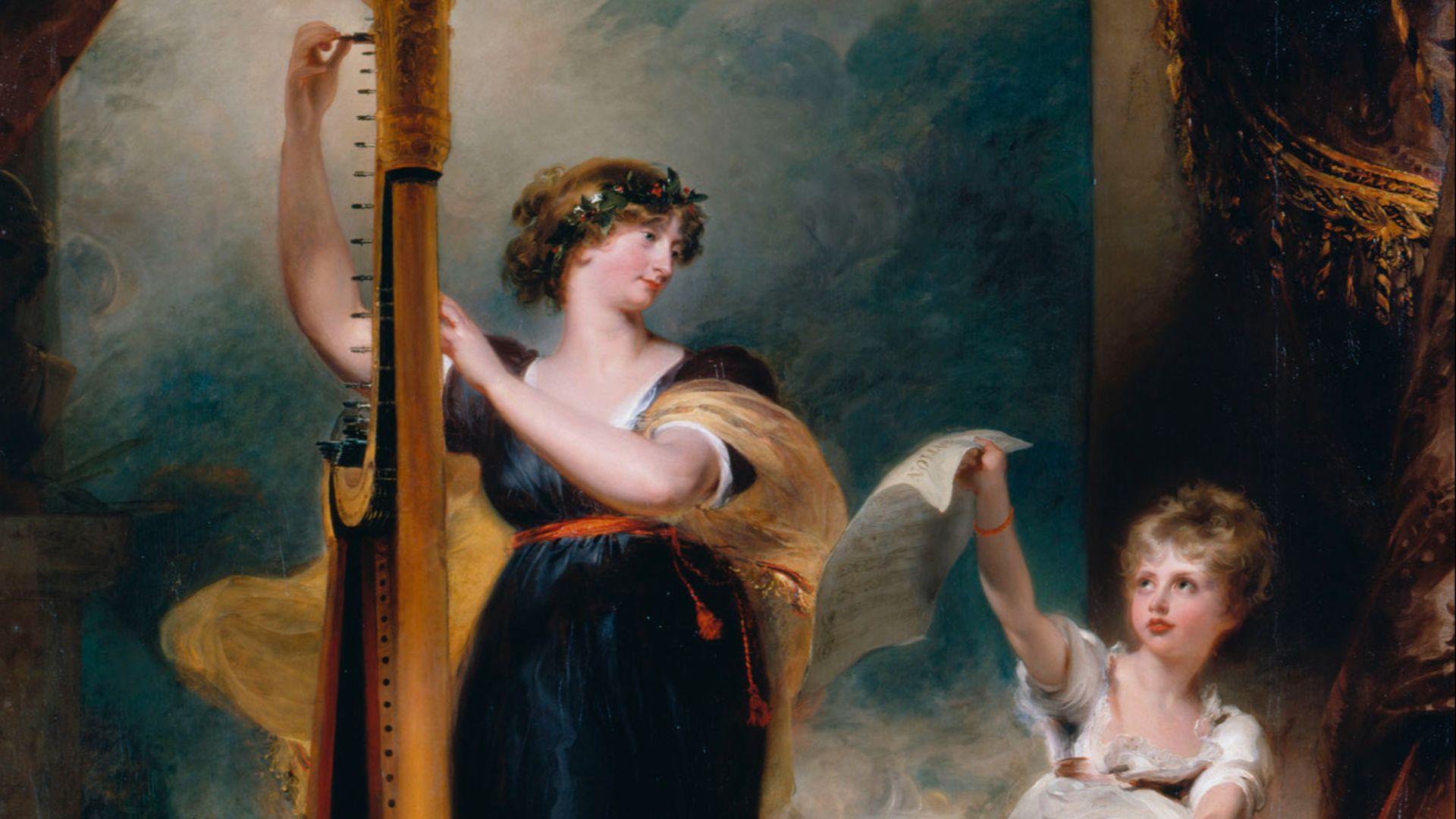
11. Princess Charlotte Of Wales Labored Fifty Hours With Officials Waiting
The heir to the British throne started labor at Claremont on 3 November 1817. Around half past three her physician sent for the witnesses, and the Great Officers who could be reached hurried back to the house. She delivered a stillborn son after fifty hours and died soon after, at twenty-one. The case became known in medicine as the triple obstetrical tragedy.
12. The Duchess Of Kent Had Dignitaries Installed Next Door
The future queen was born at Kensington Palace at a quarter past four in the morning on 24 May 1819. The Archbishop of Canterbury and the Lord Chancellor were stationed in an adjoining room with several ministers to witness it. The Royal Archives still hold the list of who attended. Her father had raced her mother back from Germany for it.
13. Queen Victoria Got The Room Cleared, Barely
Cabinet ministers and often the Archbishop of Canterbury attended royal births in the 1840s as insurance against fraud. One of her physicians recorded arriving at six to find his colleagues already installed in a small room heated by insufferably hot air and gas. (He sketched the bed in his diary, screen and all.) Albert objected, and for the birth of the future Edward VII the ministers waited elsewhere, contrary to custom.
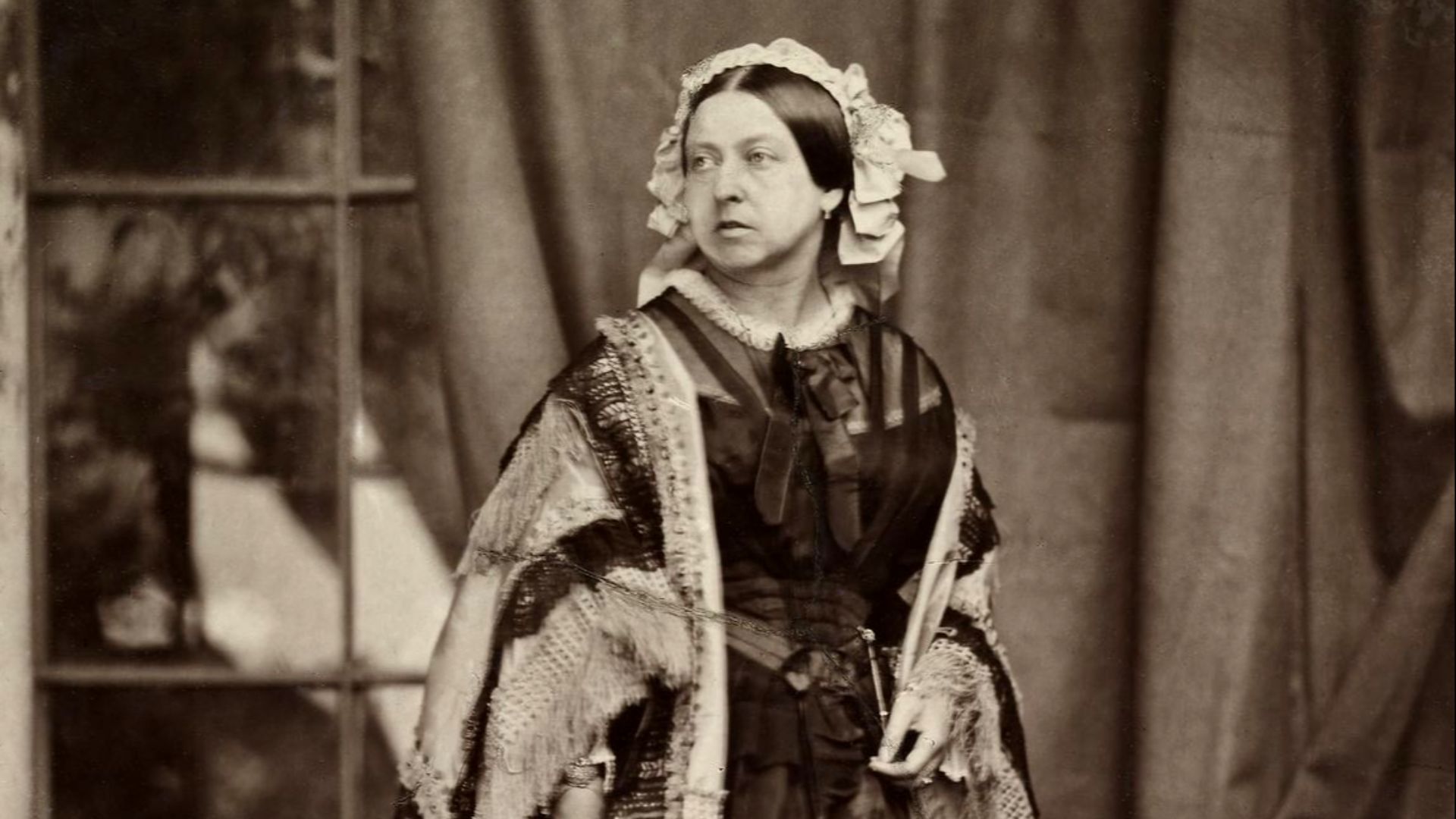 John Jabez Edwin Mayall on Wikimedia
14. Empress Eugénie Was Watched By Her Husband's Relatives
Eugénie started labor around midnight on 14 March 1856, and close members of the imperial family were asked in to witness it. The ceremonial had been elaborated to an extraordinary degree beforehand. A newspaper reported that her sufferings were severe and that the agitation around her slowed the birth. The labor ran about two days.
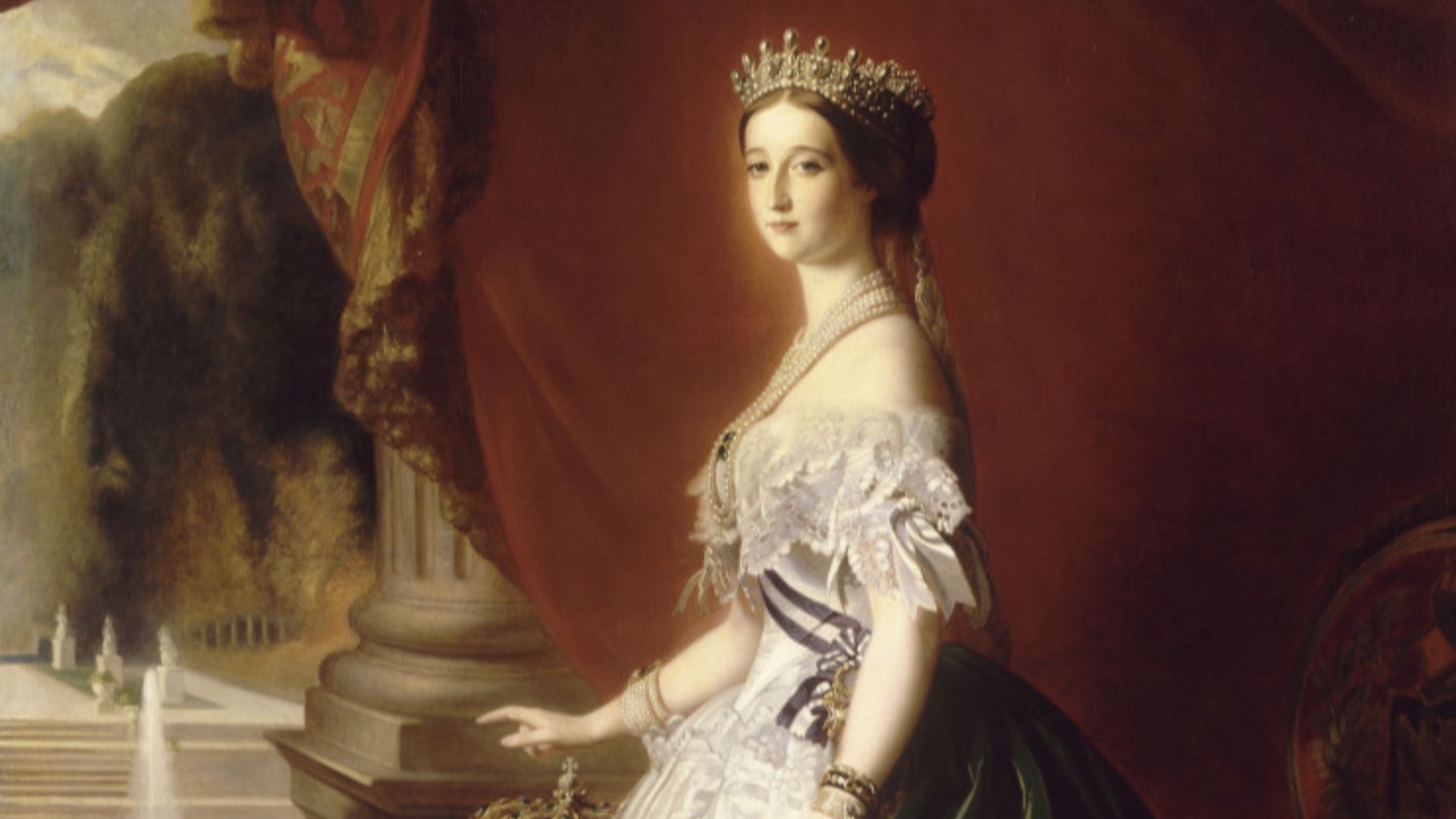 Pierre-Désiré Guillemet / After Franz Xaver Winterhalter on Wikimedia
15. Victoria, Princess Royal Had A Breech Birth Before The Prussian Court
Queen Victoria's eldest daughter delivered the future Wilhelm II at the Kronprinzenpalais in Berlin on 27 January 1859. She was eighteen and it was her first. The baby was breech and the court had assembled, and the Scottish doctor her mother sent over gave her a large dose of chloroform.
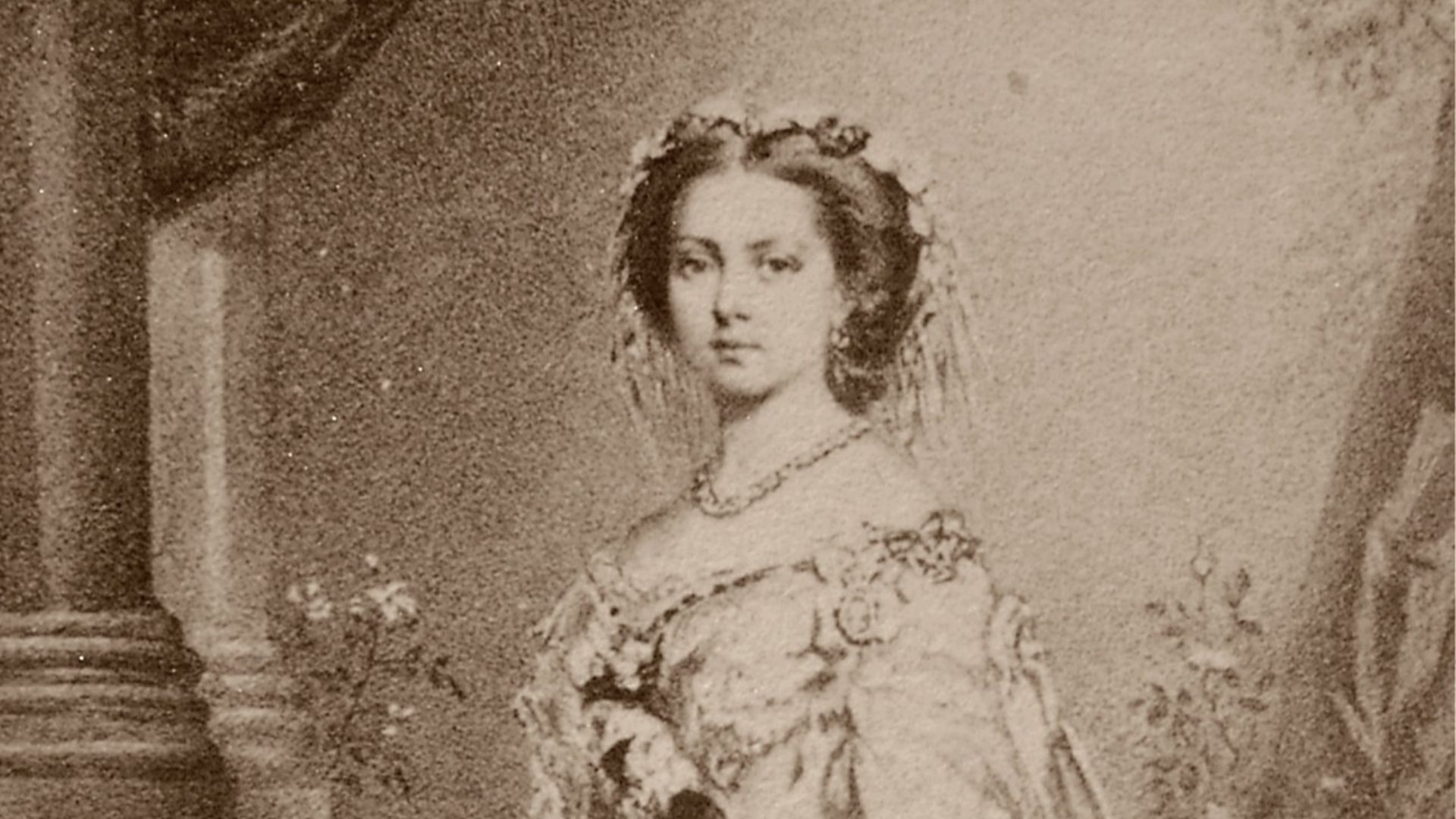 Unknown authorUnknown author on Wikimedia
16. Alexandra Of Denmark Kept Getting Caught Out Early
The Princess of Wales delivered two months ahead of schedule at Frogmore on 8 January 1864, with three people present. Nothing had been prepared and the baby weighed under four pounds. All six of her children arrived early. One biographer concluded she had misled Queen Victoria about her dates on purpose, because she did not want the queen there.
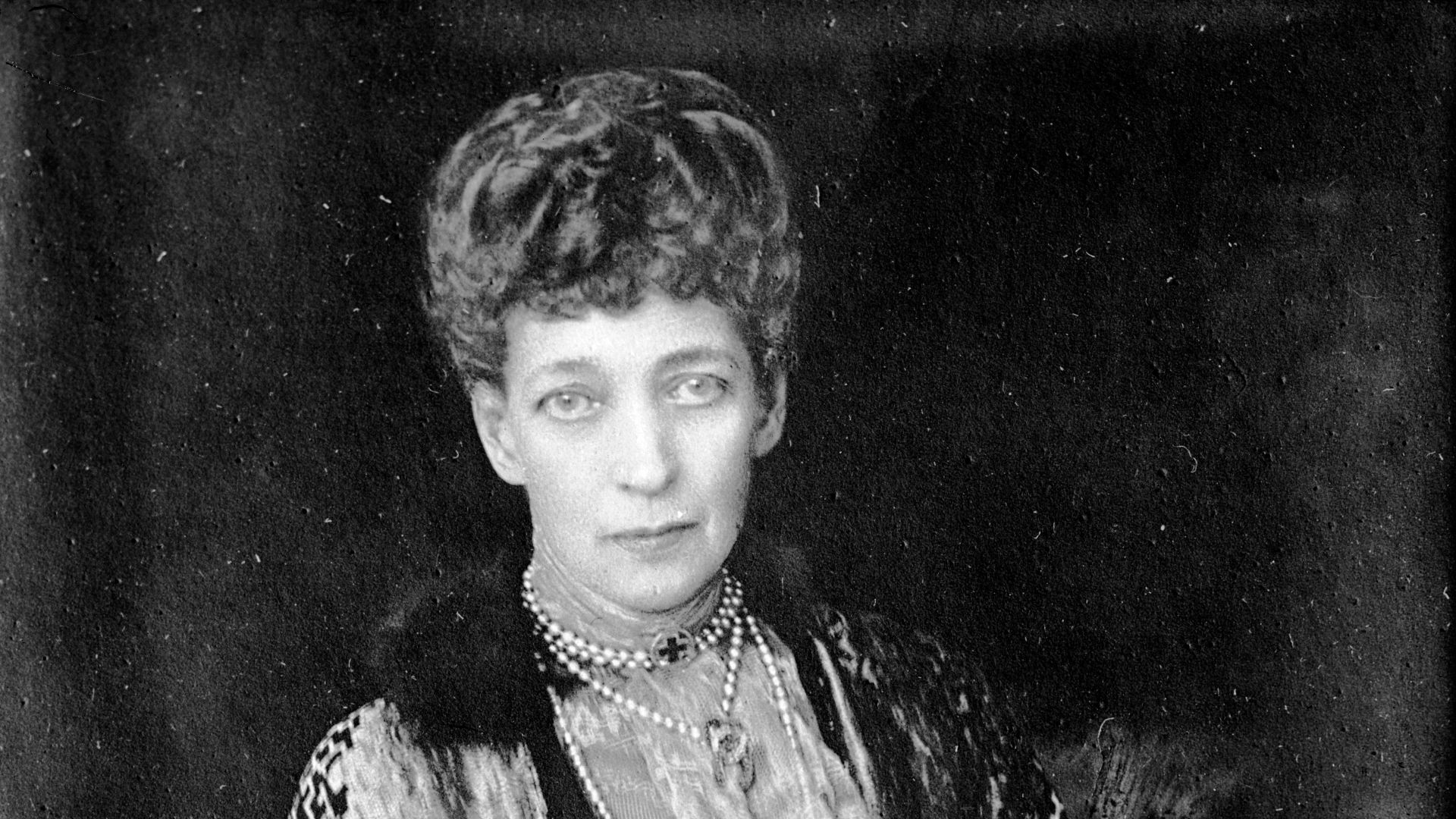 Bain News Service, publisher on Wikimedia
17. Maria Christina Of Austria Produced A King From A Vacant Throne
The widowed queen of Spain was pregnant when her husband died in November 1885, and the throne stayed empty pending the outcome. She gave birth at the Royal Palace of Madrid on 17 May 1886, and the boy was king from the moment he arrived. Cabinet ministers and the diplomatic corps had gathered at the palace for it, with members of the Cortes.
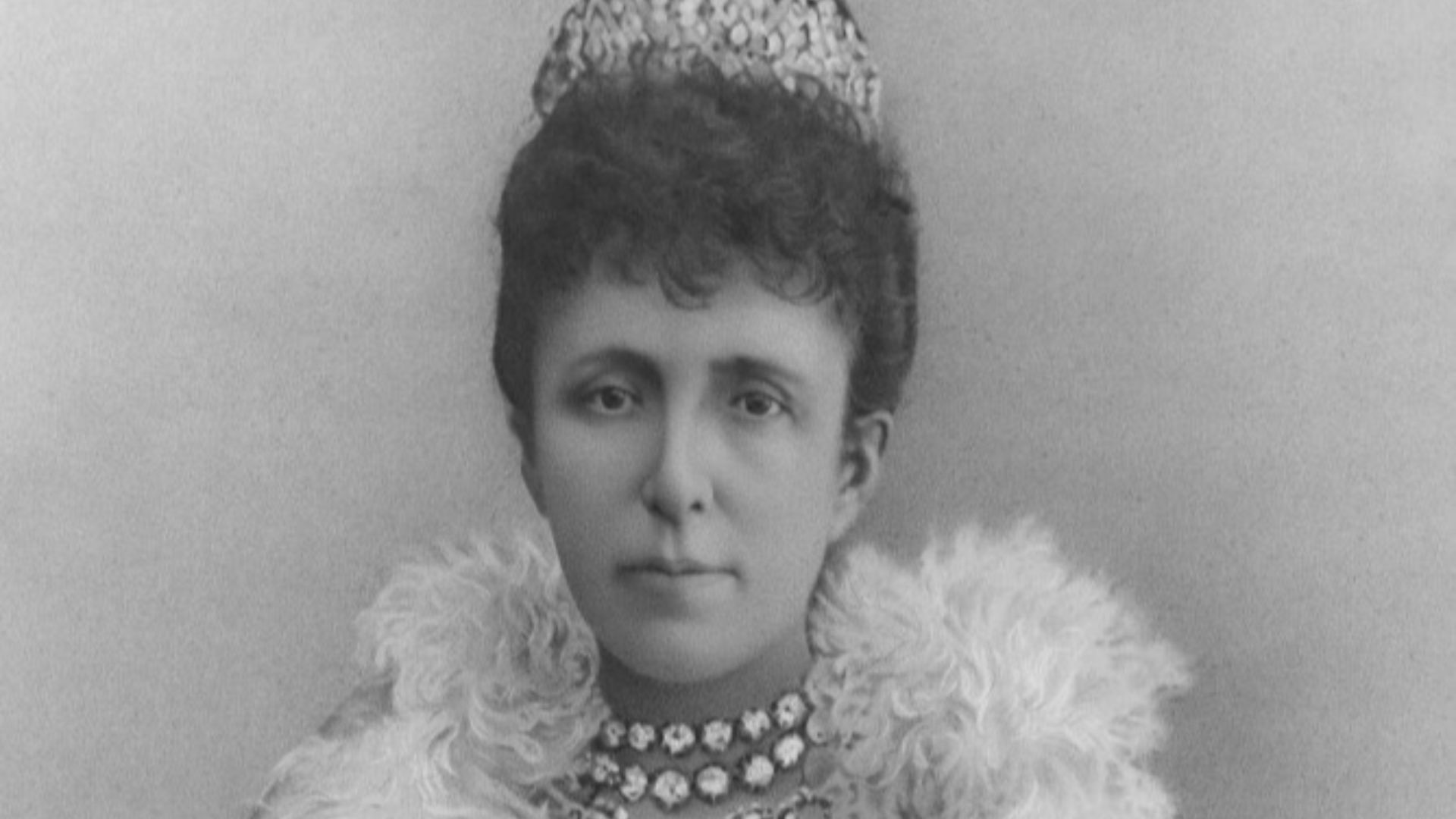 Martínez Saltos, F. on Wikimedia
18. Mary Of Teck Had The Home Secretary In Attendance
Mary of Teck had her first son at White Lodge in Richmond Park on 23 June 1894, and he grew up to be Edward VIII. The official record notes that Herbert Henry Asquith, Secretary of State for the Home Department, was in attendance. Queen Victoria had ruled by then that one cabinet minister would do, and the job narrowed to the Home Secretary.
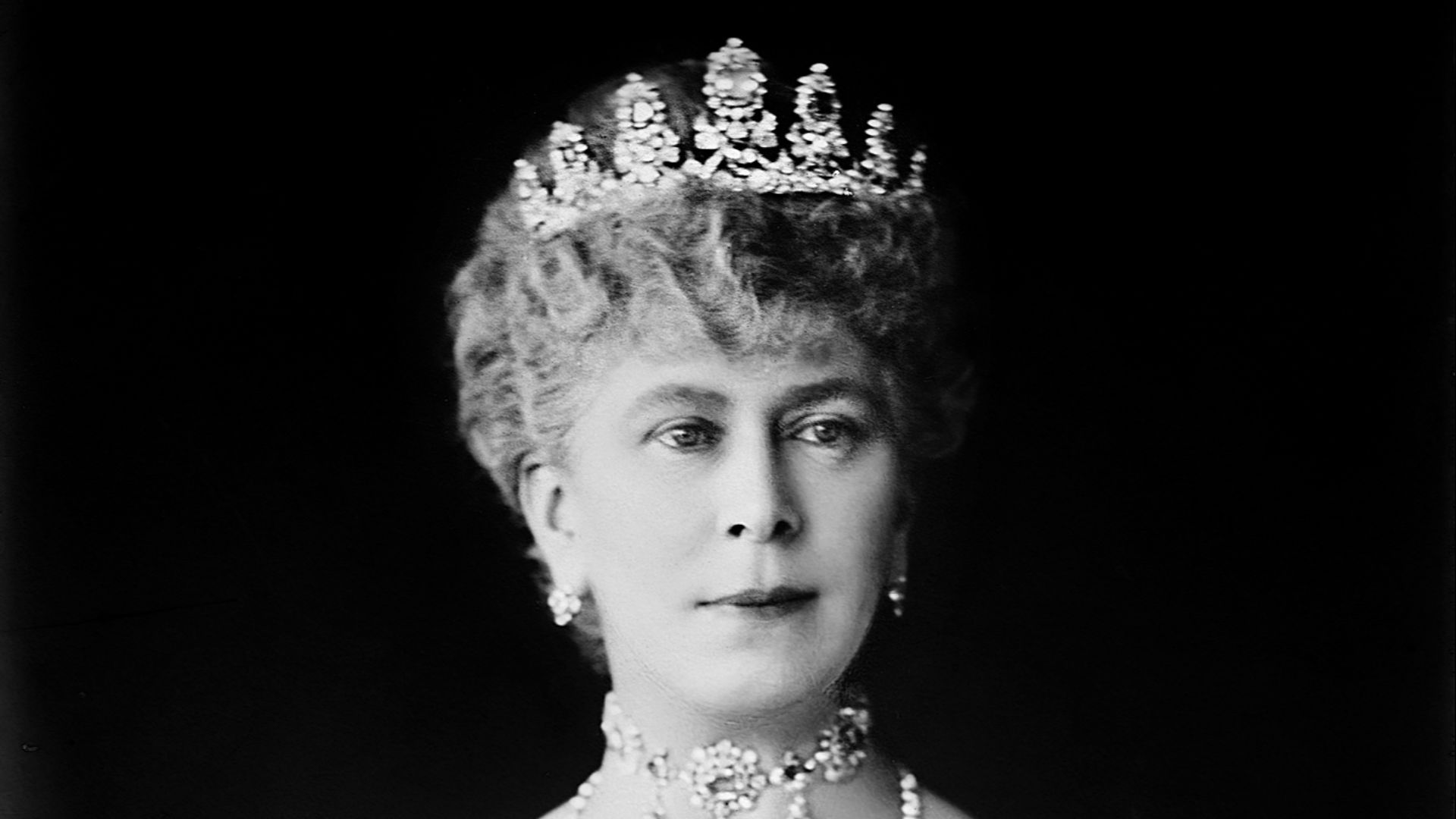 Bain News Service; edited by Fir0002 on Wikimedia
19. Elizabeth Bowes-Lyon Went Through It Twice
Elizabeth Bowes-Lyon had the future Elizabeth II at her parents' house in Mayfair in 1926 and Princess Margaret at Glamis in 1930. The first was a Caesarean section at 17 Bruton Street. The Home Secretary of the day attended both deliveries. The rule Queen Victoria had narrowed to a single minister was by then nearly forty years old.
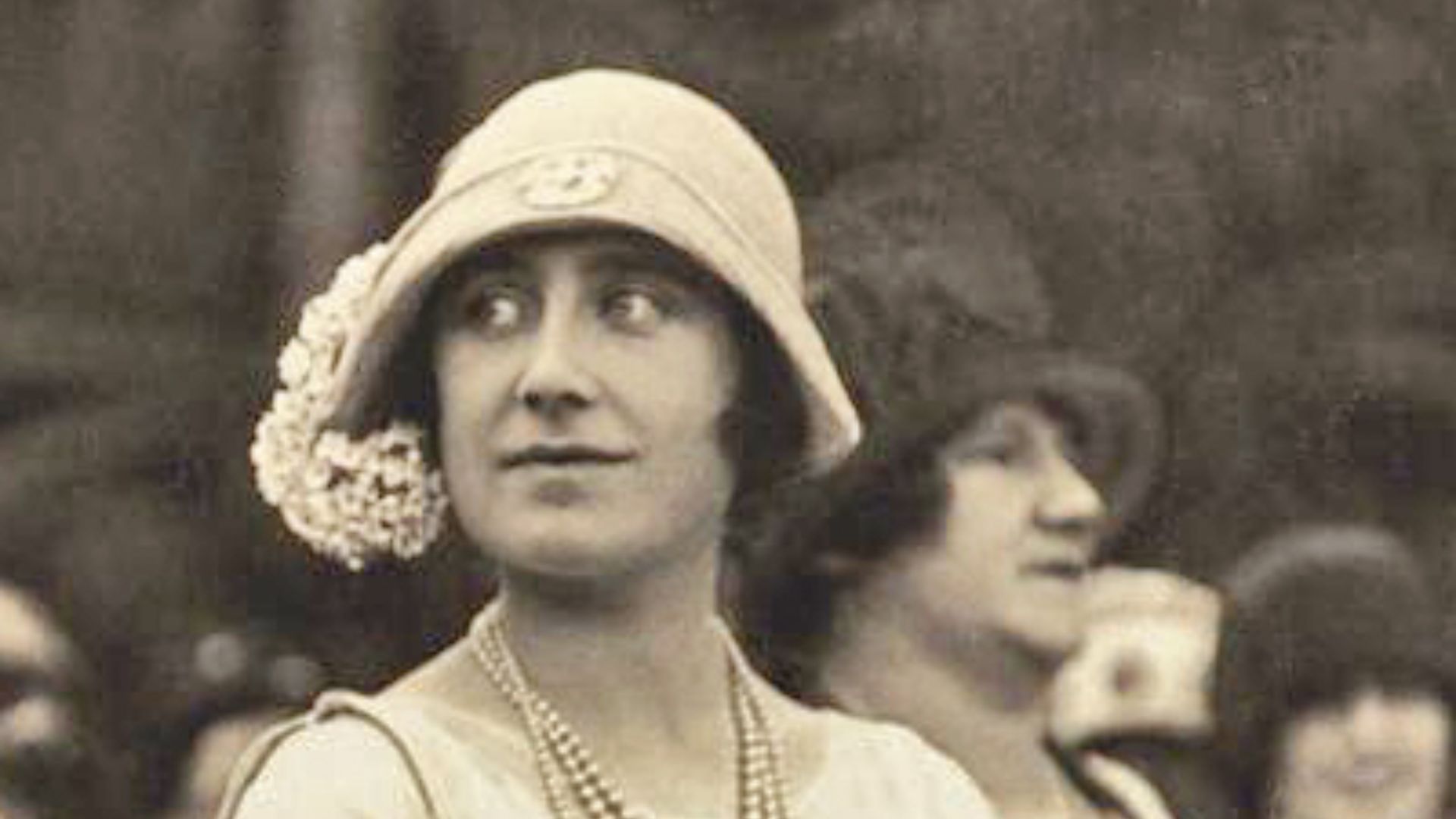 Henry William Mobsby (1860 – 1933) on Wikimedia
20. Princess Elizabeth Was The One Who Got Out Of It
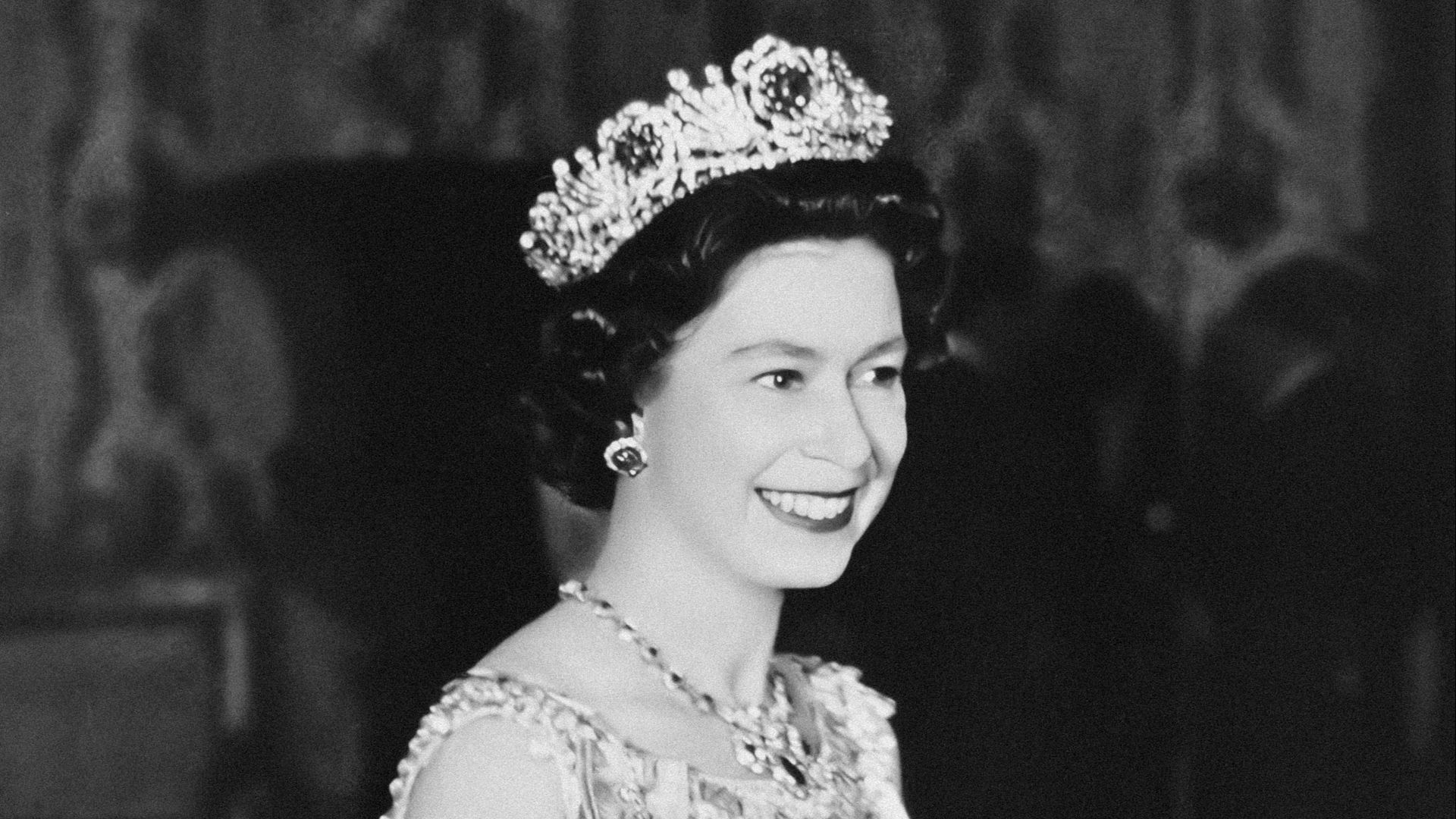
Princess Marina had been the last to go through it, delivering Princess Alexandra on Christmas Day 1936 with Home Secretary John Simon present. When Elizabeth's first child was due in 1948, a courtier pointed out that if British ministers could attend then so could representatives of every dominion. Buckingham Palace ended the custom the same day. Charles was born that November with only the medical team present.
 Museums of History New South Wales on Unsplash
KEEP ON READING