
20 Terrible Things the Pilgrims Endured Before the First Thanksgiving
There Was Certainly a Lot to Be Thankful For
When we think of the first Thanksgiving in 1621, we tend to picture a large gathering of people enjoying a meal together after a successful harvest. However, the months and even years leading up to that celebration were filled with unimaginable hardships, from religious persecution in England to life-threatening conditions aboard the Mayflower. Many of the original passengers didn't live long enough to attend the feast, and those who did had already suffered tremendous personal losses. Here are 20 terrible things the Pilgrims and their fellow settlers endured before the first Thanksgiving.
 Ferdinand Georg Waldmüller on Wikimedia
1. Religious Persecution in England
Long before they set foot in America, the Pilgrims faced a lot of hostility in their home country for separating from the Church of England. Practicing their religion independently meant risking fines, imprisonment, and harassment from authorities. Members of the Separatist congregation had to meet in secret, making something as ordinary as attending a religious service potentially dangerous. Eventually, many decided they'd be better off leaving England altogether.
 Diliff derivative work: Crop by Diliff on Wikimedia
2. Struggling to Make a Living in the Netherlands
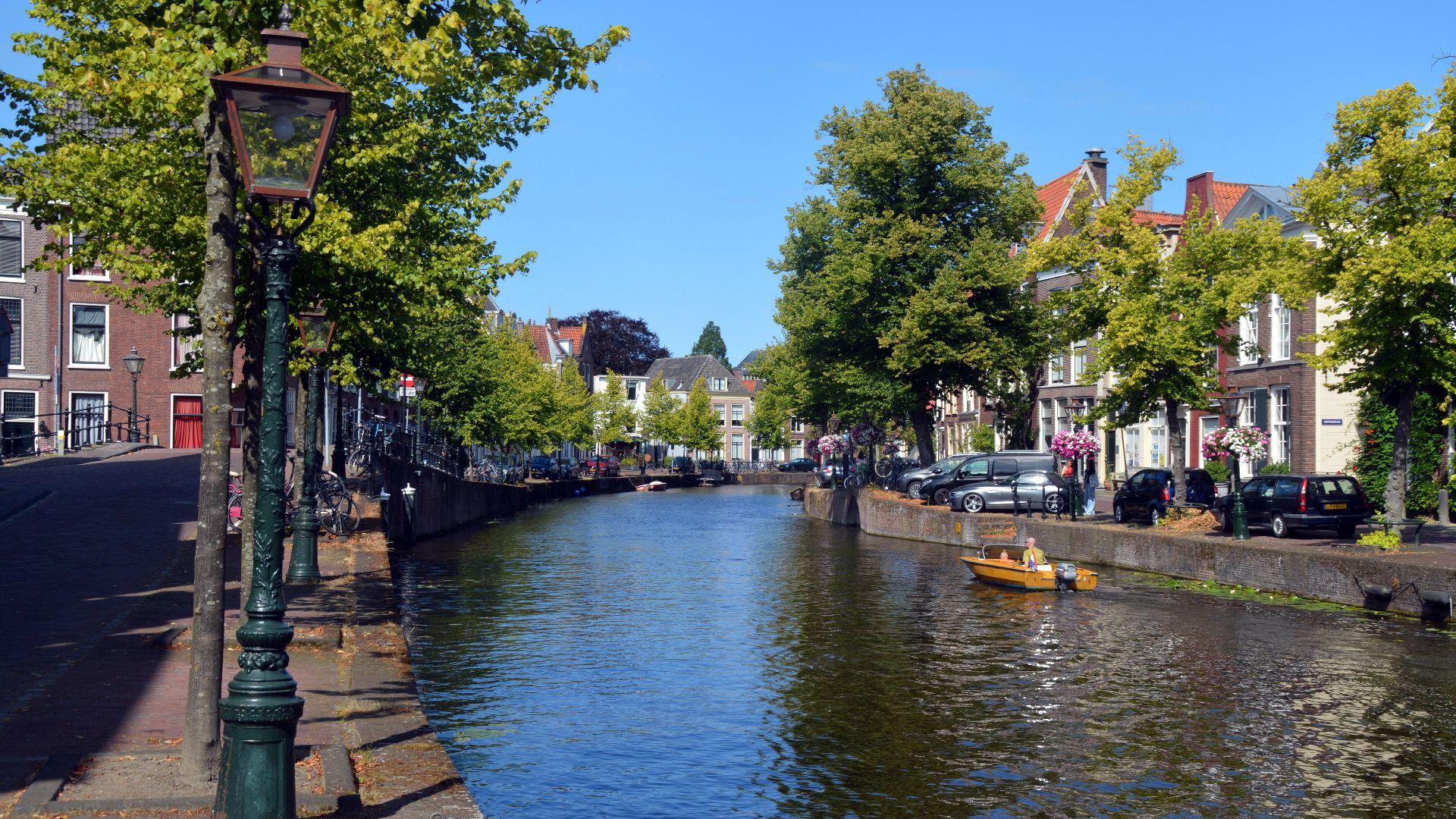
Although relocating to the Netherlands gave the Separatists greater religious freedom, it didn't necessarily improve their quality of life. Many settled in Leiden, where they took on physically demanding jobs in the textile industry and other trades. Having previously worked in agriculture, some found themselves having to learn entirely new occupations. The thought of spending the rest of their lives working under such difficult conditions contributed to their decision to leave.
 Roger Veringmeier on Wikimedia
3. Accepting a Demanding Financial Agreement
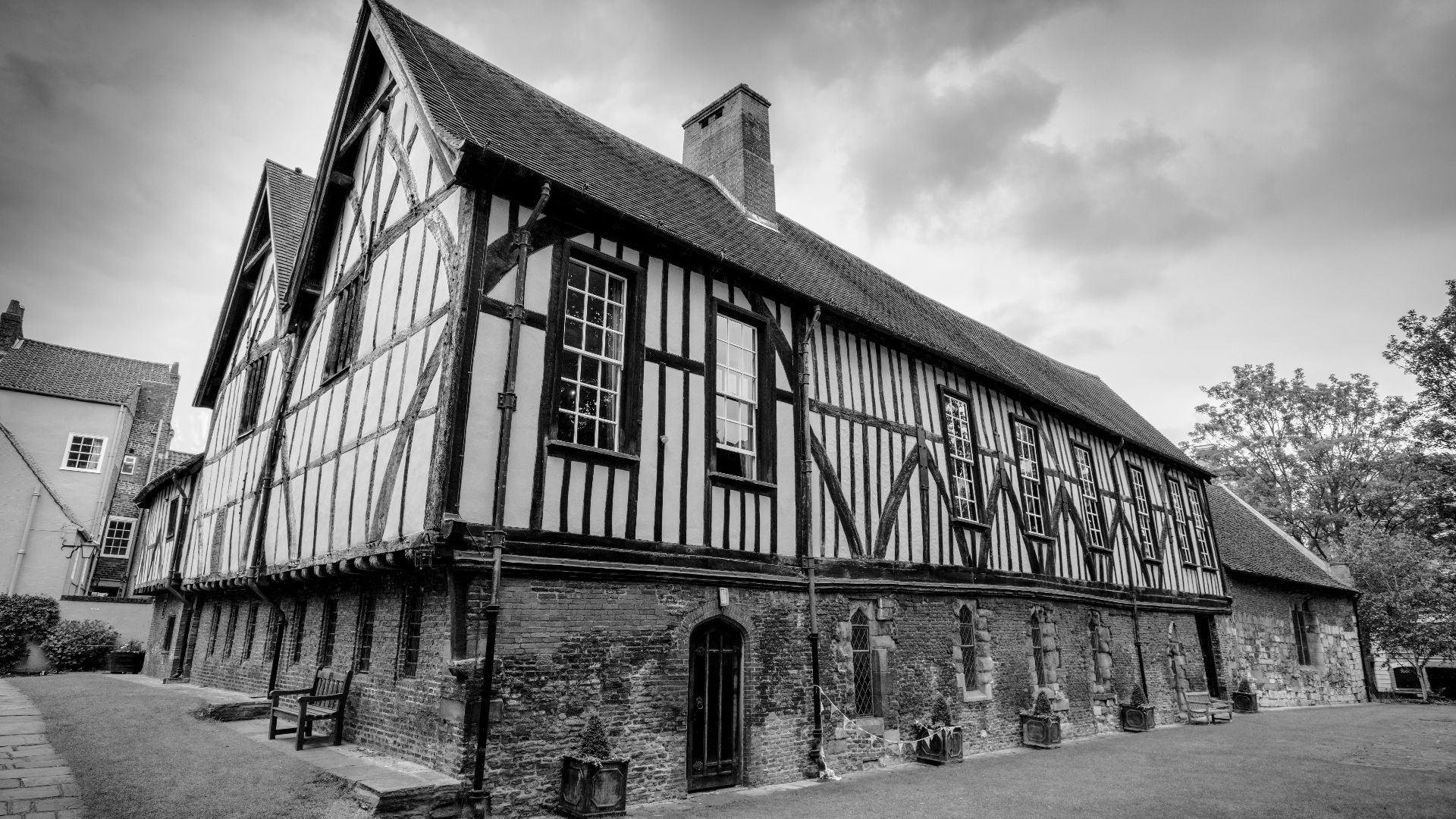
Traveling across the Atlantic wasn't something the Pilgrims could afford to do on their own, so they relied on English investors known as the Merchant Adventurers. In exchange for financing their expedition, the settlers agreed to a seven-year commercial arrangement that required them to work for the joint enterprise. Their labor, resources, and profits would largely be pooled during this period. Before they'd even set foot in America, they already had financial obligations to fulfill.
 Michael D Beckwith on Wikimedia
4. Having Their Departure Repeatedly Delayed
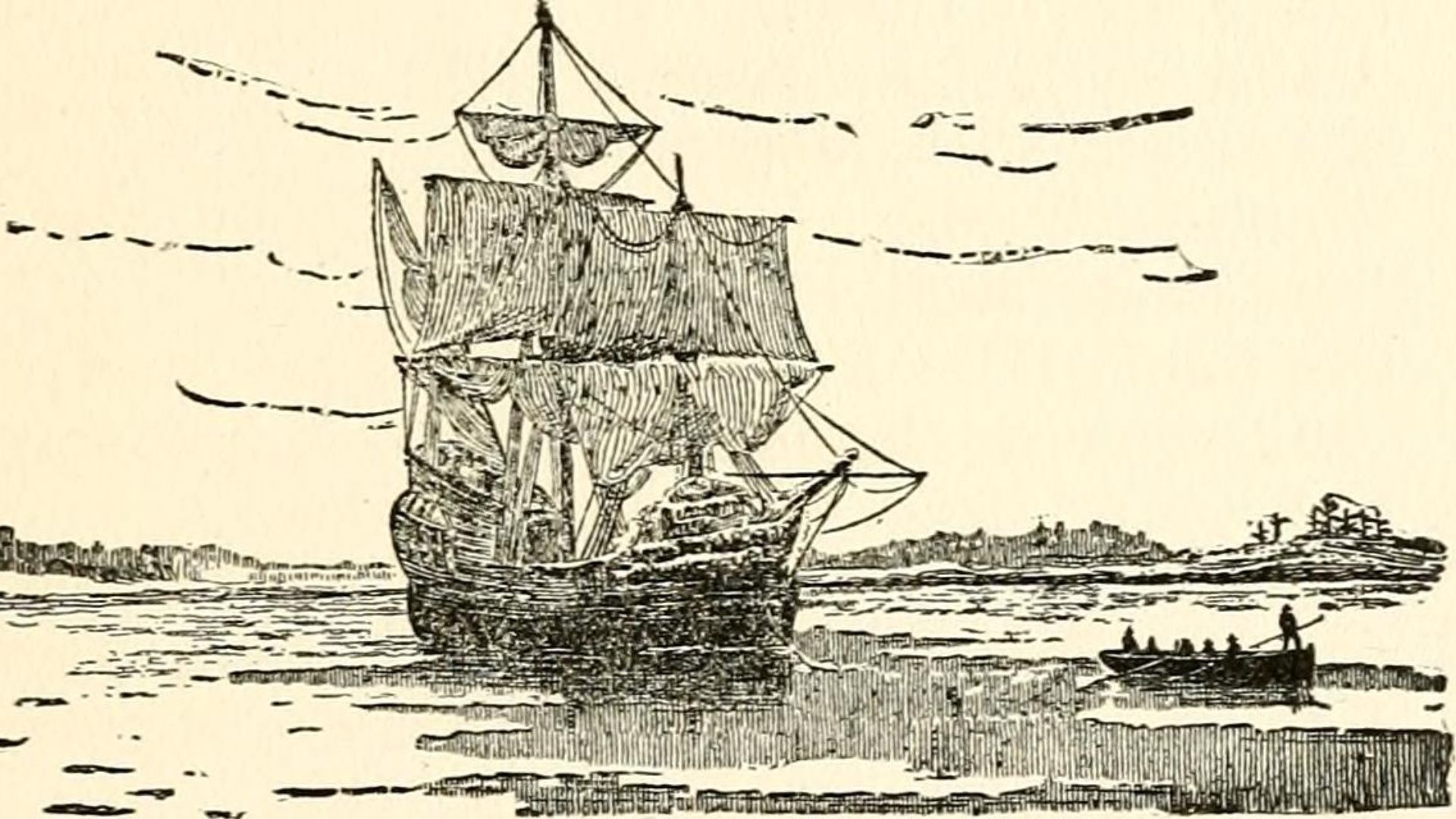
The Mayflower was originally supposed to travel alongside a smaller ship called the Speedwell, but things didn't quite go according to plan. The Speedwell repeatedly developed leaks, forcing both vessels to return to England. After two unsuccessful attempts, the settlers abandoned the smaller ship and continued aboard the Mayflower alone. By this point, they'd lost valuable time and would be arriving in America dangerously close to winter.
 Internet Archive Book Images on Wikimedia
5. Leaving Their Children Behind
Not every family that intended to travel to America managed to stay together. William Bradford and his wife, Dorothy, left their young son John in the Netherlands, while William and Mary Brewster also made the journey without several of their children. Having to abandon the Speedwell further complicated arrangements for passengers who'd expected to travel together. For parents leaving their children behind, there was no guarantee they'd ever see them again.

6. Spending 66 Days in Cramped Quarters
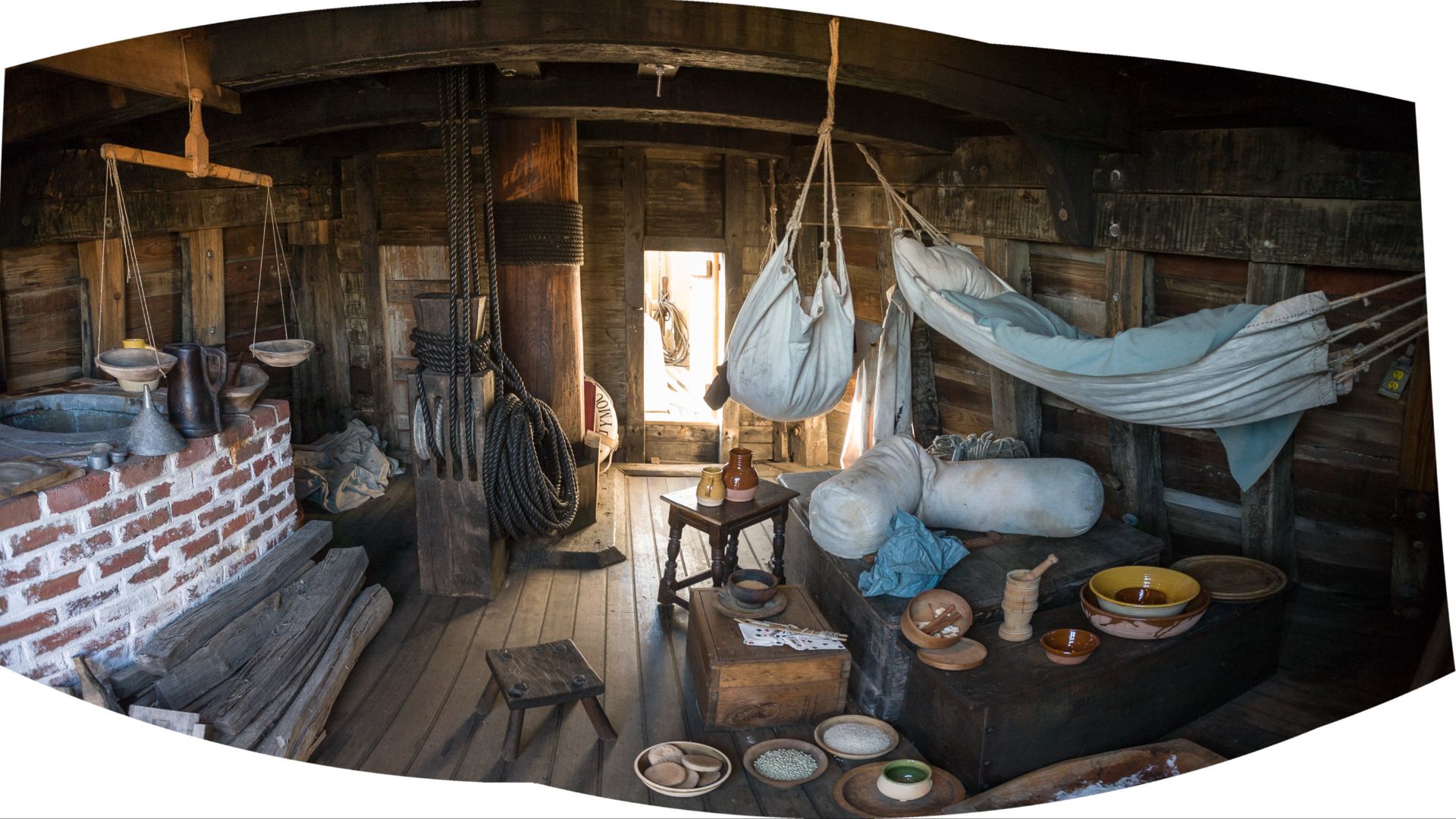
The Mayflower was primarily a merchant vessel rather than a ship designed to comfortably accommodate passengers. More than 100 people shared a cramped space below deck, where the ceiling was so low that many adults couldn't stand upright. There was virtually no privacy, and poor weather often limited opportunities to get some fresh air. Imagine spending more than two months sleeping, eating, and getting dressed under those circumstances.
 Kenneth C. Zirkel on Wikimedia
7. Experiencing Relentless Seasickness
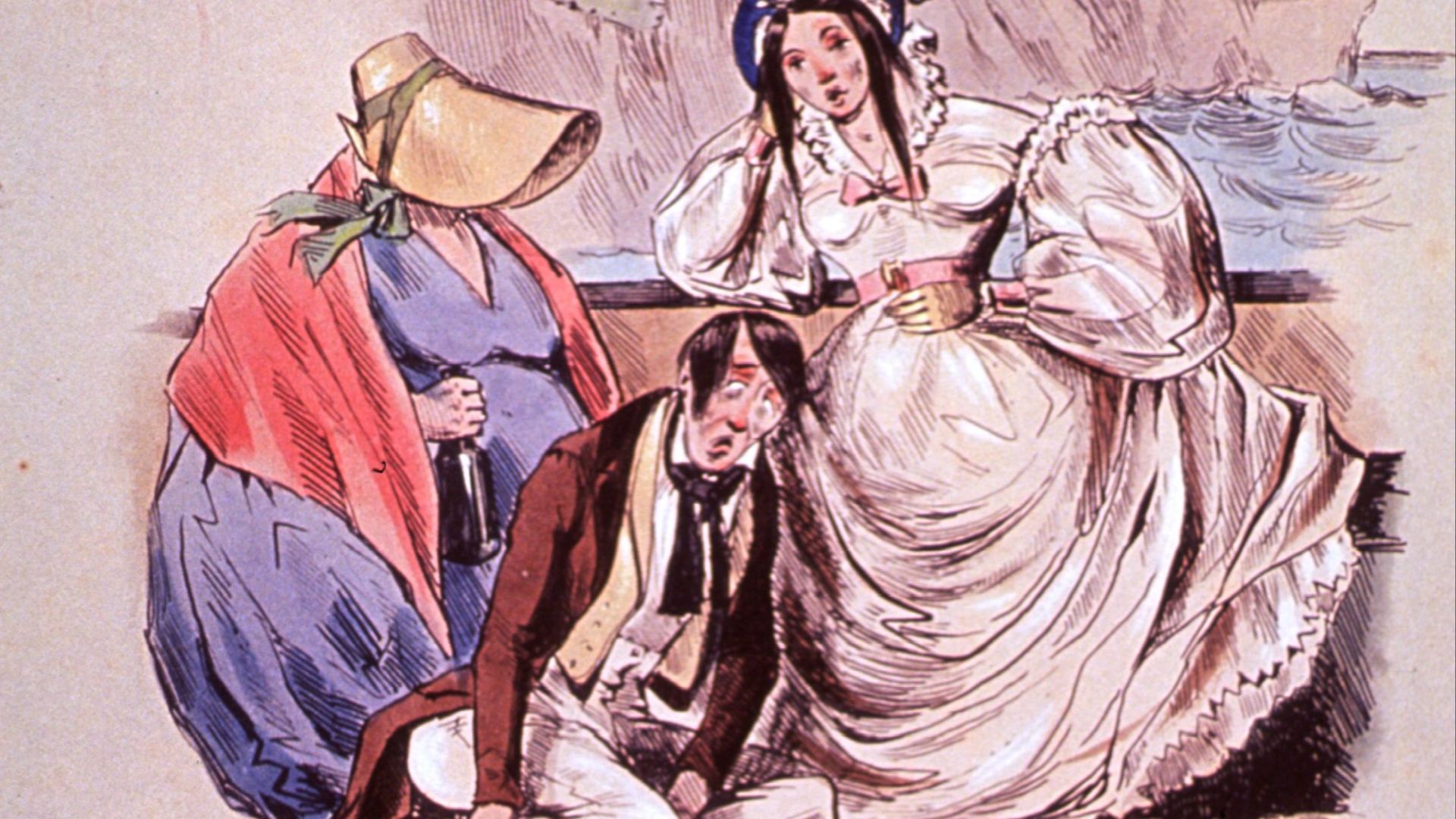
Considering how few passengers had experience sailing across the Atlantic, it's hardly surprising that seasickness became a widespread problem. Rough waters made it difficult to sleep or keep food down, particularly during storms that forced passengers to remain below deck. There wasn't much anyone could do to relieve their symptoms, and sharing living quarters with dozens of other sick people certainly didn't help. By the time they reached America, some passengers were already in a weakened physical state.
8. Surviving on an Extremely Limited Diet
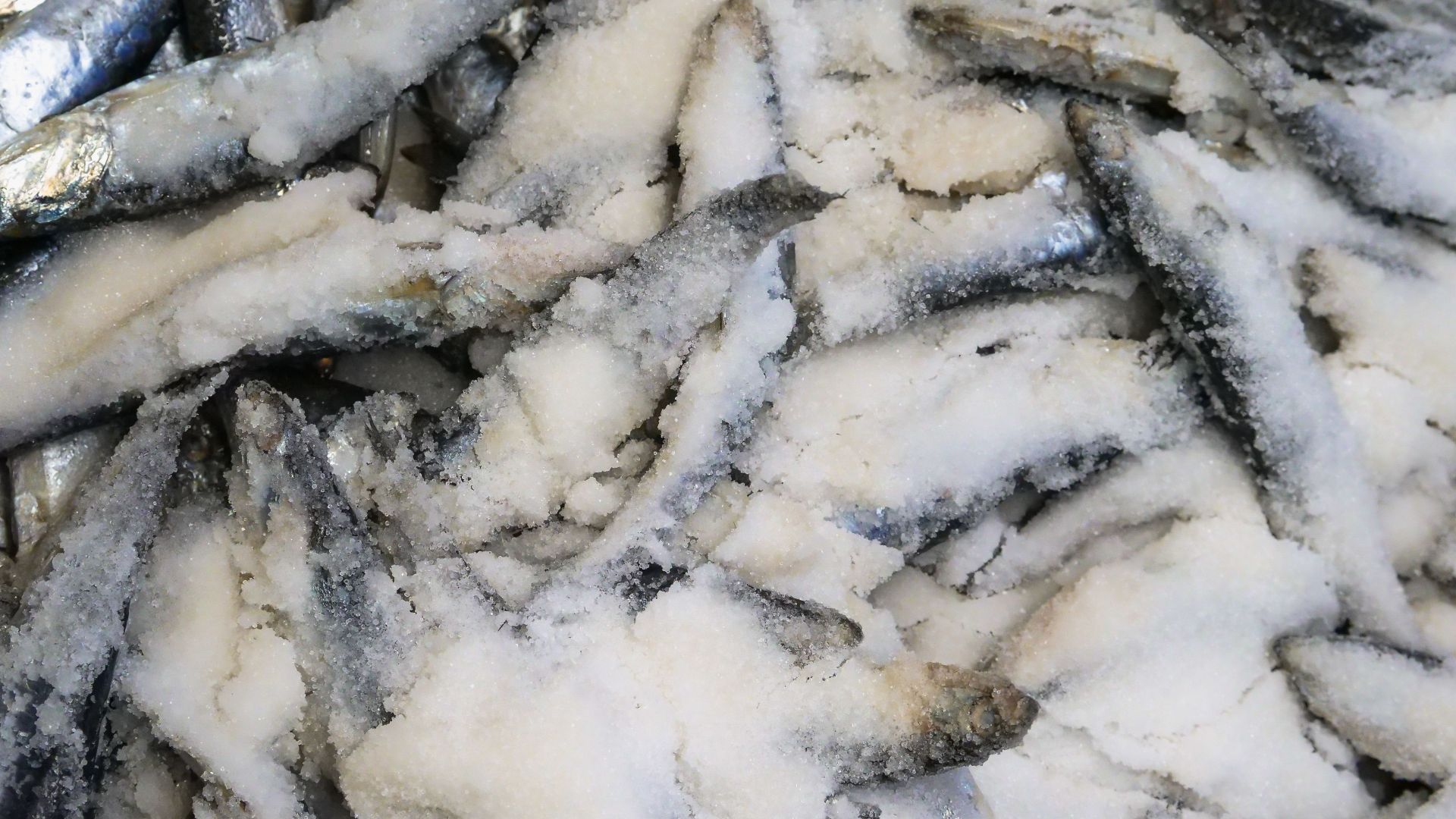
Forget about fresh vegetables, warm bread, and nicely prepared meals because those luxuries weren't readily available aboard the Mayflower. Passengers largely depended on preserved foods such as salted meat, dried fish, and hard biscuits that could withstand lengthy storage. Fresh produce was particularly difficult to keep for the duration of the voyage, putting passengers at risk of nutritional deficiencies. Weeks of eating the same limited selection of food inevitably took a toll on their health.
9. Nearly Losing Their Ship in a Storm
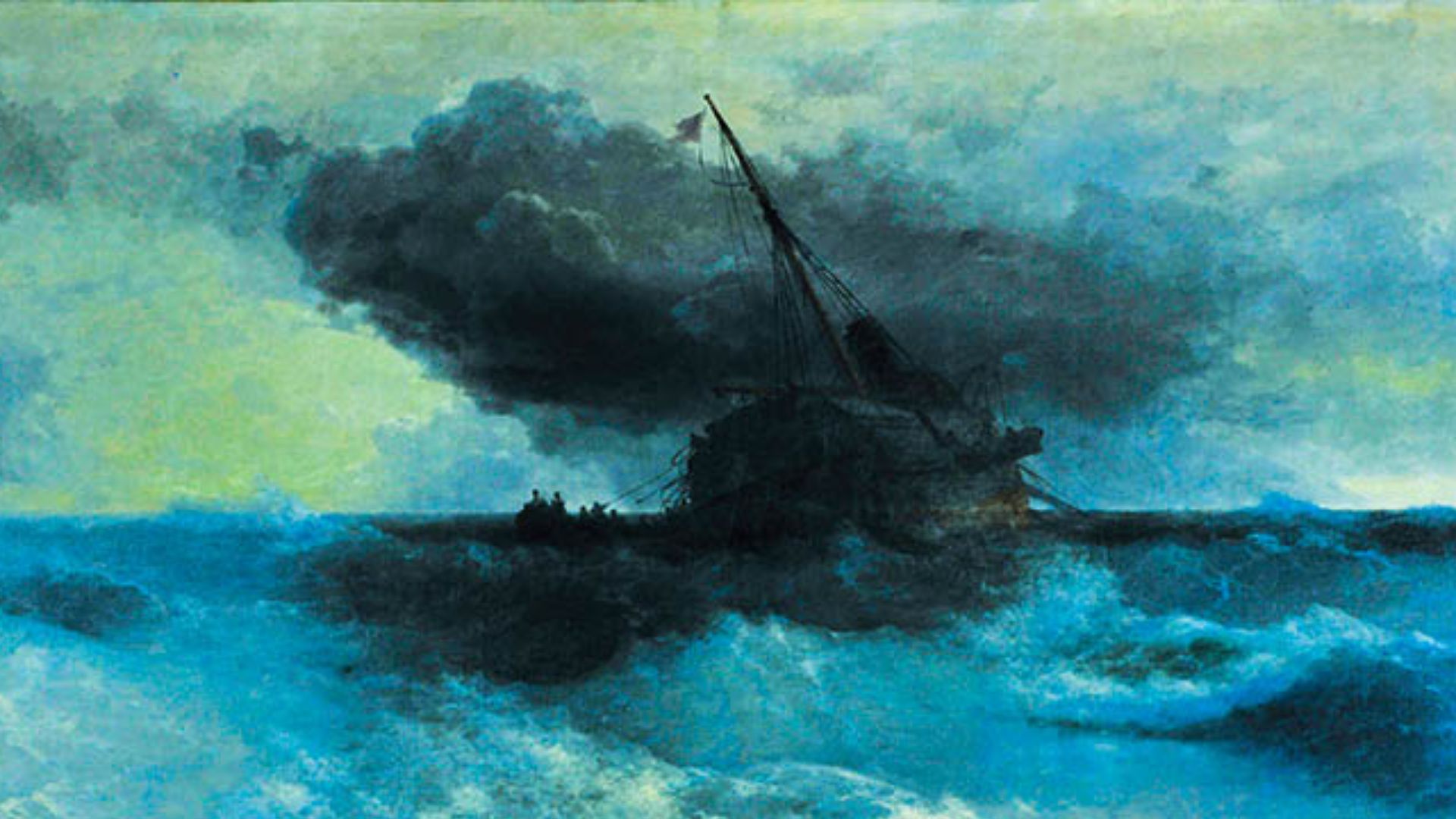
At one point during the Atlantic crossing, one of the Mayflower's principal structural beams cracked during a storm. The damage was serious enough that there were discussions about whether the ship could safely continue its journey. Fortunately, a large iron screw that the passengers had brought along was used to help raise the damaged beam back into position. Had they been unable to repair it, the expedition might never have reached its destination.
10. Nearly Drowning in the Atlantic Ocean
One passenger named John Howland had a particularly frightening experience when he was swept overboard during a storm. Given the rough conditions and the limitations of maritime rescue in the 17th century, his chances of survival weren't promising. Fortunately, Howland managed to grab a rope trailing from the ship and was pulled back aboard. His remarkable survival is a reminder of just how dangerous it could be to venture above deck.

11. Giving Birth Aboard the Mayflower
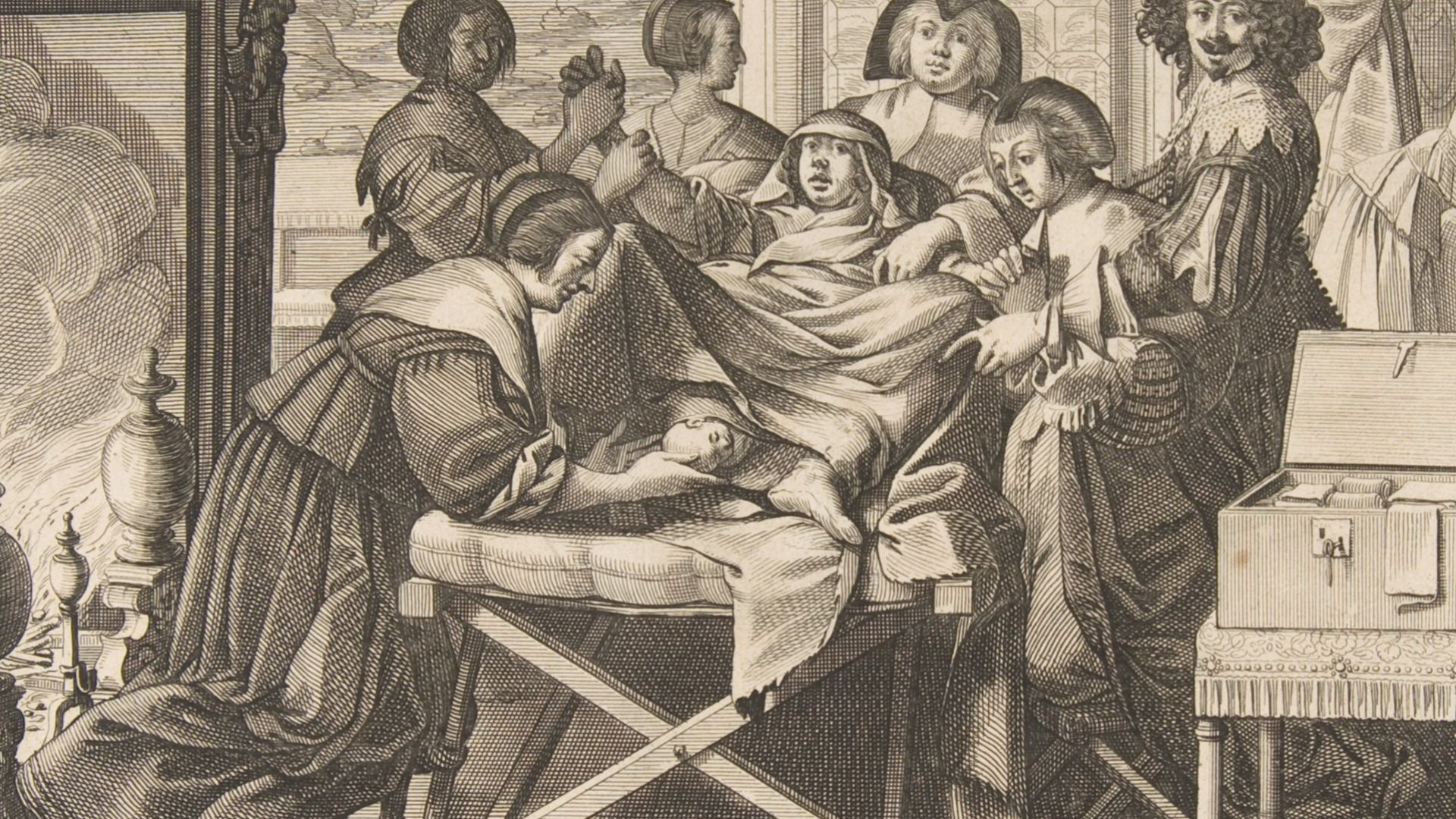
Elizabeth Hopkins was pregnant when she boarded the Mayflower and gave birth to her son, Oceanus, during the Atlantic crossing. Delivering a baby in cramped, unsanitary quarters aboard a constantly moving ship was hardly ideal. Another passenger, Susanna White, gave birth to her son Peregrine while the ship was anchored off Cape Cod. Neither mother had the comfort of a proper home where she could recover and care for her newborn.
 Abraham Bosse / Jean Leblond on Wikimedia
12. Arriving Far From Their Intended Destination
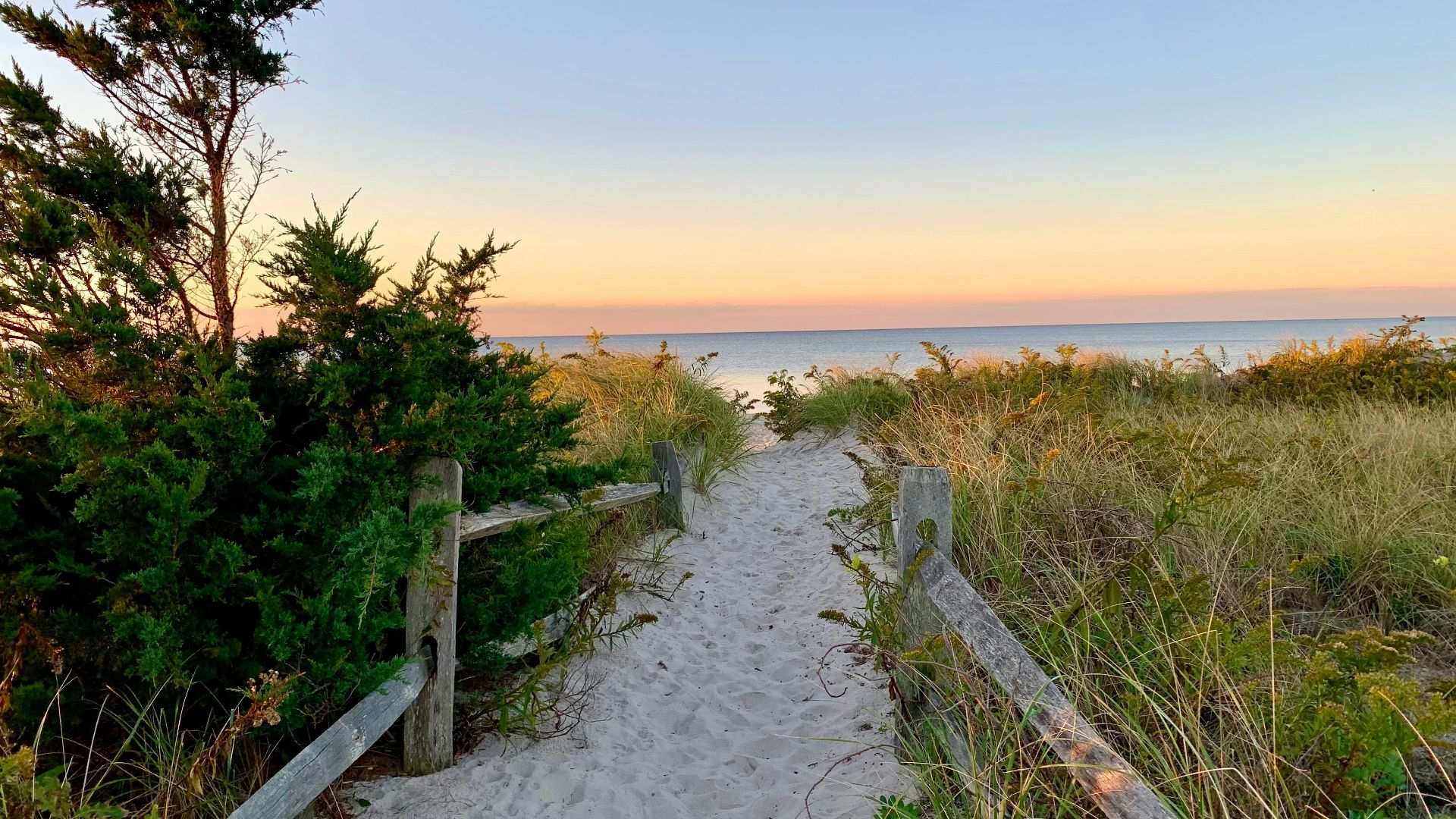
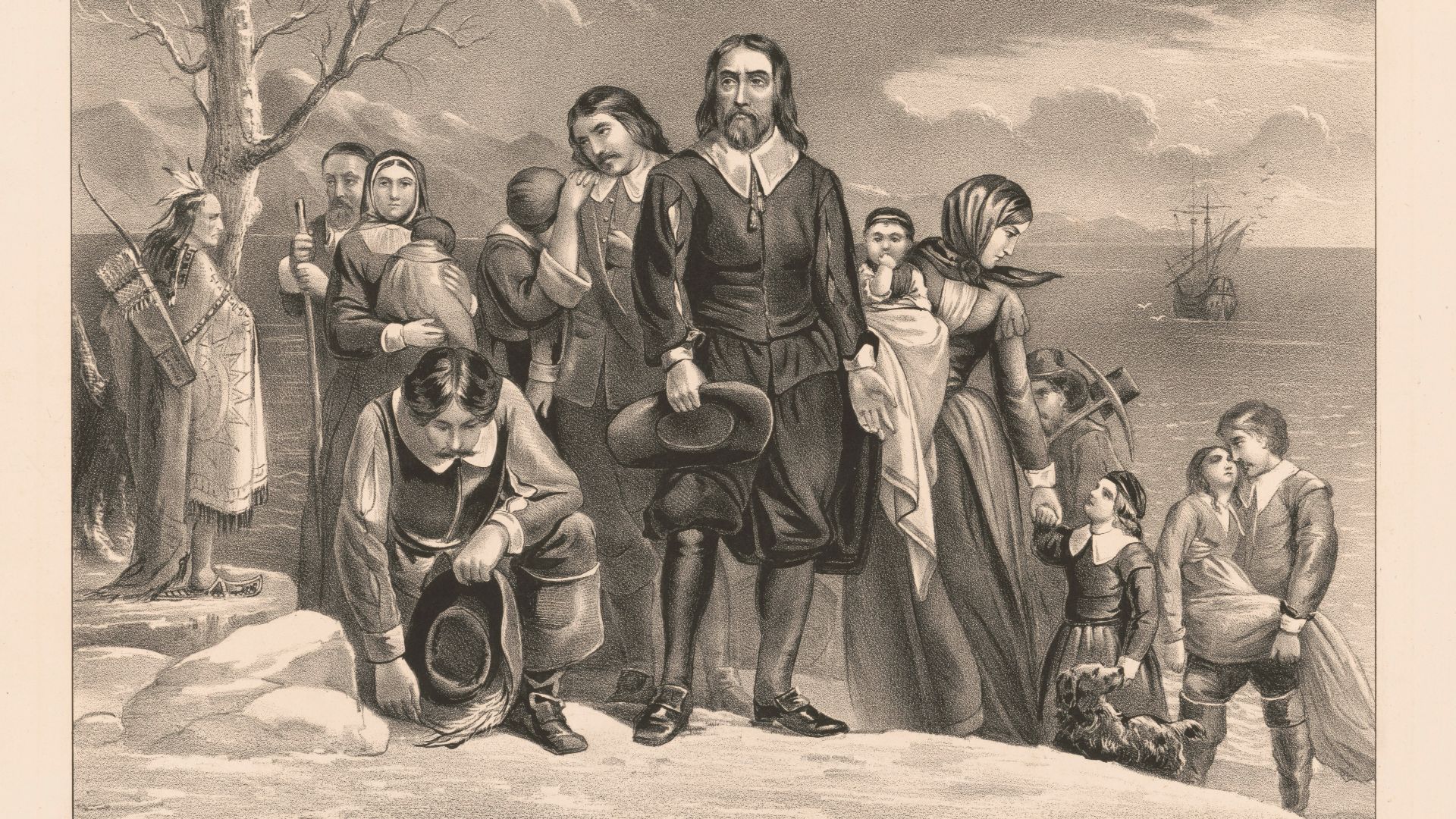
After everything they'd endured at sea, the passengers discovered that they'd arrived considerably farther north than originally intended. They'd planned to establish a settlement near the Hudson River, but unfavorable winds and hazardous waters complicated their efforts to reach it. With winter fast approaching and further travel proving difficult, they decided to remain in present-day Massachusetts. Much of the planning they'd done before leaving England suddenly became irrelevant.
13. Facing Disputes Over Who Was in Charge
Because they'd landed outside the area covered by their original settlement patent, questions arose about who had the authority to govern the colony. Some passengers who weren't members of the Separatist congregation challenged the idea that they were obligated to follow its leaders. It wasn't a particularly good time for disagreements, considering how heavily everyone would soon depend on one another for survival. Ultimately, 41 male passengers signed the Mayflower Compact to establish a framework for governing their new community.
 Popular Graphic Arts on Wikimedia
14. Getting So Cold Their Clothes Froze
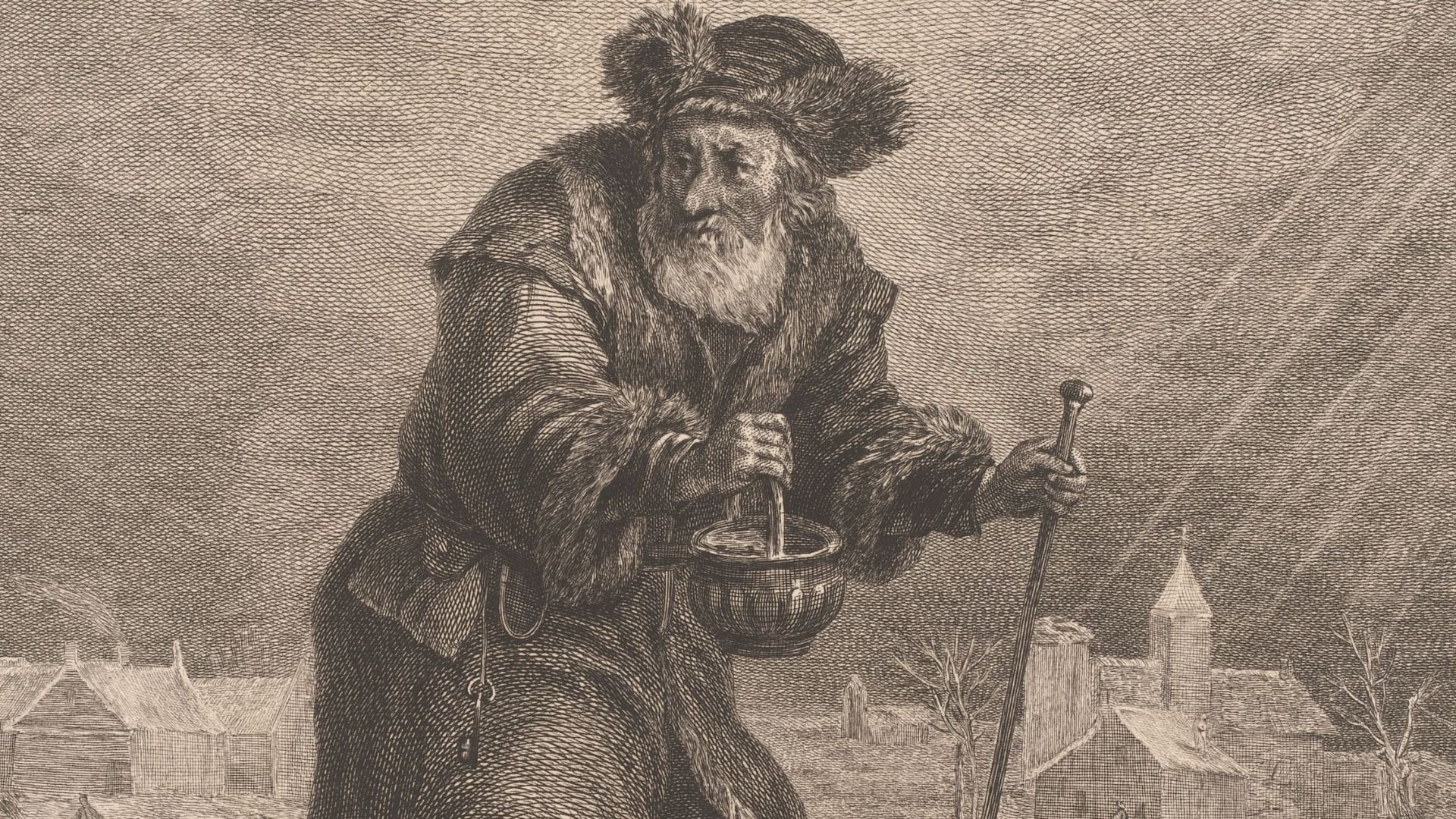
Exploring the Massachusetts coastline in late 1620 meant regularly exposing themselves to freezing temperatures, snow, and bitter winds. Some men had to wade through icy seawater to reach shore because their boats couldn't get close enough to the beach. It was so cold that their wet clothing froze, making the expeditions even more uncomfortable and dangerous. Contemporary accounts suggest that exposure to the elements during these early explorations contributed to some of the deaths that followed.
15. Becoming Involved in an Armed Confrontation
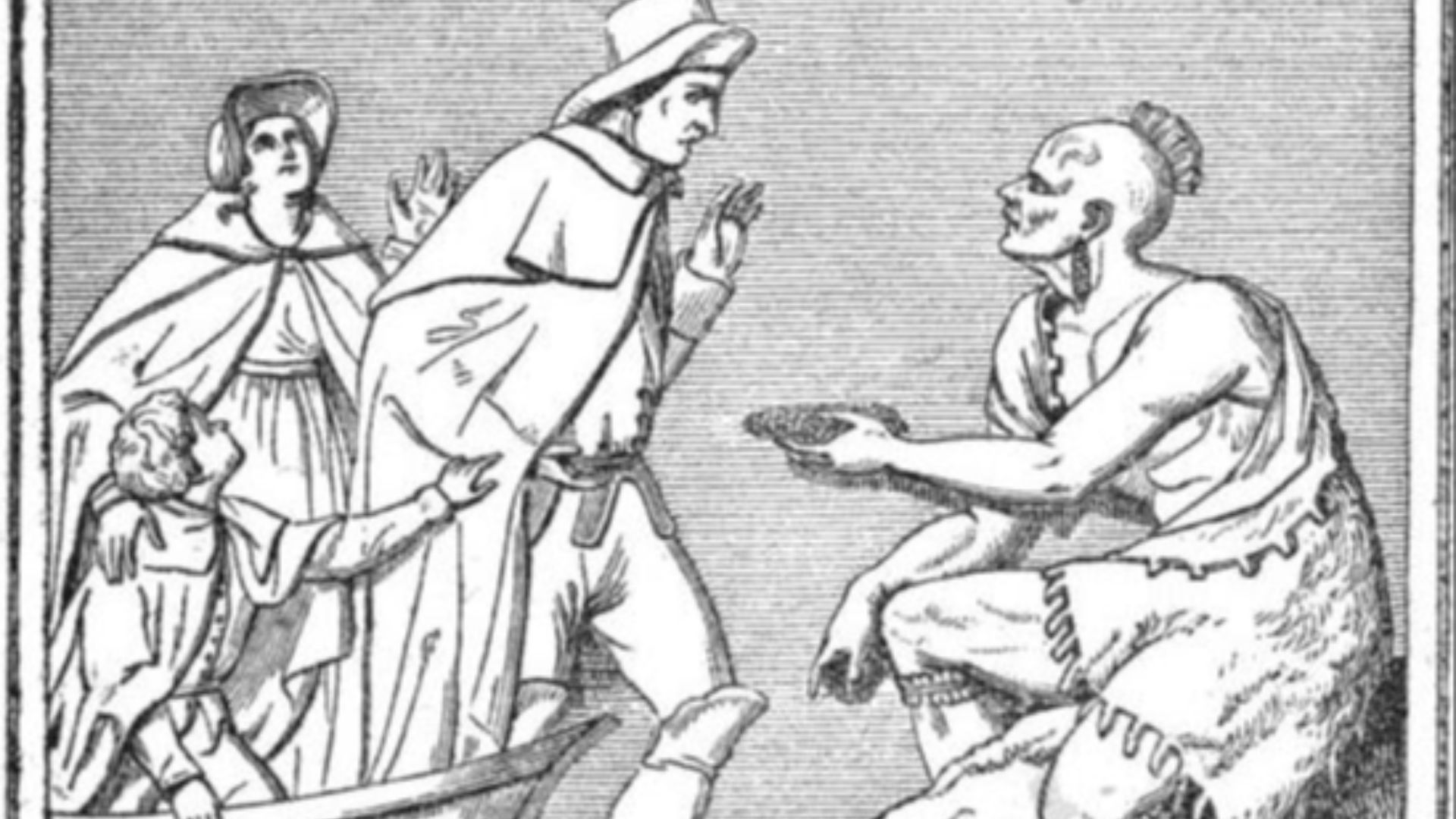
In December 1620, an English exploration party exchanged fire with members of the Nauset community on Cape Cod. Although no English settlers were reported killed in the confrontation, the incident heightened their security concerns. However, Indigenous communities had good reason to be wary of the newcomers, having already experienced kidnapping and other mistreatment at the hands of European visitors, and the settlers had stolen some of their corn. Establishing peaceful relations would require considerable diplomatic effort.
16. Having to Build an Entire Settlement in Winter
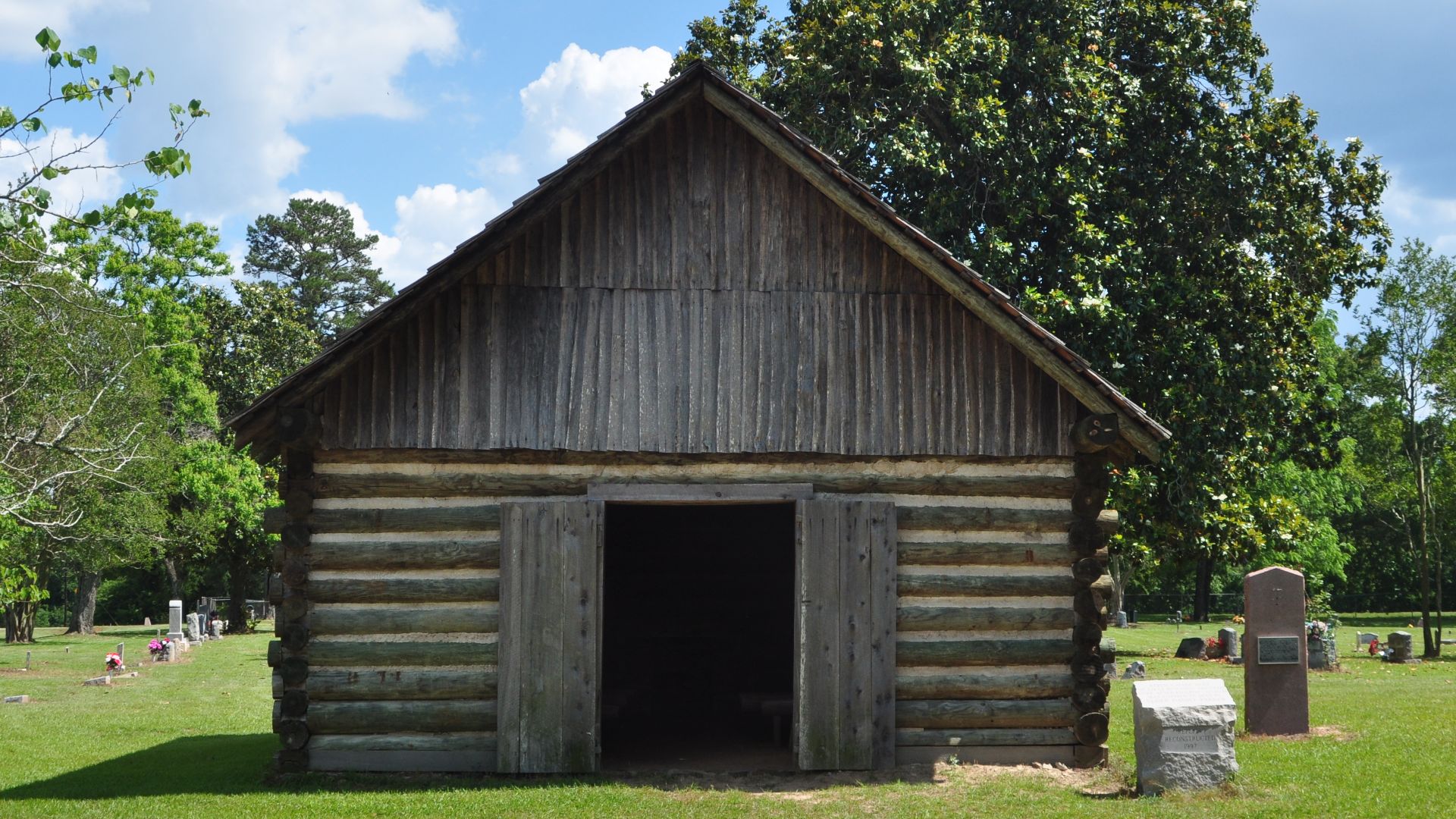
There weren't any finished English houses waiting for the settlers when they arrived at Plymouth, the site of the former Wampanoag village of Patuxet. They were left to gather construction materials and put up buildings in the middle of winter. Rain, snow, and illness frequently interrupted their progress, forcing many passengers to continue living aboard the Mayflower. Securing even the most basic shelter was an exhausting undertaking for people who'd already been through so much.
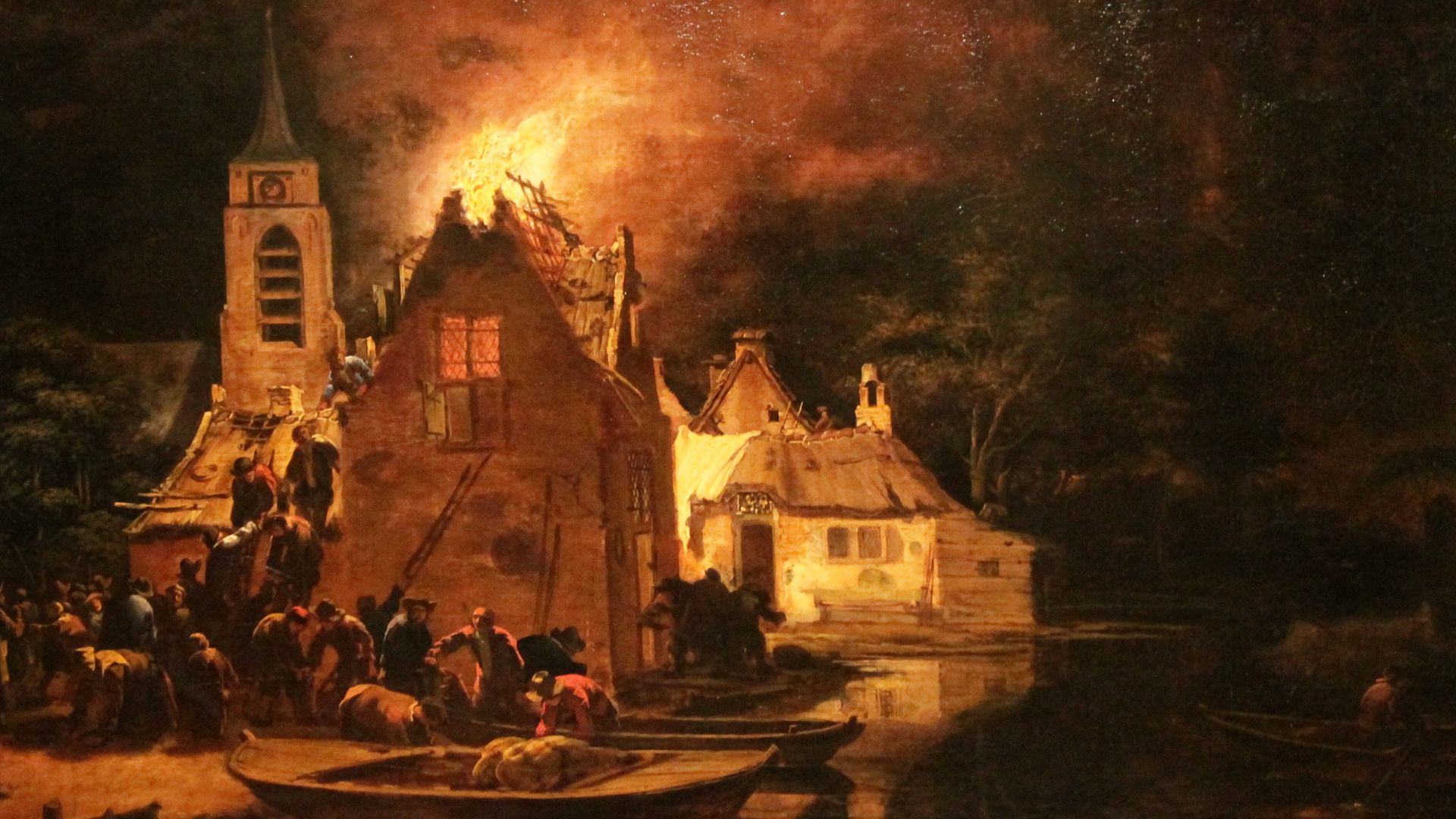
17. Watching Their Newly Built Common House Catch Fire
As though constructing buildings in the middle of winter wasn't difficult enough, the settlers suffered another major setback in January 1621. A stray spark ignited the thatched roof of their newly constructed common house, where several sick colonists were resting. William Bradford and Governor John Carver were among those inside, and the presence of gunpowder in the building made the situation particularly dangerous. Thankfully, nobody was killed, although the fire destroyed the thatching and damaged their belongings.
 Egbert van der Poel on Wikimedia
18. Losing Nearly Half Their Population to Illness
The first winter at Plymouth proved particularly devastating as widespread illness swept through the settlement. Historians believe the colonists suffered from conditions including scurvy, pneumonia, and dysentery, all of which were likely aggravated by poor nutrition and exposure to the elements. At one point, only six or seven people were reportedly well enough to look after everyone else. By the time spring arrived, roughly half of the original Mayflower passengers had died.
Ferdinand Georg Waldmüller on Wikimedia
19. Seeing Entire Families Fall Apart
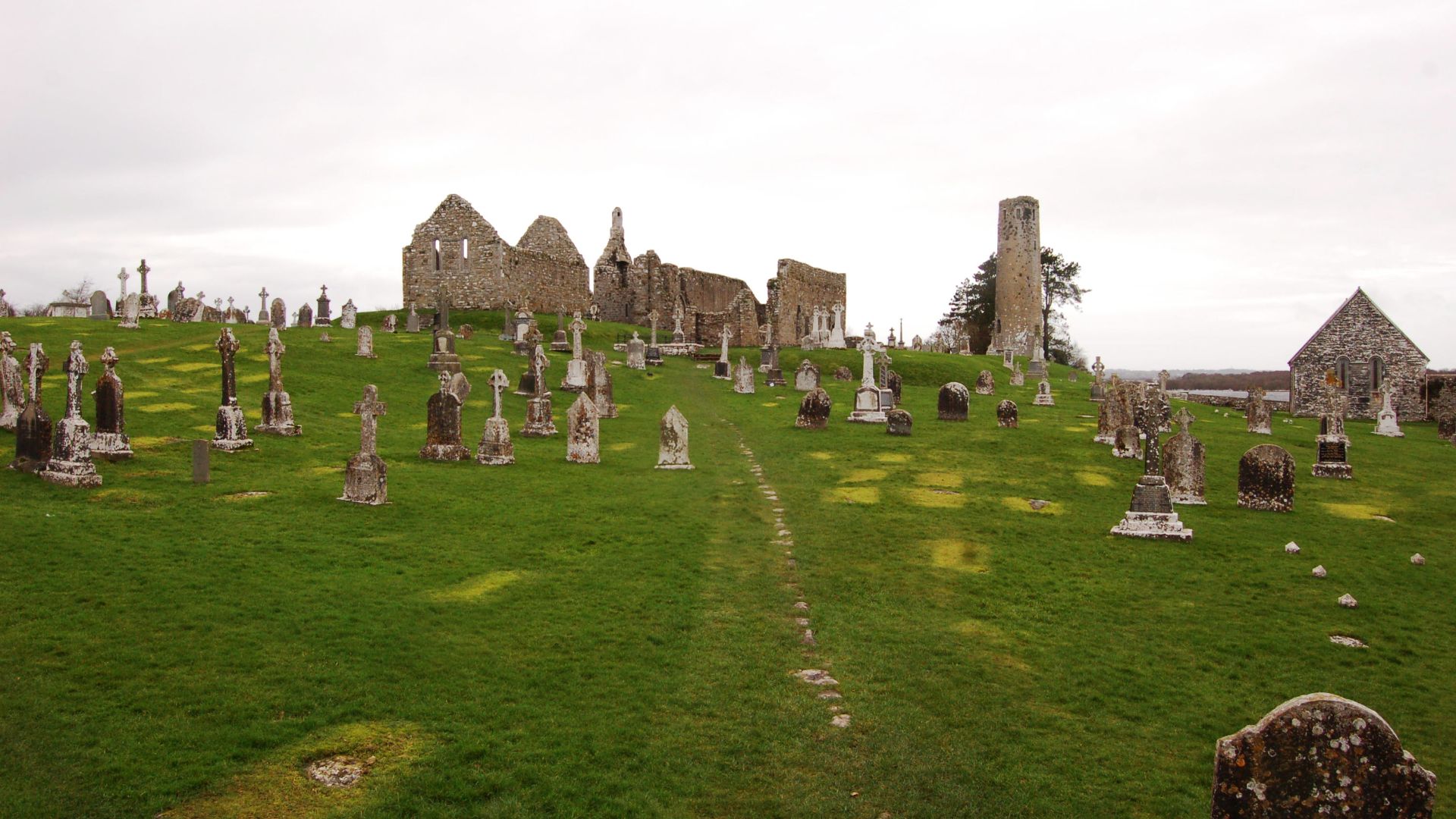
Few surviving settlers made it through the first winter without losing someone close to them, and several children were left without parents. Priscilla Mullins lost her father, mother, and younger brother, while young Samuel Fuller was orphaned and subsequently raised by his uncle. Six-year-old Richard More also lost all three of his siblings within months of traveling to America. For many survivors, building a new life meant doing so without the loved ones they'd made the journey with.
20. Losing Their Governor Just as Conditions Began Improving
Spring finally brought the settlers some much-needed relief, but their troubles were far from over. In April 1621, Plymouth's first governor, John Carver, fell ill after working in the fields and died shortly afterward, with his wife also passing away within weeks. William Bradford, who'd only recently recovered from a severe illness himself, was elected to replace him. Despite this additional setback, the colonists maintained their newly established alliance with the Wampanoag and managed to produce a successful harvest, which they'd eventually celebrate together over the course of three days.
KEEP ON READING