
On October 8, 1871, a devastating wildfire swept through northeastern Wisconsin—so devastating, in fact, that the disaster remains the deadliest wildfire in American history. It would later be known as the Peshtigo Fire, with a death toll ranging from 1,200 to 2,500 fatalities. Even with these jarring numbers, the tragedy is largely overshadowed by another event that occurred on the very same night: the Great Chicago Fire.
The destruction unfolding around Peshtigo, however, was considerably deadlier. Within hours, homes, businesses, and vast stretches of forest had been consumed, leaving survivors struggling to comprehend what had happened. More than 150 years later, the catastrophe remains a disturbing example of how dangerous wildfires can truly get.
A Disaster Years in the Making
But how did such a deadly fire even erupt in Peshtigo? The story actually starts way back: long before the fire, Peshtigo had developed into a prosperous lumber town. Sawmills, woodworking factories, and railroad operations supported the local economy. However, it's not difficult to see that these industries also created dangerous conditions—case in point, that it would eventually lead to the most horrific fire in American history.
It, of course, didn't help either that northeastern Wisconsin was experiencing unusually dry weather in the summer of 1871. With little rainfall, the prolonged drought made vegetation extremely flammable, and discarded timber and brush only provided additional fuel for potential fires. Small fires were already common throughout the region as well, which made the region particularly vulnerable.
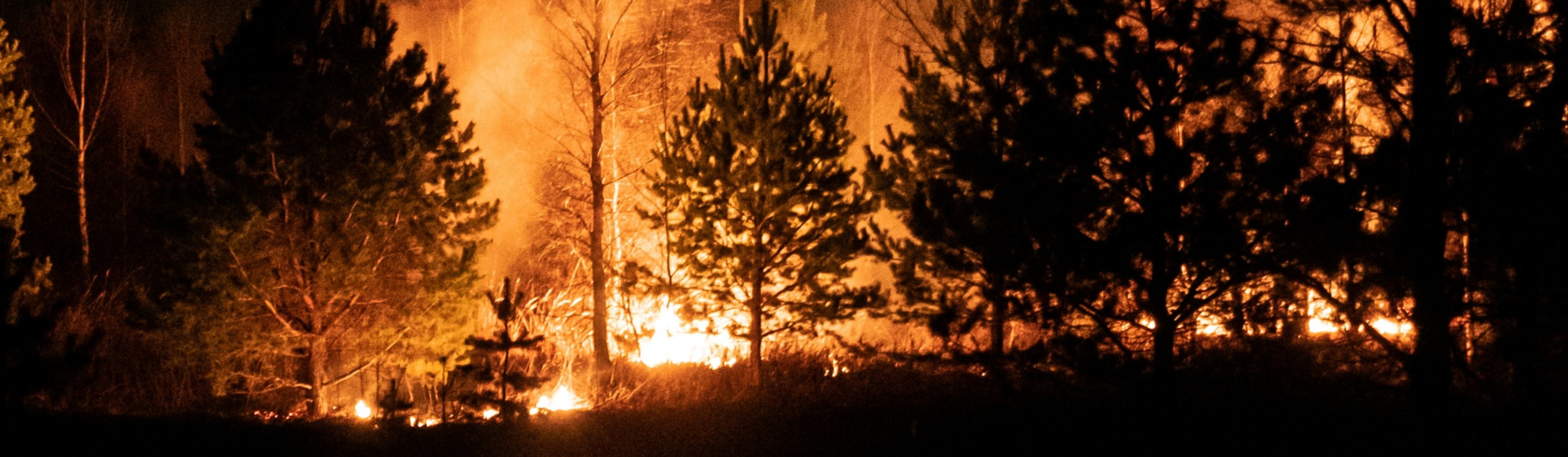
While the exact ignition source remains unknown, the weather on October 8 dramatically increased the danger. The powerful southwesterly winds across Wisconsin and Michigan intensified existing fires, allowing flames to quickly swallow the dry landscape until, eventually, the growing blaze developed into a firestorm.
The Night Peshtigo Was Destroyed
As evening approached that night, residents noticed an ominous red glow appearing in the distance. But since many had gotten accustomed to the town's frequent forest fires, they didn't initially recognize the danger they were in. It wasn't until later that night, when flames suddenly roared past with ferocious speed, that residents realized they were trapped.
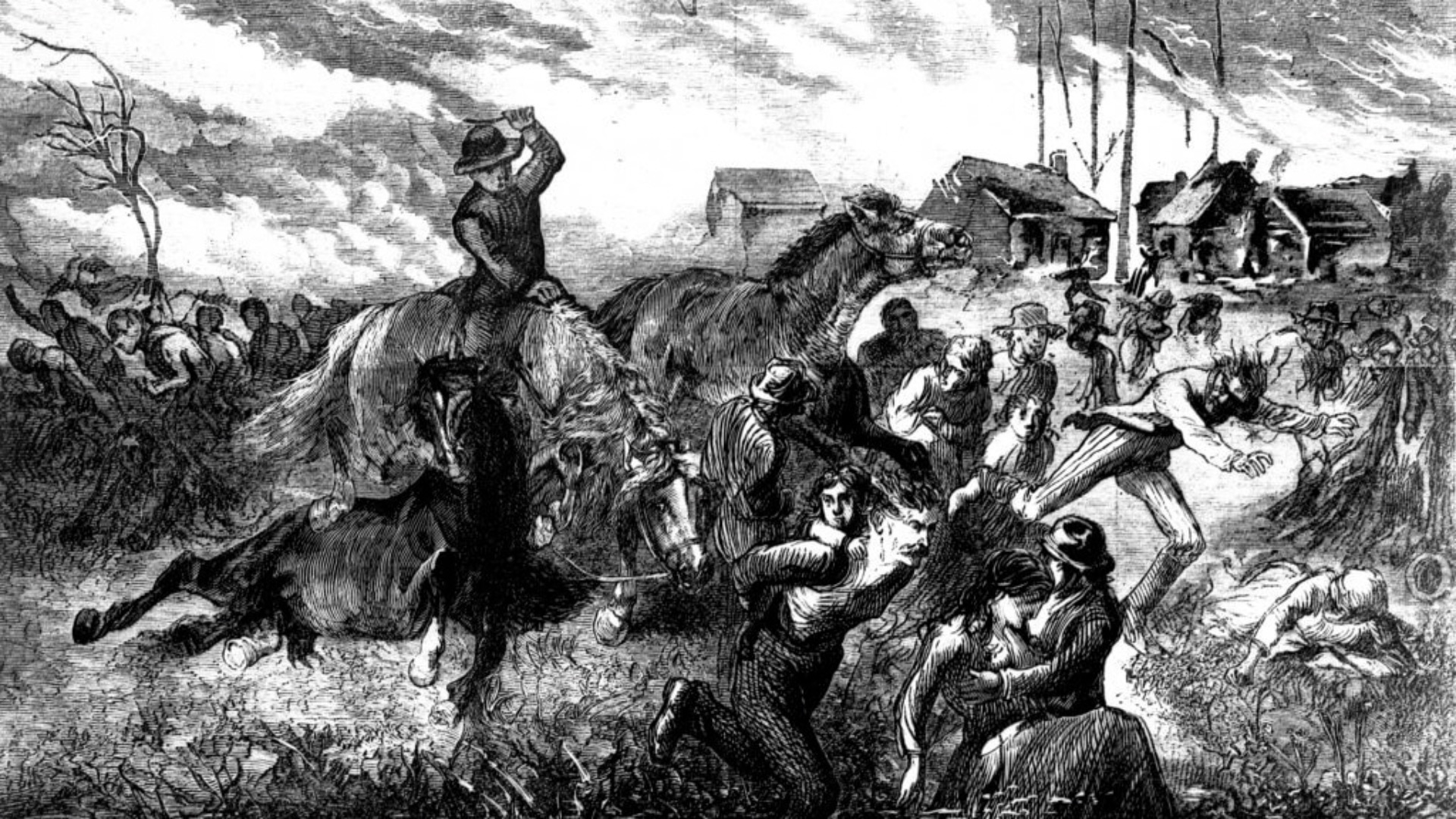
Panic spread as people desperately attempted to escape the advancing flames, abandoning their homes and possessions in the process. But the powerful winds were quick to disrupt their attempts, knocking people off their feet, while thick smoke and debris made it nearly impossible to see or breathe. Many fled toward the river, hoping that it would protect them from the intense heat.
Unfortunately, reaching the water didn't guarantee survival—some residents drowned or succumbed to the tremendous heat and smoke while seeking shelter, while others became lost or separated from their families. In less than two hours, the town was unrecognizable, with approximately 800 residents believed to have died. According to the National Weather Service, the wider disaster burned approximately 1.5 million acres!
The Aftermath and a Tragedy Overshadowed
When the firestorm finally subsided, survivors emerged to discover an almost barren landscape, with most buildings and familiar landmarks reduced to ruins. Many were suffering from severe burns, respiratory injuries, and temporary blindness caused by the intense smoke and heat. The scale of the destruction also complicated rescue efforts, leaving residents without the essentials they needed. Nearby Marinette, which had escaped the worst destruction, provided emergency assistance, converting local buildings into makeshift hospitals.
And yet, despite the tragedy that unfolded, news of the catastrophe was initially delayed because the fire had destroyed telegraph lines connecting the region to the outside world. Meanwhile, assistance was already being organized for Chicago, where another devastating fire had erupted that same evening, the same one that would end up in the headlines for weeks. It was only after the destruction in Peshtigo became known that relief supplies were redirected toward the Wisconsin community, efforts and accounts that are now preserved by the Peshtigo Fire Museum.
Nearly an estimated 3,000 lives were lost to the flames, but the greater death toll didn't mean Peshtigo dominated the news. In fact, it never received the same national recognition as Chicago. The larger city's prominence and economic importance meant it was given the title of one of America's best-known disasters. In Wisconsin, however, the tragedy hasn't been forgotten, and the community continues to commemorate those who died through historical exhibits and memorials.
Even now, nearly two centuries later, the Peshtigo Fire remains a sobering reminder that devastating natural disasters don't always receive the attention their consequences deserve, despite its widespread destruction and the extraordinary death toll. Though the town eventually rebuilt, and though it was overshadowed, the events of October 8, 1871, continue to hold an important place in American history.
KEEP ON READING