The Ancient Marathon Runner Who Ran Across A Continent To Deliver A Warning
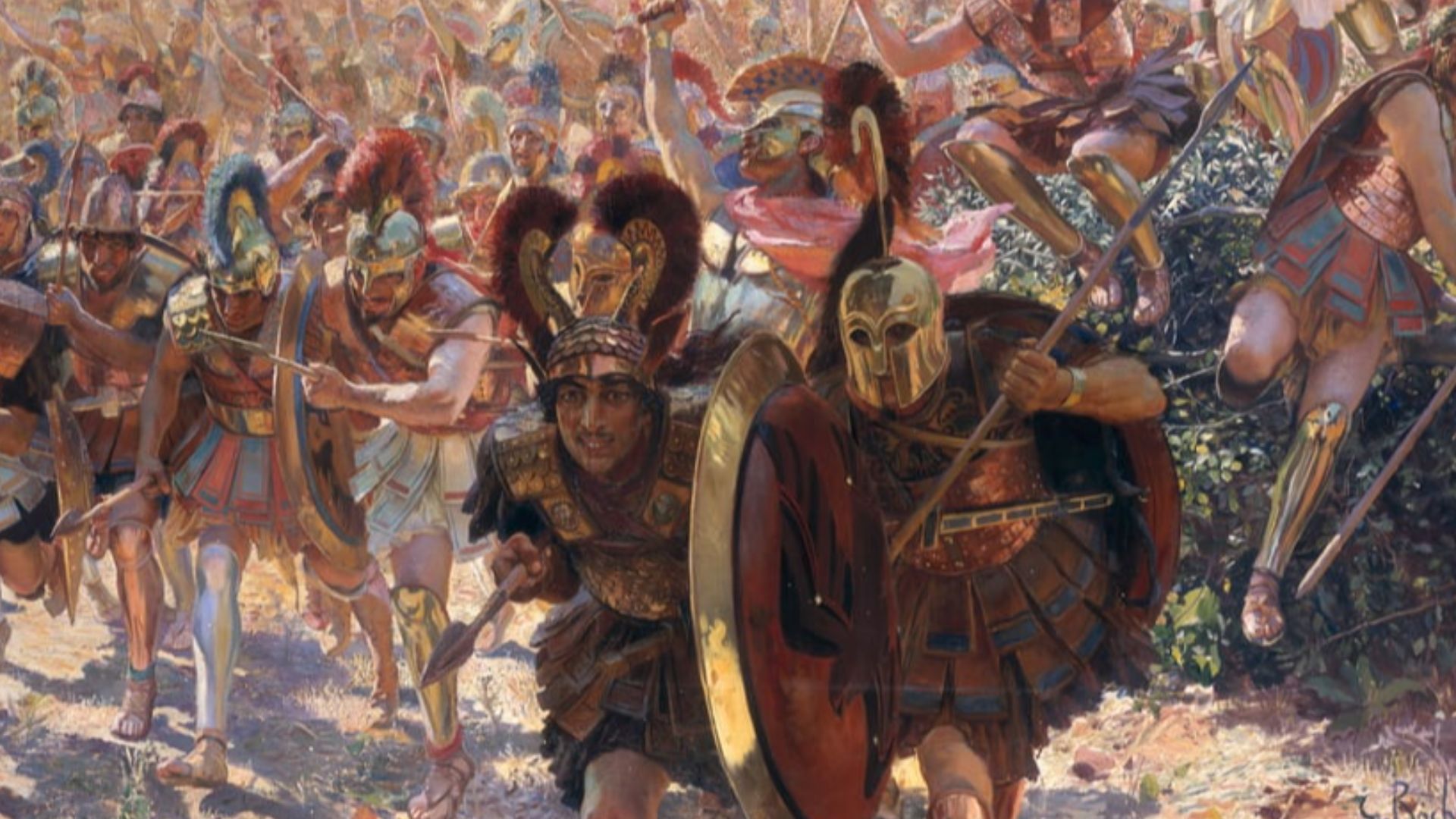 Georges Rochegrosse on Wikimedia
The story of the marathon is often told as a simple tale: a Greek runner races from the battlefield at Marathon to Athens, announces victory, and collapses. The historical record is more interesting than that familiar version, though. The ancient source Herodotus describes a long-distance courier named Philippides, or Pheidippides in another common spelling, who was sent from Athens to Sparta to request military assistance as the Persian army approached.
That journey wasn't across a continent in the literal modern sense, but it was an extraordinary overland run across a substantial part of ancient Greece. Herodotus says Philippides reached Sparta on the day after leaving Athens, carrying an urgent request for help. His mission wasn't to announce a victory at Marathon; it was to warn the Spartans about the Persian threat and ask them to send support.
A Messenger With an Extraordinary Job
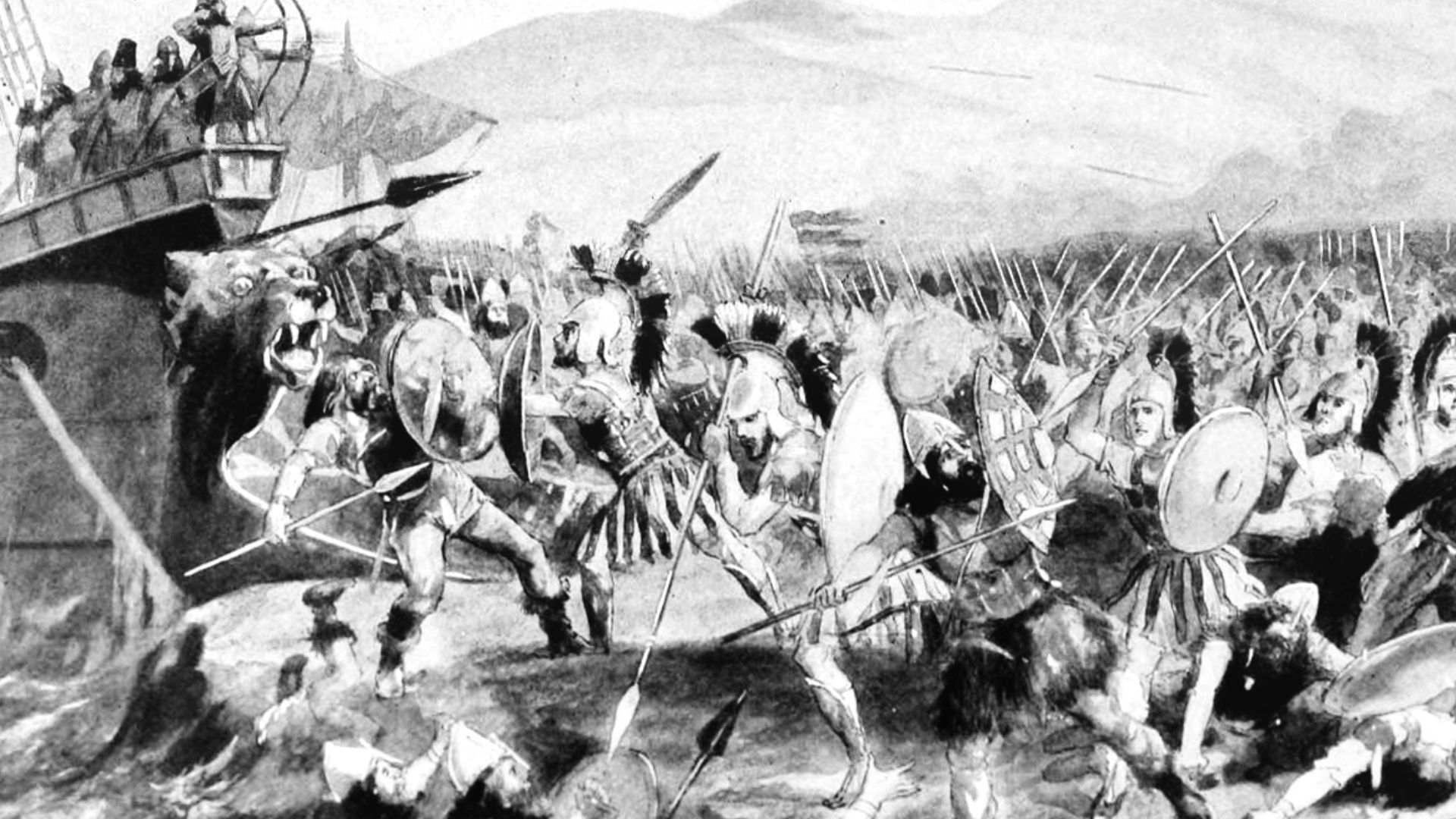 John Steeple Davis on Wikimedia
In 490 B.C., the Persian invasion placed Athens in a serious predicament. Persian forces had landed at Marathon, a coastal plain northeast of Athens, and the Athenians needed assistance from other Greek communities. Herodotus explains that the Athenian generals chose Philippides, whom he describes as an Athenian herald and long-distance runner, to travel to Sparta.
The assignment made practical sense in an era when messages traveled at the speed of the person carrying them. There were no roads filled with mail coaches, telegraphs, or convenient ways to send a quick update across Greece. If Athens wanted Sparta to know what was happening, someone had to physically make the journey.
Philippides was apparently well suited to the job. Herodotus specifically identifies him as someone whose profession was long-distance running, suggesting that he wasn't simply a soldier who happened to be reasonably fit. The Athenians were therefore sending a specialist messenger on a mission where speed mattered considerably.
According to Herodotus, Philippides left Athens and arrived in Sparta on the following day. A foot journey between the two cities was a substantial undertaking, particularly given the terrain and conditions of ancient Greece. A later note associated with Herodotus gives the distance as about 150 miles, although the exact route and distance remain matters of historical discussion.
His message was straightforward: Athens needed help against the Persians. The Spartans were willing to assist, but they told Philippides that they couldn't immediately march because of a religious observance requiring them to wait until the full moon.
That response must have been frustrating for the Athenians, but it wasn't simply a refusal. Sparta agreed in principle to provide assistance while observing its religious obligations. Philippides therefore returned with information that was useful even if it wasn't the immediate military reinforcement Athens had hoped to receive.
The account becomes considerably more colorful when Philippides describes what happened during the journey. Herodotus says that while the runner was near Mount Parthenium, above Tegea, he encountered the god Pan. According to Philippides' report, Pan asked why the Athenians paid him so little attention despite his willingness to help them.
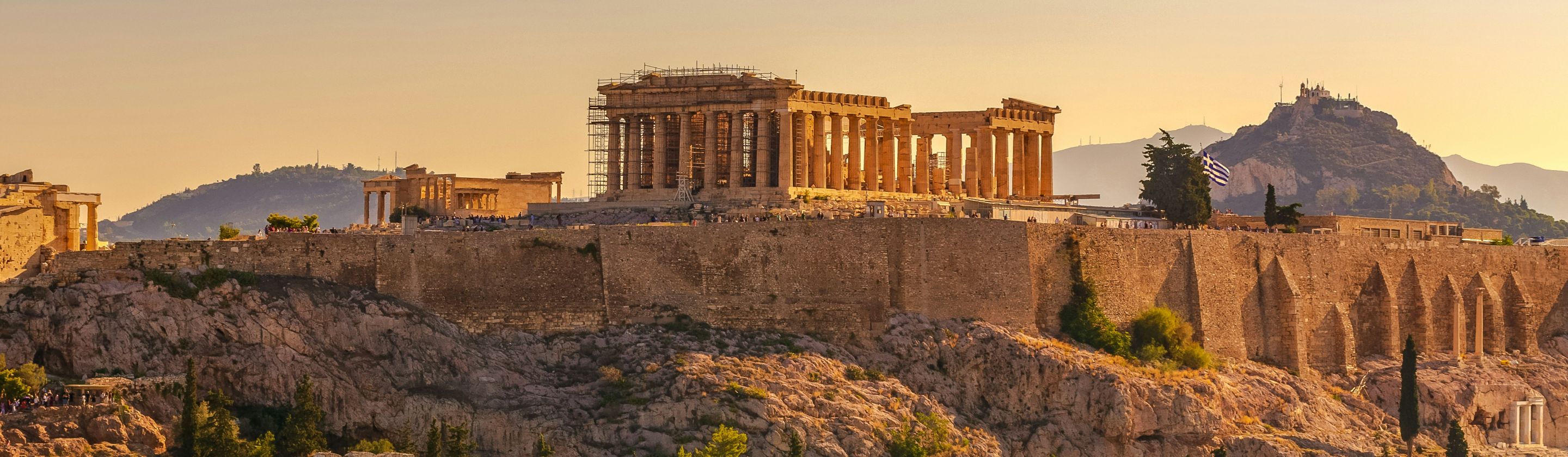
The Athenians apparently took the story seriously. Herodotus says they established a sacred precinct dedicated to Pan beneath the Acropolis after the message was delivered, and they honored the god with sacrifices and a torch race. That detail shows how stories about unusual encounters could become connected with religious practices in ancient Athens.
It's important to separate the historical report from the supernatural element. Herodotus presents the encounter as something Philippides himself reported, but modern readers don't have independent evidence confirming that Pan actually appeared to him. The valuable historical point is that Herodotus considered the story worth recording and that the Athenians apparently incorporated it into their religious traditions.
How His Story Became the Marathon Legend
The most familiar marathon story doesn't actually match Herodotus' account of Philippides. The later tradition says that a messenger ran from Marathon to Athens after the Greek victory and announced the result before dying. That story became closely associated with the modern marathon, but the ancient evidence doesn't give us a straightforward account of Philippides making that particular run.
Herodotus does record the Battle of Marathon and provides casualty figures, but his account doesn't say that Philippides ran from Marathon to Athens to deliver the victory message. Instead, he places Philippides on the Athens-to-Sparta mission before the battle.
There was apparently another messenger in later traditions associated with the announcement of the Athenian victory. The University of Pennsylvania's summary of the ancient tradition notes that later writers confused Philippides with Eukles, a figure associated with carrying the victory message to Athens.
Ironically, the historical Philippides doesn't need the famous ending to have an extraordinary story. His documented mission involved covering the distance between Athens and Sparta at remarkable speed, and Herodotus specifically presents him as a professional long-distance runner. The journey demonstrated how important trained messengers could be to ancient military operations.
The episode also illustrates the geographic realities of ancient Greek warfare. Athens couldn't simply send a quick electronic message to Sparta and wait for an answer. Communication depended on people moving through the landscape, which made reliable couriers an important part of military planning.
Philippides' run therefore deserves attention even without the later dramatic embellishments. He wasn't merely a character in a story about athletic endurance; according to our earliest surviving account, he was a working messenger entrusted with information that could affect the fate of Athens.
His Name Eventually Became an Athletic Tradition

The modern marathon wasn't an ancient Olympic event. The event was introduced at the first modern Olympic Games in Athens in 1896, drawing inspiration from the ancient stories surrounding Marathon. The distance has since become one of the world's best-known endurance events, although the standardized modern distance of 26 miles and 385 yards was established later.
That means today's marathon is connected to Philippides through a long chain of storytelling rather than through a perfectly preserved historical event. The runner who inspired the tradition wasn't necessarily the man described in the most famous version of the story. His actual journey to Sparta was different, longer, and tied to a request for military assistance.
So when you hear about the ancient runner who supposedly carried a warning across Greece, remember the slightly less familiar version. Philippides' remarkable journey was a diplomatic and military mission, not simply a victory lap, and Herodotus' account gives us a fascinating glimpse into how urgently information could travel in the ancient world. The modern marathon may have transformed his story, but the original tale is impressive enough on its own.
KEEP ON READING