The Best Résumé Was a Fake One
History tends to present the rise of rulers as some sort of well-oiled machine with armies, dynasties, and political maneuvering, but the reality is that sometimes a well-placed lie does all the work. Some invented entire identities. Others staged divine endorsements, spread false threats, or promised that their dictatorships would definitely not be the new norm. Not every fib worked forever, but these 20 figures show that getting people to believe the right story was remarkably useful when power was up for grabs.
1. Pisistratus
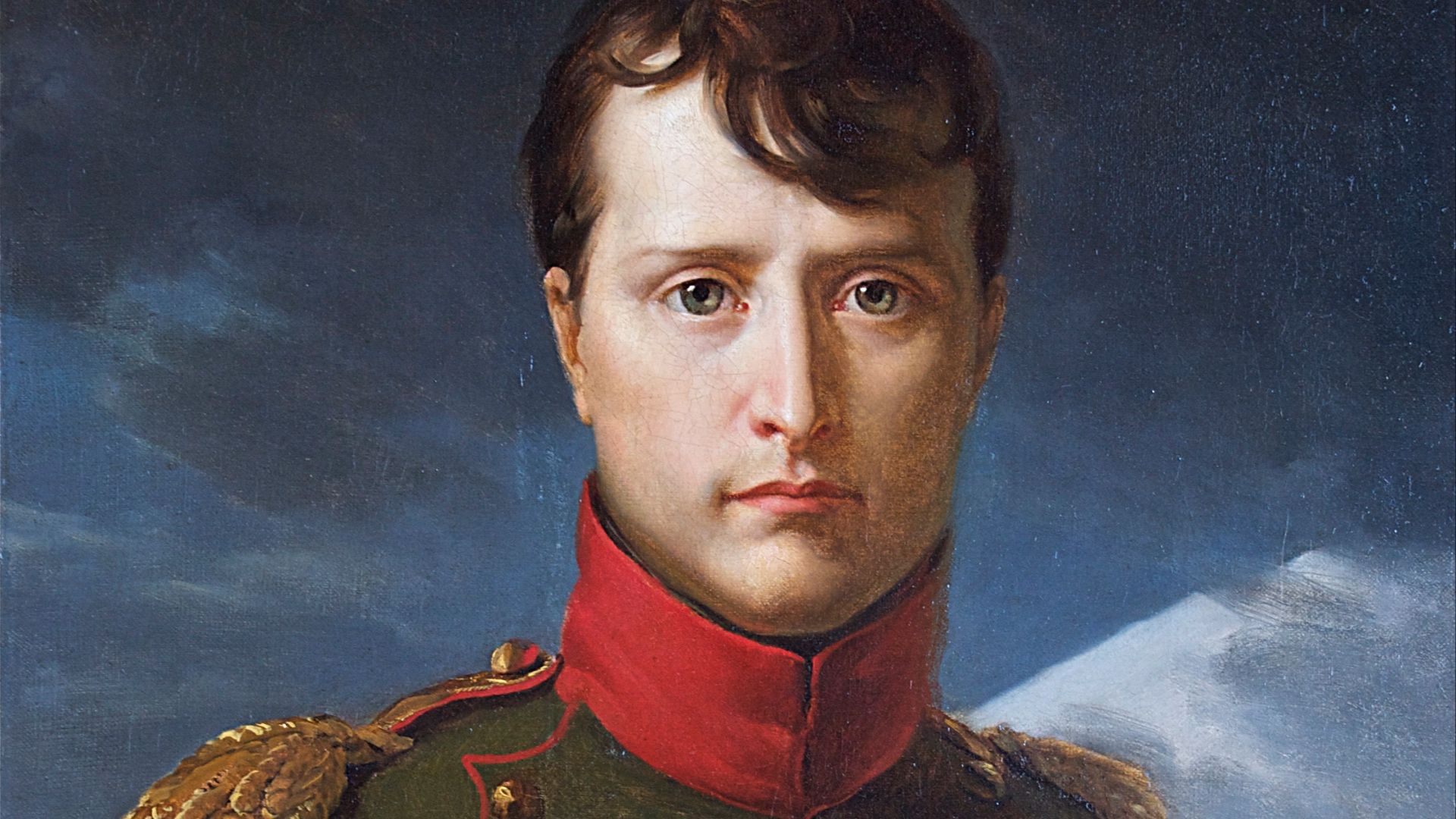
Pisistratus arranged one of the stranger publicity stunts after being driven from power: claiming a woman named Phye was Athena and having her accompany him back into Athens. Heralds then announced that Athena herself restored Pisistratus, giving his return a stamp of divine approval. Historians still debate how literally Athenians actually took the whole thing, but accounts do present this theater as part of his rise.
2. Darius I
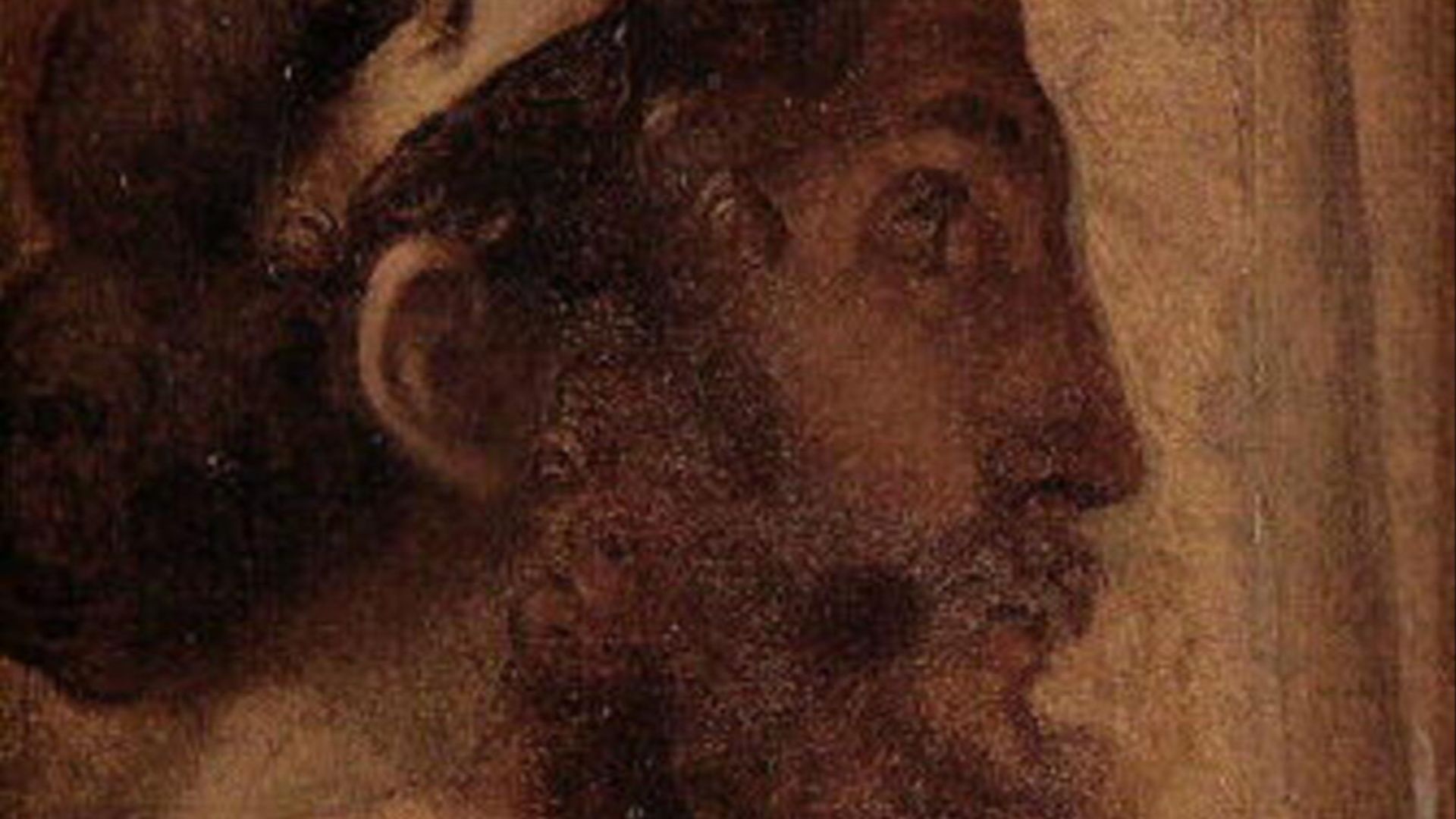
Darius I said that the man occupying the Persian throne in 522 BCE wasn't actually Bardiya, but an impostor named Gaumata who had stolen Bardiya's identity. So, Darius killed him. He then became king and told everyone his version of events, where he was portrayed as a hero. Modern scholars think Darius likely killed the real Bardiya and invented the story afterward, but there’s no real evidence to say so concretely.
 Derfash Kaviani (درفش کاویانی) on Wikimedia
3. Alexander Balas
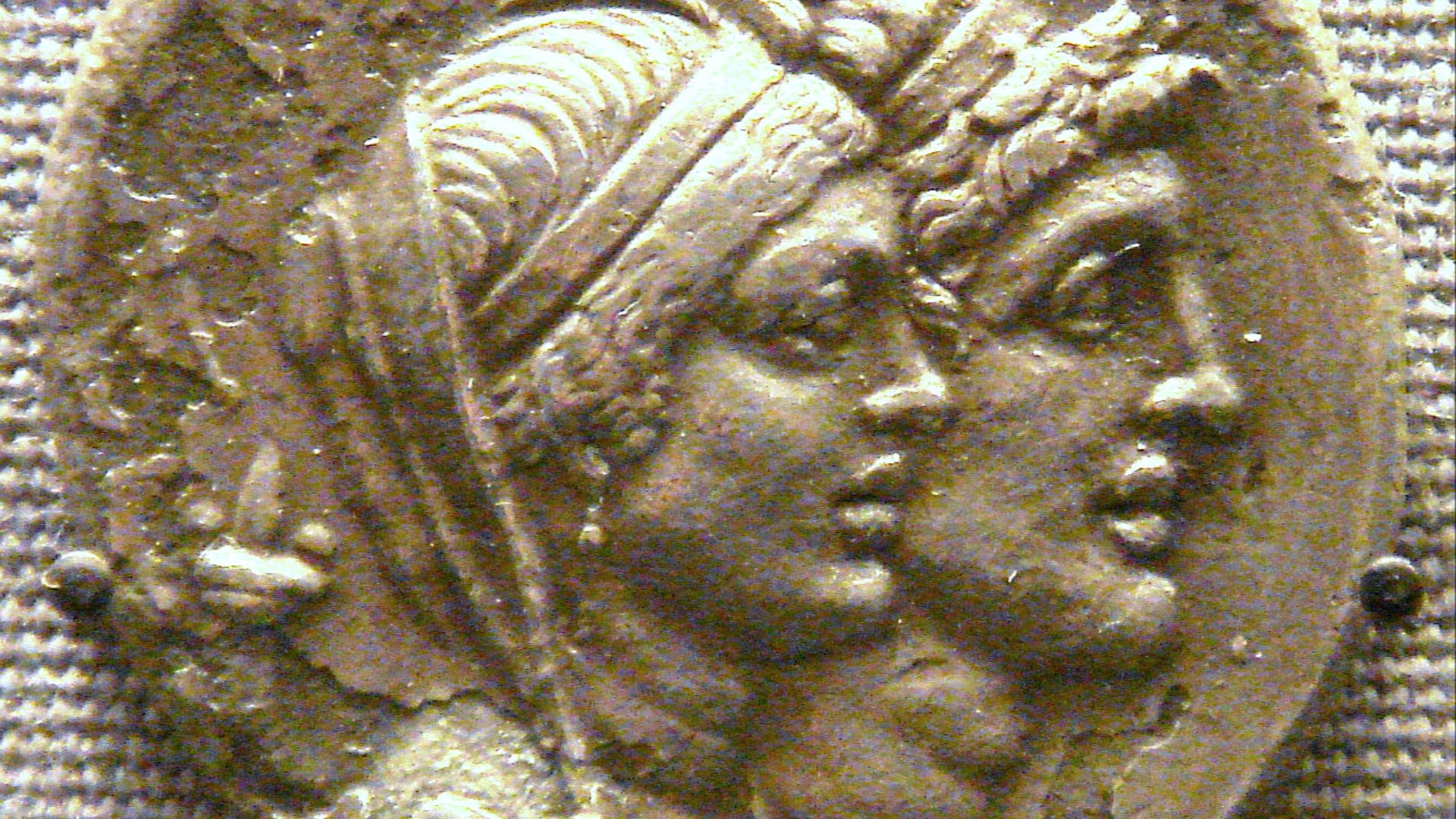
Alexander Balas arrived on the political scene claiming that he was a son of the former king Antiochus IV. That might not mean much to you today, but back then, the name was part of an extremely useful family connection. Ancient writers treated the claim as fake, and even the Oxford Dictionary describes Balas as having claimed this ancestry before usurping the Seleucid throne in 150 BCE.
4. Andriscus
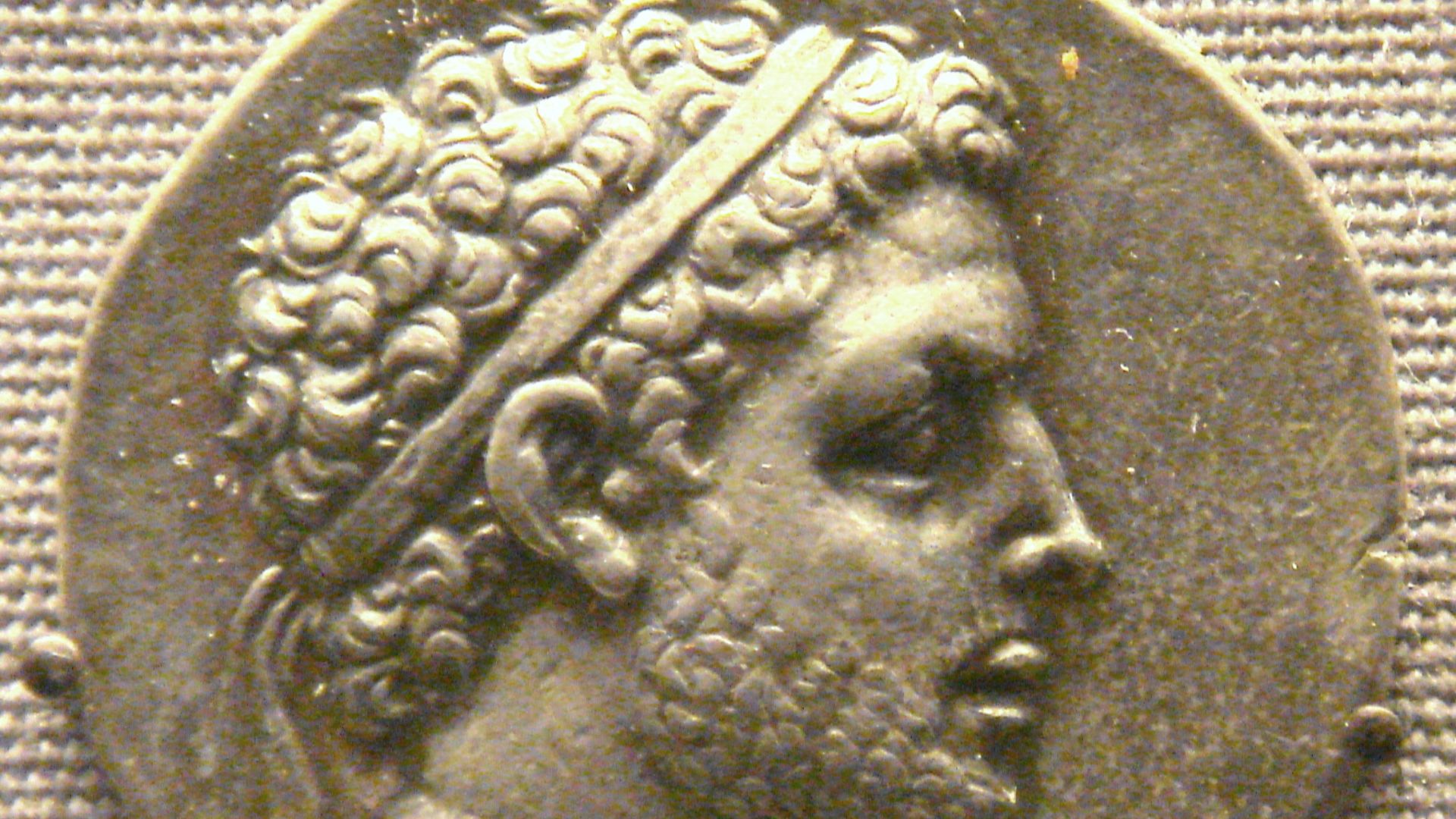
Roughly 20 years after Rome defeated the last Macedonian king, a man named Andriscus walked up claiming to be Philip, a previously unknown son of King Perseus. Andriscus then rounded up troops, invaded Macedonia, and took control in 149 BCE. Rome eventually crushed him, but for a brief period the man remembered as "Pseudo-Philip" turned a questionable story into a legitimate kingdom.
5. Sima Yi
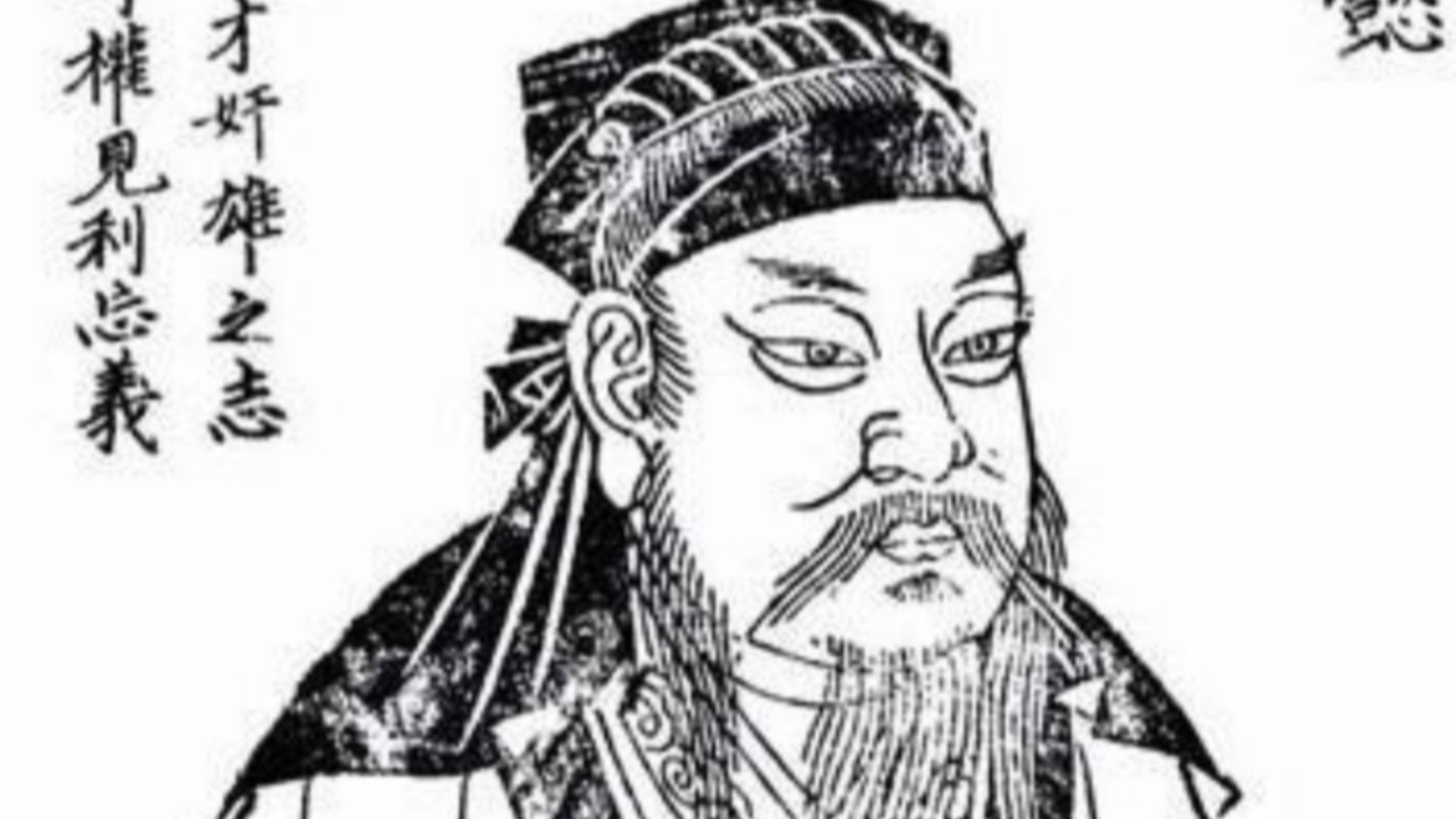
By the late 240s, Chinese general Sima Yi was pushed away from power by Cao Shuang. When Shuang's associate Li Sheng visited him, Sima Yi reportedly staged a big show of physical decline, acting so frail that Li was convinced he was knocking on Death’s door. So, Cao Shuang relaxed his guard, allowing Sima Yi to launch a 249 coup. He seized control of the government and laid the foundation for his own family's dynasty.
6. Henry Bolingbroke
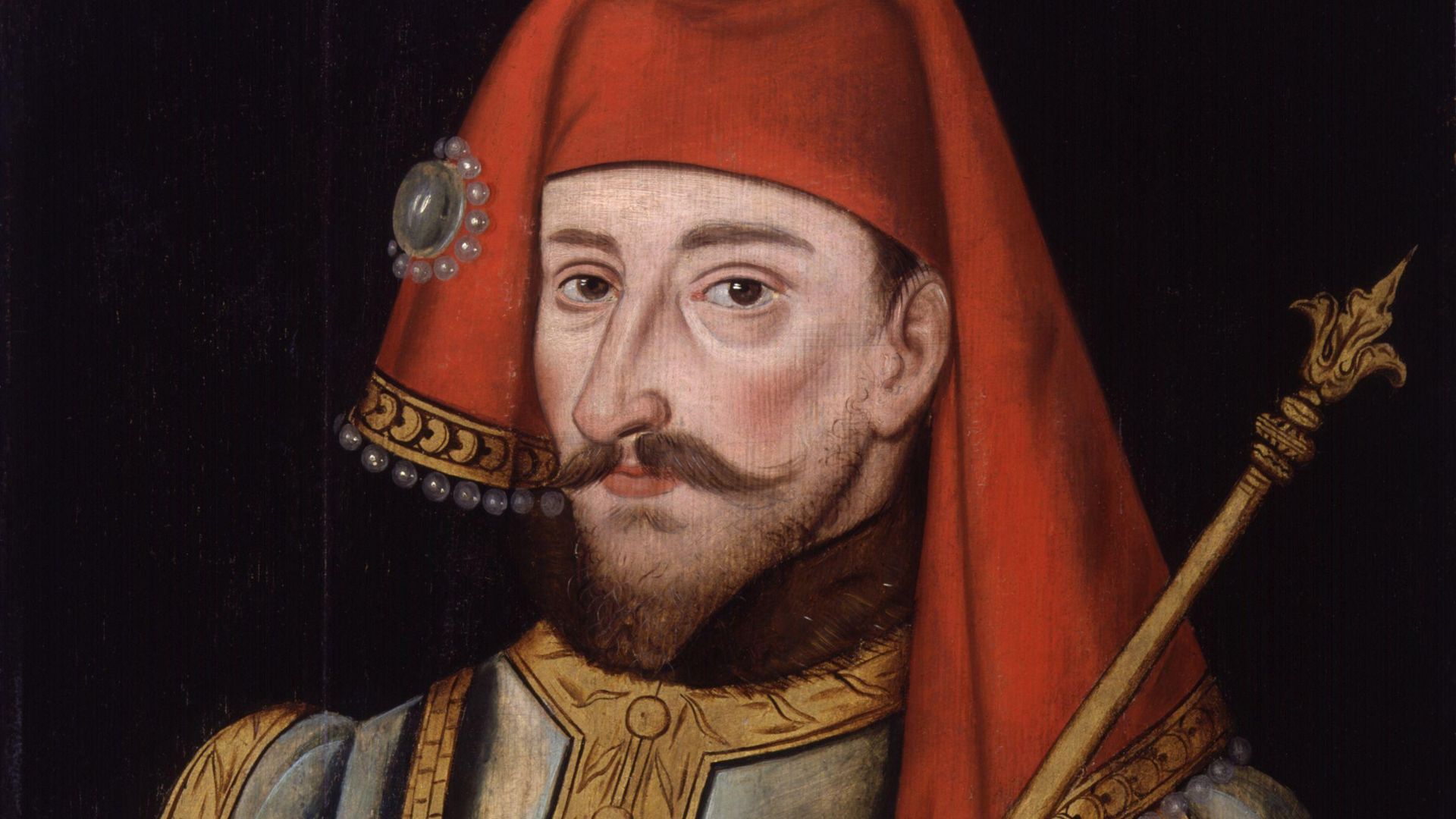
When the future Henry IV returned to England in 1399, his biggest grievance was evident: King Richard II took the inheritance that should have passed to Henry after his father's death. Henry initially acted like his return was an effort to recover those rights, gathering supporters while Richard was busy campaigning in Ireland. Well, Richard was eventually captured, and Henry accepted the crown to become the first Lancastrian monarch.
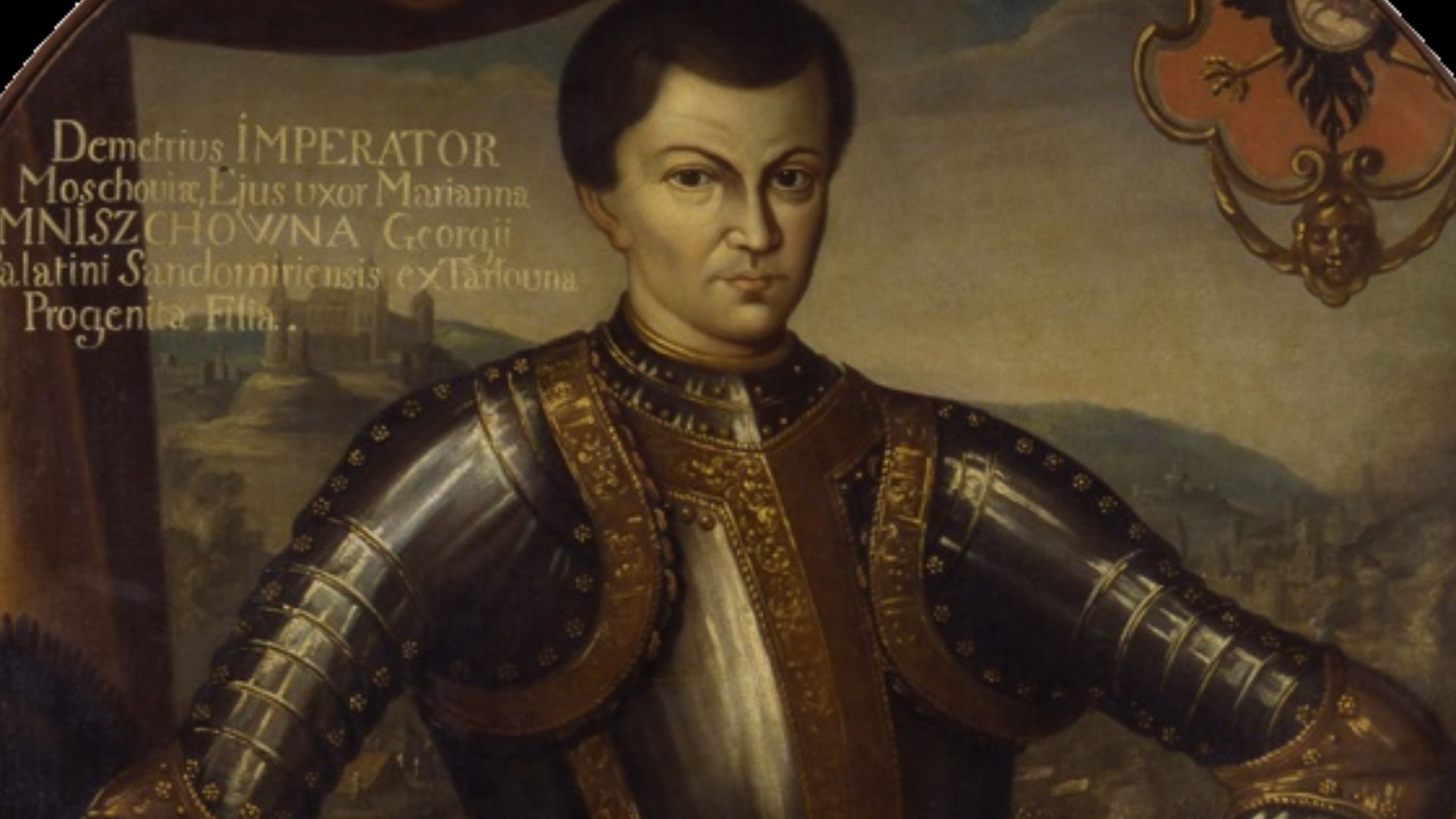
7. False Dmitry I
Russia's real Tsarevich Dmitry, the youngest son of Ivan the Terrible, died as a child in 1591. That didn't stop another guy from showing up years later and saying that Dmitry had secretly survived. He claimed assassins took out the wrong guy and went on to invade Russia. The pretender then entered Moscow and was crowned tsar.
 Unknown authorUnknown author on Wikimedia
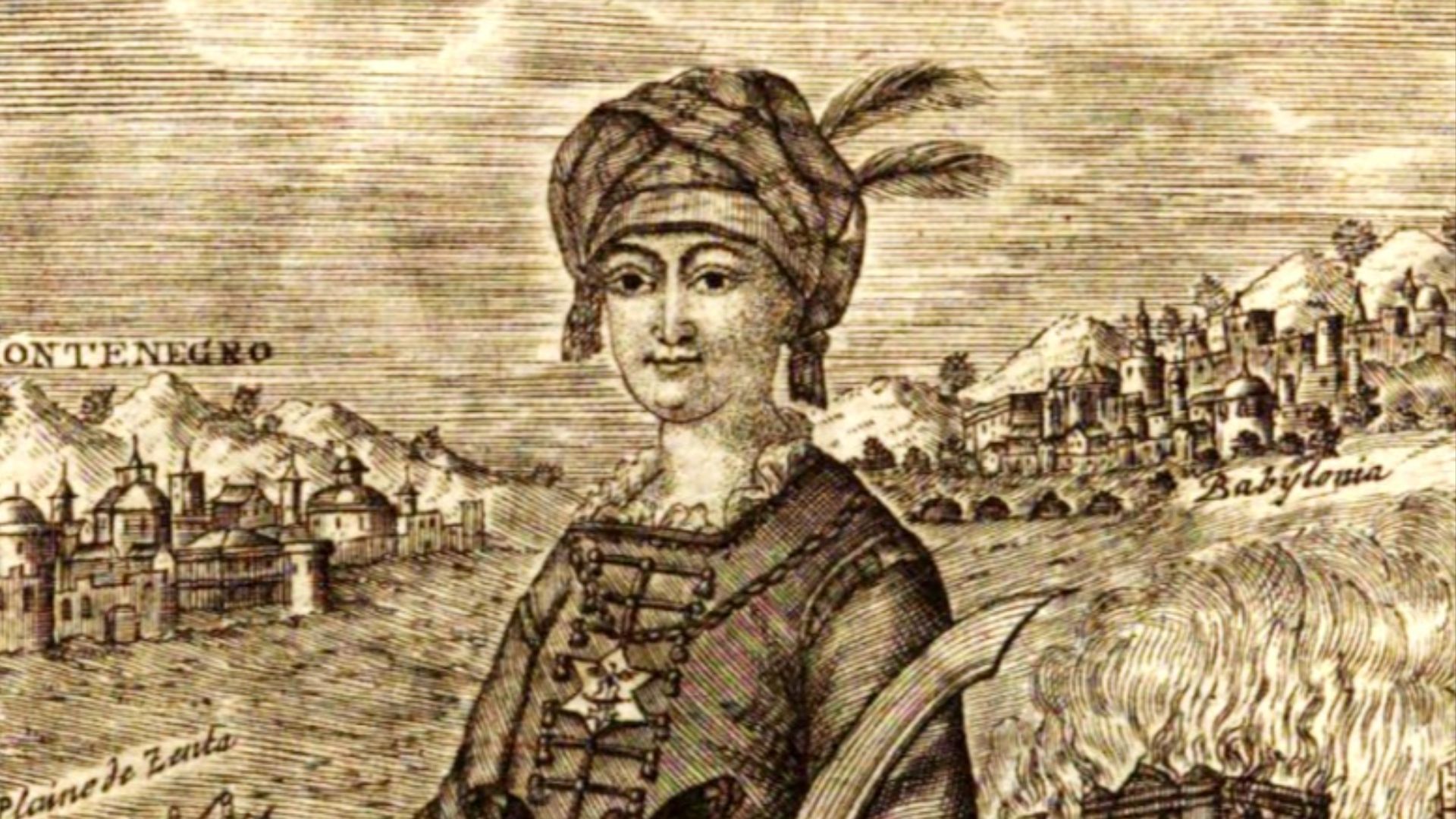
8. Šćepan Mali
Peter III of Russia was killed in 1762, but a mysterious outsider appeared a few years later and somehow convinced people that the dead emperor survived. Calling himself Šćepan Mali, he gained enough support to become Montenegro's effective ruler. To this day, his origins aren’t known, and the false connection locked in authority that he had no legitimate claim to.
 Stefano Zannowich on Wikimedia
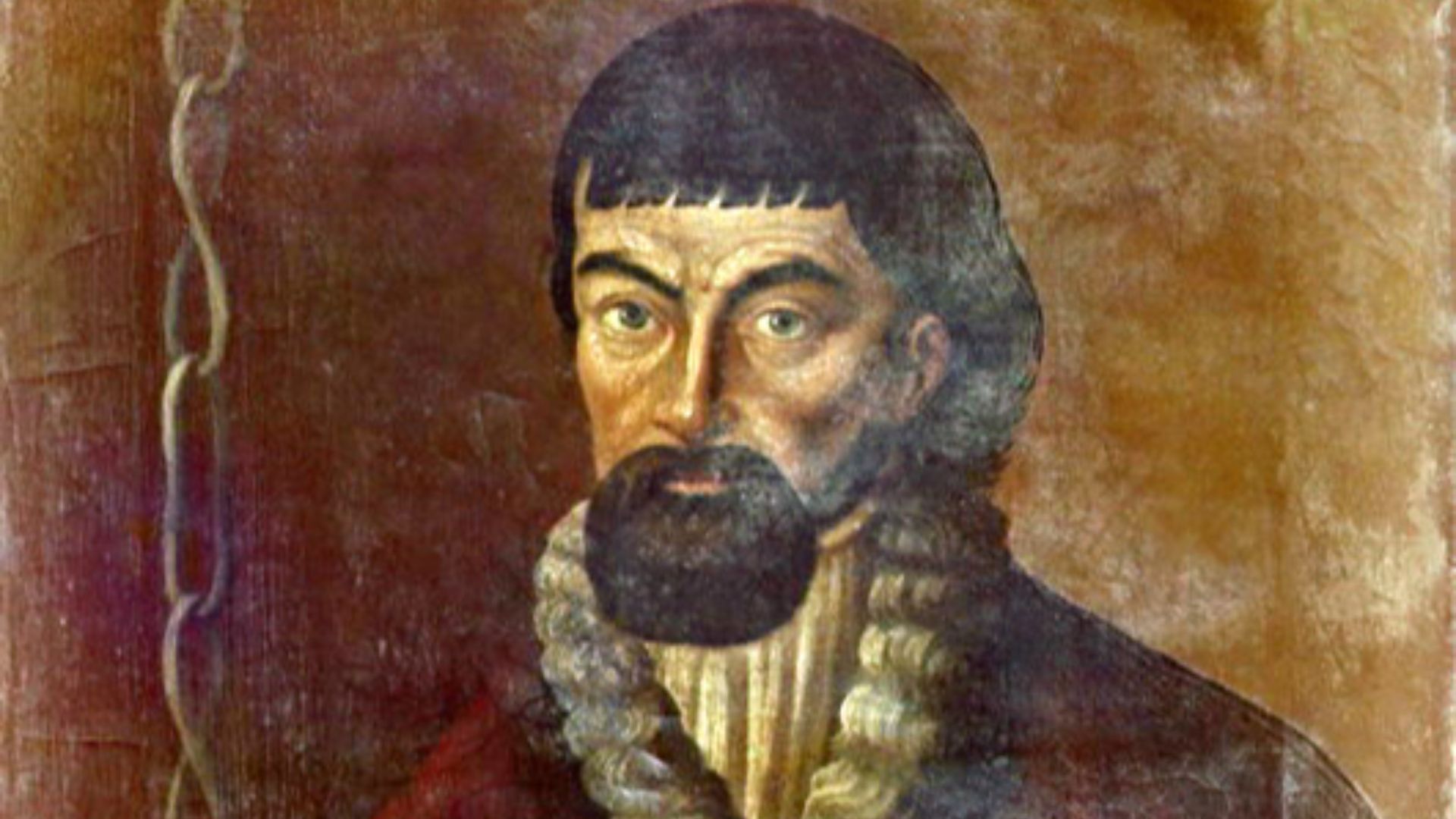
9. Yemelyan Pugachev
Apparently one fake Peter III wasn't enough for the 18th century. Russian Cossack Yemelyan Pugachev adopted the same identity and led a massive rebellion against Catherine the Great. Beginning in 1773, his forces captured towns and took over territory before the whole thing collapsed.
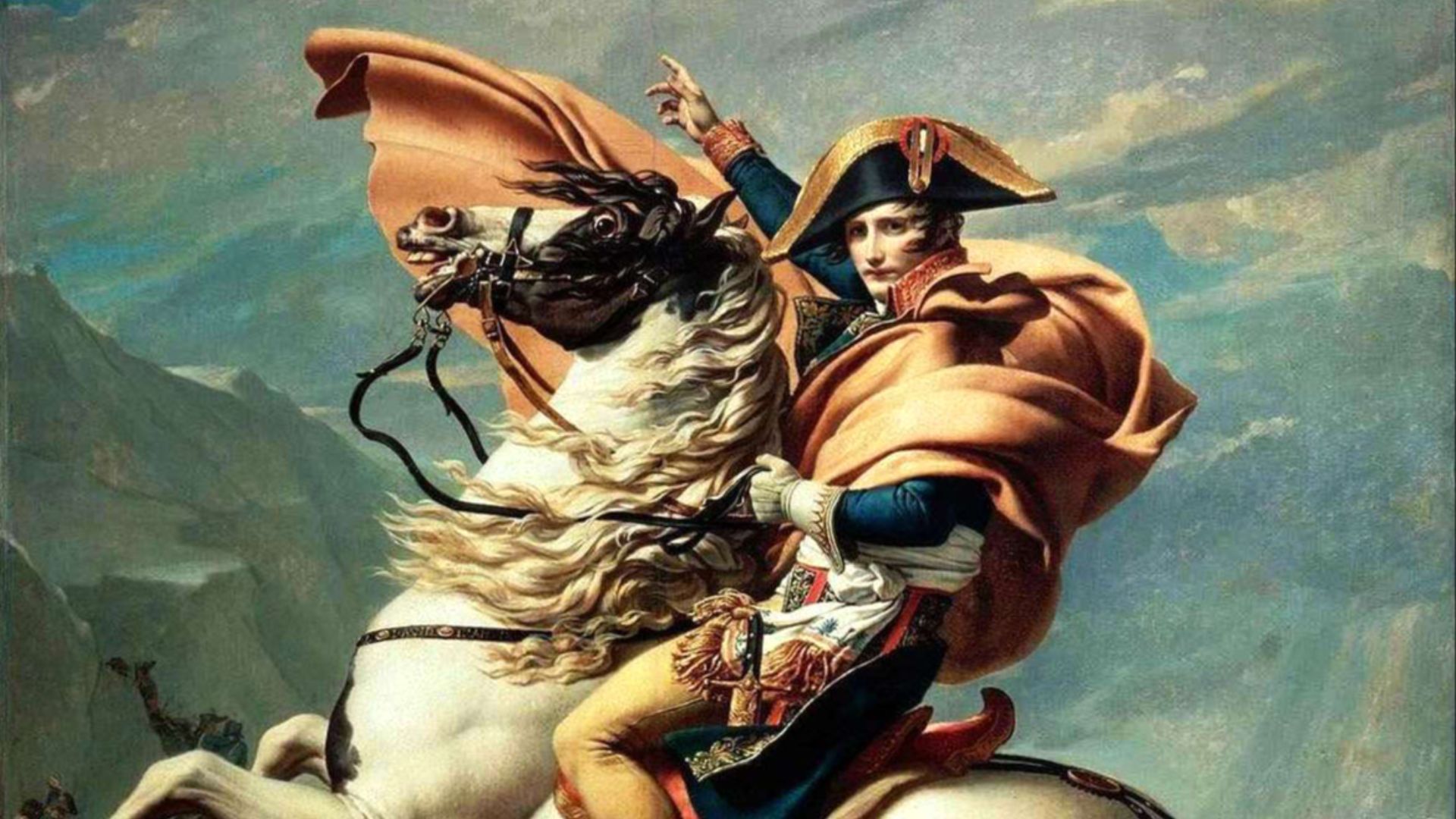
10. Napoleon Bonaparte
Napoleon's seizure of power in 1799 wasn't just about soldiers invading; the conspirators first spread word that a dangerous plot threatened the government, placing troops under Napoleon's command in the name of protecting them. The so-called emergency was obviously fake, but by the time the confusion ended, the Directory had fallen.
 Jacques-Louis David on Wikimedia
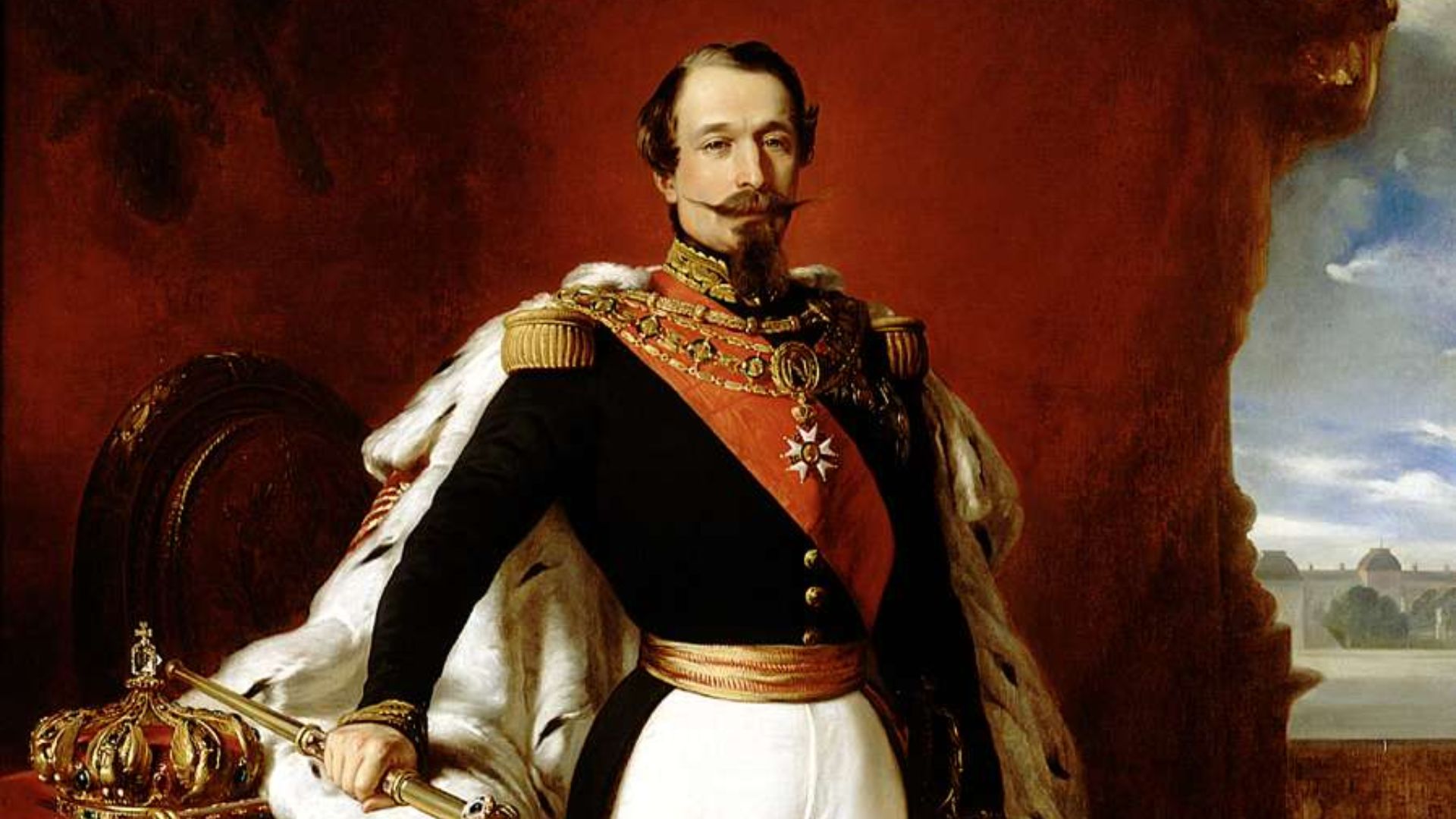
11. Napoleon III
When Louis-Napoléon Bonaparte won France's presidency in 1848, there was one major rule attached: he had one four-year term and was barred from immediate reelection. He instead launched a coup in 1851, dissolved the legislature, and replaced the existing constitution. A year later, he became Emperor Napoleon III.
 Franz Xaver Winterhalter on Wikimedia
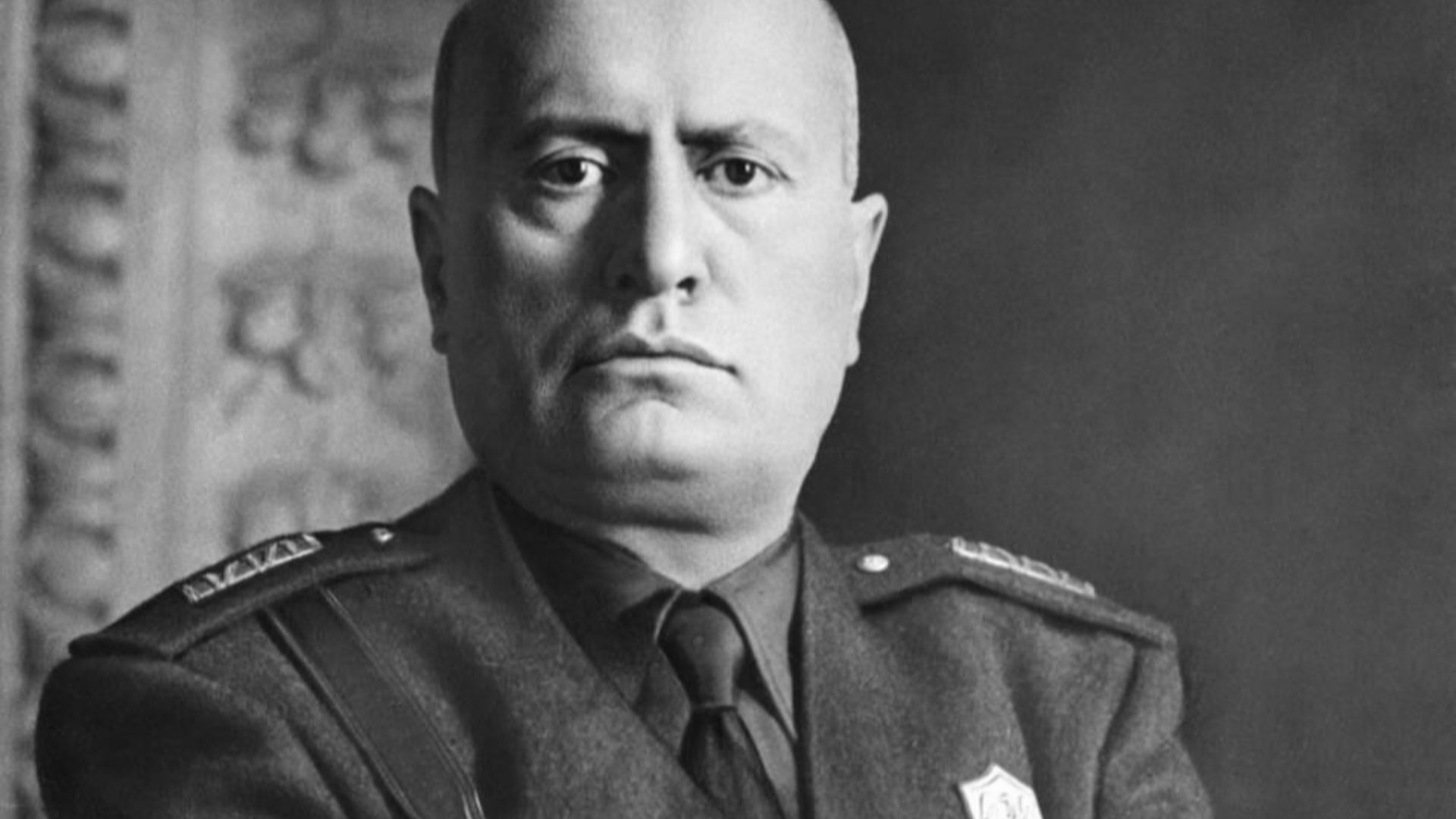
12. Benito Mussolini
Mussolini's fascists organized the March on Rome in 1922 amid years of violence. At the time, King Victor Emmanuel III ignored Prime Minister Luigi Facta's request for emergency measures. He instead invited Mussolini to form a government, allowing him to be appointed prime minister. Fascist propaganda later turned the episode into a big tale of triumph.
13. François Duvalier
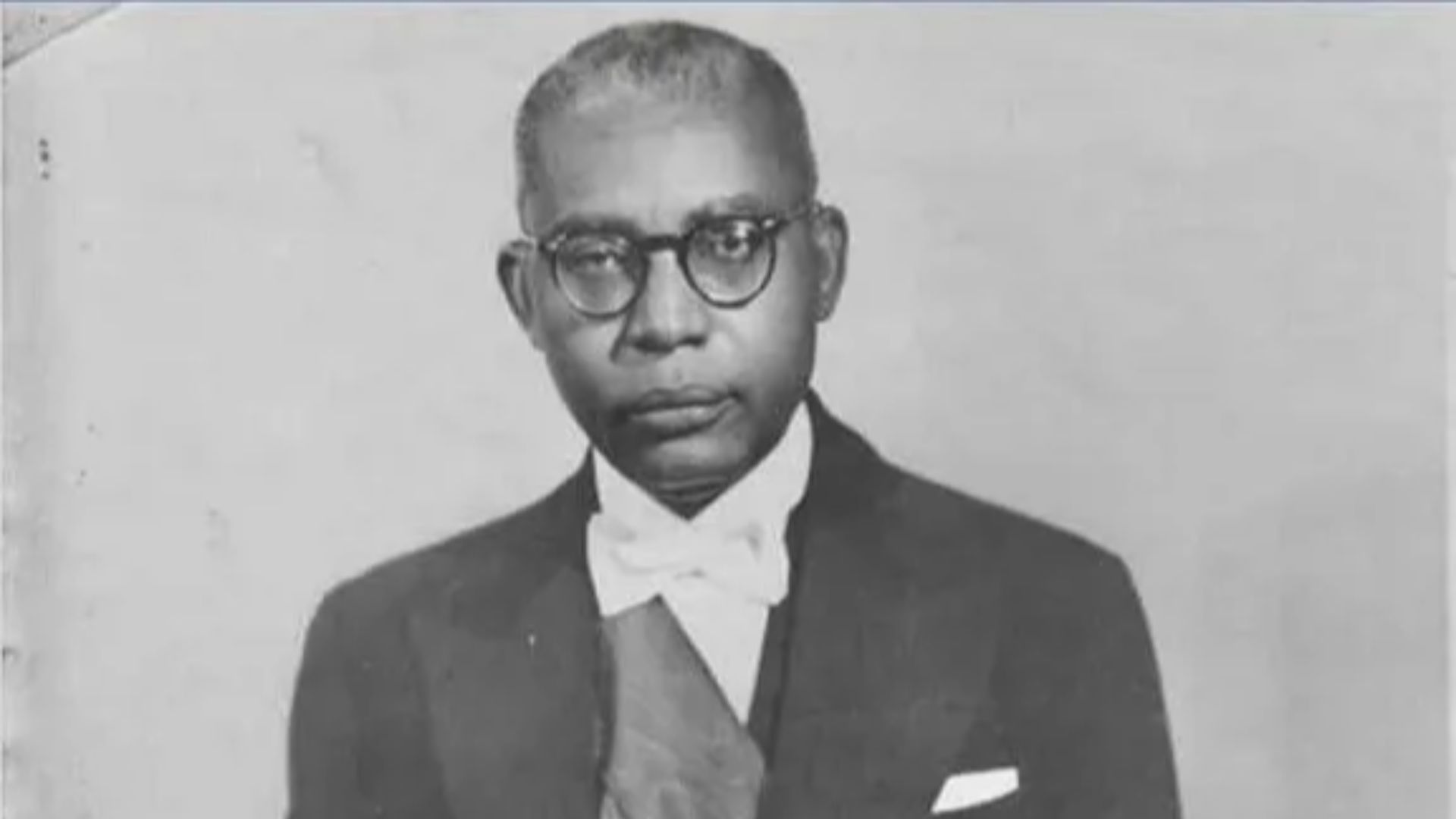
François Duvalier won Haiti's 1957 presidential election by a decent stretch, but the contest wasn't as democratic as it looked. The Haitian Army openly supported Duvalier and helped ensure he received more votes than he probably would've scored in a free election. Once in office, Duvalier made the deception around democracy even harder to ignore—he declared himself president for life.
14. Ferdinand Marcos
Ferdinand Marcos did, in fact, serve during World War II, but his actual accomplishments are another matter. He made sweeping claims about medals and leadership of a guerrilla force called Ang Mga Maharlika. U.S. Army documentation rejected important parts of his claimed record, and later researchers also pulled the rug out from under him, concluding that many stories of his heroism were either inaccurate or exaggerated.
15. Rafael Trujillo
Rafael Trujillo entered the 1930 presidential race with enough control over armed forces to make campaigning against him… dangerous. Soldiers went out of their way to harass rivals and officials until the opposition withdrew, leaving Trujillo effectively unopposed. Once inaugurated, he got rid of opposition and dominated the Dominican Republic for the next 30 years.
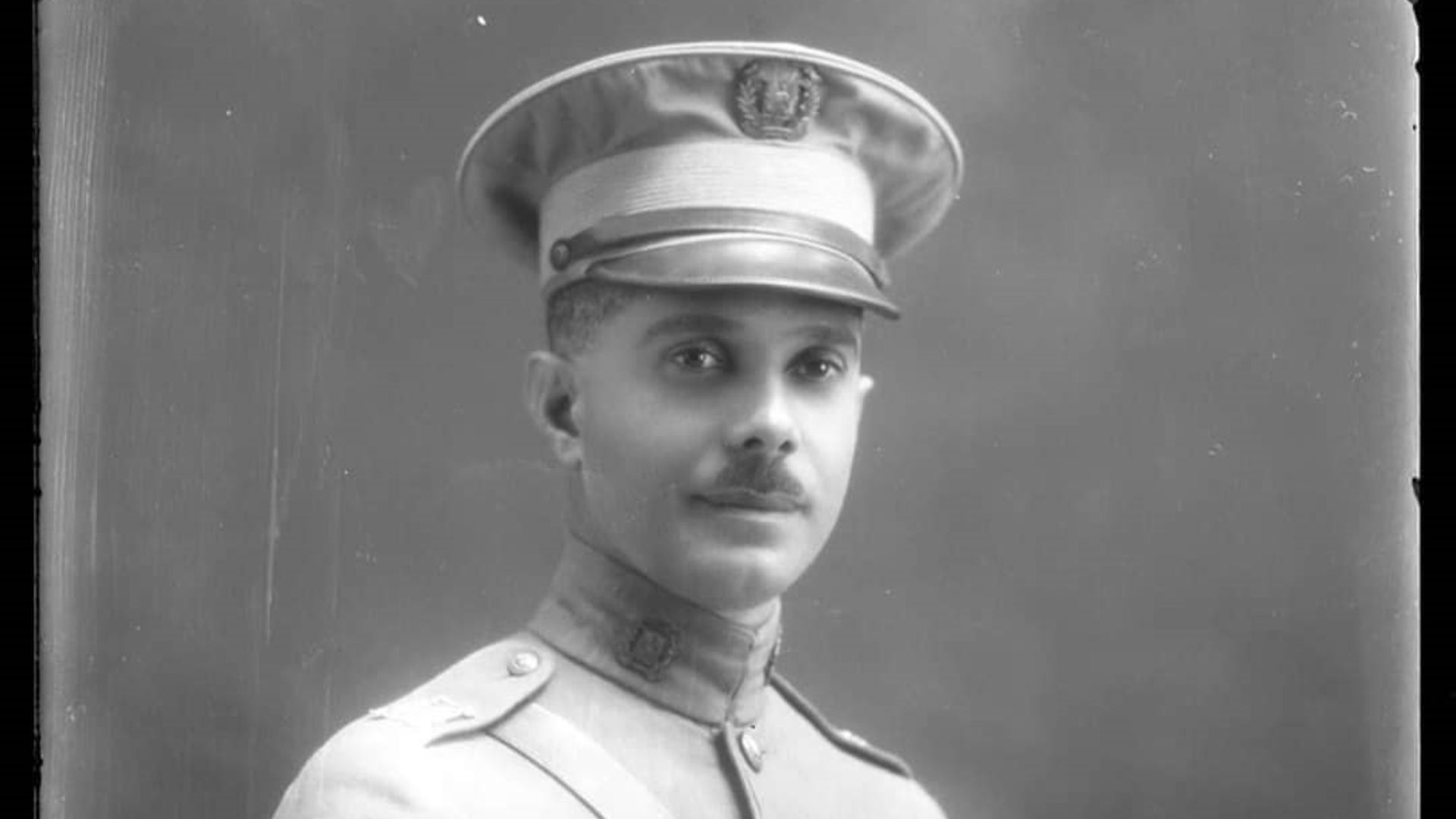 Local press photograph. 1922. Copyright expired. on Wikimedia
16. Samuel Doe
Samuel Doe had already taken power in a 1980 coup, but that wasn’t enough—he decided to give his government a civilian electoral mandate five years later. Official results of the 1985 election credited Doe with 50.95 percent of the vote, but the contest was muddled by allegations of fraud. The ballots were also counted in a secret location by Doe’s personnel. Plenty thought the opposition candidate Jackson Doe had won, but Samuel Doe came out as Liberia's new president.
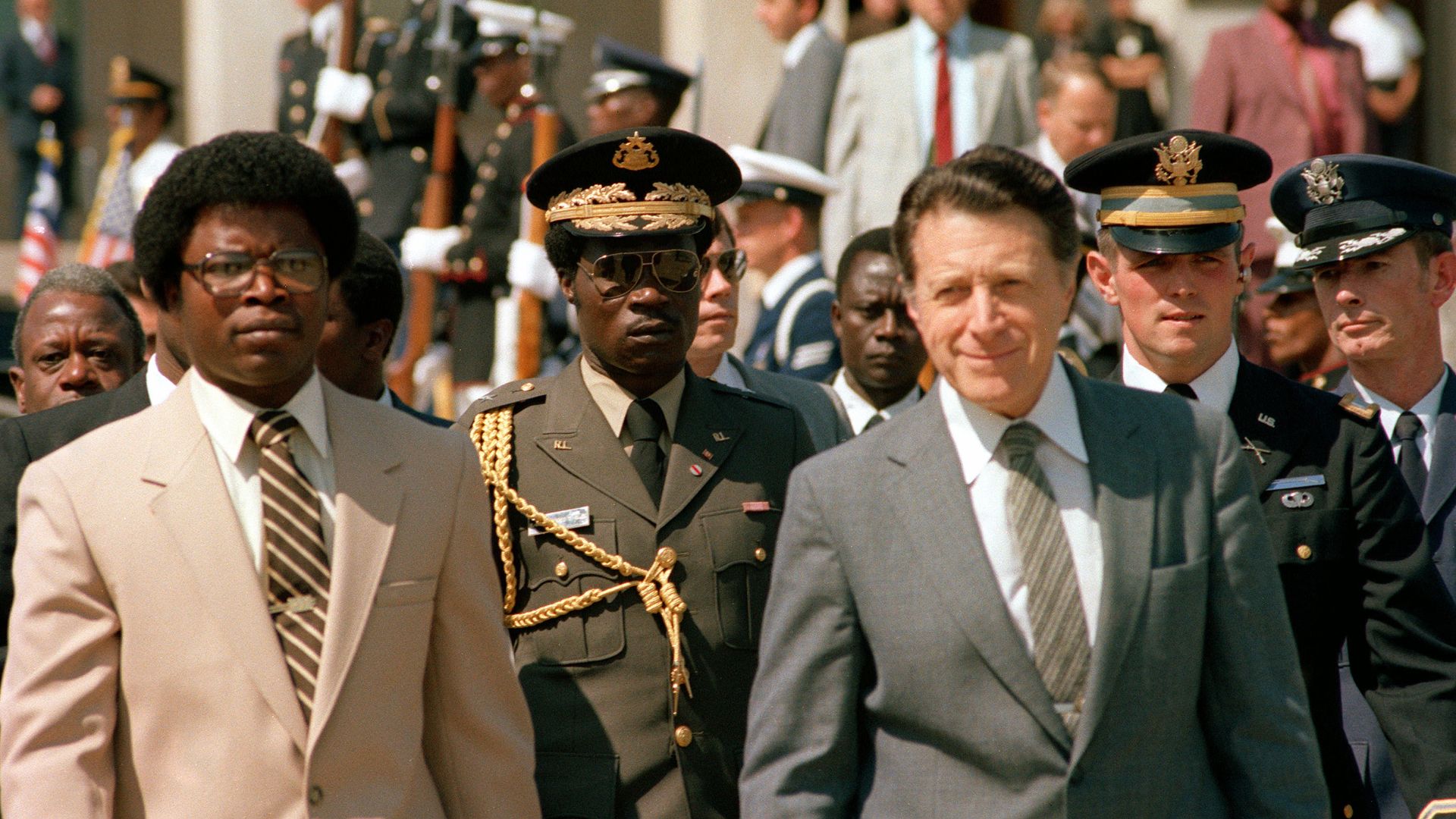
17. Idi Amin
When Idi Amin overthrew Ugandan president Milton Obote in 1971, he tried to make the takeover sound less permanent than it would turn out to be. Amin described himself as a soldier rather than a politician and said the government would only serve as a caretaker until elections were figured out. Those elections never came, and he clung to power until 1979.
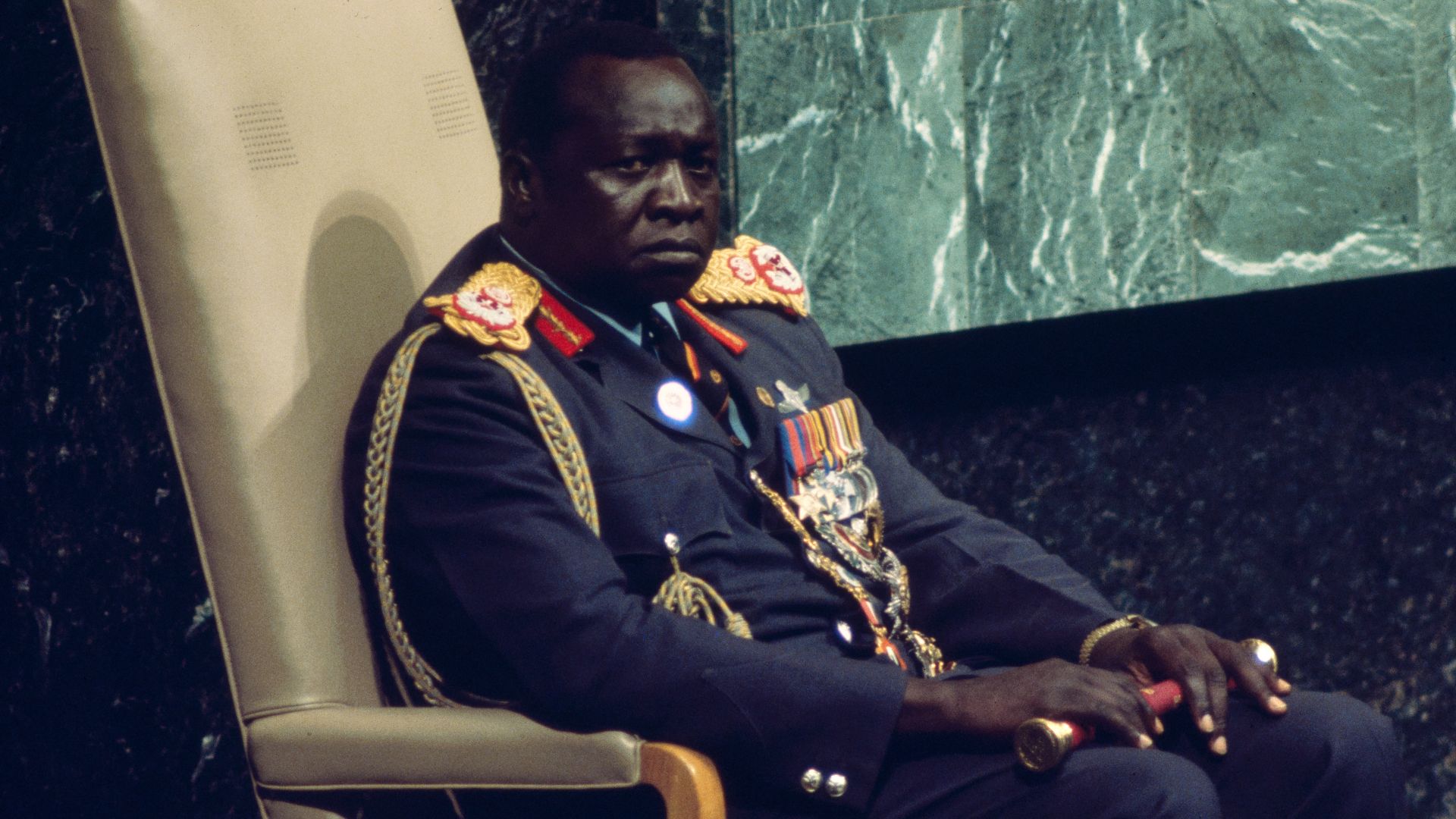
18. Joseph-Désiré Mobutu
Joseph-Désiré Mobutu seized power in the Congo in 1965, initially pretending that his coup was a temporary solution to political paralysis. He said politicians ruined the country, further stating that presidential powers would last for five years, after which democratic politics would come back. Instead, Mobutu abolished competition, gave himself a new name, and stayed in power until rebels got rid of him in 1997.
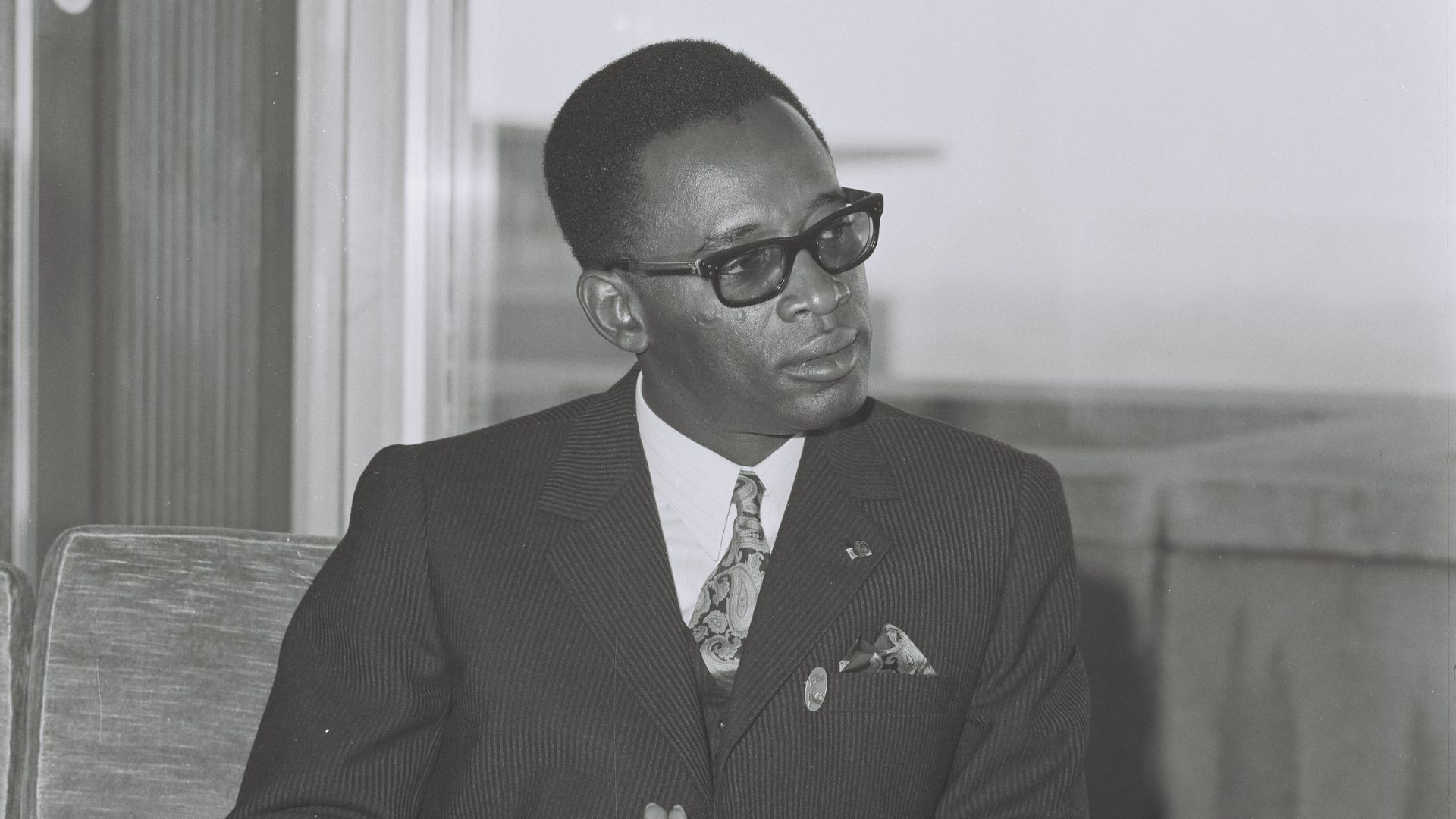 European Communities on Wikimedia
19. Yahya Jammeh
Yahya Jammeh was only 29 when he helped overthrow Gambian president Dawda Jawara in 1994. After doing so, he assured the public that this wasn't going to be a military dictatorship. Well, he remained president until 2017, turning that so-called short promise into more than two decades of personal rule.
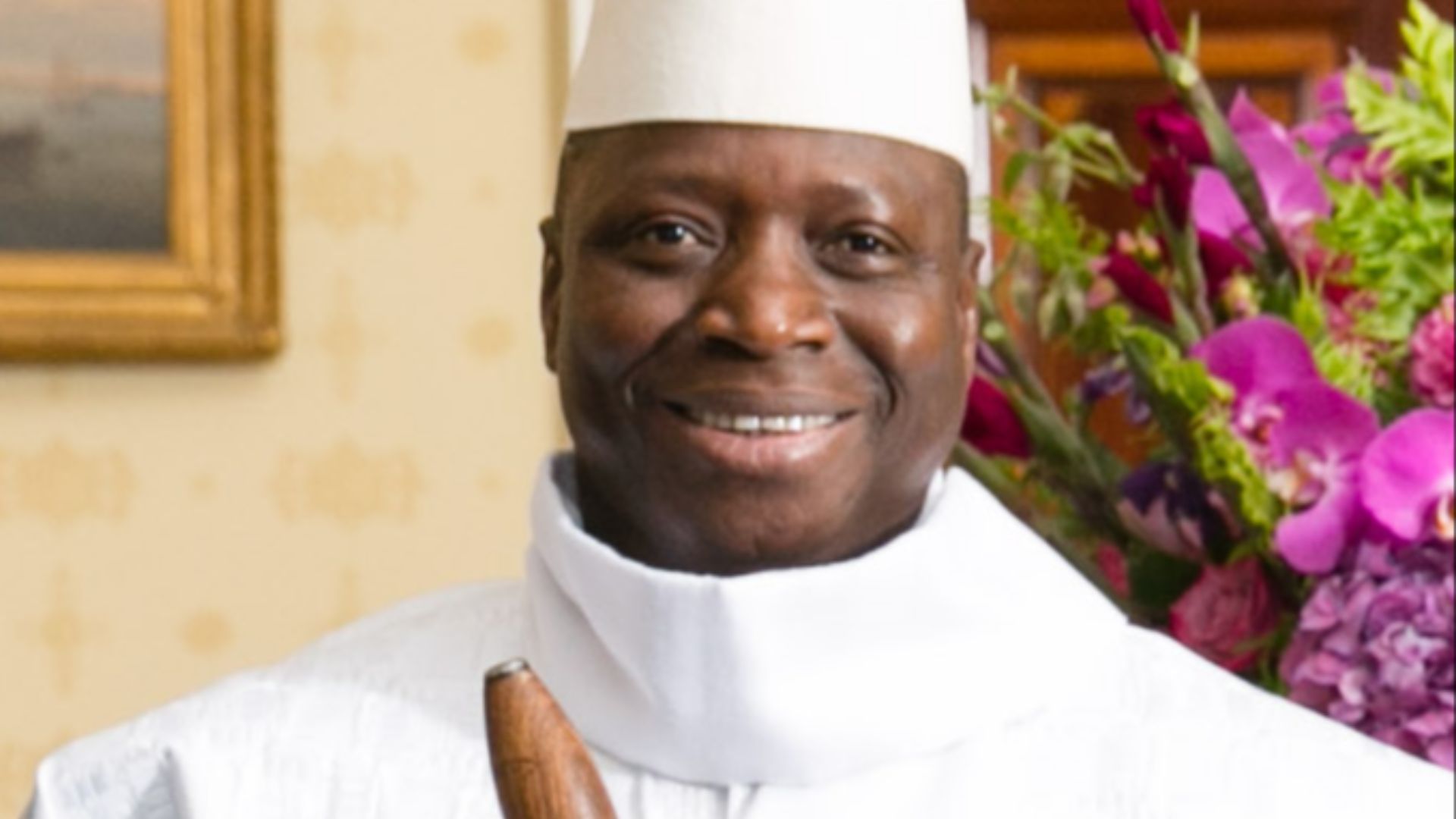 Amanda Lucidon / White House on Wikimedia
20. Augusto Pinochet
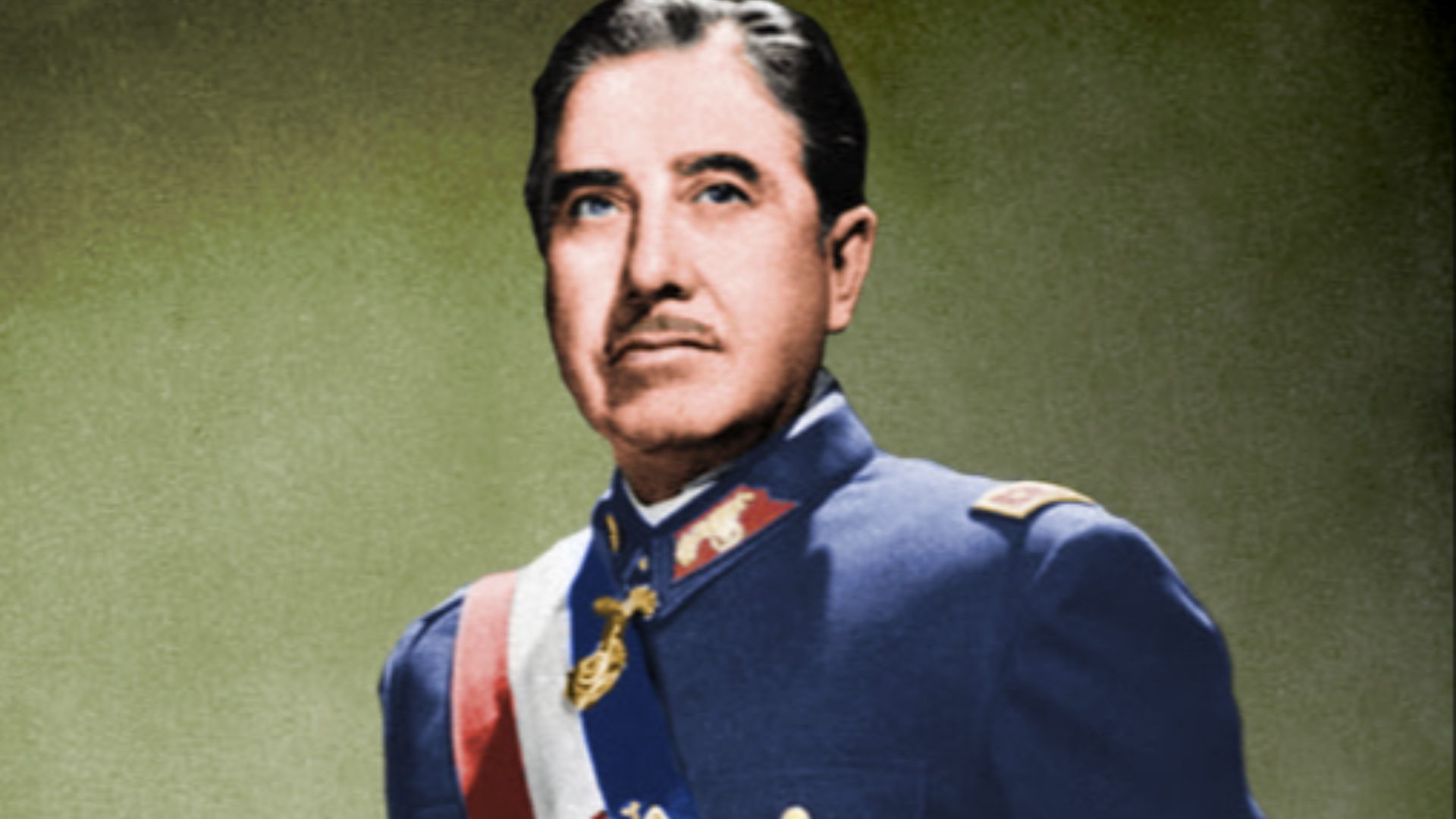
After Chile's armed forces overthrew Salvador Allende in 1973, General Augusto Pinochet hit the scene with a four-member military junta. The understanding was that his leadership would rotate among the service chiefs. By early 1974, Pinochet was obviously determined to prevent that, and the junta soon kept him at the top. He actually became "Supreme Chief of the Nation" and then president.
KEEP ON READING