History's Longest Cold Cases
Museums lose track of things more often than anyone likes to admit. Some relics went missing during wars, others during robberies, and a few simply slipped out of the record. A handful turned up decades later in bank vaults or flea markets, but most sit exactly where they disappeared. Here's 20 famous relics that vanished, and mostly stayed that way.
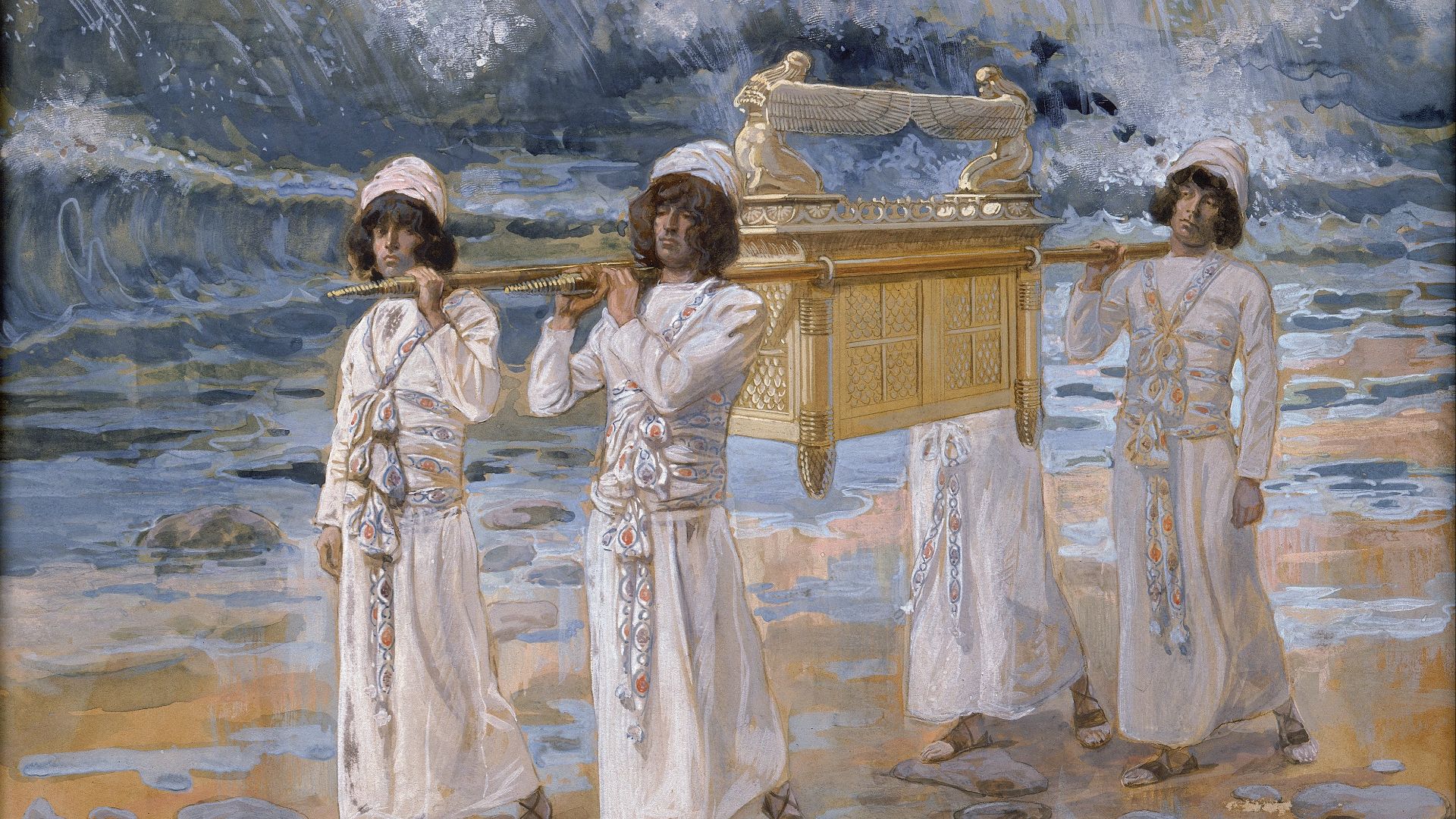
1. The Nazi Gold Train
Local legend in southwestern Poland holds that a German train loaded with looted gold vanished into a mountain tunnel near Wałbrzych in 1945, fleeing the Soviet advance. Ground-penetrating radar surveys in 2015 briefly convinced officials they had found it, sparking a wave of treasure hunters. Geologists found a tunnel but no train, and most historians doubt it ever existed.
 Jorge Láscar from Australia on Wikimedia
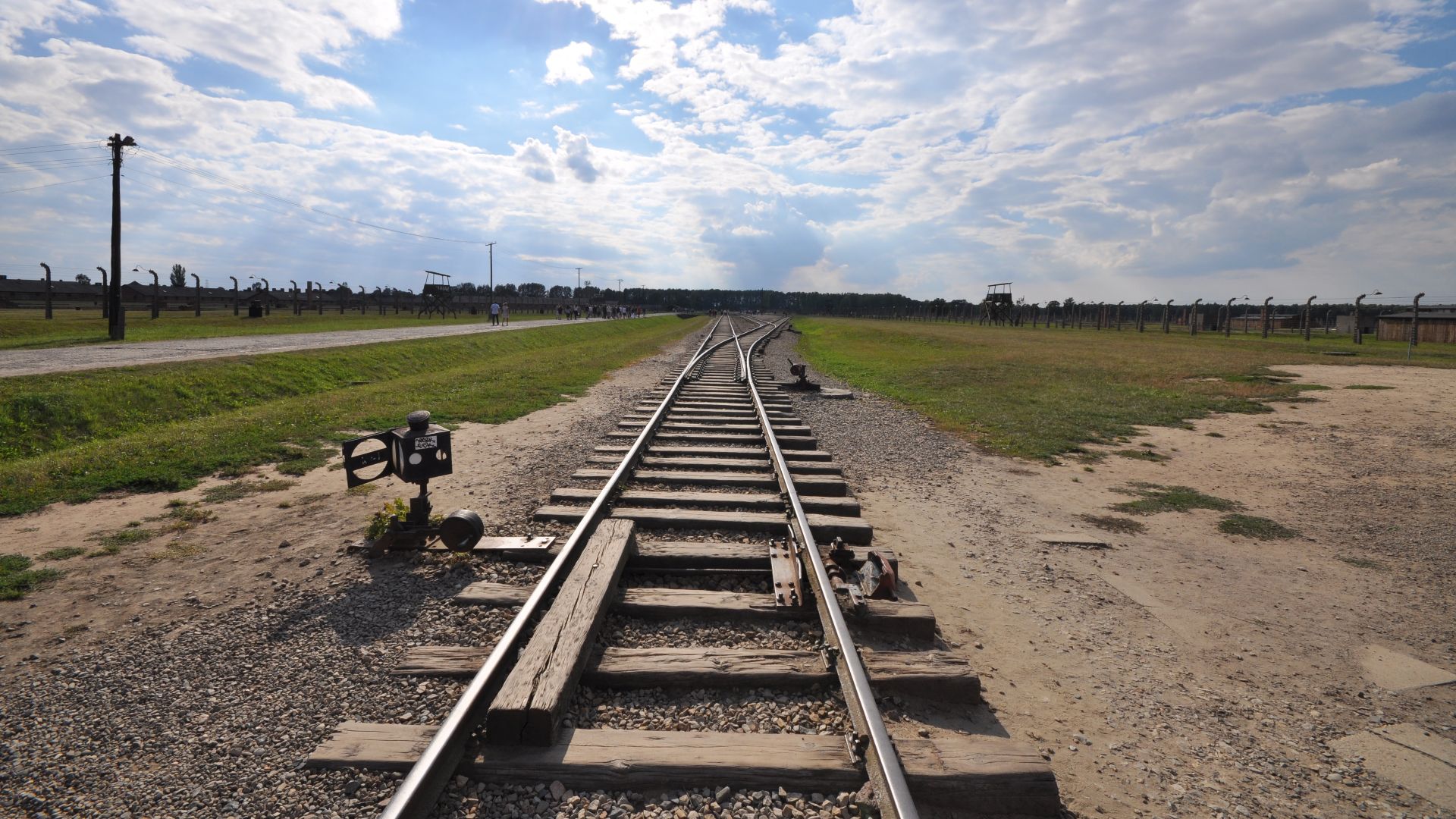
2. The Amber Room
The Amber Room was a chamber of St. Petersburg's Catherine Palace, paneled in amber and gold leaf and considered one of the era's great wonders. Nazi forces shipped it to Königsberg in 1941, last seen there before Soviet troops took the city in 1945. Russia later built a full replica, but the original panels never turned up.
 Sergey A. Demidov on Wikimedia
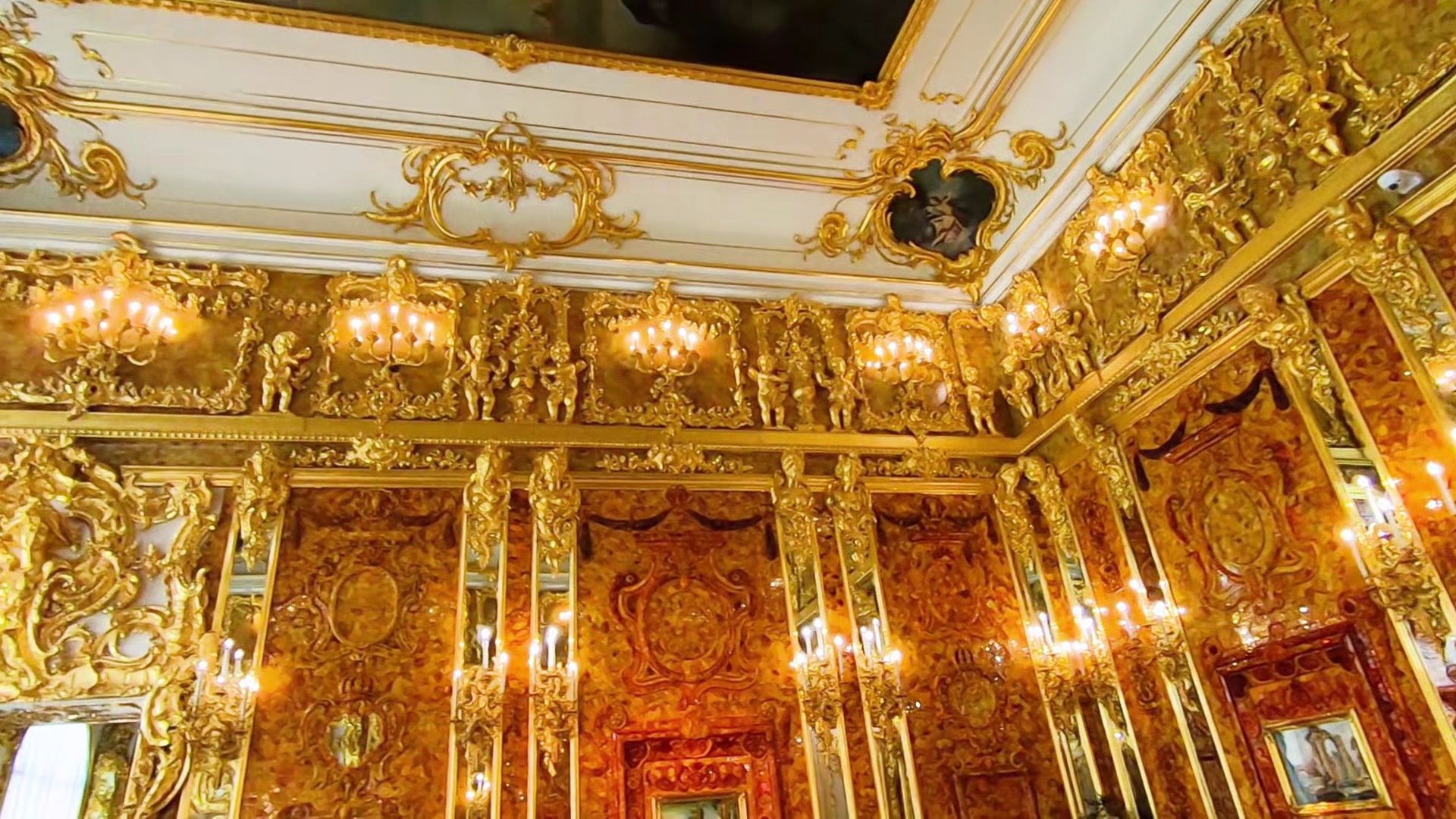
3. The Honjo Masamune
The Honjo Masamune was a 700-year-old katana passed down through the Tokugawa shogunate as a symbol of its authority. The family surrendered it to American occupation forces in the winter of 1945, and a U.S. Army sergeant took custody in January 1946. Neither his identity nor the sword's whereabouts was ever confirmed.
 Christoph Waghubinger (Lewenstein) on Wikimedia
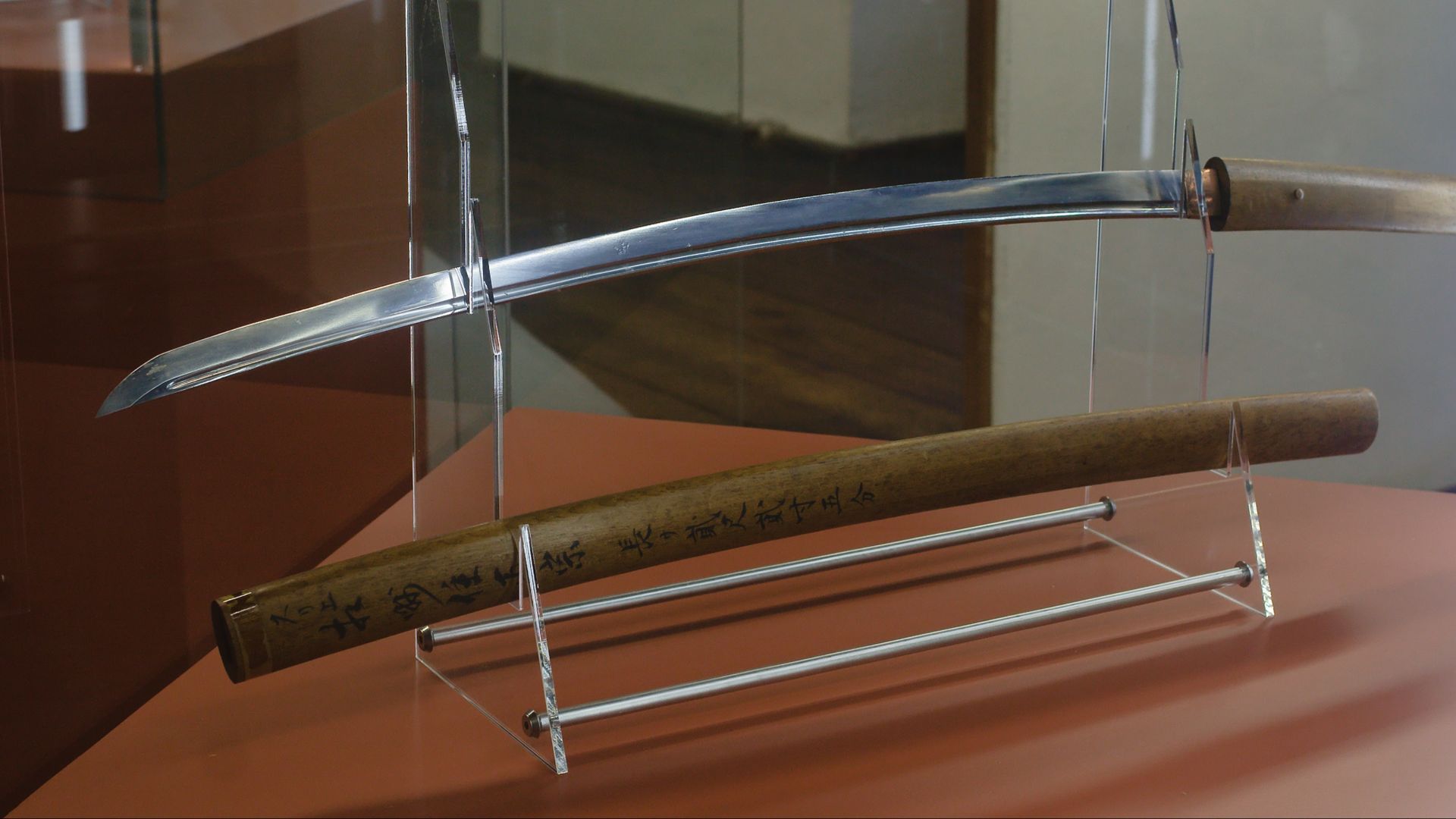
4. The Peking Man Fossils
The Peking Man fossils, around 40 Homo erectus specimens dug up outside Beijing in the 1920s and 1930s, rank among the most important human-evolution finds ever made. Packed for shipment to the U.S. ahead of Japan's advance in late 1941, they never arrived. A Marine's 1947 account of digging up a bone-filled box remains the closest thing to a lead.
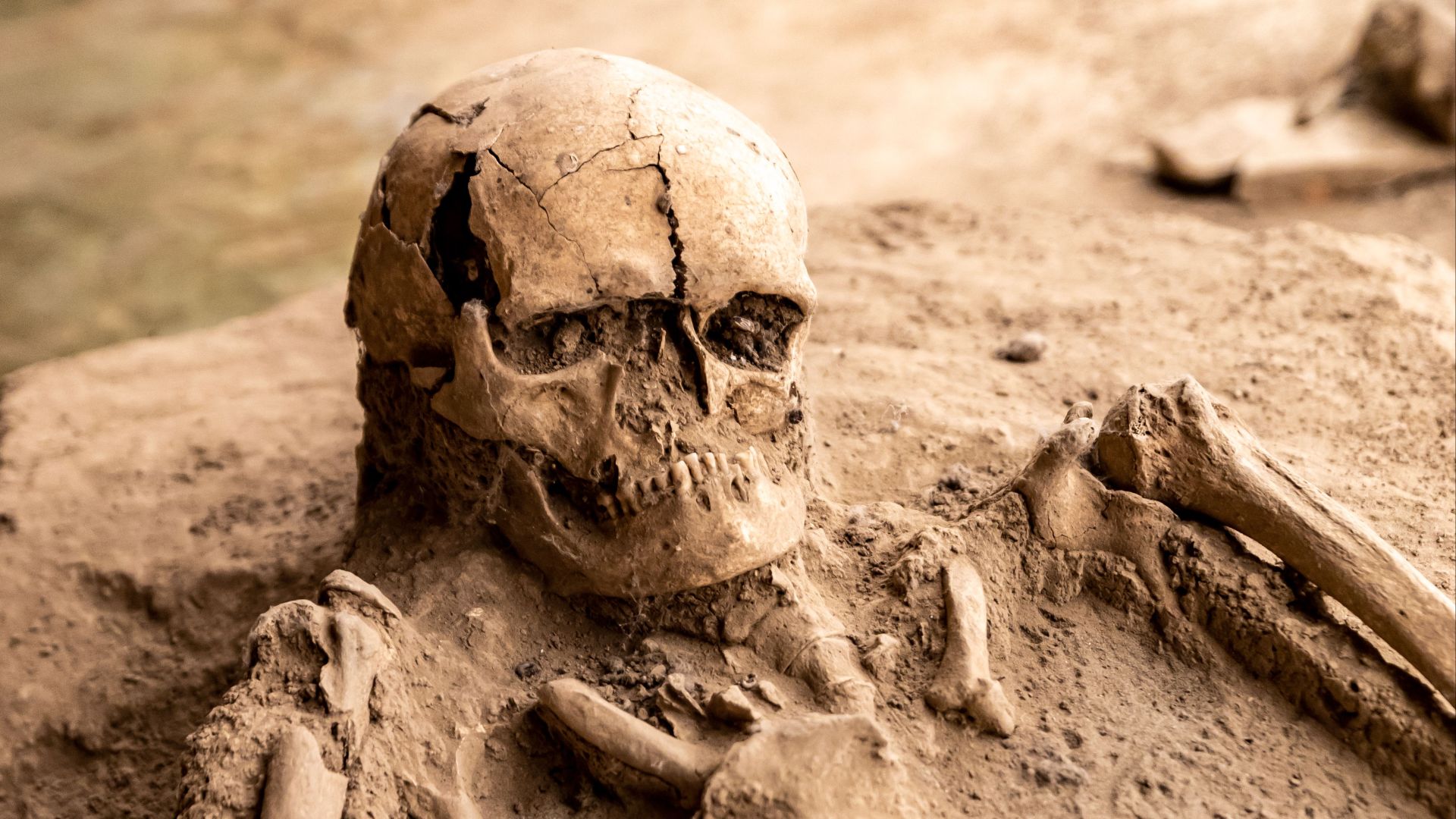
5. The Just Judges
The Just Judges was a panel of the Ghent Altarpiece, a 15th-century Van Eyck masterwork, stolen from St. Bavo's Cathedral in April 1934. A ransom note followed, but negotiations collapsed and the panel never came back. A replica has hung in its place since 1945, and a Ghent detective is still assigned to the case.
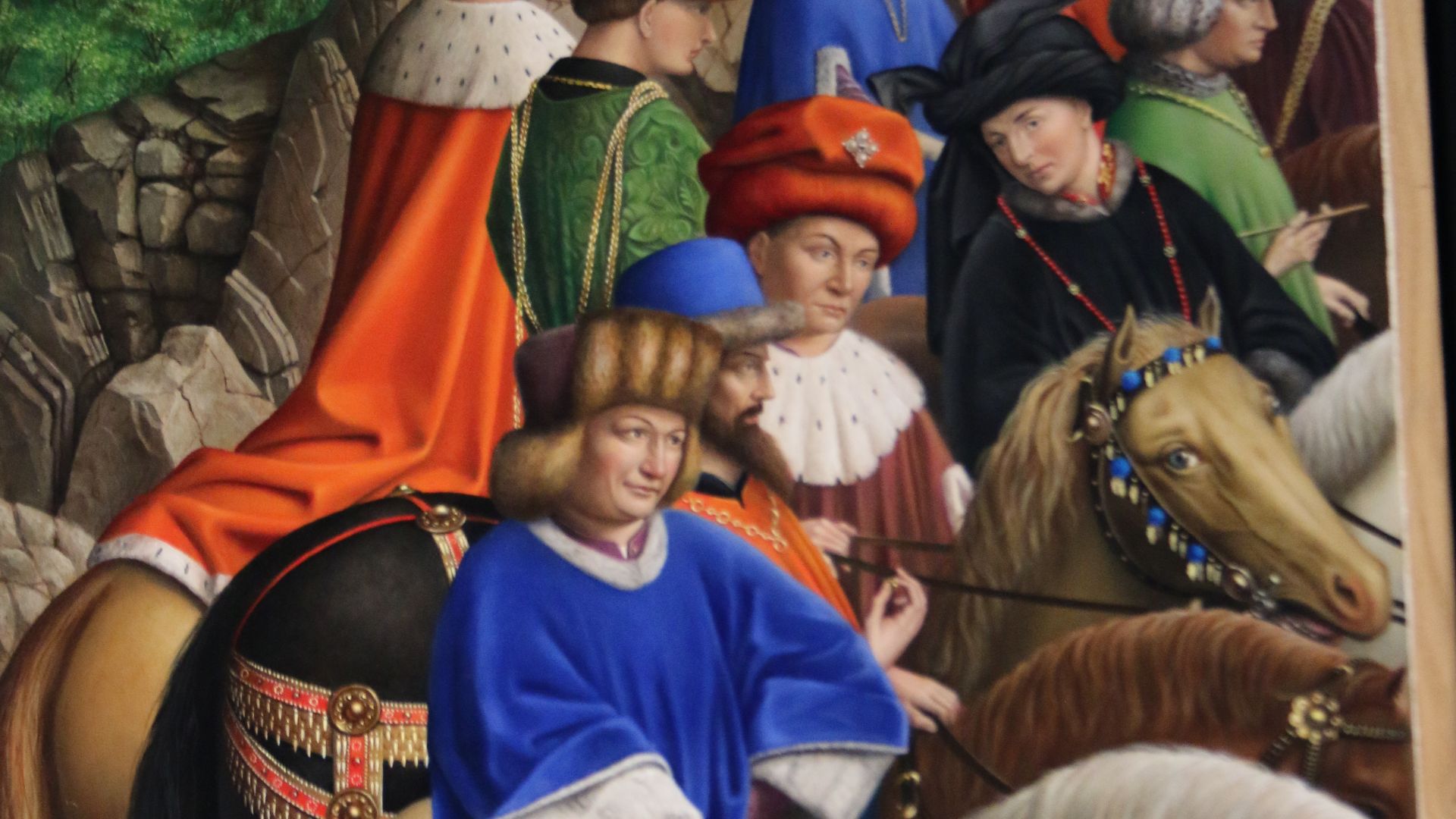
6. The Irish Crown Jewels
The Irish Crown Jewels, ceremonial regalia of the Order of St. Patrick, were found missing from a locked Dublin Castle safe days before a royal visit in July 1907. Investigators never pinned down exactly when the theft happened, and no charges were ever filed. More than a century of searches has produced nothing.
 Thomas Alfred Jones on Wikimedia
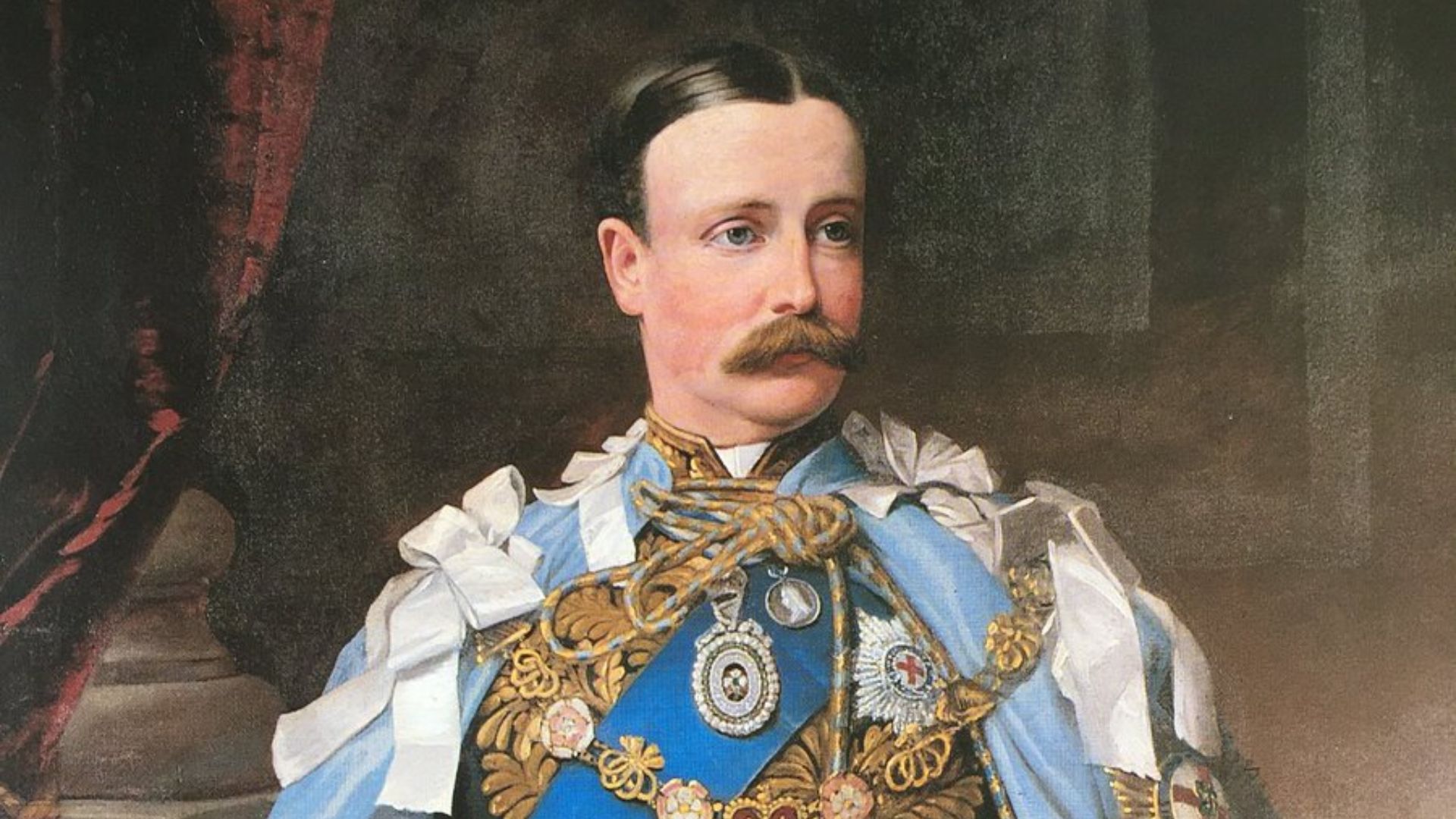
7. King John's Crown Jewels
According to English chroniclers, King John lost his baggage train, along with the royal jewels, crossing the tidal estuary known as the Wash in October 1216. The tide swallowed the wagons, and John died of illness days later. Historians still argue over how much treasure was really aboard, since the story rests entirely on secondhand medieval accounts.
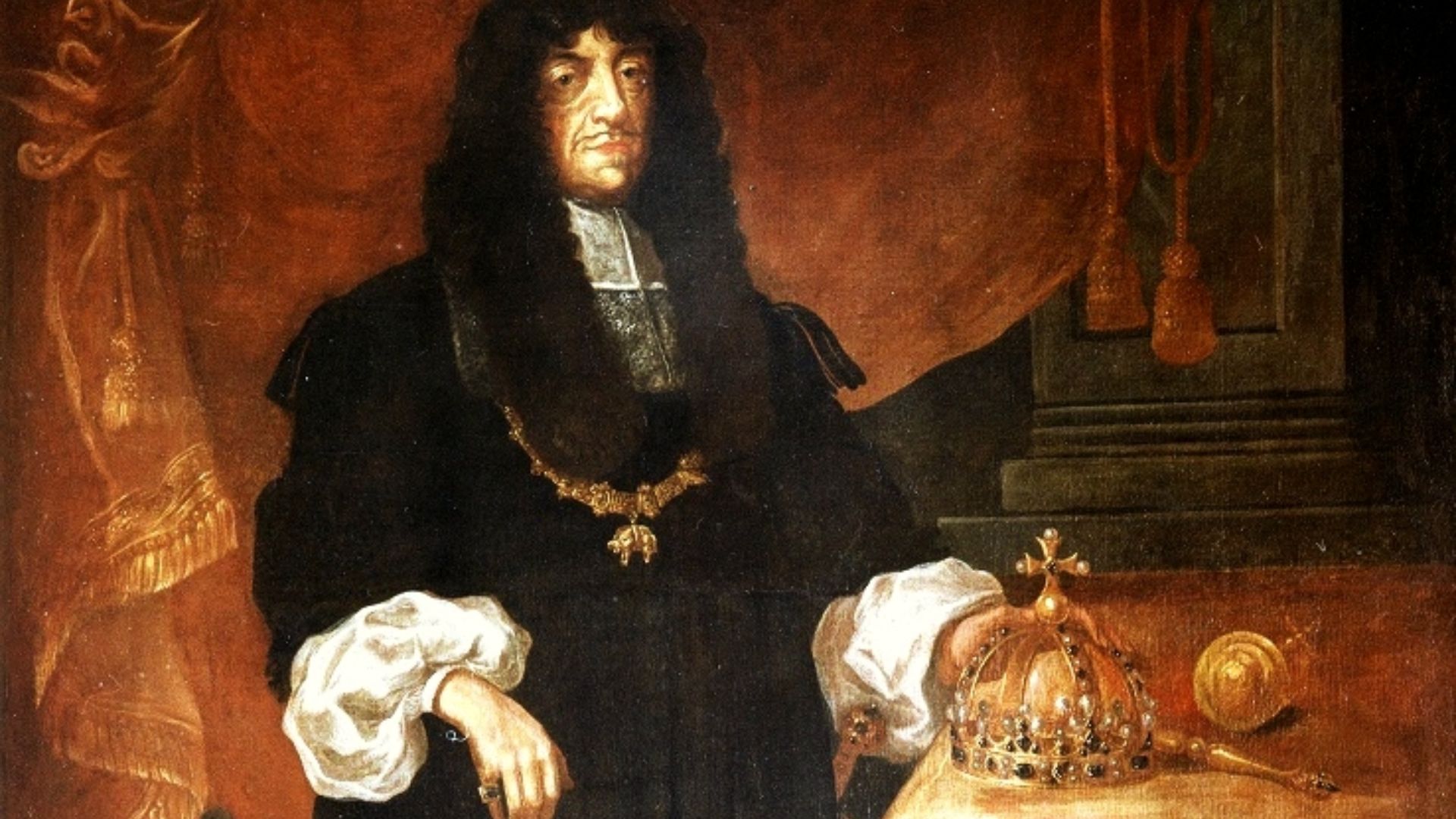
8. The Colossus Of Rhodes
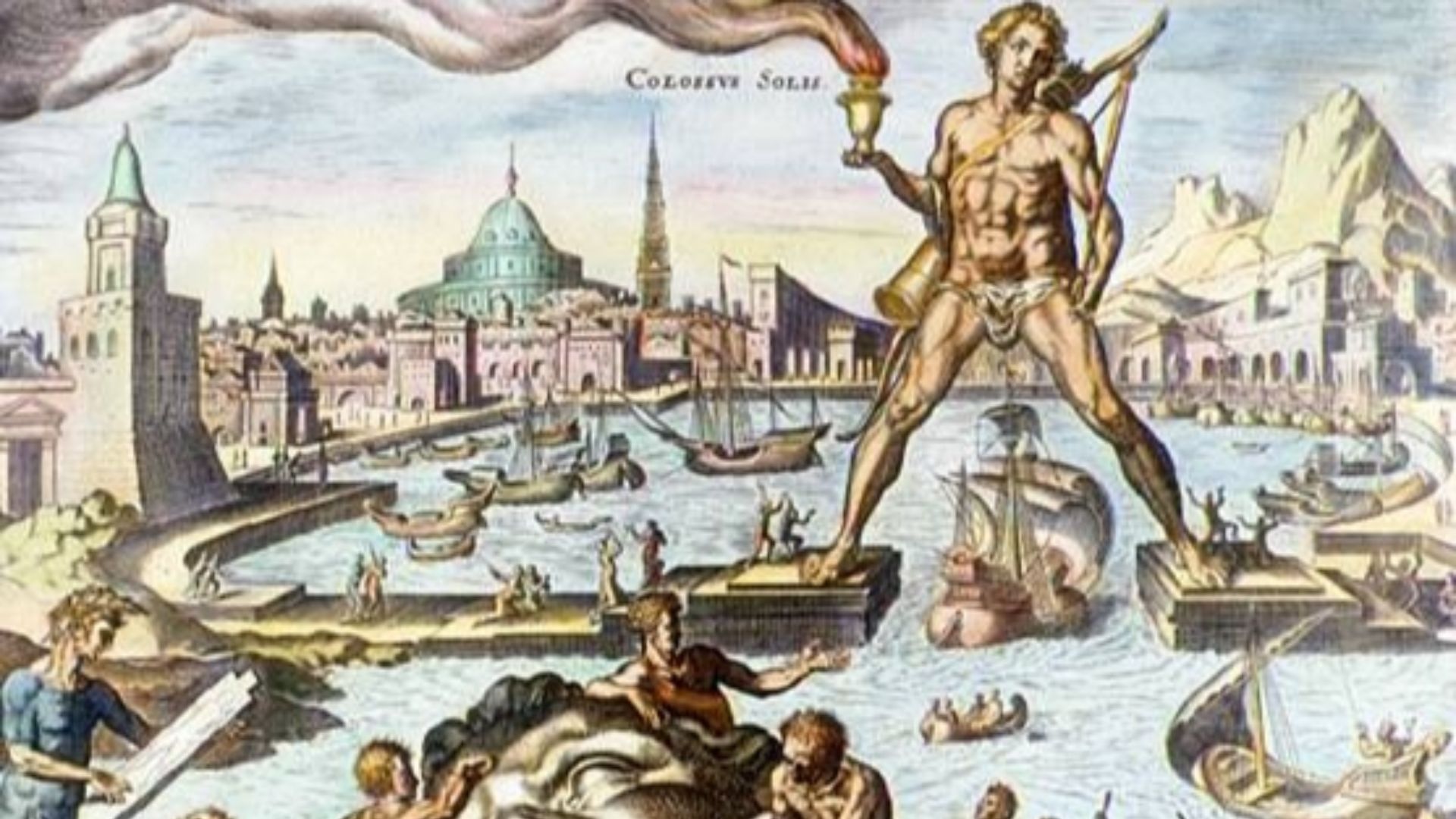
The Colossus of Rhodes, a bronze statue of the sun god Helios and one of the Seven Wonders of the Ancient World, stood barely 56 years before an earthquake toppled it in 226 BCE. The fallen statue lay in pieces for centuries until Arab forces reportedly sold the bronze for scrap around 653 CE. Nothing of the original is known to survive.
 Maarten van Heemskerck / Philip Galle on Wikimedia
9. The Second Temple Menorah
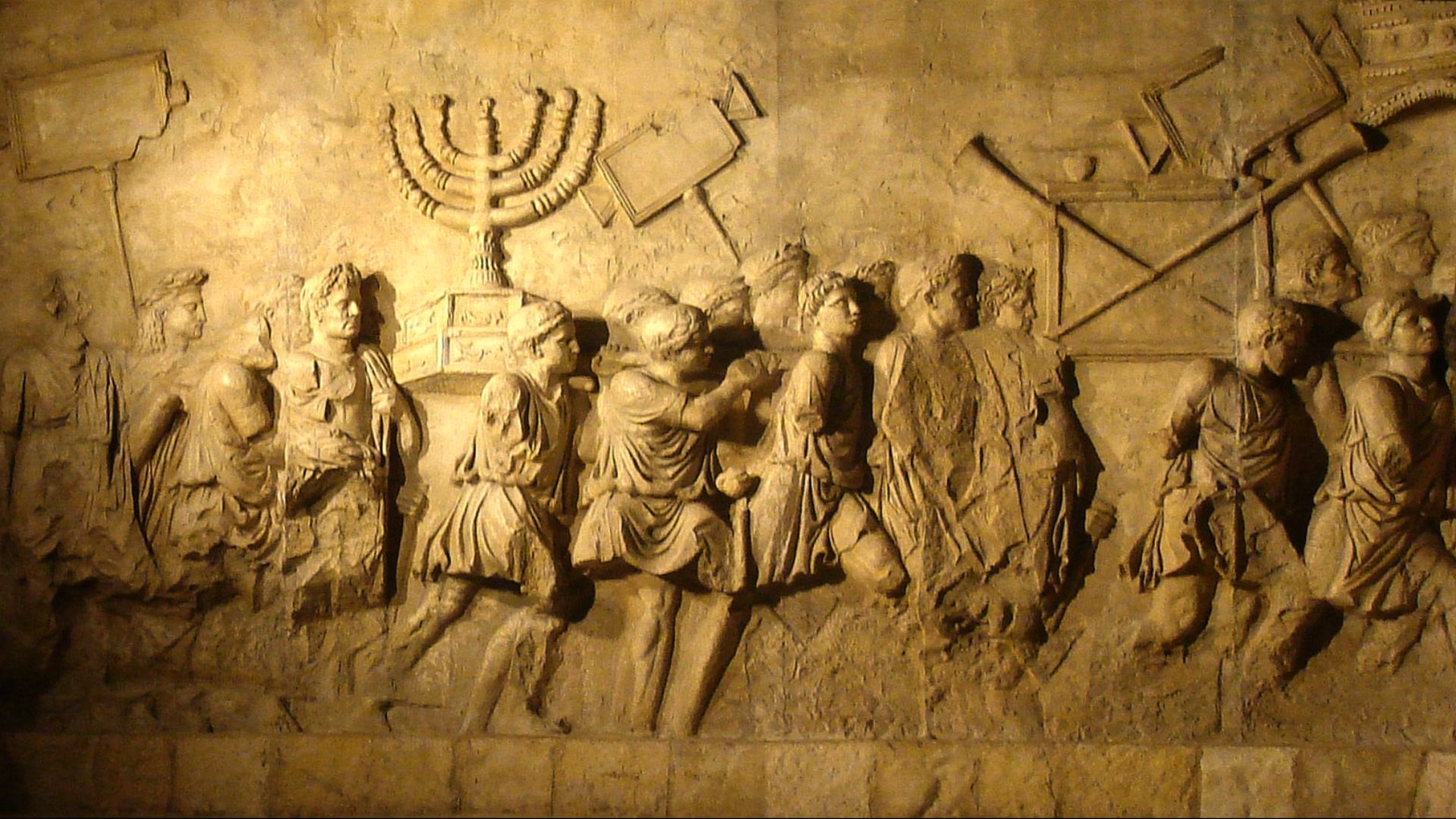
Roman forces looted the gold menorah from Jerusalem's Second Temple in 70 CE, an event still carved into Rome's Arch of Titus. The trail runs cold after Vandal raiders sacked Rome in 455 CE and allegedly carried it off. Some accounts place it in Carthage, others in Constantinople, but none end with anyone finding it.
 derivative work: Steerpike (talk)
Arc_de_Triumph_copy.jpg: user: בית השלום on Wikimedia
derivative work: Steerpike (talk)
Arc_de_Triumph_copy.jpg: user: בית השלום on Wikimedia
10. Genghis Khan's Tomb
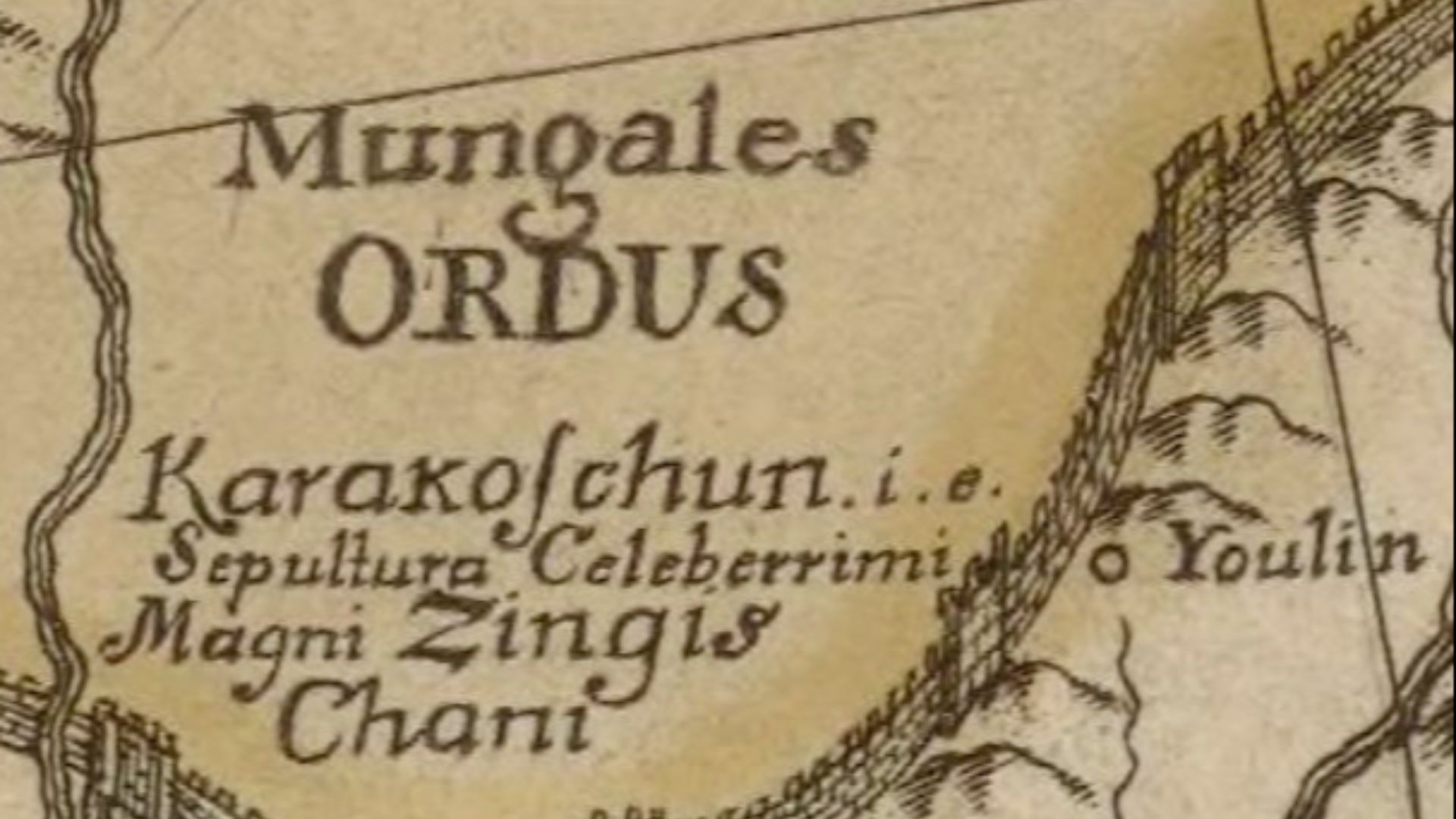
Genghis Khan asked to be buried without any marker, and by most accounts his followers took extreme measures to keep the location secret. Nearly 800 years later, satellite imagery and countless expeditions across Mongolia have failed to turn up anything conclusive. Mongolian tradition also discourages disturbing the site, even if it were found.
 Philip Johan von Strahlenberg on Wikimedia
11. Alexander The Great's Tomb
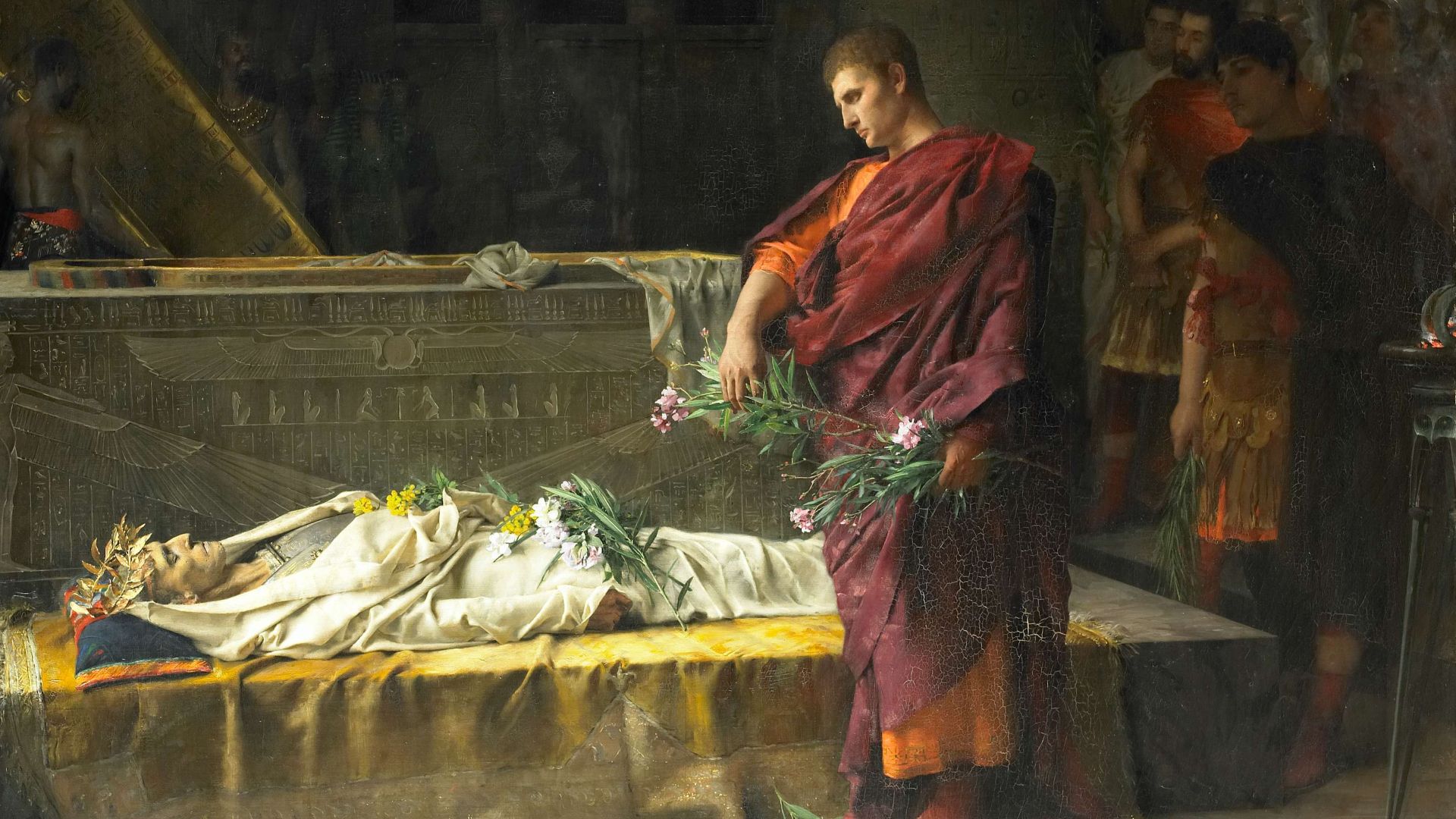
Alexander the Great's body was preserved and displayed in Alexandria, where ancient writers describe visitors touring the tomb for centuries after his death in 323 BCE. References to it simply stop appearing in the record around the fourth century CE. Archaeologists have proposed dozens of locations under modern Alexandria, and none have panned out.
 Gustave-Claude-Étienne Courtois on Wikimedia
12. The Missing Imperial Fabergé Eggs
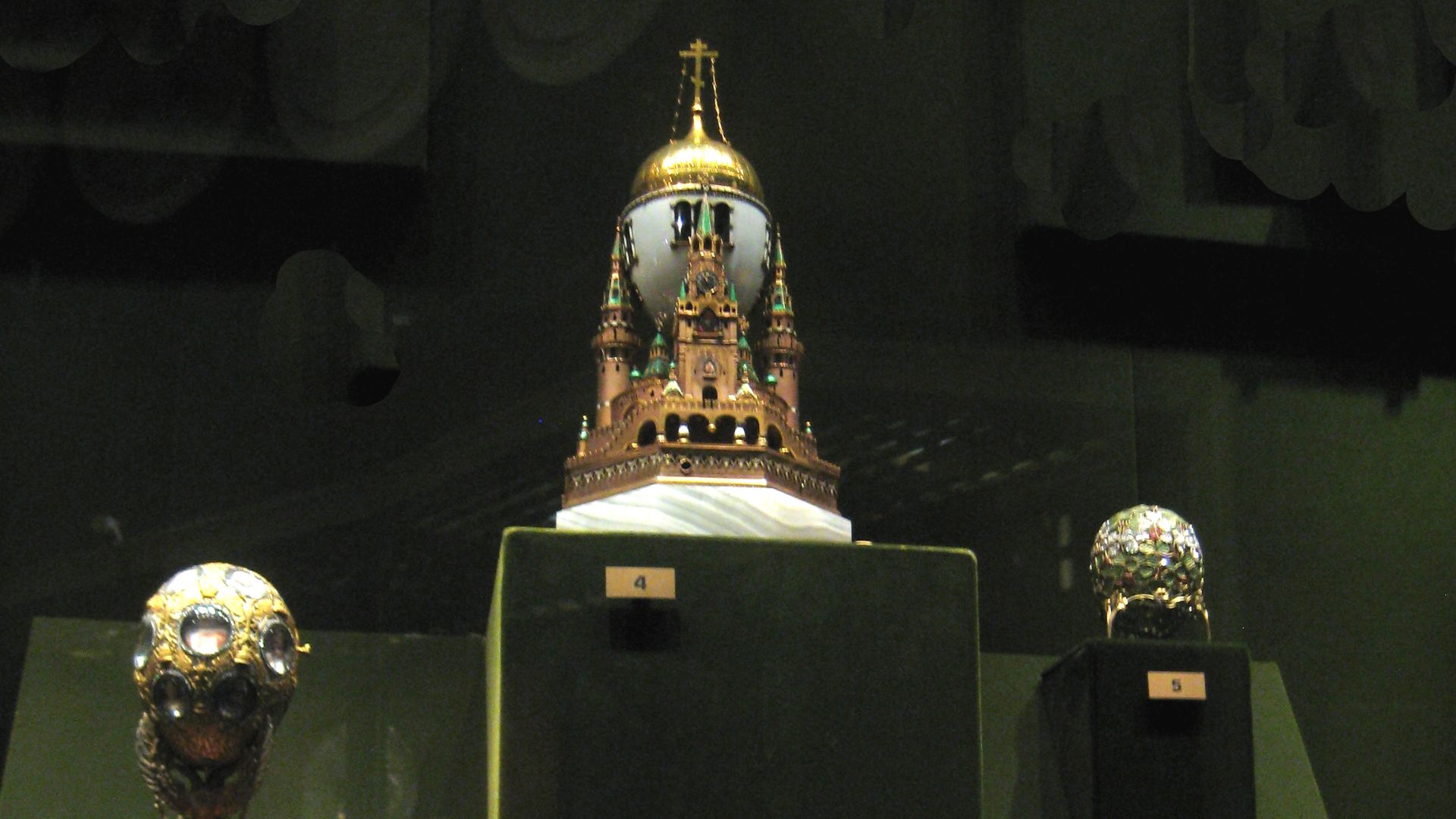
Between 1885 and 1917, jeweler Peter Carl Fabergé made 50 elaborate eggs for the Russian imperial family, seized by the Bolsheviks after the revolution. Most eventually surfaced in museums or private hands, including one a scrap-metal dealer nearly melted down in 2014. Seven of the original 50 remain unaccounted for, known only from old photographs.
13. Cortés's Noche Triste Treasure
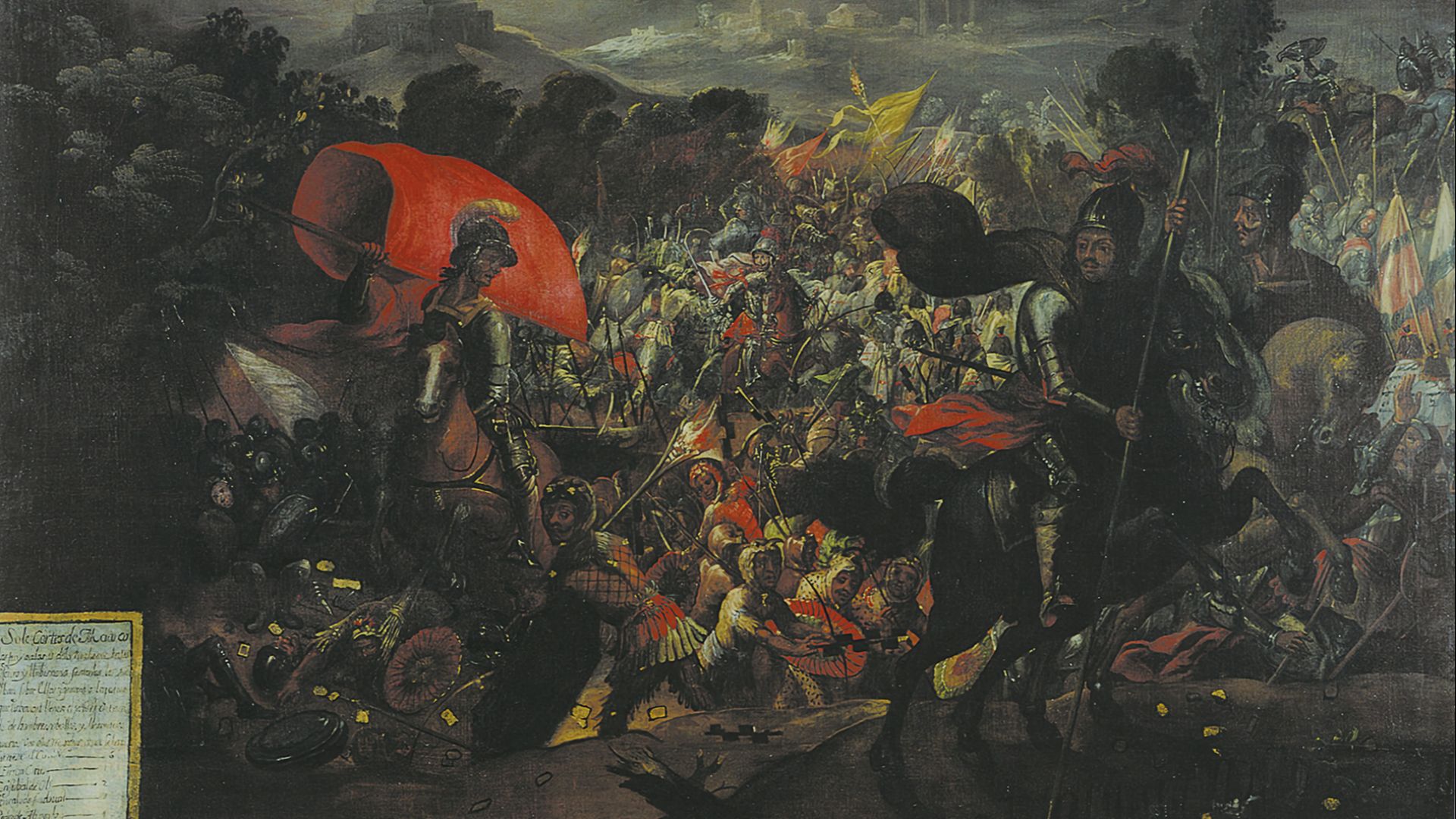
During the Spanish retreat from Tenochtitlan in June 1520, later called La Noche Triste, soldiers loaded with looted Aztec gold tried to cross the causeways under attack. Many drowned in the canals under the sheer weight of what they carried. Occasional gold bars have surfaced from Mexico City's old lakebed since, but most is presumed lost for good.
 Unknown authorUnknown author on Wikimedia
14. The Copper Scroll Treasure
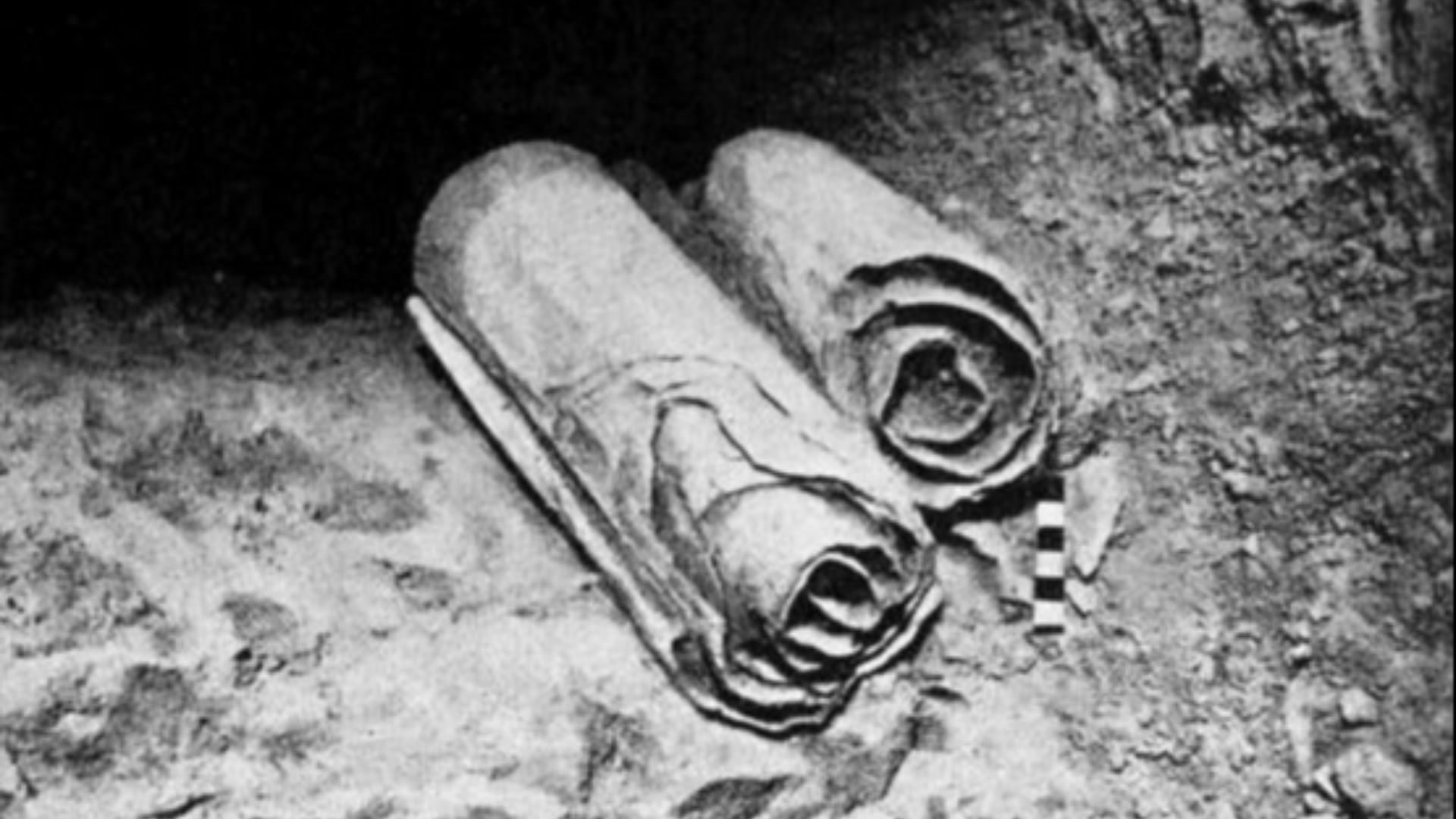
Among the Dead Sea Scrolls found in a Qumran cave in 1952 was a copper scroll listing dozens of locations where gold and silver were supposedly buried. Scholars still debate whether it describes a real treasure or a symbolic text, since the sites can no longer be identified. Every search based on its directions has come back empty.
 Abraham Meir Habermann, 1901–1980 on Wikimedia
15. Cleopatra's Pearl
According to the Roman writer Pliny the Elder, Cleopatra wagered Mark Antony that she could spend a fortune on one meal, then dissolved a pearl earring in vinegar and drank it to win. Historians still debate whether the chemistry even works, since pearls dissolve in acid slowly at best. Either way, the pearl never survived the story.
 Anthoni Schoonjans on Wikimedia
16. The Great Sphinx's Nose
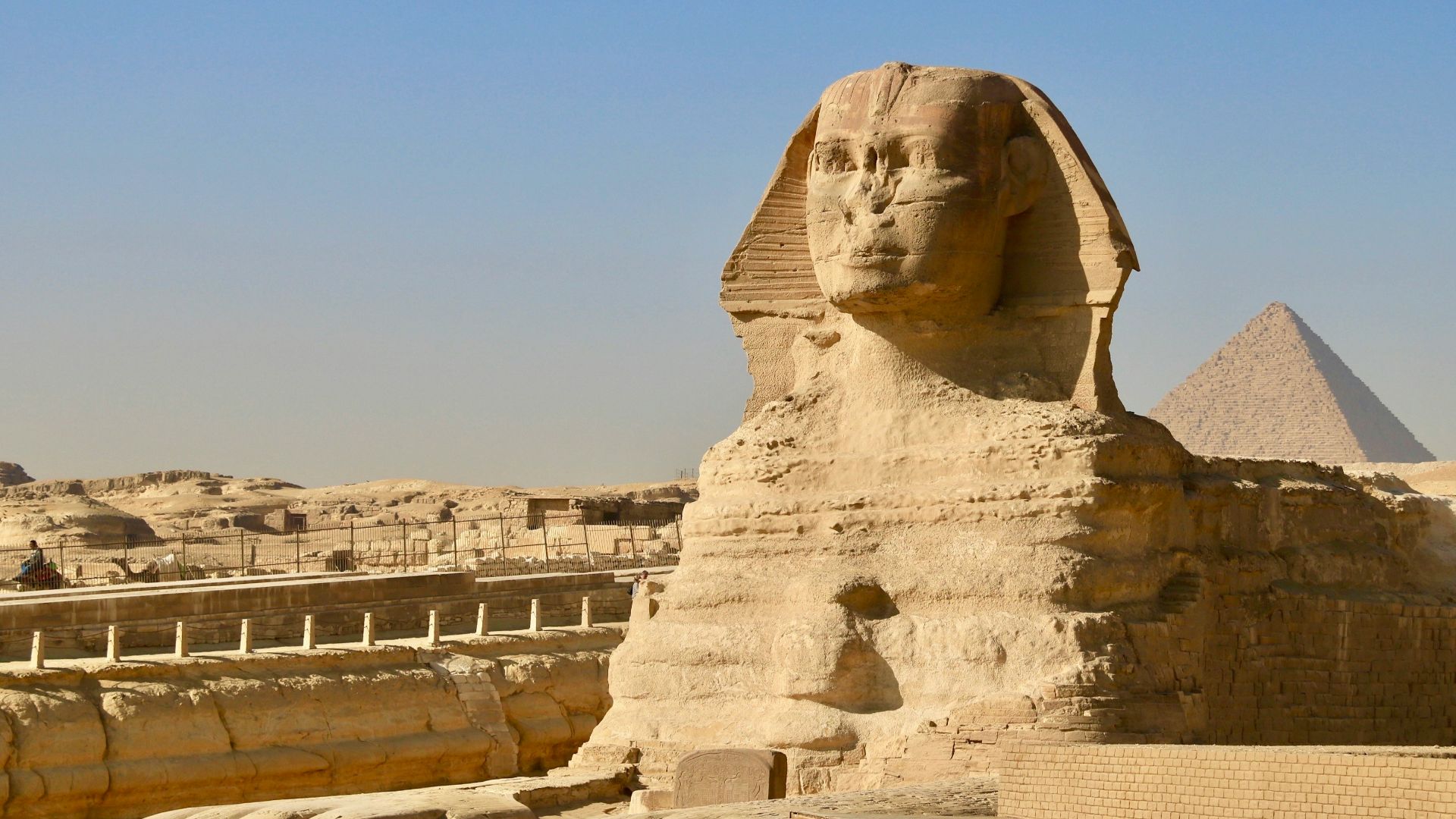
The Great Sphinx of Giza has been missing its nose for centuries, and the popular story blaming Napoleon's soldiers doesn't hold up, since 1700s sketches already show the damage before he arrived in Egypt. The historian al-Maqrizi instead recorded that a Sufi cleric chiseled it off in the 14th century over a dispute with local worshippers. No fragment has ever surfaced.
17. Raphael's Portrait Of A Young Man
Raphael's Portrait of a Young Man, believed by many to be a self-portrait, hung in Poland's Czartoryski Museum until Nazi forces seized it in 1939 for Hitler's planned museum in Linz. It was last documented with Hans Frank, the Nazi governor of occupied Poland, in early 1945. It remains widely considered the most significant artwork missing since World War II.

18. Vermeer's The Concert
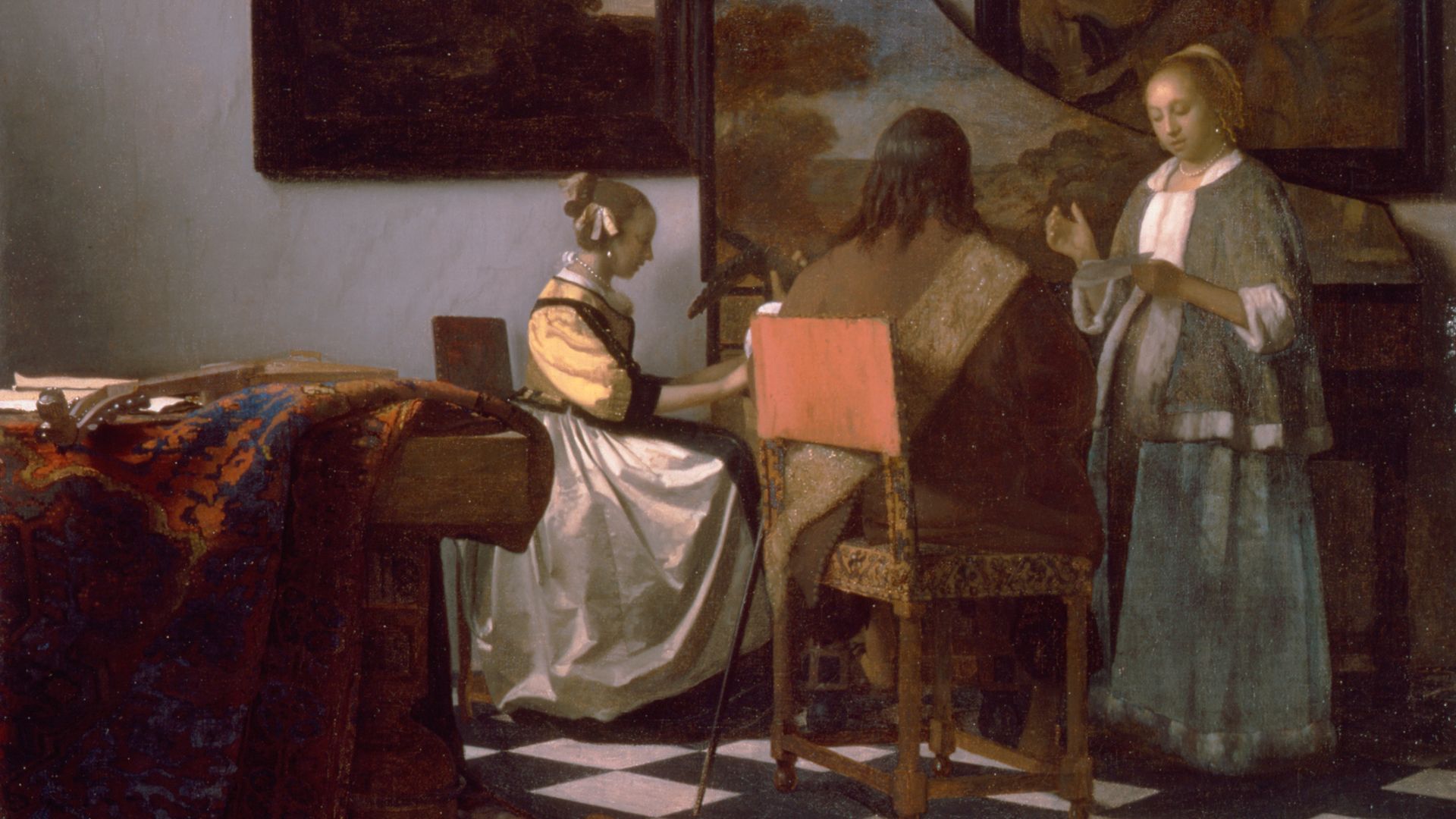
In March 1990, thieves disguised as police officers spent 81 minutes cutting 13 works of art from their frames at Boston's Isabella Stewart Gardner Museum. Among them was Vermeer's The Concert, one of about three dozen surviving Vermeers and long regarded as the world's most valuable unrecovered painting. The empty frames still hang in the museum today.
19. The Library Of Alexandria's Scrolls
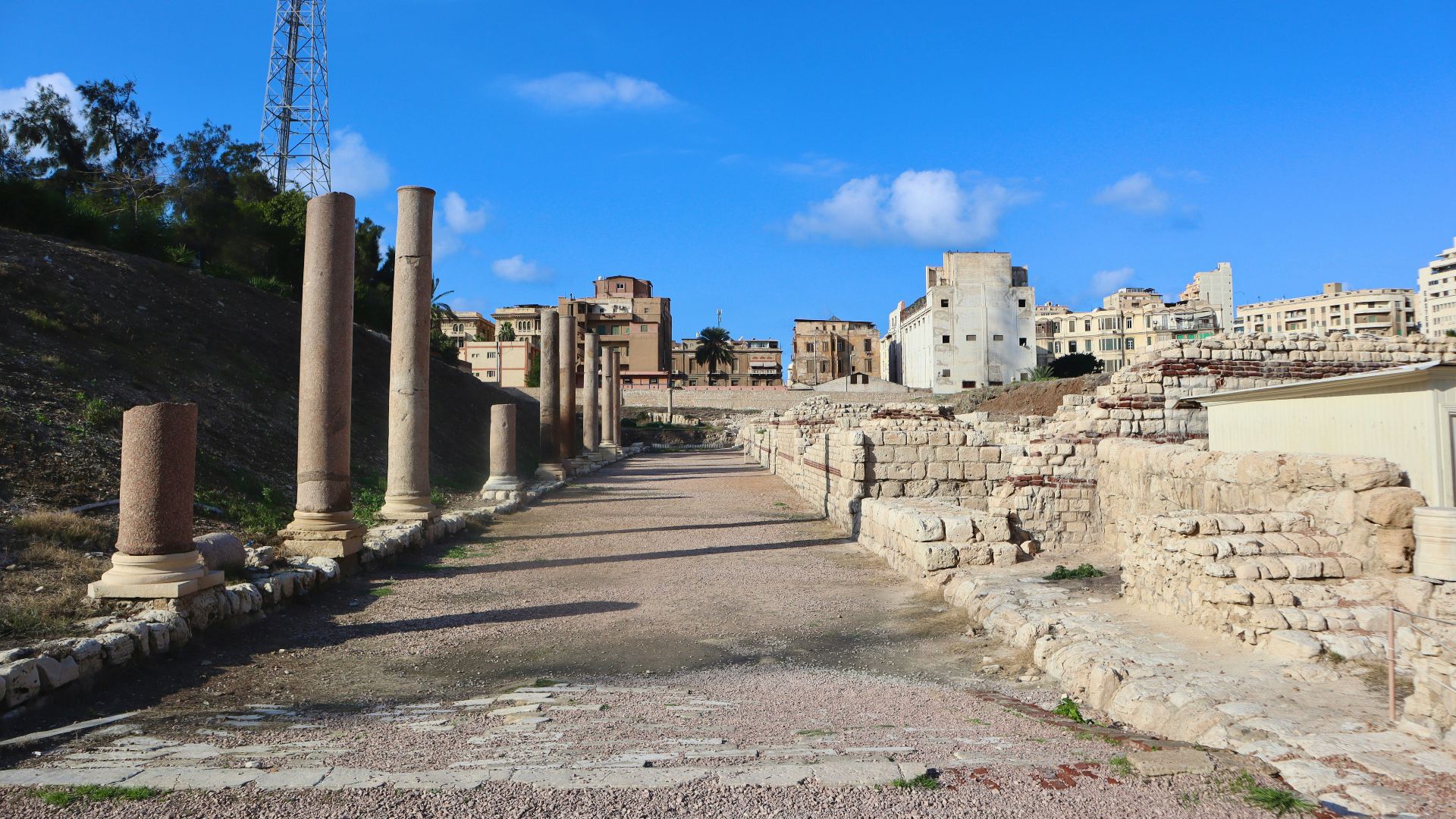
Ancient Alexandria's great library once held an estimated hundreds of thousands of scrolls, covering nearly every subject studied in the ancient world. No single dramatic fire destroyed it, contrary to legend; the collection disappeared gradually through wars, neglect, and funding cuts spread across centuries. Almost none of what it held survives anywhere else today.
20. The Ark Of The Covenant
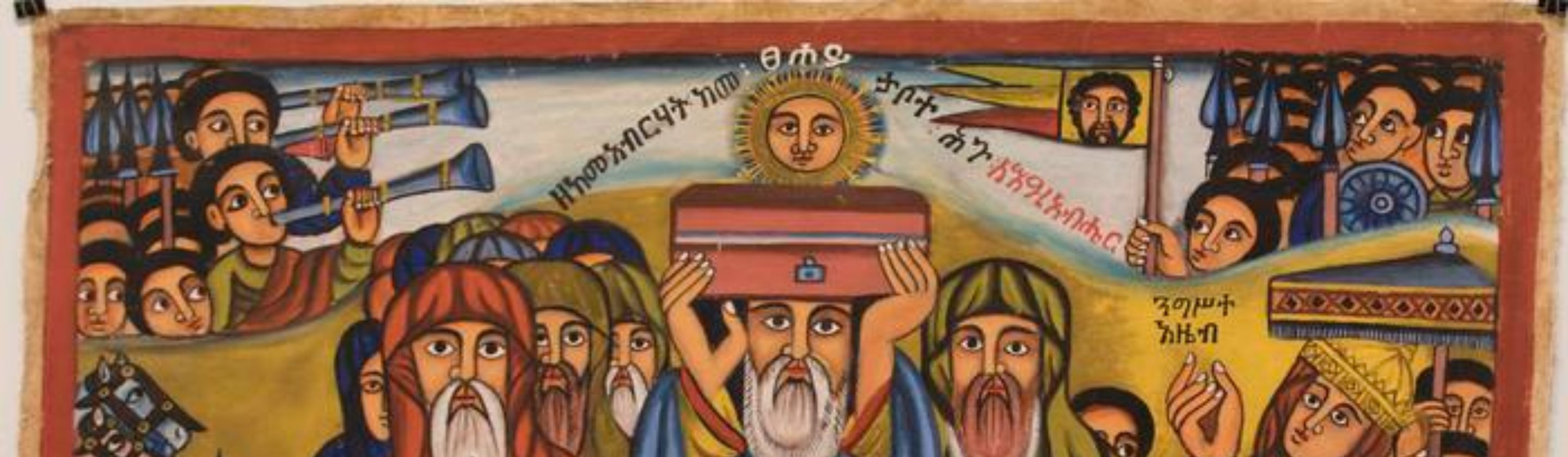
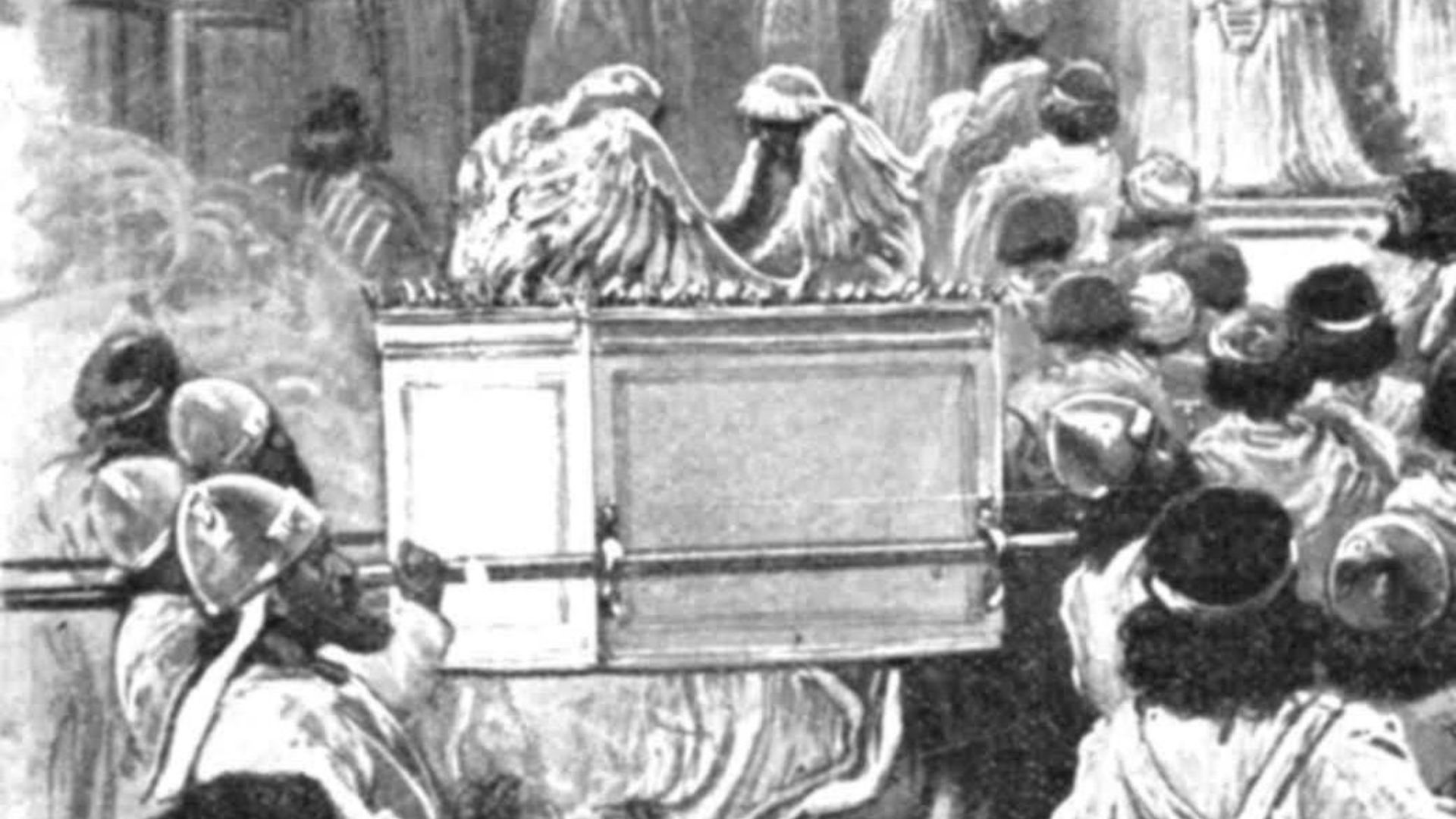
The Ark of the Covenant, the gold-covered chest described in the Hebrew Bible as holding the Ten Commandments, disappears from the historical record after Babylon destroyed the First Temple in 586 BCE. One Ethiopian tradition places it in a guarded chapel in Aksum, never examined by outsiders. The question sits exactly where it's always sat.
KEEP ON READING