

When Minor Sparks Led to Major Consequences
History likes to frame wars as the result of grand ideals, deep conflicts, or inevitable clashes of power. In reality, many wars began because of petty disputes, misunderstandings, wounded pride, or events that spiraled far beyond their original significance. What started as a small insult, a border argument, or a single incident often escalated into years of bloodshed. Looking back, it’s hard not to be surprised by how fragile peace can be. These 20 wars prove that sometimes history turns on moments that feel almost absurd in hindsight.
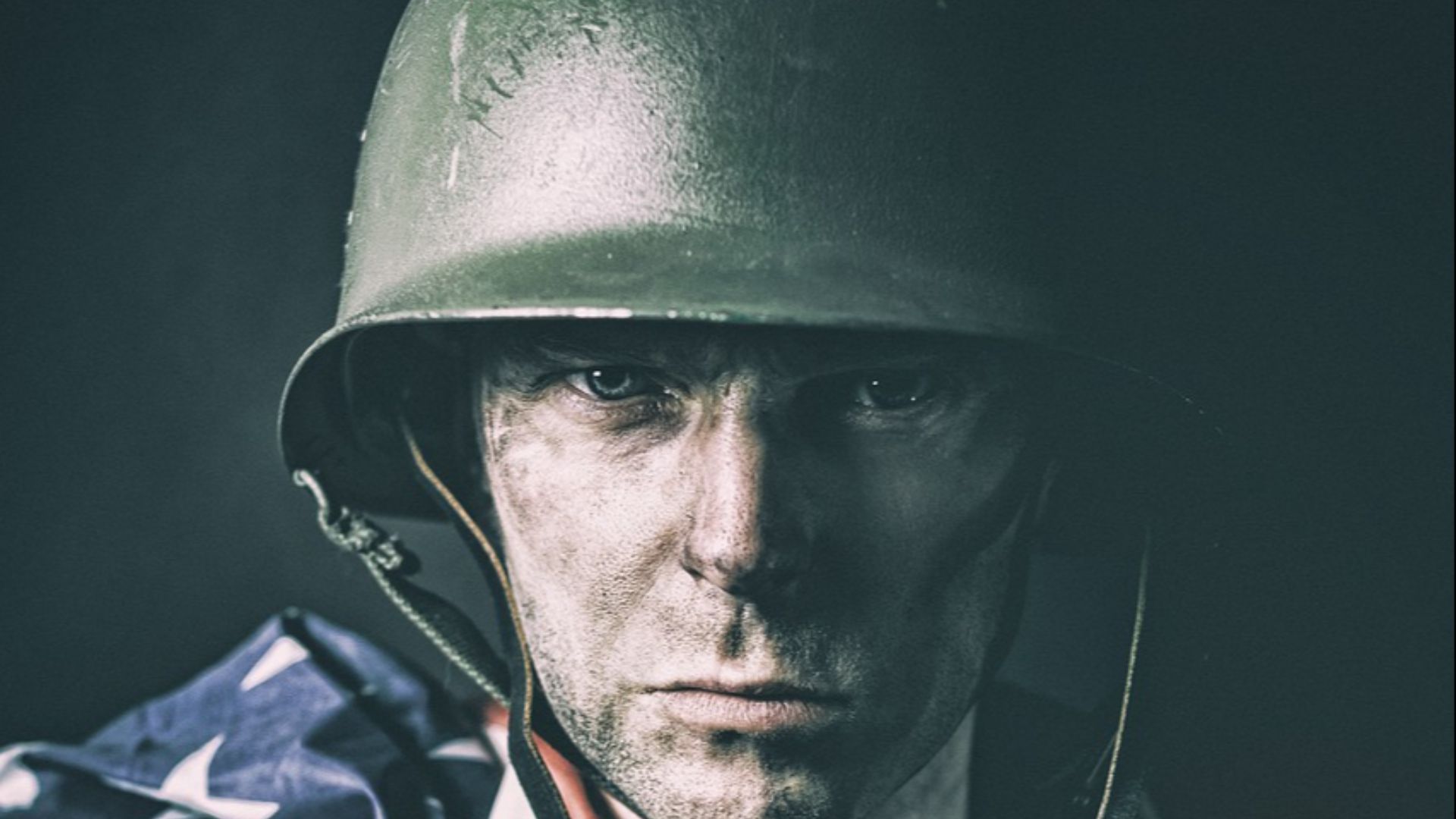
1. The War of Jenkins’ Ear (1739)
This conflict began after a British captain’s ear was allegedly cut off by Spanish forces. He later presented the ear to Parliament as evidence. Public outrage followed quickly, and national pride took over. A grotesque souvenir helped launch a war. The story spread fast and inflamed public opinion across Britain.
 Unknown authorUnknown author on Wikimedia
2. The Football War (1969)
Tensions between El Salvador and Honduras exploded after a series of soccer matches. The games intensified existing frustrations between the countries. Violence followed the final match. Within days, war broke out. Sports rivalries pushed politics over the edge, as emotions surrounding national identity played a major role.
3. The Pig War (1859)
A pig wandered onto disputed land and was shot. That single act triggered a standoff between the United States and Britain. Troops were deployed over a dead animal. Luckily, no one else was killed. Diplomacy eventually stepped in. The situation showed how fragile border relations could be.
4. The War of the Bucket (1325)
This war started because one city stole a wooden bucket from another. The theft became a symbol of rivalry. Thousands of soldiers were mobilized, and many died over a bucket. The bucket still exists today and remains a reminder of pride overtaking reason.
 Art Institute of Chicago on Unsplash
5. The Anglo-Zanzibar War (1896)
This war lasted less than an hour. It began after a succession dispute over the throne. Britain issued an ultimatum that was ignored, and bombardment followed almost immediately. It’s considered the shortest war in history. The imbalance of power was impossible to ignore.
 Art Institute of Chicago on Unsplash
6. The Toledo War (1835)
Ohio and Michigan argued over a strip of land, which was ultimately a disagreement centered on a surveying error. Militias were formed on both sides, but no major battles occurred. All that tension ended over a map mistake. Political pride outweighed common sense for months.
 National Library of Scotland on Unsplash
7. The Pastry War (1838)
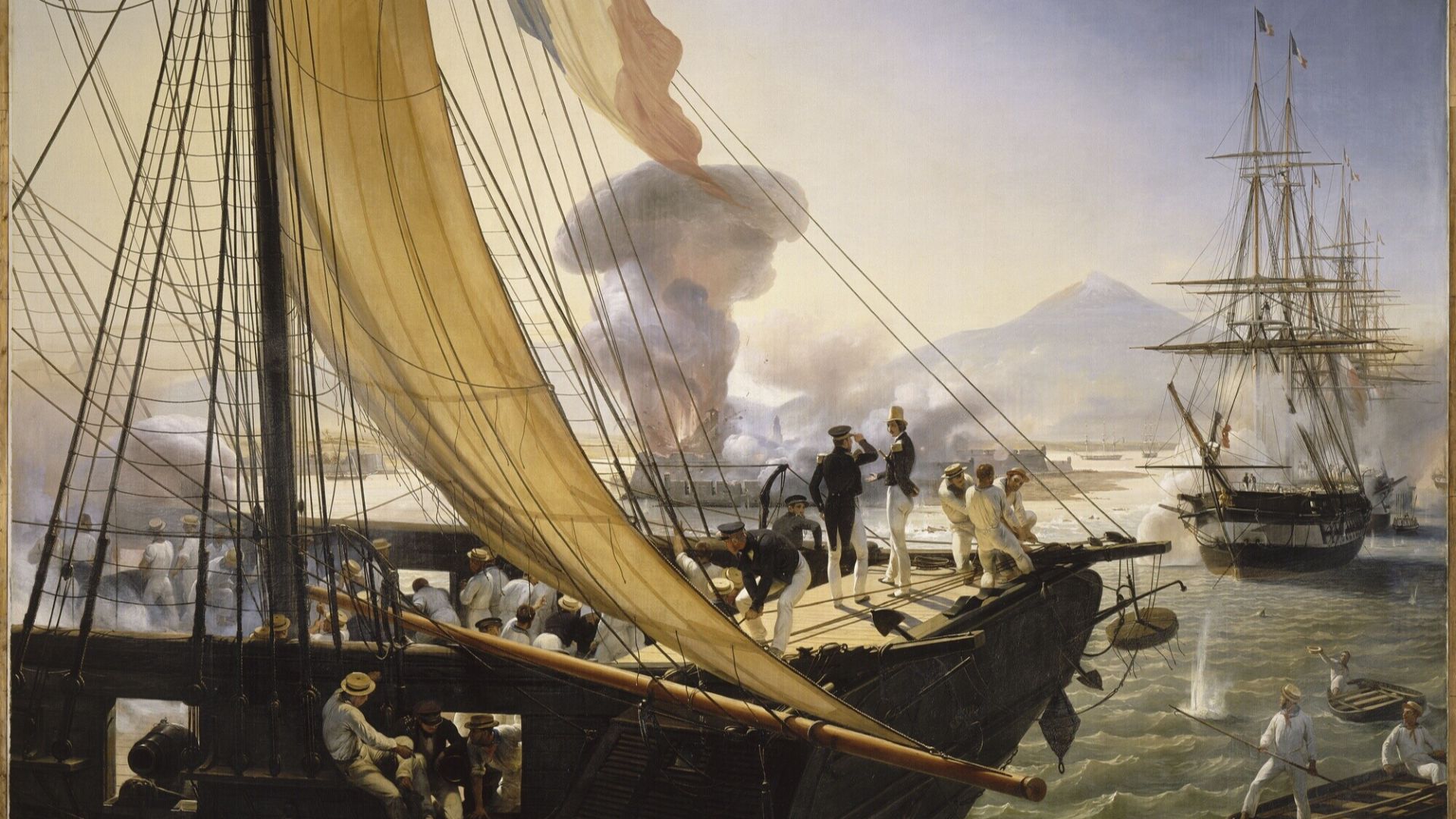
A French pastry chef demanded compensation after his shop was damaged. France used the complaint as justification for military action against Mexico. Warships soon appeared. Bombardment followed. A ruined bakery helped spark an international conflict, as economic pressure turned a complaint into violence.
8. The Kettle War (1784)
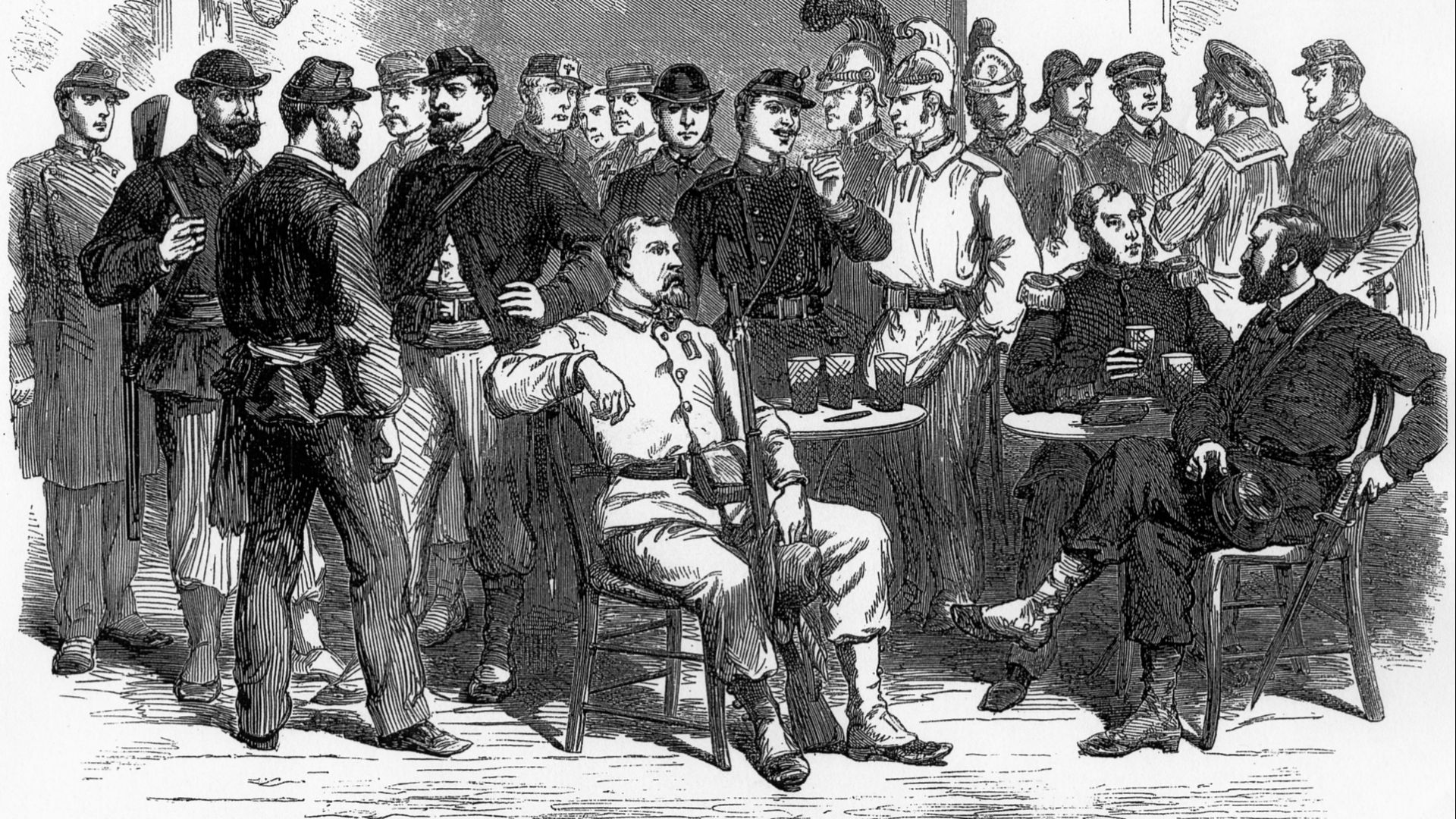
This dispute involved a stolen kettle in what is now the Netherlands. Authorities escalated the incident rather than resolving it locally. Military forces became involved. Political tensions magnified the issue. Something small became symbolic, and local grievances quickly gained national importance.
9. The War of the Oaken Bucket (Italy)
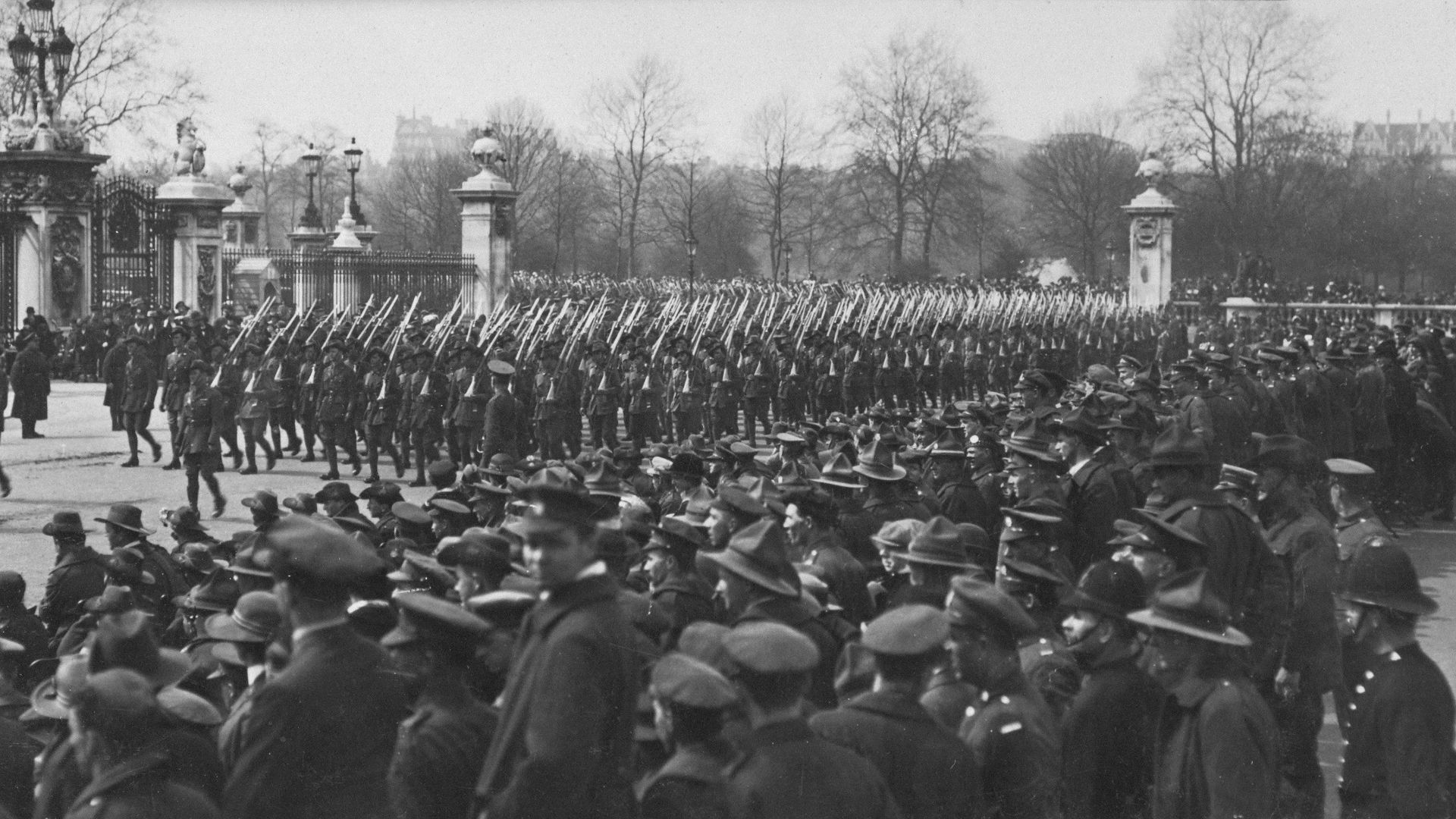
Another bucket-inspired conflict occurred between rival Italian city-states. The object itself wasn’t valuable. What mattered was pride. Insults traveled faster than logic. War followed humiliation, and reputation meant more than resources and peace at the time.
 Museum of New Zealand Te Papa Tongarewa on Unsplash
10. The Nika Riots (532)
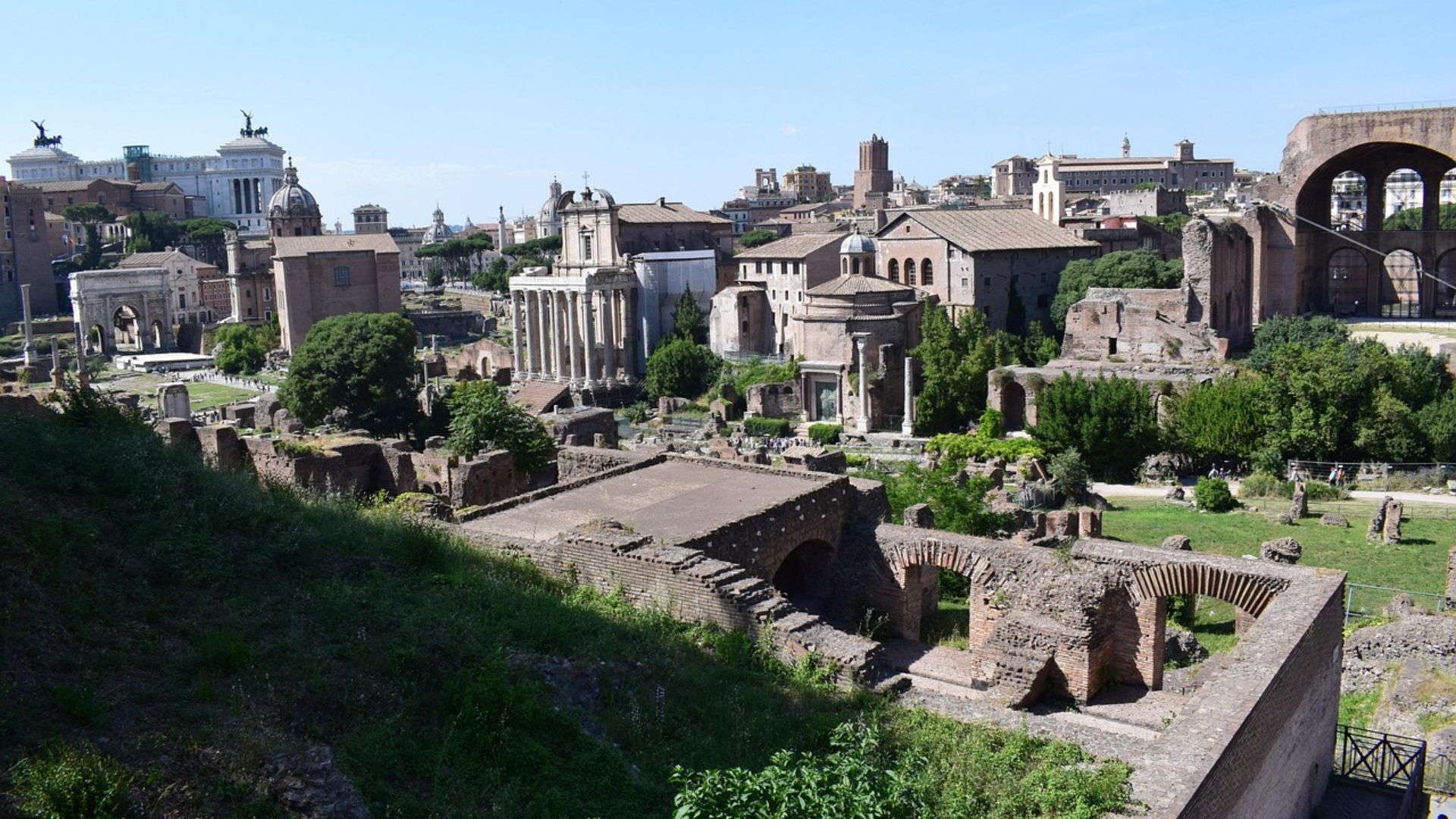
What began as unrest at a chariot race turned into massive violence. Political grievances merged with sports fandom. The chaos spread through Constantinople, resulting in the death of thousands. A riot nearly toppled an empire. Leaders underestimated how volatile crowds could become.
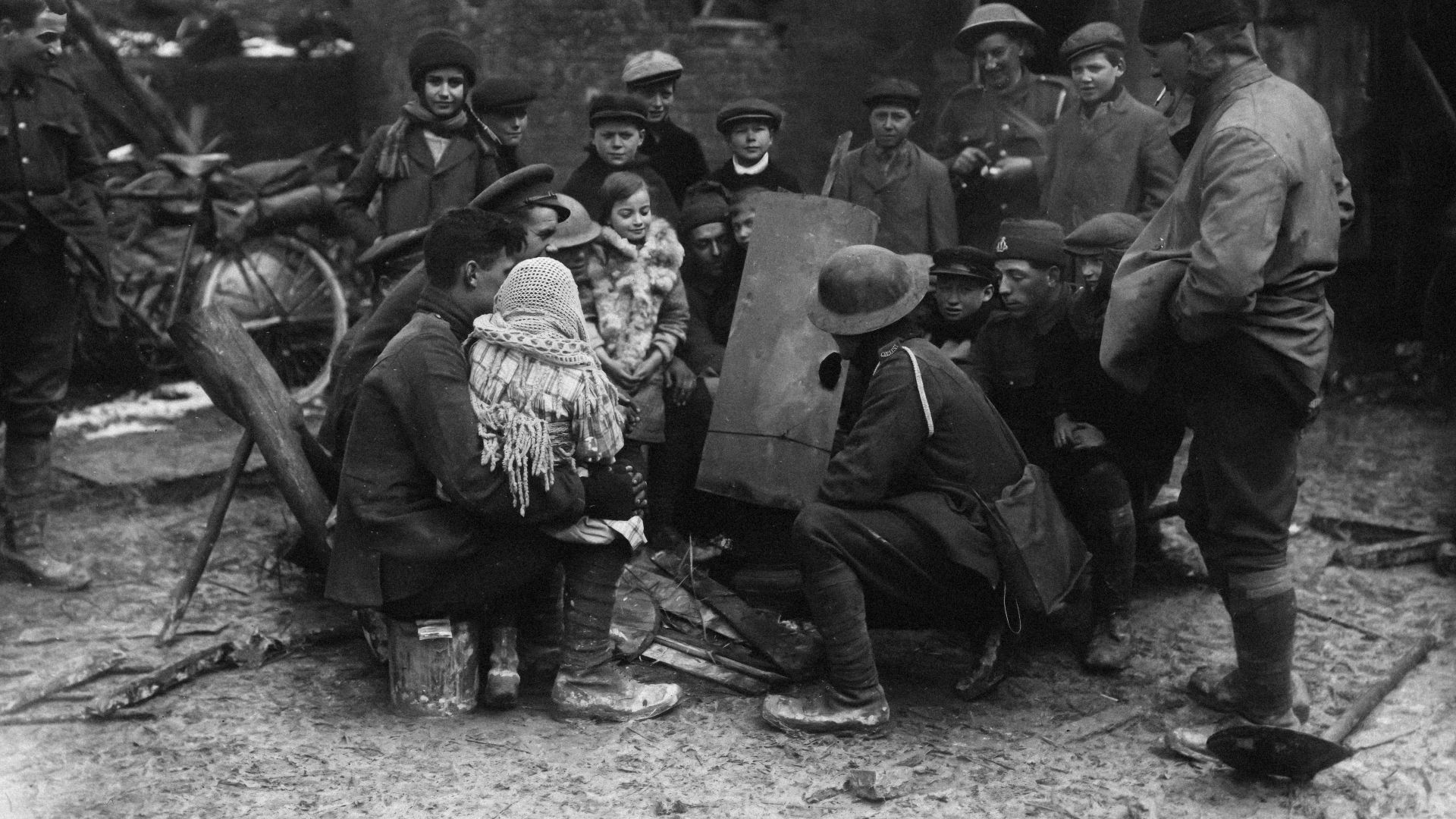
11. The First Sino-Japanese War Trigger (1894)
The immediate spark involved a rebellion in Korea. Both sides claimed the right to intervene, but diplomatic missteps escalated quickly. Small regional actions had massive consequences. War followed soon after. International ambitions magnified local instability dramatically.
 National Library of Scotland on Unsplash
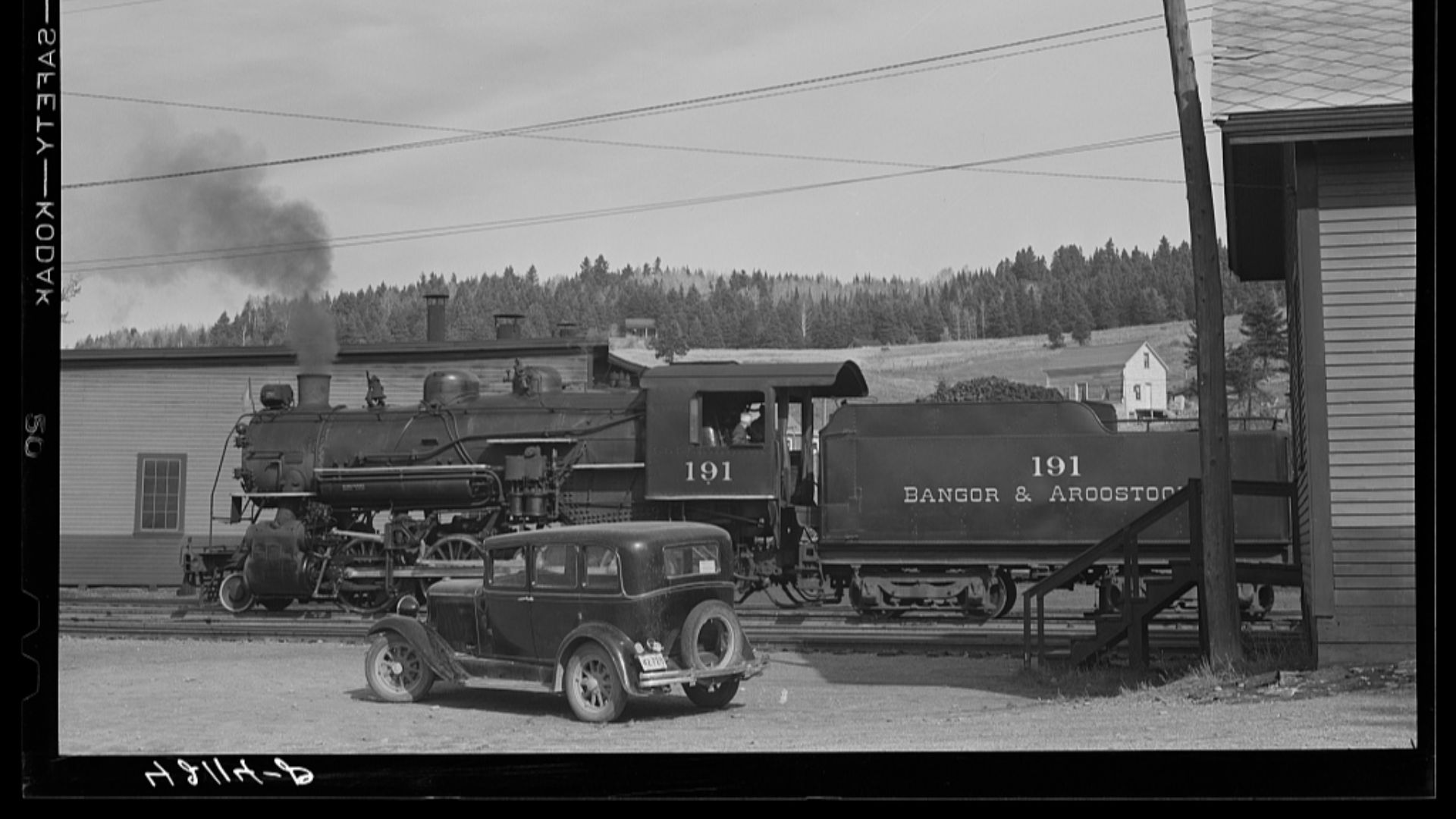
12. The Aroostook War (1838)
This conflict began over timber rights near the U.S.-Canada border. Lumberjacks were arrested as militias mobilized. Shots were barely fired. Diplomacy prevented bloodshed and, luckily, cooler heads ultimately avoided a tragic escalation.
13. The War of the Bavarian Succession (1778)
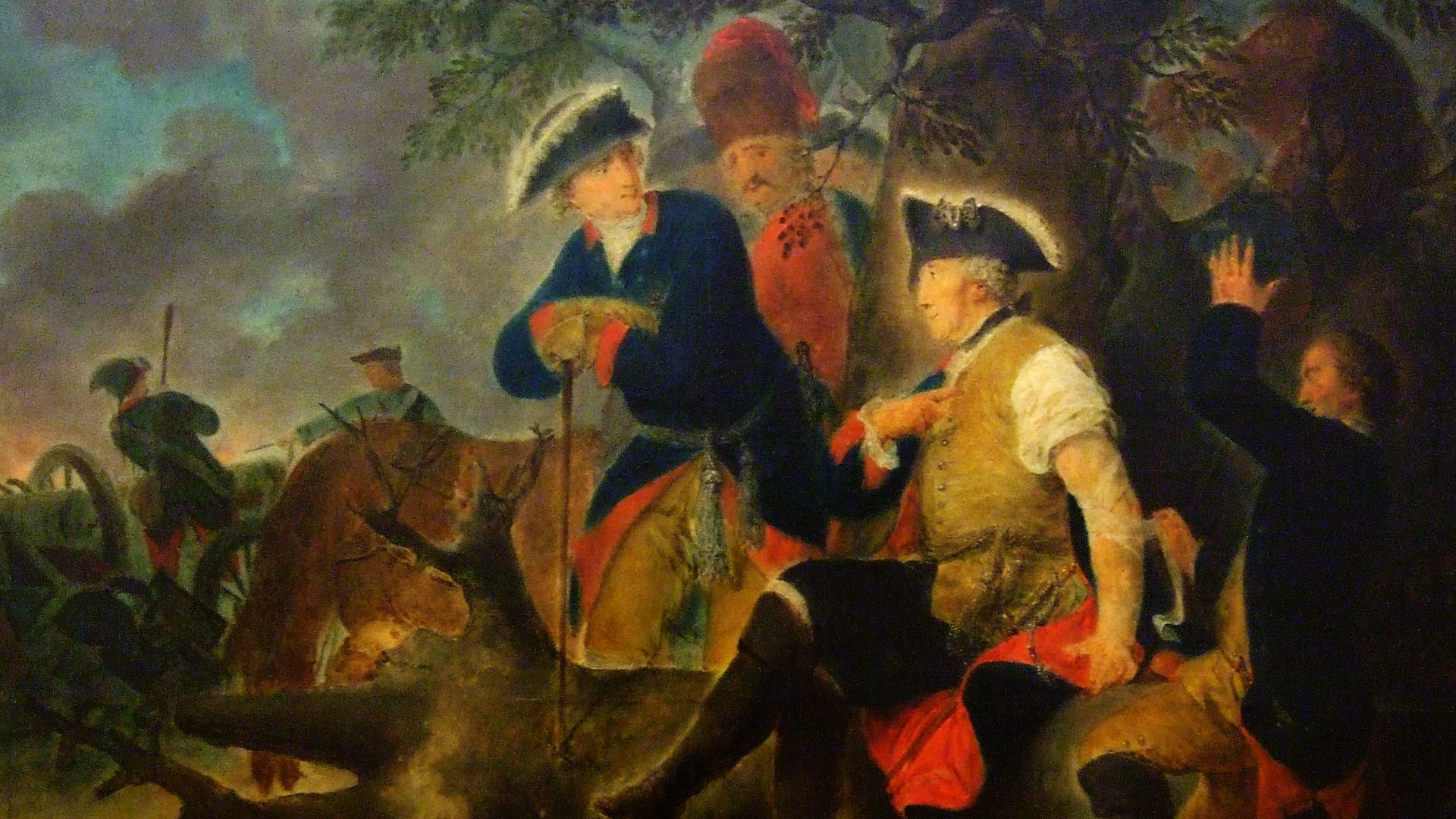
A dispute over inheritance rights caused this conflict. No major battles defined it. Soldiers spent more time foraging than fighting. It earned the nickname “The Potato War", which is kind of charming.
14. The Kosovo Crisis Spark (1914)
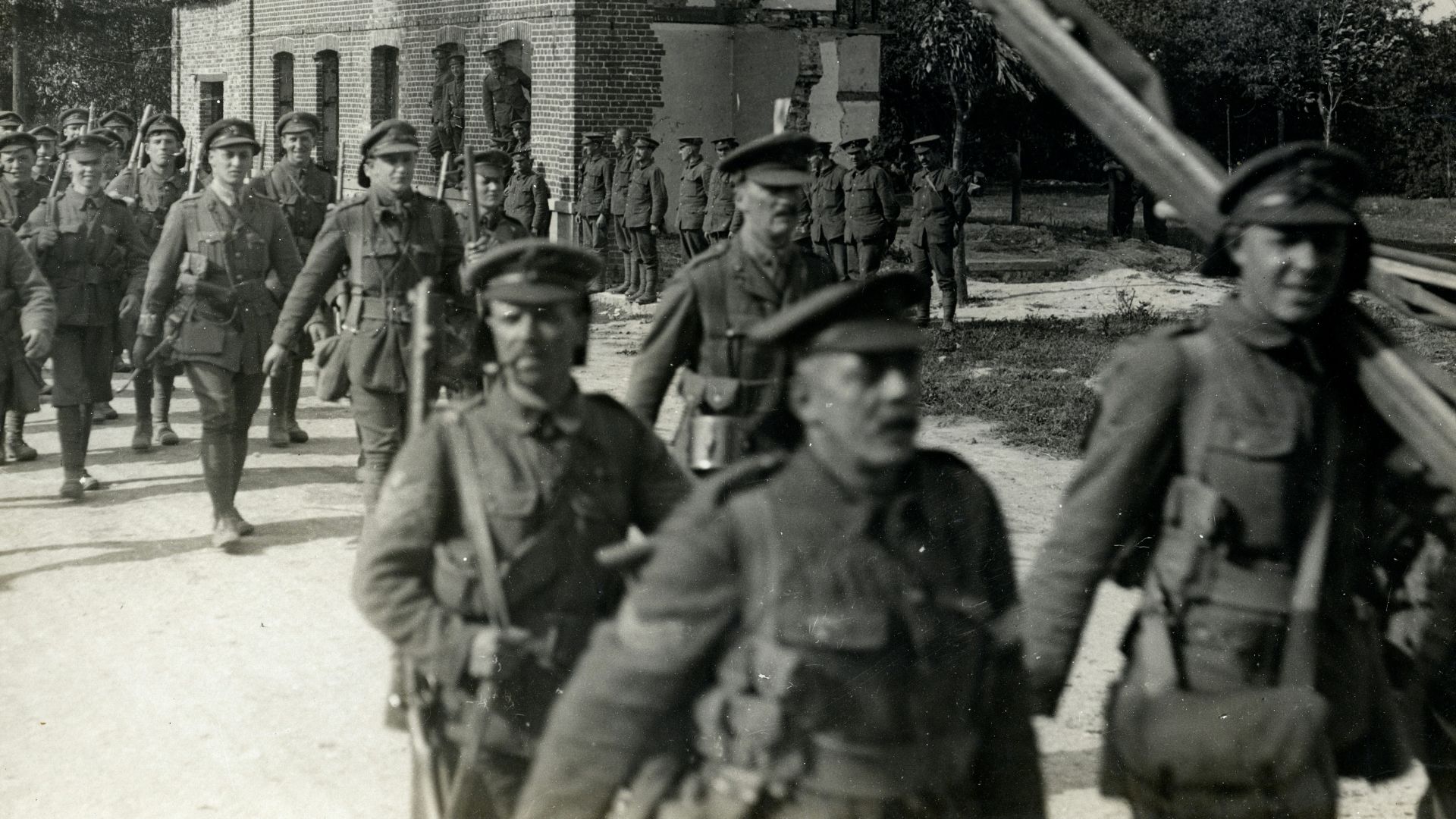
A single assassination ignited existing tensions. The act itself was small in scale, but its consequences were enormous and far-reaching. Alliances activated rapidly, and a world war followed.
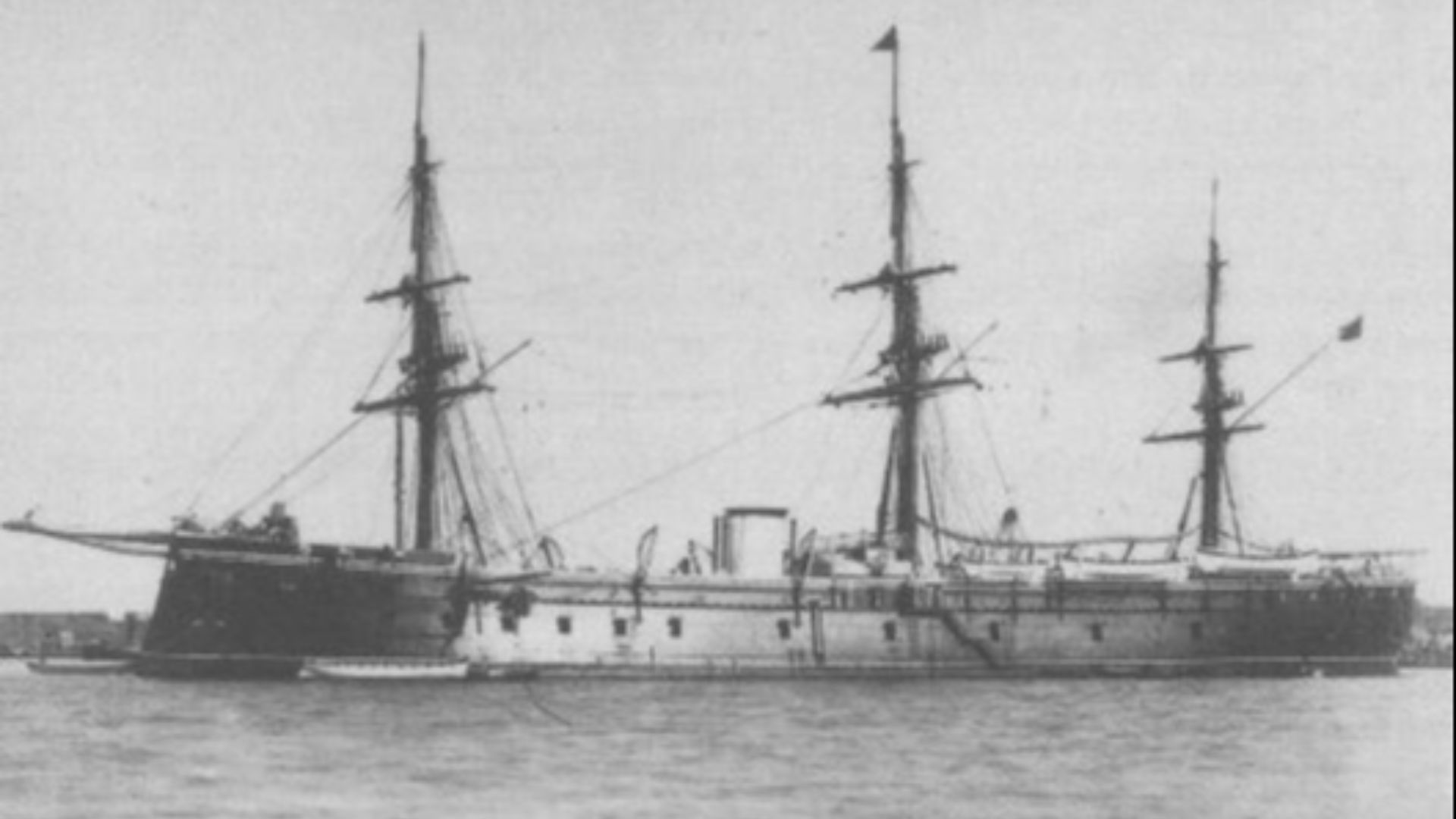
15. The Chincha Islands War (1864)
This conflict started over guano-rich islands. Bird droppings were economically valuable at the time. Spain attempted to assert control but was met by local resistance. Resource disputes can start anywhere.
 Unknown photographer on Wikimedia
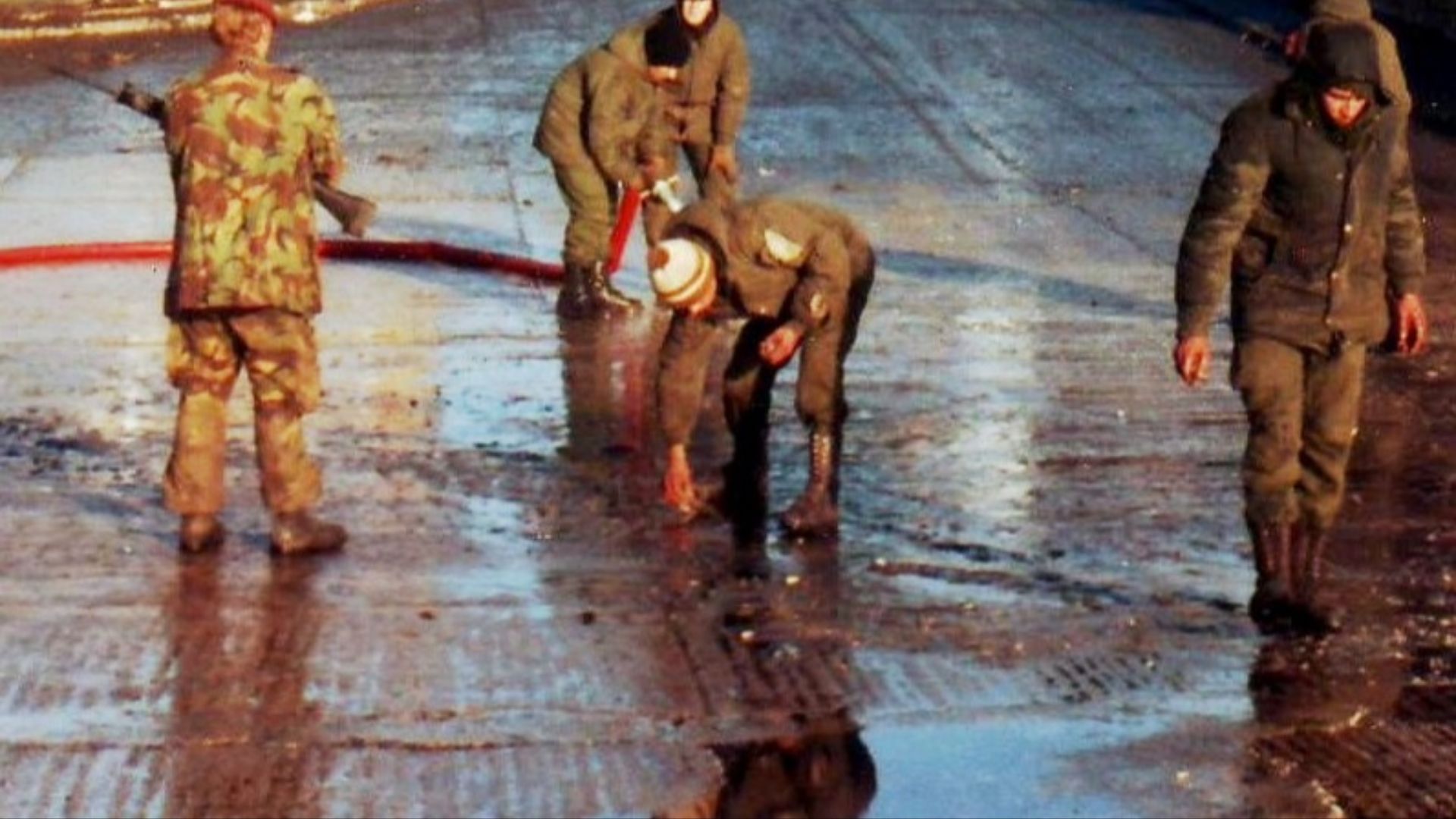
16. The Falklands War (1982)
An argument over sovereignty intensified after a minor military landing. Diplomatic negotiations failed. National pride dominated discussions, and war swiftly followed.
17. The Macedonian Conflict Spark (2001)
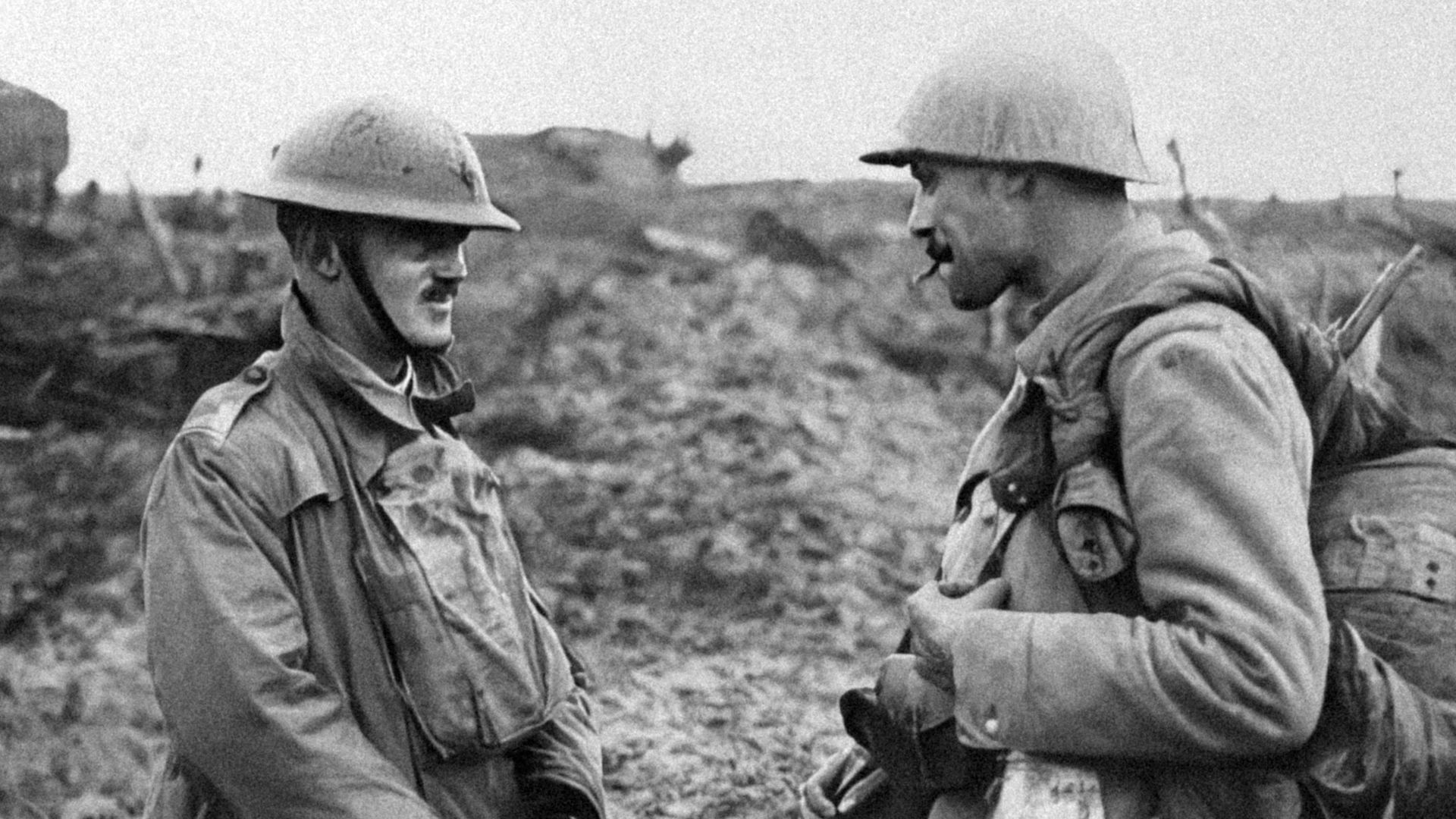
Small clashes between armed groups escalated rapidly. Political tensions amplified local incidents, and the media attention fueled fear. International intervention followed.
 National Library of Scotland on Unsplash
18. The War of the Roses (1455)
Family disputes over succession played a central role in this conflict. Personal rivalries fueled claims to the throne, shifting alliances constantly. A dynasty feud became decades of war.
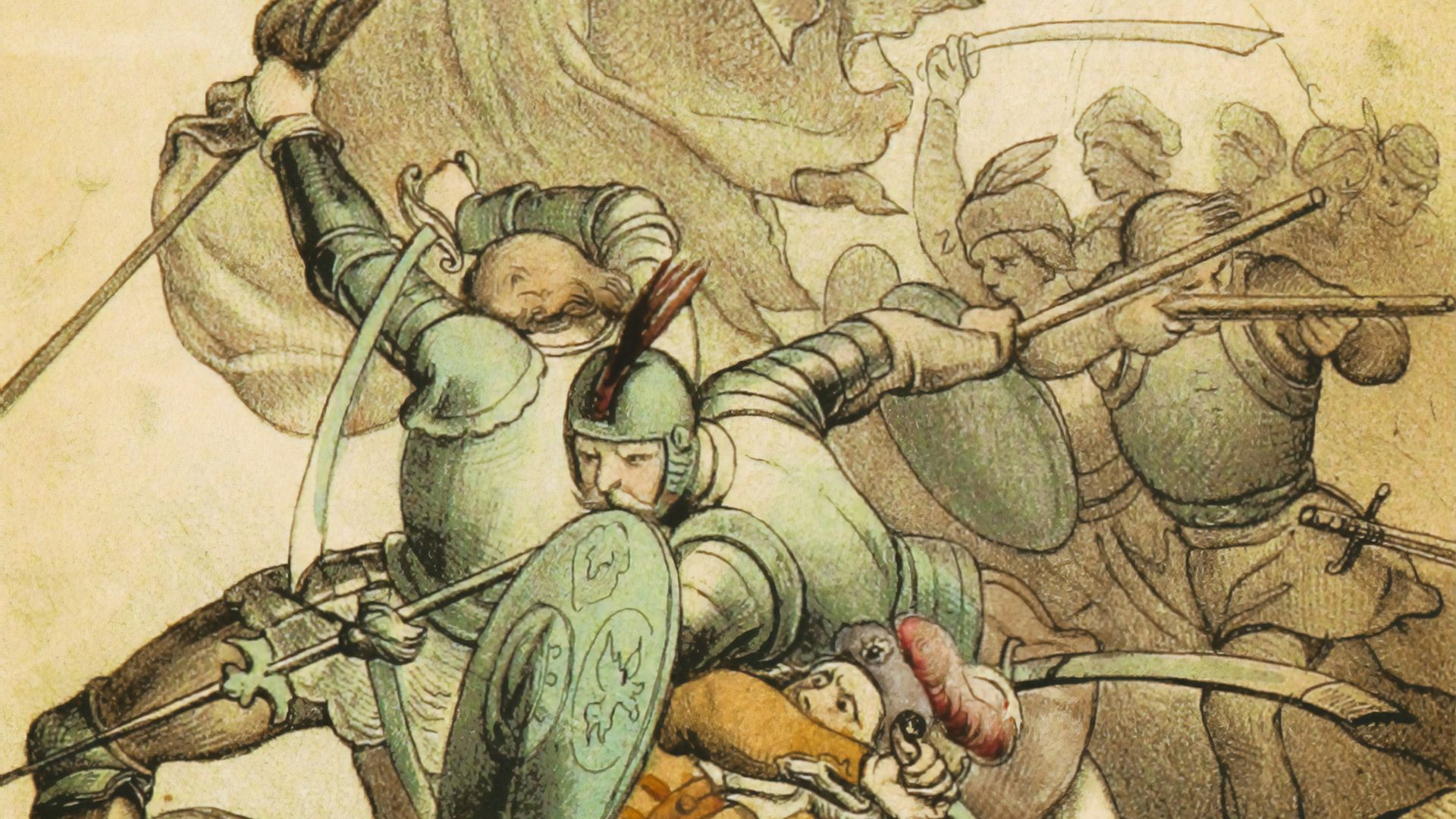
19. The Texan Santa Fe Expedition Fallout (1841)
A failed expedition caused embarrassment and anger. Prisoners were taken as diplomatic tensions rose. Retaliation followed later. Ultimately, a poorly planned mission had devastating, lasting effects.
20. The Russo-Japanese War Spark (1904)
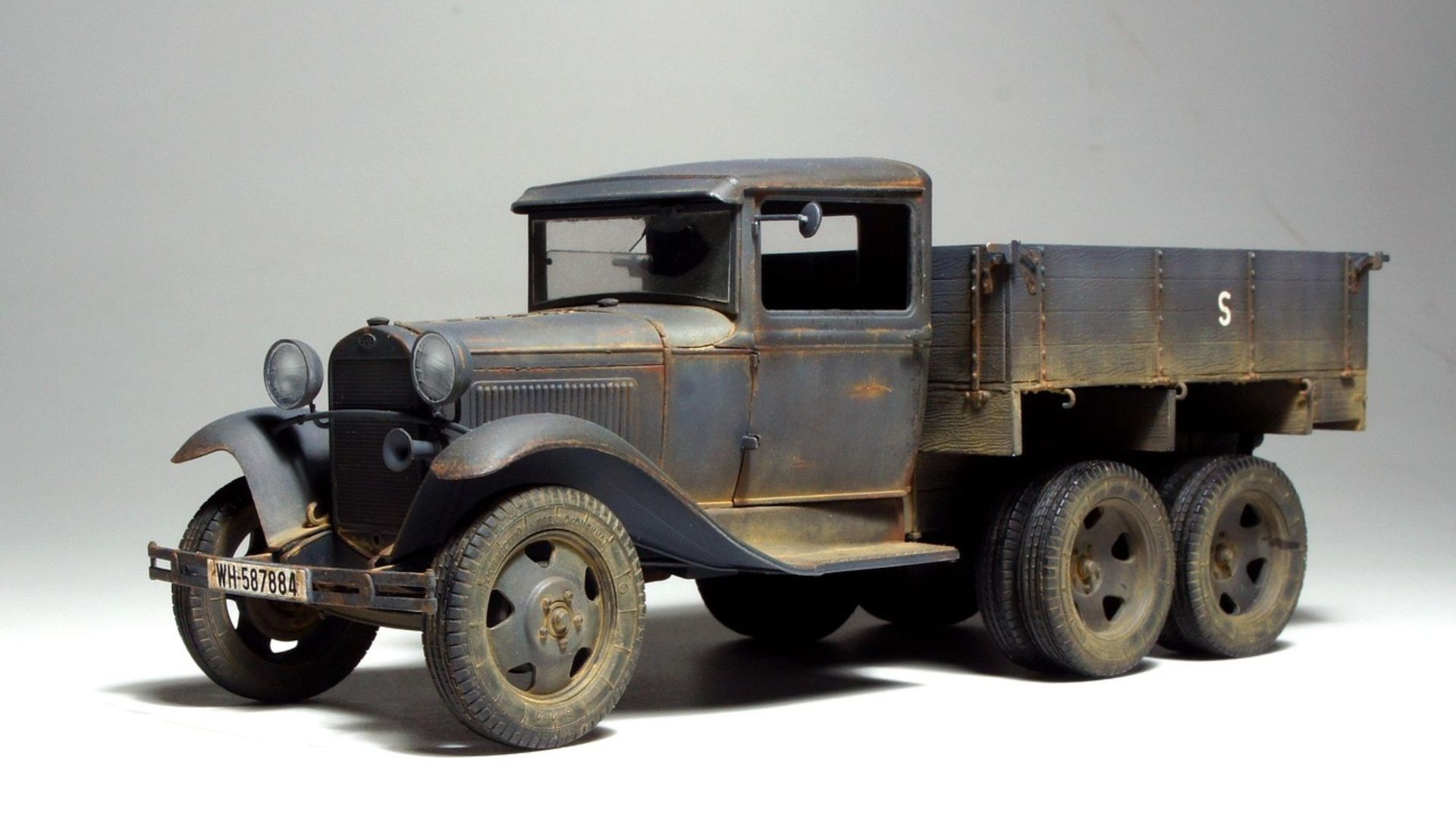
Negotiations over influence failed quietly. A surprise attack followed instead. Diplomatic impatience led to miscalculations escalating quickly. Small breakdowns led to a major war.
KEEP ON READING

There Have Been 5 Mass Extinctions. Are We Entering the…
Yasser Mokhtarzadeh on UnsplashEarth has a flair for dramatic resets,…
By Emilie Richardson-Dupuis May 19, 2026
The Historical Figure That Arguably Did The Most Good In…
Nobel Foundation on WikimediaWhen you think about the individuals who…
By Sara Springsteen May 19, 2026
The History of Bells, Sirens, and Other Sounds Used to…
Ashwini Chaudhary(Monty) on UnsplashLong before phones buzzed in pockets, public…
By Elizabeth Graham May 19, 2026
20 Historical Figures Who Struggled with Vision Problems
Through a Human Lens. Vision problems have affected people across…
By Christy Chan May 19, 2026
The Pirate Queen Who Met Elizabeth I as an Equal
Unknown authorUnknown author on WikimediaIn the summer of 1593, a…
By Cameron Dick May 19, 2026
20 Famous Leaders Who Secretly Hated Being Around People
The Reluctant Icons. We usually think of history's most influential…
By Sara Springsteen May 19, 2026