

Through a Human Lens
Vision problems have affected people across every field of history, from poets and painters to scientists, musicians, dancers, activists, and political leaders. Some lost sight gradually through disease, some lived with blindness from childhood, and others adapted after injuries or failed medical treatments. What makes these stories all the more inspiring is the way each person continued working, creating, leading, and advocating while dealing with a challenge that constantly challenged their daily life. From ancient Greek poet Homer to 14th-century Italian composer Francesco Landini, here are 20 historical figures who had imperfect vision.
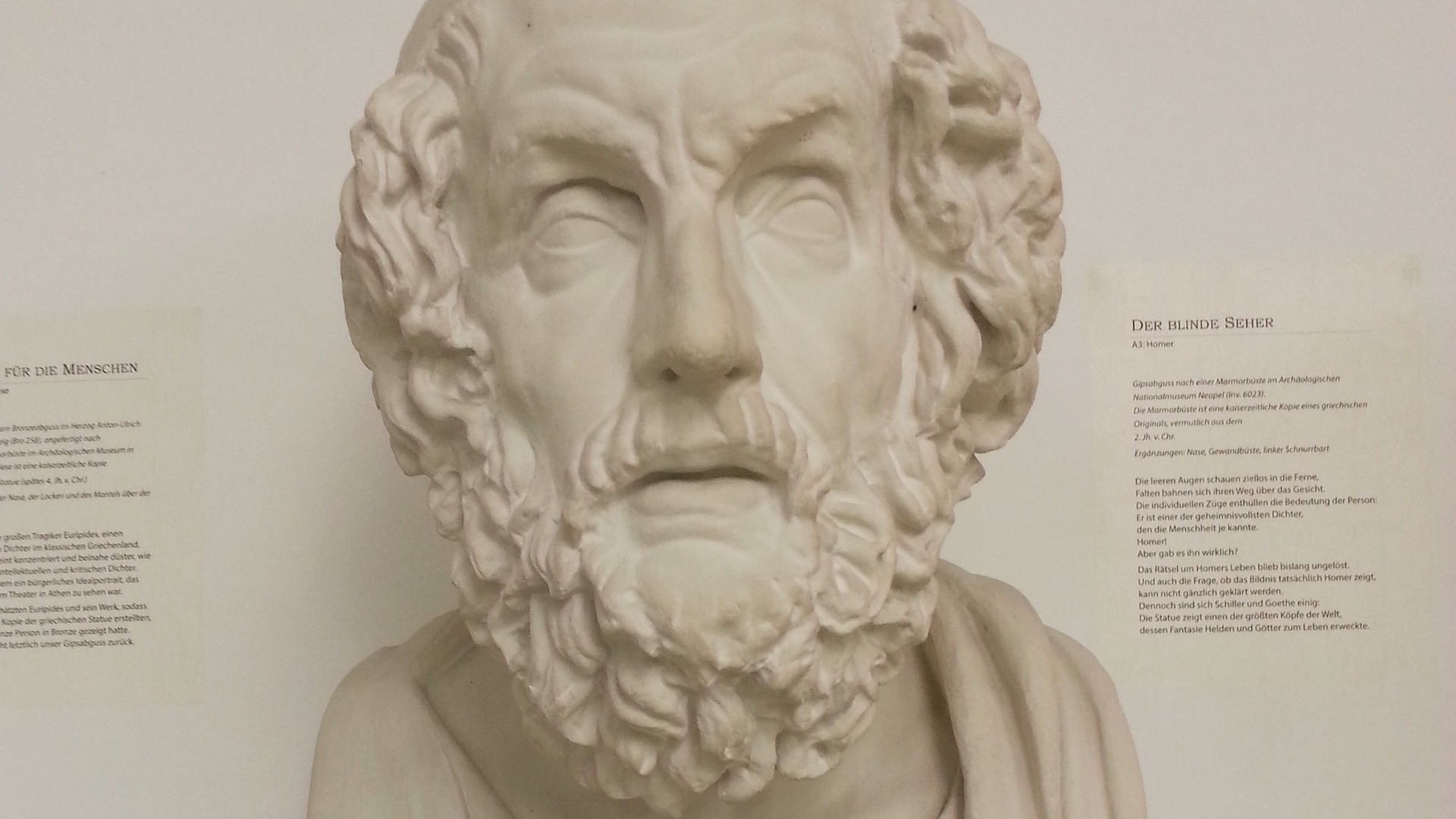
1. Homer
The ancient Greek poet Homer is traditionally described as blind, though historians are careful to point out that nearly everything about his biography is uncertain. Ancient accounts often imagined him as a blind bard, and that image became closely tied to the legacy of The Iliad and The Odyssey. Since modern scholars debate whether “Homer” was one person, a tradition, or a name attached to oral poetry, his blindness should be treated as part of an old biographical tradition rather than a confirmed medical fact.
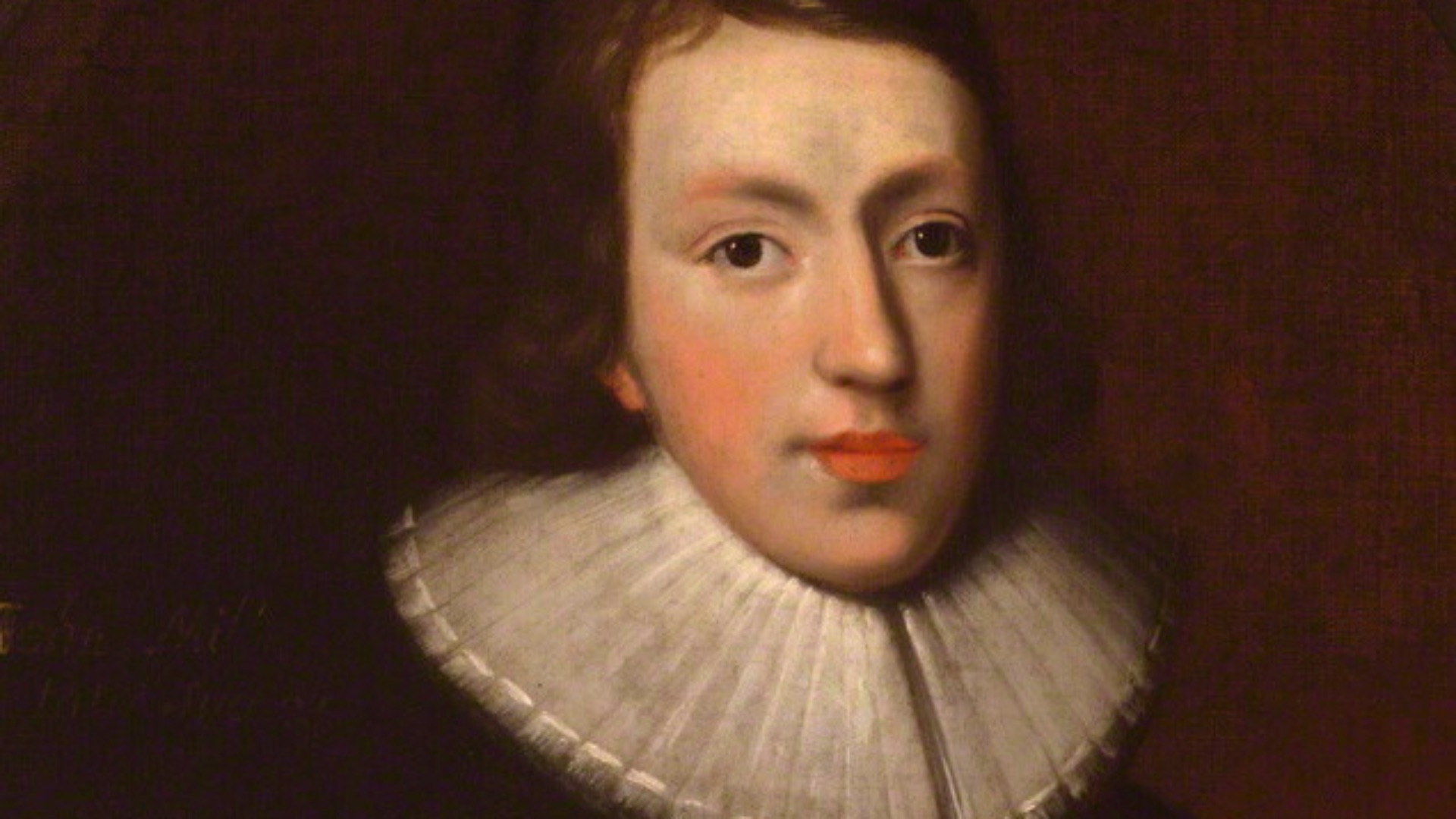
2. John Milton
John Milton lost his sight completely before composing Paradise Lost, one of the major works of English literature. Medical historians have debated the cause of his blindness, with possible explanations including glaucoma, retinal detachment, severe myopia-related complications, or other conditions. What’s clear is that Milton continued to work by dictation, relying on others to write down the lines he composed.
3. Galileo Galilei
Galileo Galilei became blind late in life, and his eye problems have drawn attention because observation was so central to his scientific work. Scholars have noted that he had less-than-perfect vision in one eye earlier in life, though that alone doesn’t explain his later blindness. His final years show how even a scientist famous for seeing the heavens through a telescope could be forced to work through severe physical limitations.
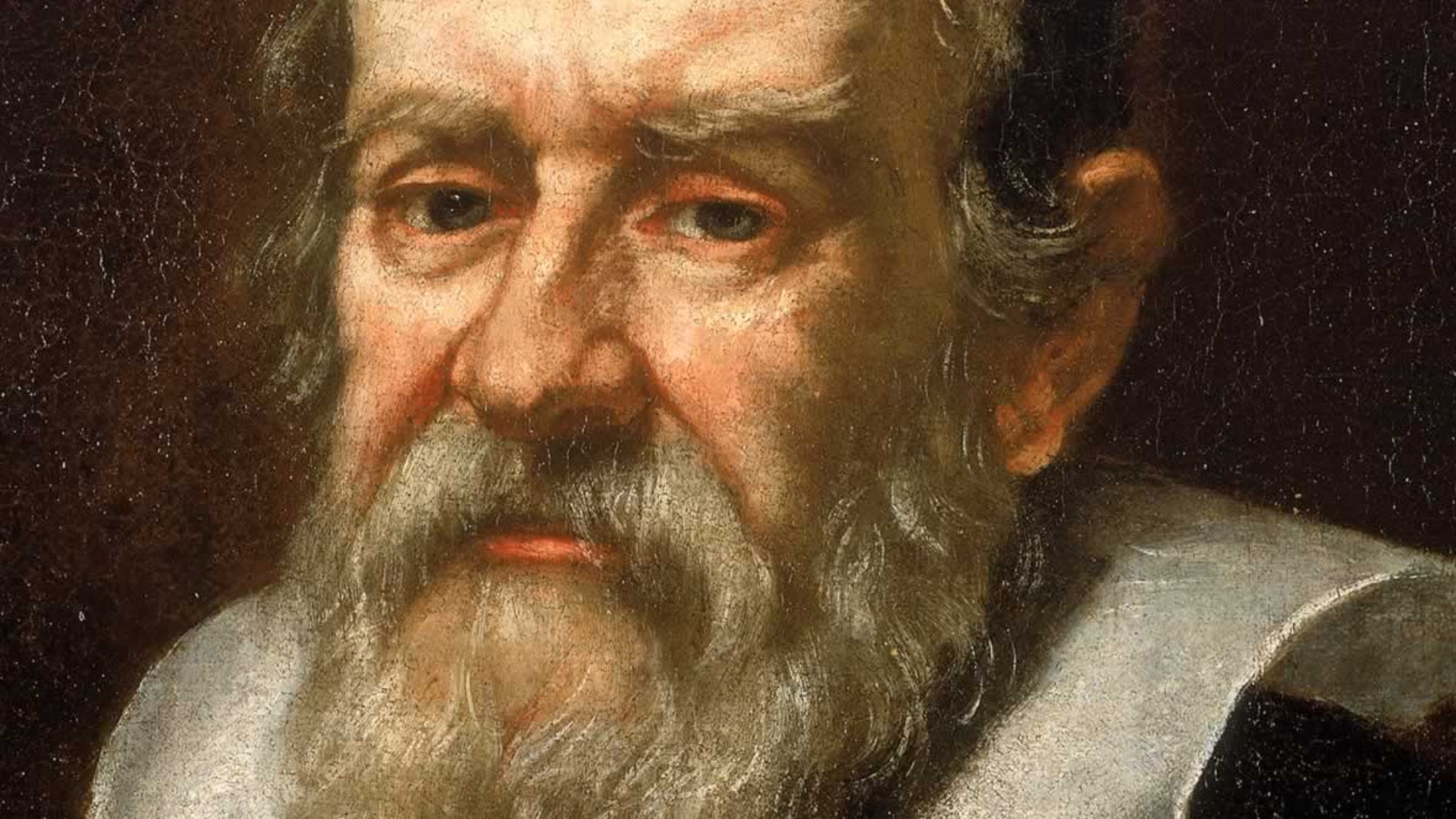 Justus Sustermans on Wikimedia
4. Johann Sebastian Bach
Johann Sebastian Bach had serious vision trouble in his final years, likely involving myopia and cataracts. In 1750, he underwent eye operations performed by the traveling surgeon John Taylor, whose methods were risky even by the standards of the time. Bach’s sight did not recover, and his decline after the procedures has become one of the most discussed medical episodes in music history.
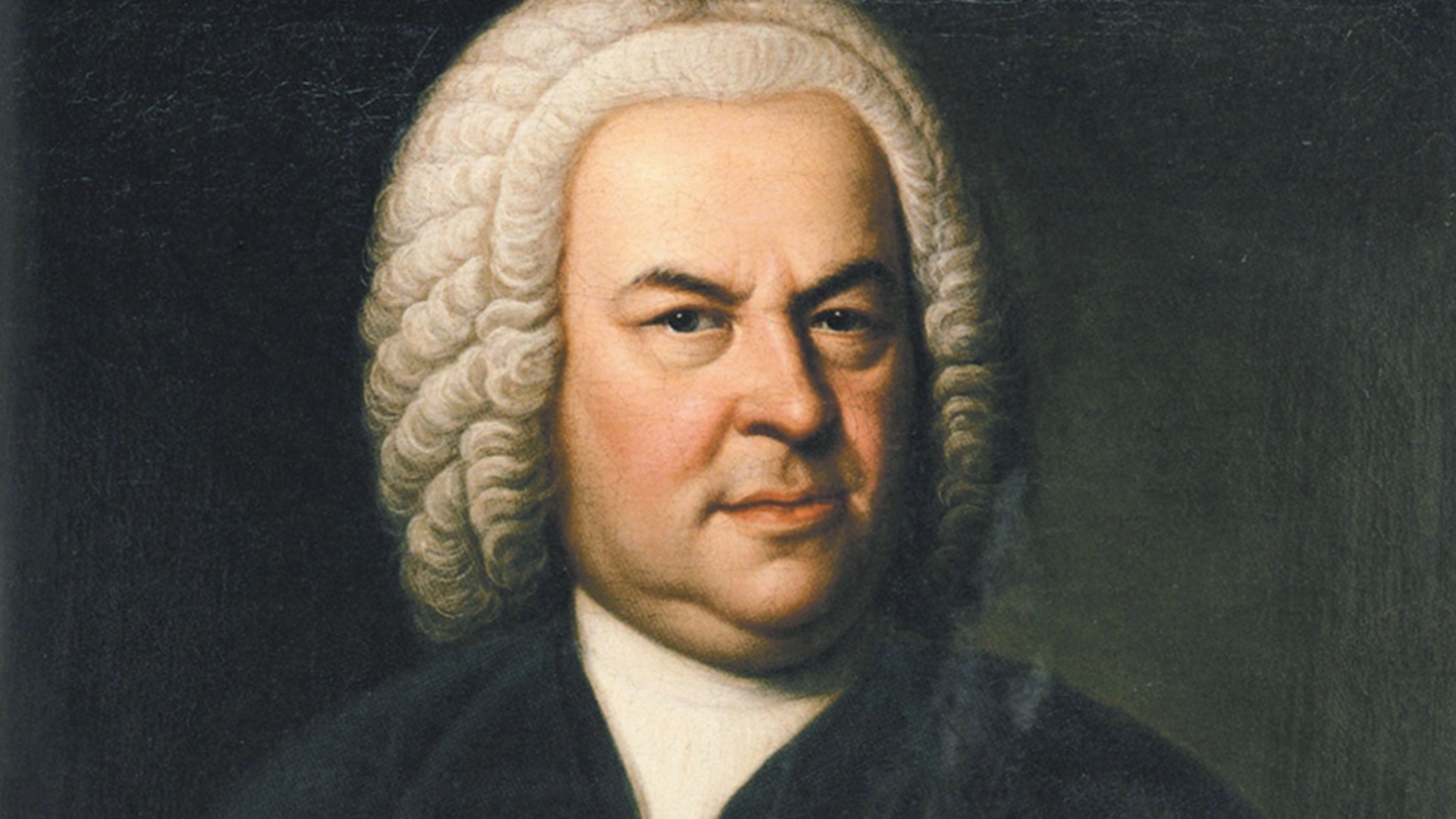 Elias Gottlob Haussmann on Wikimedia
5. George Frideric Handel
George Frideric Handel also suffered major vision loss late in life, and like Bach, he became associated with John Taylor’s controversial eye surgeries. Some later medical analysis suggests that Handel’s blindness may have involved vascular disease rather than simple cataracts. Whatever the exact cause, his failing sight interfered with his ability to compose and perform at the level he once had.
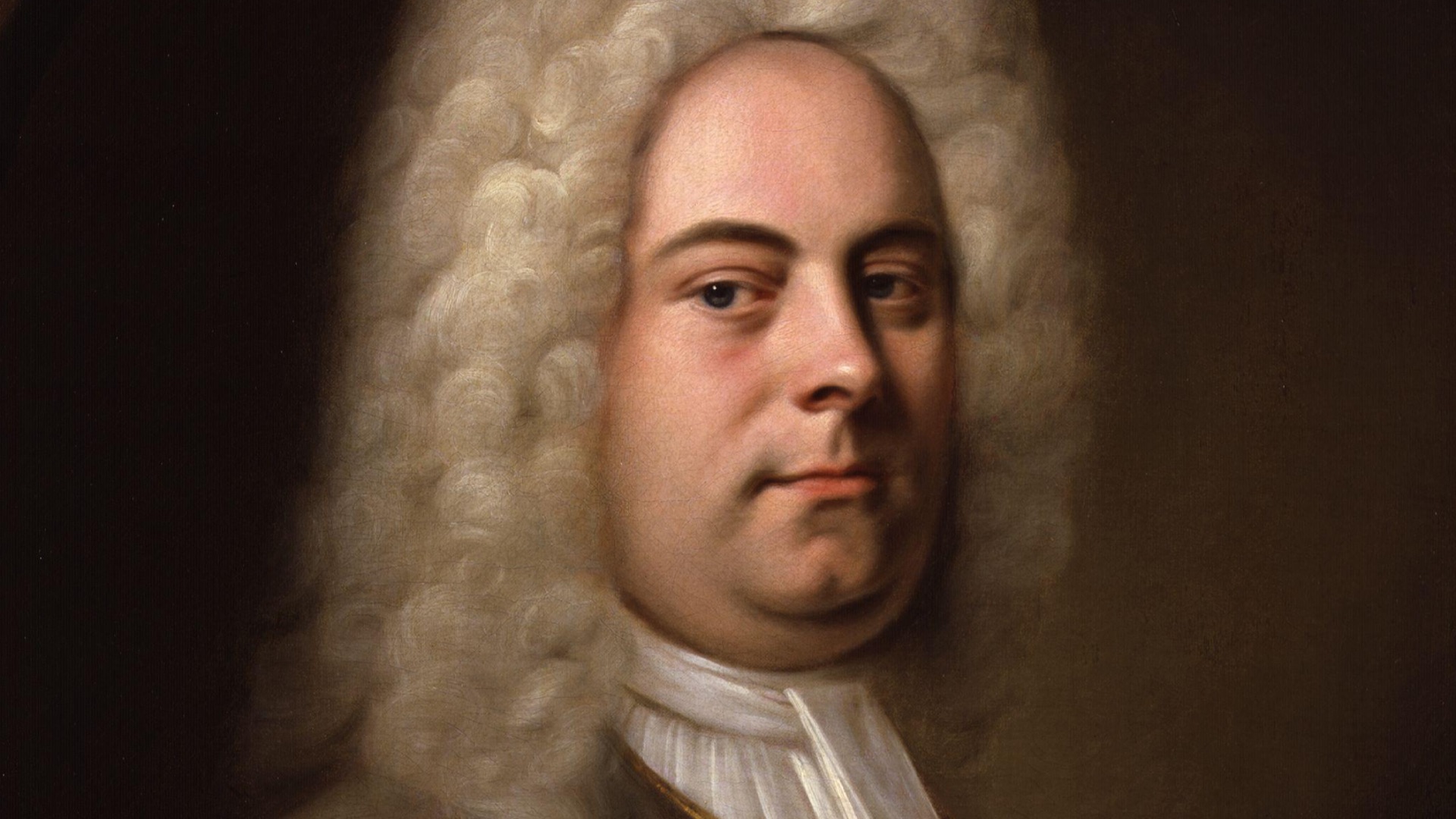 Attributed to Balthasar Denner on Wikimedia
6. Leonhard Euler
Leonhard Euler, one of history’s great mathematicians, lost vision in one eye and later became almost totally blind after cataract problems in his remaining good eye. His blindness didn’t stop his productivity; he continued to work with the help of assistants and dictation. For a reader today, Euler’s story is a reminder that intellectual labor can continue even when the physical tools for doing it have to change.
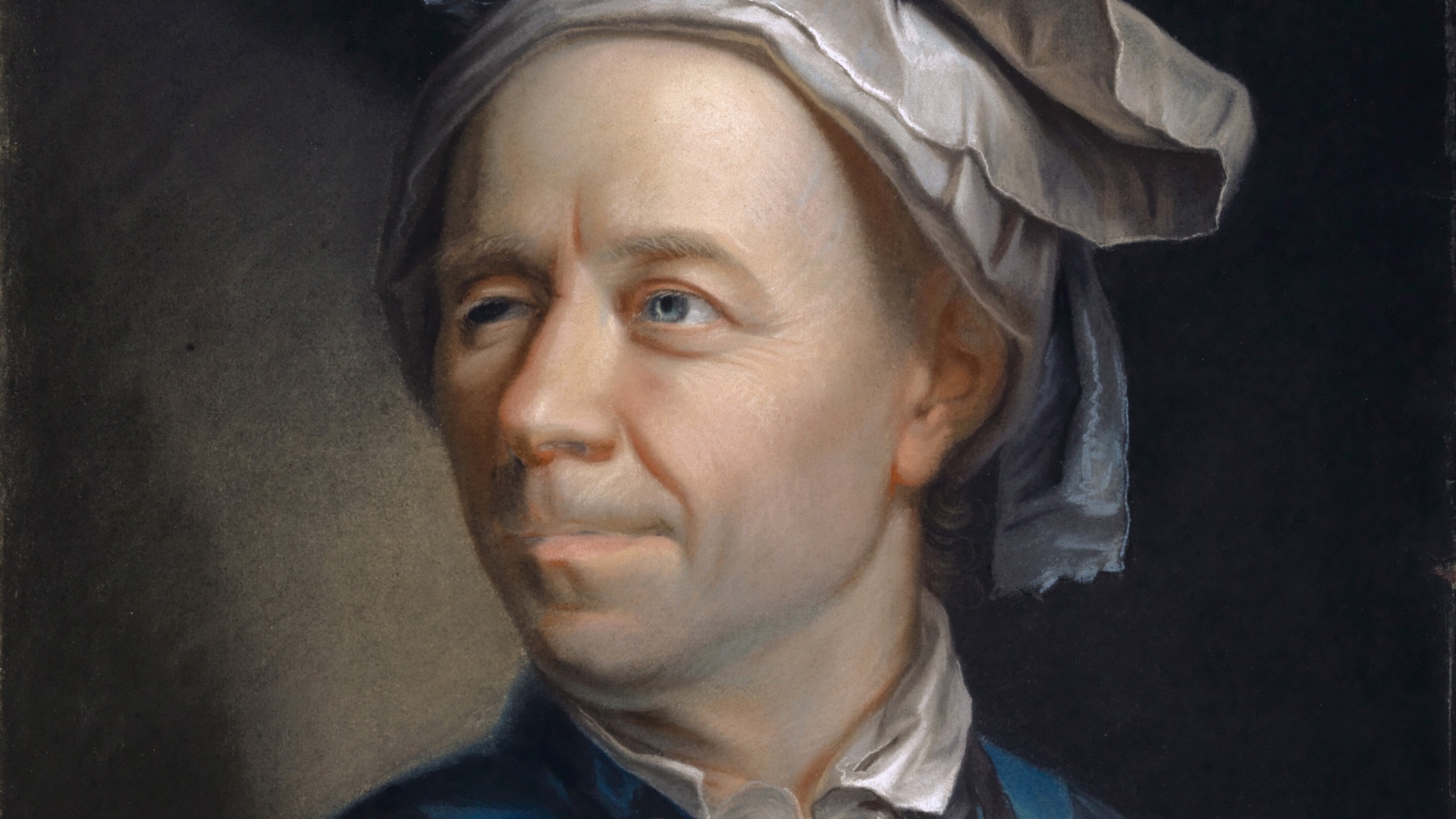 Jakob Emanuel Handmann on Wikimedia
7. Horatio Nelson
British naval commander Horatio Nelson was famously associated with blindness in one eye, a detail tied to the story of the Battle of Copenhagen. The familiar account says he held a telescope to his impaired eye and claimed he couldn’t see a signal to withdraw. Historians debate parts of the anecdote, but Nelson’s damaged vision became a lasting part of his public image.
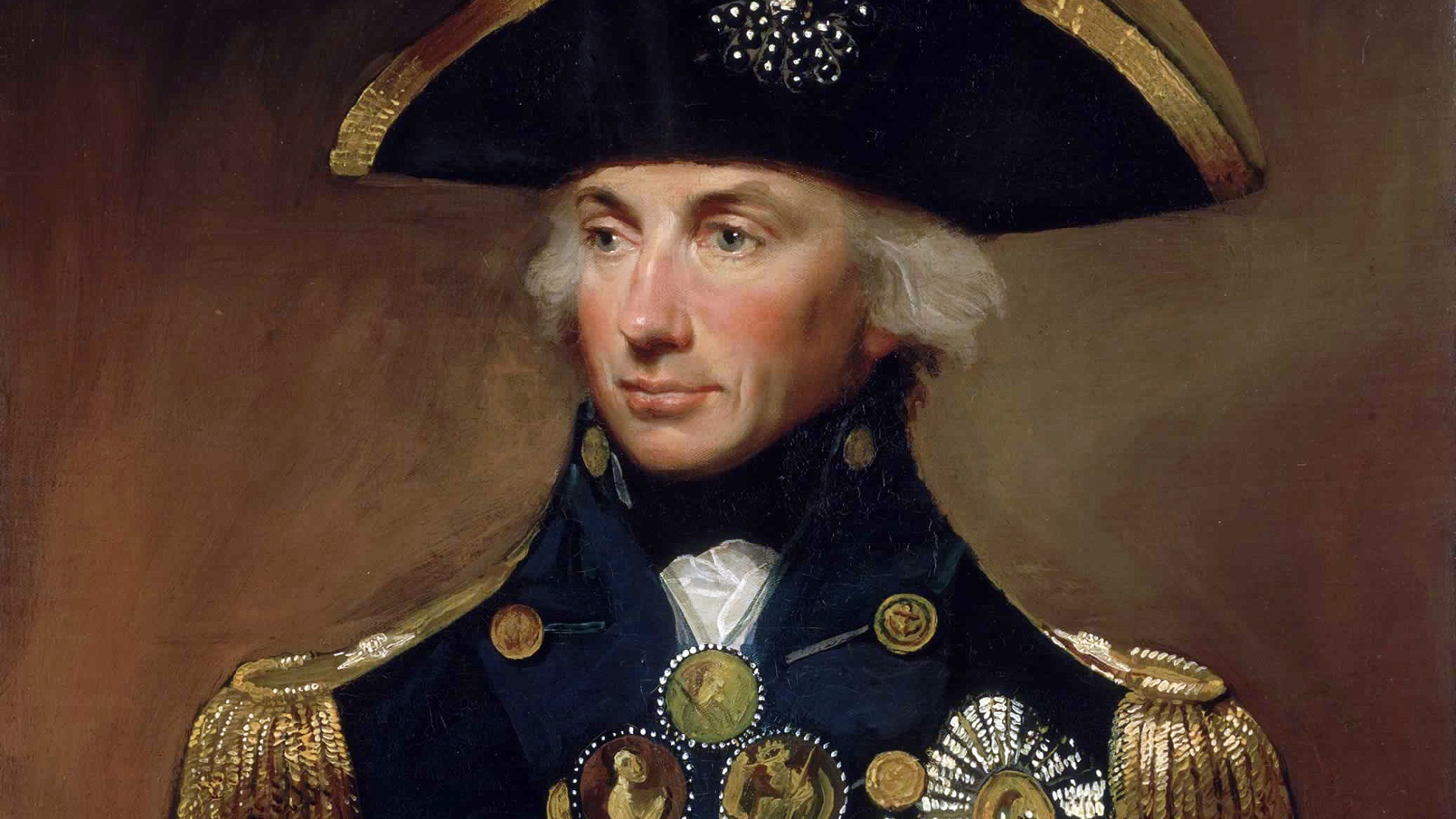 Lemuel Francis Abbott on Wikimedia
8. Louis Braille
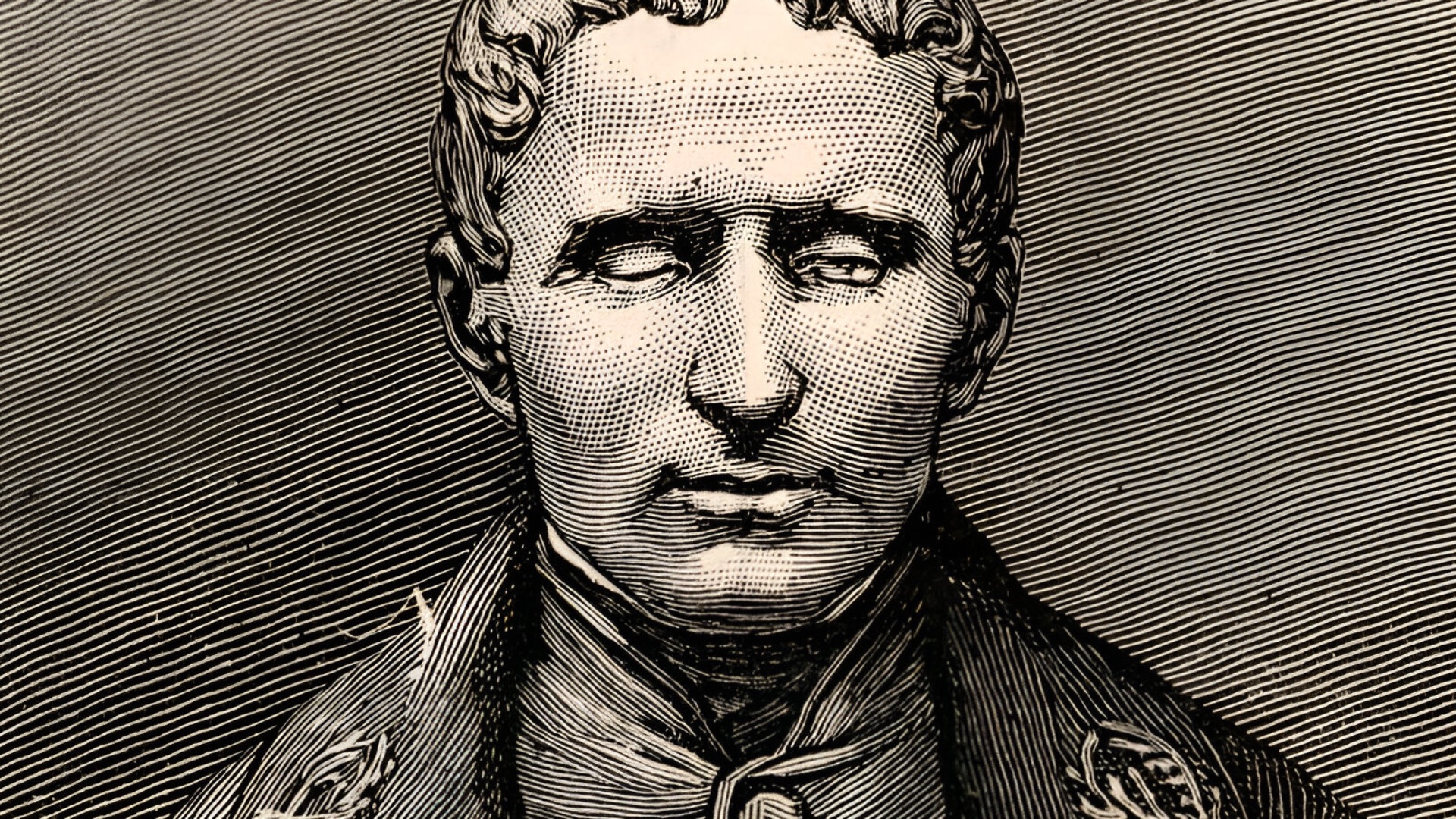
Louis Braille lost his sight after a childhood accident in his father’s workshop, where an awl injured one of his eyes, and an infection later affected both. By age five, he was blind, but he went on to create the tactile reading and writing system that still bears his name. His work didn’t just help him navigate his own education; it transformed literacy for blind and visually impaired people around the world.
9. Fanny Crosby
Fanny Crosby, the prolific American hymn writer, was blind from infancy or early childhood, though sources differ on the exact cause. According to her own account, an eye infection and poor medical treatment led to her loss of sight, while some modern scholars have suggested she may have been born blind. She became one of the best-known hymn writers of the 19th century, producing thousands of hymns over her lifetime.
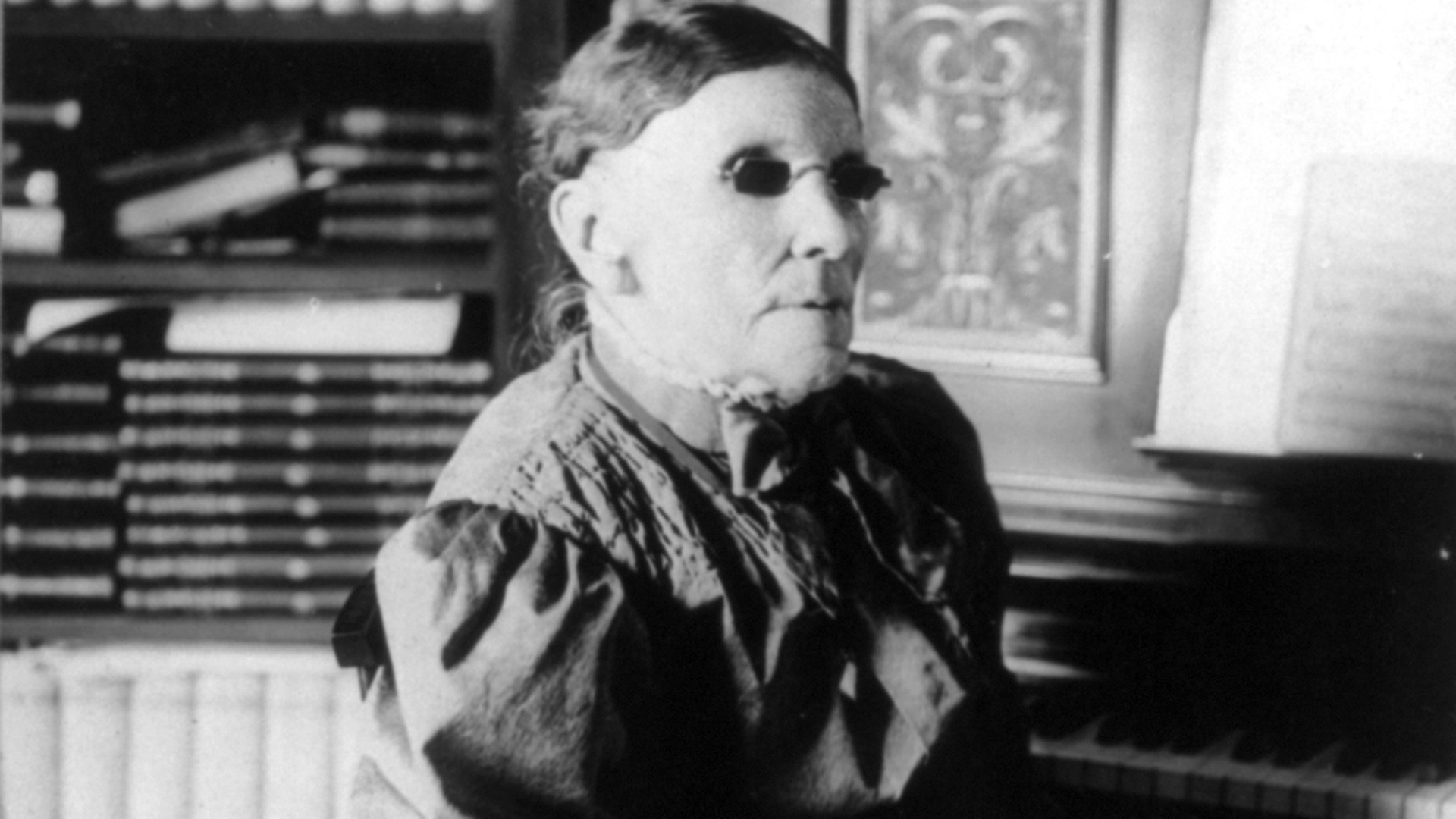 W. J. Searle, Everett. Massachusetts on Wikimedia
10. Helen Keller
Helen Keller lost both her sight and hearing after a childhood illness when she was 19 months old. With Anne Sullivan’s instruction, she learned language through touch and eventually became an author, lecturer, and advocate for people with disabilities. Her life is often discussed in terms of education, but it also belongs in the history of vision loss because she helped change how many people understood blindness and deafblindness.
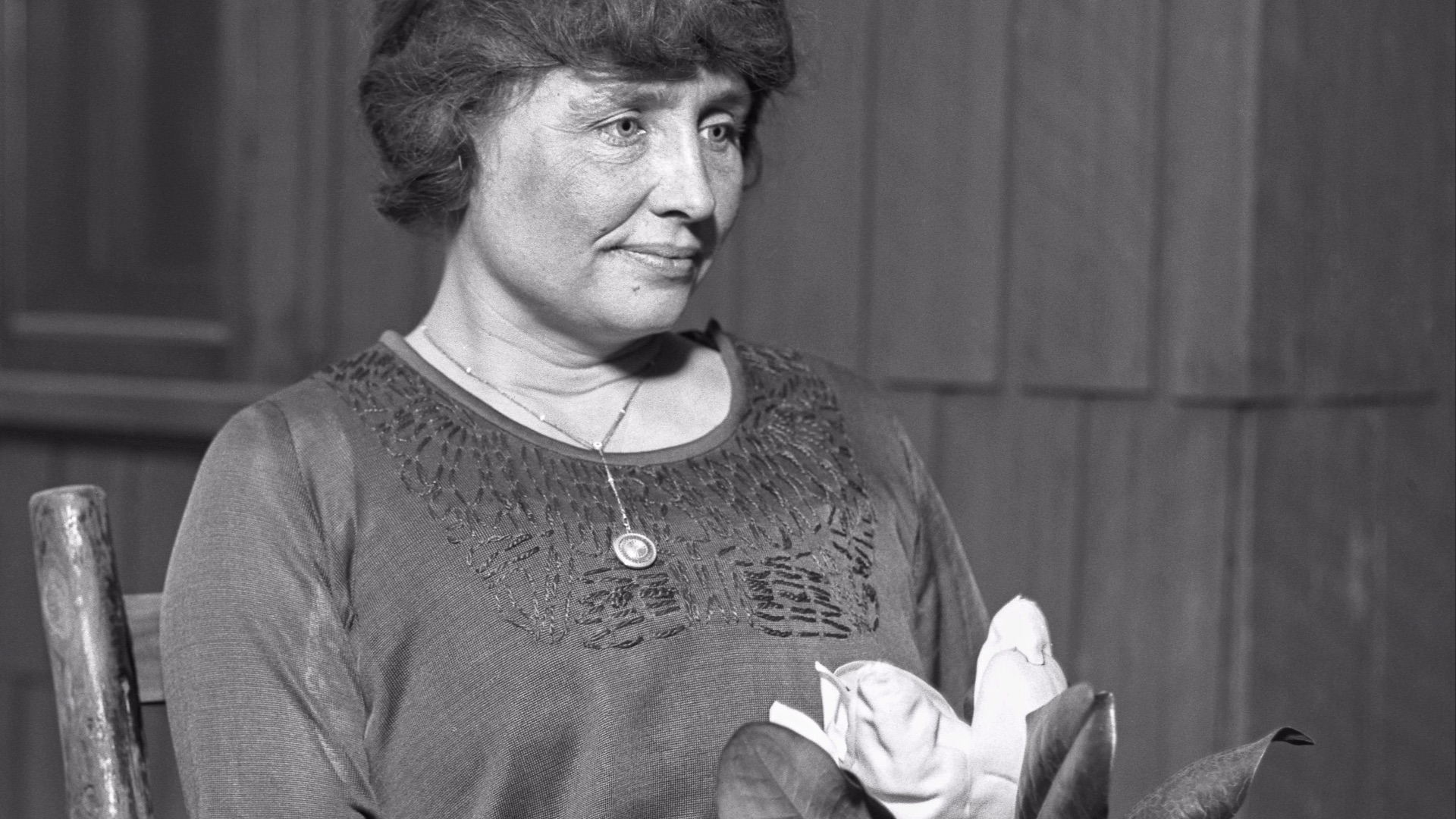 Los Angeles Times; restored by User:Rhododendrites on Wikimedia
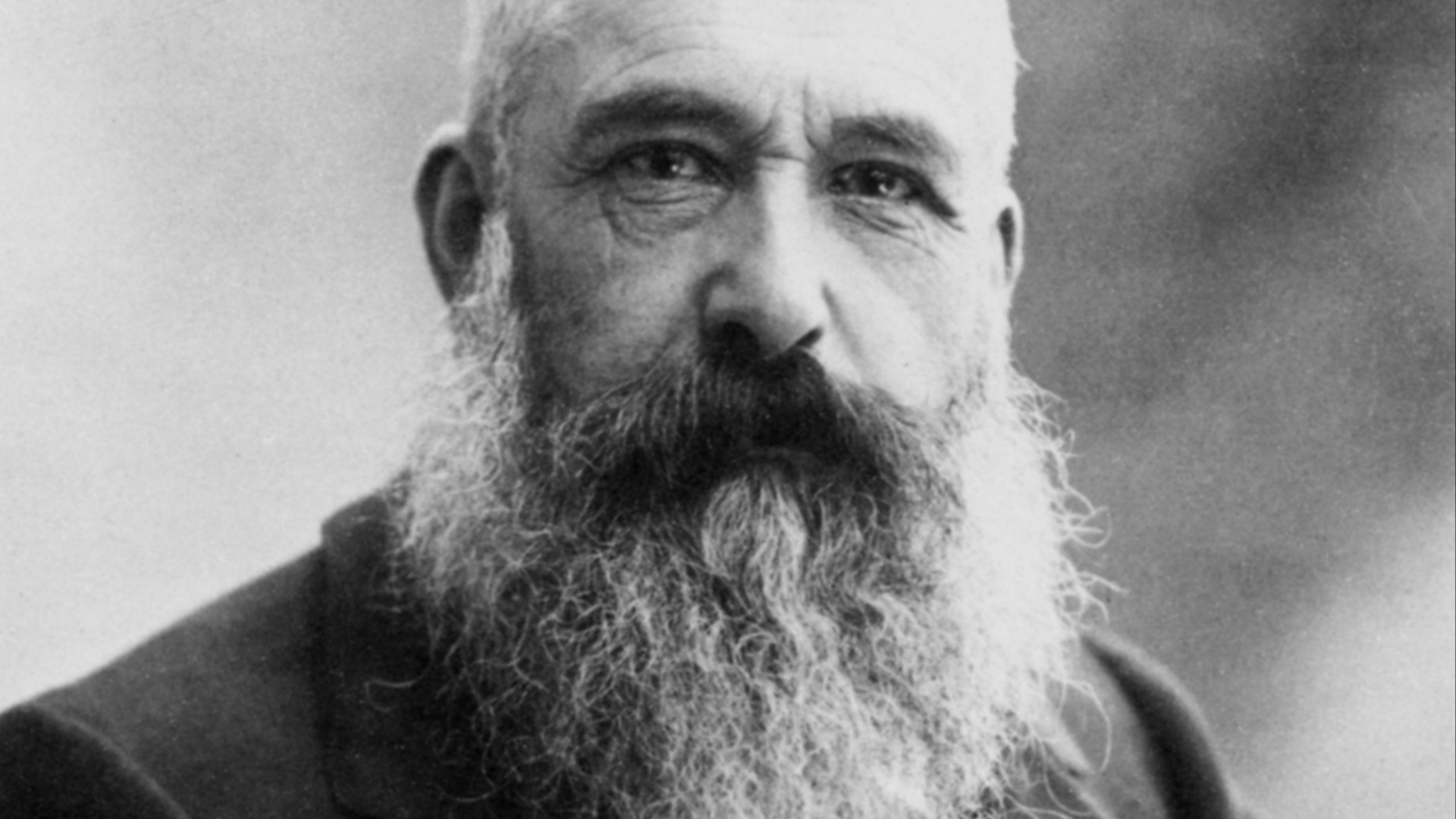
11. Claude Monet
Claude Monet developed bilateral age-related cataracts, which affected both his visual sharpness and his perception of color. Scholars and ophthalmologists have connected these changes to the appearance of some of his later paintings, especially the shift in color and detail. Monet’s case is especially compelling because you can see how a medical condition may have altered the way an artist judged his own work.
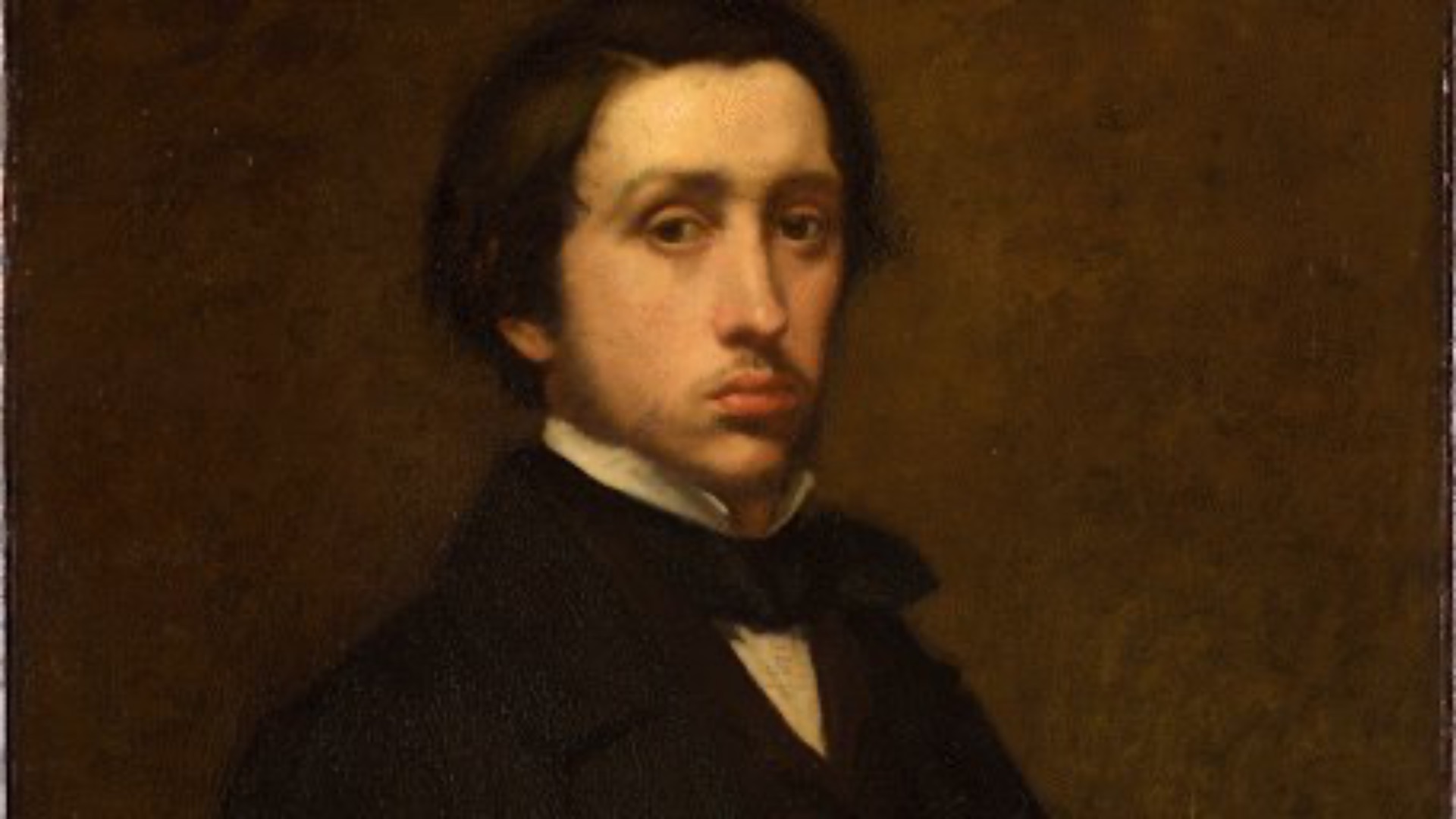
12. Edgar Degas
Edgar Degas struggled with serious vision loss for decades, and medical historians have often linked it to retinal disease or macular degeneration. His later works became less detailed, and researchers have studied how reduced central vision may have affected his technique. Degas kept producing art, but the loss of visual precision changed what he could comfortably do.
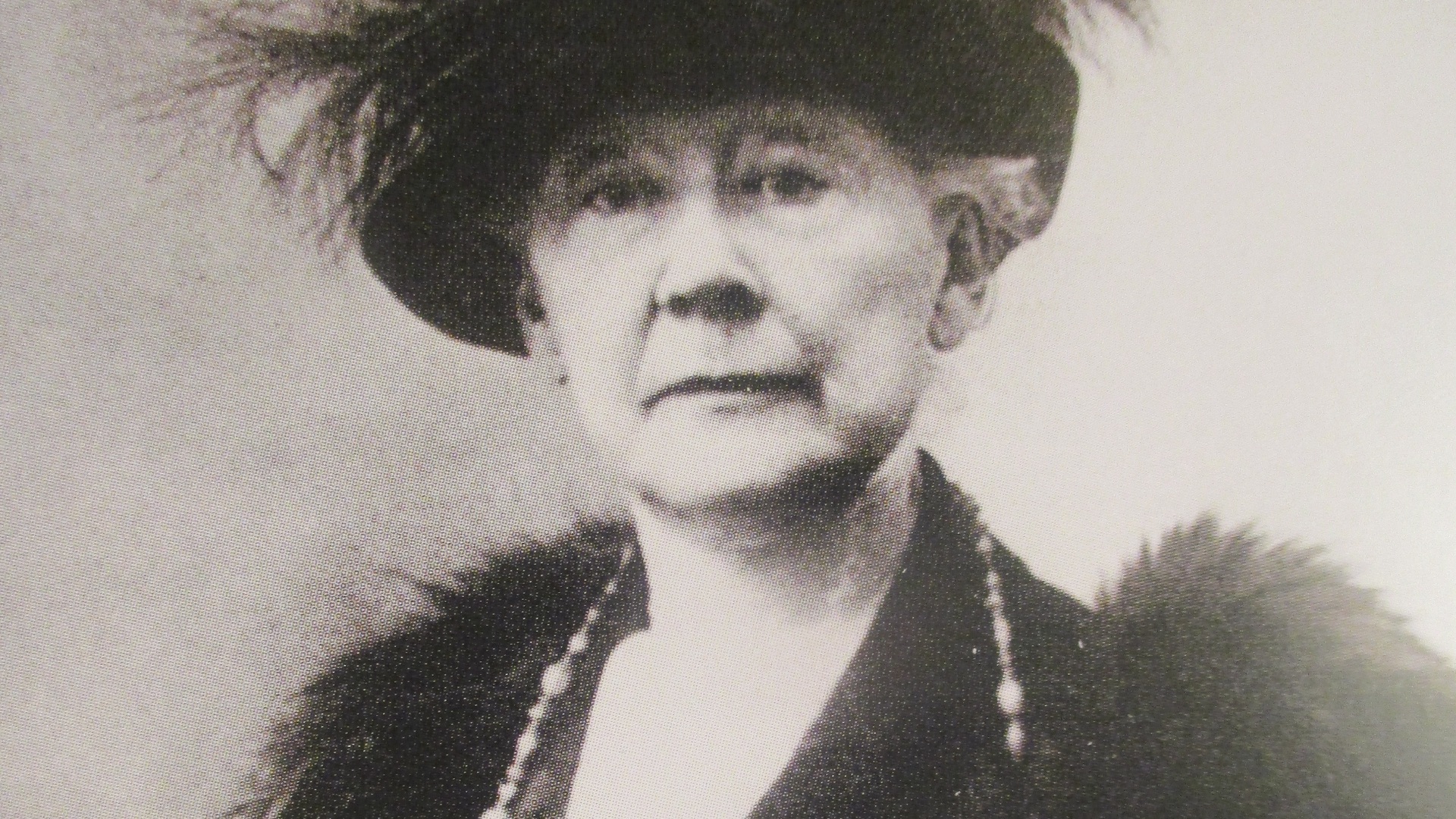
13. Mary Cassatt
Mary Cassatt, the American Impressionist painter, suffered from cataracts and diabetic eye disease. Her vision problems became severe enough that she eventually stopped painting during the final years of her life. Since so much of her art depended on delicate observation of expression, posture, and domestic scenes, the loss was not just medical but professional and creative.
 Unknown authorUnknown author on Wikimedia
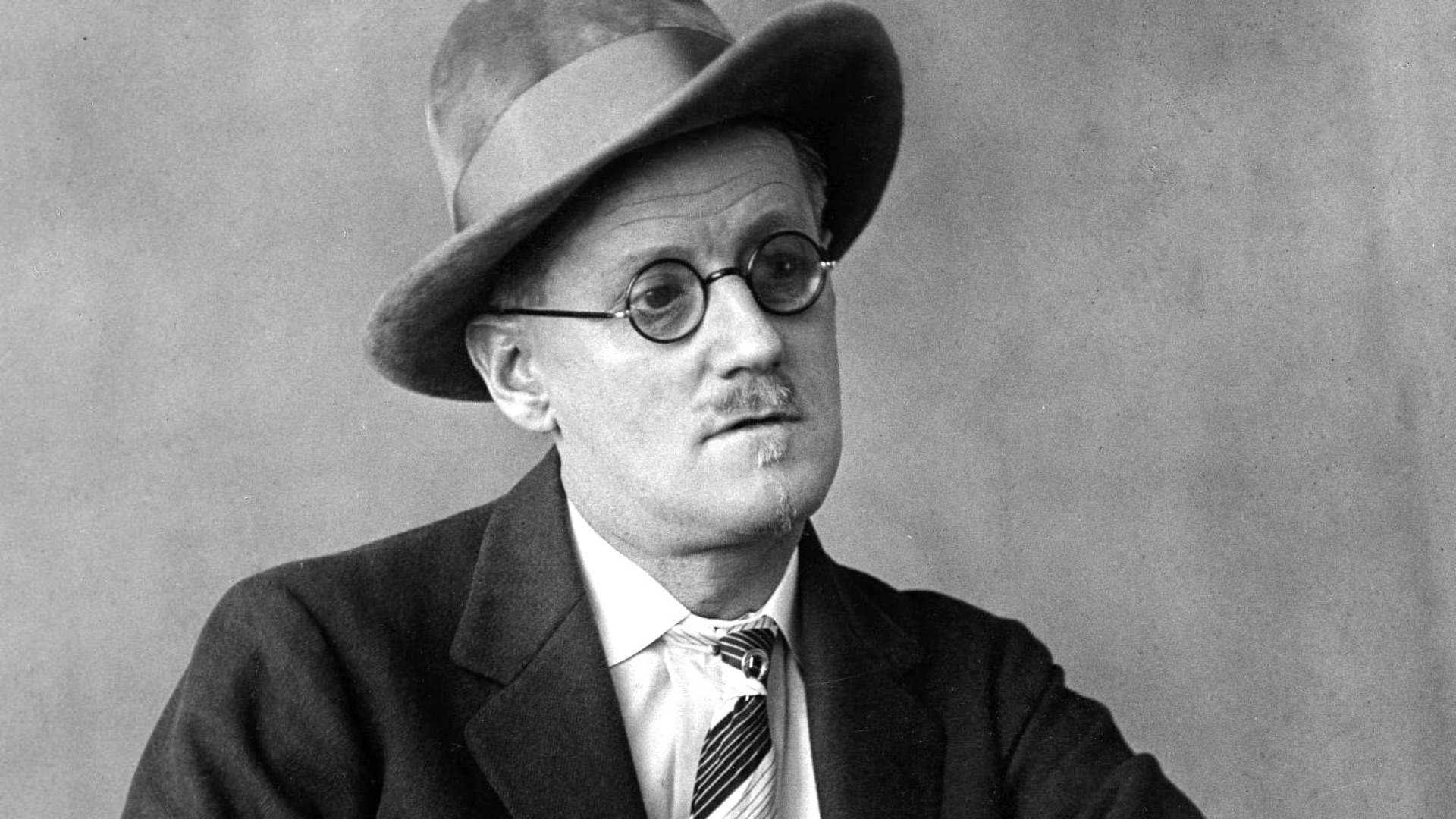
14. James Joyce
James Joyce dealt with painful and recurring eye disease for much of his adult life, including uveitis, glaucoma, and cataracts. He underwent numerous treatments and surgeries, some of which sound alarming by modern standards. His declining vision affected the practical process of writing, especially later in life, when he needed aids and assistance to keep working.
15. Jorge Luis Borges
Jorge Luis Borges experienced hereditary blindness that worsened gradually over much of his life, and by the late 1950s he could no longer read and write without help. The timing was striking because he had become director of Argentina’s National Library in 1955, just as his eyesight was failing. Borges adapted by relying more heavily on memory, dictation, and oral composition, which became central to his later literary life.
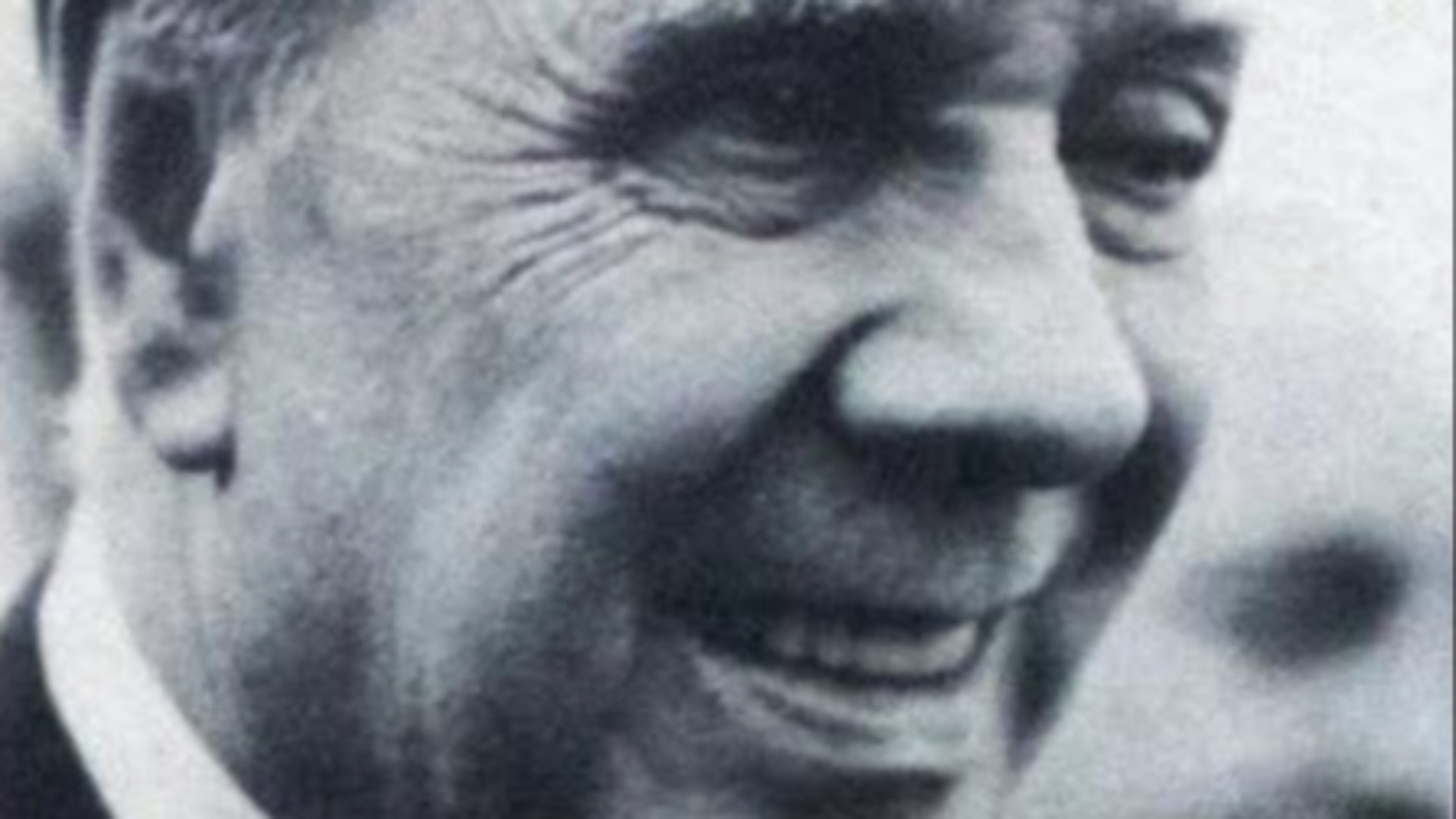 Revista Boom (Rosario, Argentina). Nº 15-16. Noviembre-Diciembre de 1969. on Wikimedia
16. Theodore Roosevelt
Theodore Roosevelt lost sight in one eye after a boxing injury while he was president. In a 1906 letter, he described difficulty with his left eye after a blow ruptured a blood vessel during a match. Roosevelt didn’t make the injury a major public issue at the time, but it adds a very human detail to his image as a physically active political leader.
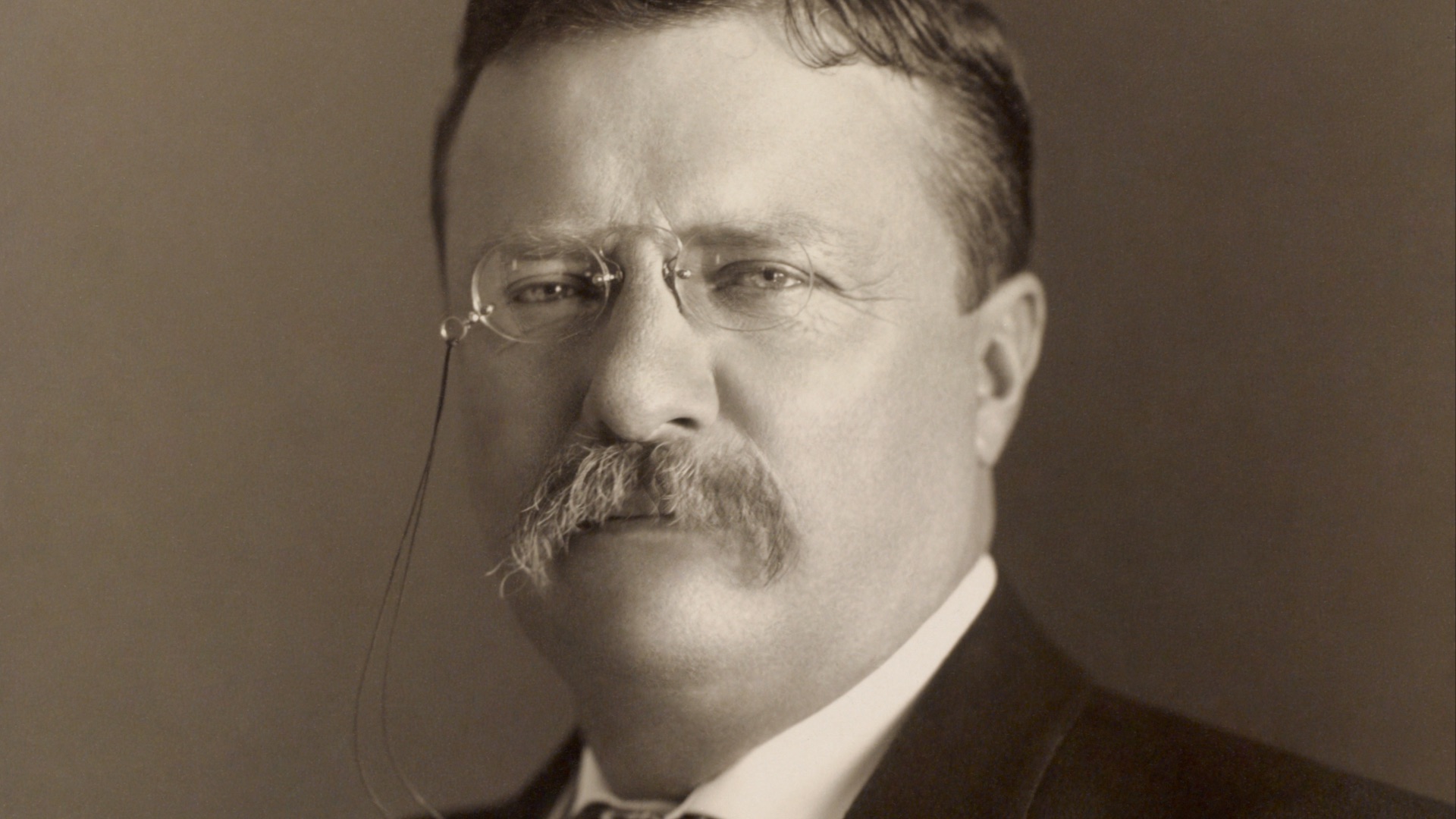
17. Alicia Alonso
Cuban ballerina Alicia Alonso developed a detached retina as a young dancer and became partially blind. After surgeries and long periods of bed rest, she learned roles mentally and later used stage lights and precise placement from partners to keep performing. Her career shows how vision loss can require exact practical adjustments, especially in a field as physically demanding as ballet.
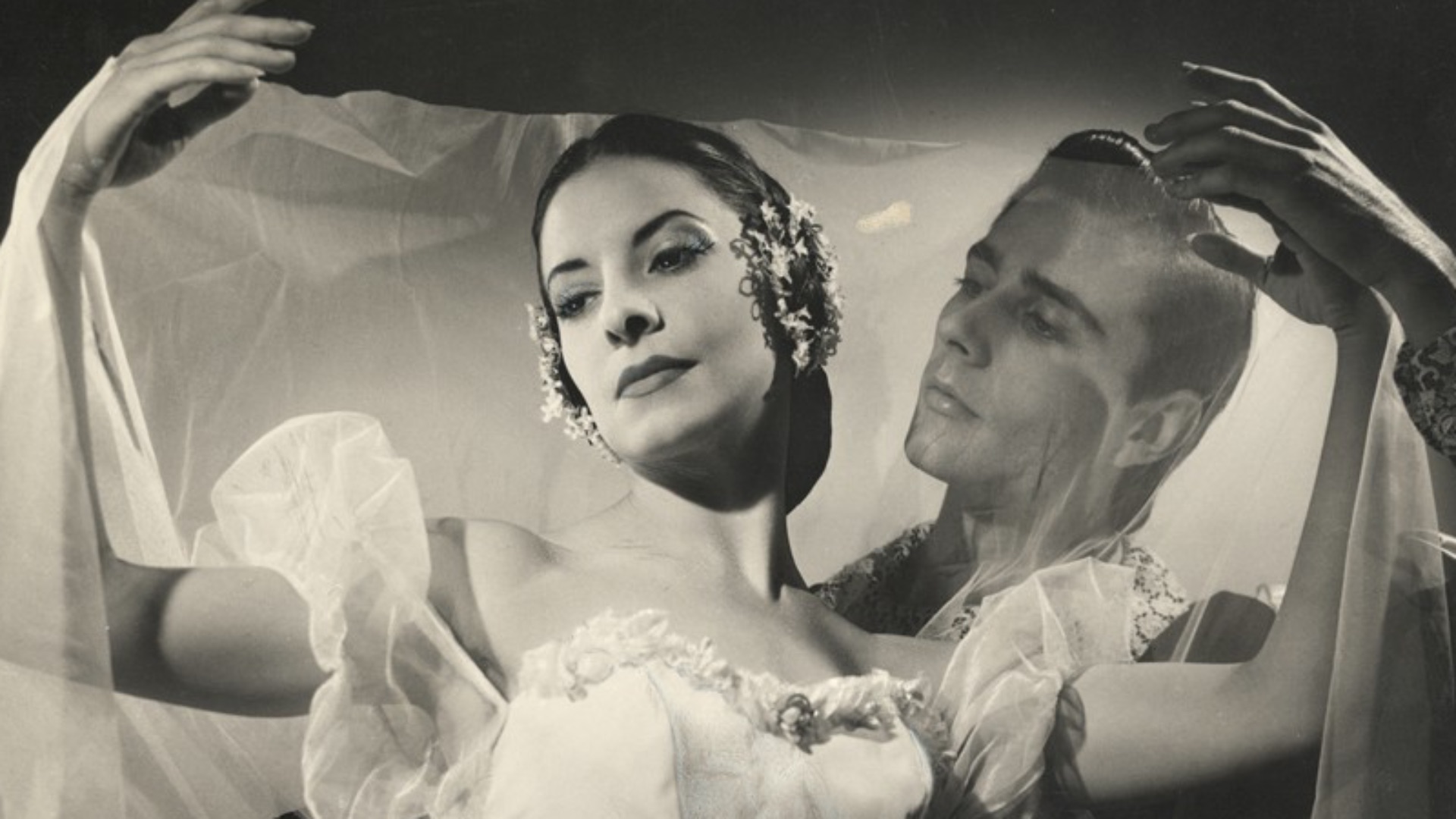 Annemarie Heinrich on Wikimedia
18. Georgia O’Keeffe
Georgia O’Keeffe suffered from macular degeneration and failing vision in her later years. The Georgia O’Keeffe Museum notes that she painted her last unassisted oil painting in 1972, yet she continued finding ways to create afterward. Her story is less about a sudden loss and more about the gradual negotiation between artistic intention and a body that no longer cooperated in the same way.
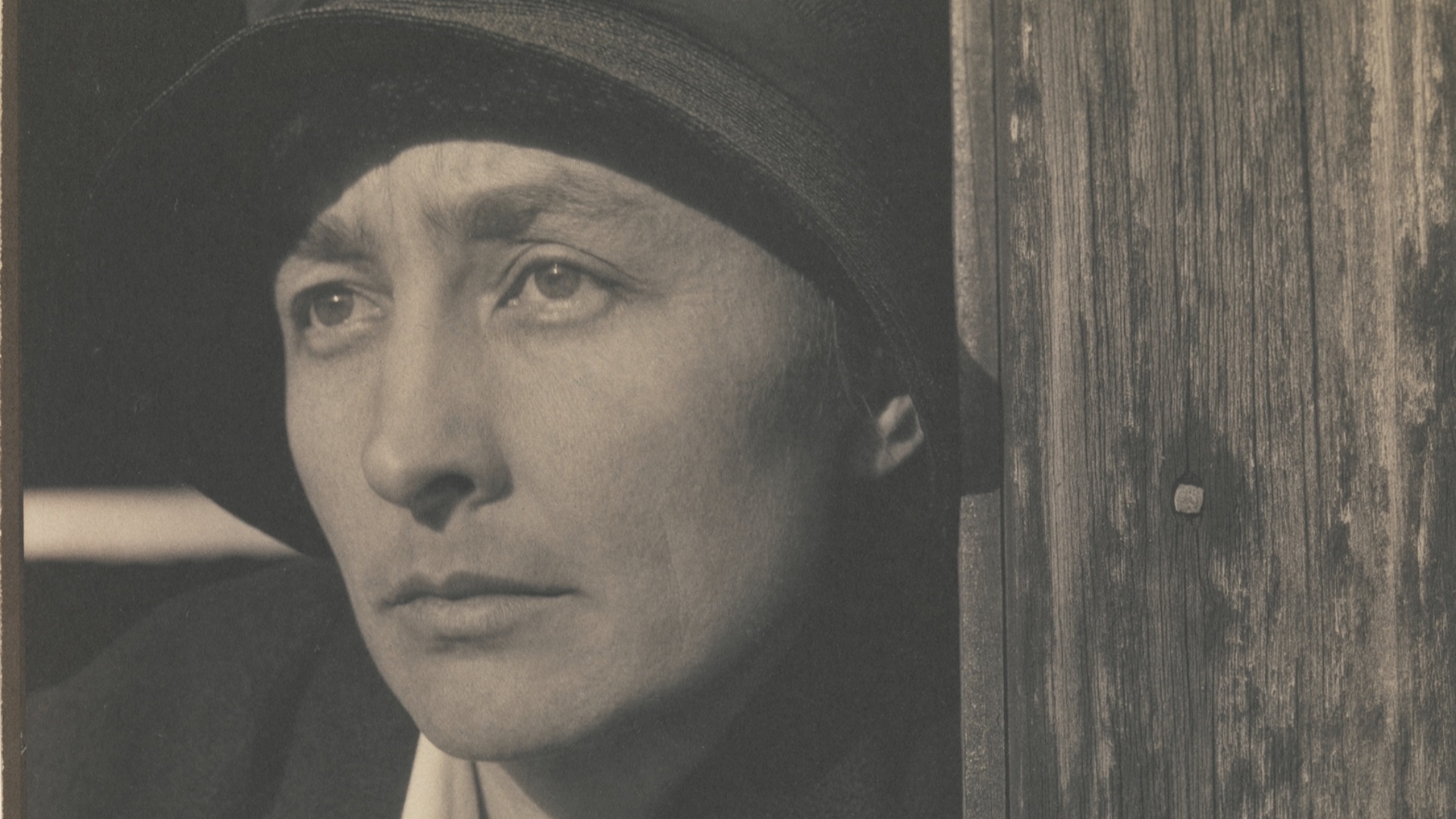
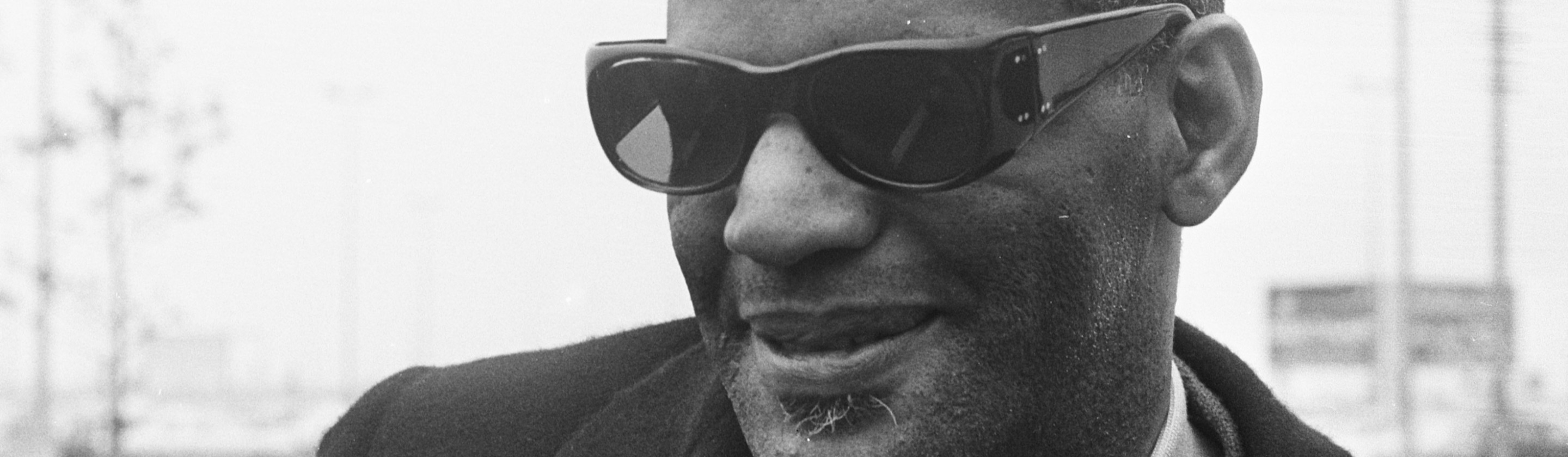
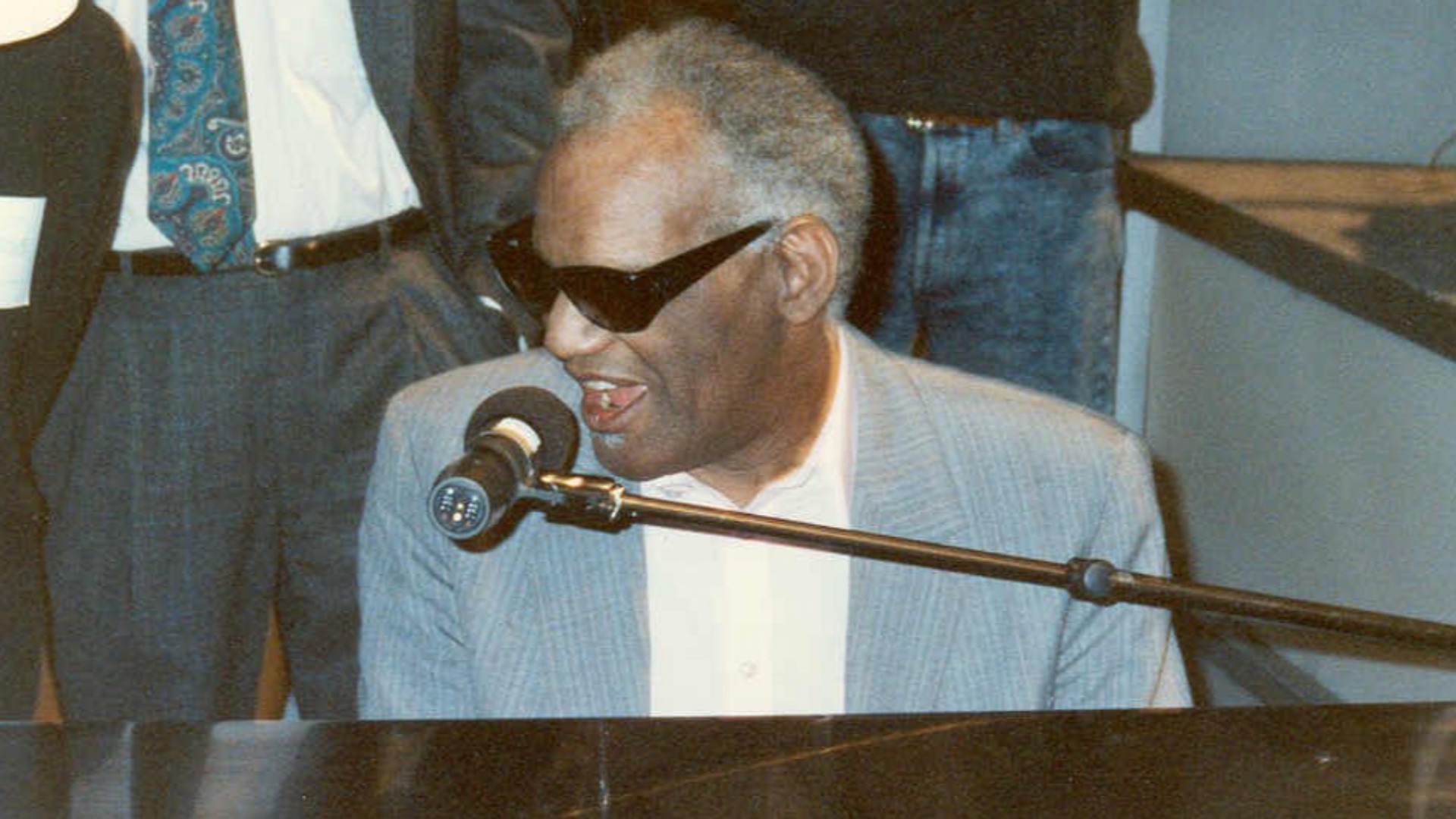
19. Ray Charles
Ray Charles began losing his sight as a child and was completely blind by about age seven, possibly because of glaucoma. He attended the Florida School for the Deaf and the Blind, where he received musical training before beginning his professional career. His blindness was part of his life from childhood, but his musicianship became the central fact people remembered.
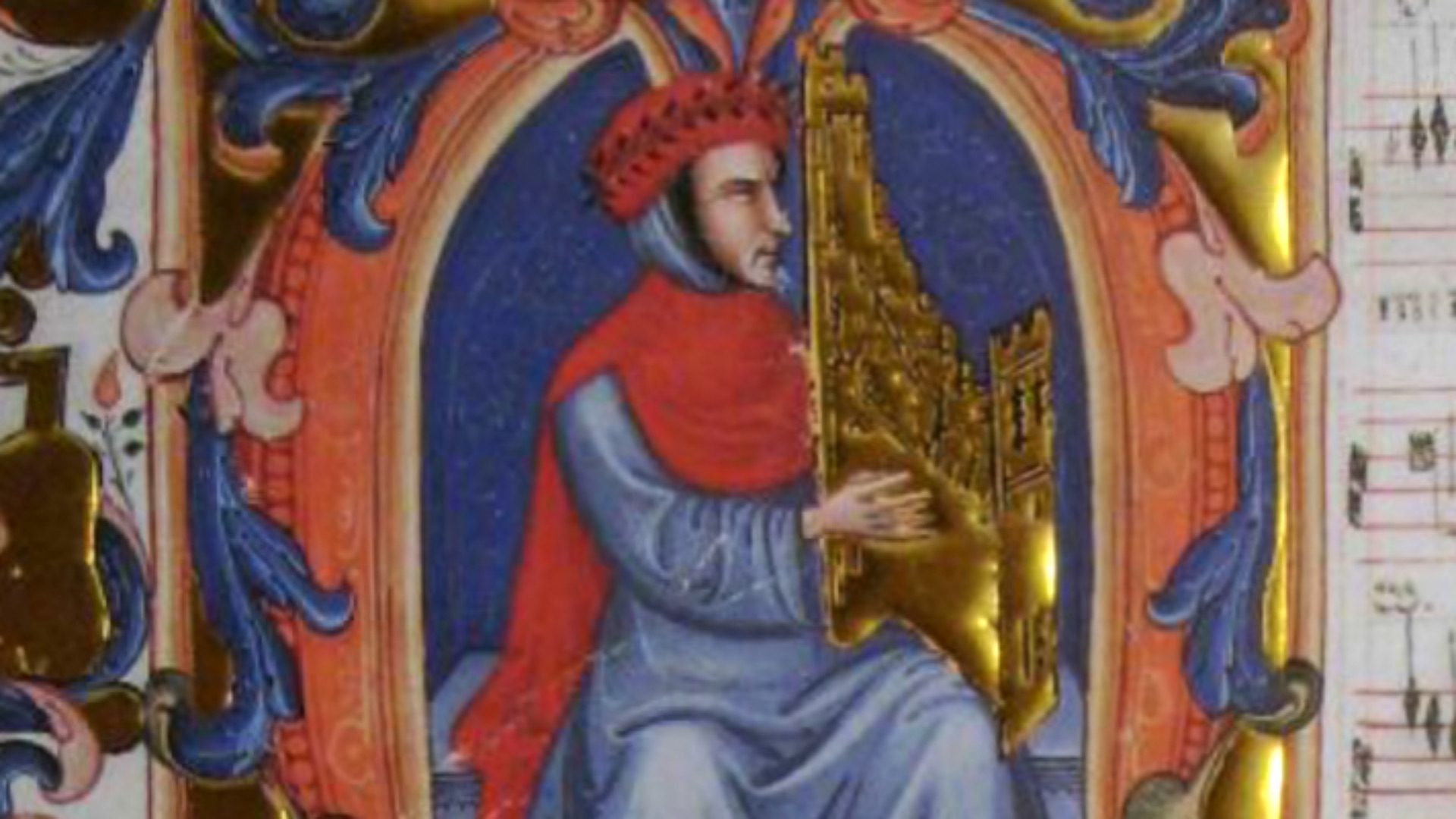
20. Francesco Landini
Francesco Landini, the 14th-century Italian composer, organist, poet, and instrument maker, became blind in childhood after contracting smallpox. Despite losing his sight, he became one of the most celebrated musicians of medieval Italy and a leading figure of the Trecento style. His life gives the article a broader historical range, showing that vision loss shaped the careers of major cultural figures long before the modern era.
KEEP ON READING

From Heroes To Zeroes 20 Historical Figures Whose Heroism Was…
History is full of legends, but not every hero lived…
By Noone Feb 25, 2026
The Clueless Crush: How I Accidentally Invited a Hacker Into…
Fluorescent Lights and First Impressions. My name is Tessa, I'm…
By Ali Hassan Nov 4, 2025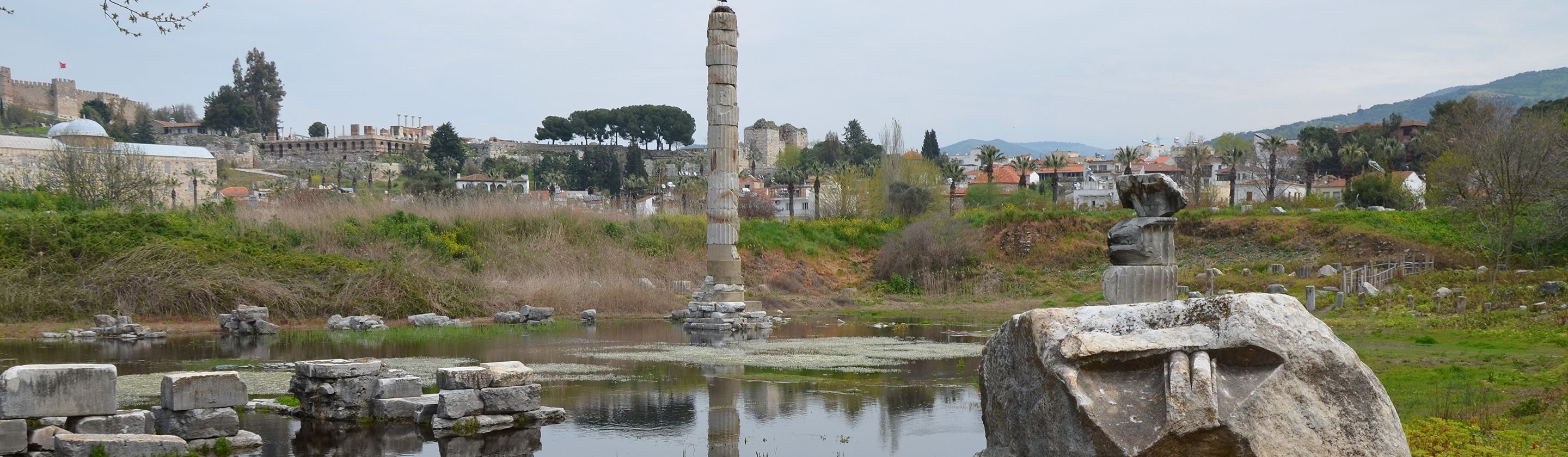
This Infamous Ancient Greek Burned Down An Ancient Wonder Just…
History remembers kings and conquerors, but sometimes, it also remembers…
By David Davidovic Nov 12, 2025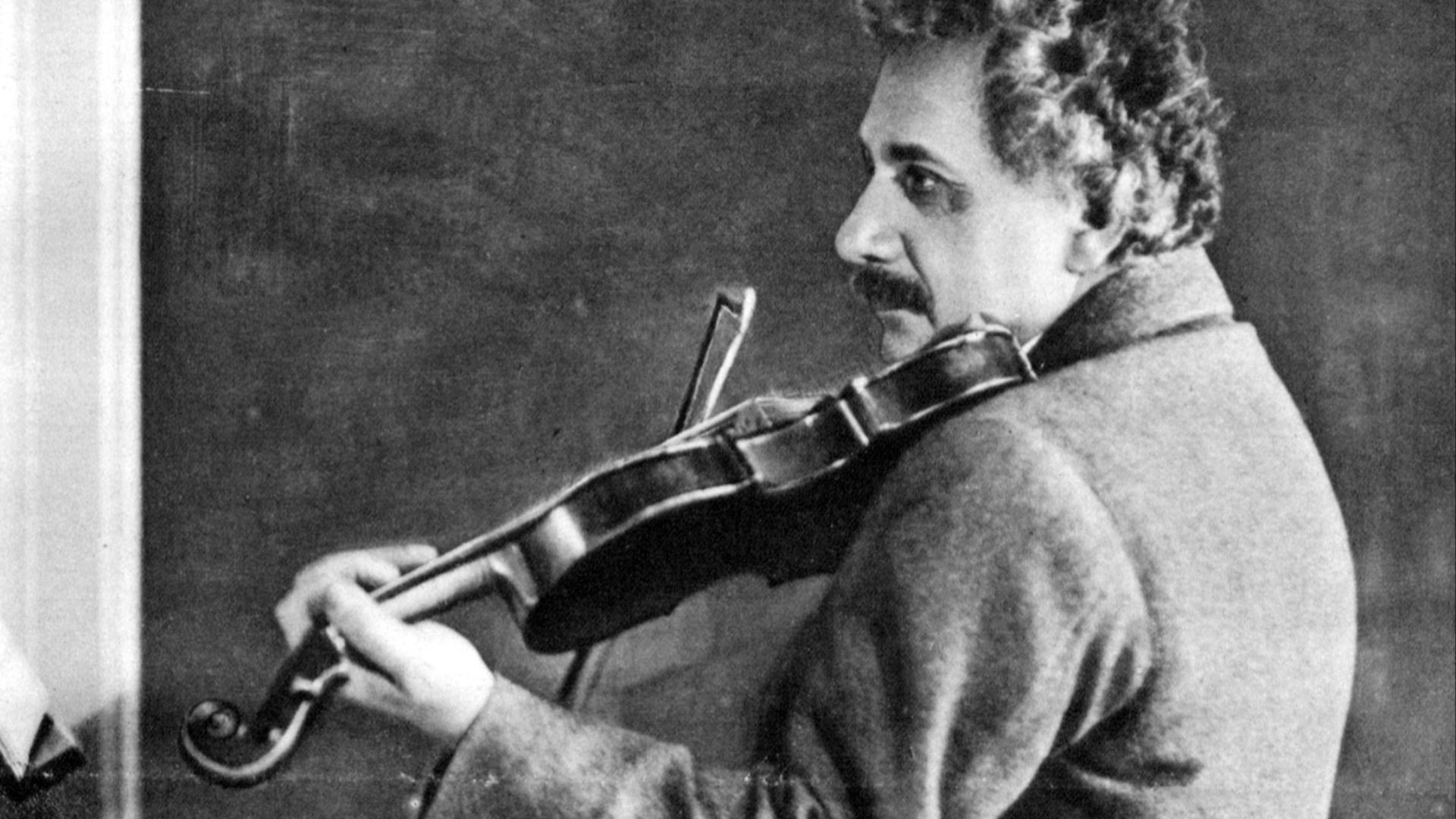
Einstein's Violin Just Sold At An Auction—And It Earned More…
A Visionary's Violin. Wanda von Debschitz-Kunowski on WikimediaWhen you hear…
By Ashley Bast Nov 3, 2025
The Mysterious "Sea People" Who Collapsed Civilization
3,200 years ago, Bronze Age civilization in the Mediterranean suddenly…
By Robbie Woods Mar 18, 2025
There Have Been 5 Mass Extinctions. Are We Entering the…
Yasser Mokhtarzadeh on UnsplashEarth has a flair for dramatic resets,…
By Emilie Richardson-Dupuis May 19, 2026