

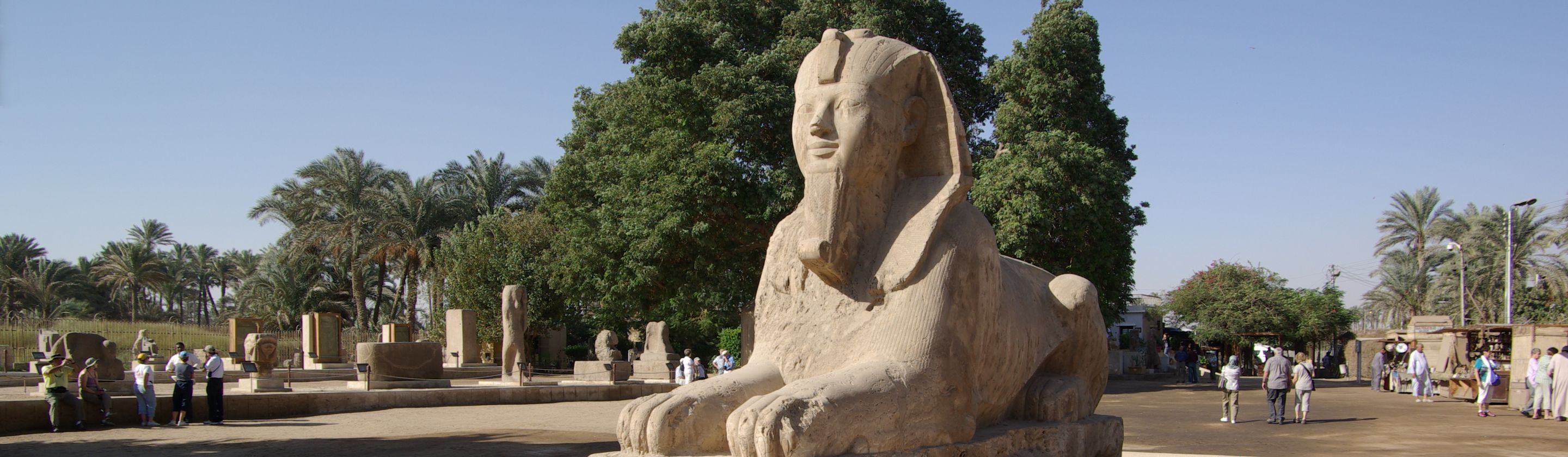
 Vyacheslav Argenberg on Wikimedia
Long before modern skyscrapers and crowded highways existed, the world’s earliest cities began forming around rivers, trade routes, and fertile farmland. These settlements changed human history by creating organized governments, written language, large-scale construction, and specialized labor for the first time. Archaeologists still study these ancient cities carefully because they reveal how civilization itself first developed.
Many of these early urban centers thrived for centuries before eventually declining through war, environmental change, political instability, or shifting trade networks. Even though their populations disappeared or scattered over time, their influence continued to shape future civilizations across the ancient world. The stories of these first cities still offer valuable insight into how societies rise, adapt, and sometimes collapse under pressure.
Uruk
Uruk, located in modern-day Iraq, is widely considered one of the world’s first true cities and reached major prominence around 4000 BCE. Built in ancient Mesopotamia near the Euphrates River, it became a center for agriculture, trade, religion, and political organization. Historians often connect Uruk with some of humanity’s earliest examples of large-scale urban life. At its height, the city may have supported tens of thousands of residents, which was extraordinary for the time period.
One of Uruk’s greatest contributions was the development of early writing systems known as cuneiform. Created for record-keeping and trade management, cuneiform eventually evolved into one of the world’s earliest written languages. The city also became famous for monumental architecture, including massive temple complexes dedicated to important deities. These structures demonstrated the growing power of organized religion and centralized leadership within early civilizations.
Despite its success, Uruk gradually declined after centuries of influence. Environmental changes, shifting river patterns, and competition from neighboring Mesopotamian cities weakened its economic importance over time. Political instability also contributed to the city's loss of regional dominance as new empires emerged throughout Mesopotamia. By the first millennium BCE, Uruk no longer held the same power it once commanded across the ancient world.
Memphis
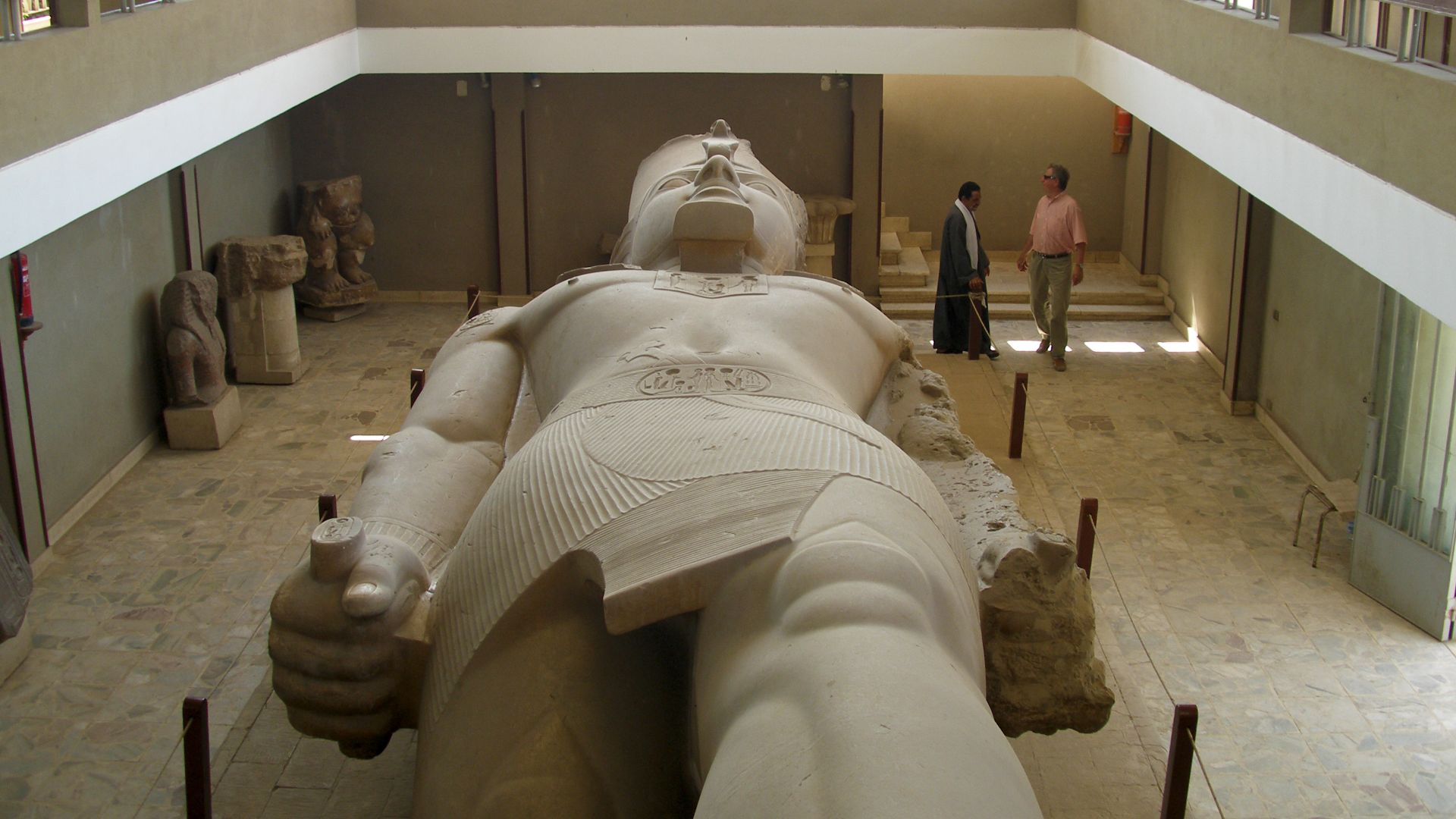
Memphis emerged in ancient Egypt around 3100 BCE after the unification of Upper and Lower Egypt under the rule of King Narmer, who is sometimes called Menes in historical sources. Positioned near the Nile River delta, the city became one of the earliest major capitals in human history. Its location allowed leaders to control trade, agriculture, and transportation throughout much of Egypt efficiently. Memphis quickly developed into both a political center and an important religious hub.
The city played a major role during Egypt’s Old Kingdom period, when massive projects like the pyramids at nearby Giza were constructed. Skilled laborers, architects, and administrators helped transform Egypt into one of the ancient world’s most organized civilizations. Memphis also became known for temples dedicated to Ptah, a major creator god in Egyptian religion. The city’s wealth and influence lasted for centuries because of Egypt’s strong agricultural economy along the Nile.
Over time, however, Memphis slowly lost political importance as Egyptian rulers shifted power toward cities such as Thebes and later Alexandria. Foreign invasions from Assyrians, Persians, Greeks, and Romans further weakened the city's influence across different periods. Trade patterns and political priorities gradually changed as Egypt became part of larger empires. Although Memphis survived for many centuries, it eventually declined into ruins as newer urban centers replaced it.
Mohenjo-Daro
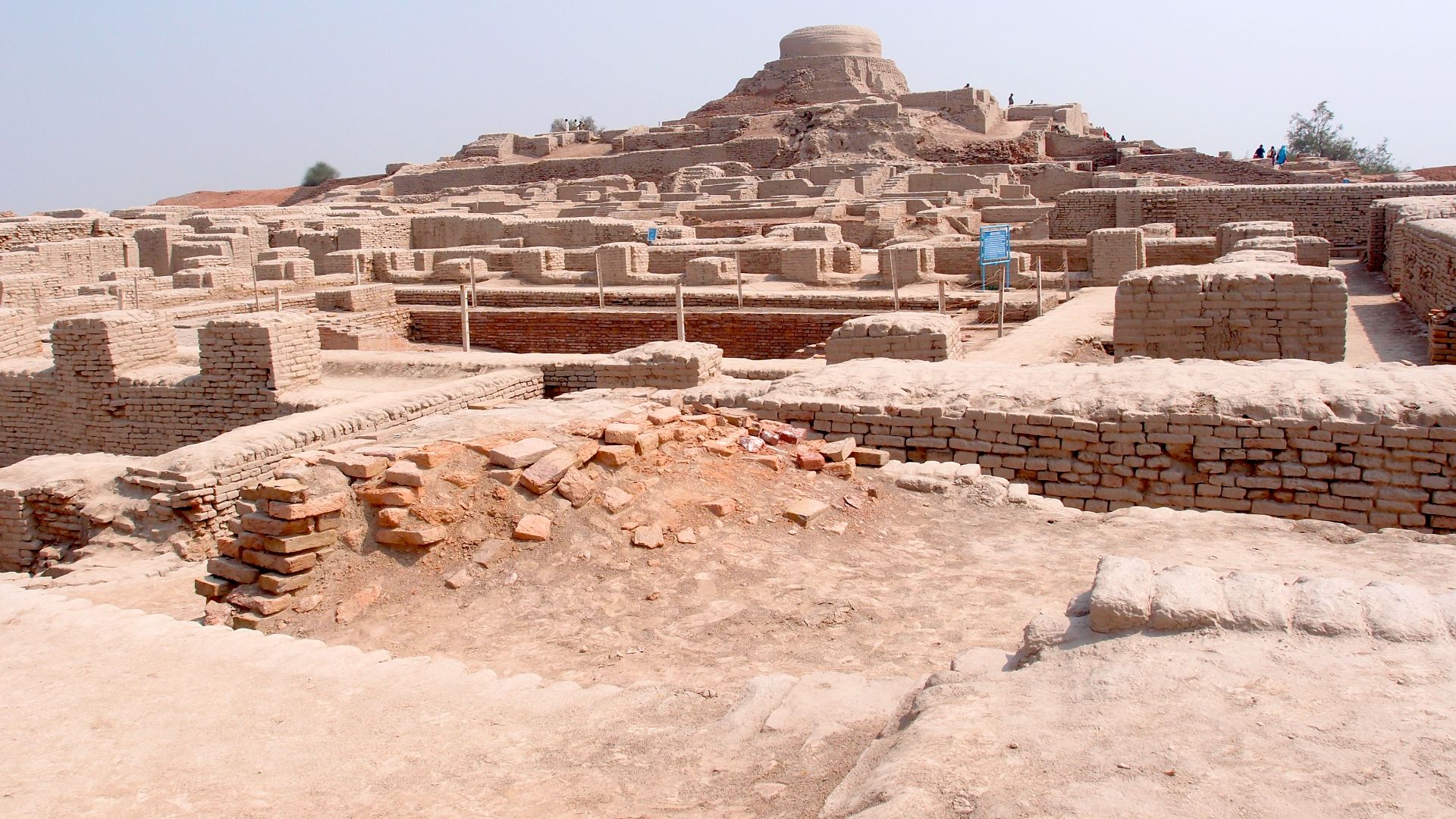
Mohenjo-Daro, located in present-day Pakistan, was one of the major cities of the Indus Valley Civilization and flourished around 2500 BCE. Archaeologists consider it one of the earliest highly planned urban settlements in world history. The city featured organized streets, standardized brick buildings, and advanced drainage systems that were remarkably sophisticated for the ancient world. Its careful design suggests strong civic organization and impressive engineering knowledge.
Unlike many early civilizations, Mohenjo-Daro appears to have focused heavily on sanitation and city planning rather than massive royal monuments or military structures. Homes often included private wells and bathing areas connected to drainage systems beneath the streets. Trade also played a major role in the city's prosperity because the Indus Valley Civilization maintained commercial links with Mesopotamia and neighboring regions.
The exact reasons behind Mohenjo-Daro’s decline remain debated among historians and archaeologists today. Some evidence points toward environmental problems such as flooding, river shifts, or long-term drought affecting agriculture and trade. Others believe economic decline and weakening political systems gradually reduced the city's stability over time.
The world’s first cities laid the foundation for organized civilization in ways that still influence modern society today. Urban planning, written communication, centralized government, and large-scale trade networks all developed within these early population centers thousands of years ago. Although many of these cities eventually declined, their innovations shaped the civilizations that followed across multiple continents. Their histories also serve as reminders that even the most powerful societies remain vulnerable to environmental pressures, political change, and shifting economic realities.
KEEP ON READING
The Brutal Realities Of Gladiator Life Beyond the Arena
David Cruz asenjo on PexelsWhen most people think of gladiators,…
By Rob Shapiro Mar 31, 2026
The Volcano Winter That Nearly Toppled Europe
Collin Ross on UnsplashMost people, if asked to name a…
By Cameron Dick Mar 31, 2026
From School Plays To Starting A Cult: 20 Of The…
The Books That Made Us. Many people will tell you…
By Farva Ivkovic Jan 31, 2025
20 Facts About Jane Grey, The Forgotten Queen Of England
A Quick, Messy, and Tragic Reign. Lady Jane Grey never…
By Maria Cruz Jan 31, 2025
20 Priceless Historical Art Pieces Rescued By The Monuments Men
Protecting Human History. While the soldiers on the front lines…
By Sara Springsteen Mar 31, 2026
Almost Every Ancient Statue Has a Missing Nose, And It's…
Gary Todd from Xinzheng, China on WikimediaWalk through the classical…
By Elizabeth Graham Mar 31, 2026