

Gloomy Sunday: The Infamous Hungarian Song That Drove People to Their Demise
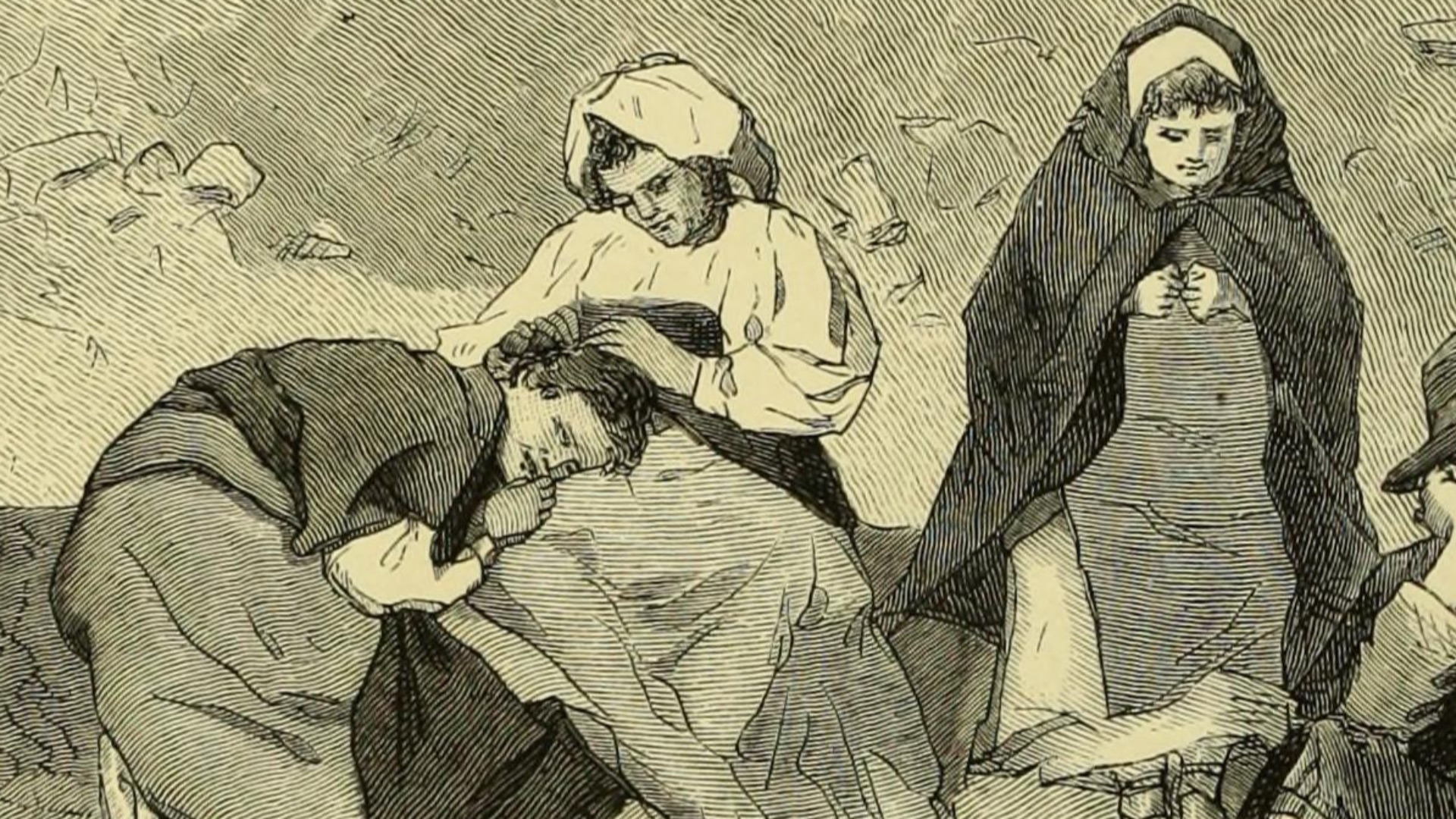 Internet Archive Book Images on Wikimedia
Can a song kill you? It sounds like the premise of a horror film, but for decades, "Gloomy Sunday" has carried exactly that reputation. Written in Hungary in the 1930s, this haunting composition became linked to a wave of deaths so alarming that it was eventually banned from radio broadcasts in multiple countries. The story has been sensationalized, debated, and retold so many times that separating myth from reality has become nearly as difficult as explaining why the song affects people so deeply.
The story of "Gloomy Sunday" is one of the most unsettling in music history, blending verifiable fact with folklore that has only grown darker with each retelling. Whether you believe the legends or not, there's no denying that the song carries a weight that very few pieces of music can match; its melancholic tone and sorrowful lyrics have left a lasting mark on popular culture that has persisted for nearly a century. It's a song that people keep returning to: not in spite of its reputation, but rather because of it.
The Origins of "Gloomy Sunday"
The song was composed in 1933 by Hungarian pianist Rezső Seress, with lyrics written by poet László Jávor. Seress reportedly wrote the piece after a painful romantic breakup, channeling his grief into a melody so desolate that multiple publishers initially refused to release it. The earliest version was reportedly called "Vége a világnak," which translates roughly to "The World Is Ending," giving you an immediate sense of how raw and bleak the composition was intended to be from the outset.
The song found its first significant audience when Hungarian singer Pál Kalmár recorded it in 1935, and translations into other languages soon followed. The most recognized English version was penned by Sam Lewis and recorded by Billie Holiday in 1941, a performance that brought the song to an entirely new international audience. Holiday's rendition is widely regarded as the definitive version; her voice brought an additional layer of sorrow to an already devastating piece that made it almost impossible to hear without feeling something shift in you.
What made "Gloomy Sunday" so emotionally affecting wasn't just the minor-key melody, but the subject matter the lyrics so directly confronted. The words speak of grief, loss, and a longing for death, presenting the inner world of someone so overtaken by sorrow that life no longer feels bearable. For listeners already in a fragile emotional state, the song seemed to mirror their pain back at them with an almost uncomfortable precision.
The Infamous Legend
Reports linking the song to suicides began circulating in Hungary not long after its release in the mid-1930s. Stories emerged of people taking their own lives with the sheet music nearby or the melody playing in the background, and newspapers ran with the narrative eagerly. The BBC banned "Gloomy Sunday" from its broadcasts until 2002, citing concerns about its potential impact on public morale during wartime, though the restriction on vocal performances was only partially eased in later decades.
Many of the specific stories tied to the song—including accounts of a shoemaker found dead clutching the lyrics, or a young woman discovered drowned with the sheet music beside her—while distressing, are difficult to verify and have almost certainly been embellished over the years. Historians and musicologists have consistently noted that these legends grew within a very specific context; Hungary in the 1930s was experiencing severe economic hardship and significant political instability. The country's suicide rate was already among the highest in the world at the time, which makes attributing individual deaths to a single piece of music far more complicated than the sensational headlines ever acknowledged.
What is documented, however, is that Rezső Seress himself died by suicide in 1968, a fact that only added another grim chapter to the song's mythology. He had survived the Nazi concentration camps and lived to see "Gloomy Sunday" become internationally notorious, yet reportedly struggled with depression for much of his adult life. Whether his death had any meaningful connection to the music he created is impossible to determine, but it became one more thread in a legend that showed no signs of unraveling.
The Song's Lasting Cultural Legacy
"Gloomy Sunday" has never truly receded from public consciousness, and its dark reputation continues to attract musicians, filmmakers, and researchers alike. A 1999 Hungarian-German film of the same name dramatized the song's legend against the backdrop of wartime Budapest, introducing a new generation of listeners to both the story and the original composition. The film reignited widespread debate about whether music possesses the power to meaningfully influence a person's mental and emotional state in ways that go beyond ordinary listening.
Psychologists and researchers have taken the question seriously, and while no study has established a direct causal link between the song and any specific death, the relationship between music and mood is well-established in the scientific literature. Music characterized by minor keys, slow tempos, and themes of loss has been shown to intensify existing emotional states; for someone already in a state of crisis, that kind of immersive listening experience can complicate rather than comfort. The conversation around "Gloomy Sunday" has, in its own way, contributed to broader ongoing discussions about media responsibility and the ethics of depicting suicide in art.
Today, the song continues to be performed and recorded across a wide range of genres, from jazz to classical to alternative. It's been covered by Sinéad O'Connor, Björk, Elvis Costello, and many others, each bringing their own interpretation to a piece that has clearly outlasted every attempt to suppress or dismiss it. "Gloomy Sunday" endures, however strangely, because it captures something honest and uncomfortable about grief, and perhaps that honesty has a way of staying with people long after the music stops.
KEEP ON READING

Gloomy Sunday: The Infamous Hungarian Song That Drove People to…
Internet Archive Book Images on WikimediaCan a song kill you?…
By Christy Chan May 14, 2026
The History That the AI Job Apocalypse Attitude Ignores
Museums Victoria on UnsplashEvery few years, a new technology arrives…
By Emilie Richardson-Dupuis May 14, 2026
20 Animal Species From History That Disappeared Because of Humans
The Creatures We Didn’t Leave Enough Room For. Extinction can…
By Emilie Richardson-Dupuis May 7, 2026
This Greek Myth Is Still Inspiring Media Today
Anne Nygård on UnsplashThe story of Orpheus and Eurydice is…
By Sara Springsteen May 14, 2026
What Prehistoric Footprints Reveal That Bones Never Could
Jeremy Bishop on UnsplashBones are powerful evidence, but they usually…
By Elizabeth Graham May 14, 2026
20 Historical Figures Who Were Right All Along (But No…
They Told You So. History's often written by the winners,…
By Sara Springsteen May 14, 2026