


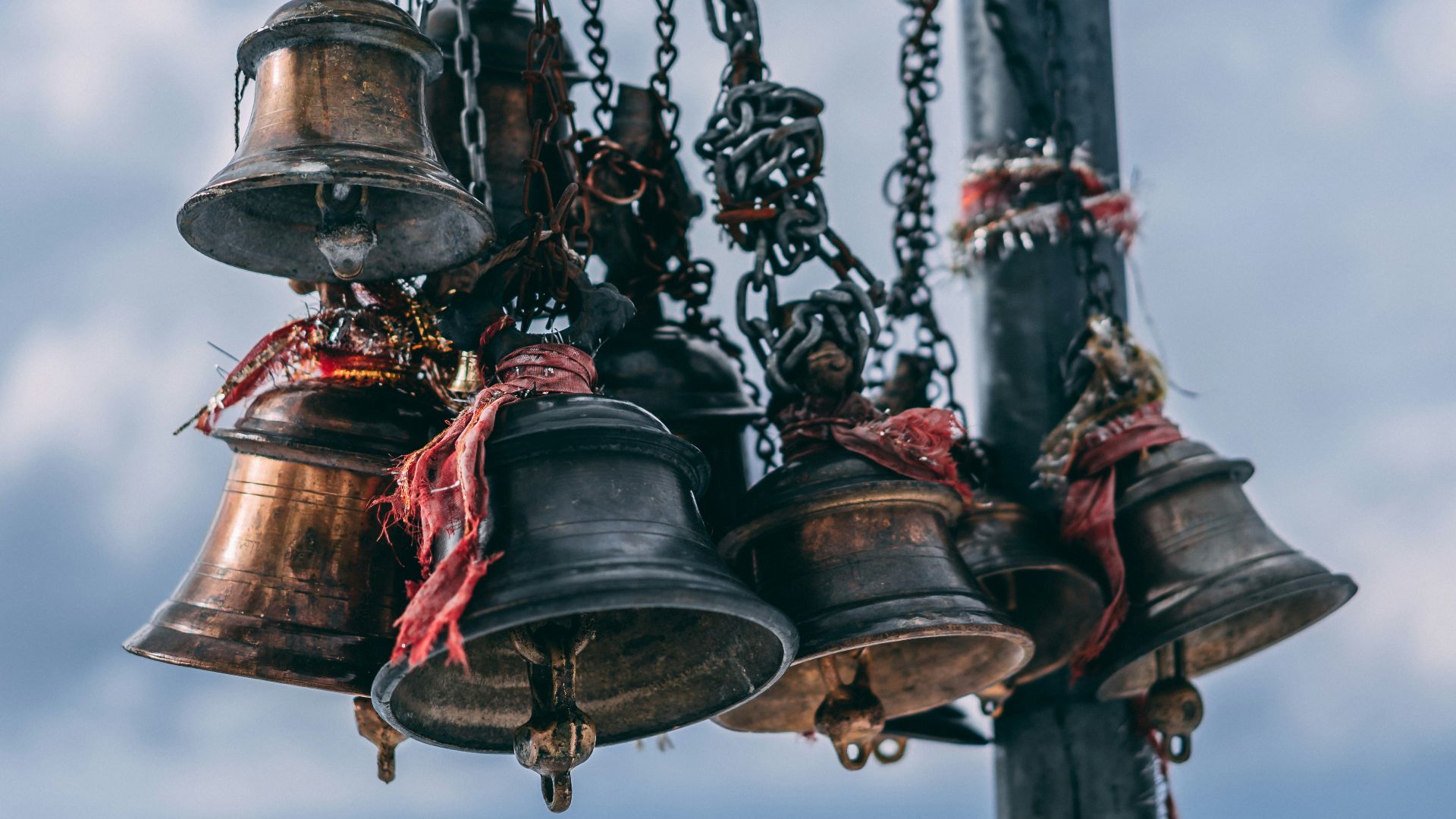
 Ashwini Chaudhary(Monty) on Unsplash
Long before phones buzzed in pockets, public life had its own loud operating system. Bells, drums, horns, whistles, and sirens told people when to wake, pray, work, gather, take cover, or pay attention. These sounds were useful, but they also carried authority.
A signal from a tower, factory, street corner, or rooftop could turn scattered people into one listening crowd. Earlier public sounds were harder to ignore than today’s private notifications, and they usually came from churches, towns, employers, schools, police, or emergency officials. To hear them was often to be reminded that daily life runs on signals we’re expected to understand.
Time System
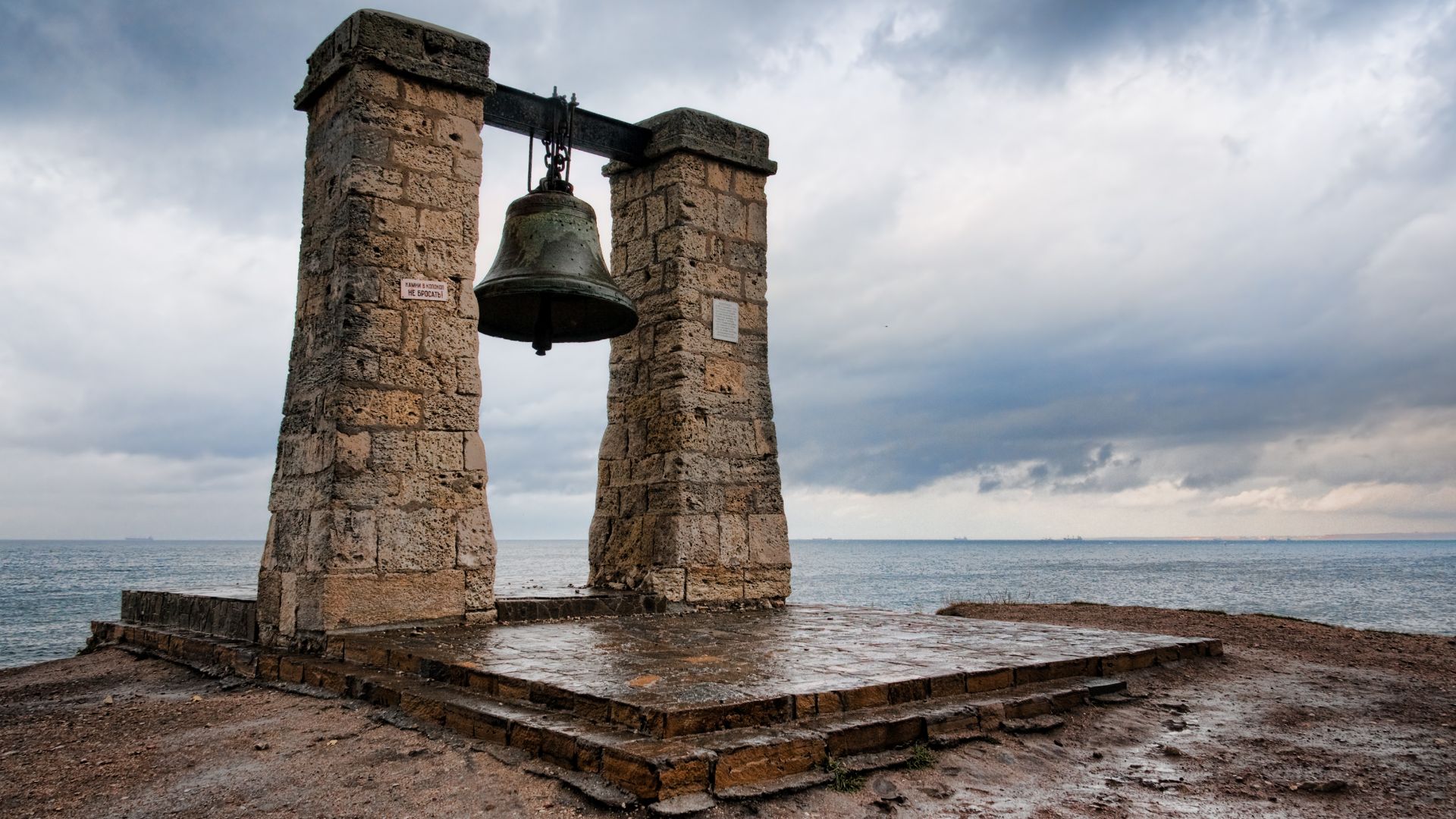
Bells are one of the clearest examples of sound organizing social order. The Smithsonian notes that, thousands of years ago, Chinese musicians and foundry technicians made matched sets of bronze bells in different sizes, including oval bells that could produce two distinct pitches depending on where they were struck. That history doesn’t make those bells the same as later town alarms, but it does show how early societies understood sound as something shared, formal, and powerful.
In medieval Europe, bells also helped make time public for people who did not own clocks. The curfew bell is a useful example because it connected sound, safety, and behavior. Britannica explains that “curfew” comes from Old French cuevrefu, meaning “cover fire,” and referred to a bell signal warning people to extinguish or cover fires and retire for the night in timber-built towns.
Bells were not the only public sounds that gathered people. In colonial Massachusetts, drums, criers, and bells were all used for civic announcements, worship, town meetings, and other public business. The Colonial Society of Massachusetts records that drums could call people together before bells became more common in some communities.
As A Part Of Discipline
The Industrial Revolution transformed the use of sound once again. The Smithsonian’s National Museum of American History explains that factory work replaced older seasonal and task-based rhythms with strict timekeeping, and that a manager-controlled clock “ticked out the hours” while a bell synchronized the day. The factory bell made labor easier to organize, but it also made lateness, breaks, and leaving time easier to control.
That same Smithsonian source points to a harsher history of southern cotton and rice plantations. According to the museum, plantation owners used bells or horns to call enslaved people to rise, work, or eat at regular times, and they enforced time obedience with violence and deprivation.
Schools developed their own sound routines, and they’re not carbon copies of the factory bell. The Smithsonian describes late nineteenth- and early twentieth-century handbells, desk bells, and larger rope-pulled bells used by teachers to begin the school day, end recess, and close the day. Education writer Audrey Watters, published through the National Education Policy Center, argues that automated school bells and public-address systems were not widely adopted until after World War II, with many schools wiring classrooms into automated systems well into the 1960s.
Sirens, Alarms, and The Modern Age
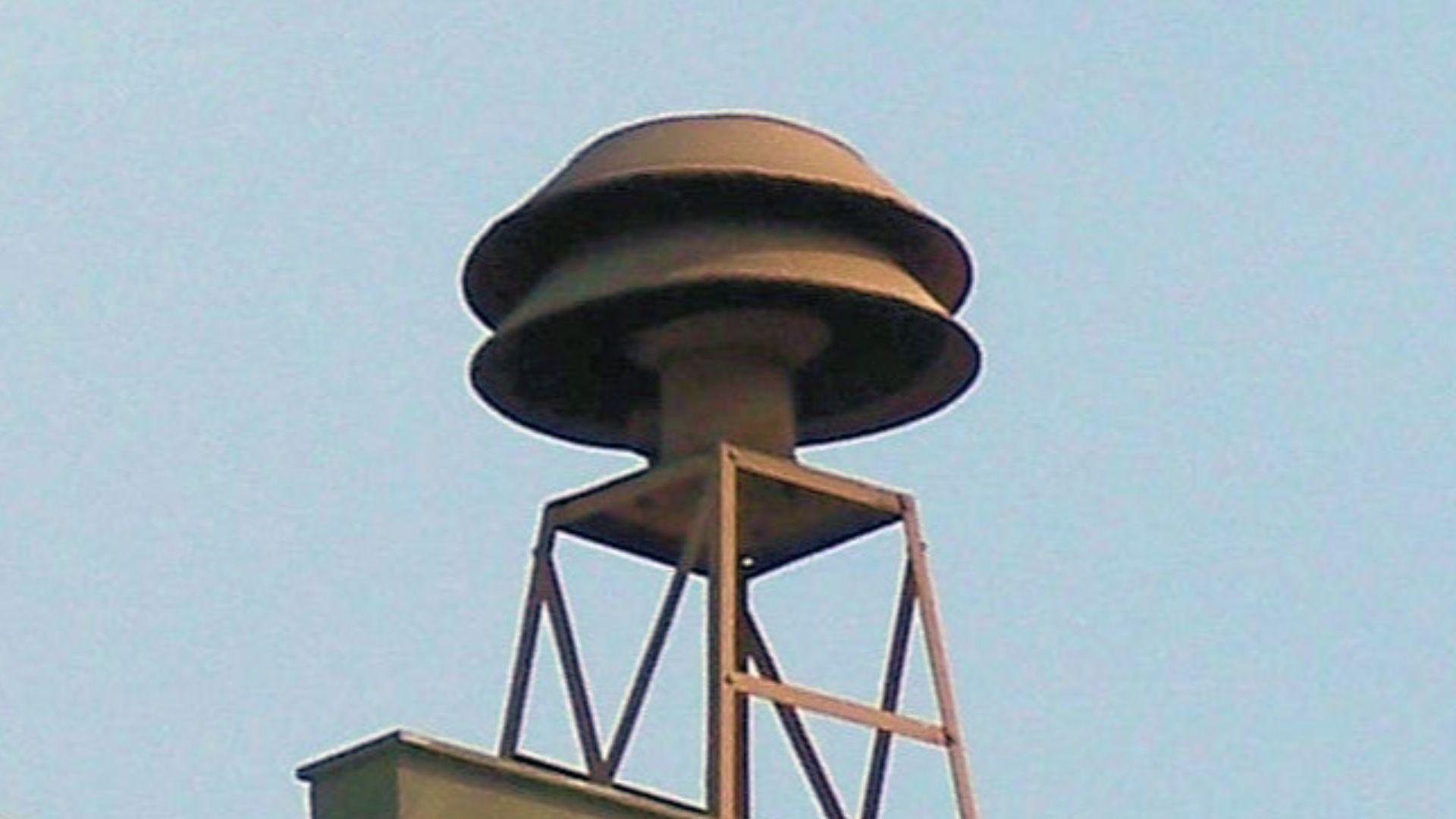
The implementation of sirens has more of a scientific background than other public notification systems. The Whipple Museum at the University of Cambridge describes the siren as the first artificial sound source with variable known frequency, saying French engineer and physicist Charles Cagniard de la Tour invented it in 1819. In its simplest form, the instrument used perforated disks and air pressure to produce regular puffs of air, creating sound waves at measurable frequencies.
Once loud, mechanical sound could be controlled and repeated; it became useful far beyond the laboratory. The Smithsonian’s National Museum of American History describes later acoustic sirens as instruments for studying sound, including frequency, interference, and combination tones. Over time, the broader public role of siren-like sound became obvious: it could cut through ordinary noise and signal urgency quickly and effectively.
Urban fire alarms show how warning sounds became part of our infrastructure. Historic Boston writes that Boston’s telegraph-based fire alarm boxes were first installed in 1852 and transmitted the activated box’s unique number to the Fire Alarm Office, where dispatchers could send engines to respond. That moved public alarm away from a simple shout or bell and into a coordinated system of signal, location, and response.
War and emergency planning gave these notification systems an even heavier meaning. A 1943 UK Parliament Hansard record shows that church bells in wartime Britain had been restricted because they were tied to possible warning use, and the debate centered on whether the ban should be lifted or modified. In modern U.S. weather warnings, the National Weather Service says outdoor sirens mean something life-threatening is happening and that people should go indoors.
Today’s alert systems still follow the old pattern: interrupt, get attention, and direct people toward action. The FCC describes the Emergency Alert System as a national public warning system used by authorities to deliver emergency information, while Wireless Emergency Alerts send geographically targeted, text-like messages to compatible mobile devices. The sound may now come from a phone instead of a bell tower, but ultimately, the premise hasn’t changed.
KEEP ON READING
The story of Ching Shih, the Woman Who Became the…
Unknown author on WikimediaFew figures in history are as feared…
By Emilie Richardson-Dupuis Dec 29, 2025
Einstein's Violin Just Sold At An Auction—And It Earned More…
A Visionary's Violin. Wanda von Debschitz-Kunowski on WikimediaWhen you hear…
By Ashley Bast Nov 3, 2025
This Infamous Ancient Greek Burned Down An Ancient Wonder Just…
History remembers kings and conquerors, but sometimes, it also remembers…
By David Davidovic Nov 12, 2025
The Mysterious "Sea People" Who Collapsed Civilization
3,200 years ago, Bronze Age civilization in the Mediterranean suddenly…
By Robbie Woods Mar 18, 2025
20 Greatest Ancient Athletes In History
Ancient Olympics. Long before modern stadiums and multimillion-dollar endorsements, athletes…
By Sara Springsteen May 1, 2026
20 Soldiers Who Defied Expectations
Changing the Rules of the Battlefield. You’ve probably heard plenty…
By Annie Byrd Feb 10, 2026