

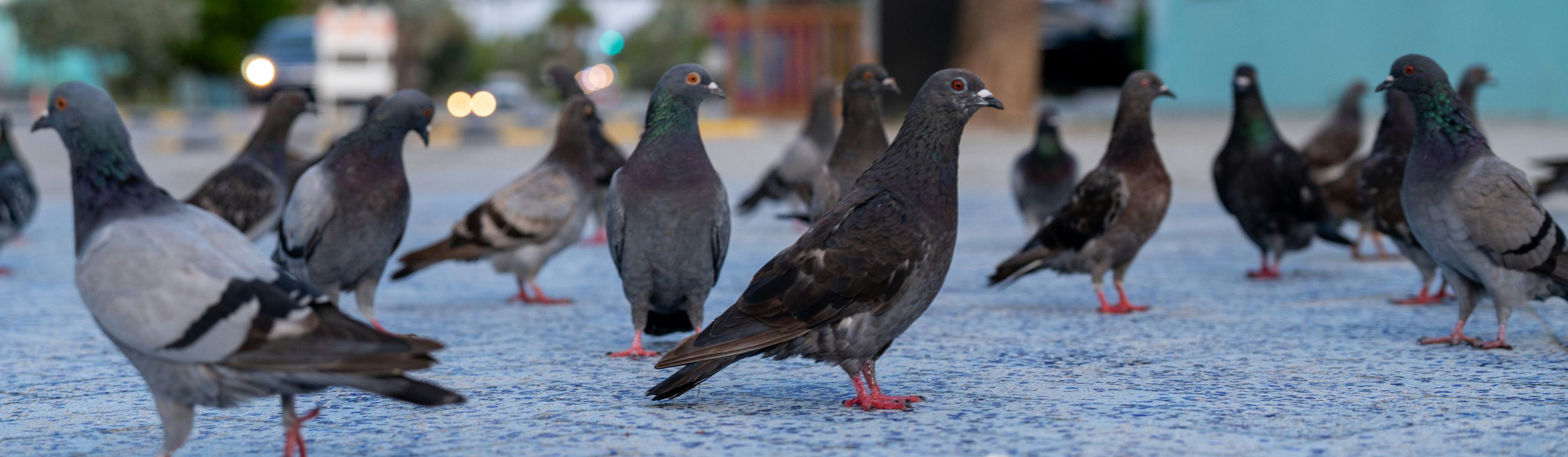
Justice for the Humble Pigeon
Okay, let’s get one thing straight right off the bat: we don't take kindly to pigeon slander here! You might think they’re just “rats of the sky,” but these guys are practically war vets, and they were a lot more useful than people give them credit for. Carrier pigeons brought news, military orders, financial updates, and desperate pleas when faster options failed or didn’t exist. Come with us as we explore a few ways these guys soared through the skies and our hearts.
1. They Were Really Homing Pigeons
Technically speaking, a carrier pigeon was usually a homing pigeon trained to carry a message back to its home roost. That detail matters; the bird wasn’t flying to just any address you wrote on a tiny note. It was doing what it did best: finding its way home with news in tow.
2. They Couldn’t Deliver Mail Both Ways
As adorable as it is to envision pigeons with mailbags, a carrier pigeon generally flew back to its loft. If you wanted to send a reply, the other side needed its own trained birds waiting there. That’s why pigeon posts depended on planning, loft locations, and people who knew exactly where each bird belonged.
3. People Used Them Early
Messenger pigeons have a much older history than most people realize—and we’re not just talking about WWI and WWII. The earliest recorded reference comes from the reign of Ramses III, around 1200 BC, when pigeons were used to carry news between cities about the Nile’s flood levels.
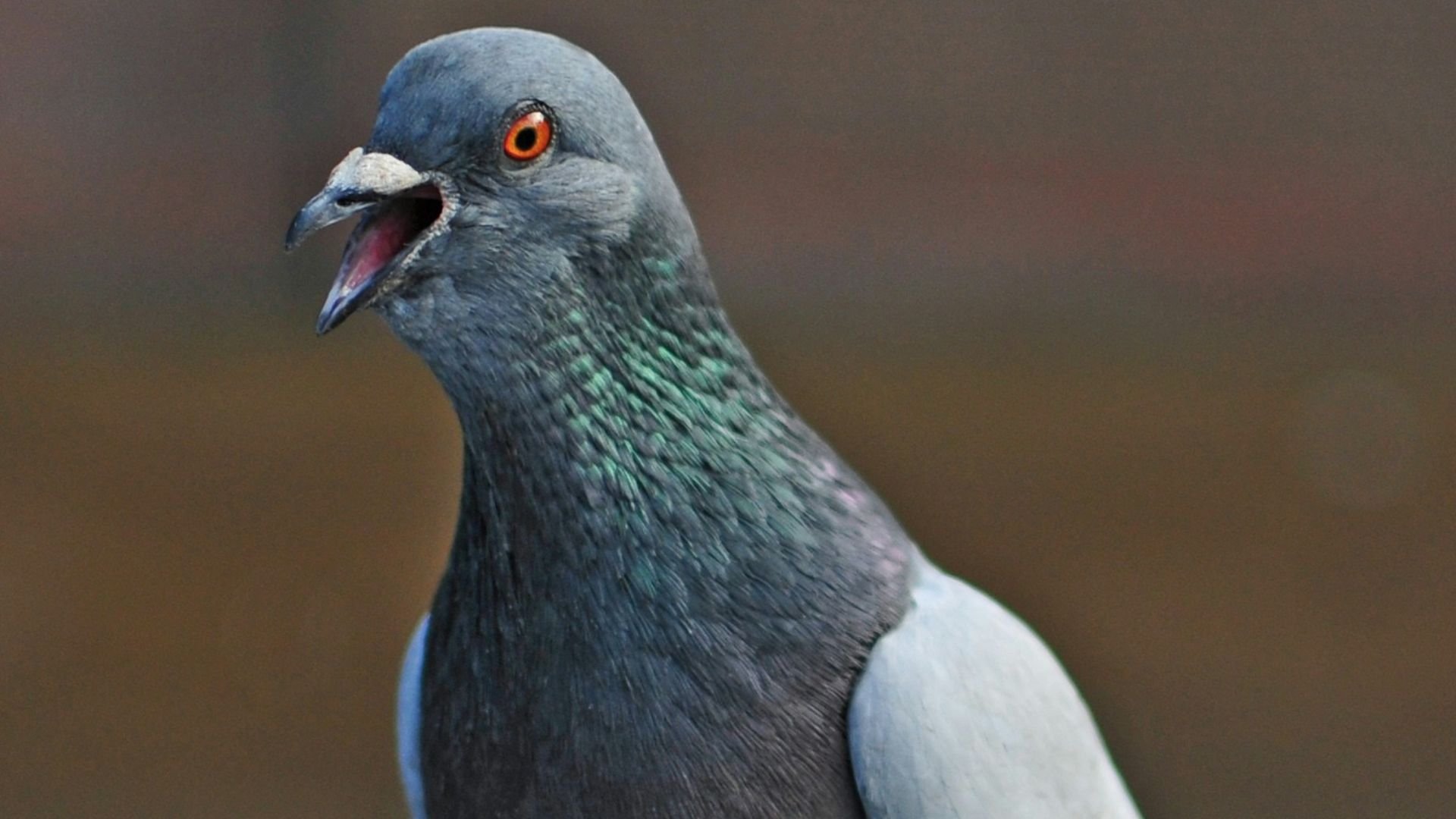 Viktor Forgacs - click ↓↓ on Unsplash
4. The Greeks Used Them for Sports News
Radios didn’t exist in the ancient world, but do you know what did? That’s right: pigeons! Long before sports alerts landed on phones, these little guys helped carry results from athletic events. Historical accounts even connect them with news from the ancient Olympic Games, where victory information could be sent back to a winner’s home city.
5. Romans Found Them Useful
Don’t get it twisted; other civilizations also depended on this bird, including the Romans, who used pigeons to move messages. Additional uses included carrying messages through the empire and also sending information tied to Olympic results for betting syndicates.
6. They Helped Build Reuters’ Early News Business
No, we’re not kidding. In 1850, Paul Julius Reuter set up a carrier-pigeon service between Aachen and Brussels, filling a gap between telegraph lines. The route connected the German and French-Belgian telegraph terminals before Reuter moved to England in 1851 and opened an office near the London Stock Exchange.
7. They Carried Stock Market Information
Reuter’s pigeon service did a lot more than carry everyday letters; it also carried commercial news and stock information between Aachen and Brussels, giving customers faster access to market details than slower transport could provide.
8. Paris Relied on Them
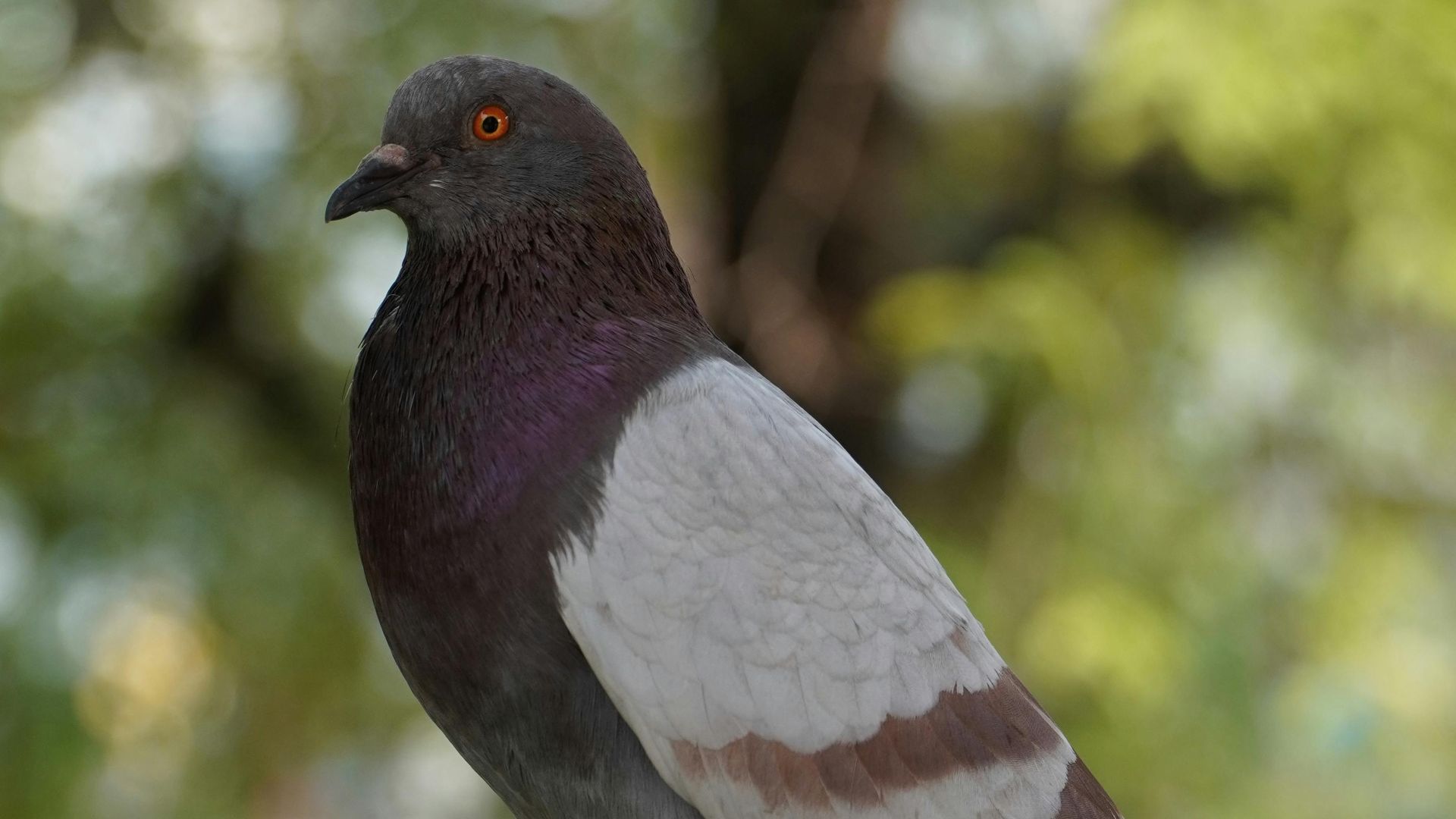
During the Franco-Prussian War, the Siege of Paris in 1870 and 1871 cut normal communication routes. It sounded like a nightmare until you remember one little thing: the Smithsonian’s National Postal Museum preserves pigeon post microfilm from that period, containing dispatches carried through the “service des dépêches par pigeons voyageurs.” Long story short, pigeons were part of the communication lifeline.
9. They Carried Microfilm Messages
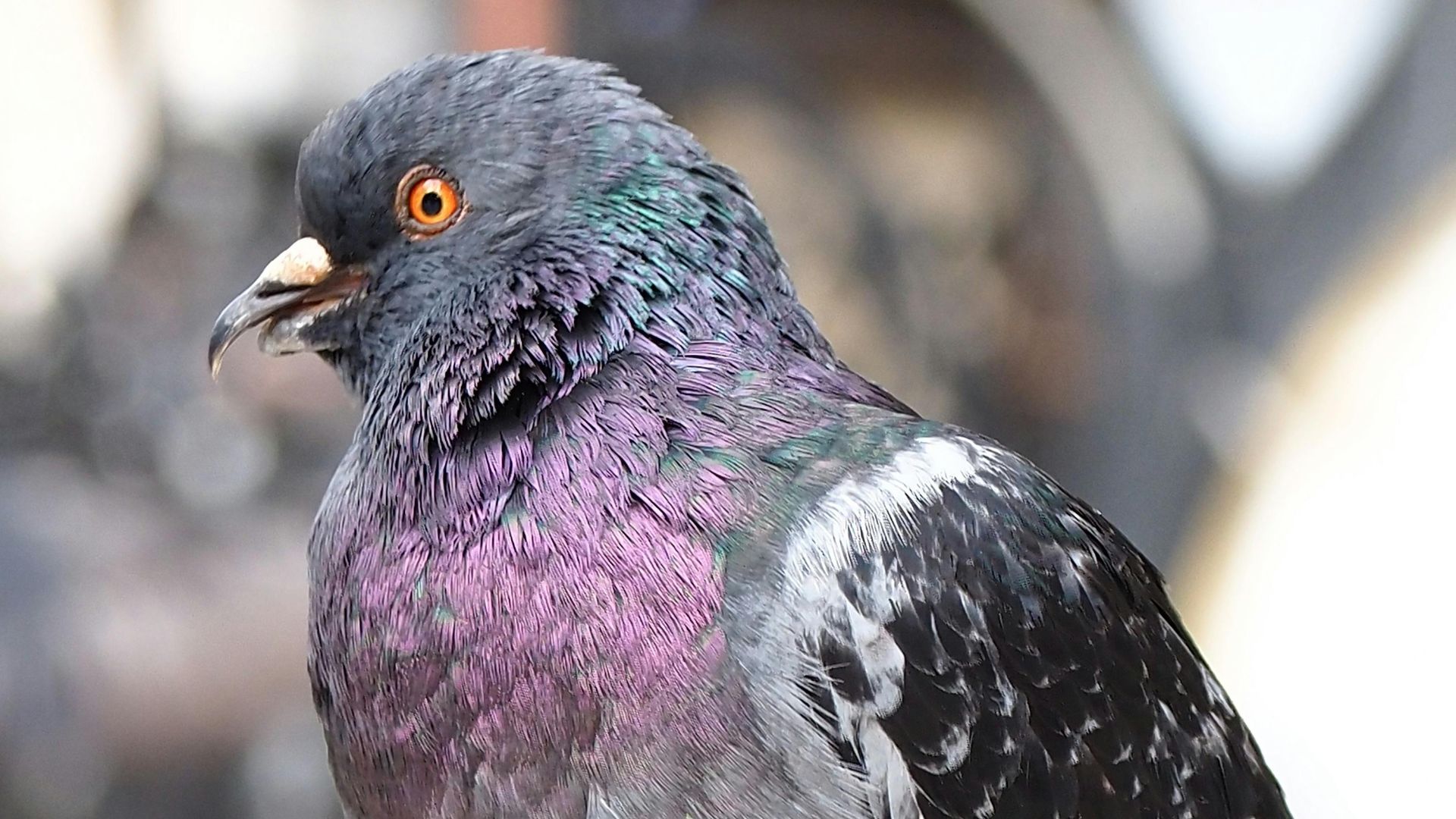
Speaking of which, Paris wasn’t the only spot that relied on microfilm messages. If parchment was a bit too unwieldy, messages could be reduced onto microfilm so a small bird could carry far more information than a handwritten note would allow.
10. Armies Kept Using Them After Telegraphs Arrived
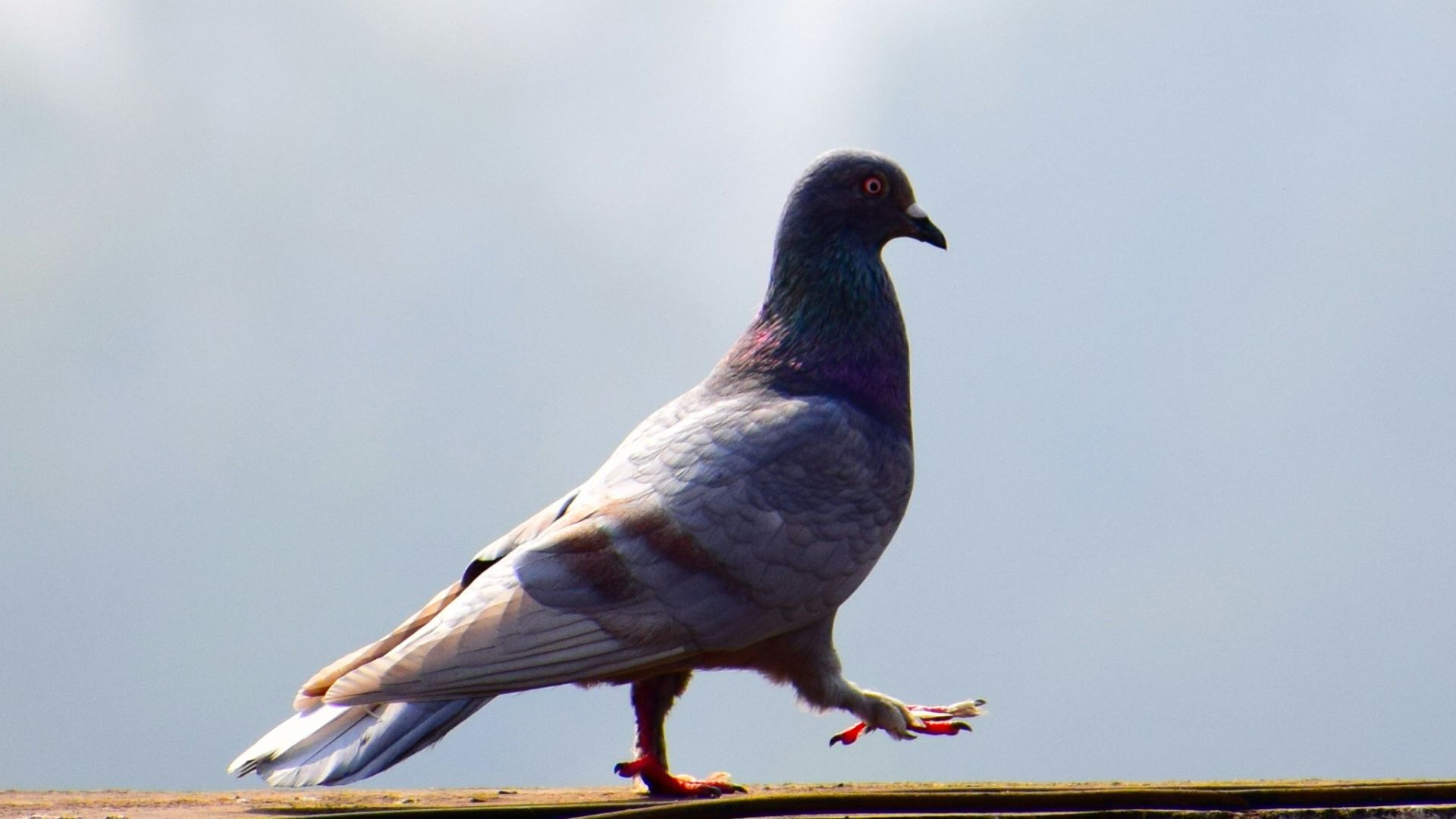
You might think that the telegraph ended the pigeon’s career right away, but this isn’t AI we’re talking about, and technology didn’t just wipe out a whole system. Wires could be cut, radios could fail, and battlefields could turn modern equipment into useless clutter. That’s exactly why pigeon messenger services still had real value.
11. World War I Made Them Famous Again
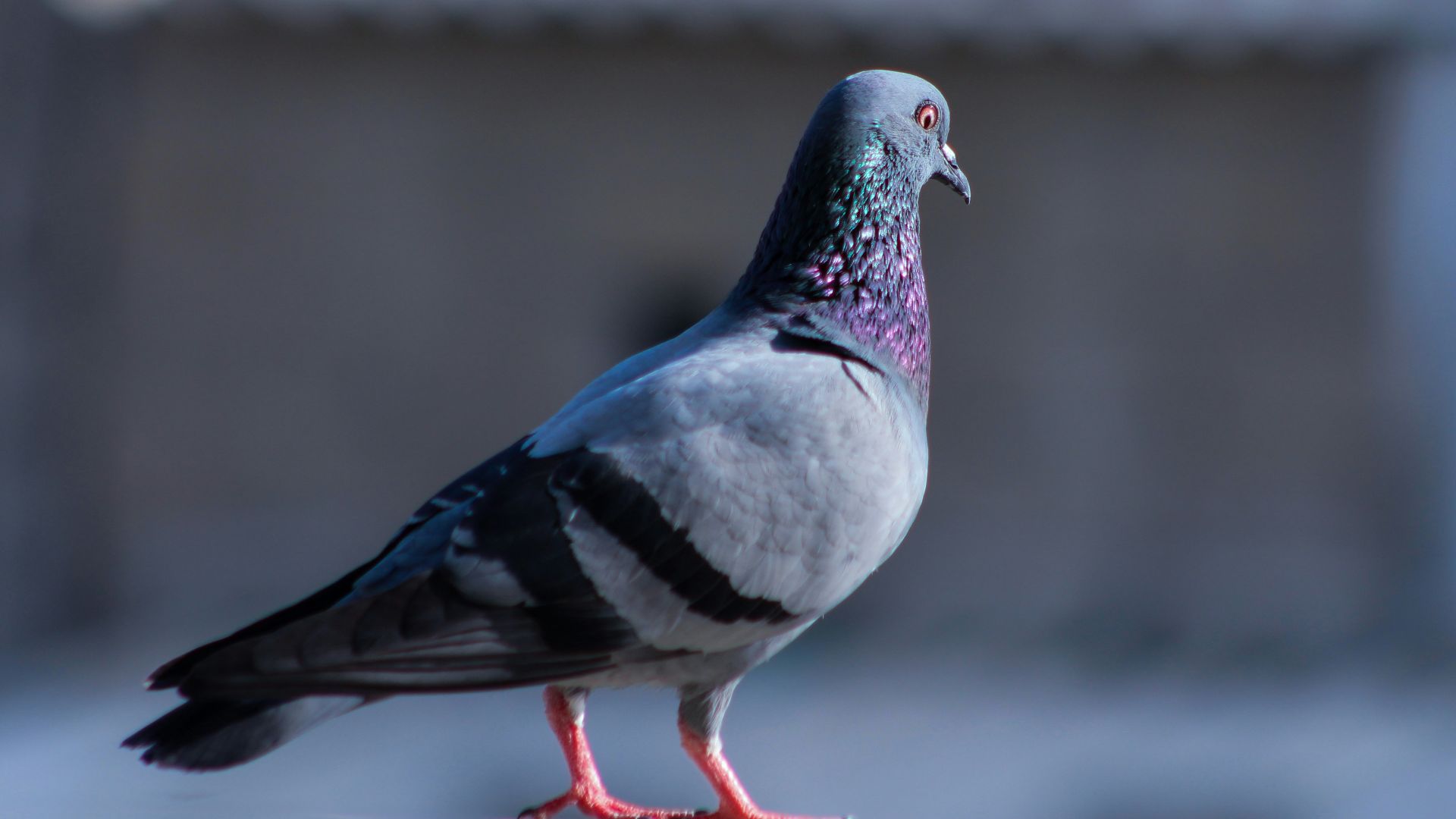
During WWI, frontline communication was often fragile and dangerous, which meant pigeons were often the smarter call. The U.S. Army Signal Corps created its Pigeon Service in November 1917 after British and French experience showed how useful the birds could be. So, when runners and radios were unreliable, a bird heading home was the best option left.
12. Cher Ami Became a Wartime Legend
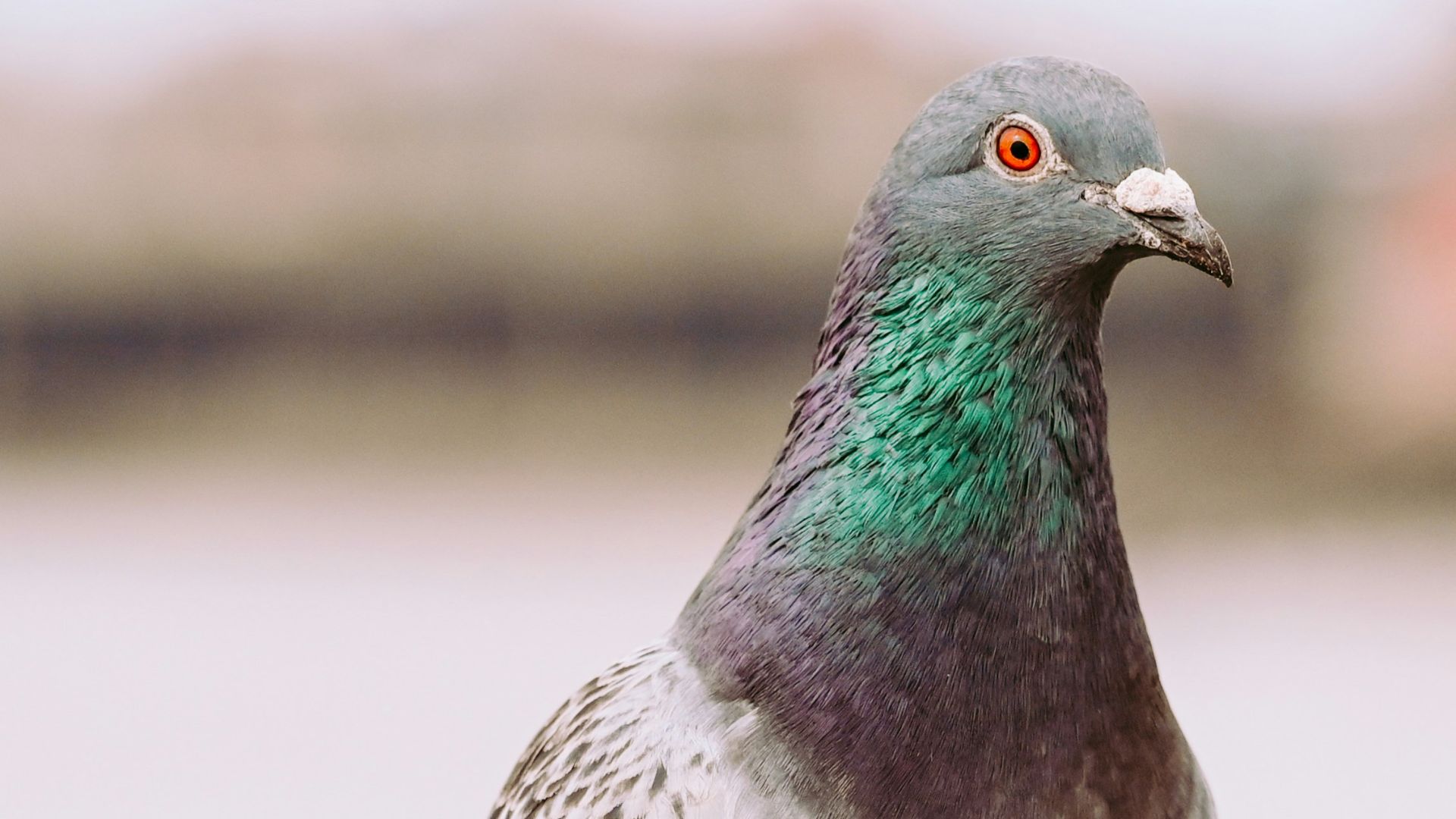
As it turns out, war heroes come in all shapes and sizes—and species. Cher Ami is probably the best-known American military pigeon from World War I, best known for delivering a vital message despite severe wounds. It’s worth noting that some details are part of a century of myth and public memory, but that doesn’t make the bird less remarkable.
13. Cher Ami’s Gender Was Confirmed by DNA
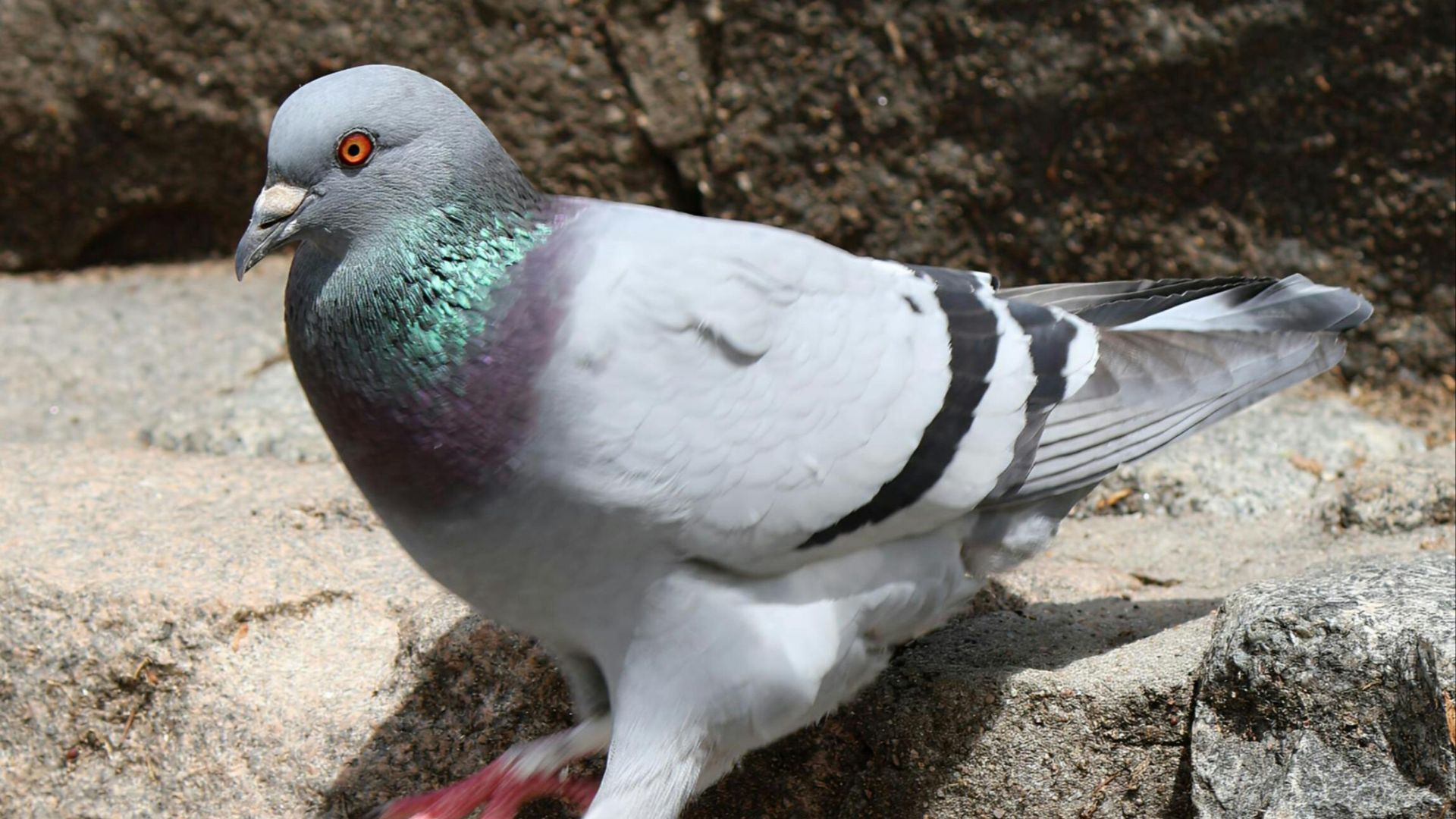
For years, Cher Ami was often described with female pronouns because of older Signal Corps records, but that all changed in 2021. Smithsonian DNA testing confirmed that Cher Ami was actually biologically male.
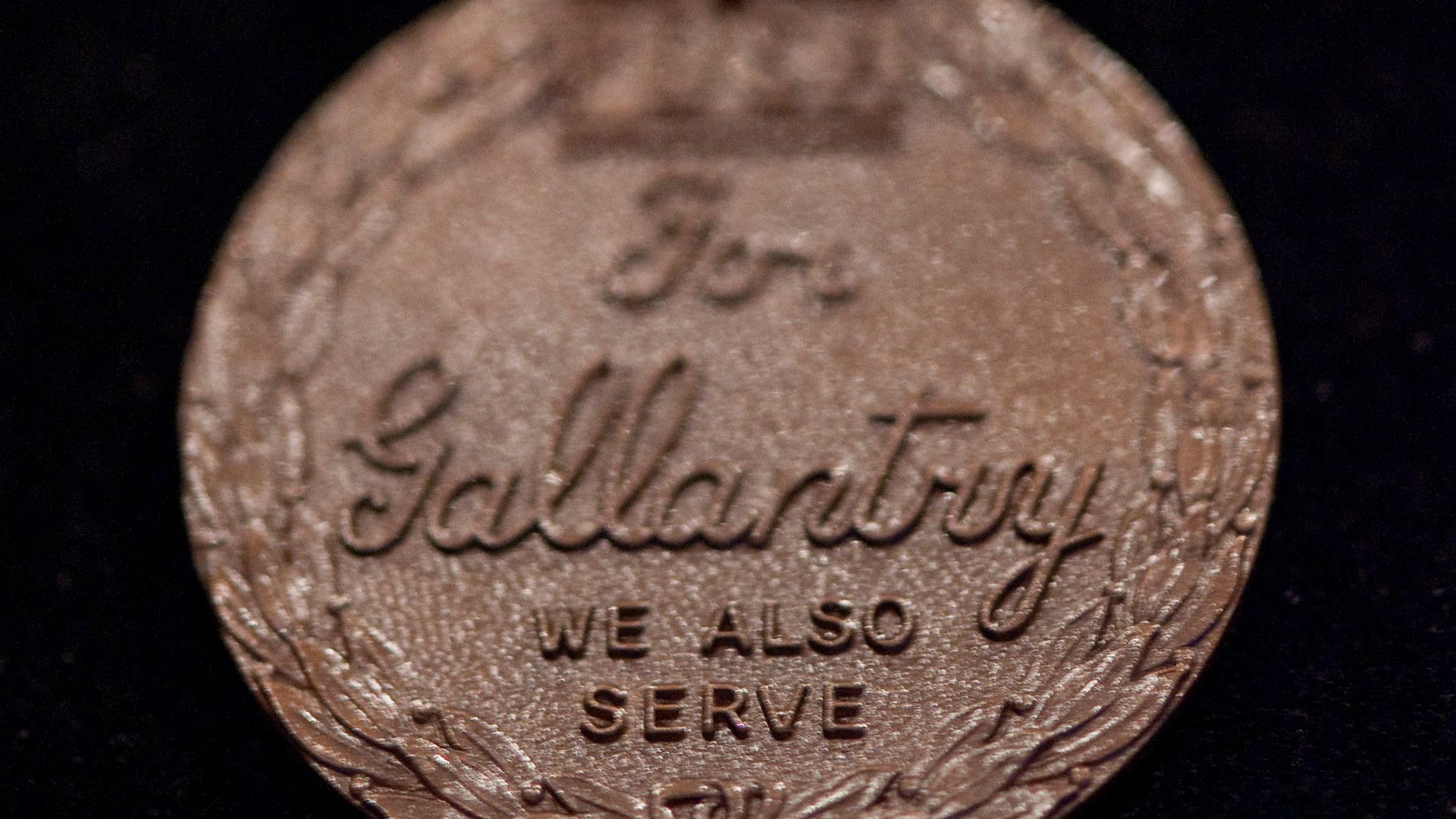
14. Some Pigeons Earned Medals
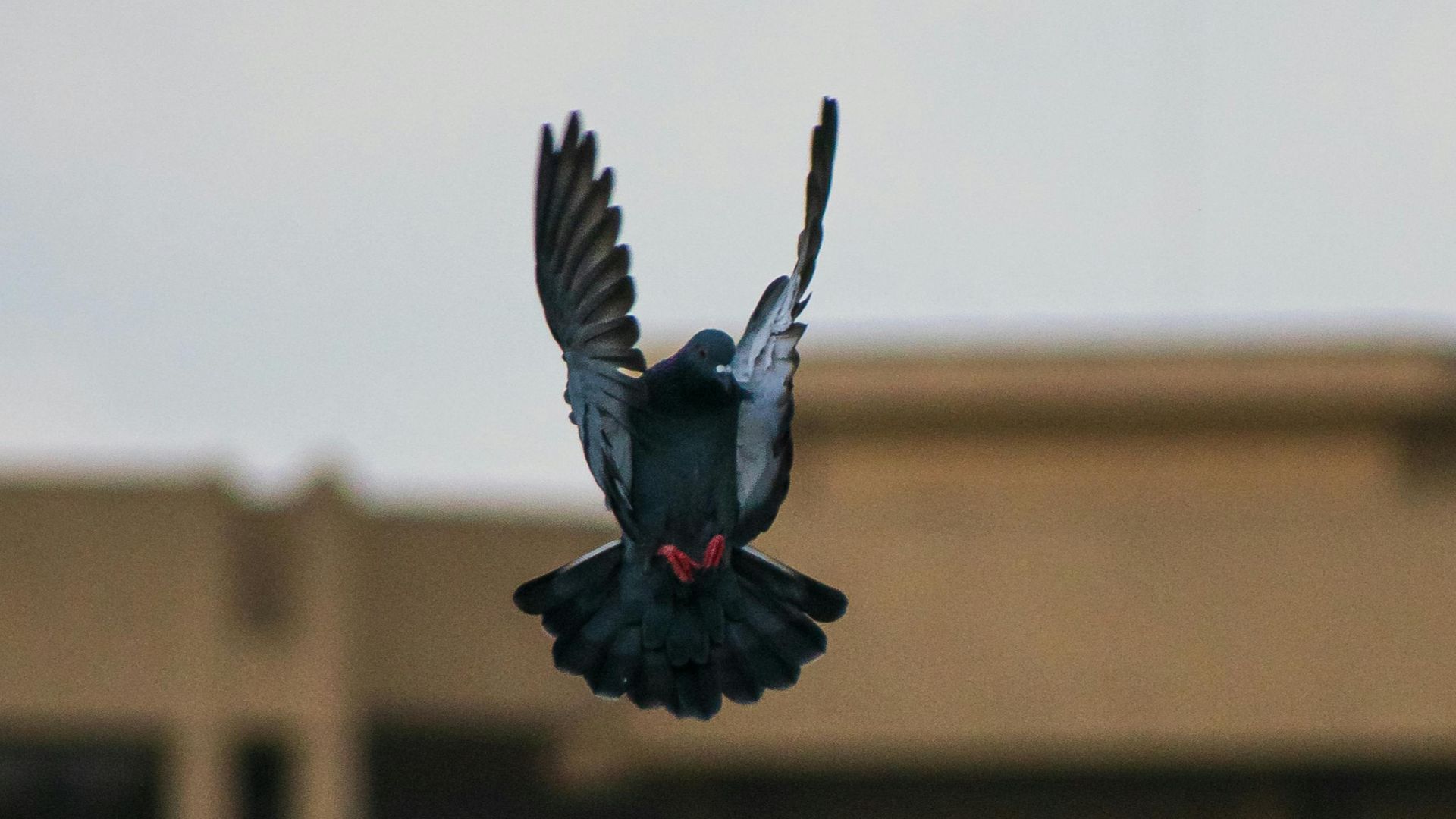
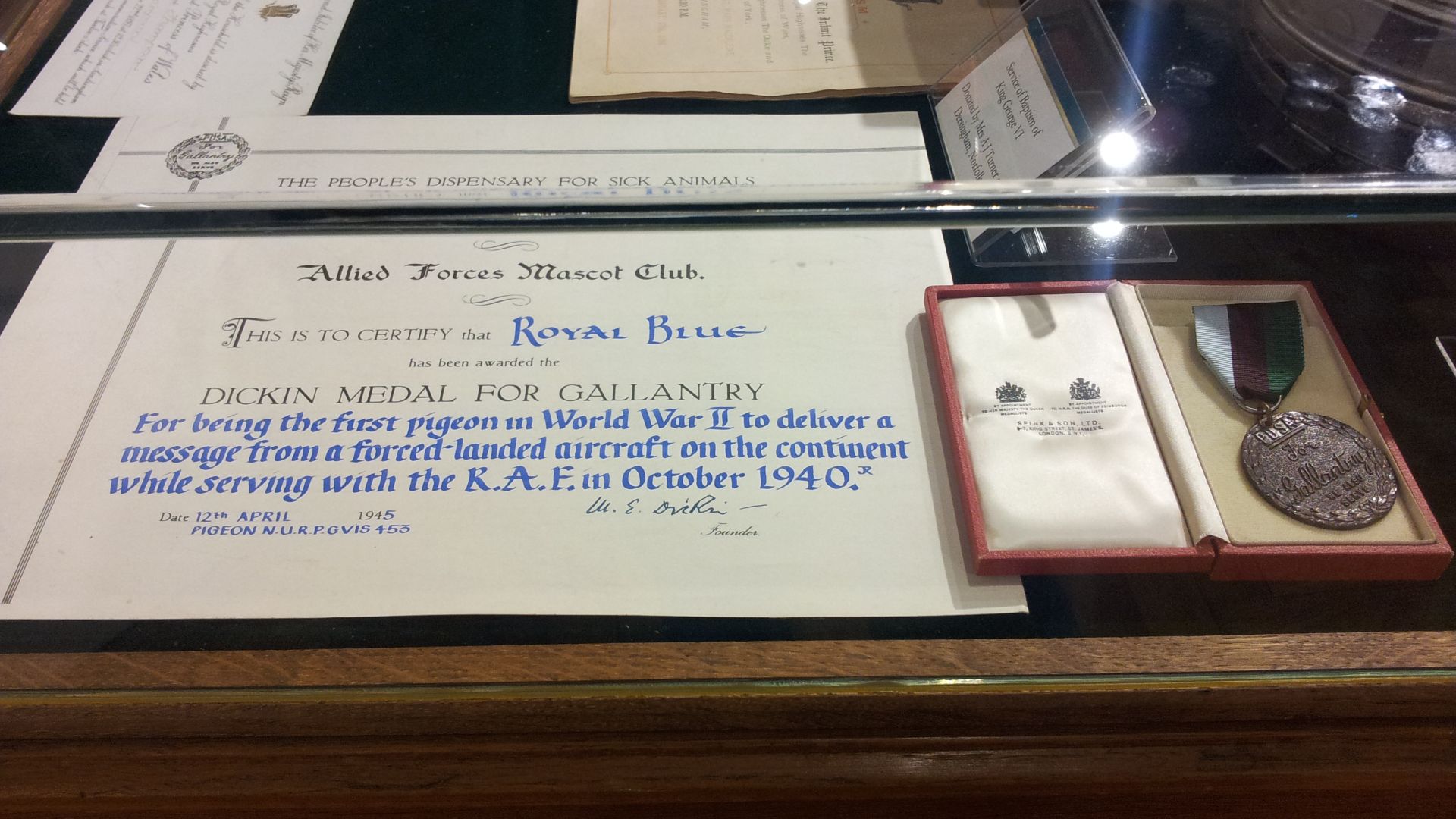
The PDSA Dickin Medal, introduced during World War II, honored animals for bravery and devotion to duty. To date, it’s been awarded 75 times, plus one honorary award, and 32 of those recipients were pigeons!
15. Winkie Was the First Dickin Medal Recipient
Winkie: carrier pigeon, brave bird, and the first to receive a PDSA Dickin Medal on December 2, 1943. She’s credited with helping save the lives of a downed air crew after she returned home from pretty rough conditions.
 Sergeant Adrian Harlen on Wikimedia
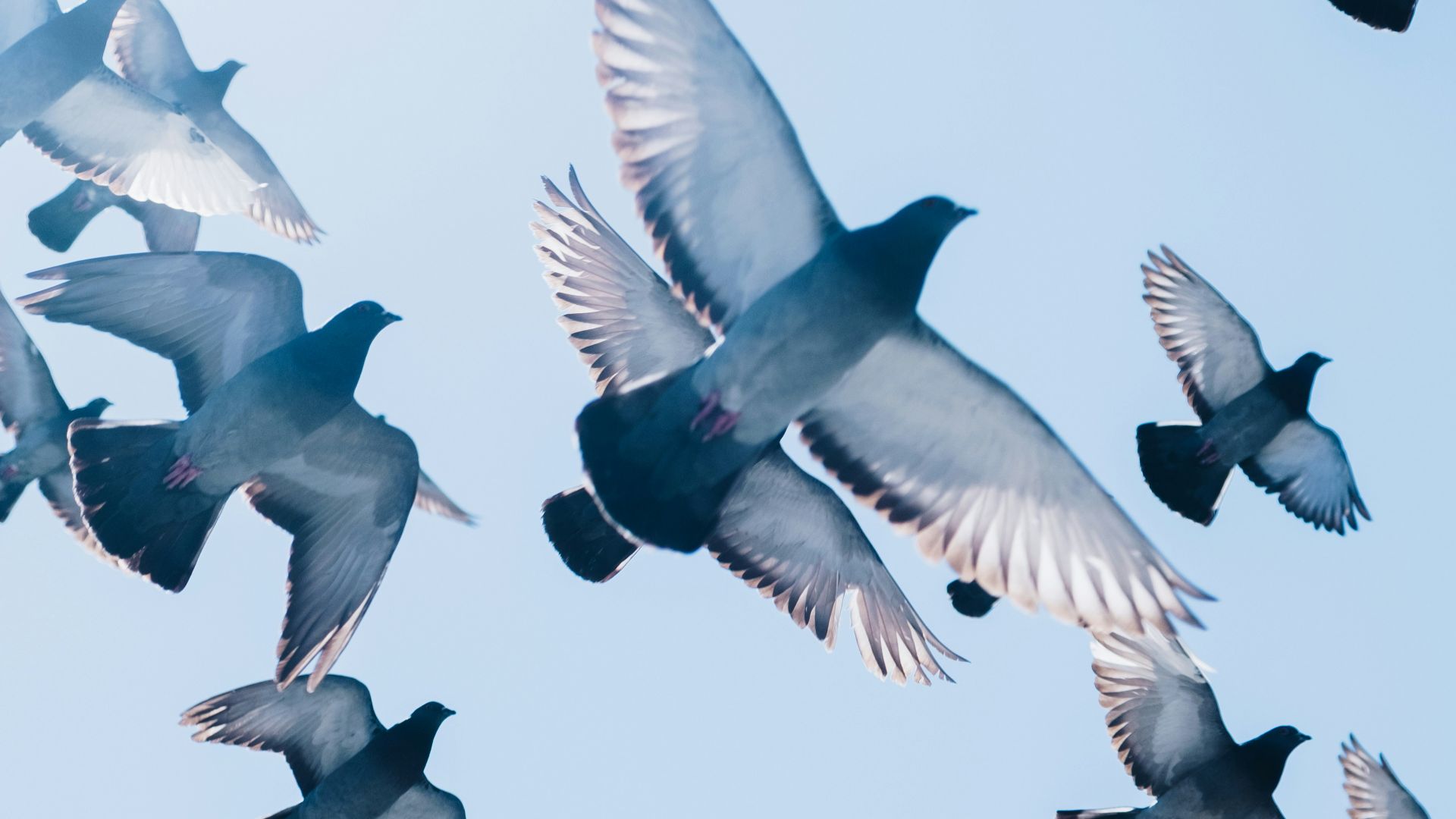
16. G.I. Joe Saved Lives in Italy
No, we’re not talking about the kids’ toy. We’re talking about G.I. Joe, an American Army pigeon honored for a World War II flight in Italy. PDSA says he became the first non-British recipient of the Dickin Medal and received it at the Tower of London on November 4, 1946. If you read his biography, you’ll see that he’s credited with the most outstanding flight made by a U.S. Army pigeon during the war.
17. Mary of Exeter Flew Dangerous Missions
Let’s not give all the credit to the men. Mary of Exeter was another famous wartime pigeon with a dramatic record! She joined Britain’s National Pigeon Service in the 1940s and carried top-secret messages from behind enemy lines. Her story became so well-known that Exeter eventually honored the partnership between Mary and her owner with a plaque.
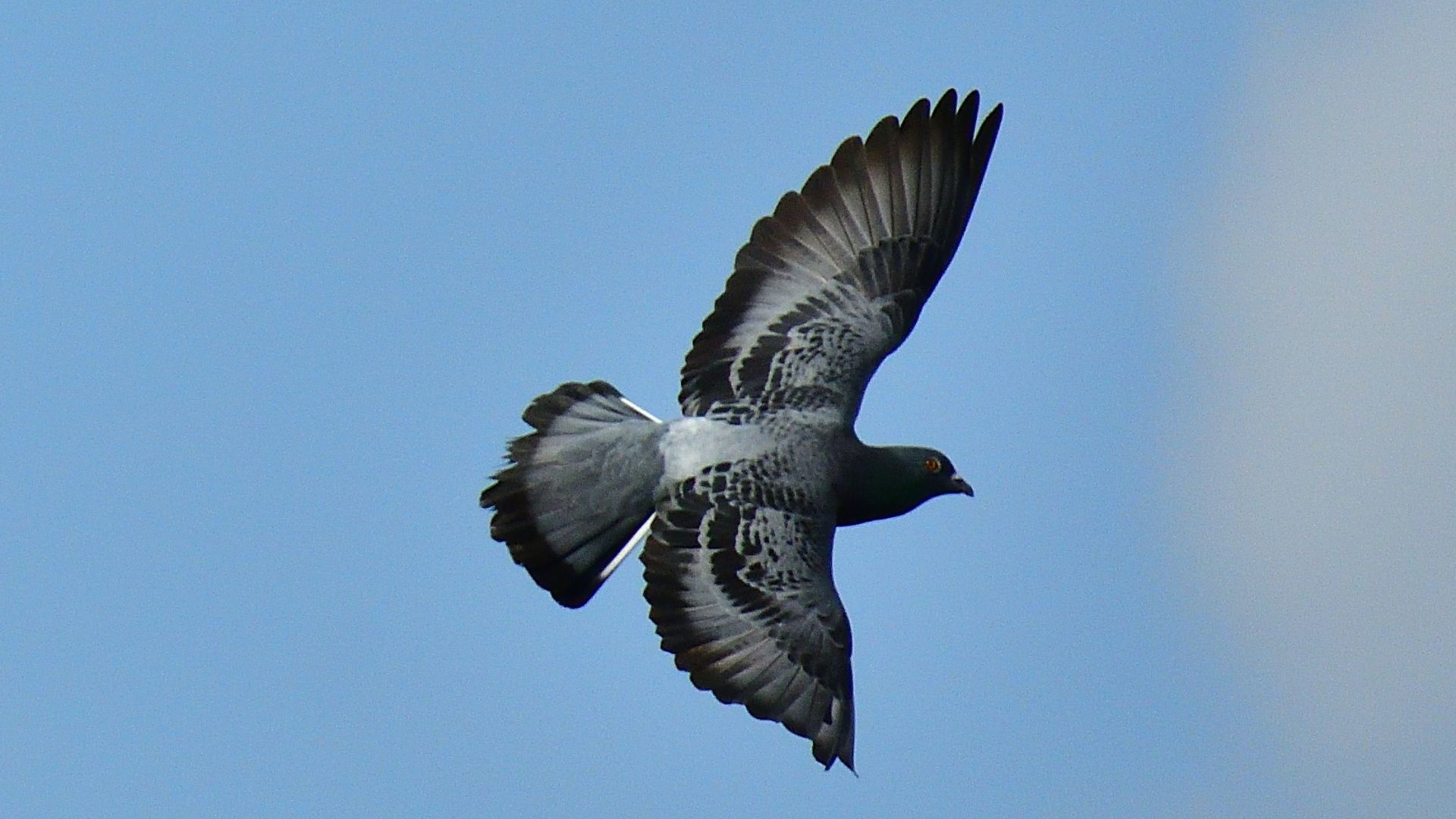
18. We Still Study Their Navigation
Scientists still study homing pigeons, and it makes sense when you think about it. Don’t forget that their navigation is impressively complex. Though we don’t have all the answers, research points to several systems, including an olfactory map, a sun compass, magnetic sensing, and familiar visual landmarks.
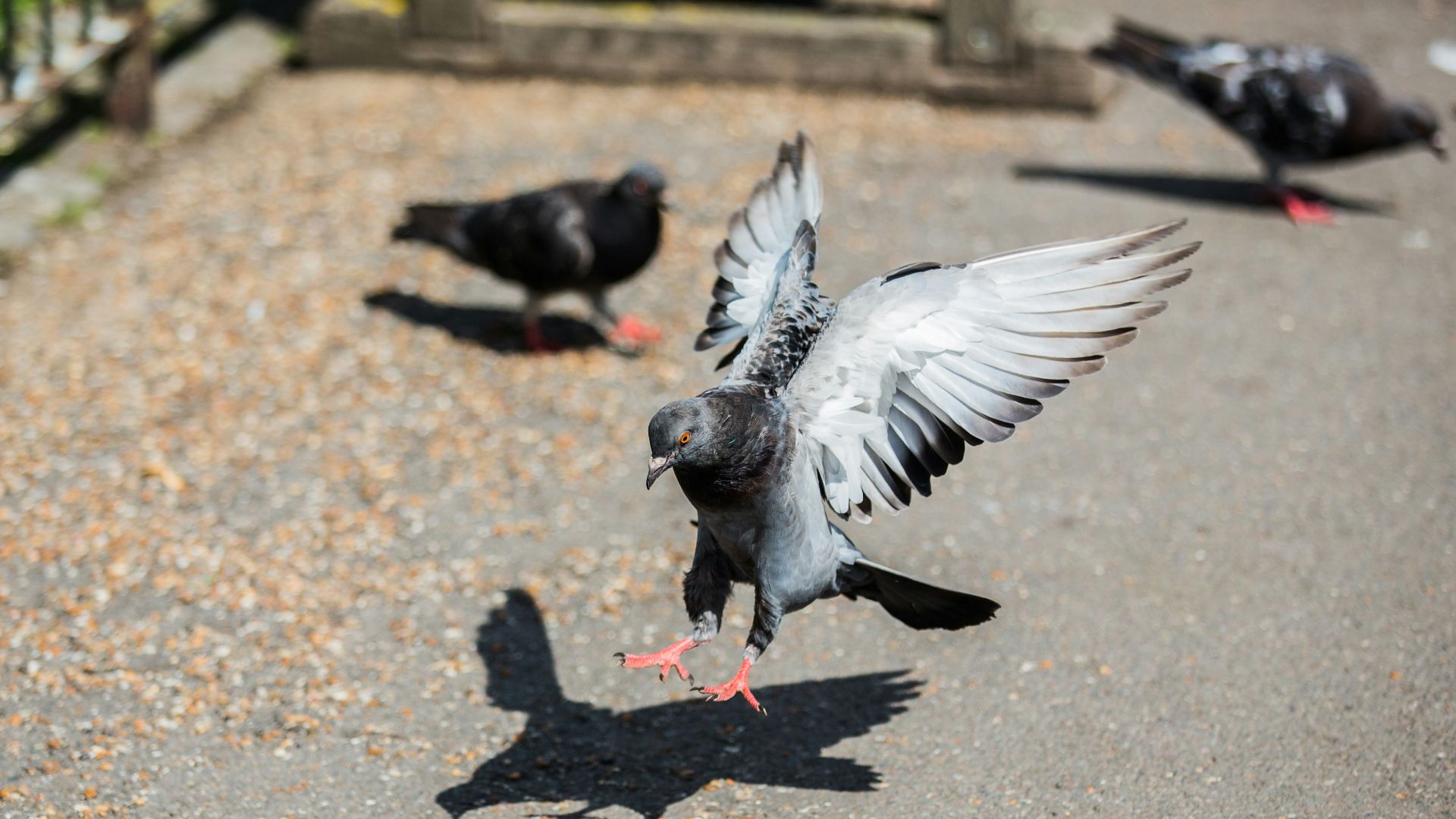
19. Smell Plays a Role
One of the more surprising findings in their navigation is the importance of smell. A 2024 review describes the olfactory system as a massive part of the “olfactory map” that homing pigeons use to work out positions from new areas.
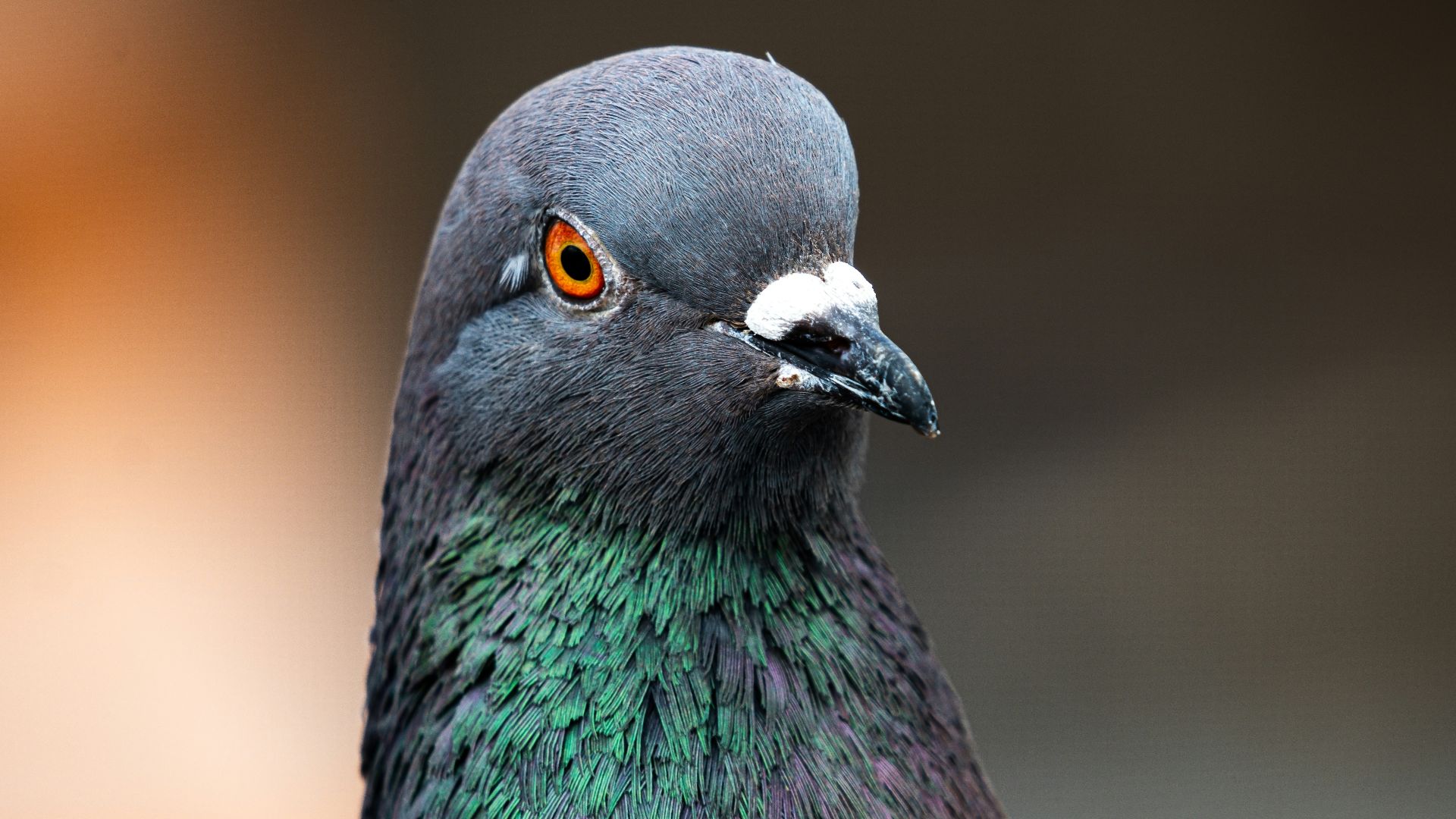
20. Their Legacy Outlasted Their Job
Carrier pigeons eventually lost their place as everyday messengers. Once people figured out that telegraphs, telephones, radios, and digital systems could move information faster, they soon became ignored birds on the street. But not to us. We know that their legacy remains in museums, military histories, and stories of wartime heroes!

KEEP ON READING

10 Greatest Quarterbacks Of All Time & 10 That Are…
Do You Disagree?. Few topics in sports generate as much…
By Farva Ivkovic Dec 2, 2025
The story of Ching Shih, the Woman Who Became the…
Unknown author on WikimediaFew figures in history are as feared…
By Emilie Richardson-Dupuis Dec 29, 2025
20 Shakespearean Words, Translated For A Modern Audience
What’s In A Word?. Shakespeare was a wordsmith of the…
By Breanna Schnurr Dec 17, 2025
20 Inspiring Stories From Native American History
Incredible Stories Of Resilience And Endurance. Many of us didn't…
By Ashley Bast Dec 17, 2025
You Think You Have Problems? These Royal Families Were Cursed
Boasson and Eggler St. Petersburg Nevsky 24. on WikimediaHeavy is…
By Ashley Bast Dec 5, 2025
MH370: The Plane That Can't Be Found
Anna Zvereva from Tallinn, Estonia on WikimediaEleven years after Malaysia…
By Christy Chan Dec 10, 2025