


Lives Tragically Cut Short
History often remembers long reigns, mature careers, and decades of influence, but some figures left a lasting mark before they had even reached 30. Some were rulers whose deaths changed succession, some were writers or artists whose work outlived them, and others became central to political turning points that reshaped nations, their influence growing in ways they never could’ve predicted. This list looks at 20 people who died far too young while leaving behind legacies that still matter today.
 Anonymous Unknown author on Wikimedia
1. Edward V of England
Edward V was only 13 when he disappeared in 1483, after briefly becoming king of England following the death of his father, Edward IV. He and his younger brother, Richard of Shrewsbury, were placed in the Tower of London, and their fate remains one of the most famous mysteries in English history. It's often noted that Edward was deposed and possibly murdered, though responsibility has long been debated. His disappearance helped clear the path for his uncle to rule as Richard III.
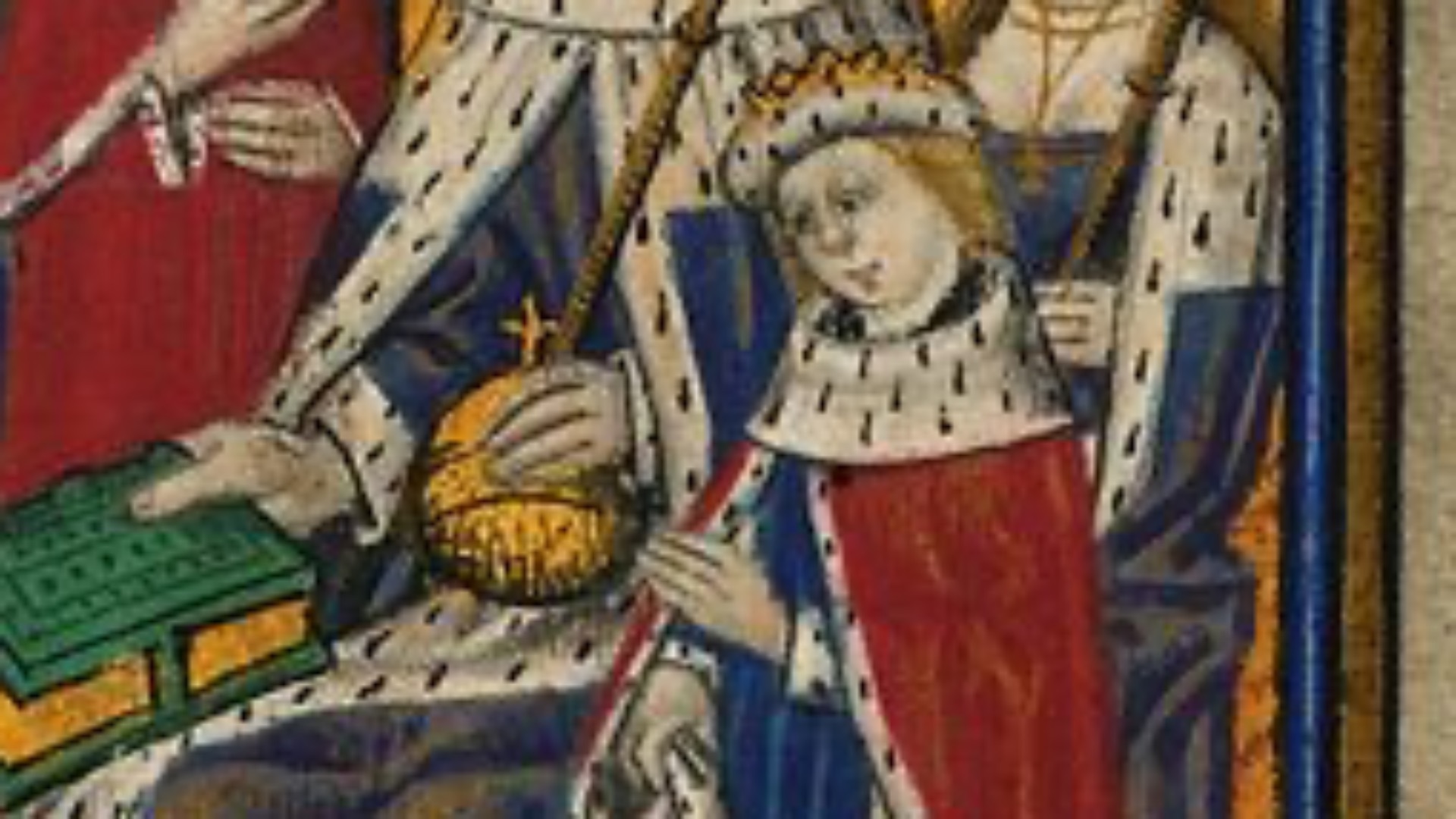
2. Conradin
Conradin was 16 when he was executed in Naples in 1268, ending the direct male line of the Hohenstaufen dynasty. As duke of Swabia and claimant to Sicily, he became the great hope of the Ghibellines in Italy. His campaign against Charles of Anjou failed, and his death became a major political moment in medieval Europe.
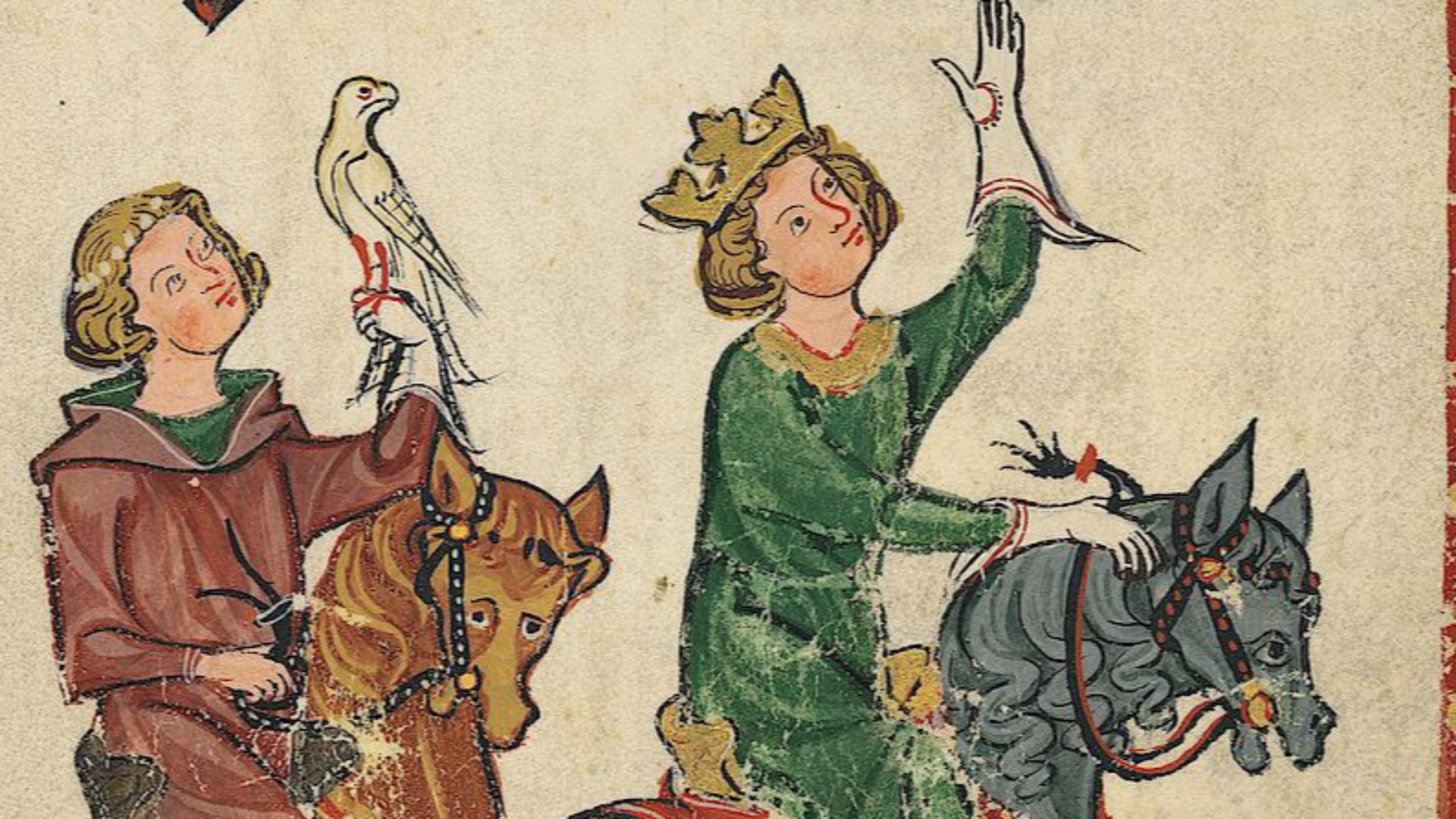
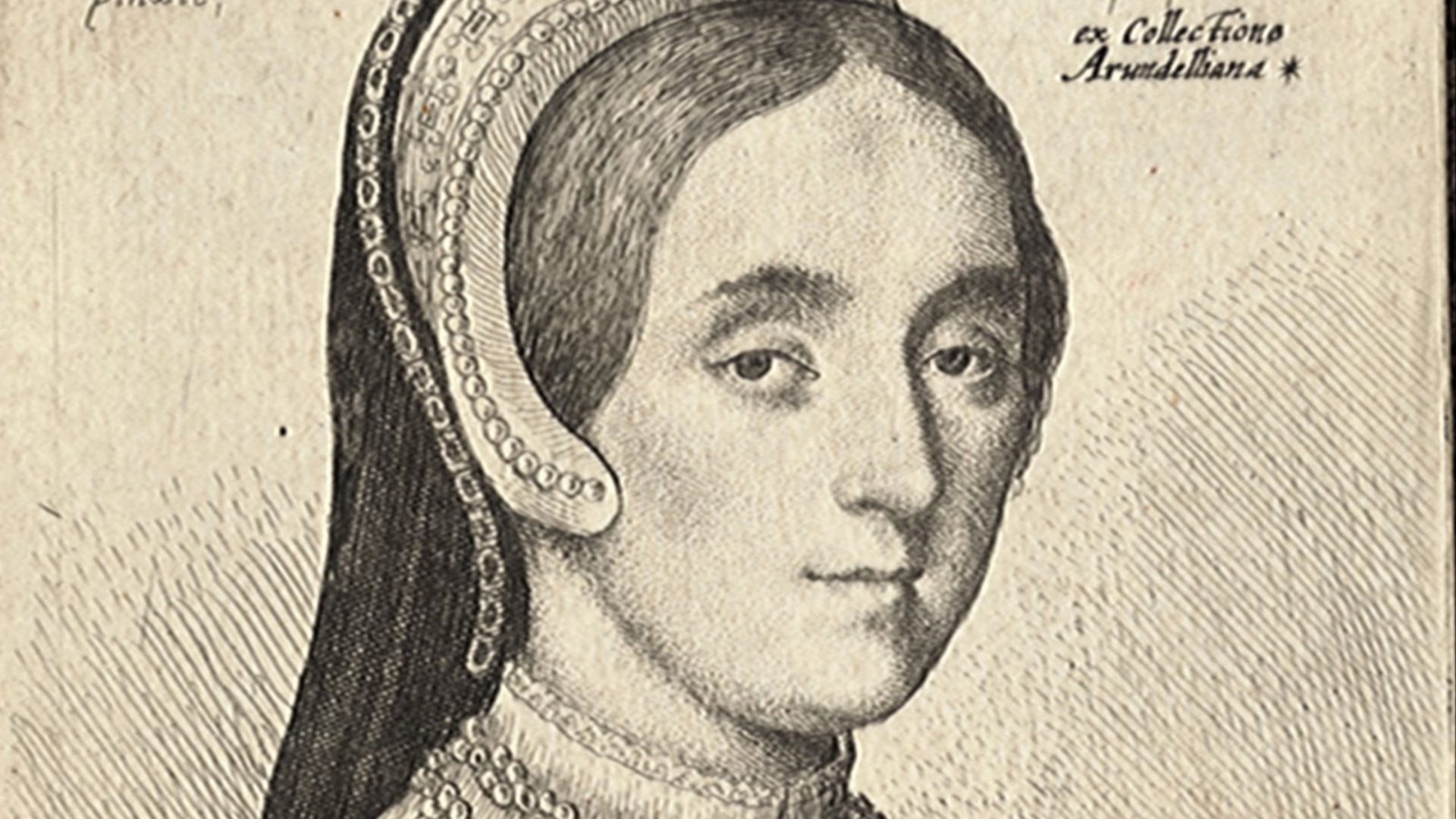
3. Catherine Howard
Catherine Howard, the fifth wife of Henry VIII, was probably around 17 to 19 when she was executed in 1542. She became queen of England in 1540, but her position collapsed after accusations involving her past and alleged adultery during her marriage. Her story is often treated as a court scandal, yet it also shows how dangerous Tudor politics could be for a young woman with little real power. Her death remains one of the most tragic episodes of Henry VIII’s later reign.
 Wenceslaus Hollar on Wikimedia
4. Thomas Chatterton
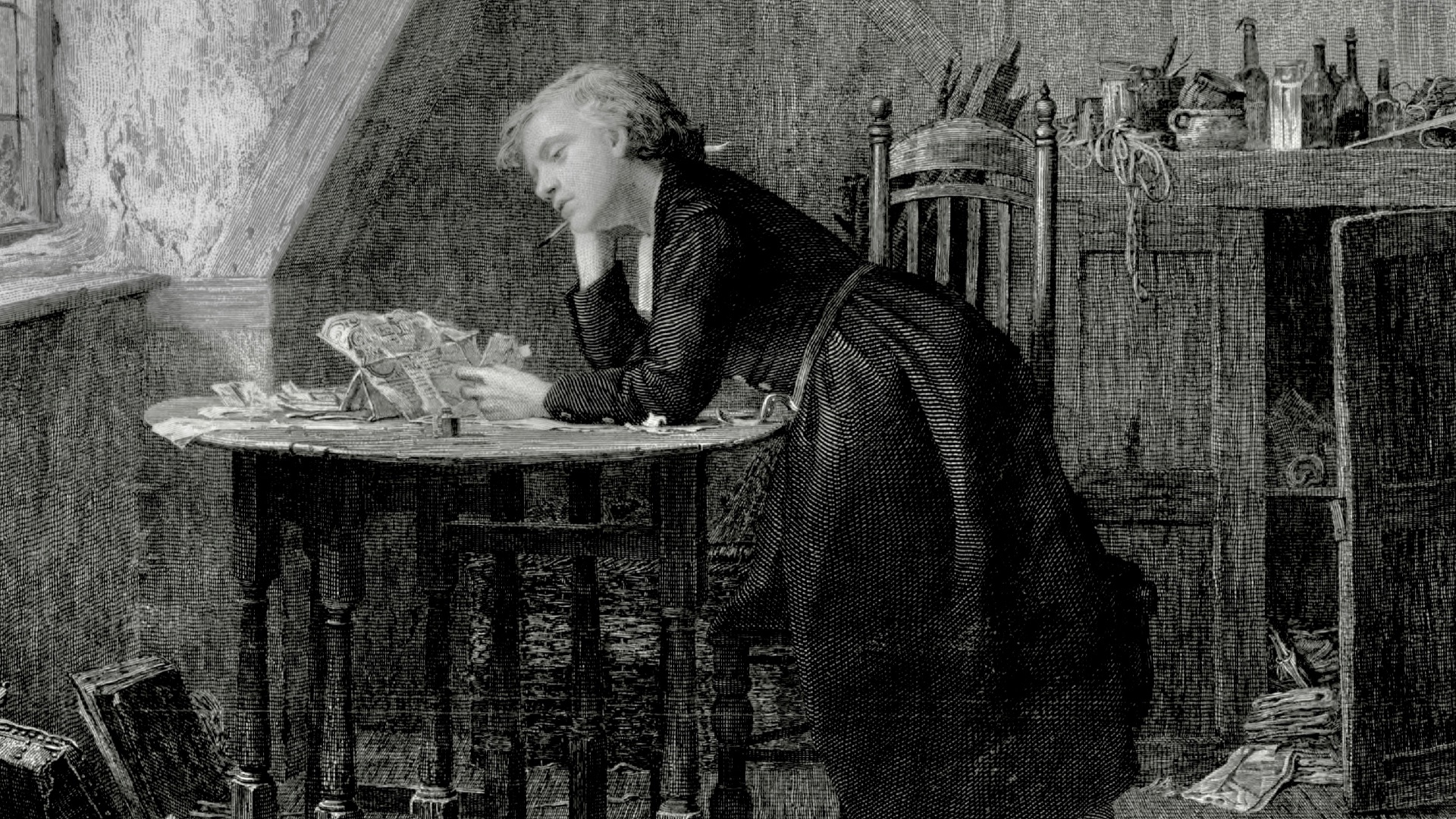
Thomas Chatterton died at 17, but he had already created a literary reputation that later fascinated Romantic writers. He became known for the "Rowley" poems, which he presented as medieval works but had written himself. His brief career combined talent, ambition, and deception in a way that made him a lasting figure in English literary history. Later generations saw him as a young writer whose imagination had outpaced the support available to him.
5. Elagabalus
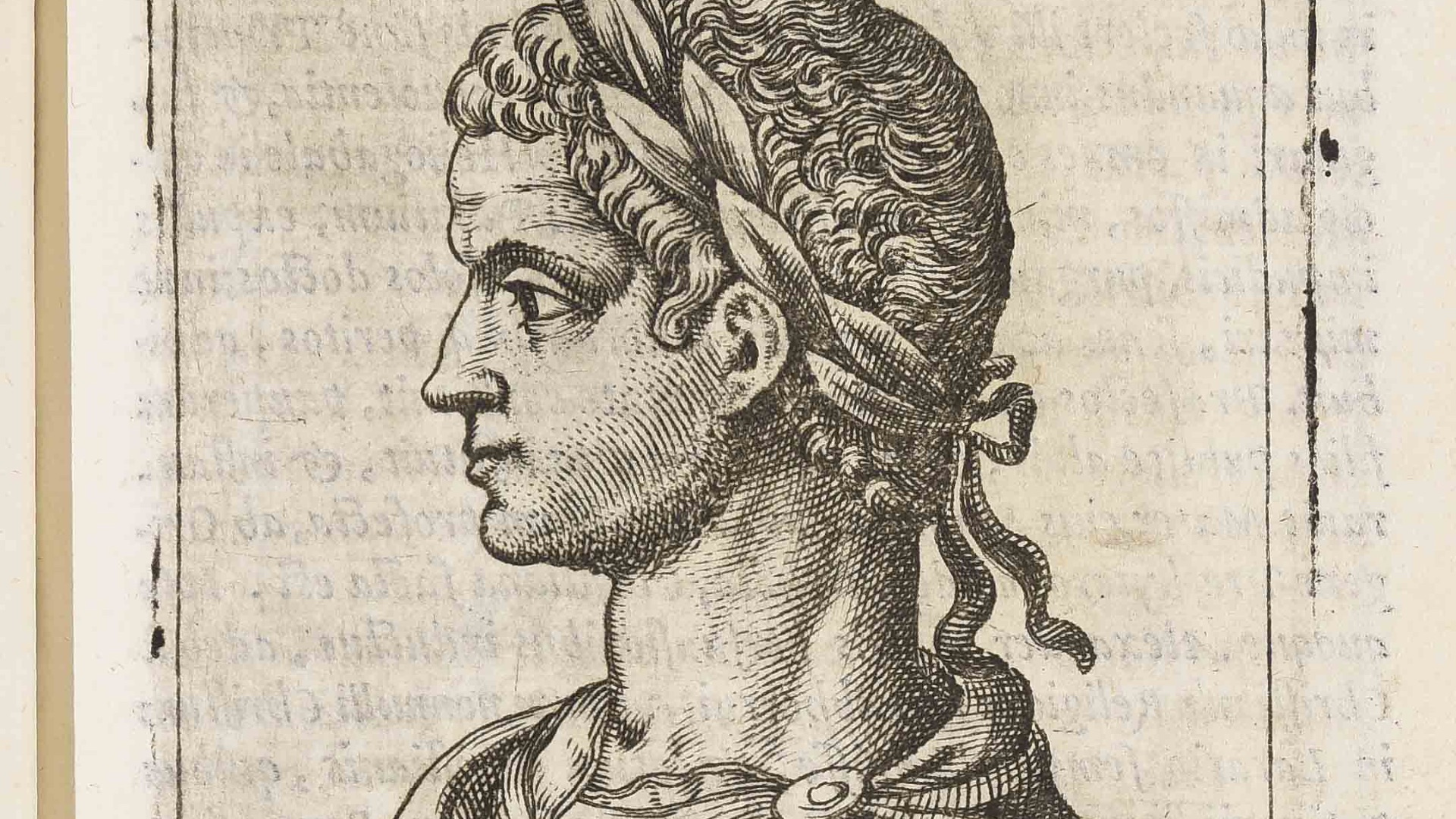
Elagabalus was about 18 when he was murdered in 222 after a brief and controversial reign as Roman emperor. He came from Emesa in Syria and became emperor as a teenager, bringing religious and courtly changes that shocked many Roman elites. Ancient accounts of him are hostile and often difficult to separate from political smear, but his reign still reveals how unstable imperial power could be. His death came after the Praetorian Guard turned against him and supported his cousin, Severus Alexander.
 Giovanni Battista de'Cavalieri on Wikimedia
6. John, Prince of Asturias
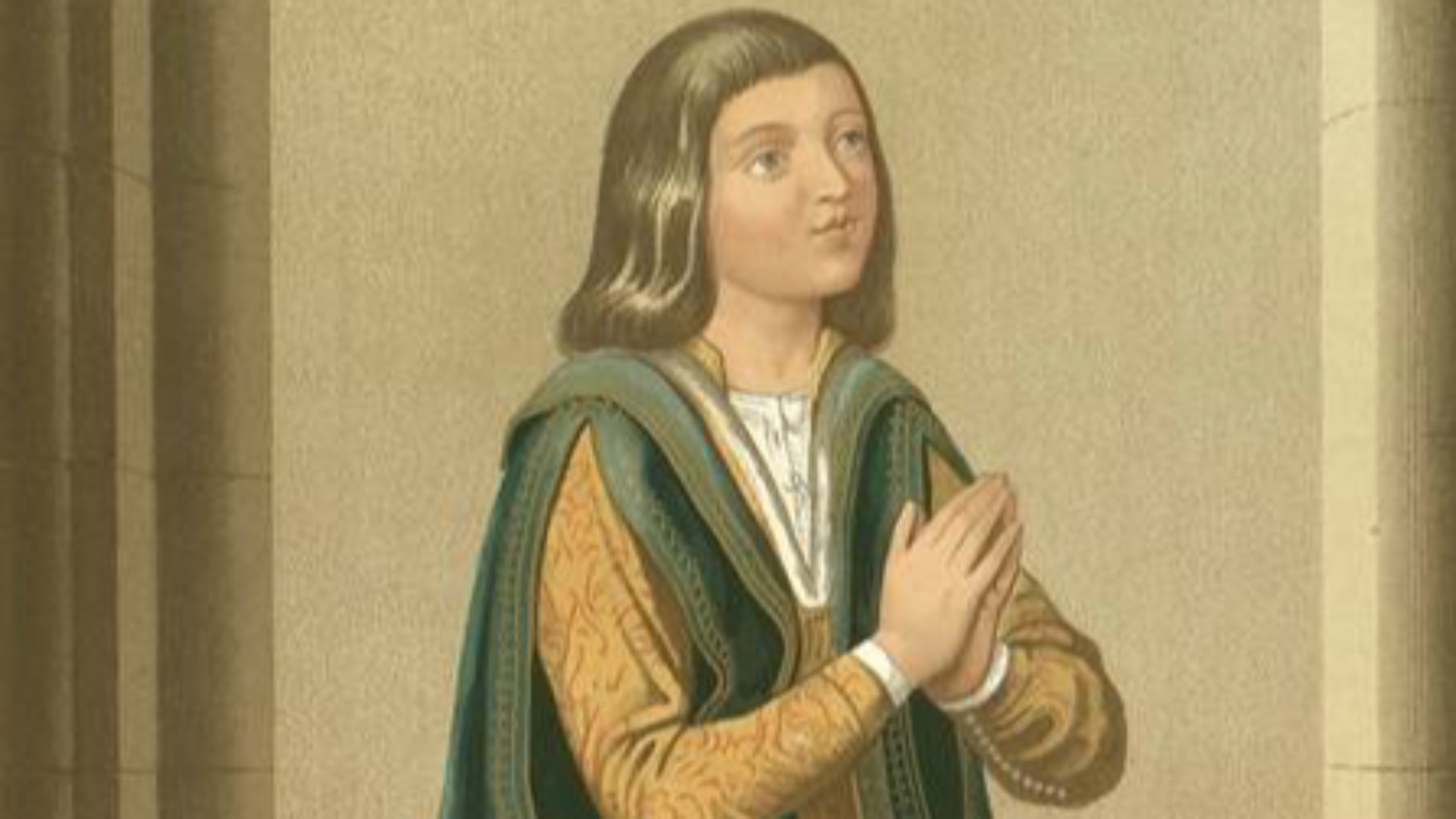
John, Prince of Asturias, died at 19 in 1497, cutting short the direct male succession of Ferdinand of Aragon and Isabella of Castile. As their only son, he was expected to inherit both crowns and continue the Trastámara line in Spain. His death was followed by further losses in the family, eventually helping bring the Spanish kingdoms into the Habsburg inheritance through his sister Joanna and her husband Philip. It’s one of those dynastic deaths that changed Europe without requiring a battlefield.
 Valentin Carderera y Solano on Wikimedia
7. Évariste Galois
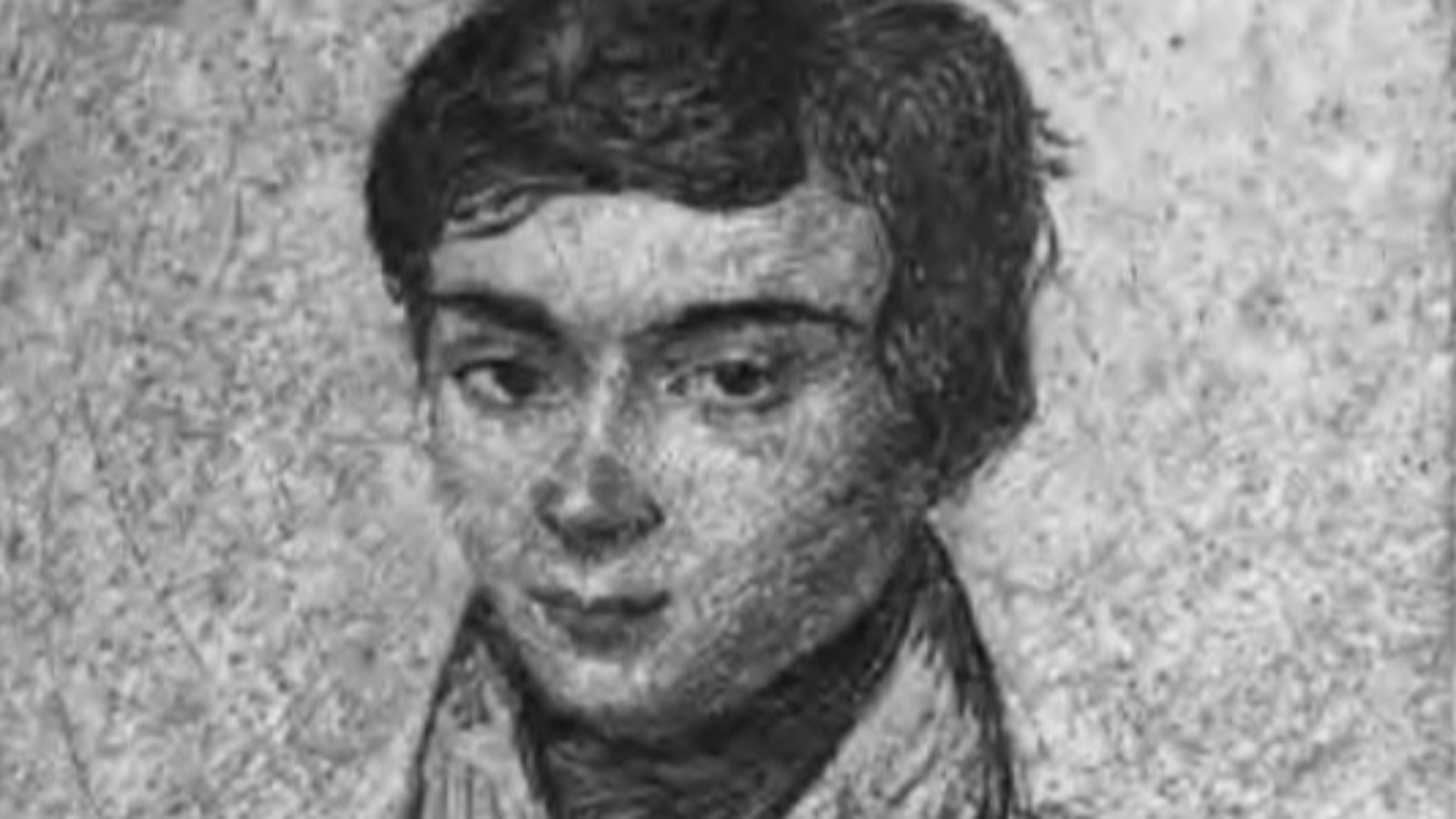
Évariste Galois died at 20 after a duel, leaving behind mathematical work that later became foundational to group theory and Galois theory. As a young man, he developed ideas about polynomial equations that mathematicians came to recognize only after his death. His political involvement in post-revolutionary France added another layer to a life that was already unusually intense.
8. Nathan Hale
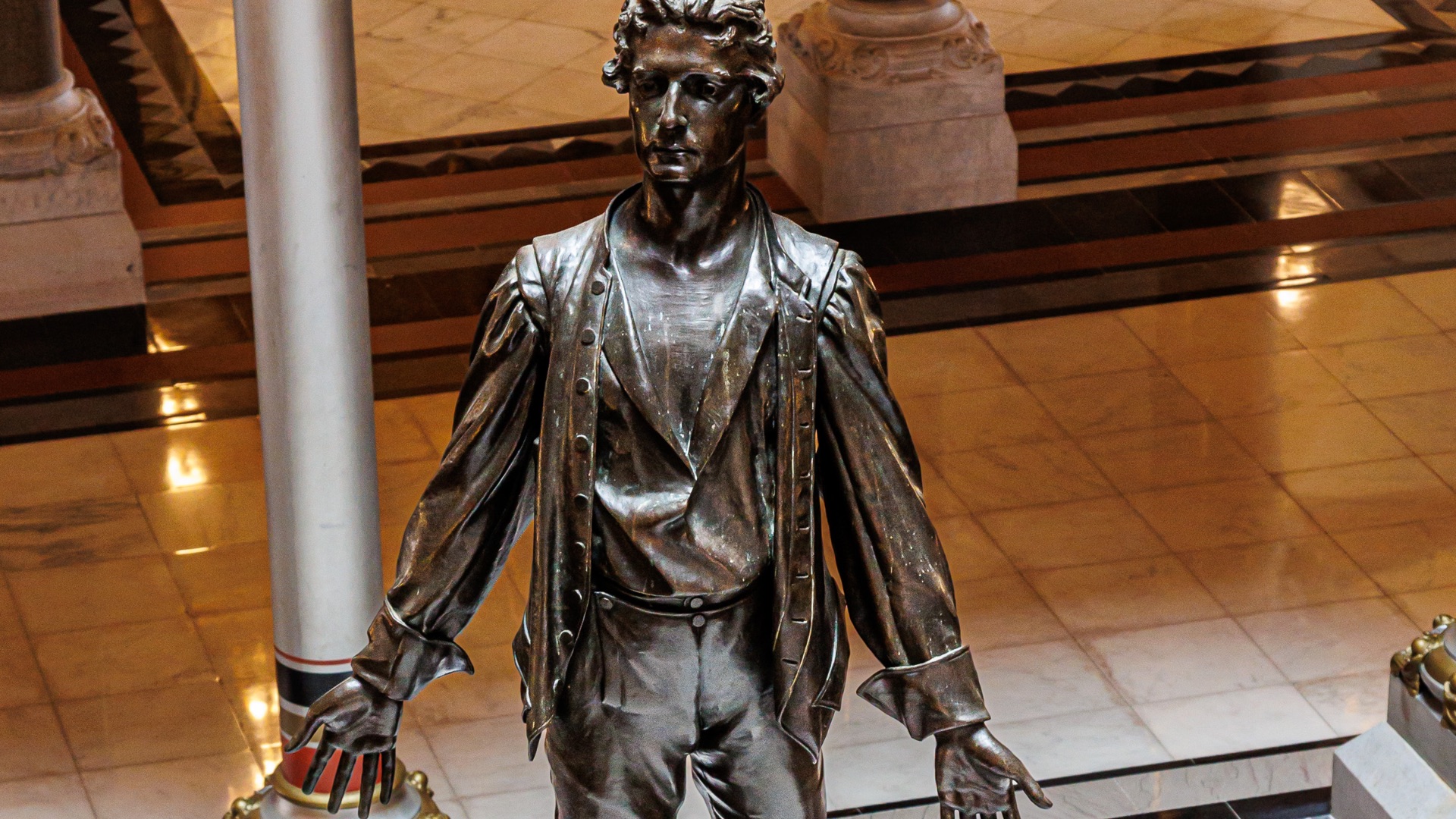
Nathan Hale was 21 when the British executed him as a spy during the American Revolutionary War. A Yale graduate and schoolteacher before joining the Continental Army, he volunteered for an intelligence mission in British-occupied New York. His reported final words became part of American patriotic memory, even though the exact phrasing is based on later accounts. Hale’s story endured because it gave the Revolution one of its most recognizable young martyrs.
 Kenneth C. Zirkel on Wikimedia
9. Otto III
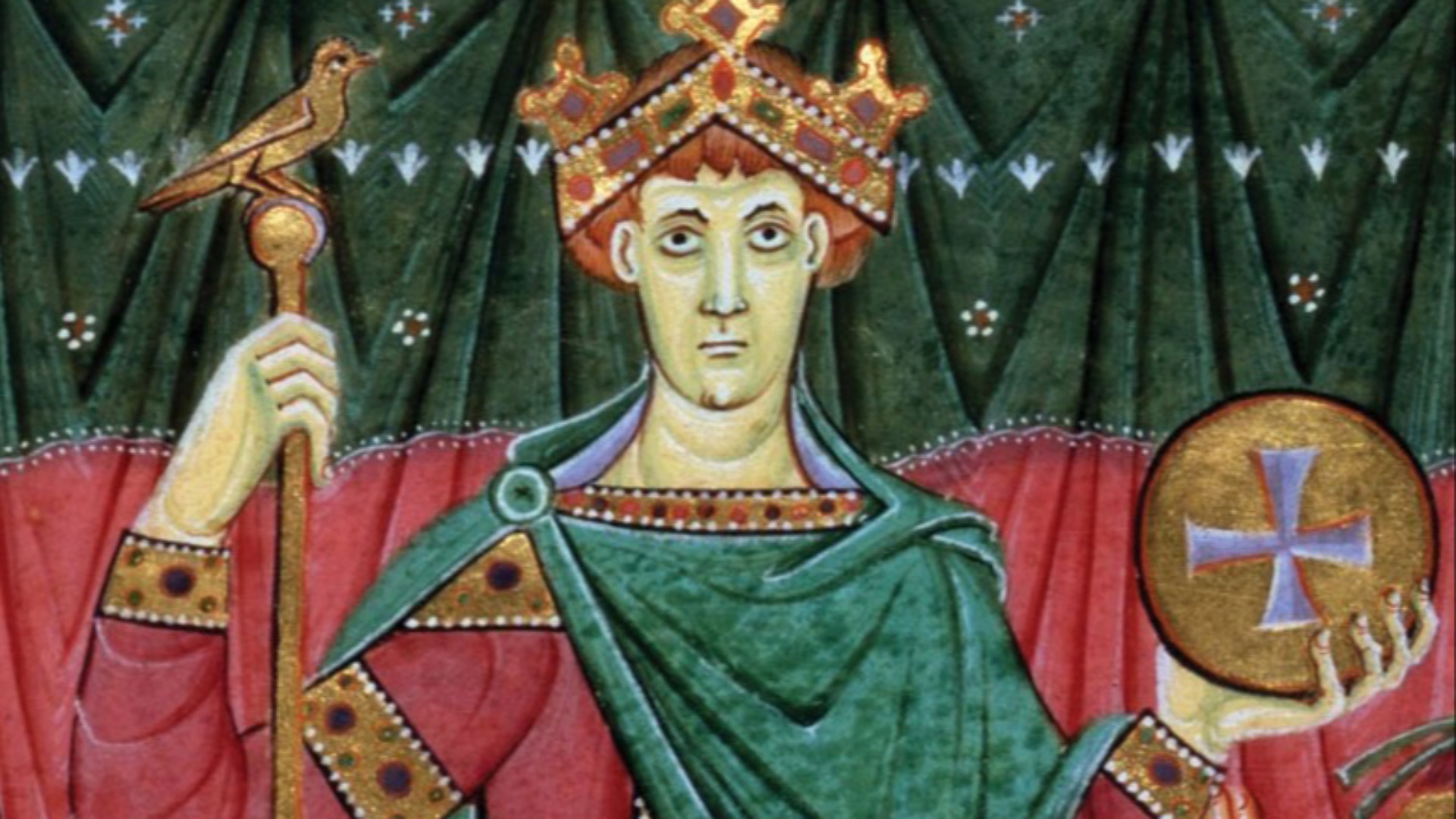
Otto III was 21 when he died in 1002, after ruling as Holy Roman emperor with ambitions centered on Rome and Christian imperial renewal. He had been crowned king of Germany as a child, which meant his early reign depended heavily on regents. Once he ruled in his own right, he tried to revive a vision of imperial authority tied closely to the ancient Roman past. His death left those plans unfinished and pushed the empire into another succession struggle.
 Meister der Reichenauer Schule on Wikimedia
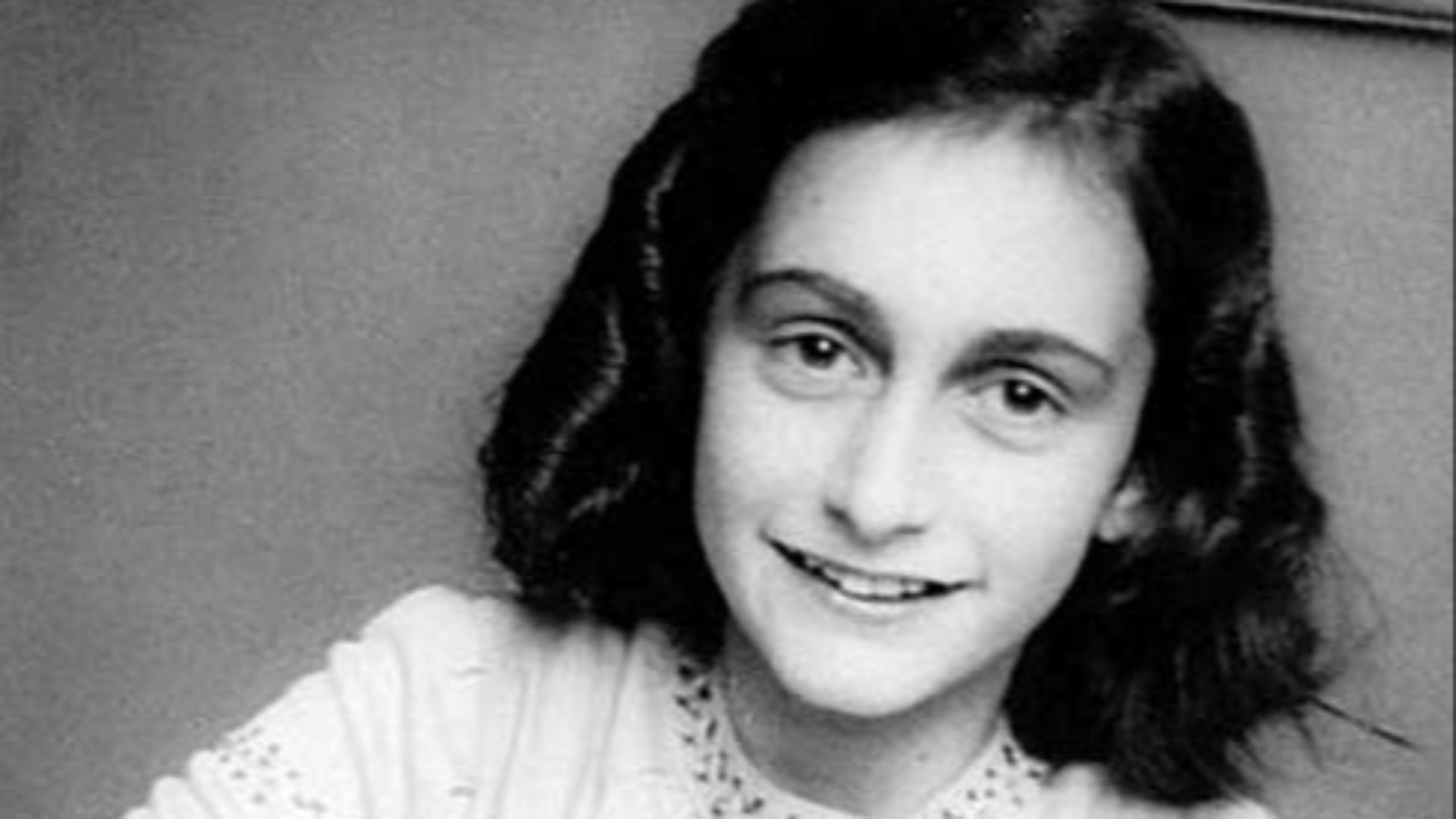
10. Anne Frank
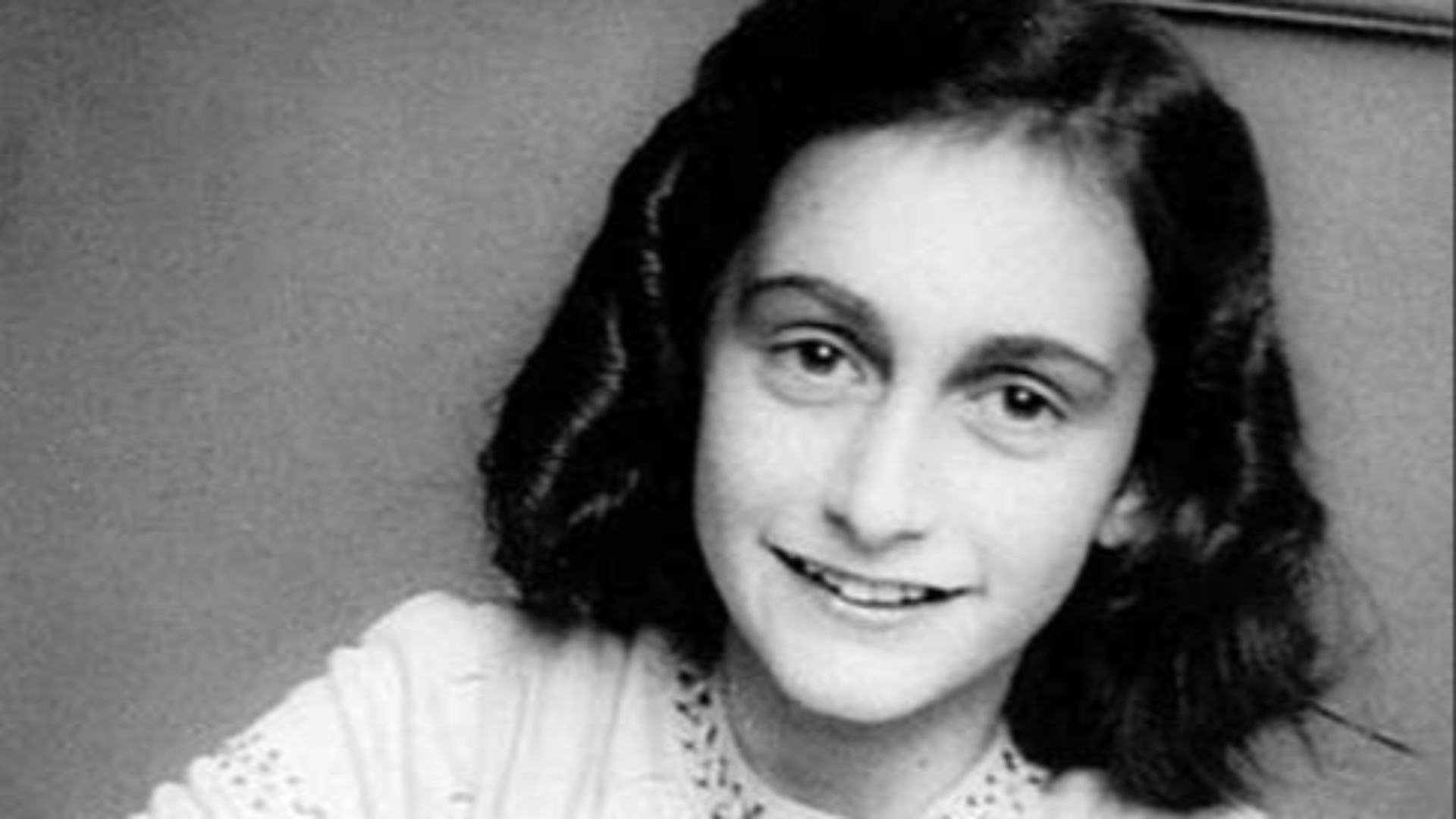
Anne Frank died at about 15 in Bergen-Belsen, after spending years in hiding during the Nazi occupation of the Netherlands. Her diary survived because her father, Otto Frank, lived through the Holocaust and later arranged for its publication. What makes her story so enduring is not only the horror of her death, but the vivid intelligence and emotional clarity she left on the page.
 Anonymous Unknown author on Wikimedia
11. Gavrilo Princip
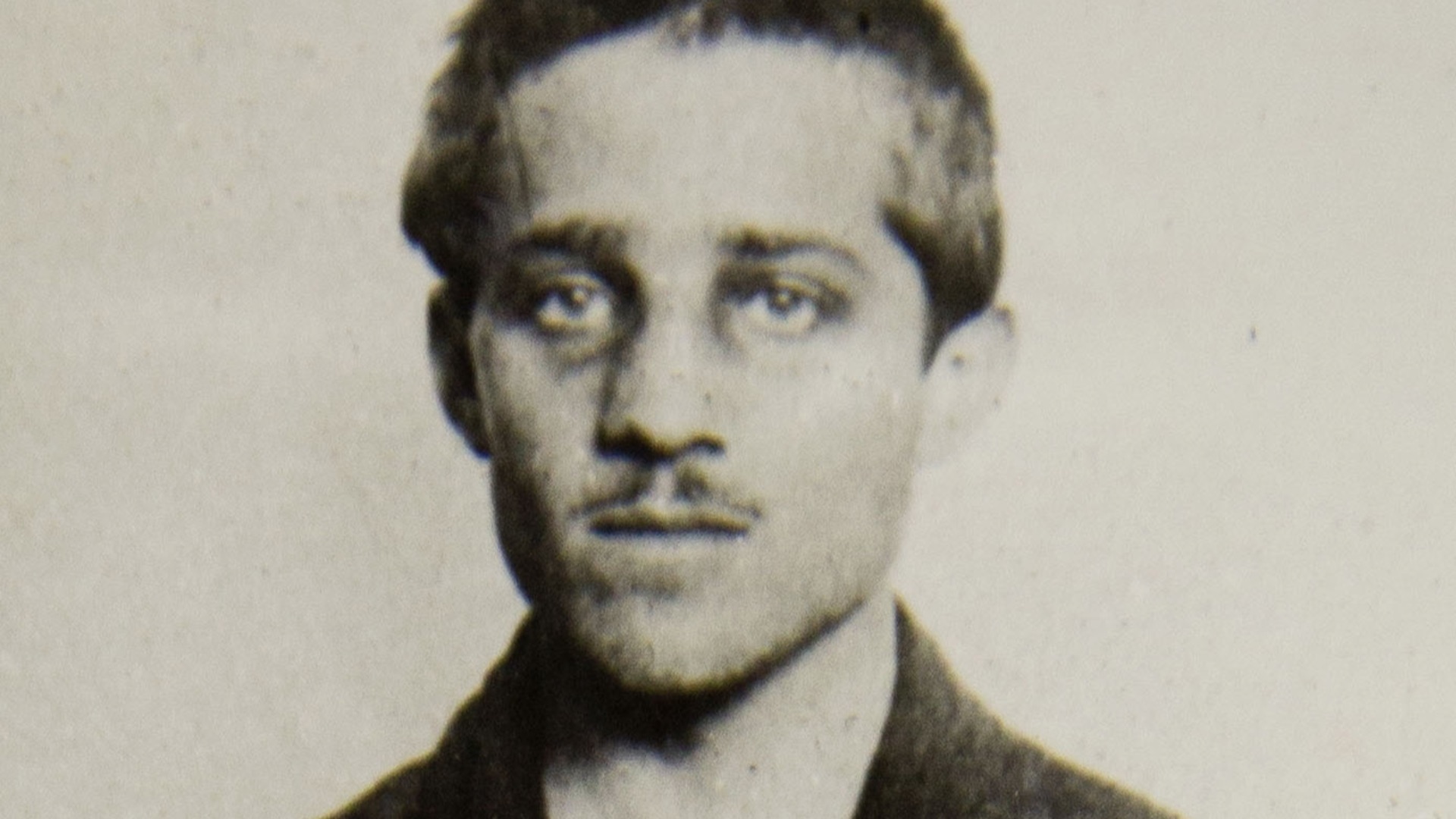
Gavrilo Princip was 23 when he died in prison in 1918, four years after assassinating Archduke Franz Ferdinand and Sophie, Duchess of Hohenberg, in Sarajevo. That assassination gave Austria-Hungary the opening it used against Serbia, helping trigger the chain of events that led to World War I. Princip’s legacy remains deeply contested, with some seeing him as an anti-imperial nationalist and others as an assassin whose act helped unleash catastrophe.
 Unknown photographer on Wikimedia
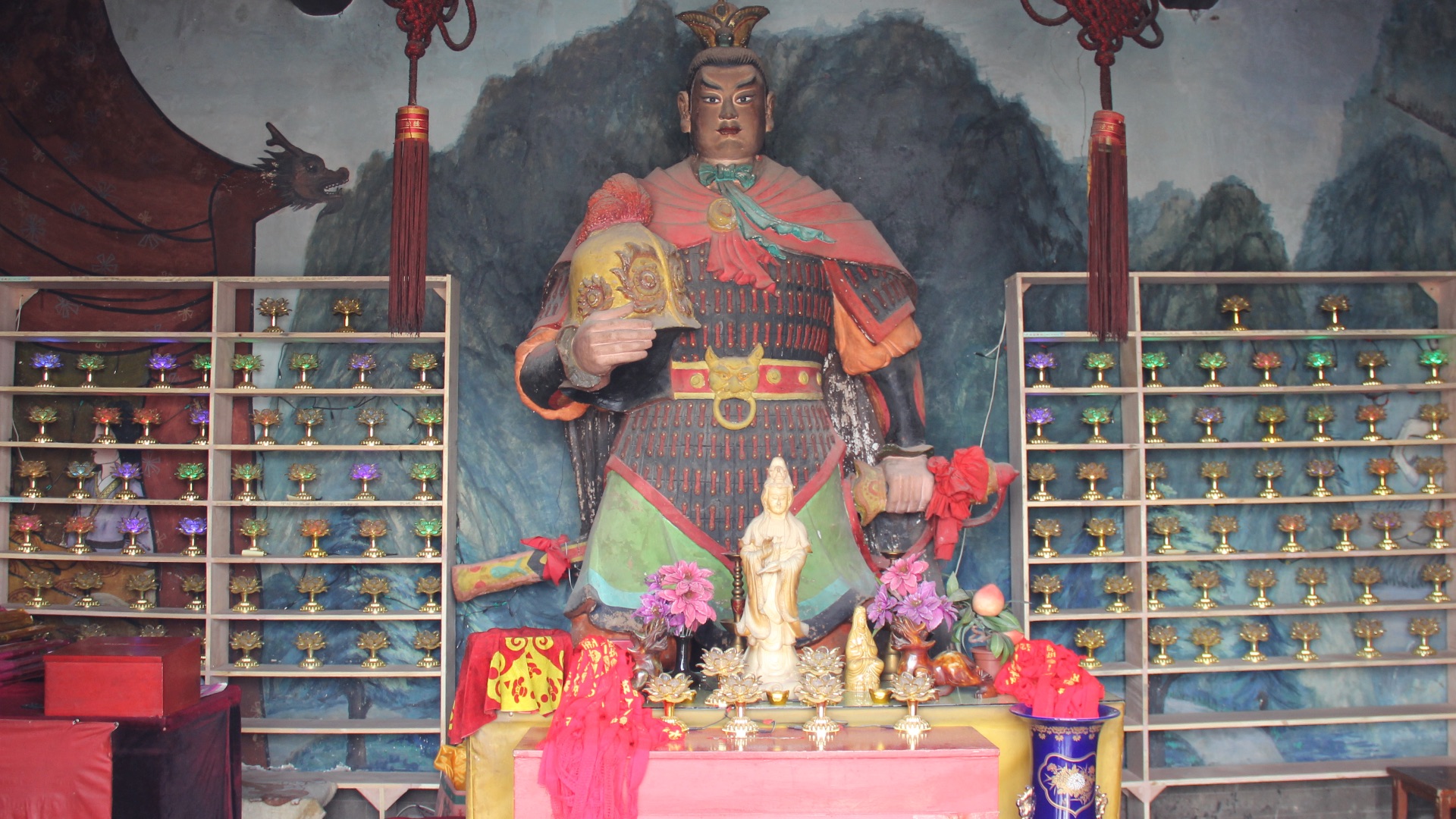
12. Huo Qubing
Huo Qubing died at 23, after becoming one of the most celebrated generals of China’s Western Han dynasty. Serving under Emperor Wu, he helped lead major campaigns against the Xiongnu and became famous for bold cavalry warfare. His victories strengthened Han power in regions that mattered deeply for imperial expansion and border security. Even with a short life, he became a model of youthful military achievement in Chinese history.
 Gary Lee Todd, Ph.D. on Wikimedia
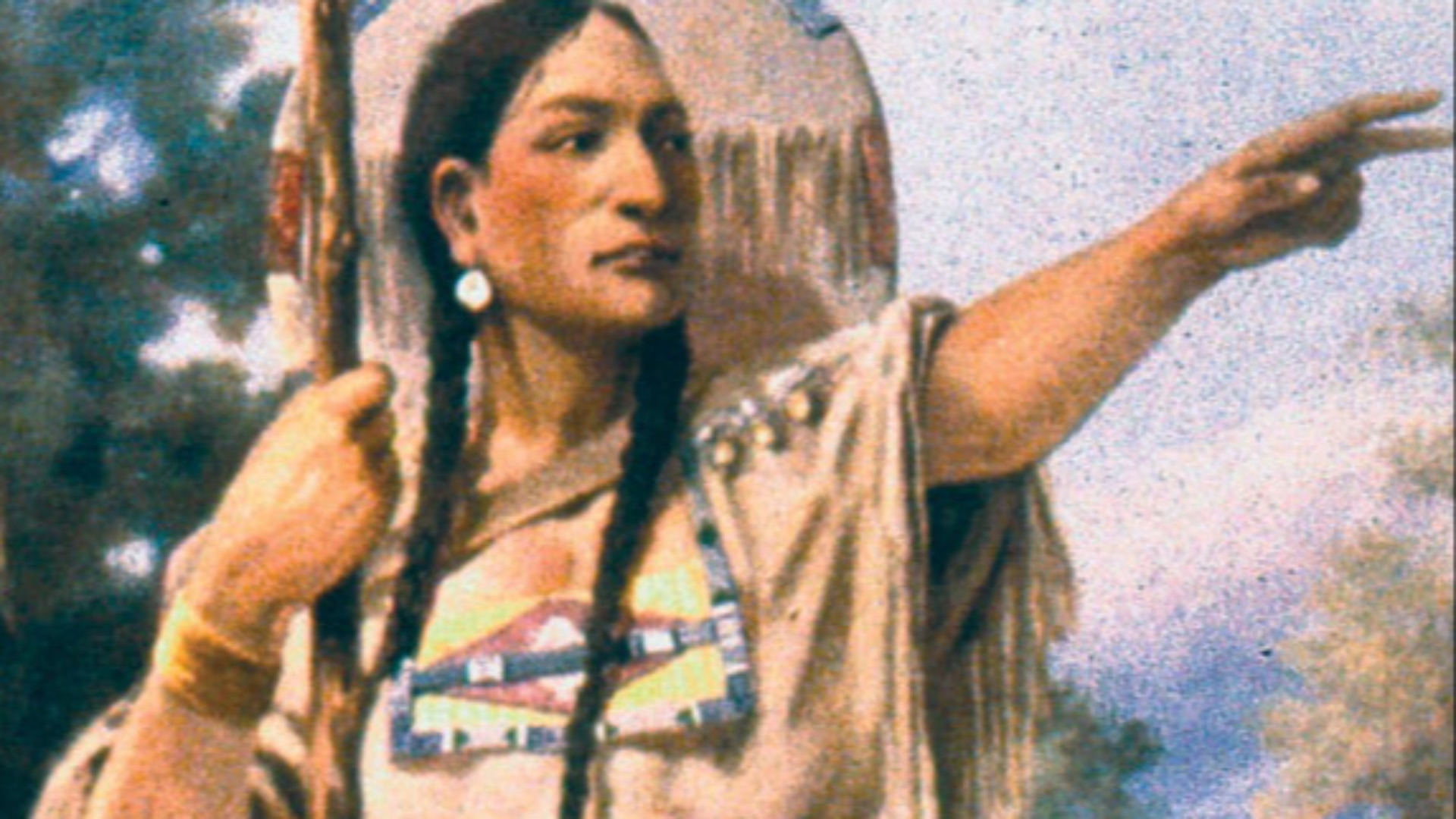
13. Sacagawea
Sacagawea was likely about 24 when she died in 1812, though some traditions and later claims have complicated the story of her final years. A Lemhi Shoshone woman, she traveled with the Lewis and Clark Expedition from the northern plains to the Pacific Northwest and back. She served as an interpreter and cultural intermediary, and her presence helped the expedition navigate encounters with Native peoples. Her role has often been simplified, but the historical record still shows how important she was to the journey.
 Edgar Samuel Paxson on Wikimedia
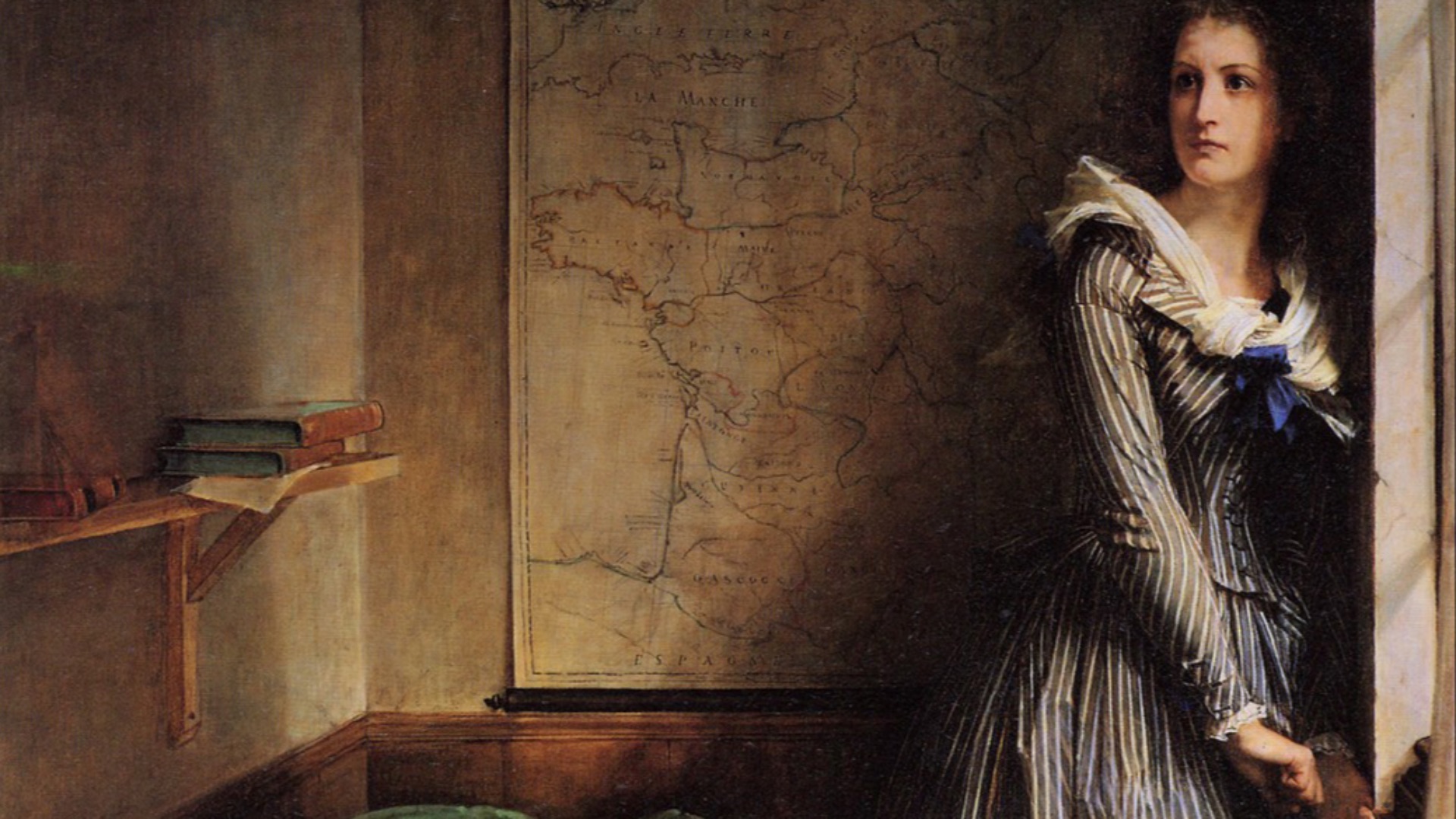
14. Charlotte Corday
Charlotte Corday was 24 when she was executed during the French Revolution for assassinating Jean-Paul Marat. She sympathized with the Girondins and believed Marat’s influence had helped drive revolutionary violence. Her act became instantly famous, especially through Jacques-Louis David’s painting The Death of Marat, which turned the murder into one of the Revolution’s defining images.
 Paul-Jacques-Aimé Baudry on Wikimedia
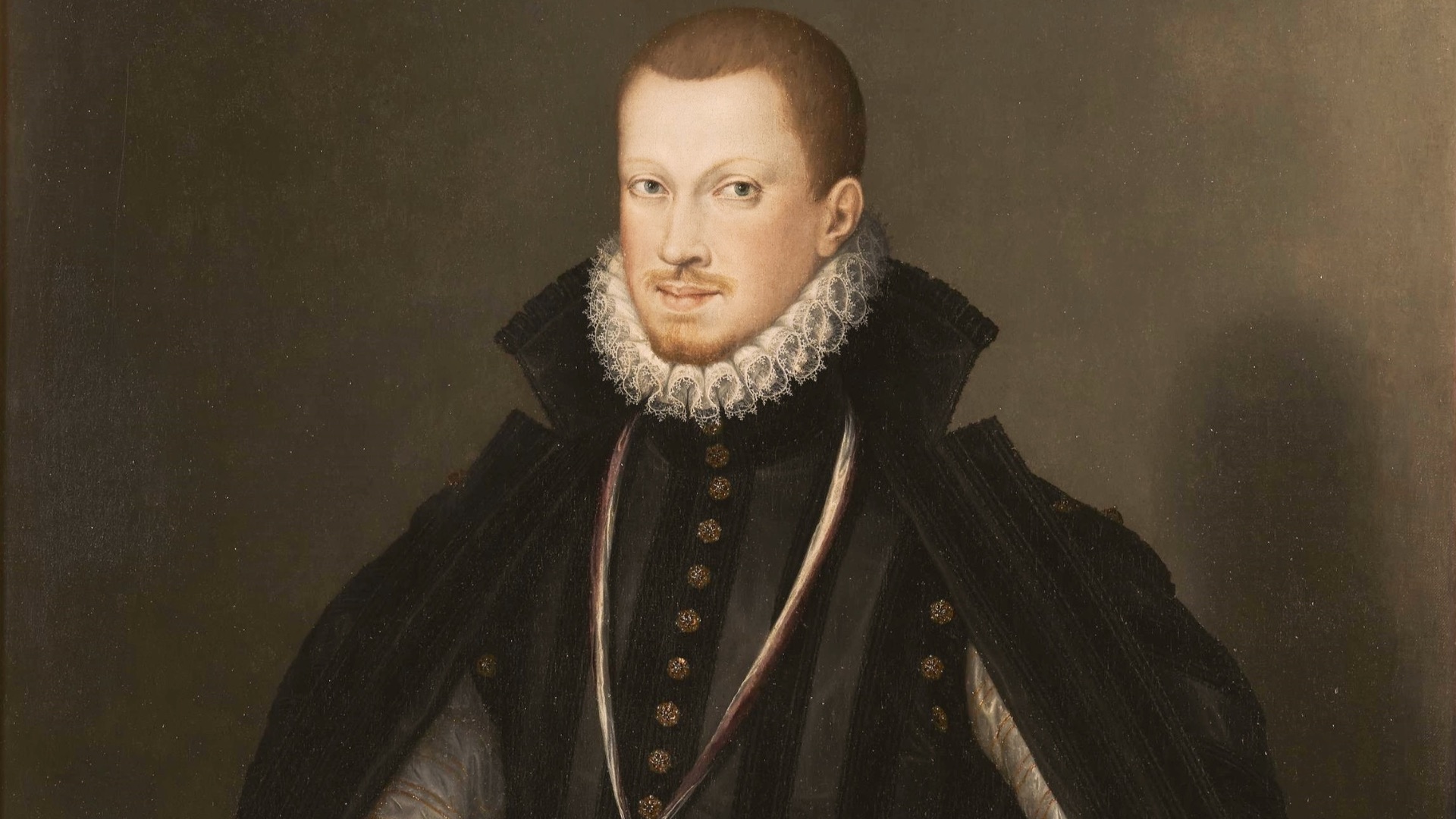
15. Sebastian, King of Portugal
Sebastian of Portugal was 24 when he died in 1578 during the Battle of Alcácer Quibir in Morocco. His death without an heir helped create a succession crisis that led to Portugal falling under Spanish rule in 1580. The shock of his disappearance also fed Sebastianism, a belief that he would return in Portugal’s hour of need. Few young monarchs left behind such a powerful mixture of political consequence and national legend.
16. Wilfred Owen
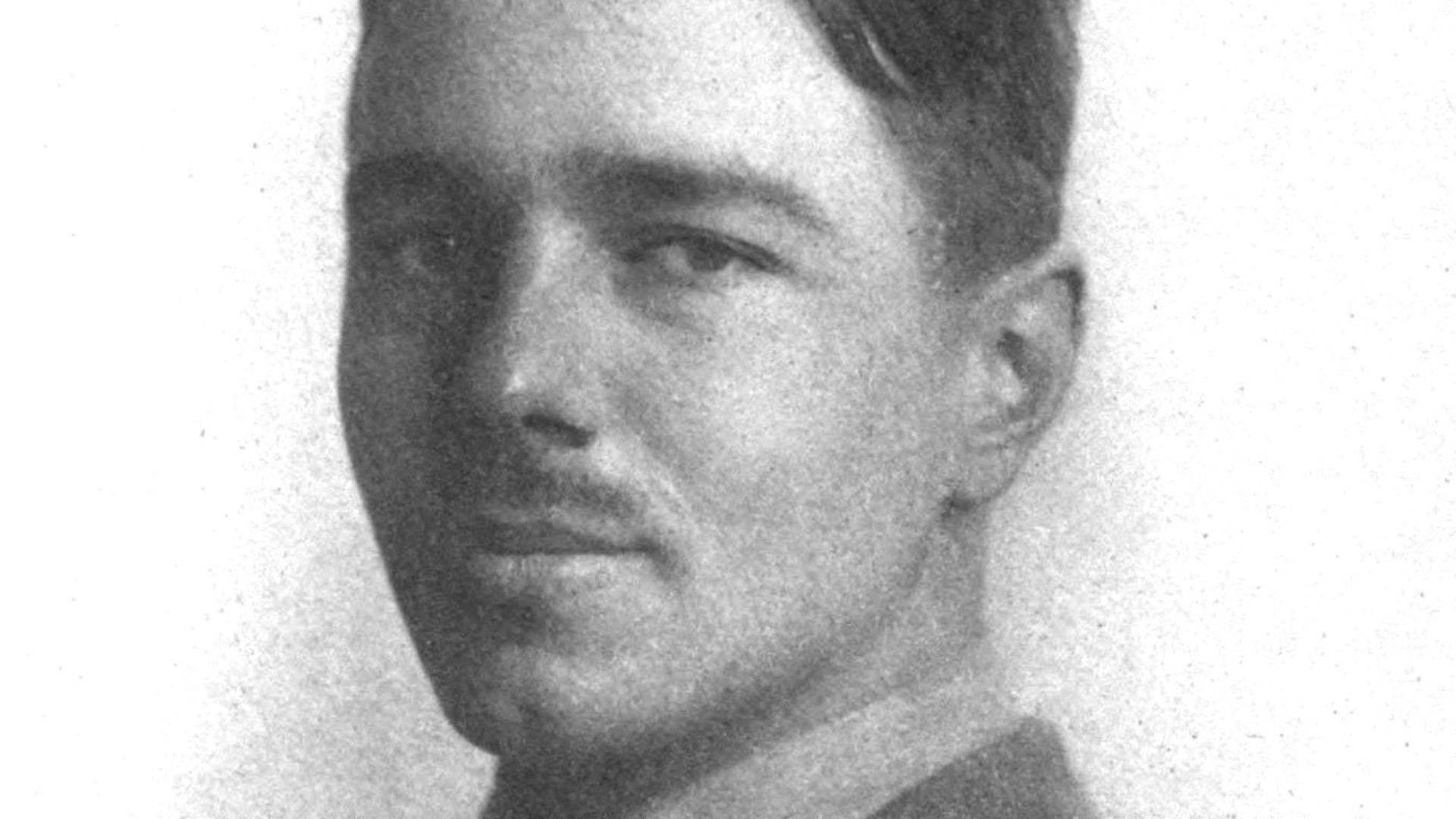
Wilfred Owen was 25 when he was killed in France on November 4, 1918, just one week before the armistice ended World War I. His poetry rejected the romanticized language of war and focused on suffering, fear, and the damage done to soldiers. Much of his best-known work was published after his death, which means his reputation grew after the war he had been trying to describe. His poems still shape how many readers understand the human cost of World War I.
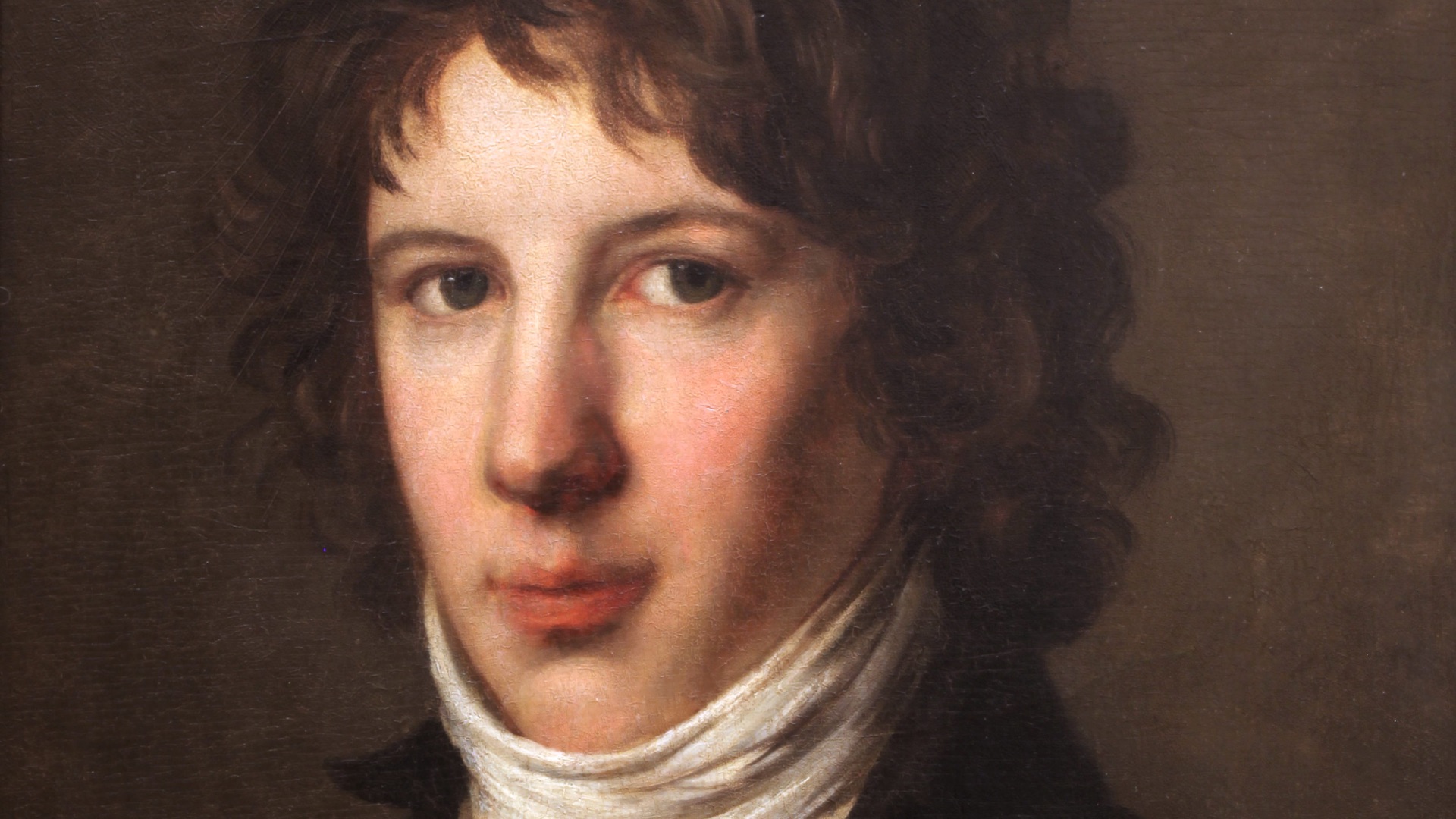
17. Louis Antoine de Saint-Just
Louis Antoine de Saint-Just was 26 when he was executed in 1794 alongside Maximilien Robespierre and other allies after the fall of the Jacobins. He became one of the most forceful voices of the French Revolution, serving in the National Convention and on the Committee of Public Safety. His speeches and political writings tied him closely to the radical phase of the Revolution and the Reign of Terror. At only 26, he had already become one of the most feared and recognizable figures in revolutionary France.
 Pierre-Paul Prud'hon on Wikimedia
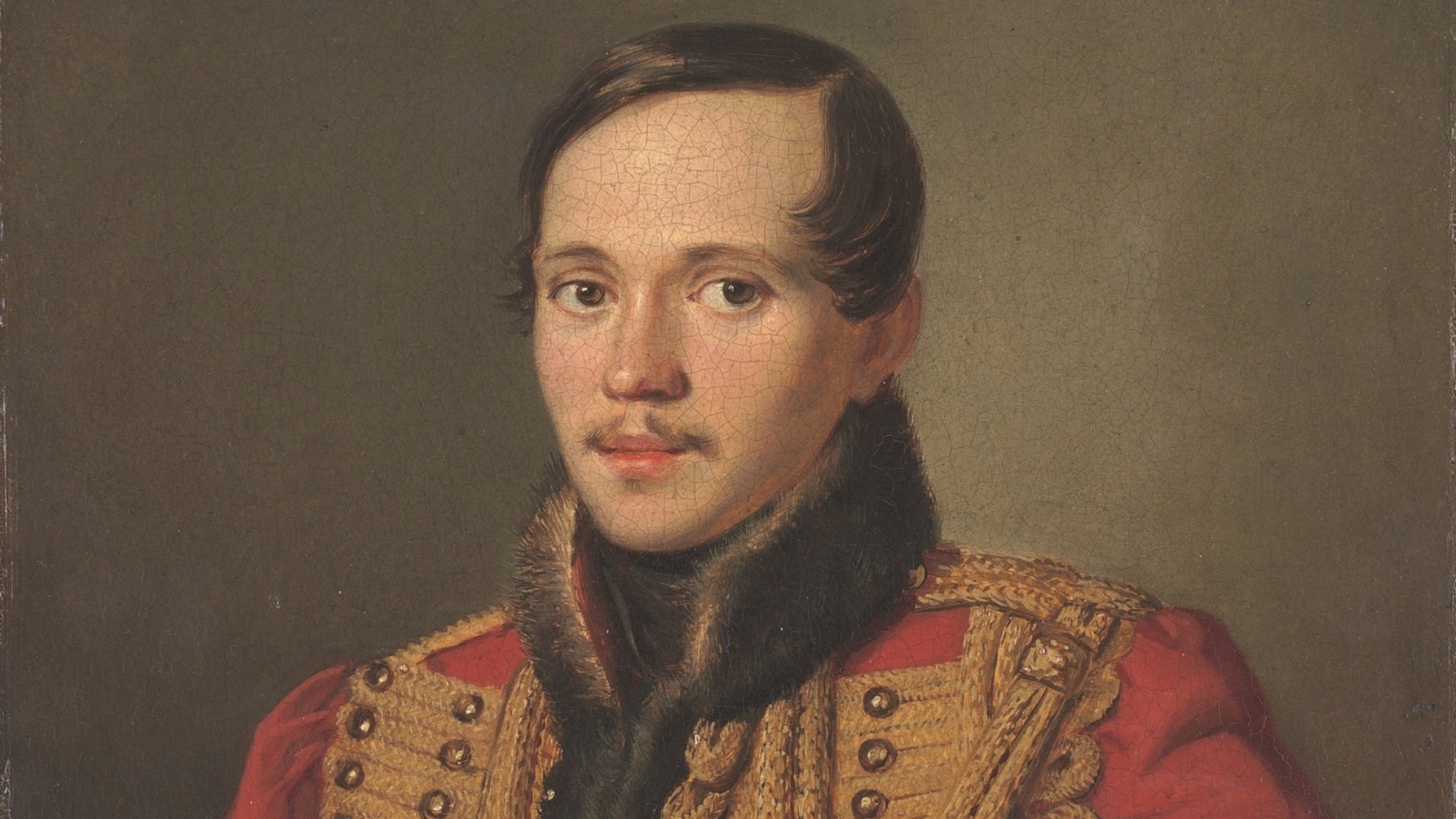
18. Mikhail Lermontov
Mikhail Lermontov was 26 when he died in a duel in 1841. He was one of Russia’s leading Romantic writers and the author of A Hero of Our Time, a novel that had a major influence on later Russian literature. His poetry and prose helped define a generation that came after Pushkin, and his career developed under the pressure of censorship, exile, and military service. His death made Russian literature lose one of its strongest voices before he had reached his full maturity.
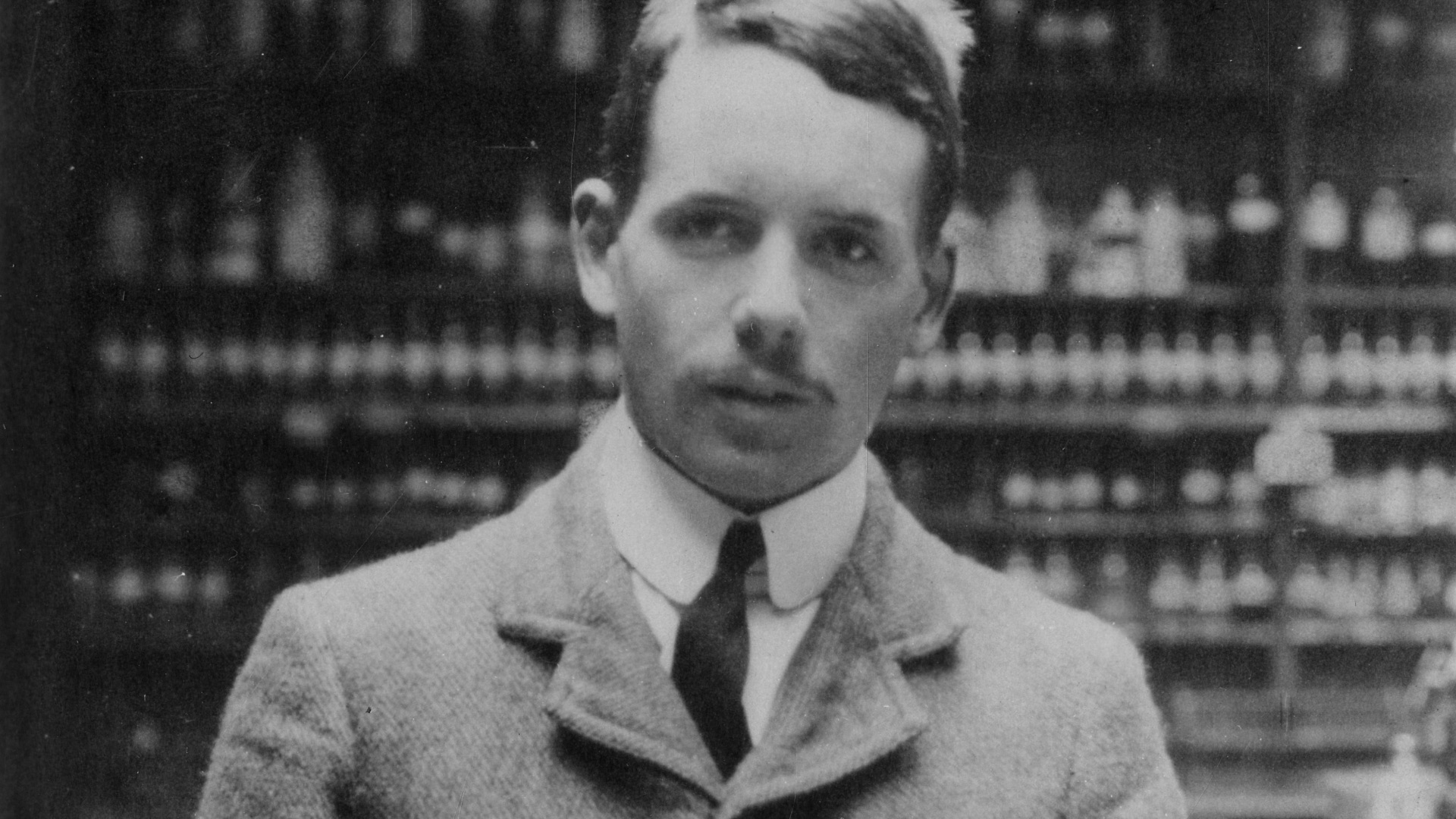
19. Henry Moseley
Henry Moseley was 27 when he was killed at Gallipoli in 1915 while serving in World War I. Before the war, he had shown that atomic number, rather than atomic weight, was the key organizing principle for the elements. His work helped clarify the structure of the periodic table and gave physics and chemistry a firmer experimental basis. His death is often cited as one of the great scientific losses of the war because his research career had only just begun.
20. Percy Bysshe Shelley
Percy Bysshe Shelley was 29 when he drowned in 1822 after his boat sank during a storm off the Italian coast. He was one of the major English Romantic poets, known for works such as Ozymandias, To a Skylark, and Prometheus Unbound. His political radicalism and unconventional personal life made him controversial during his lifetime, but his literary reputation grew steadily after his death. Shelley’s short career still left a major imprint on English poetry.
KEEP ON READING
The 20 Most Recognized Historical Figures Of All Time
The Biggest Names In History. Although the Earth has been…
By Cathy Liu Oct 4, 2024
10 of the Shortest Wars in History & 10 of…
Wars: Longest and Shortest. Throughout history, wars have varied dramatically…
By Emilie Richardson-Dupuis Oct 7, 2024
10 Fascinating Facts About Ancient Greece You Can Appreciate &…
Once Upon A Time Lived Some Ancient Weirdos.... Greece is…
By Megan Wickens Oct 7, 2024
20 Lesser-Known Facts About Christopher Columbus You Don't Learn In…
In 1492, He Sailed The Ocean Blue. Christopher Columbus is…
By Emilie Richardson-Dupuis Oct 9, 2024
20 Historical Landmarks That Have The Craziest Conspiracy Theories
Unsolved Mysteries Of Ancient Places . When there's not enough evidence…
By Megan Wickens Oct 9, 2024
The 20 Craziest Inventions & Discoveries Made During Ancient Times
Crazy Ancient Inventions . While we're busy making big advancements in…
By Cathy Liu Oct 9, 2024