

Everyday People Who Ended Up Changing the World
History usually focuses on kings, presidents, inventors, and military leaders, but many major turning points were influenced by ordinary workers who never expected to become historically important. Some exposed dangerous conditions, others resisted injustice, and a few accidentally changed entire industries through persistence or courage. Their stories show that people without wealth or political power have often shaped history in ways that still affect modern life. Here are 20 ordinary workers who altered history.
1. Ignaz Semmelweis
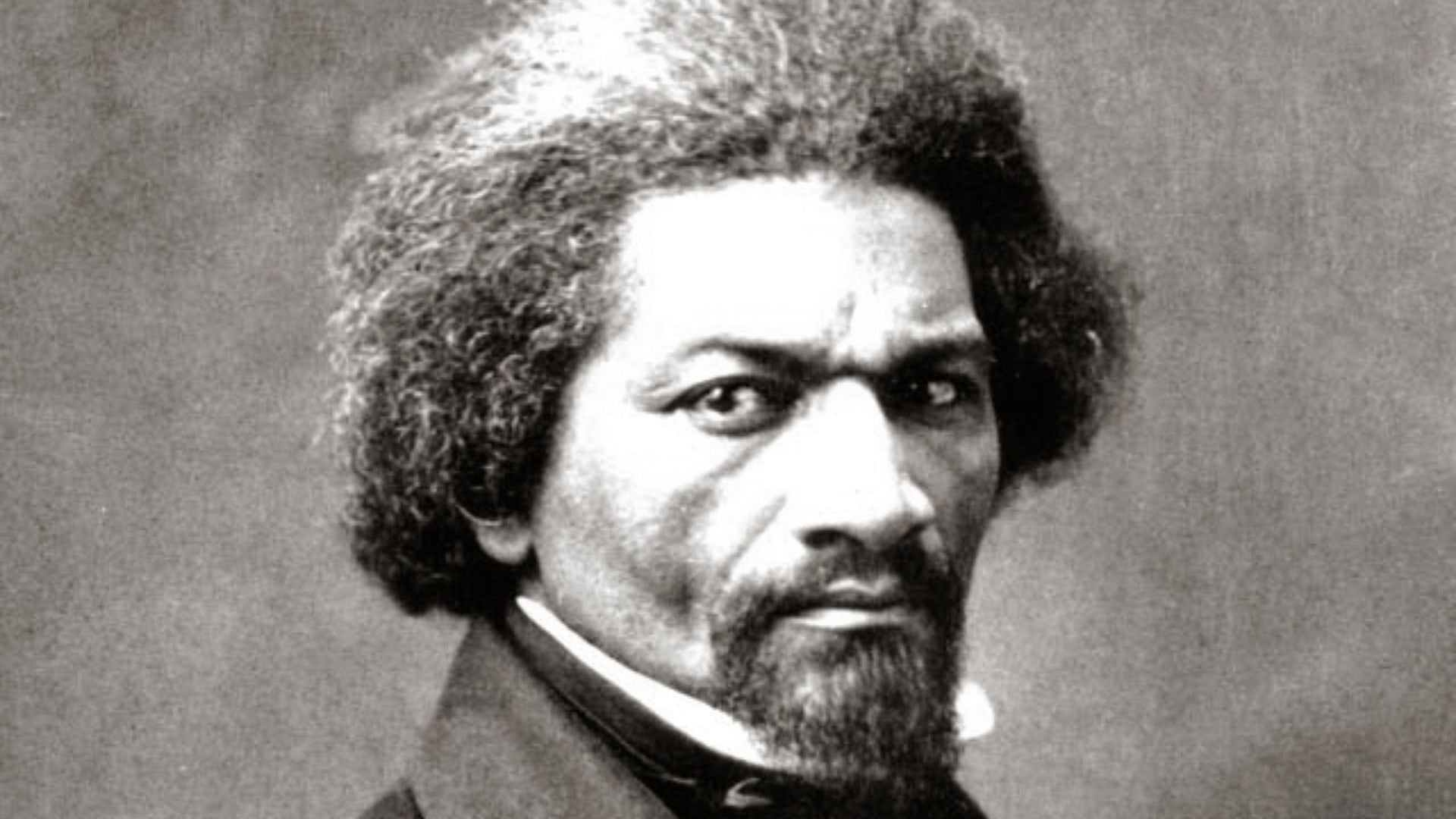
Ignaz Semmelweis worked as a physician in maternity clinics during the mid-1800s and noticed that handwashing dramatically reduced deaths among mothers after childbirth. At the time, many doctors resisted his findings because germ theory had not yet been widely accepted. His insistence on proper sanitation later became one of the foundations of modern medical hygiene.
 After Jenő Doby's engravig on Wikimedia
2. Vasili Arkhipov
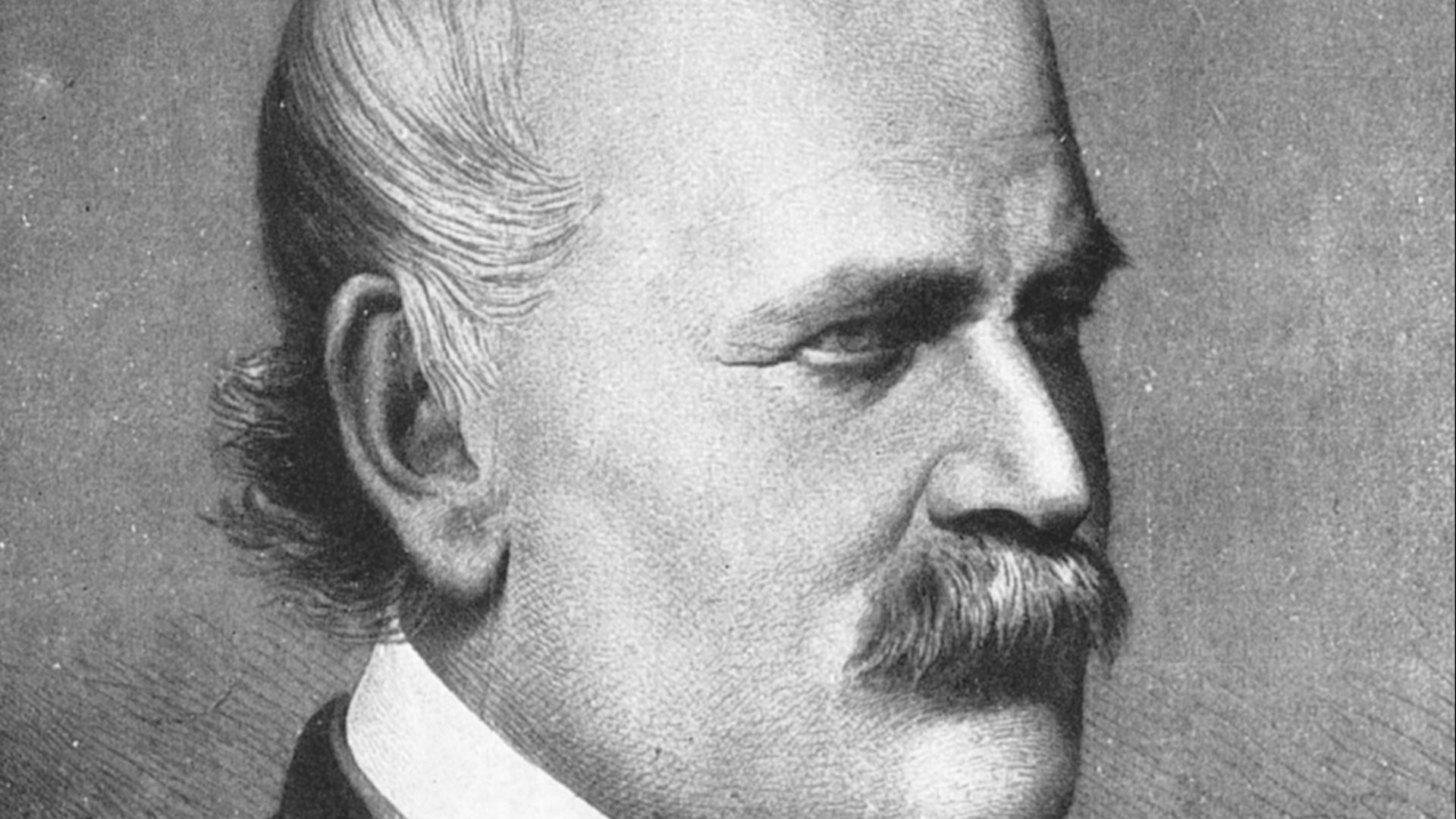
Vasili Arkhipov served as a Soviet naval officer during the Cuban Missile Crisis in 1962. When tensions escalated aboard a Soviet submarine, he refused to authorize the launch of a nuclear torpedo despite pressure from others onboard. Historians widely believe his decision helped prevent a possible nuclear war between the Soviet Union and the United States.
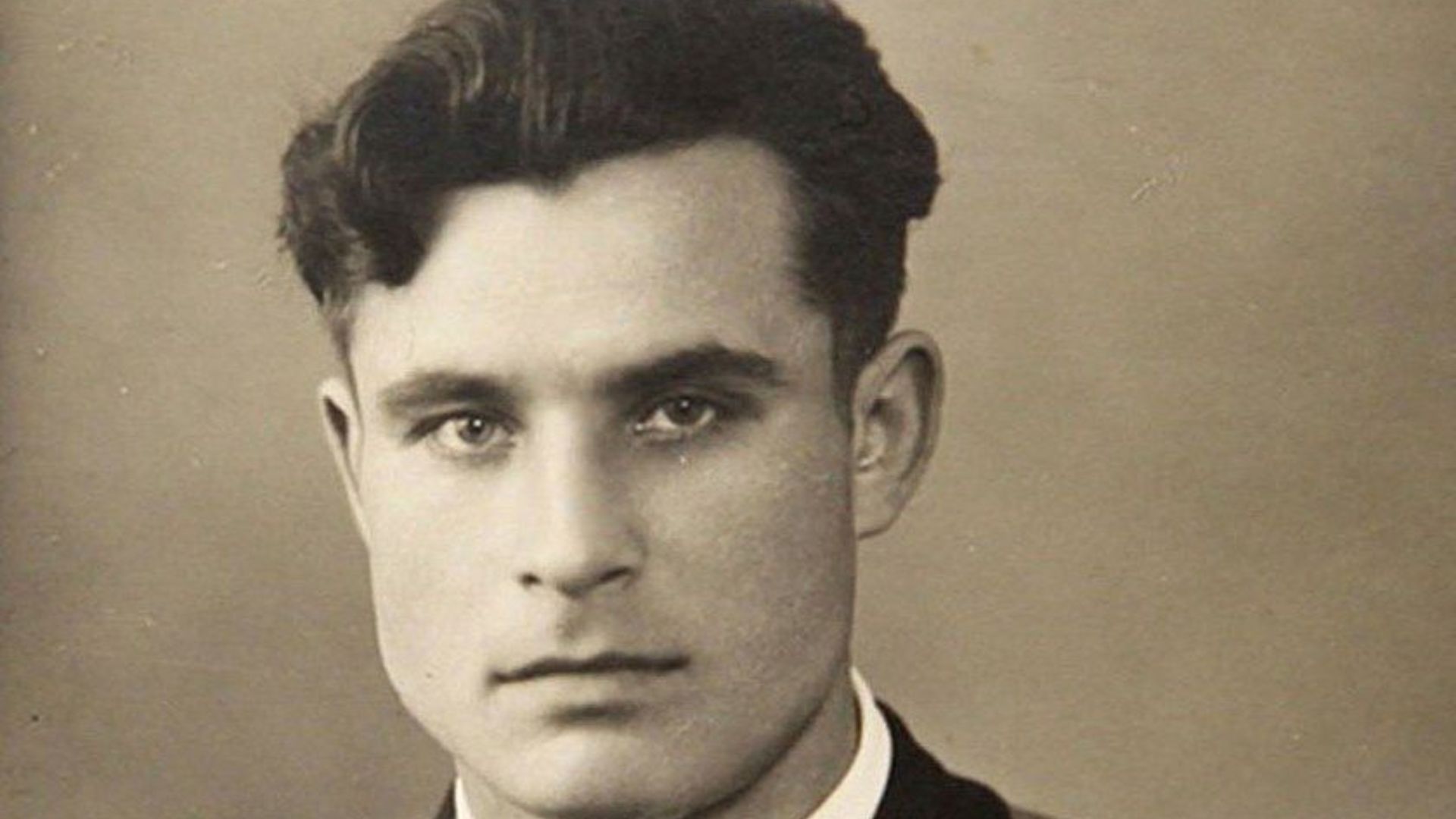 Image courtesy by Olga Arkhipova on Wikimedia
3. Claudette Colvin
Claudette Colvin was a 15-year-old student who refused to give up her bus seat in Alabama months before Rosa Parks became nationally known. Her arrest became part of the legal challenge against bus segregation in Montgomery. Although she received less public attention at the time, her actions played an important role in the Civil Rights Movement.
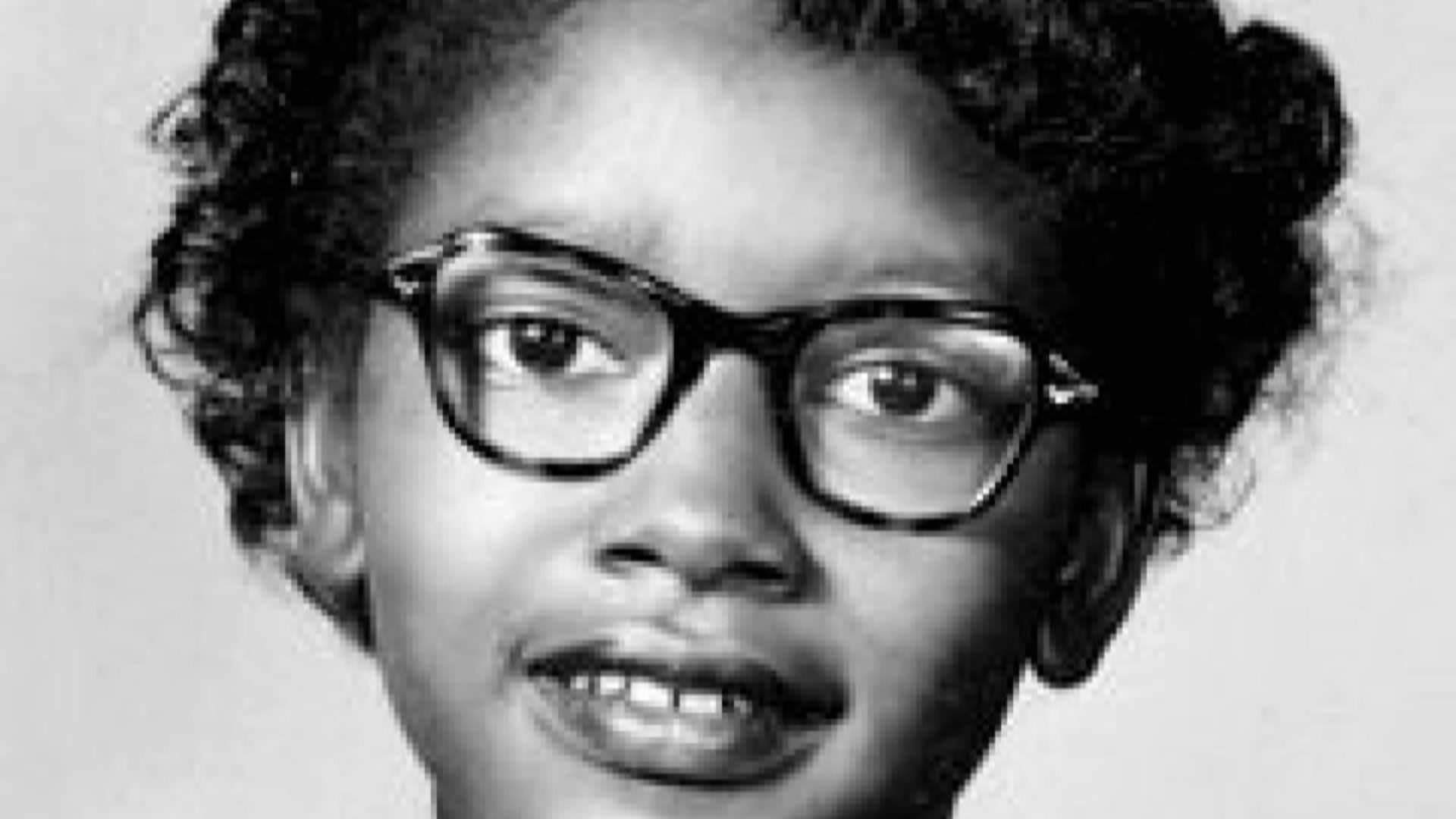 The Visibility Project, Claudette Colvin on Wikimedia
4. Stanislav Petrov
Stanislav Petrov worked as a Soviet military officer responsible for monitoring missile warning systems during the Cold War. In 1983, computer systems falsely indicated that the United States had launched nuclear missiles at the Soviet Union. Petrov chose not to report the alert as a confirmed attack, helping avoid a potentially catastrophic response.

5. Frances Perkins
Frances Perkins began her career as a social worker and labor advocate before becoming the first female member of a U.S. presidential cabinet. She helped shape major labor reforms during the Great Depression, including Social Security and workplace safety laws.
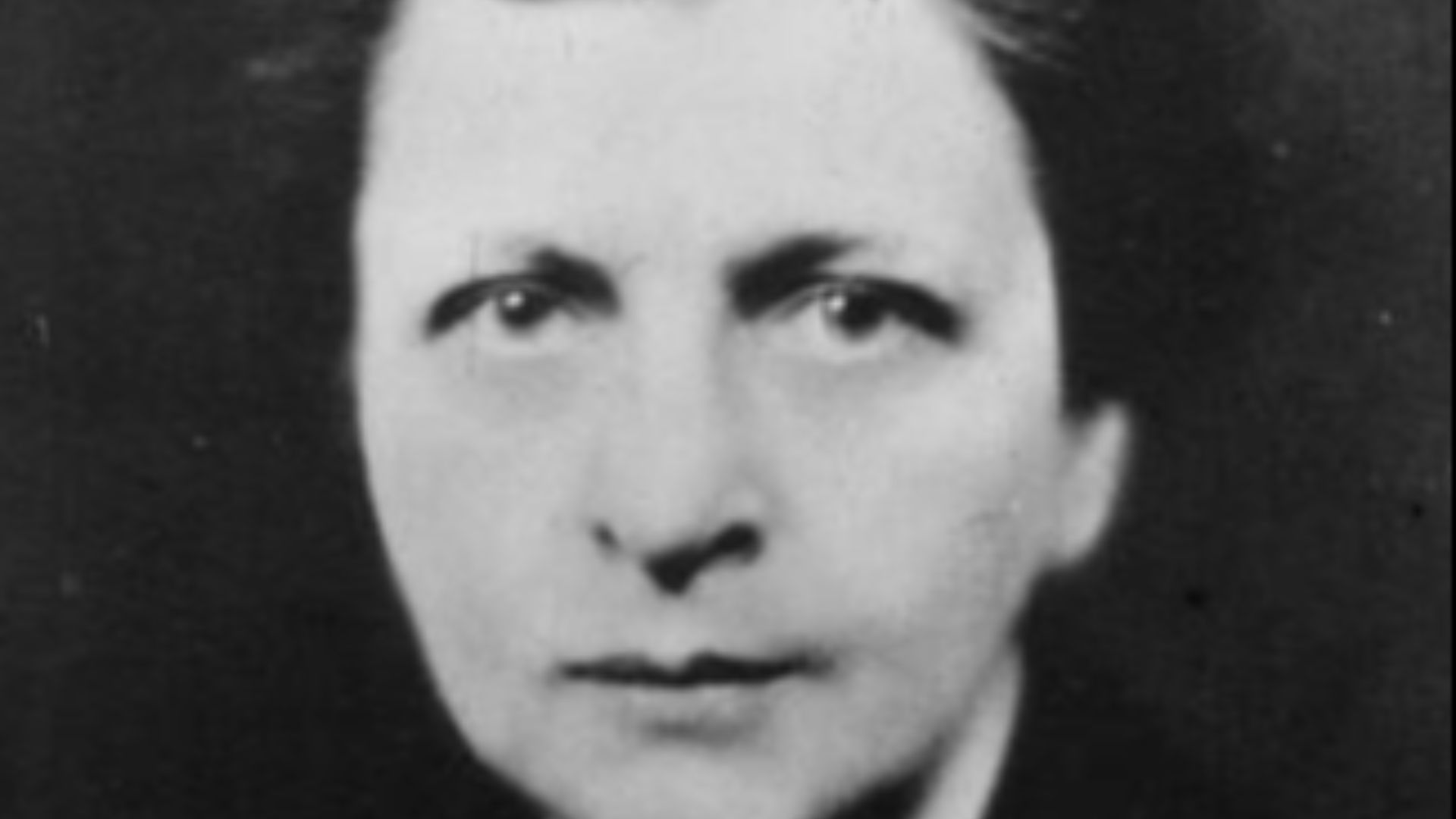 Agence de presse Meurisse on Wikimedia
6. Phan Thi Kim Phuc
Phan Thi Kim Phuc became internationally recognized after surviving a napalm attack during the Vietnam War as a child. The photograph showing her fleeing the attack influenced public opinion about the war around the world.
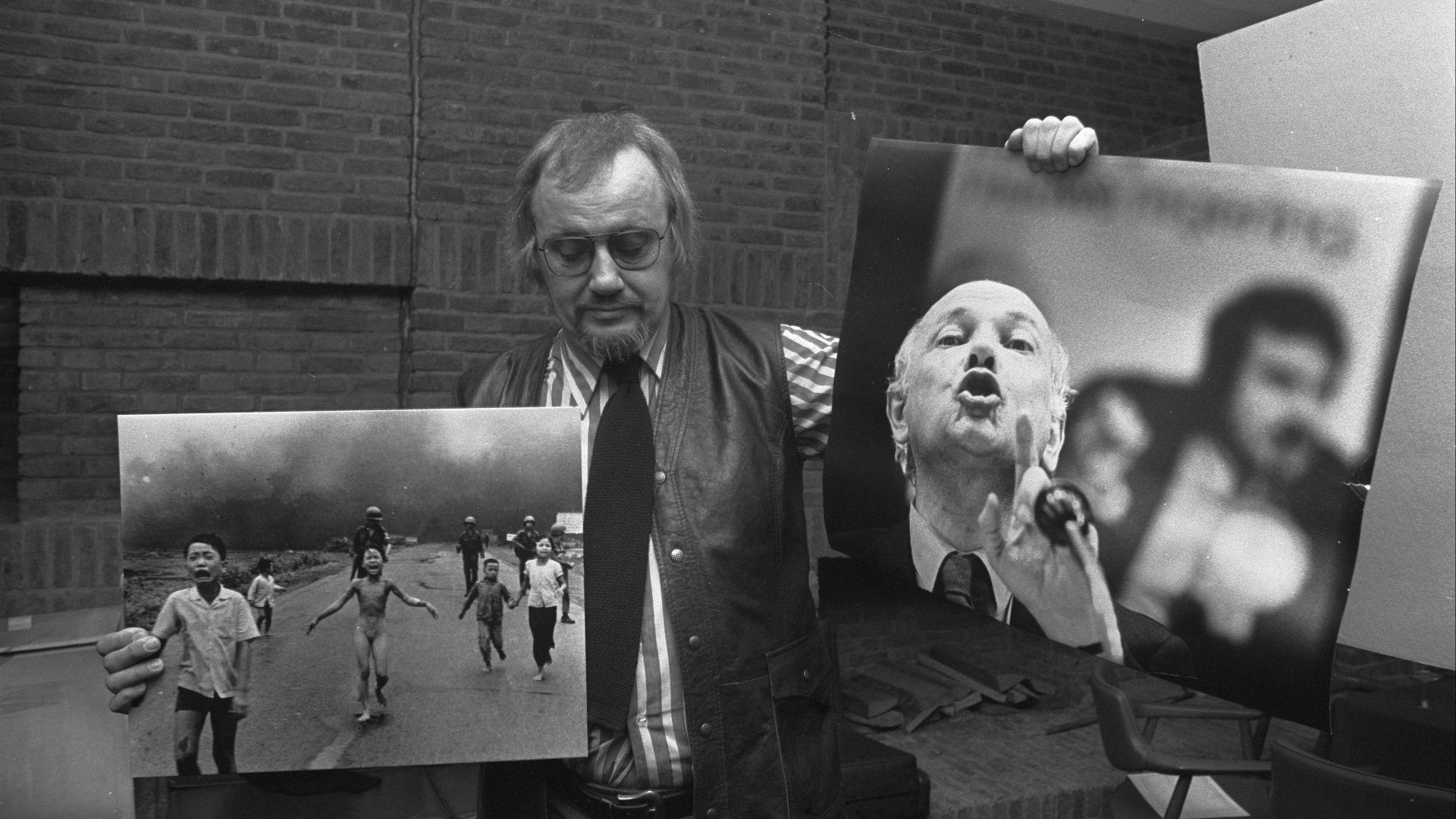 Rob Mieremet / Anefo on Wikimedia
7. Karen Silkwood
Karen Silkwood worked at a nuclear facility in Oklahoma during the 1970s and raised concerns about safety violations involving radioactive contamination. Before she could publicly present much of her evidence, she died in a suspicious car crash that remains widely debated.
8. Witold Pilecki
Witold Pilecki was a Polish resistance fighter who voluntarily entered Auschwitz during World War II to gather intelligence about Nazi crimes. While imprisoned, he organized resistance efforts and secretly sent reports to Allied forces.
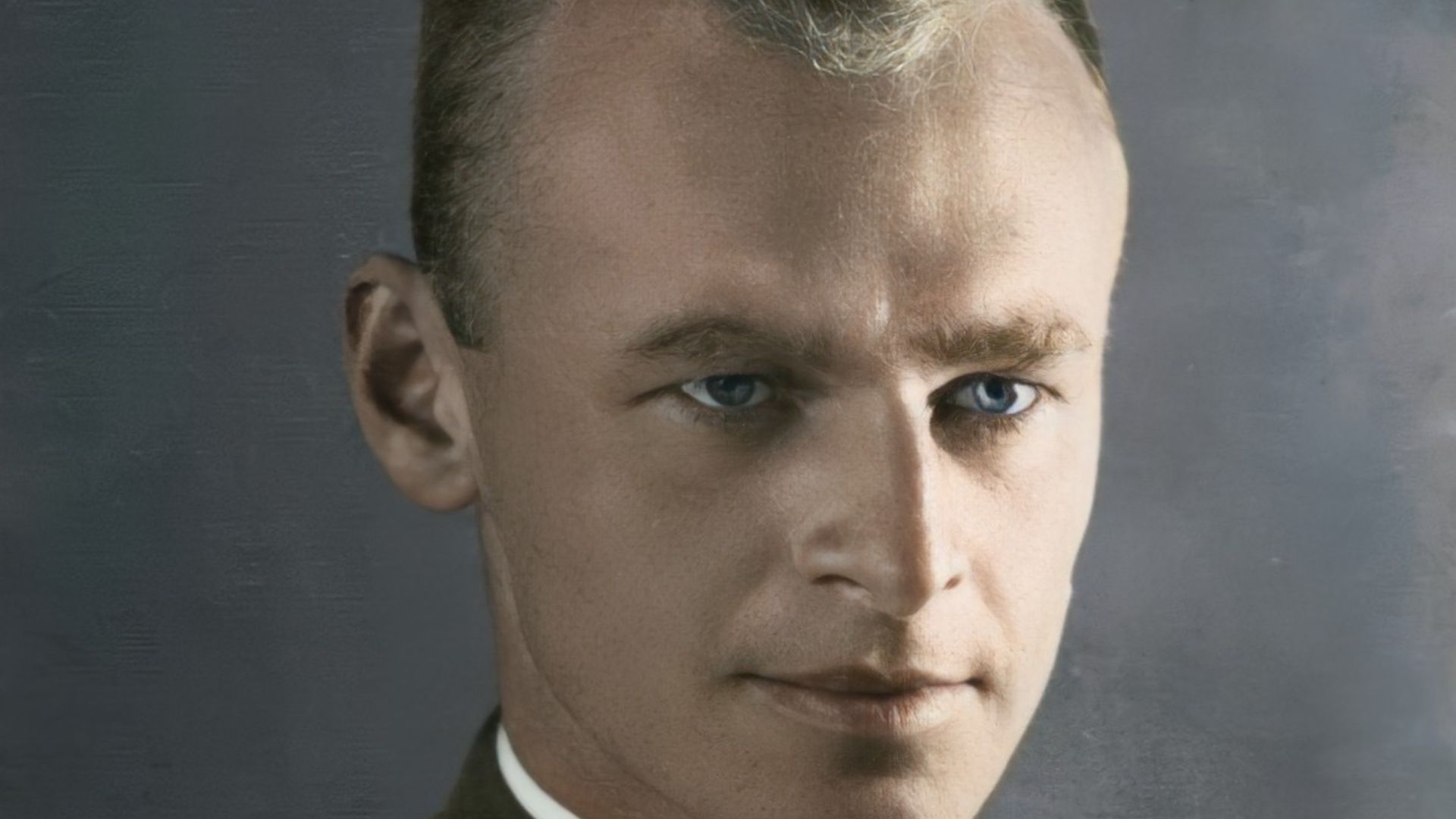 Unknown authorUnknown author nieznany, kolor: old photos in color on Wikimedia
9. Bayard Rustin
Bayard Rustin worked as an organizer and adviser during the American Civil Rights Movement. He played a central role in planning the 1963 March on Washington, where Martin Luther King Jr. delivered his famous speech.
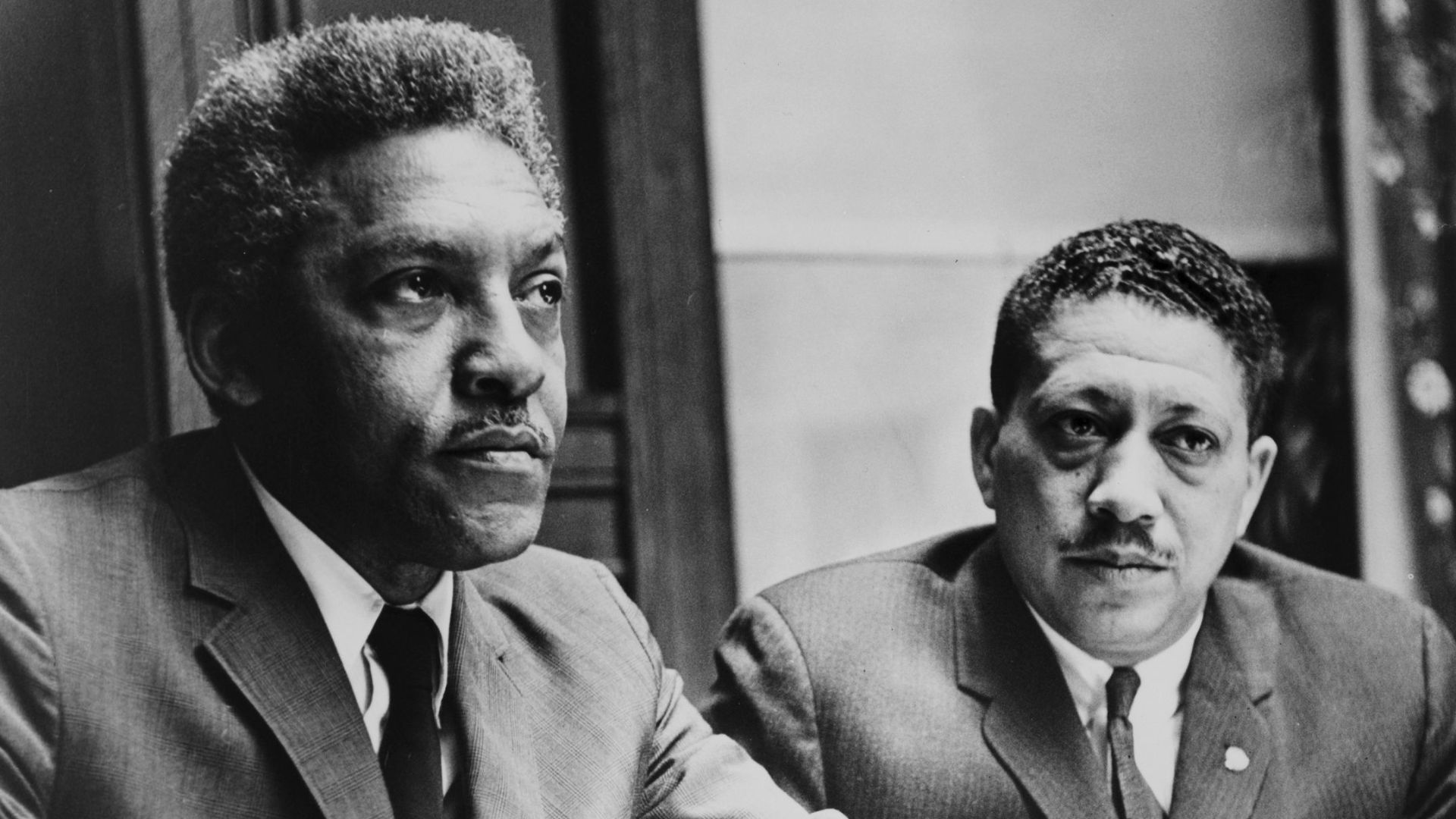 Al Ravenna, New York World-Telegram and the Sun staff photographer on Wikimedia
10. Norman Borlaug
Norman Borlaug worked as an agricultural scientist focused on improving crop production and preventing famine. His development of high-yield wheat varieties helped increase food supplies in several countries during the Green Revolution.
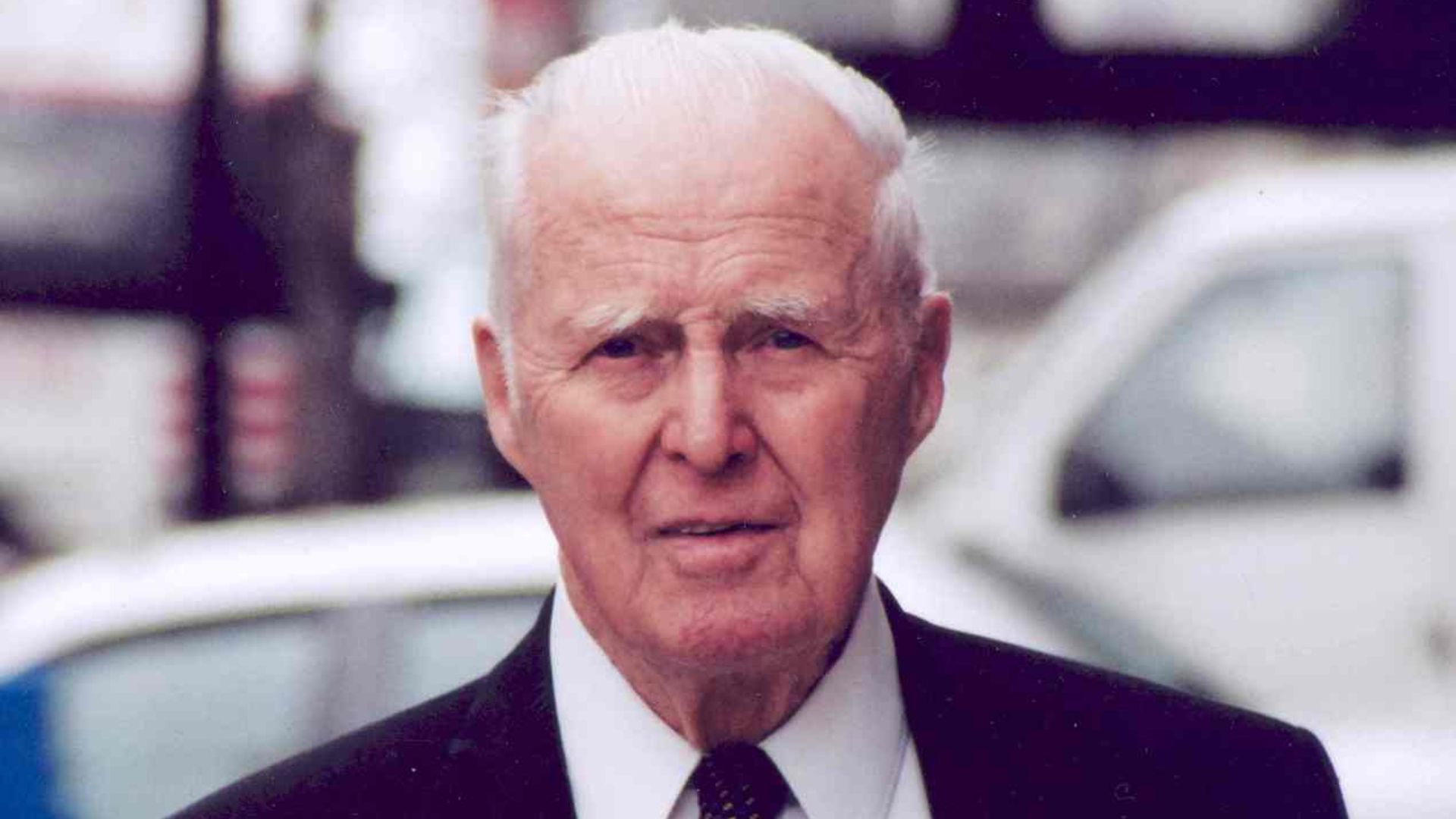 Ben Zinner, USAID on Wikimedia
11. Margaret Hamilton
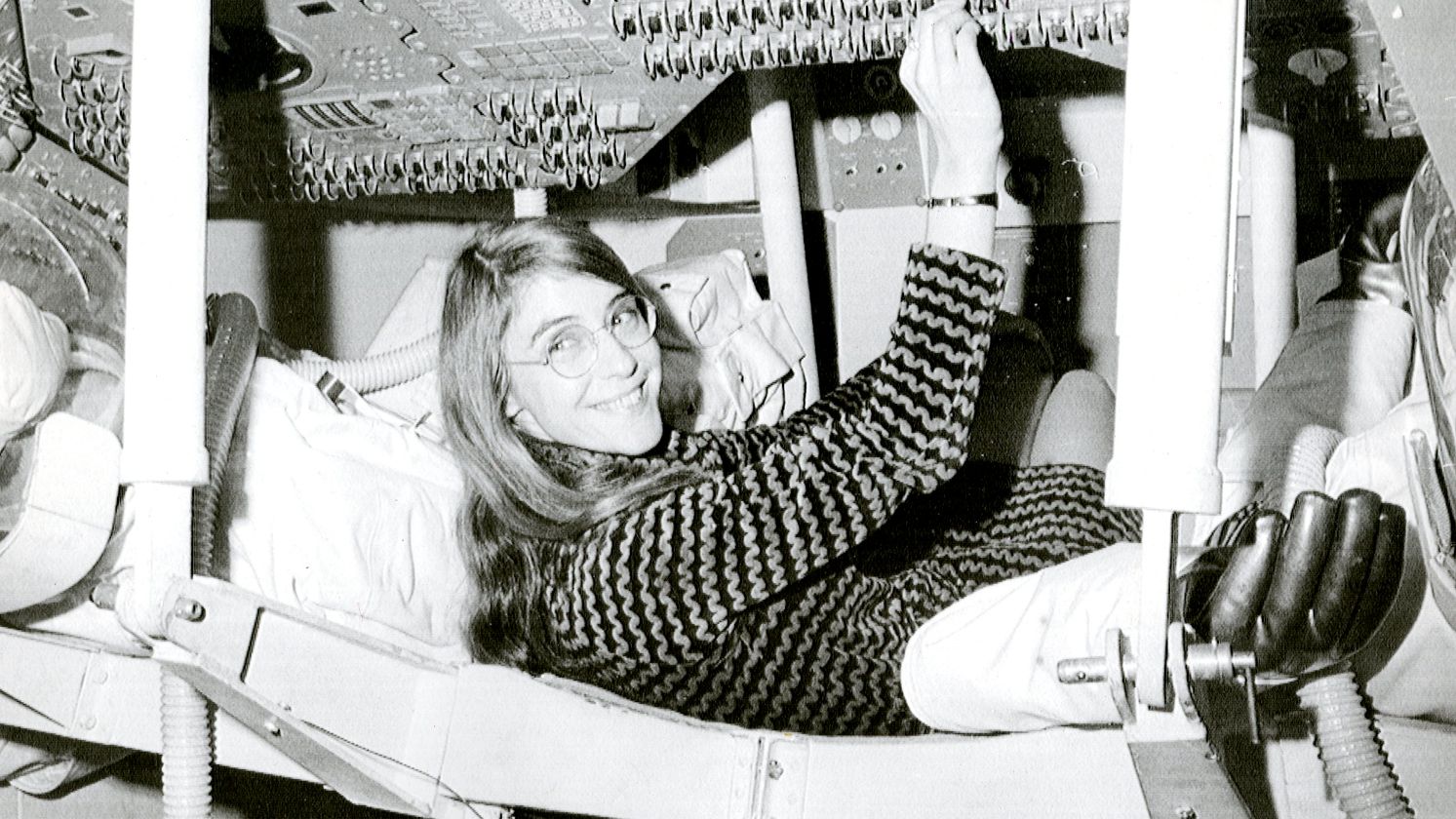
Margaret Hamilton worked as a computer scientist for NASA during the Apollo program. She led the team that developed onboard flight software used during the Apollo 11 moon landing. Her work in software engineering helped establish many modern programming reliability standards.
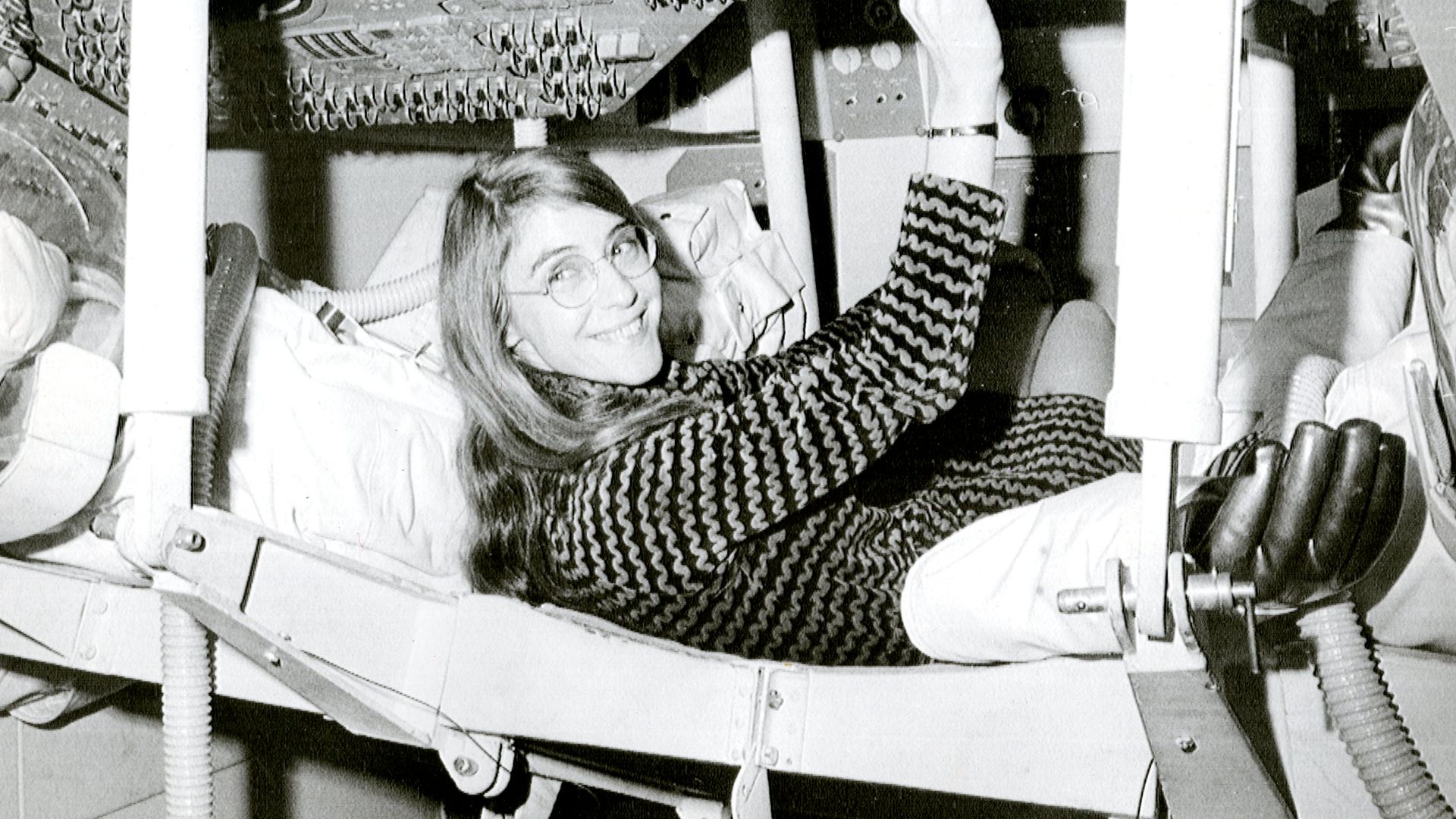
12. Liu Xiaobo
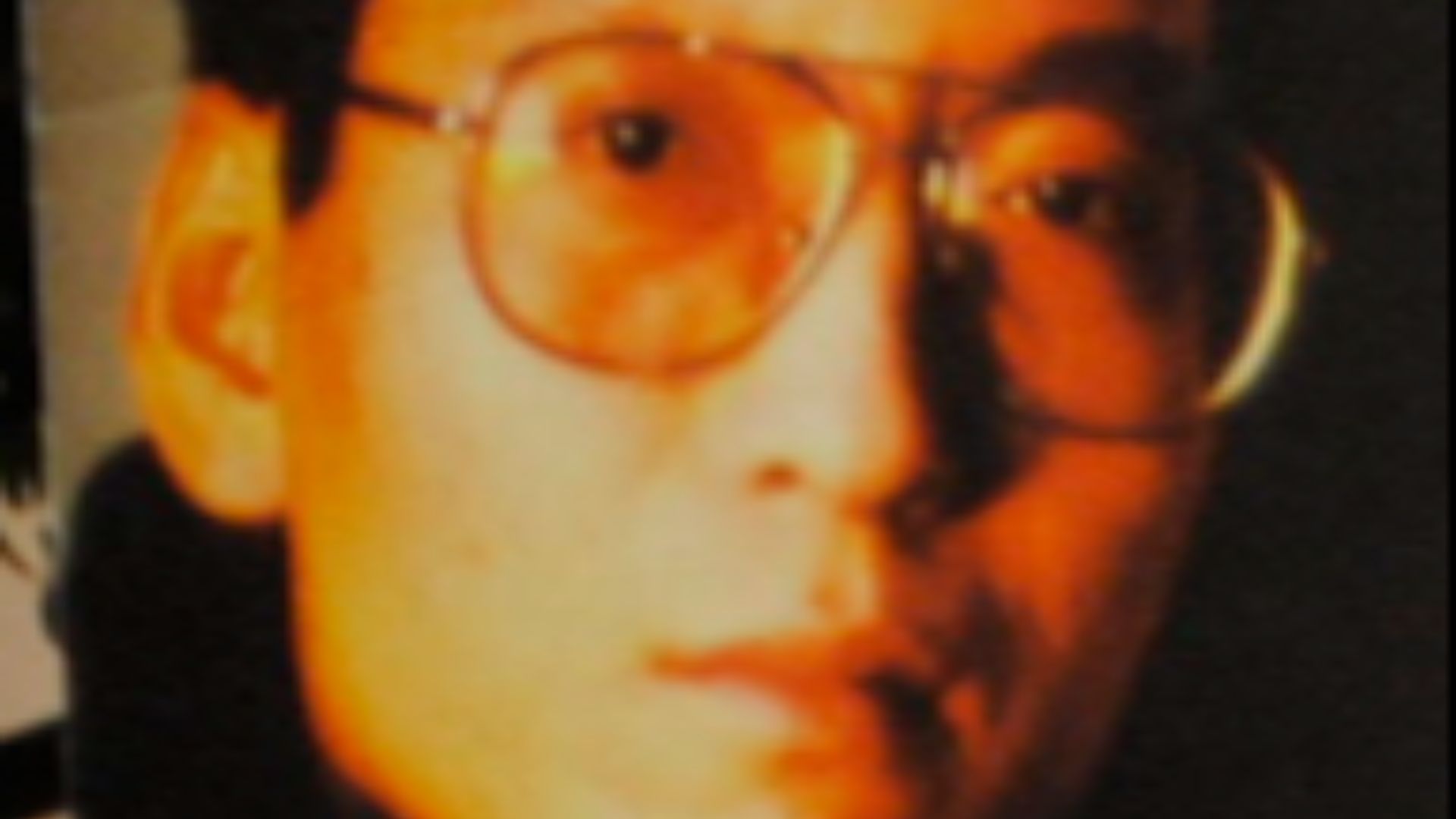
Liu Xiaobo worked as a writer, teacher, and political activist in China. He became internationally known for advocating democratic reforms and human rights despite repeated imprisonment.
13. Chico Mendes
Chico Mendes worked as a rubber tapper in Brazil and became a major environmental activist. He organized efforts to protect the Amazon rainforest from large-scale deforestation and land exploitation. His murder in 1988 drew worldwide attention to environmental and Indigenous rights issues.
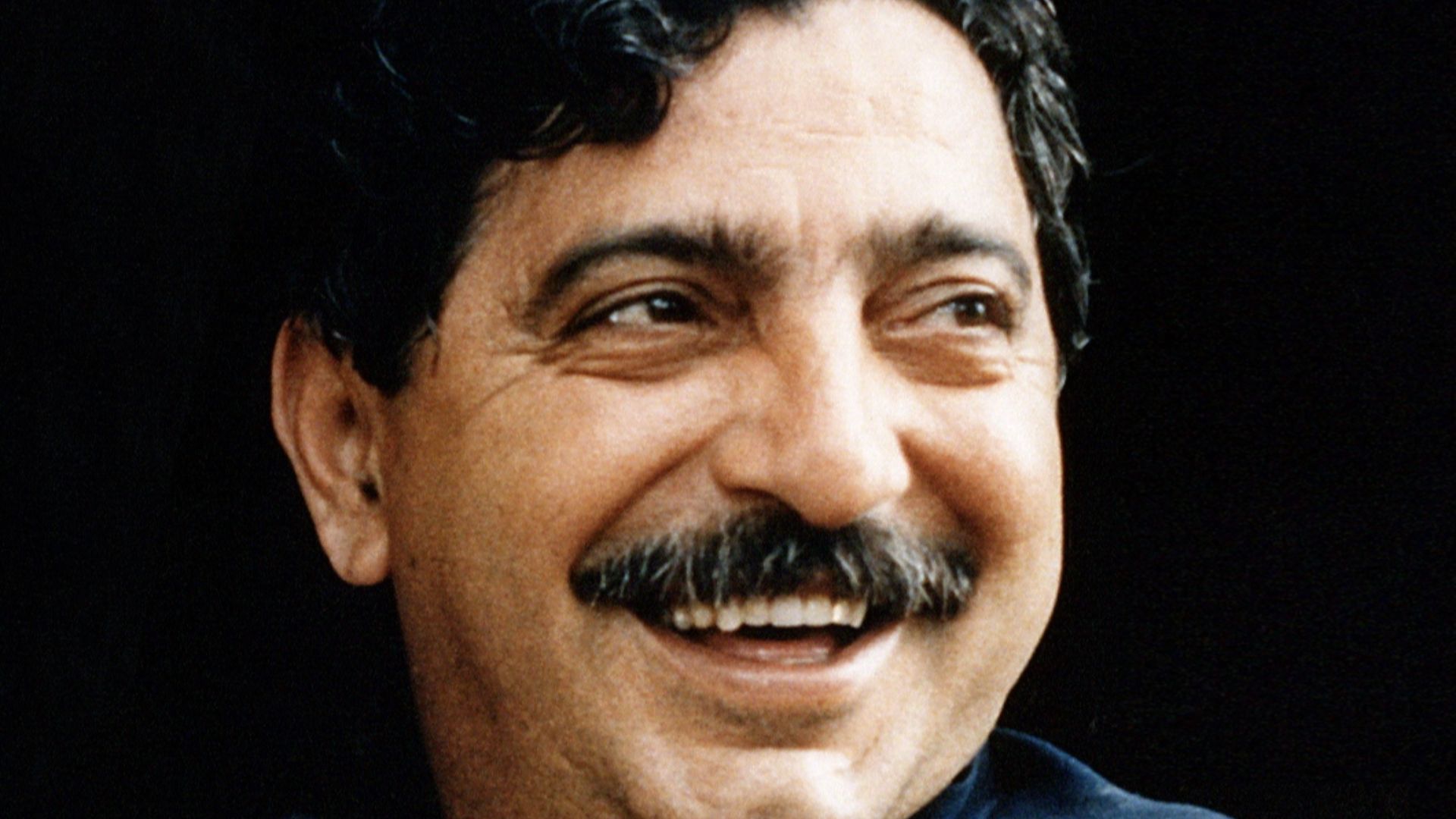 Miranda Smith, Miranda Productions, Inc. on Wikimedia
14. Dolores Huerta
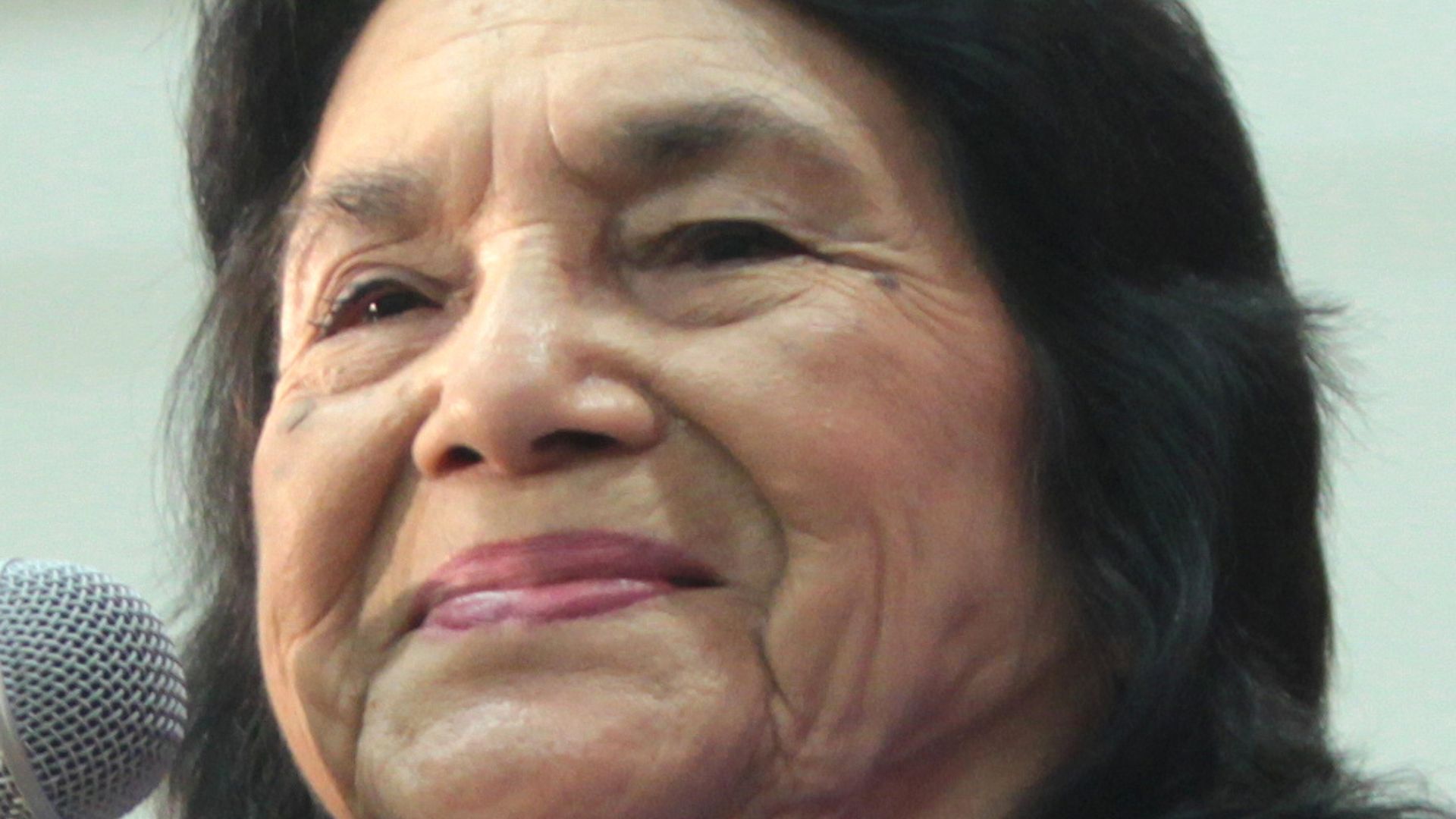
Dolores Huerta worked alongside César Chávez to improve conditions for farm workers in the United States. She helped organize labor strikes and negotiate worker protections for agricultural employees.
15. Jan Karski
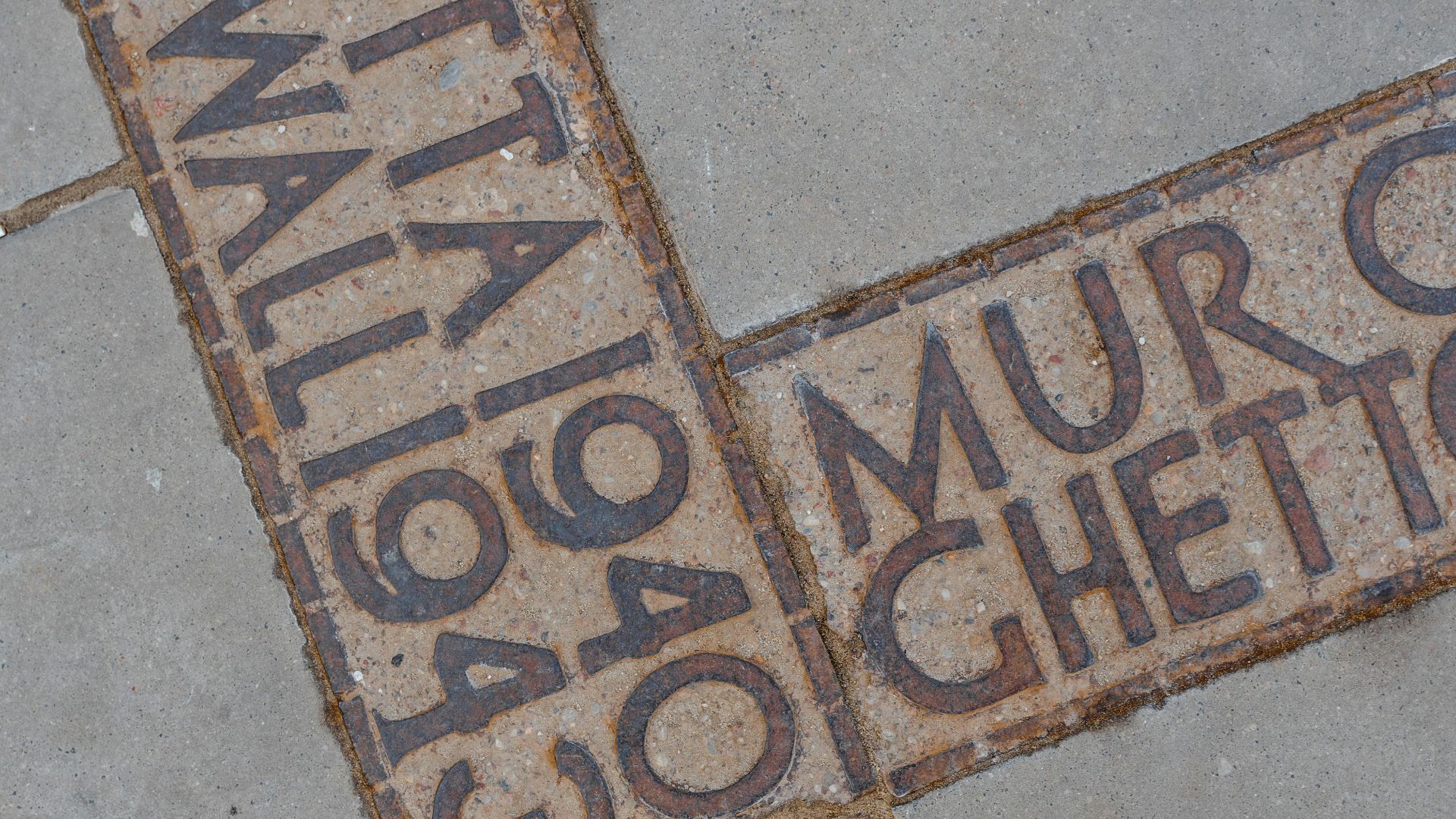
Jan Karski worked as a courier for the Polish resistance during World War II. After witnessing conditions inside the Warsaw Ghetto and Nazi camps, he secretly carried reports to Allied governments about the persecution of Jews in occupied Europe. His efforts helped document atrocities that many outside Poland had not fully understood.
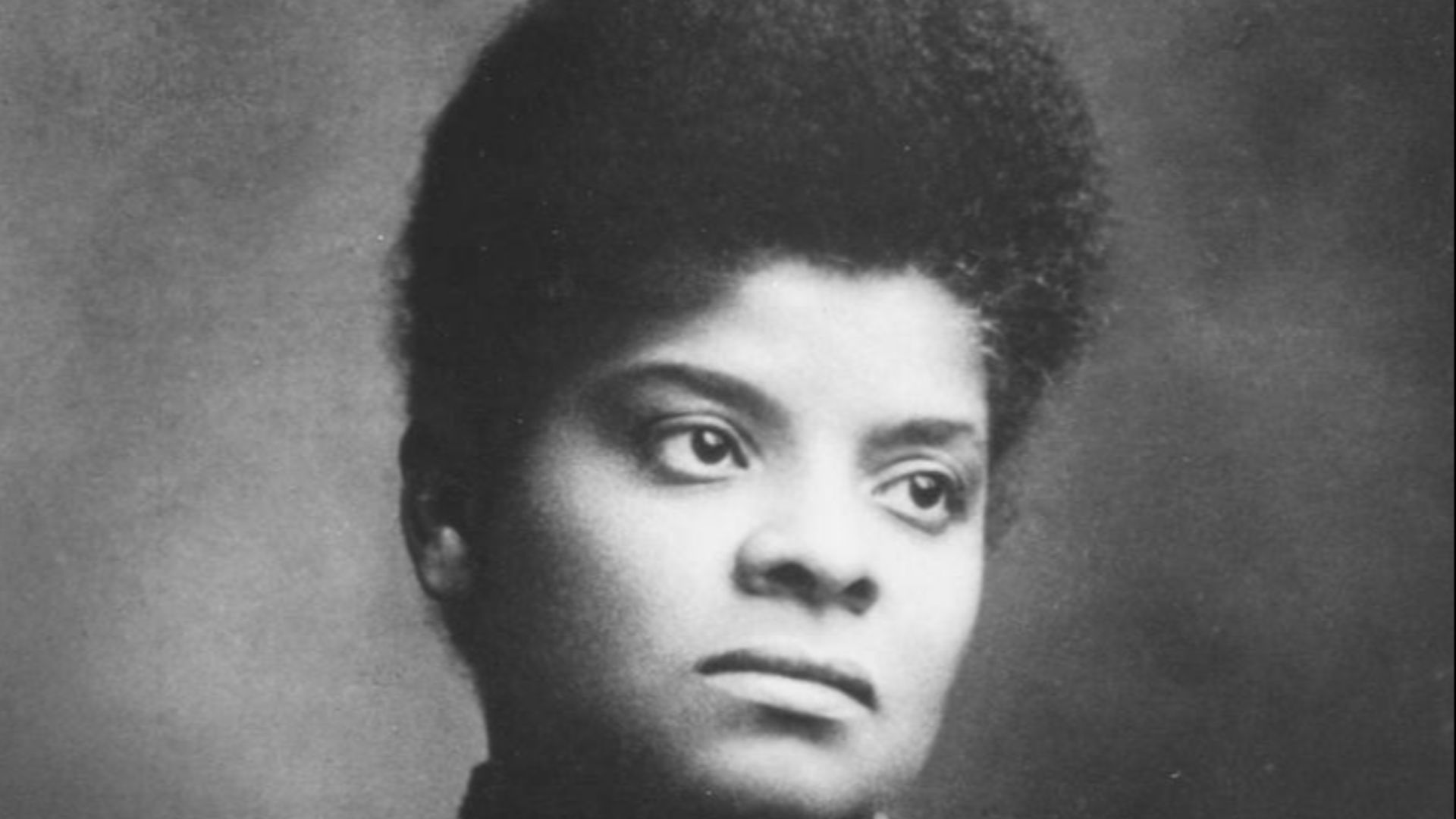
16. Ida B. Wells
Ida B. Wells worked as a teacher and journalist during the late 1800s and early 1900s. She investigated and published reports about racial violence and lynching in the American South despite serious personal danger.
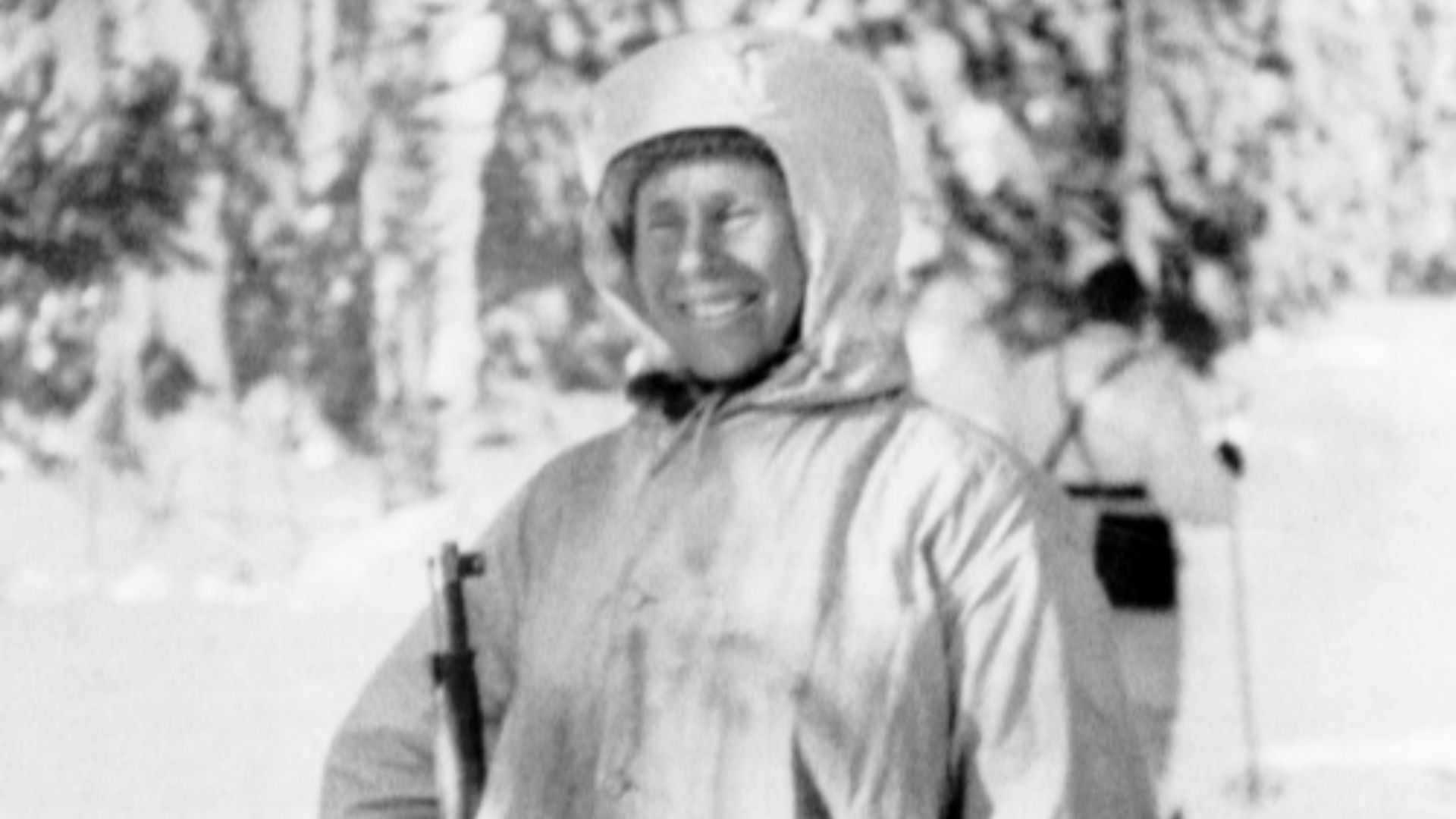
17. Simo Häyhä
Simo Häyhä worked as a Finnish farmer before serving as a sniper during the Winter War between Finland and the Soviet Union. His effectiveness in combat became legendary during the conflict.
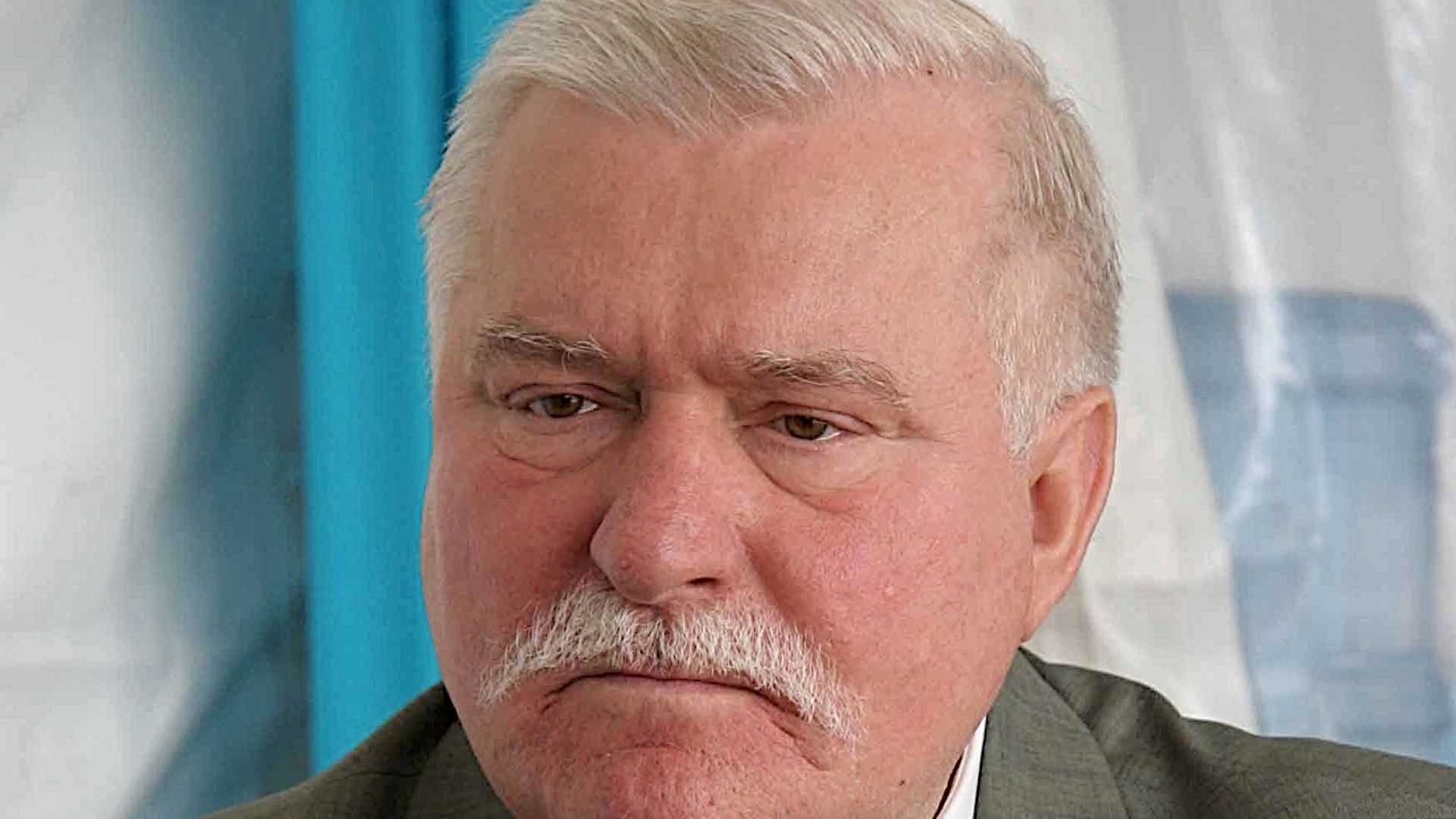
18. Lech Wałęsa
Lech Wałęsa worked as an electrician at the Gdańsk Shipyard in Poland. He became the leader of the Solidarity labor movement, which challenged communist rule during the 1980s.
19. Sophie Scholl
Sophie Scholl was a university student and anti-Nazi activist in Germany during World War II. Alongside other members of the White Rose resistance group, she distributed leaflets criticizing Adolf Hitler's government.
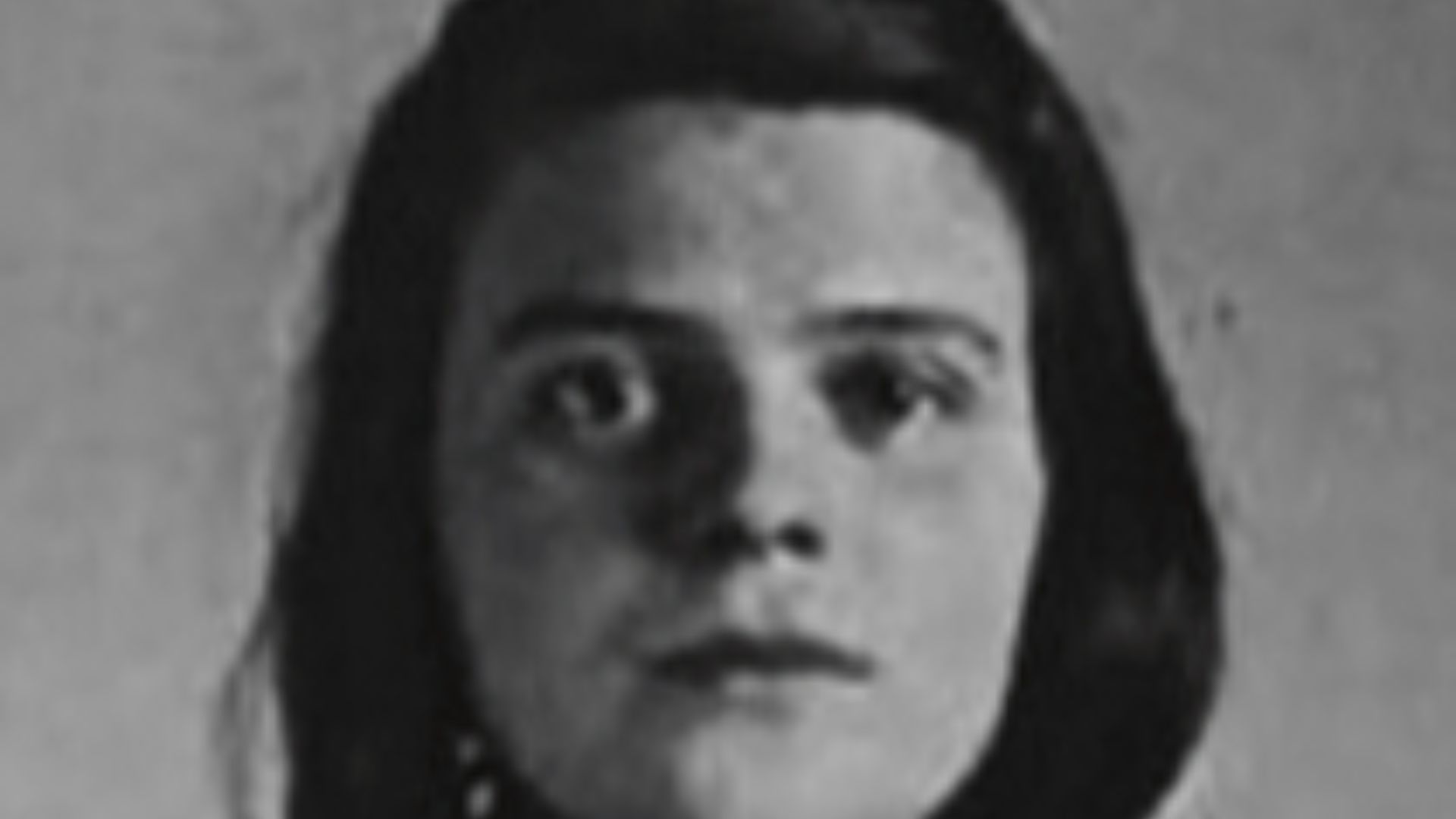 Unknown german police officer on Wikimedia
20. Frederick Douglass
Frederick Douglass began life enslaved before escaping and becoming a writer, speaker, and abolitionist. Through speeches and published works, he exposed the realities of slavery to audiences across the United States and Europe.
KEEP ON READING
The 20 Most Recognized Historical Figures Of All Time
The Biggest Names In History. Although the Earth has been…
By Cathy Liu Oct 4, 2024
10 of the Shortest Wars in History & 10 of…
Wars: Longest and Shortest. Throughout history, wars have varied dramatically…
By Emilie Richardson-Dupuis Oct 7, 2024
10 Fascinating Facts About Ancient Greece You Can Appreciate &…
Once Upon A Time Lived Some Ancient Weirdos.... Greece is…
By Megan Wickens Oct 7, 2024
20 Lesser-Known Facts About Christopher Columbus You Don't Learn In…
In 1492, He Sailed The Ocean Blue. Christopher Columbus is…
By Emilie Richardson-Dupuis Oct 9, 2024
20 Historical Landmarks That Have The Craziest Conspiracy Theories
Unsolved Mysteries Of Ancient Places . When there's not enough evidence…
By Megan Wickens Oct 9, 2024
The 20 Craziest Inventions & Discoveries Made During Ancient Times
Crazy Ancient Inventions . While we're busy making big advancements in…
By Cathy Liu Oct 9, 2024