

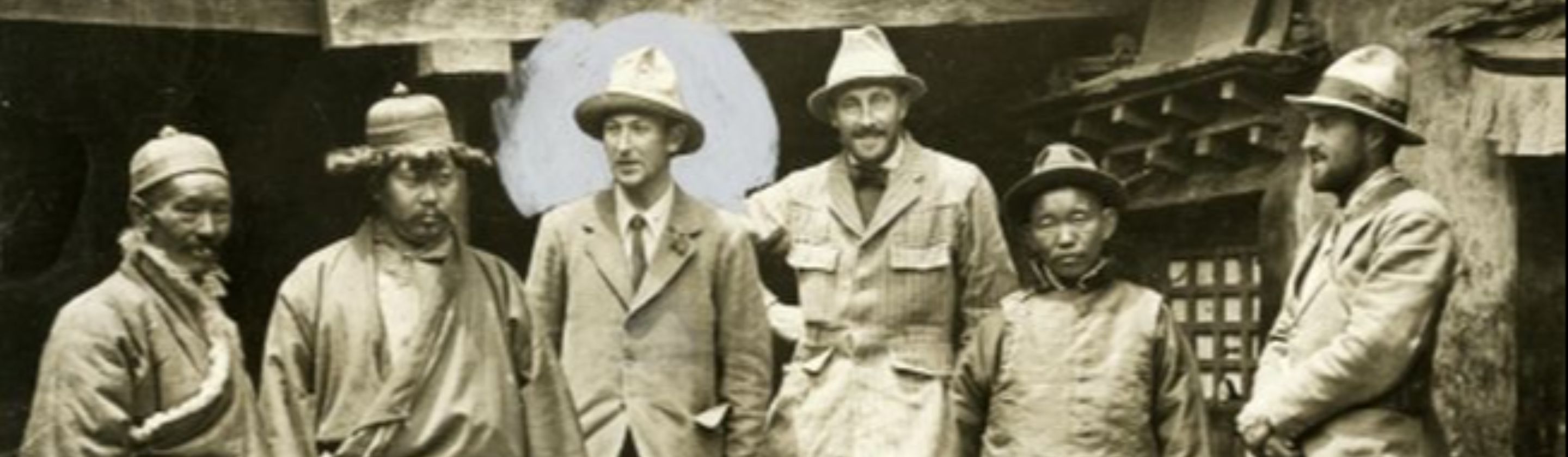
10 Explorations That Pushed Frontiers & 10 That Never Came Back
Journeys That Expanded The World And Missions Lost To History
Exploration has always carried a mix of ambition, curiosity, and danger because many expeditions were launched without accurate maps, reliable communication, or even a clear understanding of what lay ahead. Some journeys permanently changed trade, science, and geography by opening new routes or documenting unknown regions, while others vanished so completely that historians still debate what truly happened. Looking back at both the successful and disastrous missions shows just how risky exploration remained for centuries, even when the rewards seemed enormous. Here are 10 explorations that pushed frontiers and 10 that never came back.
 Photographer unidentified on Wikimedia
1. Ferdinand Magellan’s Circumnavigation Expedition
Magellan’s 1519 expedition became the first successful voyage to circumnavigate the globe, although Magellan himself died in the Philippines before it ended. His fleet proved that the Atlantic and Pacific Oceans were connected through the strait now bearing his name at the southern tip of South America.
 Unknown authorUnknown author on Wikimedia
2. Lewis And Clark’s Corps Of Discovery
Commissioned by President Thomas Jefferson in 1804 after the Louisiana Purchase, the Lewis and Clark Expedition explored vast stretches of western North America. The group mapped rivers, documented wildlife, and established diplomatic contact with numerous Indigenous nations along the route.
3. Roald Amundsen’s South Pole Expedition
Norwegian explorer Roald Amundsen became the first person to reach the South Pole in December 1911. His team succeeded partly because of careful planning, strong sled dogs, and experience with polar survival techniques learned from Arctic Indigenous communities.
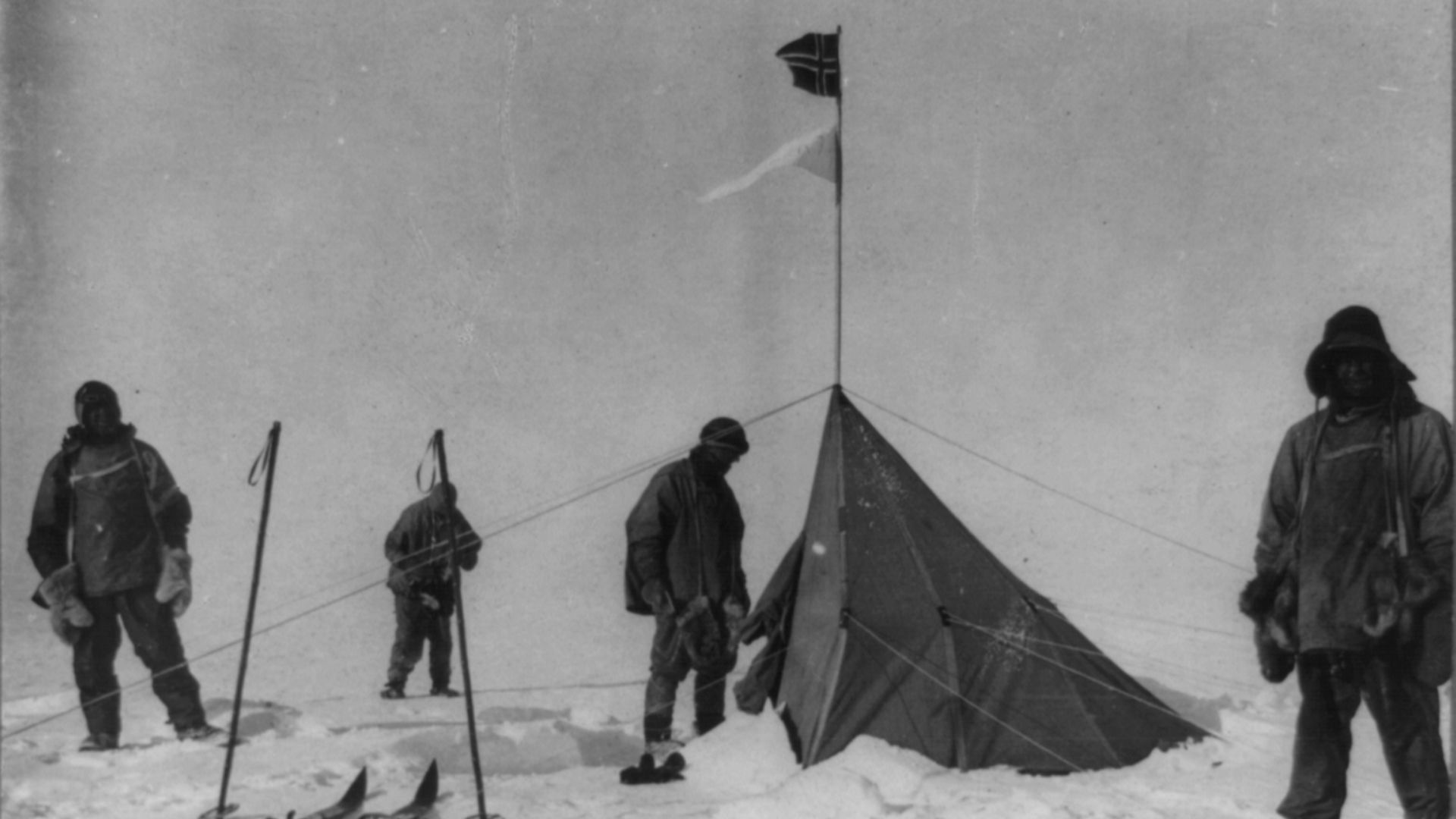 Henry Bowers (1883 - 1912) on Wikimedia
4. Zheng He’s Treasure Voyages
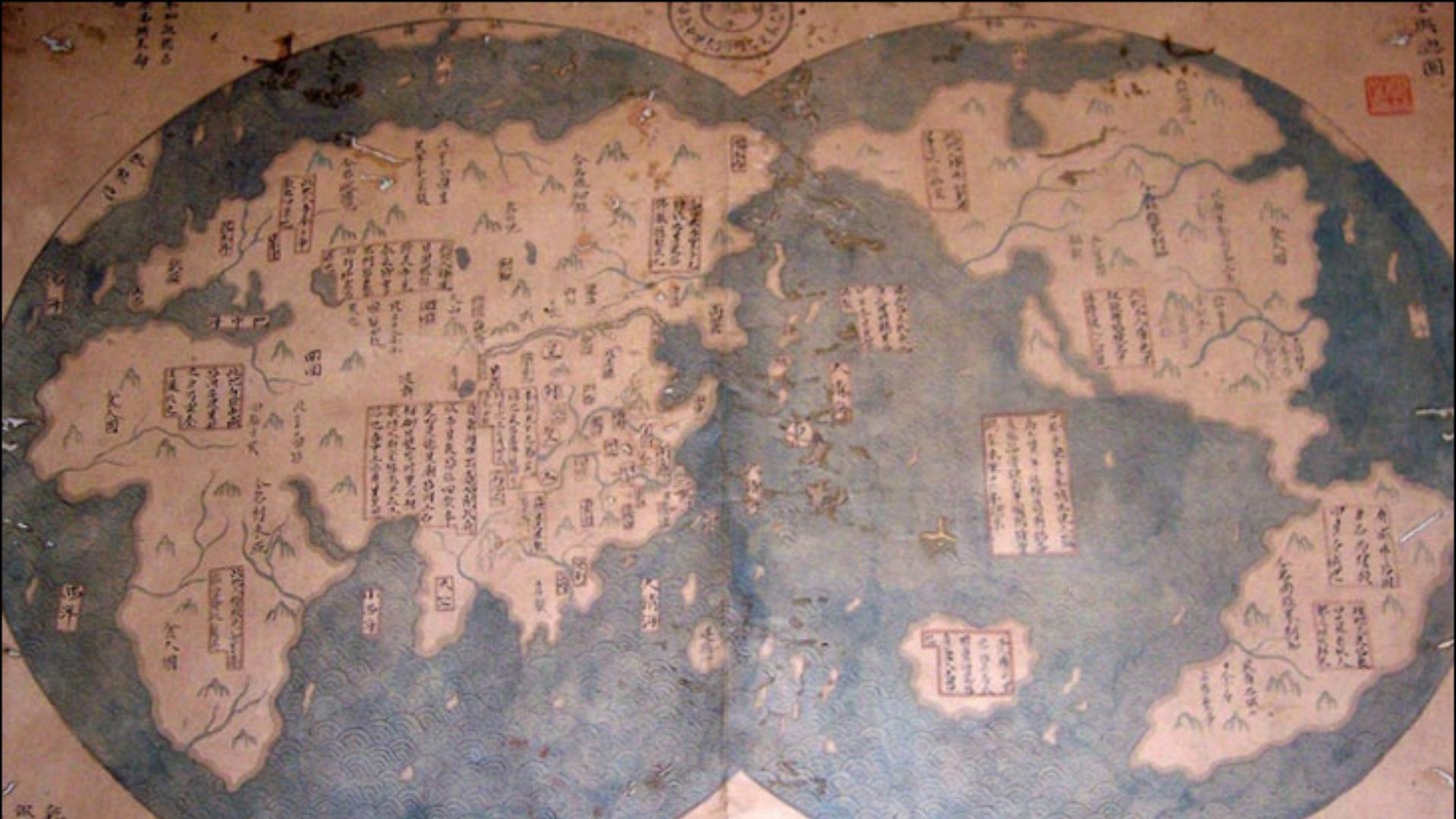
During the early 15th century, Chinese admiral Zheng He commanded massive naval expeditions across the Indian Ocean under the Ming Dynasty. His fleets traveled to Southeast Asia, India, the Arabian Peninsula, and East Africa while promoting trade and diplomacy.
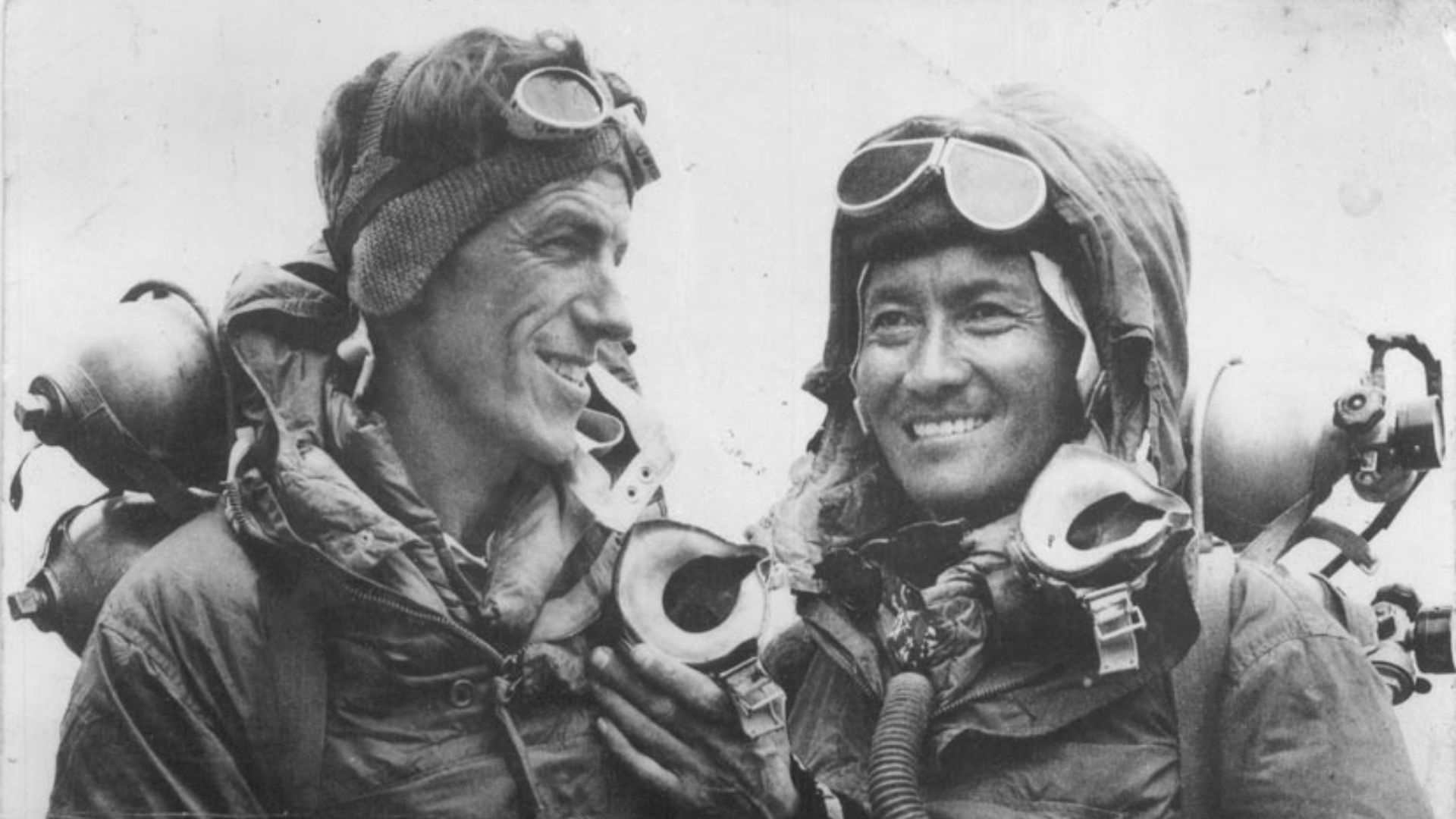
5. Edmund Hillary And Tenzing Norgay On Everest
In 1953, Sir Edmund Hillary of New Zealand and Sherpa mountaineer Tenzing Norgay became the first confirmed climbers to reach the summit of Mount Everest. Their achievement followed decades of failed attempts by earlier expeditions facing avalanches, storms, and altitude sickness.
 Jamling Tenzing Norgay on Wikimedia
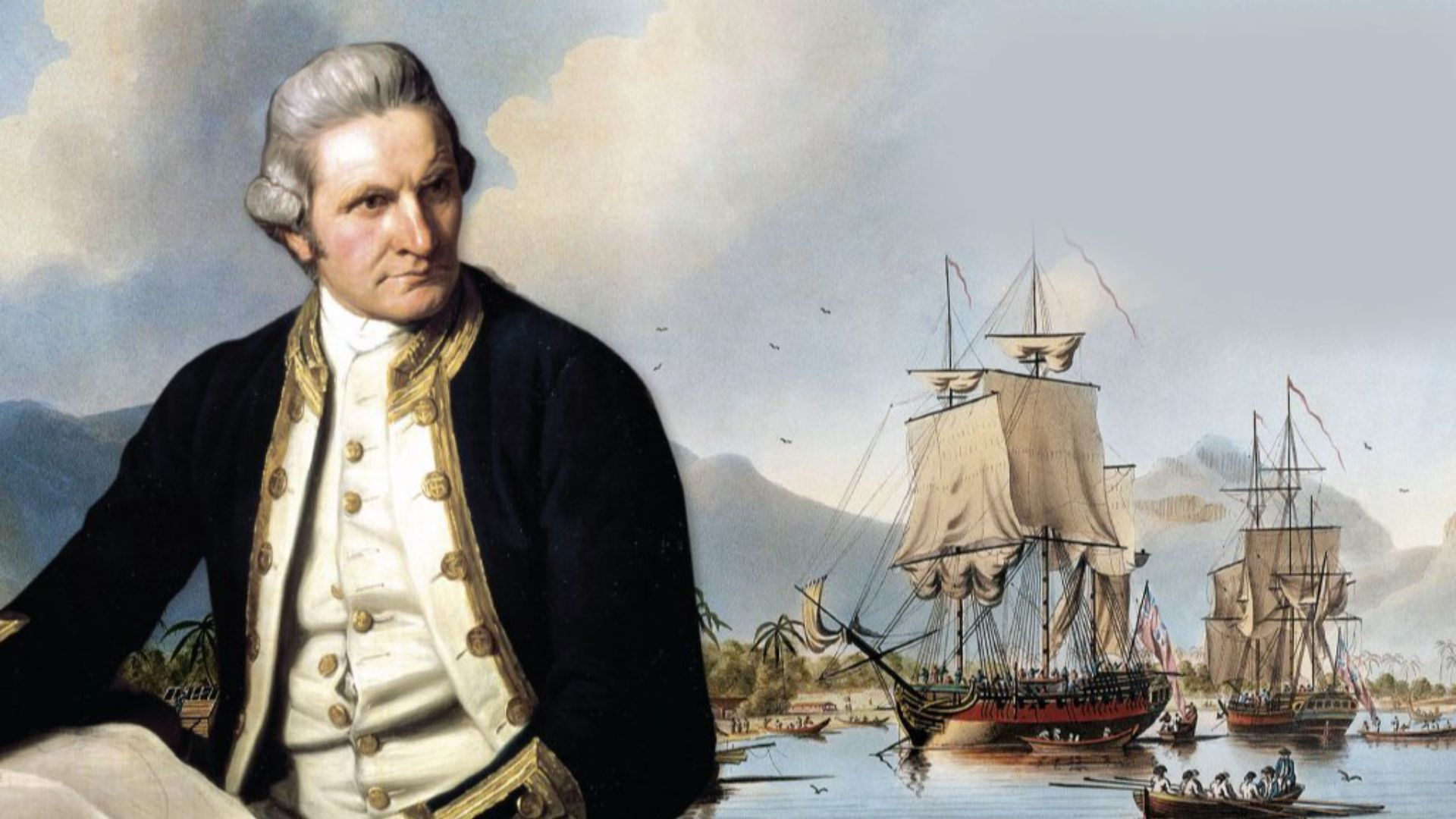
6. James Cook’s Pacific Voyages
British explorer James Cook completed three major Pacific expeditions between 1768 and 1779 that significantly improved European maps of the region. He charted New Zealand thoroughly, mapped Australia’s eastern coastline, and explored parts of the Arctic and Pacific Islands.
 Nahia Blanco Iturbe on Wikimedia
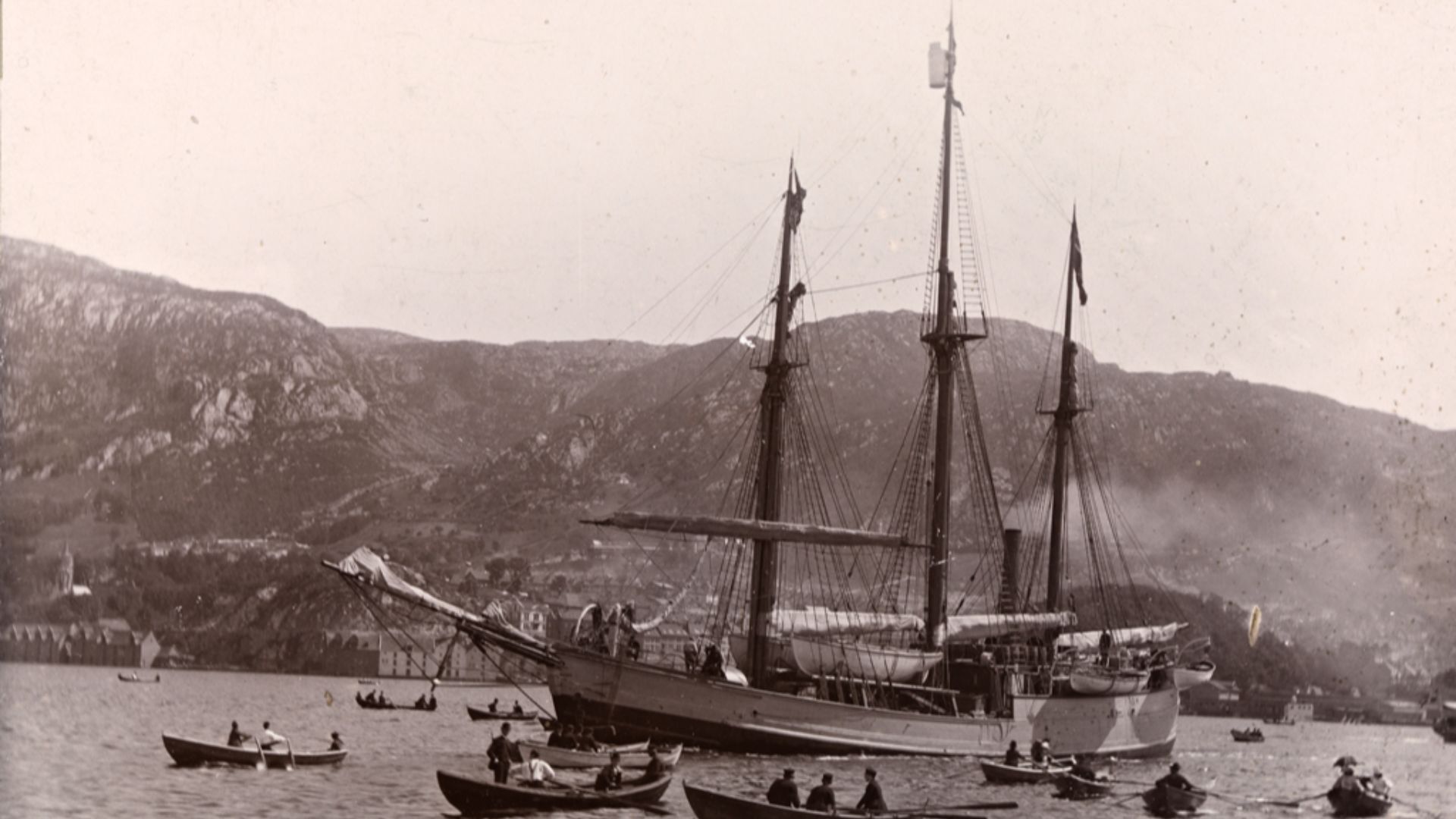
7. Fridtjof Nansen’s Arctic Expedition
Norwegian explorer Fridtjof Nansen attempted to reach the North Pole in the 1890s by intentionally freezing his ship, the Fram, into Arctic sea ice. He believed the natural ice drift would carry the vessel closer to the pole over time.
8. Ibn Battuta’s Travels Across Afro-Eurasia
Moroccan scholar Ibn Battuta traveled across North Africa, the Middle East, Central Asia, India, and parts of China during the 14th century. Over roughly three decades, he covered an estimated 75,000 miles, making him one of history’s most traveled individuals before modern transportation.

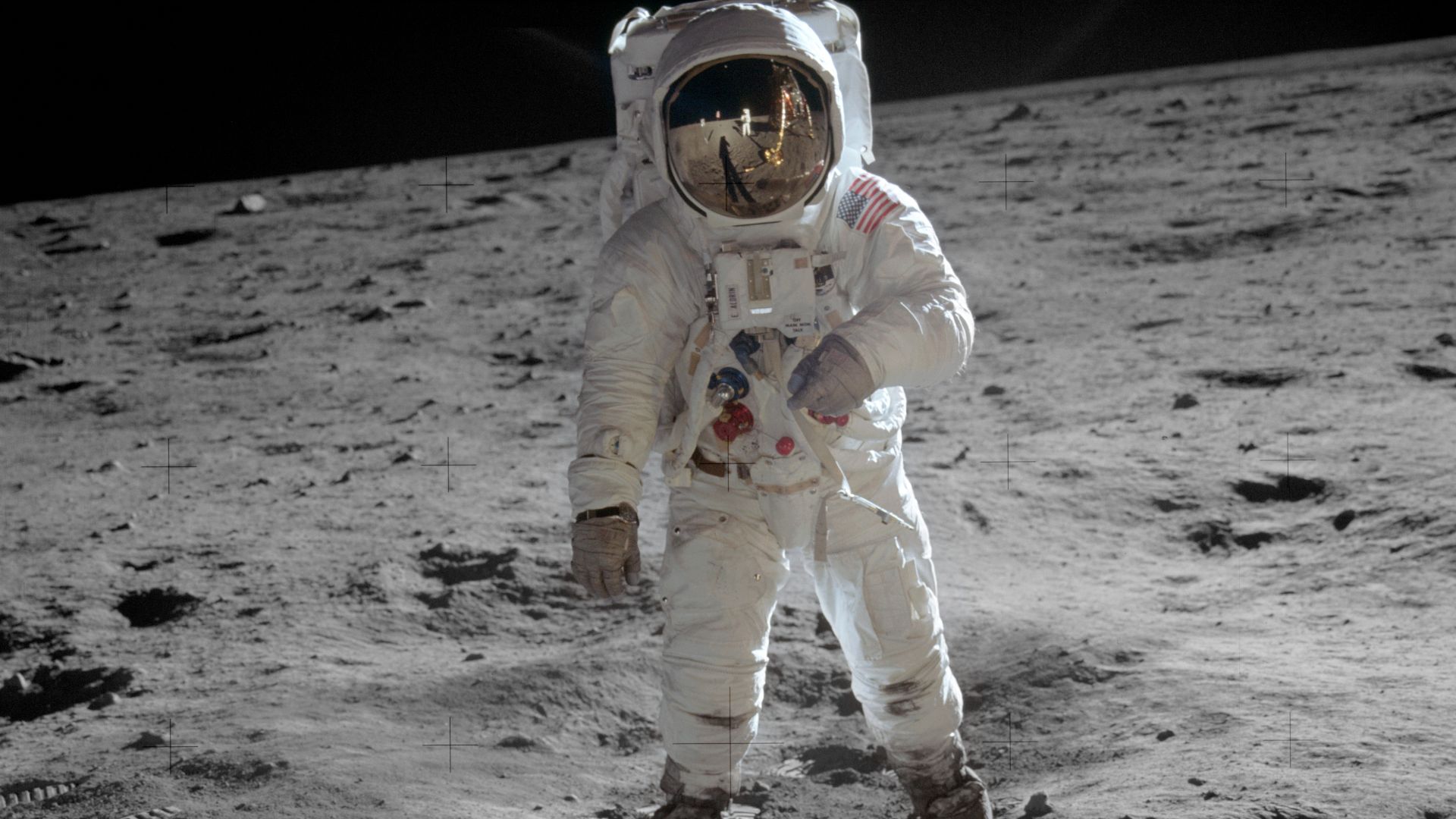
9. The Apollo 11 Moon Mission
Apollo 11 became the first successful crewed lunar landing in July 1969, when Neil Armstrong and Buzz Aldrin walked on the Moon while Michael Collins remained in lunar orbit. The mission represented the peak of intense Cold War space competition between the United States and the Soviet Union.
10. Ernest Shackleton’s Endurance Expedition Survival
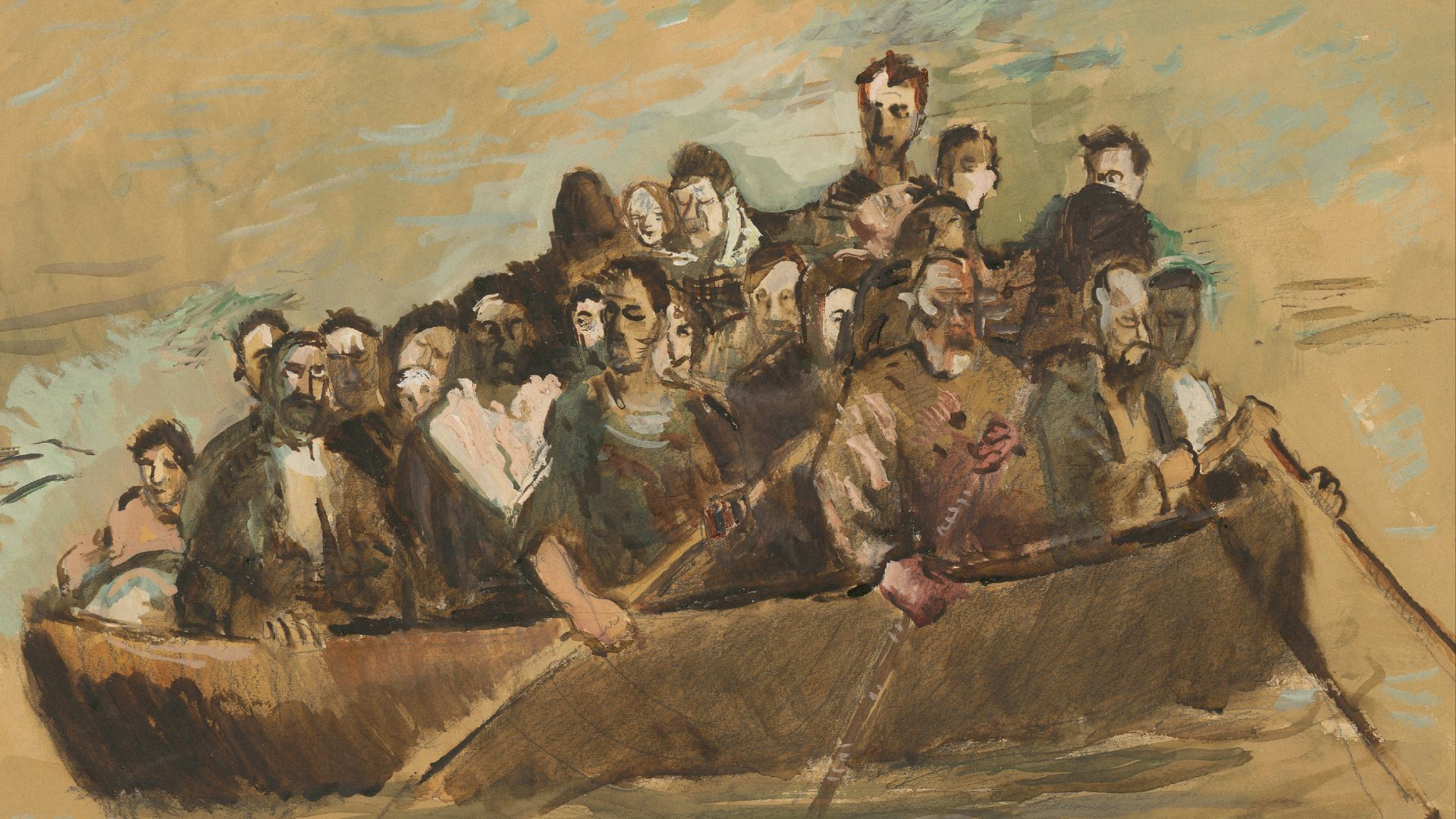
Although Shackleton’s Imperial Trans-Antarctic Expedition failed to cross Antarctica in 1914, it became legendary because of the crew’s extraordinary survival after their ship, Endurance, was crushed by pack ice. Shackleton led his men across drifting ice and dangerous seas before reaching safety on South Georgia Island.
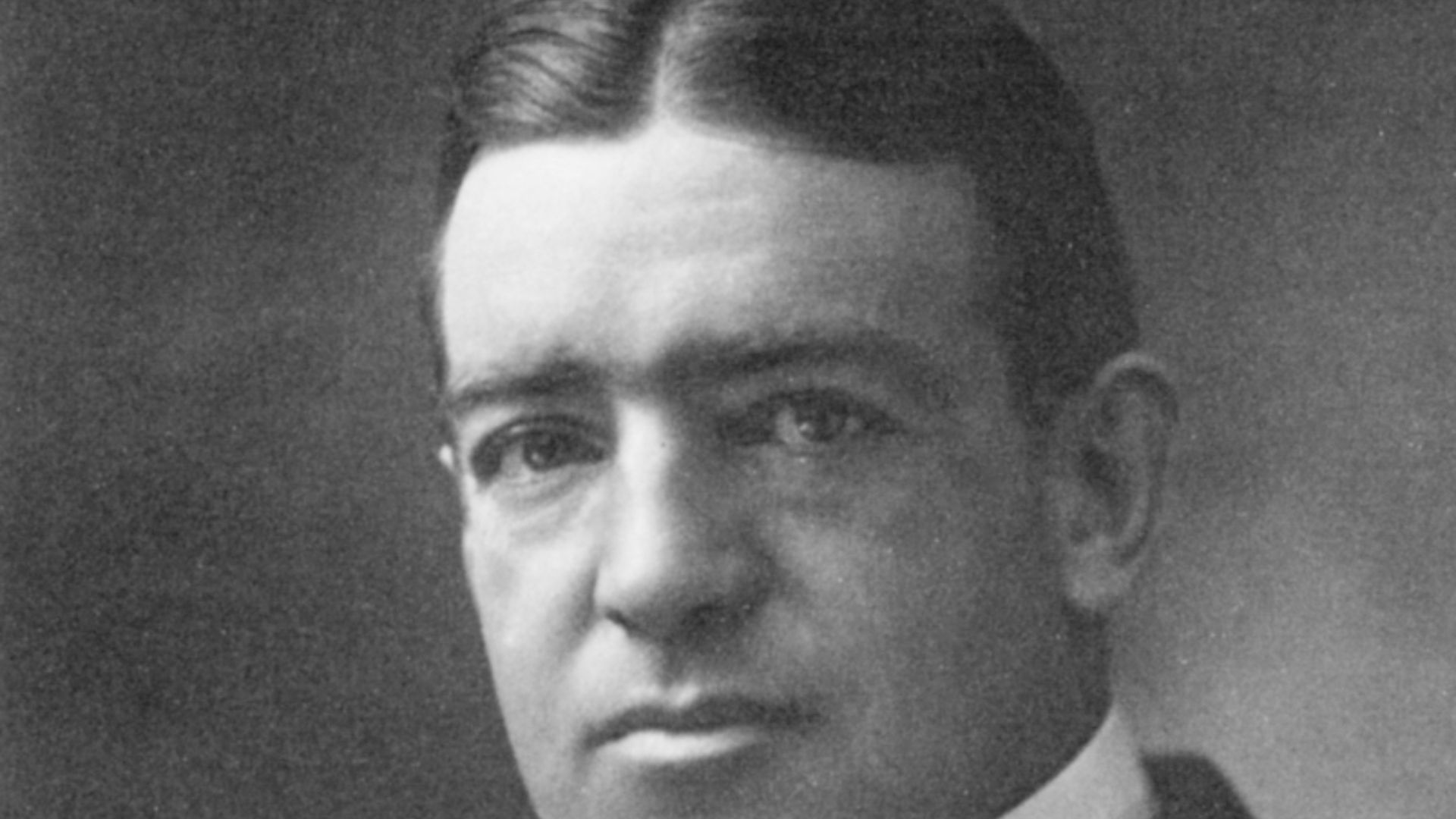
1. Sir John Franklin’s Arctic Expedition
Franklin’s 1845 expedition set out to find the Northwest Passage through the Canadian Arctic using the ships HMS Erebus and HMS Terror. Both vessels became trapped in ice, and all 129 crew members eventually died.
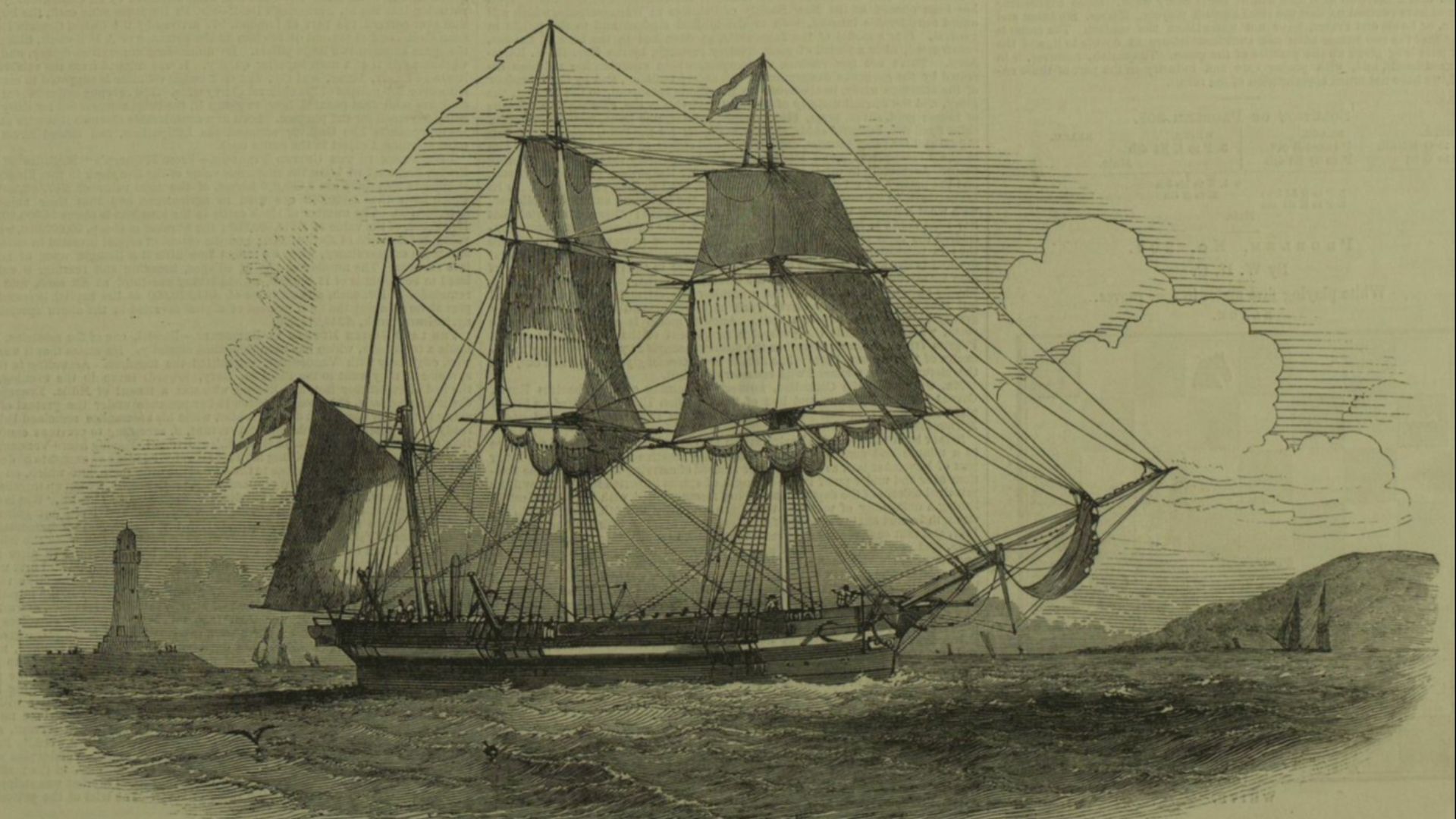 After Nicholas Matthews Condy on Wikimedia
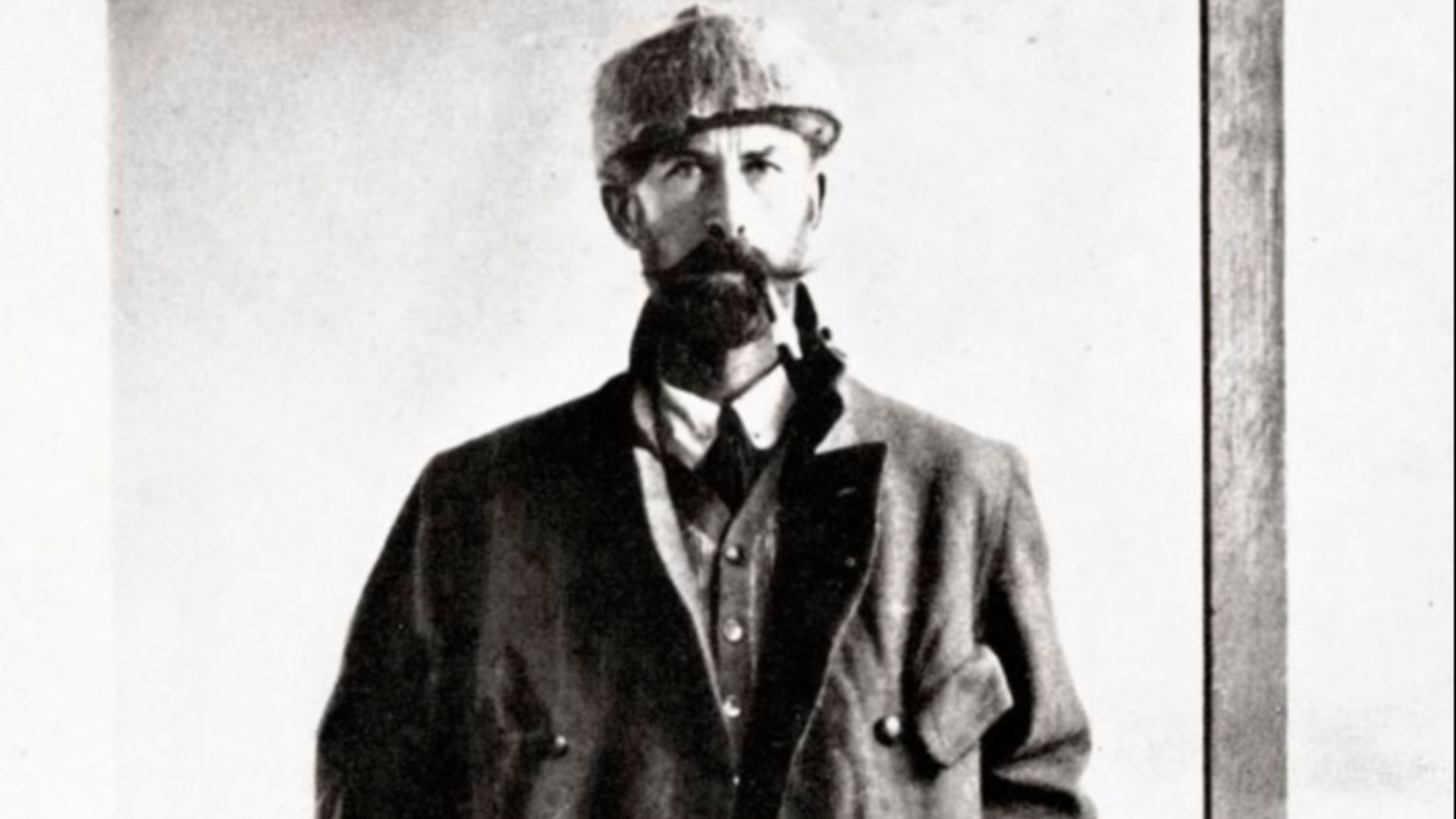
2. Percy Fawcett’s Search For The Lost City
British explorer Percy Fawcett disappeared in 1925 while searching for a supposed ancient city in the Amazon rainforest he called “Z.” Fawcett, his son Jack, and Jack’s friend Raleigh Rimell vanished after entering remote territory in Brazil.
3. George Mallory’s Everest Expedition
British mountaineer George Mallory disappeared on Mount Everest in 1924 alongside climbing partner Andrew Irvine during an attempt to reach the summit. Mallory’s body was discovered in 1999, high on the mountain, but Irvine has never been found.
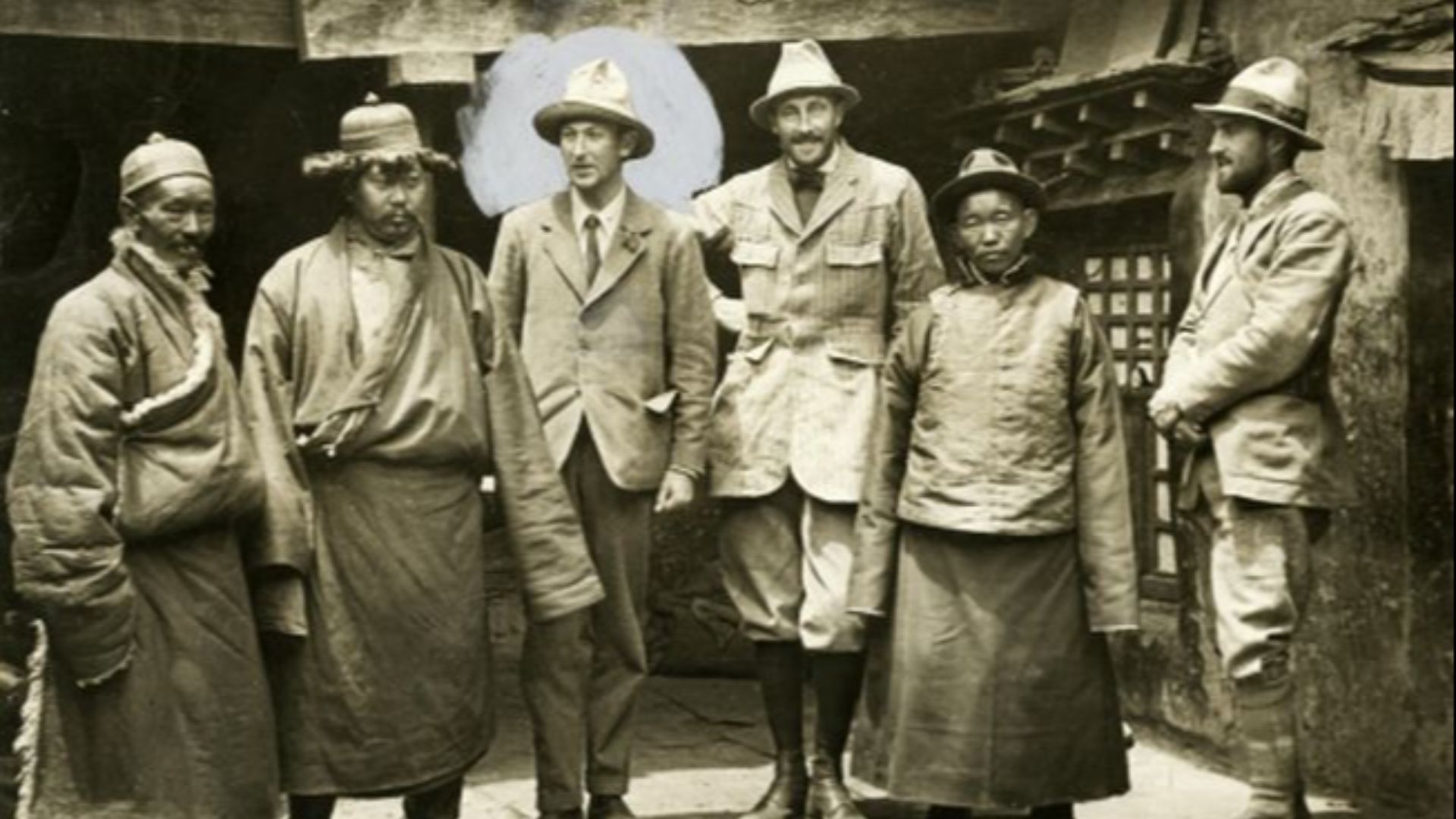 Nationaal Archief on Wikimedia
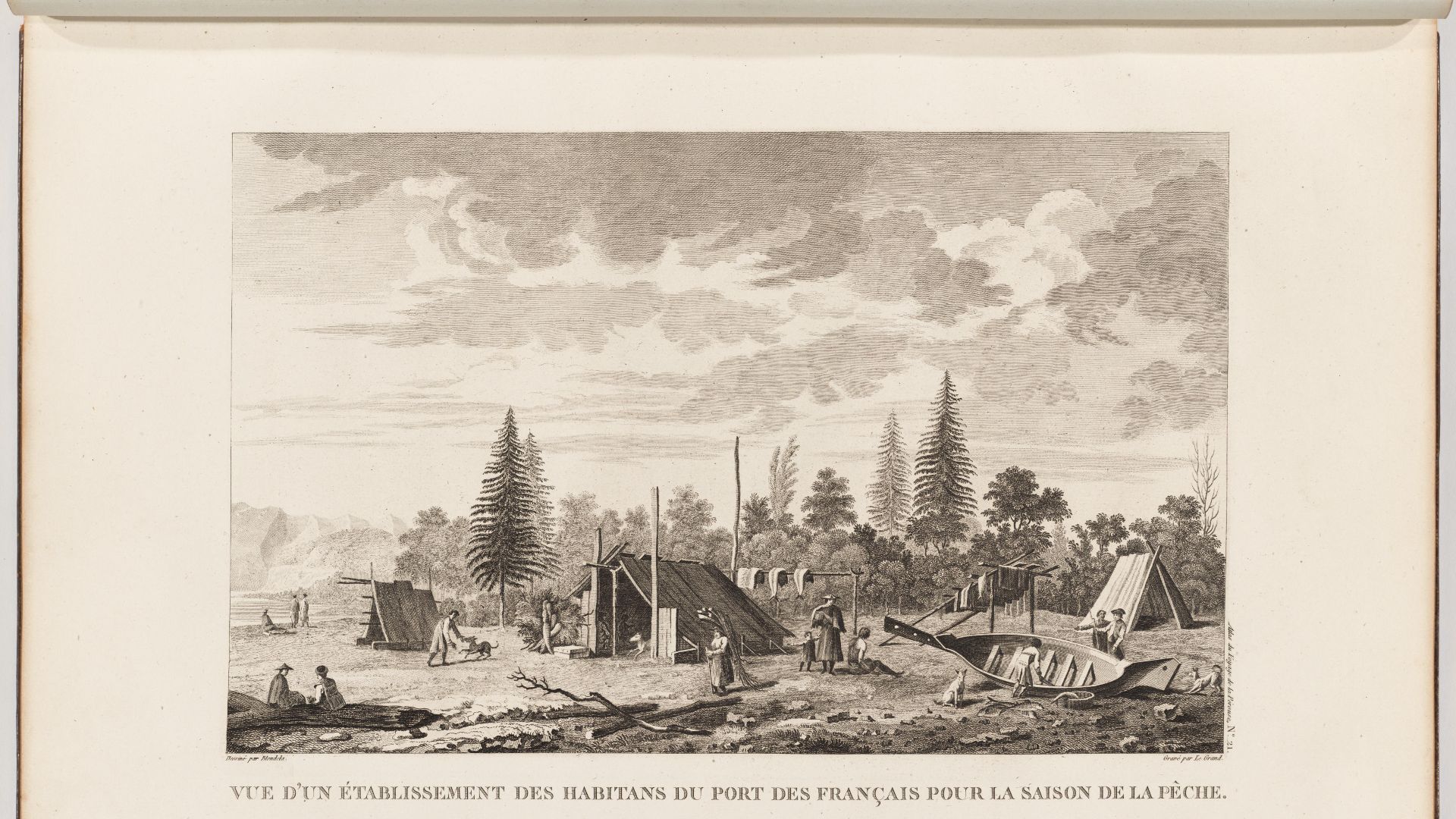
4. Jean-François De Galaup De Lapérouse’s Voyage
French naval officer Lapérouse led a major scientific expedition around the Pacific beginning in 1785. After leaving Australia in 1788, both of his ships vanished completely for decades.
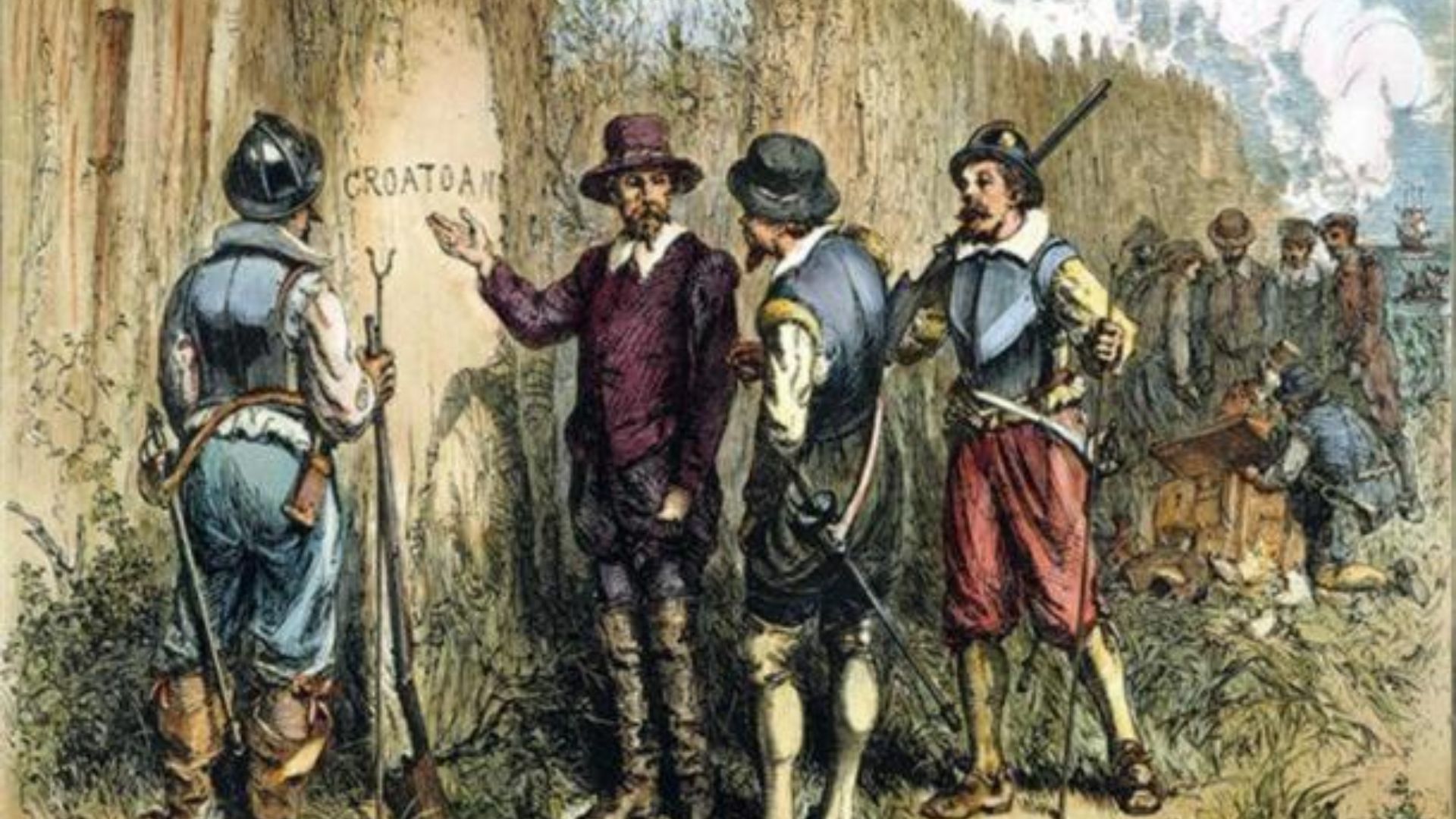
5. The Lost Roanoke Colonists
England’s Roanoke Colony was established in present-day North Carolina during the late 1580s under Governor John White. When White returned from England in 1590 after supply delays caused by war, the settlement had been abandoned without a clear explanation.
6. The Donner-Reed Party
The Donner Party set out for California in 1846 along the overland trail but became trapped by heavy snow in the Sierra Nevada mountains. Delays, poor route choices, and harsh winter conditions left the group stranded for months with limited food.

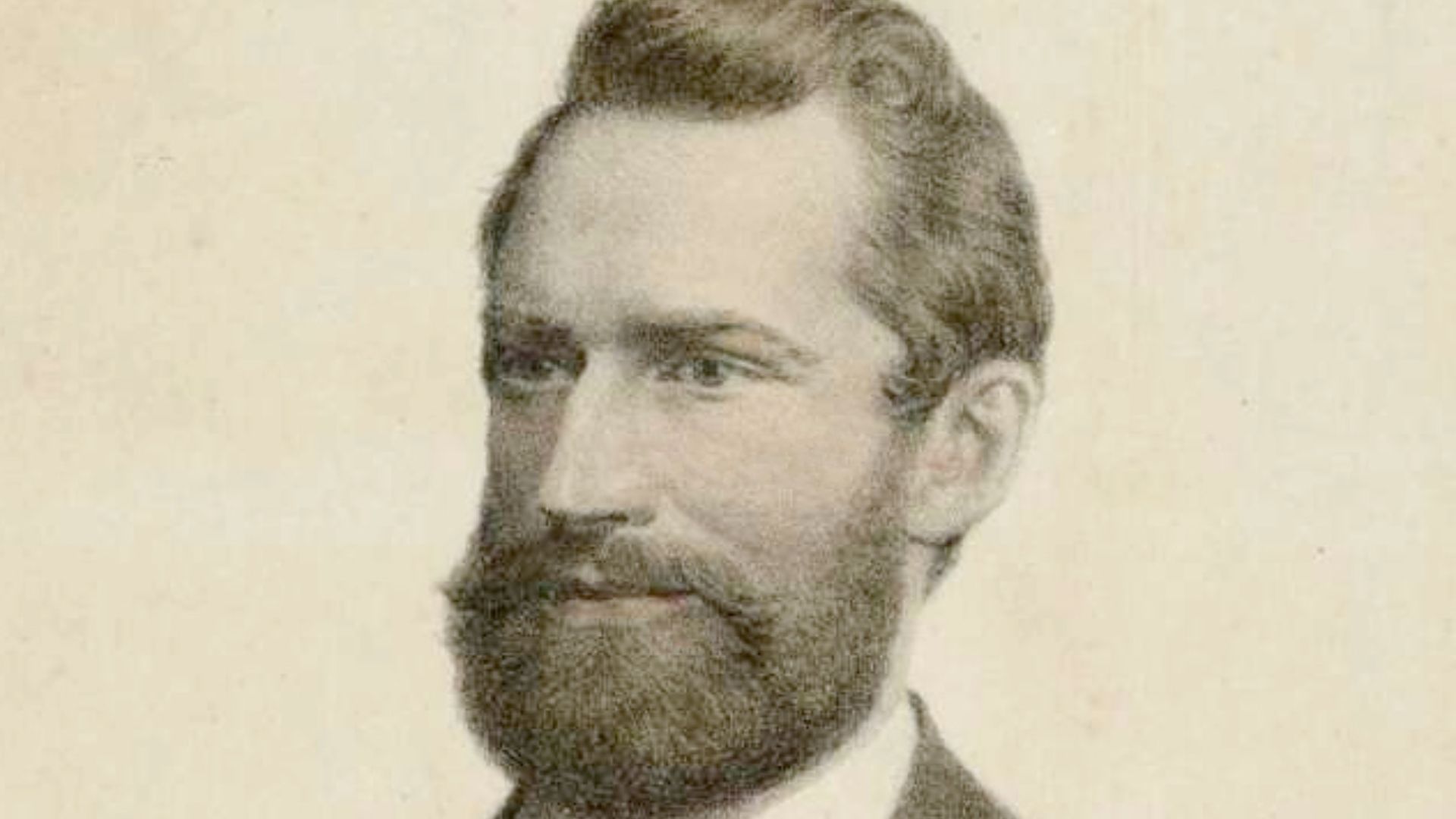
7. Ludwig Leichhardt’s Final Expedition
German explorer Ludwig Leichhardt disappeared in 1848 while attempting to cross Australia from east to west. His expedition entered remote inland territory and never returned despite multiple search efforts over the following decades.
 Unknown authorUnknown author on Wikimedia
8. Salomon August Andrée’s Balloon Expedition
Swedish engineer Salomon Andrée attempted to reach the North Pole by hydrogen balloon in 1897. The balloon quickly encountered problems, forcing the crew to land on Arctic ice and continue on foot. The men disappeared, and their remains were not discovered until 1930 on Kvitøya Island in the Arctic Ocean.
 Gösta Florman (1831–1900) on Wikimedia
9. Gaspar And Miguel Corte-Real’s Voyages
Portuguese brothers Gaspar and Miguel Corte-Real explored the North Atlantic during the early 1500s in search of new territories and trade opportunities. Gaspar disappeared during an expedition near Greenland or Newfoundland in 1501.
 Lorraine Boissoneault on Wikimedia
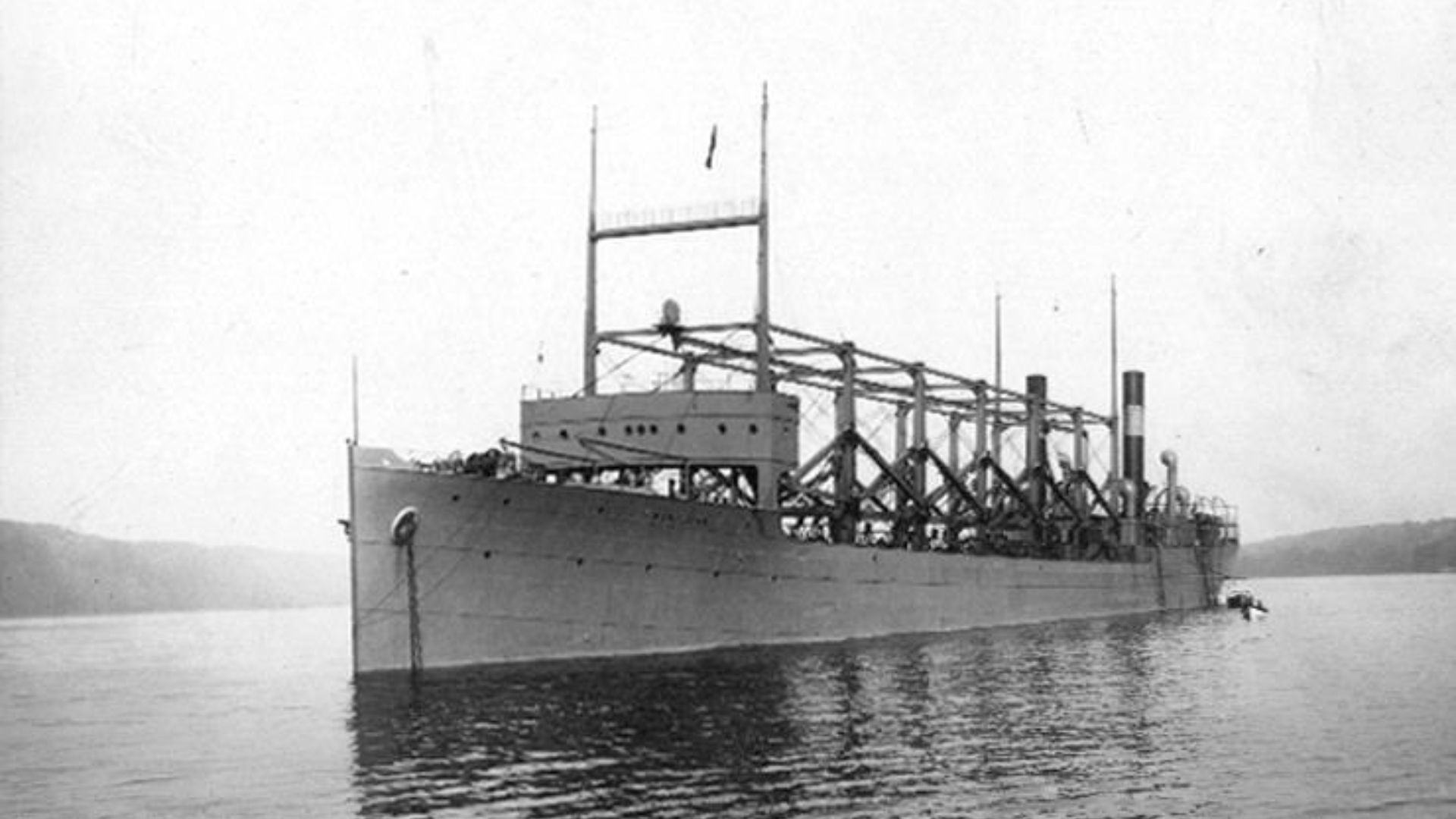
10. The USS Cyclops Disappearance
The USS Cyclops, a United States Navy cargo ship, vanished in 1918 while sailing through the Atlantic Ocean with more than 300 people aboard. No distress signal was received, and no confirmed wreckage has ever been identified.
 Photograph was taken by the New York Navy Yard. on Wikimedia
KEEP ON READING

From Heroes To Zeroes 20 Historical Figures Whose Heroism Was…
History is full of legends, but not every hero lived…
By Noone Feb 25, 2026
The Clueless Crush: How I Accidentally Invited a Hacker Into…
Fluorescent Lights and First Impressions. My name is Tessa, I'm…
By Ali Hassan Nov 4, 2025
This Infamous Ancient Greek Burned Down An Ancient Wonder Just…
History remembers kings and conquerors, but sometimes, it also remembers…
By David Davidovic Nov 12, 2025
Einstein's Violin Just Sold At An Auction—And It Earned More…
A Visionary's Violin. Wanda von Debschitz-Kunowski on WikimediaWhen you hear…
By Ashley Bast Nov 3, 2025
The Mysterious "Sea People" Who Collapsed Civilization
3,200 years ago, Bronze Age civilization in the Mediterranean suddenly…
By Robbie Woods Mar 18, 2025
20 Historical Monuments That Cost Absurd Amounts Of Money
Price Tags With A Pulse. Monuments have a funny way…
By Cameron Dick May 14, 2026