The Menu Has Teeth
Extinction can sound distant, like something that belongs in charts, museums, and old field notes. But many animals disappeared because humans looked at them and saw an easy meal. Appetite was not always the only force at work. Habitat loss, introduced animals, and plain commercial greed often pushed the damage further. Here are 10 animals humans ate into extinction, followed by 10 we nearly lost the same way.
1. Passenger Pigeon
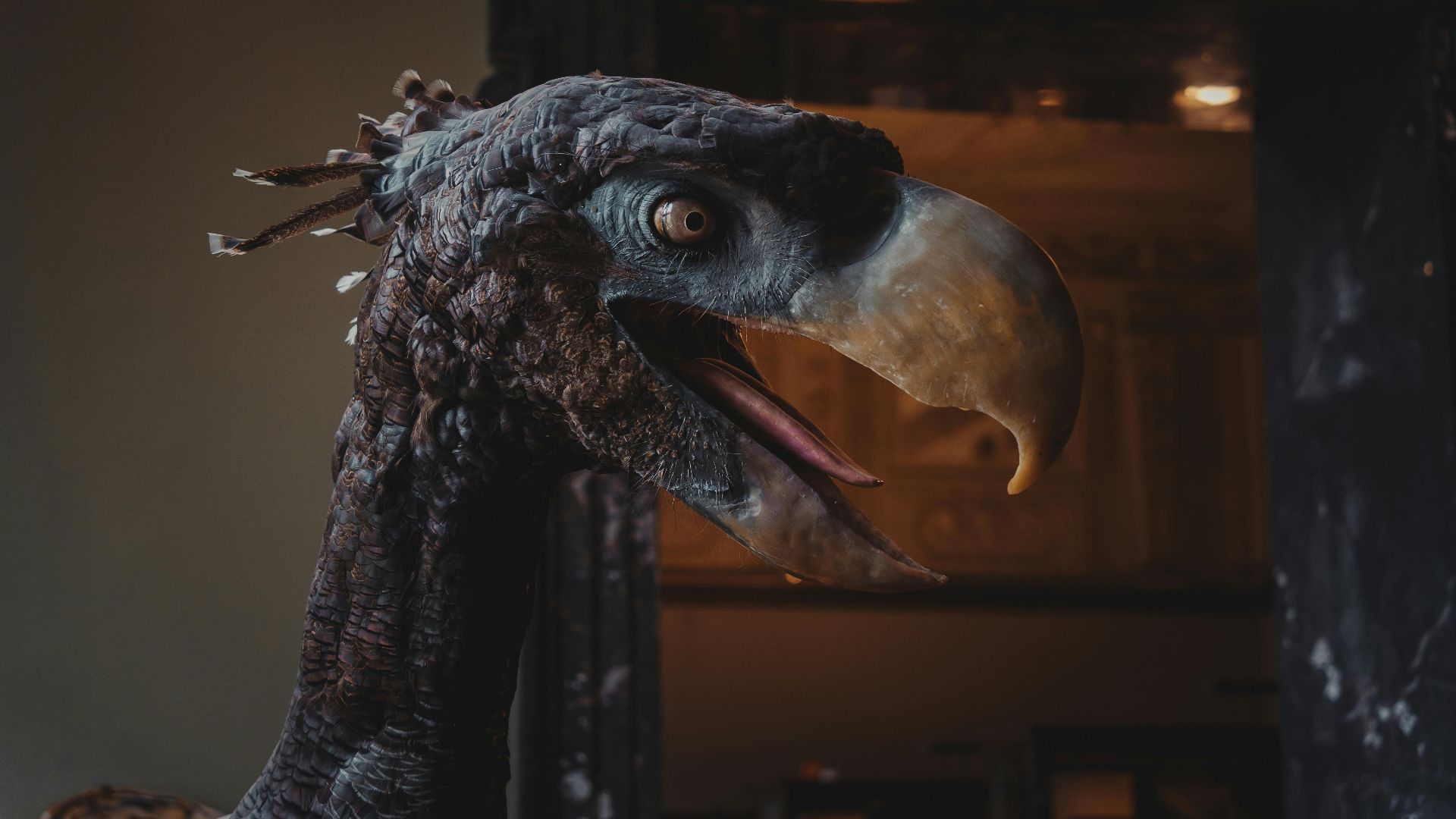
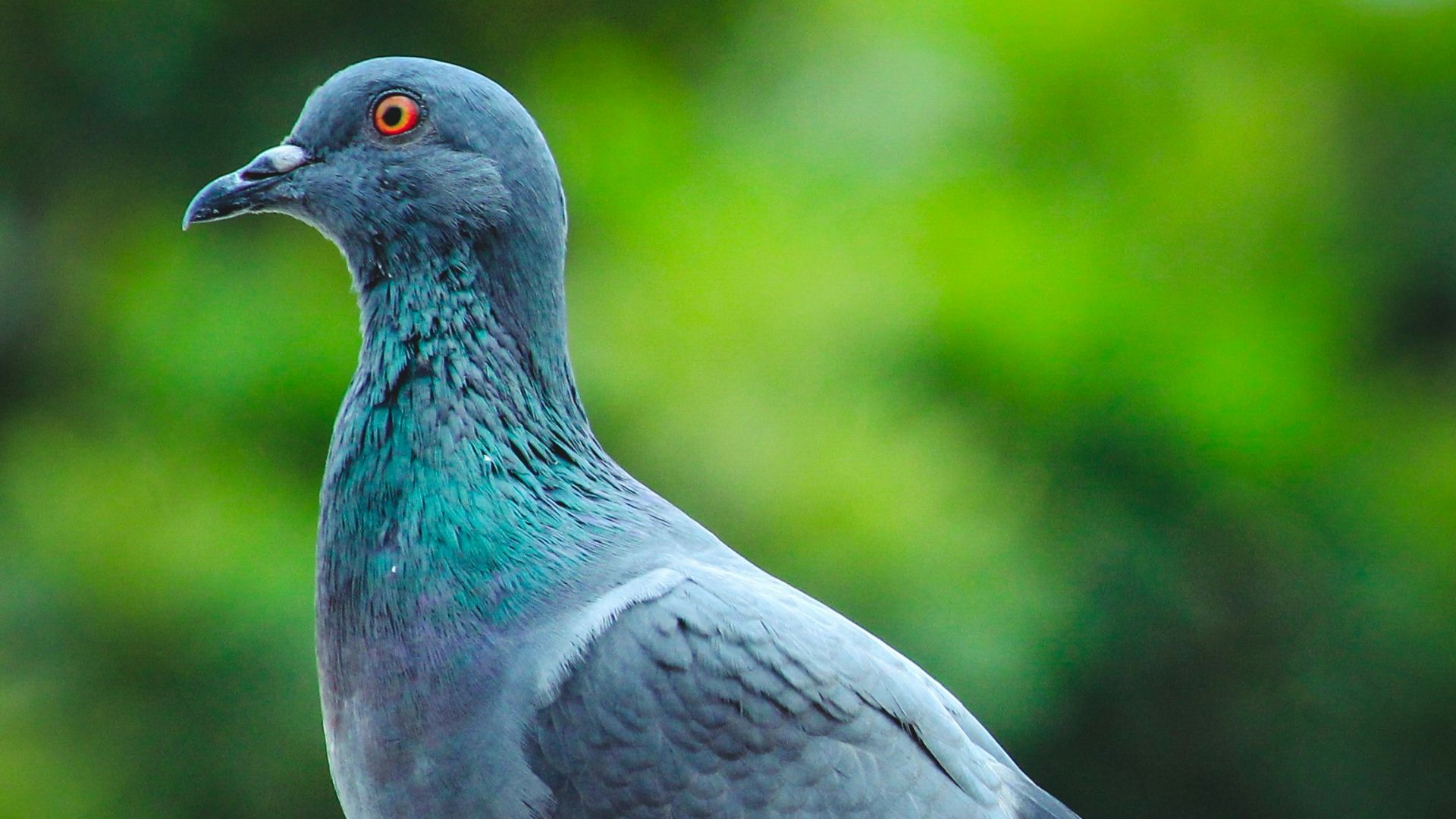
The passenger pigeon once moved through North America in flocks so huge they could darken the sky. Then people turned that abundance into cheap meat, shooting and netting birds by the thousands and shipping them by rail. By 1914, the last known passenger pigeon was dead.
2. Great Auk
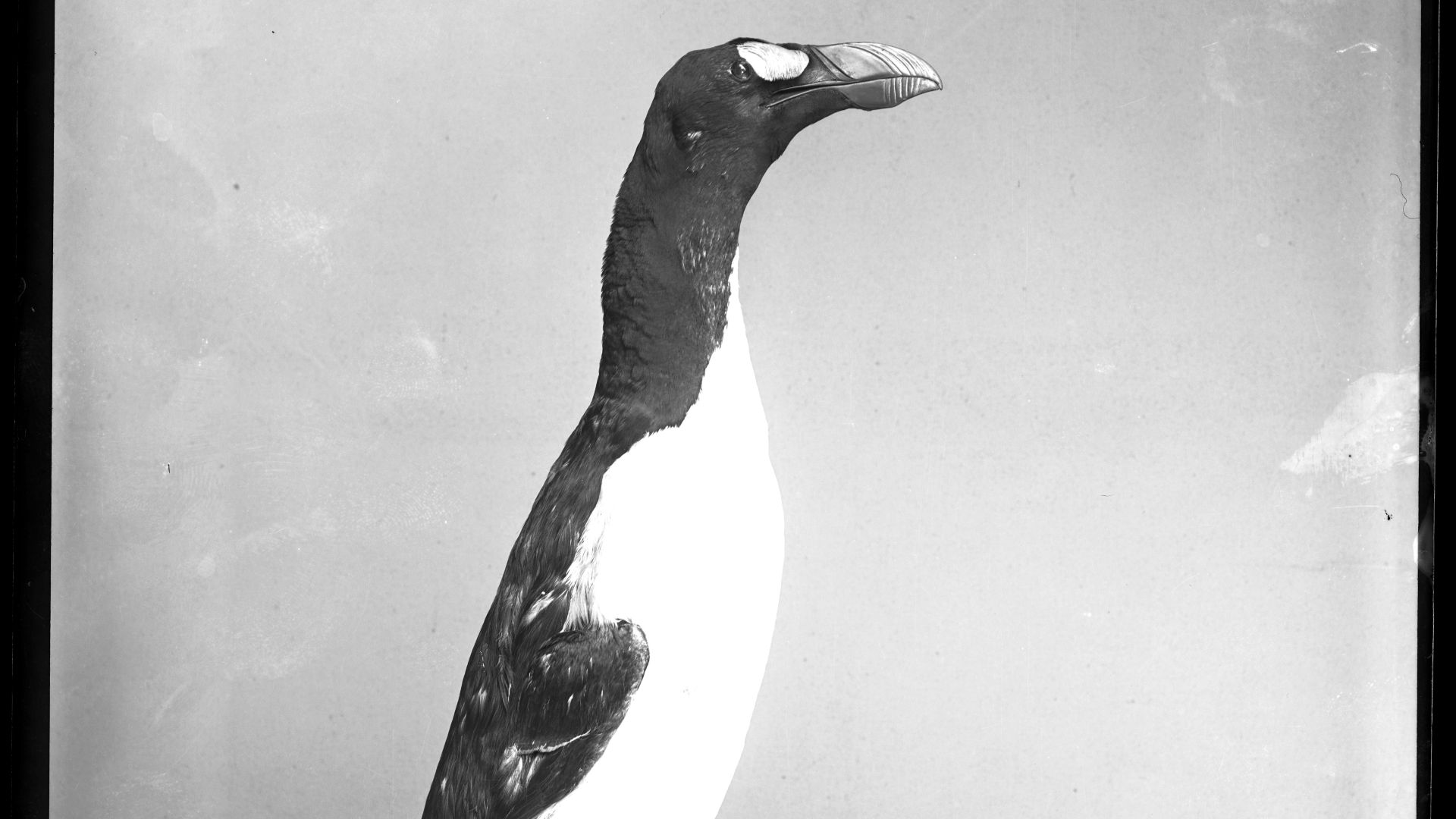
The great auk was a large, flightless seabird, which made it painfully easy to catch. Sailors and hunters took it for meat, eggs, oil, and feathers, raiding the same colonies until there was almost nothing left to raid. The last confirmed pair was killed in Iceland in 1844.
3. Steller’s Sea Cow
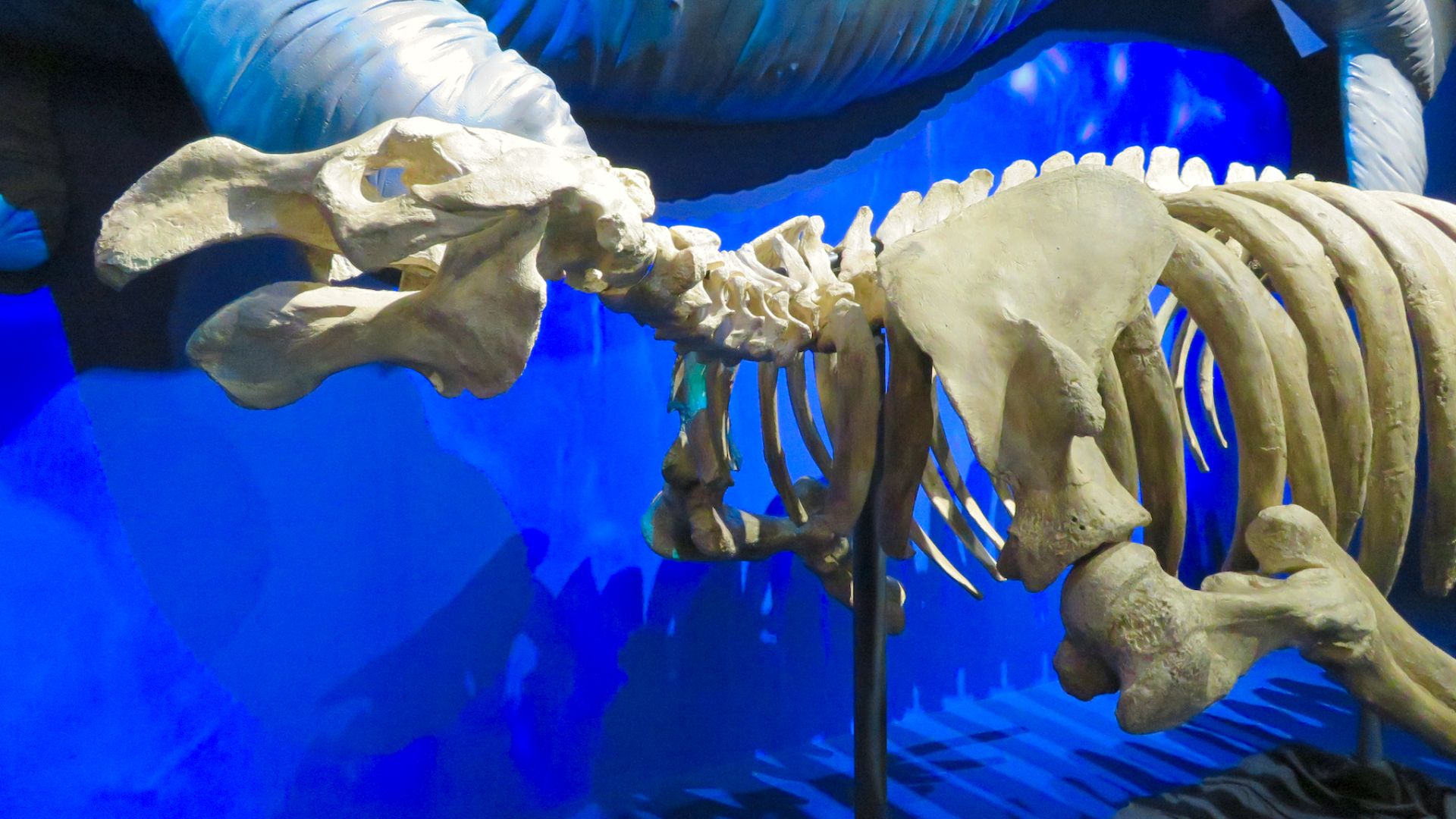
Steller’s sea cow was enormous, slow, and apparently good eating, which is a dangerous combination around hungry sailors. Russian fur traders used its meat and fat while working the cold waters of the North Pacific. Less than 30 years after Europeans described it, the animal was gone.
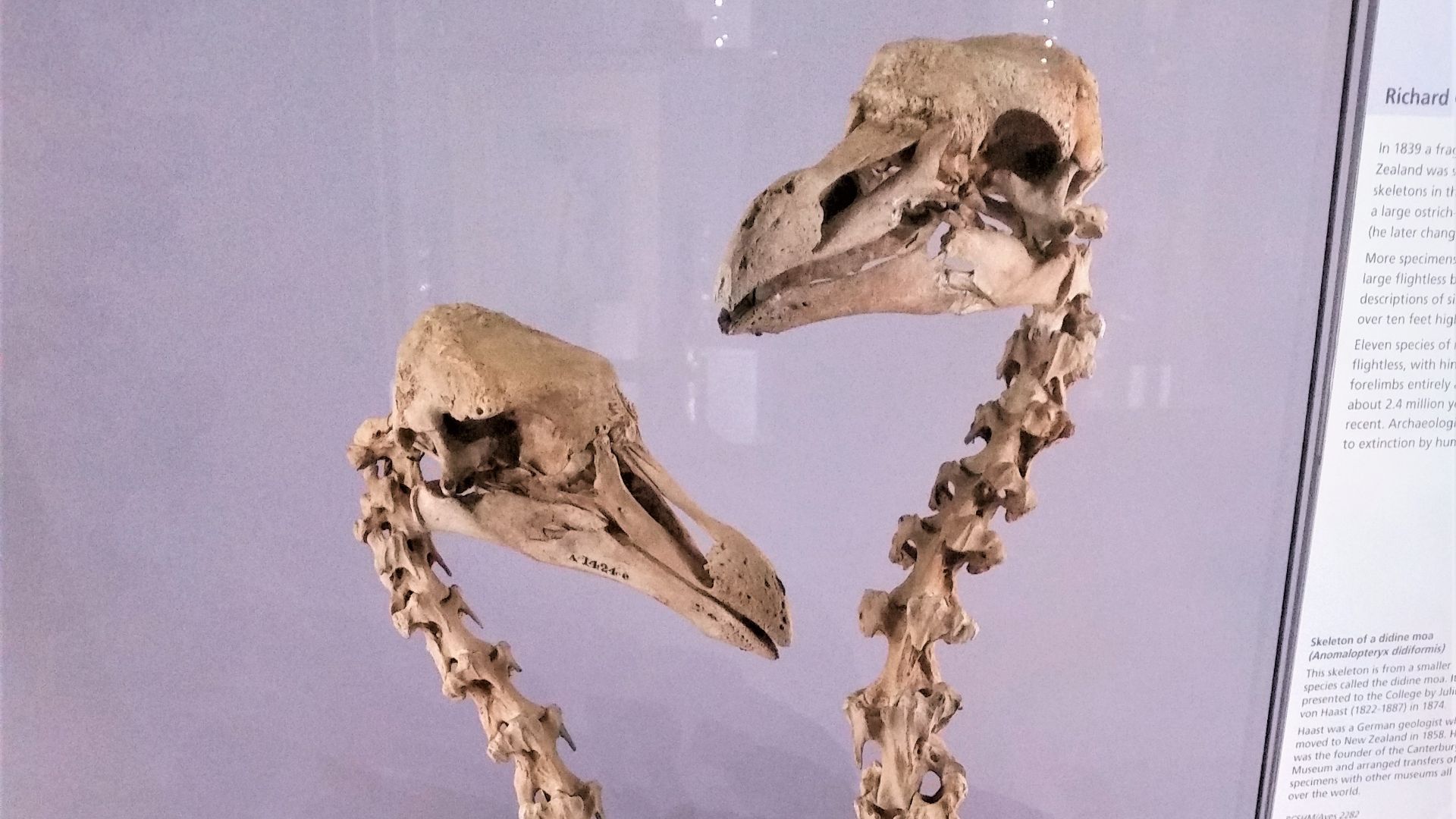
4. Moa
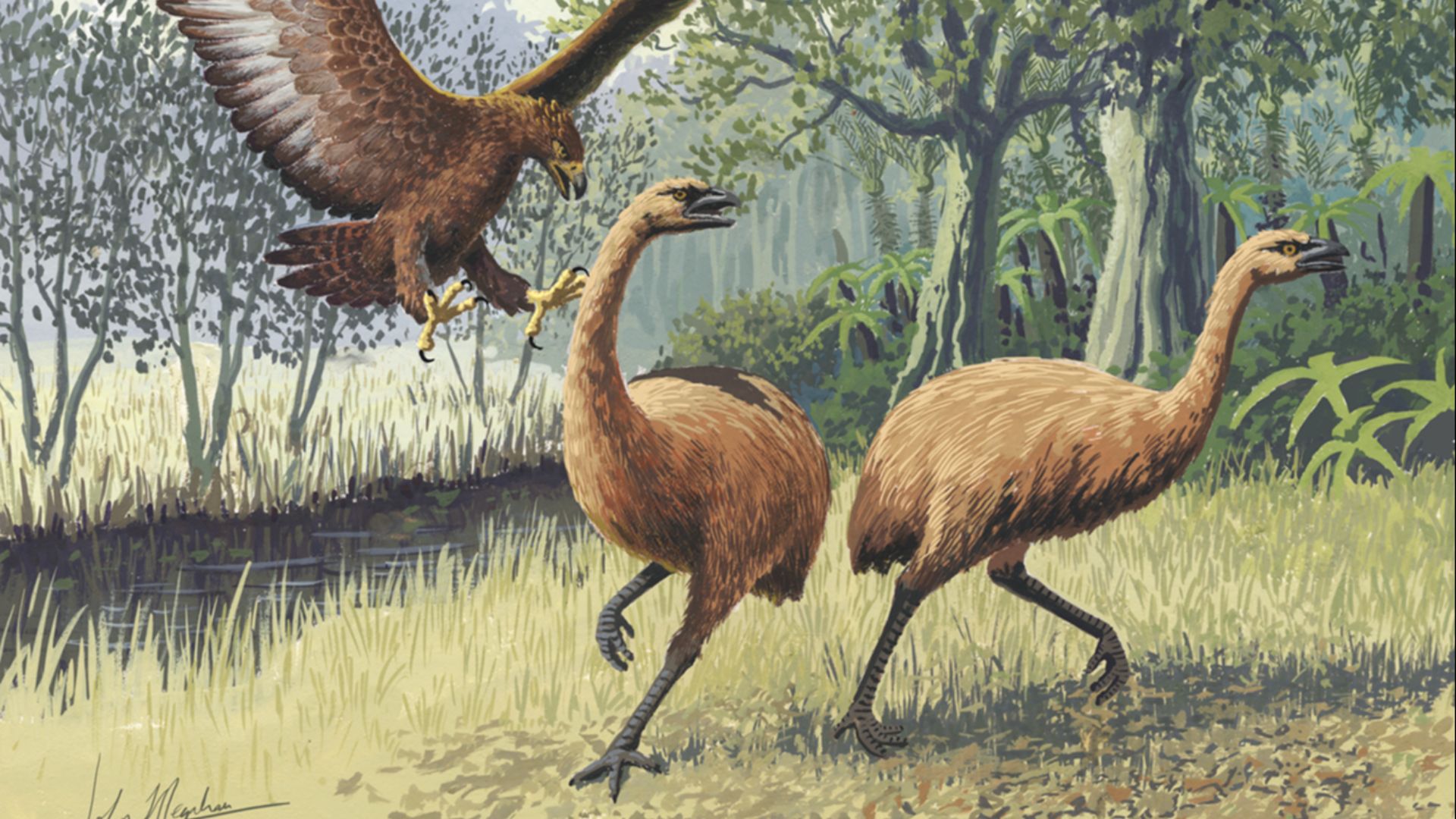
Moa were giant flightless birds that lived in New Zealand before human arrival changed everything. They had no experience with hunters, dogs, or the speed at which people could empty a landscape. Within a few generations, these towering birds had disappeared.
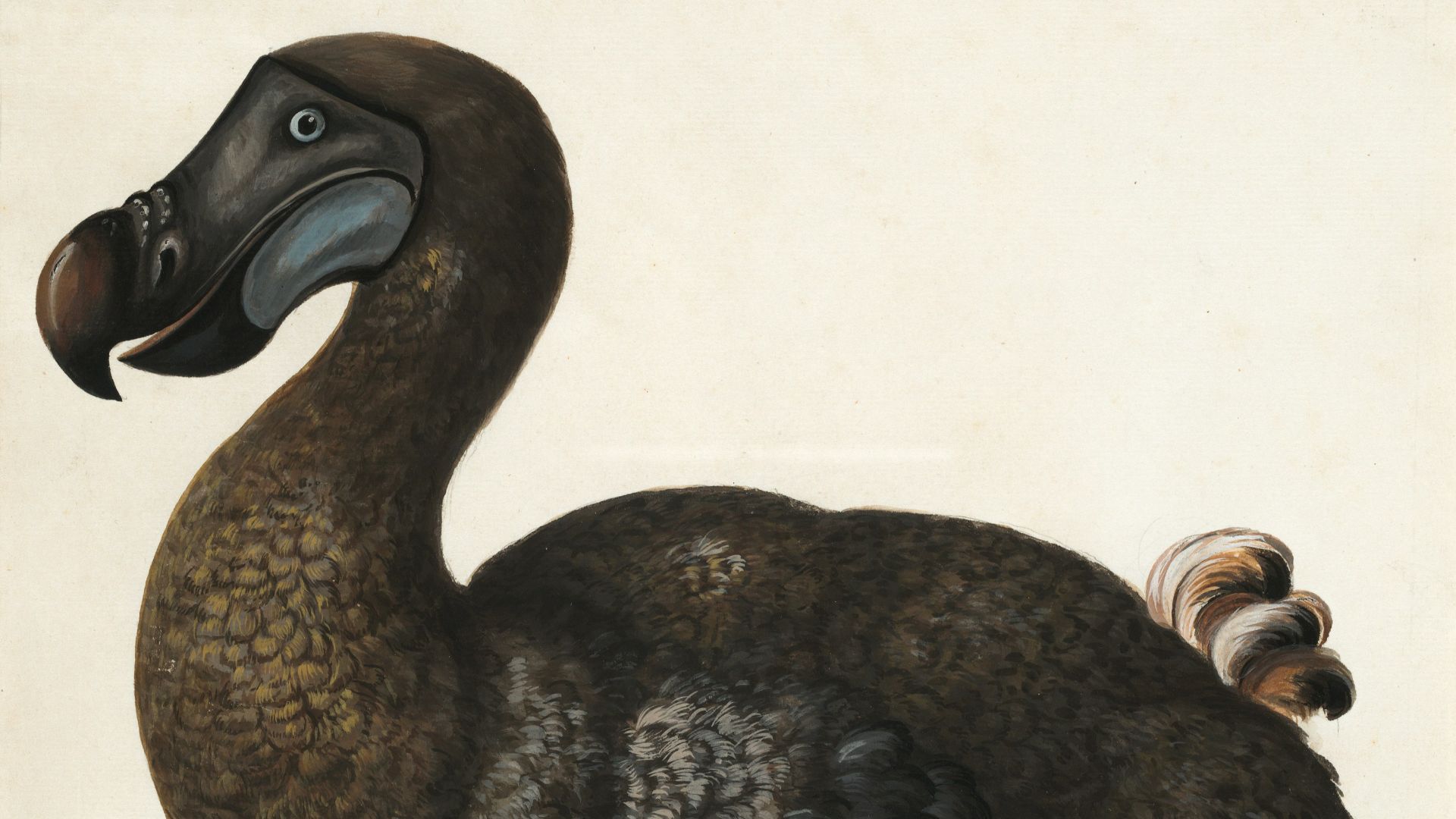
5. Dodo
The dodo has been turned into a joke, but its story is not funny. Sailors hunted it, and introduced animals destroyed eggs and disrupted its island home. It was not stupid; it was simply built for a world that changed too fast.
6. Rodrigues Solitaire
The Rodrigues solitaire was a cousin of the dodo, another large island bird with nowhere else to go. It was hunted on Rodrigues until even a remote island could not protect it. By the 18th century, it had vanished into drawings, bones, and a few bleak records.
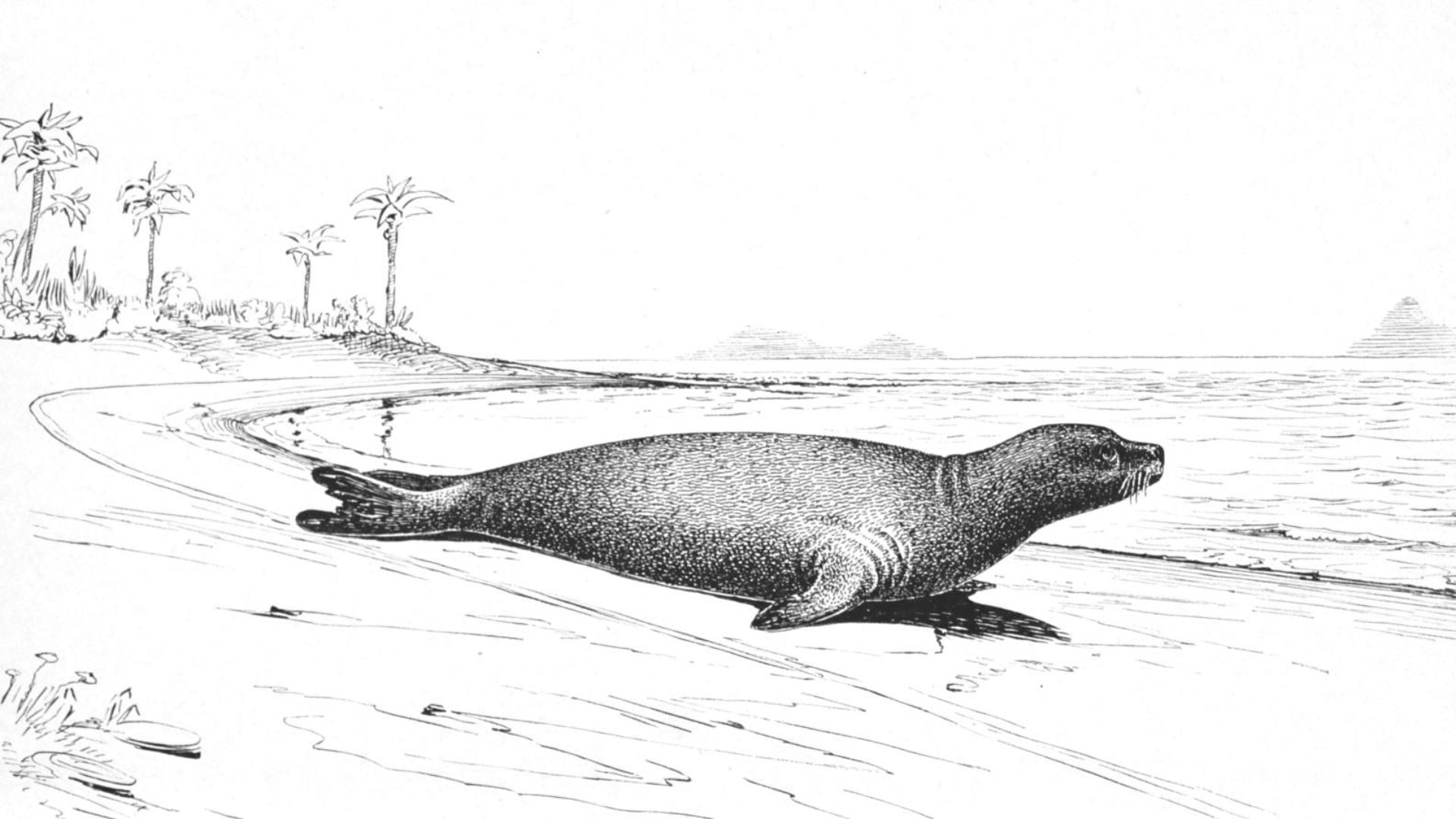
7. Caribbean Monk Seal
The Caribbean monk seal once rested on warm beaches across the Caribbean and Gulf of Mexico. That made it easy for hunters to kill for meat, oil, and blubber, often while the animals were hauled out in groups. After decades without a confirmed sighting, it was declared extinct.
 Eugene van der Pijll on Wikimedia
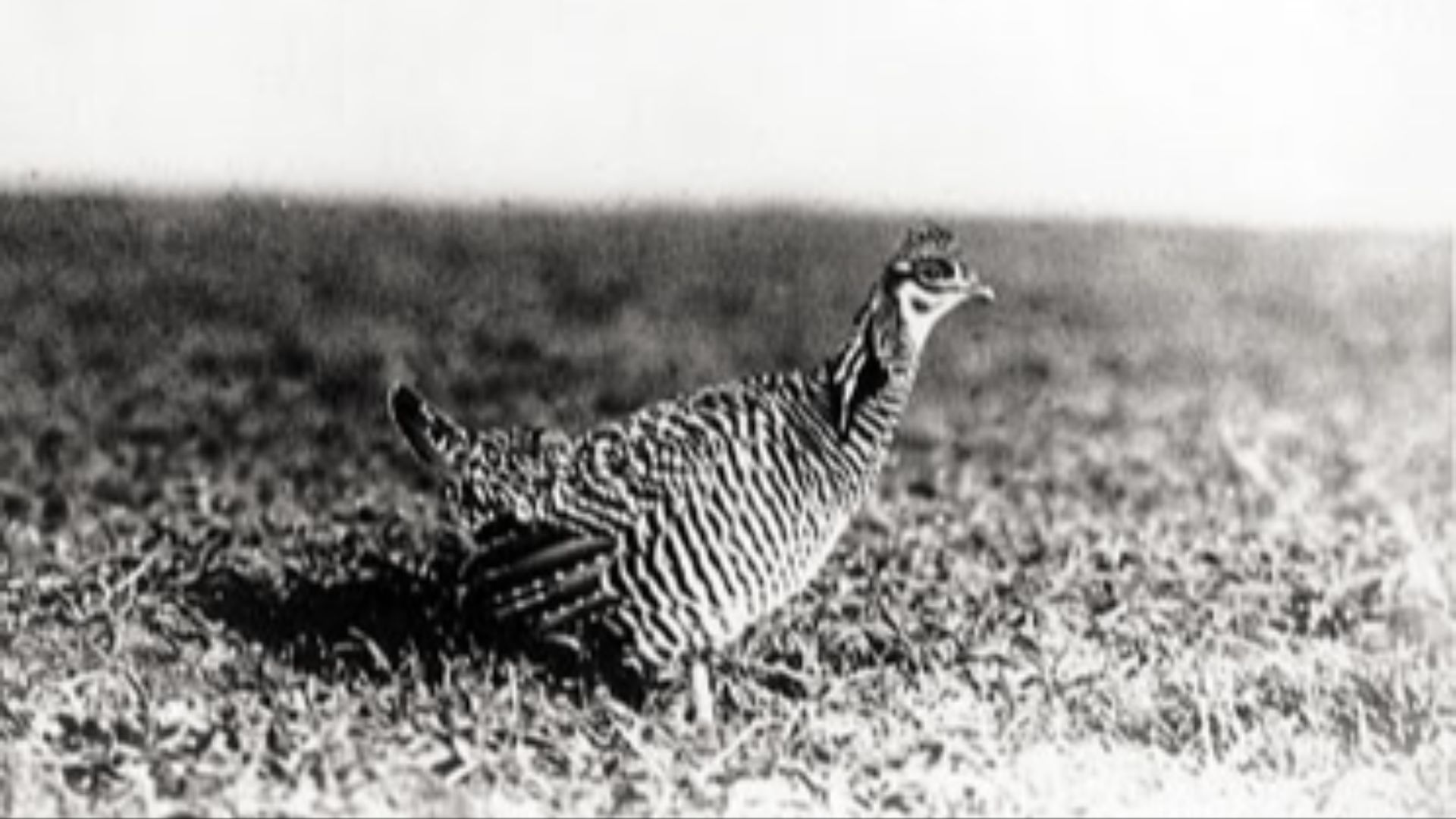
8. Heath Hen
The heath hen was once common enough along the Atlantic coast to be considered ordinary food. Settlers hunted it heavily, and later habitat loss boxed the remaining birds into a shrinking corner. The last known heath hen died on Martha’s Vineyard in 1932.
 Unknown authorUnknown author on Wikimedia
9. Pinta Island Tortoise
Pinta Island tortoises were built for endurance, which made them useful to sailors who wanted fresh meat on long voyages. They could survive for months with little food or water, a trait that should have protected them but instead made them portable provisions. The line ended with Lonesome George, the last known member of his kind.
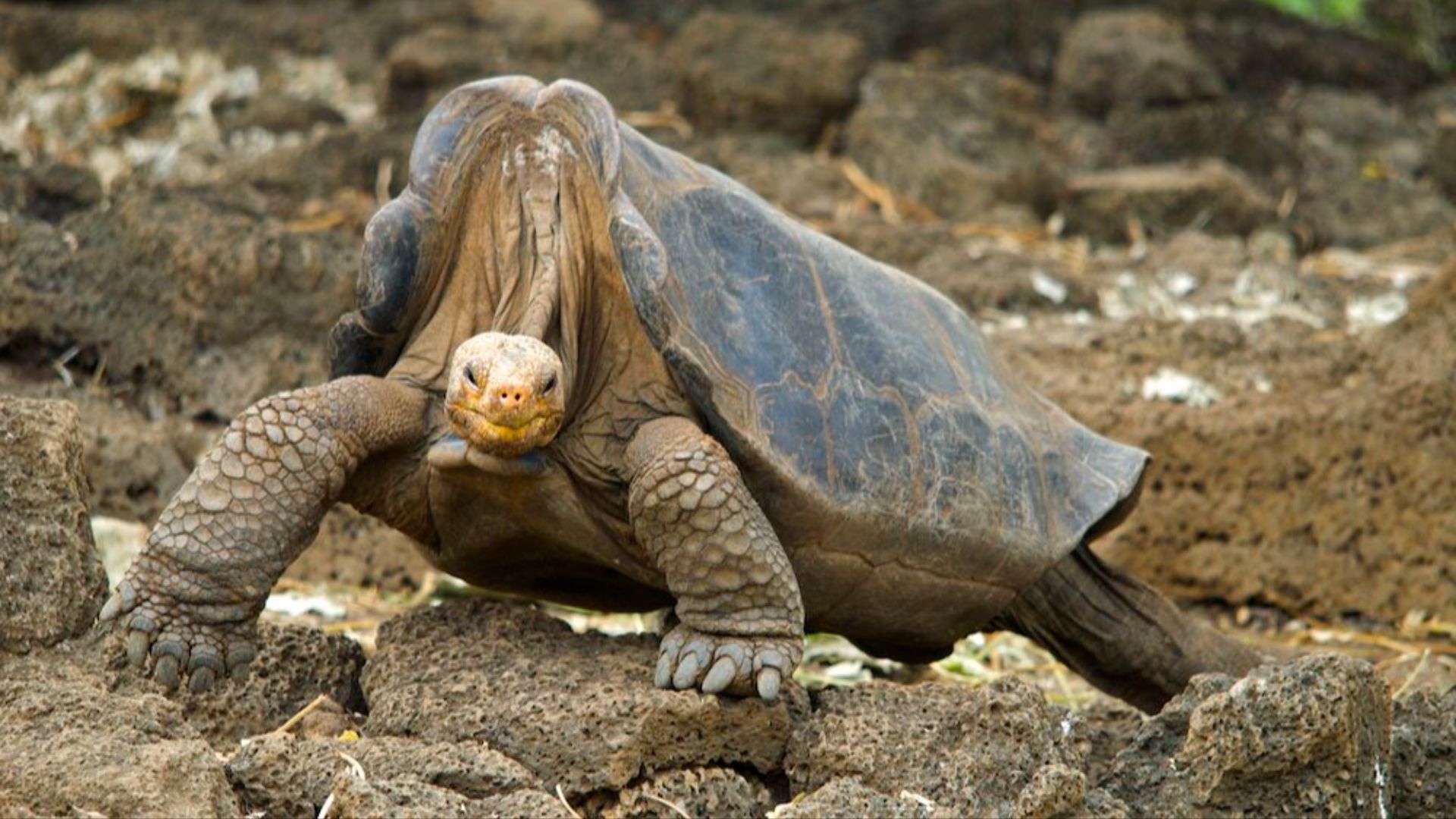 Arturo de Frias Marques on Wikimedia
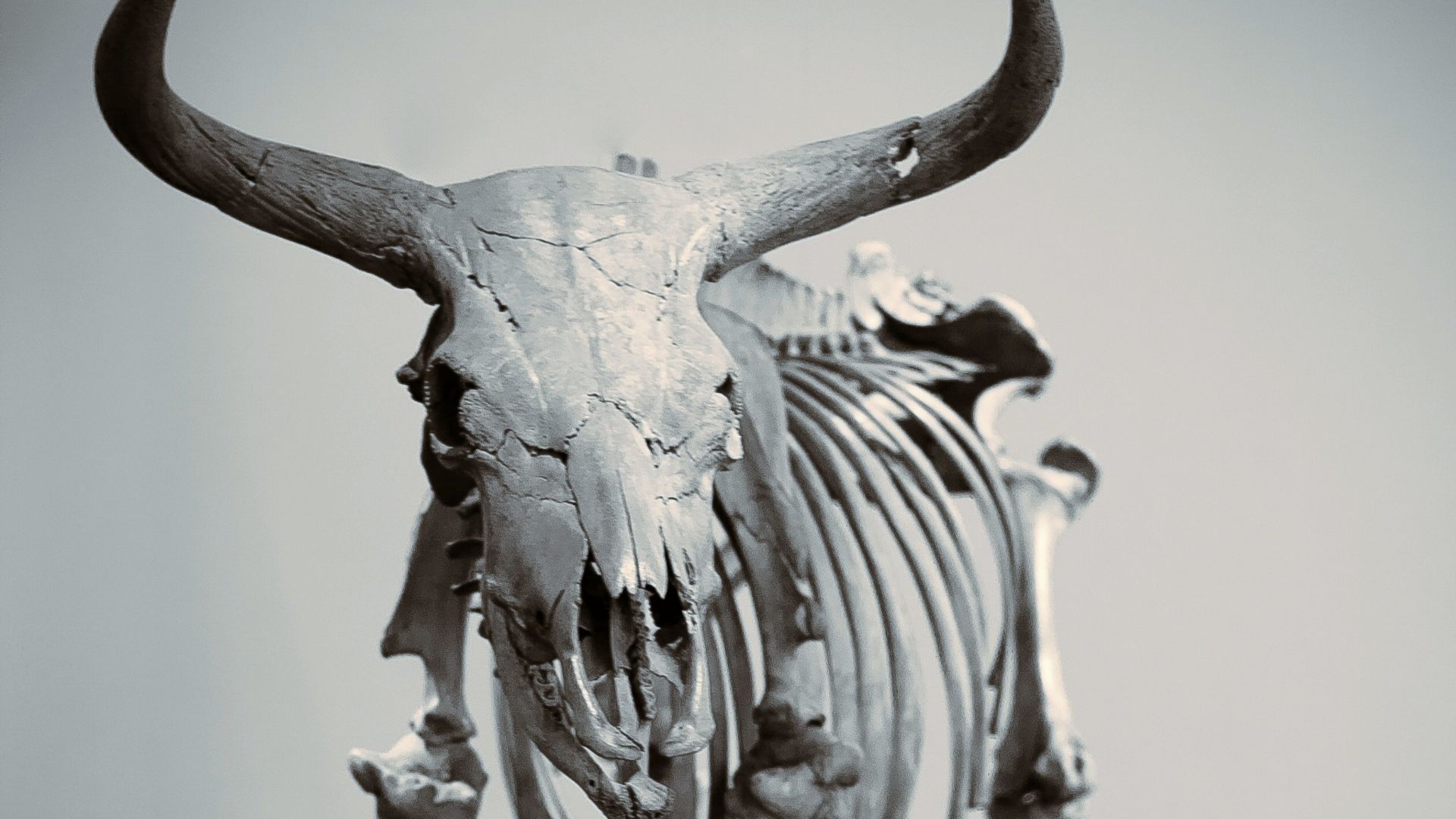
10. Aurochs
The aurochs was the wild ancestor of domestic cattle, a huge animal that once roamed across Europe, Asia, and North Africa. Hunting and shrinking habitat pushed it into smaller and smaller corners until the last known aurochs died in Poland in 1627. It is a useful place to turn, because the next 10 animals also ended up on human menus but escaped full extinction.
And now, 10 animals we nearly lost after humans hunted them for food.
 Marcus Sümnick from Rostock, Germany on Wikimedia
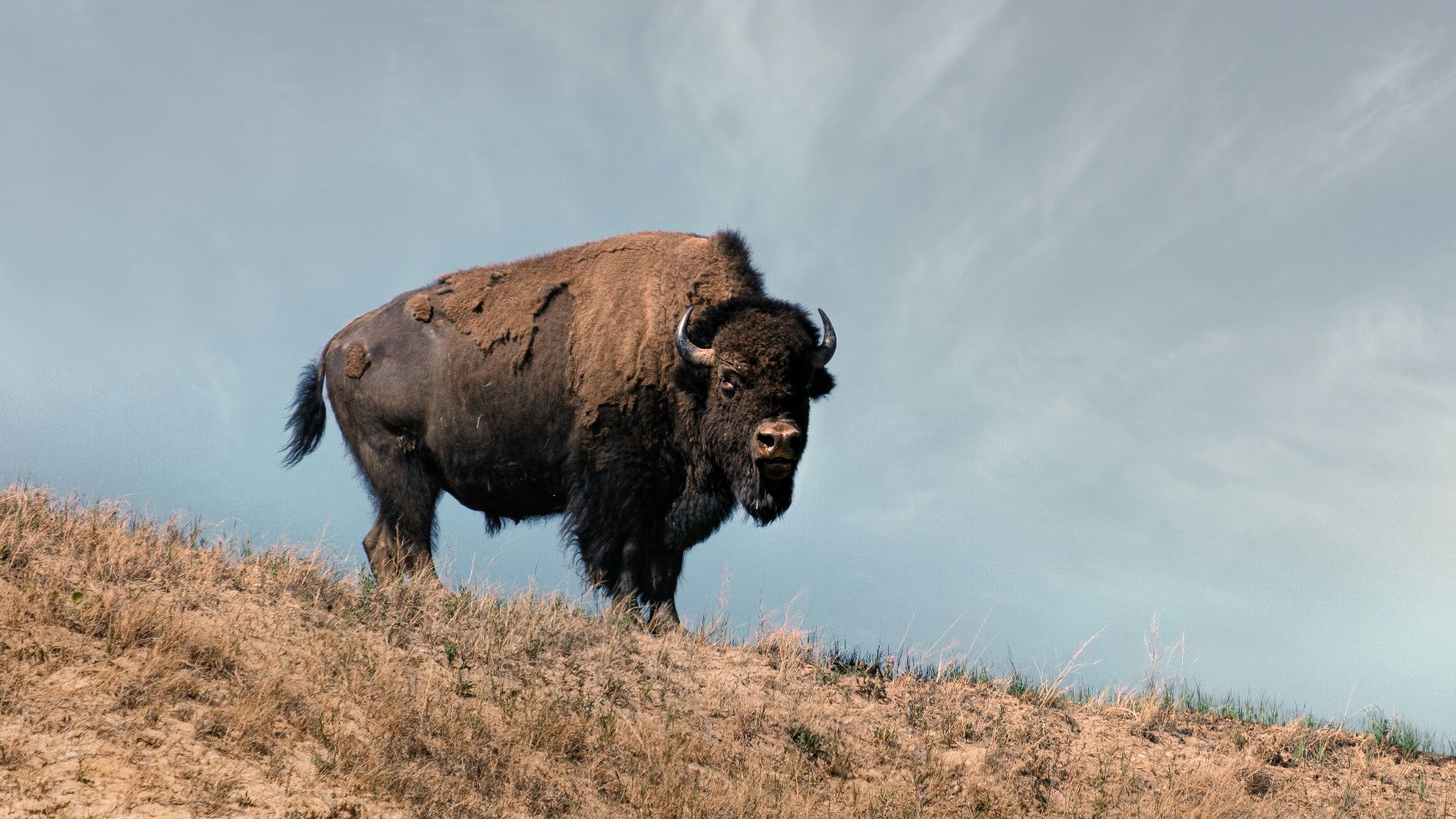
1. American Bison
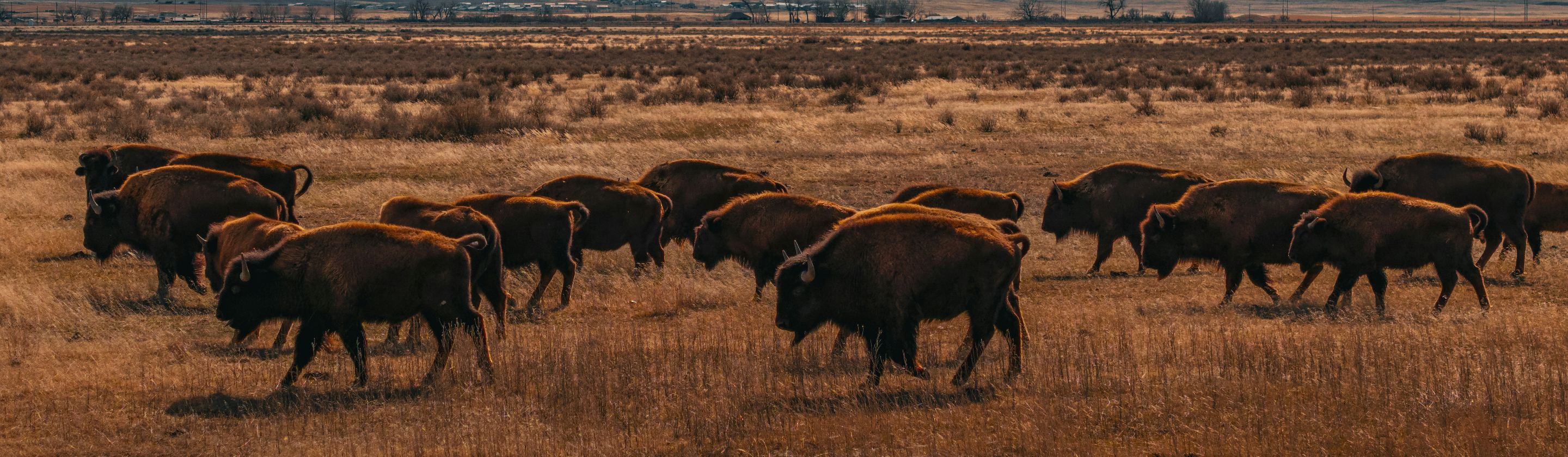
American bison once numbered in the tens of millions, then were nearly wiped out in the 1800s. They were killed for meat, hides, sport, and as part of a brutal campaign that devastated Native communities. Protected herds brought them back from the brink, though the old abundance is still gone.
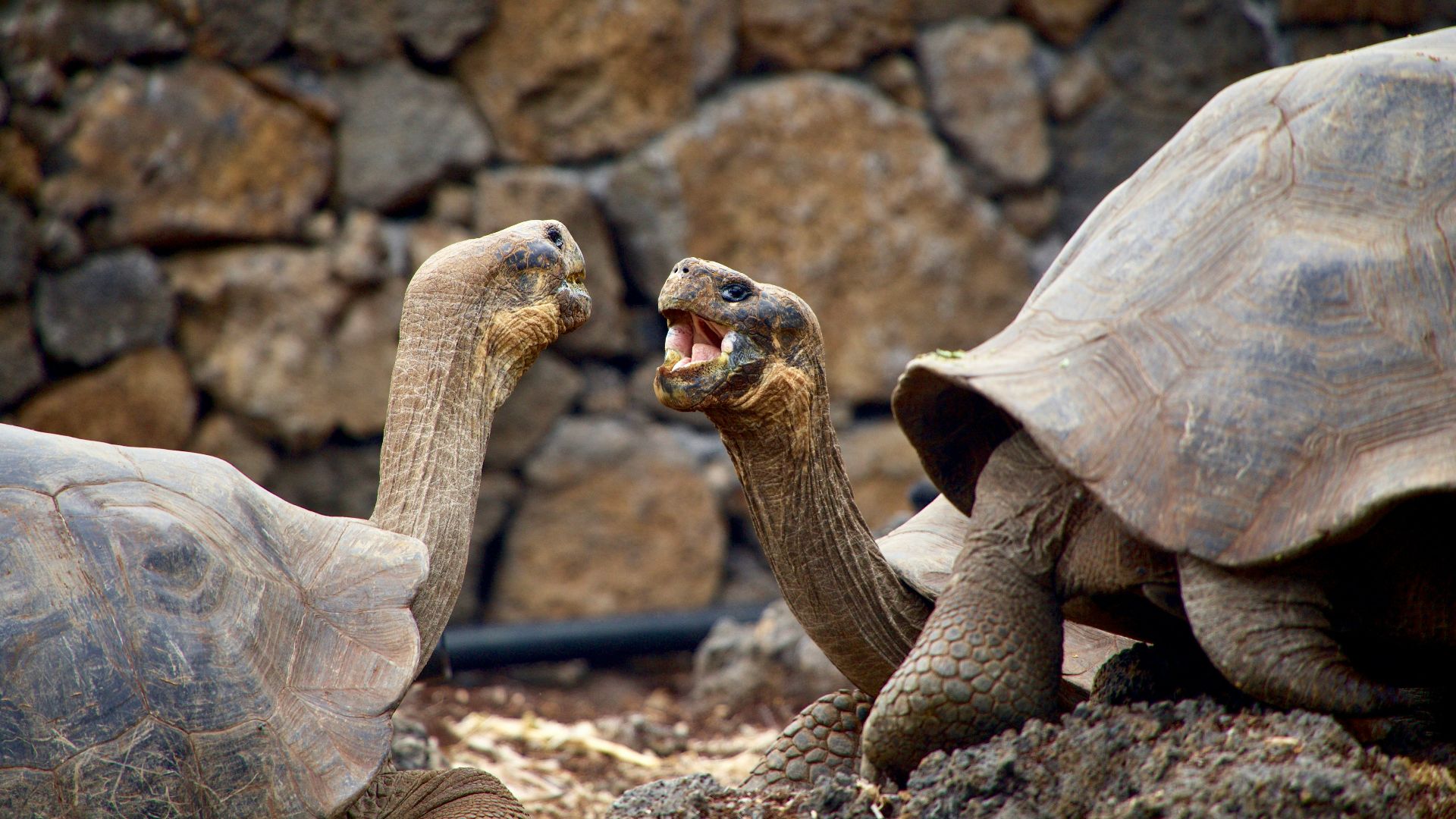
2. Galápagos Giant Tortoise
Galápagos giant tortoises were nearly perfect shipboard food, which was terrible luck for them. Sailors could stack them alive in holds and eat them later, and an estimated 100,000 were taken from the islands between 1774 and 1860. Some island forms disappeared, while others survived only because people finally stopped treating them like cargo.
 Magdalena Kula Manchee on Unsplash
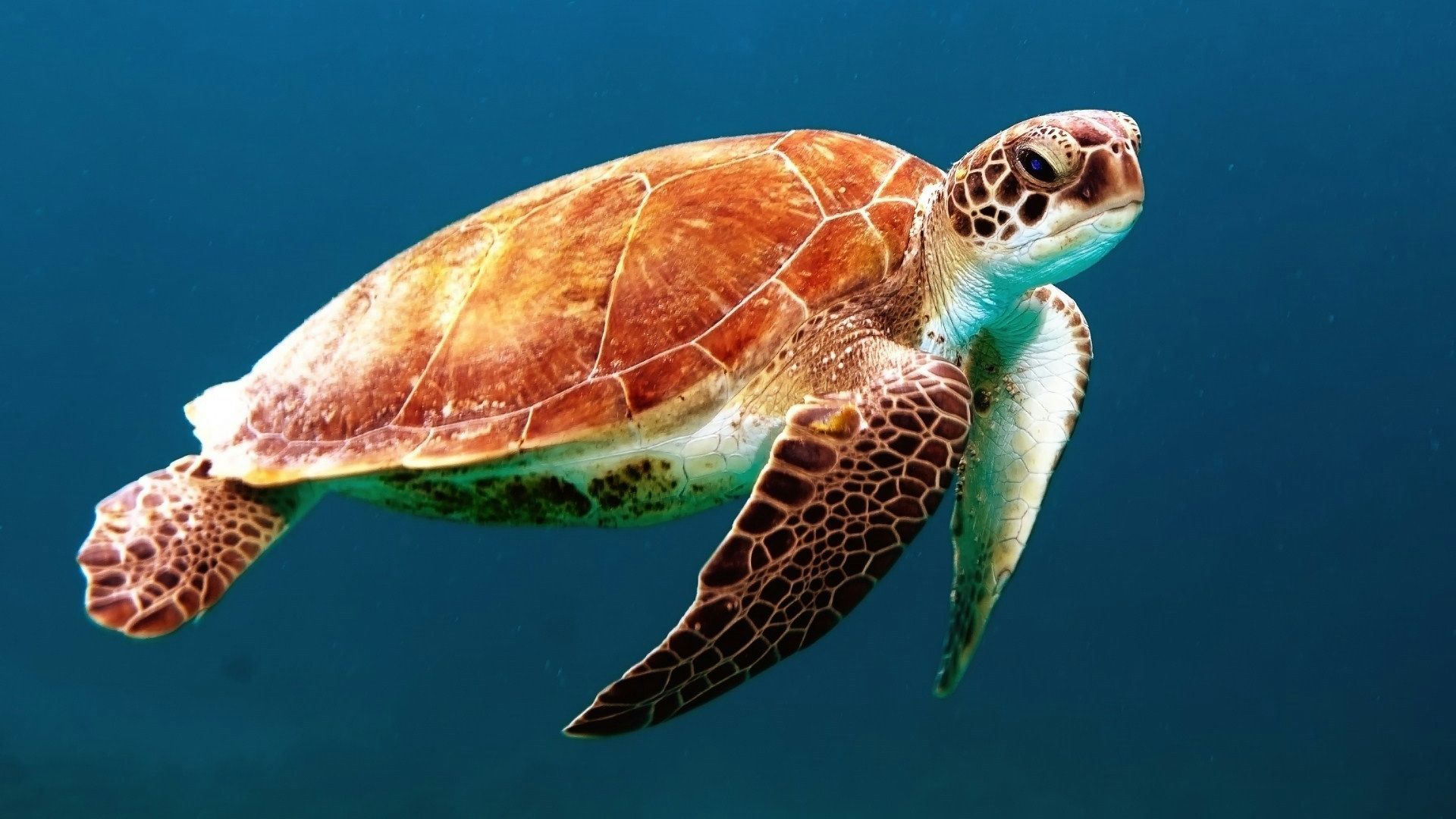
3. Green Sea Turtle
Green sea turtles were hunted for meat and eggs for generations, especially around nesting beaches. The problem is that a nesting turtle is slow, visible, and exactly where hunters expect her to be. Protections have helped, but illegal hunting and egg collection still threaten recovery in some places.
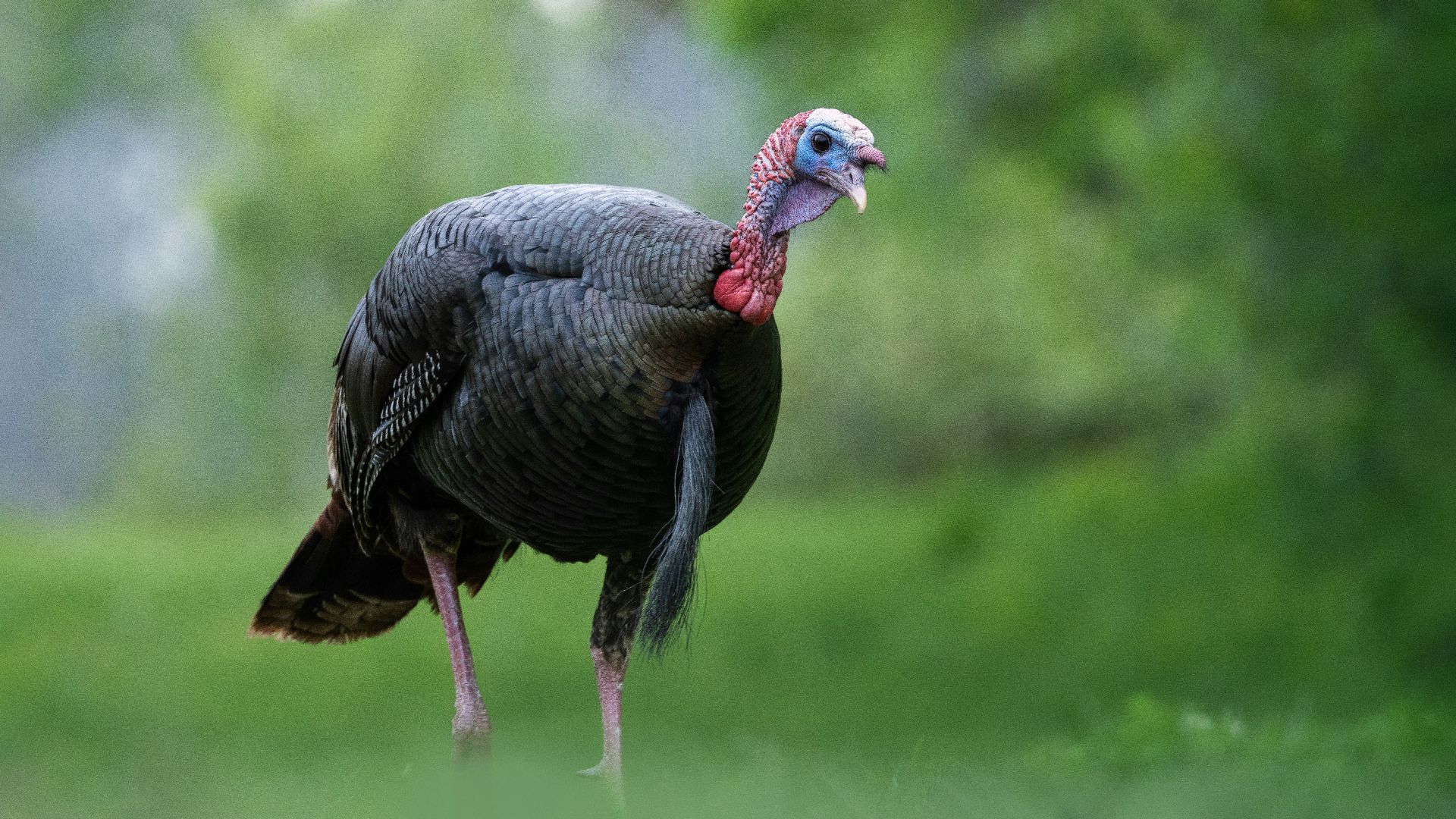
4. Wild Turkey
Wild turkeys feel common now, which makes their collapse easy to forget. Unregulated hunting and habitat loss pushed them close to disappearing from much of North America by the early 1900s. Their comeback is one of the great wildlife recovery stories, but it started with a bird people nearly ate out of the woods.
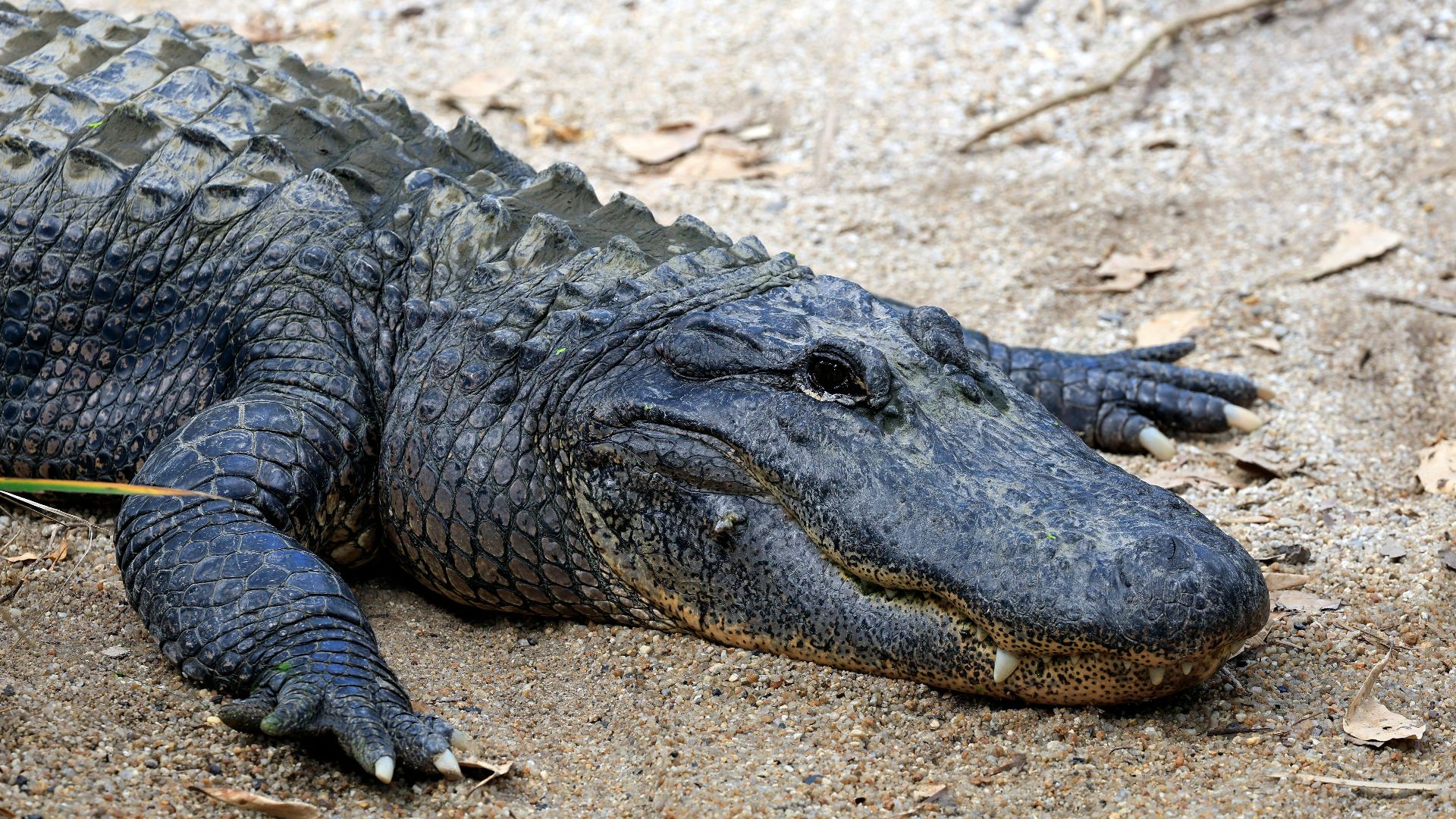
5. American Alligator
The American alligator was hunted hard for both meat and hides. By the 1960s, the species was endangered, and many people assumed it might not recover. Federal protection gave it room to rebound, turning a swamp predator into a conservation success story.
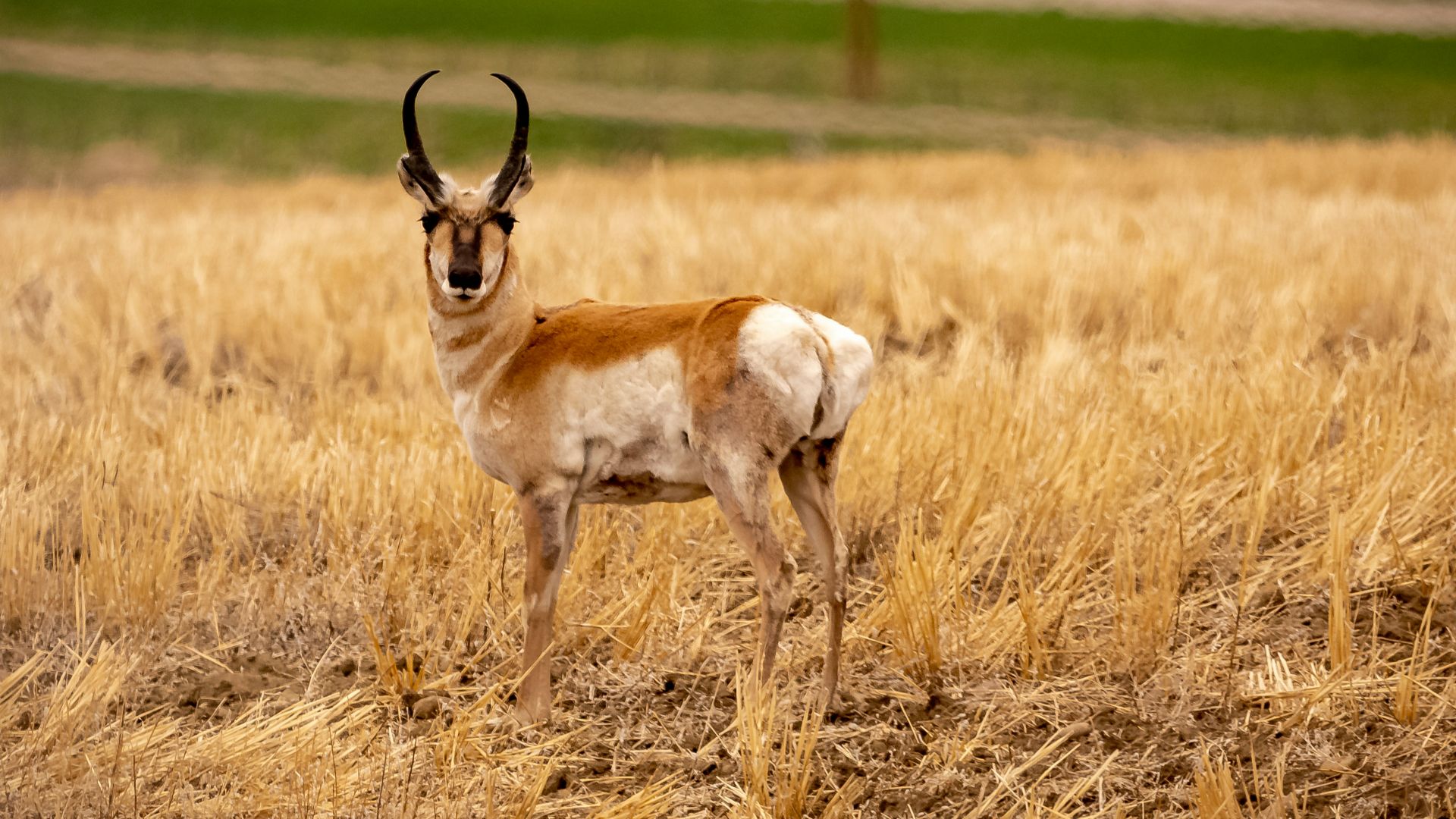
6. Pronghorn
Pronghorn once ran across western North America in huge numbers. By 1900, unregulated killing for meat and hides had nearly erased them from much of their range. Hunting laws, refuges, and transplants helped bring back an animal that looks too fast to have ever been cornered by us.
7. White-Tailed Deer
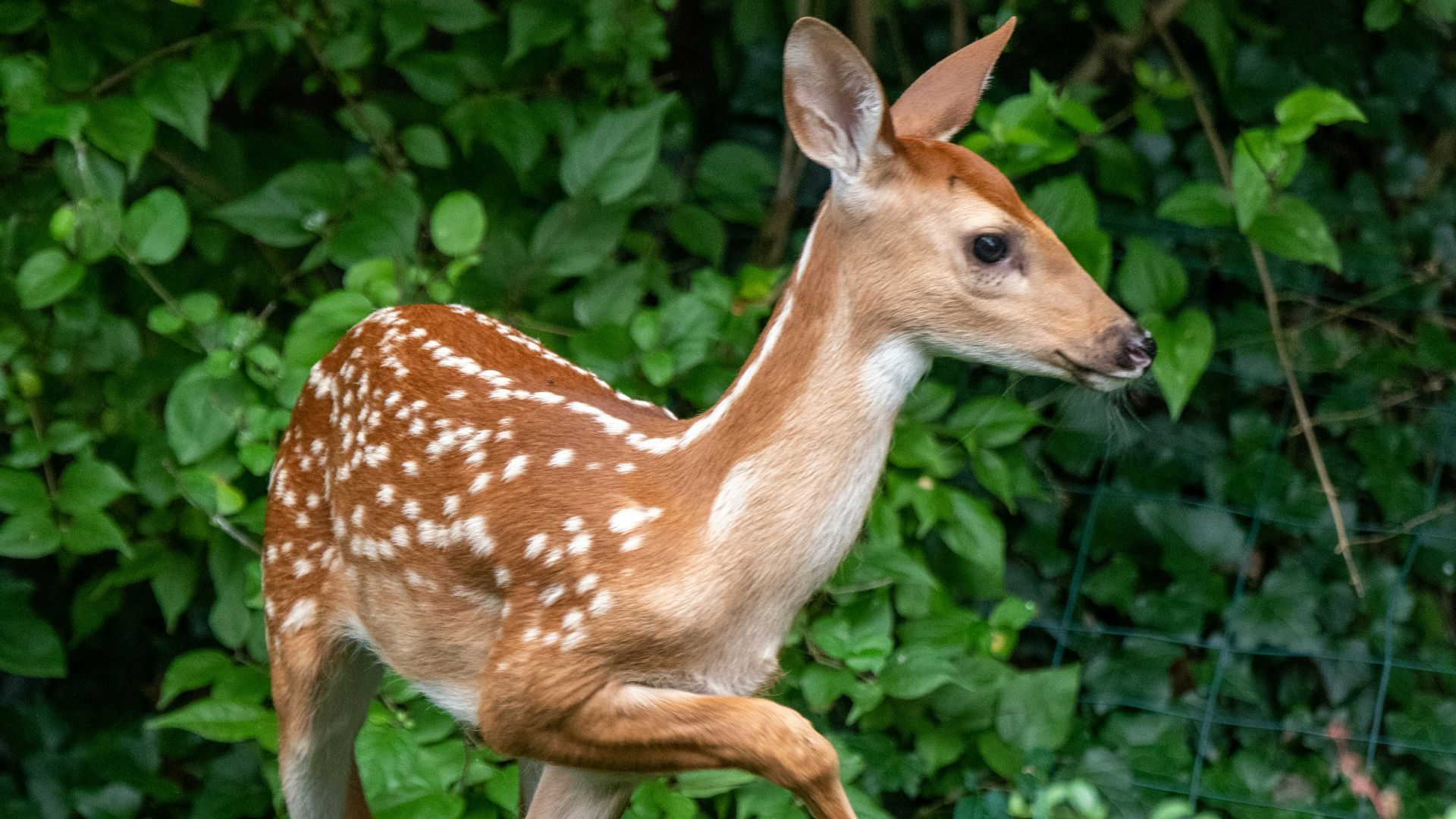
White-tailed deer are everywhere now, which makes this one feel almost unbelievable. Market hunting for venison and hides once pushed them close to collapse in parts of North America. Their recovery shows how quickly abundance can return when hunting stops being a free-for-all.
8. Arabian Oryx
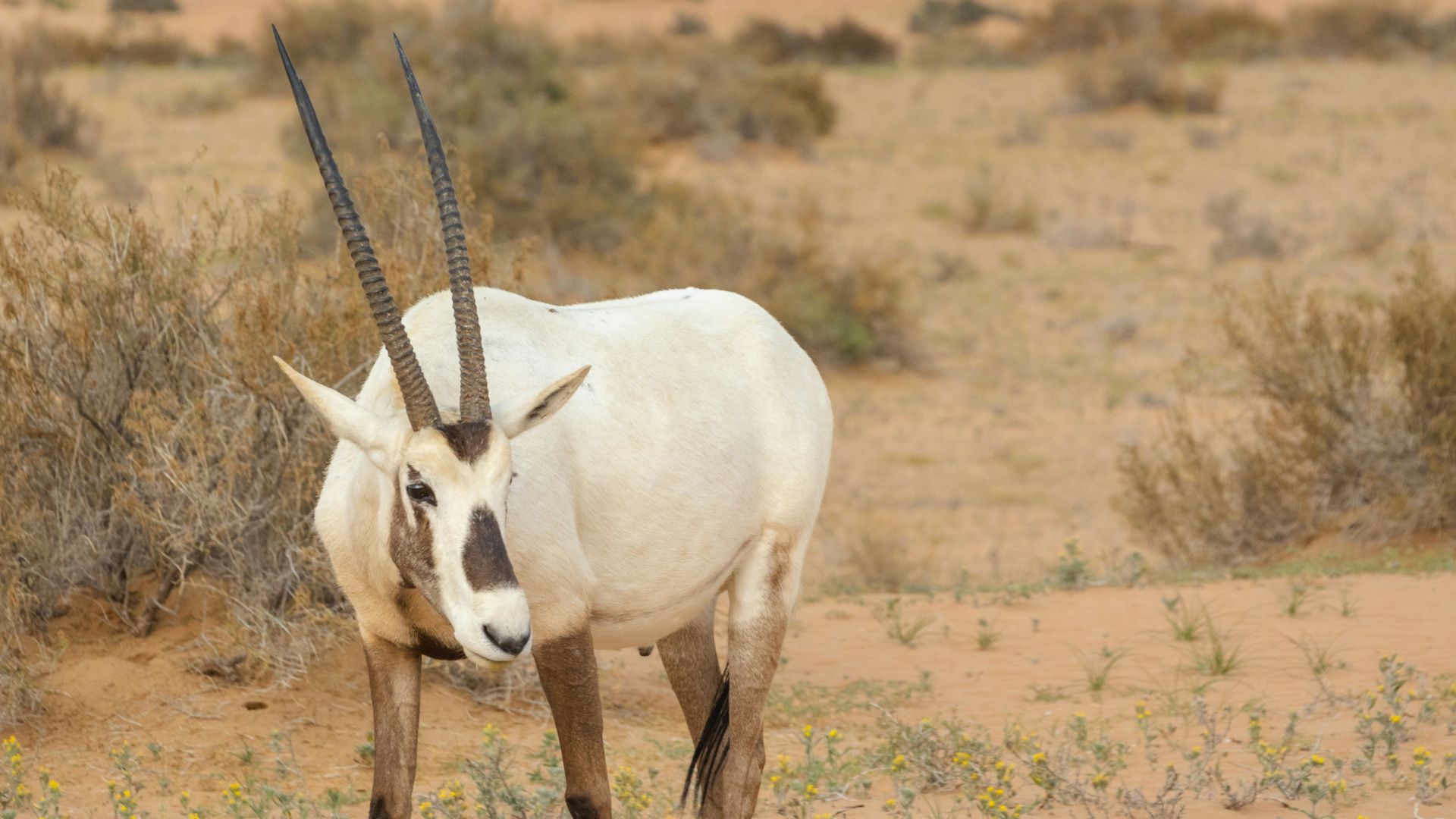
The Arabian oryx was hunted for meat, hides, and horns until it disappeared from the wild by the early 1970s. Captive breeding kept the species from becoming only a desert memory. Reintroduced herds now live again in protected areas, which feels almost impossible given how close the story came to ending.
9. Muskox
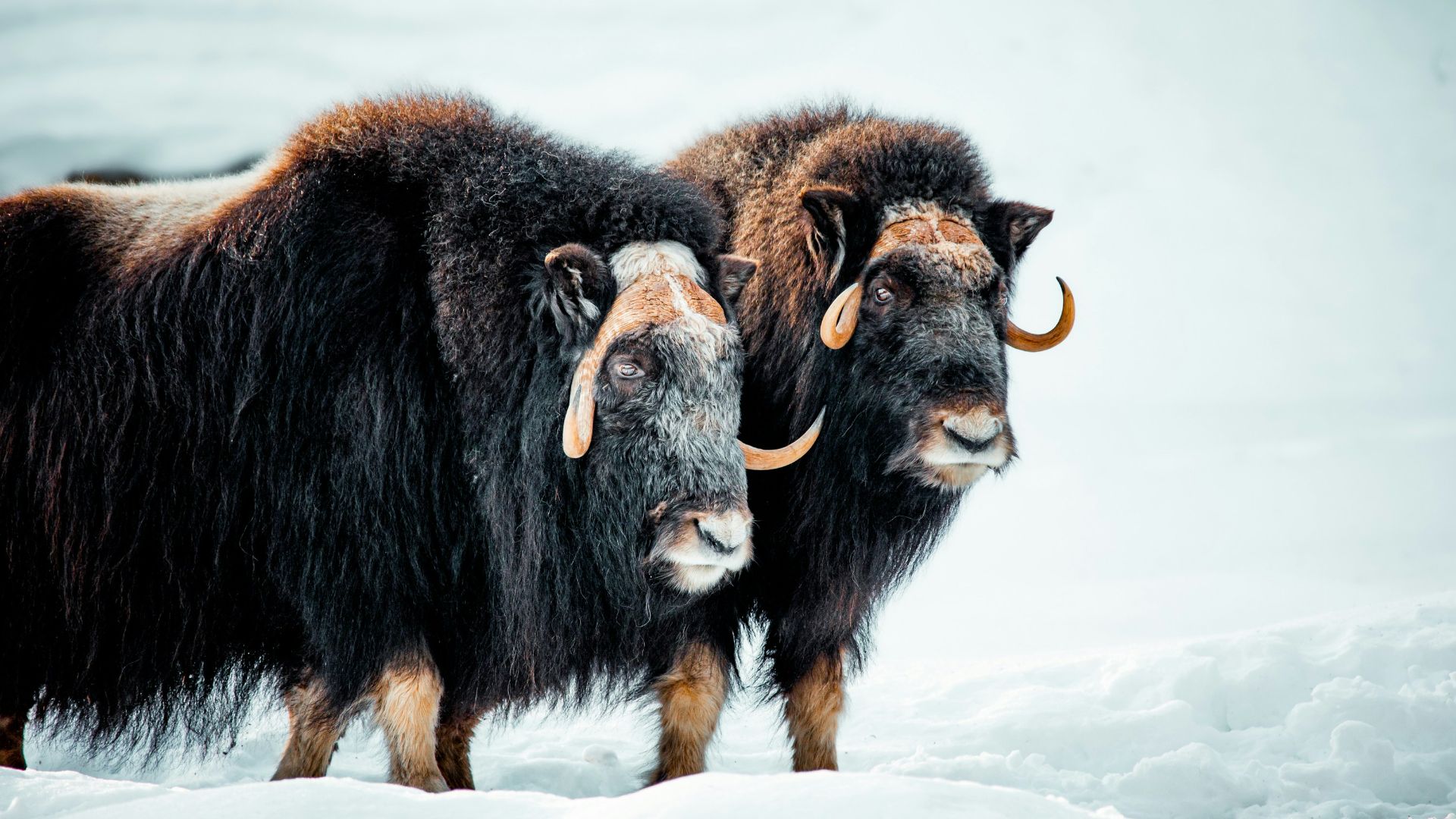
Muskoxen look prehistoric because, in a way, they are survivors from another world. But even these heavy Arctic animals were vulnerable when whalers, explorers, and local hunters killed them for meat, hides, and dog food. Reintroductions helped restore them to places where they had been wiped out.
10. Humpback Whale
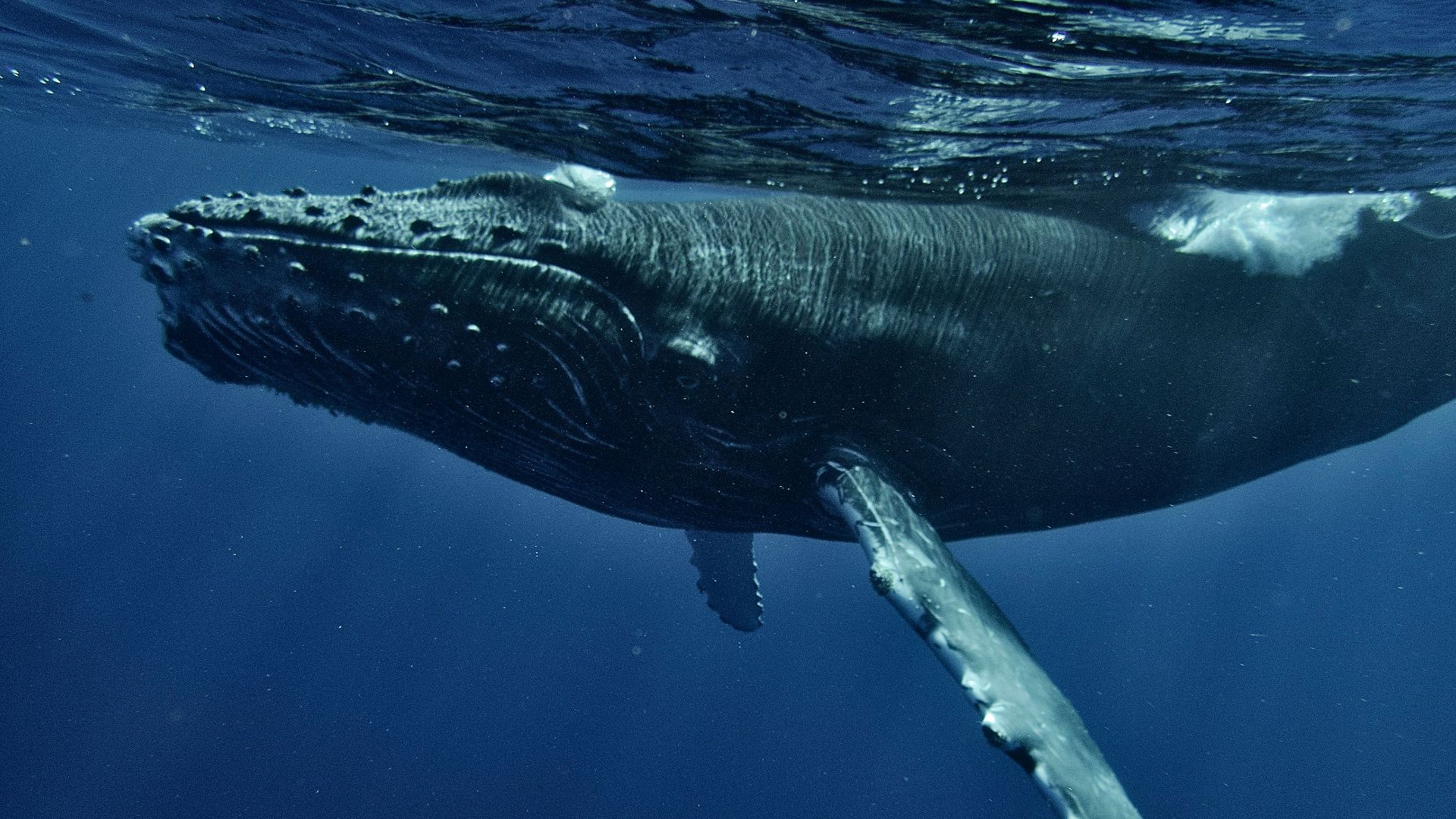
Humpback whales were nearly silenced by commercial whaling. Their bodies were turned into meat, oil, and profit, and their numbers collapsed across much of the world. Protections helped many populations recover, turning their songs into one of conservation’s better sounds.
KEEP ON READING