

Disasters Nobody Planned For, Lessons Everybody Uses
Industrial accidents tend to get remembered as tragedies, and they are, but many of them also rewrote safety codes and forced governments to reckon with risks they had been quietly ignoring. Some of the protections that shield workers and communities today exist precisely because something went catastrophically wrong first. Here's 20 strange, often overlooked industrial accidents that ended up reshaping the modern world in ways most people never connect back to the original disaster.
 University of Houston Digital Library on Wikimedia
1. The Triangle Shirtwaist Fire (1911)
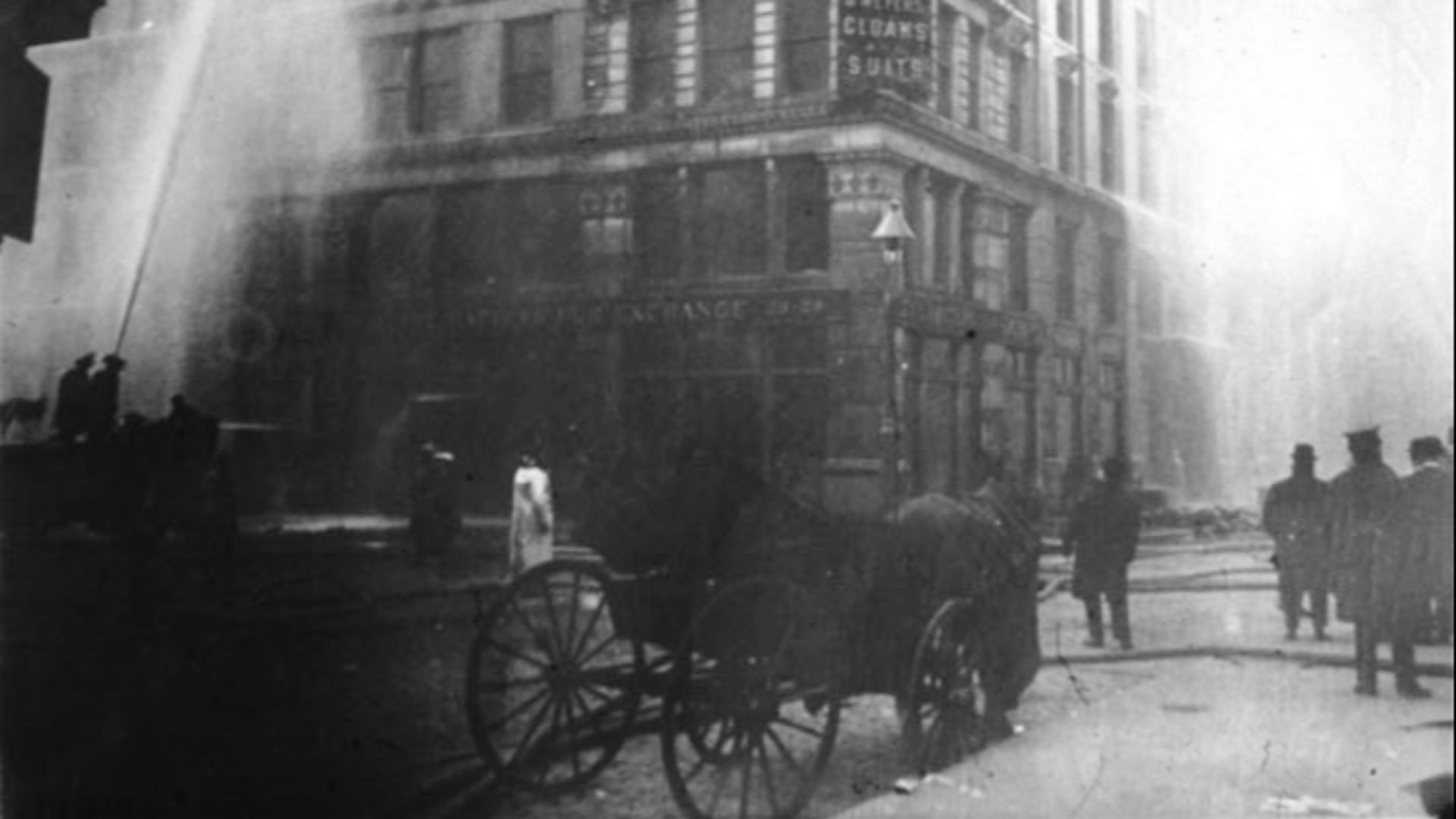
A fire in a New York garment factory killed 146 workers, most of them young immigrant women, largely because management had locked the exits to prevent unauthorized breaks. The outrage that followed drove sweeping labor legislation and the early framework of workplace safety law that eventually became the foundation for OSHA.
 Unknown authorUnknown author on Wikimedia
2. The Cherry Mine Disaster (1909)
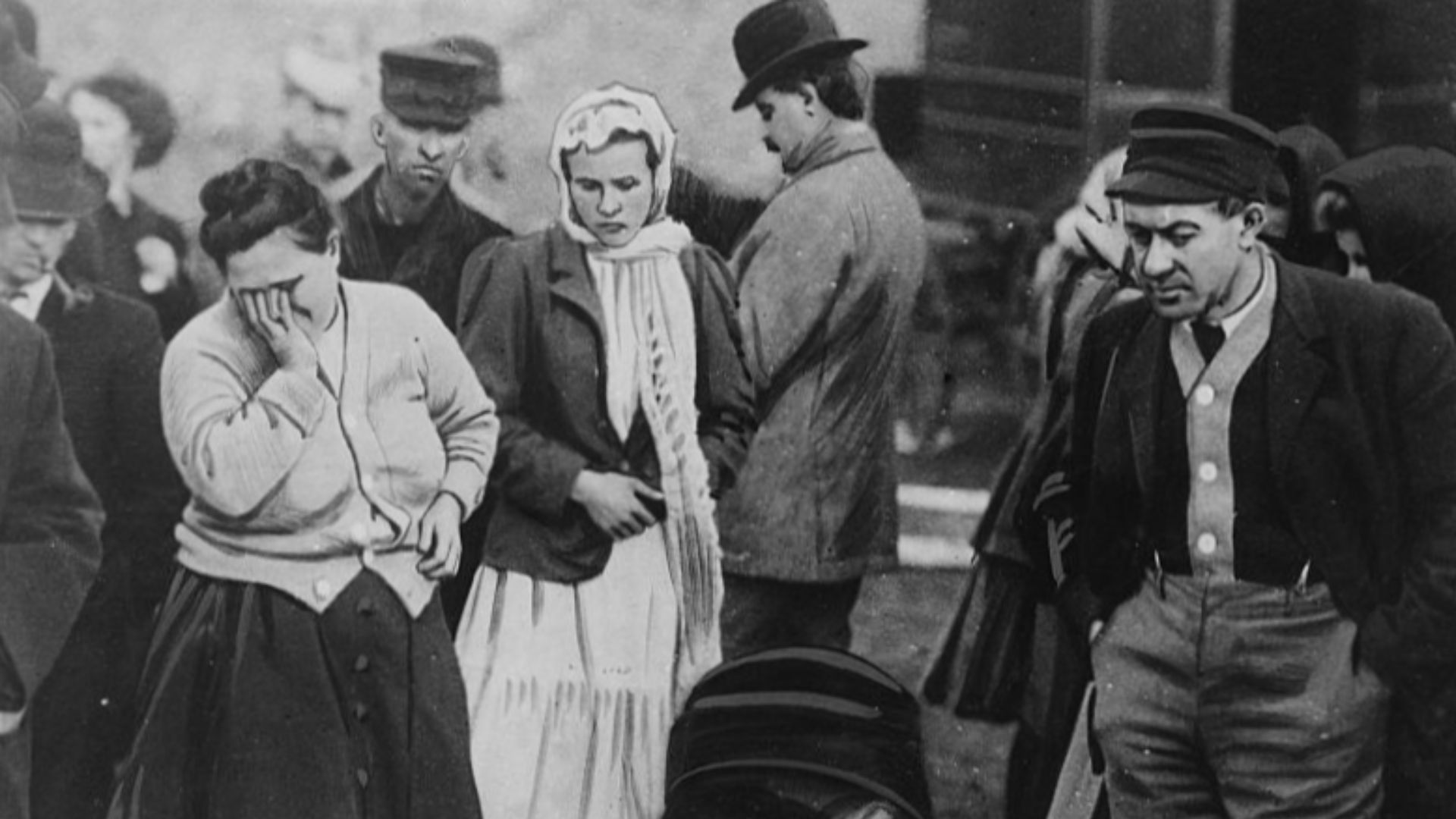
A bale of hay caught fire near an oil-soaked torch in a coal mine in Cherry, Illinois, and killed 259 miners, including rescuers who went back in after survivors. The destitution it left among mining families accelerated the push for workers' compensation legislation, and within a decade most American states had passed some form of compulsory workers' compensation law.
 Bain News Service, publisher on Wikimedia
3. The Radium Girls (1917 Onward)
Factory workers in New Jersey were told to point their radium-tipped brushes with their lips while painting glow-in-the-dark watch dials, and their employers, who knew about radiation dangers, assured them the substance was harmless. When workers began dying of radiation poisoning, the lawsuits that followed established the right of workers to sue employers for occupational illness, reshaping industrial liability law for decades.
 Unknown authorUnknown author on Wikimedia
4. The Hawk's Nest Tunnel Disaster (1930–1931)
Workers drilling a hydroelectric tunnel through silica-rich rock in West Virginia were given no respiratory protection and developed fatal silicosis at a rate that killed hundreds, possibly over a thousand, in the years that followed. The disaster drew congressional attention to industrial dust disease and contributed to the occupational respiratory regulations that eventually saved countless lives in mining and construction.
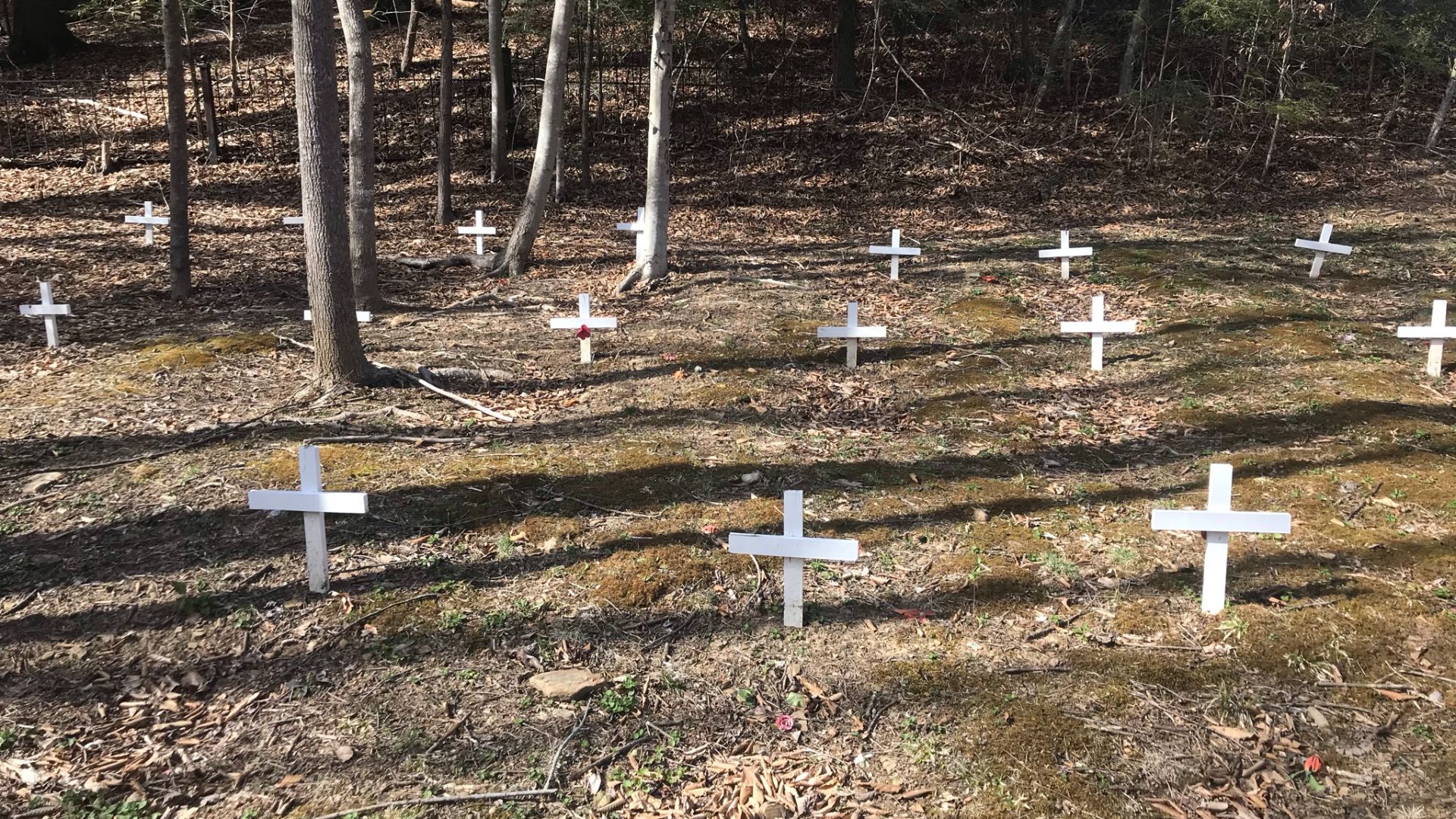
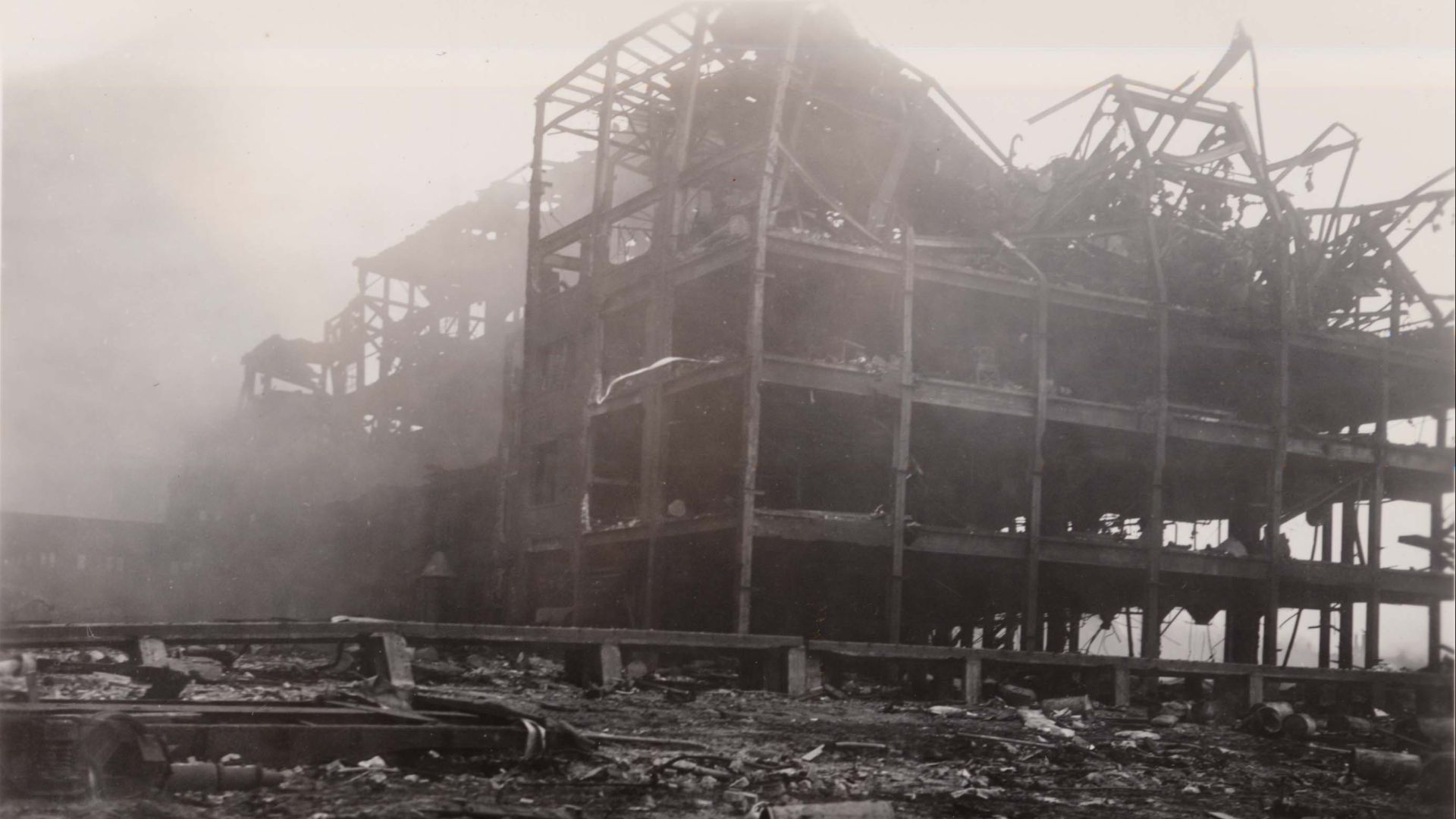
5. The Texas City Disaster (1947)
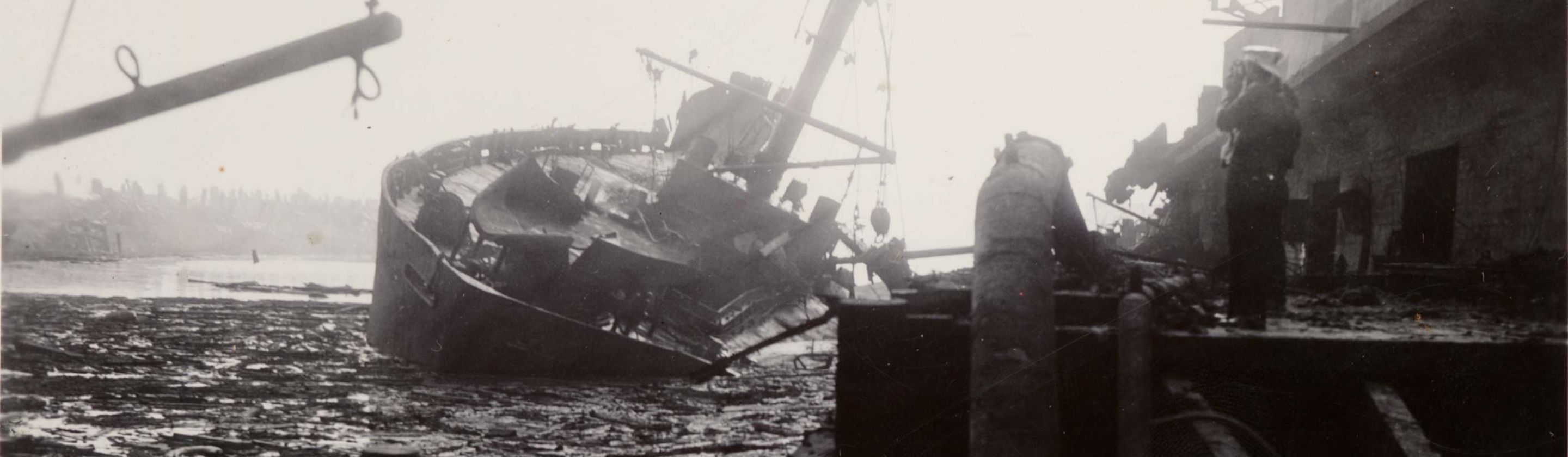
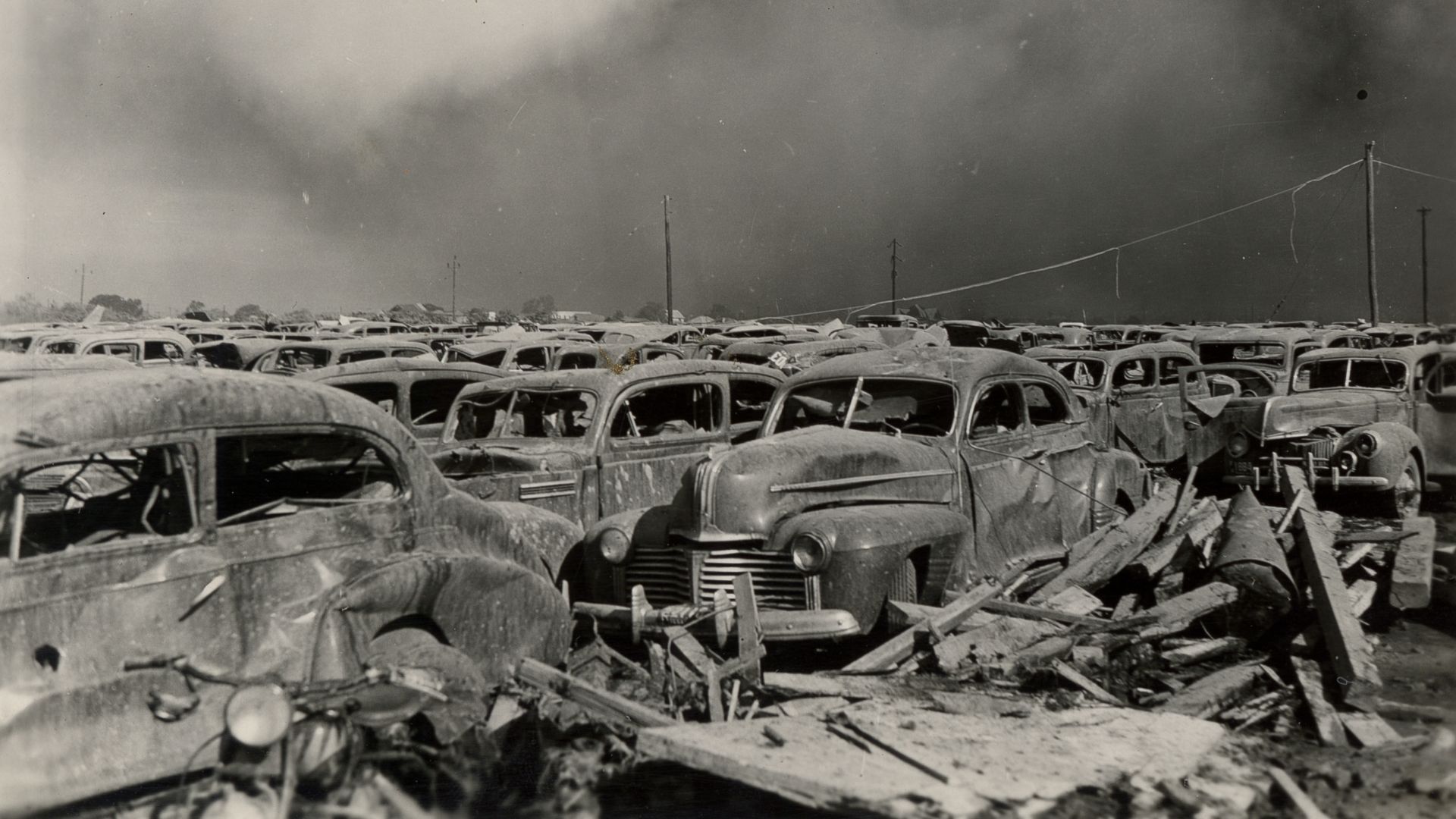
A French cargo ship loaded with ammonium nitrate fertilizer caught fire in the port of Texas City and the explosion killed nearly 600 people, making it the deadliest industrial accident in American history. The disaster produced the first federal regulations on the storage and transport of hazardous chemicals and formed an early blueprint for what eventually became the U.S. Chemical Safety Board.
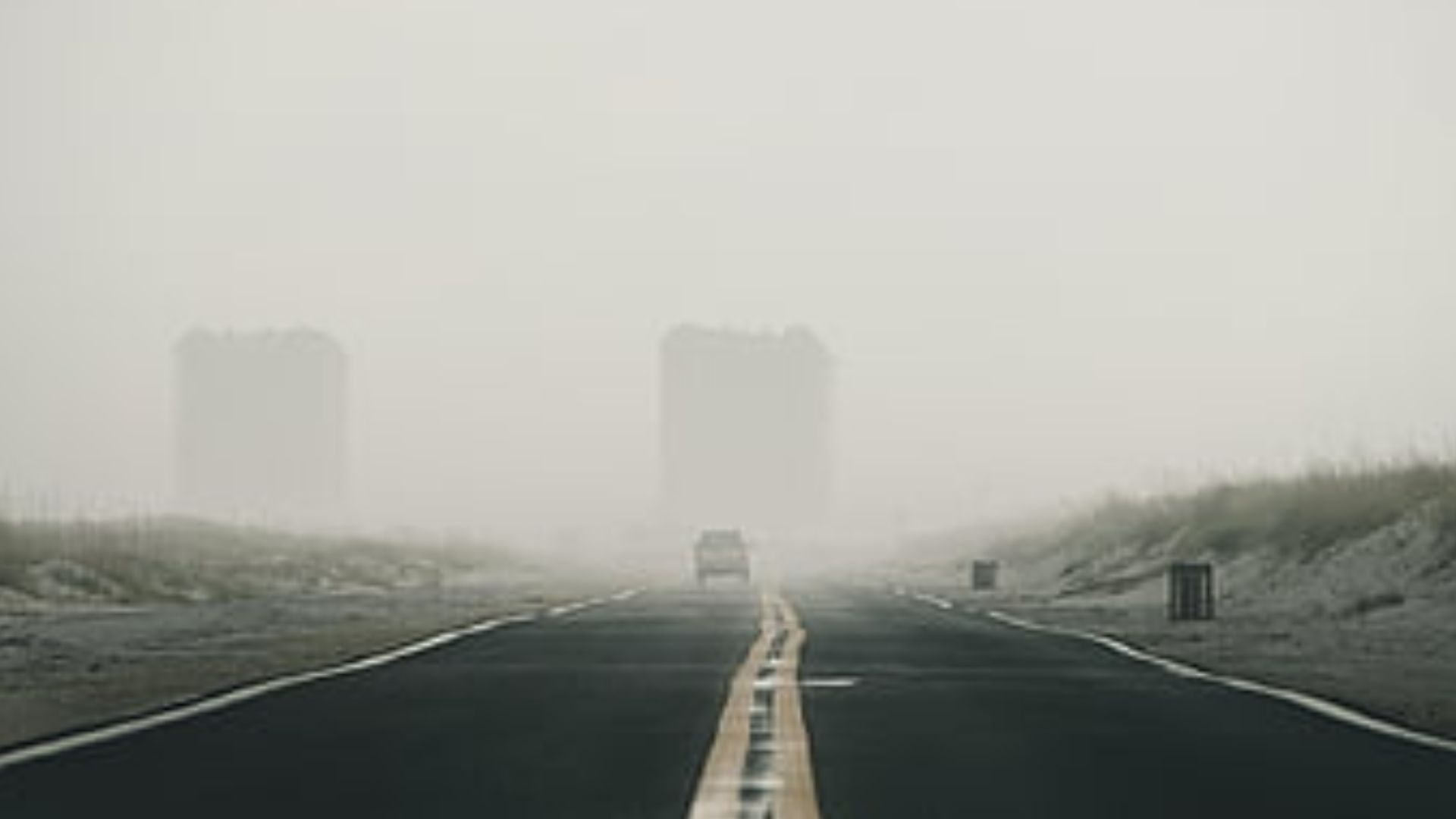
6. The London Killer Fog (1952)
A thick smog settled over London for five days and killed an estimated 4,000 people, with thousands more dying in the weeks that followed, all caused by coal emissions mixing with cold winter air. The disaster pushed the British government to pass the Clean Air Act of 1956, one of the first modern pieces of environmental legislation in the world.
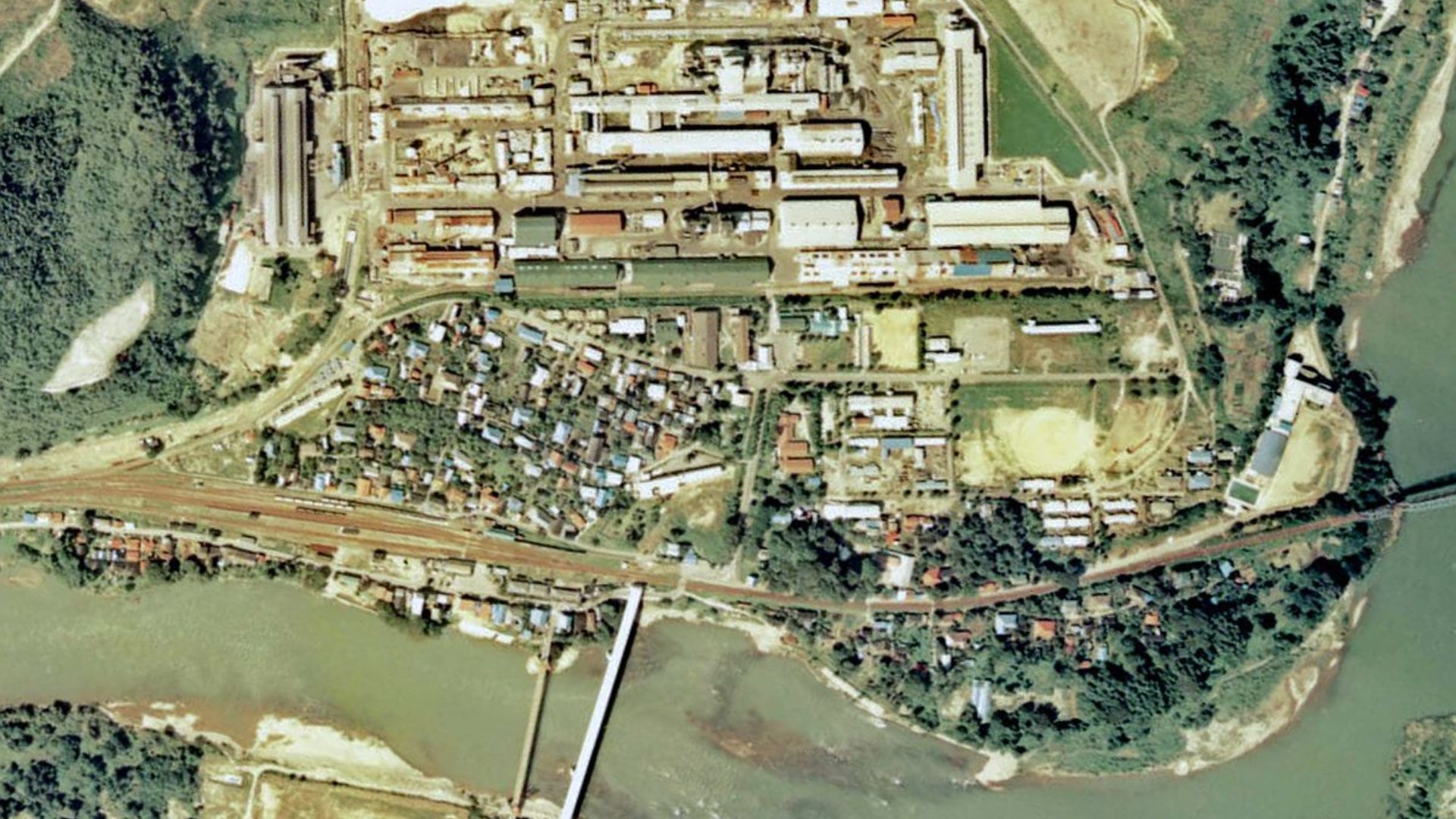
7. The Minamata Disease Outbreak (1956 Onward)
A chemical plant in Minamata, Japan, had been dumping mercury-laden wastewater into the bay for years when residents began developing severe neurological damage from eating contaminated fish. The disaster became a defining moment in the global recognition of industrial pollution as a public health crisis and helped establish the framework for environmental liability law in Japan and beyond.
 retouch: Qurren (talk). on Wikimedia
8. The Aberfan Disaster (1966)
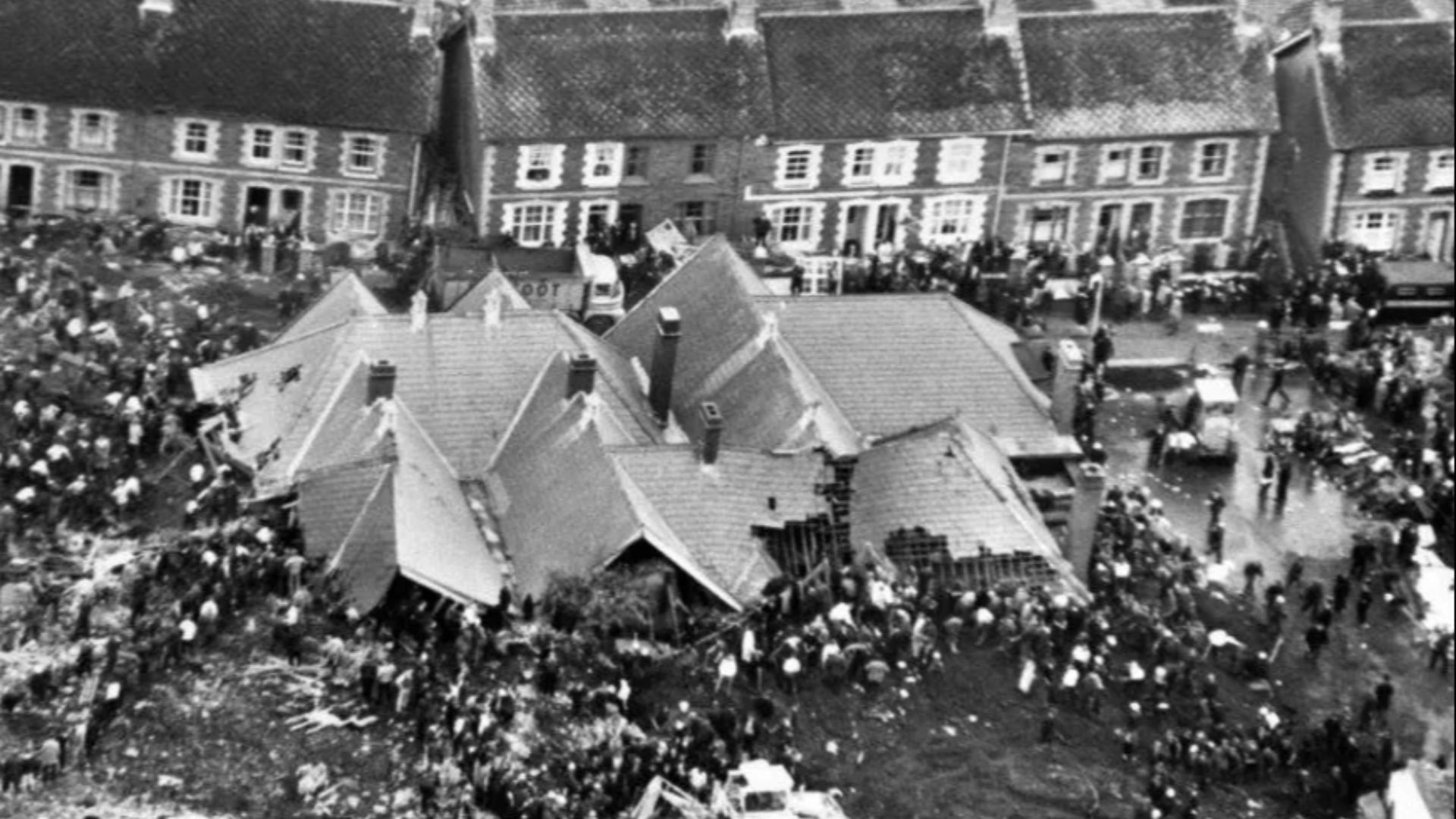
A massive mound of coal mining waste in Wales became unstable after heavy rain and slid into the village of Aberfan, engulfing a school and killing 116 children and 28 adults. The disaster pushed the British government to create the first serious regulations around the monitoring and management of industrial waste sitting near populated areas.
 Unknown authorUnknown author on Wikimedia
9. The Santa Barbara Oil Spill (1969)
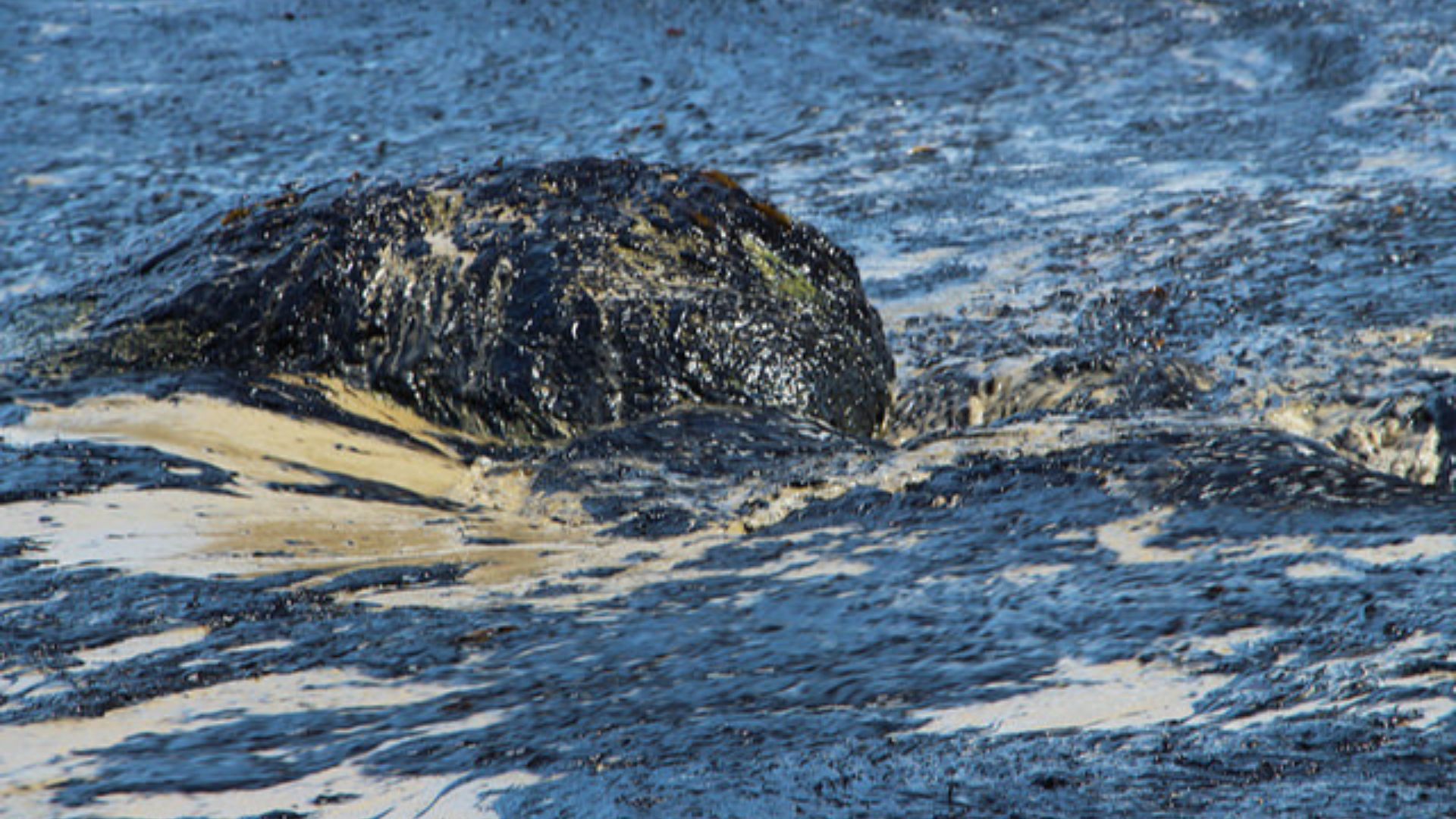
A blowout on a Union Oil platform off the California coast released more than three million gallons of crude oil and coated 35 miles of coastline, producing images that galvanized the early environmental movement. The spill is widely credited as a direct catalyst for the first Earth Day in 1970 and contributed to the passage of the National Environmental Policy Act, the Clean Water Act, and the creation of the EPA.
10. The Bhopal Gas Tragedy (1984)
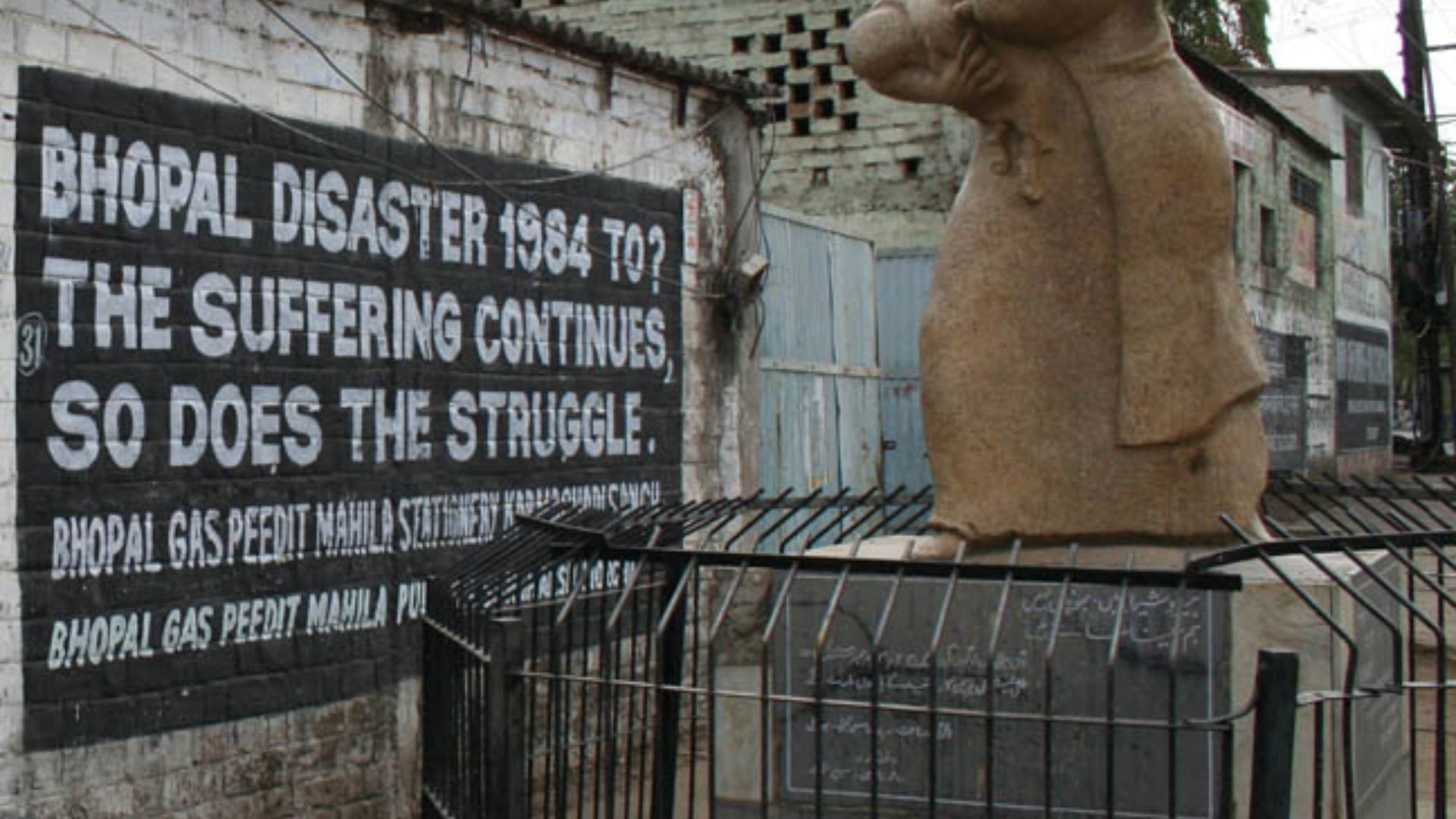
A leak at a Union Carbide pesticide plant in Bhopal, India, released a cloud of toxic gas over surrounding neighborhoods and killed thousands of people in the immediate aftermath, with long-term estimates ranging far higher. The disaster led directly to the Emergency Planning and Community Right-to-Know Act of 1986, which required companies to disclose the presence of hazardous chemicals to nearby communities.
 The original uploader was Simone.lippi at Italian Wikipedia. on Wikimedia
11. The Challenger Disaster (1986)
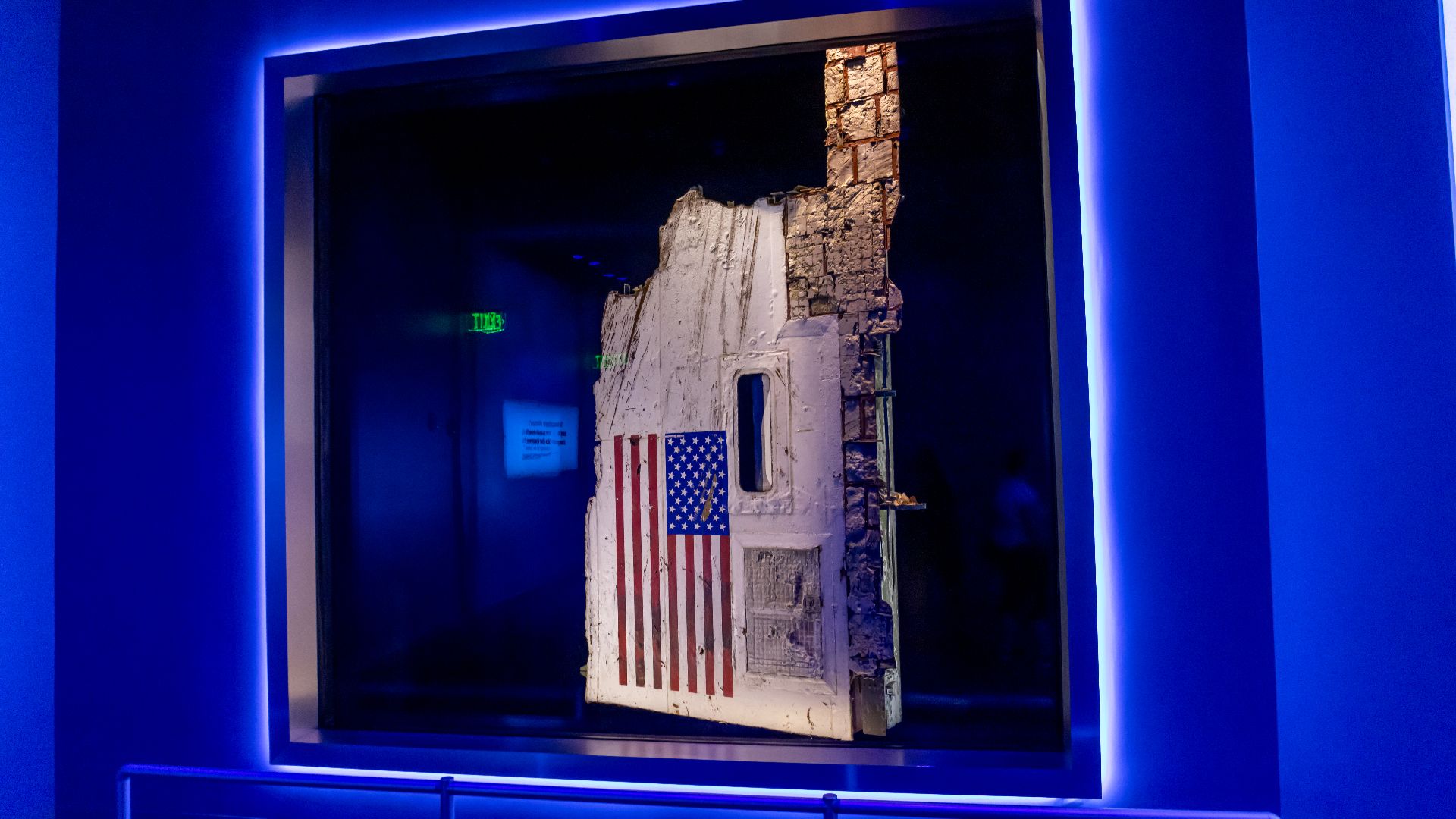
The Space Shuttle Challenger broke apart 73 seconds after launch because of a failed O-ring seal that engineers had flagged and management had overruled. The Rogers Commission investigation became a landmark study in institutional failure and changed how engineers in aerospace and other high-stakes industries think about the relationship between technical warnings and organizational pressure to proceed.
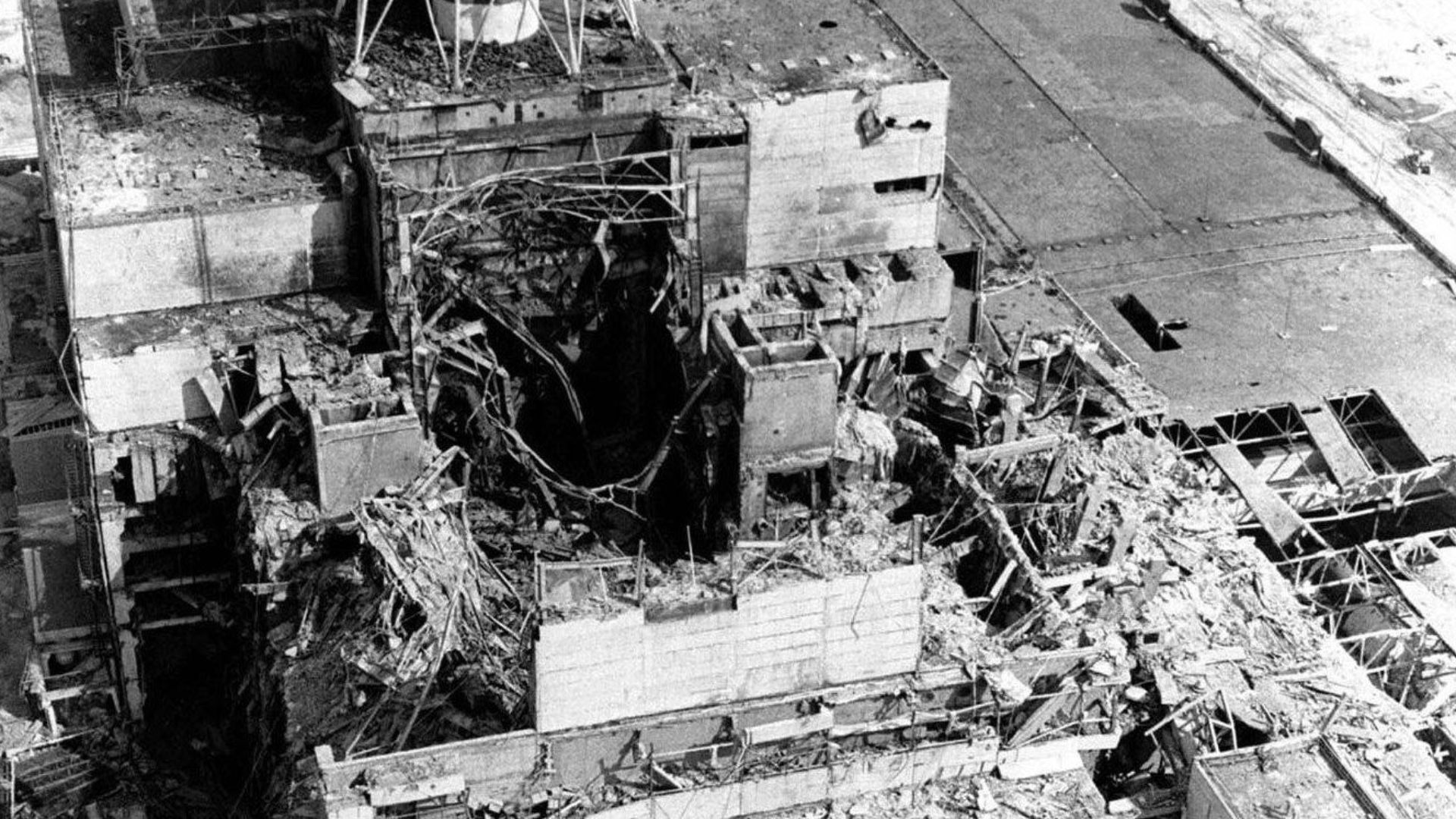
12. The Chernobyl Disaster (1986)
A flawed reactor design combined with operator errors during a safety test caused a catastrophic explosion at the Chernobyl Nuclear Power Plant in Soviet Ukraine, releasing radiation across Europe and displacing hundreds of thousands of people. The disaster is frequently cited as a contributing factor in the collapse of the USSR and reshaped nuclear energy policy across the Western world for the next three decades.
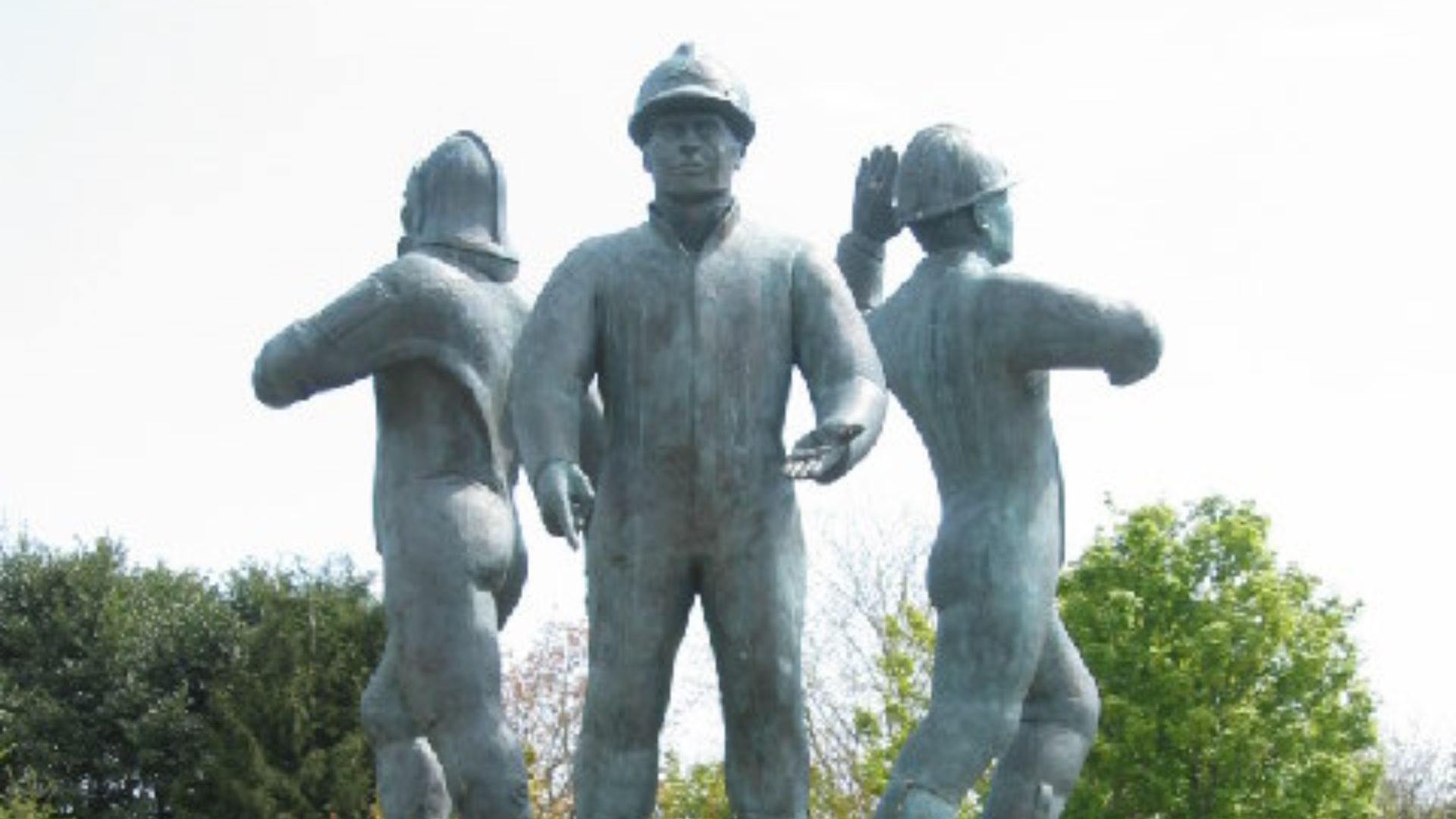
13. The Piper Alpha Explosion (1988)
An explosion and fire on an offshore oil platform in the North Sea killed 167 workers, caused partly by a failed permit system that allowed maintenance and live operations to overlap fatally. The Cullen Inquiry produced 106 safety recommendations that rebuilt the regulatory framework for offshore oil and gas operations in the United Kingdom and influenced similar standards internationally.
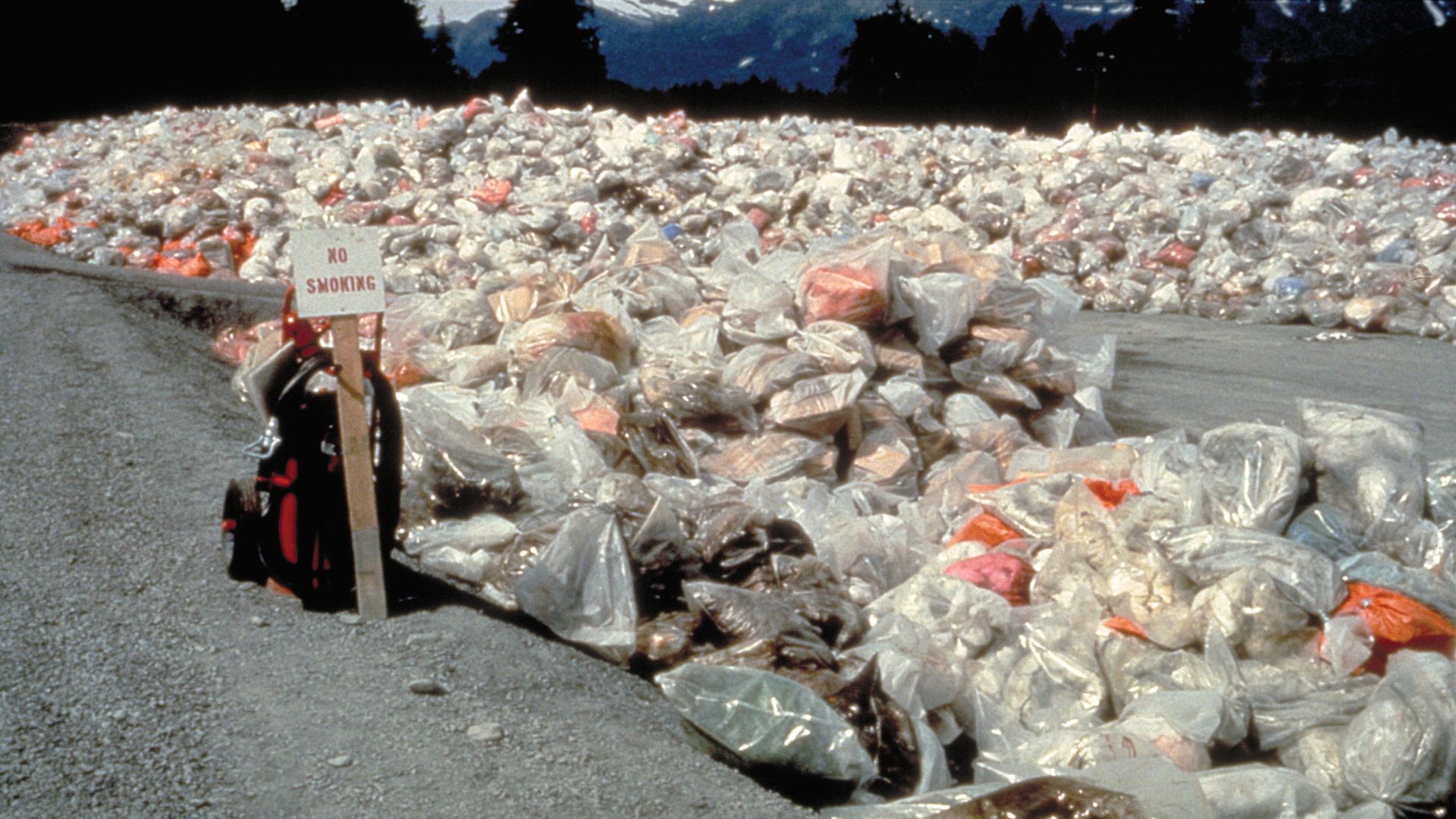
14. The Exxon Valdez Spill (1989)
The Exxon Valdez ran aground on a reef in Alaska and released nearly eleven million gallons of crude oil, devastating local fisheries and wildlife in one of the most photographed environmental disasters of the twentieth century. The spill led to the Oil Pollution Act of 1990, which required double hulls on all tankers in U.S. waters and established the precedent of holding corporations financially responsible for full environmental cleanup costs.
 Unknown authorUnknown author on Wikimedia
15. The Phillips 66 Explosion (1989)
A series of explosions at a polyethylene plant in Pasadena, Texas, killed 23 workers after routine maintenance went wrong because proper lockout procedures were not followed. The disaster led OSHA to develop its Process Safety Management standard in 1992, which created binding requirements for managing hazardous chemicals in manufacturing facilities and became a model for safety regulation internationally.
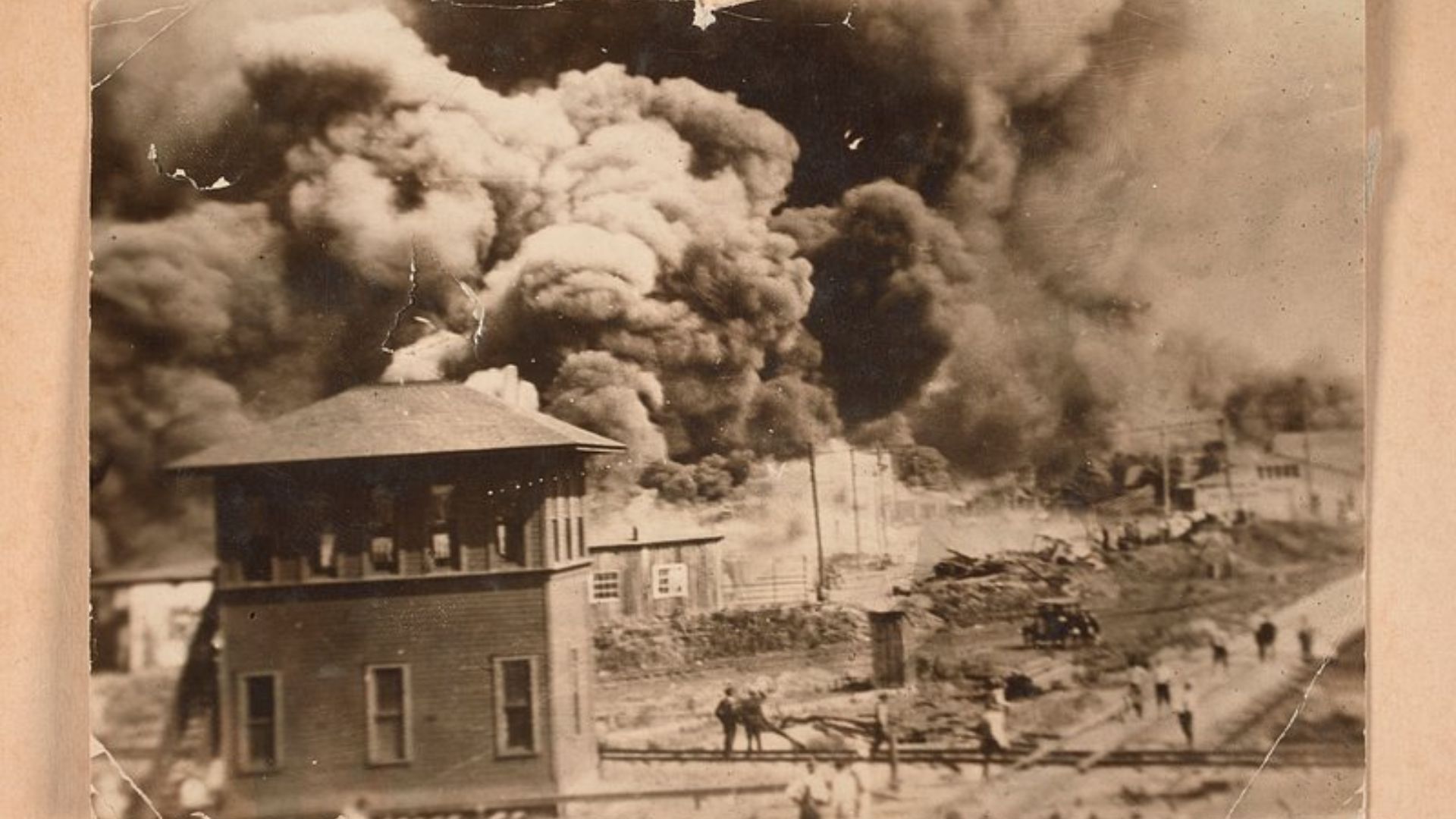
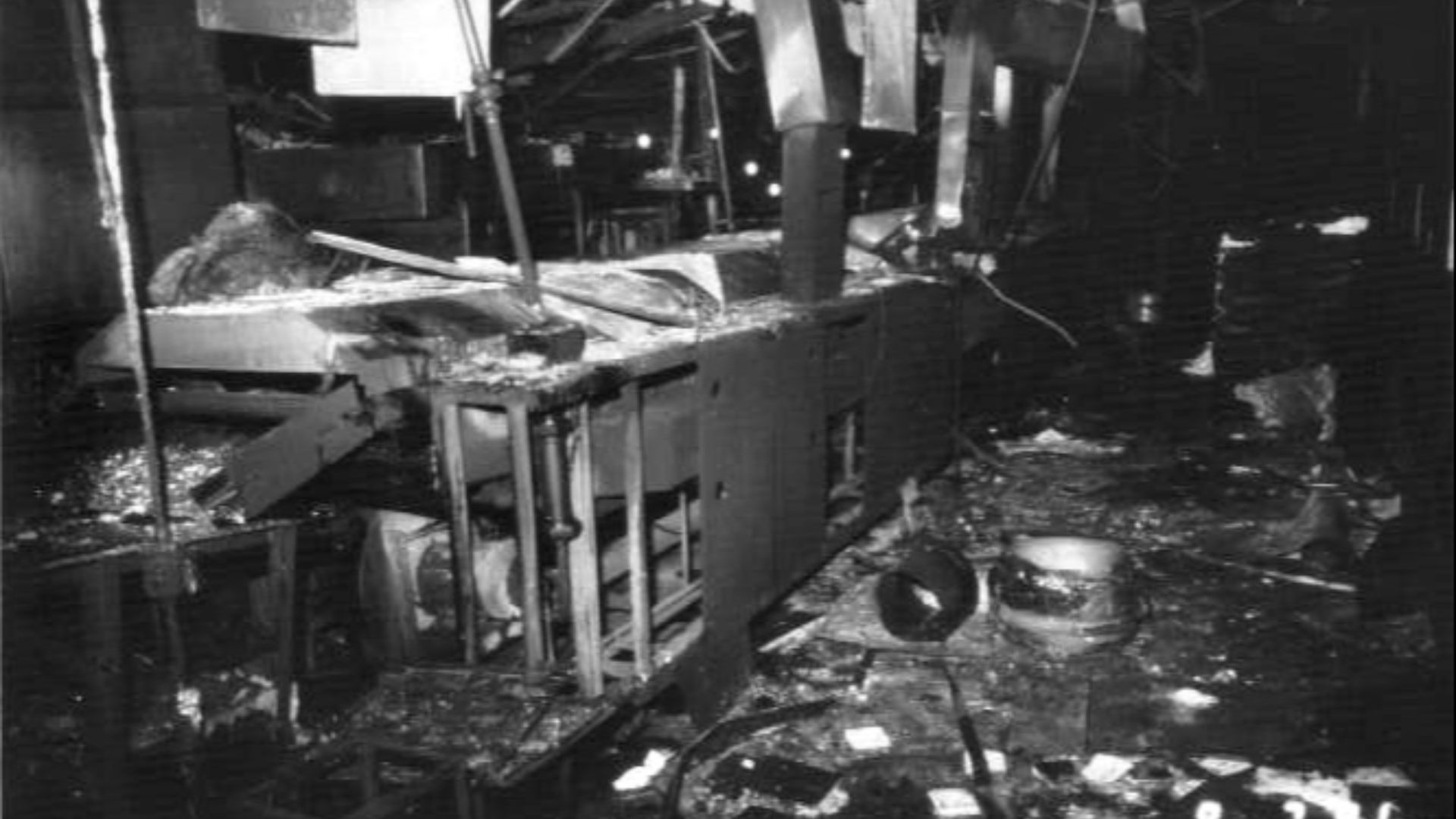
16. The Hamlet Chicken Processing Fire (1991)
A fire at a chicken processing plant in North Carolina killed 25 workers who could not escape because the emergency exits had been locked, echoing the Triangle Shirtwaist Fire eight decades earlier. The disaster produced the largest criminal workplace safety penalty in American history at the time and renewed enforcement attention on food processing plants that had largely avoided serious inspection.
 Jack Yates, United States Fire Administration on Wikimedia
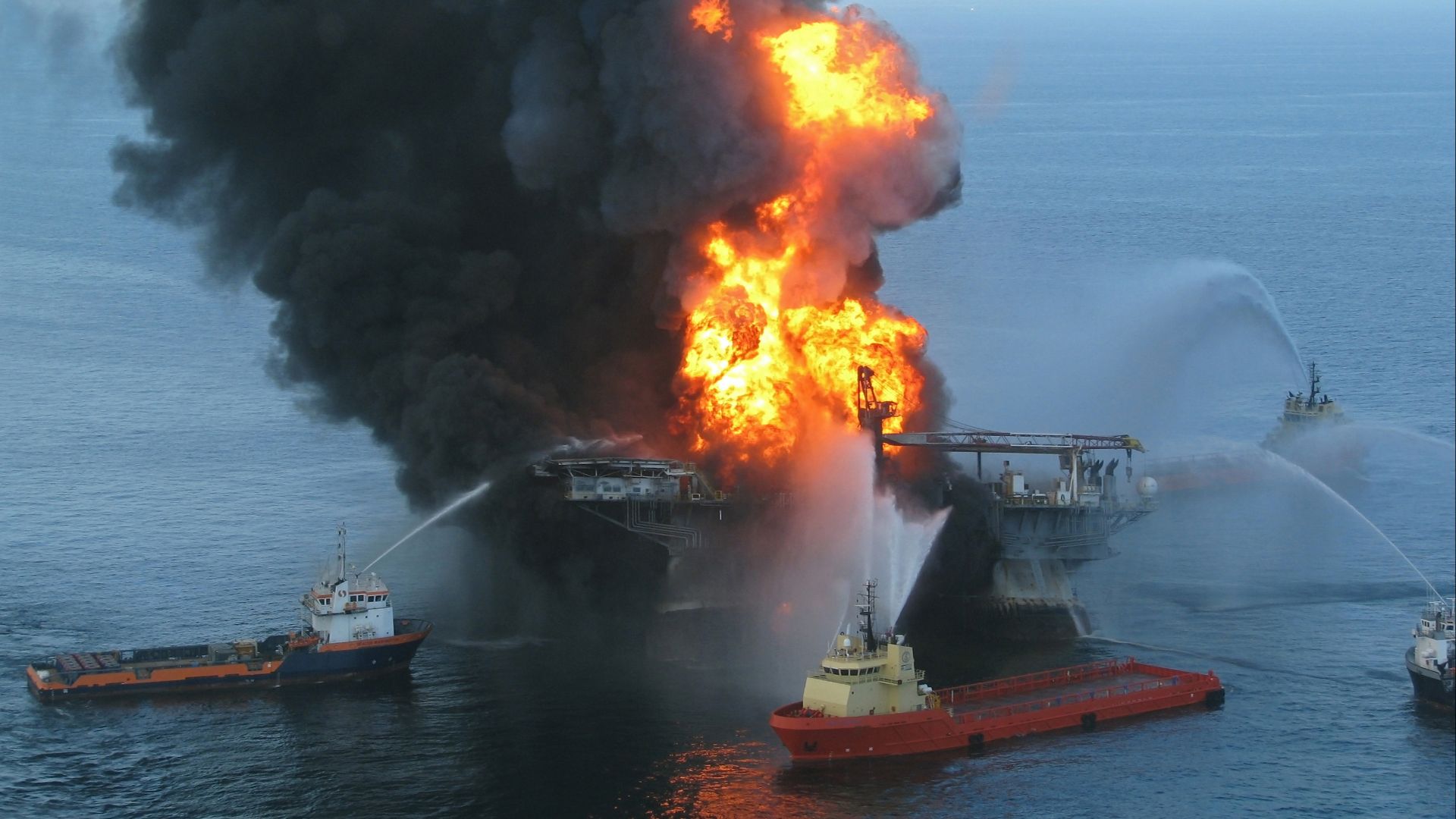
17. The Deepwater Horizon Blowout (2010)
An explosion on the Deepwater Horizon drilling rig in the Gulf of Mexico killed 11 workers and triggered the largest accidental marine oil spill in history, releasing nearly five million barrels of oil over 87 days. The disaster produced new federal requirements for blowout preventers and emergency response planning that reshaped offshore drilling standards around the world.
 Unknown authorUnknown author on Wikimedia
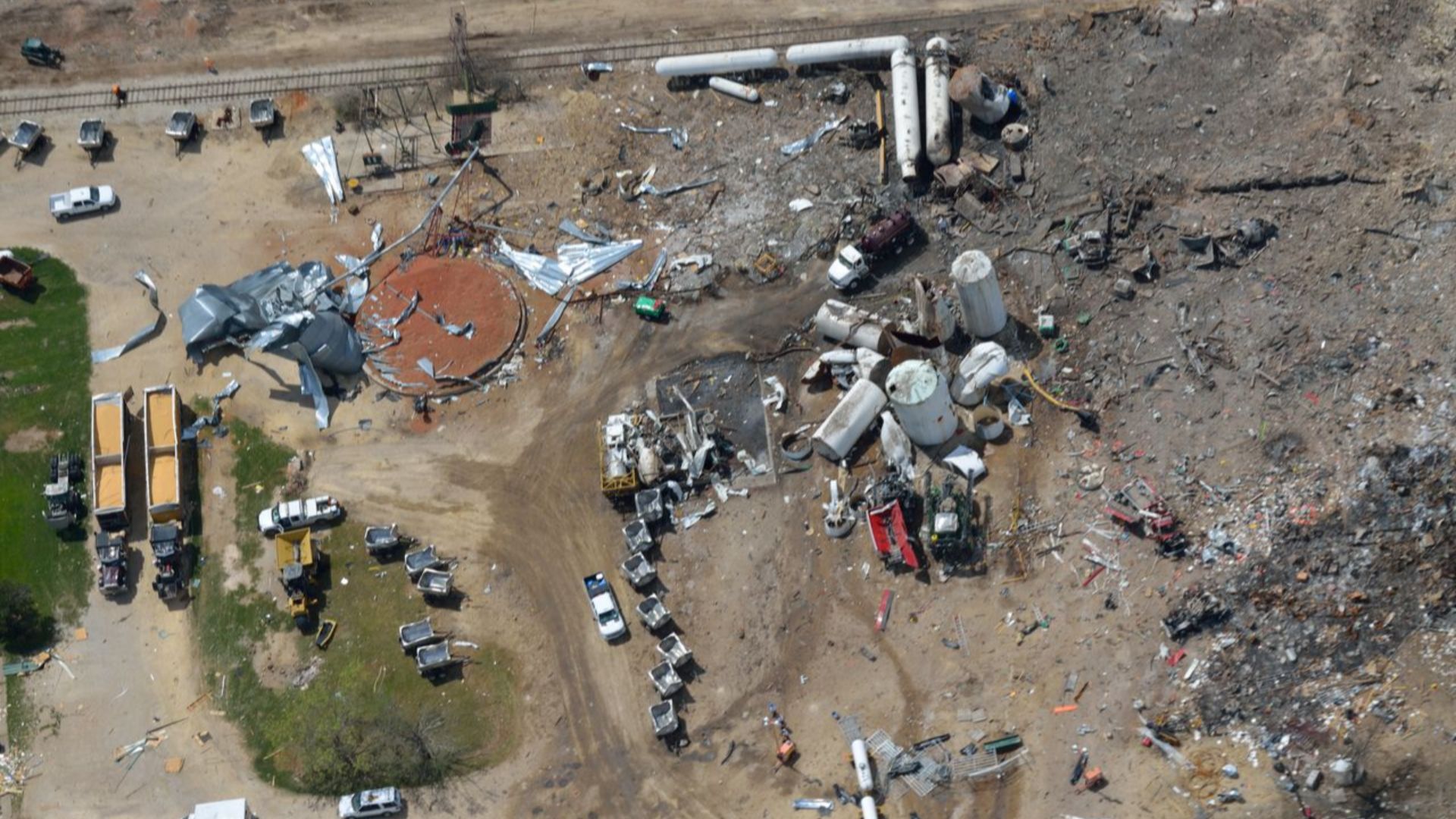
18. The West Fertilizer Explosion (2013)
A fire at a fertilizer storage facility in West, Texas, killed 15 people, most of them first responders, and investigators found that local emergency planners had no idea how much ammonium nitrate was stored there because reporting requirements had not been updated since the 1980s. The disaster pushed federal and state governments to close chemical disclosure gaps that had been neglected for decades.
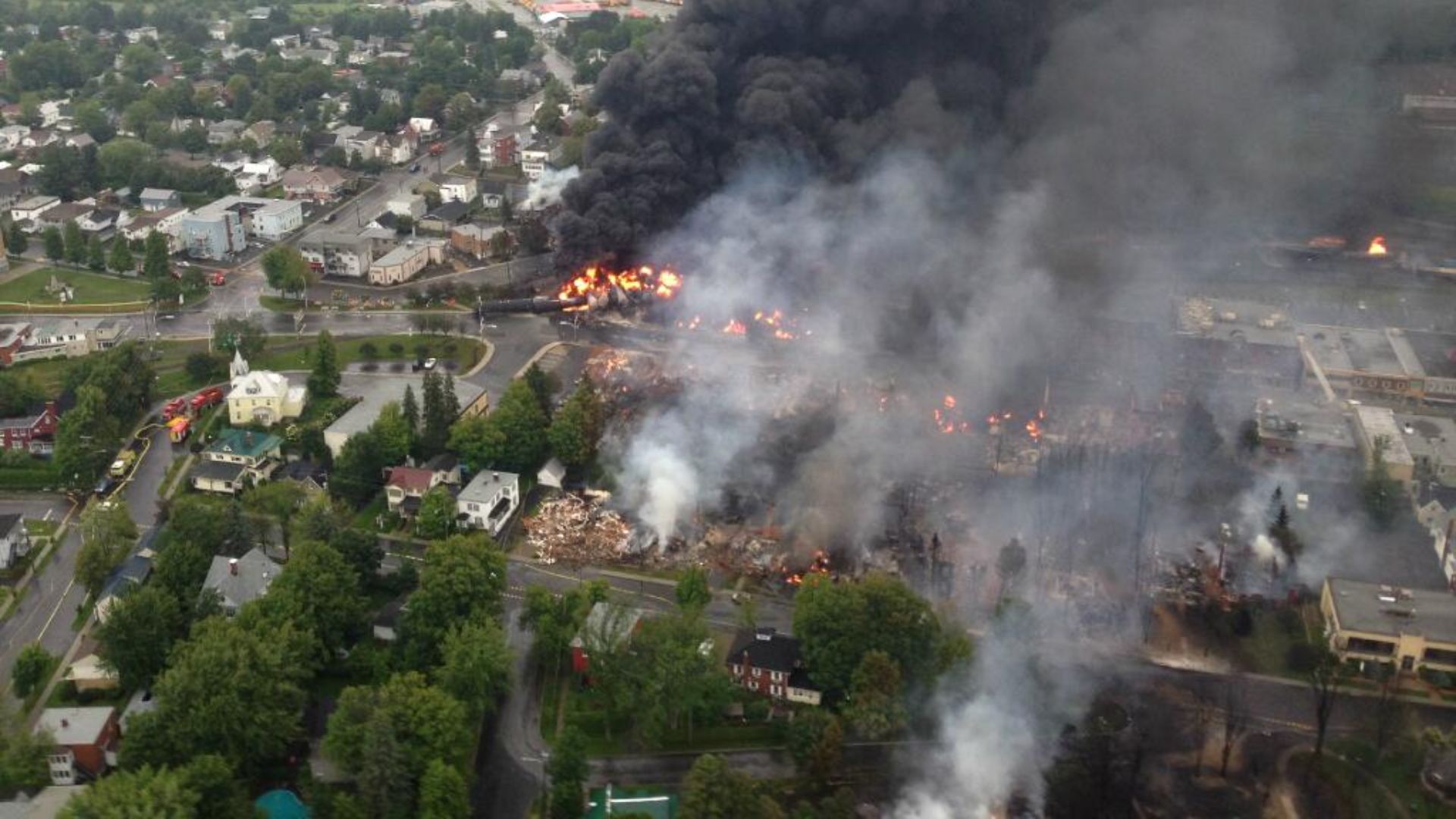
19. The Lac-Mégantic Rail Disaster (2013)
An unattended train carrying crude oil rolled downhill and derailed in the town center of Lac-Mégantic, Quebec, and the explosions that followed killed 47 people and destroyed much of the downtown. The disaster sparked sweeping rail safety reforms in Canada and the United States, including tighter rules on unattended trains and requirements for oil companies to notify communities when flammable cargo passes through populated areas.
20. The Rana Plaza Collapse (2013)
A garment factory building in Dhaka, Bangladesh, collapsed and killed more than 1,100 workers after structural warnings were ignored and employees were ordered back inside despite visible cracks in the building. The disaster produced the Accord on Fire and Building Safety in Bangladesh, a binding international agreement signed by hundreds of major apparel brands committing them to independent factory inspections.
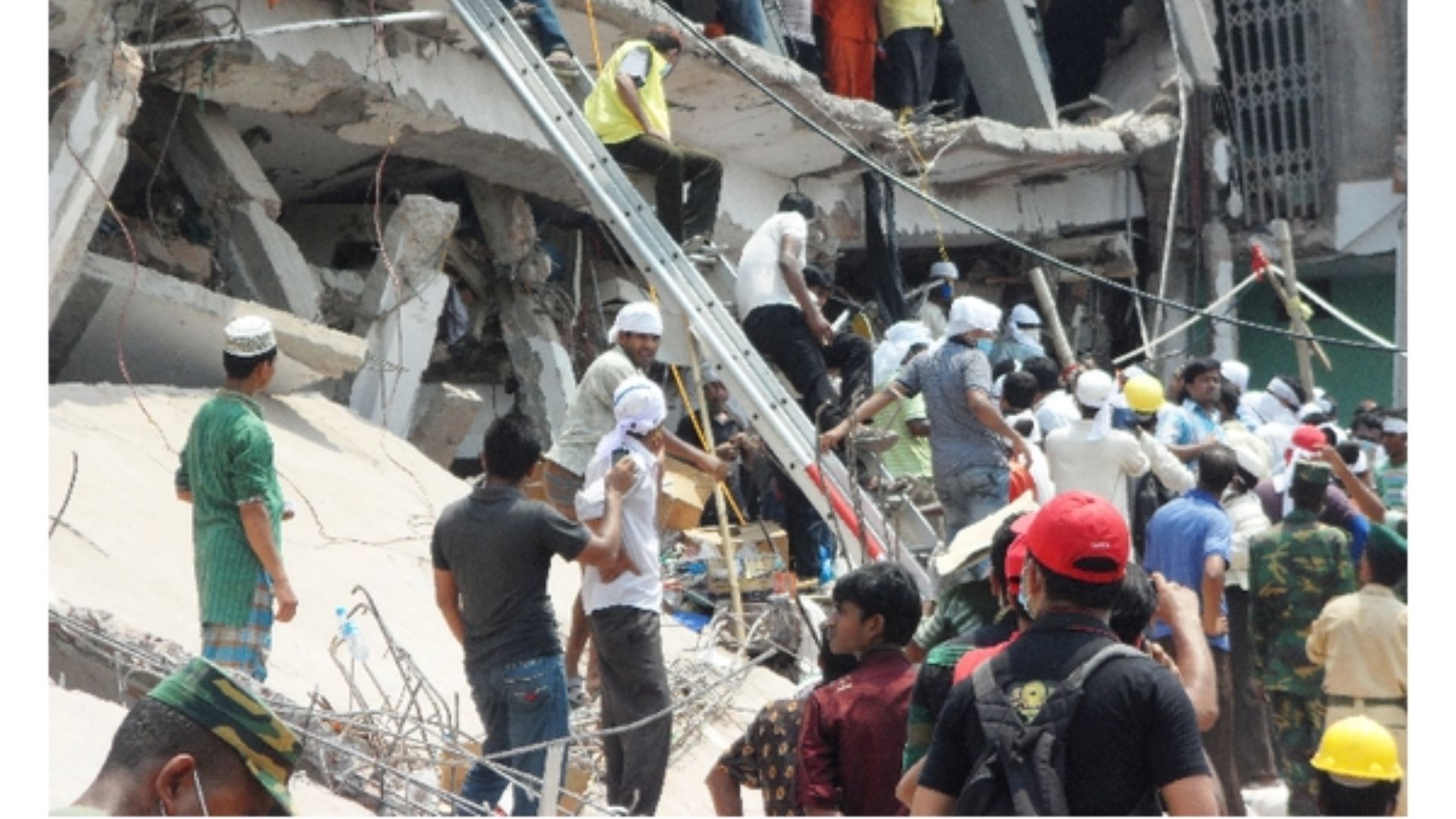 Animesh Biswas, Aminur Rahman, Saidur Rahman Mashreky, Tasnuva Humaira, Koustuv Dalal on Wikimedia
KEEP ON READING
20 Powerful Ancient Egyptian Gods That Were Worshipped
Unique Religious Figures in Ancient Egypt. While most people are…
By Cathy Liu Nov 27, 2024
The 10 Scariest Dinosaurs From The Mesozoic Era & The…
The Largest Creatures To Roam The Earth. It can be…
By Cathy Liu Nov 28, 2024
The 20 Most Stunning Ancient Greek Landmarks
Ancient Greek Sites To Witness With Your Own Eyes. For…
By Cathy Liu Dec 2, 2024
10 Historical Villains Who Weren't THAT Bad
Sometimes people end up getting a worse reputation than they…
By Robbie Woods Dec 3, 2024
One Tiny Mistake Exposed A $3 Billion Heist
While still in college, Jimmy Zhong discovered a loophole that…
By Robbie Woods Dec 3, 2024
30 Lost Treasures That Vanished From History
Buried treasure, missing artefacts, legends of ancient gold in them…
By Robbie Woods Dec 3, 2024