

Separating Legend From History
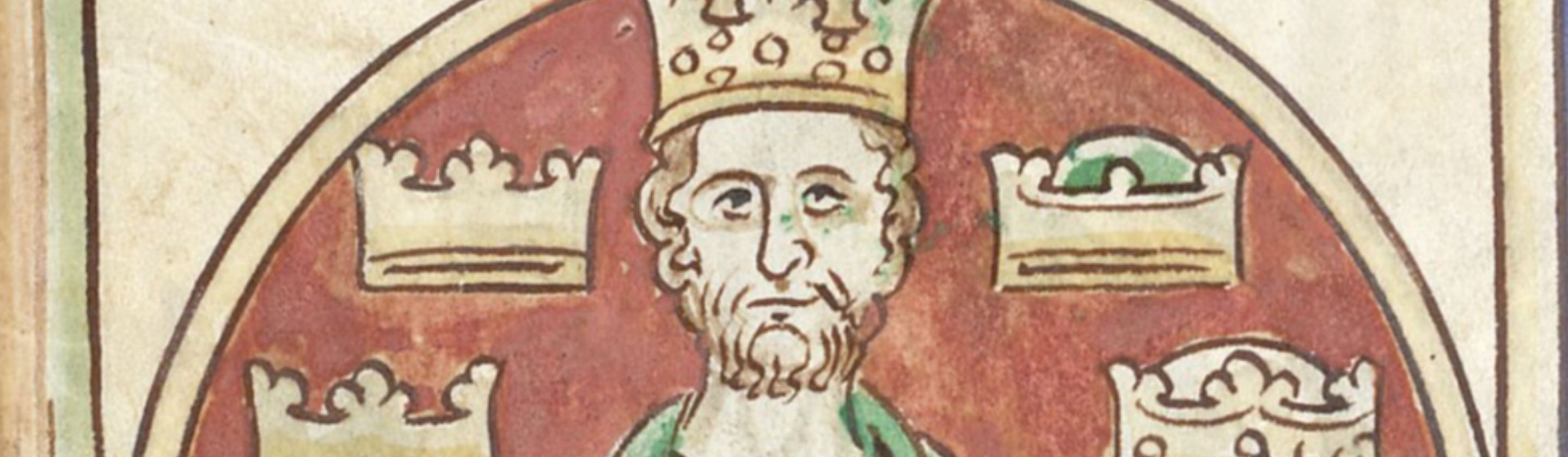
King Arthur stands at the crossroads of history and myth, and it’s easy to assume that all those stories have some merit. When you look closer, though, you’ll find that the evidence is thin at best, often fragmented and written long after the events it describes. In reality, you’re dealing with a figure shaped by early medieval chronicles, Welsh poetry, and later French romances, all layered over centuries. With that, we’re here to clear the air on some so-called facts about this legend’s life.
 Charles Ernest Butler on Wikimedia
1. King Arthur Was a King
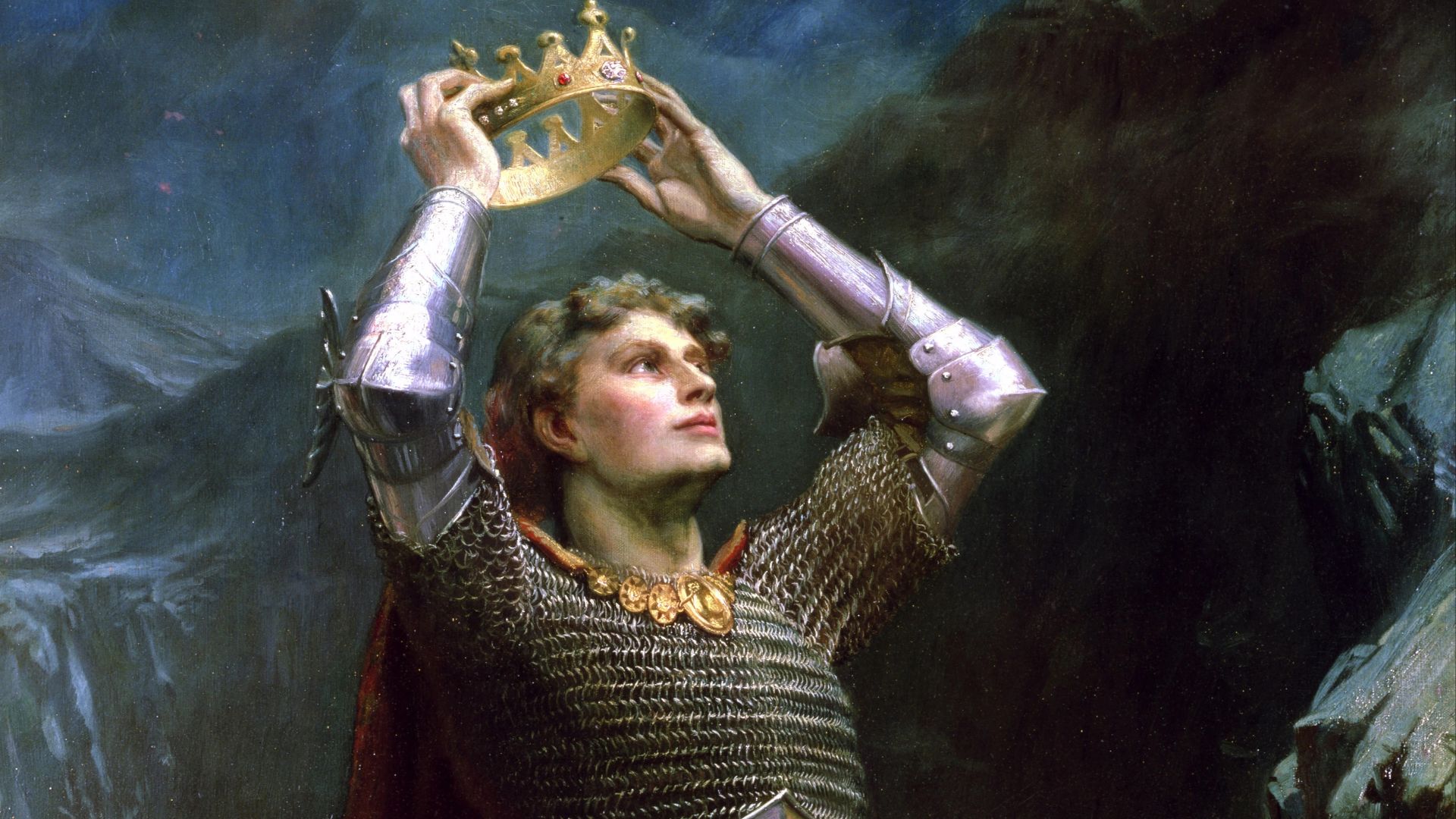
Despite the countless stories, there’s no contemporary record from the 5th or 6th century that confirms Arthur as a real king. The earliest possible references appear in texts like Historia Brittonum (9th century), attributed to Nennius, which describes a warrior named Arthur leading battles. However, these sources were written centuries later, and historians treat Arthur as a possibly composite figure rather than a confirmed monarch.
2. Arthur Lived During the 5th or 6th Century
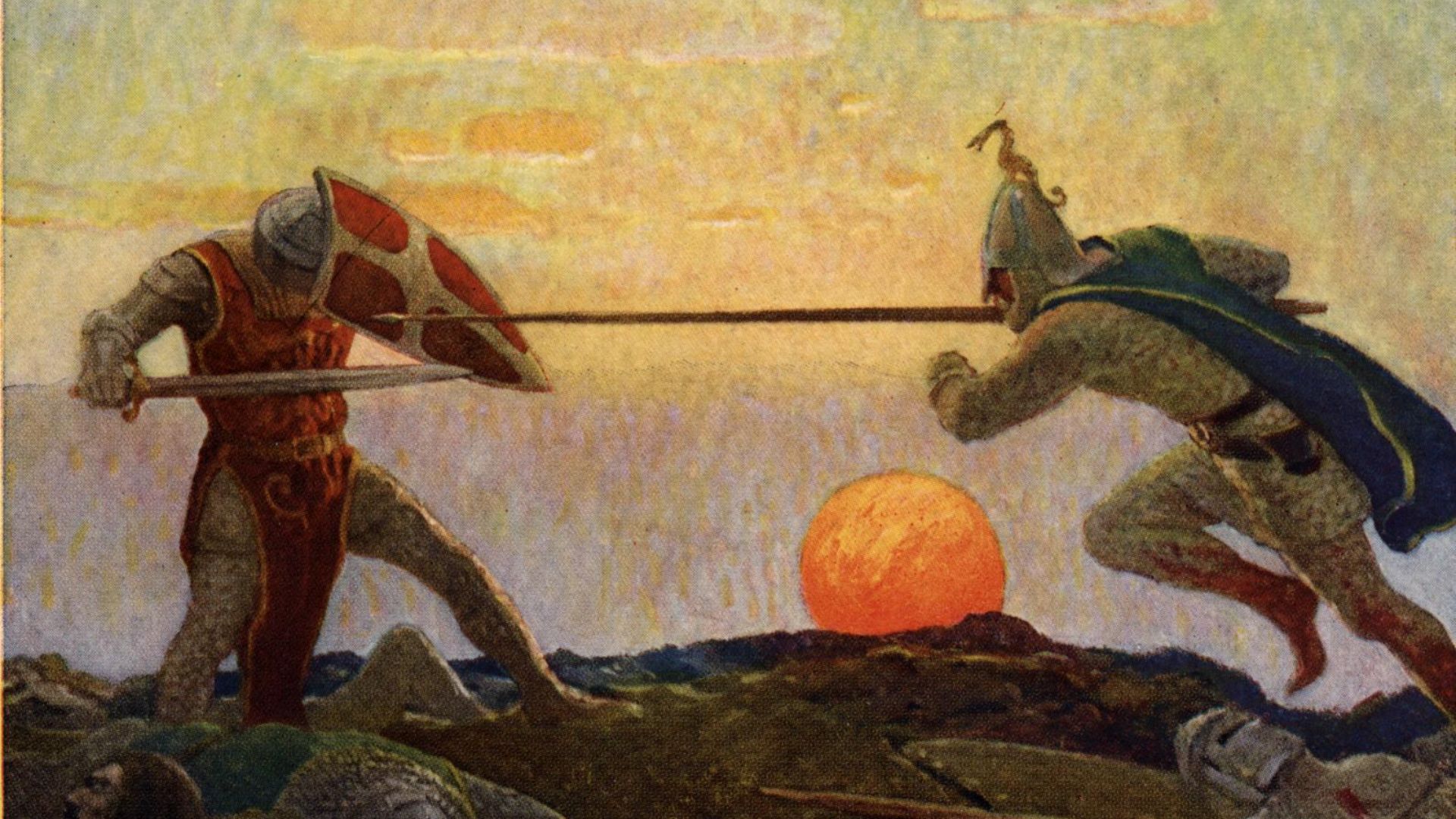
Speaking of which, the timeline for Arthur is inferred from the period after Roman authority collapsed in Britain around 410 AD. This era saw local war leaders resisting Saxon migrations, which does, in fact, match the setting of Arthurian battles. Sure, no direct record names Arthur at that time, but the context aligns with the type of leader described in later accounts.
 http://imslp.org/wiki/User:Homerdundas on Wikimedia
3. Camelot Was a Real Place
Camelot doesn’t appear in early Arthurian texts; instead, it was first mentioned in the 12th century by Chrétien de Troyes. Over the years, archaeological sites have been proposed as possible inspirations thanks to evidence of occupation during the relevant period, but even so, there’s no definitive link between the two.
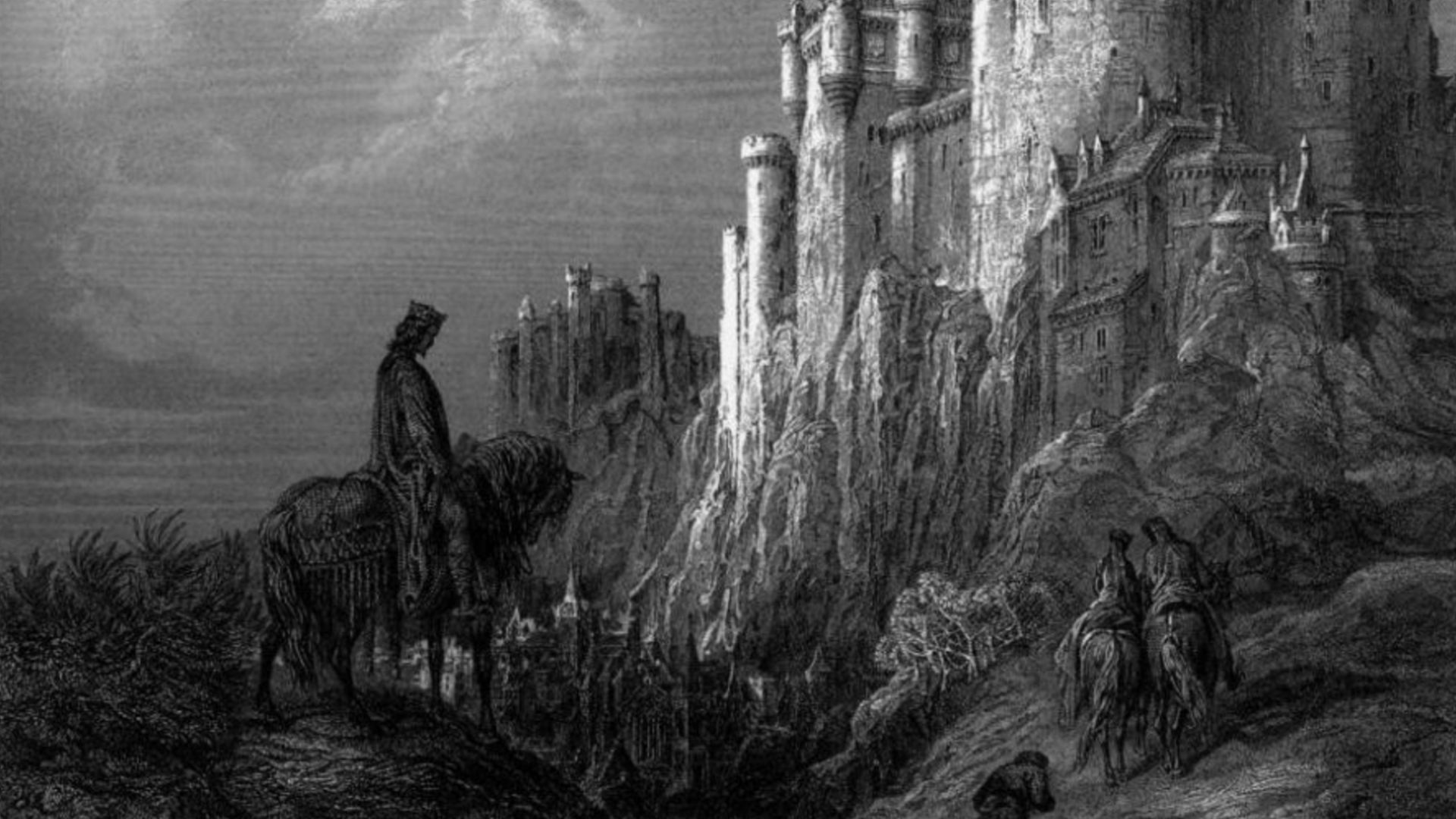
4. Excalibur the Magical Sword
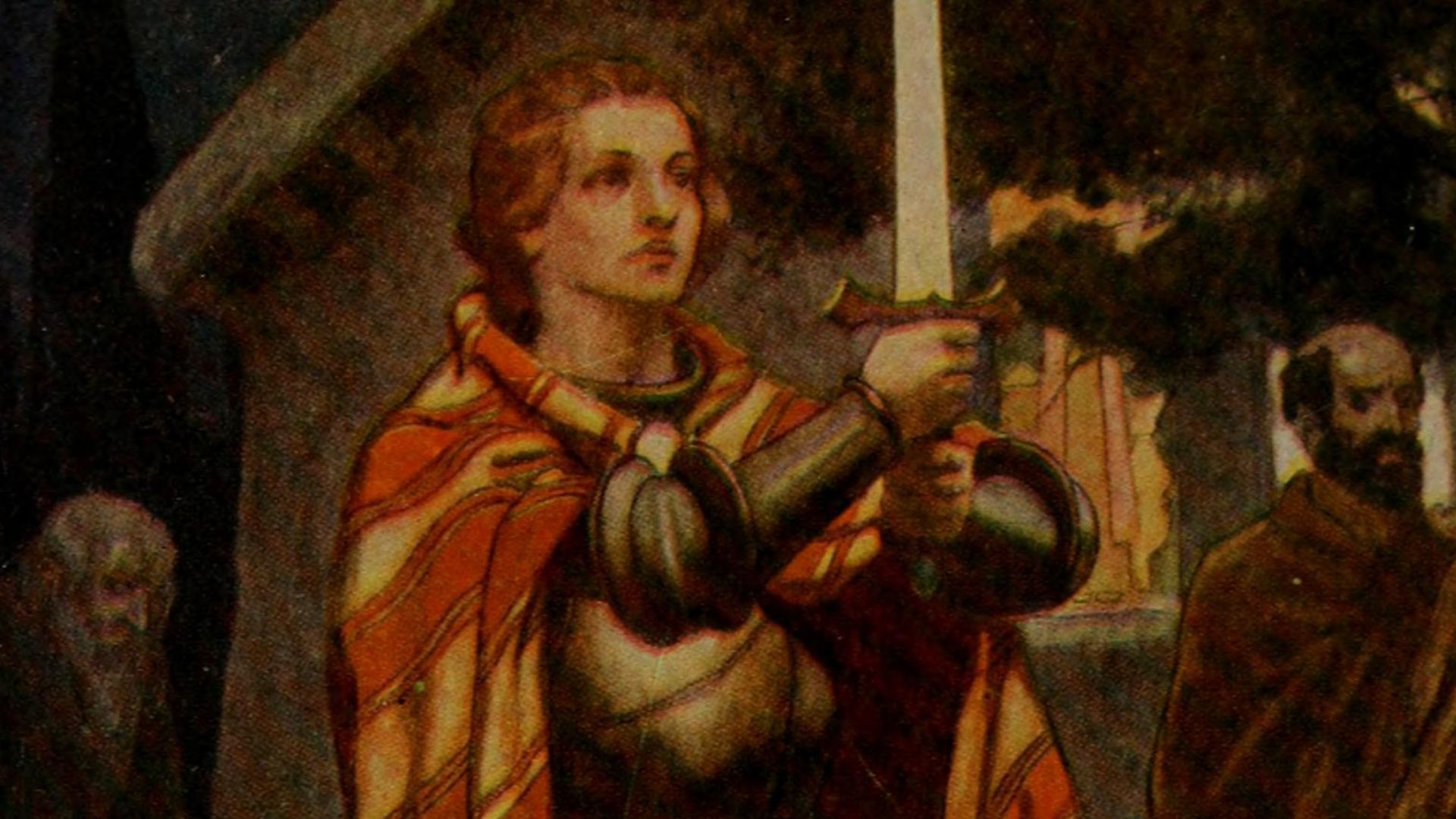
As cool as it is, Excalibur is a product of literary tradition—not historical record. Early Welsh texts mention a sword called Caledfwlch, which likely influenced later versions of the legend. With such a legendary item in their hands, writers then transformed it into a magical weapon.
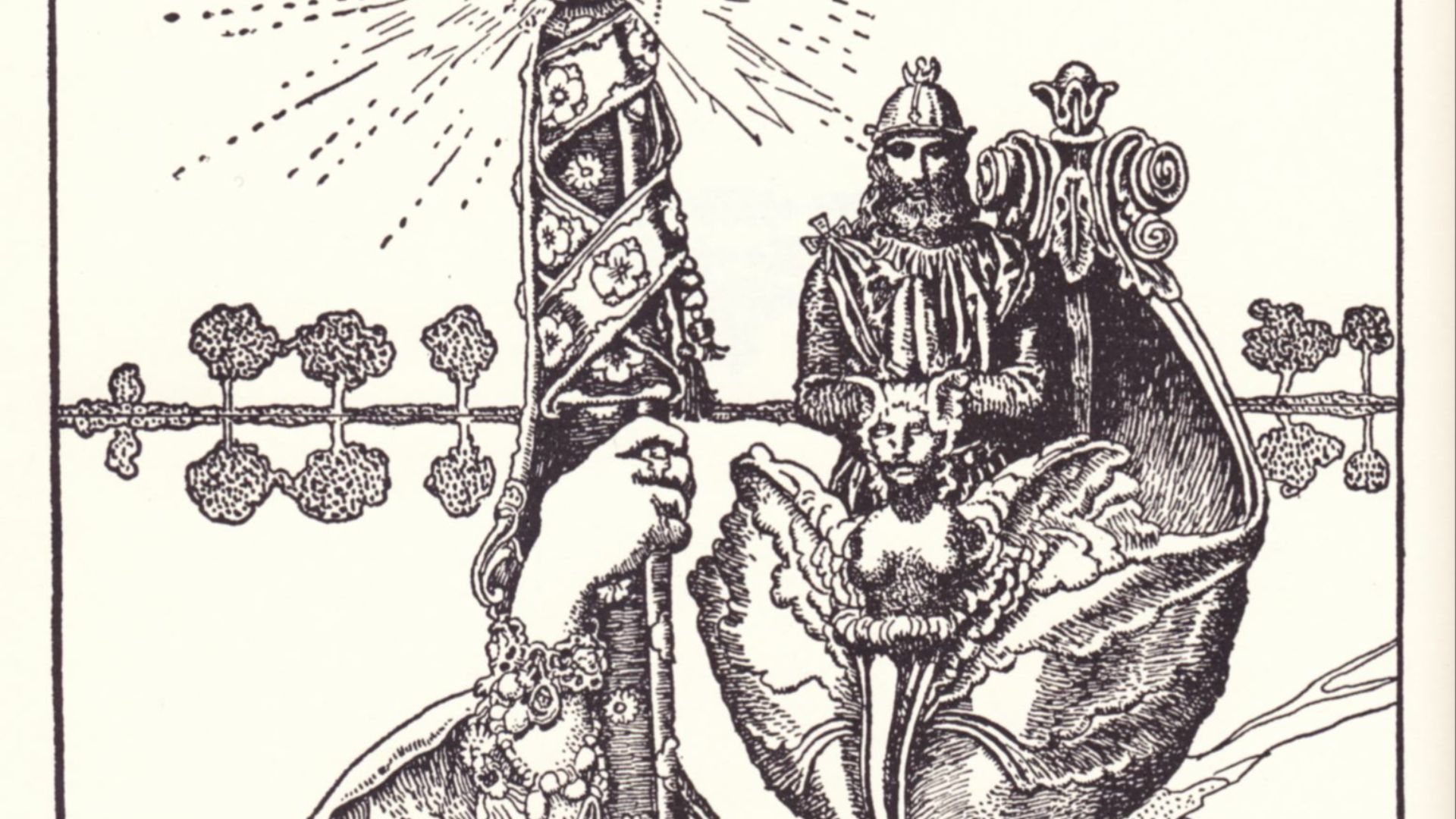
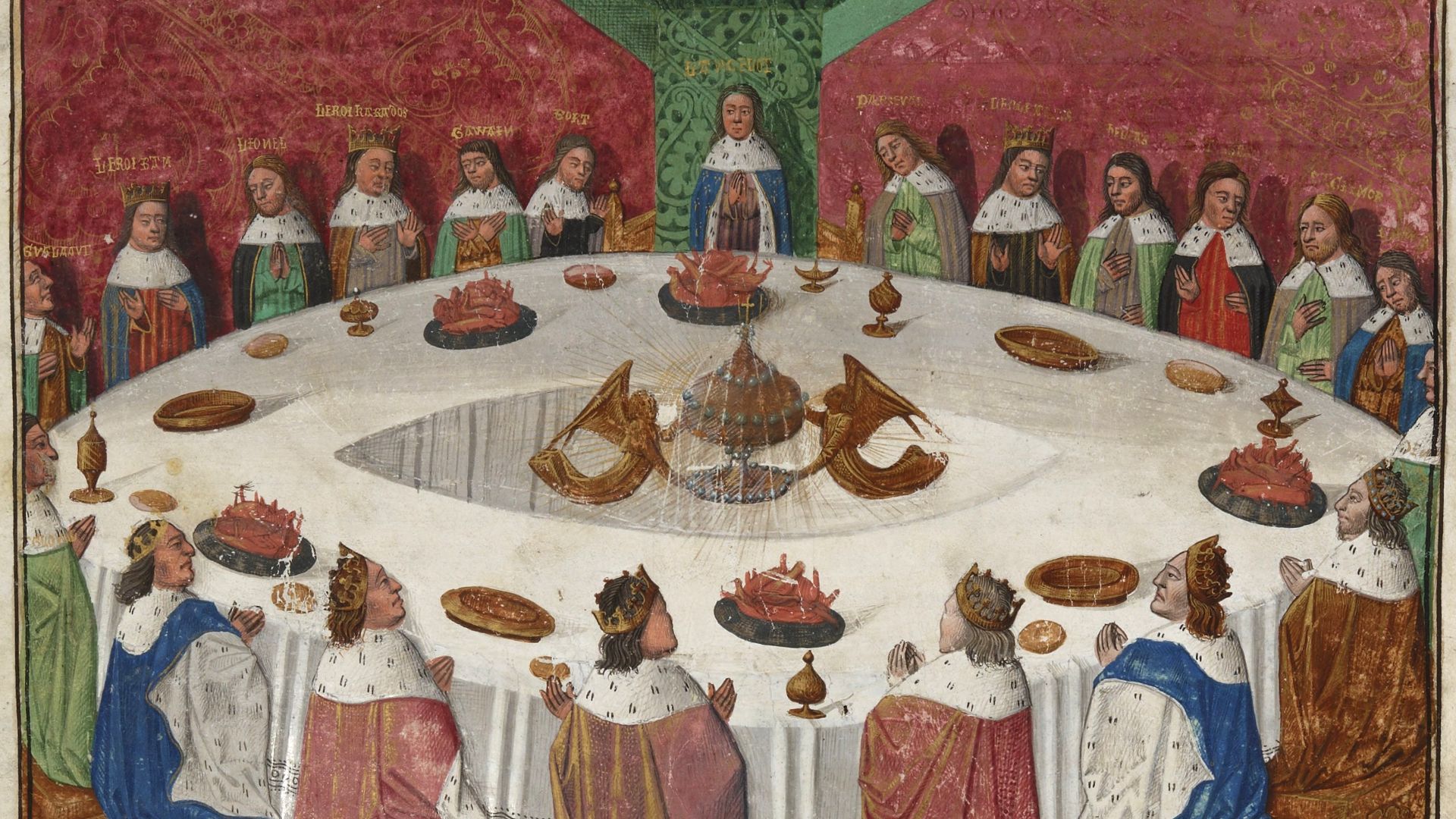
5. The Knights of the Round Table
The Round Table is first described in 12th-century literature, symbolizing equality among knights. It’s a nice story, but there’s no historical evidence for such a group. That said, early medieval war leaders did have retinues of loyal warriors.
 Evrard d'Espinques on Wikimedia
6. Arthur Was a King of All England
Early sources describe Arthur as a dux bellorum, meaning a military commander rather than a king. Though the idea of him ruling all of England emerges in later medieval texts, Britain at the time was divided into multiple small kingdoms, making a single ruler unlikely.
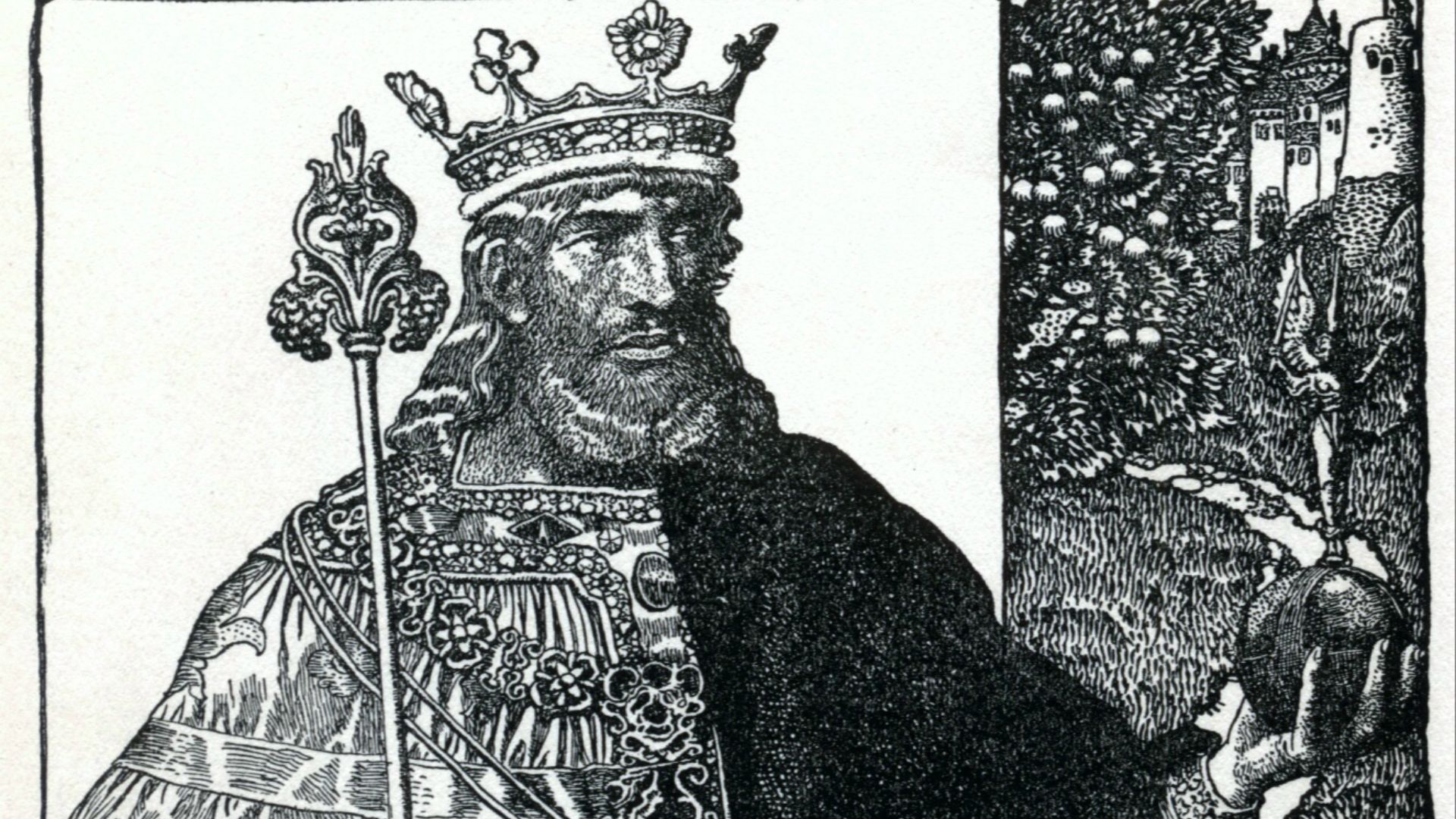
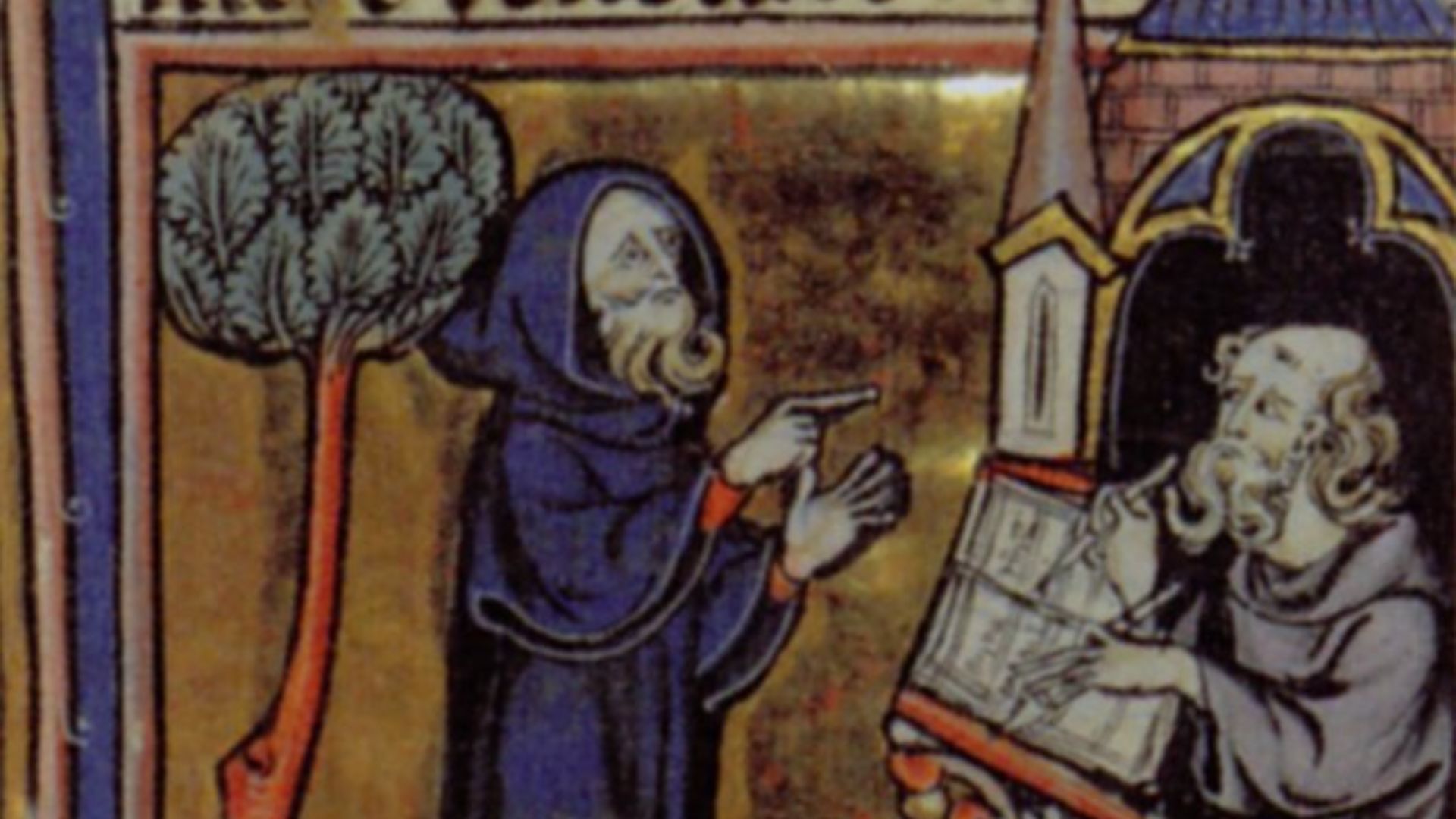
7. Merlin Was a Historical Figure
We’d all love to believe that Merlin was roaming around and casting spells, but it’s unlikely. Interestingly, however, he may have been inspired by figures such as Myrddin Wyllt, a Welsh poet associated with prophecy. References to Myrddin actually appear in early Welsh literature, but they lack the magical elements later attributed to Merlin.
 Unknown authorUnknown author on Wikimedia
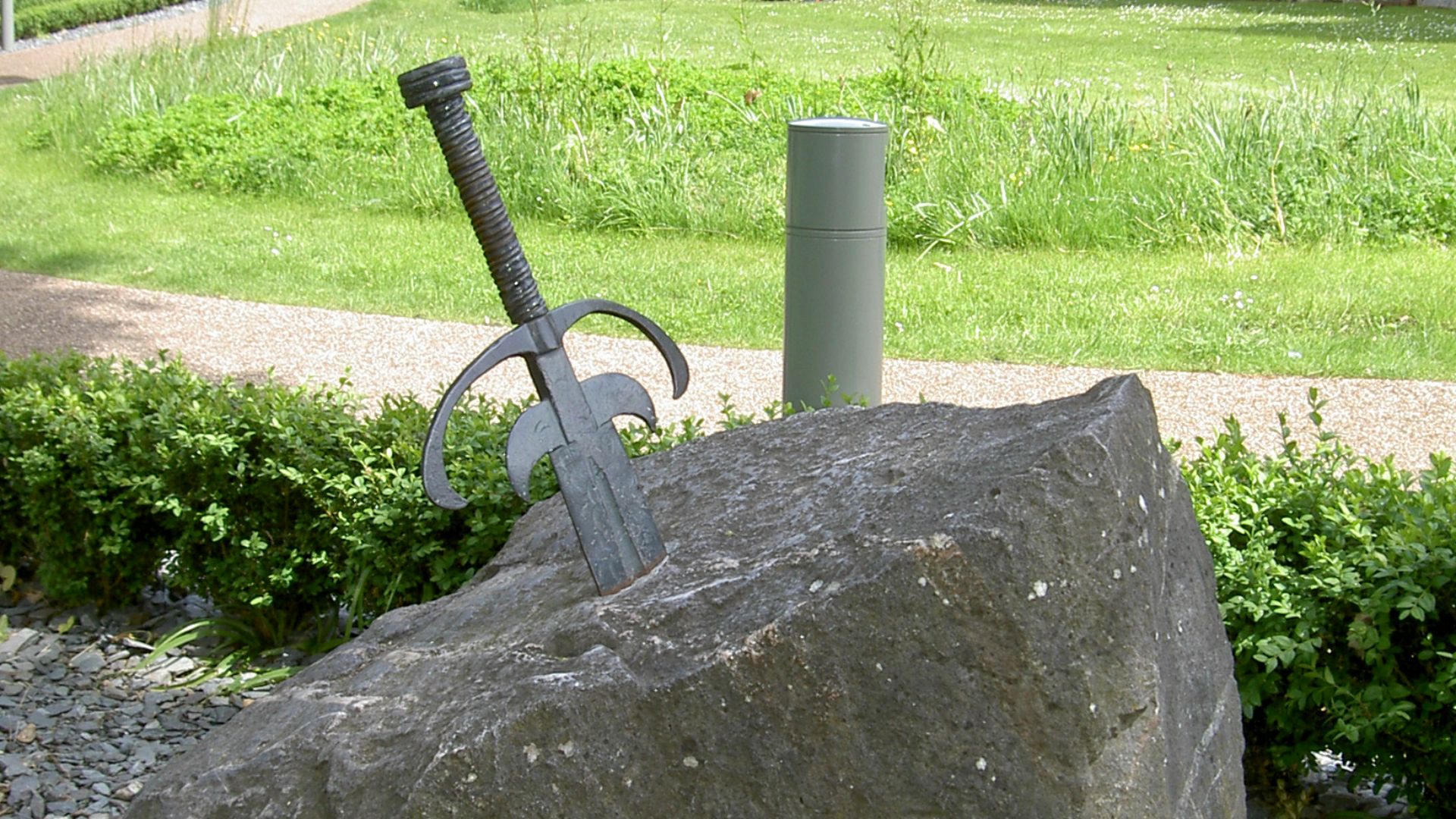
8. The Sword in the Stone
Leadership in early medieval Britain was determined by lineage and military strength, not symbolic tests. As if that wasn’t enough to denounce the sword-in-the-stone tale, the story itself doesn’t even appear in early British sources and was introduced in later medieval works.
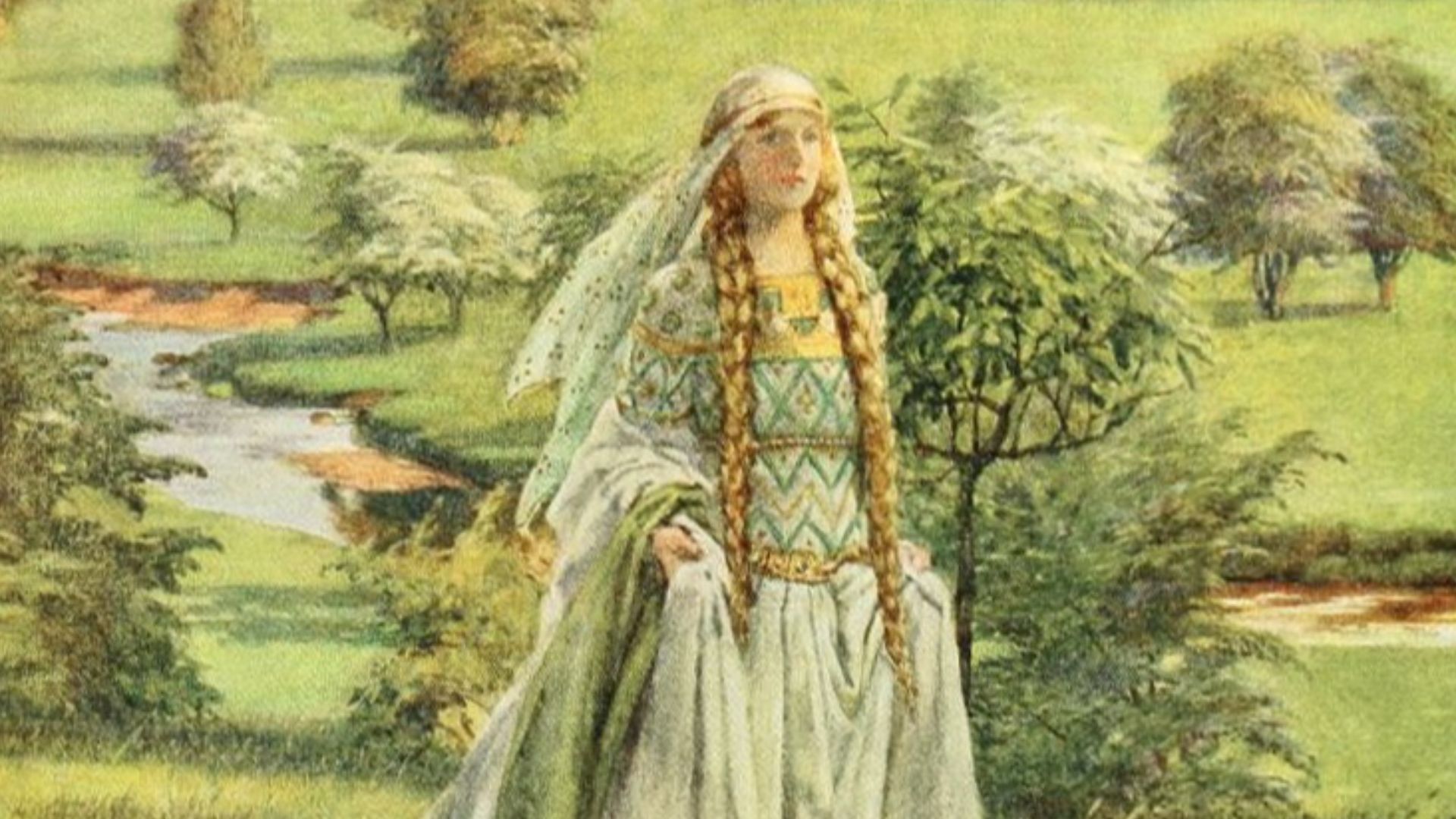
9. Guinevere Was a Real Queen
Guinevere appears in early Welsh texts under the name Gwenhwyfar, but details about her life remain inconsistent. Some traditions mention multiple figures with similar names, which only further complicates attempts to identify her historically.
 Eleanor Fortescue-Brickdale on Wikimedia
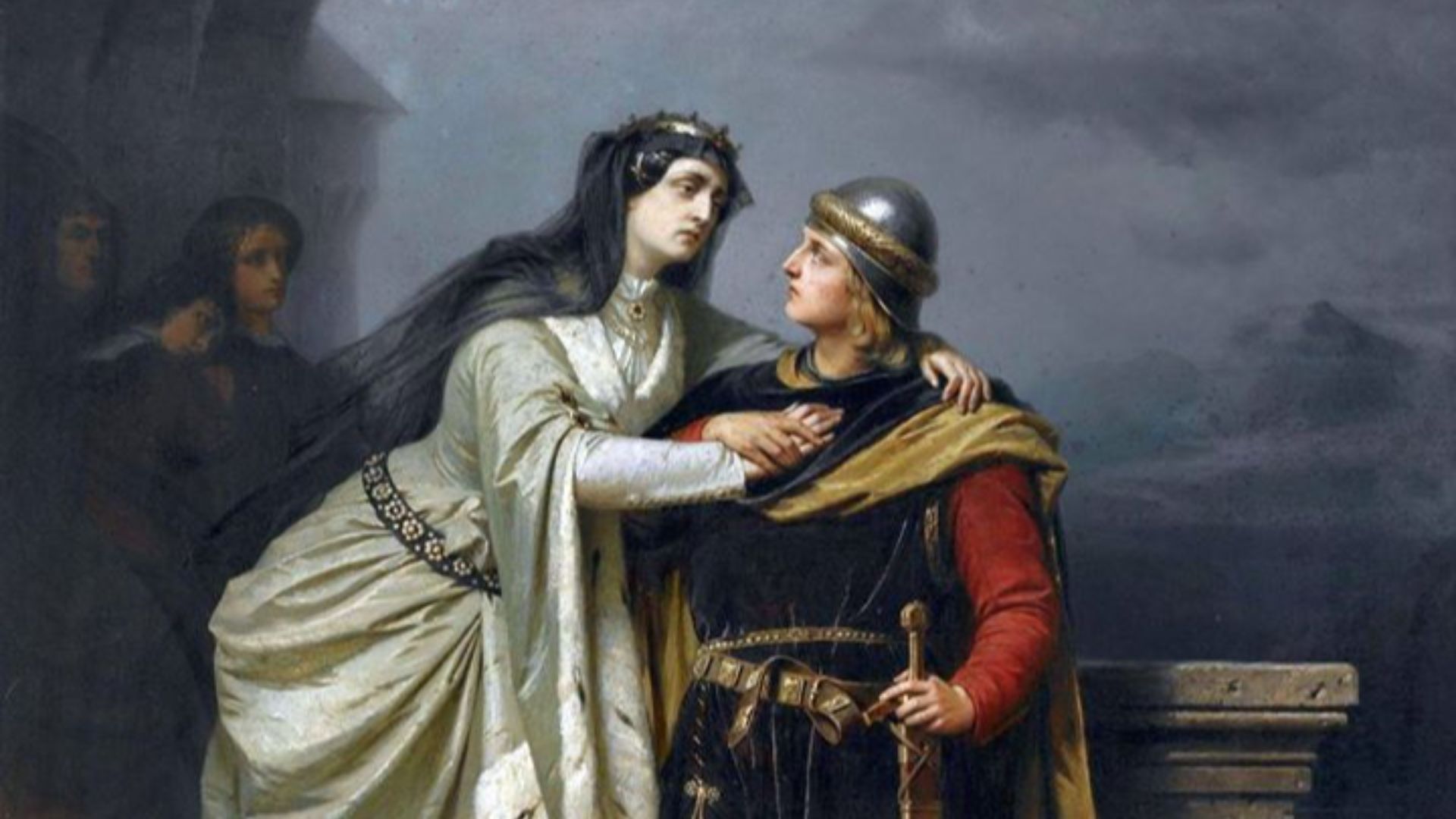
10. The Affair Between Guinevere and Lancelot
What’s history without a little scandal? The story of Guinevere and Lancelot’s relationship originates somewhere in 12th-century French romances. Earlier British traditions, though, don’t include Lancelot at all, which suggests this plotline was really a later invention.
 Emil Teschendorff (1833-1894) on Wikimedia
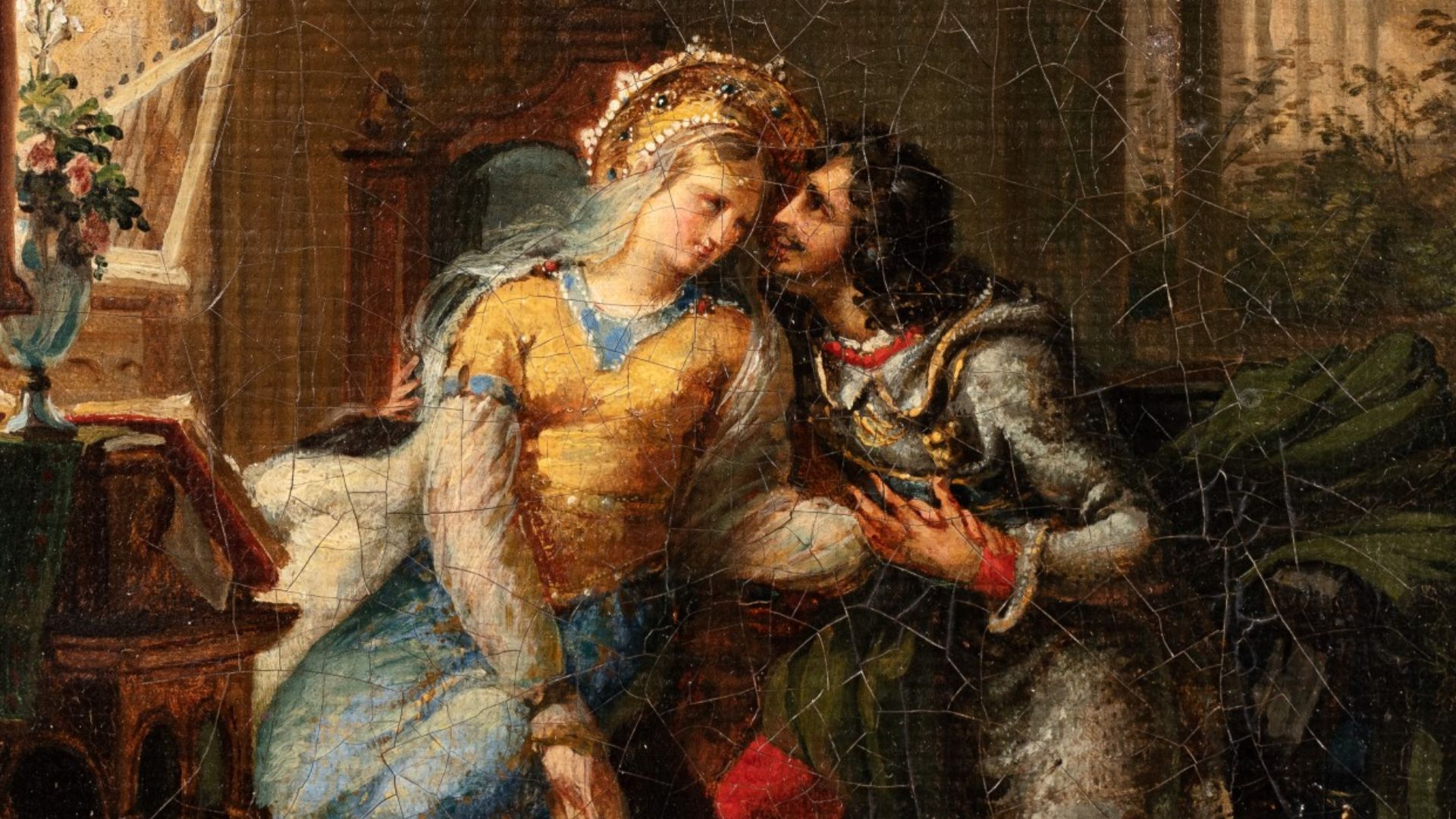
11. Lancelot Was One of Arthur’s Original Knights
Lancelot was introduced by Chrétien de Troyes and doesn’t appear in early British accounts of Arthur. His whole character embodies the ideals of knighthood that were popular in medieval France, which merely indicates that the Arthurian legend was shaped outside Britain.
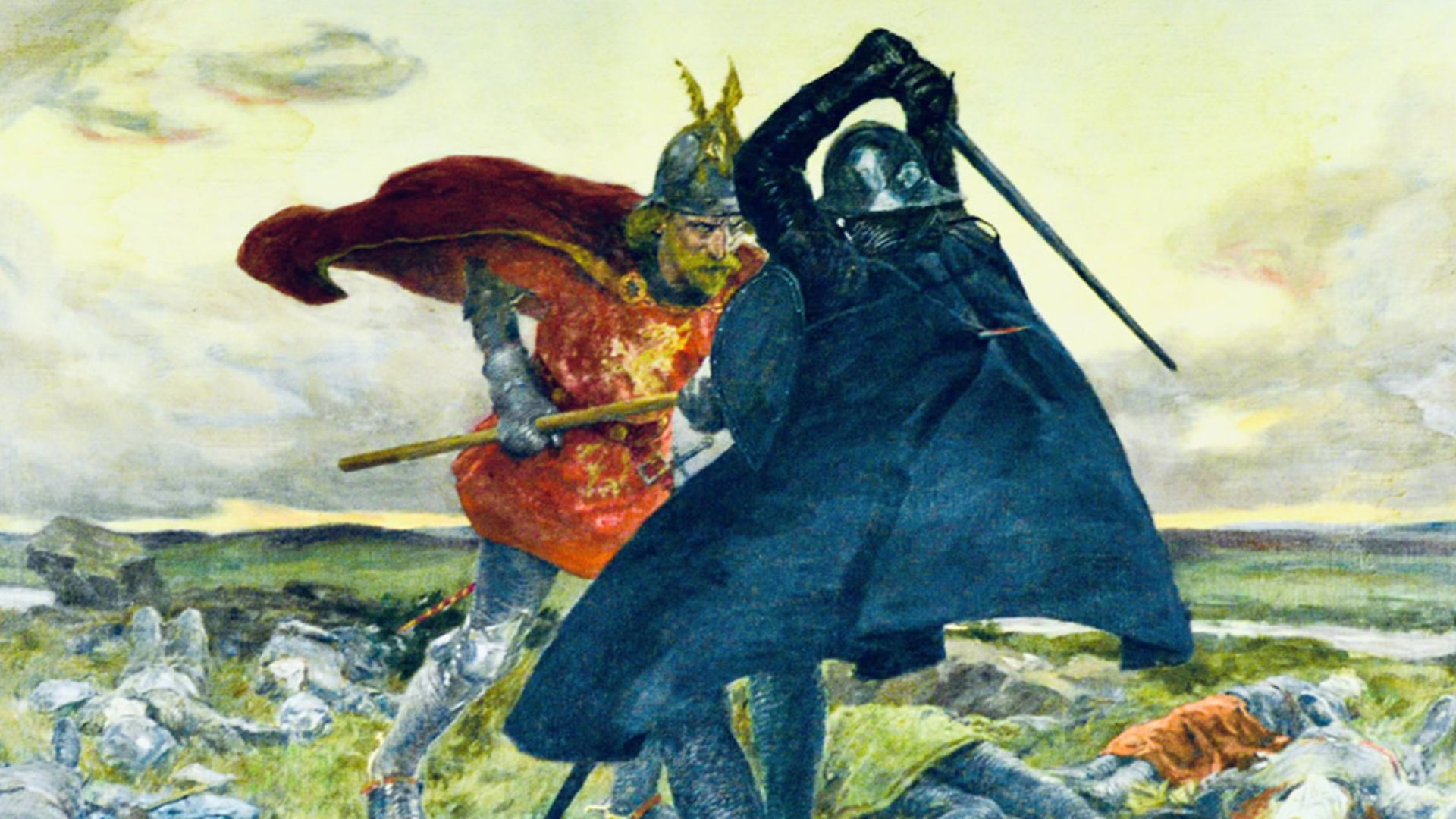
12. Arthur Fought the Saxons
Early sources list battles attributed to Arthur against Saxon forces, including locations like the River Glein and Mount Badon. However, their exact locations remain uncertain. While these accounts likely reflect real conflicts, they can’t (and haven’t) actually be verified with contemporary evidence.
 William Hatherell on Wikimedia
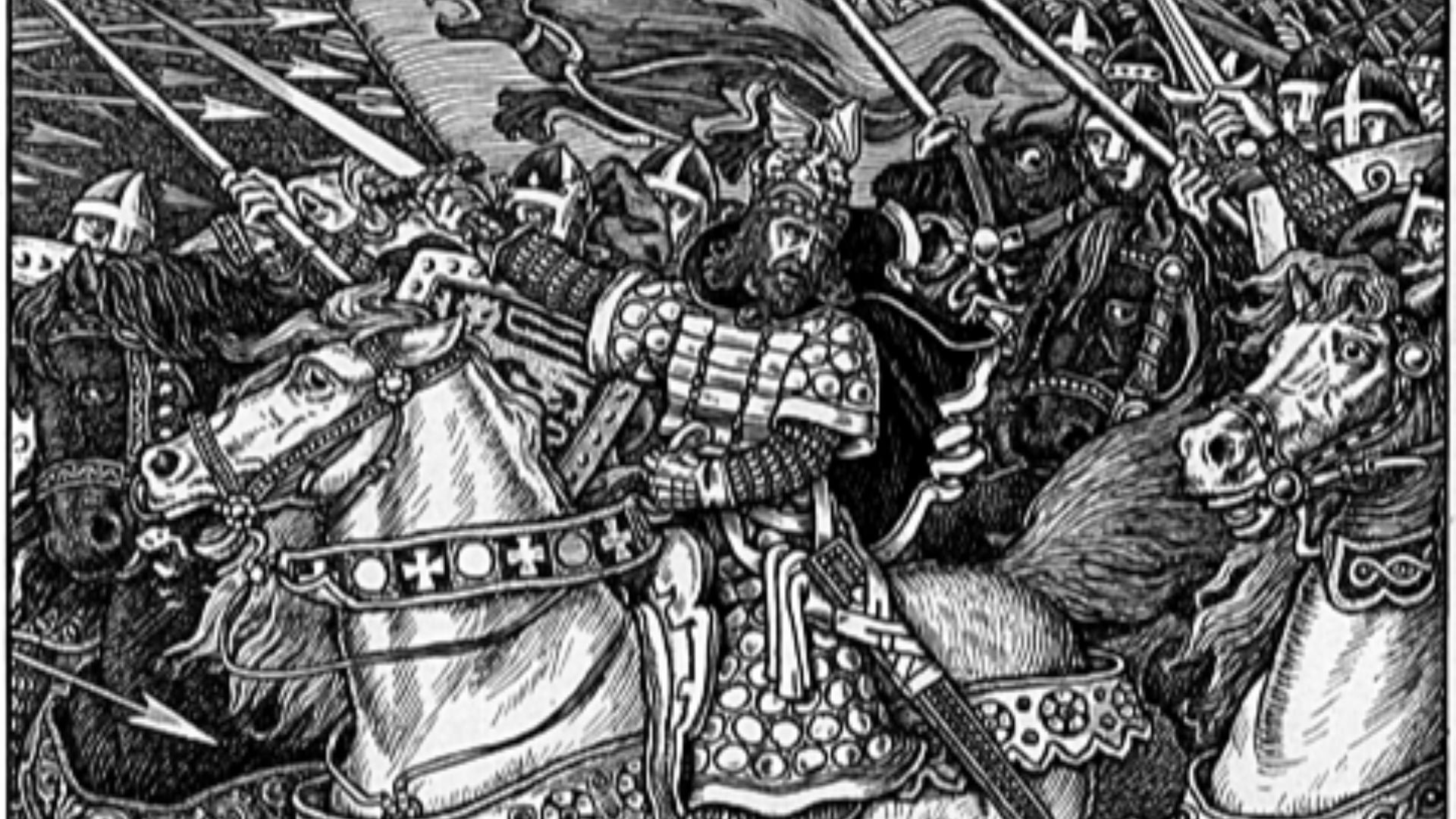
13. The Battle of Badon
The Battle of Badon is mentioned by the 6th-century writer Gildas, but he doesn’t name Arthur as the leader. Arthur’s so-called victory only popped up in later texts, including Nennius’s work. That alone suggests that Arthur’s association with the battle was only added after the fact.
 George Wooliscroft Rhead and Louis Rhead on Wikimedia
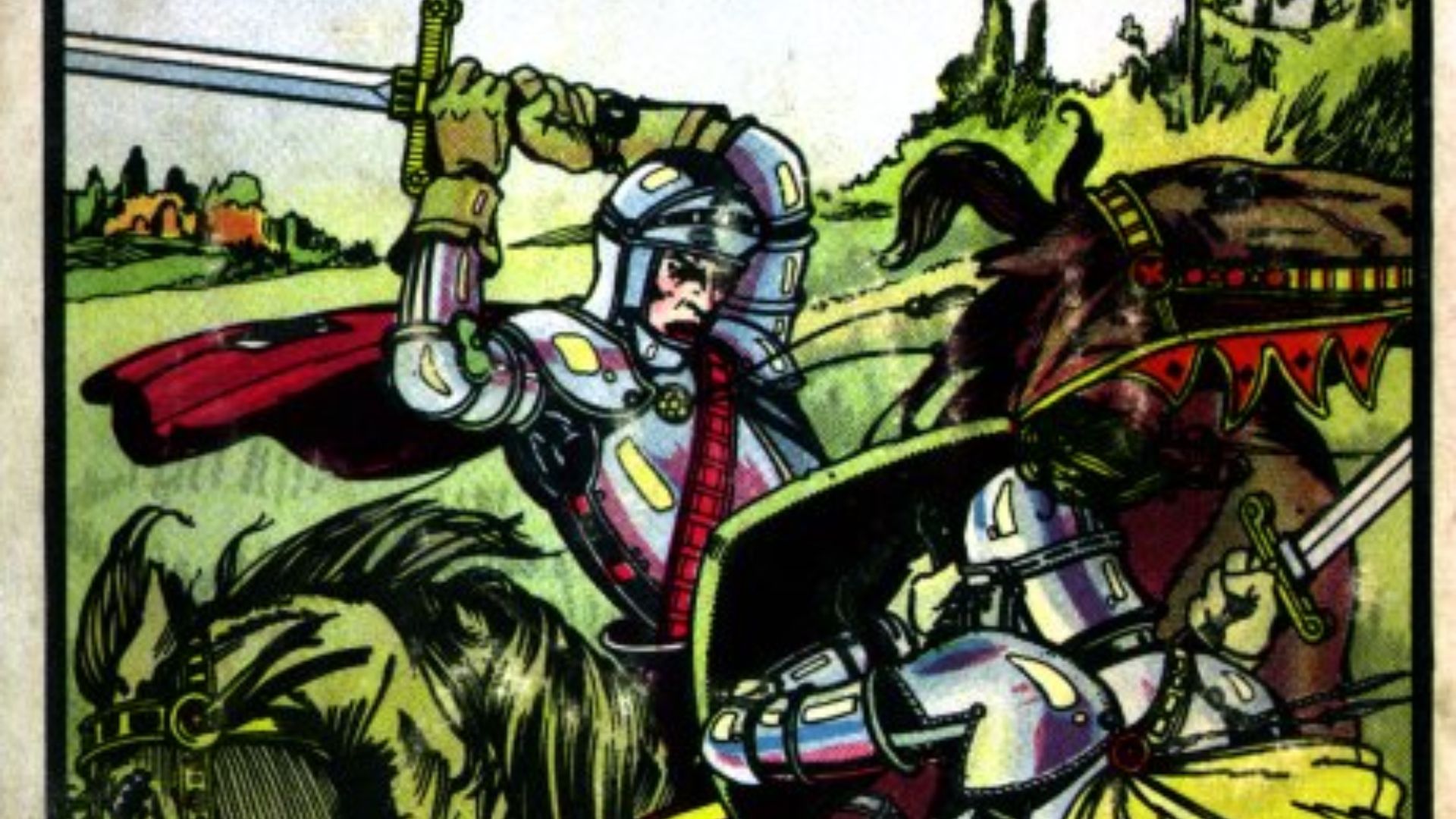
14. Arthur Was Mortally Wounded at Camlann
The Battle of Camlann is, in fact, recorded in the Annales Cambriae (10th century), stating that Arthur and Medraut truly fell there. But there’s one stipulation: this source was written centuries later, and its reliability is uncertain. It does, however, show that by this time, a narrative of Arthur’s death had developed.
15. Avalon Was a Real Island
Avalon made an appearance in Geoffrey of Monmouth’s writings, cited as the place where Arthur is taken after his final battle. Some later traditions connect Avalon with Glastonbury, especially after monks said they found Arthur’s grave there in the 12th century. Historians, though, generally view Avalon as a mythological spot.
16. Arthur Will One Day Return
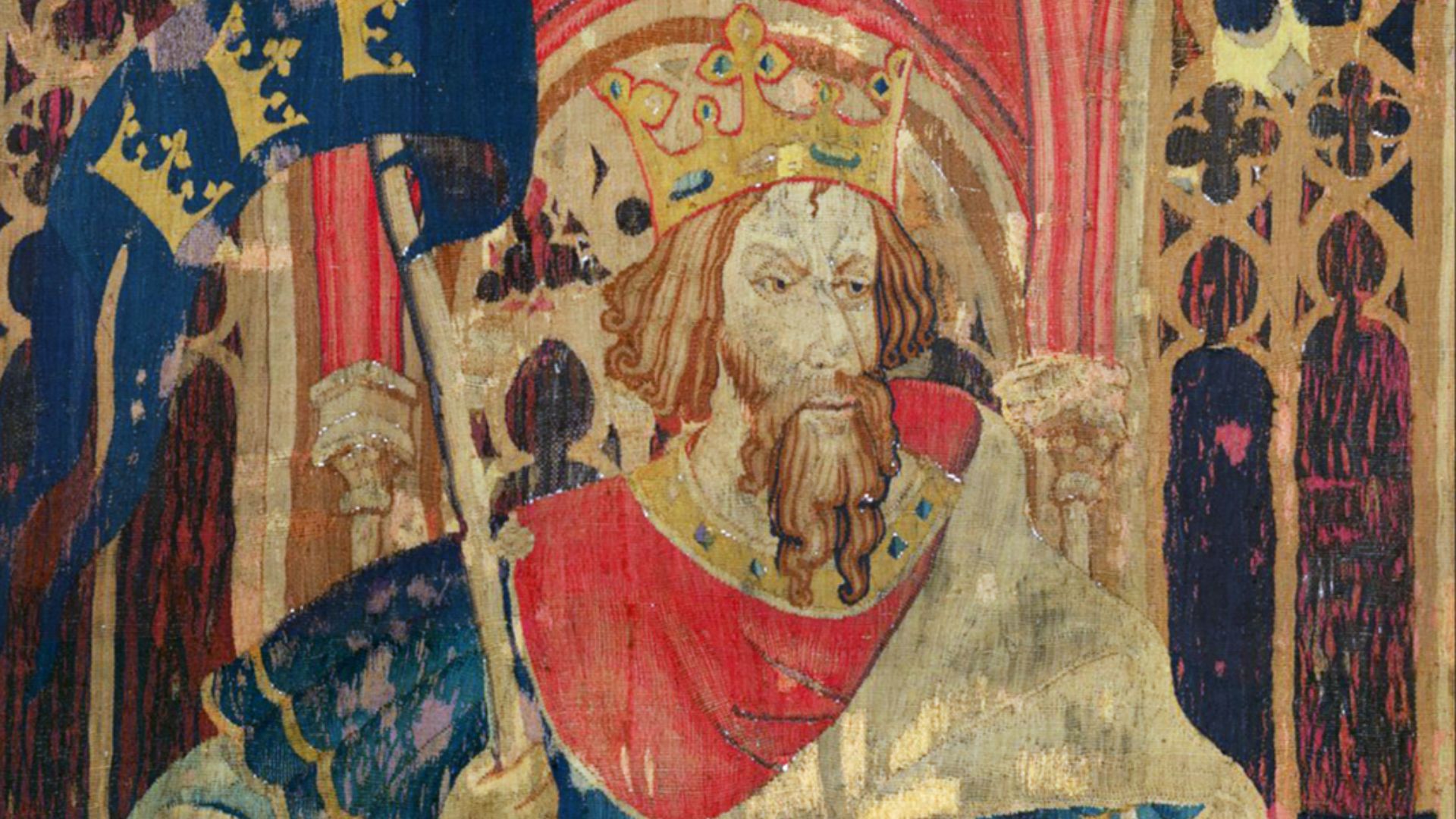
There’s a belief that Arthur will return, often called the “once and future king” idea. At the time, this concept was politically useful, used mainly to reinforce hope during times of instability. It also reflected a broader folklore pattern of heroic figures who were expected to return, and doesn’t hold much merit in today’s world.
 Julia Margaret Cameron on Wikimedia
17. Early Sources About Arthur Are Reliable
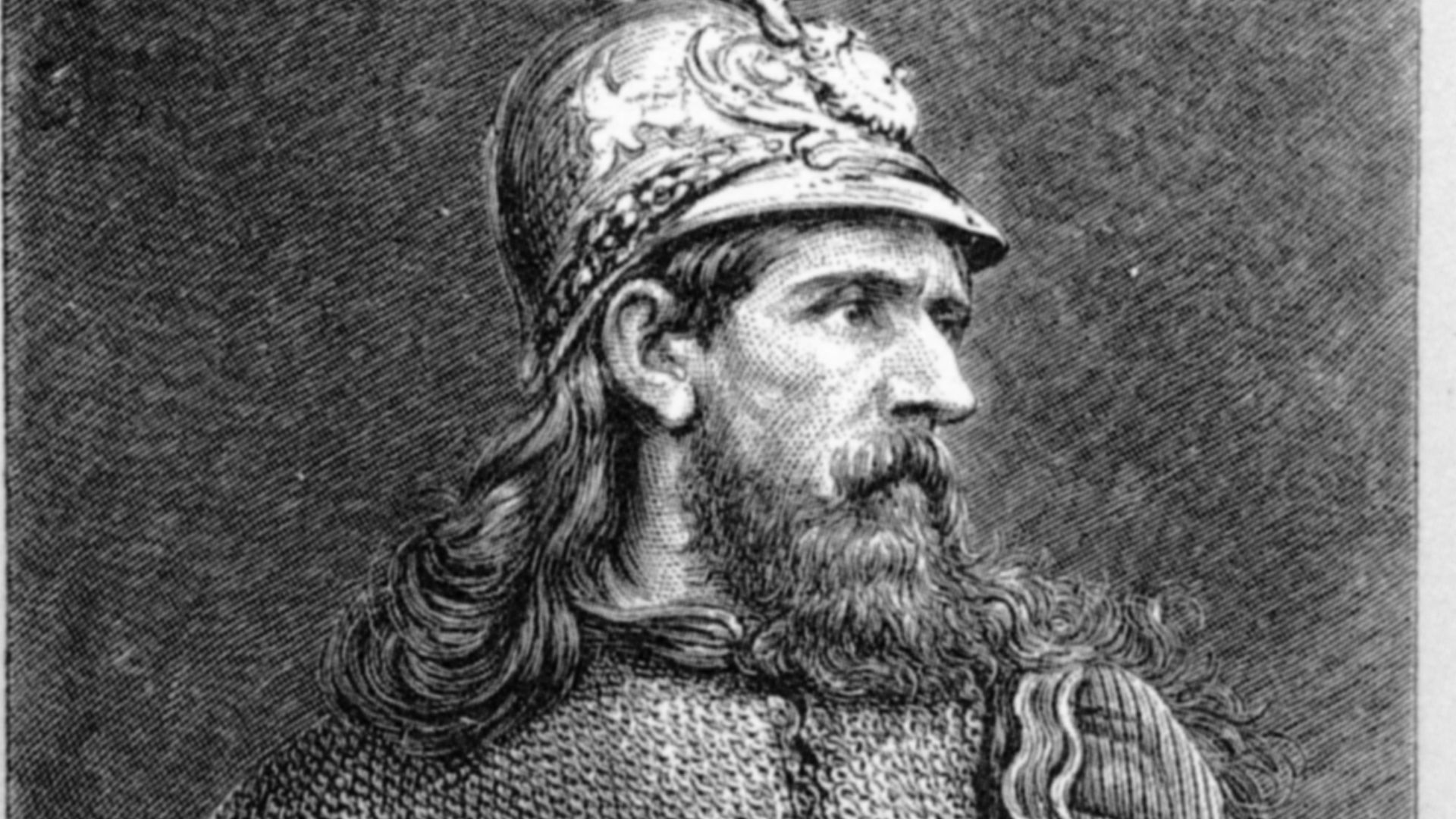
The earliest detailed accounts of Arthur were written hundreds of years after his supposed lifetime, which is precisely why historians treat them with caution. Works like Historia Brittonum and Annales Cambriae combined oral tradition with historical interpretation, leaving a lot of details about Arthur’s reign pretty fuzzy.
 Arthur Lincoln Haydon on Wikimedia
18. Geoffrey of Monmouth Invented Most of the Legend
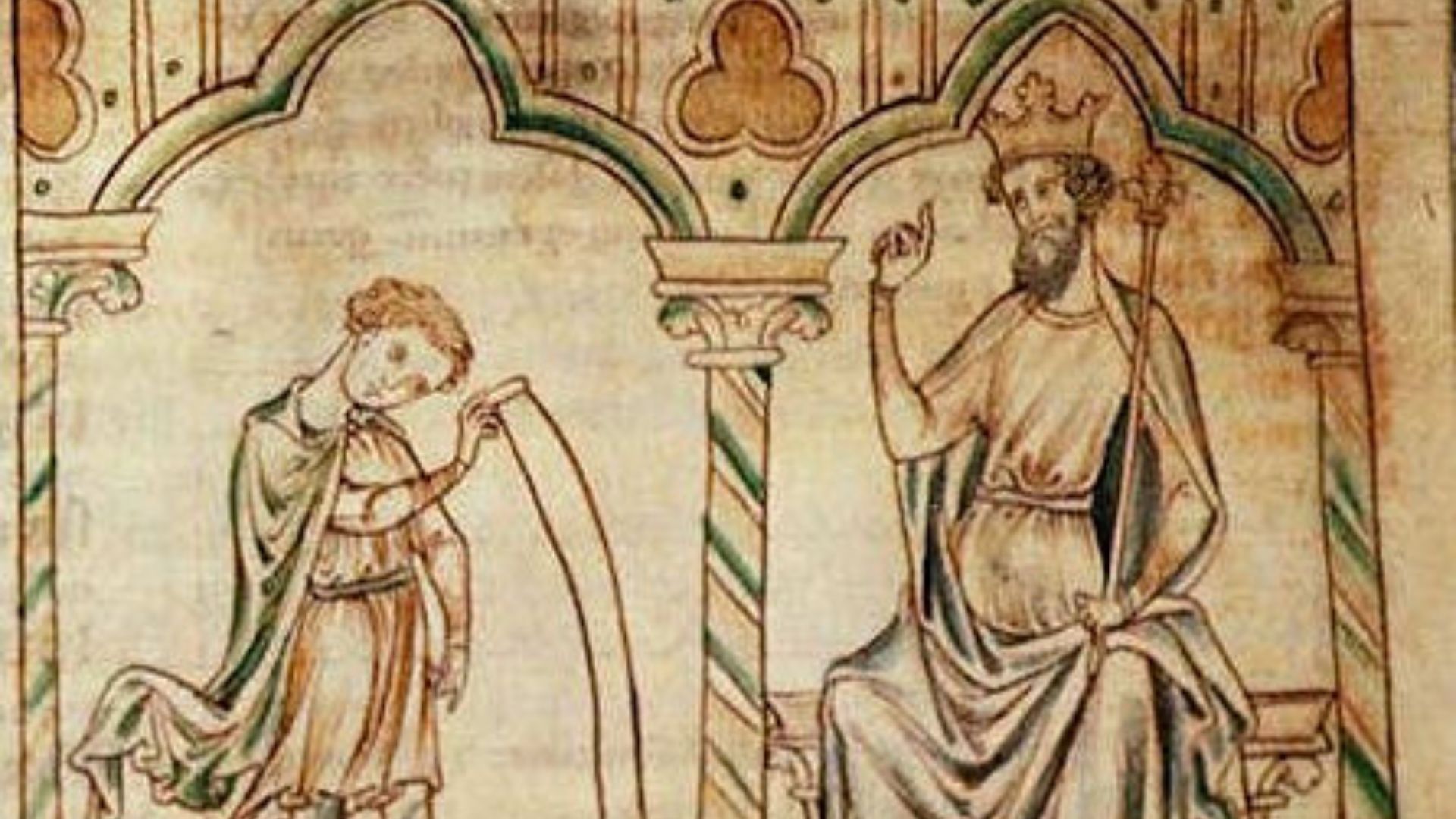
Geoffrey of Monmouth dramatically expanded Arthur’s story, introducing all sorts of elements, such as Arthur’s full kingship, his conquests, and even figures like Merlin. Geoffrey himself claimed to draw from earlier sources, and much of his work is considered mere invention.
19. Arthurian Legends Reflect Medieval Values
At the end of the day, Arthur is a product of his time; many well-known elements of the legend reflect the culture of the 12th and 13th centuries. These stories were shaped by the expectations of medieval audiences rather than early British society—as a result, they provide insight into the period, not a gospel on someone’s existence.
20. King Arthur’s Story Keeps Evolving
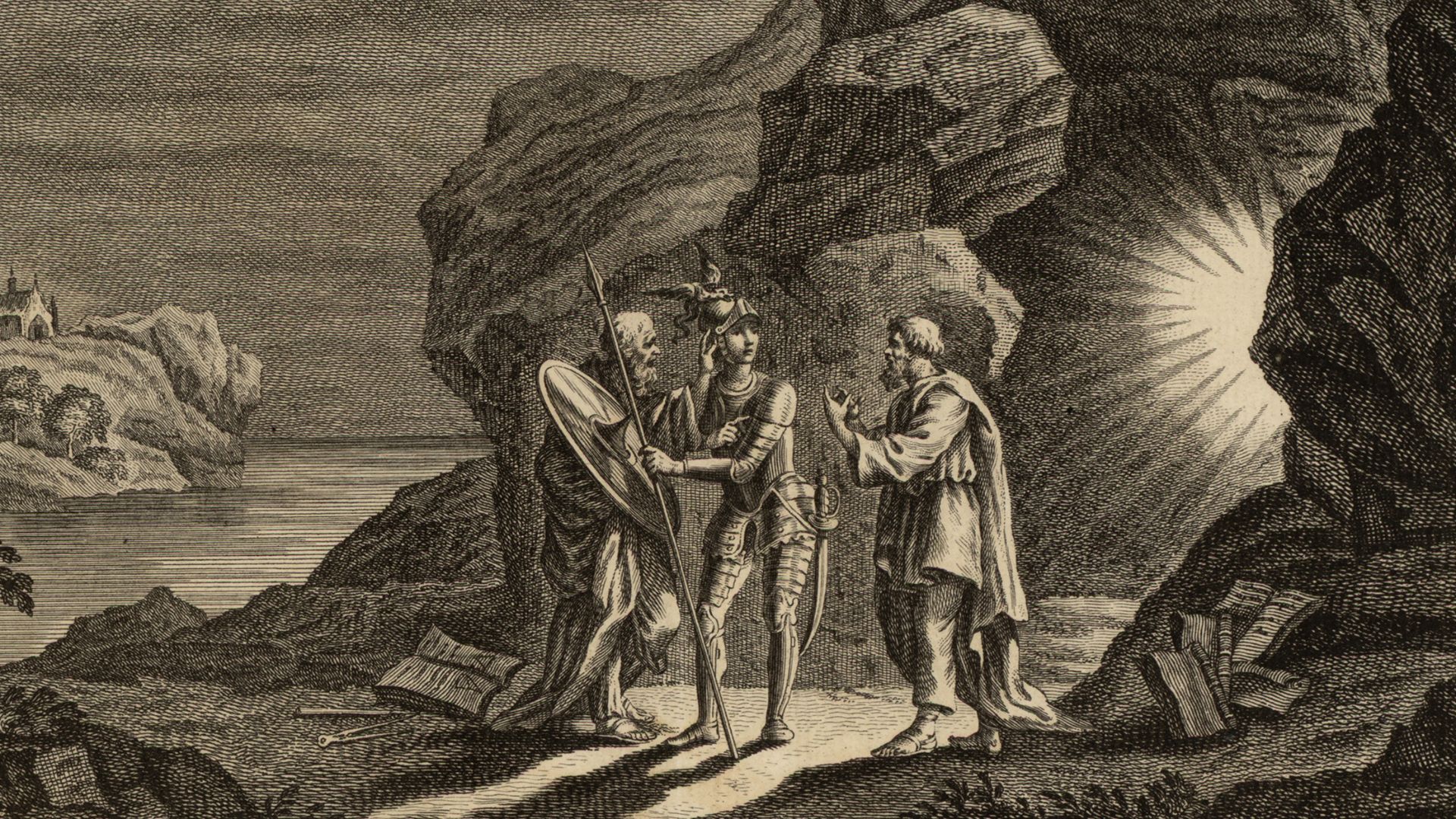
Arthur’s legends have been adapted over the years, from medieval manuscripts to modern films and novels. The thing is, each retelling reshapes the story to fit contemporary values, and that ongoing evolution is exactly why the line between fact and fiction is so difficult to define.
 Terry, Arthur Guy; Sheila Thibodeau Lambrinos Collection - York University on Wikimedia
KEEP ON READING
The story of Ching Shih, the Woman Who Became the…
Unknown author on WikimediaFew figures in history are as feared…
By Emilie Richardson-Dupuis Dec 29, 2025
Einstein's Violin Just Sold At An Auction—And It Earned More…
A Visionary's Violin. Wanda von Debschitz-Kunowski on WikimediaWhen you hear…
By Ashley Bast Nov 3, 2025
This Infamous Ancient Greek Burned Down An Ancient Wonder Just…
History remembers kings and conquerors, but sometimes, it also remembers…
By David Davidovic Nov 12, 2025
The Mysterious "Sea People" Who Collapsed Civilization
3,200 years ago, Bronze Age civilization in the Mediterranean suddenly…
By Robbie Woods Mar 18, 2025
20 People In History Who Backstabbed Those Who Trusted Them
The Long History of the Knife in the Back. Betrayal…
By Cameron Dick Jun 24, 2026
20 Soldiers Who Defied Expectations
Changing the Rules of the Battlefield. You’ve probably heard plenty…
By Annie Byrd Feb 10, 2026