

When False Stories Became Widely Accepted Truth
History isn’t just shaped by discoveries and facts, but also by convincing deceptions that fooled experts, governments, and the public for years or even decades. Many of these hoaxes succeeded because they aligned with what people wanted to believe or appeared to be backed by authority, making them difficult to question. Over time, careful investigation, scientific advances, or simple skepticism eventually exposed the truth behind them. These 20 examples show how easily misinformation can take hold when critical thinking takes a back seat.
 Unknown authorUnknown author on Wikimedia
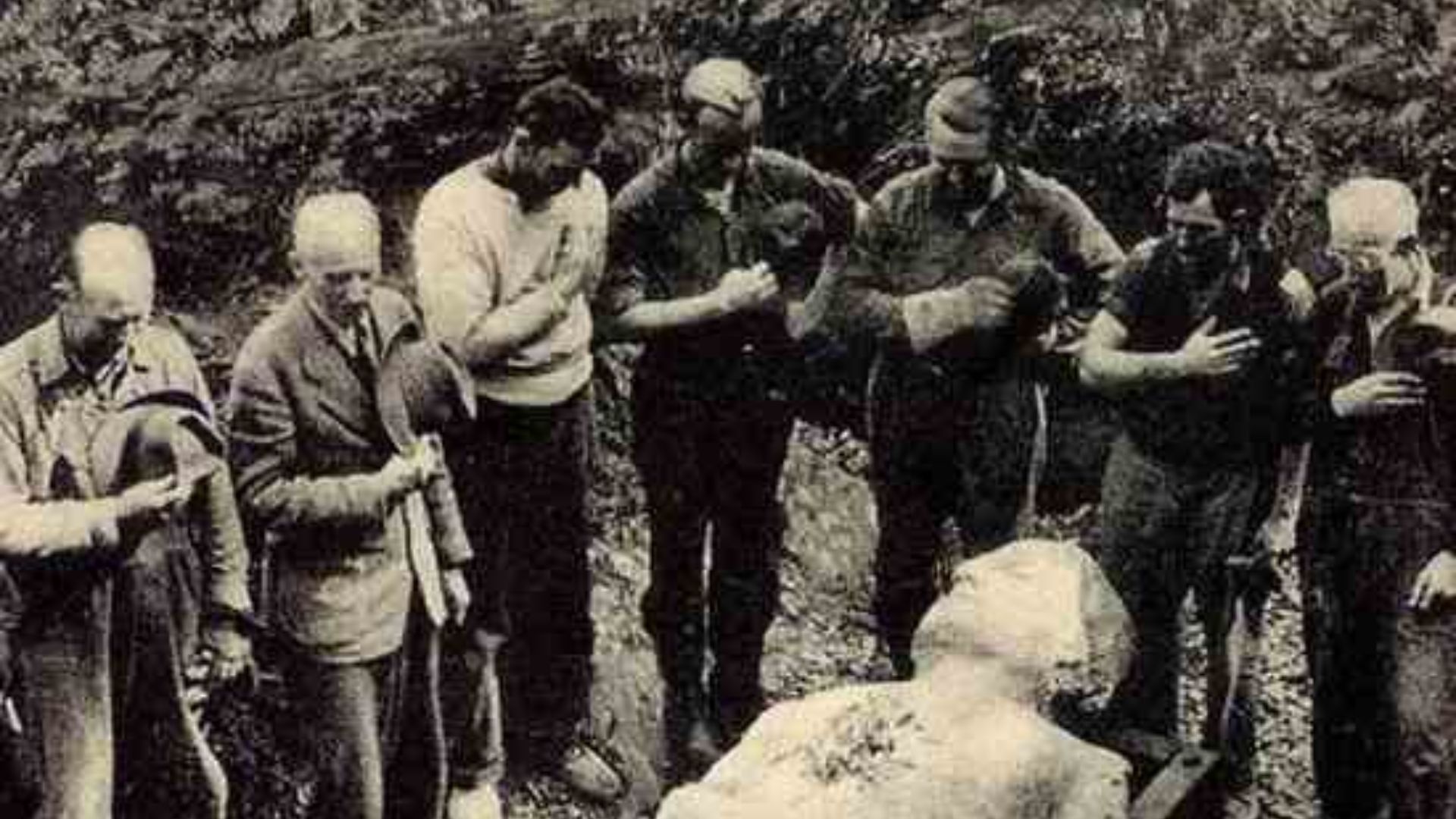
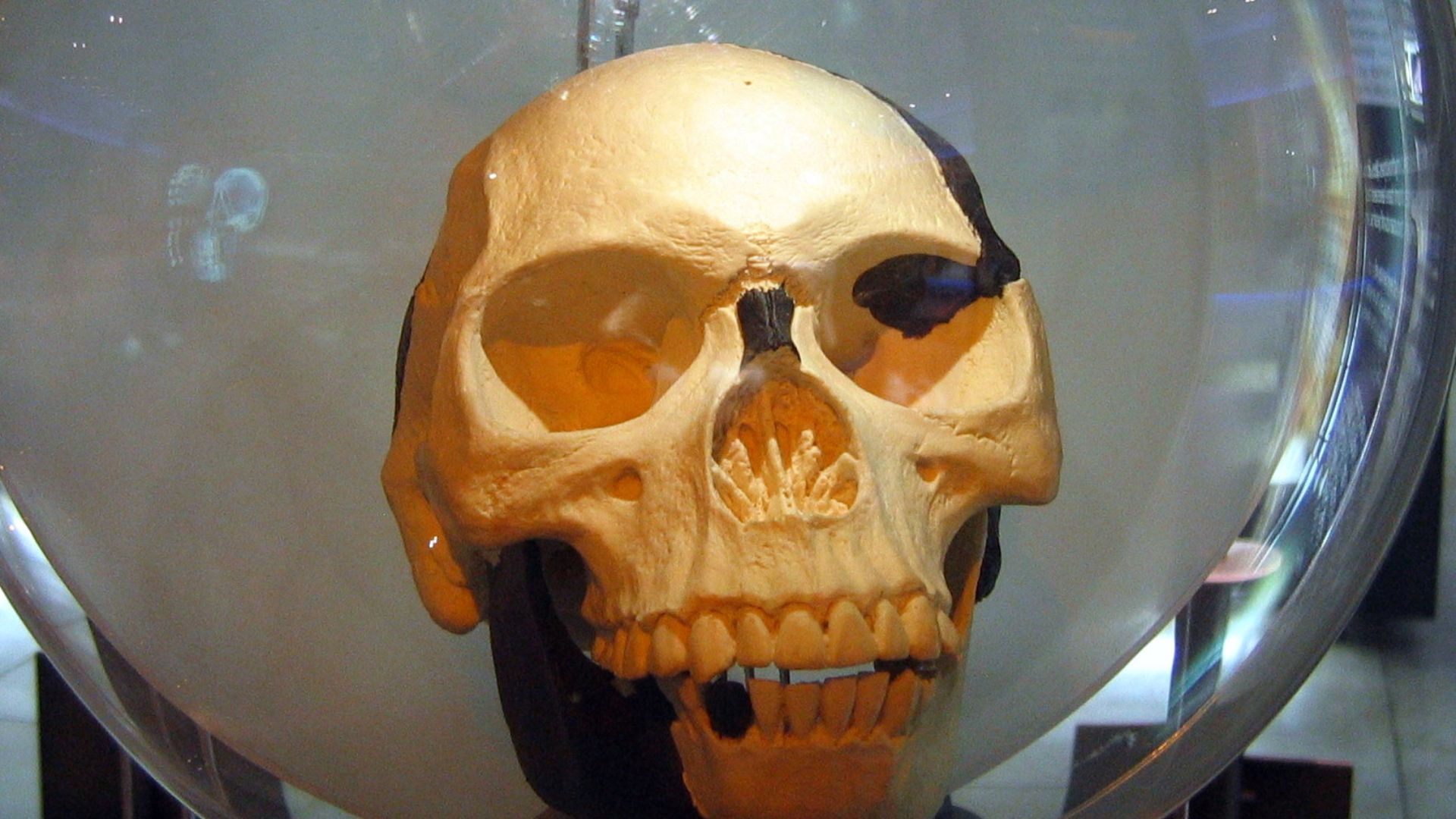
1. Piltdown Man
In 1912, fossil fragments discovered in England were presented as the “missing link” between apes and humans. The finding was widely accepted and even influenced scientific thinking for decades. It was only in 1953 that tests revealed the remains were a combination of a human skull and an orangutan jaw, deliberately altered to appear ancient.
2. The Cardiff Giant
In 1869, a massive “petrified man” was uncovered in New York and quickly drew paying crowds. Many believed it was proof of biblical giants, and the attraction became a sensation. The figure was later exposed as a carved gypsum statue planted as a hoax.
 Unknown authorUnknown author on Wikimedia
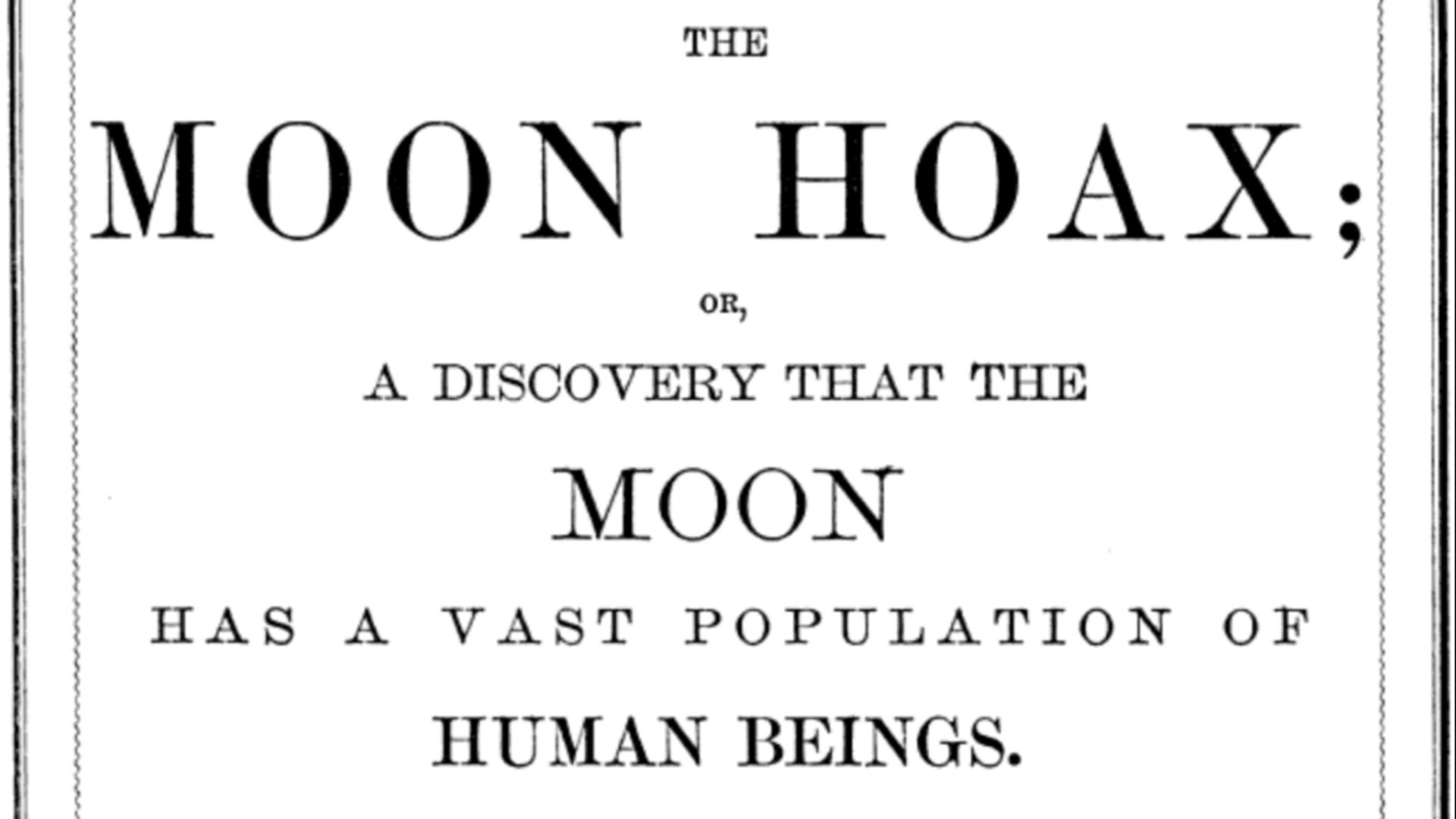
3. The Great Moon Hoax
In 1835, a newspaper published a series of articles claiming astronomers had discovered life on the Moon. Detailed descriptions of strange creatures and landscapes captivated readers across the country. The story was entirely fabricated to boost newspaper sales, yet it was widely believed at the time.
 Richard Adams Locke, Joseph Nicolas Nicollet on Wikimedia
4. The War of the Worlds Broadcast
In 1938, a radio dramatization of a fictional alien invasion caused panic among listeners who thought it was real news. Many had tuned in late and missed the disclaimer that it was a play. The broadcast demonstrated how easily realistic media formats could blur the line between fiction and reality.

5. Gregor MacGregor’s “Poyais”
In the 1820s, Gregor MacGregor convinced investors and settlers that he ruled a prosperous Central American nation called Poyais. People bought land and even traveled there, only to find undeveloped wilderness. The deception lasted long enough to ruin lives and finances before it was fully exposed.
 en:Samuel William Reynolds (1773–1835), after Simon Jacques Rochard (1788–1872) on Wikimedia
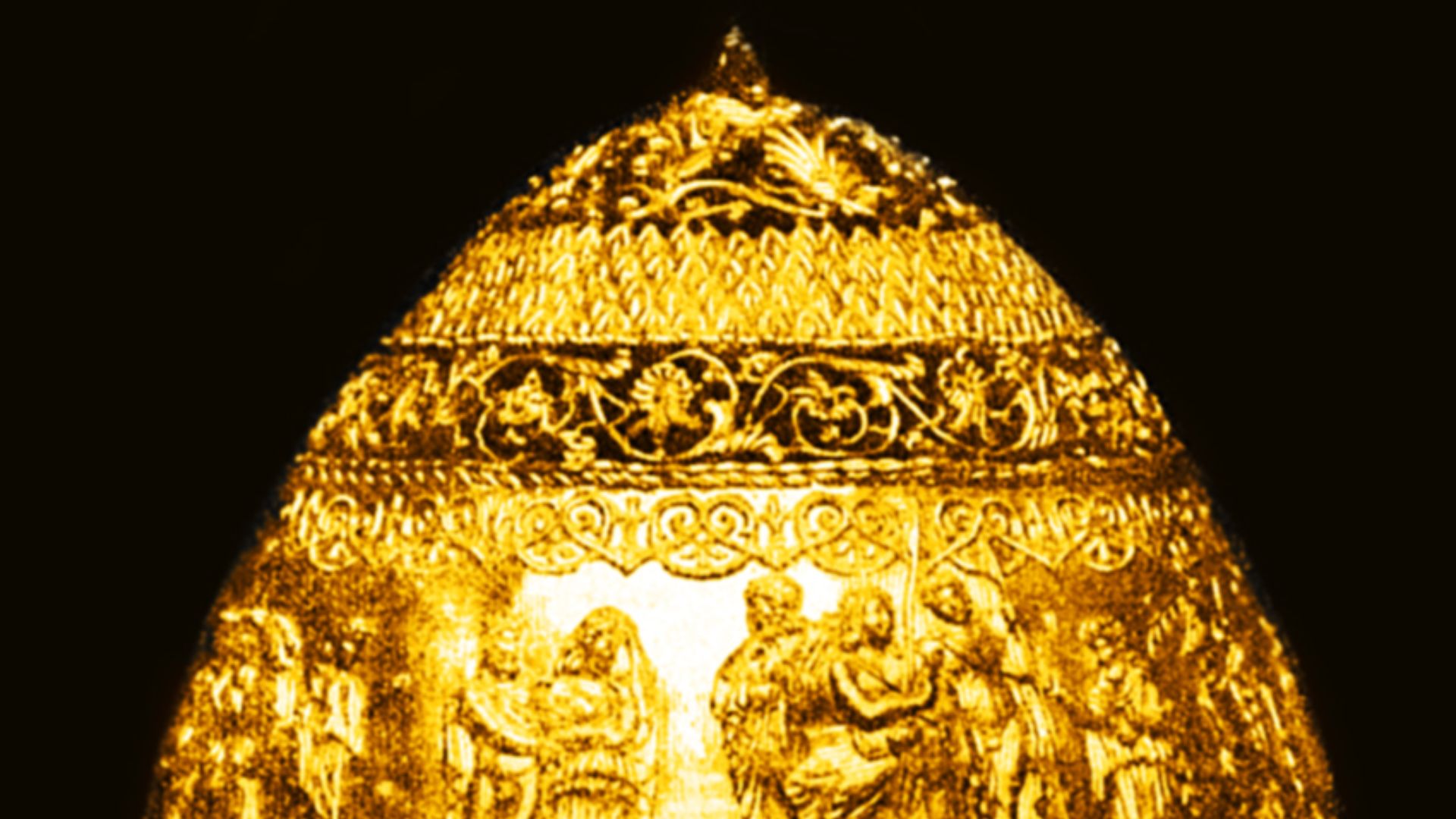
6. The Tiara of Saitaphernes
The Louvre purchased a gold tiara in the late 19th century, believing it to be an ancient artifact. Experts initially praised it as a significant historical treasure. It was later revealed to be a modern creation by a skilled goldsmith.
 Unknown authorUnknown author on Wikimedia
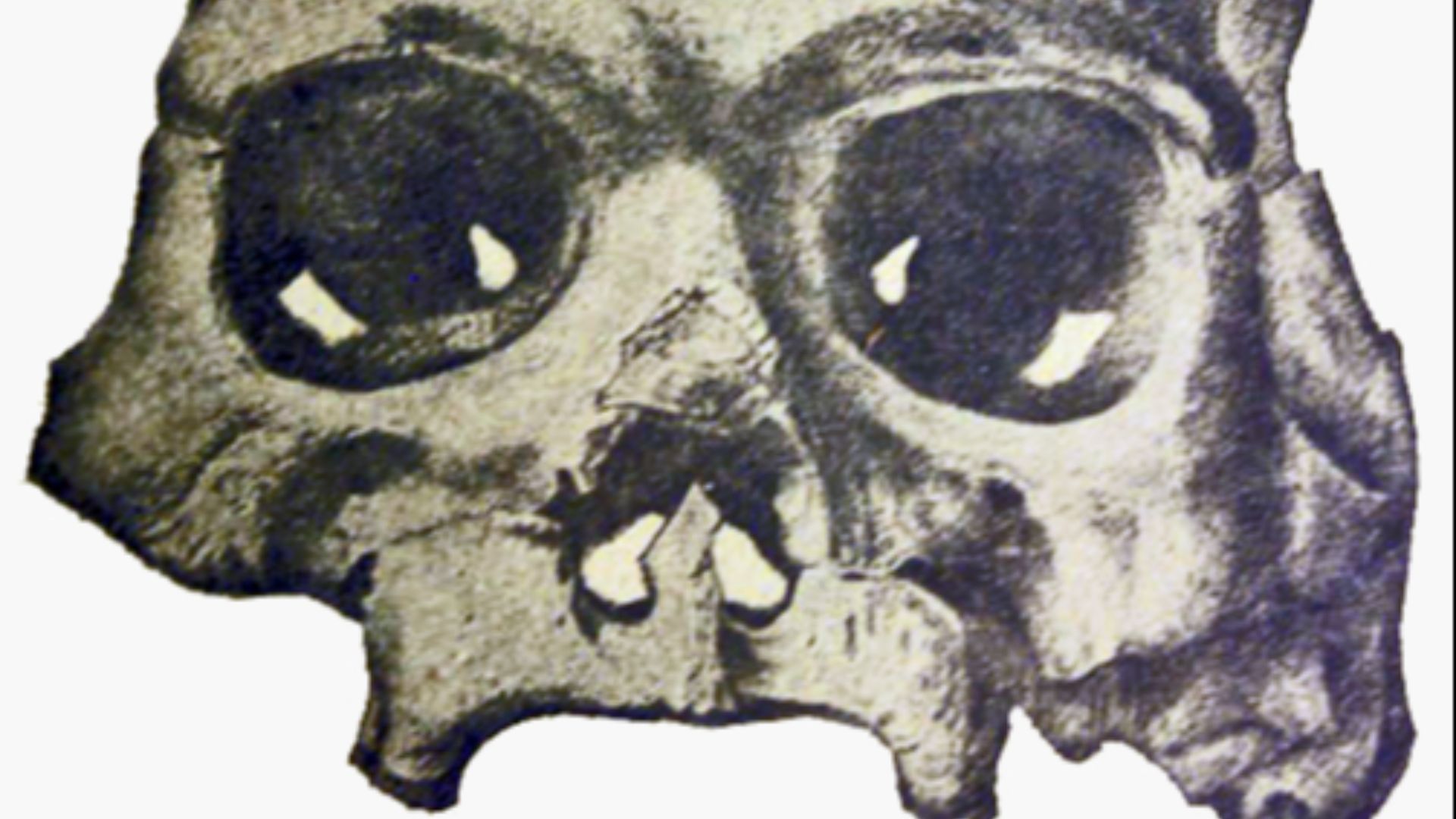
7. The Calaveras Skull
In the 1860s, a skull found in California was claimed to prove that humans lived in North America millions of years ago. The discovery gained attention because it challenged existing scientific timelines. Later analysis showed it had likely been planted as a practical joke or hoax.
 William Henry Holmes on Wikimedia
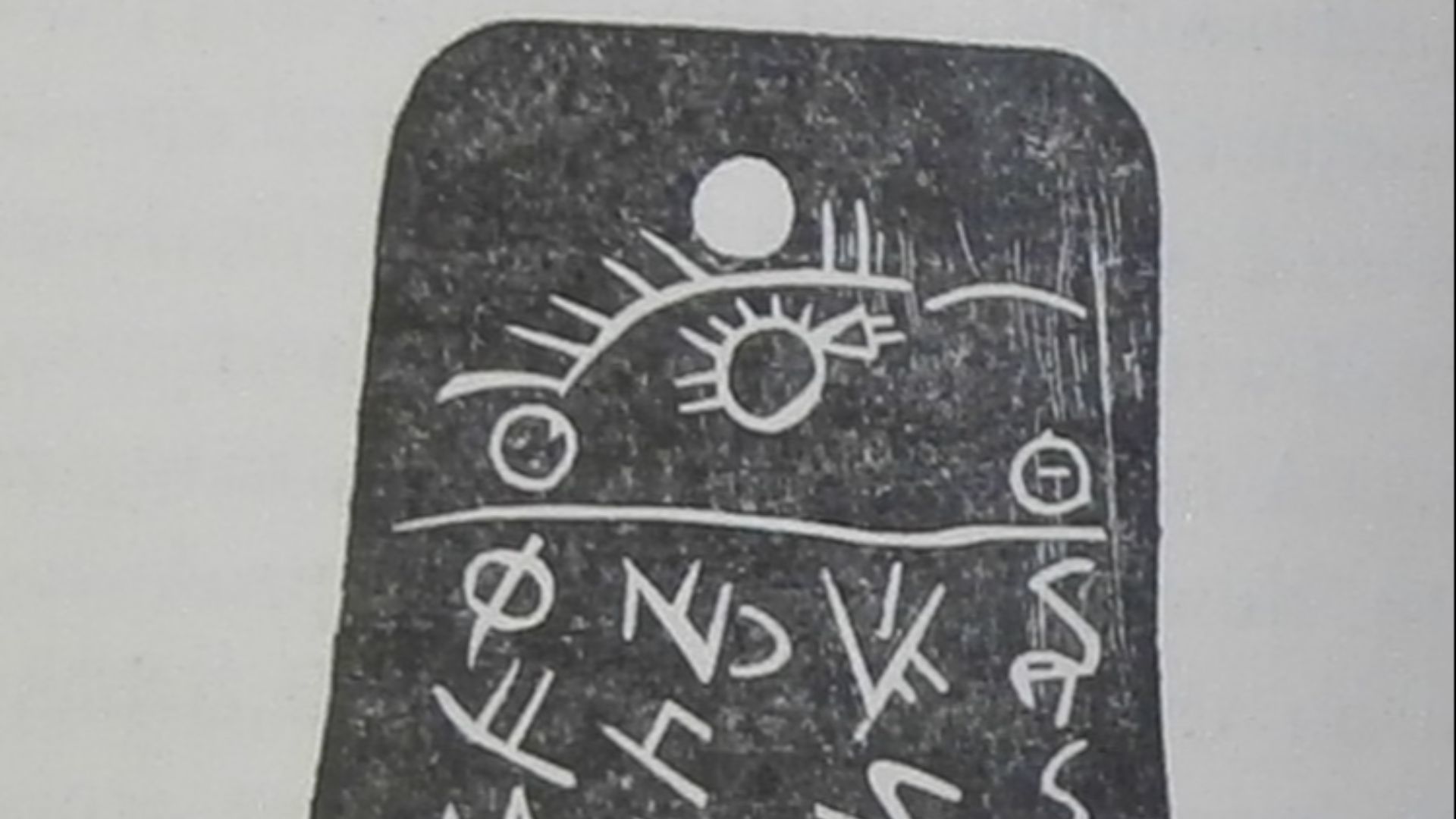
8. The Kinderhook Plates
In 1843, metal plates bearing mysterious engravings were discovered in Illinois and were believed by some to be ancient artifacts. They were even used to support religious claims at the time. Decades later, the plates were proven to be a deliberate forgery created for deception.
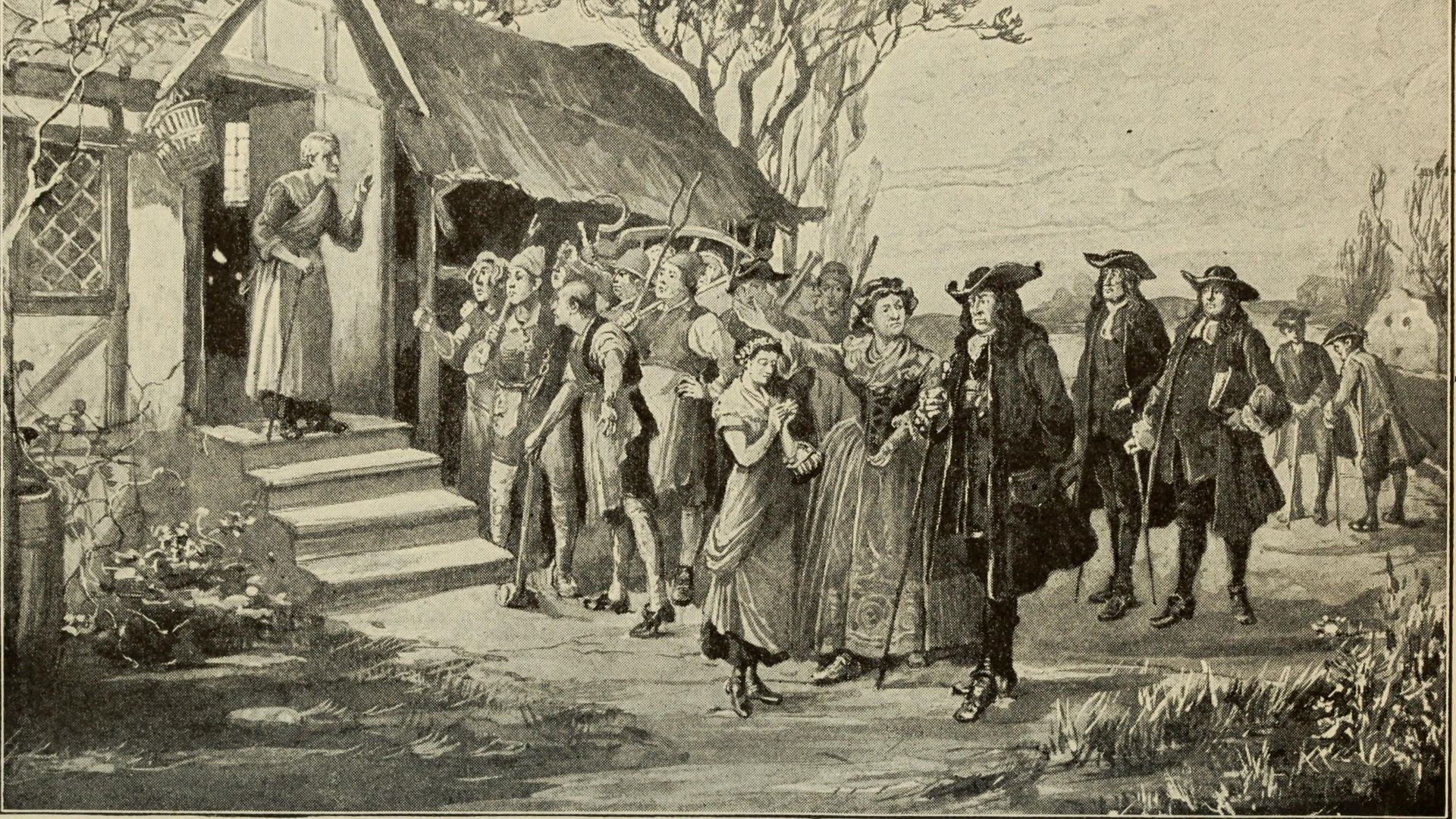
9. The Fox Sisters and Spirit Rapping
In the mid-19th century, the Fox sisters claimed they could communicate with spirits through mysterious knocking sounds. Their performances helped launch the spiritualist movement and convinced many followers. Years later, one of the sisters admitted the sounds were produced by cracking joints and other tricks.
 Spicer, William Ambrose, 1866- on Wikimedia
10. The Davenport Tablets
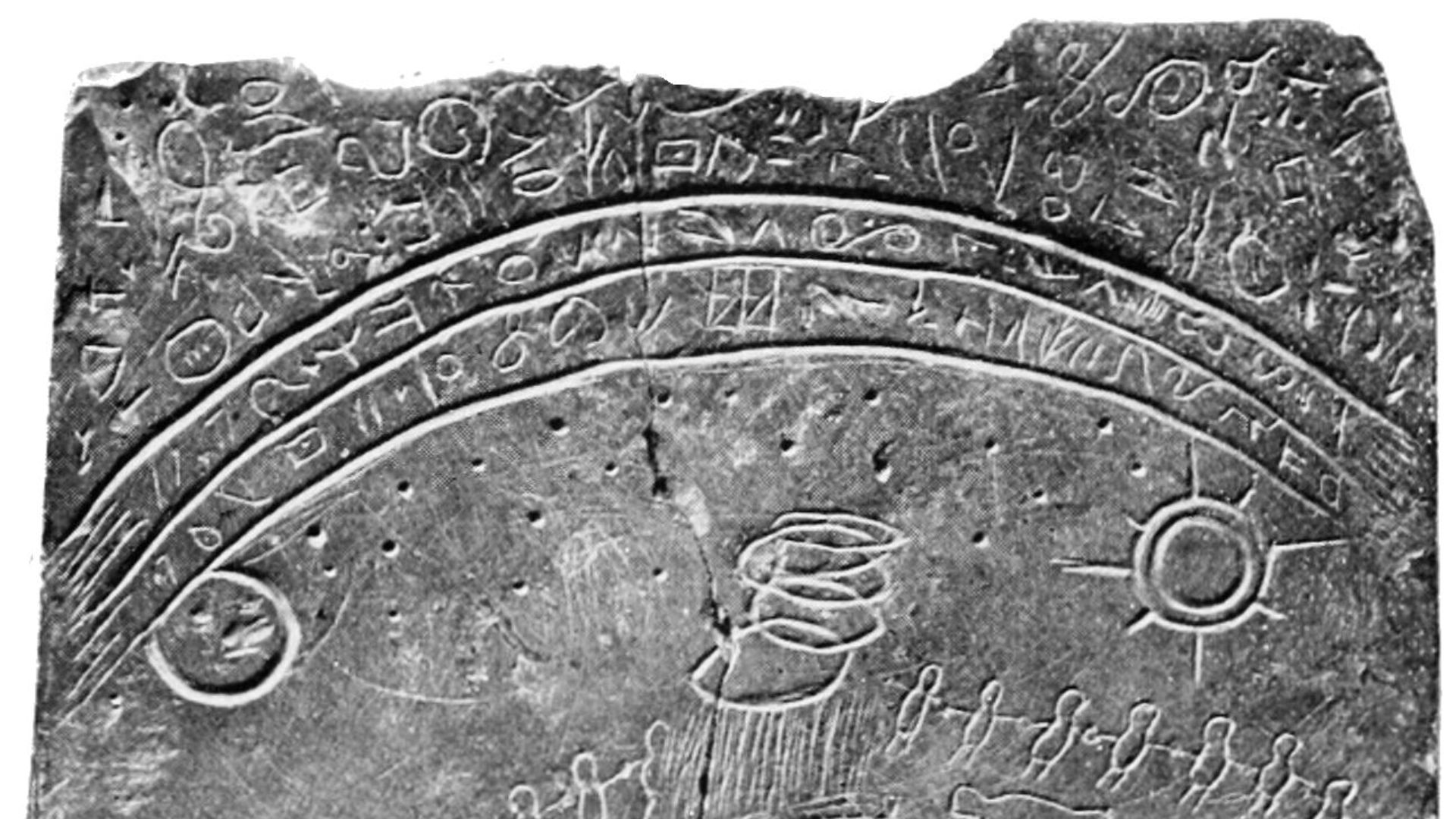
Discovered in the 1870s, these carved stones were believed to show ancient Old World influence in North America. Some scholars initially accepted them as genuine historical evidence. Over time, inconsistencies and analysis revealed they were fabricated artifacts.
 Unknown authorUnknown author on Wikimedia
11. The Japanese Paleolithic Hoax
For years, amateur archaeologist Shinichi Fujimura “discovered” ancient artifacts in Japan that reshaped understanding of early human history. In 2000, he was caught planting the artifacts himself, exposing a long-running fraud.
12. Drake’s Plate of Brass
A metal plate discovered in California in the 1930s was believed to have been left by explorer Sir Francis Drake in the 16th century. Later investigations revealed it had been created as a hoax by historians and enthusiasts.
 Marcus Gheeraerts the Younger on Wikimedia
13. The Michigan Relics
Thousands of artifacts discovered in Michigan in the late 19th century were said to depict ancient civilizations in North America. Eventually, they were exposed as modern fabrications created to deceive collectors and researchers.
14. The Archaeoraptor Fossil
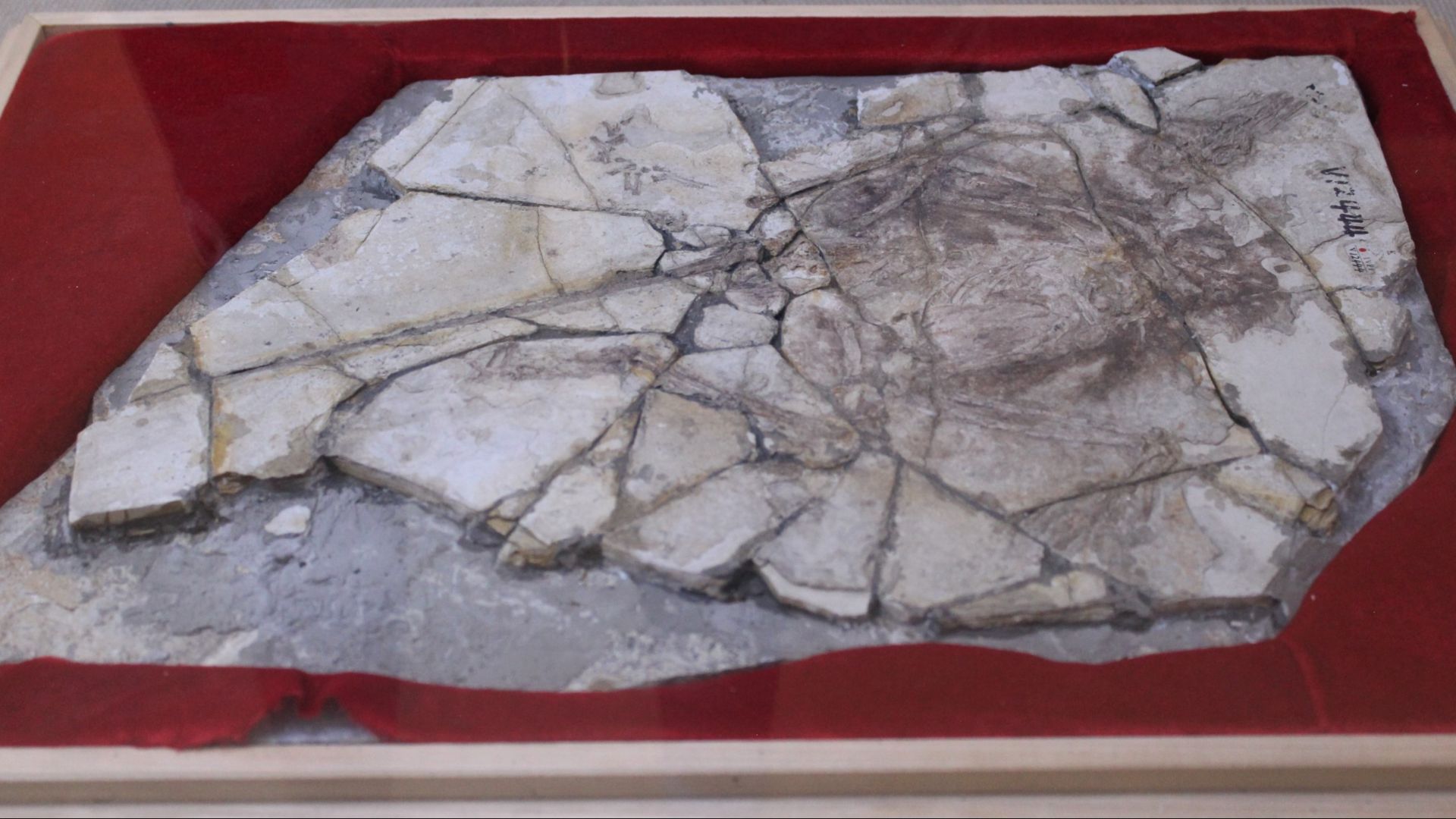
In the late 1990s, a fossil was presented as a missing evolutionary link between dinosaurs and birds. It was even featured in a major publication before being verified. Scientists later determined it was assembled from multiple unrelated fossils.
15. The Tasaday Tribe
In the 1970s, a group in the Philippines was introduced to the world as a “Stone Age” tribe living in isolation. Later investigations suggested the situation had been staged or exaggerated for political purposes.

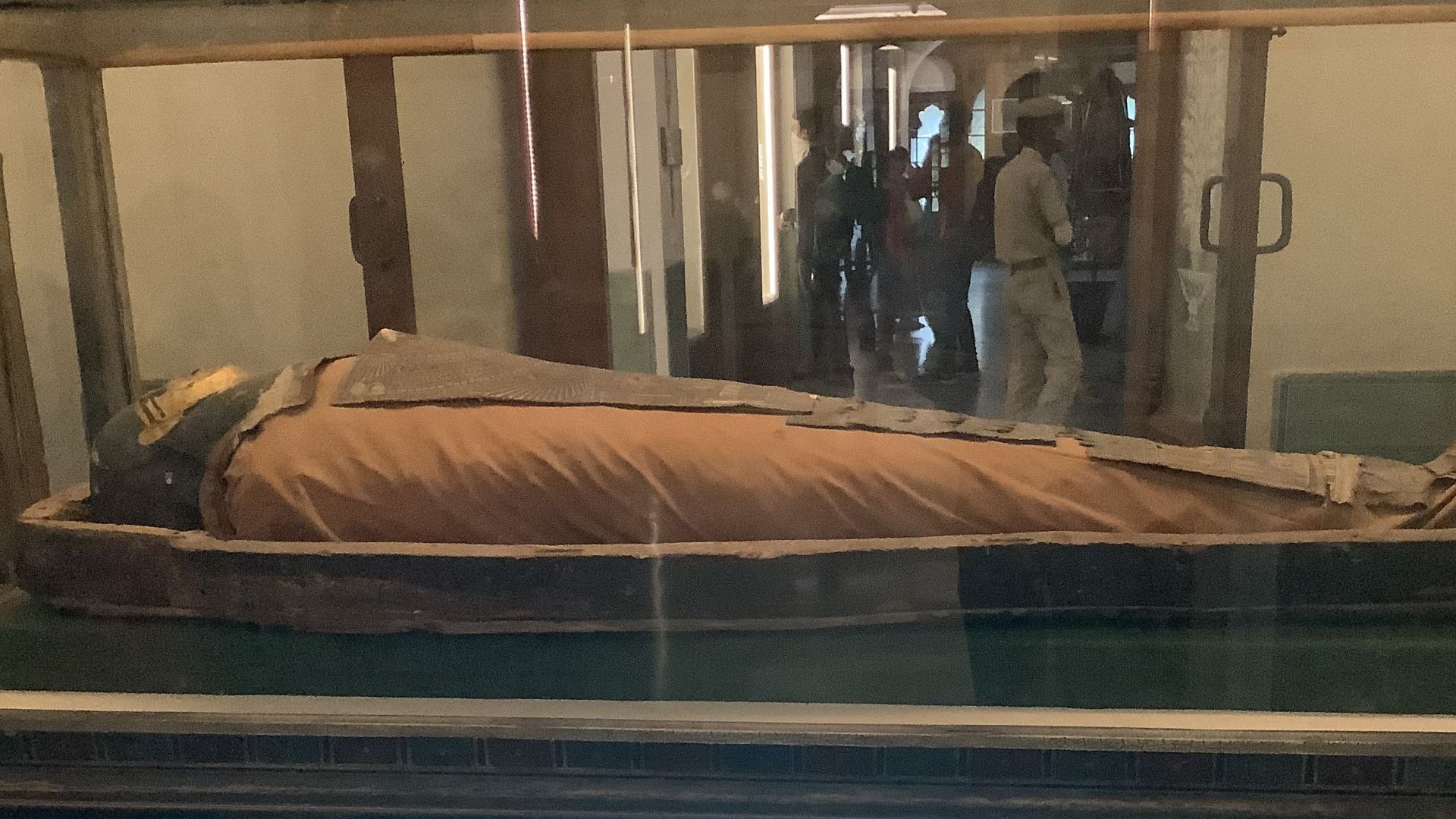
16. The Persian Princess Mummy
In 2000, a mummy believed to be an ancient Persian royal surfaced on the antiquities market. It was later identified as a modern forgery and possibly linked to a recent death.
 कृष्ण कान्त शर्मा on Wikimedia
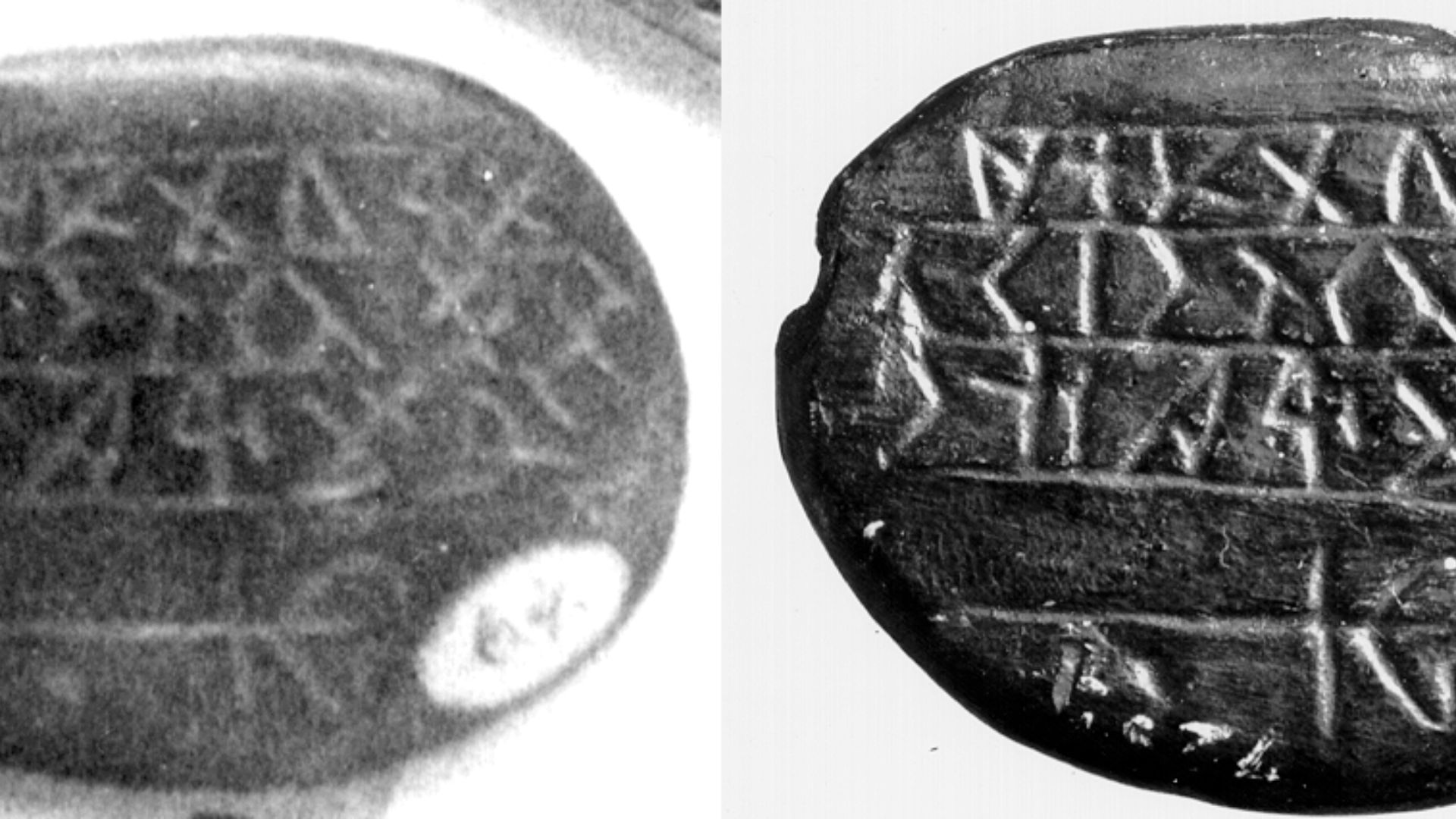
17. The Grave Creek Stone
Discovered in the 1830s, this inscribed stone was thought to be evidence of ancient writing systems in North America. Over time, scholars concluded it was likely a hoax created to generate attention.
 Smithsonian Institution on Wikimedia
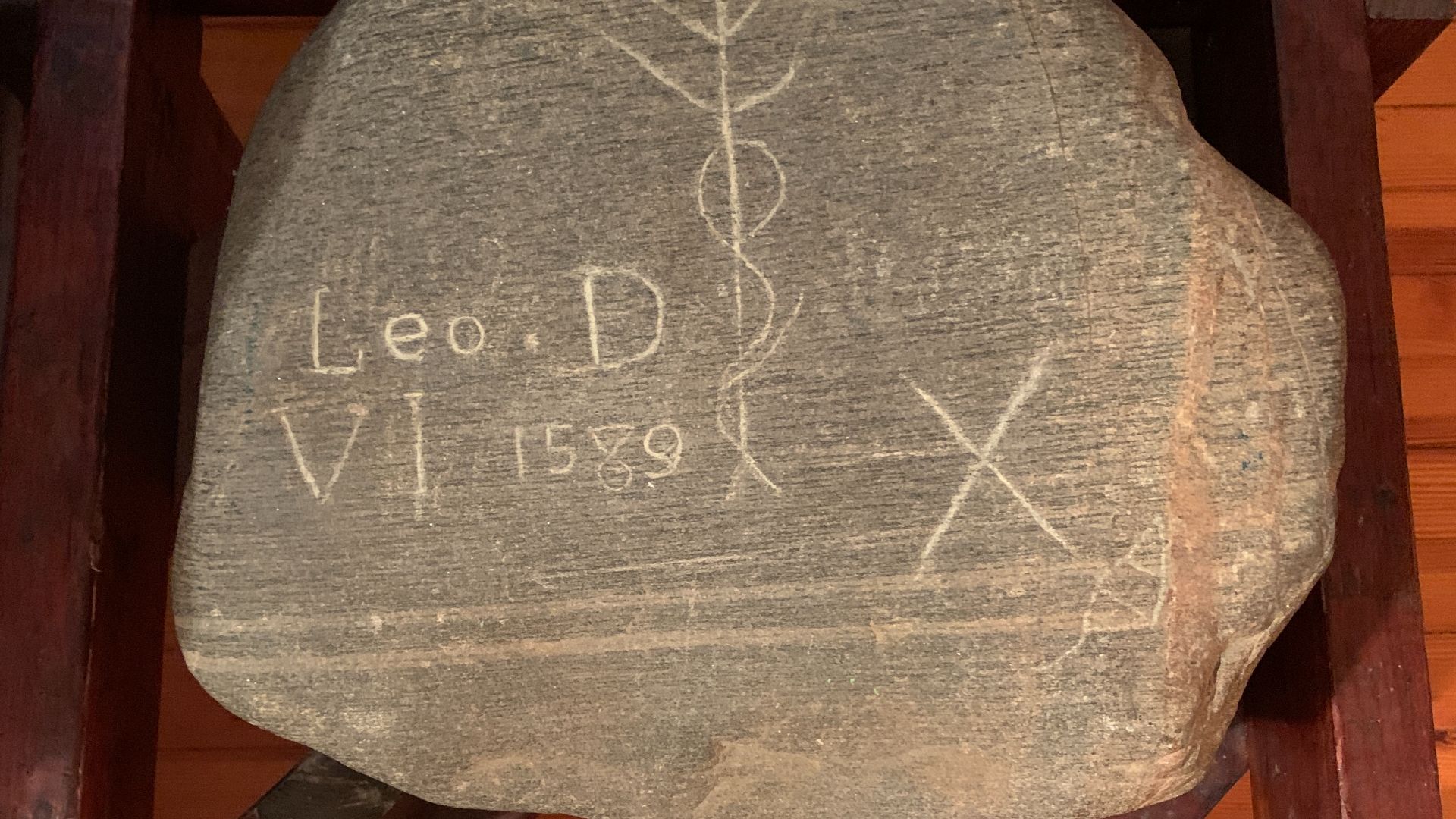
18. The Pompey Stone
A carved stone dated to the 16th century was discovered in the 1800s and initially believed to be authentic. Later research revealed it had been fabricated and planted as a deception.
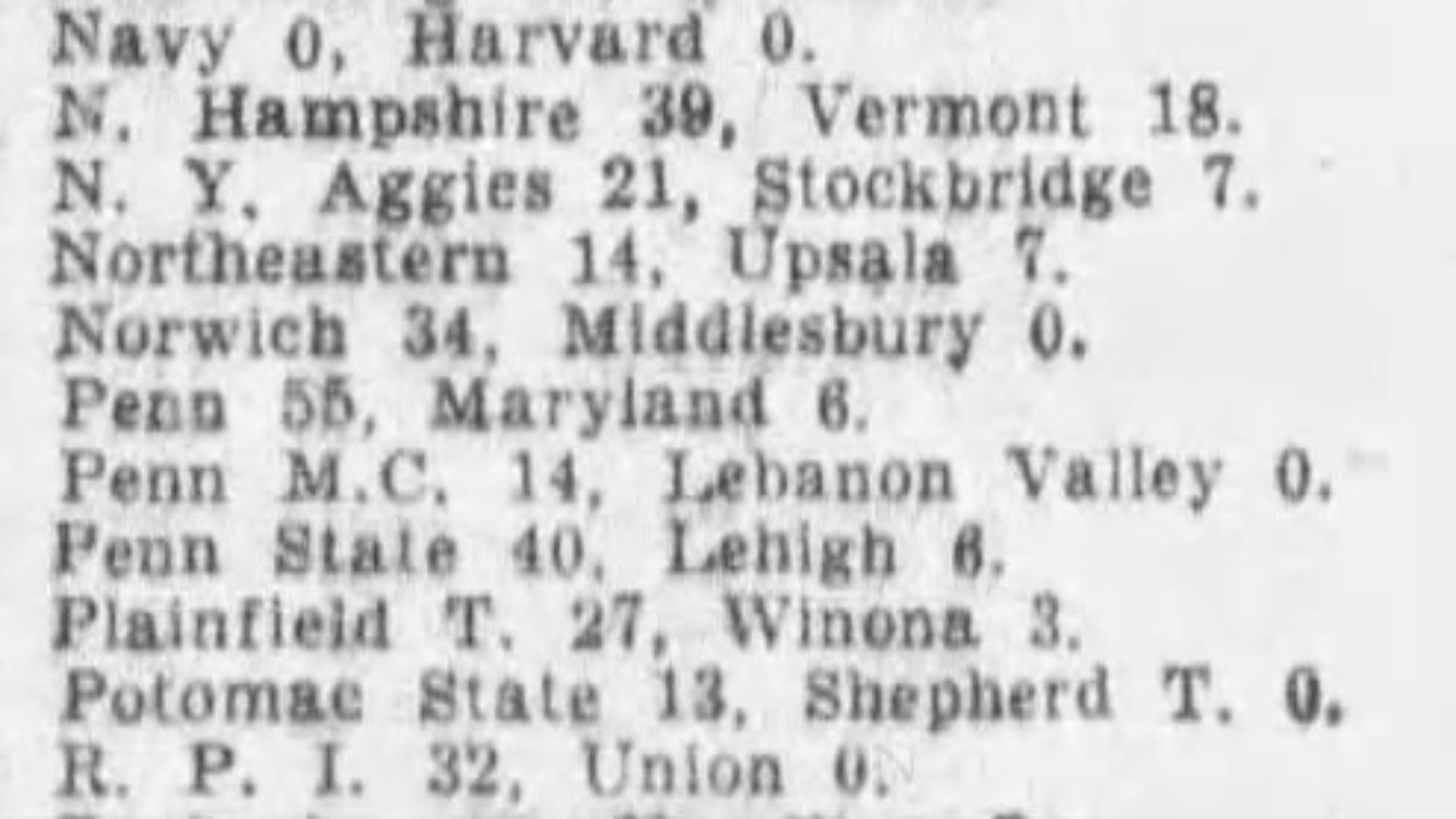
19. The Plainfield Teachers College
In 1941, newspapers reported football scores from a college that didn’t actually exist. The hoax went unnoticed for a surprising amount of time before being uncovered.
 wire services (content is simply college football scores as distributed to newspapers) on Wikimedia
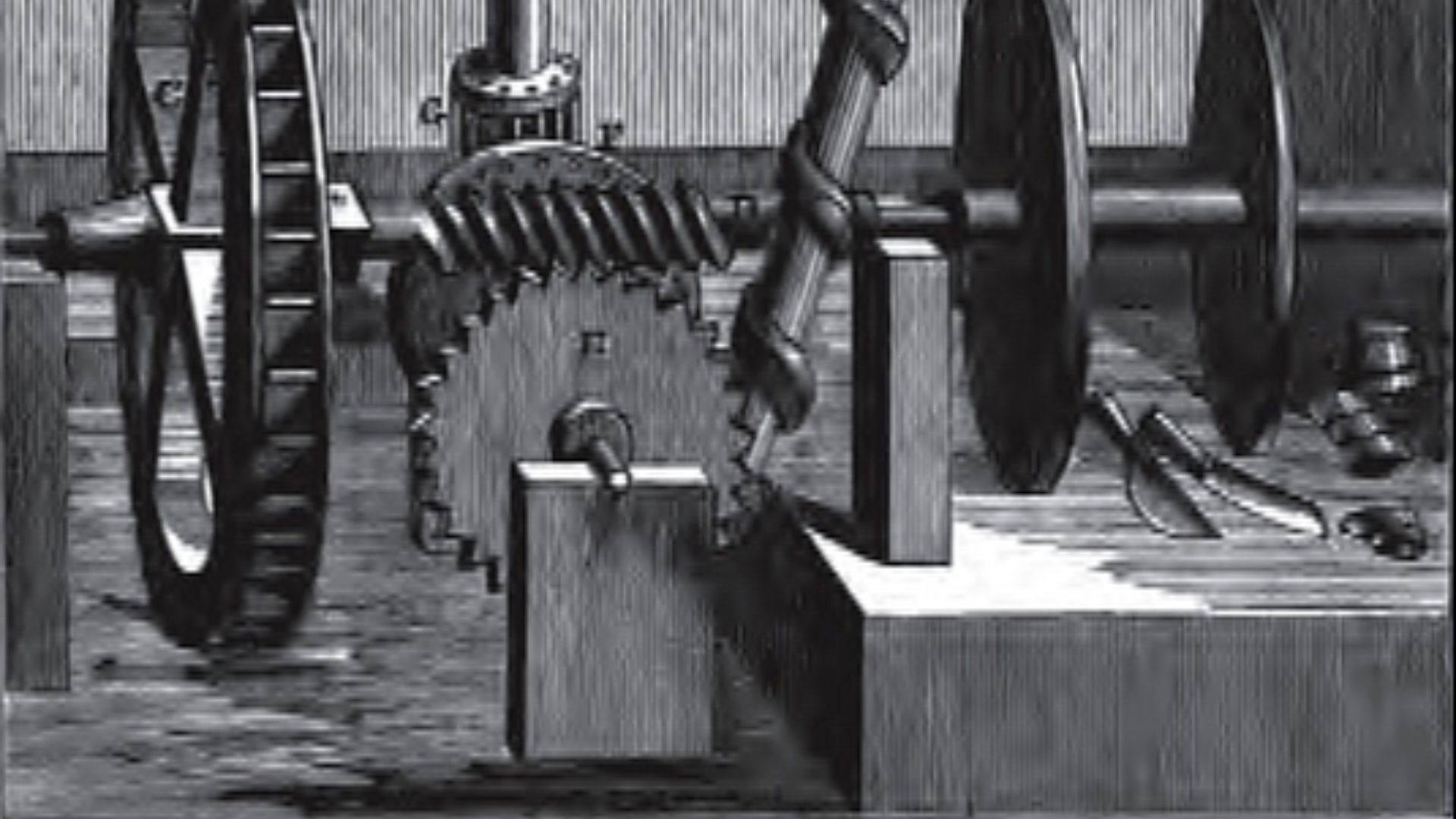
20. The Perpetual Motion Machines of the 19th Century
Inventors like Charles Redheffer claimed to have created machines that could run indefinitely without energy input. Eventually, investigations exposed them as fraudulent devices designed to deceive.
KEEP ON READING

20 Weirdest Historical Objects in Museums
Check Out the Pickled Heart of a Saint. Museums carry…
By Rob Shapiro Oct 1, 2025
20 Ocean Mysteries We Still Haven’t Solved
Unanswered Questions Of The Ocean. The ocean covers most of…
By David Davidovic Sep 1, 2025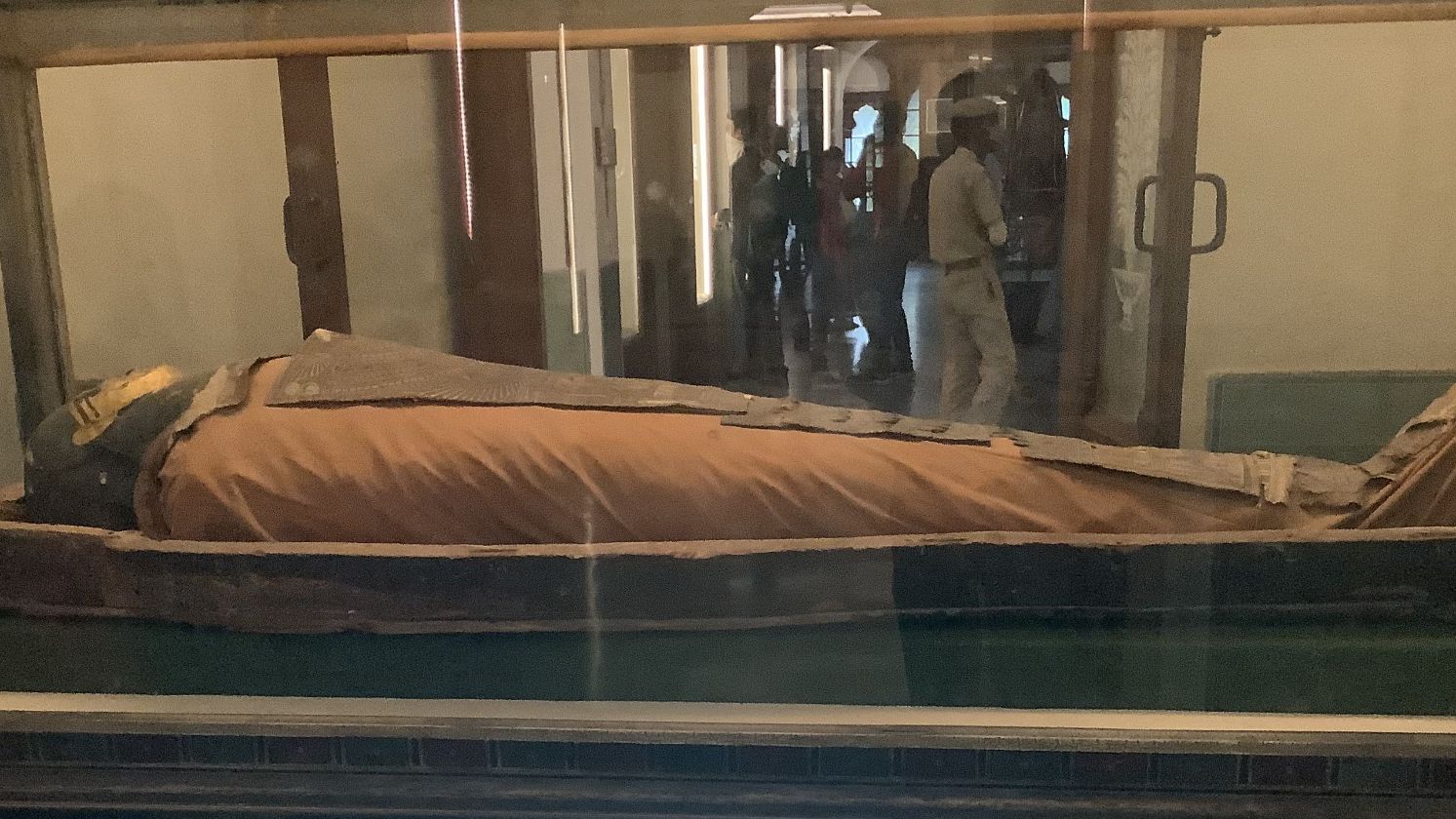
20 Historical Hoaxes People Believed for Decades
When False Stories Became Widely Accepted Truth. History isn’t just…
By Rob Shapiro May 1, 2026
10 Phenomenal Mythical Creatures & 10 That Are Just Plain…
Legends Both Majestic And Peculiar. Do you ever wonder why…
By Chase Wexler Oct 1, 2025
20 Historical Predictions That Turned Out To Be True
Crystal Ball Moments In History. Do you wonder what it's…
By Chase Wexler Sep 1, 2025
10 Presidents Who Never Served In The Military & 10…
Commanders And Civilians In Office. Power can rise from very…
By David Davidovic Sep 1, 2025