

Beauty, Power, and the Brutal Standards of the Past
History tends to celebrate greatness, but make no mistake—it has always been just as quick to judge appearances. Long before tabloids and social media, everyone from rulers to political figures were held under a microscope, all mocked or quietly held back because they didn’t match the standards, even in their own age. Come with us as we re-examine just how harsh those judgments could be.
1. Socrates
Ancient writers often described Socrates as distinctly ugly. The label came from any number of things, like his snub nose, bulging eyes, thick lips, or even his squat body, all of which clashed with Greek ideals of beauty. He was regularly compared to handsome young Athenians, too, and sympathetic accounts admitted he looked more like a satyr than a philosopher.
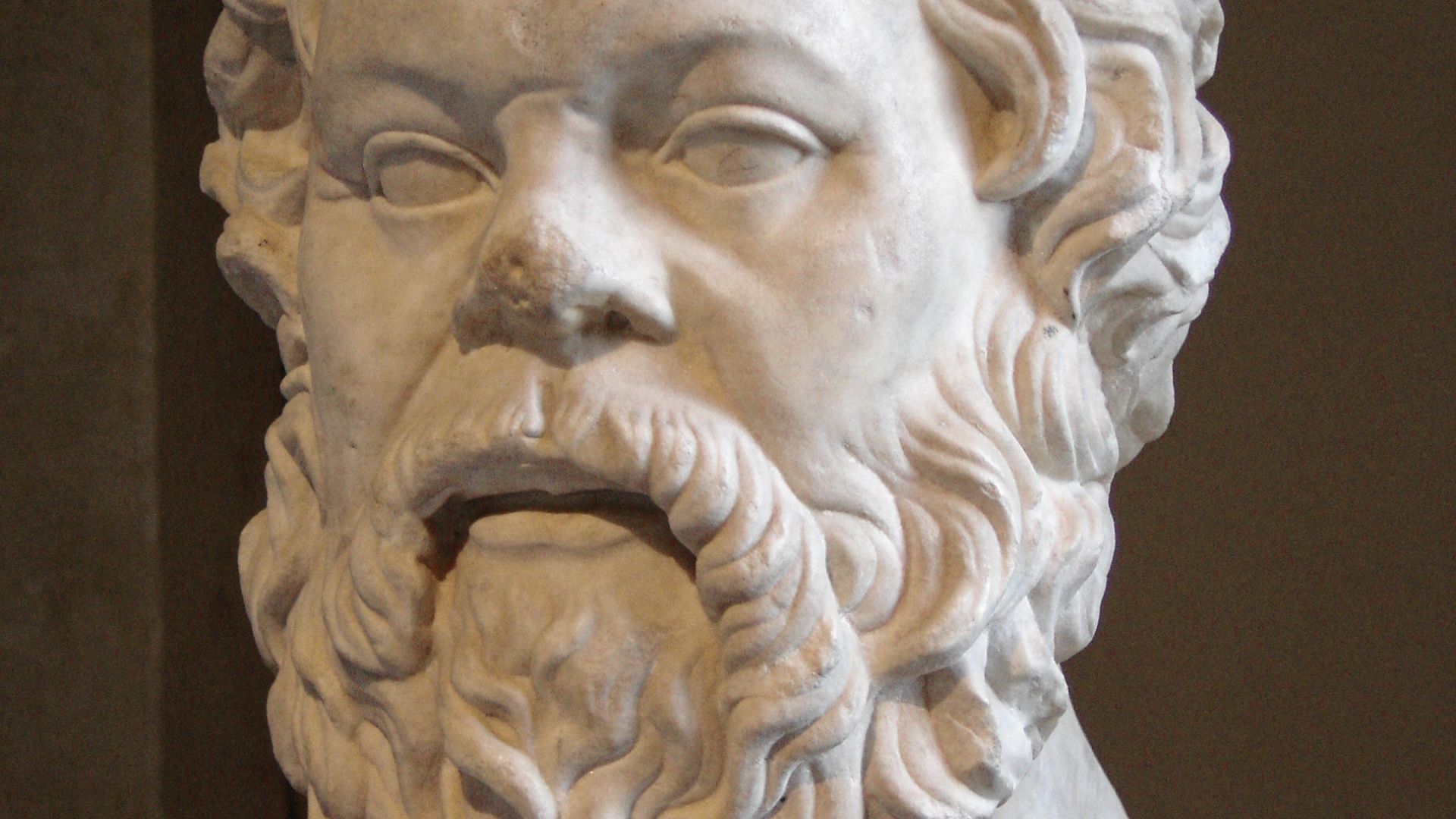 Copy of Lysippos (?) on Wikimedia
2. Emperor Claudius
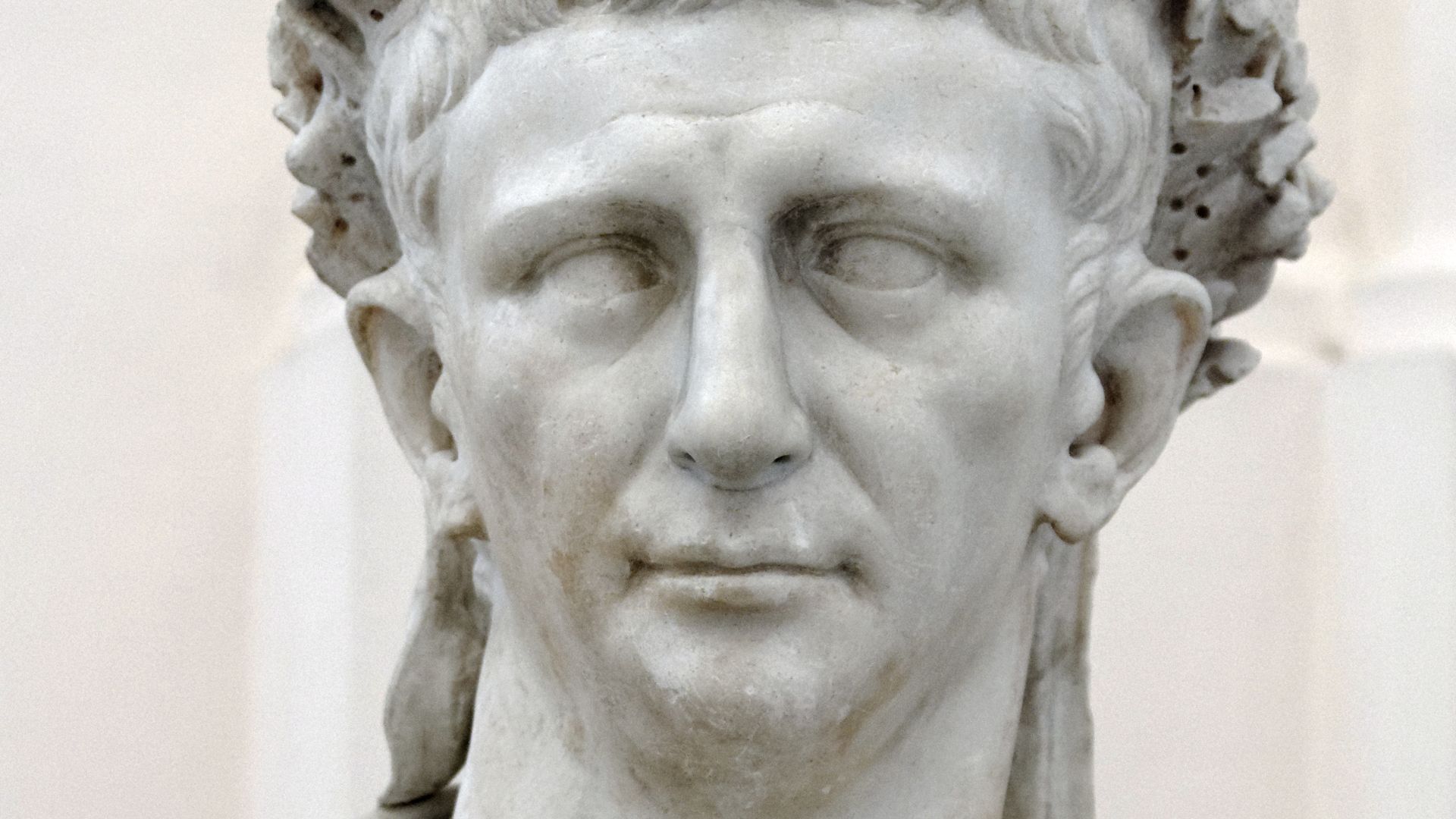
You’d think that people wouldn’t dare mock an emperor, but the people didn’t hold back on Claudius in Rome. Not for his awkward movements or trembling head. Not for his weak knees or strained speech. It didn’t really matter—they all made him seem physically unimpressive to the imperial court. Even his own family treated him like an embarrassment.
3. Richard III
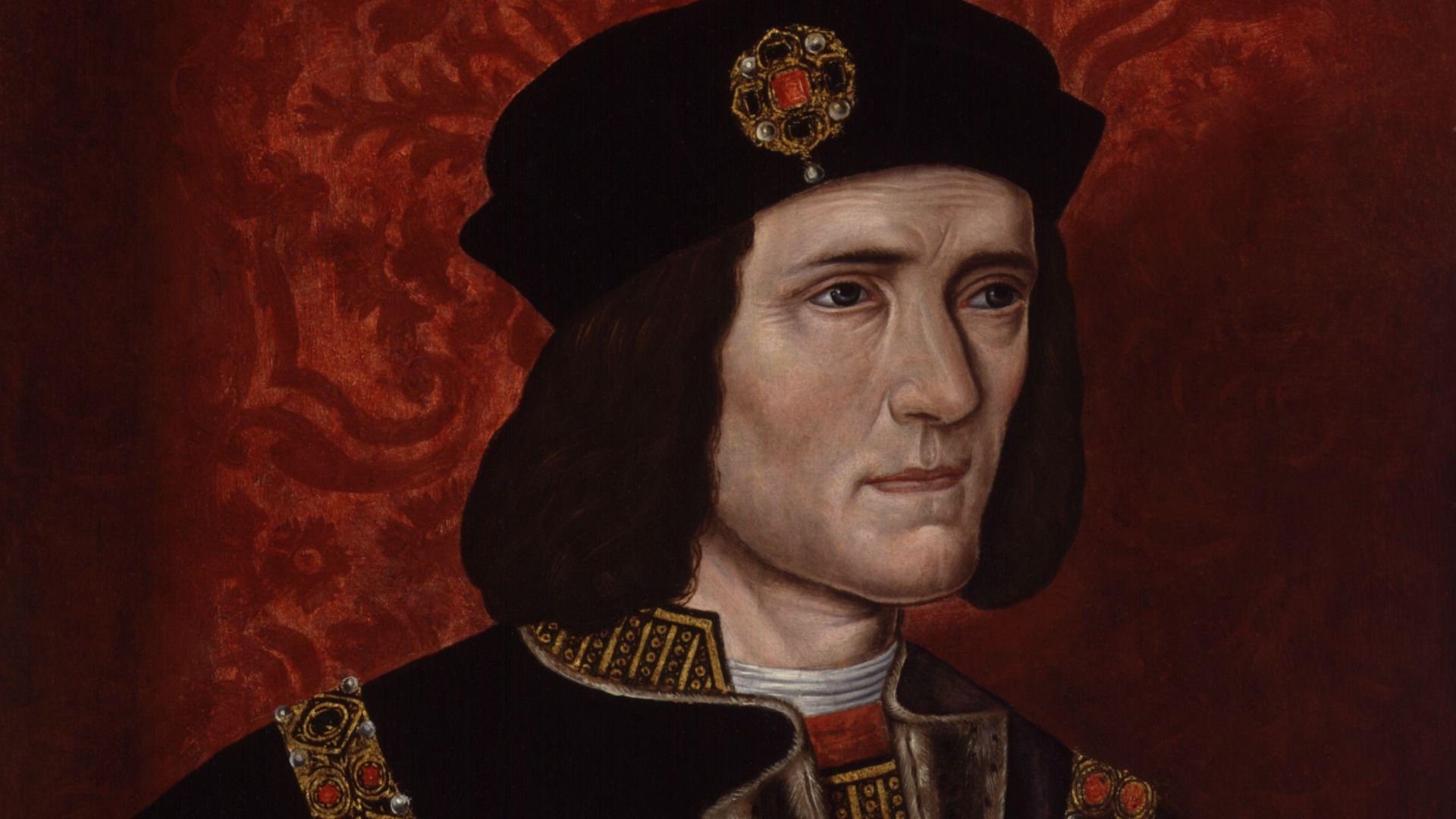
Richard III’s physical appearance became a major weapon against him, especially after his death; particularly hostile accounts emphasized his slight frame, uneven shoulders, and supposed deformity. Time didn’t help matters, either, and later writers turned those features into proof of villainy.
4. Henry VIII
You know what’s funny? Young Henry VIII actually projected a kind of athletic magnificence. But later in life? He became a heavy, ulcer-ridden man who was difficult for observers to admire in the chivalric way. Foreign ambassadors commented on his size all the time—and the contrast between the dazzling prince he had been and the bloated monarch he became.
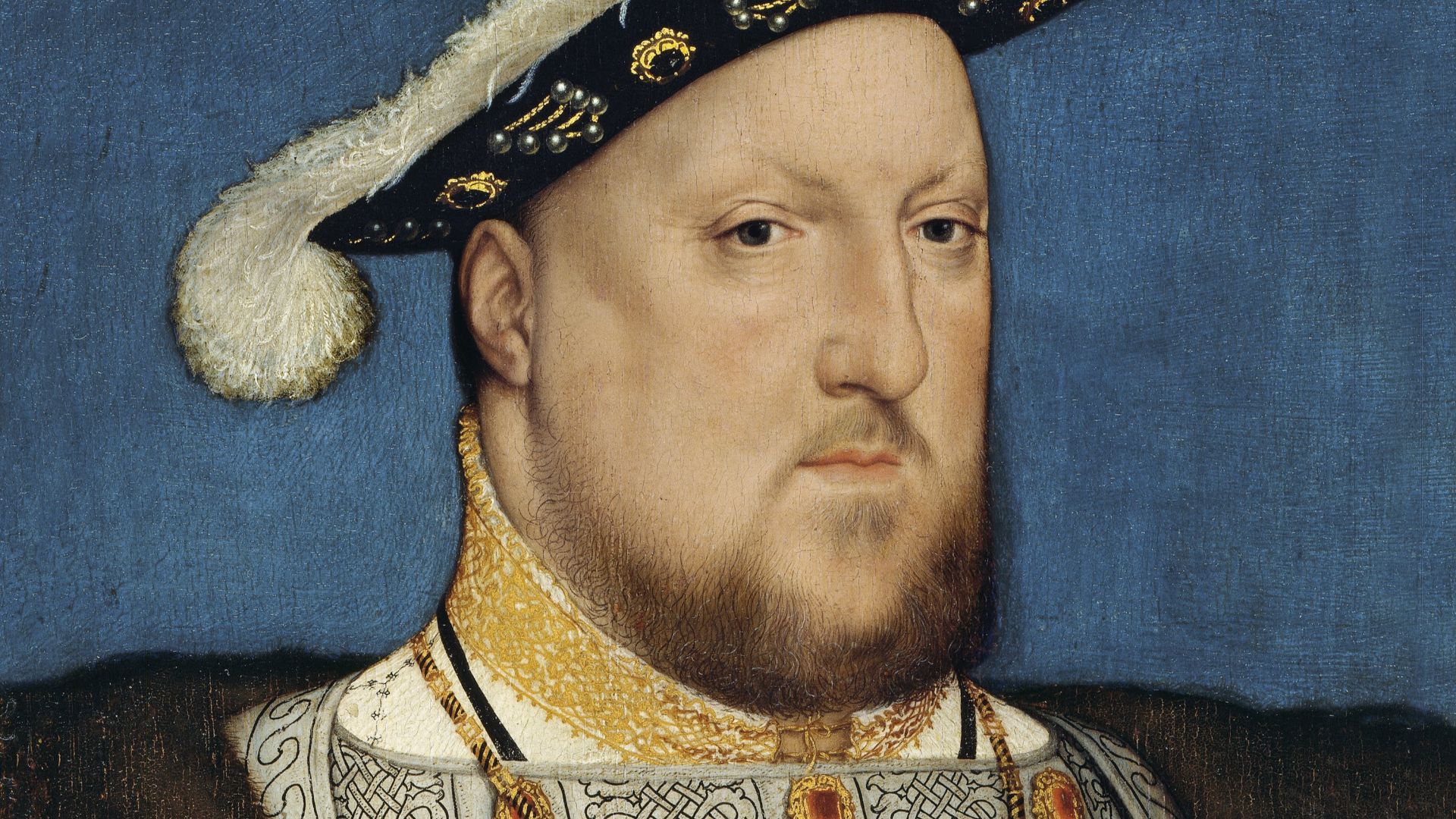 Hans Holbein the Younger on Wikimedia
5. Oliver Cromwell
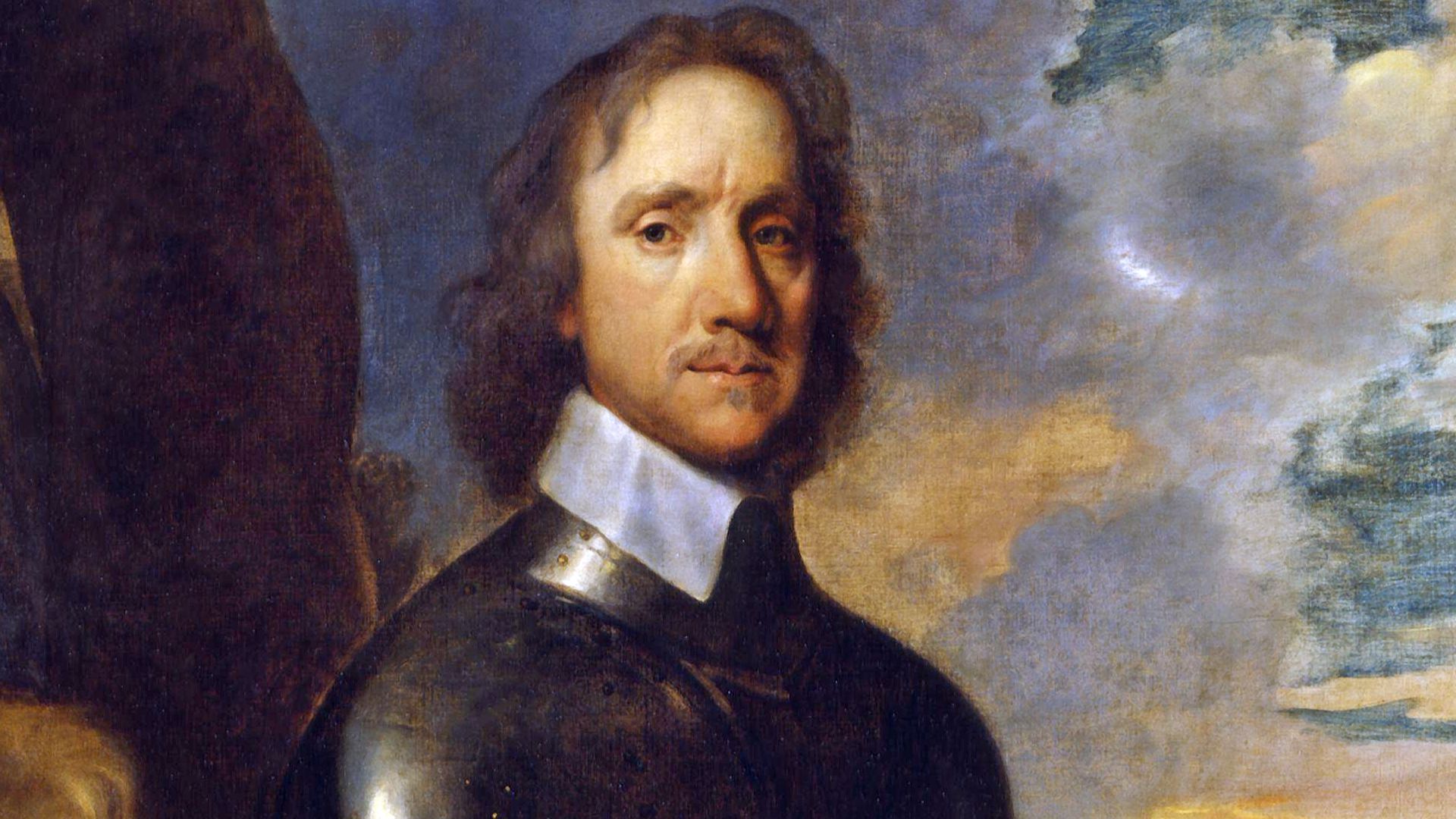
Cromwell’s face was often noted for its roughness, and that generally severe look didn’t flatter him. He’s famously linked to the demand for being painted “warts and all,” which only strengthened the sense that his appearance was plain at best and harsh at worst.
6. Peter the Great
A name like Peter the Great? Check. Being extraordinarily tall? Also check. Getting left out of public scrutiny? Not a chance. Observers noted a somewhat alarming physical presence, and while some contemporaries admired his energy, others found him ungainly and unsettling.
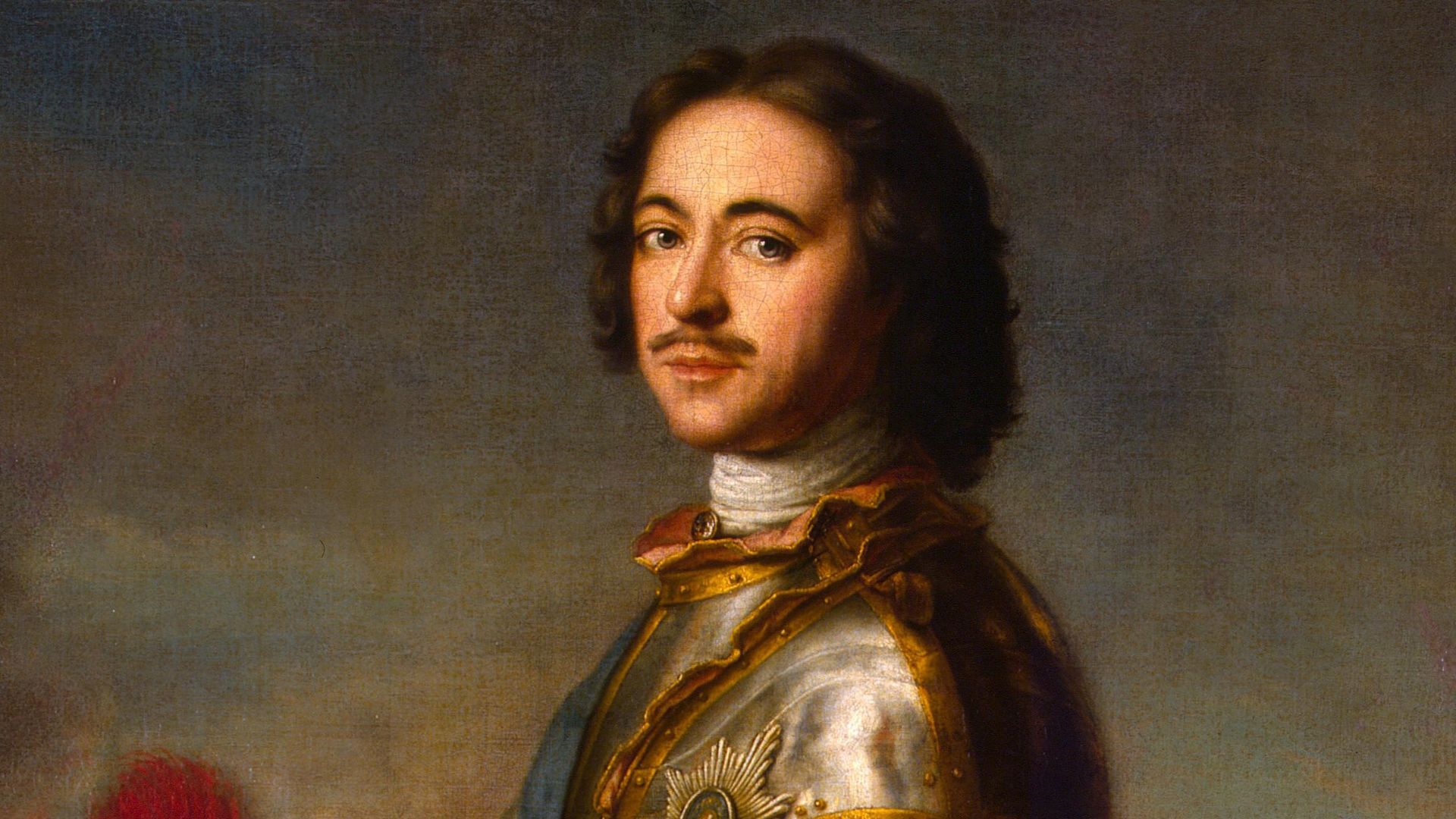 Attributed to Jean-Marc Nattier on Wikimedia
7. George III
George III wasn’t universally condemned as “ugly,” but many accounts describe him as stiff, plain, and lacking the kind of charm that made monarchs magnetic. His appearance gave critics material, too, especially when illness altered it and his behavior later in life.
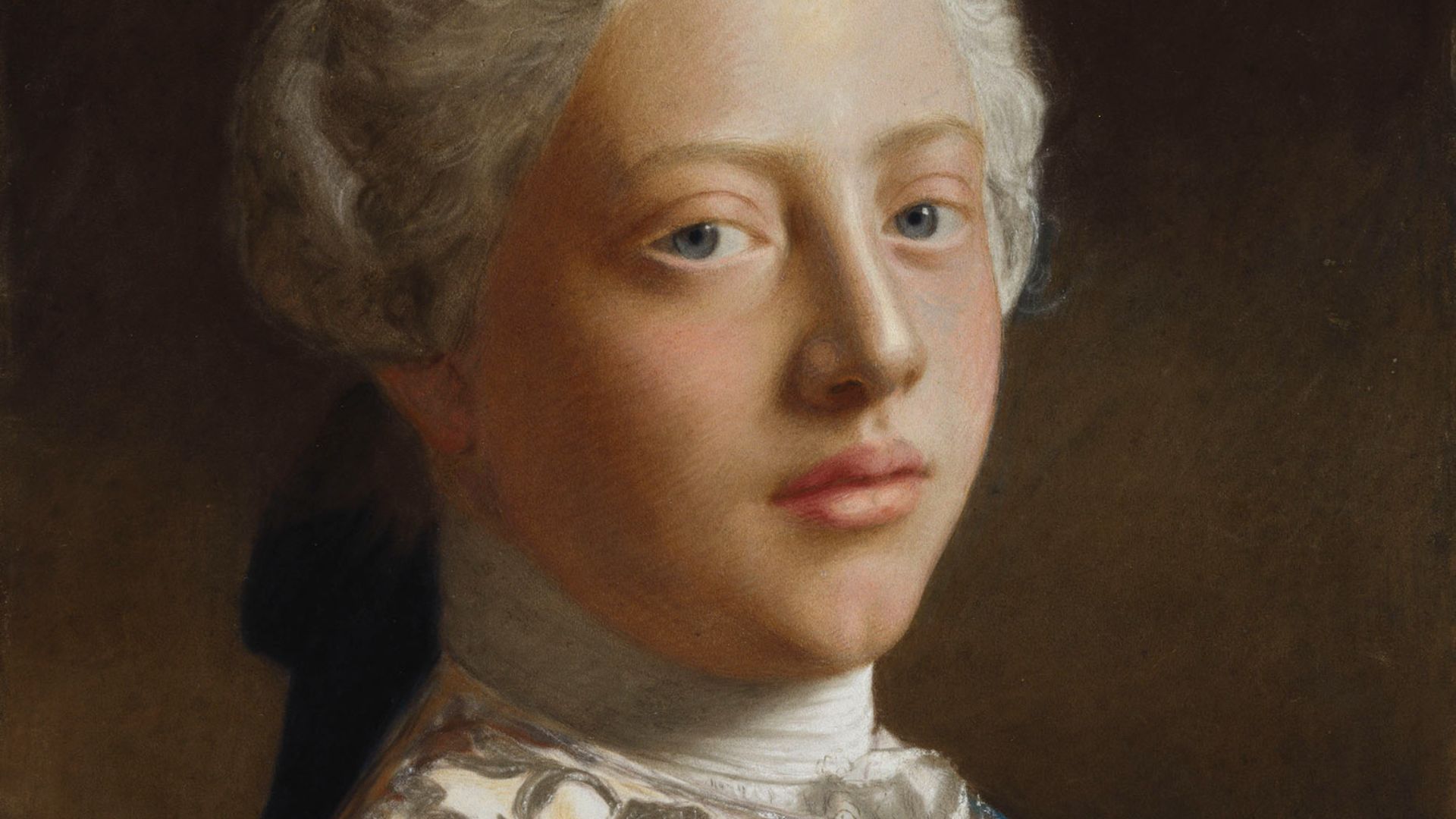 Jean-Étienne Liotard on Wikimedia
8. Napoleon Bonaparte
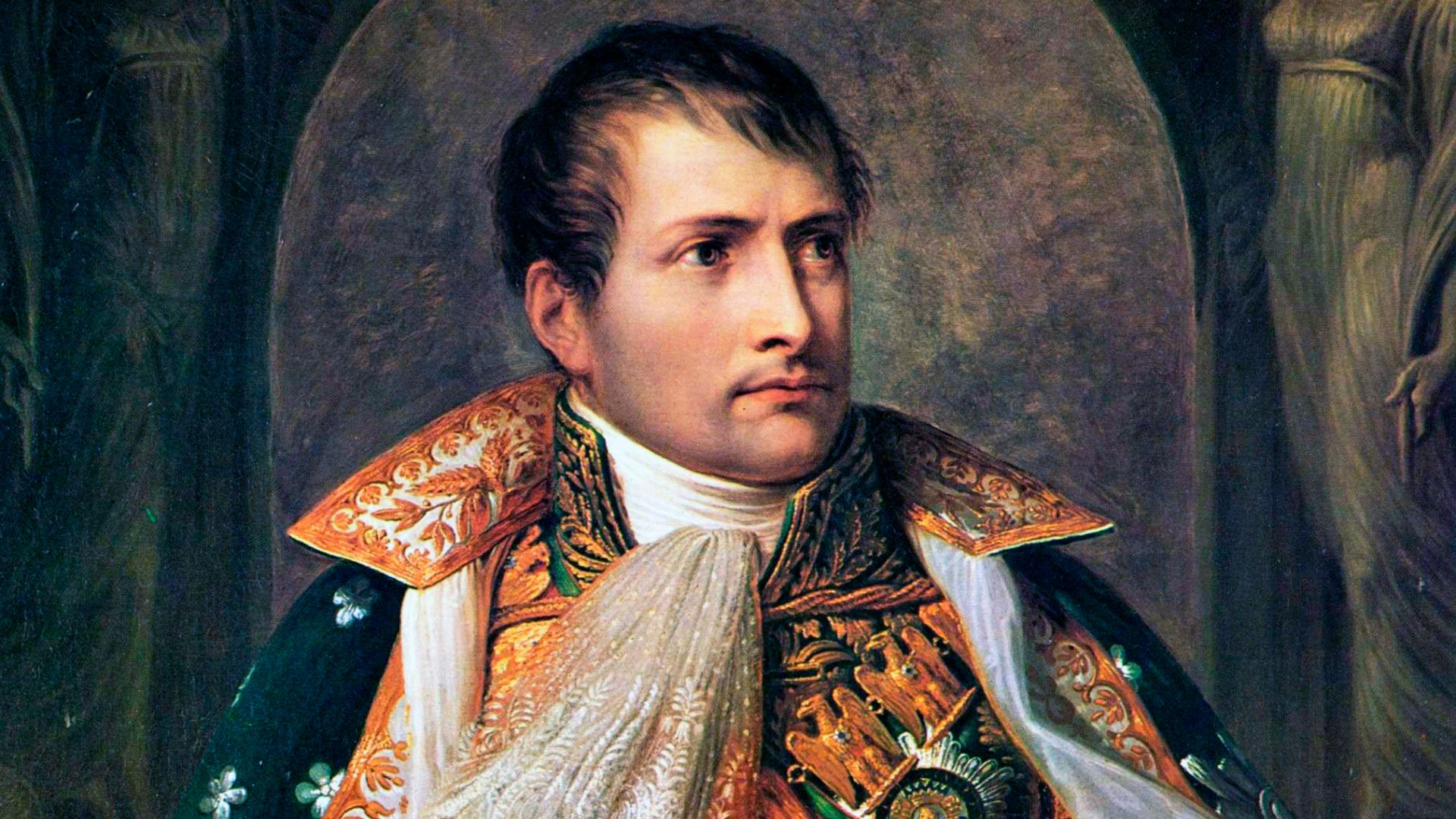
First the height, and now this? (Don’t forget the supposed rabbits.) Napoleon’s reputation for power far outstripped his physical appeal; many who met him described him as sallow, tense, and far less impressive in person. Because of that, his image had to be managed pretty carefully.
9. Lord Byron
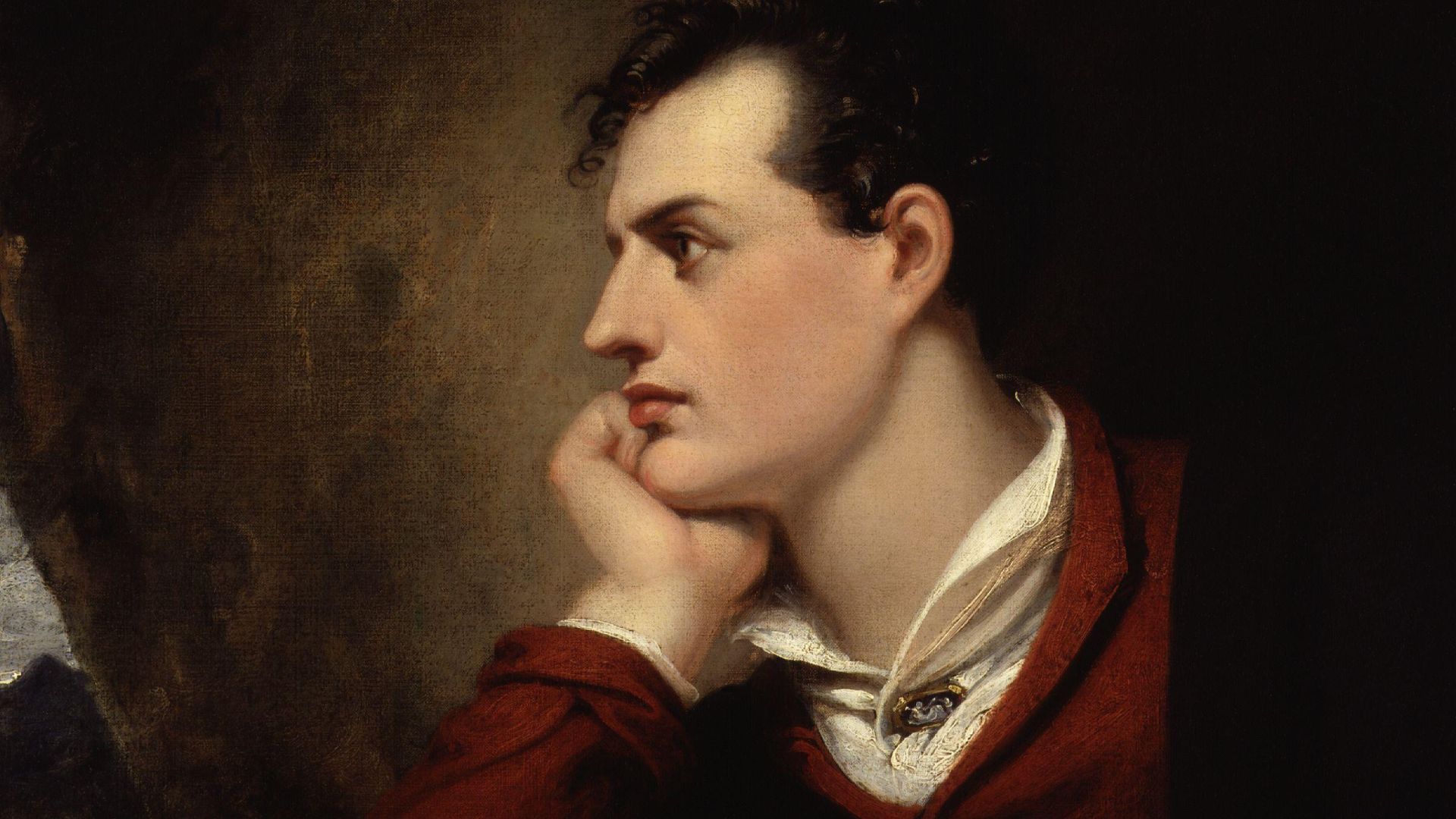
Byron is usually remembered as romantic, and there are plenty of people who would consider him handsoem today. The thing is, a lot of the "ugliness" came from within; he spent a lot of his life deeply anxious about physical flaws that others noticed, especially his clubfoot. At the time, that insecurity mattered because it showed how even a celebrity could feel held back by the fear of being seen as “malformed.”
10. Abraham Lincoln
Lincoln was repeatedly described as homely, lanky, and awkward-looking—features that didn’t fit the standards of nineteenth-century statesmanship. His enemies called him ugly outright, and even friendly observers often admitted that he was far from handsome.
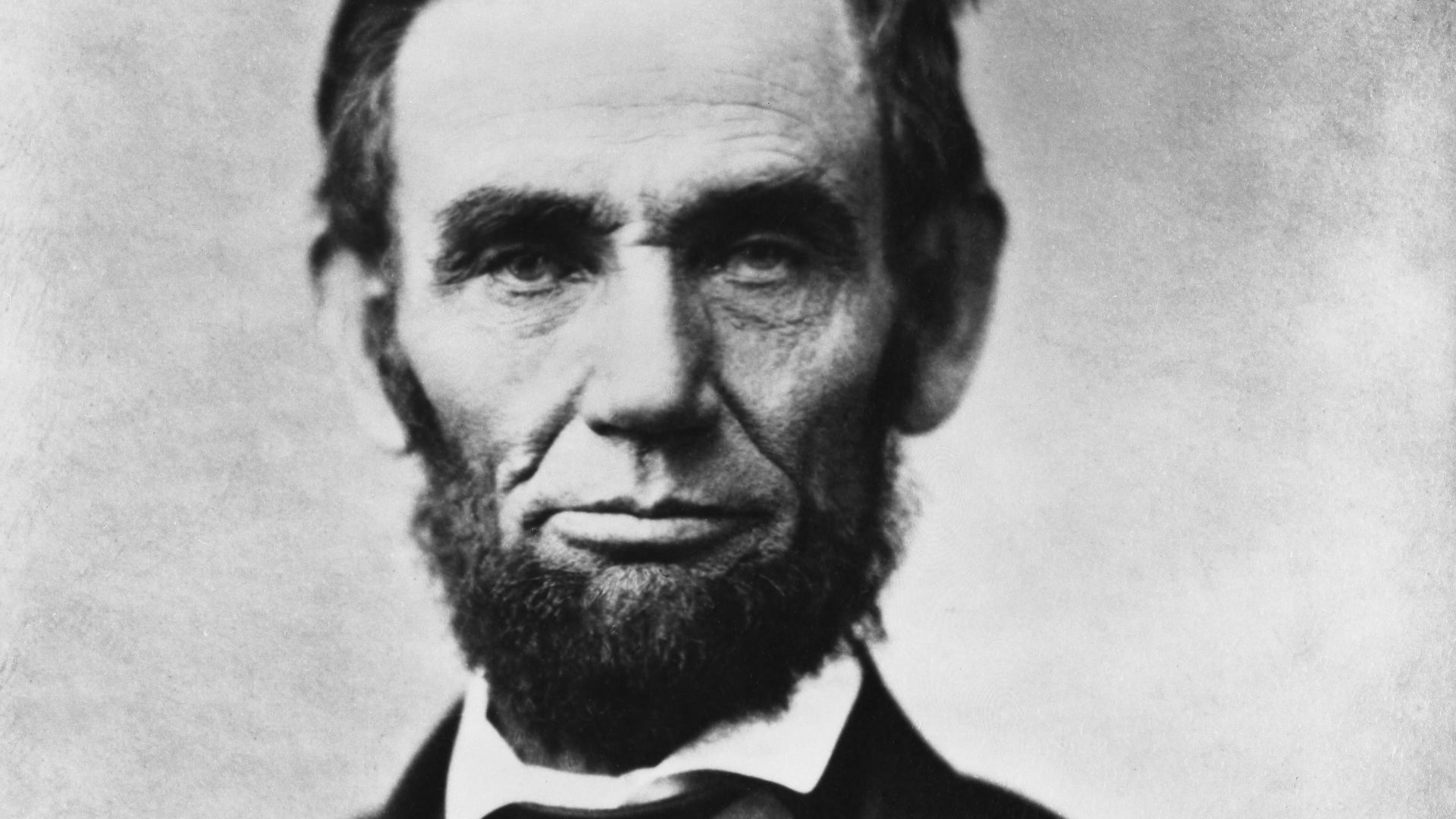 Alexander Gardner on Wikimedia
11. Ulysses S. Grant
Grant wasn’t necessarily attacked as grotesque, but he was regarded as plain and physically unimpressive. His tired face and unadorned manner gave him little visual glamour in an age that loved heroic display, and while that didn’t make him notorious for being “ugly,” it certainly kept him from fitting the mold that others enjoyed.
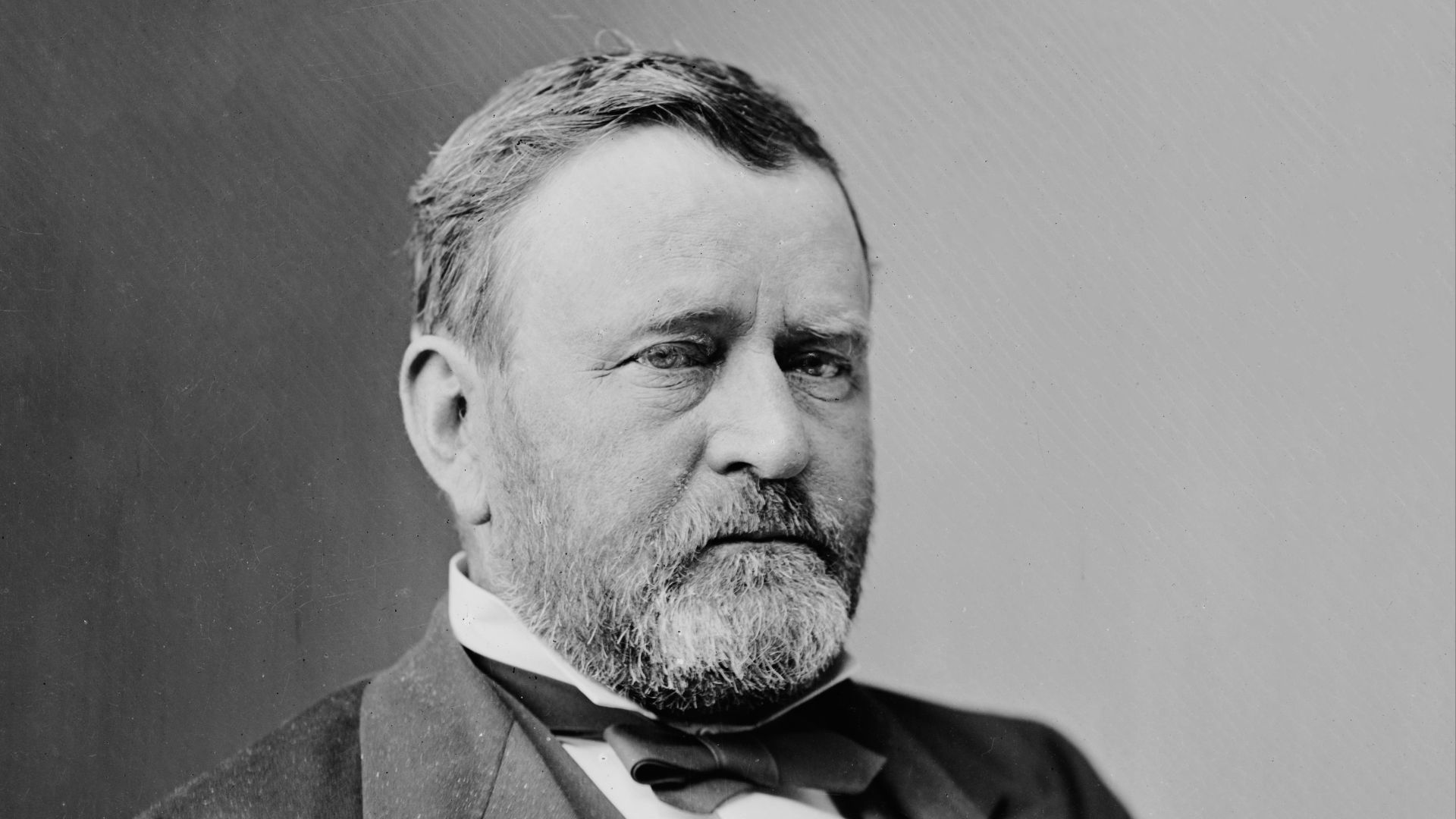 Brady-Handy Photograph Collection, Library of Congress on Wikimedia
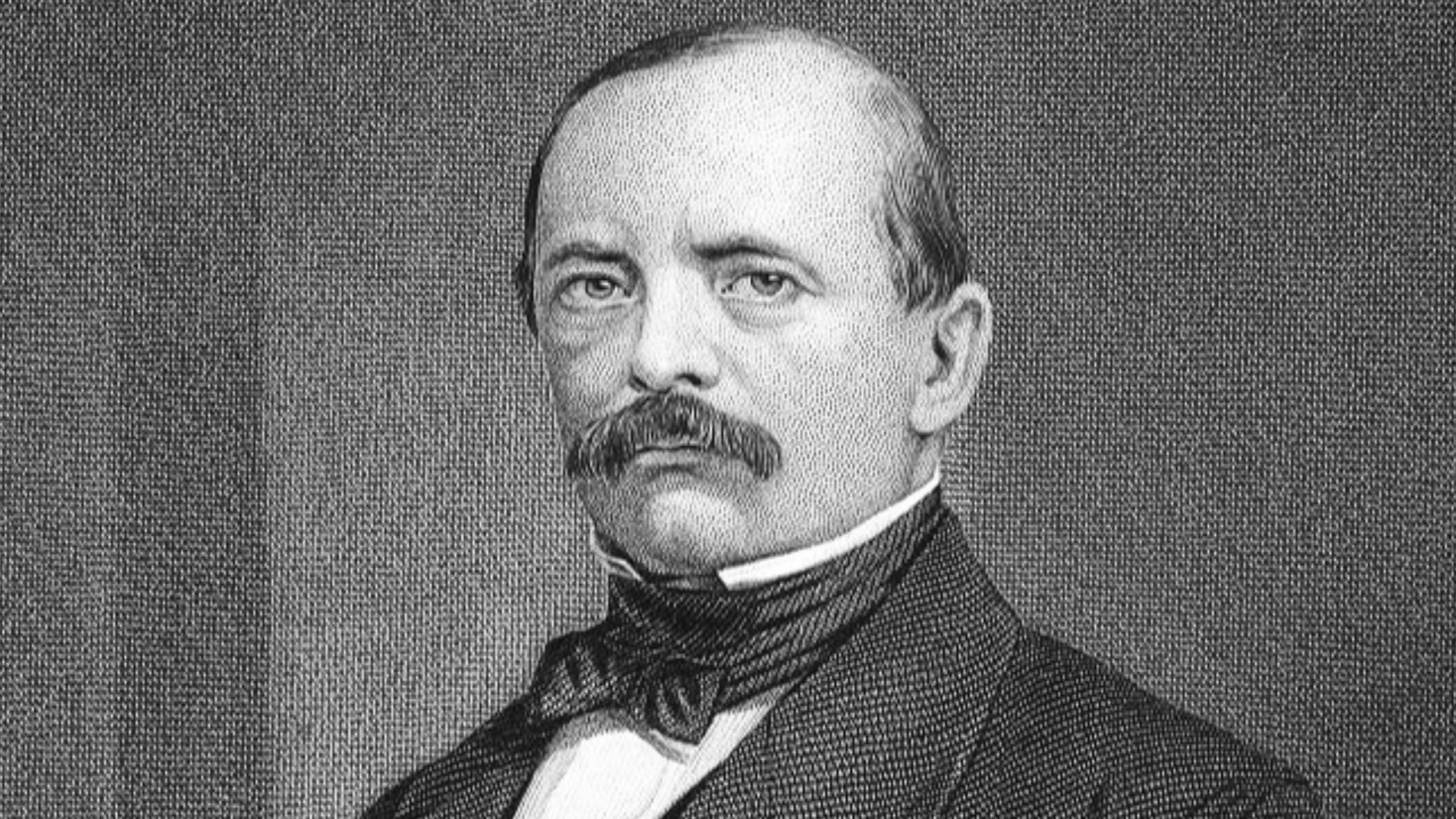
12. Otto von Bismarck
Many depictions of Bismarck emphasized a heavy, severe face that looked far more intimidating than anything else. The sheer size of him, not to mention the formidable presence, made him overbearing in person, which wasn’t exactly a recipe for elegance, either.
13. Kaiser Wilhelm II
Wilhelm II’s withered arm became a lifelong source of insecurity, and his efforts to compensate for it shaped just about everything. But that wasn’t the only sore spot. Critics also found him stiff and visually awkward, especially because he seemed so desperate to project confidence.
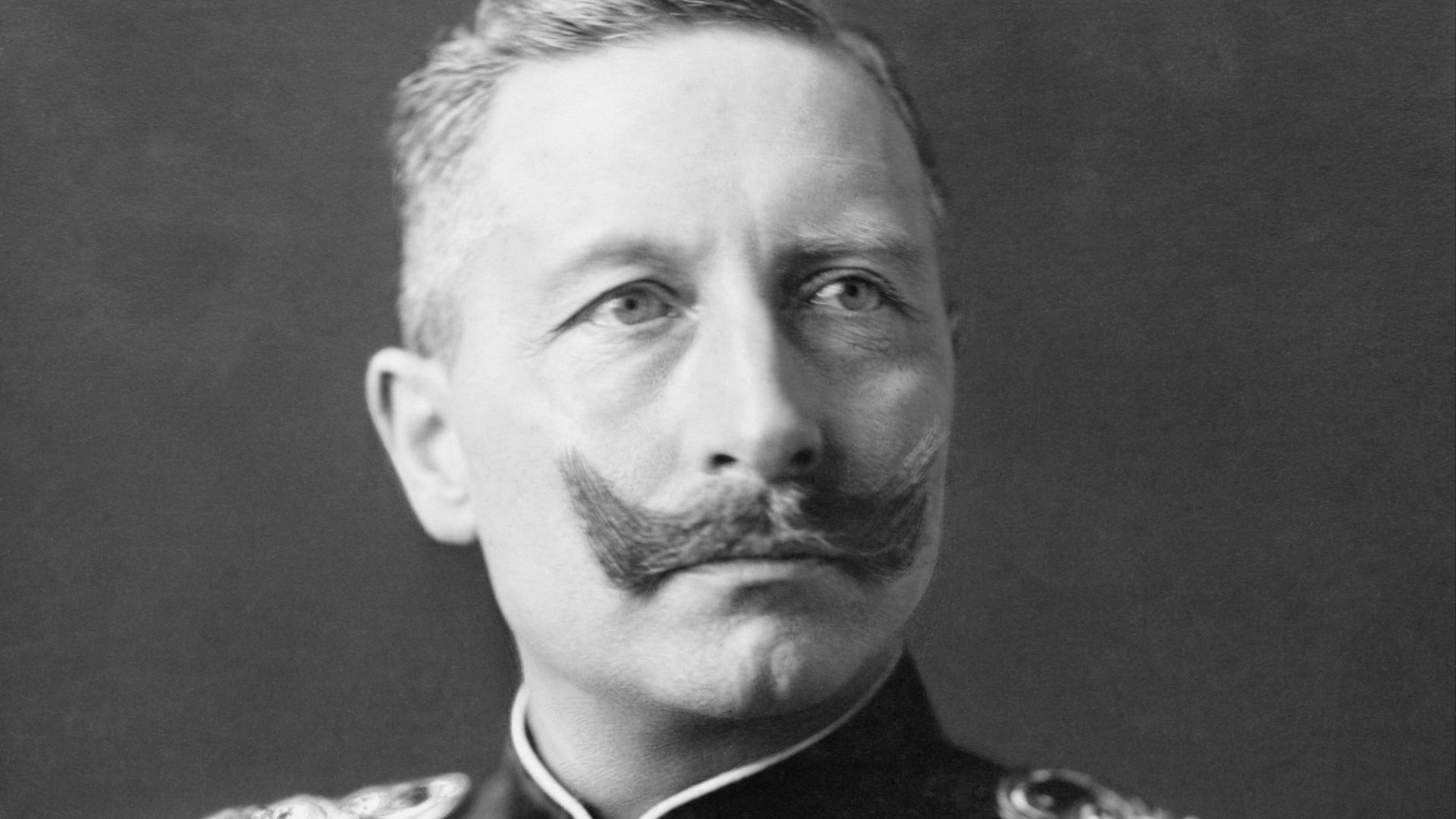 Studio of Thomas Heinrich Voigt on Wikimedia
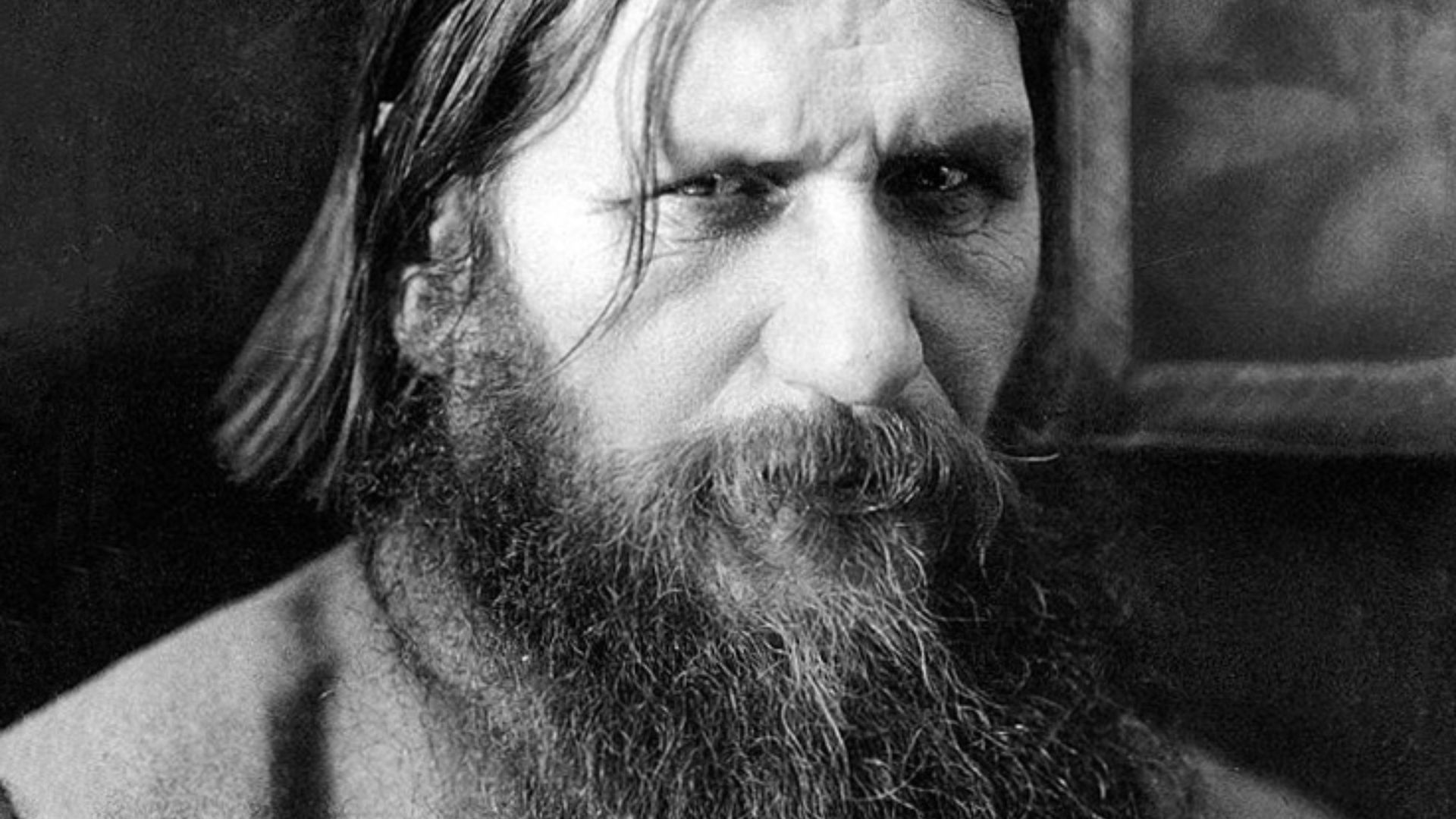
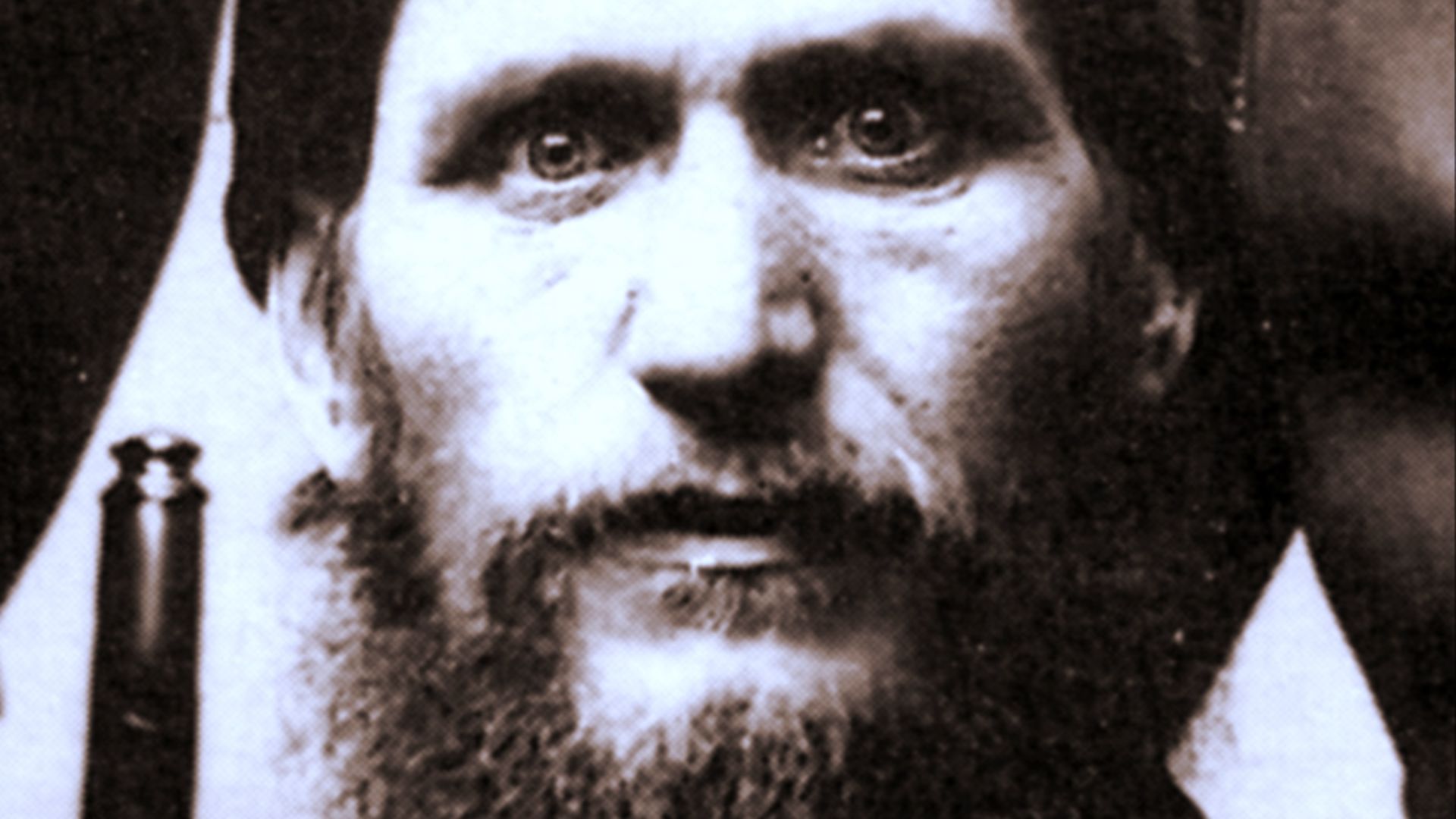
14. Grigori Rasputin
Rasputin fascinated and repelled people at the same time—but he stands pretty clearly on one side of the fence today. His unkempt hair, piercing stare, and generally unsettling presence led to plenty of descriptions that focused on how wild he seemed.
15. Margaret of Anjou
Margaret of Anjou was often described by enemies in pretty unflattering ways, and much of that criticism mixed politics with comments about her looks. She wasn’t exactly cast as graceful or charming by hostile chroniclers, who often presented her as lacking softness.
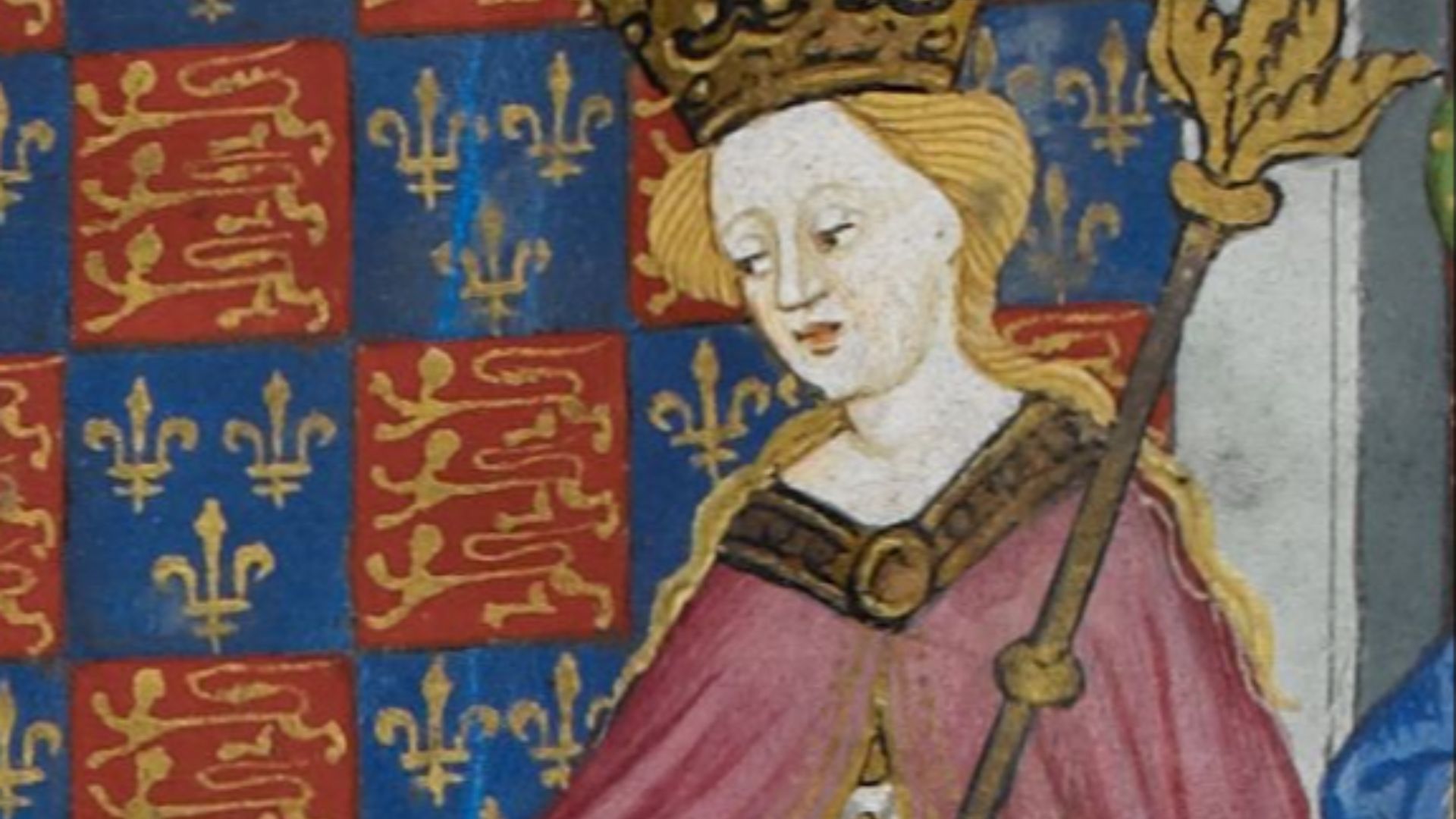 Talbot Master (fl. in Rouen, c. 1430–60) on Wikimedia
16. Mary I of England
Mary I wasn’t praised for beauty, and many descriptions of her appearance focused on her thin face and tired expression, especially in the later years of her reign. Foreign ambassadors often wrote about her in unflattering terms, noting that she looked older than she was and lacked the grace people expected in a queen.
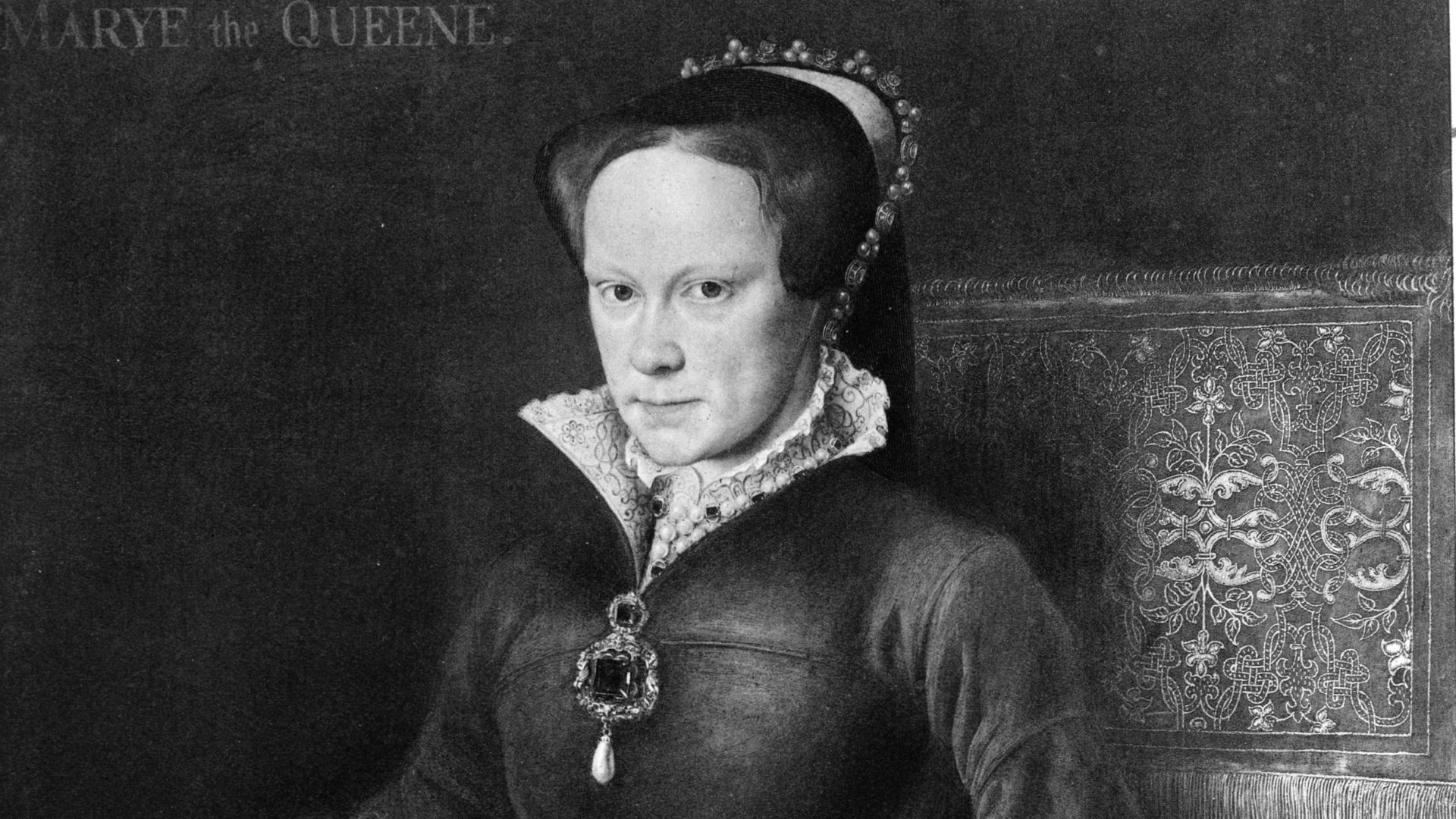 Miscellaneous Items in High Demand, PPOC, Library of Congress on Wikimedia
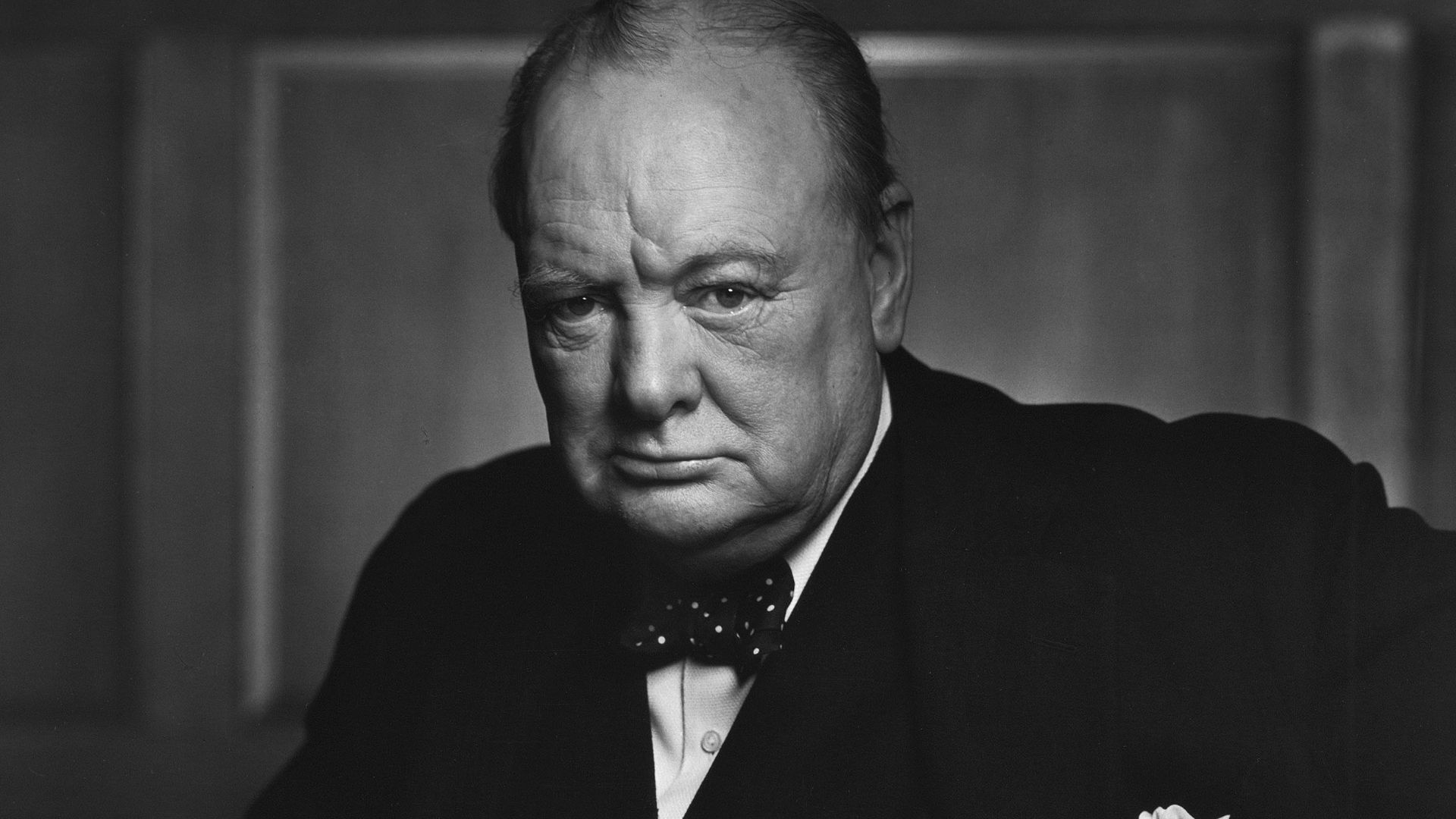
17. Winston Churchill
Churchill’s fame never depended on beauty. It’s a good thing, too, since he was often disheveled, which people commented on with a mix of affection and bluntness. That said, his case is interesting; his appearance could easily have limited him, but those supposedly unattractive features really became part of his legend.
18. Charles de Gaulle
De Gaulle’s long face and famously prominent nose made him a frequent target for ridicule. Everyone from political cartoonists and critics leaned hard on those features, treating his appearance as something to exaggerate for comic effect.
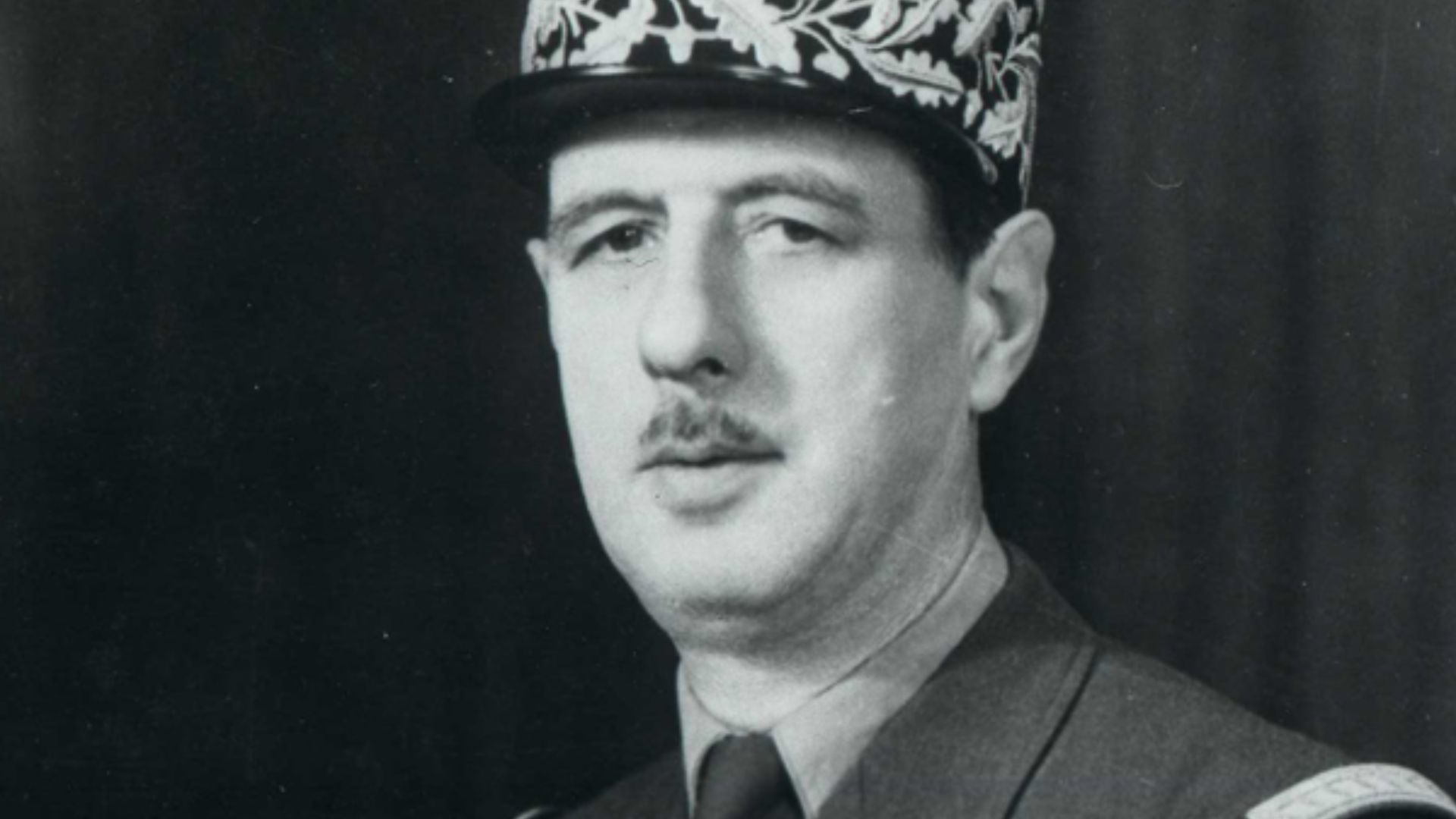 The National Archives UK on Wikimedia
19. Anne of Cleves
Anne of Cleves became one of the most famous examples of appearance affecting a royal marriage, mainly because Henry VIII was said to be disappointed when he met her in person. Although the harshest comments about her looks were shaped by politics and Henry’s own self-interest, she was still presented by contemporaries as lacking the beauty and charm expected of a queen consort.
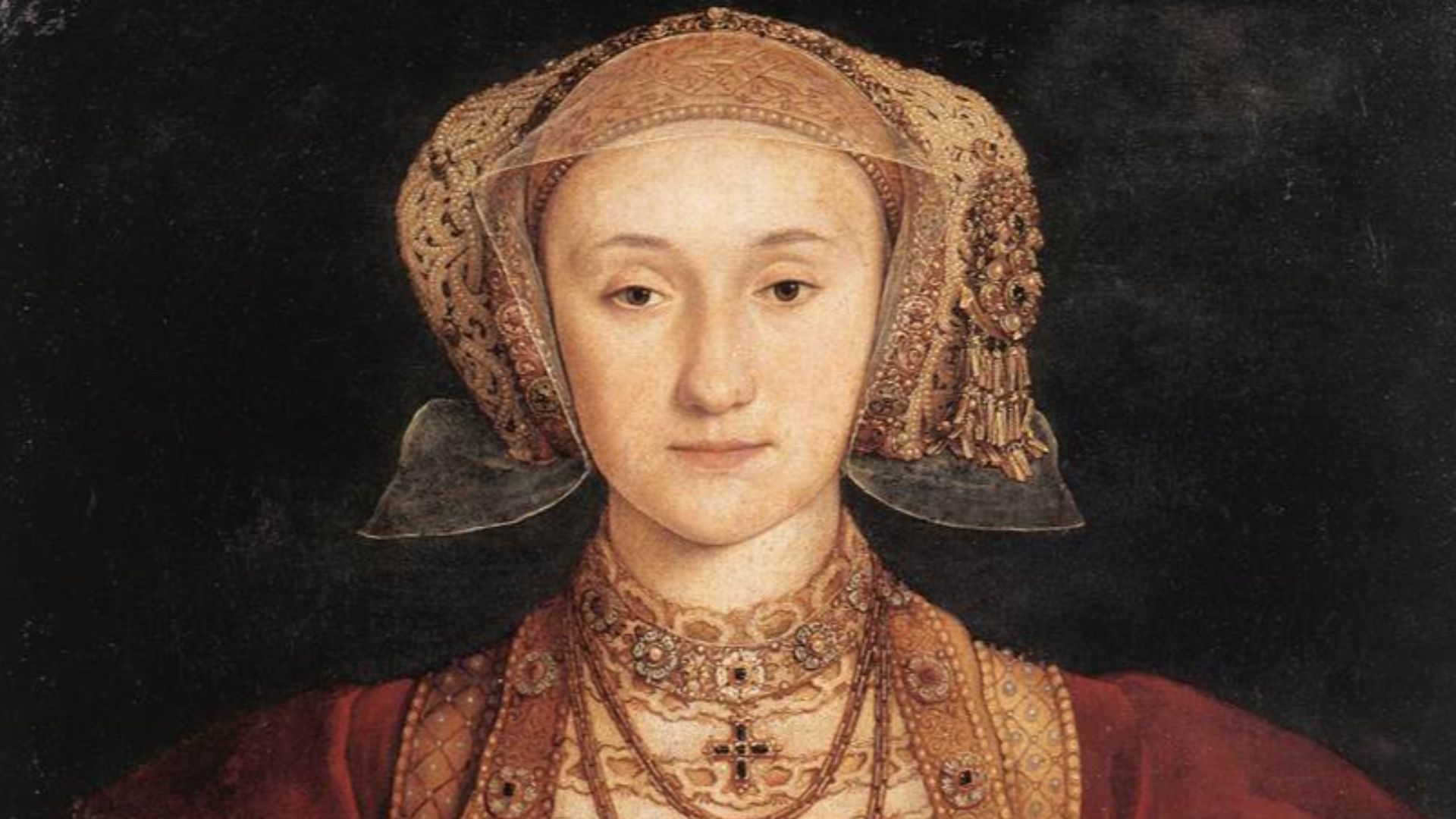 Hans Holbein the Younger on Wikimedia
20. Queen Anne of Great Britain
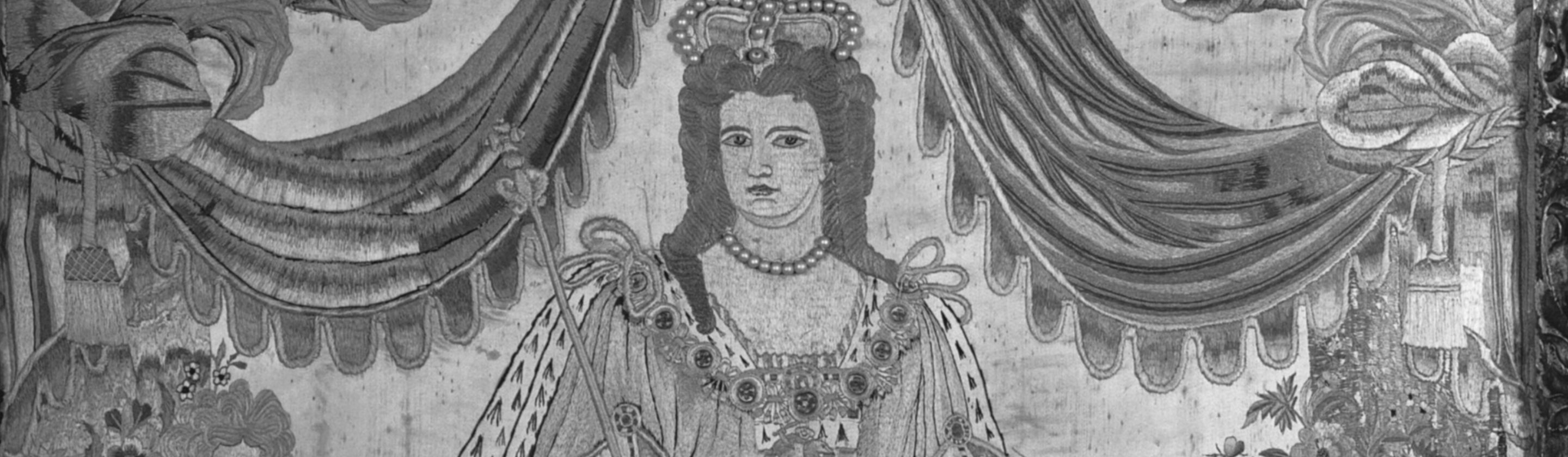
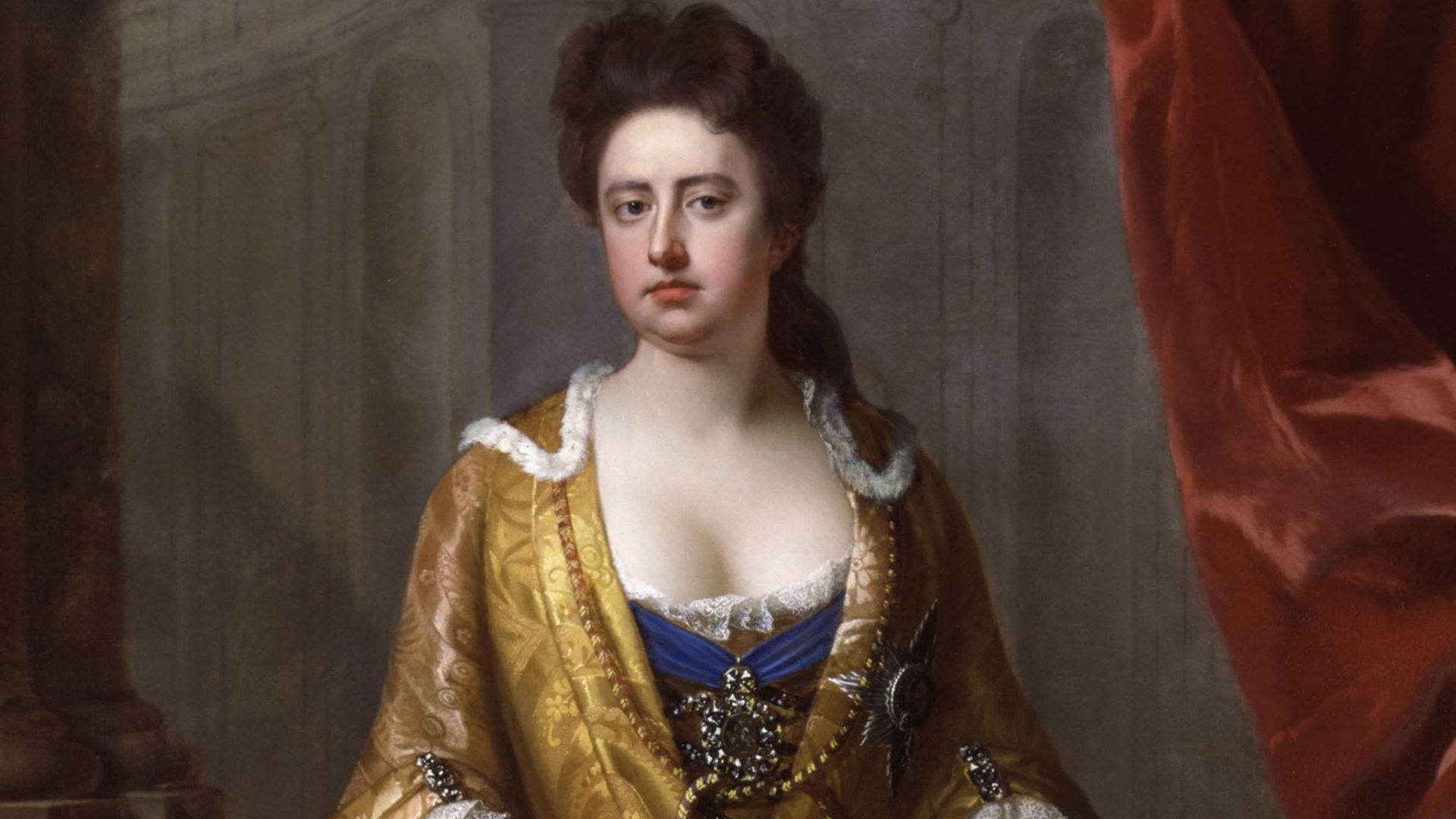
Queen Anne was often described unkindly for a number of reasons: chronic illness, weight gain, and the visible strain of her life. She was frequently seen as physically diminished and lacking glamour, but those judgments only shaped how contemporaries wrote about her and how later generations pictured her.
KEEP ON READING

The 10 Youngest Monarchs In History & The 10 Oldest
Age Is Just A Number. Imagine being crowned king or…
By Chase Wexler Mar 11, 2025
You Think You Have Problems? These Royal Families Were Cursed
Boasson and Eggler St. Petersburg Nevsky 24. on WikimediaHeavy is…
By Ashley Bast Dec 5, 2025
You Can Thank This Greek-Canadian For Creating Pineapple On Pizza…
Love it or hate it, pineapple on pizza sparks debate…
By David Davidovic Dec 1, 2025
Yes, Female Gladiators Existed, And Here's Everything You Need To…
History of Women in Combat. Most people picture gladiators as…
By David Davidovic Jan 17, 2026
Yes, Australians Once Lost A Battle Against Flightless Birds
David Clode on UnsplashIn 1932, the Australian military went to…
By David Davidovic Nov 24, 2025
The Y2K Bug: Why Did Everyone Think Year 2000 Was…
Alan W on UnsplashOn December 31, 1999, people all over…
By Christy Chan Dec 22, 2025