

Words Have Backstories
The strangest thing about everyday language is how normal it starts to feel. We say someone “stole our thunder” or “read us the riot act” without the faintest notion of where these phrases originated. A lot of common sayings began as very specific bits of history, then got worn smooth by use until only the phrase was left. Some origins are clean, some are debated, and some are much darker than the cheerful way we use them now. So here’s twenty common sayings with bizarre historical origins hiding in plain sight.

1. Mad as a Hatter
This one is usually tied to the old hatmaking trade, where mercury was used to process felt. Long exposure could cause tremors and behavioral changes, which helped make “mad hatter” feel less like a cartoon and more like an occupational hazard, though the phrase’s exact path is still debated.

2. Steal Someone’s Thunder
This saying comes from a wonderfully petty theater story. The playwright John Dennis supposedly created a thunder sound effect for his own unsuccessful play, then found another production using his trick, meaning someone had quite literally stolen his thunder.
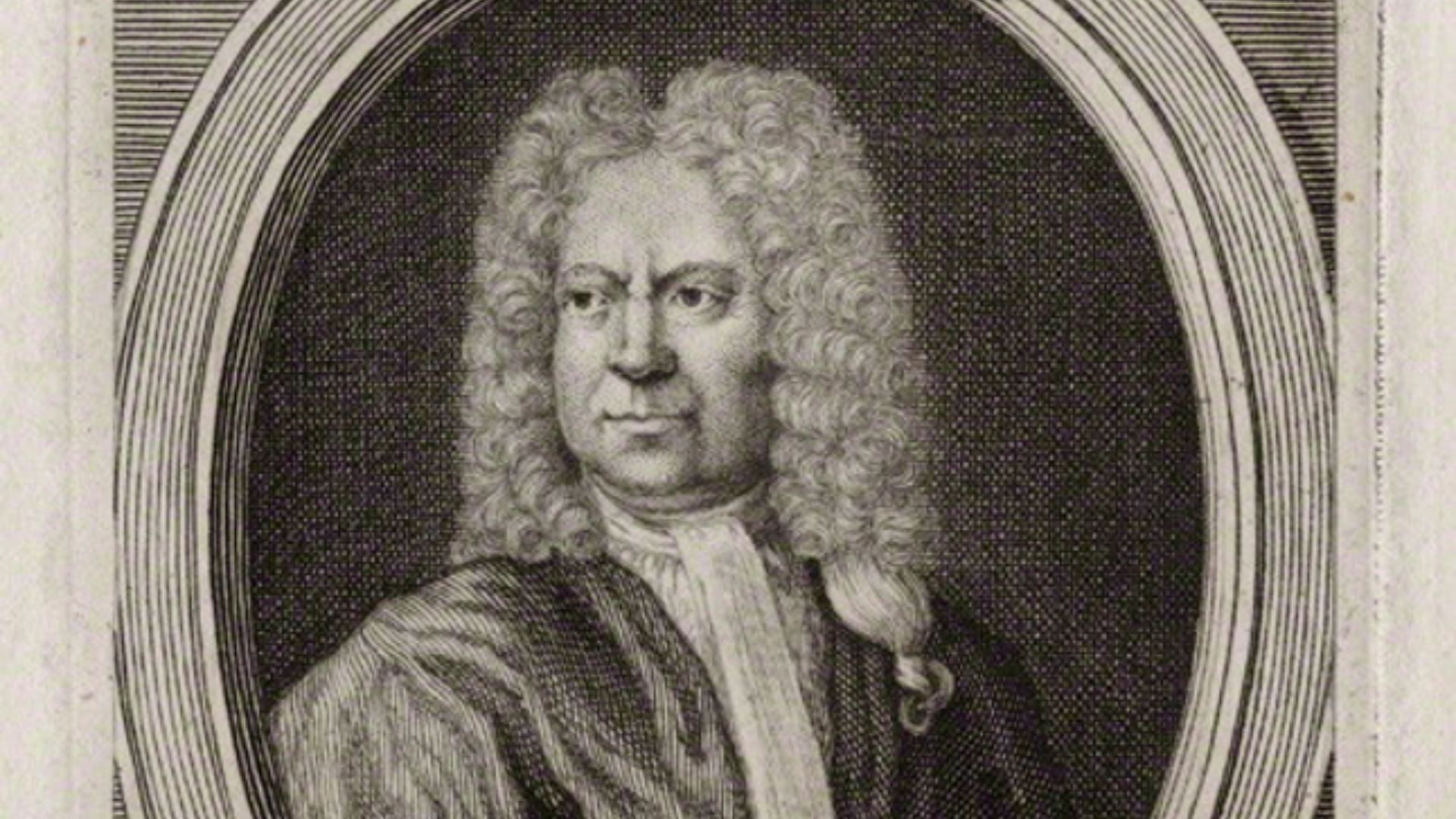 Jan (John) Vandergucht on Wikimedia
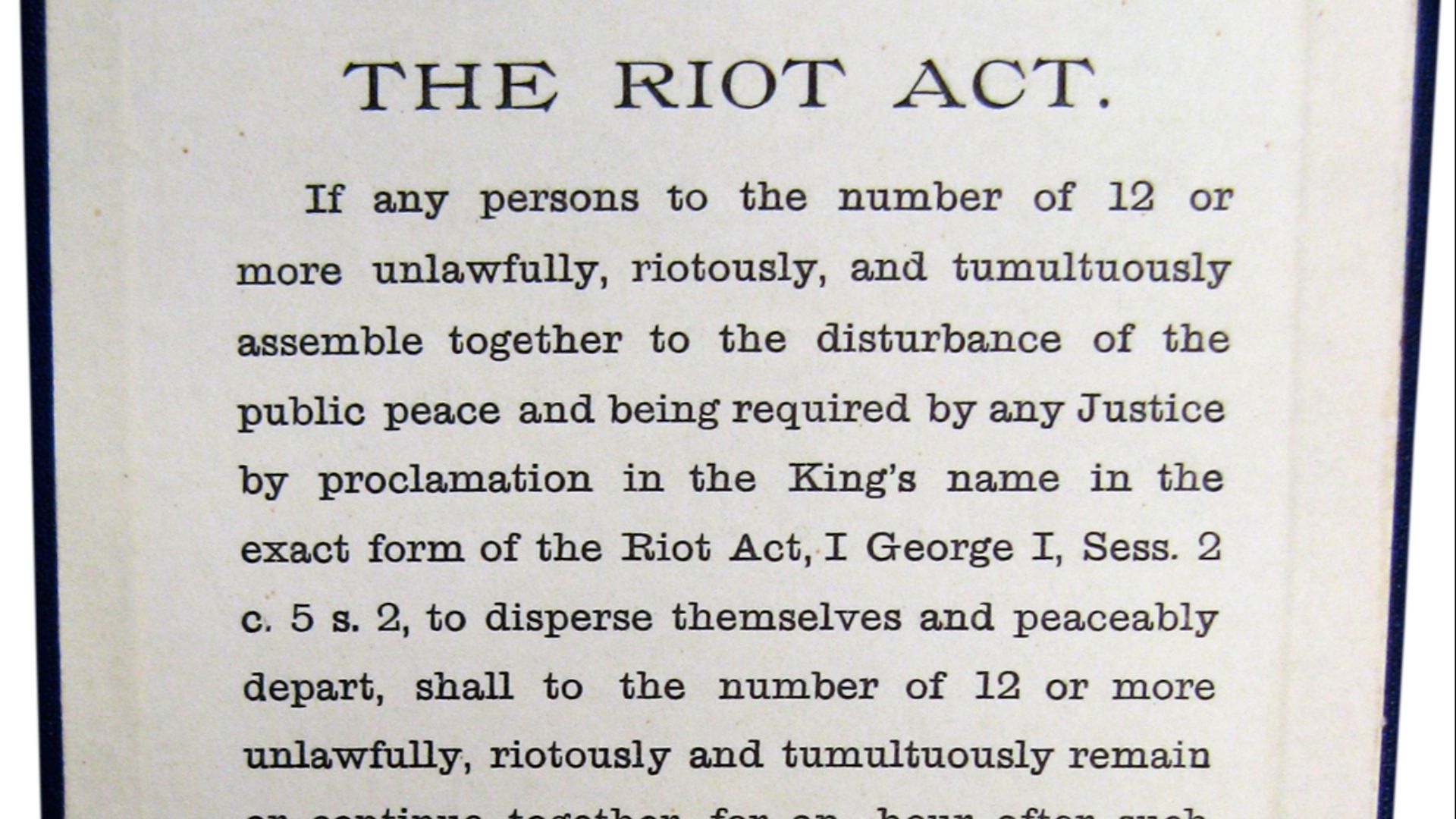
3. Read the Riot Act
Today, it means getting a serious scolding, but it began with an actual British law. The Riot Act had to be read aloud to a crowd before authorities could treat the gathering as illegal, which makes the modern office version feel a little less dramatic.
4. Pull Out All the Stops
This phrase comes from pipe organs, not motivational posters. Pulling out the stops allows more air and sound through the instrument, so “pulling out all the stops” originally meant making the biggest, loudest effort possible.

5. Red Herring
A red herring was a strongly smoked fish, and its powerful smell gave the phrase its strange afterlife. The figurative meaning was popularized through a story about dragging the fish across a trail to distract hunting dogs, though that story itself has become part of the confusion.
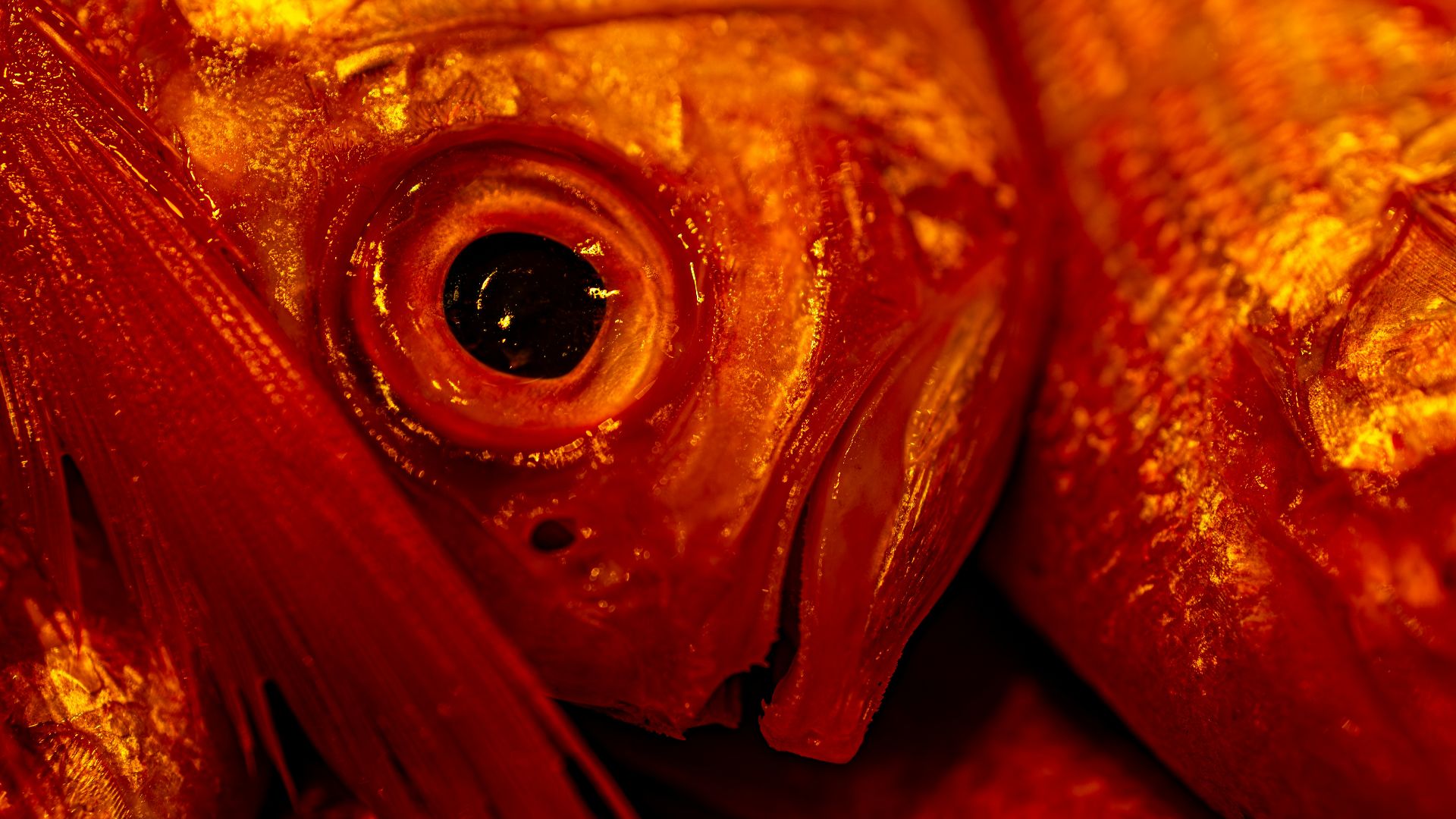 Shanjir H | Photo4life AU on Unsplash
6. Run Amok
“Amok” comes from Southeast Asian usage describing a sudden, violent frenzy. Now we use it for toddlers in grocery stores and printers that will not behave, which is quite a journey for such an intense original meaning.

7. Cut to the Chase
This one belongs to the movies. Early films often saved the exciting chase scene for the end, so cutting to the chase meant skipping the slow buildup and getting straight to the part everyone actually wanted.
 Austrian National Library on Unsplash
8. Close, But No Cigar
The phrase likely comes from old carnival games, where cigars were handed out as prizes. If you almost won but missed by a little, the barker could tell you, with perfect cruelty, “close, but no cigar.”

9. Hands Down
This comes from horse racing, where a jockey with a clear lead could relax their grip on the reins near the finish. Winning “hands down” meant winning so easily that there was no need to keep pushing.

10. Basket Case
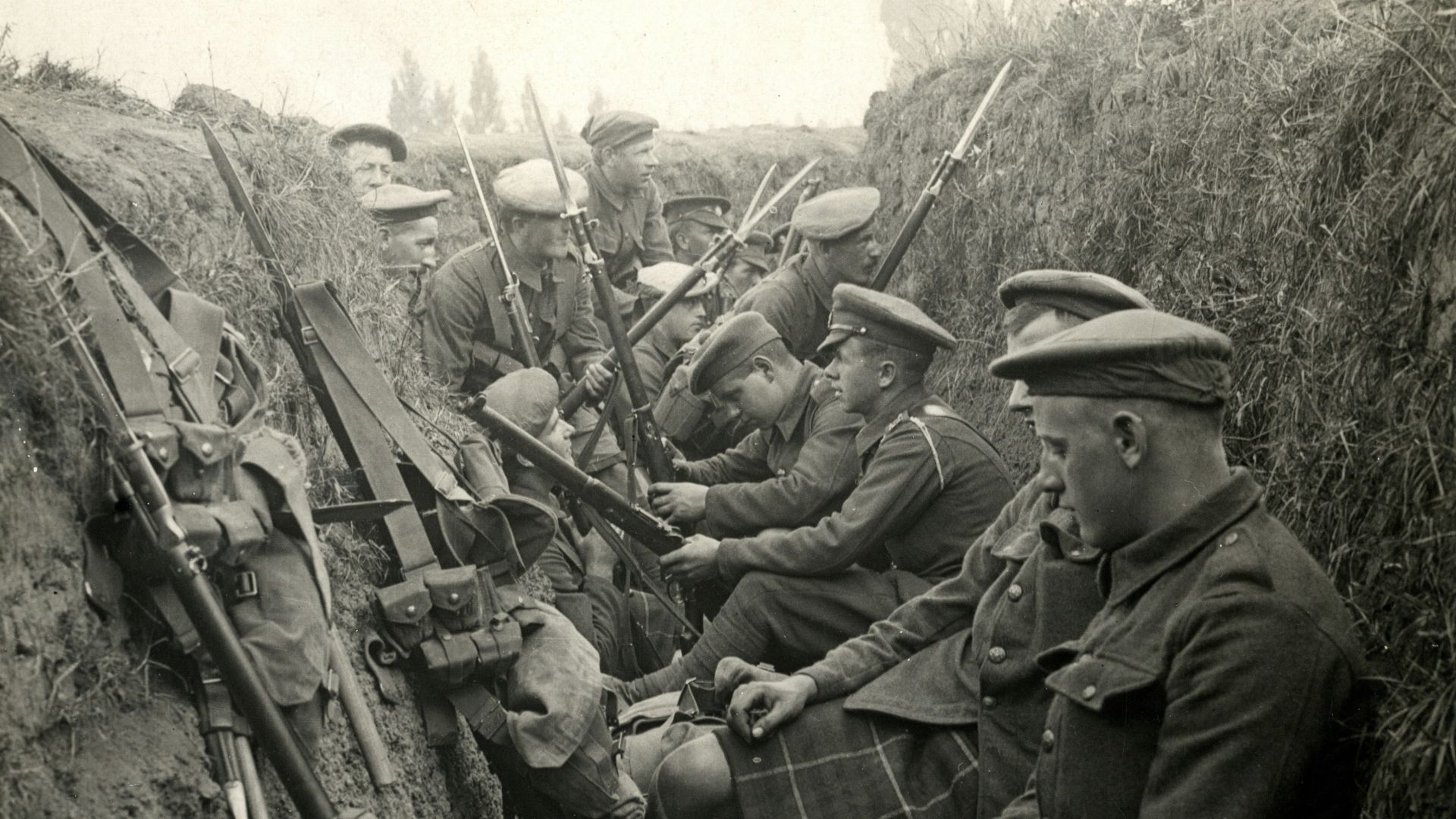
This phrase has a grim beginning. It started around World War I in rumors and reports about soldiers so badly wounded they supposedly had to be carried in baskets, though authorities denied such cases existed.
11. Crocodile Tears
People have been suspicious of crocodile emotion for a very long time. The saying comes from the old belief that crocodiles wept while eating their prey, giving us a perfect image for fake sorrow.
 Christopher Paul High on Unsplash
12. White Elephant
A “white elephant” is something costly, impressive, and useless to own. The phrase is usually traced to stories about rare pale elephants in Siam, modern Thailand, where the animals were sacred and expensive to maintain.

13. Rest on Your Laurels
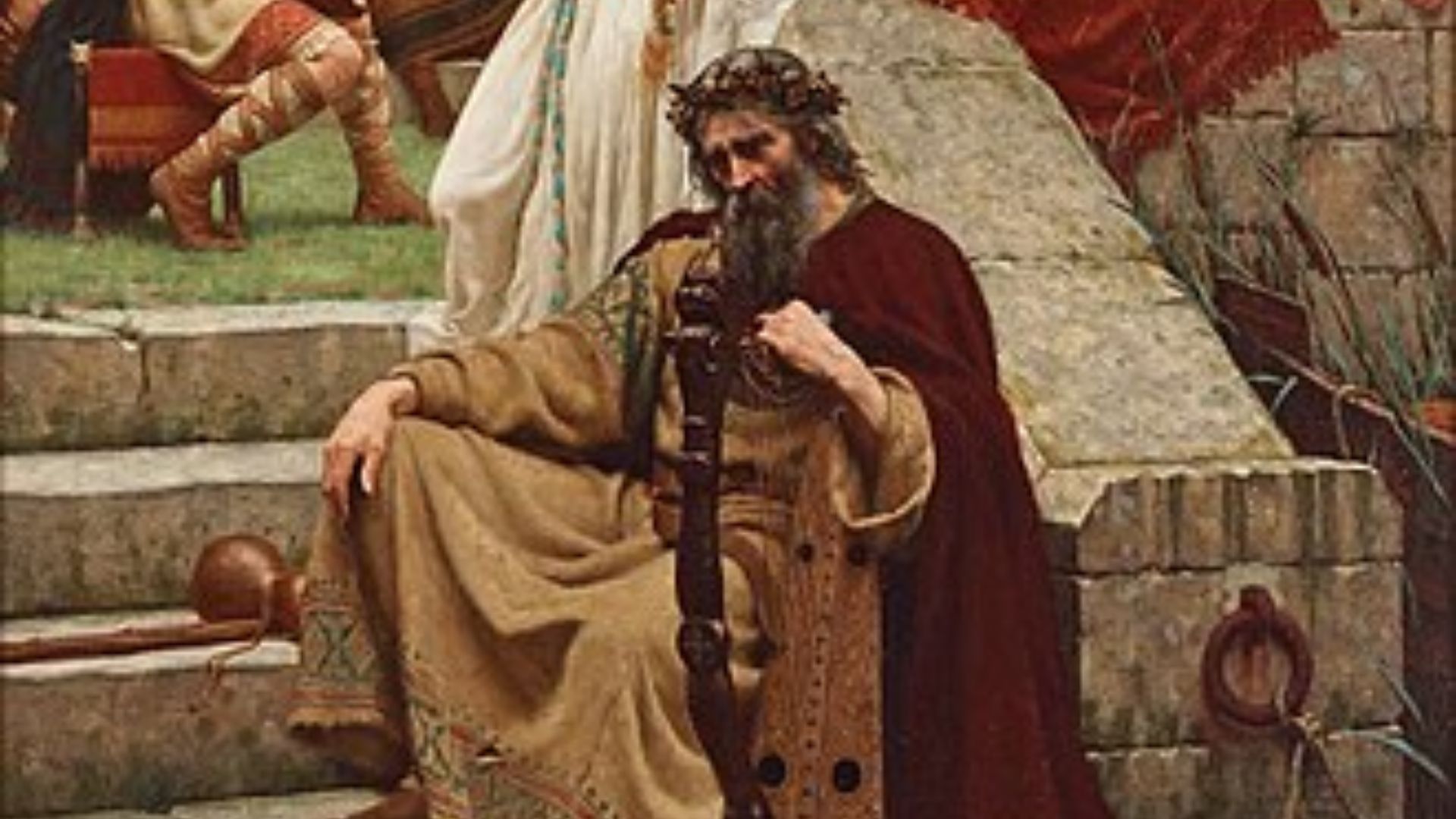
Laurel wreaths were symbols of victory in the ancient world, especially for athletes and honored figures. To “rest on your laurels” means you are lying back on yesterday’s crown instead of doing anything useful today.
 commons.wikimedia.org on Google
14. With Flying Colors
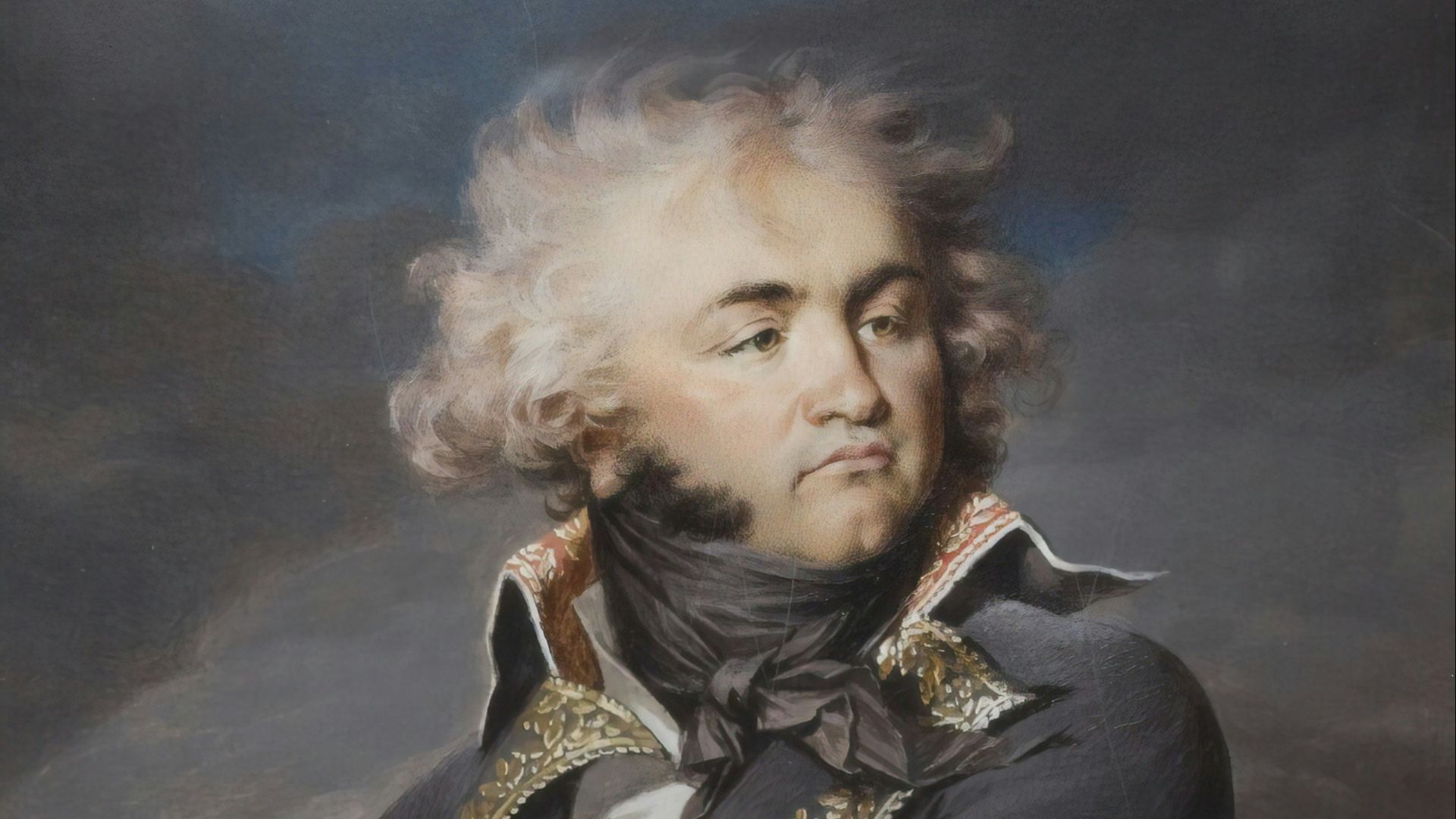
This phrase has nothing to do with bright report cards, at least not originally. “Colors” meant flags, and leaving battle or returning in victory with colors flying was a visible sign that things had gone well.

15. Turn a Blind Eye
The famous story points to Admiral Horatio Nelson, who was blind in one eye and supposedly raised a telescope to that eye so he could ignore a signal to withdraw. The phrase existed before him, but the Nelson story gave it the kind of memorable scene language loves.
16. Deadline
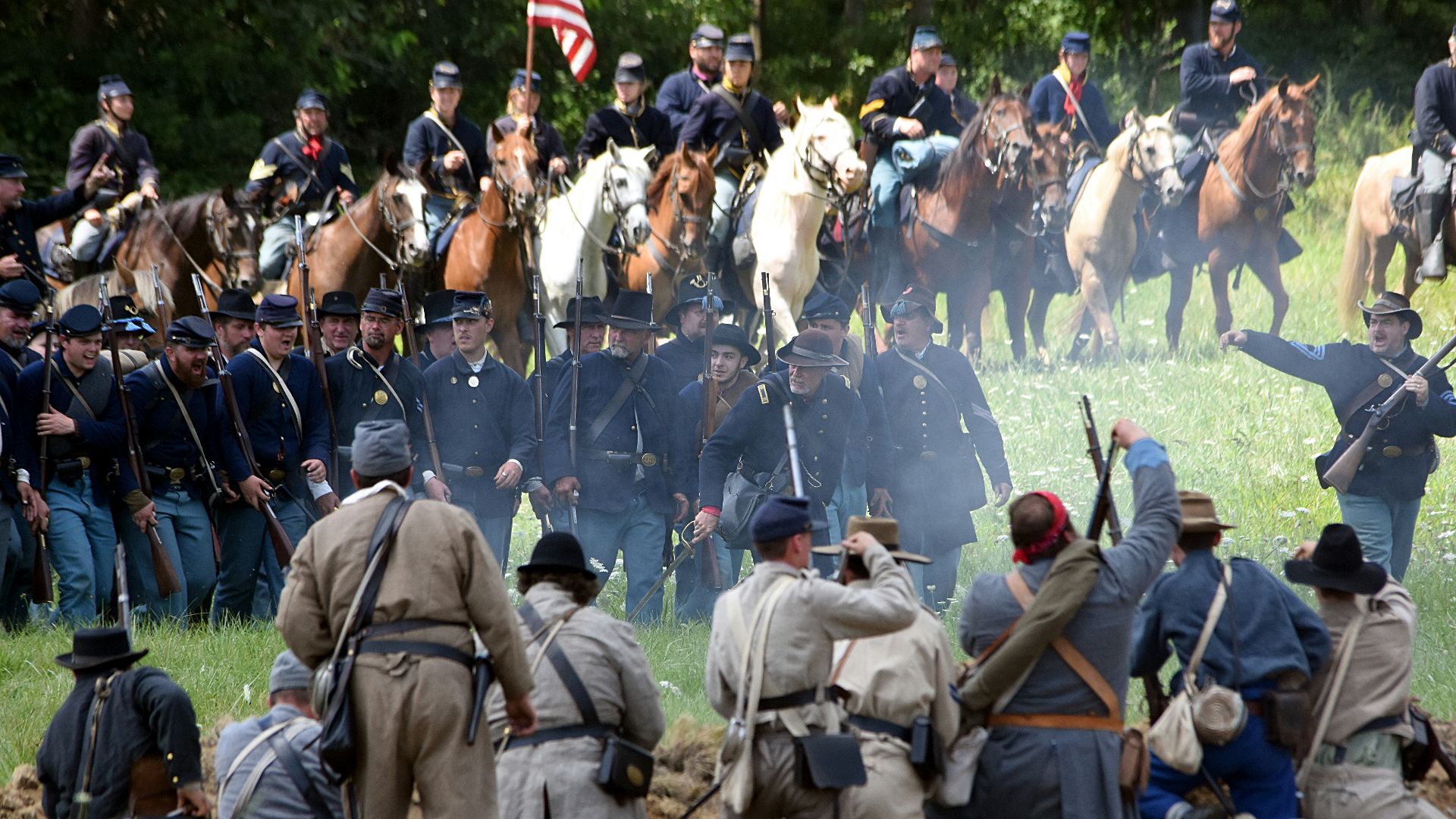
A deadline used to be much more literal than a due date on a calendar. During the American Civil War, the word was associated with prison boundaries that prisoners crossed at the risk of being shot.
17. Baker’s Dozen
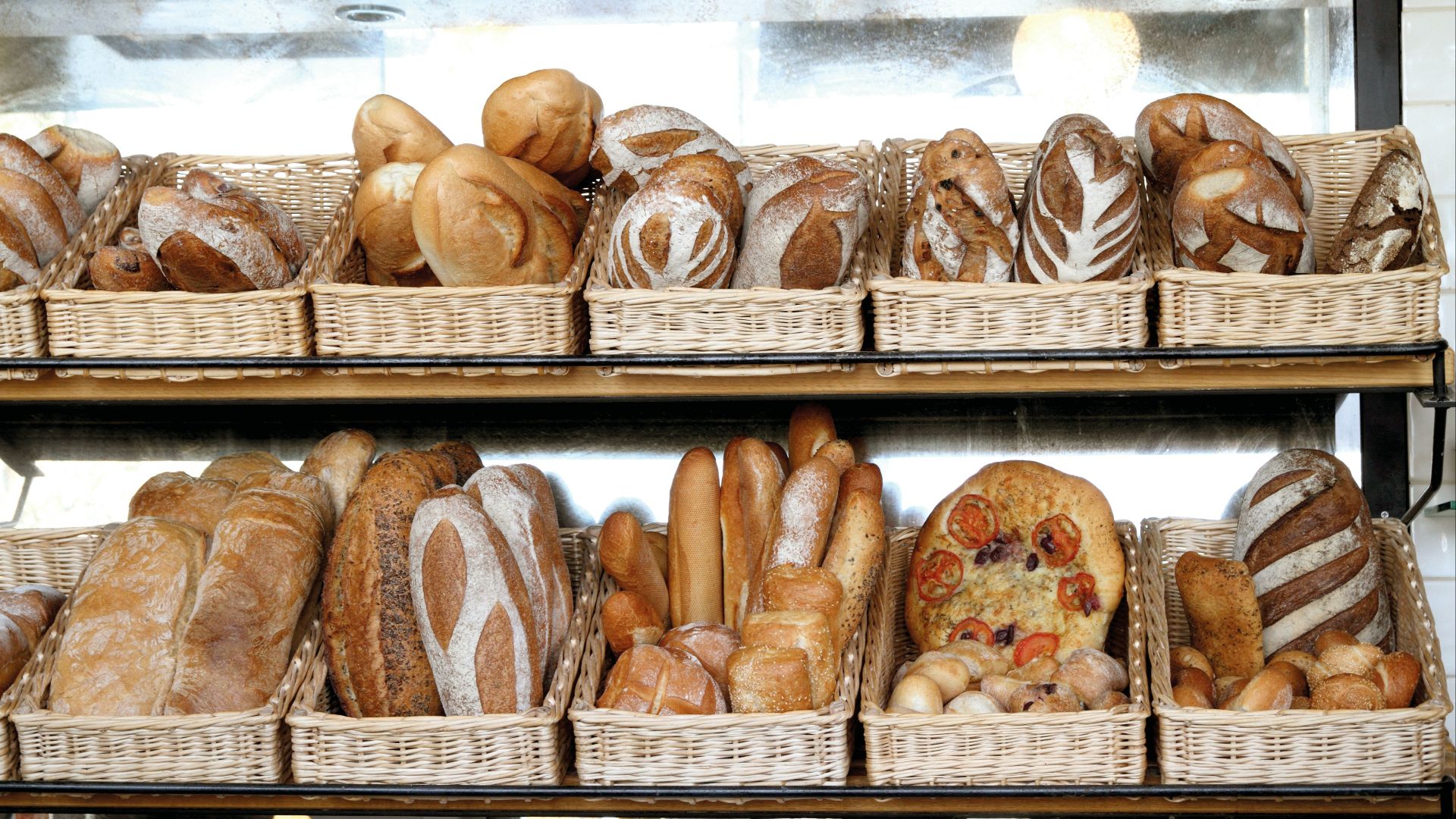
A baker’s dozen means 13 because bread sellers had a strong reason to be generous. Medieval bakers could be punished for selling underweight loaves, so adding an extra one helped keep customers satisfied and penalties away.
18. Caught Red-Handed
This saying started much closer to the blood than the cookie jar. Early uses referred to someone caught with literal blood on their hands, especially in connection with crimes like murder or poaching.

19. Long in the Tooth
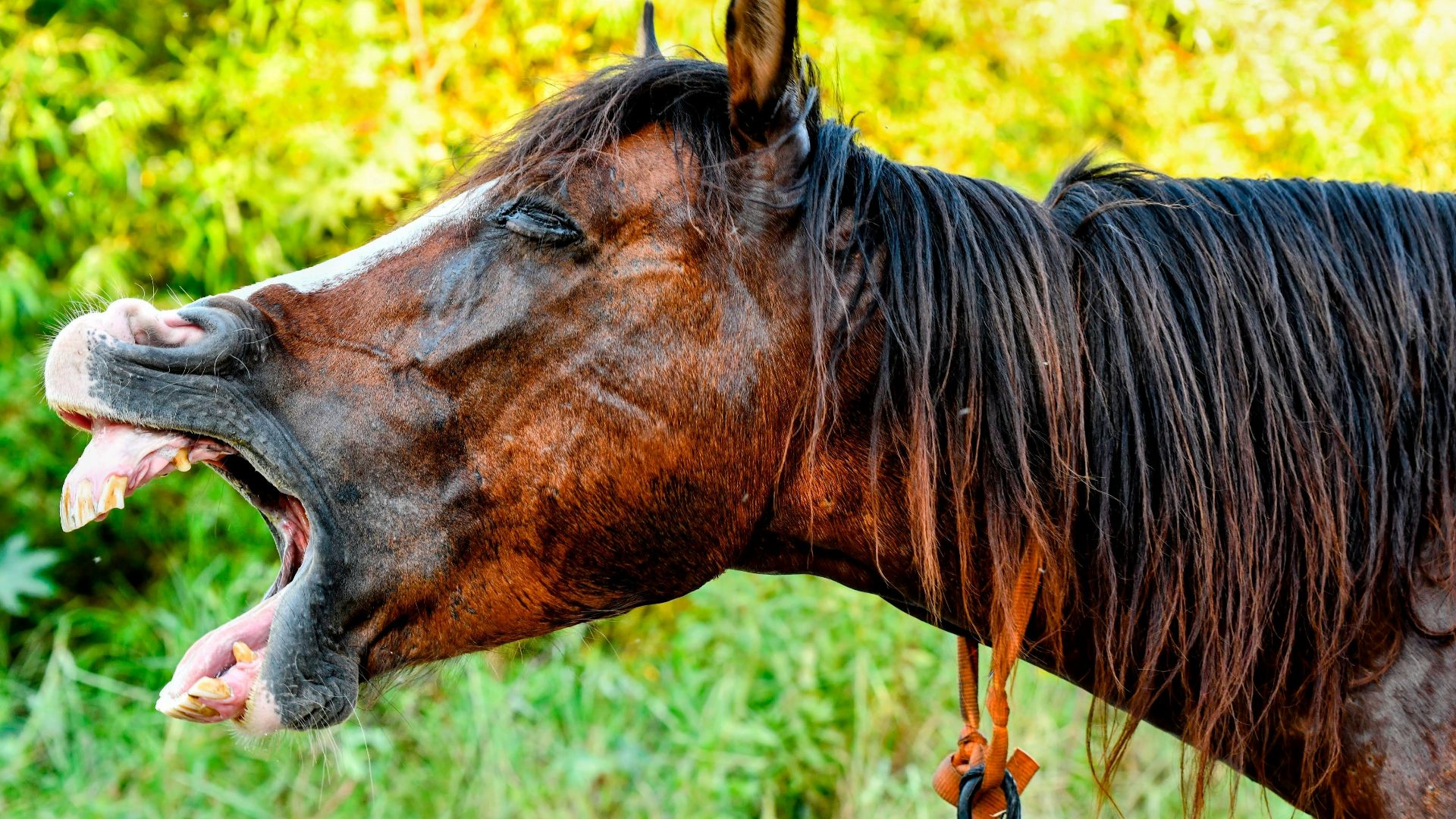
This comes from judging the age of horses. As horses get older, their gums recede and their teeth appear longer, so calling someone “long in the tooth” is basically borrowing stable gossip.
20. Flash in the Pan
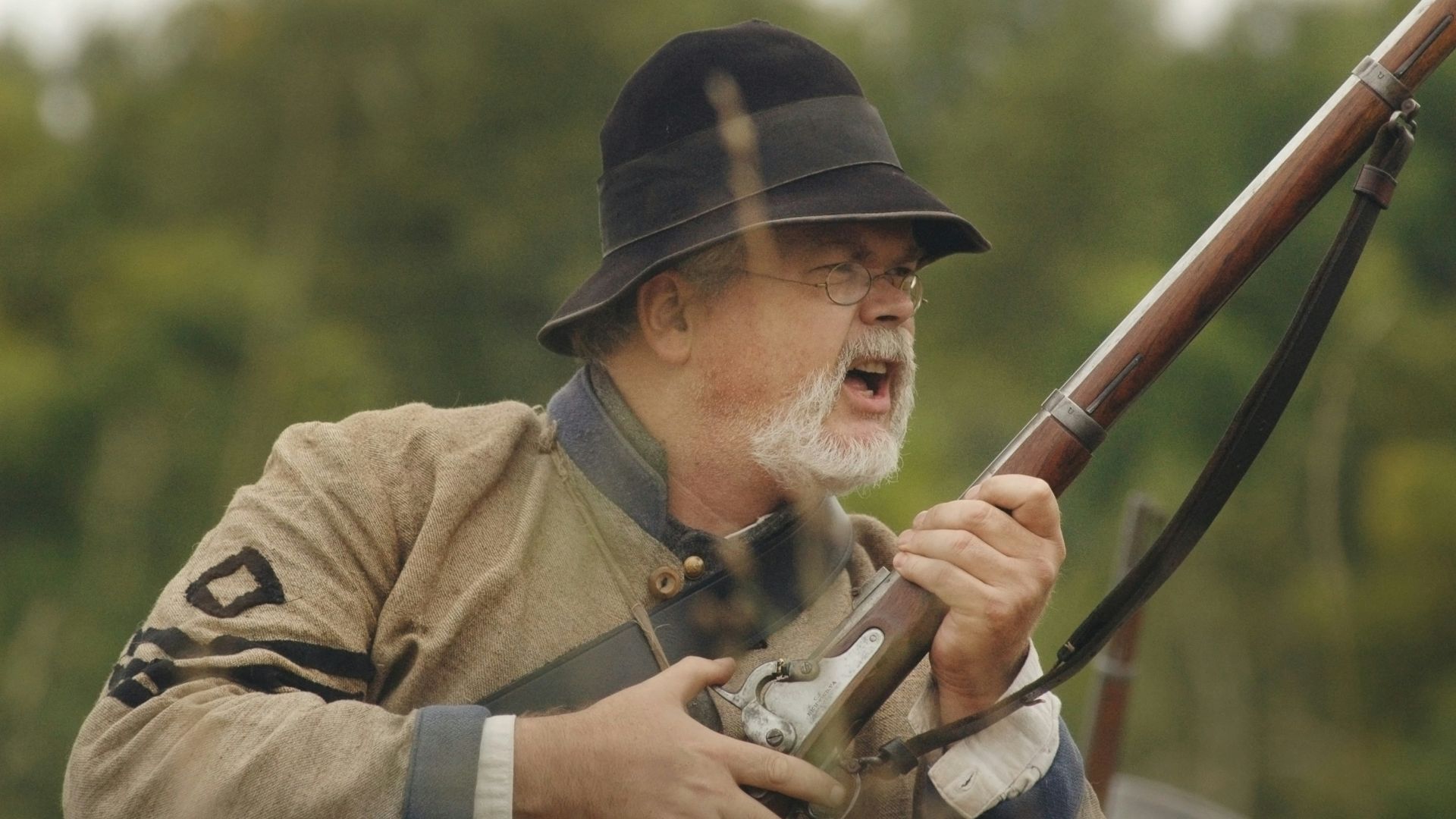
This phrase comes from old firearms, where powder could flare in the priming pan without actually firing the weapon. It looked dramatic for a second, then produced nothing, which is still exactly how we use the phrase now.

KEEP ON READING
The 20 Most Recognized Historical Figures Of All Time
The Biggest Names In History. Although the Earth has been…
By Cathy Liu Oct 4, 2024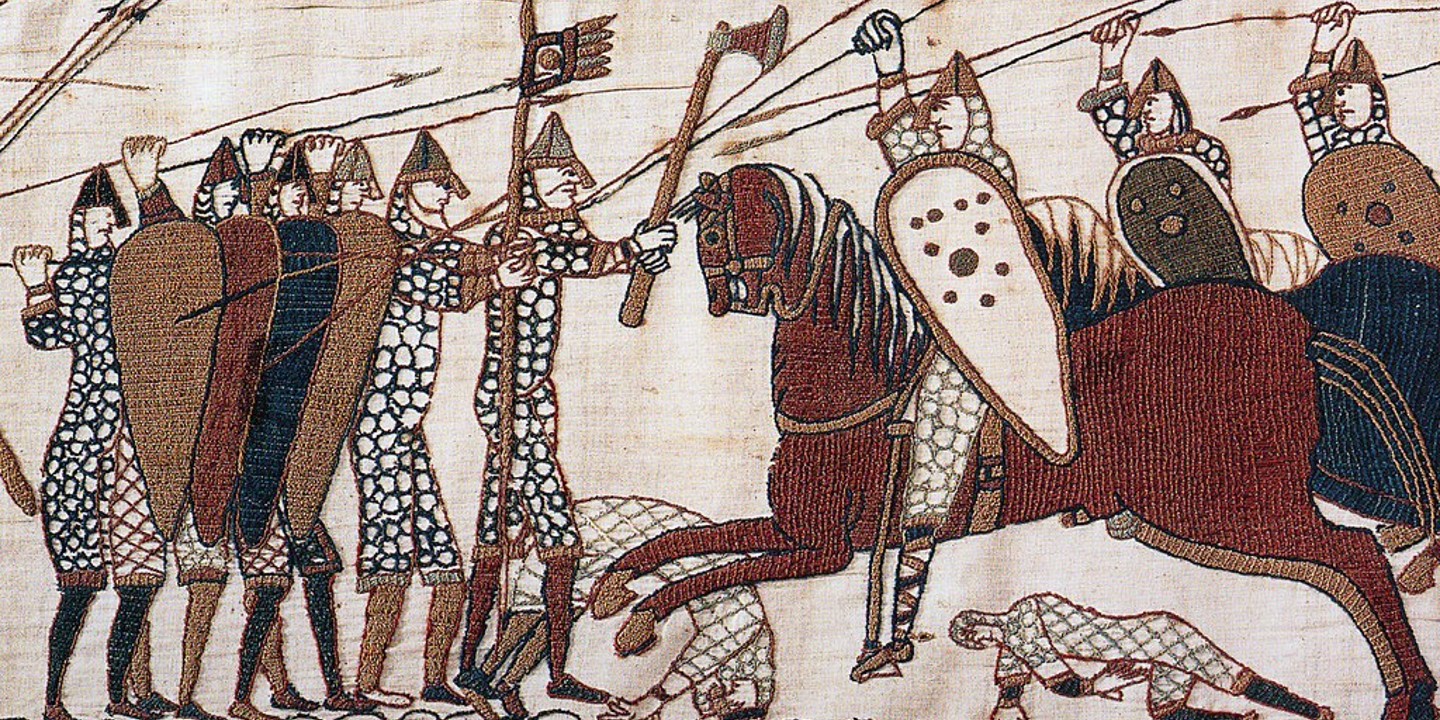
10 of the Shortest Wars in History & 10 of…
Wars: Longest and Shortest. Throughout history, wars have varied dramatically…
By Emilie Richardson-Dupuis Oct 7, 2024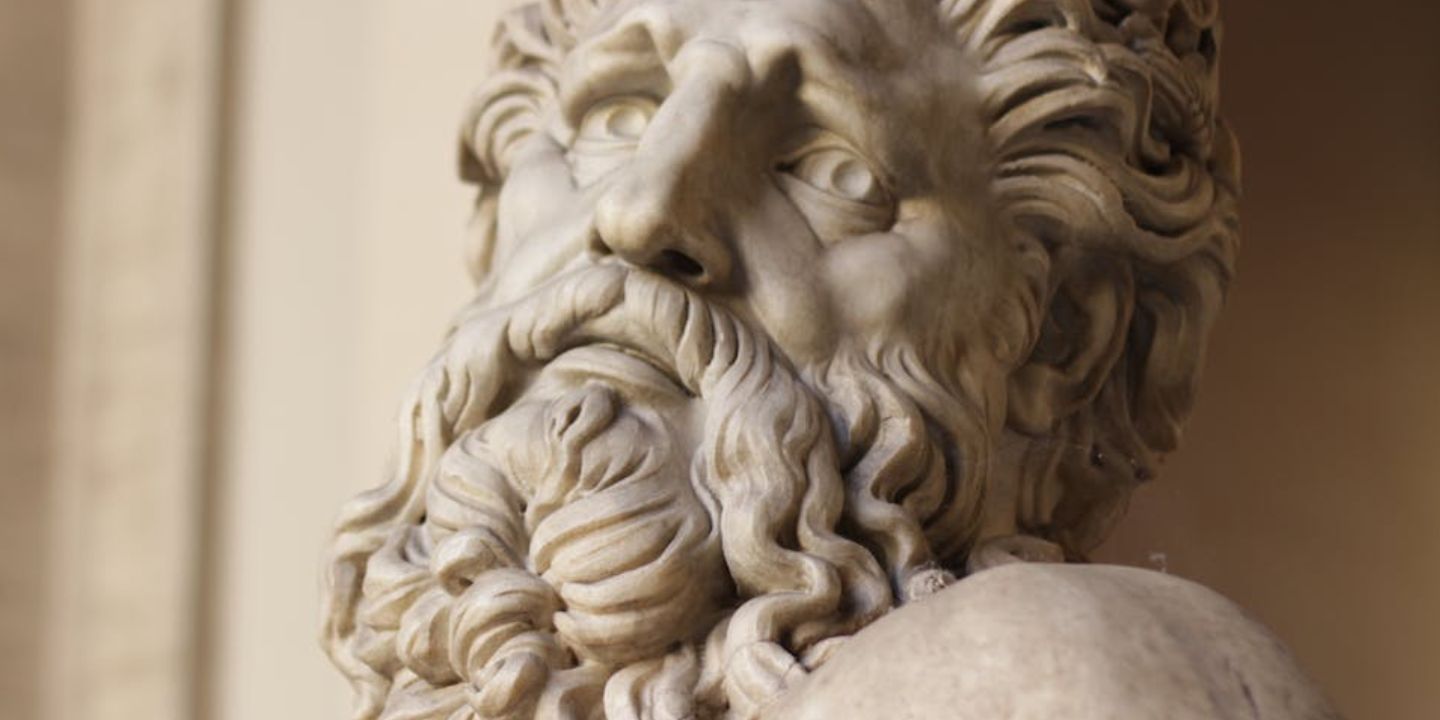
10 Fascinating Facts About Ancient Greece You Can Appreciate &…
Once Upon A Time Lived Some Ancient Weirdos.... Greece is…
By Megan Wickens Oct 7, 2024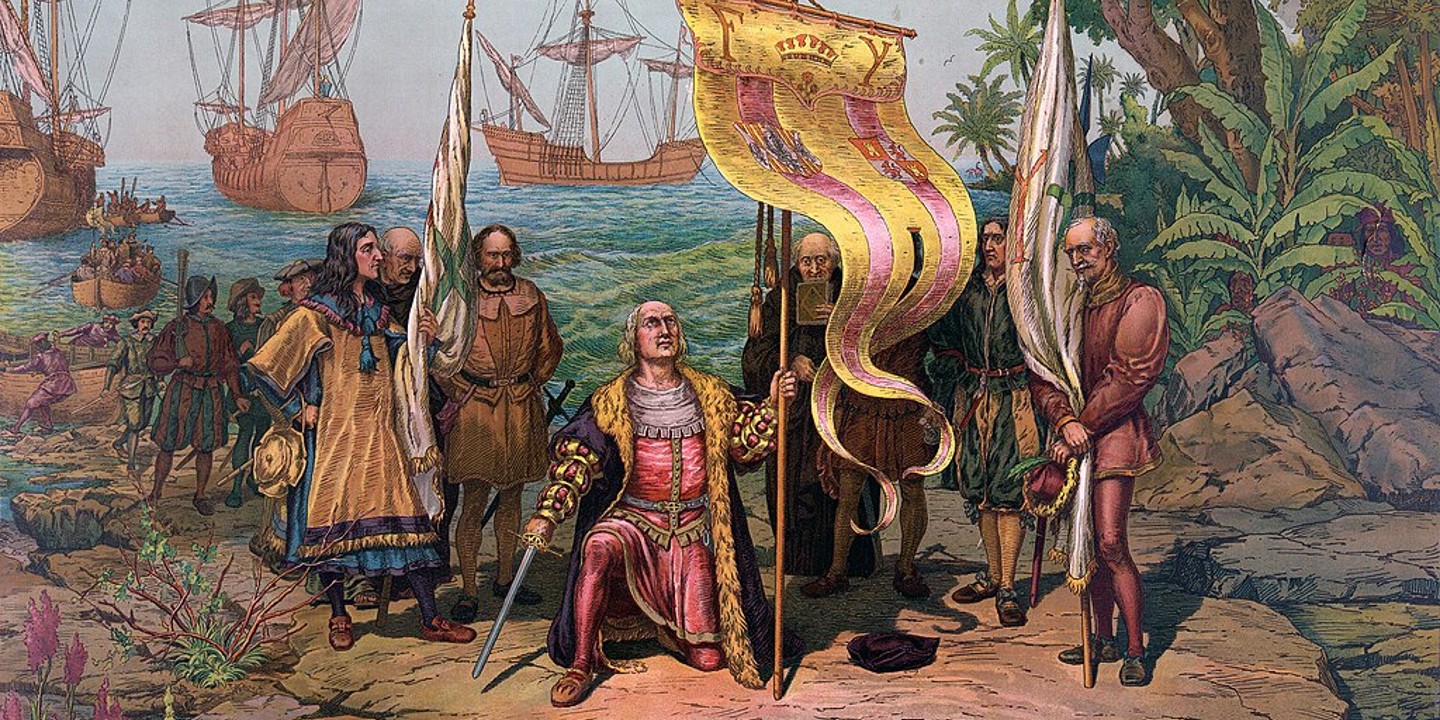
20 Lesser-Known Facts About Christopher Columbus You Don't Learn In…
In 1492, He Sailed The Ocean Blue. Christopher Columbus is…
By Emilie Richardson-Dupuis Oct 9, 2024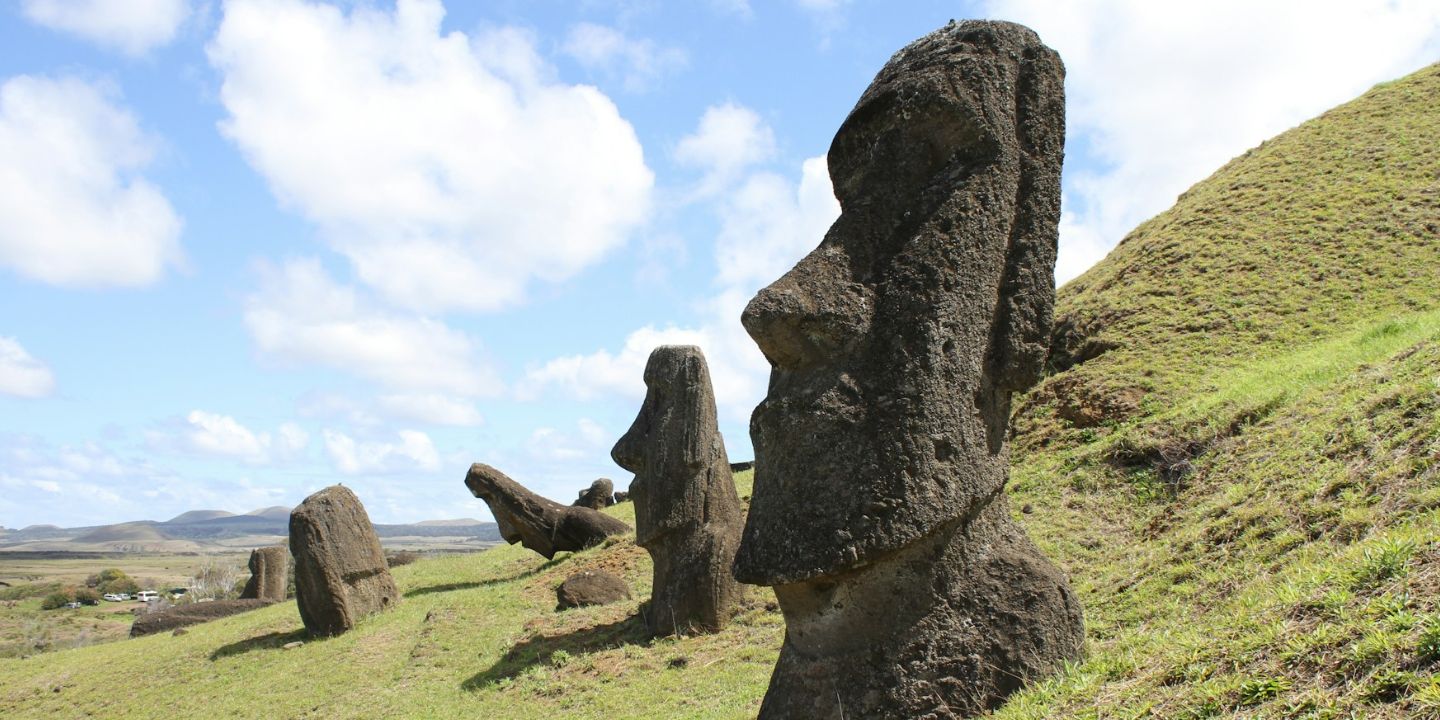
20 Historical Landmarks That Have The Craziest Conspiracy Theories
Unsolved Mysteries Of Ancient Places . When there's not enough evidence…
By Megan Wickens Oct 9, 2024
The 20 Craziest Inventions & Discoveries Made During Ancient Times
Crazy Ancient Inventions . While we're busy making big advancements in…
By Cathy Liu Oct 9, 2024