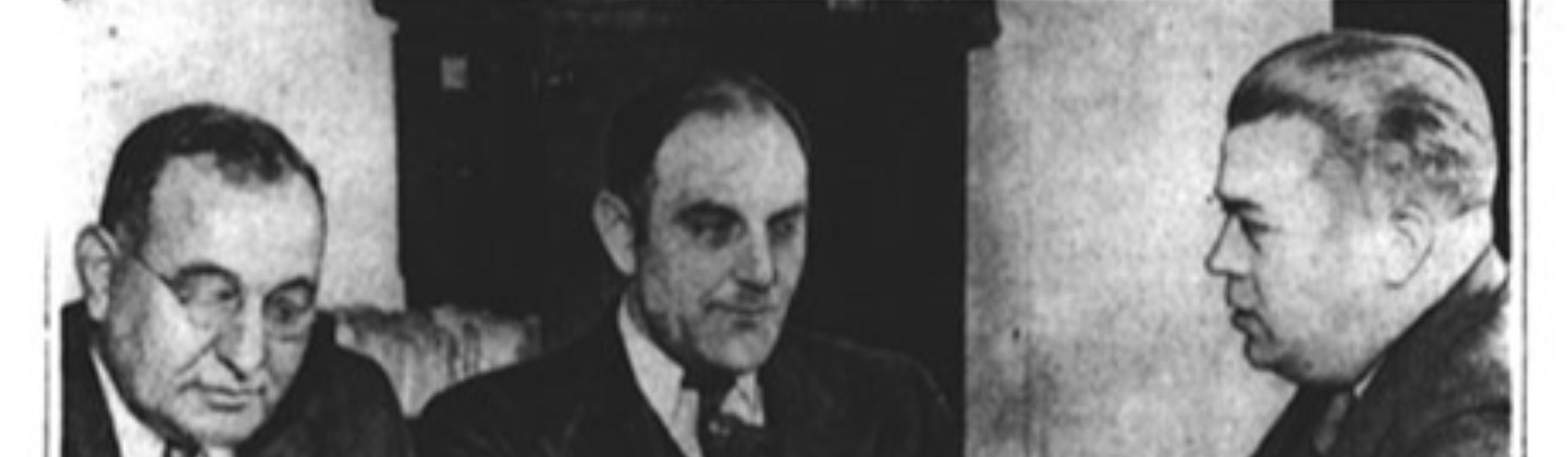
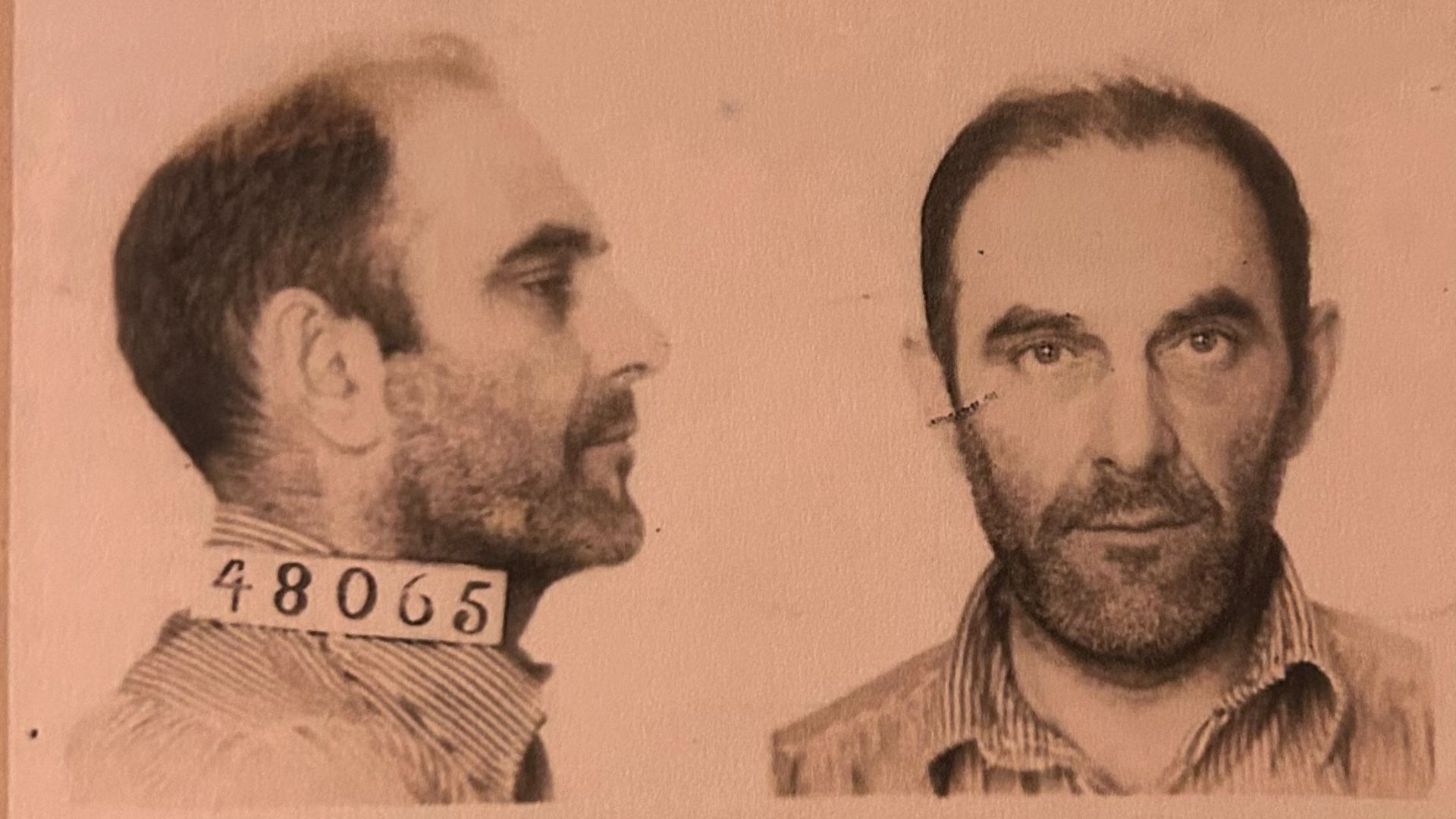
Victor Lustig was born in 1890 in Hostinné, a small town in Bohemia that was then part of the Austro-Hungarian Empire. By the time he arrived in Paris in the spring of 1925, he spoke five languages fluently, carried an aristocratic bearing polished over decades of working crowds on transatlantic ocean liners, and had a criminal record that stretched across Europe and the United States. He was, by most accounts, the most accomplished con artist of the twentieth century. What he pulled off in Paris that spring remains one of the most audacious frauds in recorded history.
He had read a newspaper article noting that the Eiffel Tower, originally built as a temporary structure for the 1889 Exposition Universelle, had become an expensive maintenance burden for the French government. The tower had already outlasted its intended lifespan by decades. Lustig read that article and immediately saw an angle. What followed is a case study in how the best cons are assembled not from lies, but from inconveniently real circumstances.
A Scam Built on Real Anxiety
The Eiffel Tower had been controversial from the moment Gustave Eiffel proposed it. A group of prominent intellectuals and artists, including Guy de Maupassant and Charles Gounod, had signed a formal petition against its construction, calling it an eyesore. When the tower was completed, the plan was to dismantle it after twenty years. By 1925, it had been standing for thirty-six years and was expensive to maintain. The cultural anxiety around its fate was genuine, and Lustig understood that a durable con is built on something real rather than something invented wholesale.
He posed as the Deputy Director General of the Ministry of Posts and Telegraphs, using forged government stationery to invite six scrap metal dealers to a confidential meeting at the Hotel de Crillon, one of the most prestigious hotels in Paris. The choice of venue was deliberate. The setting communicated authority before Lustig said a single word, and it filtered out anyone too suspicious to walk through those doors in the first place.
At the meeting, he presented the dealers with the cover story that the government had quietly decided to sell the tower for scrap metal due to ongoing maintenance costs, and that discretion was essential to prevent public backlash. He arranged tours of the tower, playing the role of an official with full access. He then asked each dealer to submit a sealed bid. By making them compete against each other, he shifted their attention from skepticism to strategy.
The Art of Choosing the Right Mark
Among the six dealers, Lustig quickly identified his target: André Poisson, a scrap merchant from the French provinces who was eager to establish himself among the Parisian commercial elite. Poisson fit the profile that a successful con requires. He had enough ambition to override his caution, enough money to make the transaction worth pursuing, and enough social insecurity to want the deal to be real.
Poisson had doubts, and he brought those doubts directly to Lustig, which is what most marks do when something doesn't feel entirely right. Lustig's response was elegant. Rather than over-defending the legitimacy of the arrangement, he leaned into Poisson's suspicions, quietly acknowledged that his government salary was inadequate for his responsibilities, and implied that a modest bribe would ease the process along. The bribe had the counterintuitive effect of making the deal feel more credible. Institutional corruption was a known feature of how some official transactions got done, and Lustig had just shown Poisson how the machine actually worked.
Poisson paid a sum that historians and journalists have reported as somewhere between 70,000 and 250,000 francs, along with the bribe. Lustig left for Vienna immediately after the transaction closed. Poisson, too embarrassed to admit he had been deceived at that scale, never went to the police. That silence was what allowed Lustig to return to Paris just six months later and attempt the exact same scheme with a new set of dealers.
The Return, the Capture, and the Paper Trail
The second attempt followed the original script almost identically: the government impersonation, the Hotel de Crillon meeting, the confidential framing, the cultivation of a likely target. This time, the mark contacted the police before any transaction was completed. Lustig fled Paris and was not immediately apprehended. Remarkably, the Eiffel Tower scheme never resulted in a formal prosecution of any kind.
What eventually caught him was counterfeiting. The U.S. Secret Service had been tracking Lustig's activities for years before his arrest in New York in 1935. He was convicted of distributing counterfeit currency and sentenced to twenty years in Alcatraz Federal Penitentiary. He died on March 11, 1947, at the U.S. Medical Center for Federal Prisoners in Springfield, Missouri, of pneumonia. He had operated under at least forty-seven documented aliases.
The Eiffel Tower cons represent two entries among hundreds in a career organized entirely around exploiting trust. What you take from the story isn't really about audacity or nerve. It's about how thoroughly Lustig understood that people are easier to deceive when you give them something credible to believe in first, and how the most devastating frauds don't invent a reality so much as they borrow one.