From Sacred Cloths to Mystery Skulls, These Famous Finds Weren’t What People Claimed
Newfound relics tend to capture the attention of the public. A scrap of cloth, a carved stone, a bone box, or a strange old map can suddenly feel like the missing piece of a much larger story. For centuries, objects like these inspired pilgrimages, arguments, and museum displays, before modern testing caused their story to come crashing down. Here are 20 famous relics that promised to rewrite history before the truth caught up with them.
 Gary Todd from Xinzheng, China on Wikimedia
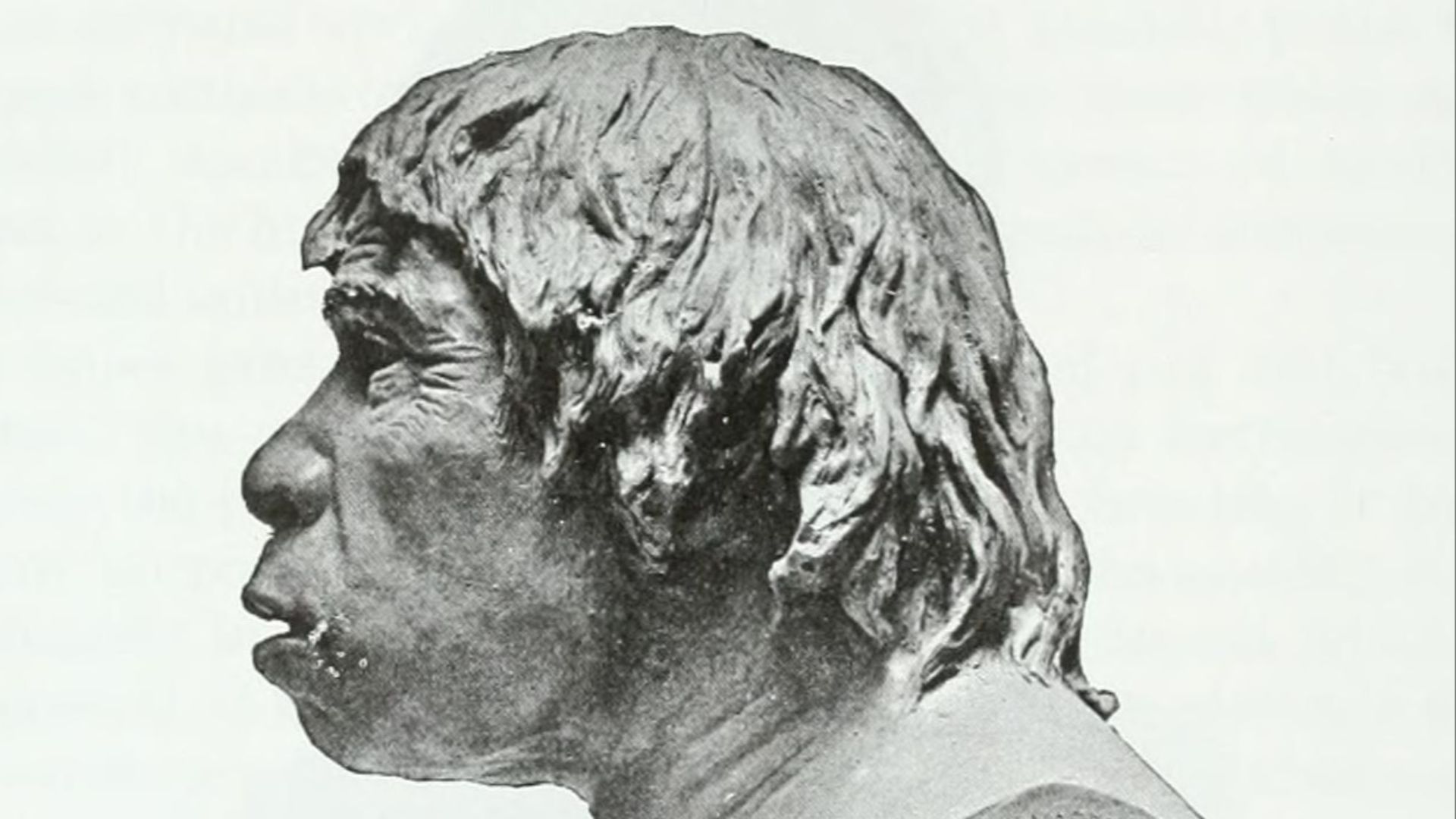
1. Piltdown Man
Piltdown Man surfaced in 1912 in East Sussex. It was presented as a Pleistocene “missing link” between humans and apes. For more than 40 years, the skull fragments shaped debates about human evolution. In 1953, fluorine testing and anatomical study showed the find was a human cranium paired with an orangutan jaw, with its teeth filed down.
 James Howard McGregor on Wikimedia
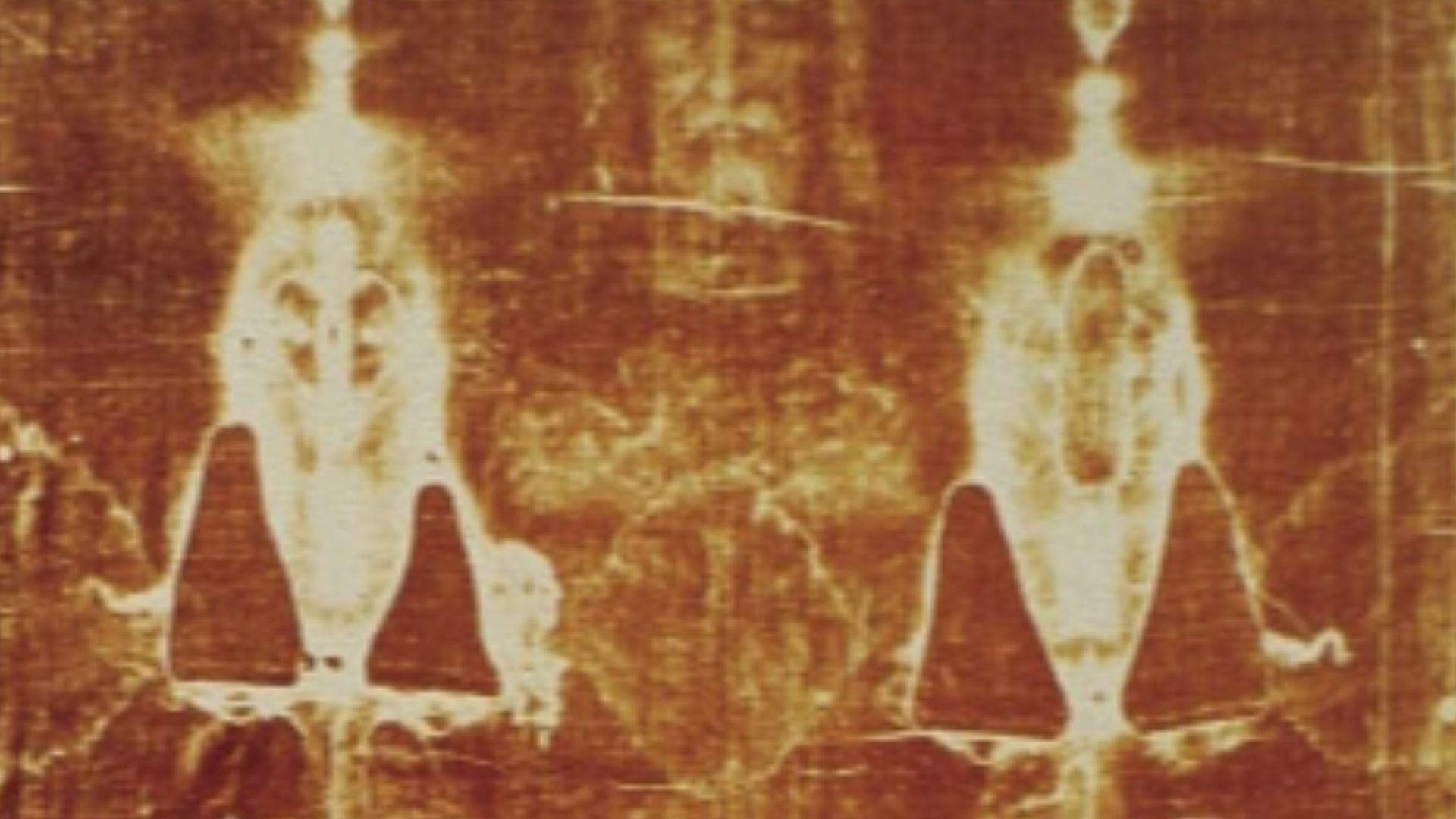
2. The Shroud of Turin
The Shroud of Turin is a linen cloth long believed by many to be the burial cloth of Jesus. Its faint image made it one of the most famous religious relics in the world. In 1988, radiocarbon testing dated the cloth to roughly 1260 to 1390, placing it in the medieval period rather than 1st-century Judea.
 forum.hammihan.com on Wikimedia
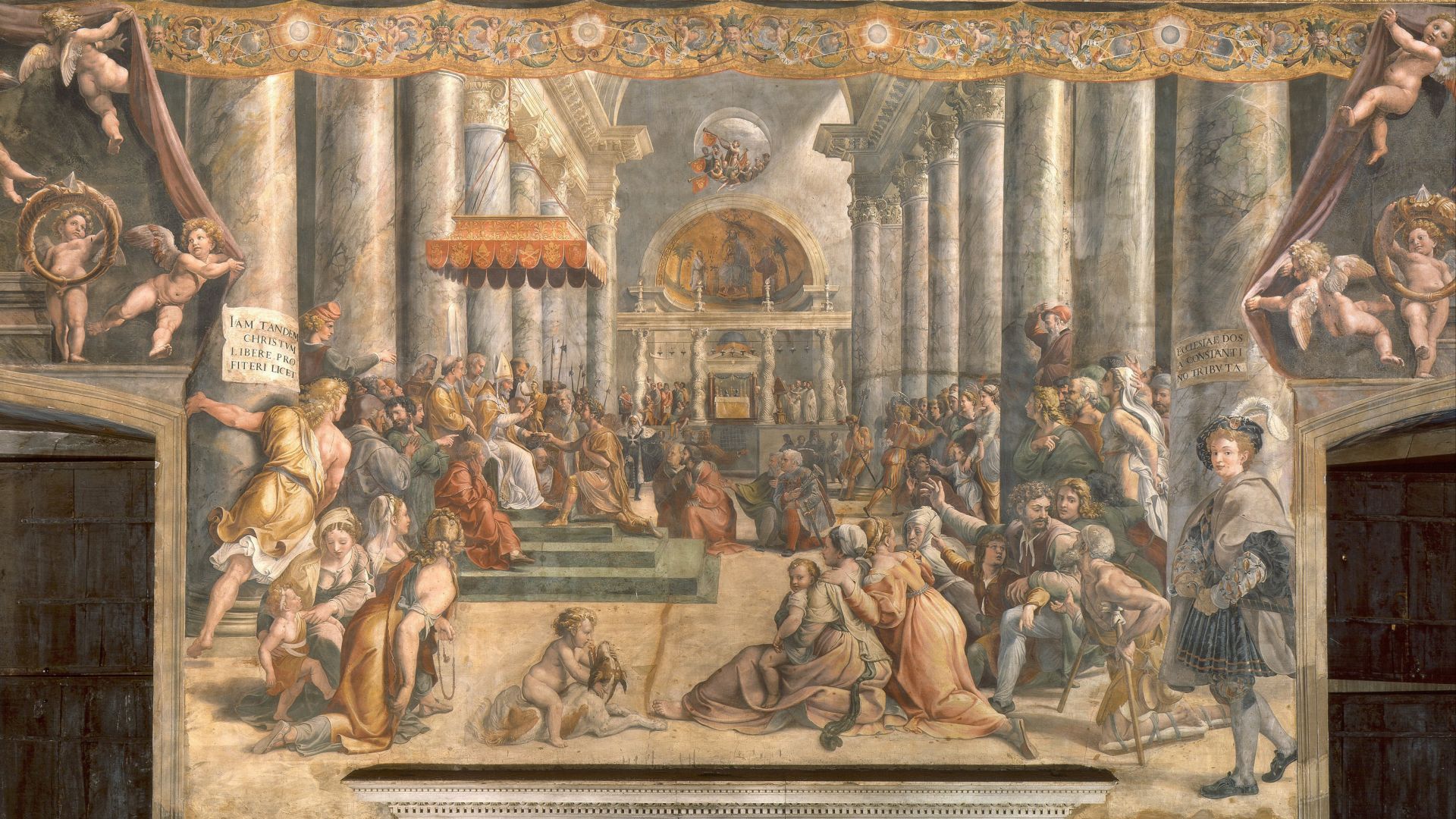
3. The Donation of Constantine
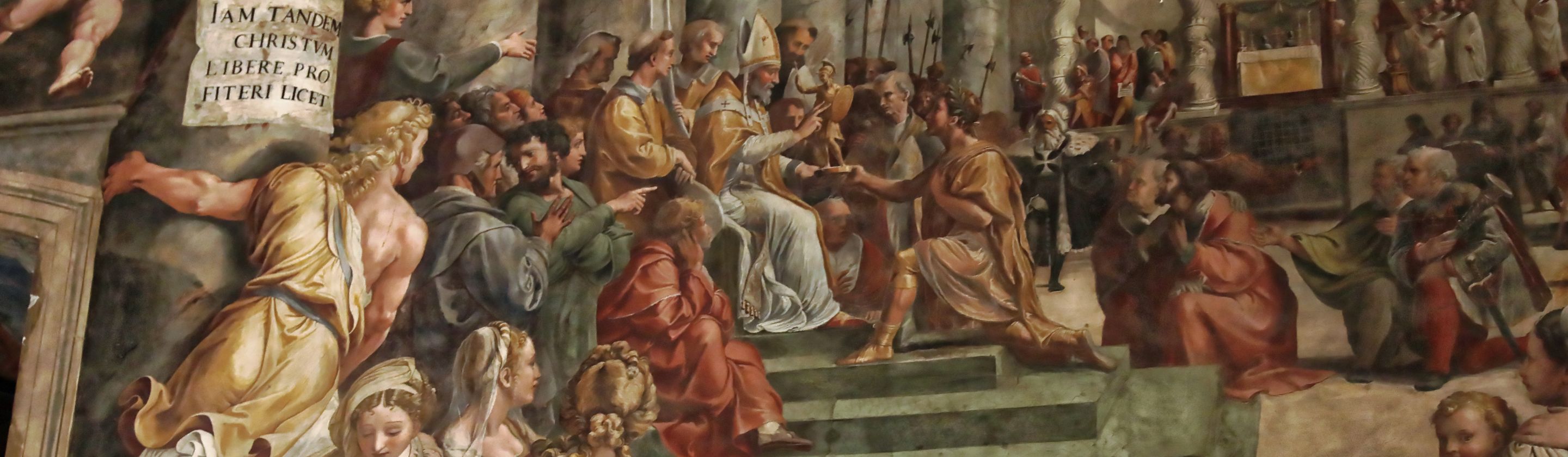
The Donation of Constantine claimed that the 4th-century Roman emperor Constantine granted Rome and broad imperial authority to Pope Sylvester I, creating conversations about religious and political power. In the 15th century, Lorenzo Valla exposed the text through language analysis, showing that its Latin contained terms and ideas from the medieval world.
 School of Raphael on Wikimedia
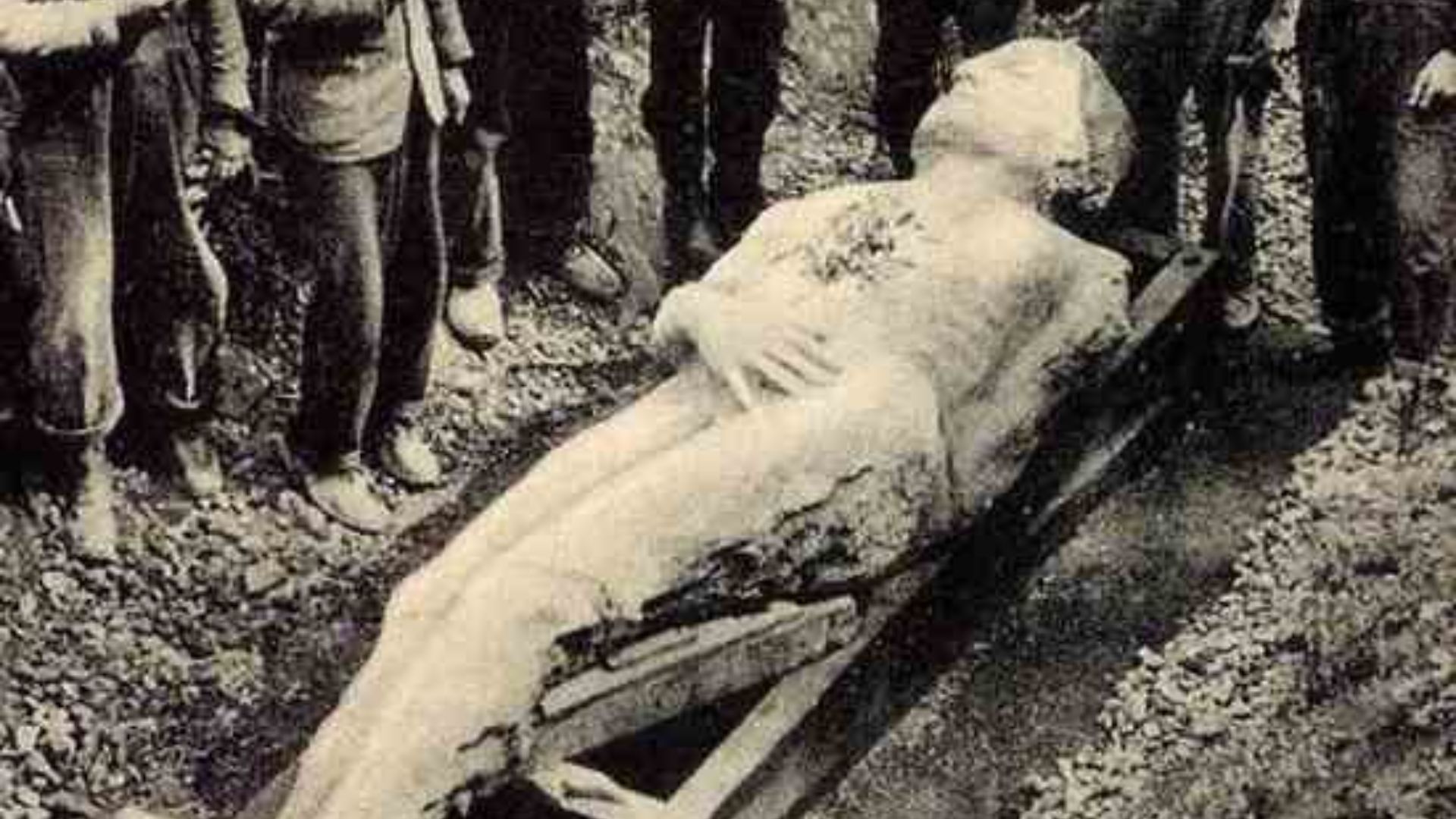
4. The Cardiff Giant
The Cardiff Giant was a 10-foot gypsum figure dug up in Cardiff, New York, in 1869. The discovery fed popular fascination with biblical giants and prehistoric mysteries, but the “giant” was soon revealed as a carved statue created by George Hull. He buried the statue for this “discovery” in an attempt to mock biblical literalism.
 Unknown authorUnknown author on Wikimedia
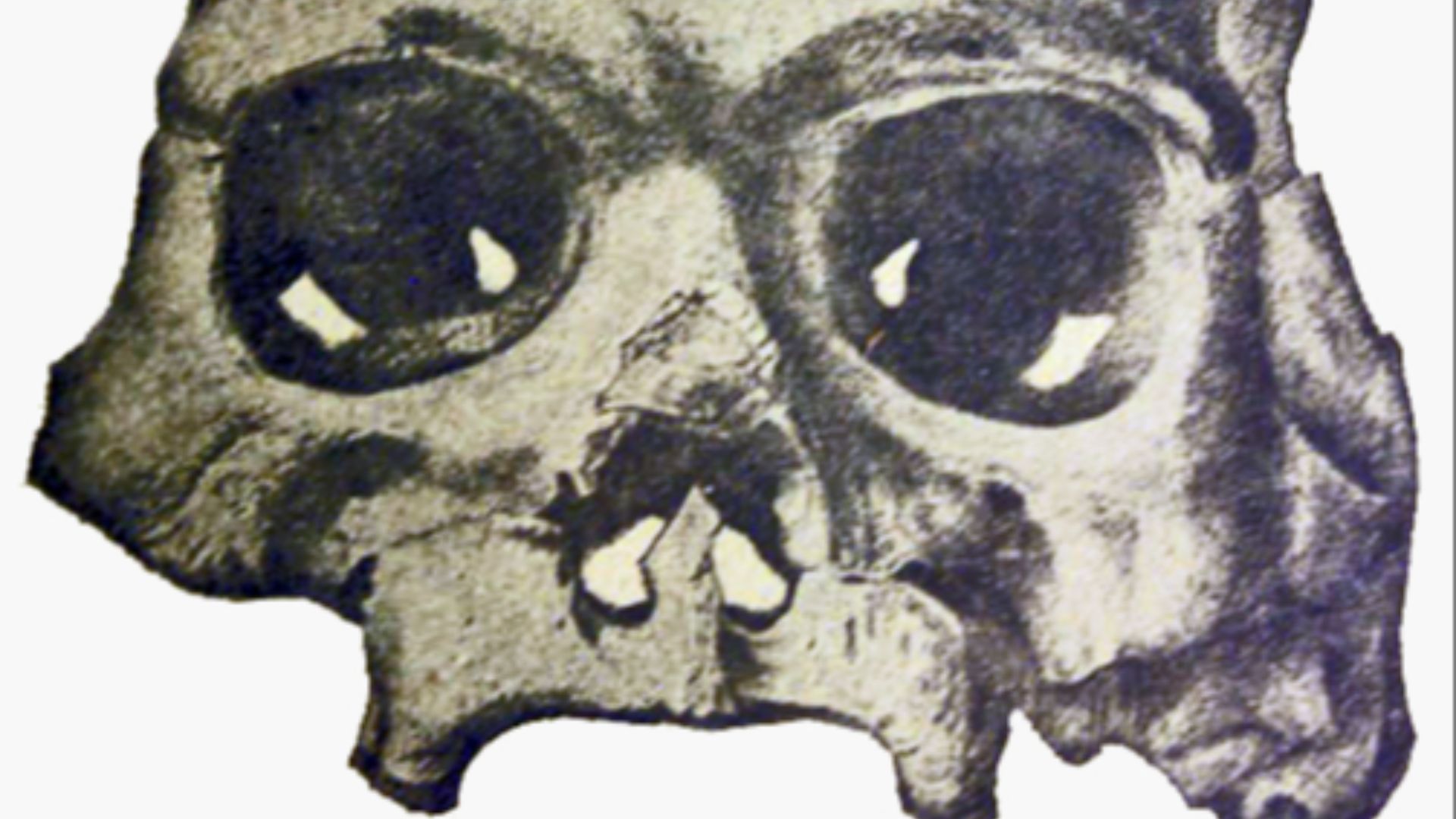
5. The Calaveras Skull
The Calaveras Skull was found in a mine shaft in 1866 in Calaveras County, California. Said to prove humans had lived in North America during the Pliocene era, this discovery pushed human history on the continent back by a few million years. Modern dating showed the skull was far too recent for the claim and had likely been planted as a prank.
 William Henry Holmes on Wikimedia
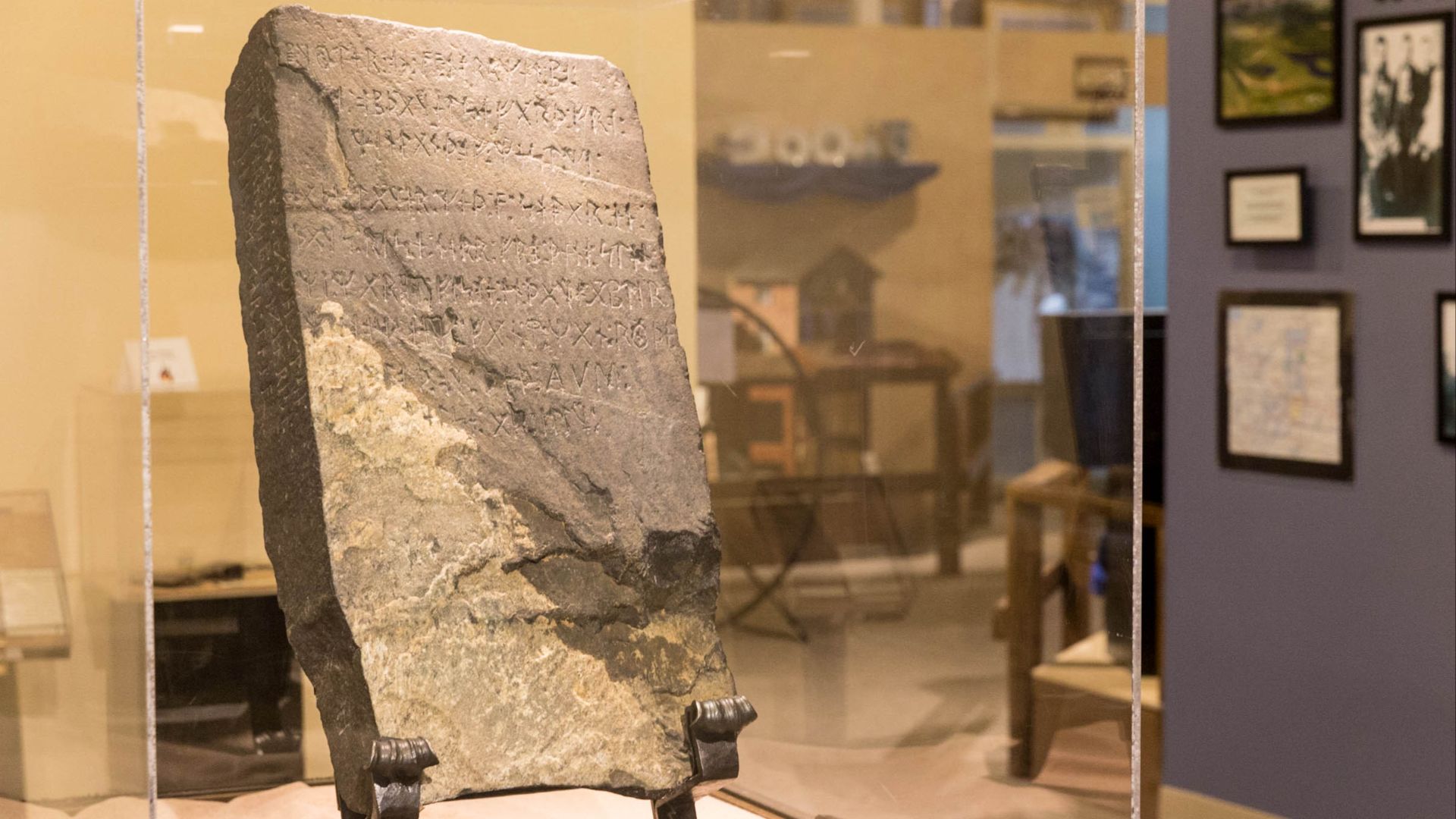
6. The Kensington Runestone
Found in Minnesota in 1898, the Kensington Runestone claimed to record a Scandinavian expedition from 1362. If real, it would have been striking evidence of medieval Norse travel deep into North America. Most scholars rejected it as a modern forgery because of linguistic problems, unusual runes, and the too-modern language used on the stone itself.
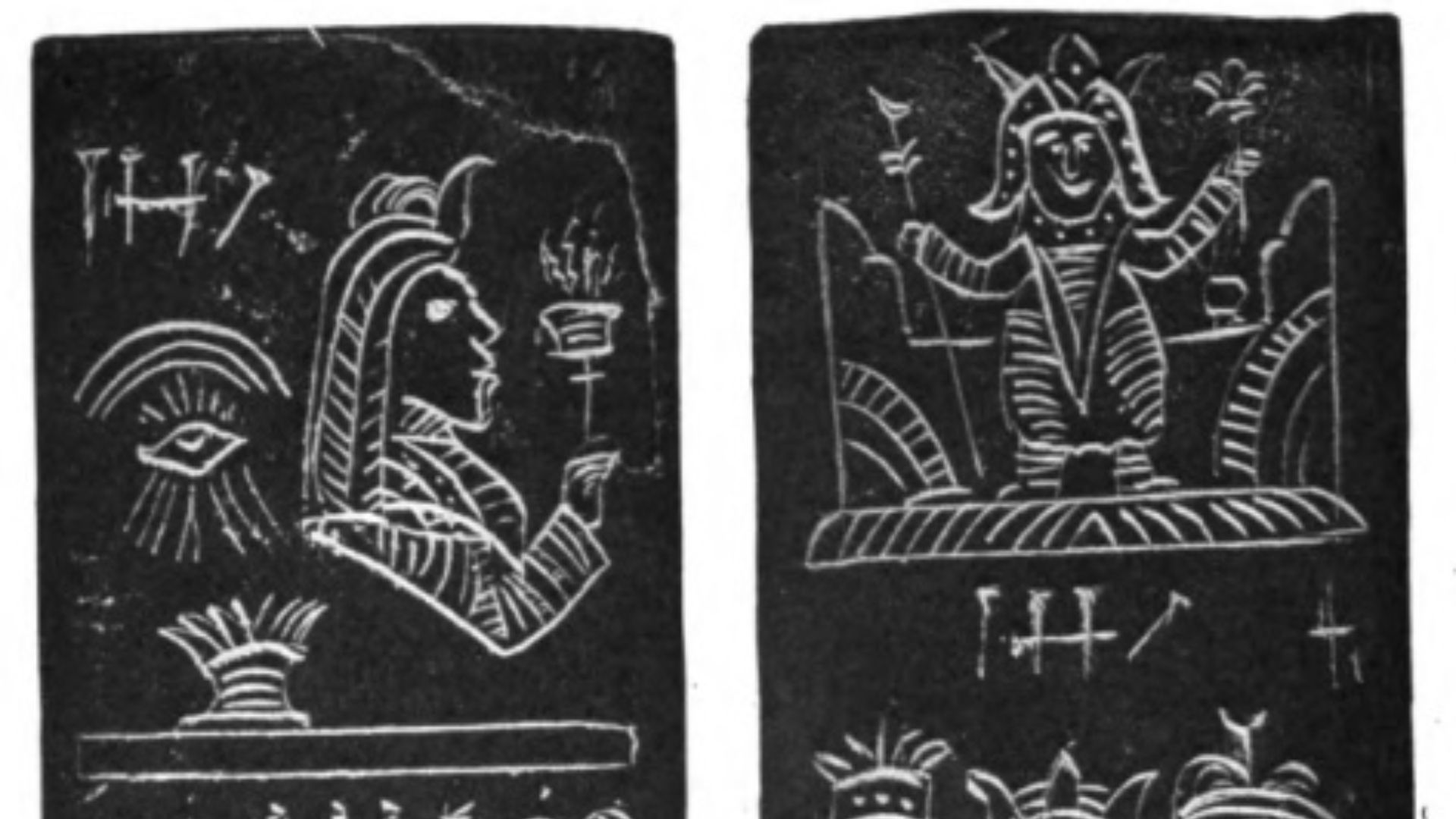
7. The Michigan Relics
The Michigan Relics appeared across Michigan from the late 19th and early 20th centuries. Said to show ancient biblical influence in North America, the objects included tablets, carvings, and religious scenes. Scholars eventually treated the collection as a major fraud, pointing to crude workmanship, suspicious imagery, and links to known modern makers.
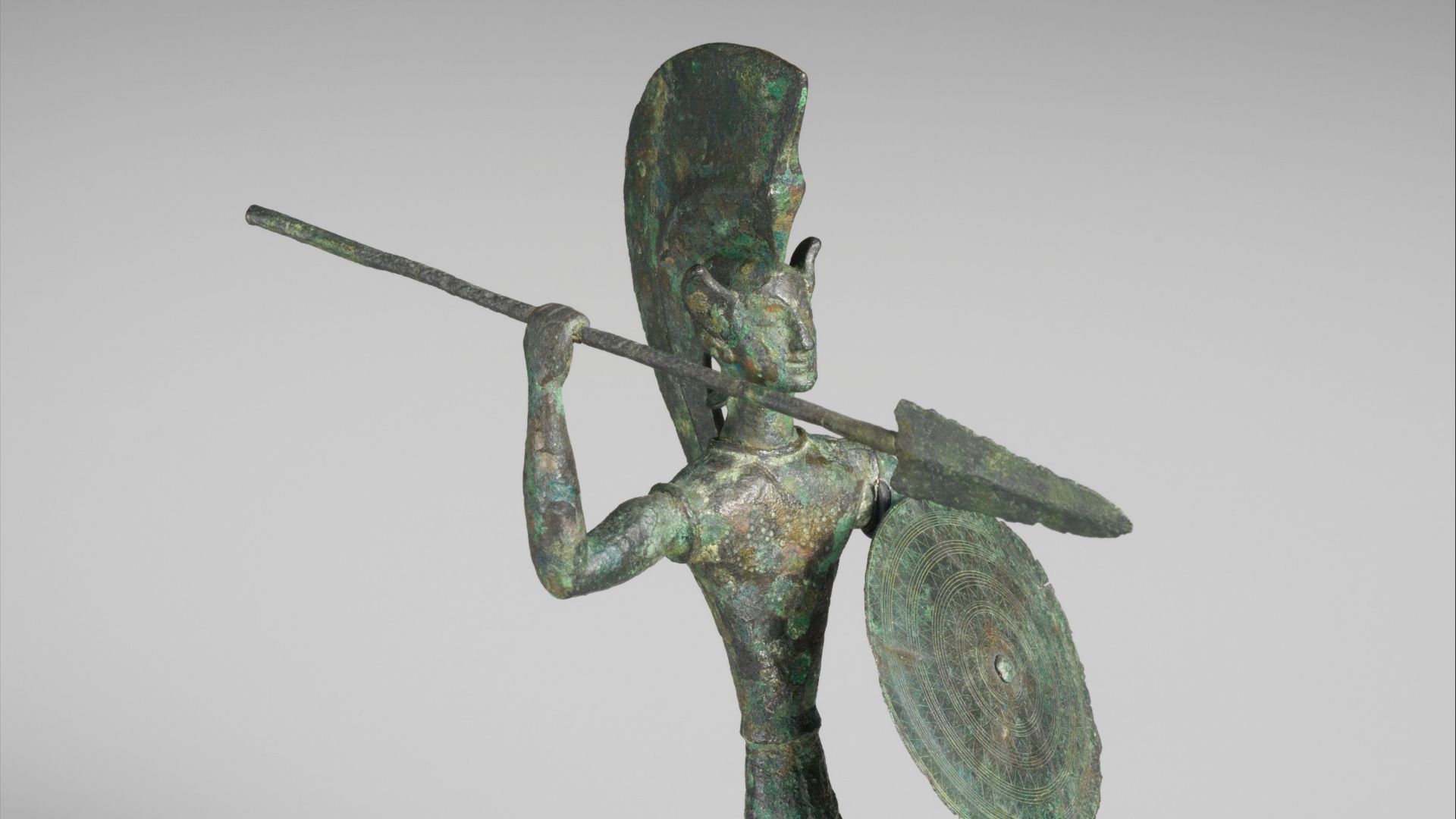
8. The Etruscan Terracotta Warriors
These enormous terracotta figures were sold as ancient Etruscan sculptures from Italy, supposedly dating to around the 5th century BCE. In 1960, chemical testing found modern materials in the glaze, and a later confession helped confirm that the warriors were modern forgeries.
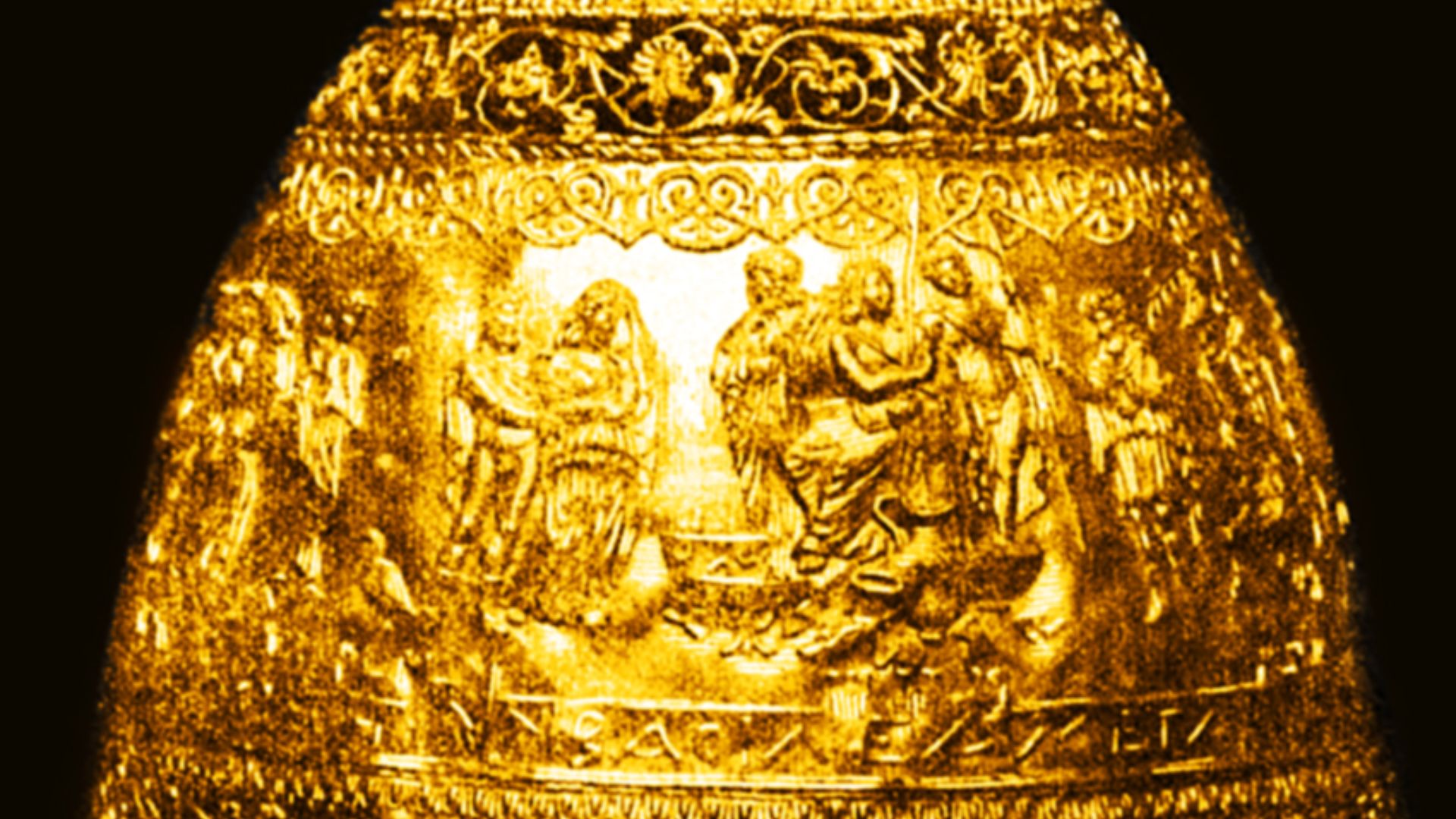
9. The Tiara of Saitaphernes
The Tiara of Saitaphernes was a gold crown purchased in France in 1896. Claimed to belong to a Scythian ruler from the 3rd or 2nd century BCE, its elaborate decoration and inscription helped sell the fantasy of an ancient royal treasure. The story collapsed after a goldsmith came forward in 1903, proving he had made the tiara himself.
 Unknown authorUnknown author on Wikimedia
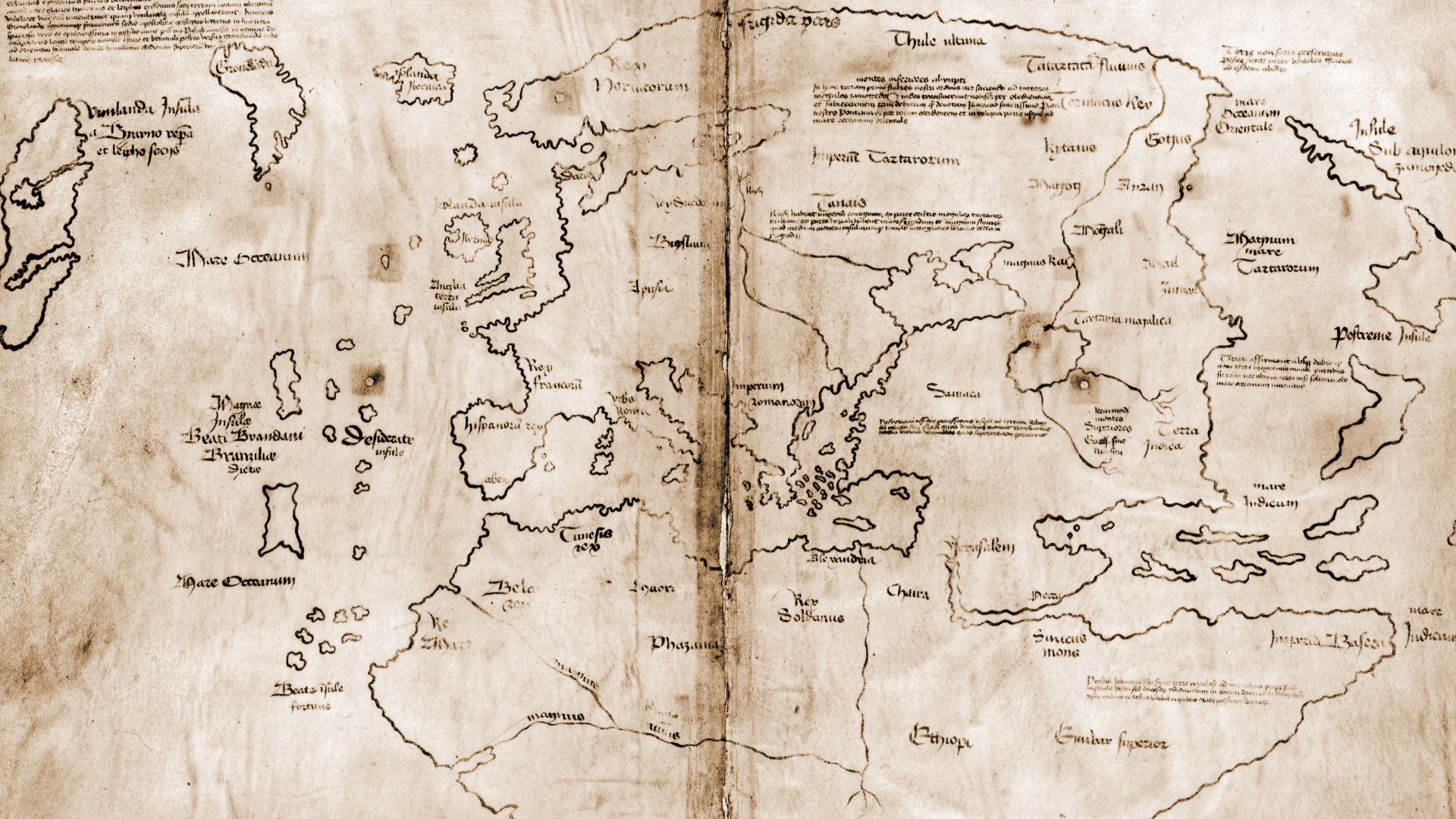
10. The Vinland Map
The Vinland Map was publicized in 1965 as a 15th-century map showing Norse knowledge of North America before Columbus. Later analysis found modern material in the ink, and newer testing confirmed that the map was a 20th-century forgery.
 Yale University Press on Wikimedia
11. The Lead Books of Sacromonte
The Lead Books of Sacromonte were discovered near Granada, Spain, between 1595 and 1606. Originally presented as ancient Christian writings from the Roman period, the language, script, and historical context later showed that the lead tablets were 16th-century creations.
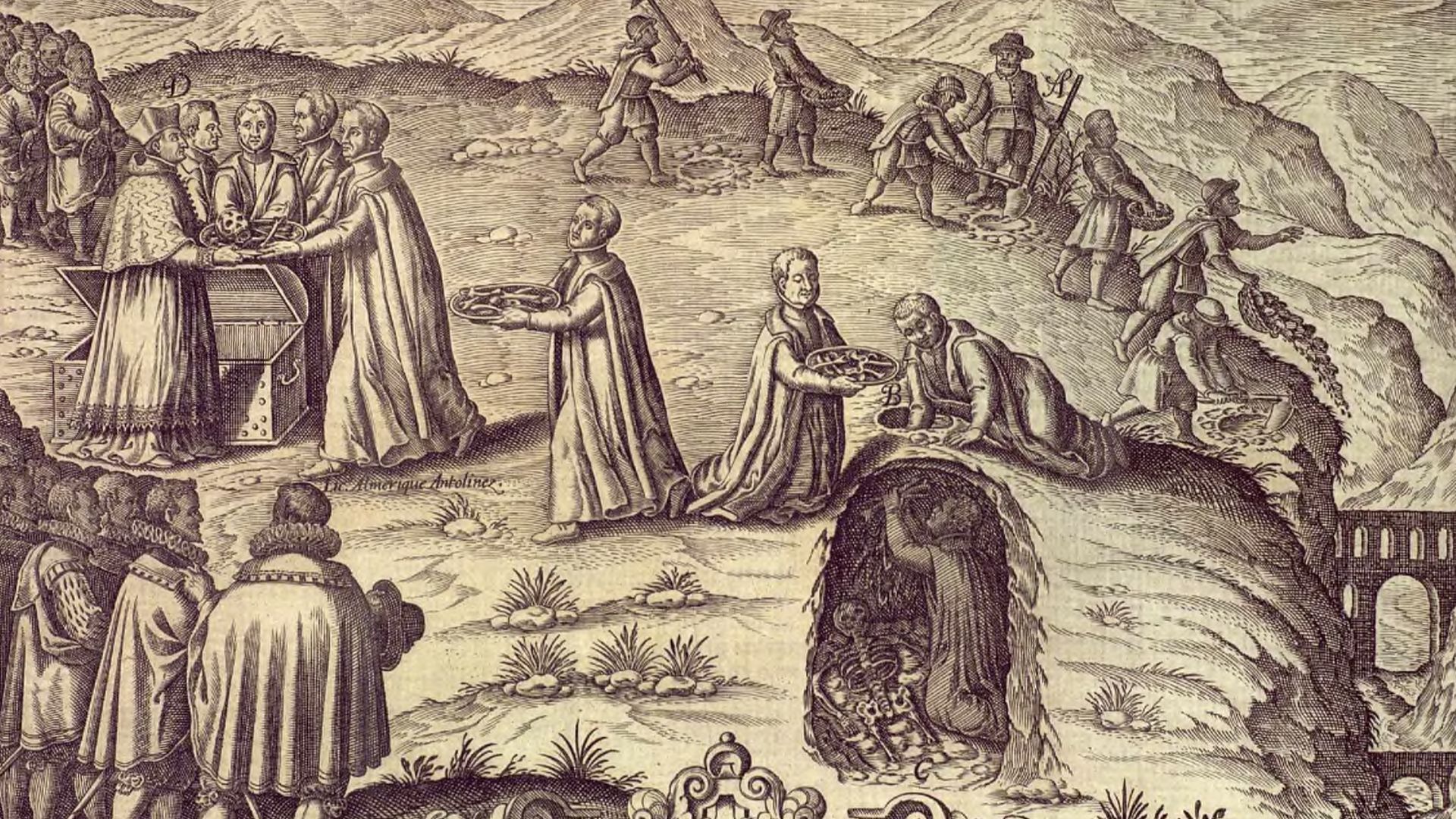
12. The Sinaia Lead Plates
The Sinaia Lead Plates appeared in Romania in the 19th century and were said to preserve a lost Dacian chronicle from antiquity. The plates included strange writing, rulers, cities, temples, and battle scenes. Metallurgy, language problems, and their murky origin have led many scholars to treat them as modern forgeries.

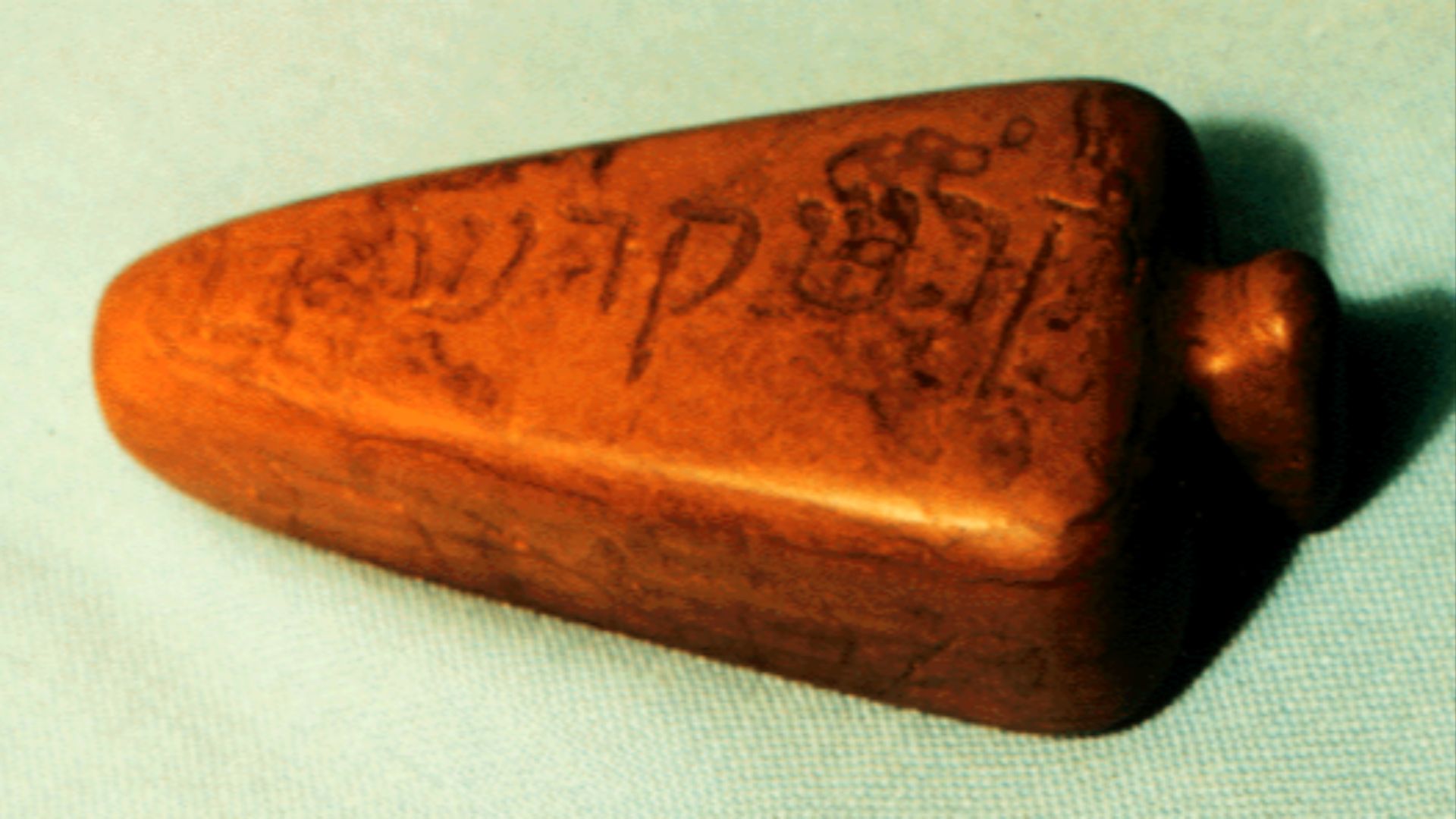
13. The Newark Holy Stones
The Newark Holy Stones were reportedly found in Ohio beginning in 1860, carrying Hebrew inscriptions, including a version of the Ten Commandments. They were used to argue that ancient Israelites had reached North America before Columbus. Scientific review, script problems, and suspicious discovery circumstances exposed them as 19th-century fabrications rather than ancient relics.
 J. Huston McCulloch on Wikimedia
14. The Gospel of Jesus’ Wife
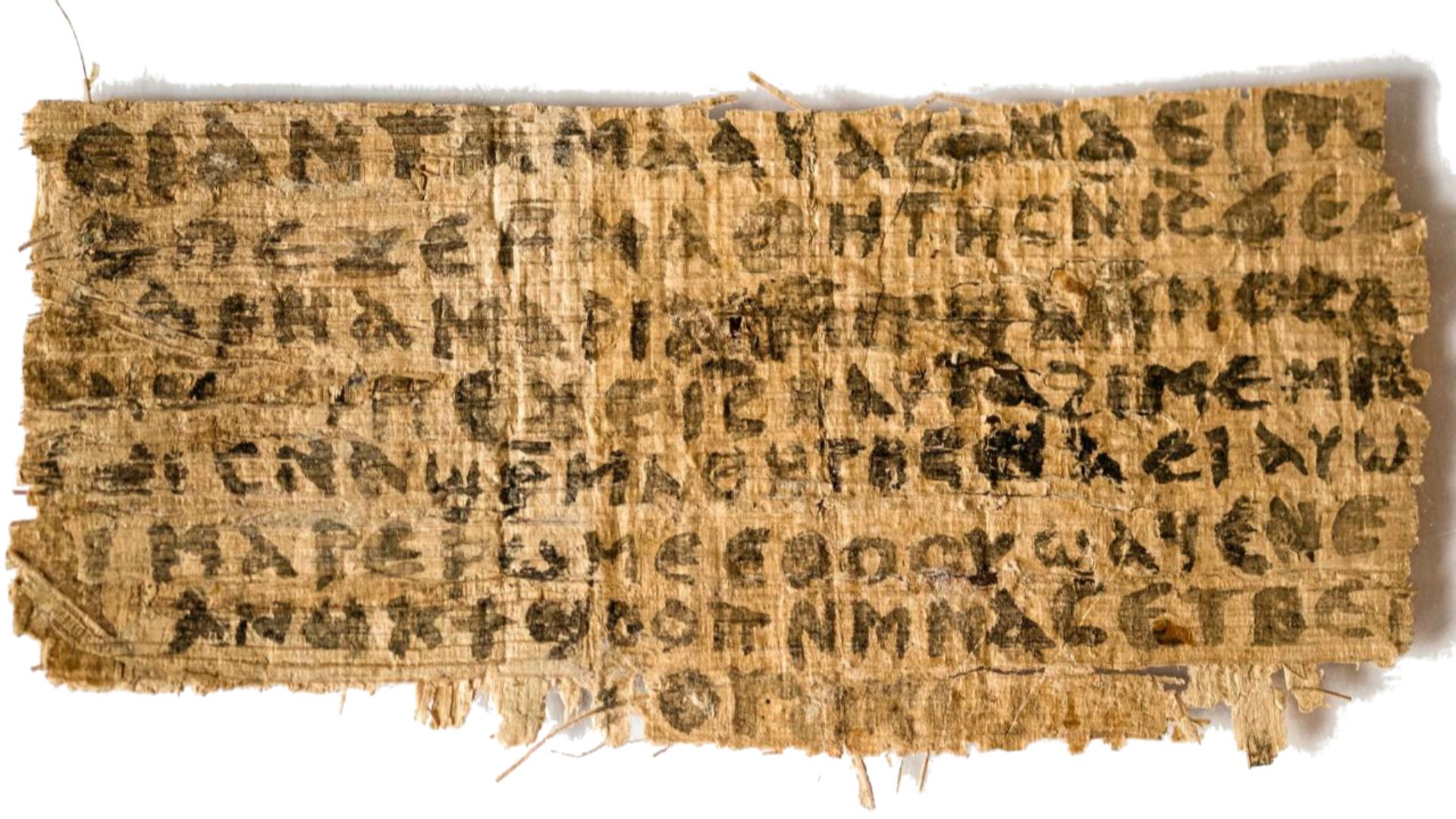
The Gospel of Jesus’ Wife was introduced in 2012 as a small Coptic papyrus fragment, supposedly preserving an ancient Christian text. Scholars later found serious problems with its provenance and text, and the fragment came to be widely regarded as a modern forgery.
 Unknown authorUnknown author on Wikimedia
15. The Crystal Skulls
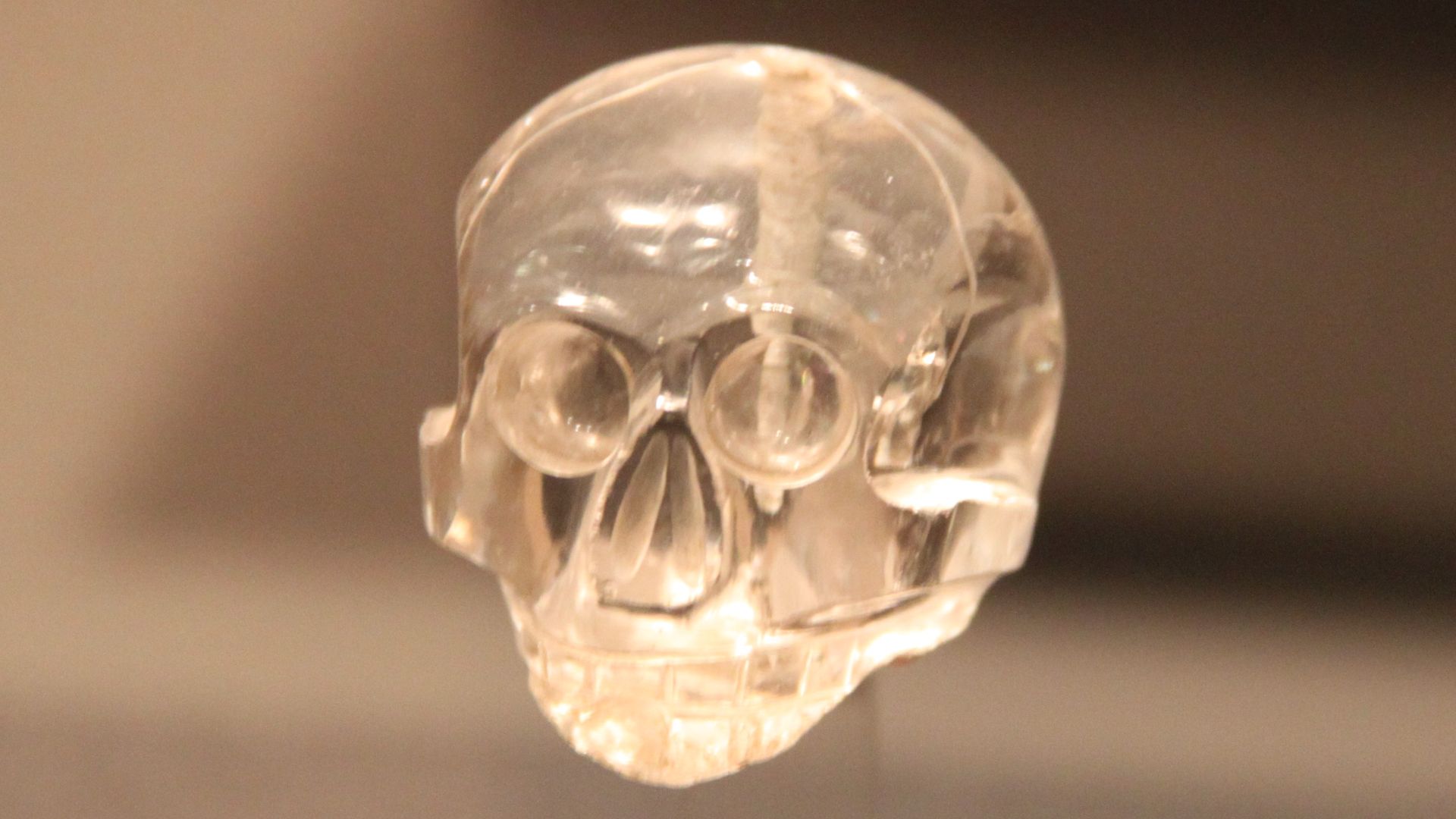
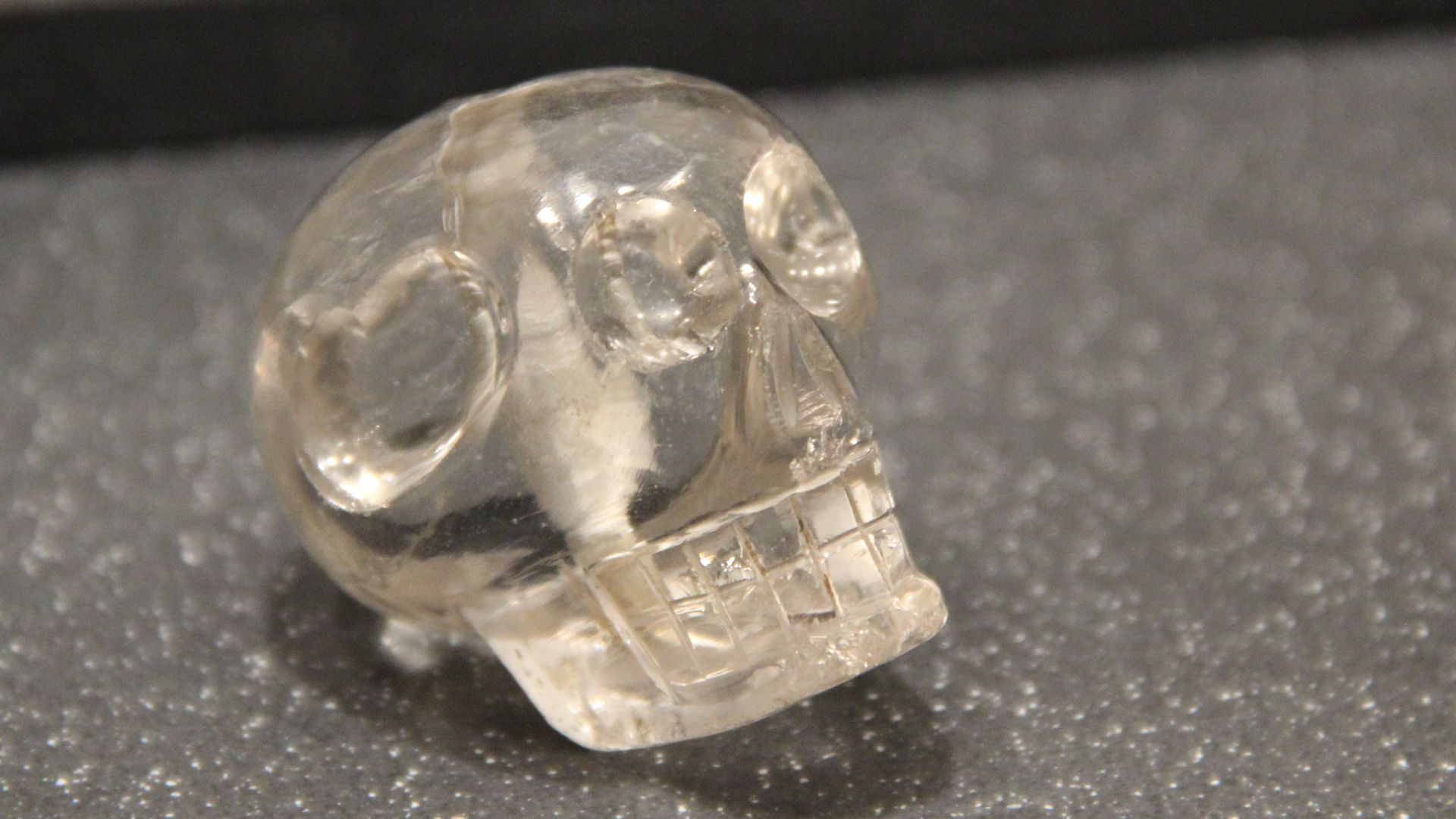
Crystal skulls were often promoted as ancient Aztec or Maya relics from pre-Columbian Mesoamerica. Their polished, eerie look helped create legends about lost wisdom, ritual power, and mysterious civilizations. A microscopic study found modern tool marks and abrasives, showing that famous examples were made in the 19th or 20th century instead.
16. Beringer’s Lying Stones
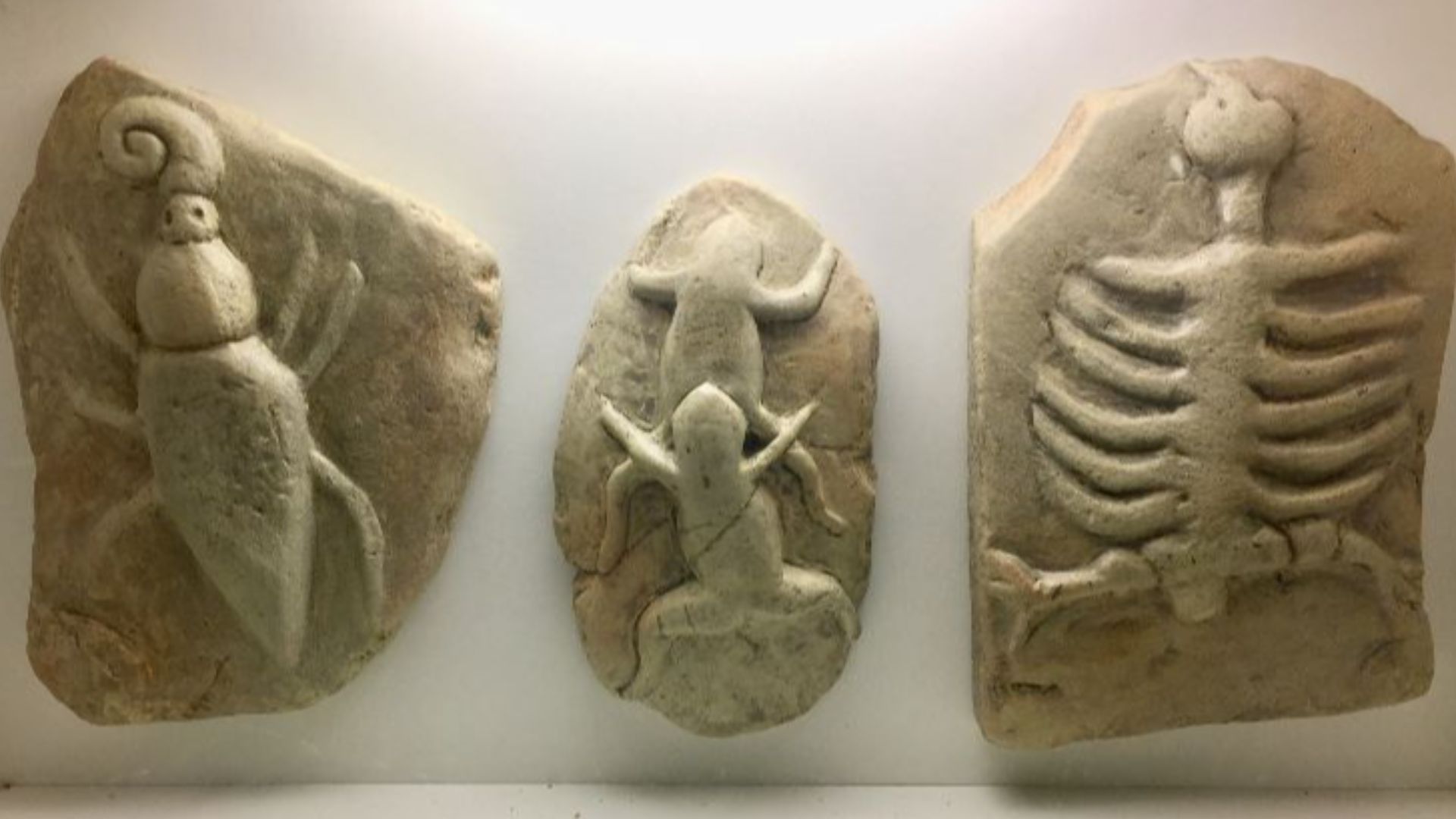
Beringer’s Lying Stones were carved limestone pieces “discovered” near Würzburg, Germany, in 1725. Presented as fossils from deep natural history, they showed animals, stars, and even sacred names. Johann Bartholomeus Adam Beringer, who found the stones, later realized he was the victim of a hoax.
17. Drake’s Plate of Brass
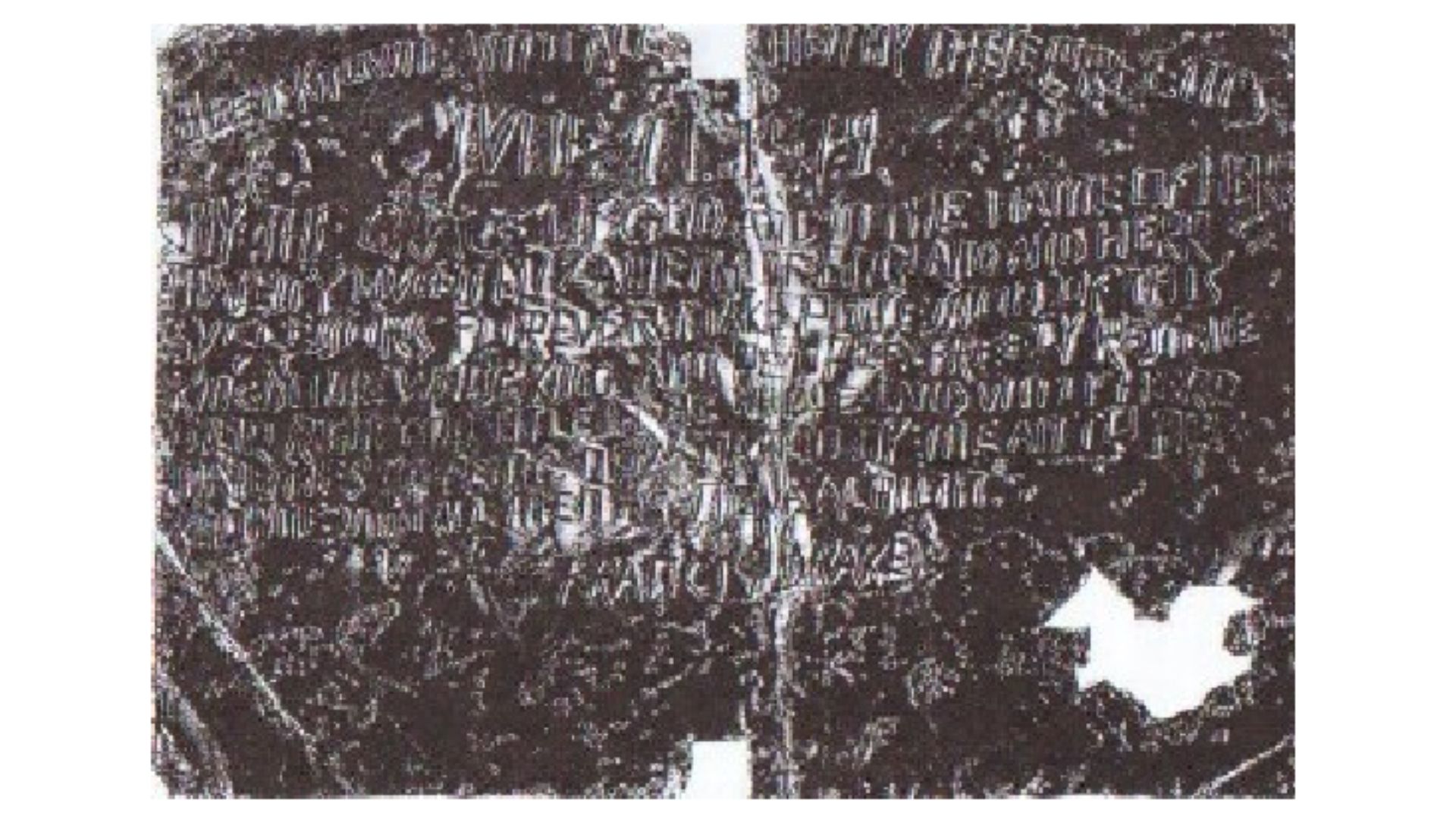
Drake’s Plate of Brass appeared in California in the 1930s, claimed to be the marker Francis Drake left during his 1579 landing. For years, it was treated as a treasured link to early exploration on the Pacific coast. In 1977, neutron activation analysis showed the brass was too modern to be from the 16th century.
 Robert Stupack (AB94904) on Wikimedia
18. The Bat Creek Stone
The Bat Creek Stone was found in Tennessee in 1889. While first connected to Indigenous mound excavations, it was later promoted as possible evidence of ancient Hebrew contact in North America. Scholarly analysis identified the inscription as a 19th-century forgery, likely copied from a printed reference.
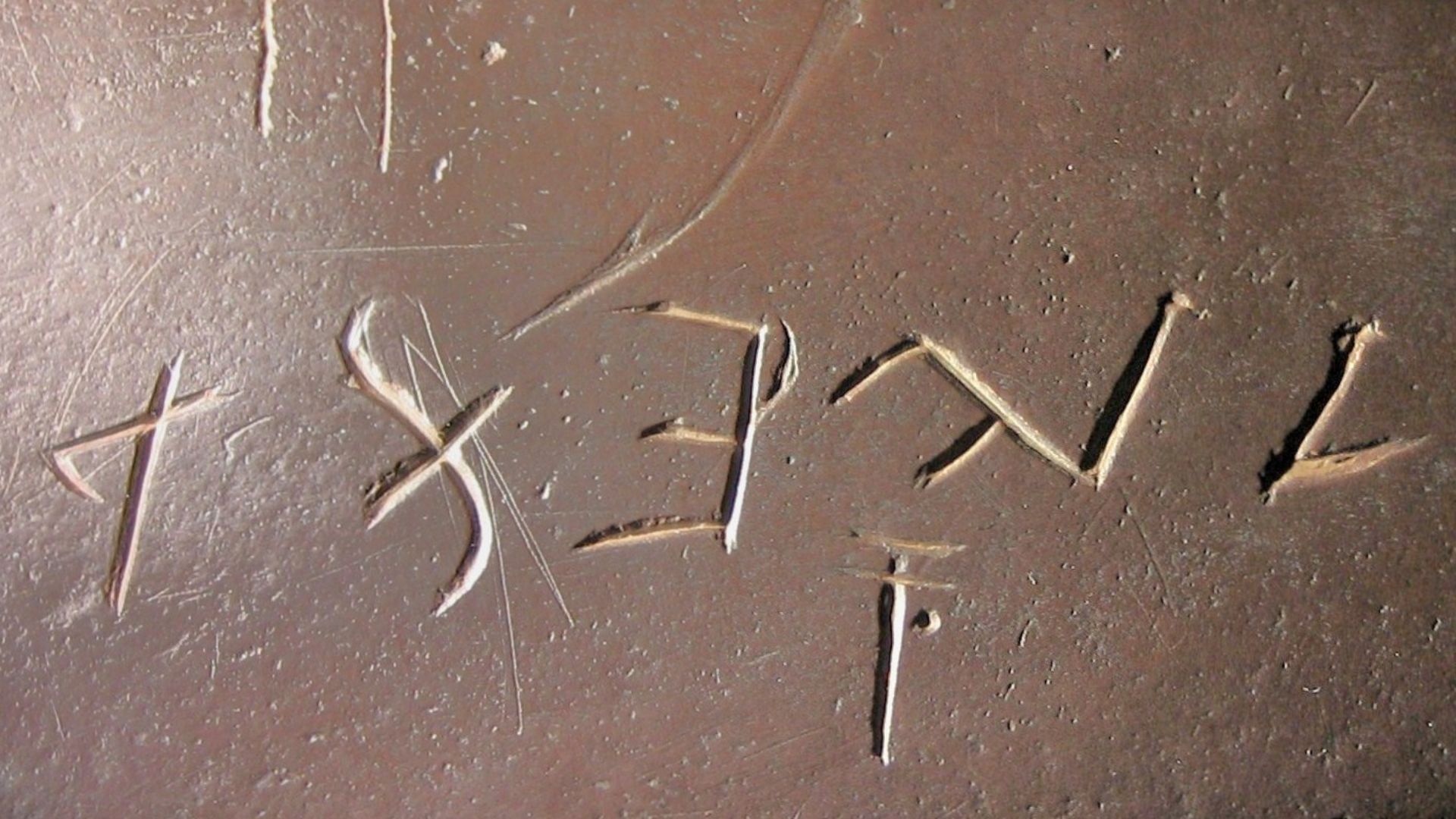 Hookedx (Scott Wolter) on Wikimedia
19. The Davenport Tablets
The Davenport Tablets were found in Iowa in the 1870s and were said to prove that ancient mound builders had a written culture. Their engraved scenes and symbols fed older theories that tried to separate the mounds from Native American history. Doubts about their condition, markings, and discovery context eventually led scholars to treat them as hoaxes.
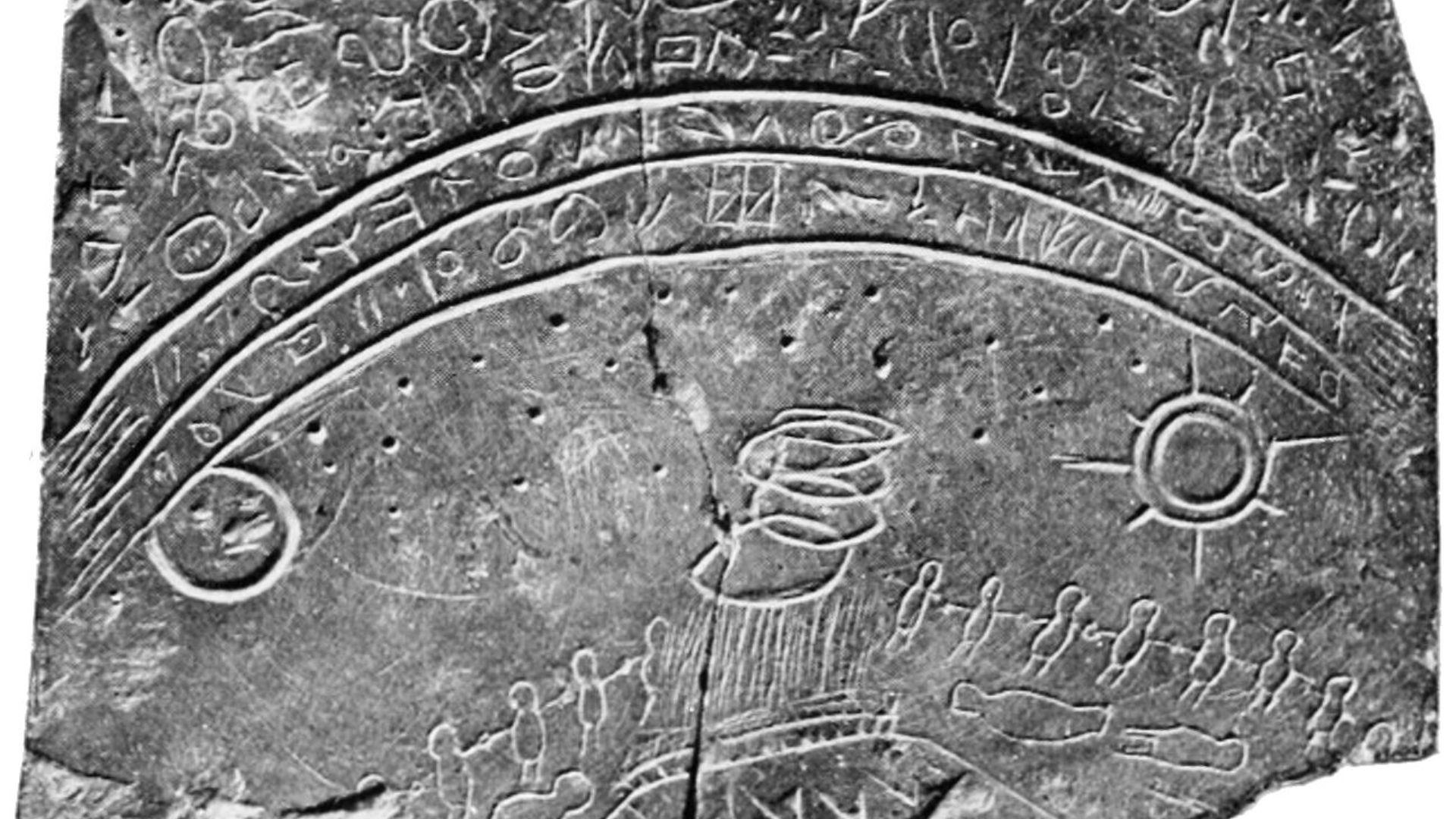 Unknown authorUnknown author on Wikimedia
20. The Amarna Princess
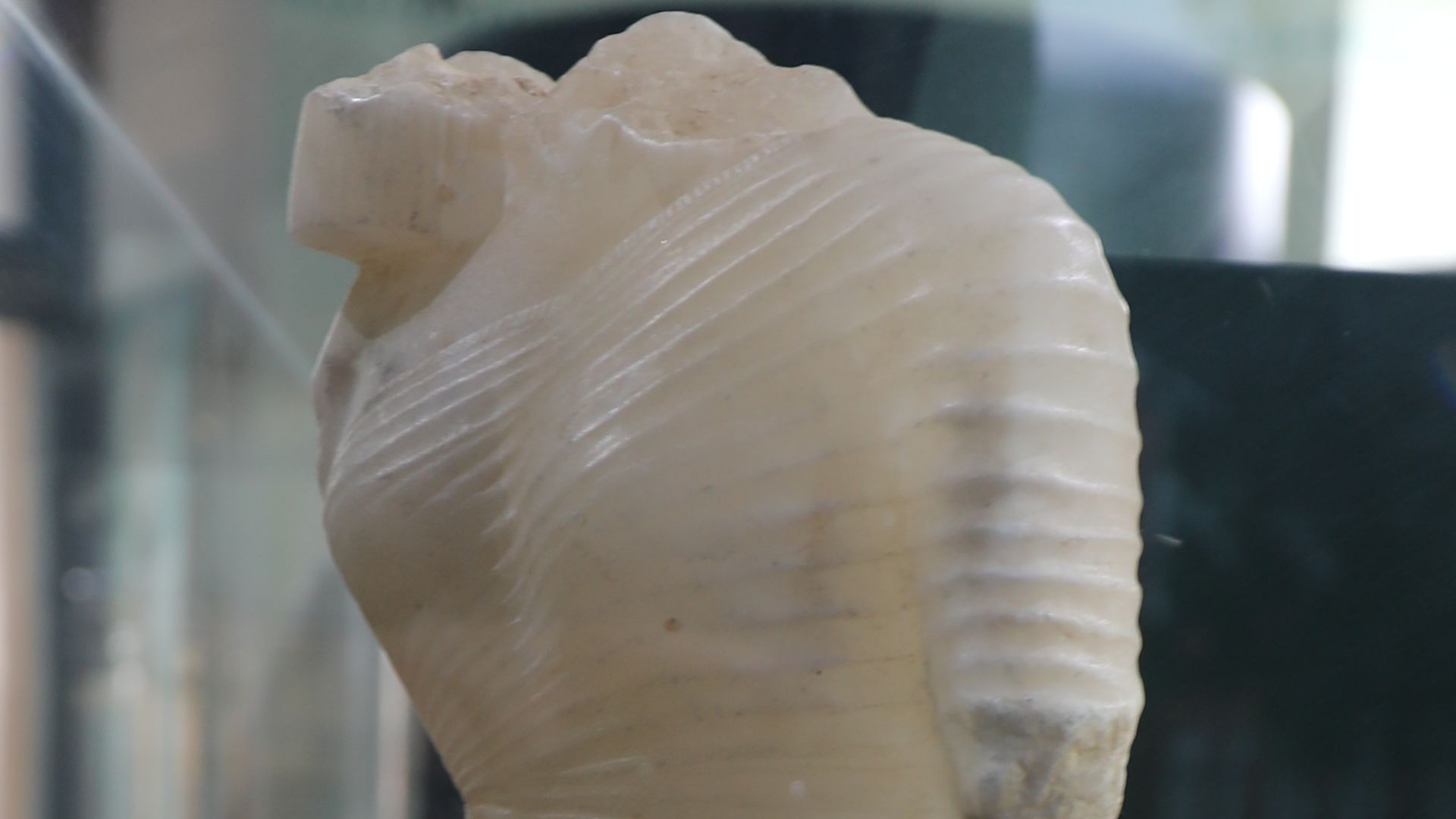
The Amarna Princess was sold in England in 2003 as a rare Egyptian-style statue from the Amarna period, associated with the age of Akhenaten in the 14th century BCE. It passed as a serious antiquity for a while. A police investigation and later confession exposed it as a modern creation by a skilled forger.
KEEP ON READING