

10 Rulers Who Returned From Exile & 10 Who Should Have Stayed Gone
Power Has A Memory
Exile is supposed to be the end of the story. A ruler leaves the palace, the capital moves on, and the portraits come down or get turned toward the wall. But history has a bad habit of leaving the door unlocked. Sometimes the return is graceful, sometimes it is useful, and sometimes it feels like a country getting back together after a long argument. Here are 10 rulers who returned from exile and 10 who probably should have stayed gone.
 John Michael Wright on Wikimedia
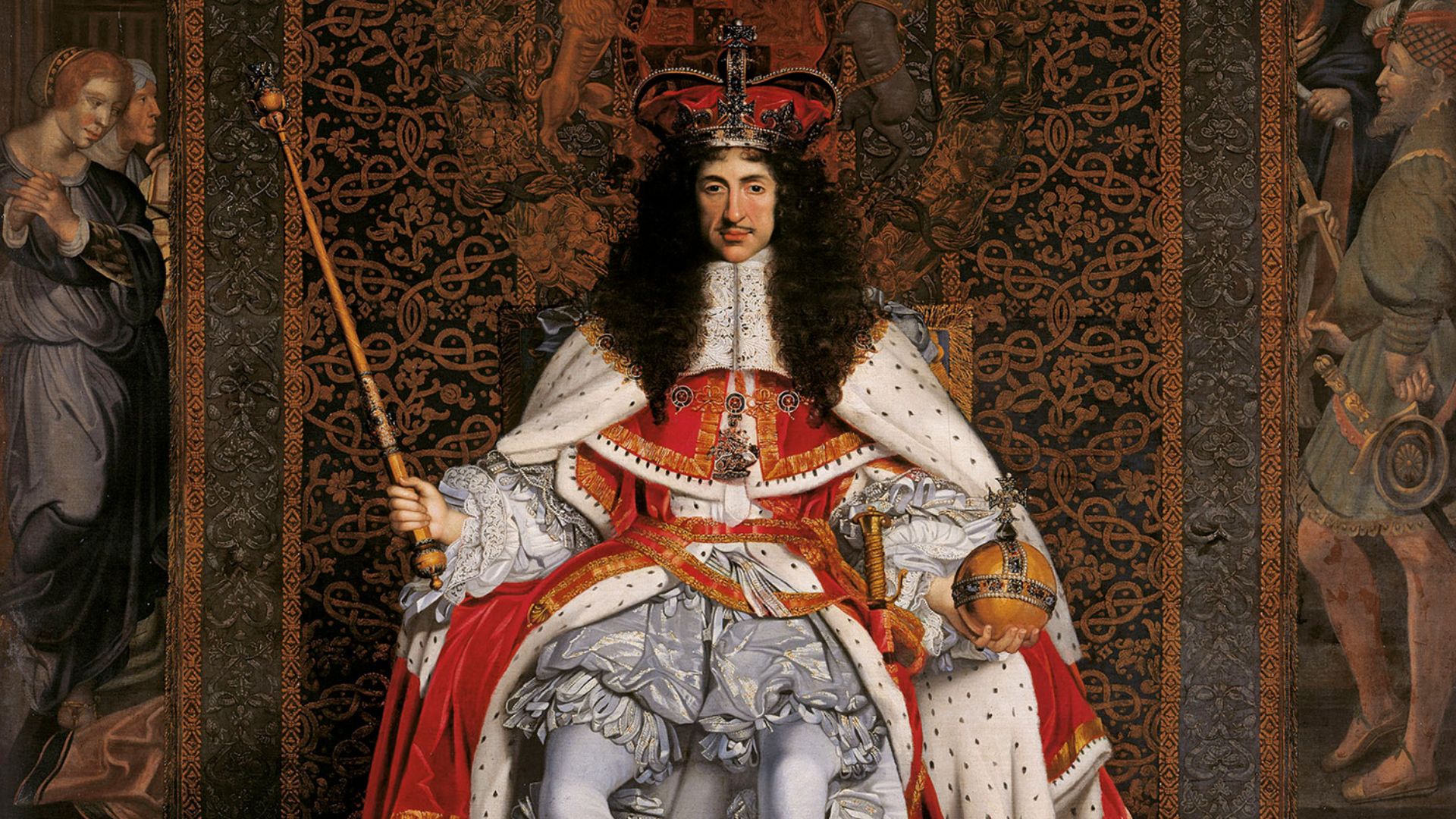
1. Charles II Of England
Charles II spent years abroad after his father was executed and the monarchy collapsed. When he returned in 1660, England was tired of experiment, sermon, and military rule. His restoration did not solve everything, but it gave the country a sense of relief, and Charles had enough charm to make the crown feel human again.
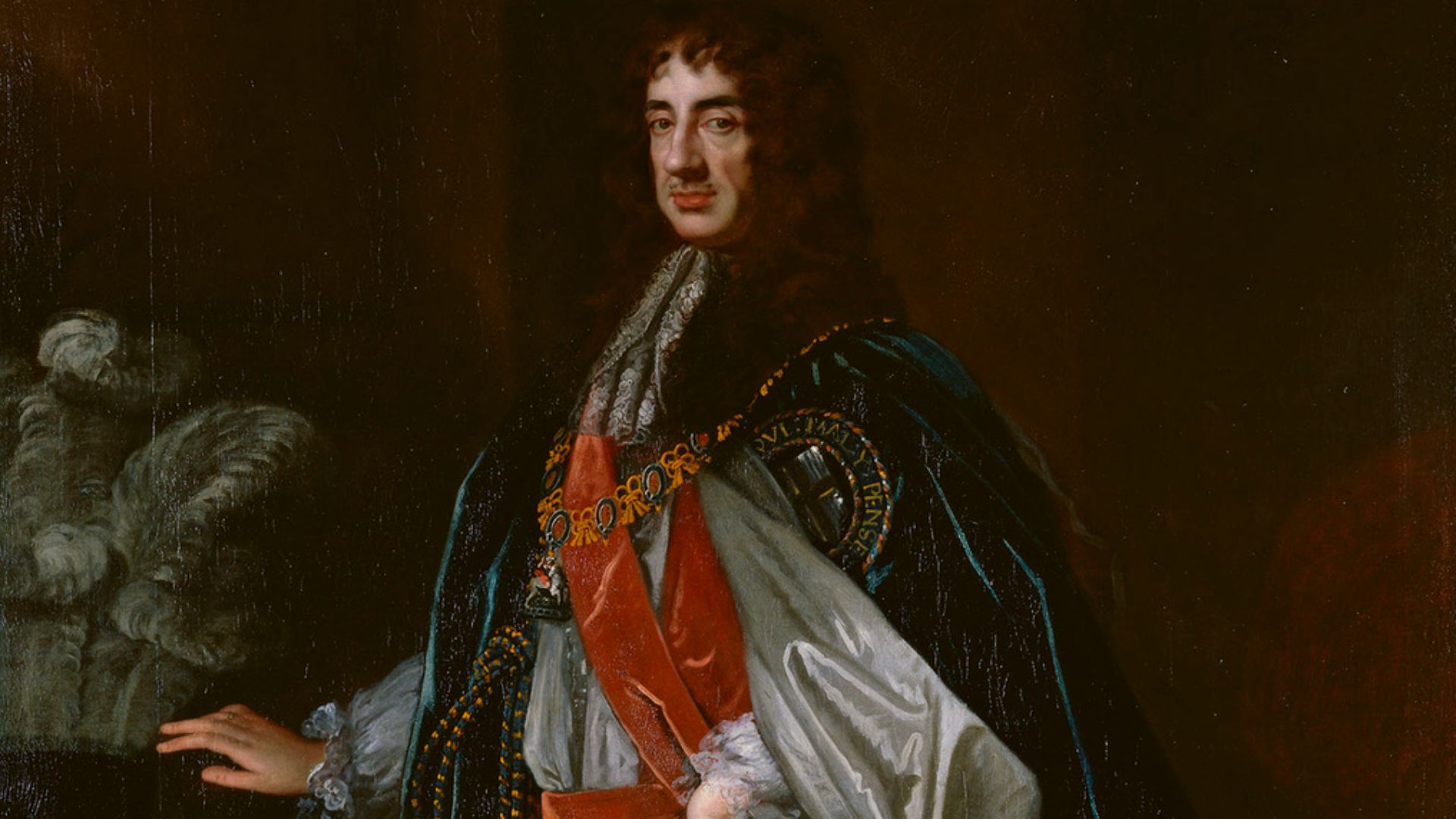
2. Henry VII Of England
Henry Tudor came back from exile with a thin claim, a sharp political instinct, and just enough support to gamble everything at Bosworth. He defeated Richard III and turned a fragile victory into a dynasty. His reign was not glamorous, but it was steady, and after the Wars of the Roses, steady counted for a lot.
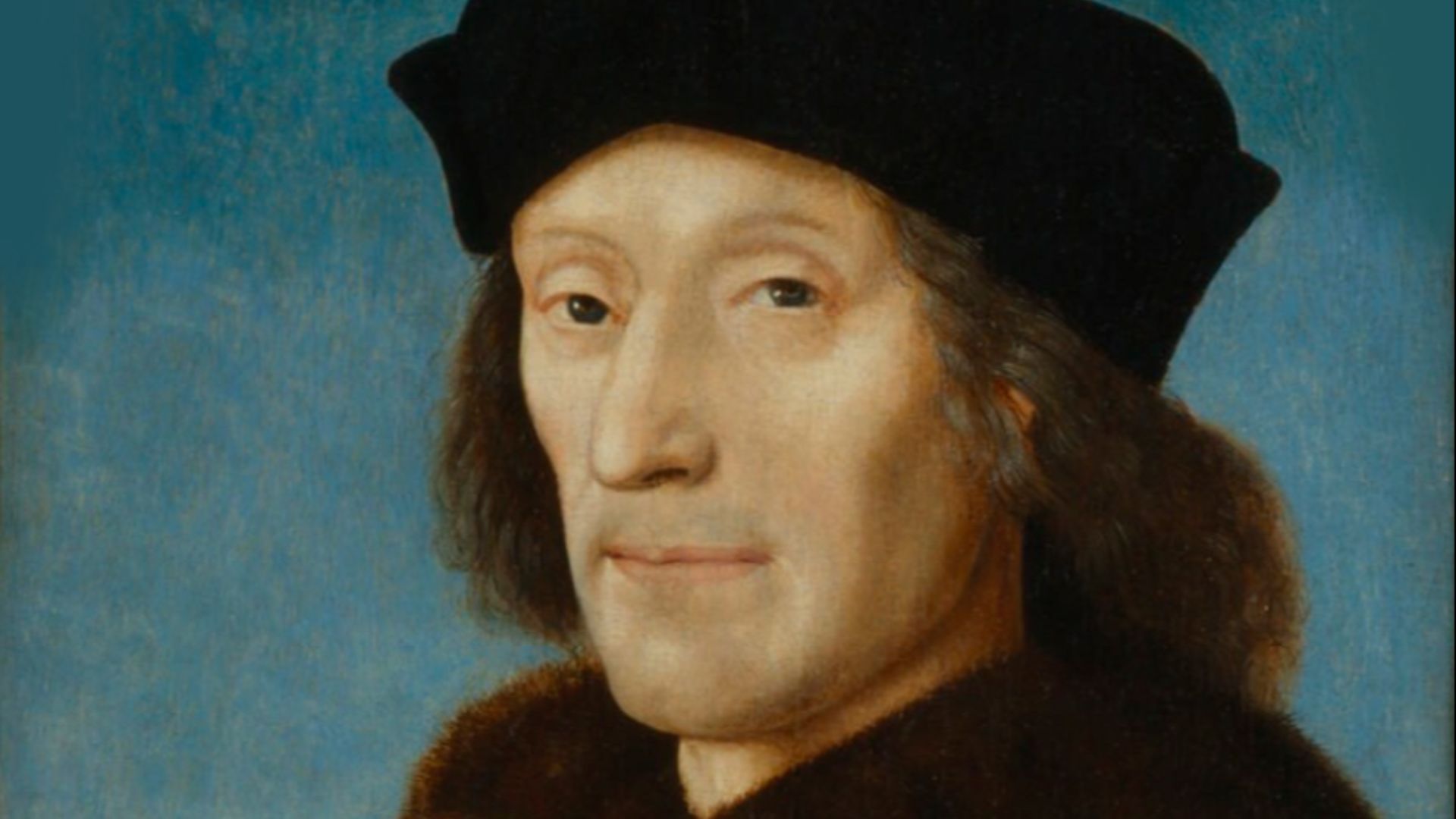
3. Haile Selassie Of Ethiopia
Haile Selassie fled Ethiopia after the Italian invasion, but he did not disappear from the world stage. His return in 1941 carried real symbolic weight, not just for Ethiopia but for anti-colonial resistance more broadly. Whatever one makes of his later reign, that comeback had the force of a country refusing to be erased.
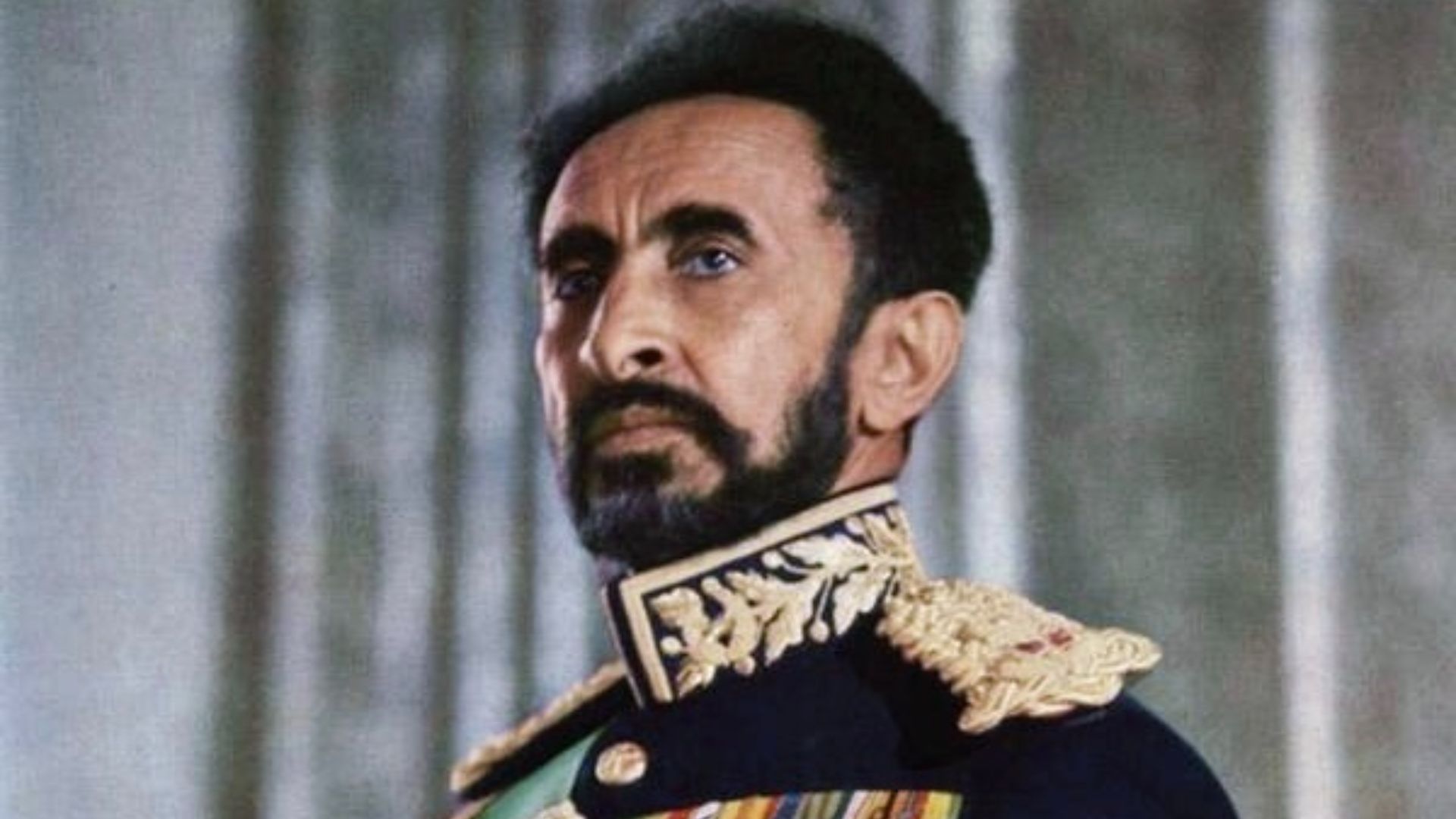
4. Muhammad V Of Morocco
The French sent Sultan Muhammad V into exile, but that move only made him more important to Moroccan nationalists. When he returned in 1955, he came back as more than a monarch. He had become a symbol of independence, and his presence helped give Morocco’s transition a clear national center.
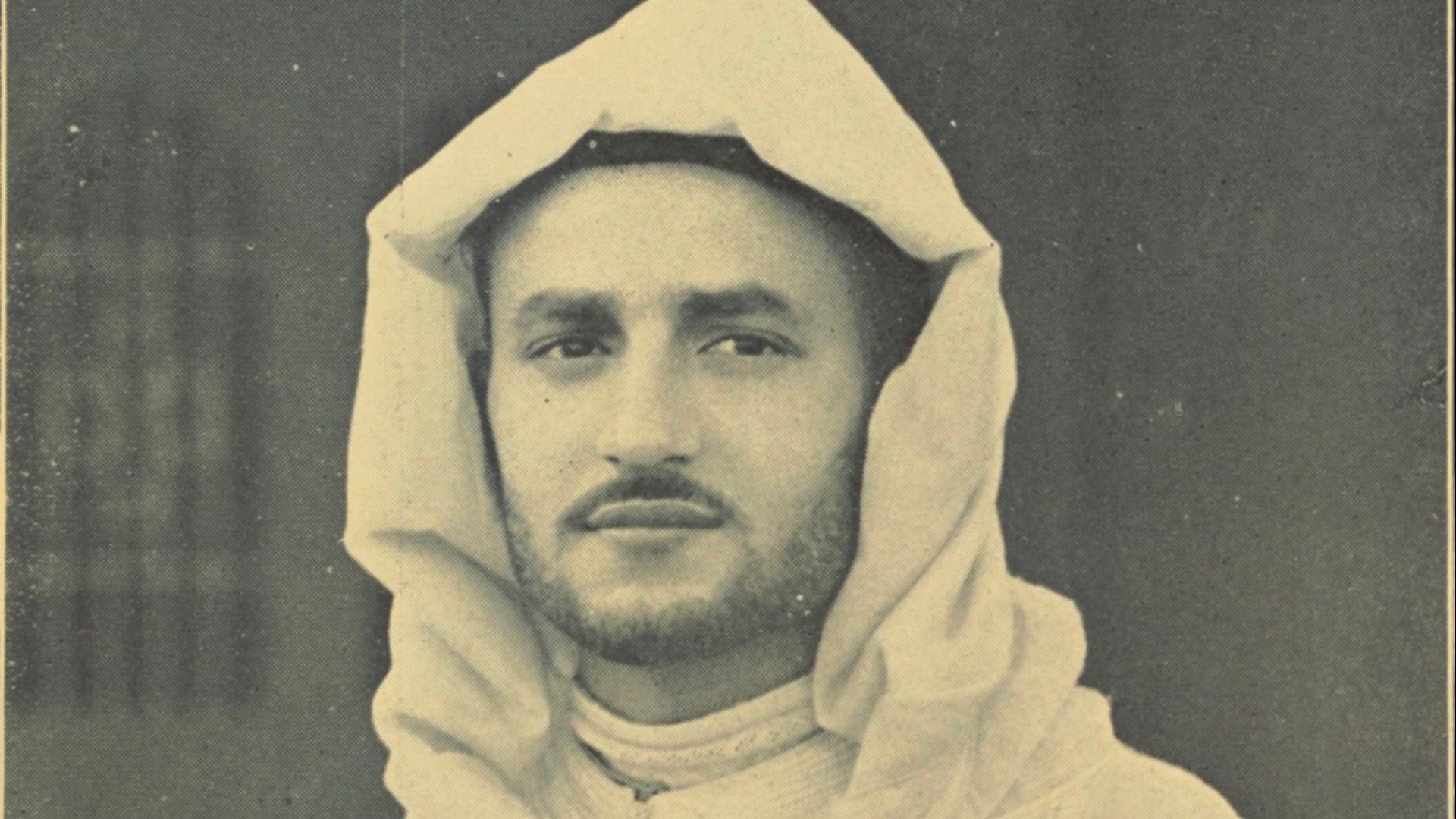 Flandrin France-Maroc : revue mensuelle 15 AUG 1917 on Wikimedia
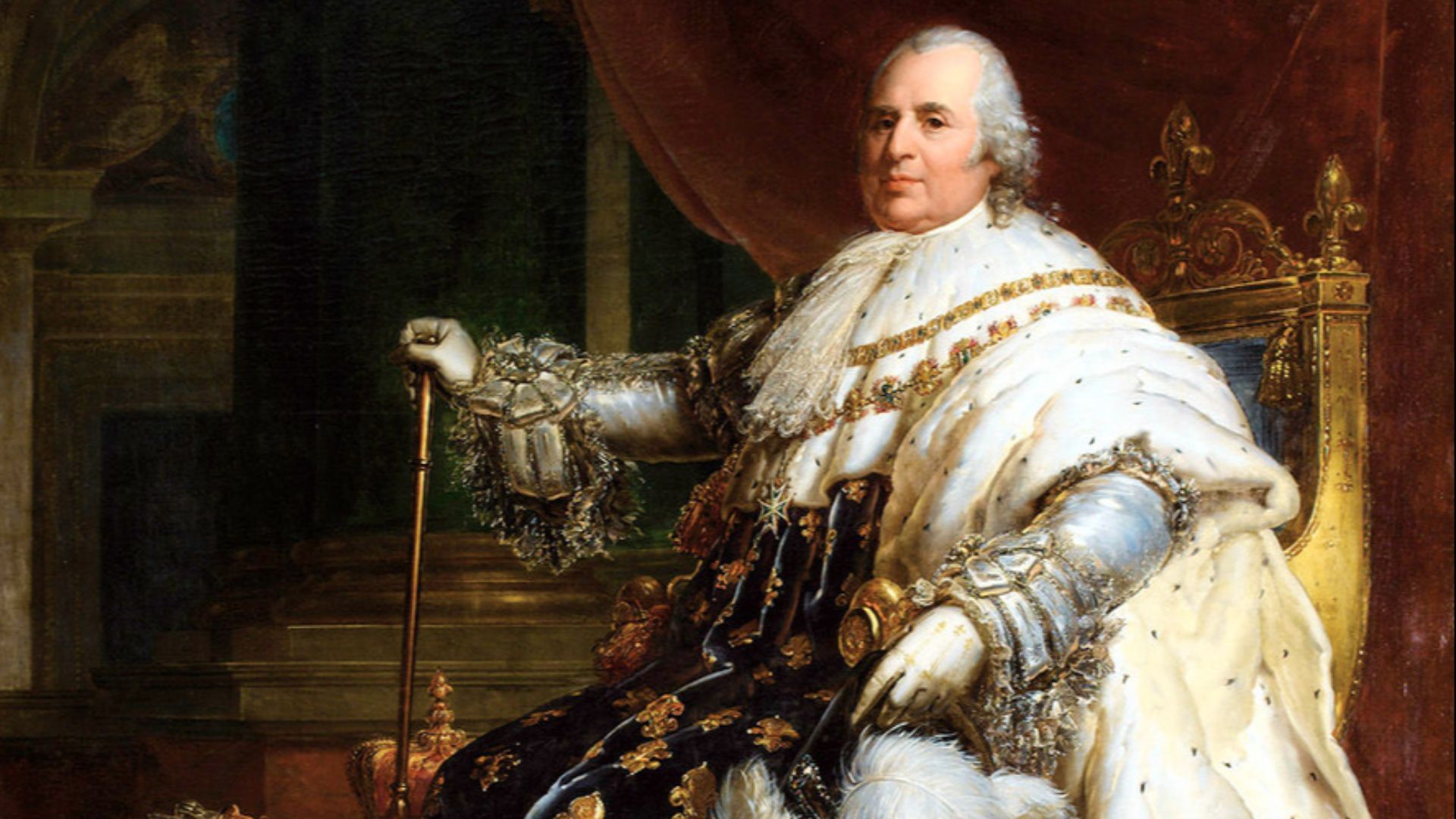
5. Louis XVIII Of France
Louis XVIII returned after Napoleon’s fall with the difficult job of making monarchy work in a country that had already killed one king and crowned an emperor. He was not exciting, which may have been part of the point. France needed someone cautious enough to understand that the old world could not simply be put back exactly as it was.
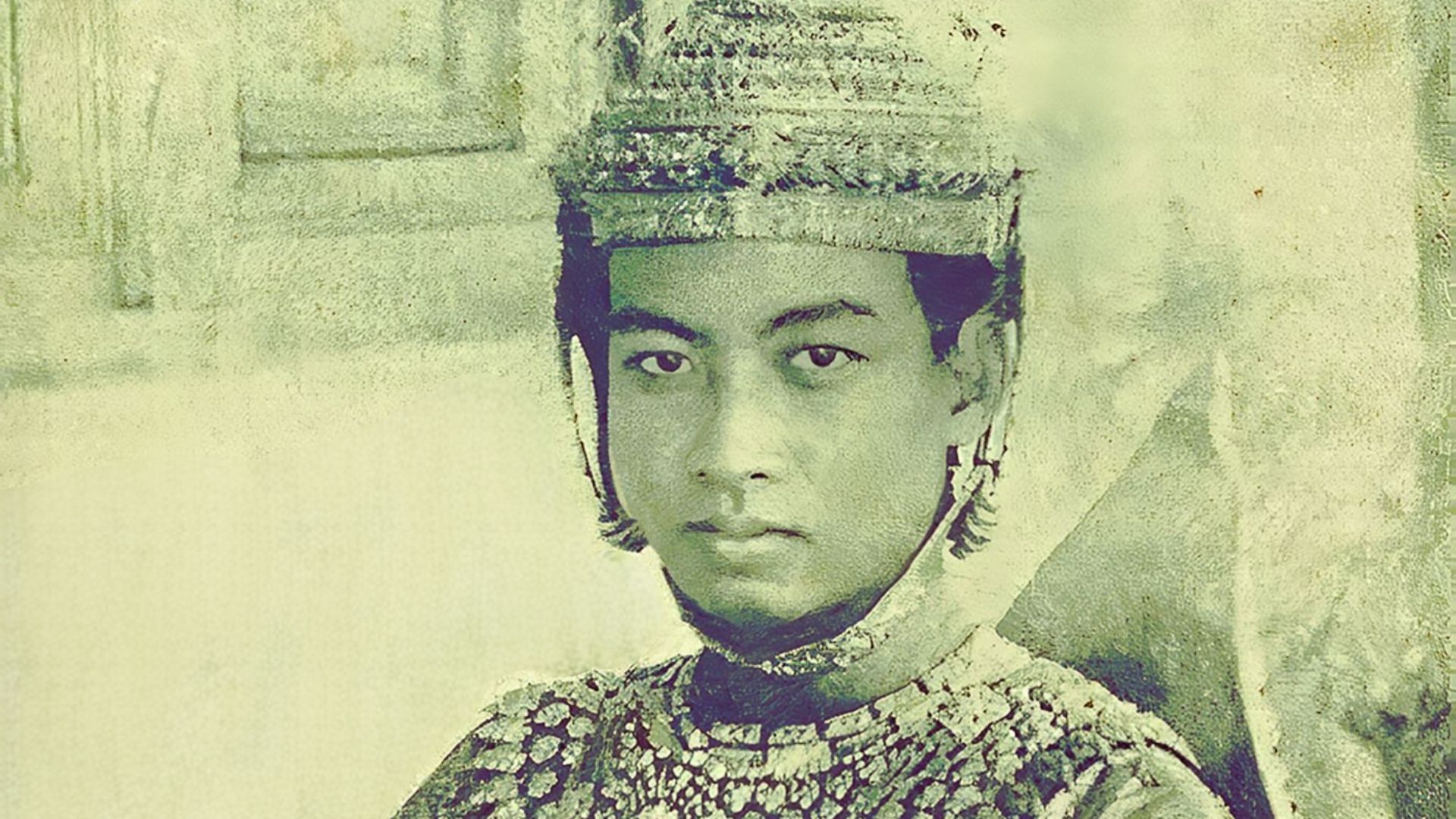
6. Norodom Sihanouk Of Cambodia
Norodom Sihanouk’s political life was almost impossible to summarize cleanly, which says a lot about Cambodia’s 20th century. He lost power, lived abroad, returned, and eventually became king again in the 1990s. His record is complicated, but his return gave many Cambodians a familiar figure after years of trauma and upheaval.
 Unknown authorUnknown author on Wikimedia
7. Constantine II Of Greece
Constantine II never returned to rule again, but his later returns to Greece mattered in a quieter way. After years abroad following the collapse of the monarchy, his presence became less about restoration and more about accepting that history had moved on. Not every return ends with a throne; sometimes the return is simply the closing of a long public wound.
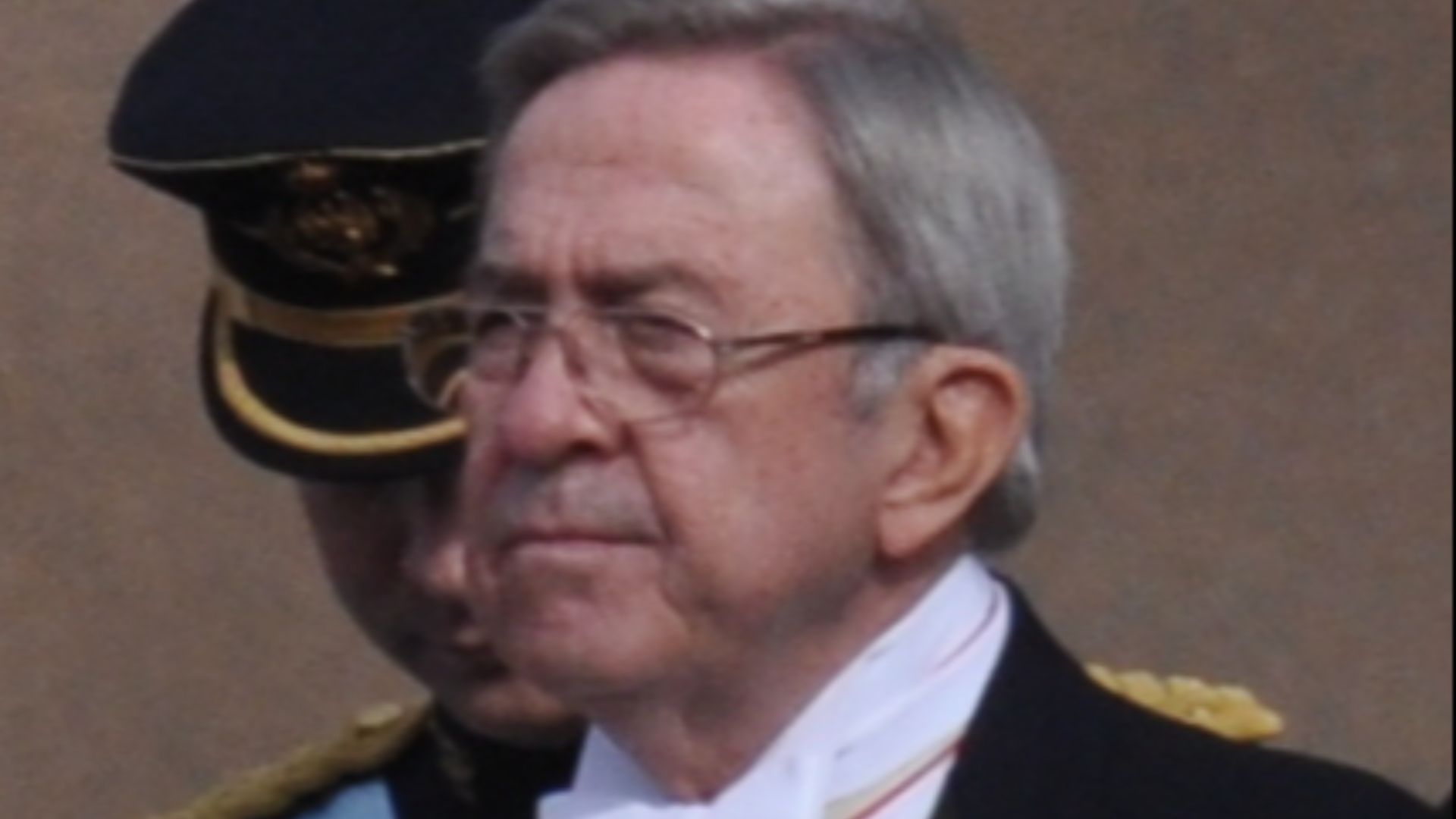 Prolineserver (talk) on Wikimedia
8. Simeon II Of Bulgaria
Simeon II left Bulgaria as a child king and returned decades later as a grown man in democratic politics. His comeback was strange, rare, and unusually modern: a former monarch becoming prime minister through elections. It did not restore the old crown, but it showed that exile does not always freeze a person in the role they once had.

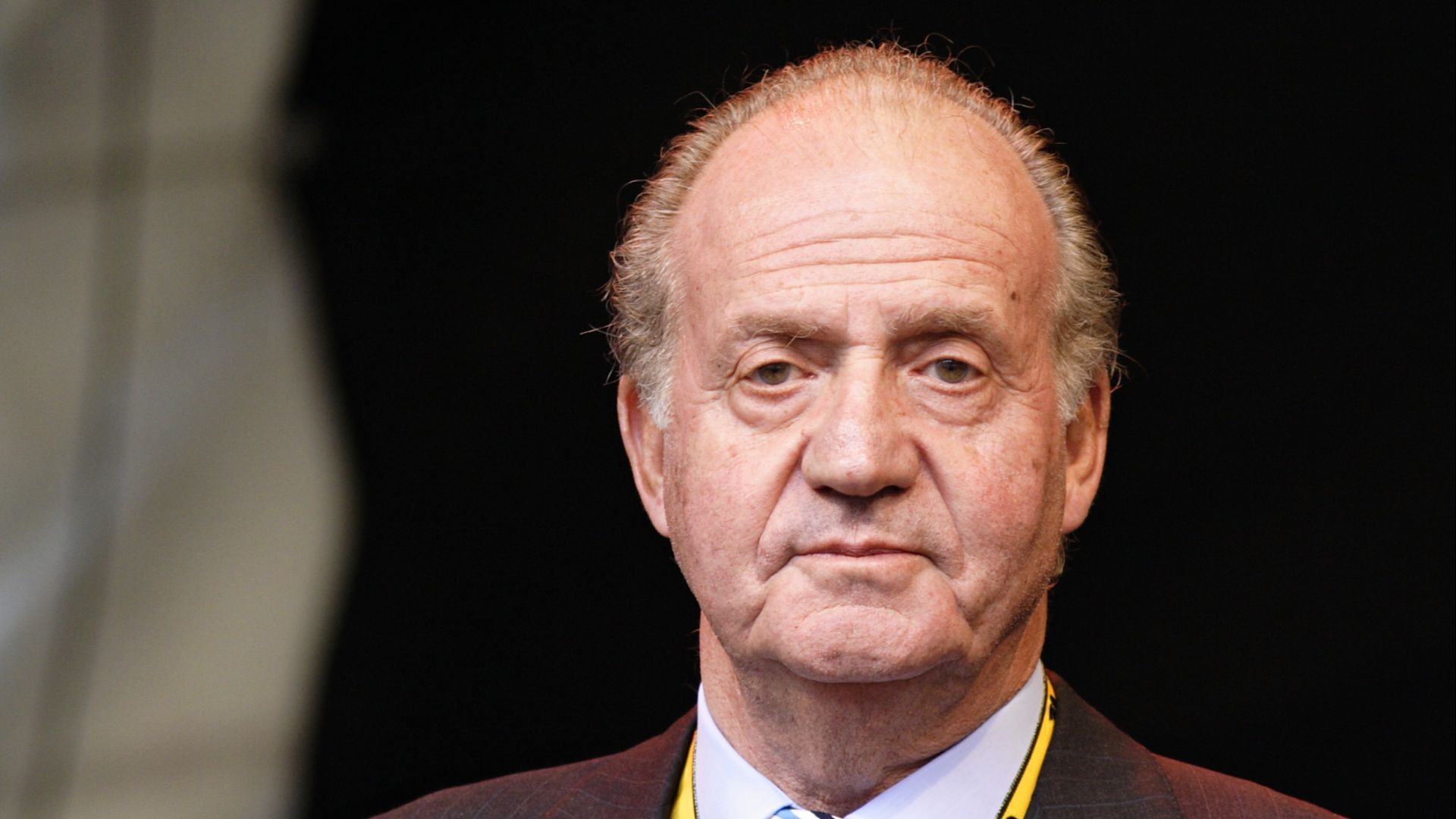
9. Juan Carlos I Of Spain
Juan Carlos spent much of his youth outside Spain while Franco controlled the country’s future. When he eventually became king, he surprised many people by helping guide Spain toward democracy instead of extending dictatorship by softer means. His later reputation became more complicated, but his return to the center of national life mattered.
 א (Aleph), color correction in collaboration with Rainer Z. on Wikimedia
10. Afonso V Of Portugal
Afonso V’s return from a period of political retreat and self-imposed distance was not the cleanest comeback in royal history. Still, it showed how medieval power often worked: absence could weaken a ruler, but it did not always finish him. In his case, the crown still had enough gravity to pull him back into the life he tried to leave.
Now, not every comeback deserves a welcome banner. Here are 10 who should have stayed gone.
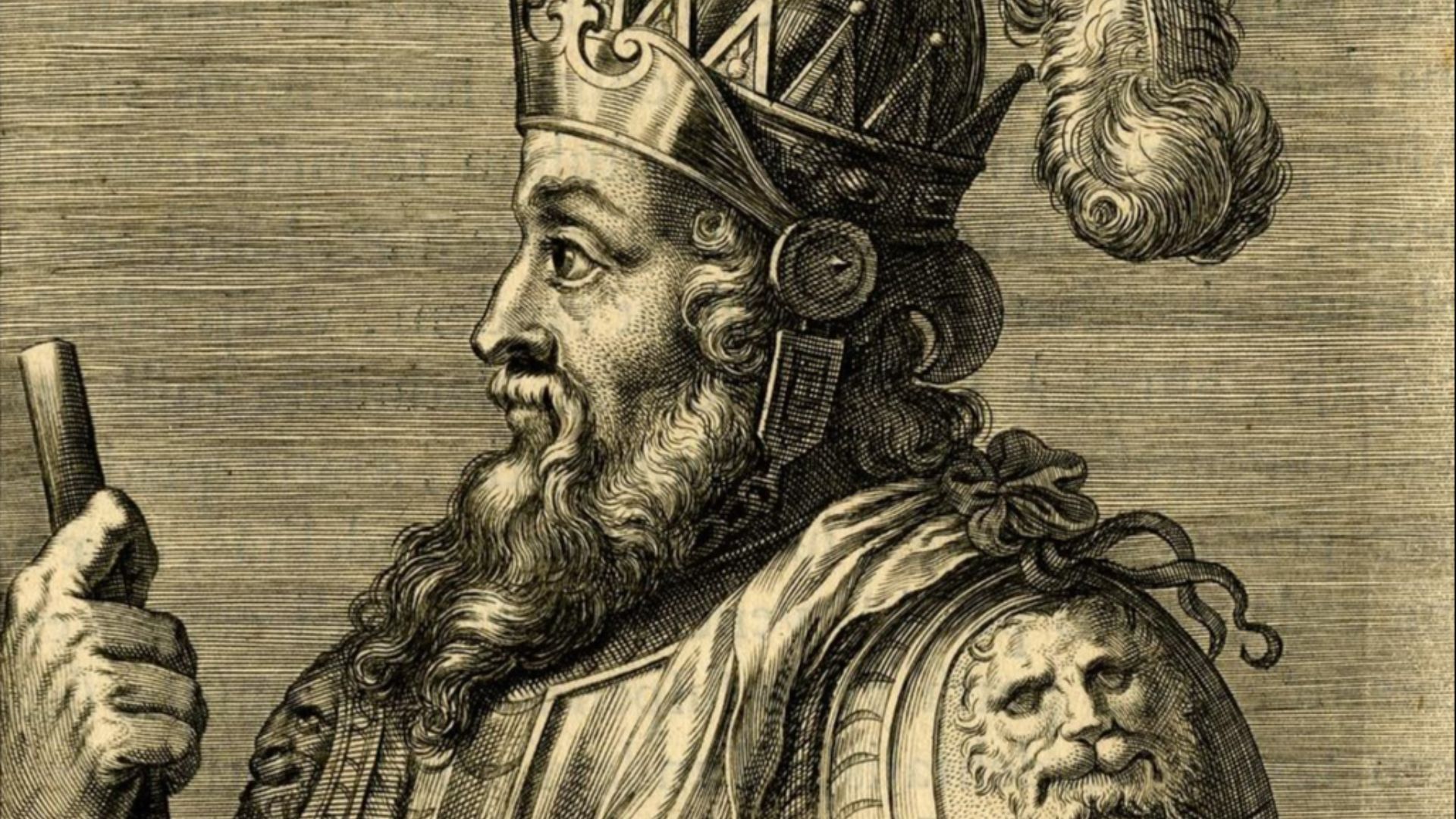
1. Napoleon Bonaparte
Napoleon’s return from Elba had drama, speed, and a certain terrible brilliance. It also led straight to the Hundred Days, Waterloo, and another round of death for people who had already lived through enough war. As comebacks go, it was unforgettable, but unforgettable is not the same as wise.
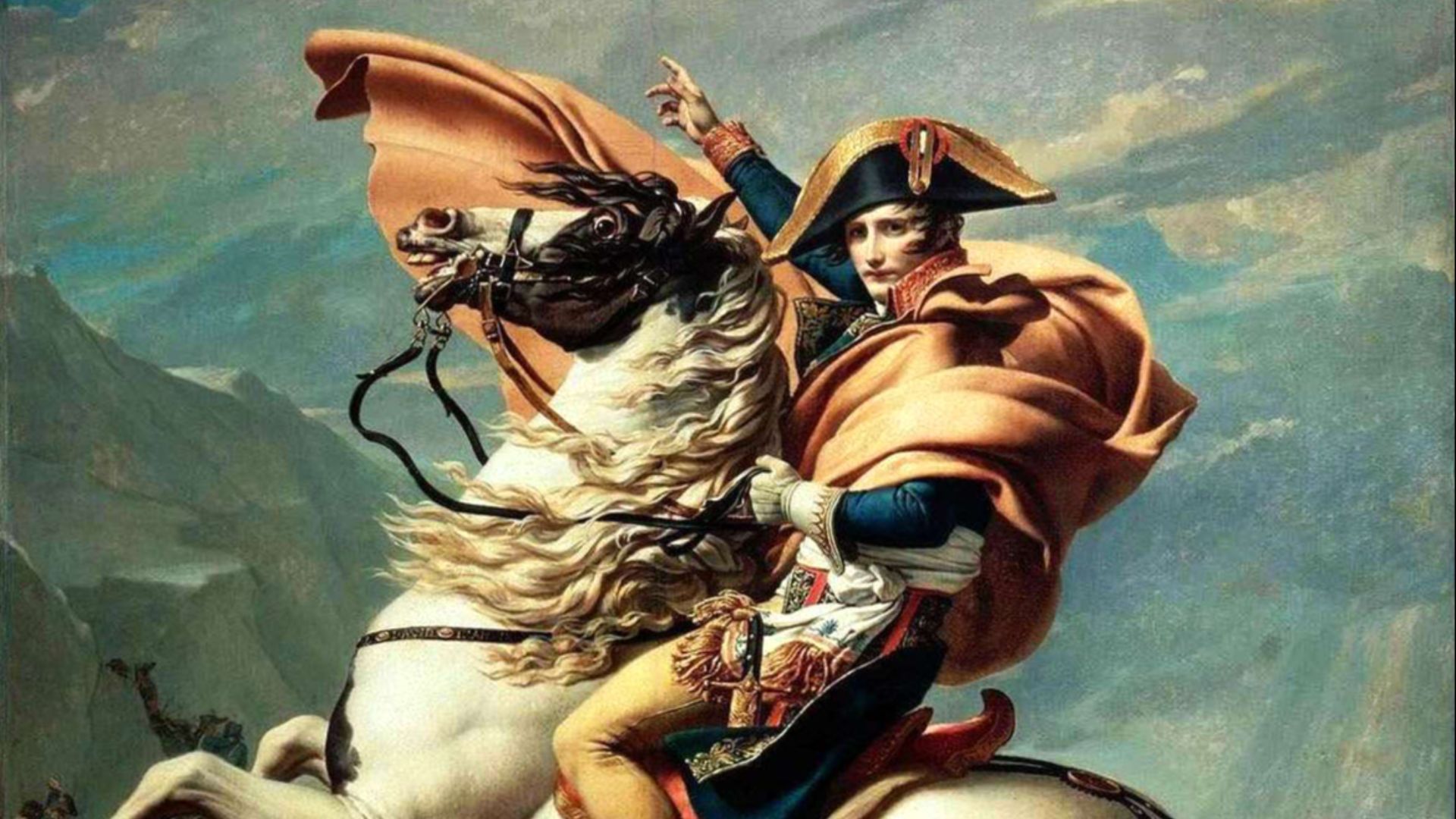 Jacques-Louis David on Wikimedia
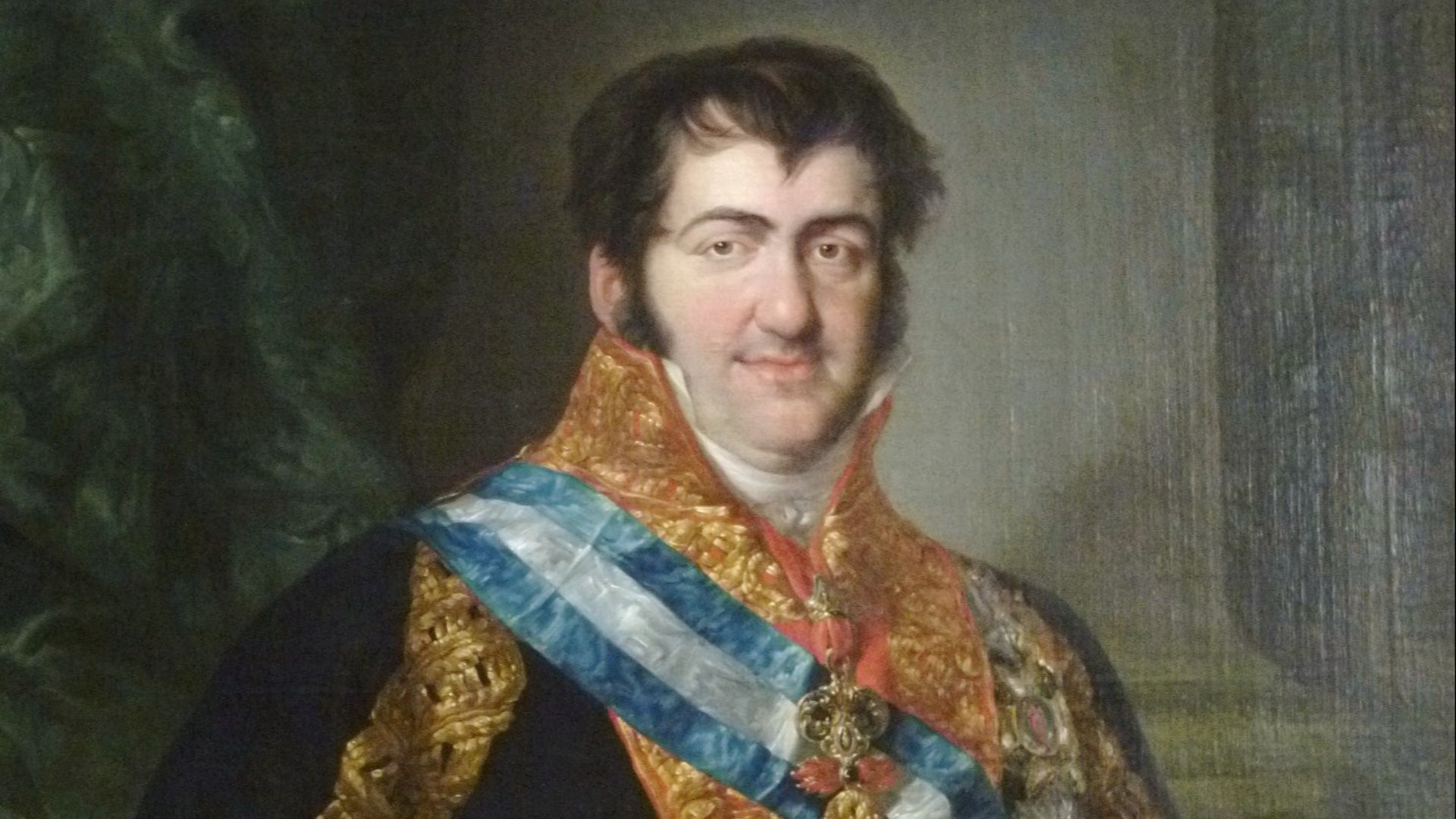
2. Ferdinand VII Of Spain
Ferdinand VII returned to Spain with the benefit of public relief and a real opening to meet the country halfway. Instead, he tore up the constitutional gains made in his absence, restored absolutist rule, and went after the liberals who had expected him to be a king rather than a punishment. His comeback did not feel like restoration so much as revenge dressed in royal ceremony.
 Vicente López Portaña on Wikimedia
3. Ayatollah Khomeini Of Iran
Khomeini returned from exile in 1979 to enormous crowds and enormous expectations. Many Iranians wanted freedom from the Shah, but what followed was a new system with its own harsh limits, purges, and controls. His return changed the region, but for many people, it replaced one form of fear with another.
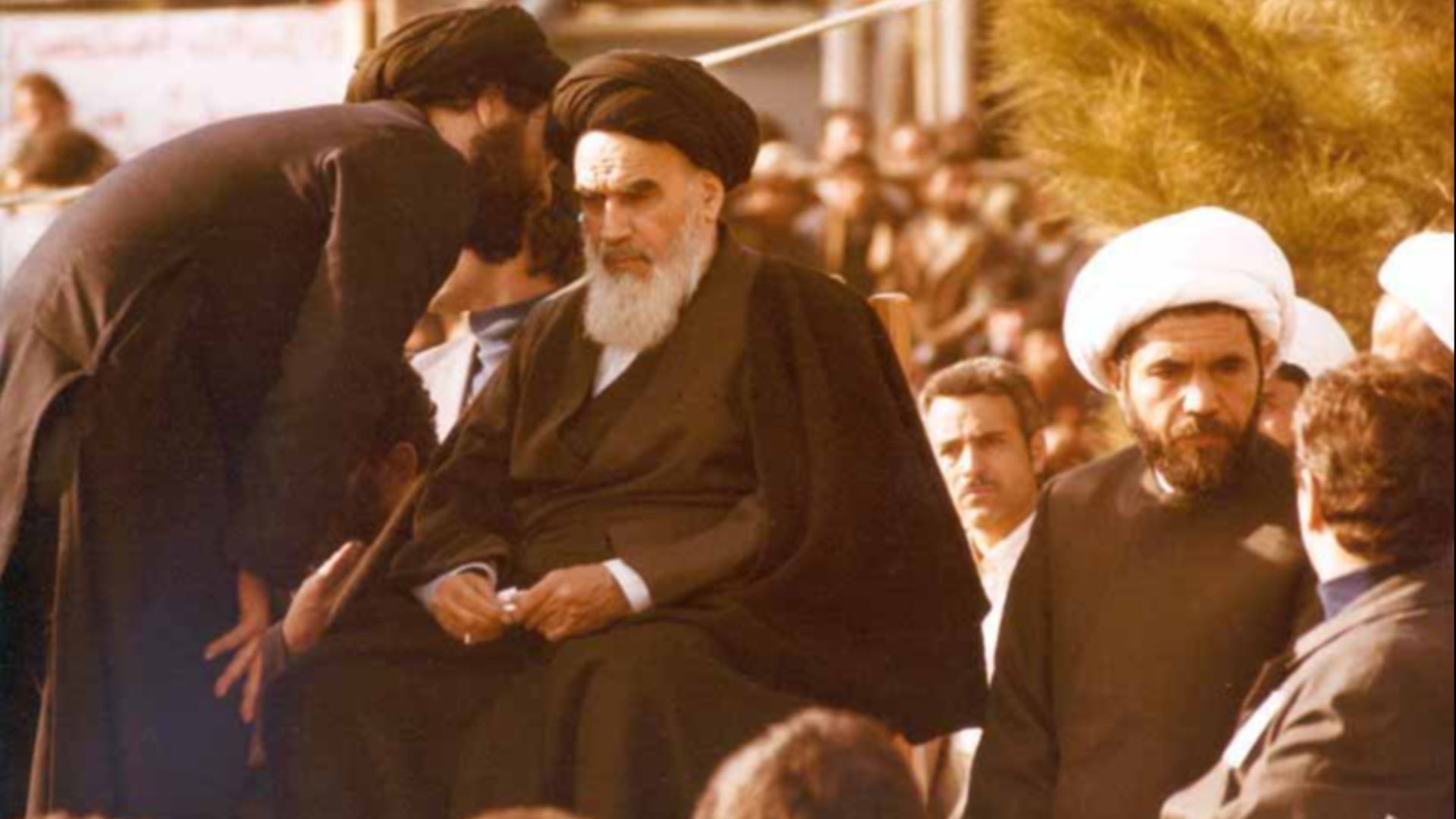 Unknown authorUnknown author on Wikimedia
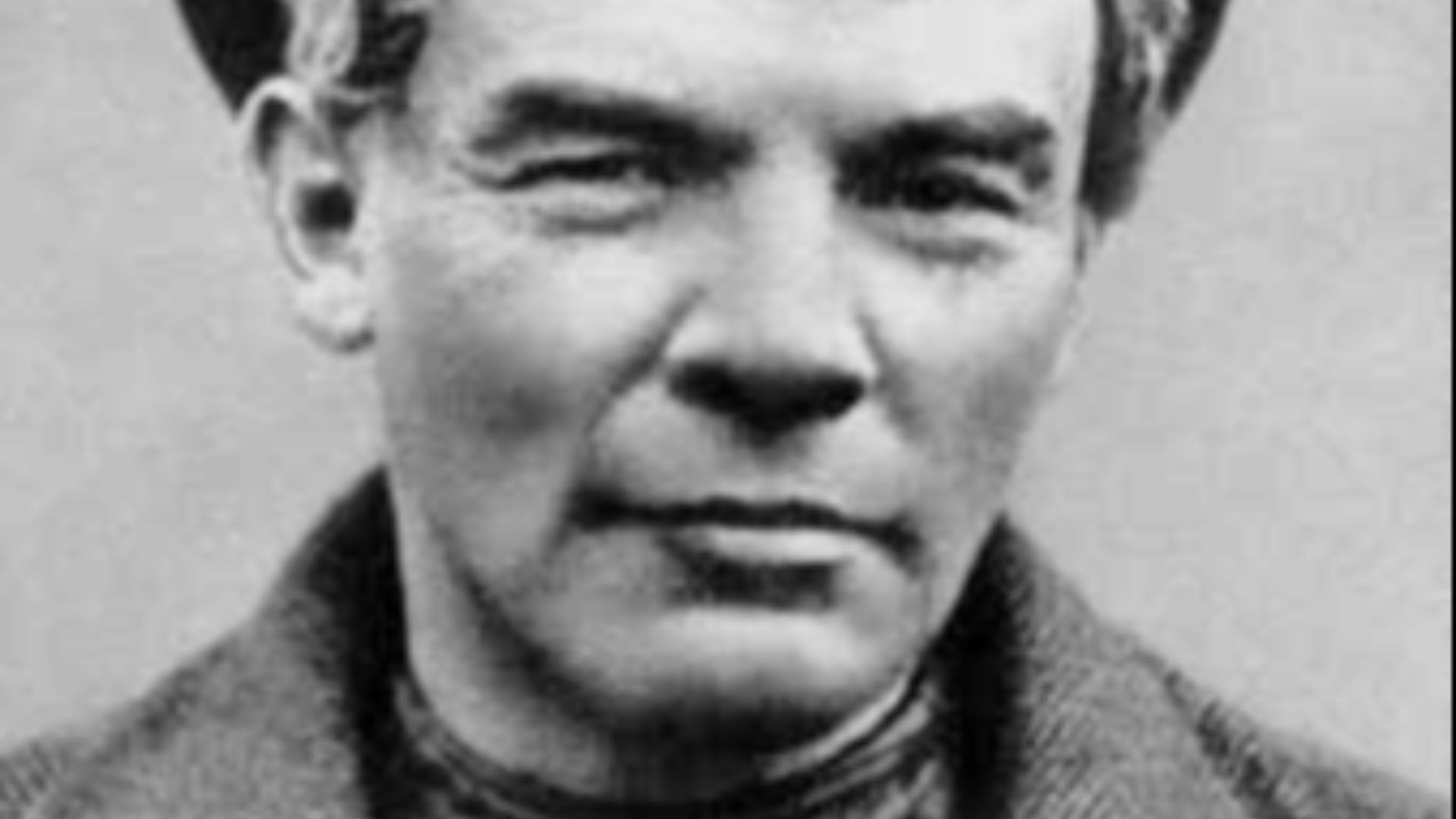
4. Vladimir Lenin
Lenin returned to Russia in 1917 at the exact moment when the country was exhausted, angry, and wide open to radical promises. He brought focus, discipline, and a hard-edged certainty that left little room for compromise or gradual repair. The old regime was already falling apart, but his return helped push Russia toward a revolution that quickly became far more ruthless than many of its early supporters had imagined.
5. Juan Perón
Juan Perón’s return to Argentina was treated by supporters like the missing piece of a national puzzle. But by then, the movement around him had split into factions that were ready to turn on one another. His comeback did not calm the country; it exposed how much anger had been waiting under the surface.
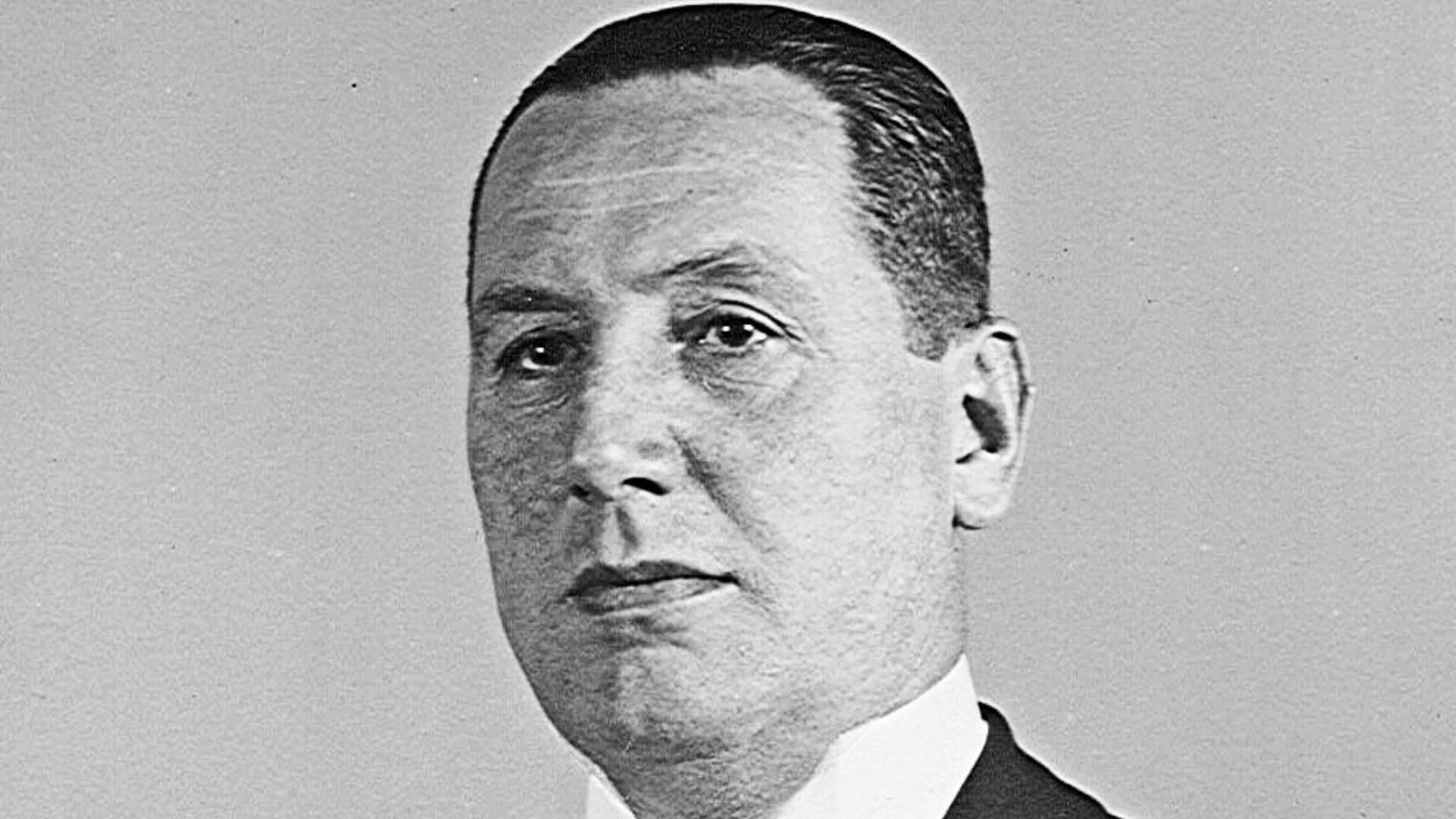 Unknown authorUnknown author on Wikimedia
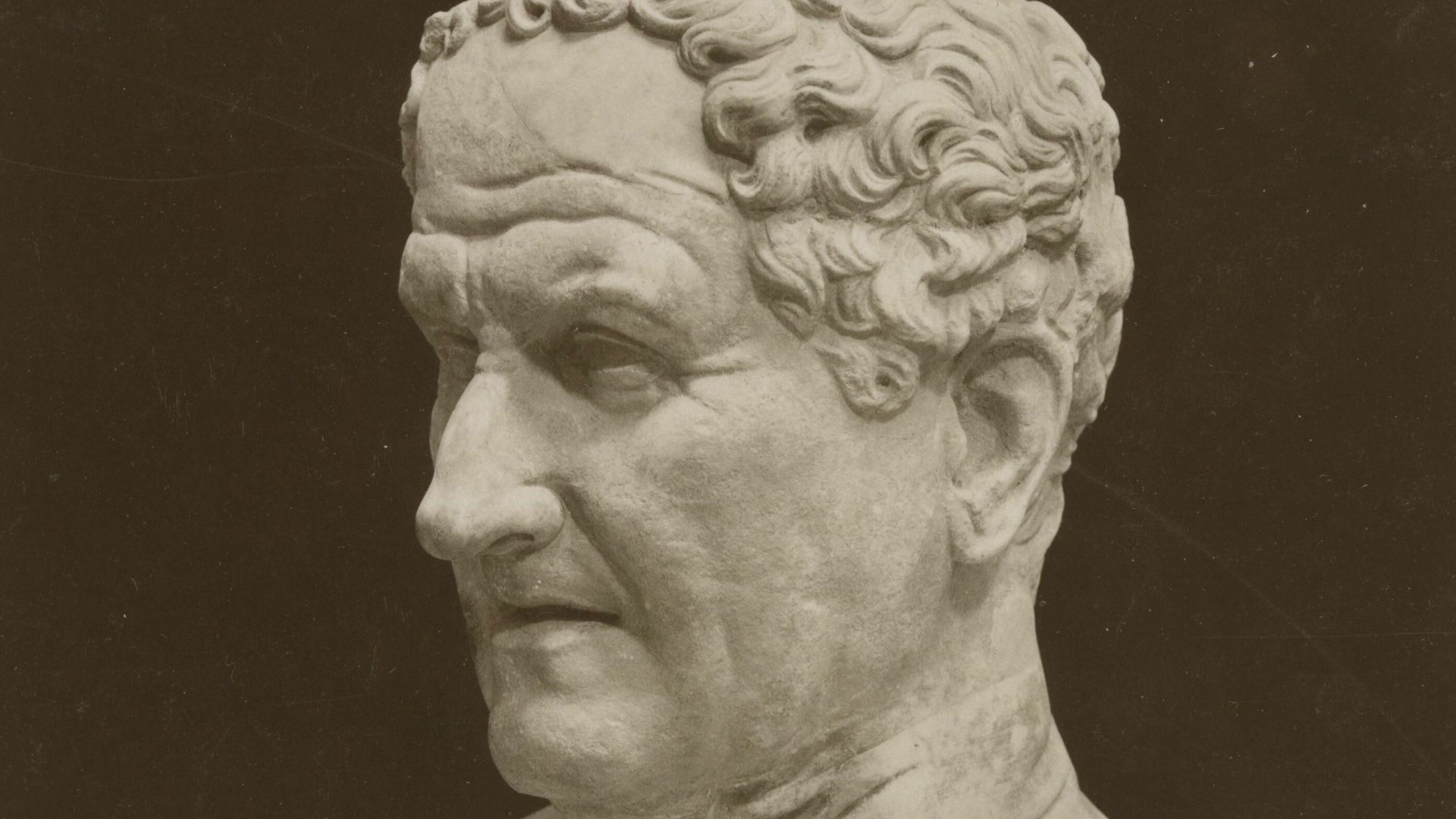
6. Lucius Cornelius Sulla
Sulla’s return to Rome was not a homecoming so much as an armed warning. He came back, took power, and used proscriptions to eliminate enemies with chilling efficiency. Rome had seen violence before, but Sulla helped make political revenge feel like a tool of government.
7. Manuel II Of Portugal
Manuel II spent his exile hoping, at least at times, that monarchy might return to Portugal. The trouble was not that he was uniquely terrible; it was that the old system had already lost its place. Some causes become less noble the longer they refuse to admit they are over.
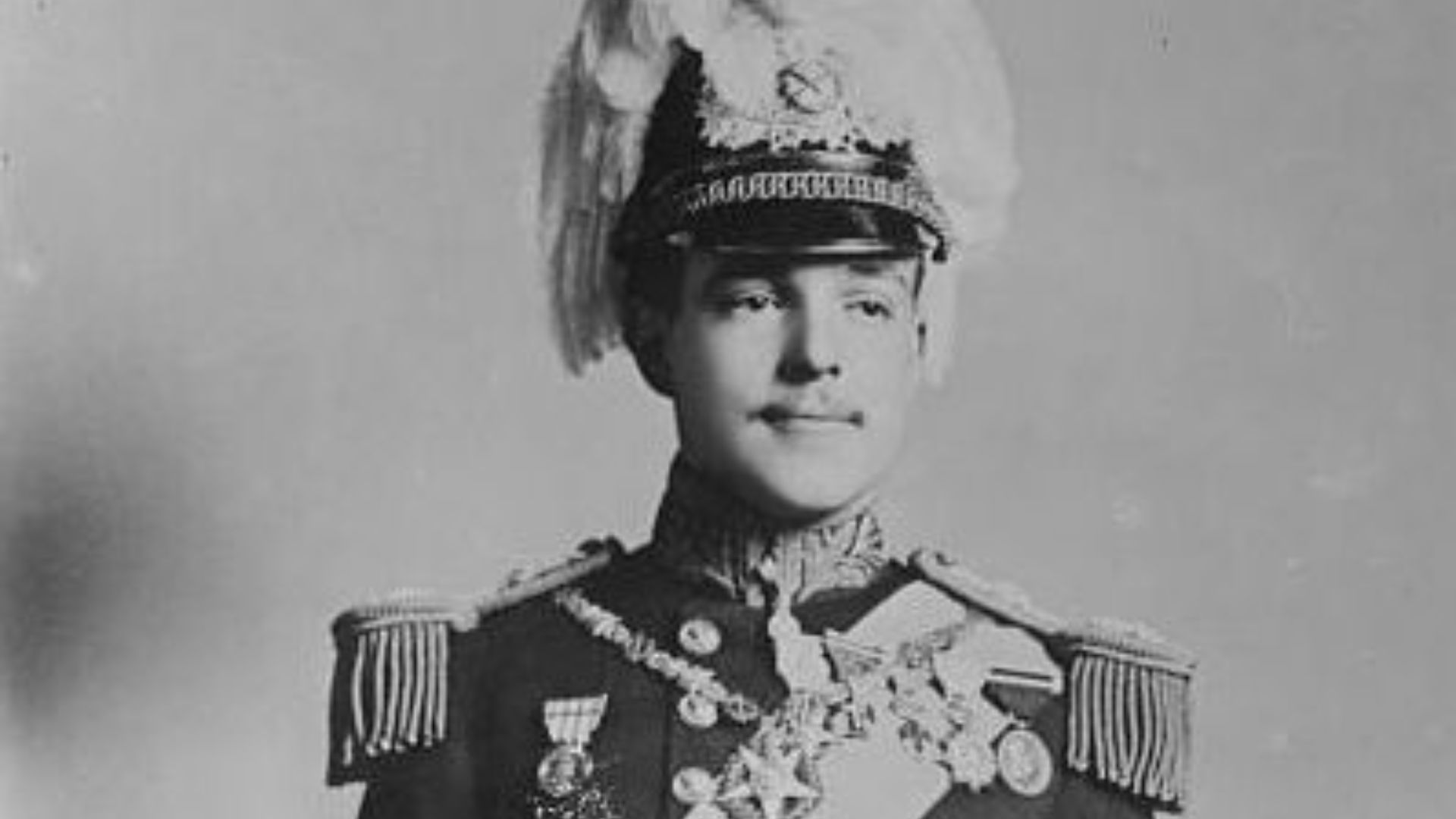 Bain News Service, publisher on Wikimedia
8. James II Of England
James II fled after the Glorious Revolution, then tried to recover his throne with foreign backing and Irish support. His return attempt made sense from his point of view, but it deepened conflict rather than healing it. A ruler who has already lost public trust rarely wins it back by arriving with an army.
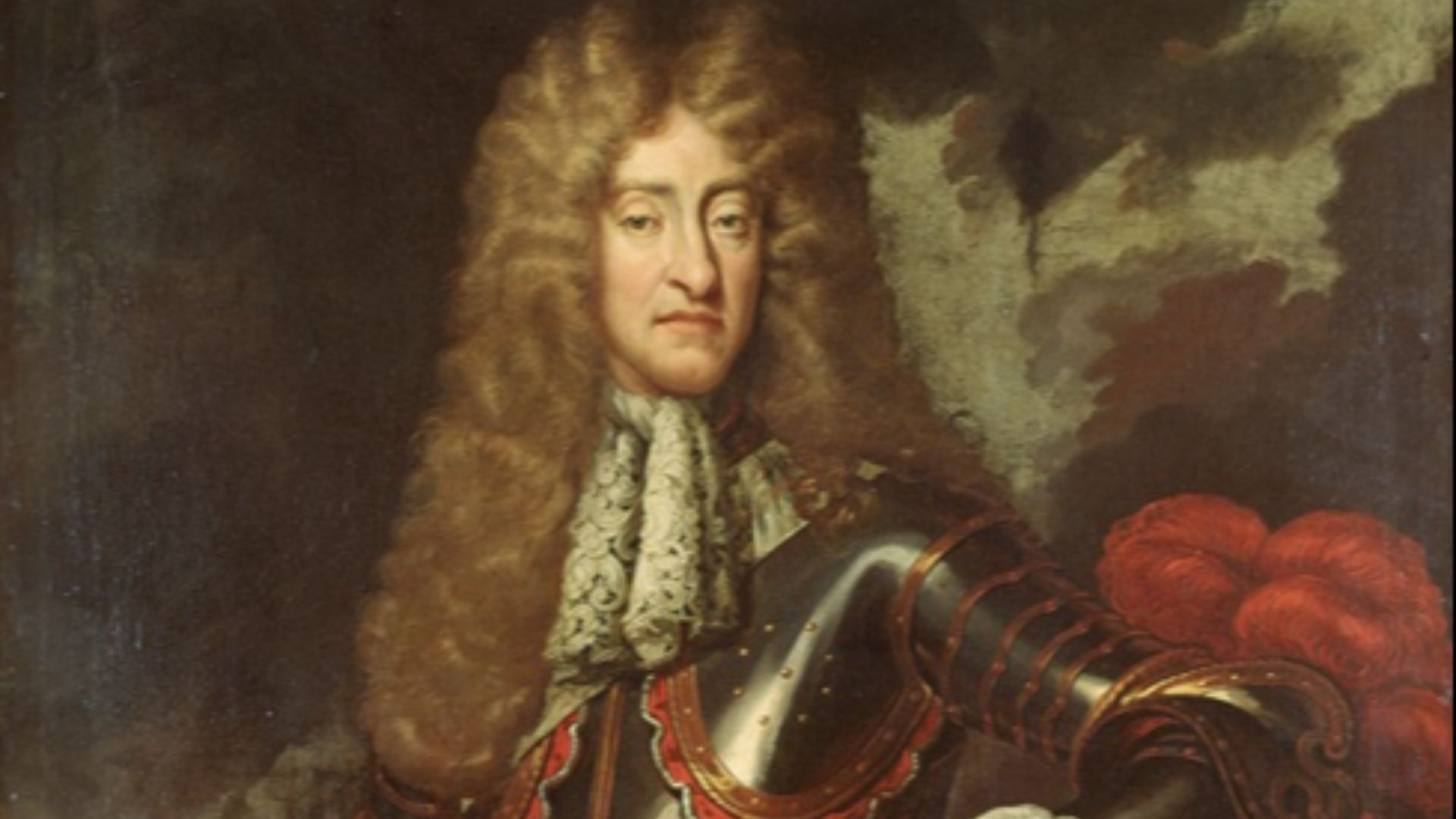 Unknown artistUnknown artist on Wikimedia
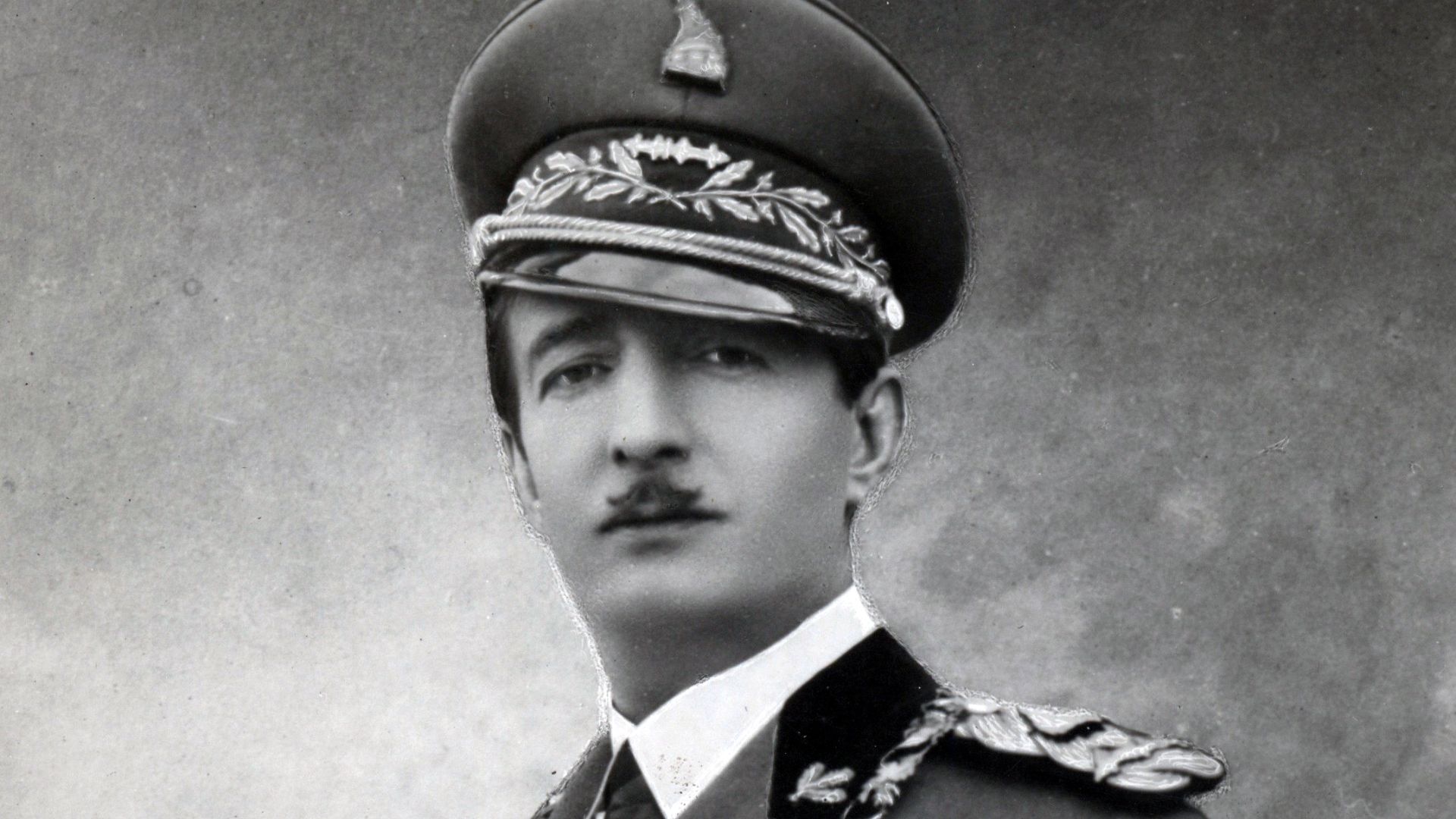
9. Zog I Of Albania
King Zog spent years trying to arrange a return after leaving Albania during the Italian invasion. It was not hard to understand why he wanted back in; exile has a way of making a lost throne look more possible than it is. But Albania had moved through occupation, war, and a new political order, and the country he hoped to reclaim was no longer waiting for him.
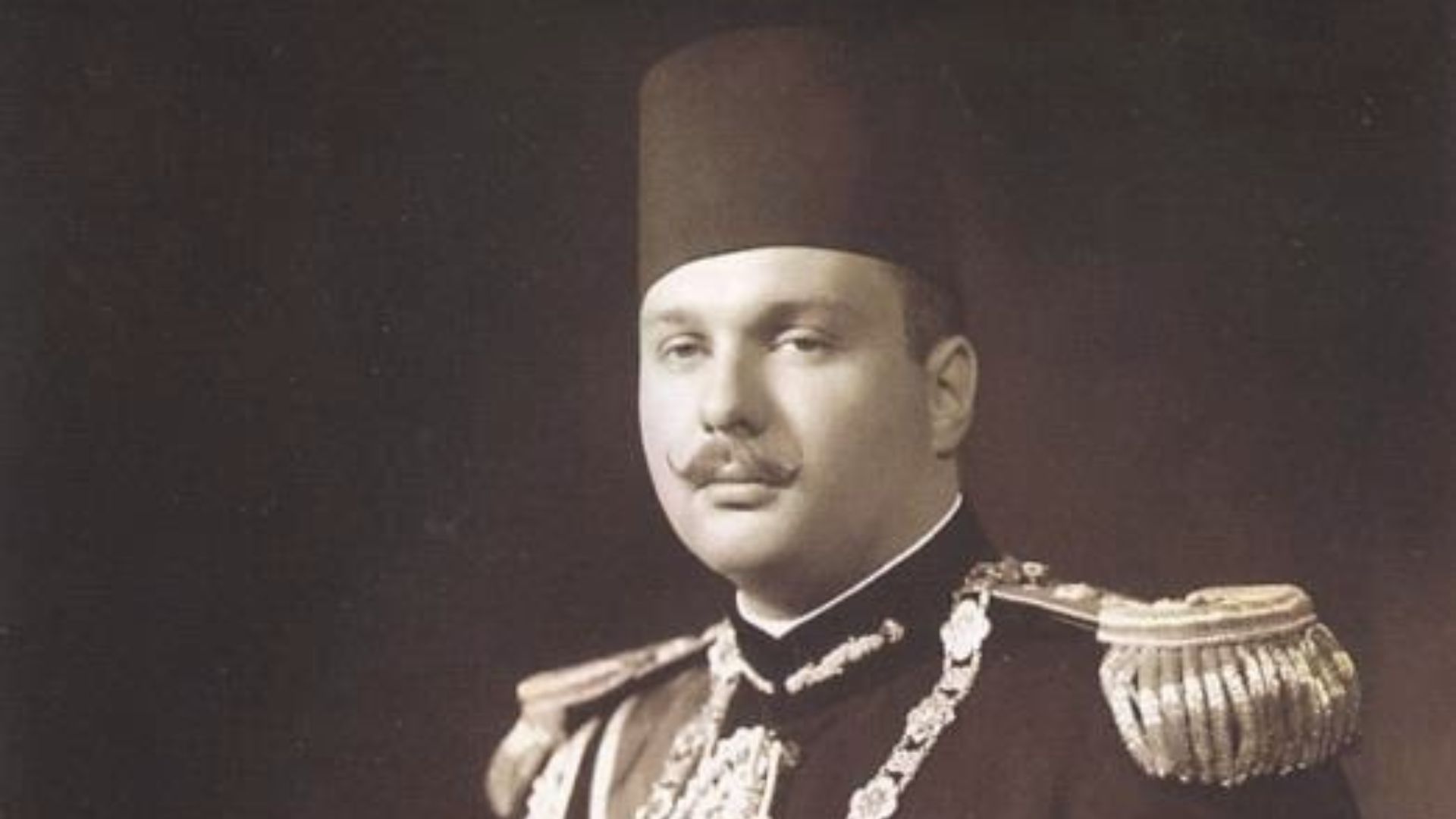
10. Farouk Of Egypt
Farouk never made it back to rule after exile, and that was probably for the best. By the time he left Egypt, his reign had become tied to excess, corruption, and a kind of royal detachment that felt insulting in a country under real strain.
KEEP ON READING
The story of Ching Shih, the Woman Who Became the…
Unknown author on WikimediaFew figures in history are as feared…
By Emilie Richardson-Dupuis Dec 29, 2025
Einstein's Violin Just Sold At An Auction—And It Earned More…
A Visionary's Violin. Wanda von Debschitz-Kunowski on WikimediaWhen you hear…
By Ashley Bast Nov 3, 2025
This Infamous Ancient Greek Burned Down An Ancient Wonder Just…
History remembers kings and conquerors, but sometimes, it also remembers…
By David Davidovic Nov 12, 2025
The Mysterious "Sea People" Who Collapsed Civilization
3,200 years ago, Bronze Age civilization in the Mediterranean suddenly…
By Robbie Woods Mar 18, 2025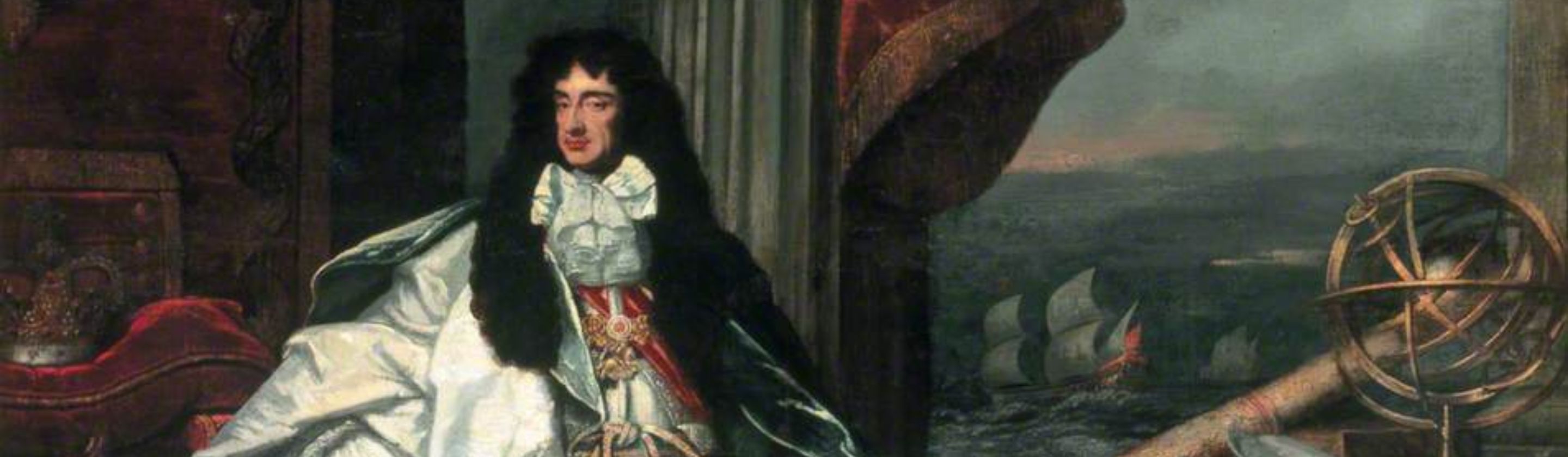
10 Rulers Who Returned From Exile & 10 Who Should…
Power Has A Memory. Exile is supposed to be the…
By Cameron Dick May 1, 2026
20 Soldiers Who Defied Expectations
Changing the Rules of the Battlefield. You’ve probably heard plenty…
By Annie Byrd Feb 10, 2026