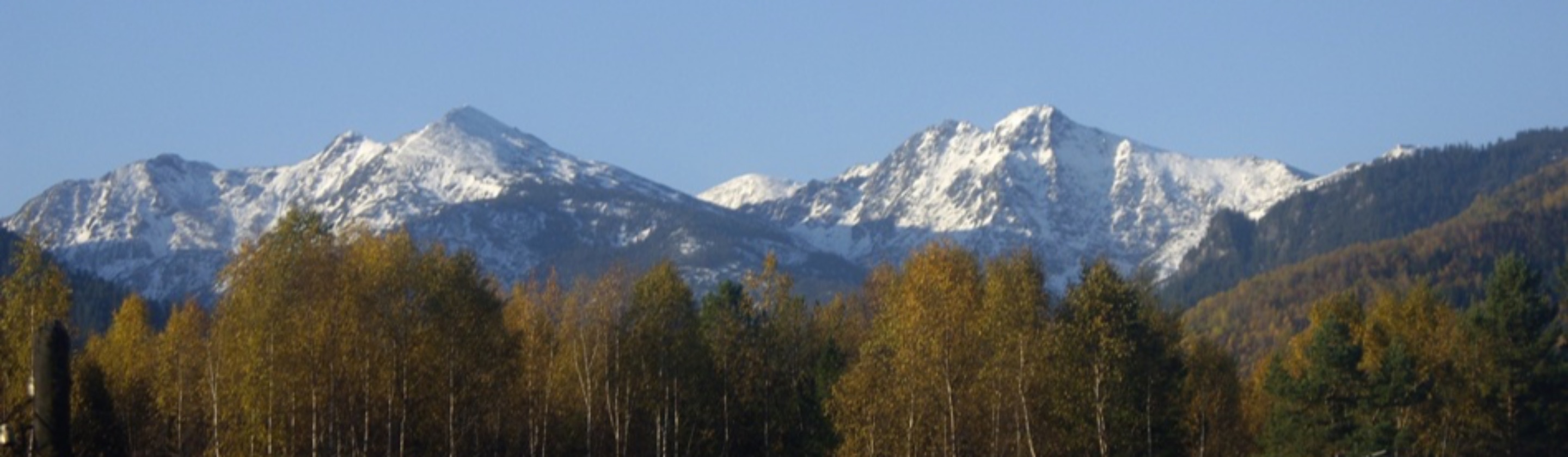
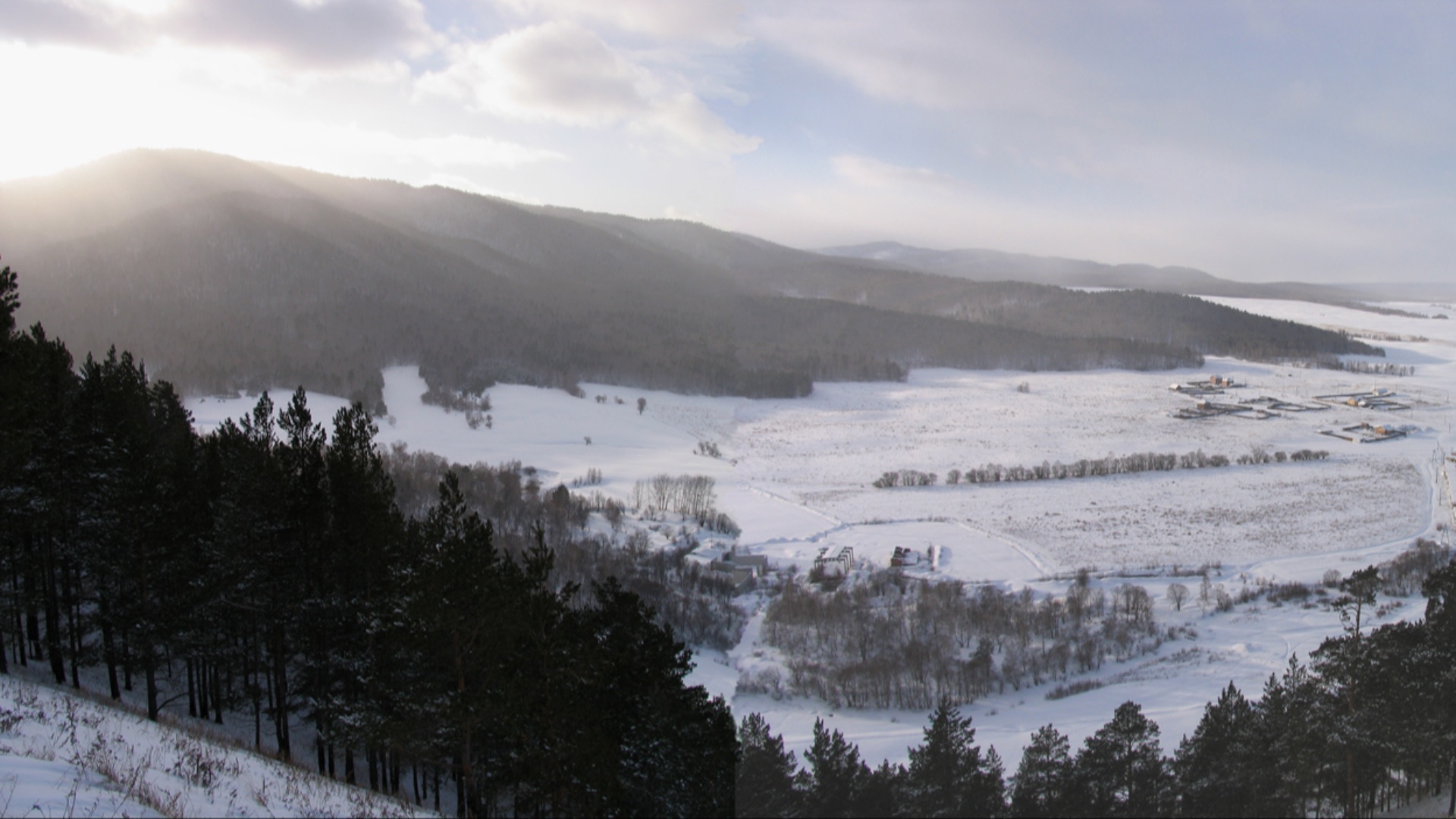
 Zverkov at Russian Wikipedia on WikimediaSome of the most disturbing unsolved cases in history don't come with clear culprits or obvious explanations; instead, they come wrapped in confusion, conflicting accounts, and a trail of evidence that keeps investigators spinning, even decades later. The 1993 Khamar-Daban incident is one of those cases. On August 5, 1993, six hikers died under circumstances so bewildering that the event has since been dubbed "Buryatia's Dyatlov Pass," drawing comparisons to the infamous 1959 tragedy in which nine Soviet hikers perished in the northern Ural Mountains under equally unexplained conditions.
What makes the Khamar-Daban case so unsettling isn't just the deaths themselves, but the nature of them. The group was experienced, the terrain was familiar to locals, and the hike had started without incident. Yet within days, six people were dead on a Siberian mountainside, and the only person to walk away has spent years struggling to articulate what she actually witnessed. Investigators, researchers, and amateur sleuths have all returned to this case repeatedly, and no single explanation has ever held up entirely under scrutiny.
An Experienced Group in Familiar Territory
The story begins with a group of seven hikers led by Lyudmila Korovina, a 41-year-old survivalist and experienced hiking instructor who held a Master of Sports designation in hiking—a prestigious recognition within Soviet and post-Soviet athletic culture. She was well-regarded by her students, known for pushing them hard but also for instilling real confidence in the field. The trip was organized through the Petropavl "Azimut" tourist club, with the plan to traverse the Khamar-Daban mountain range in the Republic of Buryatia, southern Siberia.
The hike began on August 2, 1993, and early progress was promising enough that the group reached the summit of Retranslyator ahead of schedule. Three hiking parties were in the region simultaneously, including a separate group led by Korovina's daughter, Natalia, which was scheduled to meet Korovina's party on August 5. The range itself was a well-known tourist destination at the time, which makes the subsequent events even harder to explain away.
Weather conditions deteriorated sharply on August 4, trapping the group in heavy rainfall and preventing them from lighting a campfire. They set up a makeshift camp for the night with wet gear and limited shelter; while this was uncomfortable, it wasn't out of the ordinary for a seasoned group operating in a Siberian mountain range. The following morning, everyone ate breakfast, the group packed up and continued their descent, and that's precisely when things fell apart.
One Witness, Six Deaths, and No Official Clarity
Shortly after the group resumed their descent on August 5, one of the students named Aleksander "Sacha" Krysin suddenly clutched his face and began screaming at the back of the line. What followed, according to sole survivor Valentina Utochenko, was rapid and horrifying: group members began convulsing, foaming at the mouth, and bleeding from their eyes, ears, and nose before collapsing one by one. Korovina, who had immediately gone to help Sacha before she, too, experienced the same symptoms, was among the dead, leaving the group without its most experienced member at the worst possible moment.
Utochenko, who had skipped breakfast that morning, managed to flee the scene and set up temporary shelter under tree cover. For four days, she followed power lines down the mountain, hoping someone would find her; she eventually located a river and tracked it until, on August 9, a group of Ukrainian kayakers discovered her, covered in blood and barely responsive. She was brought to the nearest police station, but so traumatized as she was, she didn't speak for several days, which significantly delayed the official search.
The bodies weren't located until August 24, when helicopters were deployed as part of a formal recovery effort. Autopsies carried out in Ulan-Ude concluded that five victims died of hypothermia, while Korovina was found to have suffered a heart attack. All of the bodies were found partially undressed and showed signs of bruised lungs—details that the official findings never satisfactorily addressed. Despite this report, no cause of death was ever formally attributed to the visceral scene Utochenko described witnessing firsthand.
The Theories That Still Divide Researchers
What happened on that mountain range? The most widely discussed explanation is exposure to a nerve agent, and if you look at the symptoms, the reasoning isn't entirely without basis. Frothing at the mouth, convulsions, and bleeding from the nose and mouth are consistent with organophosphate poisoning; the Soviet-developed Novichok nerve agent family was reportedly tested in areas near Khamar-Daban, and nearby Lake Baikal has a documented history as a site for toxic waste disposal, meaning the hikers could have accidentally drunk contaminated water. That said, not all of Utochenko's described symptoms align neatly with known nerve agent effects; bleeding from the eyes, in particular, isn't a clinically recognized outcome of such exposure.
The official hypothermia verdict has its own supporting evidence, even if it doesn't account for everything Utochenko reported. In severe hypothermia, victims can experience hallucinations and a phenomenon called paradoxical undressing, in which a person removes their clothing despite the cold due to a misfiring of the brain's temperature-regulation system; this would explain why the bodies were found partially undressed. Pulmonary edema has also been proposed as a contributing factor, which could account for the bruising present on the lungs of every victim.
Other theories range from accidental mushroom poisoning—the group was known to forage on hikes—to infrasound exposure, which refers to low-frequency sound waves inaudible to the human ear that can allegedly cause disorientation and panic. Some researchers have pointed to possible exposure to toxic plants, while fringe theories suggest the hikers were silenced after stumbling onto a classified military operation.
And yet, ultimately, none of these explanations has been conclusively proven or disproven, and the case remains officially unsolved to this day. Frightening as the case is and how it all unfolded, it's a sobering reminder that some of history's most troubling events simply don't resolve themselves, and likely never will.
KEEP ON READING