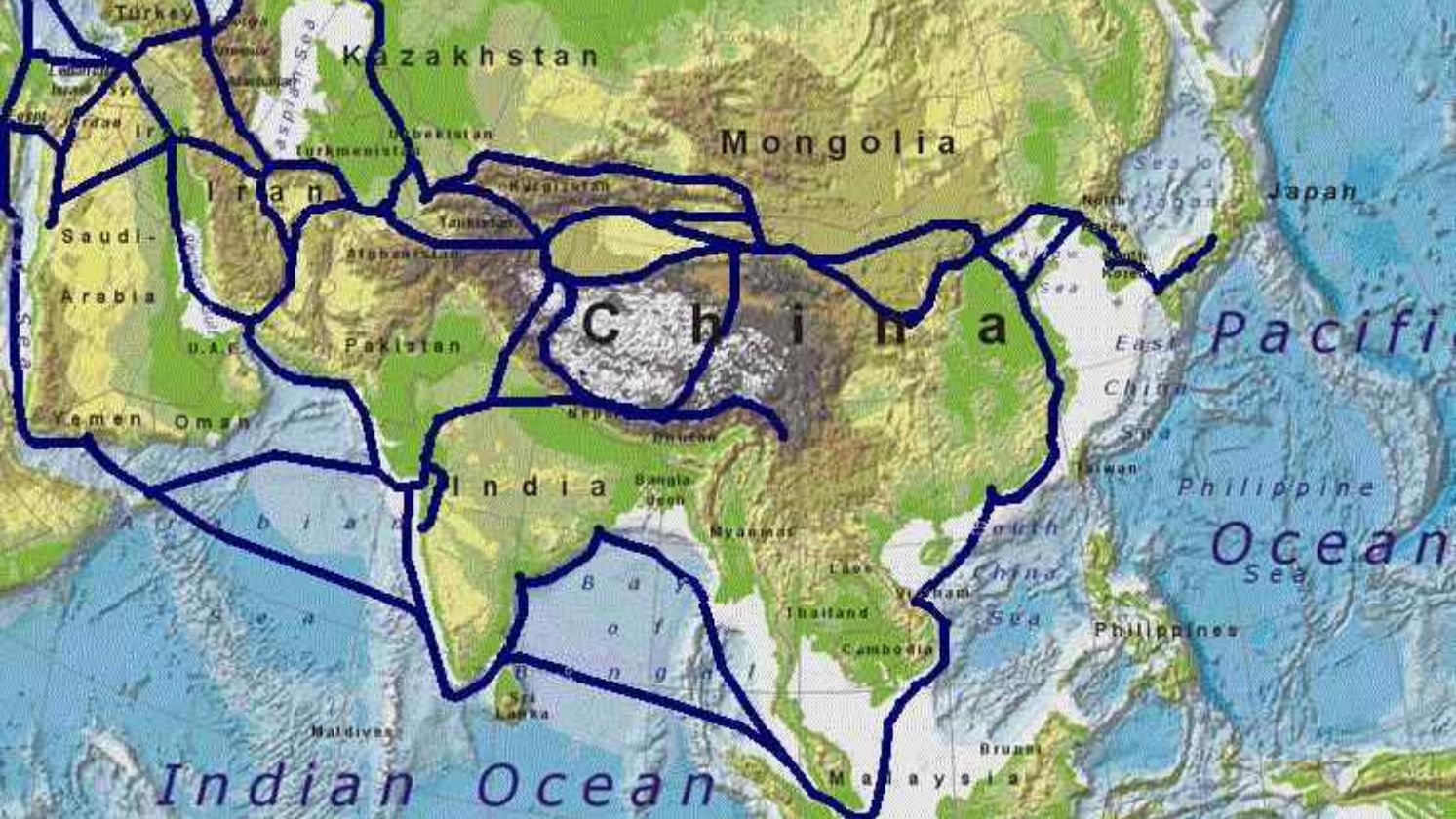
Traveling the Silk Road as a merchant wasn’t a single continuous expedition, but a series of interconnected routes stretching from East Asia to the Mediterranean. These networks became especially active during the Han Dynasty, when diplomatic missions and trade expanded across Central Asia. You wouldn’t typically travel the entire distance yourself, but instead move goods between key cities, passing them along through trusted trade partners. This system made long-d
istance commerce possible while reducing the risks tied to extended travel.
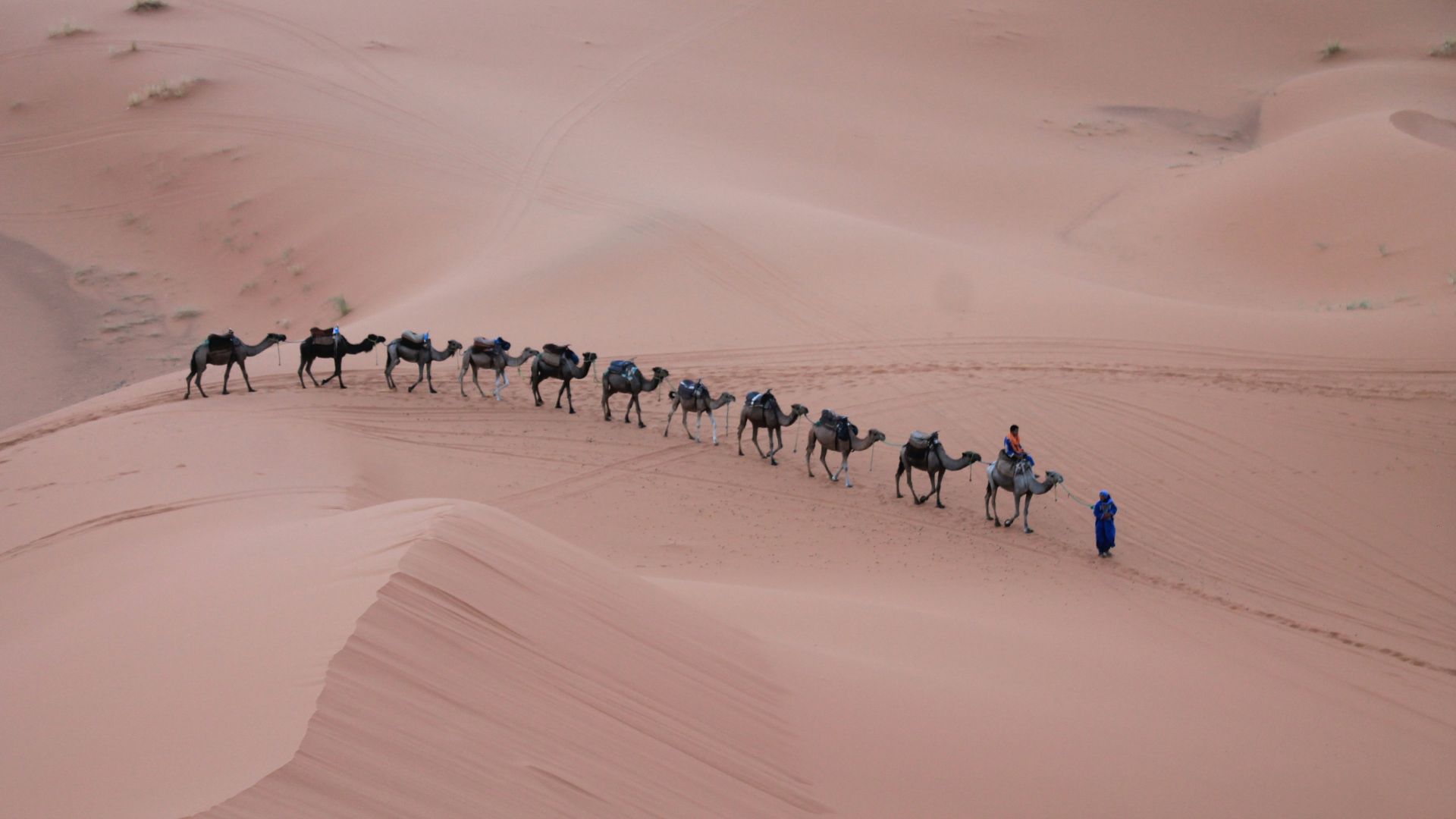
Preparation played a critical role in whether your journey succeeded or failed, since conditions could shift quickly across regions. Caravans were commonly used for safety, often including dozens of merchants and pack animals like Bactrian camels, which were well adapted to harsh climates. You had to plan for food, water, trade goods, and protection, all while staying aware of seasonal and political changes. Even with experience, uncertainty remained constant, requiring you to stay flexible at every stage.
Navigating Landscapes and Trade Networks
The physical journey along the Silk Road exposed you to some of the most challenging environments in the world. Deserts like the Taklamakan were particularly dangerous, with extreme temperatures and scarce water sources making direct crossings risky. Instead, caravans followed established routes along the desert’s edges, stopping at oasis towns such as Dunhuang and Khotan. These stops weren’t optional, since they provided essential supplies and allowed merchants to rest and regroup.
Mountain routes added a different kind of difficulty, especially in regions like the Pamir Mountains, where narrow passes and high elevations slowed progress. Weather conditions could change quickly, forcing caravans to delay travel or take alternative paths. You had to rely on experienced guides who understood these routes, because unfamiliar terrain could lead to serious losses. These stretches of the journey required patience, coordination, and physical endurance to navigate safely.
Trade hubs played a central role in the overall system, acting as gathering points for merchants from different regions. Cities like Samarkand, Bukhara, and Kashgar became major centers where goods were exchanged, and information was shared. In these locations, you’d encounter traders from Persia, India, and China, each bringing different products and expectations.
Goods, Exchange, and Economic Strategy
The Silk Road is most closely associated with silk, which was highly valued in regions like the Roman Empire, but it was only one of many goods in circulation. You might carry spices from India, textiles from China, glassware from the Mediterranean, or horses from Central Asia. Each item held value based on its rarity and demand in distant markets. This diversity allowed merchants to adapt their trade strategies depending on where they were traveling.
Trade rarely involved transporting goods from one end of the route to the other, as items typically changed hands multiple times along the way. You might sell part of your cargo in one city and purchase new goods better suited for the next leg of the journey.
Currency systems varied across regions, so trade often relied on barter or widely accepted forms of payment like silver coins. Negotiation was a key part of every transaction, especially when dealing with unfamiliar customs and languages. You needed to balance trust with caution, since misunderstandings could lead to disputes or losses. Over time, experienced merchants built reputations that made future exchanges smoother and more predictable.
Risk, Survival, and Cultural Exchange
Traveling the Silk Road involved significant risks that went beyond the challenges of terrain and distance. Bandit attacks were a constant threat, particularly in remote areas where protection was limited. Caravans helped reduce vulnerability, and in some regions, local authorities offered security in exchange for taxes or fees. You had to weigh these costs carefully, since they could affect overall profits.
Health and survival were ongoing concerns, as long journeys exposed you to unfamiliar climates and limited medical care. Even minor illnesses could become serious problems when traveling far from established settlements. Maintaining physical endurance and managing supplies were essential for completing each stage of the journey. These conditions required resilience and careful planning to avoid setbacks.
Beyond trade, the Silk Road served as a channel for cultural and technological exchange across continents. As a merchant, you’d encounter different religions, languages, and customs, many of which influenced the regions connected by these routes. Buddhism, for example, spread from India into Central and East Asia through travelers and trade networks.
Traveling the Silk Road as a merchant demanded far more than the ability to buy and sell goods, since every journey required awareness, resilience, and the ability to navigate constant uncertainty. You weren’t just moving products across regions, but adapting to shifting environments, negotiating across cultures, and managing risks that could change at any moment. The experience combined commerce with survival, requiring both practical skill and long-term thinking to succeed.