
20 Things Movies Get Completely Wrong About Samurai
The Truth Behind Japan's Most Famous Warriors
When you picture a samurai, you probably imagine a fearless warrior carrying a perfectly sharpened sword, following a strict code of honor, and defeating enemies with incredible precision. Movies have spent decades turning these Japanese warriors into legendary figures, but the reality was often quite different. Samurai were soldiers, politicians, landowners, and even government officials whose responsibilities changed throughout Japanese history. While Hollywood has gotten some things right, it's also helped spread plenty of misconceptions about how these warriors actually lived. Here are 20 things movies often get wrong about samurai.
1. Samurai Always Fought With Swords
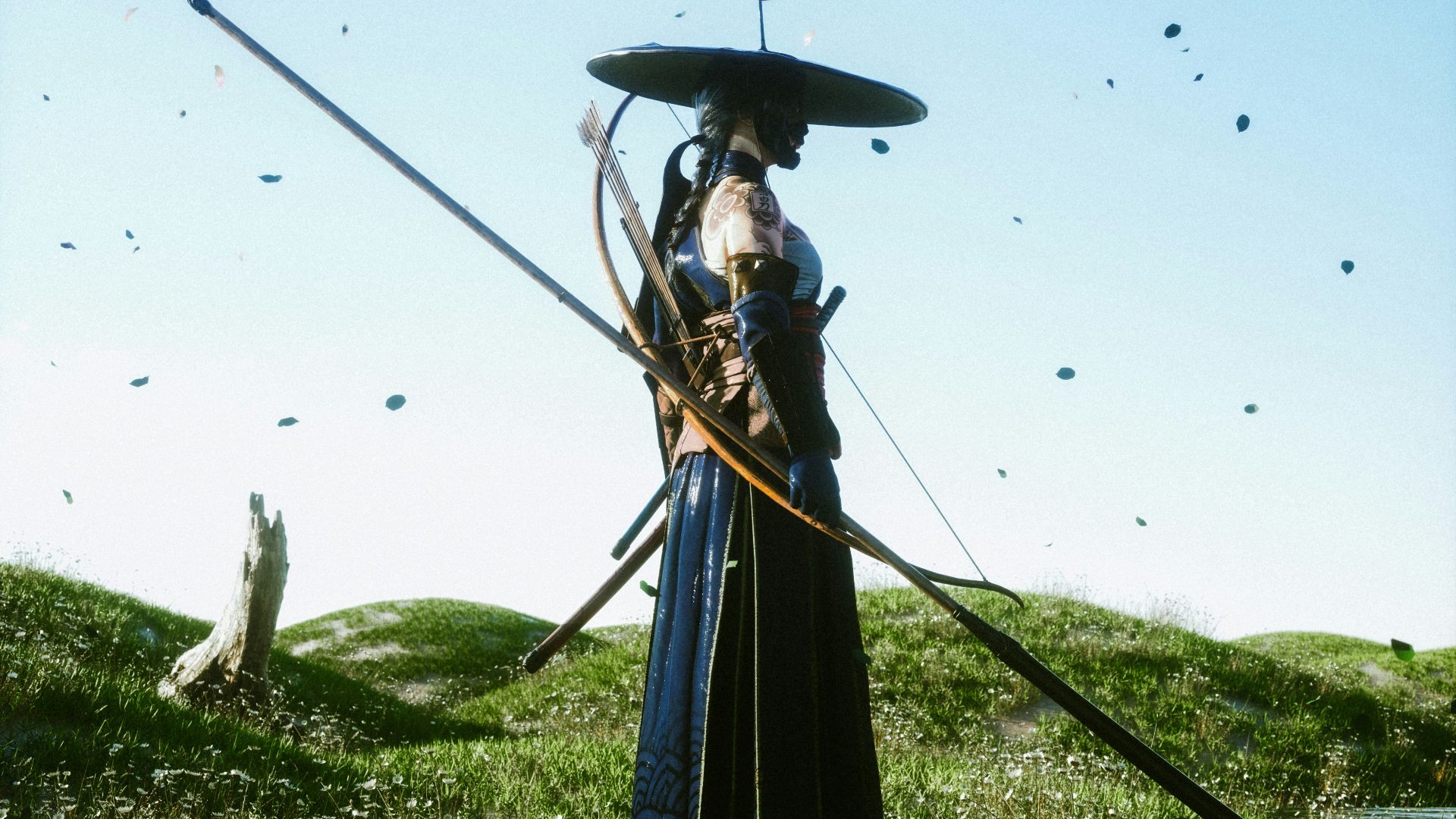
Although the katana is practically inseparable from the modern image of a samurai, swords weren't always their weapon of choice. Early samurai were particularly skilled at horseback archery, while spears and other polearms became essential during later conflicts. Swords certainly had their place, but they weren't necessarily the first and only weapon a warrior reached for when heading into battle.
2. Every Samurai Followed the Same Code of Honor
Movies love portraying samurai as warriors who followed a strict, universally accepted code called Bushido. In reality, their expectations and values changed throughout history, and there wasn't one official rulebook governing every samurai's behavior. Many of the principles associated with Bushido today were formalized or became widely popular long after Japan's major periods of samurai warfare.
3. Samurai Never Used Guns
You might assume that samurai considered firearms dishonorable, especially since movies often show them rejecting modern weapons. However, Japanese warriors were quick to adopt matchlock guns after their introduction in the 16th century. Firearms became an important part of military strategy, and some samurai were trained marksmen who recognized just how useful these weapons could be.
4. Samurai Were Always Wealthy
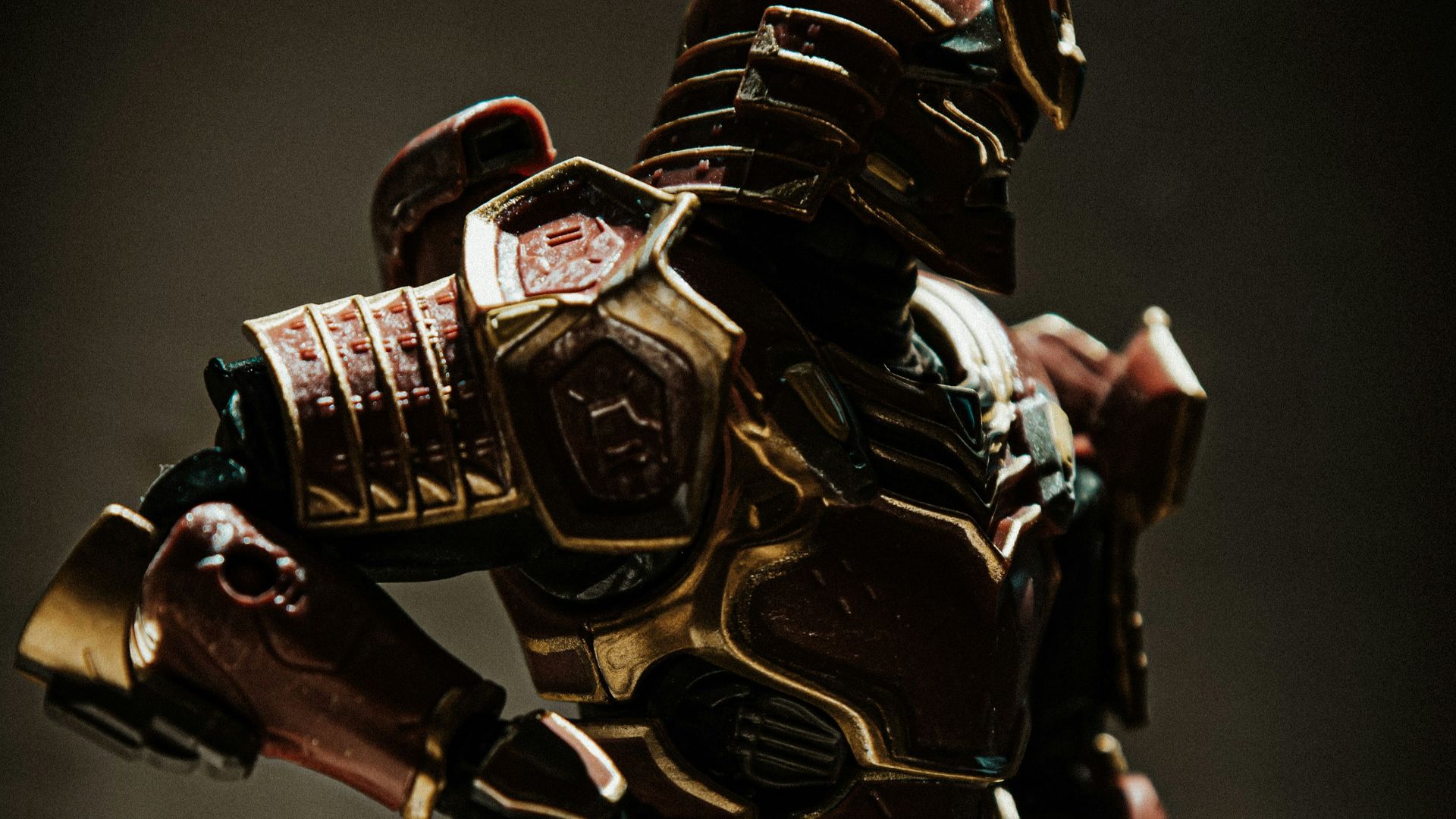
Those elaborate suits of armor and impressive residences might make you think every samurai lived comfortably. However, wealth varied enormously depending on a warrior's rank, family background, and the period they lived in. During the Edo period, some lower-ranking samurai struggled to make ends meet, especially when their fixed stipends couldn't keep up with rising living expenses.
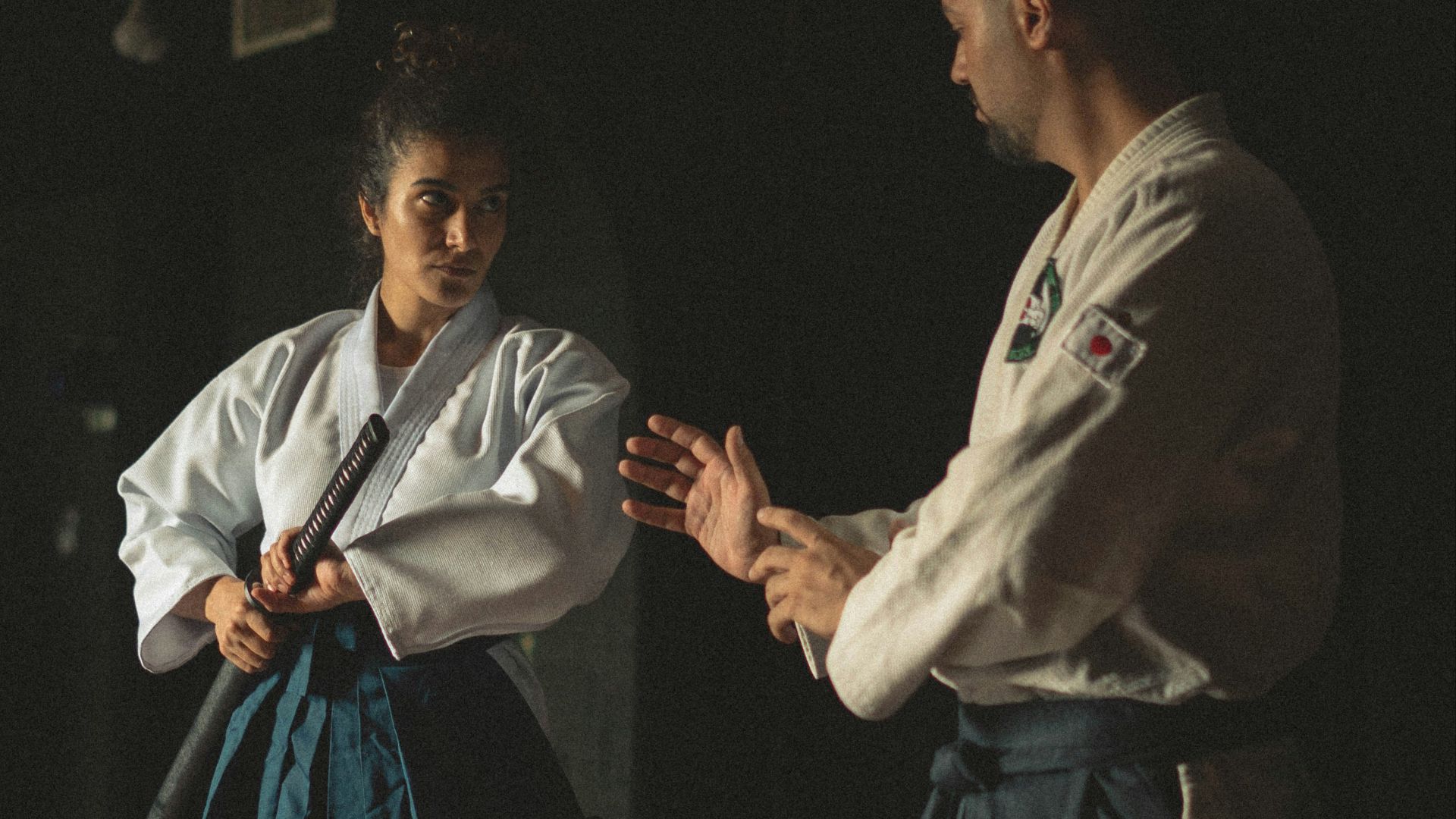
5. Samurai Constantly Fought One-on-One Duels
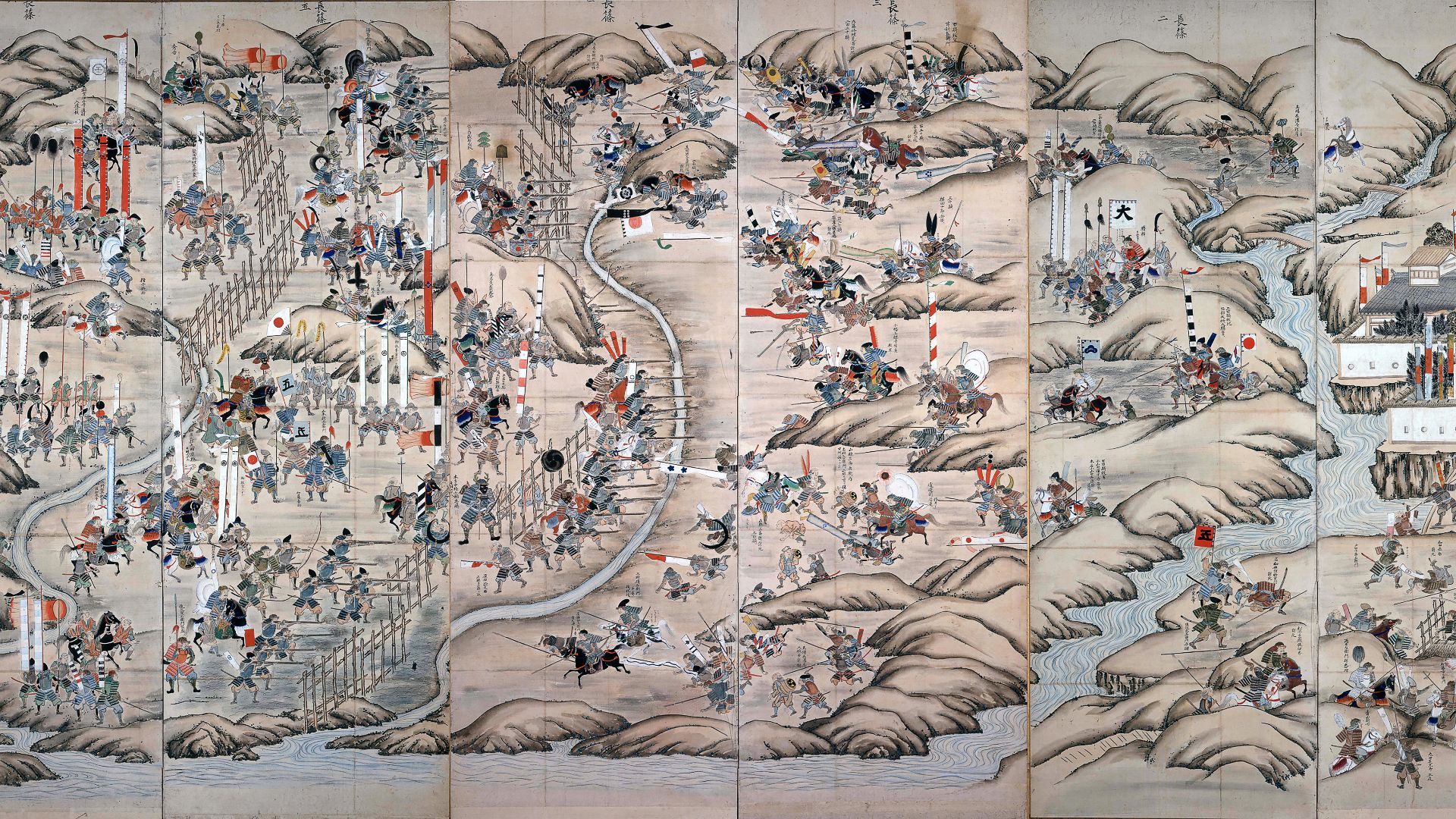
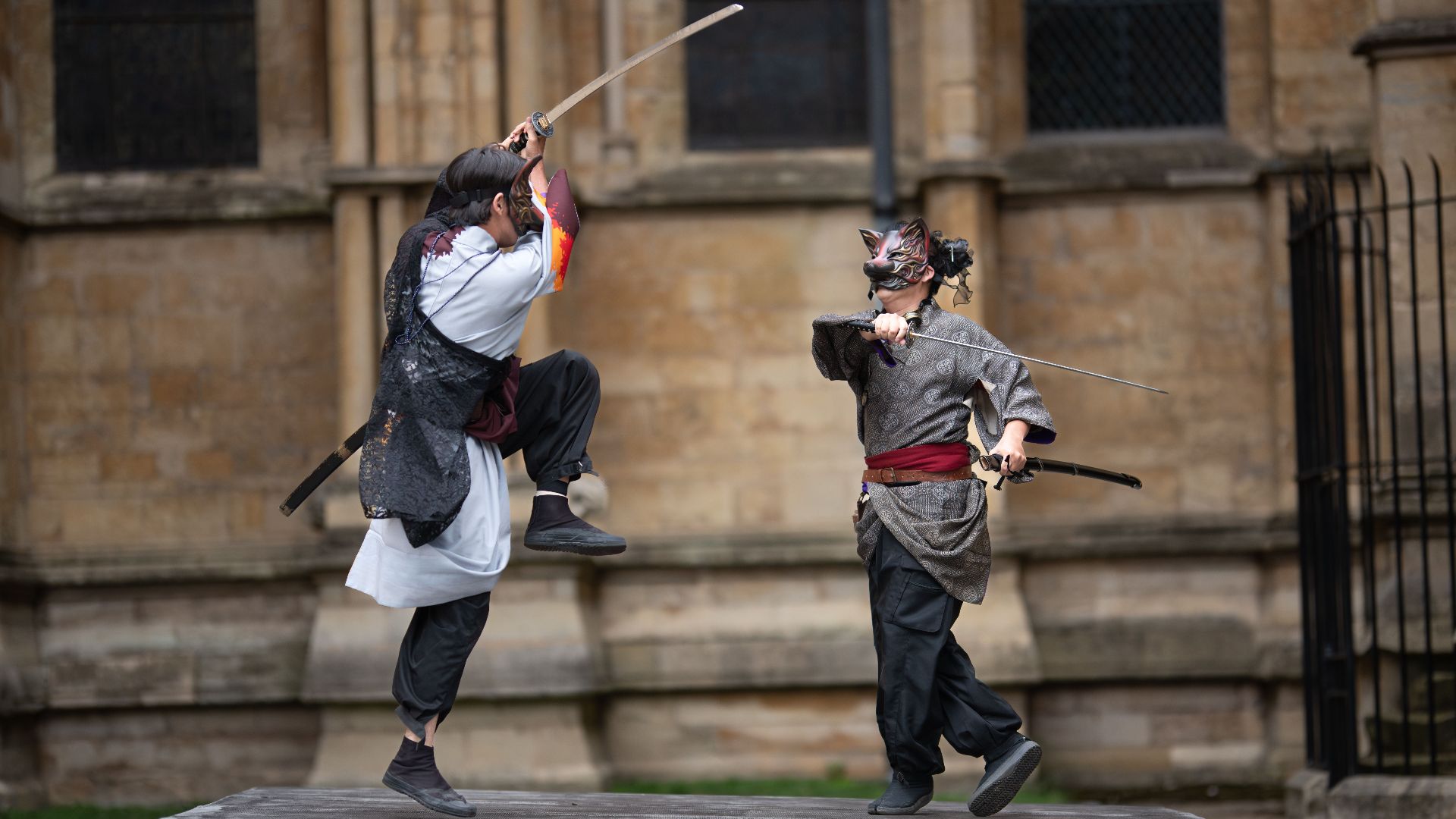
A dramatic showdown between two highly skilled swordsmen makes for a great movie scene, but it wasn't how most samurai experienced warfare. Large battles involved coordinated military units, infantry formations, archers, and eventually soldiers equipped with firearms. Individual duels certainly happened, although they were just one small part of Japan's much broader military history.
 Alireza heidarpour on Unsplash
6. Samurai Never Retreated From Battle
The familiar movie character who refuses to back down under any circumstances doesn't accurately represent every historical samurai. Commanders sometimes ordered withdrawals to protect their forces, regroup, or gain a tactical advantage. Surviving a losing battle could be far more useful than sacrificing an entire army just to maintain a reputation for bravery.
 Unknown author (Edo period, circa 18th century) on Wikimedia
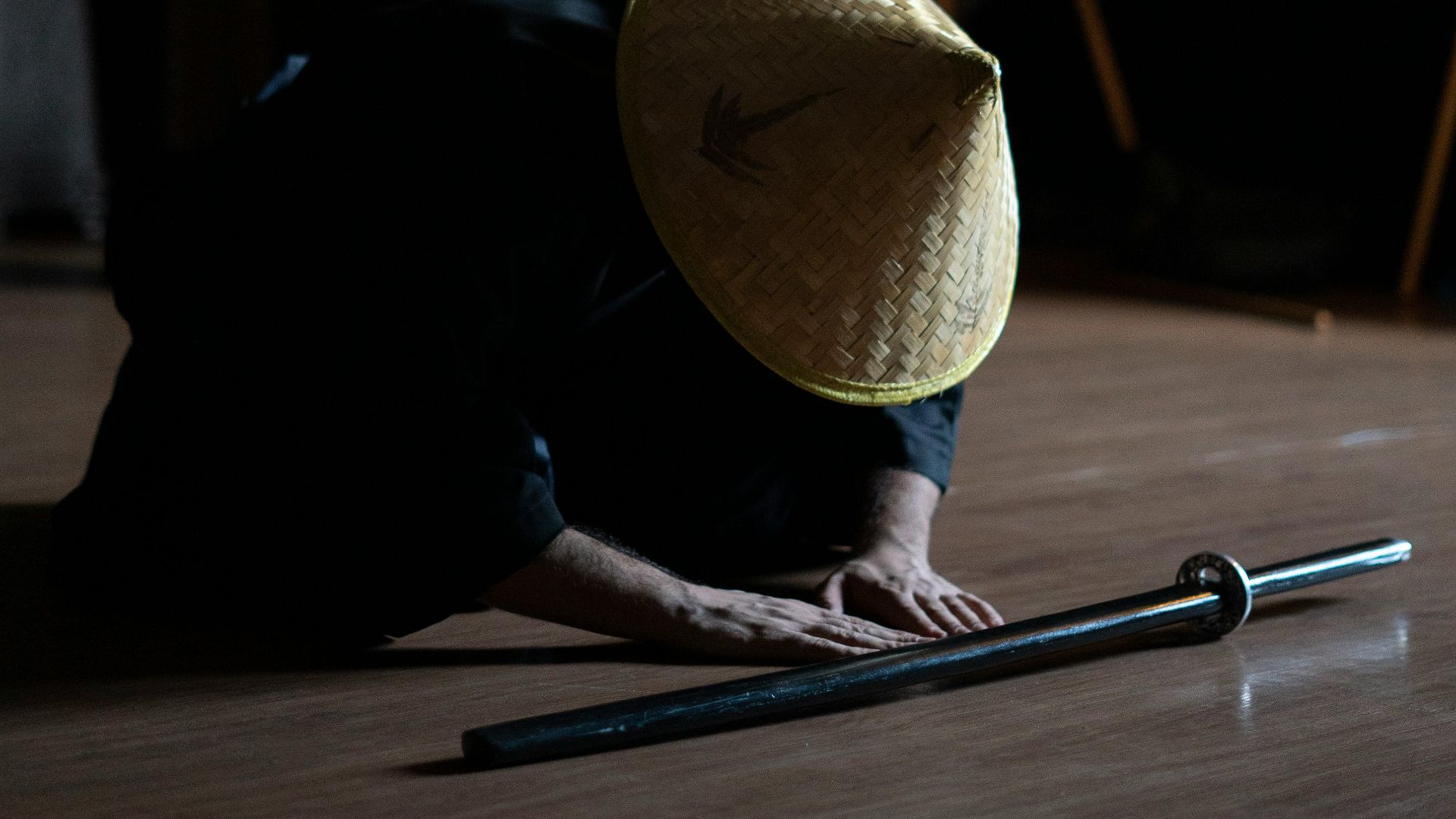
7. Samurai Were Always Loyal to Their Masters
Unquestioning loyalty is one of the most recognizable traits of fictional samurai, but historical relationships were rarely that simple. Warriors sometimes switched sides, betrayed their commanders, or supported rival factions when political circumstances changed. During Japan's turbulent Warring States period, personal ambition and family interests could influence loyalty just as much as any sense of moral duty.
 Alireza heidarpour on Unsplash
8. Samurai Wore Full Armor Everywhere
If movies were your only source of information, you'd probably think samurai spent nearly every waking moment wearing their elaborate battlefield armor. In reality, those protective suits were mainly reserved for combat and military occasions, not everyday activities. During peaceful periods, samurai generally wore clothing that suited their rank and responsibilities, which was certainly more comfortable than walking around in full armor.
9. Samurai Were All Men
Female warriors rarely get the same attention as their male counterparts, although women from samurai families could receive martial training and sometimes participated in combat. Figures such as Tomoe Gozen, whose exploits were celebrated in medieval literature, and the 19th-century fighter Nakano Takeko challenge the idea that warriors were exclusively male. That being said, combat roles weren't equally available to women, and most female members of samurai households had other responsibilities.
10. Samurai Were Always Willing to Die
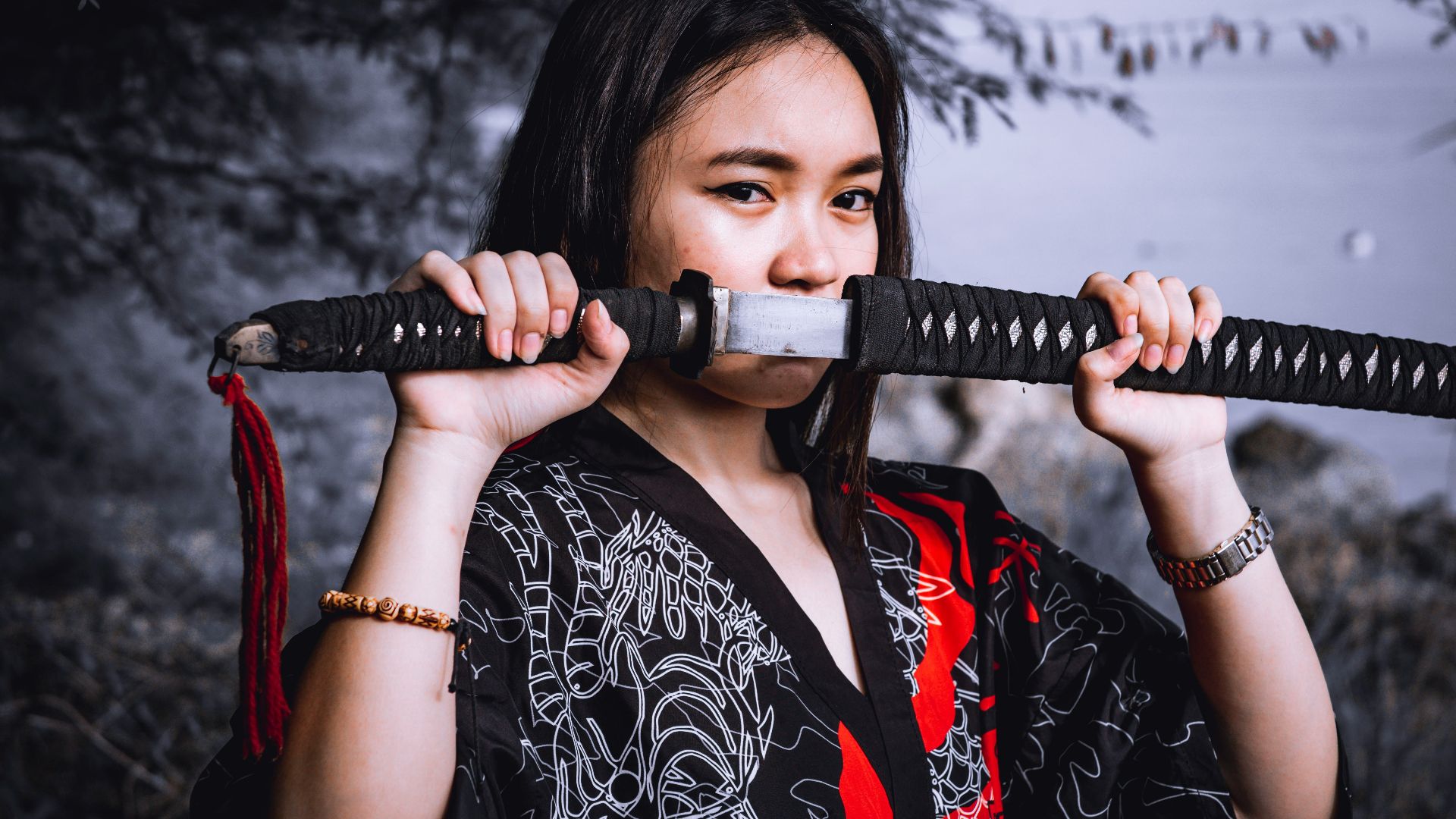
Movies often suggest that samurai approached death without a second thought, almost treating survival as something to be ashamed of. While courage and self-sacrifice were respected, historical warriors also had families, responsibilities, and personal ambitions that made staying alive pretty important. Their attitudes varied considerably, and there's little reason to believe every samurai was eager to meet an early death.
11. Samurai Were Naturally Better Fighters Than Everyone Else
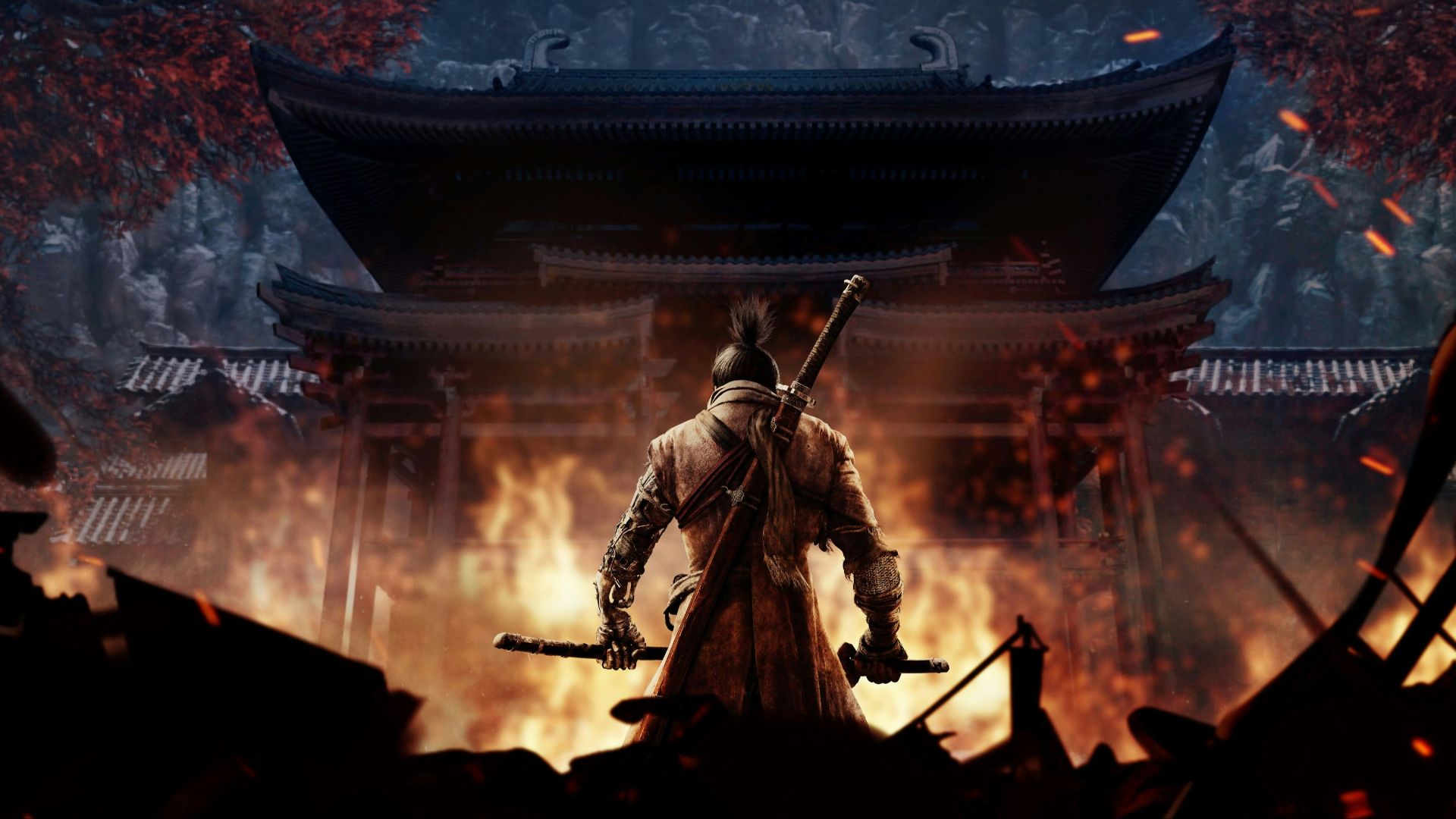
The idea that a single samurai could effortlessly defeat dozens of ordinary soldiers ignores how warfare actually worked. Training and experience certainly made a difference, but even highly skilled warriors could be overwhelmed by superior numbers, clever tactics, or more effective weapons. Samurai also depended heavily on supporting troops, including commoner infantry known as ashigaru, rather than winning every battle through individual talent alone.
12. Every Samurai Was a Master Swordsman
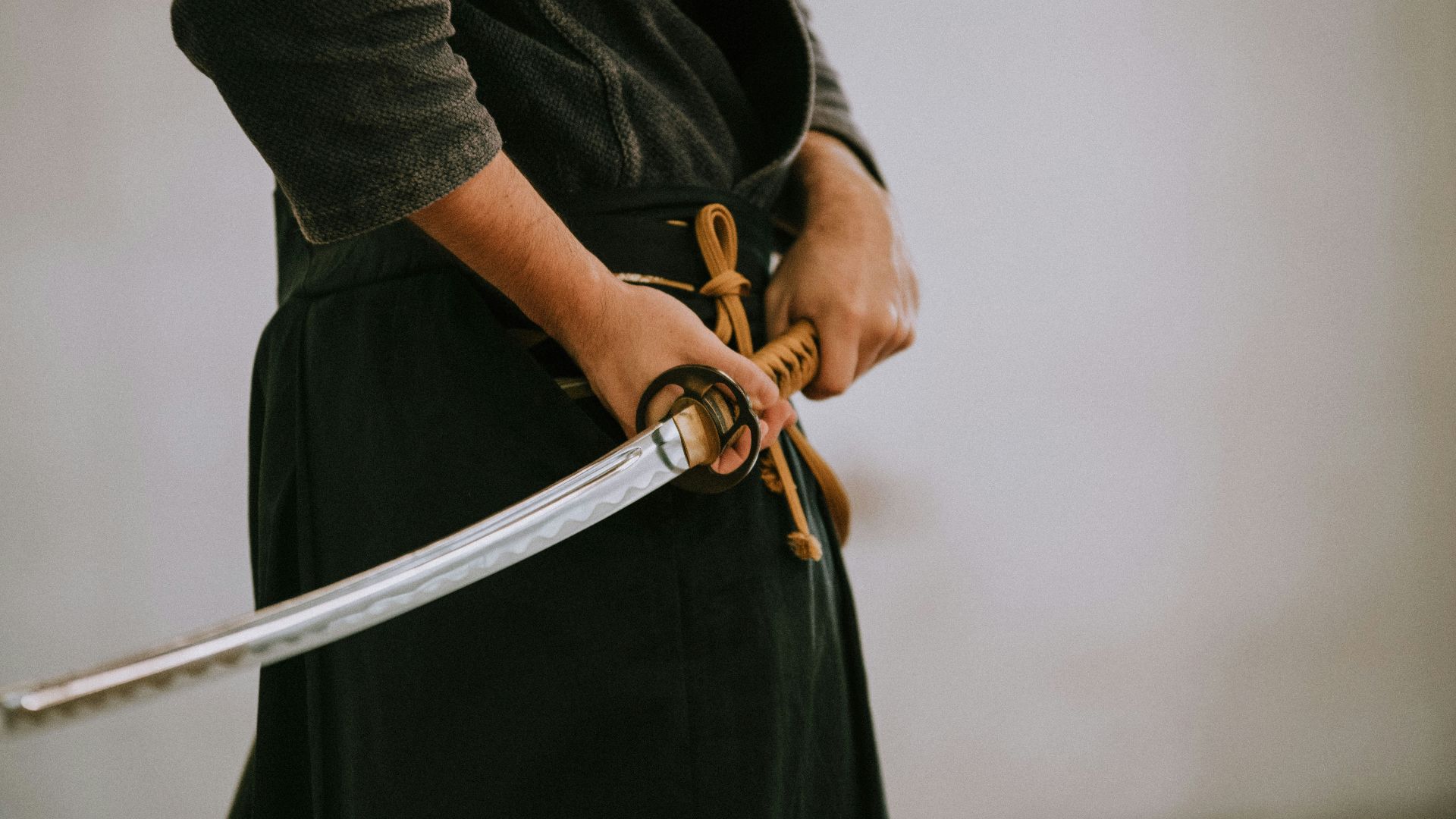
Just because someone belonged to the samurai class didn't automatically mean they were an exceptional swordsman. Training varied depending on individual circumstances, available resources, and the duties associated with different positions. During the peaceful Edo period, many samurai spent far more time dealing with administrative work than practicing fighting techniques they might never need.
13. Samurai Never Used Deception
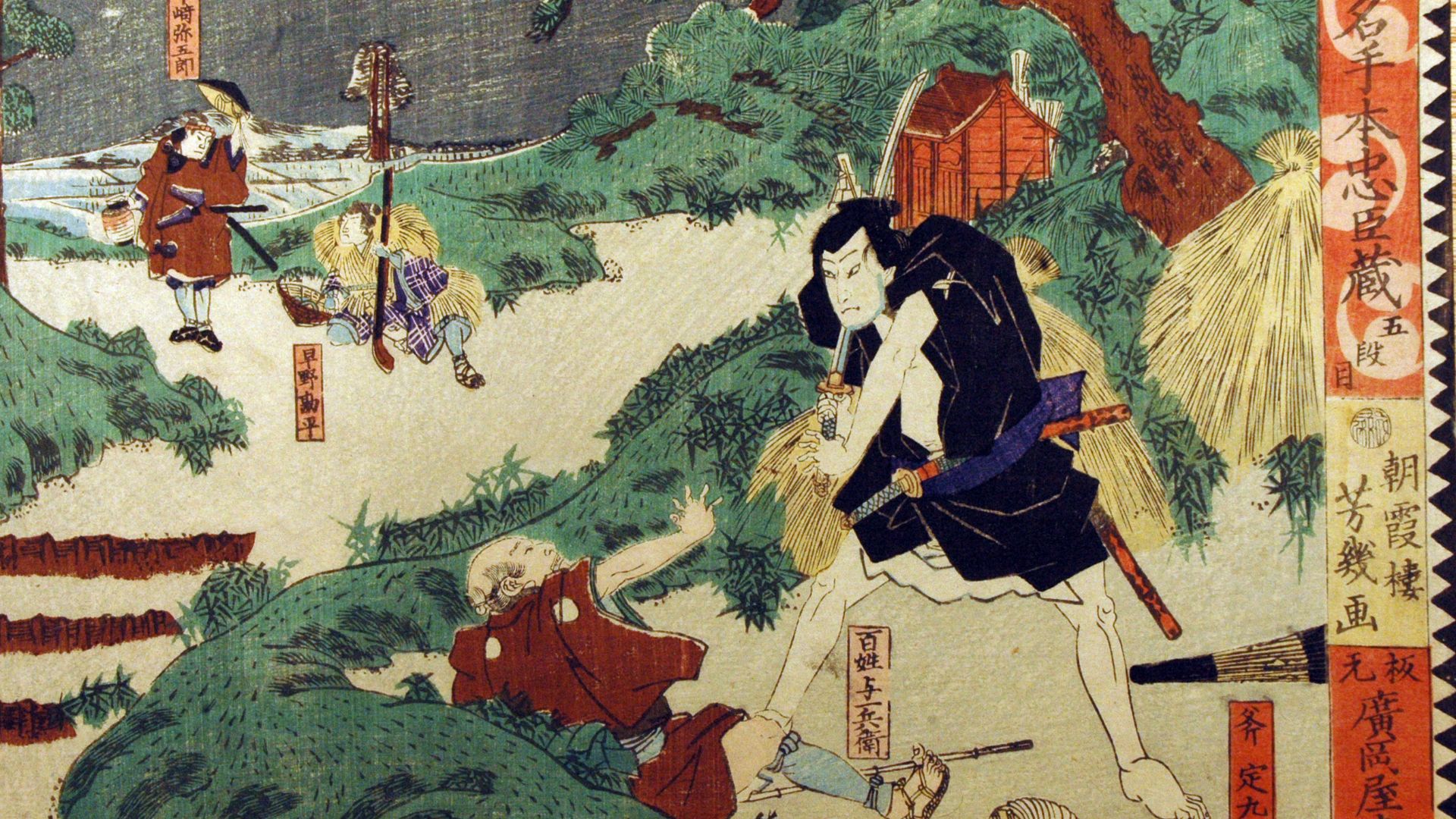
Fictional samurai sometimes refuse to trick their enemies because doing so would supposedly go against their sense of honor. However, historical Japanese commanders regularly used ambushes, misinformation, surprise attacks, and other tactics to gain an advantage. Winning battles often depended on careful planning and outsmarting opponents rather than announcing your intentions and insisting on a fair fight.
 thesandiegomuseumofartcollection on Wikimedia
14. Samurai Were Completely Separate From Politics
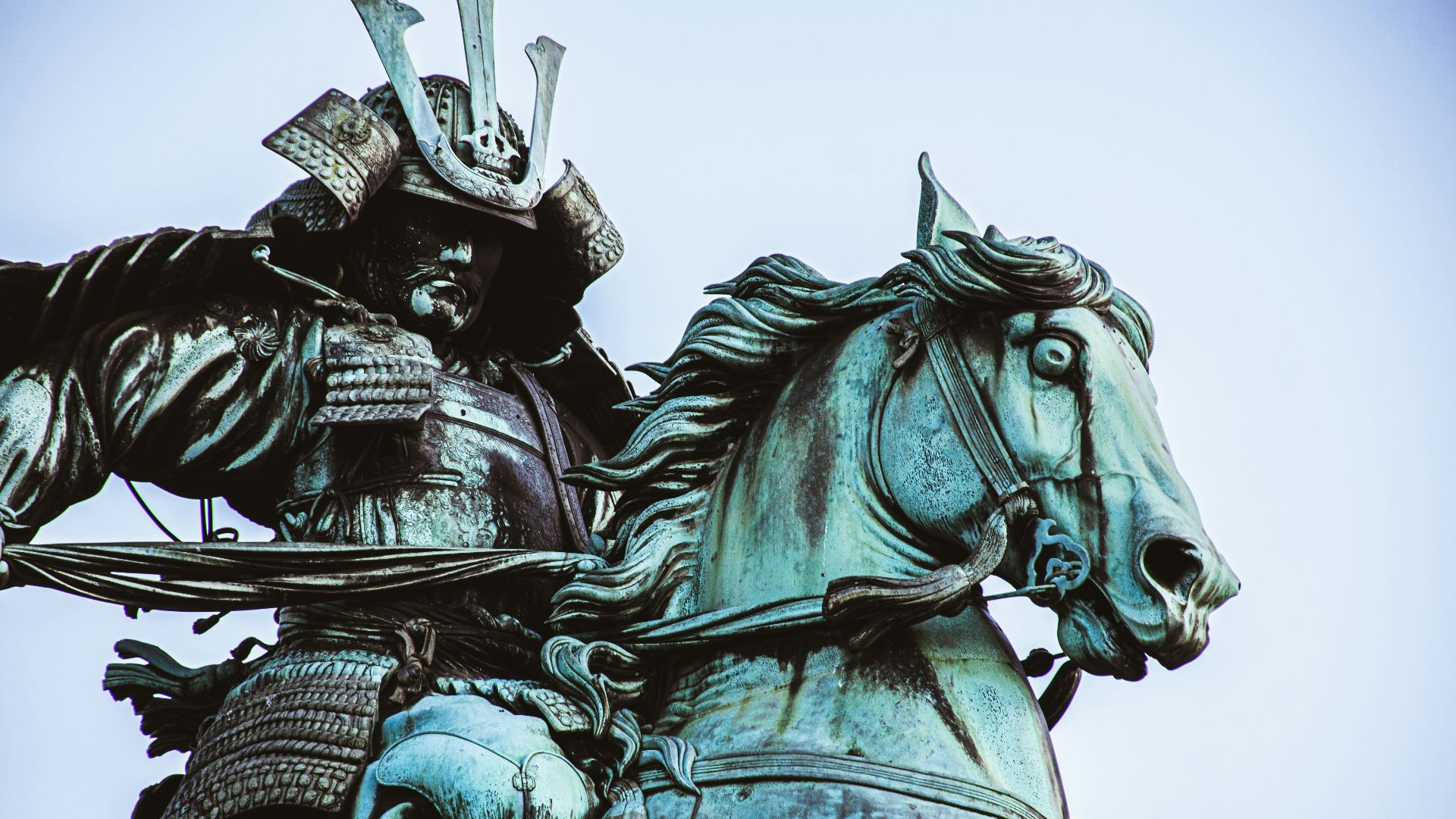
Movies usually focus on the fighting abilities of samurai while overlooking just how much political power they held. For centuries, warrior governments exercised enormous authority in Japan, with influential military families controlling territories and shaping national affairs. Samurai weren't simply soldiers carrying out orders, as many also worked as administrators, advisers, and important figures within the government.
15. Samurai Always Practiced Seppuku After Failure
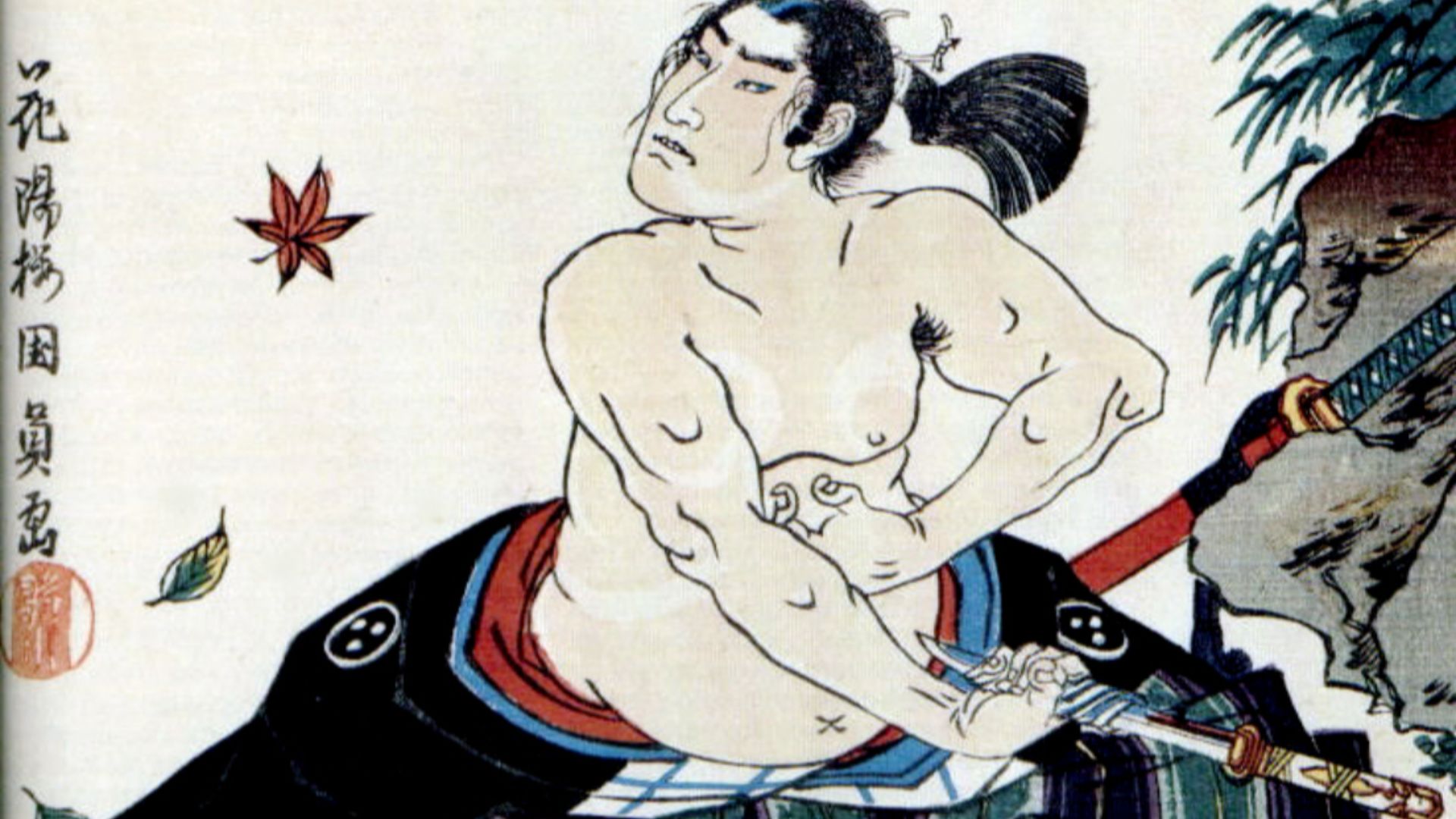
Ritual suicide comes up so often in samurai films that you might assume every humiliating defeat automatically ended in death. Although seppuku was historically practiced, the circumstances varied and could involve punishment, political pressure, or specific expectations surrounding honor. Plenty of samurai experienced failures without performing the ritual, so movies greatly exaggerate how often it actually happened.
 signed Kunikazu Utagawa (歌川 国員), pupil of Kunisada on Wikimedia
16. Samurai Had No Interest in Art or Education
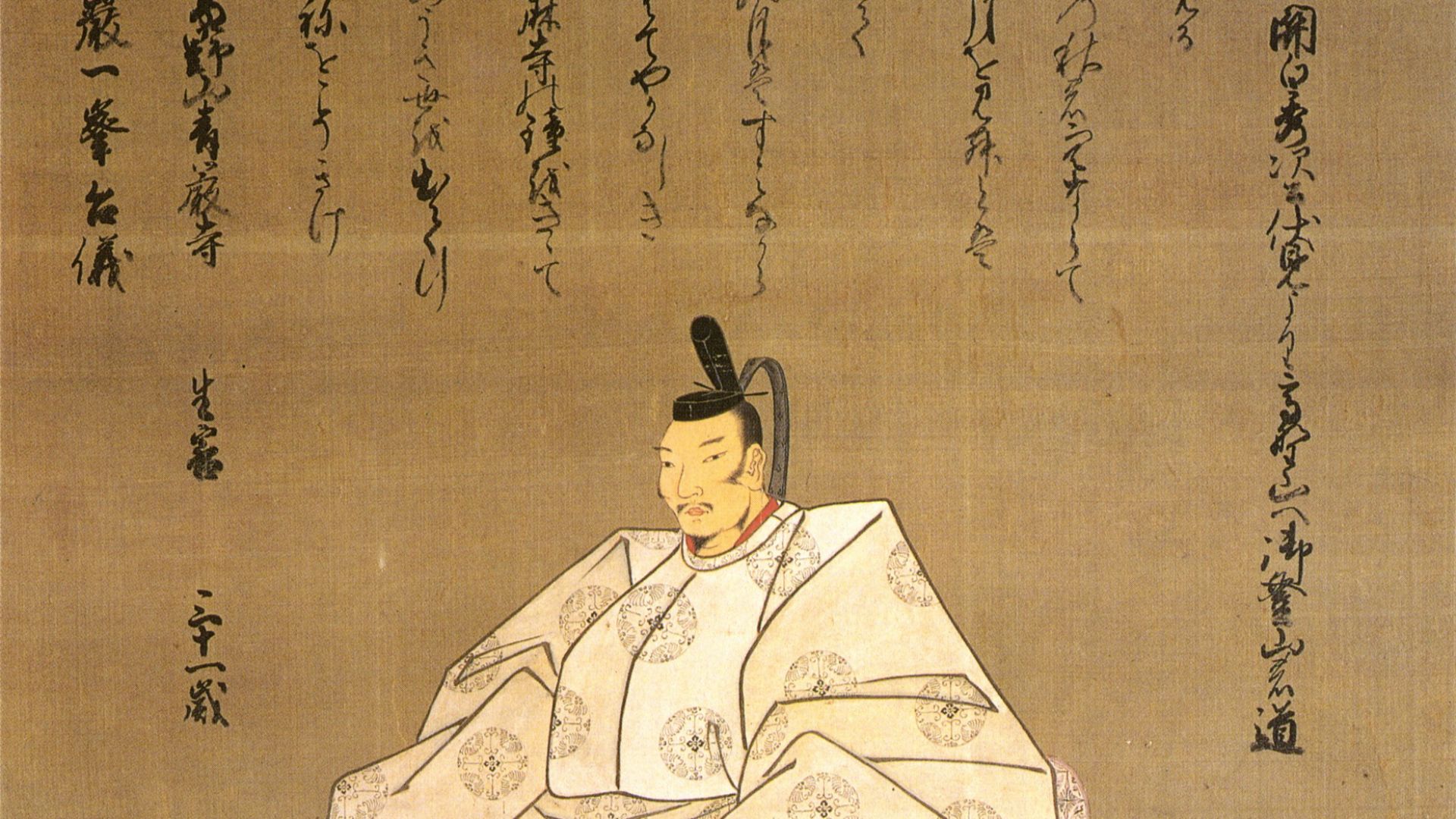
A warrior who spends every waking moment preparing for battle might look intimidating, but plenty of historical samurai had interests beyond fighting. Poetry, calligraphy, painting, scholarship, and other cultural activities became especially important during Japan's long Edo-period peace. Some warriors even earned recognition for their artistic achievements, showing that knowing how to handle a sword wasn't the only valuable skill.
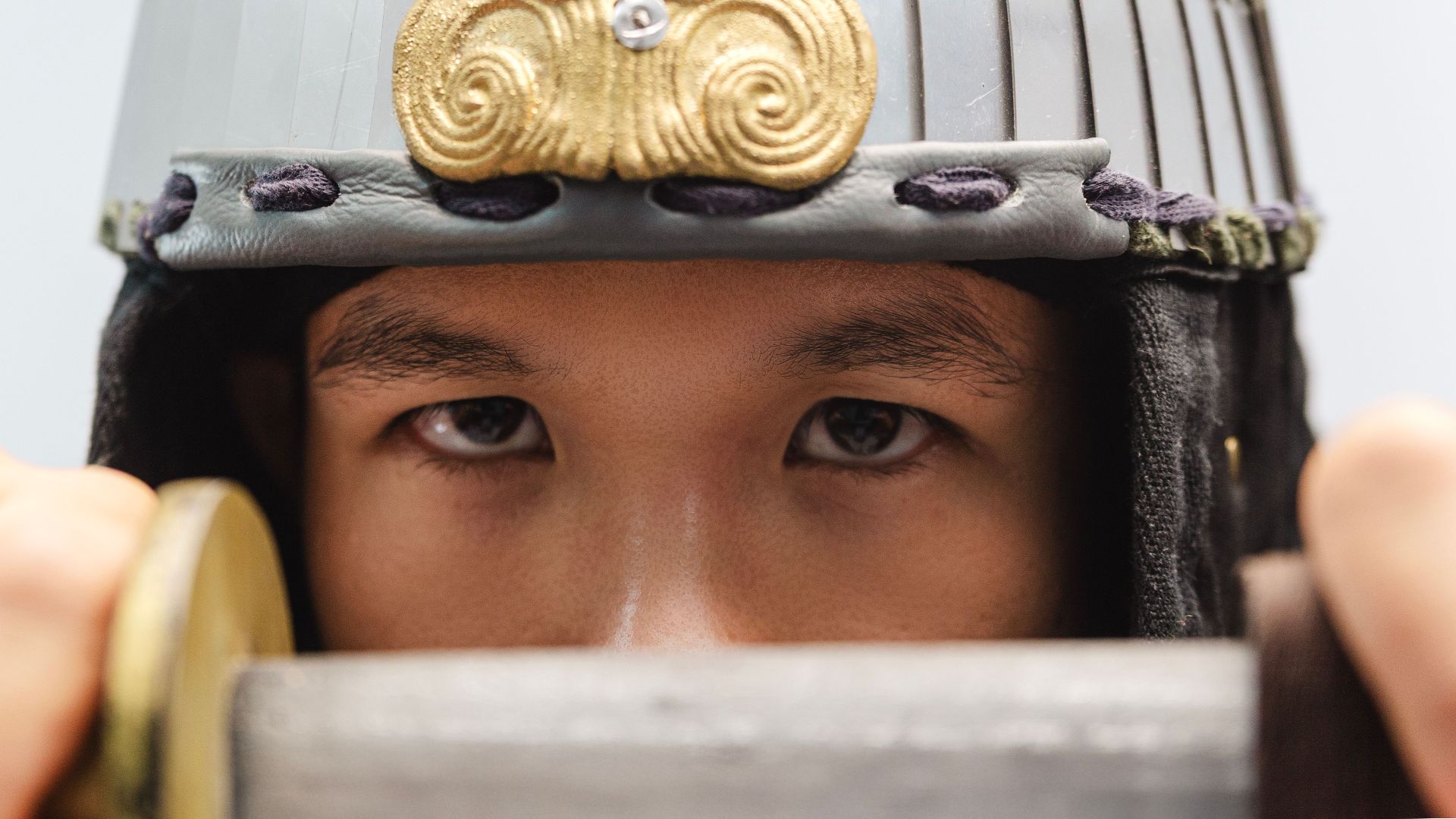
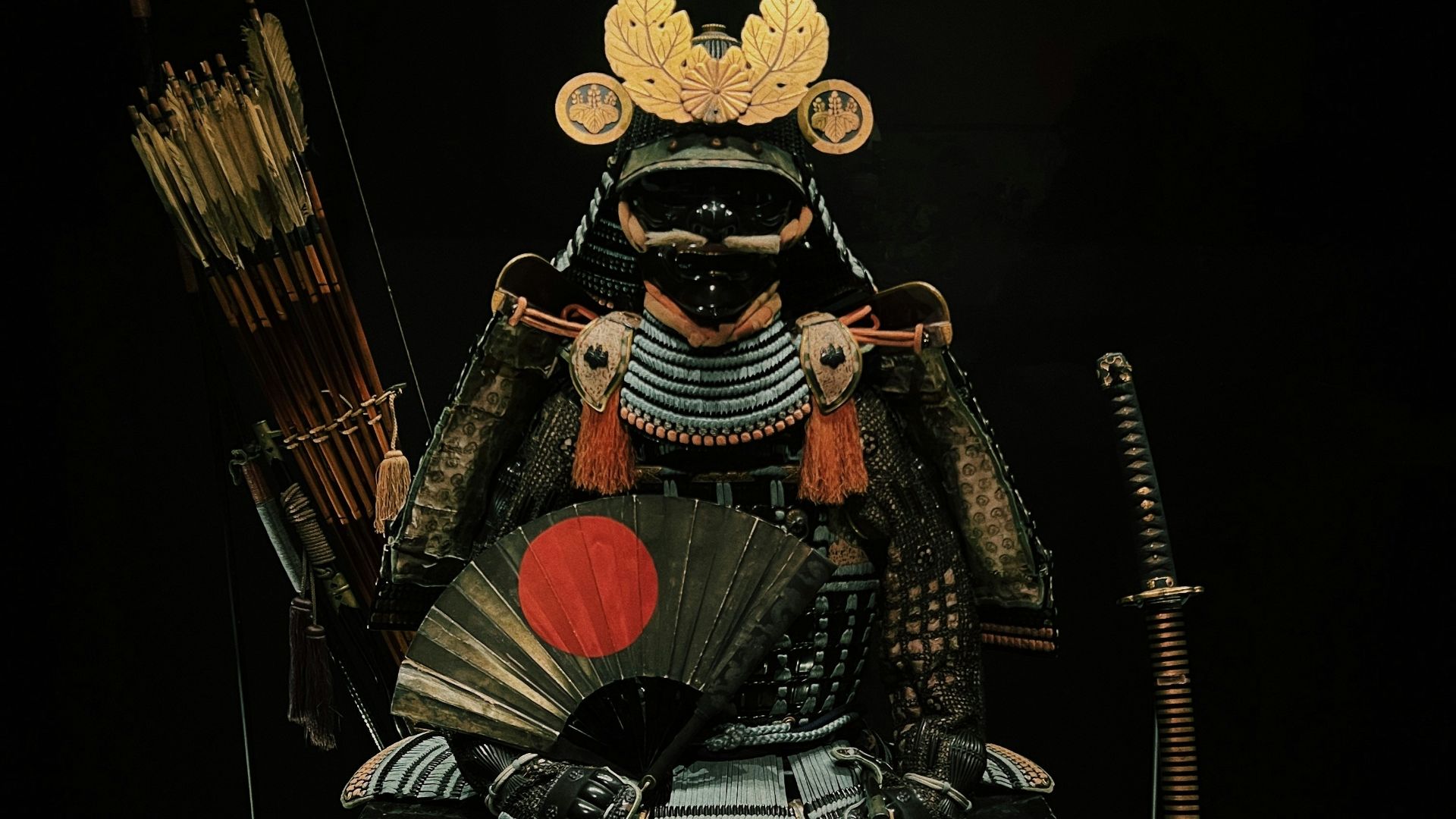
17. Samurai Armor Was Always Plain and Practical
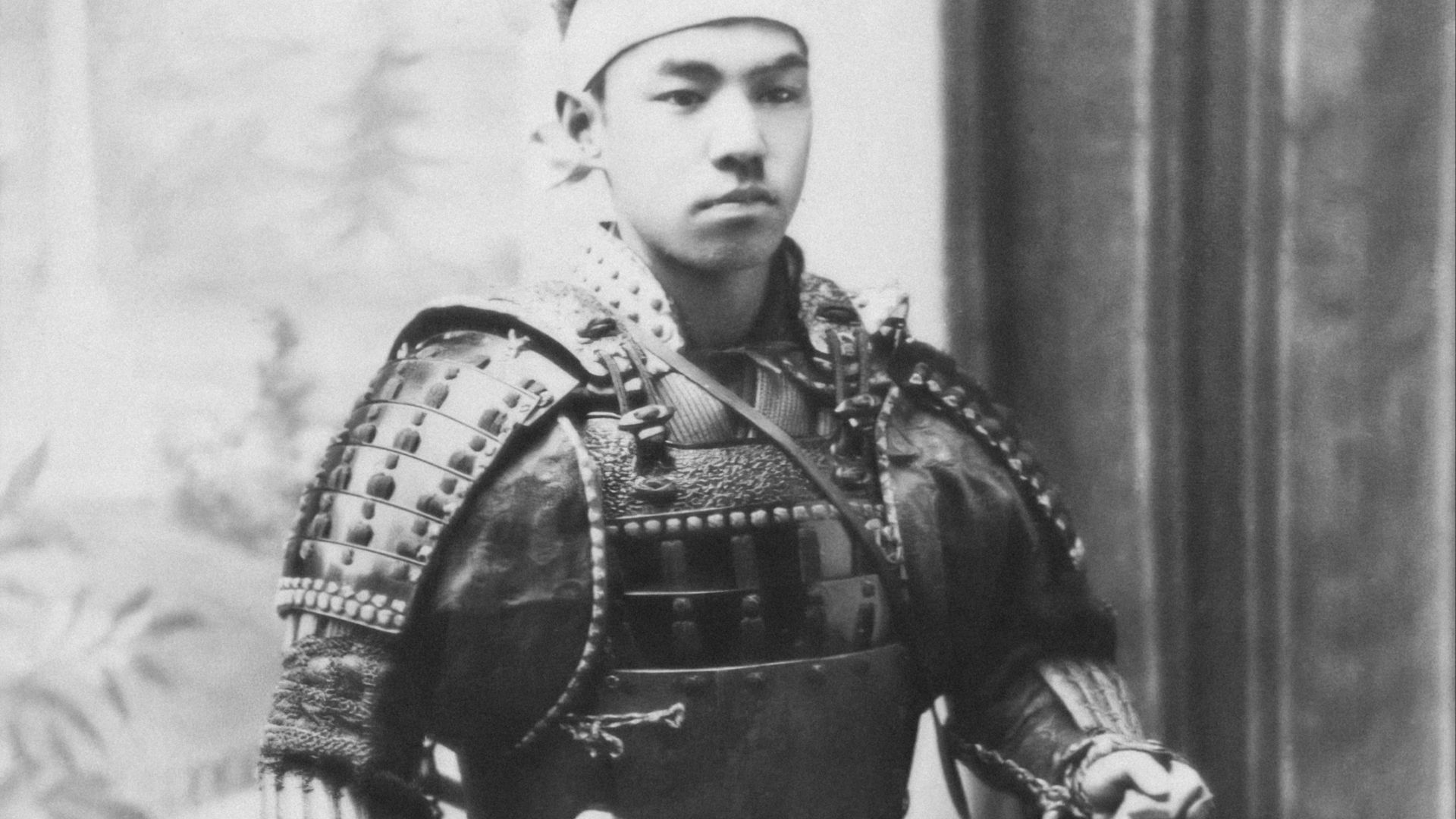
On-screen armor can look surprisingly similar from one warrior to another, with everyone wearing nearly identical dark-colored protective equipment. Historical samurai armor, however, could be incredibly elaborate, featuring colorful lacing, decorative details, and distinctive helmets that helped identify important commanders. Designs also evolved alongside military technology, so armor from different centuries could look noticeably different.
 National Museum of Denmark on Unsplash
18. Samurai Could Cut Through Almost Anything
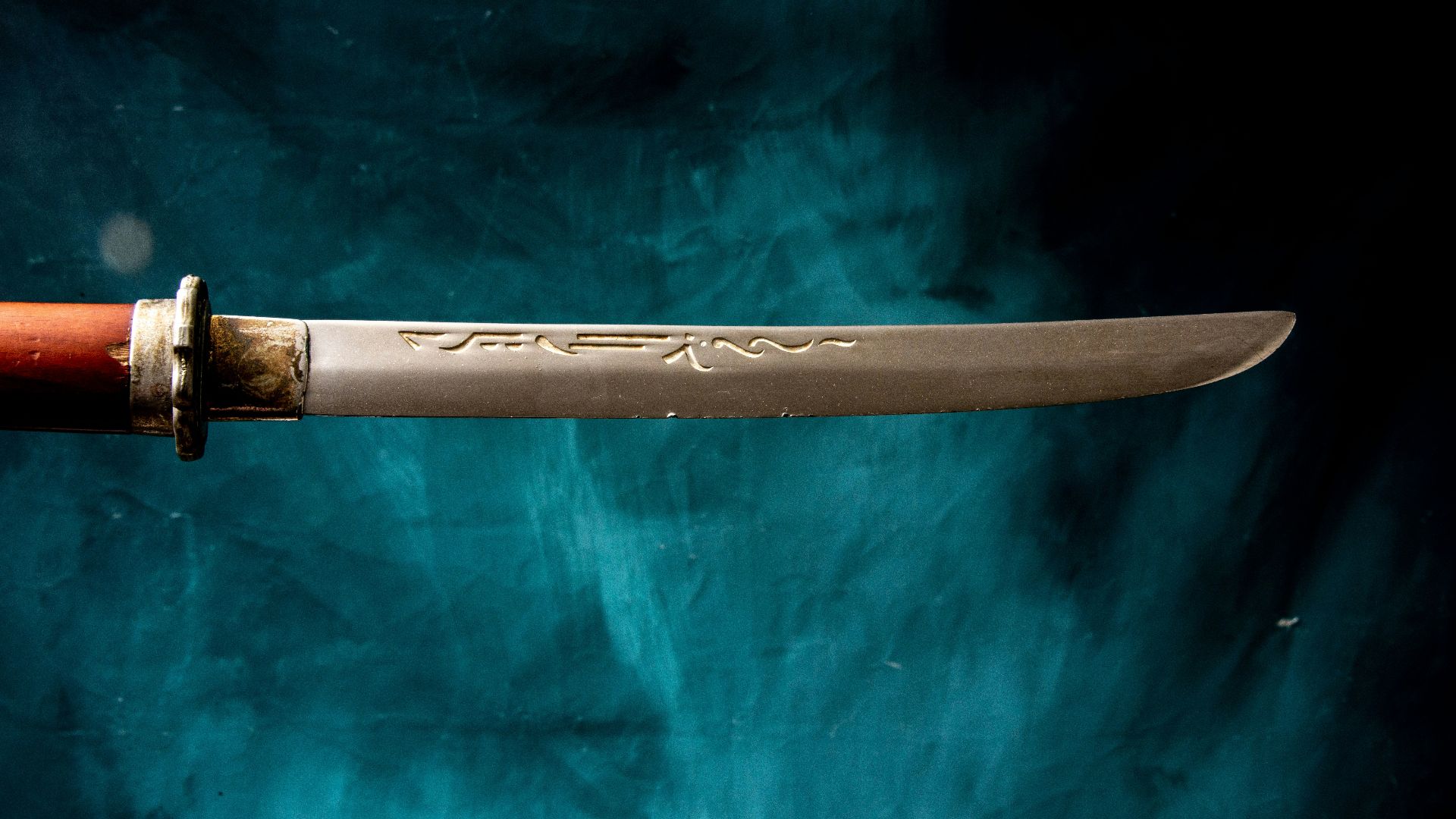
Movie swords regularly slice through multiple enemies, thick armor, and just about anything else that gets in their way. Although Japanese swordsmiths produced exceptionally well-crafted blades, katanas still had physical limitations and could be damaged if used incorrectly. Armor was specifically designed to withstand attacks, meaning even an experienced swordsman couldn't simply cut through whatever stood in front of him.
 Carlos Felipe Ramírez Mesa on Unsplash
19. Samurai Spent Their Entire Lives Fighting
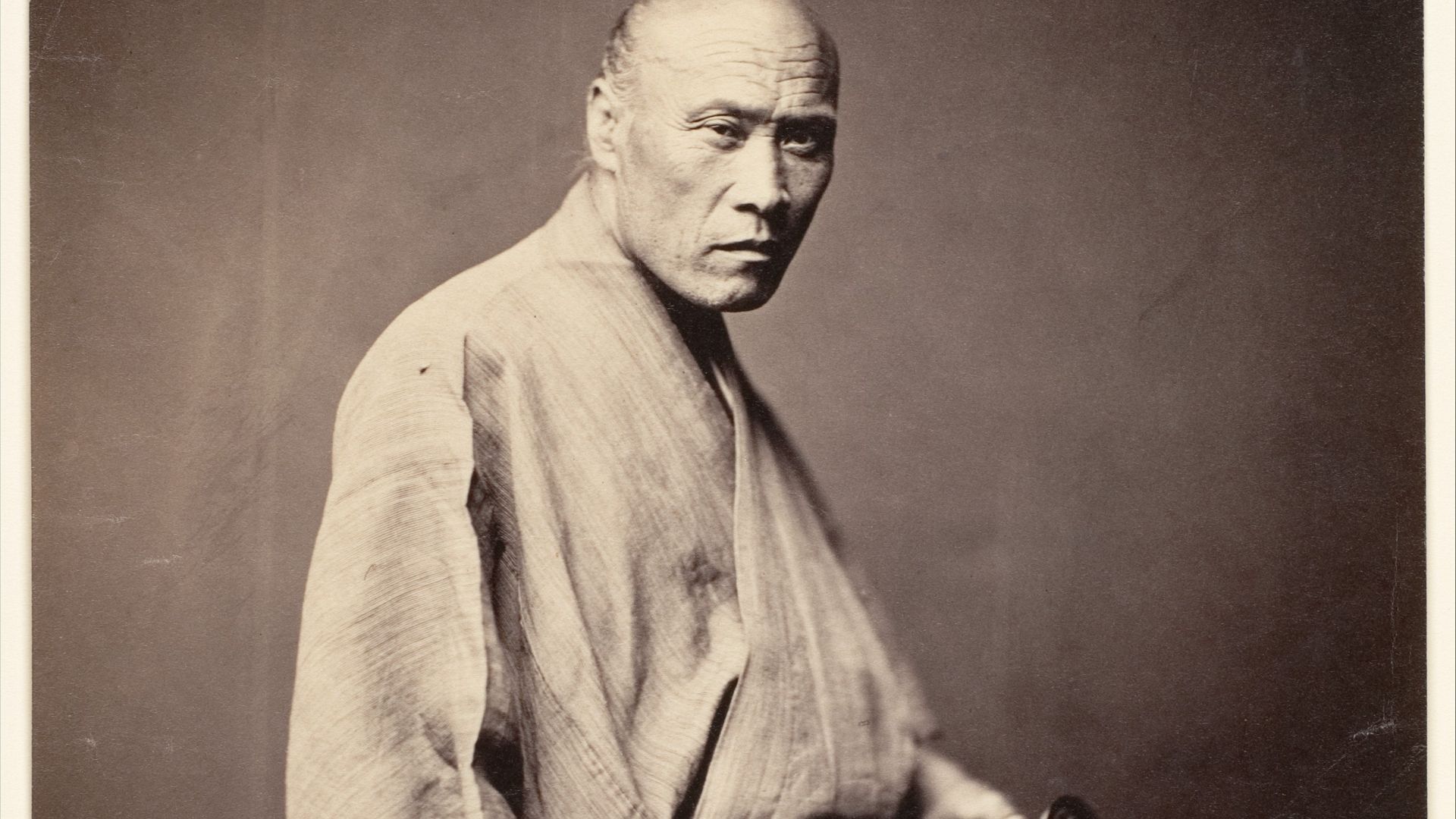
Since so many movies focus on Japan's violent historical conflicts, it's easy to assume samurai were constantly preparing for their next battle. However, the Tokugawa shogunate established a long period of relative peace beginning in the early 17th century. As a result, many samurai became bureaucrats, officials, and administrators whose daily routines involved much more paperwork than actual fighting.
20. Samurai Disappeared Because They Couldn't Adapt
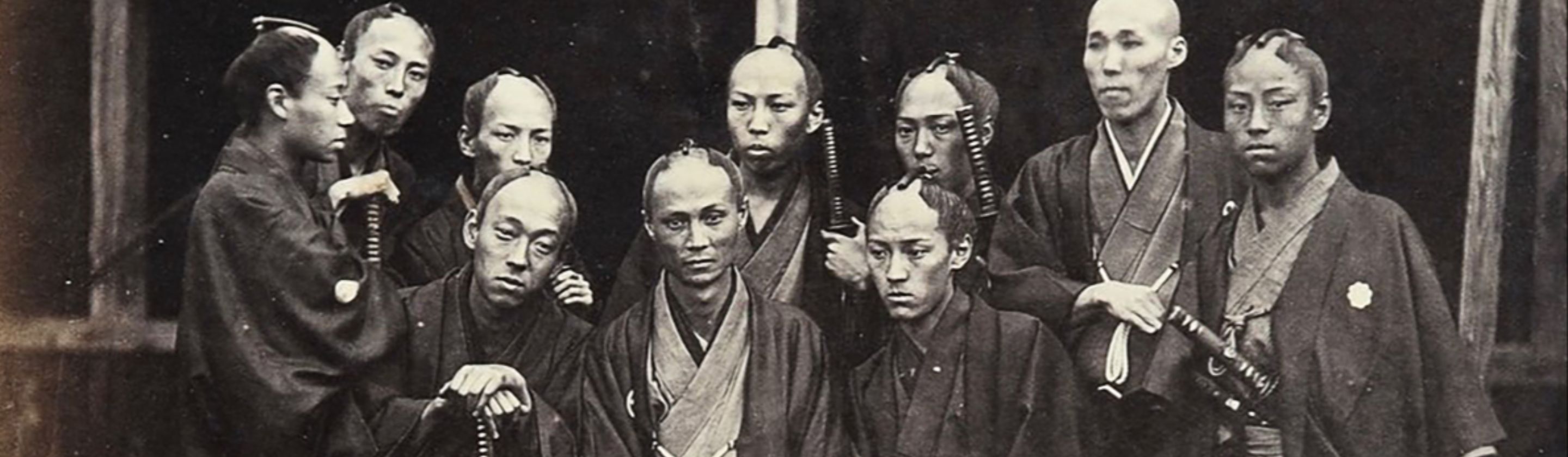
Films sometimes suggest that samurai disappeared because they stubbornly refused to embrace modern weapons and changing military practices. In reality, Japan's 19th-century reforms abolished the hereditary privileges of the samurai class, while many former samurai found new opportunities in the military, government, education, and business. Their traditional legal status disappeared, but the people themselves continued playing a role in Japan's rapidly changing society.
KEEP ON READING