6. Leaders Start Believing Their Own PR
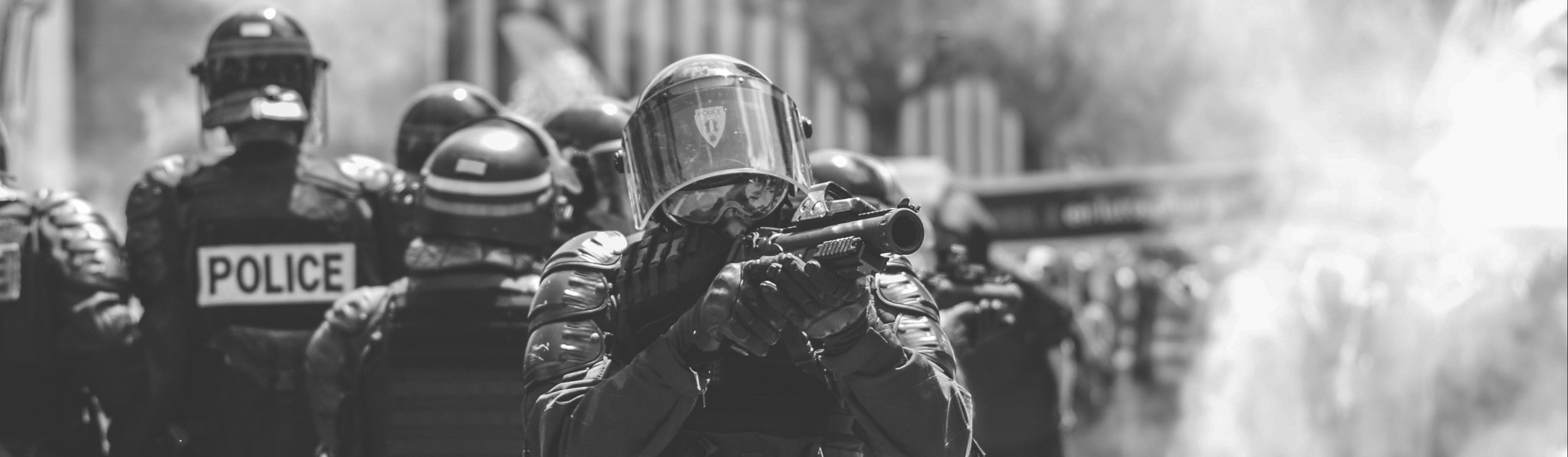
It begins with small lies masquerading as harmless optimism and hopeful spin. Then, one day, the lie becomes the only version of reality allowed. Advisors stop disagreeing. Press secretaries stop answering questions. When the distance between power and truth becomes a chasm, the nation’s fall is assured.
7. Outsiders Become Convenient Villains
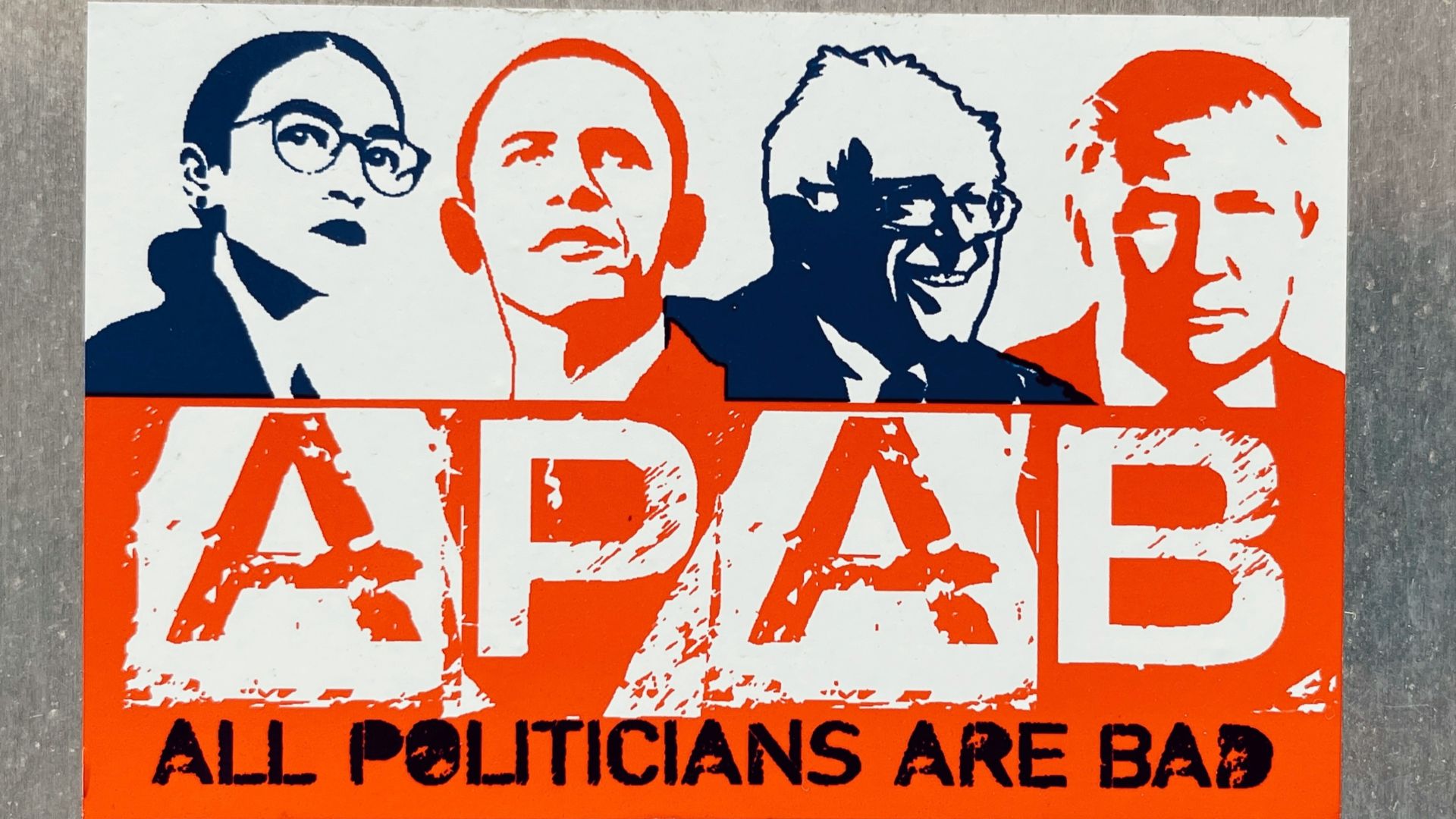
When fear creeps in, it’s always someone else’s fault. Leaders leverage the blame against whoever they can: foreigners, minorities, the neighboring state, and immigrants. Scapegoats make for easy unity—that is, until the unrest turns inward.
8. The Middle Class Shrinks
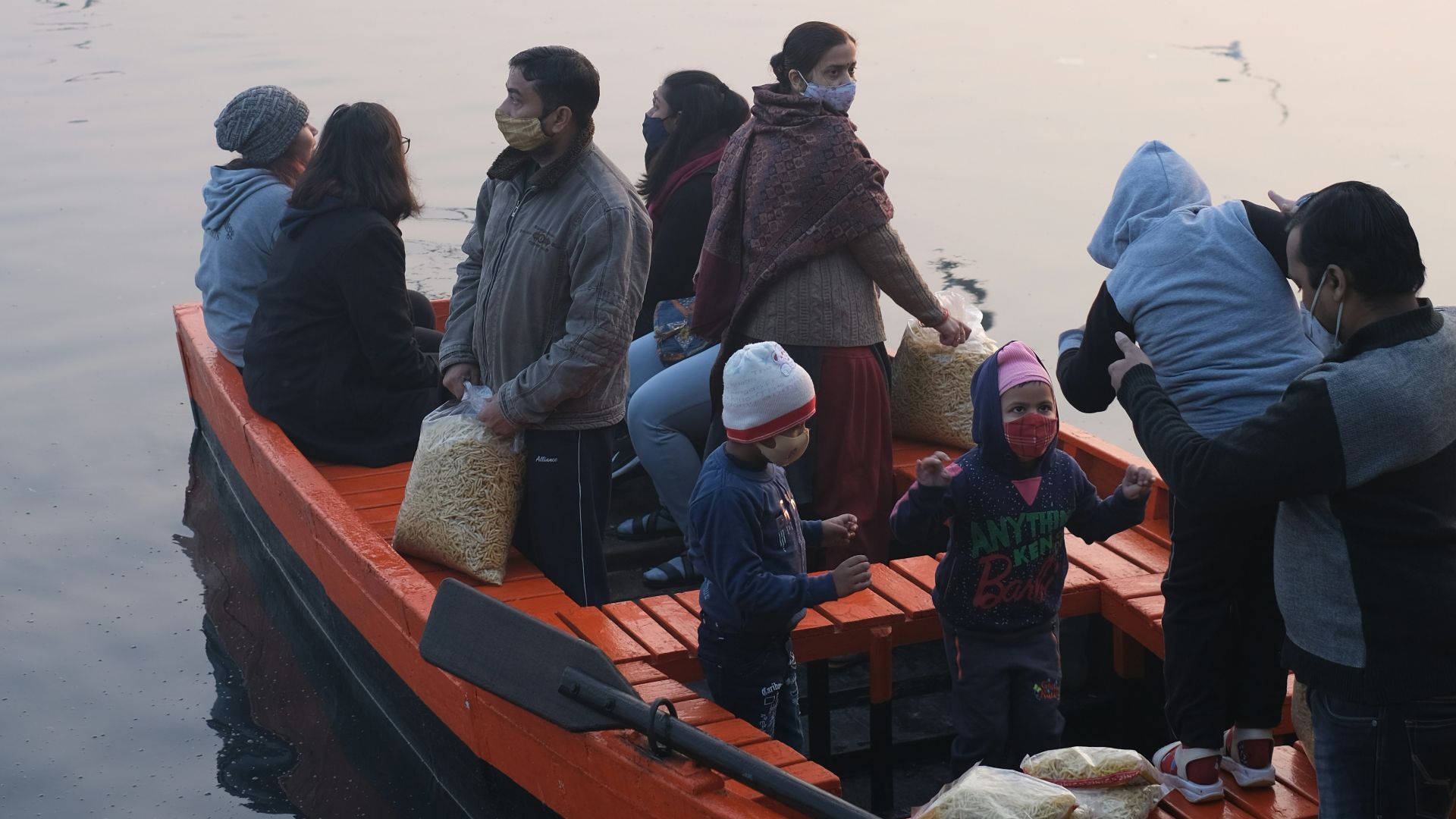
When wealth pools at the top and debts flood the bottom, that sturdy middle class vanishes. And when it goes, the nation loses its buffer. Suddenly, the extremes face each other directly. That’s when revolutionary murmurings start to spread among the disenfranchised.
9. The Architecture Outlasts the Purpose
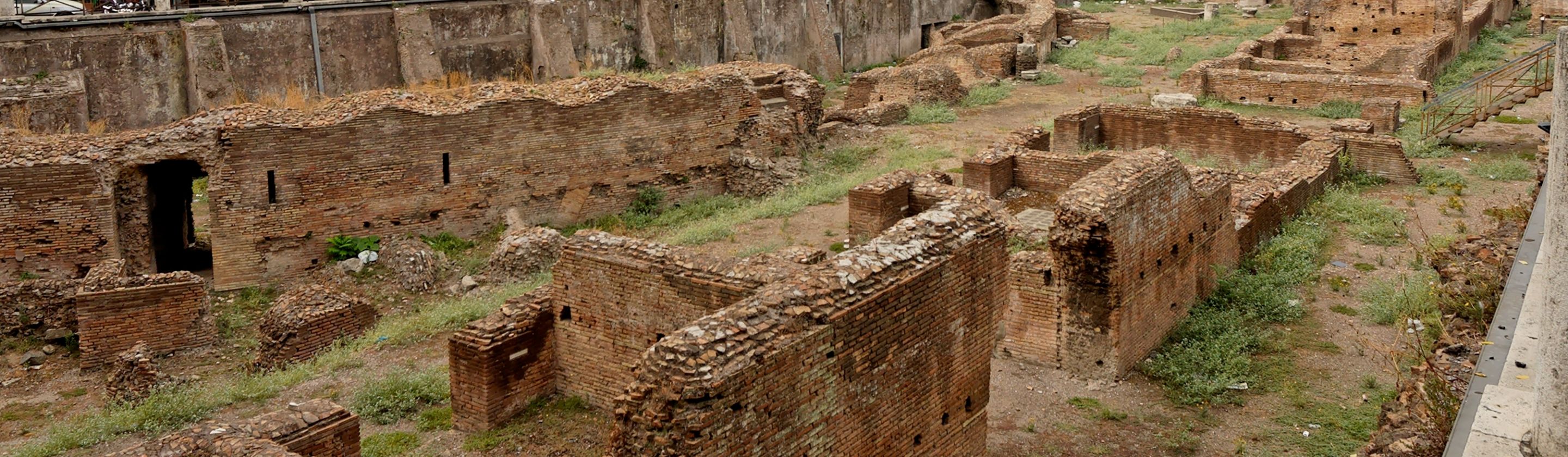
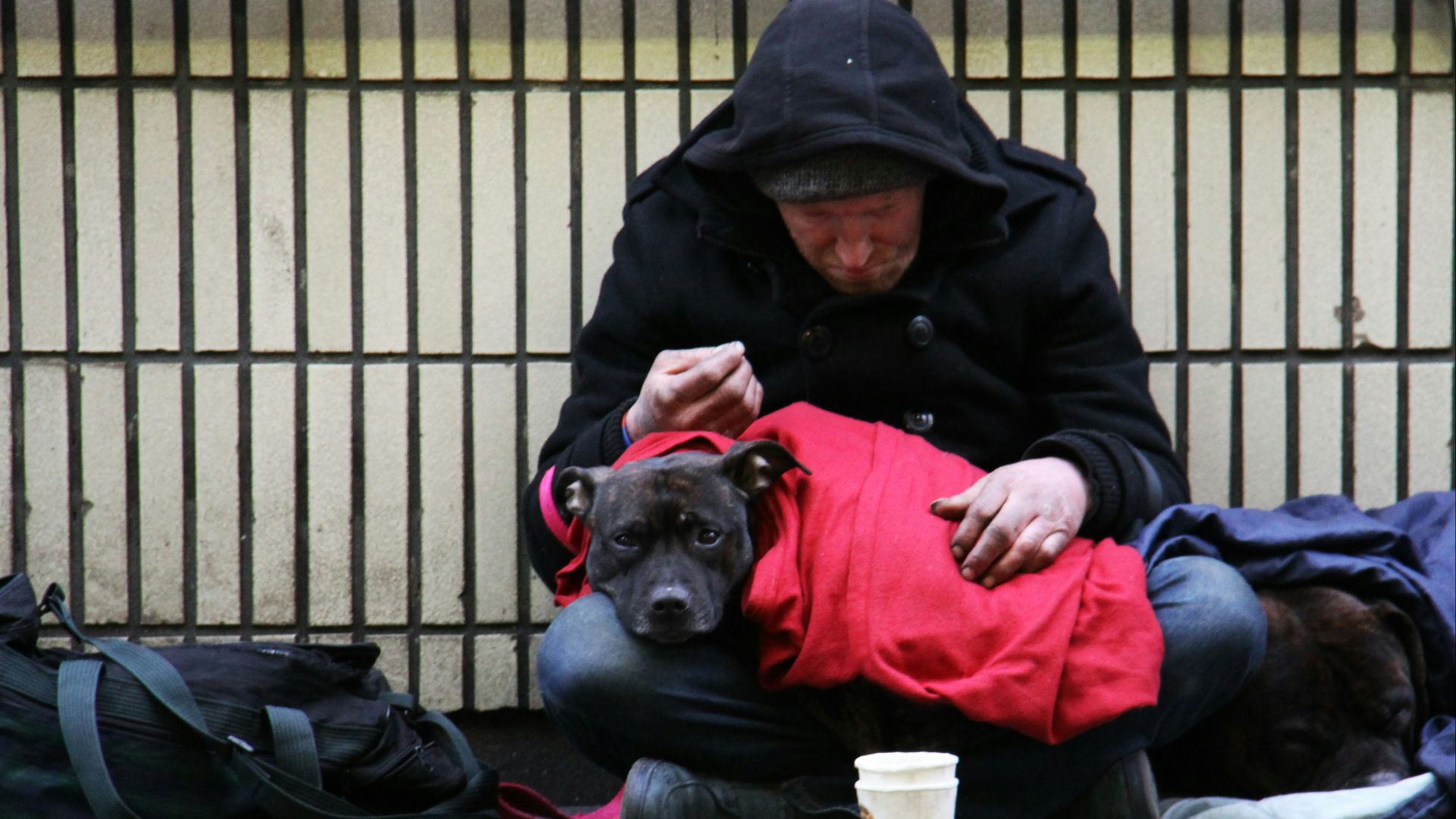
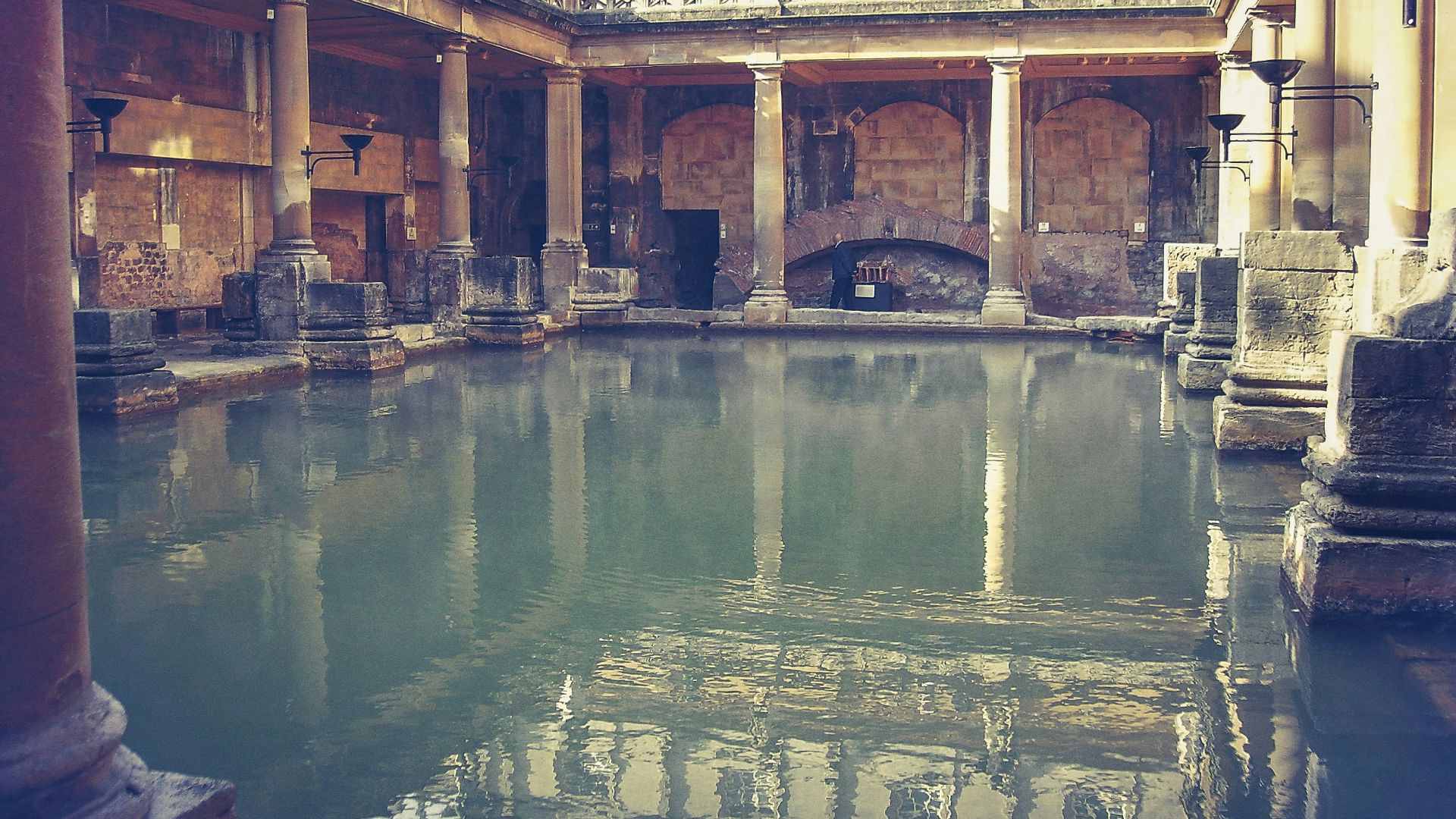
You can still visit the marble baths of Carthage or the ruins of Babylon. The beautiful monuments remain, although they’re devoid of purpose. The infrastructure of a civilization often endures longer than the culture and people that built it.
10. Institutions Forget Their Job
When courts serve rulers instead of justice, and when armies protect wealth instead of peace, collapse is already halfway there. When systems built to balance power start serving it, the entire civil society begins to deteriorate.
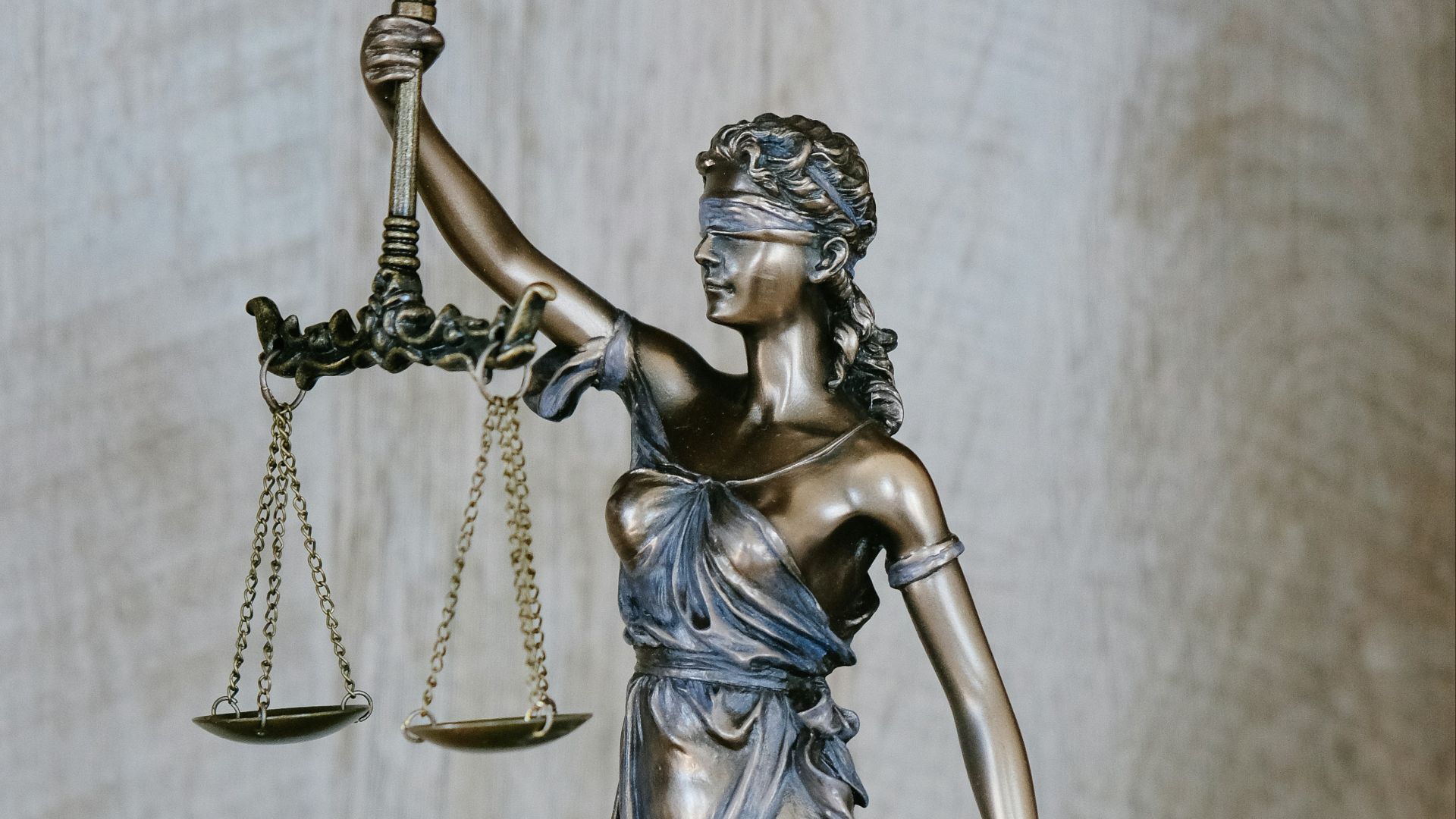 Tingey Injury Law Firm on Unsplash
11. Faith Turns Into Ornament
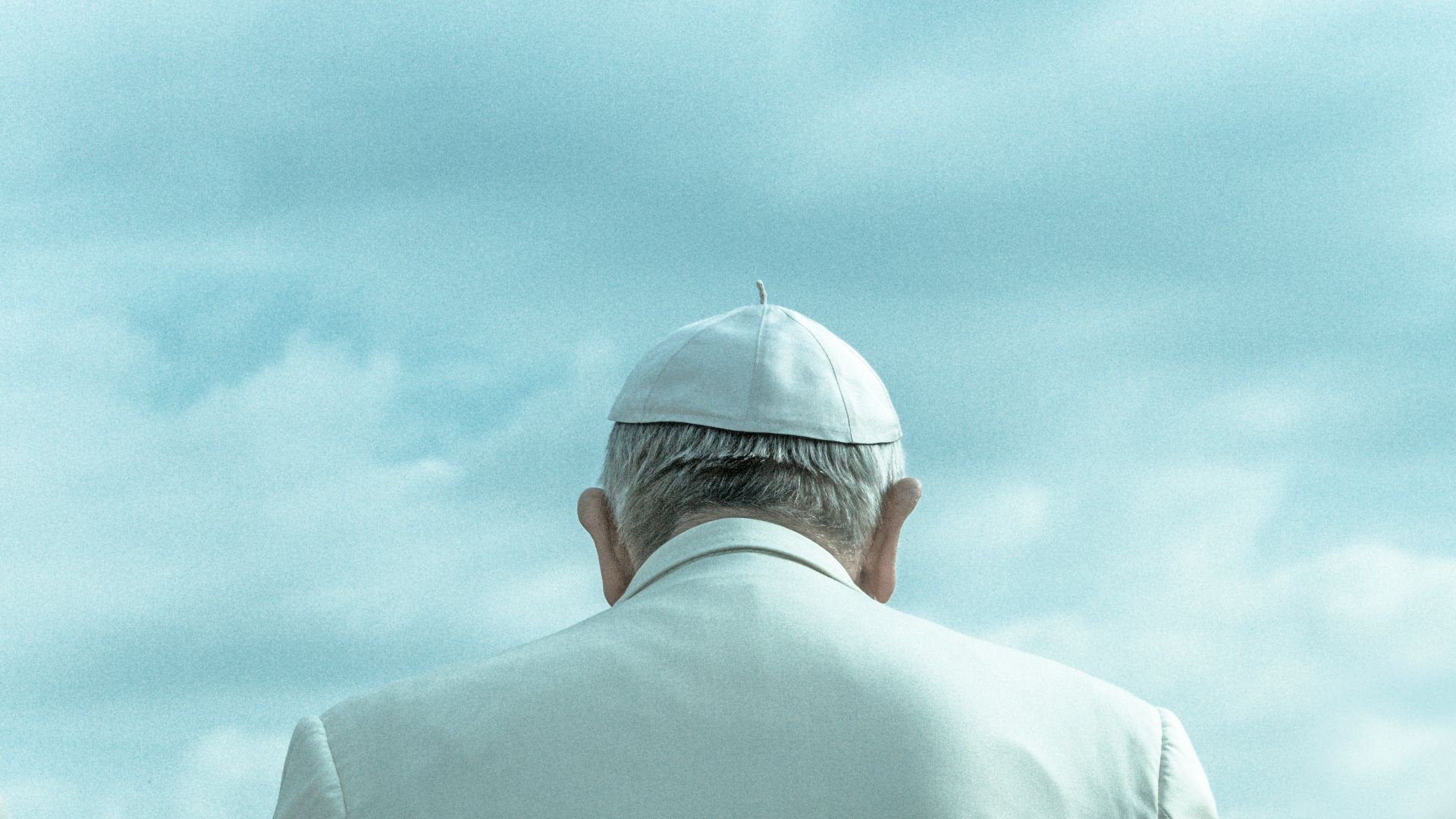
True belief in the divine helps keep people grounded and provides a moral framework for living. When ritual replaces belief and slogans replace scripture, ideology becomes hijacked by religious leaders who are only interested in furthering their own influence and power.
12. People Stop Having Children
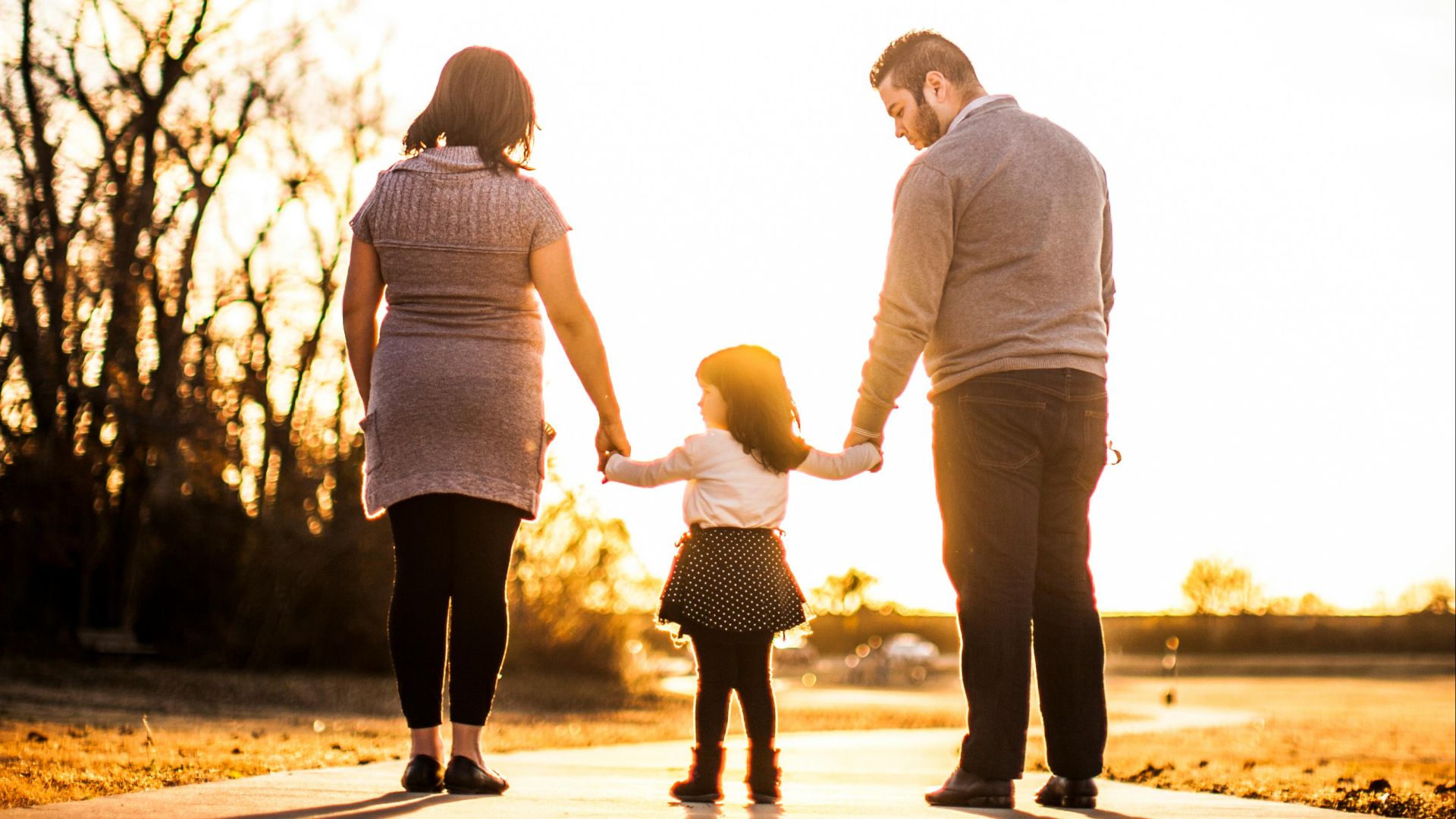
When people stop reproducing, it signals a deeper disequilibrium. In Ancient Greece and Renaissance Florence, birth rates plummeted, and the society collapsed soon after. A lack of progeny signals a loss of faith in the future.
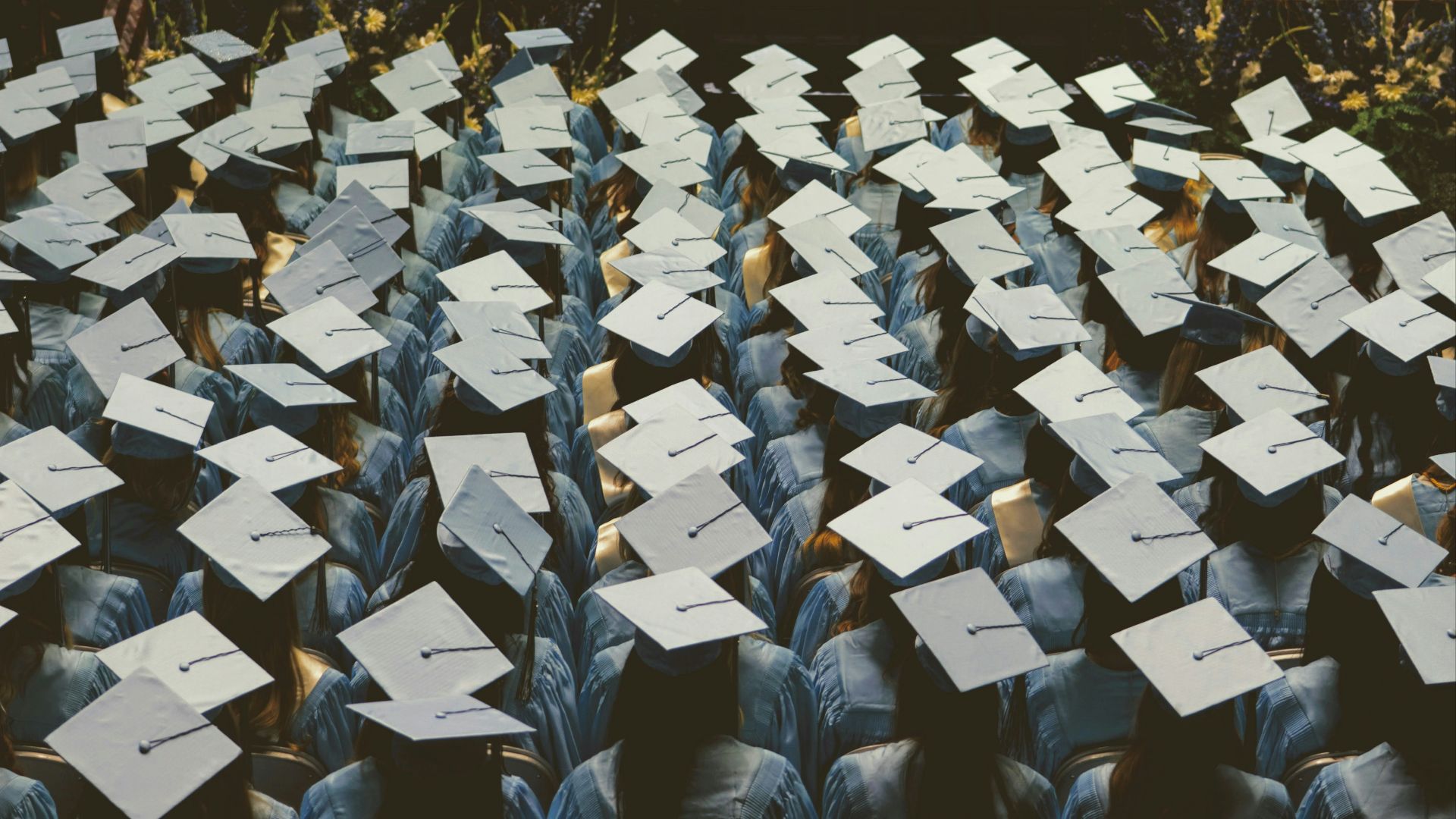
13. Education Turns Into Performance
Degrees multiply, but wisdom is in short supply. Citizens chase credentials like currency, and schools become factories for conformity instead of curiosity. The result is a highly educated populace that can’t tell truth from rhetoric.
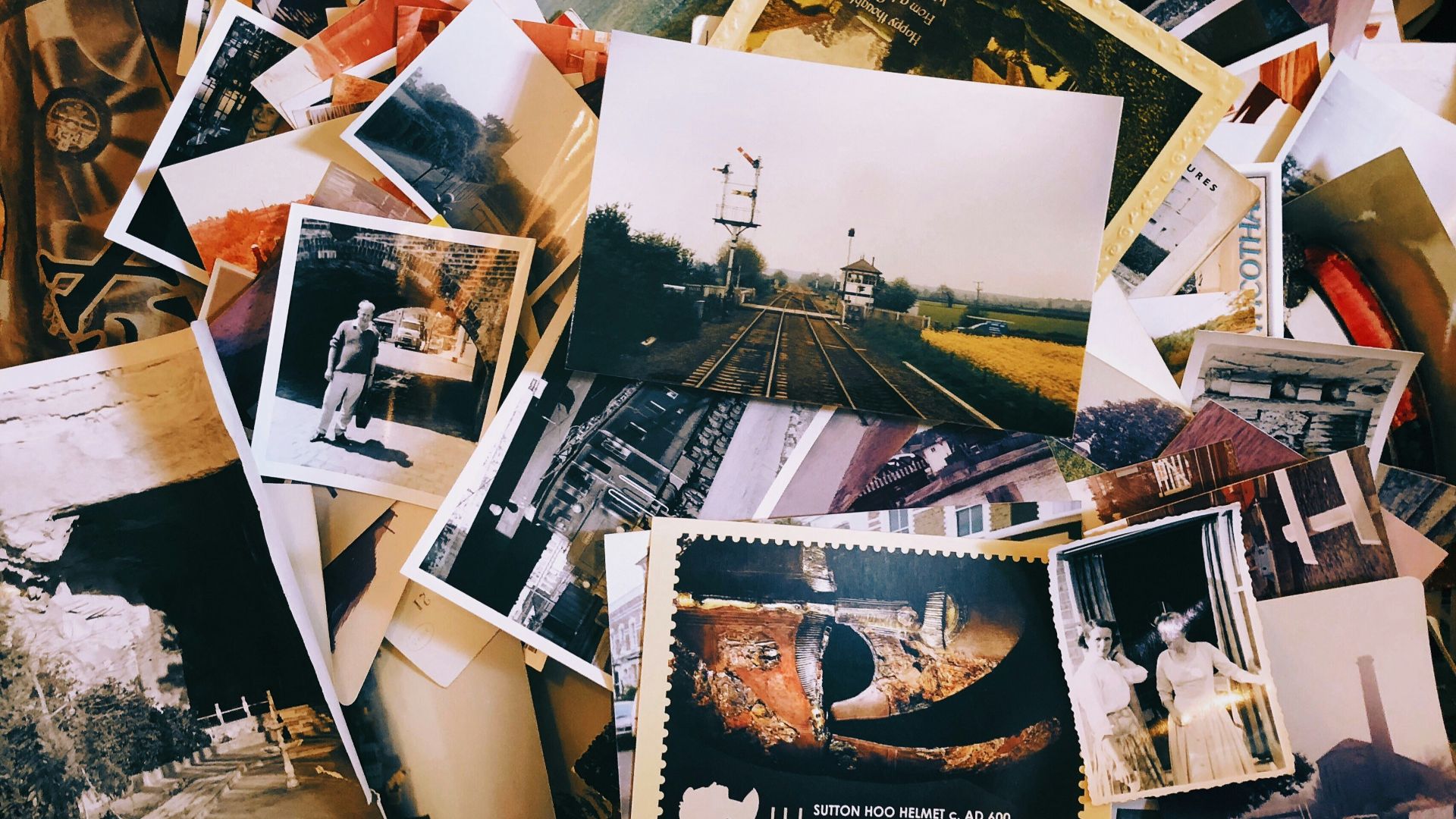
14. Everyone Starts Talking About the Good Old Days
When nostalgia becomes a national mood, it’s a sign of trouble. The longing to go back in time signals a collective sense that the future won’t be better. When this mood takes root, nations pivot backward, searching for a golden age that was never quite as golden as memory would have you believe.
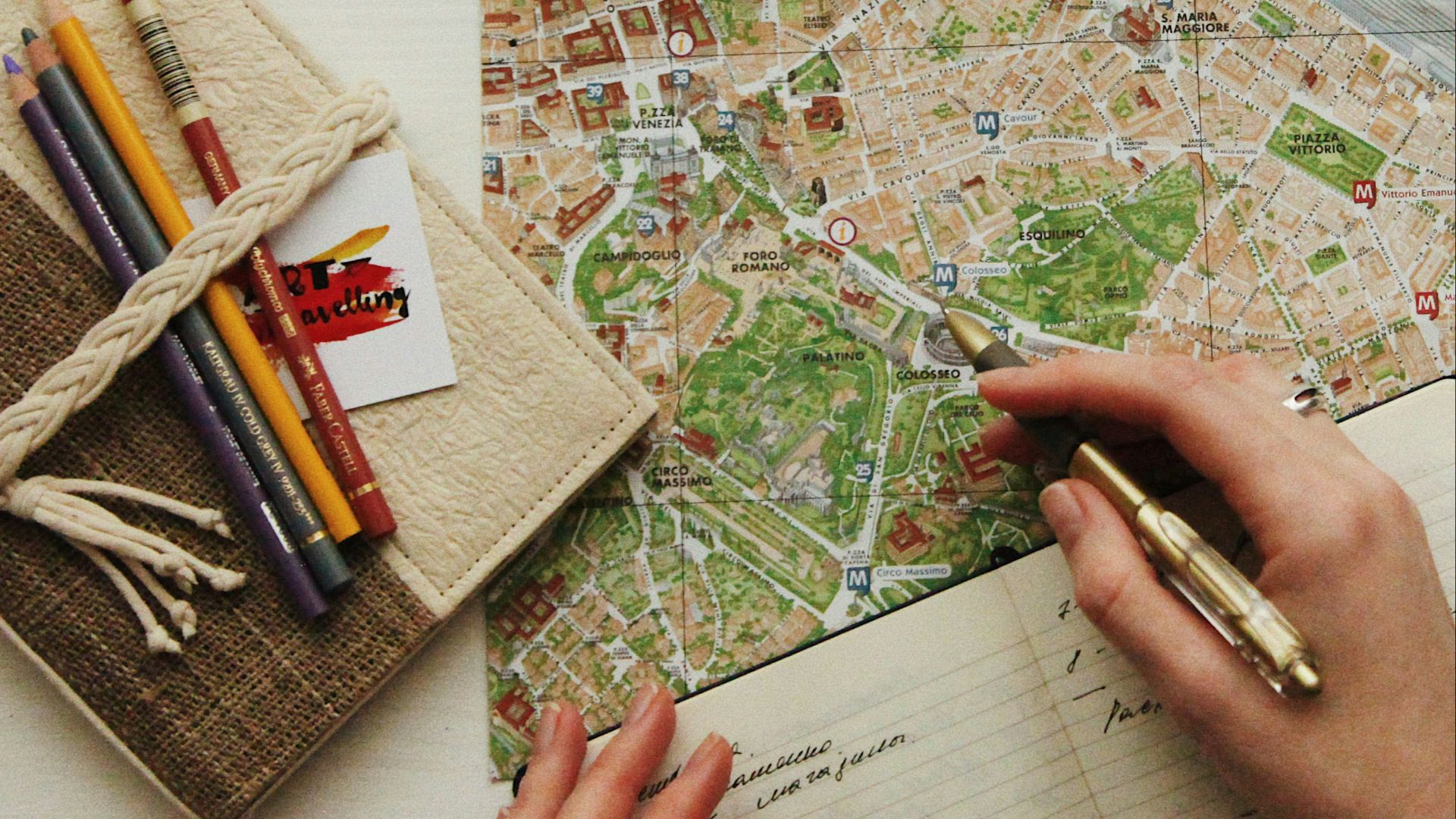
15. The Map Stops Matching the Territory
Official reports stay optimistic while the streets tell another story. Governments claim record harvests as people line up for bread. It’s not just propaganda; it’s delusion. Official numbers stop describing reality and start defending the illusion.
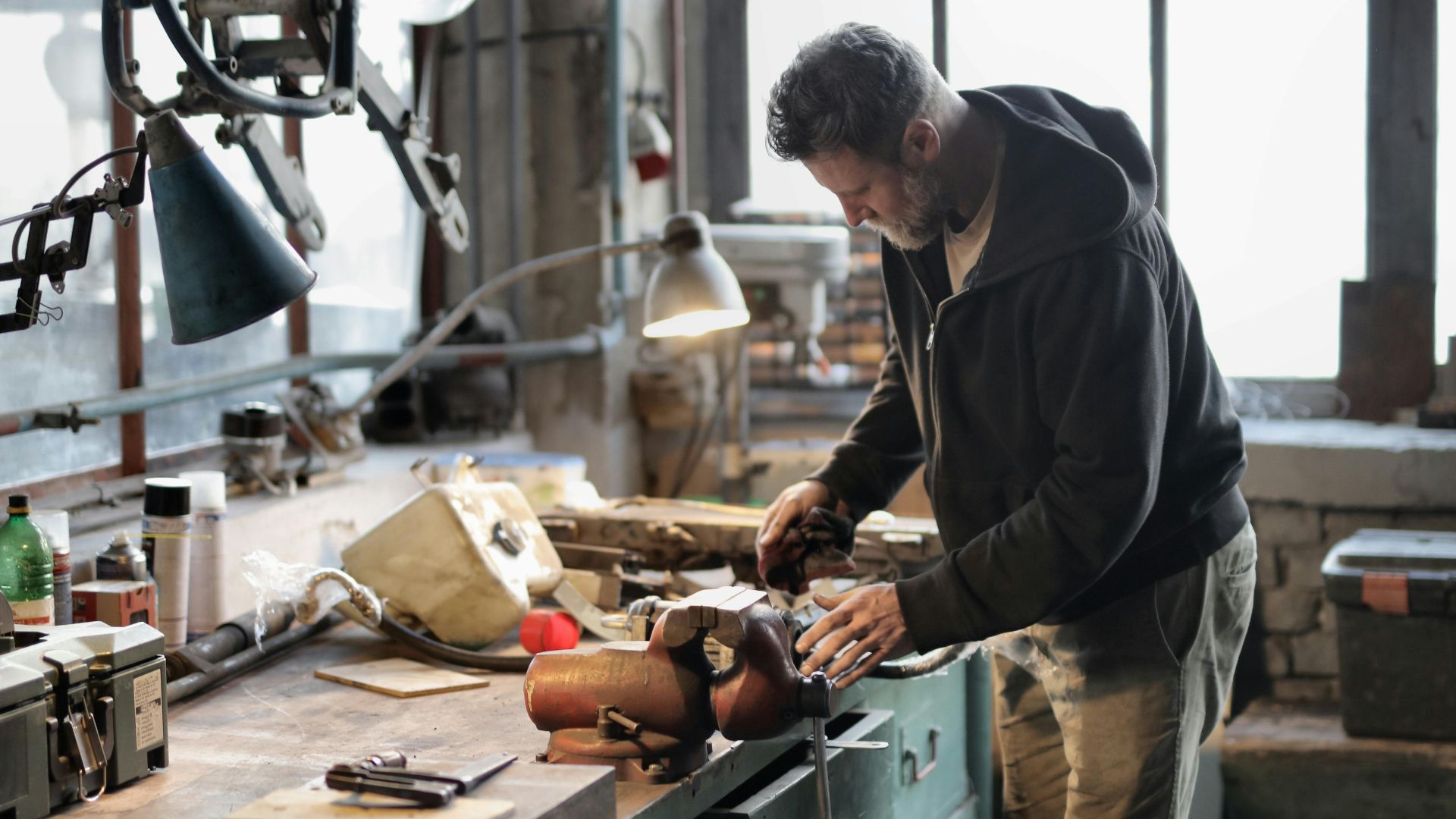
16. Innovation Moves to the Margins
Real creativity, once nurtured in large cities, shifts to garages, basements, or exile. To appreciate the truth in this, you have only to look at the poets in post-collapse Russia or the coders in war-torn countries today as they build tech startups in blackout zones. Ingenuity survives—but only on the margins of society.
17. The Weather Stops Cooperating
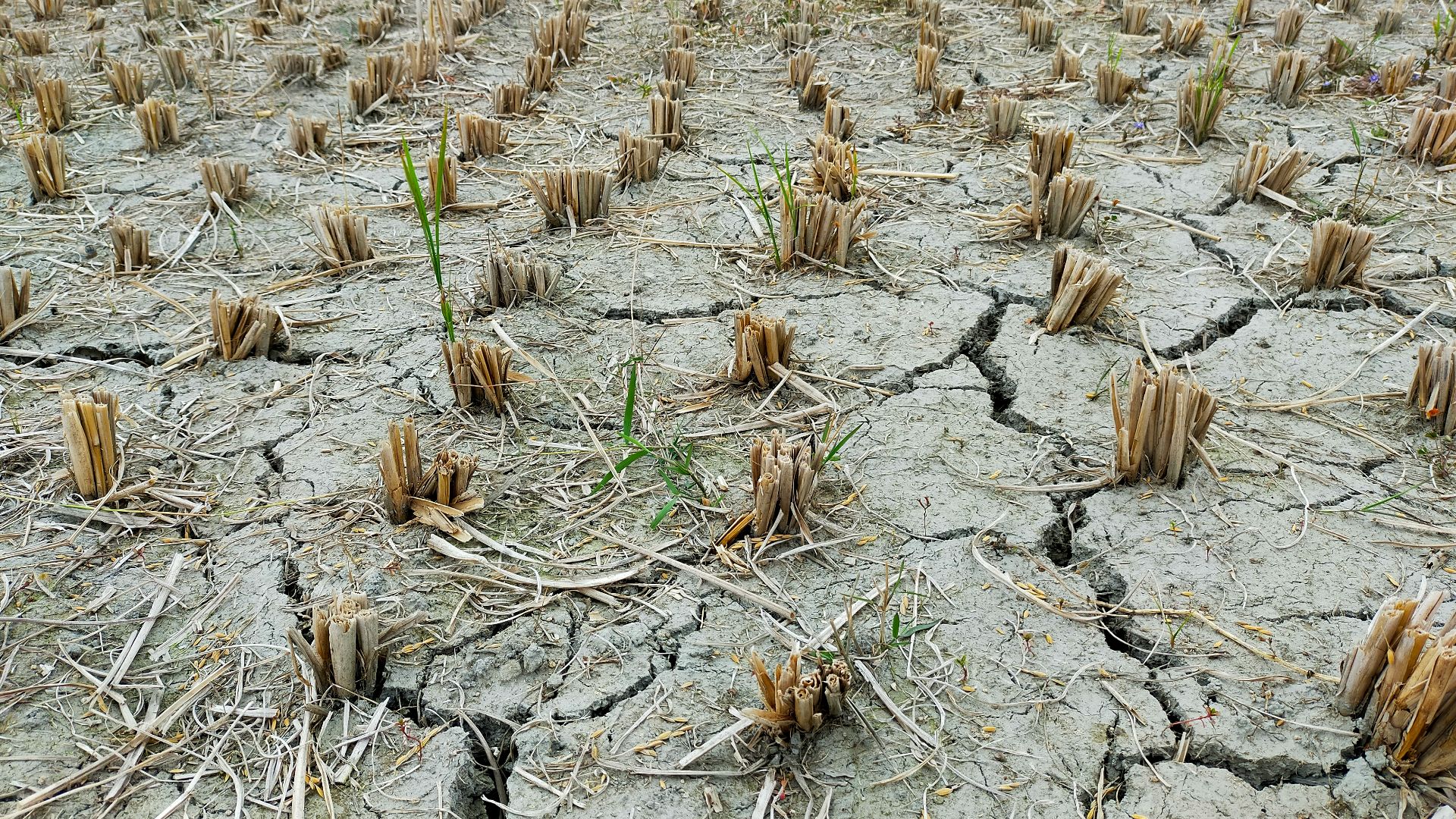
It may be surprising, but climate always plays a role in history’s great societal undoings. When Mesopotamia was floundering, drought struck. The Little Ice Age in Europe led to famine and social unrest. Even modern collapses go hand in hand with crop failures and worsening storms.
 Md. Hasanuzzaman Himel on Unsplash
18. Borders Blur Before They Break
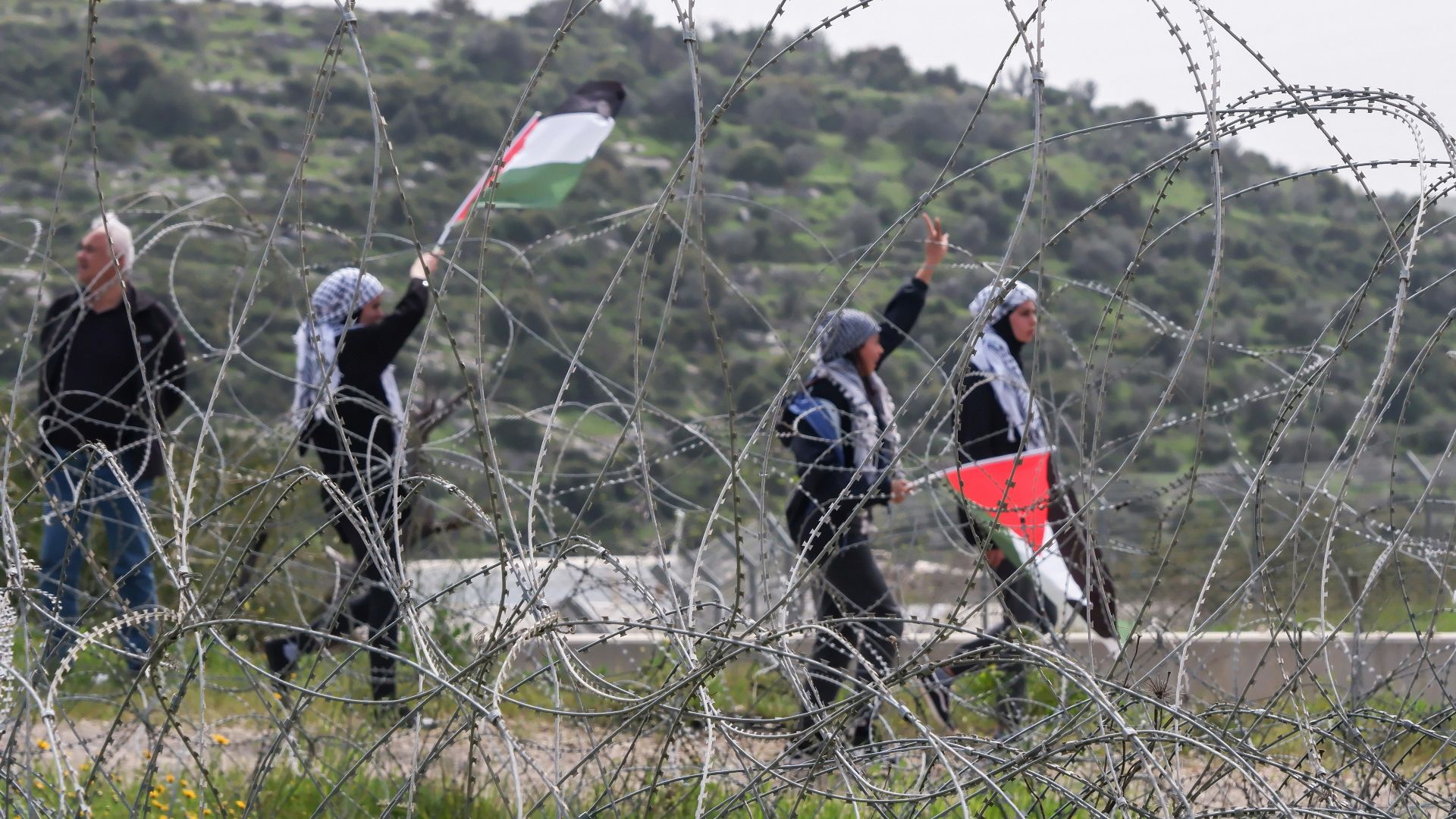
As nations decline, trade falters, currencies fluctuate, and then people start leaving for greener pastures. It’s quiet at first and almost goes unnoticed. Families pack up and leave; soldiers defect. One day, the map still shows a nation, but in practice, it’s already dissolved.
19. The Humor Gets Darker
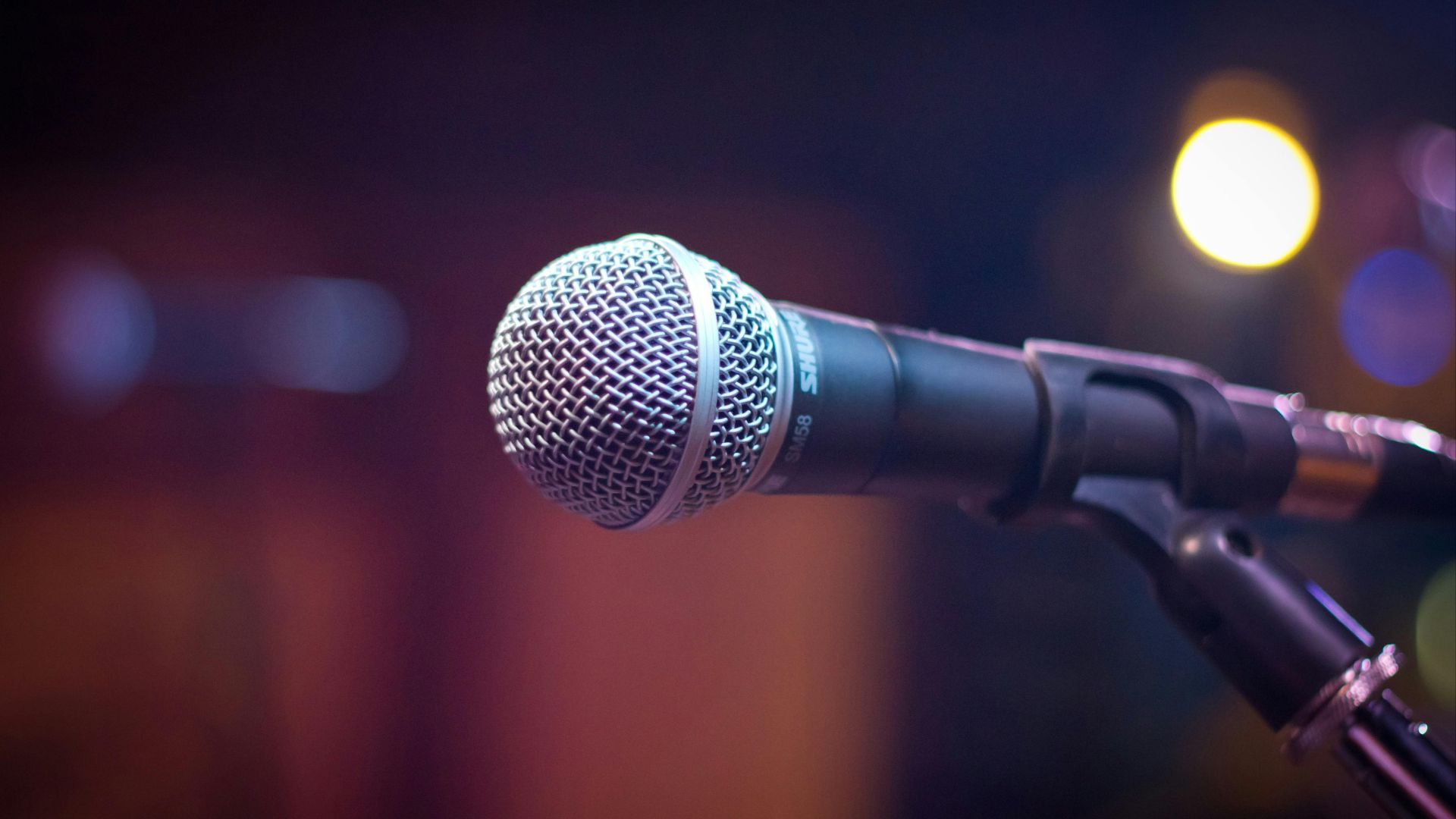
This one’s strangely consistent. As collapse creeps closer, jokes get blacker, and sarcasm becomes an unofficial national language. Comedians start to say what journalists can’t, transforming laughter into both a shield and a weapon. When humor turns bitter, it’s a sign that hope’s running low.
20. The Fall Feels Normal
This is the strangest pattern of all.
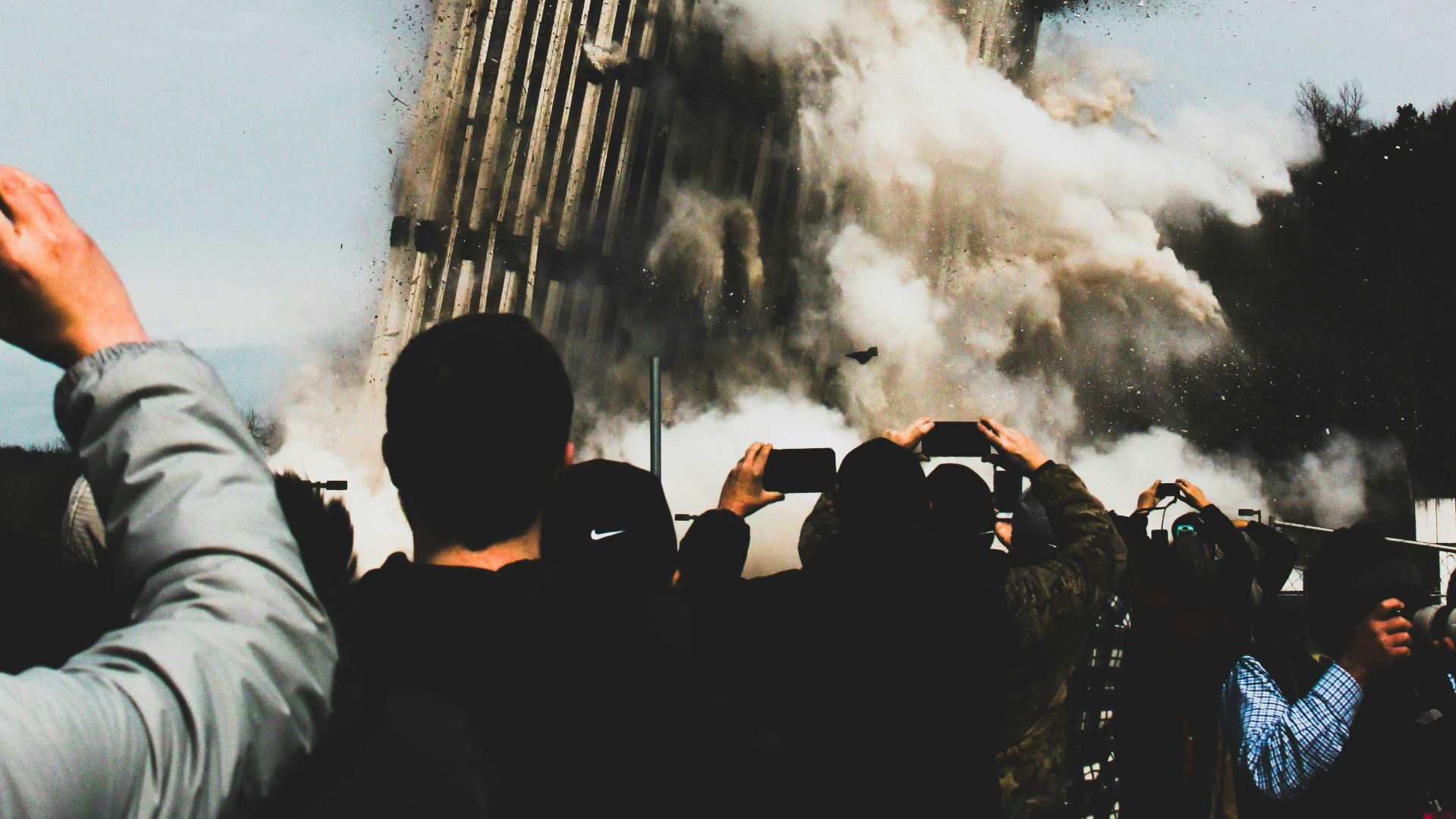
People rarely realize they’re living through decline until it’s too late. For a time, life still goes on—the daily commute and children heading to school. Then one day, something snaps. The lights don’t come back on; the shelves in the market aren’t restocked. The collapse becomes undeniable.
KEEP ON READING