
Why the Past Has a Habit of Coming Back Around
If history does not repeat itself, it most certainly rhymes. Once you start paying attention, you begin to see striking parallels in politics, culture, technology, and human nature that recur over the ages. These are some of the many examples of the ways we keep treading on very old ground.
1. Economic Booms Followed by Busts
Periods of rapid growth and wealth creation lead to overconfidence and unbridled speculation. Markets expand too quickly, risks build up, and the inevitable crash follows. The boom-and-bust cycle is as old as recorded history.

2. Empires Rise and Fall
The rise and fall of empires has been a constant theme in world history. At the height of their power, all empires seem invincible, but eventually, internal rot and external pressure catch up with them. No empire lasts forever.
3. Pandemics Spark Social Change
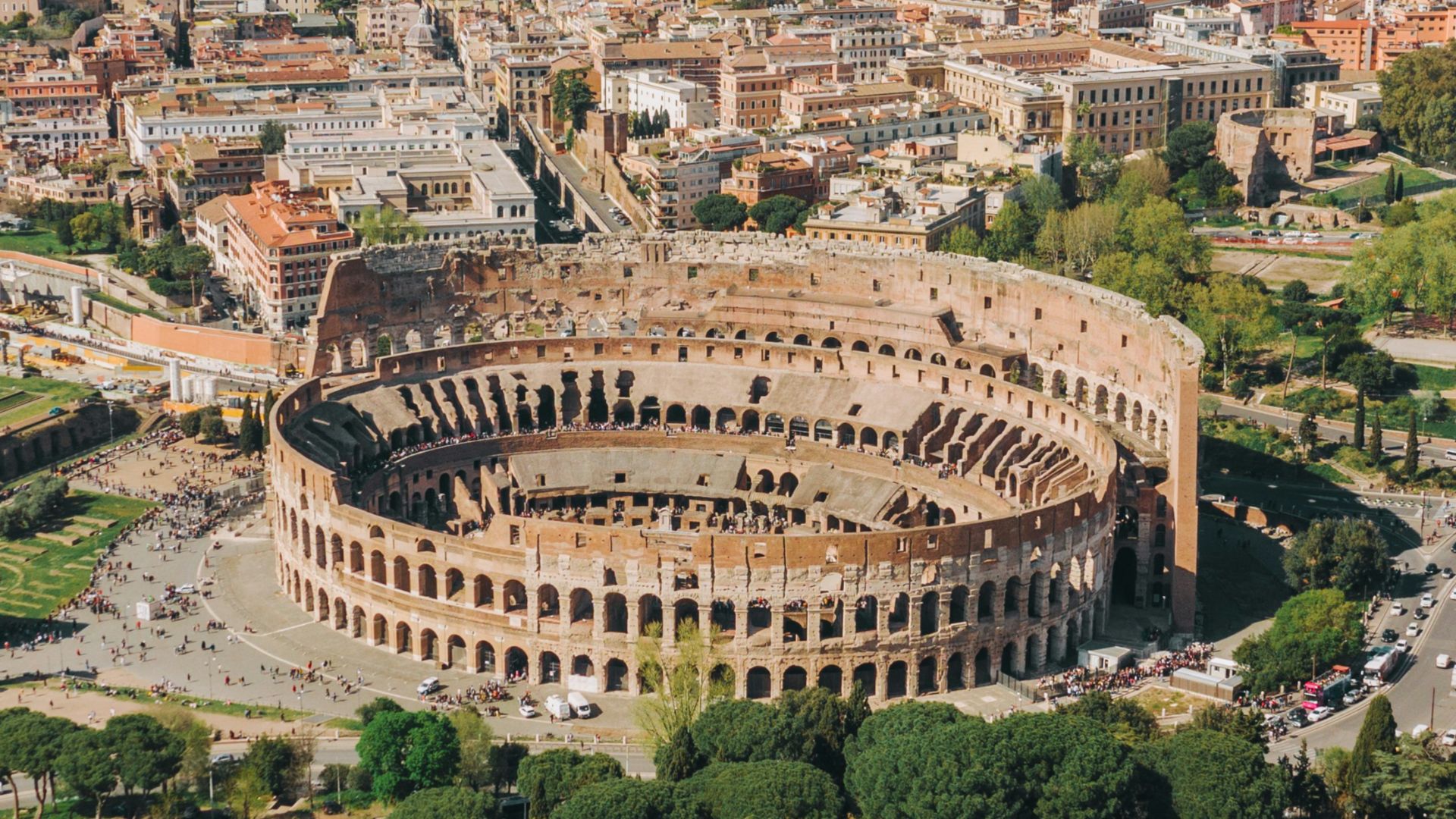
Epidemics have been a recurring phenomenon throughout history. In their wake, they have often brought about profound social and economic changes, from labor shortages and changes in the balance of power to cultural transformations. The effects of major disease outbreaks have been long-lasting.
 Fusion Medical Animation on Unsplash
4. Technology Disrupts Jobs
Technological innovation is a double-edged sword. On the one hand, it creates new opportunities and new jobs, but on the other hand, it often renders many existing jobs obsolete. The same debates about the disruptive effects of technology have been replayed throughout history.

5. Political Polarization Returns
History shows that societies tend to oscillate between periods of unity and consensus and periods of polarization and conflict. When political disagreements become too entrenched and polarized, they give rise to factionalism and partisanship that are often difficult to overcome. This phenomenon has been a source of many conflicts throughout history.
6. Inflation Follows Heavy Spending
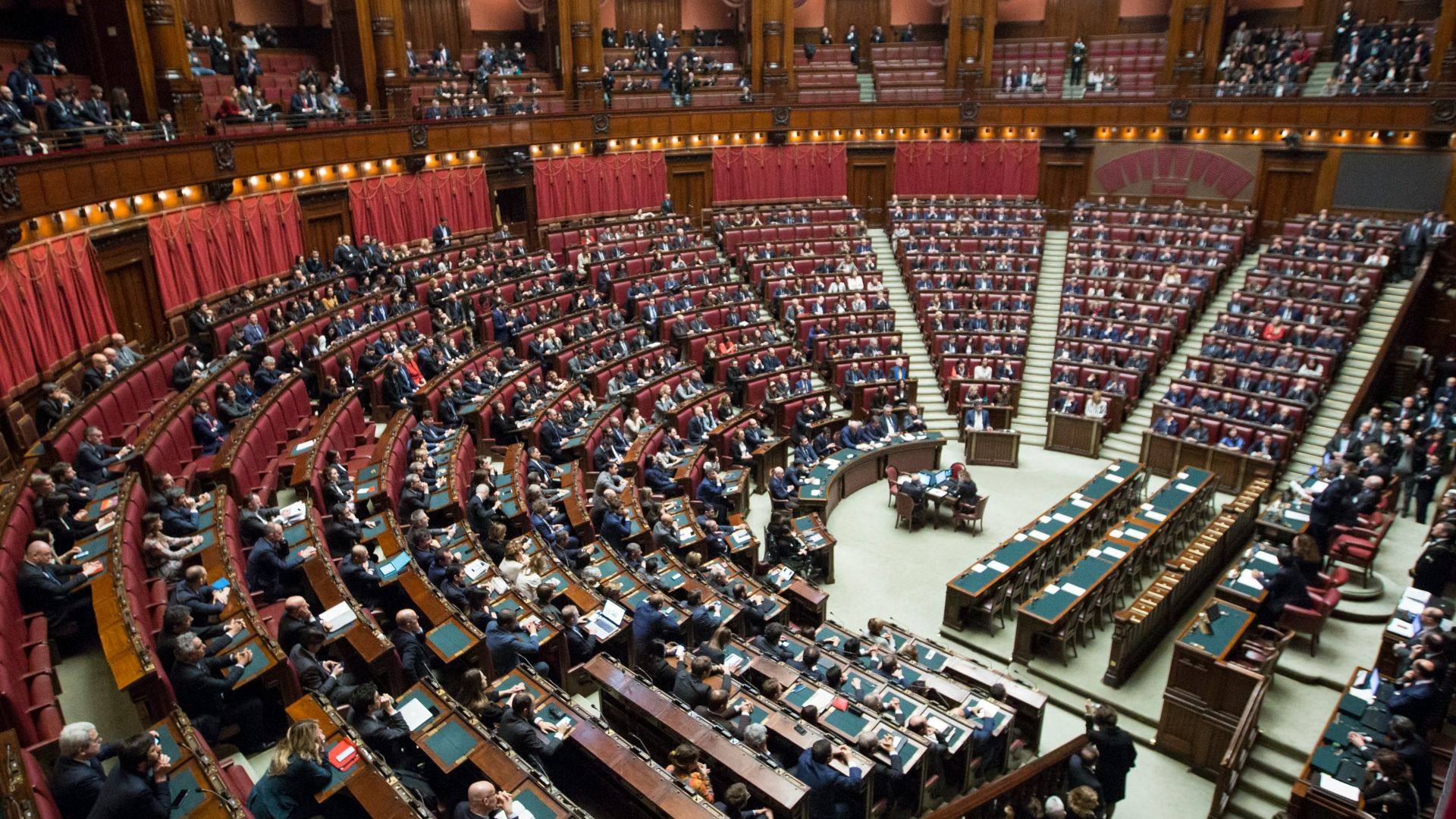
Excessive government spending, debasement of currency, or other economic mismanagement often lead to inflation. As prices rise, people lose faith in the value of money, and economic pressures mount. This has been a common pattern throughout history.
 rc.xyz NFT gallery on Unsplash
7. Scapegoating During Crises
Whenever there is a crisis or economic downturn, certain groups in society are often scapegoated and blamed for the problems. Minorities, immigrants, or other marginalized groups are frequently targeted. This has been a recurring pattern throughout history.

8. Youth-Led Cultural Revolutions
The generational revolt against the established order is a constant theme in history. Music, fashion, and lifestyles change as the younger generation pushes against tradition. This cycle of rebellion has been repeated throughout history.

9. Wars Begin Over Familiar Triggers
Territorial disputes, resource competition, and power struggles have been recurring causes of war throughout history. The names and weapons change, but the reasons for starting a war are often eerily similar from one conflict to another. It’s the same story, but different players.

10. Misinformation Spreads Rapidly
The spread of misinformation and disinformation has been a problem throughout history.
Rumors, propaganda, and exaggerations have often fueled public fears and paranoia in the past. The medium has changed, but the effect remains the same.

11. Financial Bubbles Form Predictably
Asset bubbles form when there is excessive enthusiasm and speculation around a particular asset class. Prices rise far above their intrinsic value, and when they eventually burst, the consequences can be catastrophic. From tulip mania to the dot-com bubble, the story is the same.

12. Leaders Promise Simple Solutions
In times of crisis and uncertainty, charismatic leaders often emerge to offer simple and easy solutions to complex problems. The public’s frustration and fear make them especially susceptible to such promises. History shows how often these simplistic solutions fall flat.
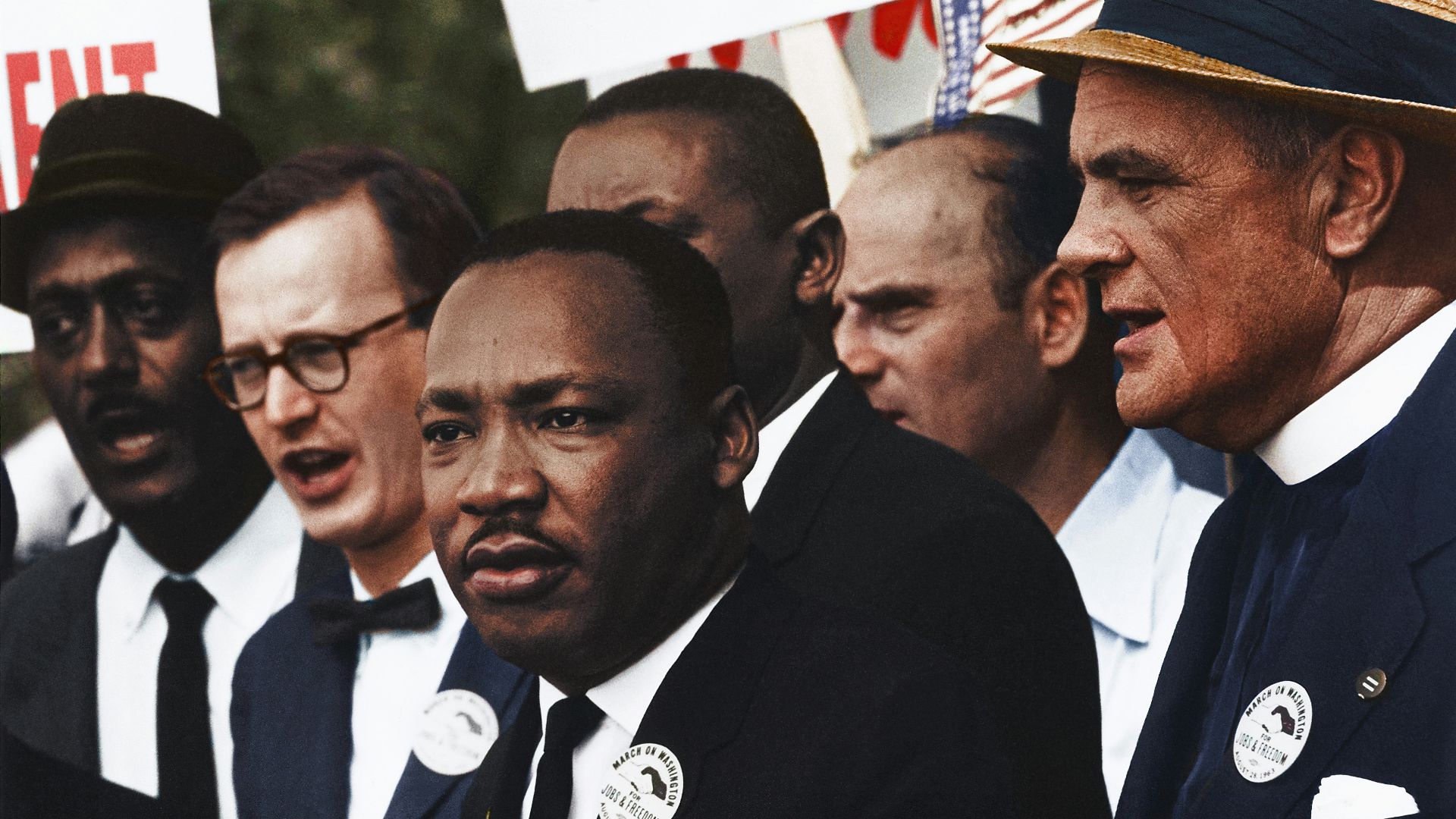
13. Civil Rights Movements Reemerge
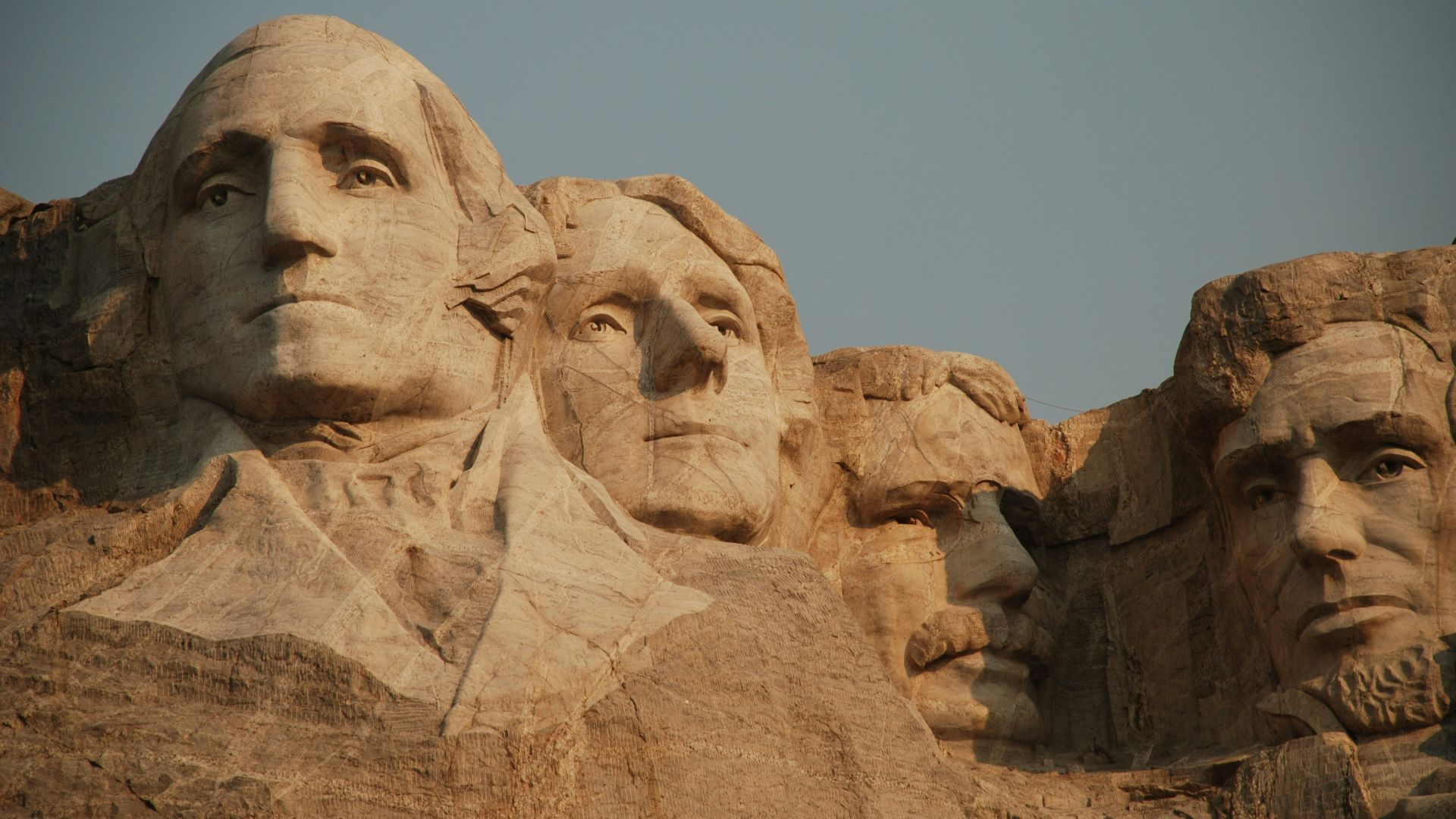
The fight for civil rights and equality has often been a series of battles rather than a single, decisive war. Each generation pushes for incremental progress, and the struggle for equality is always a work in progress. This has been a recurring pattern throughout history.
14. Overexpansion Weakens Nations
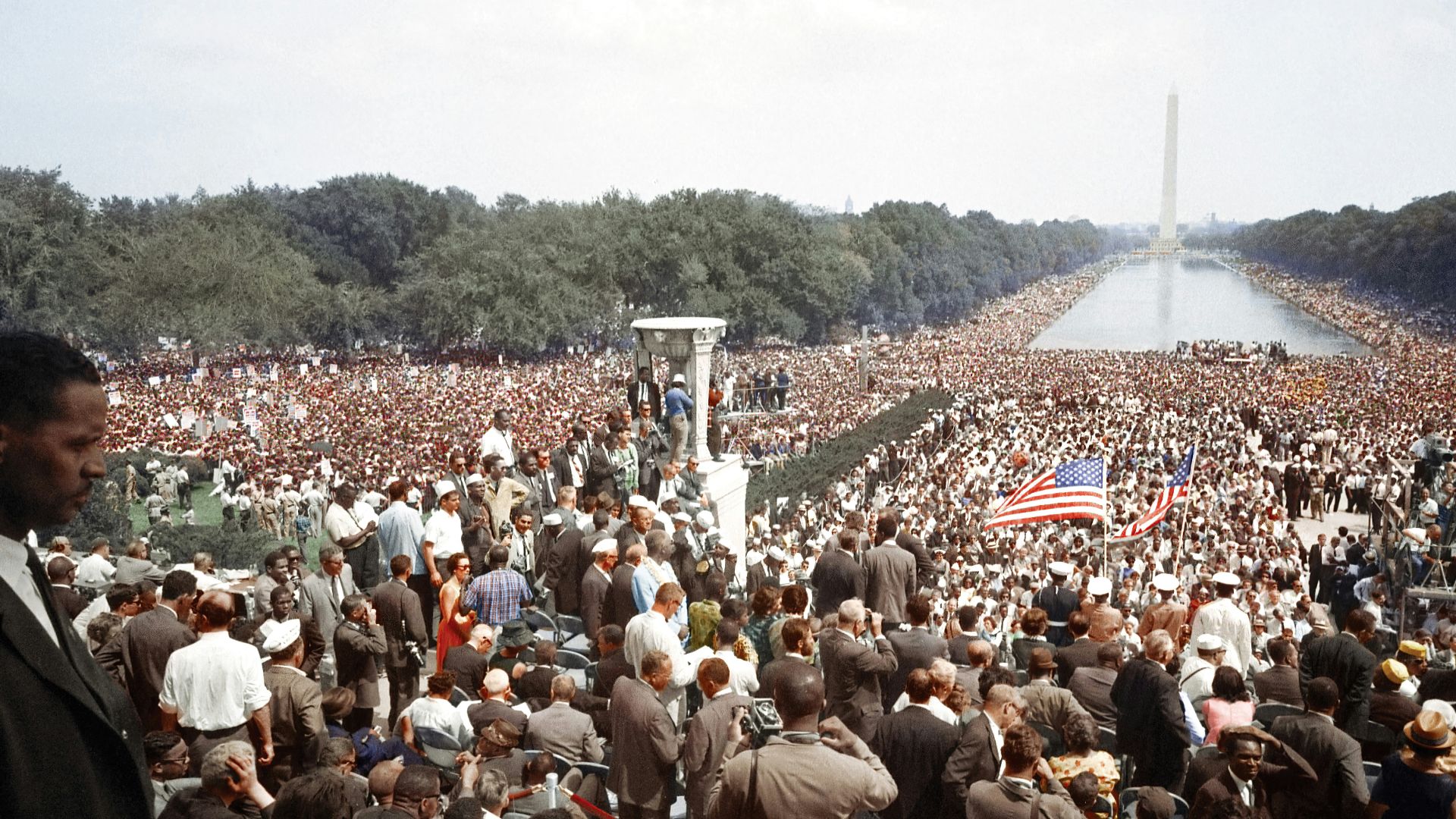
Countries that overstretch their military forces often find themselves weakened and vulnerable. The costs of defense, infrastructure, and governance all start to weigh heavily on an overstretched state. History has witnessed the collapse of many powerful states that expanded their frontiers too far.
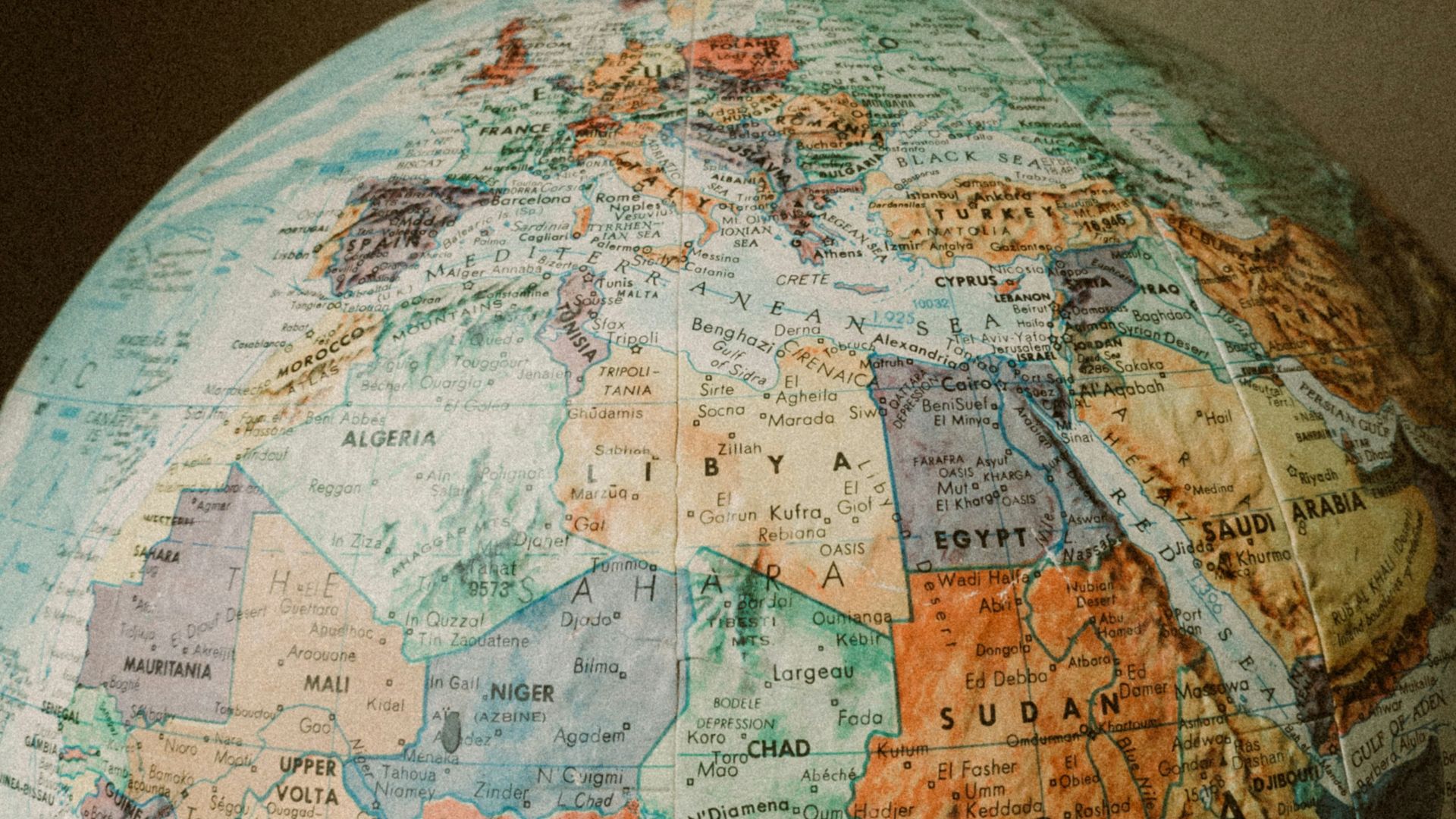
15. Cultural Golden Ages Fade
Periods of artistic and intellectual flourishing are often followed by economic or political decline.
These golden ages of culture and learning do not last forever. The rise and fall of cultural empires is a constant theme in history.
 Debashis RC Biswas on Unsplash
16. Environmental Damage Gets Ignored
Warnings about the dangers of environmental degradation are often ignored or downplayed in the early stages. By the time the consequences are clear, it is often too late to reverse the damage. Environmental warnings have been a recurring theme in history.

17. Trade Conflicts Resurface
Trade disputes between nations have been a constant feature of international relations. Protectionism and trade wars tend to flare up whenever one side seeks to gain an advantage or secure its interests. This is a pattern that has repeated itself throughout history.

18. Fear Drives Restrictive Laws
Moments of crisis and insecurity often lead to calls for tighter government controls and restrictions on civil liberties. In the name of security and safety, many freedoms are curtailed. It is often a long and difficult process to restore them to their former levels.

19. Popular Movements Lose Momentum
Popular uprisings and grassroots movements often start with a lot of energy and momentum. As time goes on, however, the forces of division and fragmentation tend to set in, and the initial fervor starts to fade. This is a common pattern in history.

20. Lessons Are Forgotten
The lessons of history are often forgotten or lost as time passes.
The firsthand experience of those who lived through the events is replaced by secondhand accounts and hearsay. That is often how history is allowed to repeat itself.