When An Engagement Was A Contract
In the 19th century, calling off a wedding could land a man in court. His former fiancée could sue for breach of promise, arguing that he'd embarrassed her publicly and hurt her chances of marrying someone else. Juries were often sympathetic, and the payouts could be enormous. Many American states began doing away with these lawsuits in 1935, but England kept them until 1971. Here are 20 women who took their broken engagements to court.
 Fylkesarkivet i Vestland on Unsplash
1. Anne Blankley, 1810
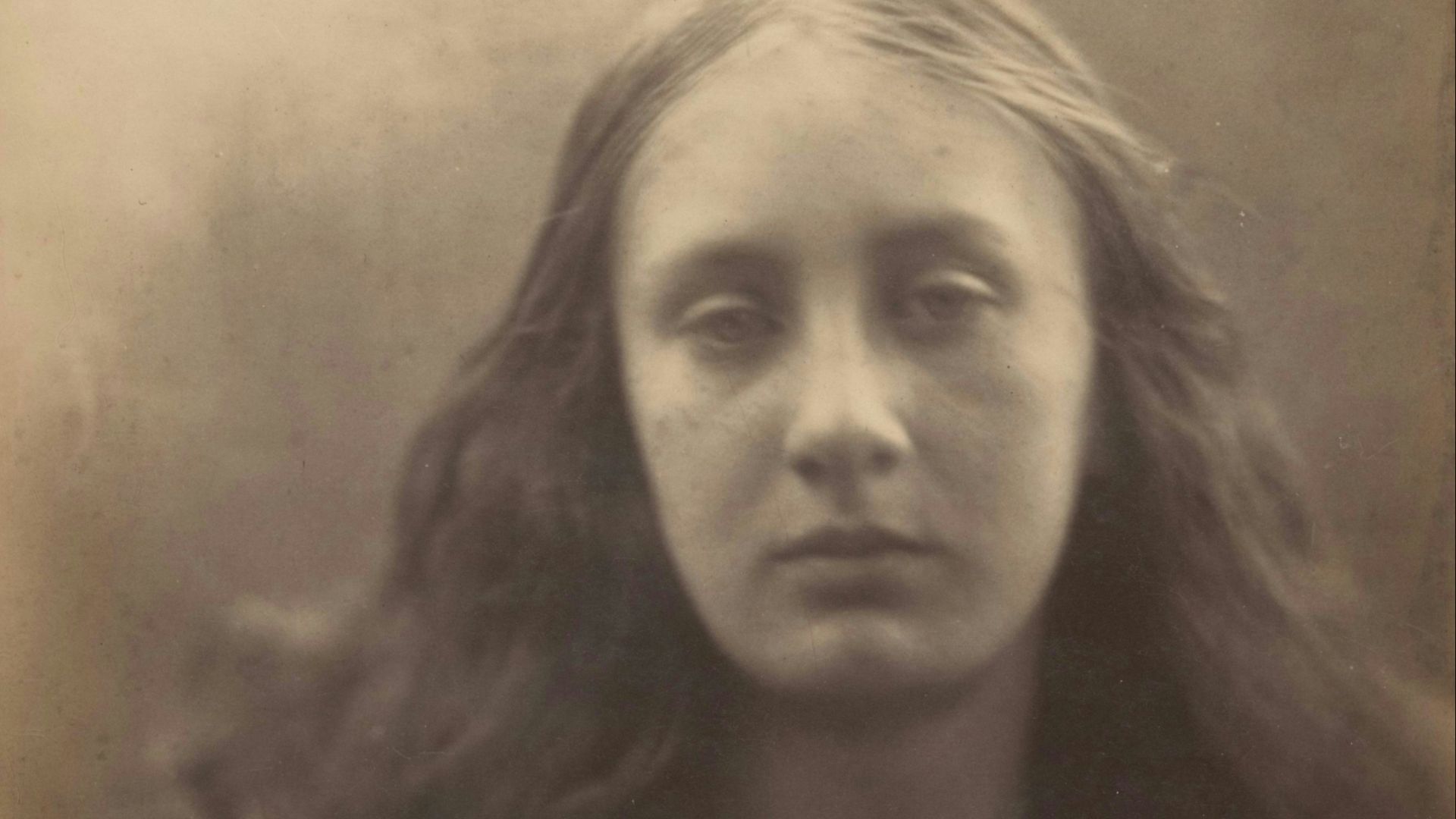
Anne Blankley was 18, the daughter of a Bloomsbury poultry merchant, when she sued a wealthy engraver named Tomlinson. He had called off their wedding twice, possibly because he wanted a larger dowry than her father was offering. Detail on early cases is thin, since newspapers often protected a lady's dignity by reporting nothing beyond the damages.
 The Metropolitan Museum of Art on Unsplash
2. Sarah Cox, 1825
Sarah Cox was a milliner's apprentice in Sydney when Captain John Payne broke off their engagement. Her action in May 1825 was the first breach of promise case to reach a jury in New South Wales, and she sought £1,000. Payne's defense was that he had never promised her anything.
3. Sophia Darbon, 1841
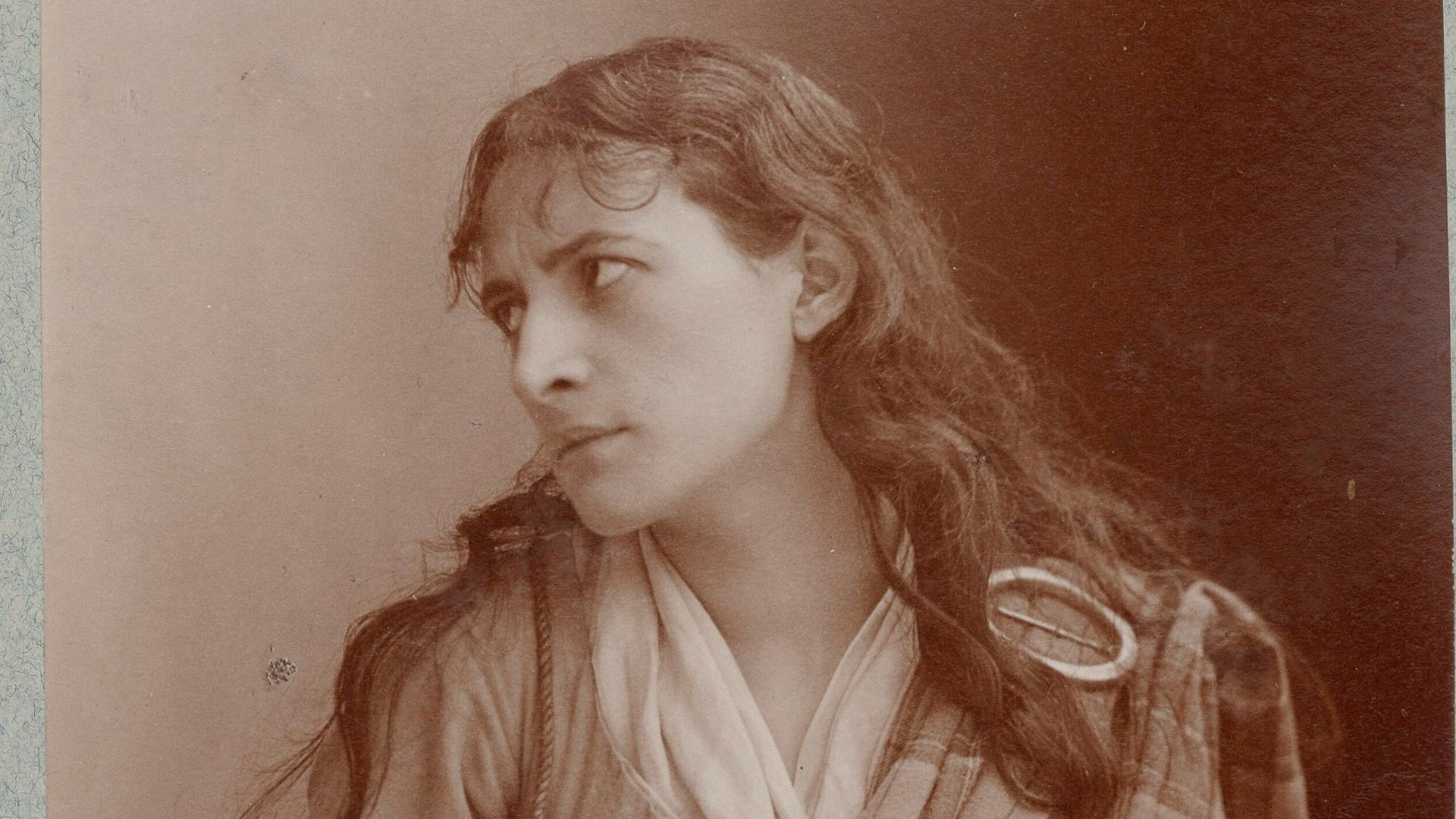
In December 1841, Sophia Darbon sued a man named Rosser for promising to marry her and then backing out. She won £1,600 in damages, a fortune at the time. The payout was big enough to earn the case a place among the era's notable trials.
4. Mary Elizabeth Smith, 1846
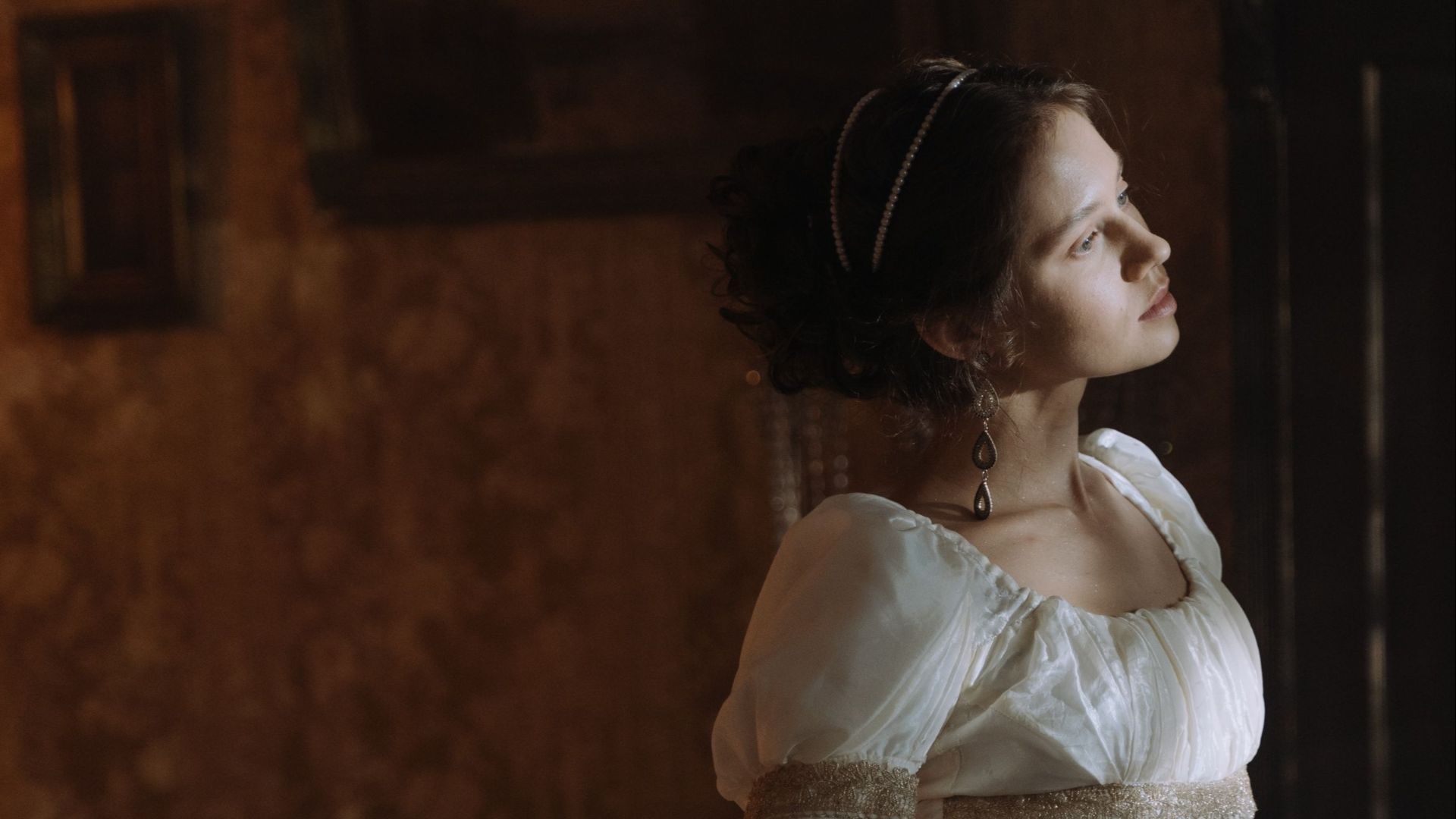
Mary Elizabeth Smith sued Washington Sewallis Shirley, Earl Ferrers, for £20,000, claiming he'd promised to marry her before getting engaged to another woman. She said she'd found out about his new engagement in the newspapers. But during the four-day trial at Westminster Hall in February 1846, the defense revealed a problem with her story: Ferrers had never even spoken to her, and the love letters she presented as evidence were forged.
5. Emily Fitzgerald, 1846
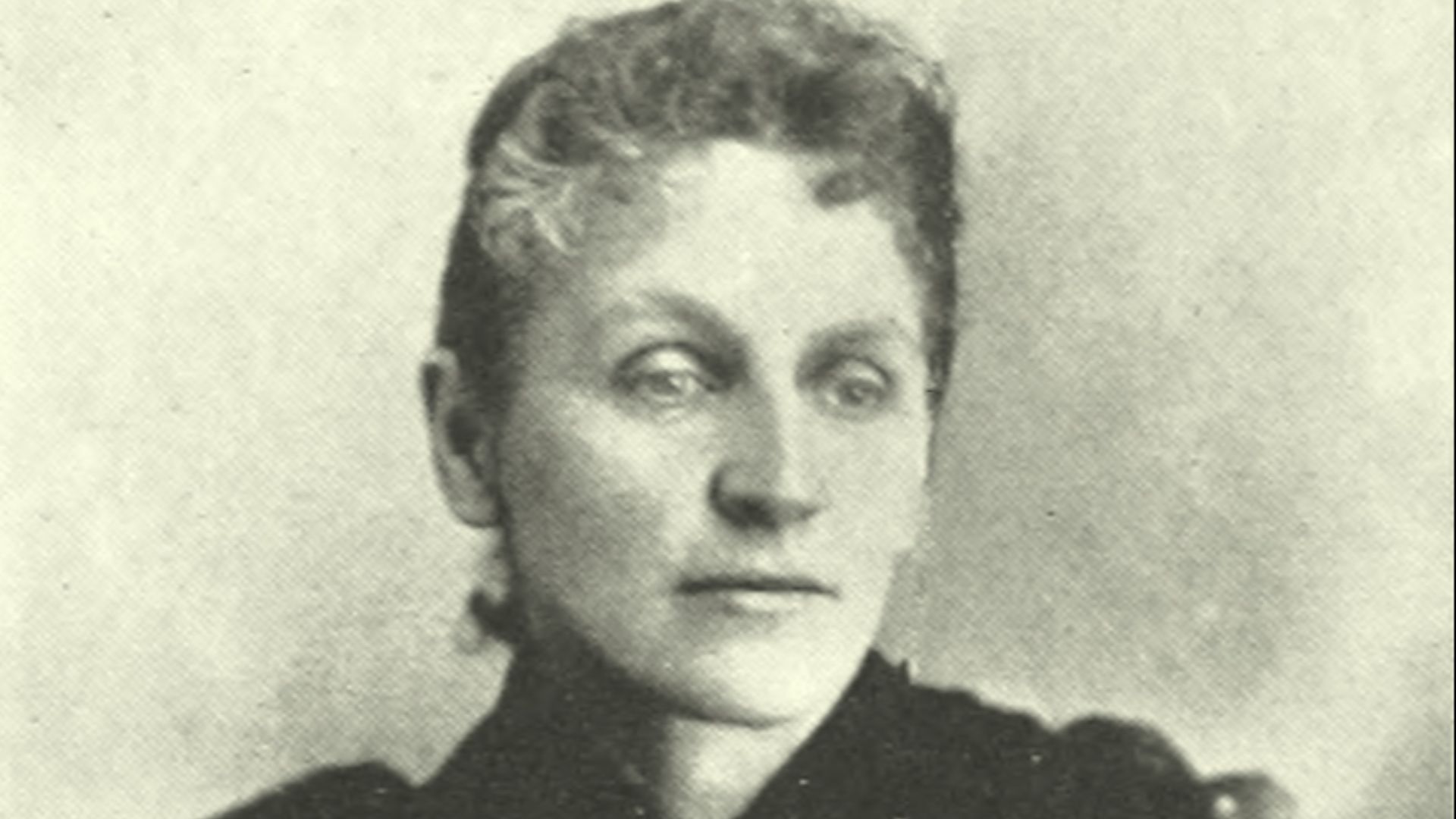
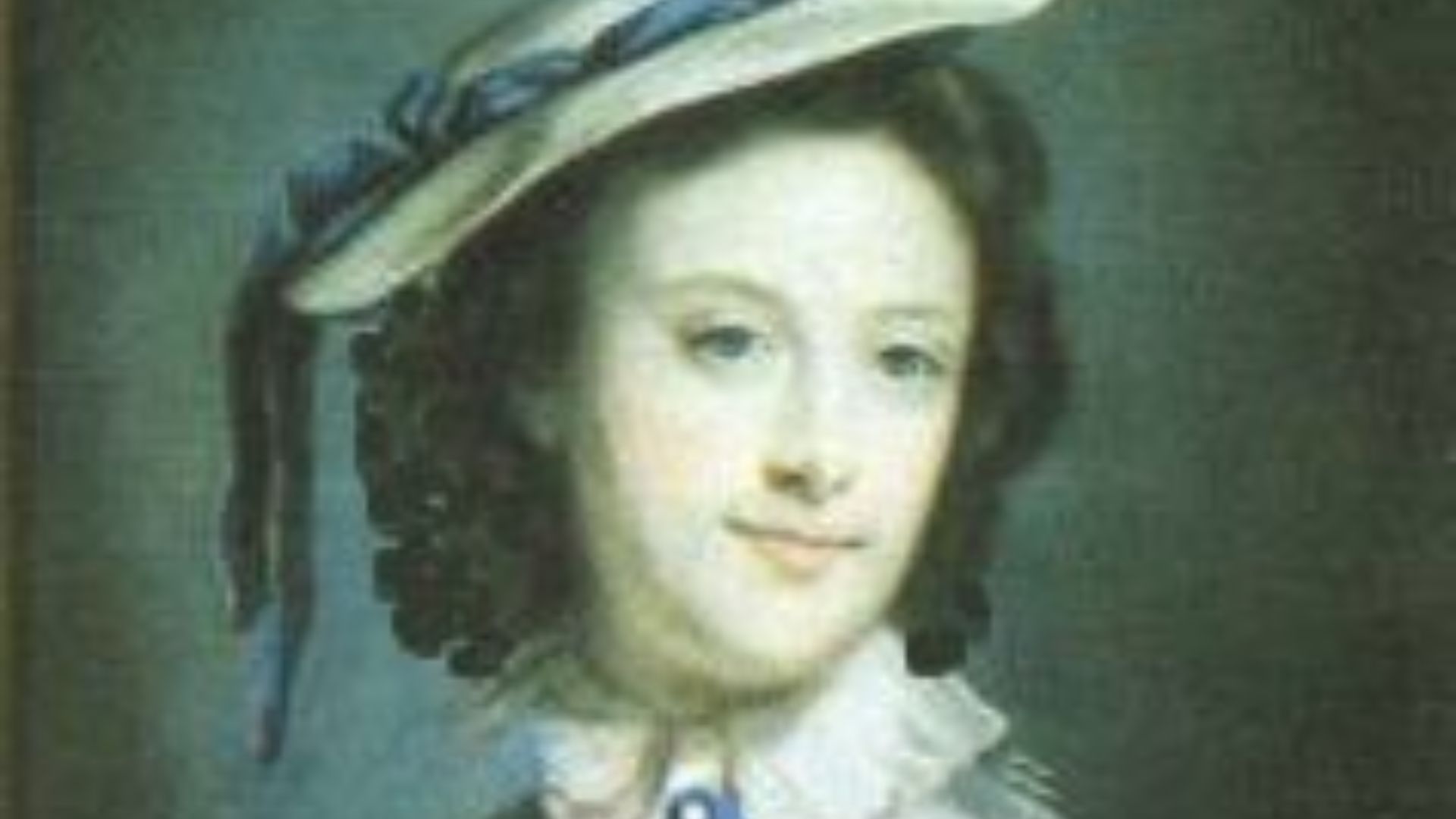
Emily Fitzgerald brought the first breach of promise action heard in colonial New Zealand after a four-year courtship collapsed over Clifford's secret fiancée. The Supreme Court took the case in 1846. Unlike the sensational English trials of the same decade, hers went unreported at the time.
 Unknown authorUnknown author on Wikimedia
6. Emily Harrison, 1866
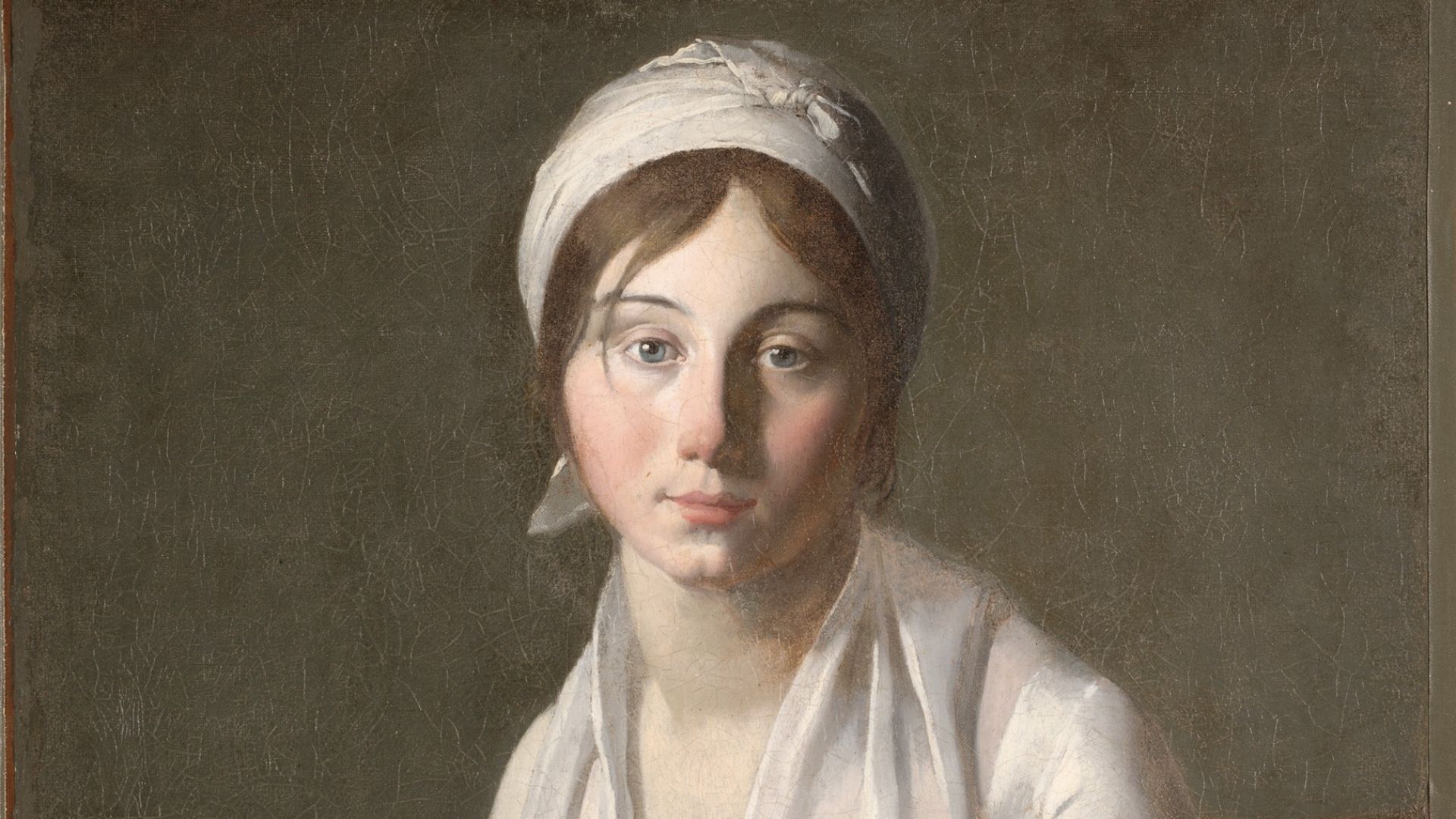
In April 1866, Emily Harrison of Sandwich, Massachusetts, sued Noble P. Swift for breaking his promise to marry her. She was only about 20. The first jury split eight to four in her favor, leaving the case without a verdict. Five months later, she got another trial, and this time the jury sided with her.
 Circle of Jacques-Louis David on Wikimedia
7. Julia McEvers, 1879
In 1879, Julia McEvers took William Lane O'Neill to court in Cork for breaking his promise to marry her, demanding £10,000 in damages. Her family testified, O'Neill gave his side of the story, and a stack of their love letters was read aloud for everyone to hear. She won the case, though the jury awarded her £1,000, a tenth of what she'd asked for.
8. Florence Jennie Day, 1890
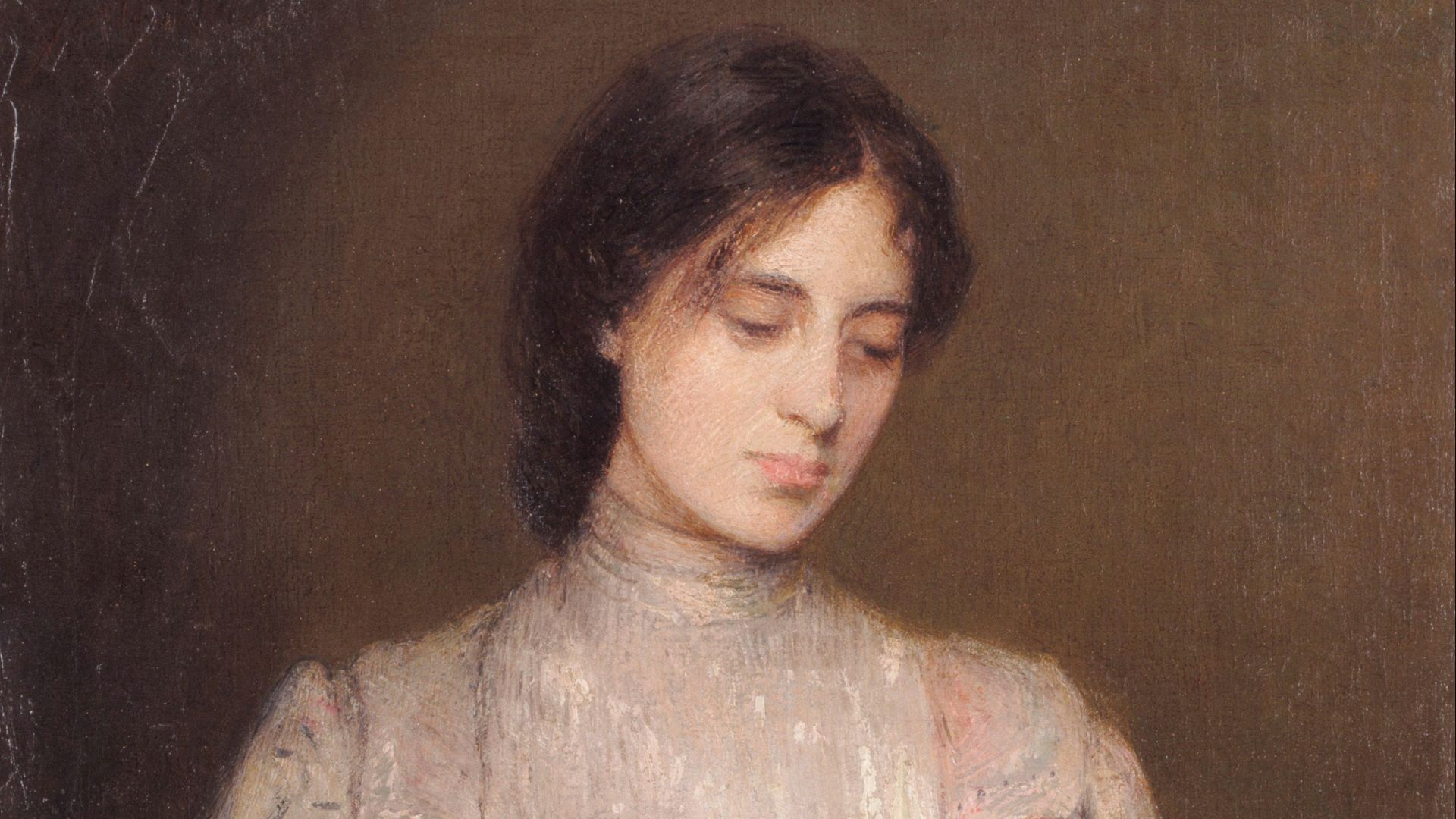
Florence Jennie Day took Morris Roberts to court in Birmingham in March 1890 for breaking his promise to marry her. She won £2,500, a huge sum for the time and enough to get her case into newspapers across Britain. It was one of several expensive breach of promise cases that made headlines that year.
9. Emily Mary Hairs, 1890
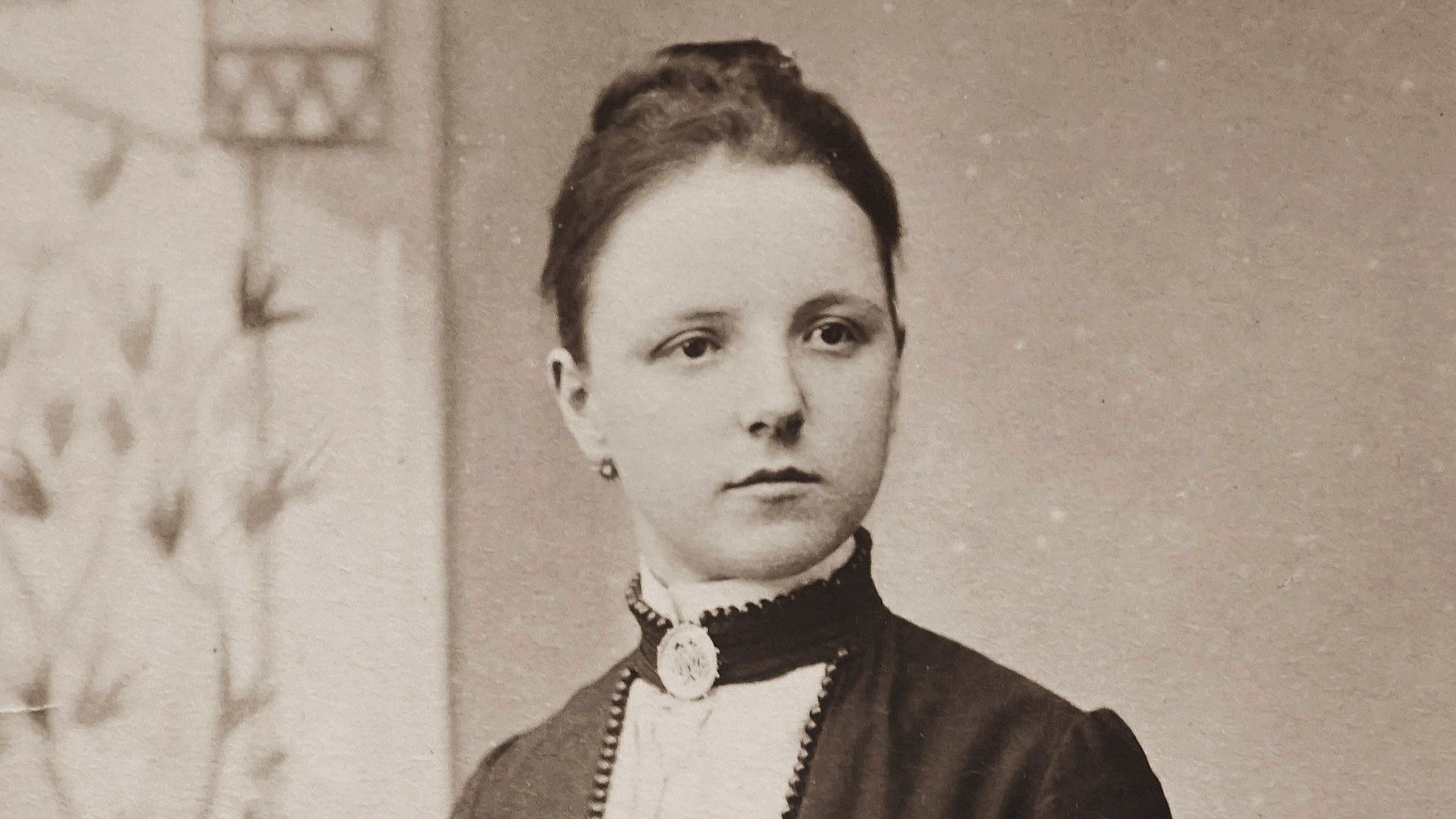
Sir George Elliot was 75 years old and serving in Parliament when Emily Mary Hairs sued him for £5,000 in April 1890. She claimed he'd promised to marry her and then backed out. The jury couldn't agree on a verdict, so she walked away without damages. Taking a sitting MP to court had already made her case a public spectacle.
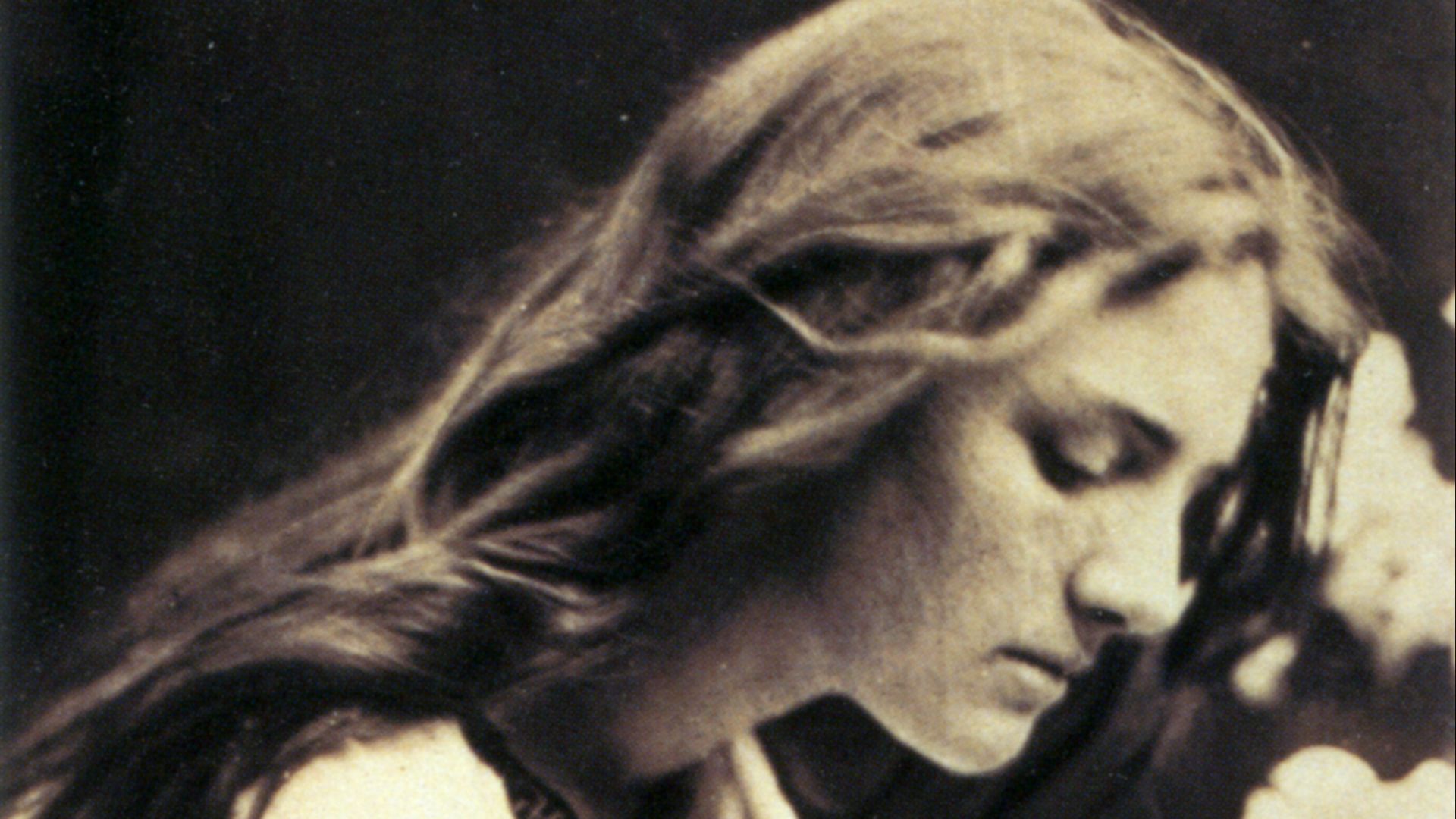
10. Gladys Knowles, 1890
Gladys Knowles was just 21 when she sued Leslie Duncan, the elderly editor and proprietor of a newspaper. Duncan had persuaded her to spend an unchaperoned night at a hotel, where he tried to seduce her. The jury awarded her £10,000 for his broken marriage promise, reportedly the largest award of its kind at the time.
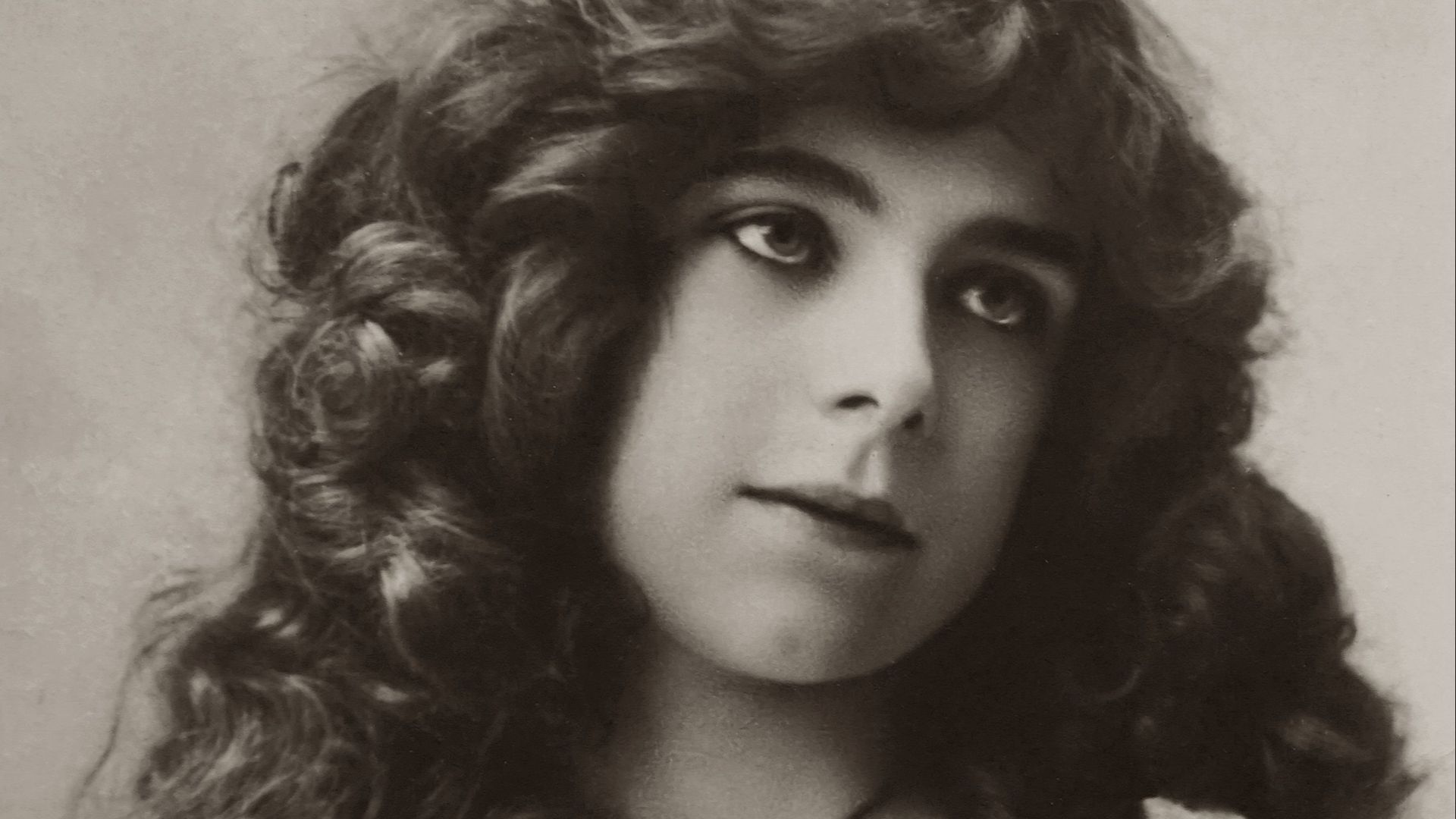
11. Madeline Pollard, 1894
Madeline Pollard took Congressman William Campbell Preston Breckinridge to court in Washington in 1894, and the case became a national sensation. She testified that he'd promised to marry her in 1892 and that she'd made decisions about her future based on that promise. Having a sitting congressman accused of jilting a woman drew enormous attention, and the trial was soon published as a book.
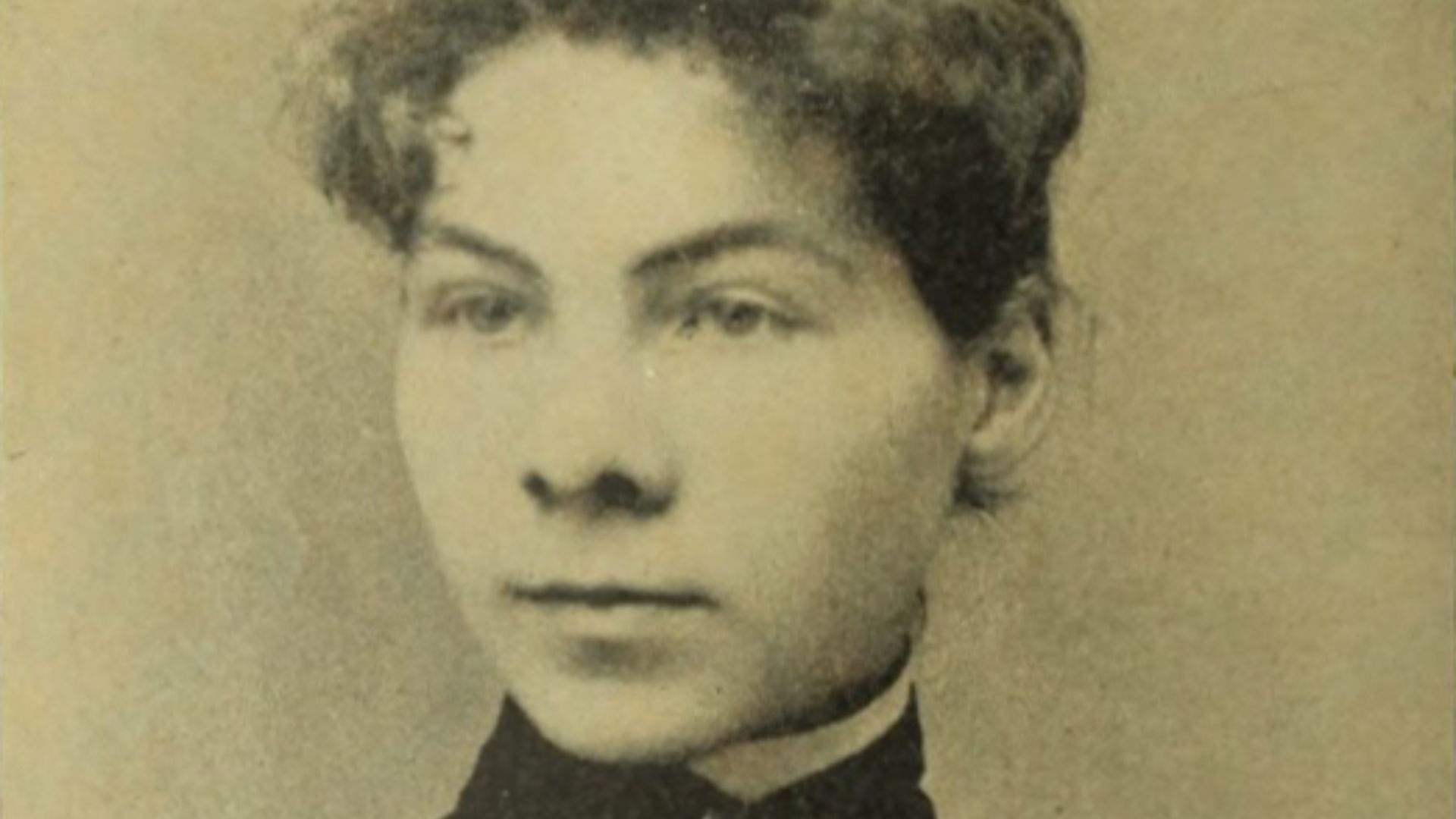 Pollard, Madeline, 1863-1945 on Wikimedia
12. Sarah Reeves, 1898
Sarah Reeves sued Alexander Gill for £1,000 in Sydney in 1898, claiming he'd broken his promise to marry her. They'd known each other since 1890, when she was only 12 and he was 17. Because she was still under 21 when she sued, she needed an adult representative, legally called a "next friend," to bring the case.
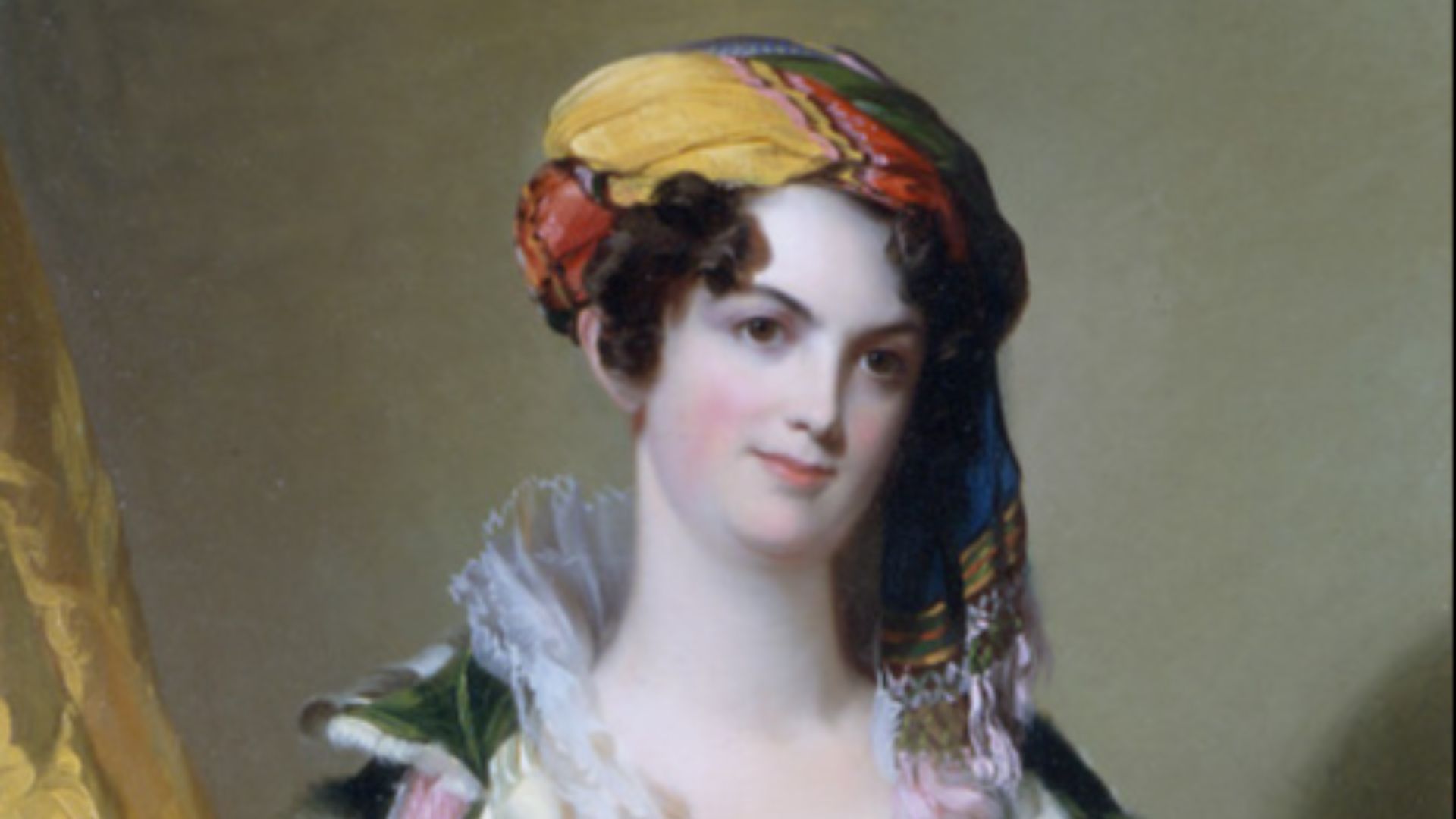 Thomas Sully (1783–1872) on Wikimedia
13. Laura Twemlow, 1908
Laura Twemlow was a public school teacher in Rossi, Australia, when she sued Edward John Walsh for £1,000 in Sydney's Supreme Court. Walsh didn't deny promising to marry her, and he didn't deny breaking that promise either. All the jury had to decide was how much he owed her. They settled on £300.
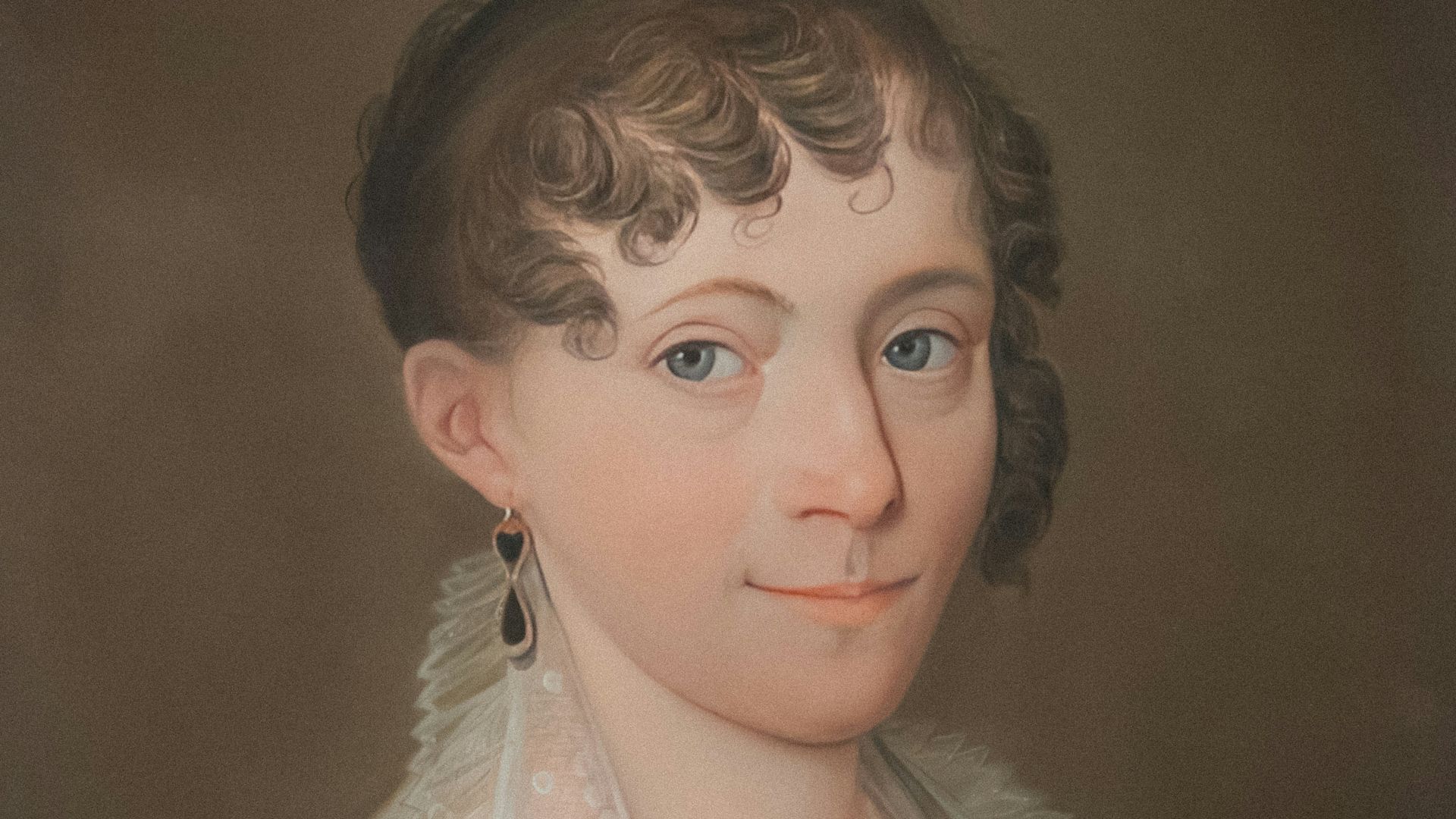
14. Ivy Donnelly, 1911
Ivy Donnelly sued James Henry Leonard for £1,000 in Sydney in 1911 after he backed out of their marriage plans. Leonard admitted he'd broken his promise, so there was no argument over whether he was responsible. The jury only had to decide what the broken engagement was worth.
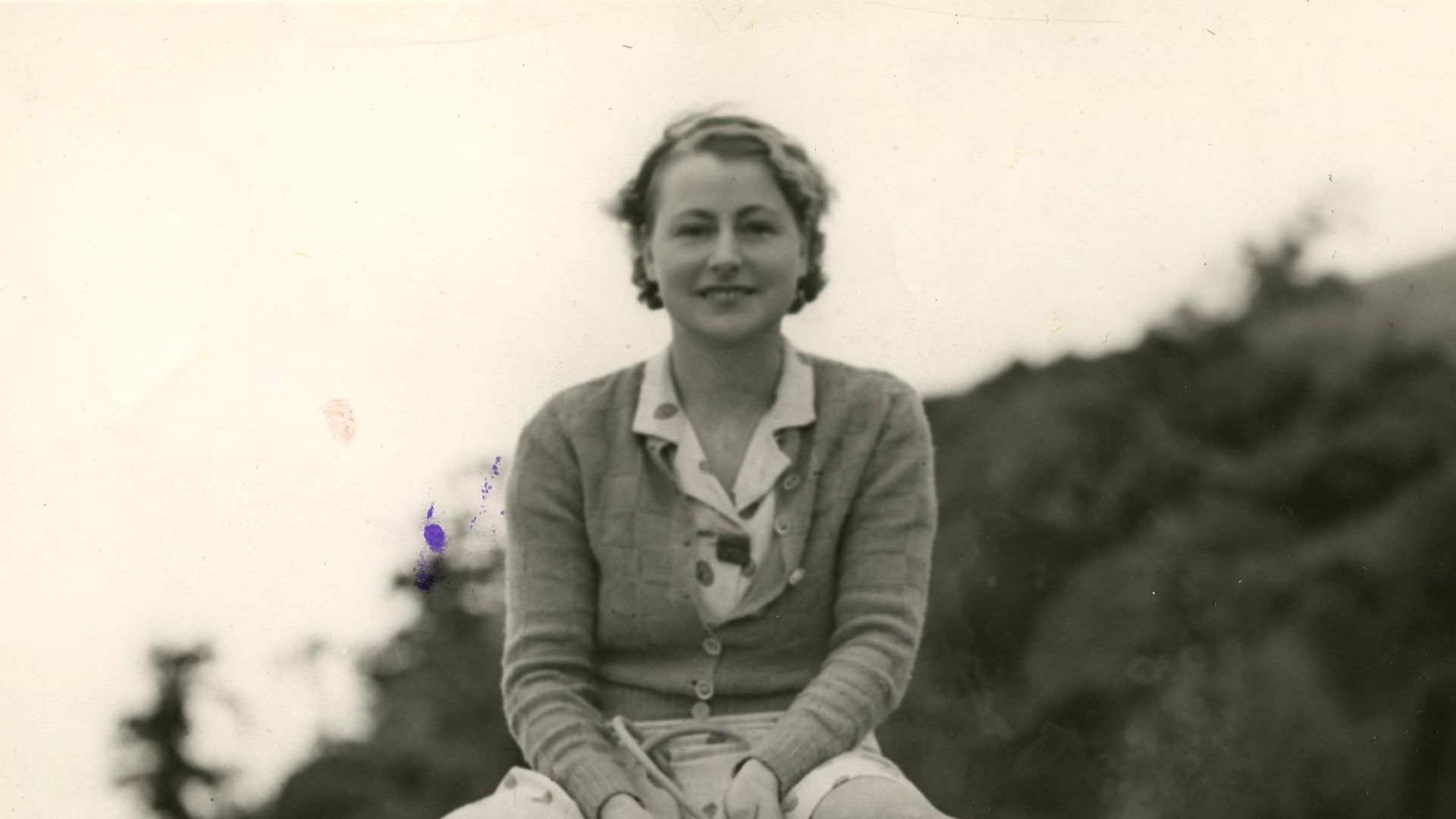 Australian National Maritime Museum on The Commons on Wikimedia
15. Beatrice Storey, 1914
Beatrice Storey, a barmaid in Sydney, was left waiting on her wedding day after Frederick Patrick Chapman kissed her goodbye on her brother's porch and told her not to be late for church. He never showed up. She sued him for £1,000 in March 1914, and Chapman missed his court appearance too. His defense claimed she'd released him from his promise, but the four-person jury awarded her £350.
16. Elaine Myra Henderson, 1925
In October 1925, Elaine Myra Henderson, a young widow, sued Matthew Jefferson Raper for £5,000 after their marriage plans fell apart. Raper was the young son of wealthy parents, a detail that attracted attention during the case. The jury sided with Henderson and awarded her £2,000, less than half what she'd requested but still a substantial payout.
17. Bertha Cleavenger, 1929
Bertha Cleavenger moved to Detroit in 1917 and opened a boarding house for working men. One of her tenants, Ford factory employee John Henry Castle, became her fiancé. She even lent him money to start a real estate business with Henry Ford's brother. The business made a fortune, but Castle eventually wrote to say he'd married another woman. Cleavenger sued, and after a six-week trial in 1929, she won what was reported as the largest breach of promise judgment in American history.

18. Dora Miller, 1929
Dora Miller had to sue Dr. John Martin twice. Her first case, in 1927, ended with an agreement that he'd marry her within nine months. He didn't. Instead, Martin wrote to say their life together would be a tragedy and that he'd forgive her but never marry her. Miller went back to court, and in 1929, the King's Bench awarded her £250.
 Unknown authorUnknown author on Wikimedia
19. Mrs. Kleity, 1939
A Fargo beautician identified in reports as Mrs. Kleity met Frank G. Lansing while traveling between Grand Forks and Fargo. In July 1938, he proposed with a ring in front of 15 witnesses. What he neglected to mention was that he already had a wife and four children. Kleity sued him for $25,000, and a North Dakota judge eventually awarded her $2,000 in a default judgment.
20. Eva Haraldsted, 1969
Eva Haraldsted sued British football star George Best in 1969, claiming he'd broken his promise to marry her. The case attracted plenty of attention thanks to Best's fame, but it never reached trial. Haraldsted accepted a £500 settlement instead. It became one of England's last prominent breach of promise cases before Parliament abolished the right to sue on January 1, 1971.

KEEP ON READING