20 Victorian Social Rules That Made Visiting Someone's House Complicated
The Calling Card And Its Many Obligations
Dropping by someone's house in Victorian times took more planning than you'd think. There were rules about when to show up, how long to stay, and even which corner of your calling card to fold. That little card did a lot of talking for you, letting people know you'd visited, wanted an invitation, or were simply being polite. Get the details wrong, though, and you could offend someone without ever opening your mouth. Here are 20 rules that made paying a visit surprisingly complicated.
1. The Morning Call Happened in the Afternoon
A morning call almost never took place in the morning. In the 19th century, "morning" meant everything from dawn until the main meal, which fashionable households ate in the late afternoon. Calling hours fell somewhere between noon and six, with early afternoon the most correct. The real morning belonged to business and household management.
2. Fifteen Minutes, and Don't Check the Clock
Manuals agreed that a formal call should run about 15 minutes and never pass 30. Anybody who stayed longer had overstayed, and the host had no polite way to mention it. Glancing at a clock was bad manners for everyone in the room, so you were expected to sense when your time was up.
3. Hats and Gloves Stayed On
Callers kept hats and gloves on throughout, since taking them off suggested you meant to settle in. An 1834 handbook told gentlemen to carry hat and riding whip into the drawing room rather than leave them in the hall, since anything else made a man too much at home. The clothes marked the visit as temporary.
4. The Servant Took Your Card on a Tray
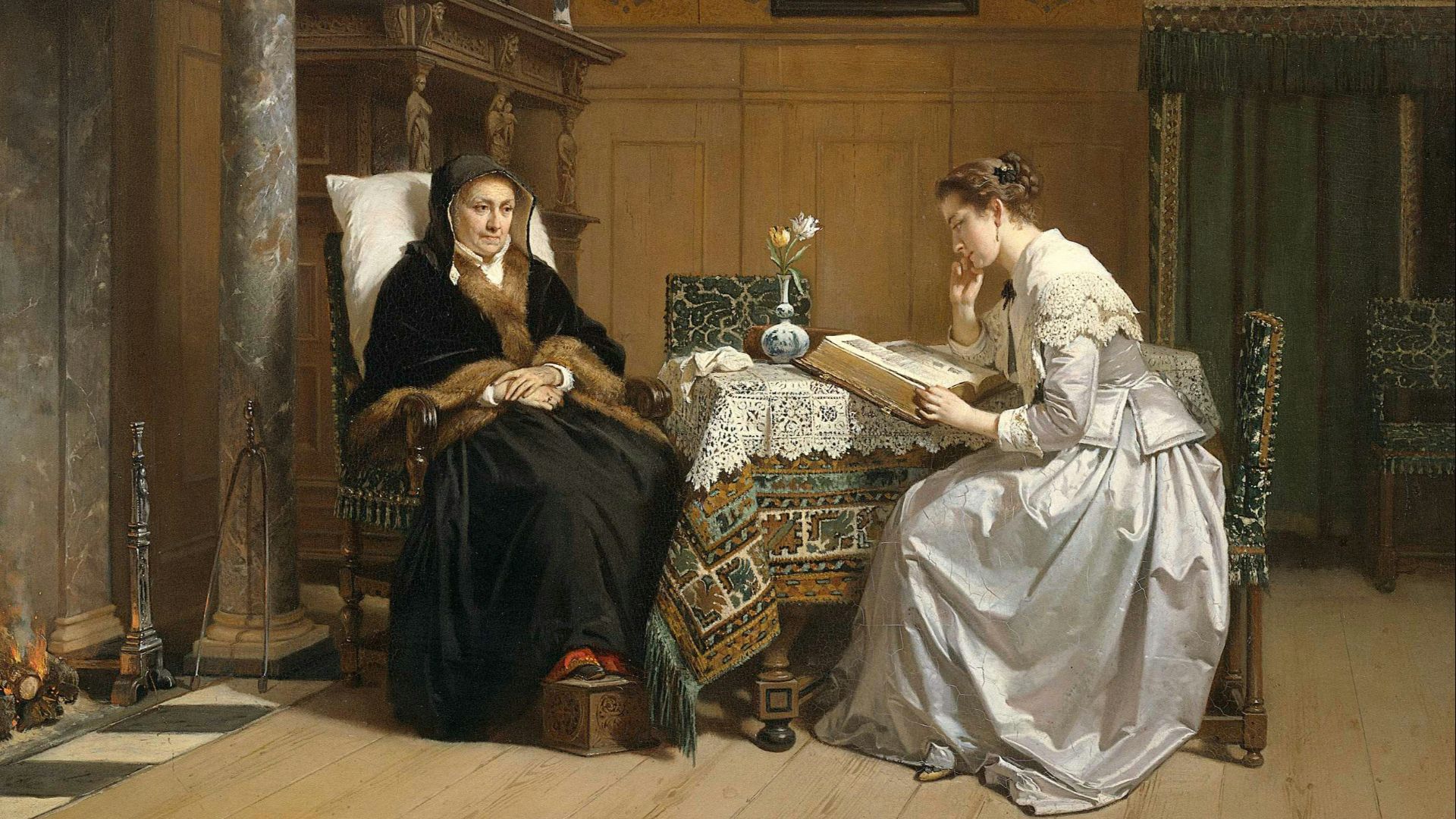
You did not announce yourself. A servant answered the door, accepted your card, and carried it inside on a tray for the lady of the house to consider. The arrangement depended on having staff to run it, which limited the arrangement to households that could afford one.
5. Not at Home Rarely Meant Not at Home
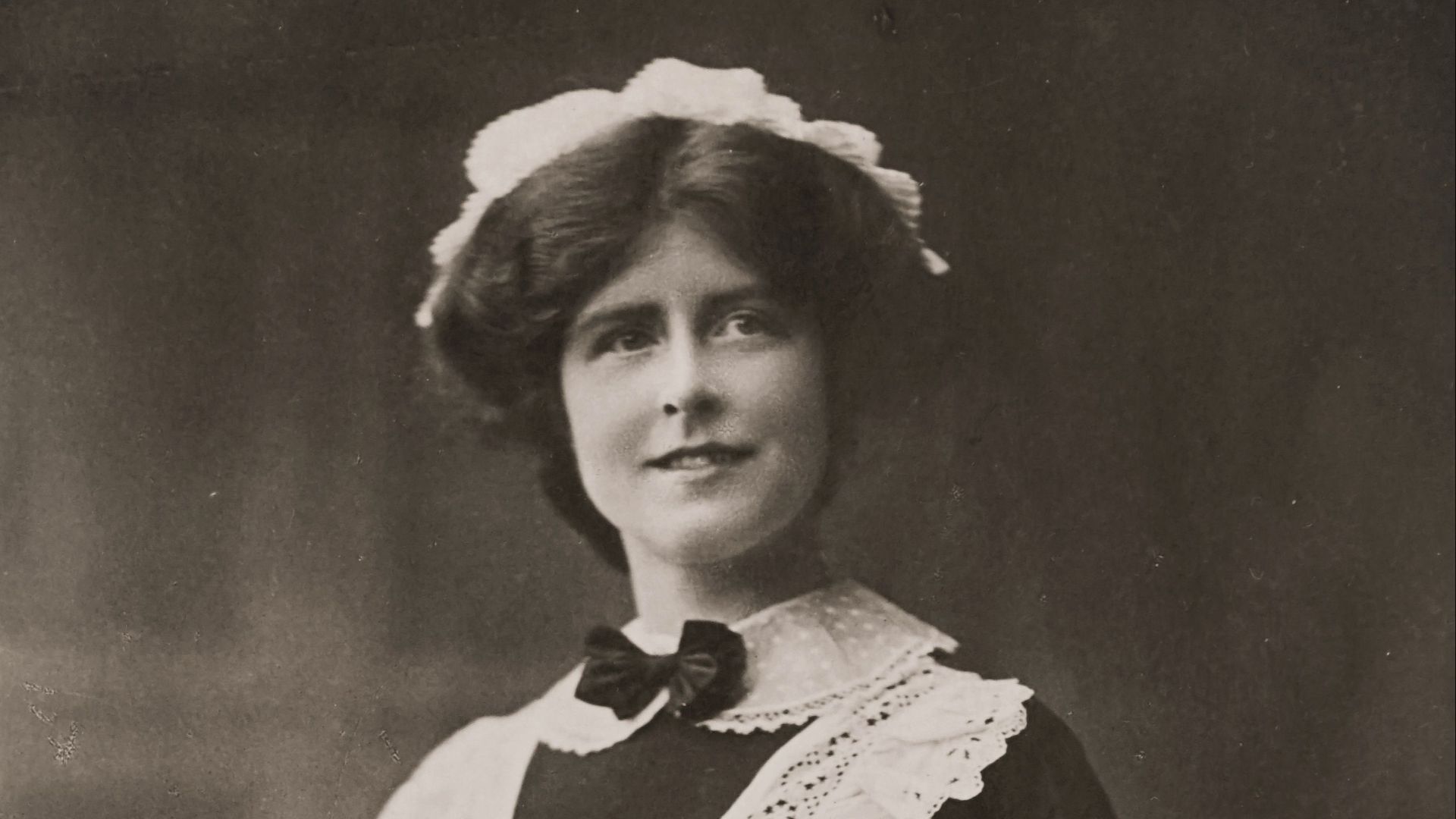
Being told the lady of the house was "not at home" didn't necessarily mean she'd gone anywhere. She might be upstairs with no interest in visitors, and everyone knew how the game worked. Callers could save themselves the trouble of asking and simply leave a card, which generally meant the household was expected to return the visit.
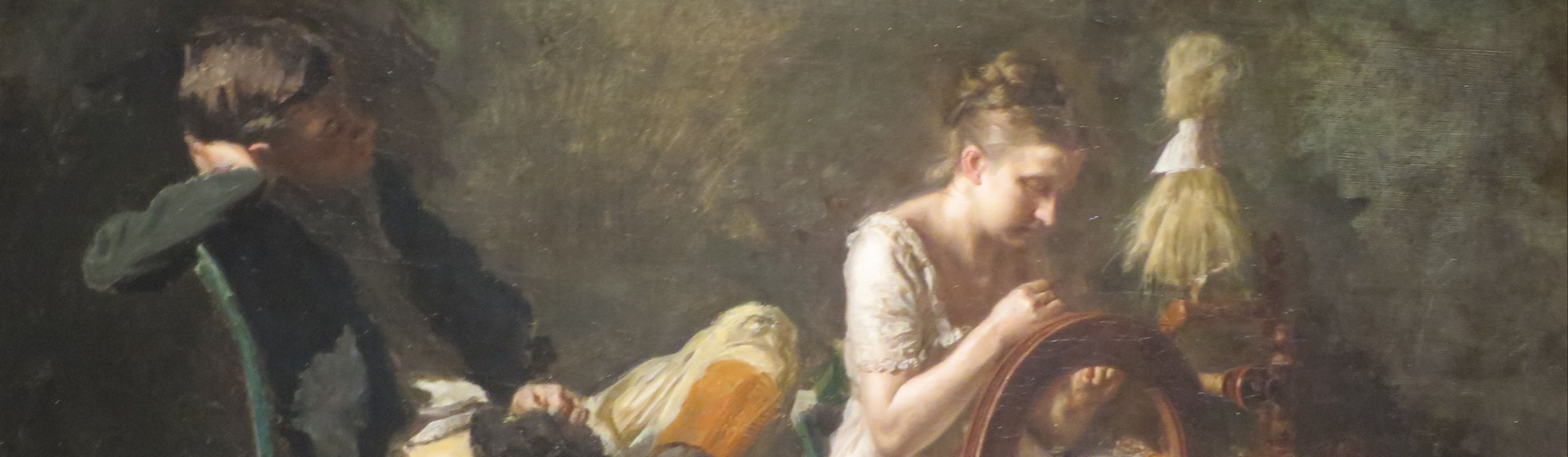
 Attributed to Thomas Pooley / Studio of Peter Lely on Wikimedia
6. The Card Arithmetic
A married woman calling on another married woman left three cards. Hers went to the lady of the house, and her husband's two covered the master and the mistress. Husbands were assumed too busy for visiting, so their cards kept them present without requiring them to appear.
7. One Card for Each Lady of the House
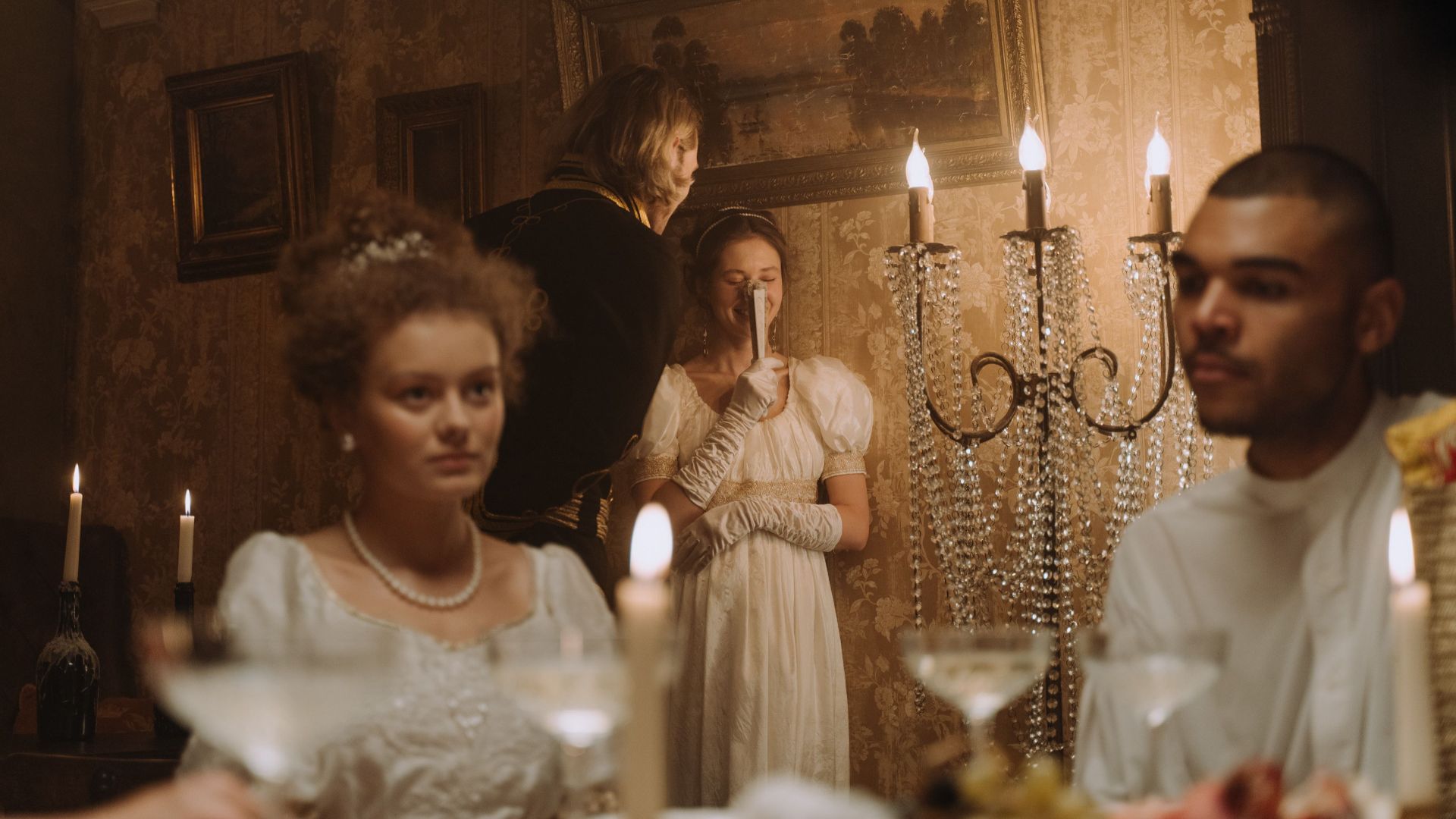
The count rose with the household. Where there was a grown daughter, a lady left two of her own cards and three of her husband's, and a gentleman left one for every lady present. Most authorities capped it at three, beyond which the gesture looked excessive.
8. A Second Caller Pushed the First One Out
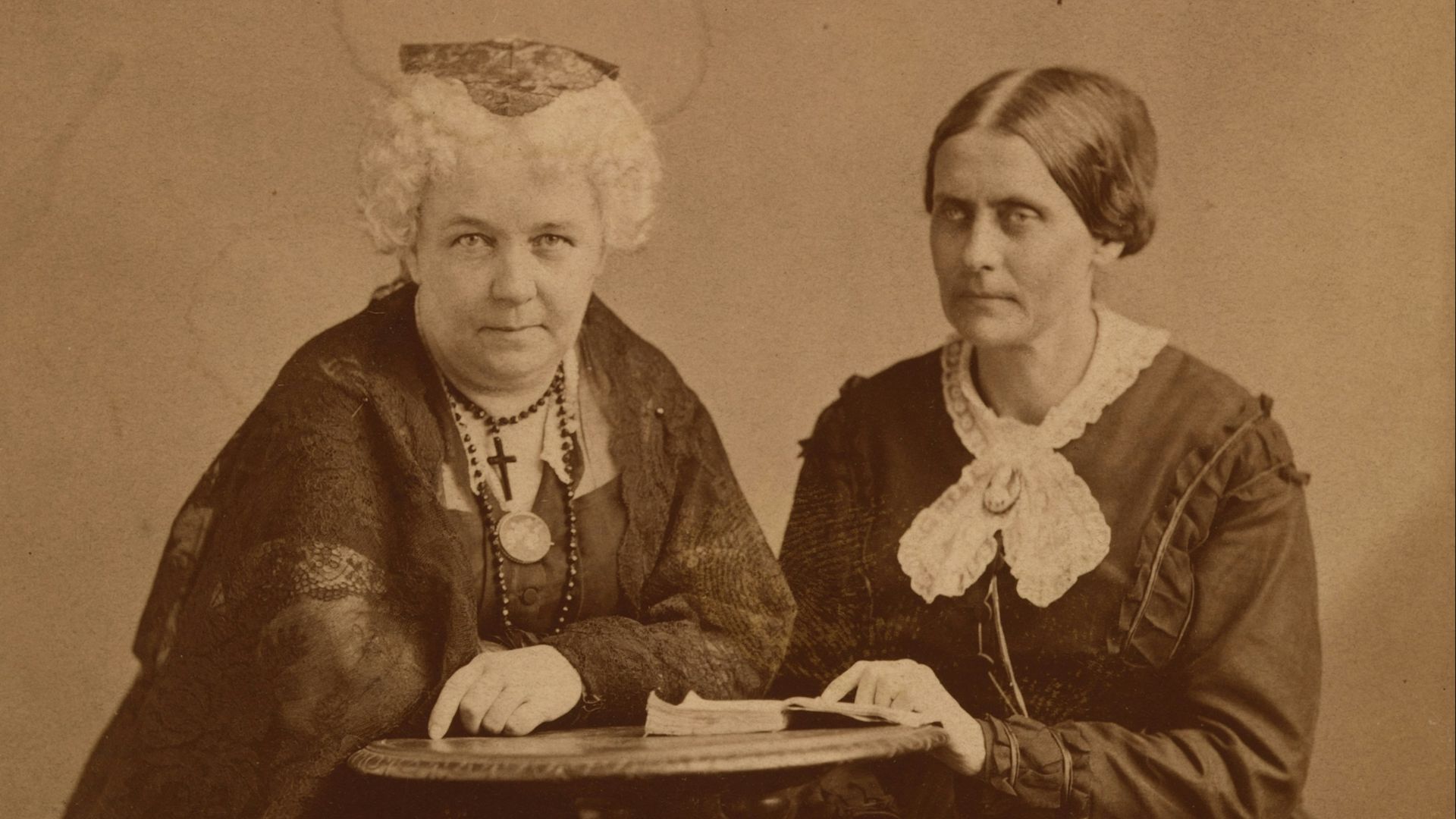
Arriving while somebody else was already in the drawing room started a clock. The first visitor was expected to leave as soon as she could manage it without seeming abrupt, once the bustle of settling the newcomer had died down. Going too quickly implied you were avoiding the new arrival, and staying put was worse.
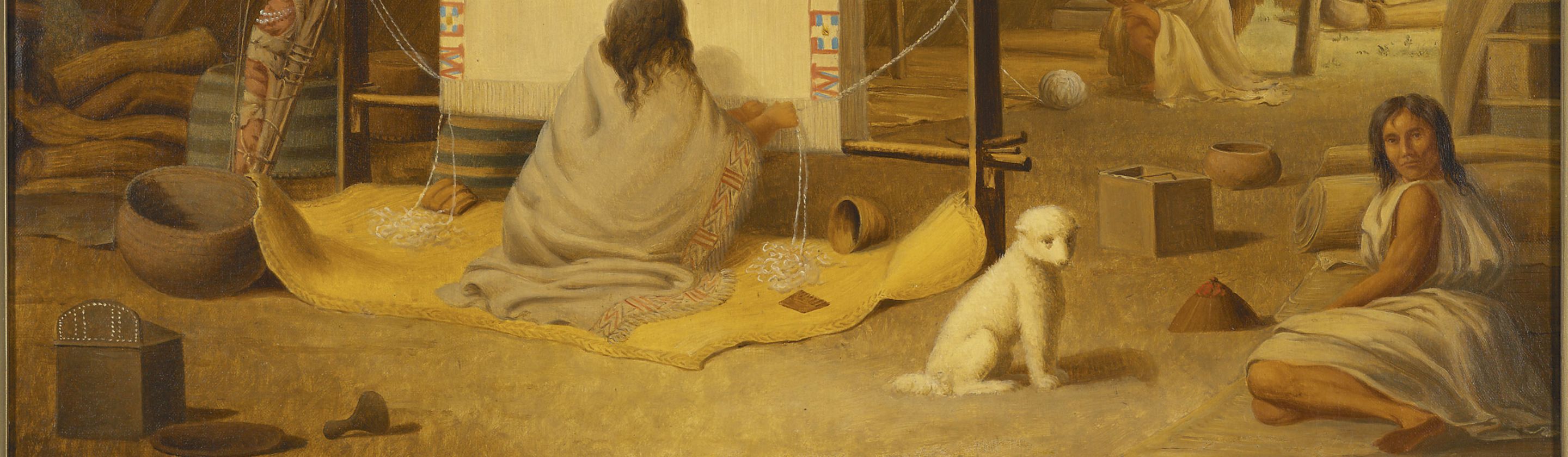
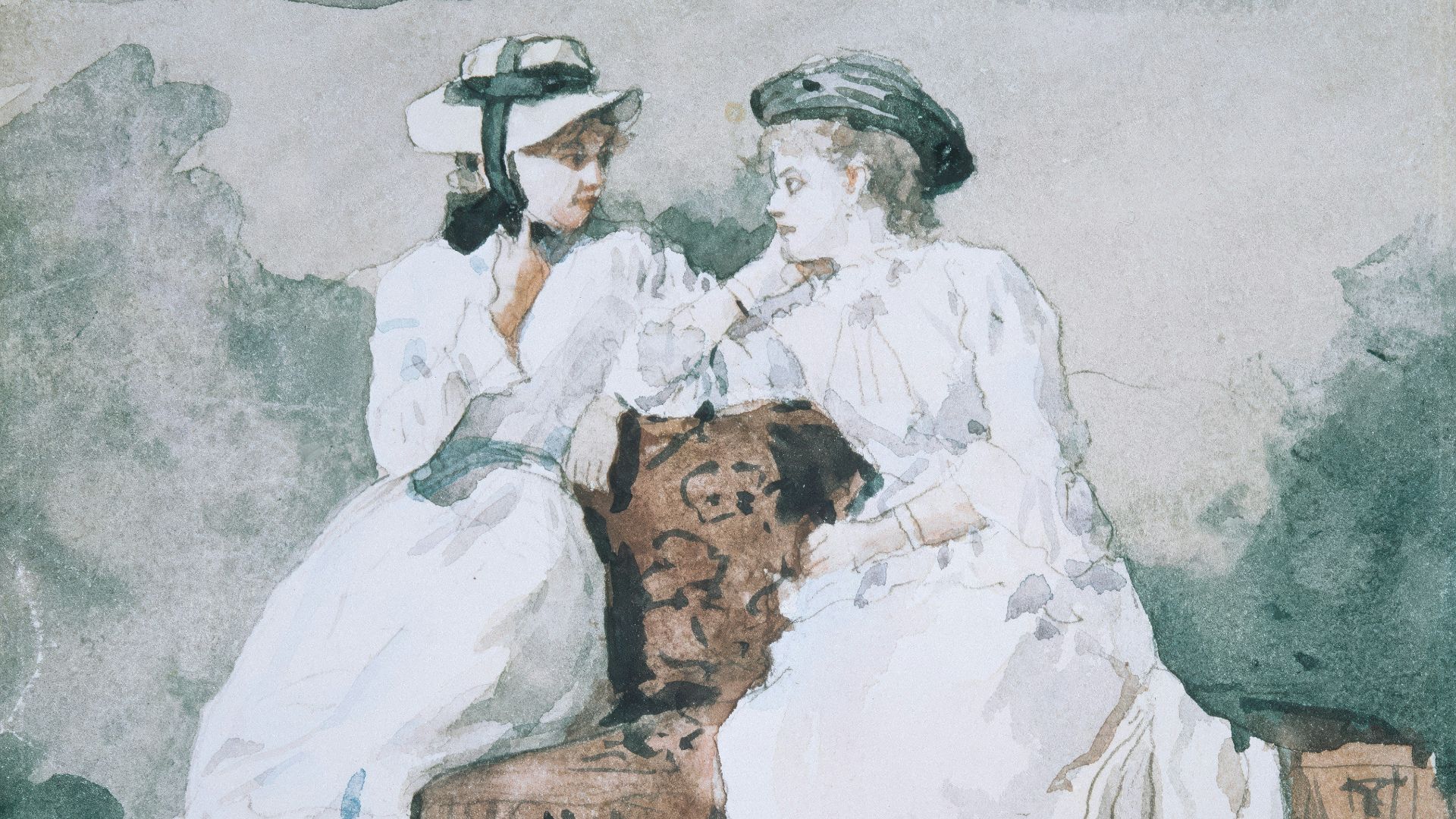 The Metropolitan Museum of Art on Unsplash
9. Whoever Arrived First Left First
Order of arrival set the order of departure, so the caller who turned up first was supposed to go first regardless of who was enjoying the conversation. In a busy drawing room that meant tracking everyone who arrived ahead of you.
10. Children and Dogs Stayed Home
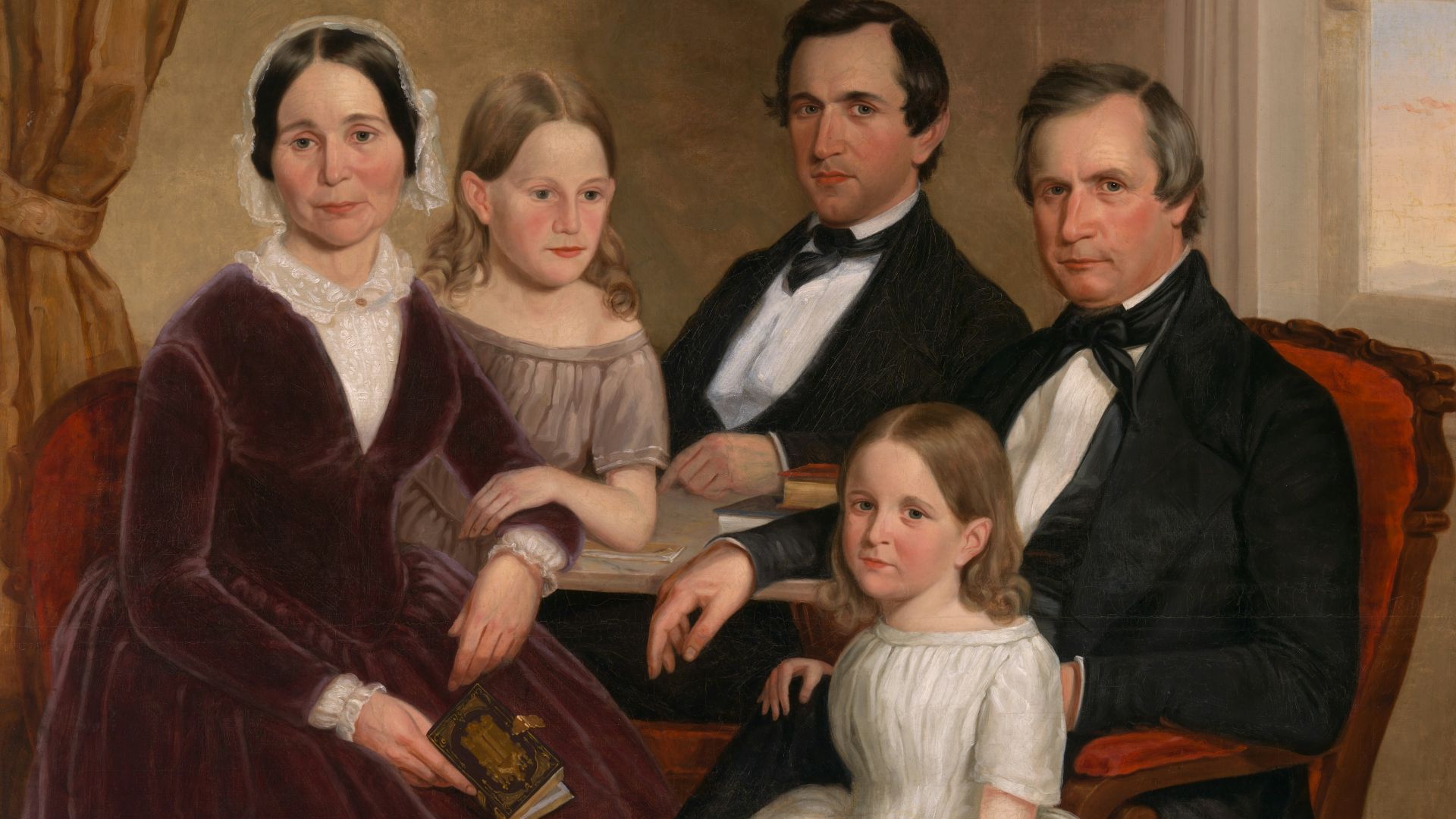
Etiquette manuals were blunt about pets. One told callers never to bring favorite dogs into another lady's drawing room, partly because plenty of people disliked them and partly because something always got broken. Young children carried the same warning. Their presence produced anxiety for mother and hostess alike unless they were unusually well trained.
 The National Library of Norway on Unsplash
11. Newcomers Waited to Be Called On
Moving to a new neighborhood meant sitting still. Established residents were the ones expected to call on newcomers, and a new arrival who went knocking on doors had the order backward. Once cards began arriving, good manners required returning the call on everyone who had left one.
 William Powell Frith on Wikimedia
12. Men Opened the Acquaintance
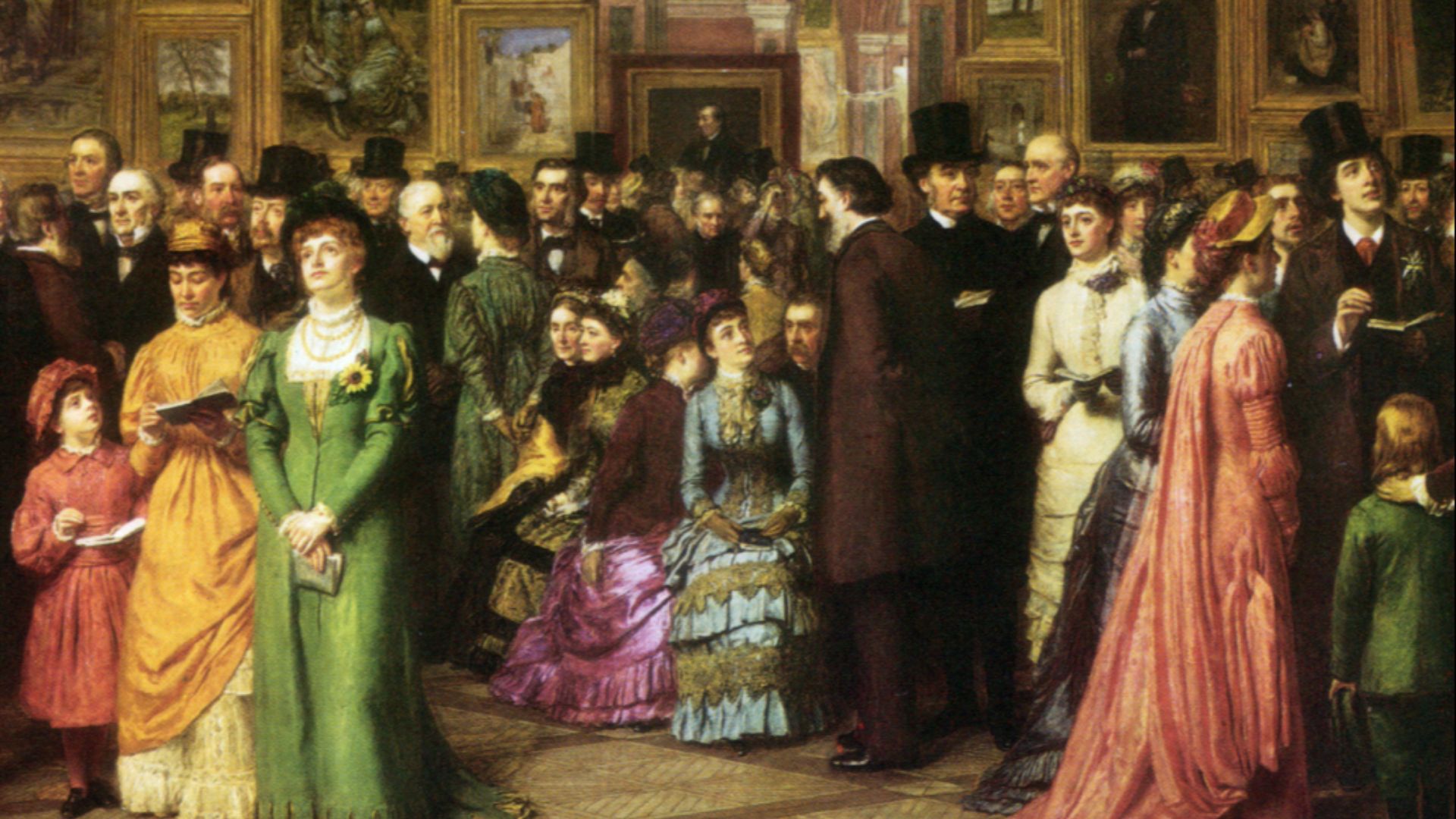
Two families could not socialize until the acquaintance was formally recognized, and men handled that step. Only men called on men to begin with. The women of a household waited for the man to perform introductions before they could interact at all. Mrs. Bennet's frustration with her husband in Pride and Prejudice is about this bottleneck.

13. You Couldn't Invite Anyone You Hadn't Called On
Meeting somebody repeatedly at other people's houses did not entitle you to invite them to yours. Lady Colin Campbell held that you could not invite people to your home, however often you had met them elsewhere, until you had called on them formally and they had returned the visit. The formal call was the gate for everything else.
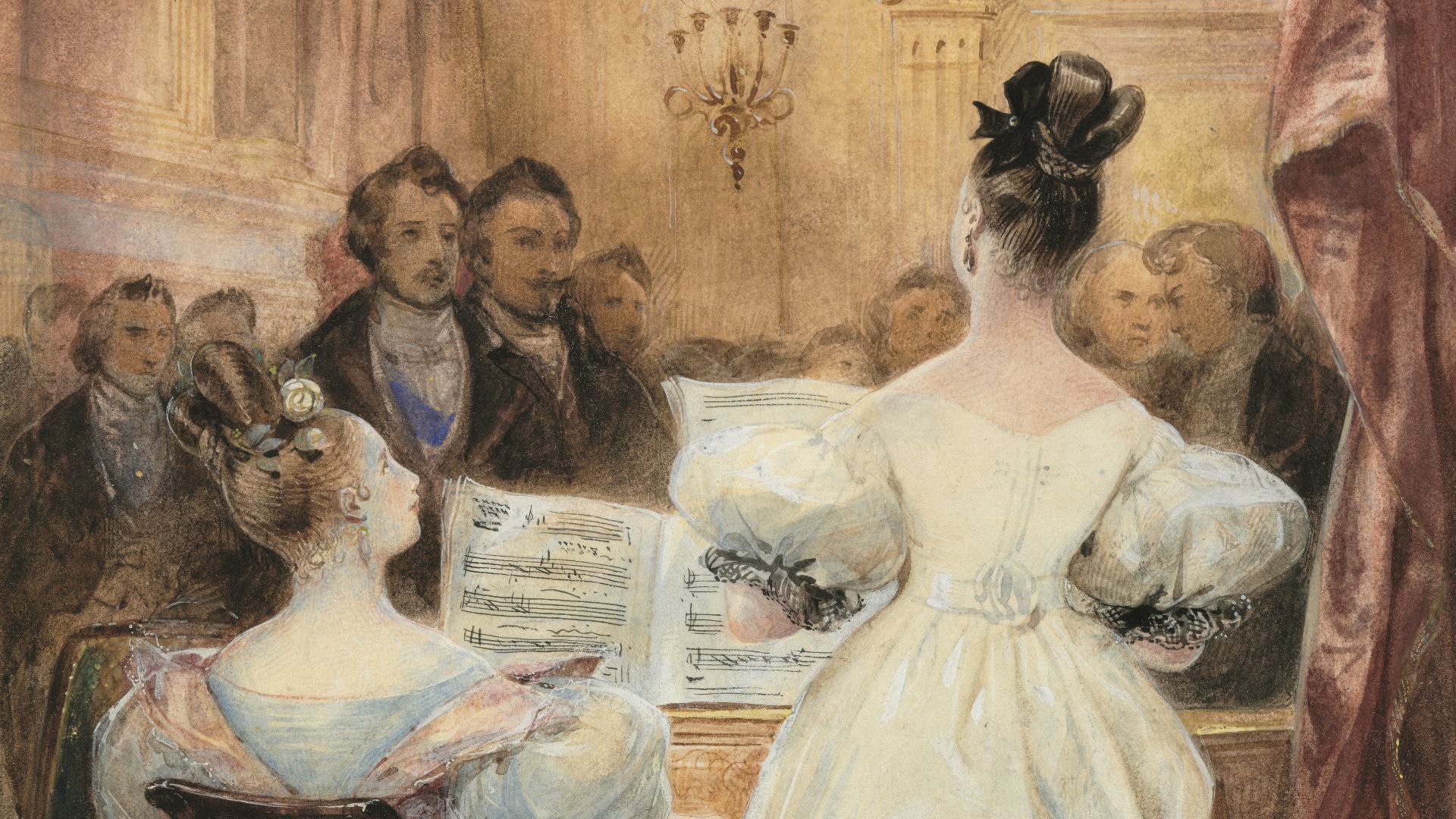 The Cleveland Museum of Art on Unsplash
14. Rain Cancelled Your Visits
An 1834 handbook laid it down plainly that anybody without a closed carriage should never pay visits of ceremony in wet weather. Turning up damp and muddy counted as a worse breach than not turning up at all, so those on foot waited for better weather.
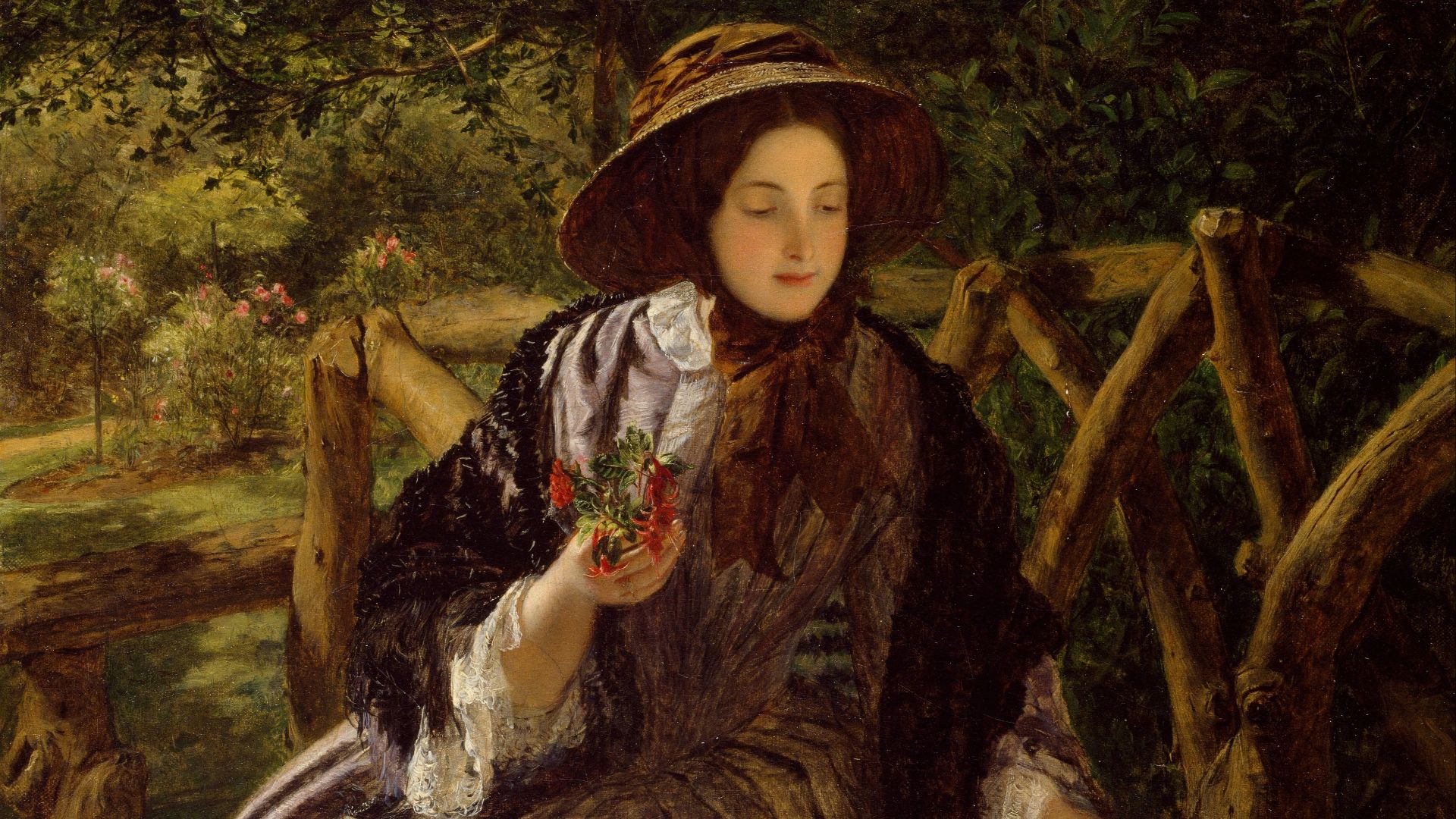 Birmingham Museums Trust on Unsplash
15. Overdressing Was a Blunder
Dress for a morning call was meant to be simple. An 1872 manual held that receiving morning calls in elaborate evening dress was in as bad taste as attending a ball in a morning wrapper. A lady with a carriage could dress more elegantly than one on foot, since nobody would see her walking there.
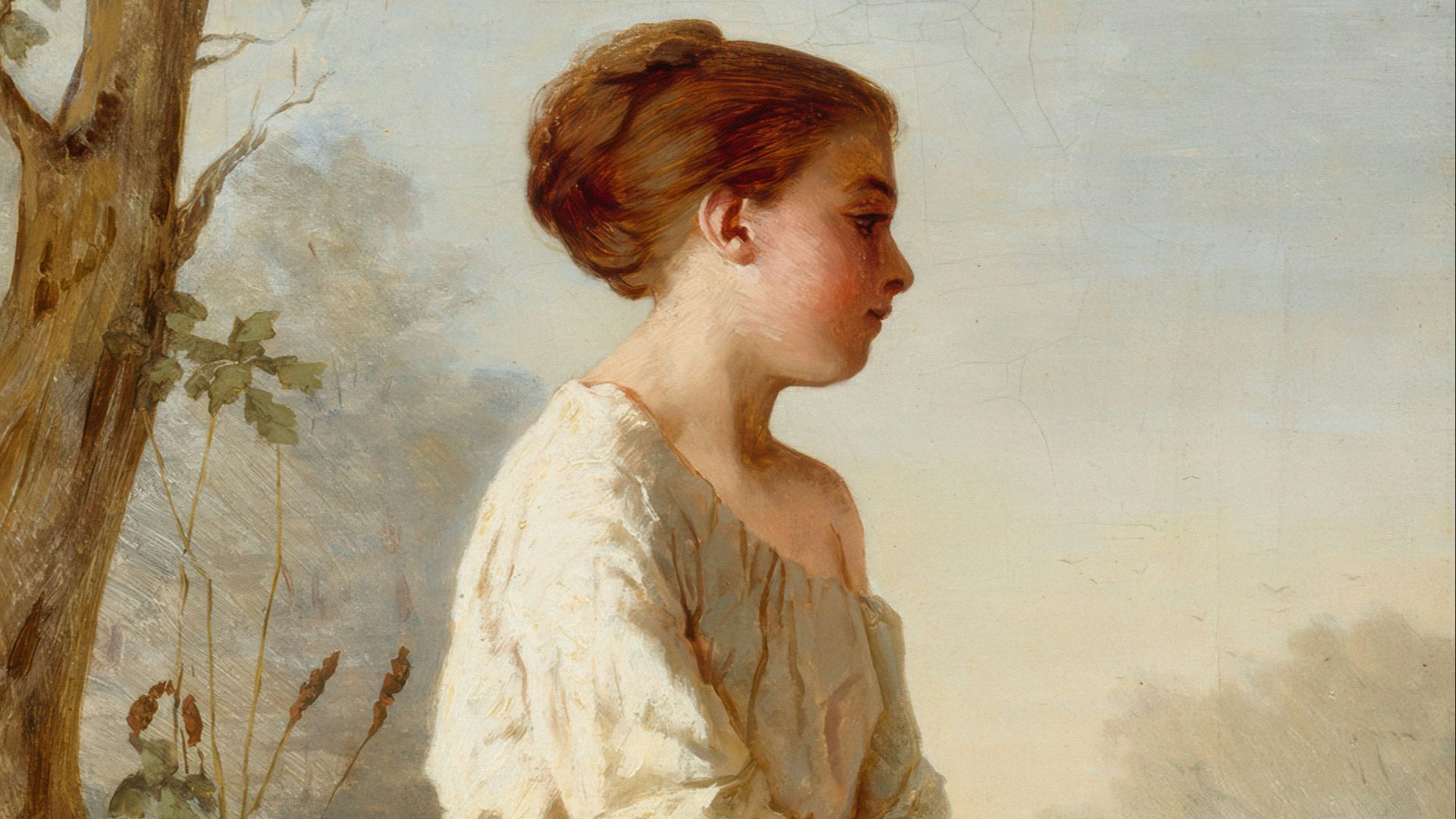
16. Introductions Needed Permission First
Two of your visitors meeting in your drawing room did not mean you could introduce them. One manual instructed hostesses never to introduce morning visitors who happened to encounter each other there, unless permission had already been obtained. Hostesses were also warned against speaking badly of callers who had just left.
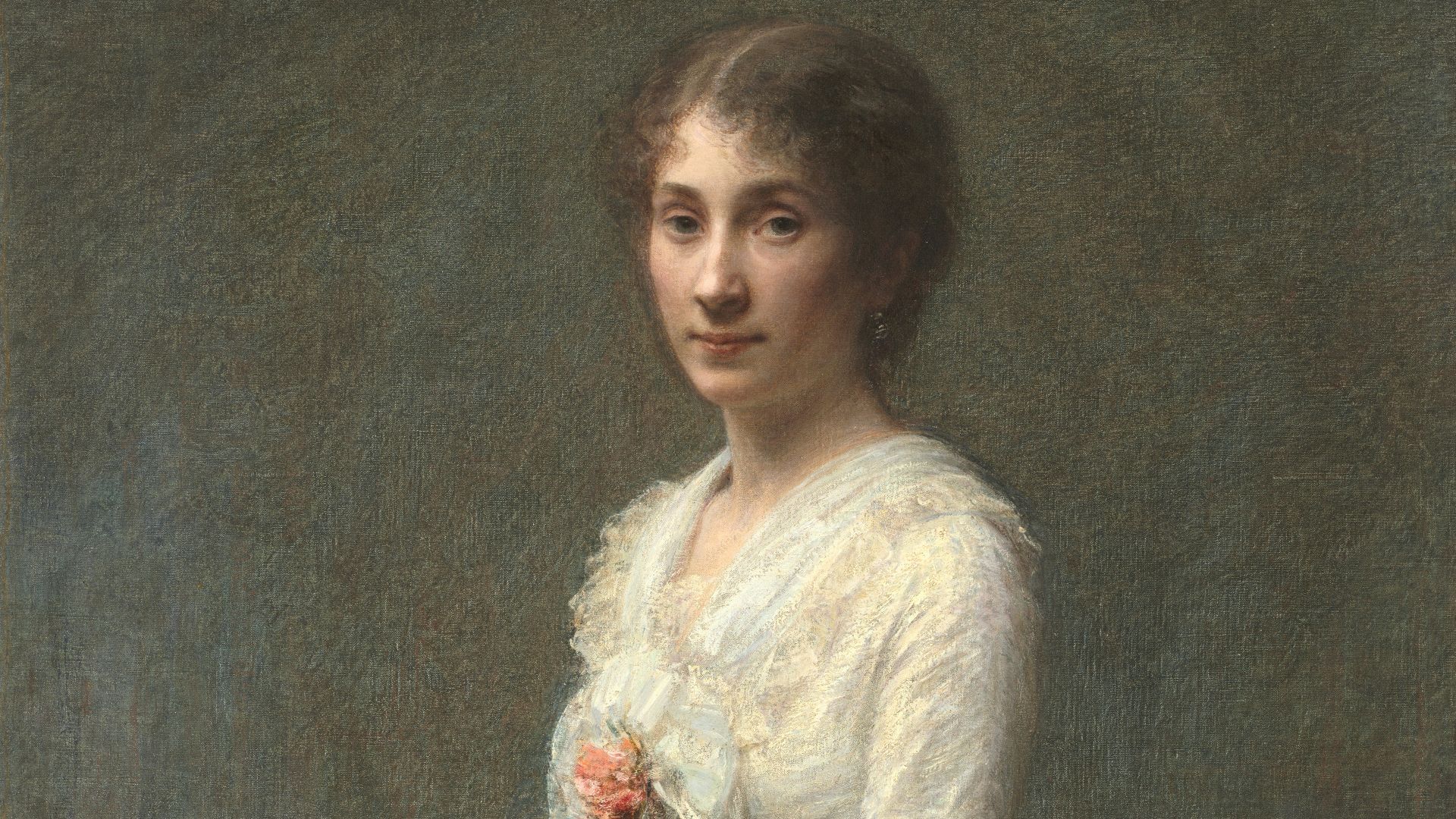 The Cleveland Museum of Art on Unsplash
17. At-Home Days Divided the Week
Hostesses named a fixed day for receiving callers, and anyone who wanted to see them learned it. In Victorian London the system scaled up, with whole neighborhoods settling on shared days. Announcing your hours put the next move on your friends, who were expected to turn up in walking dress.
18. Failing to Return a Call Was a Snub
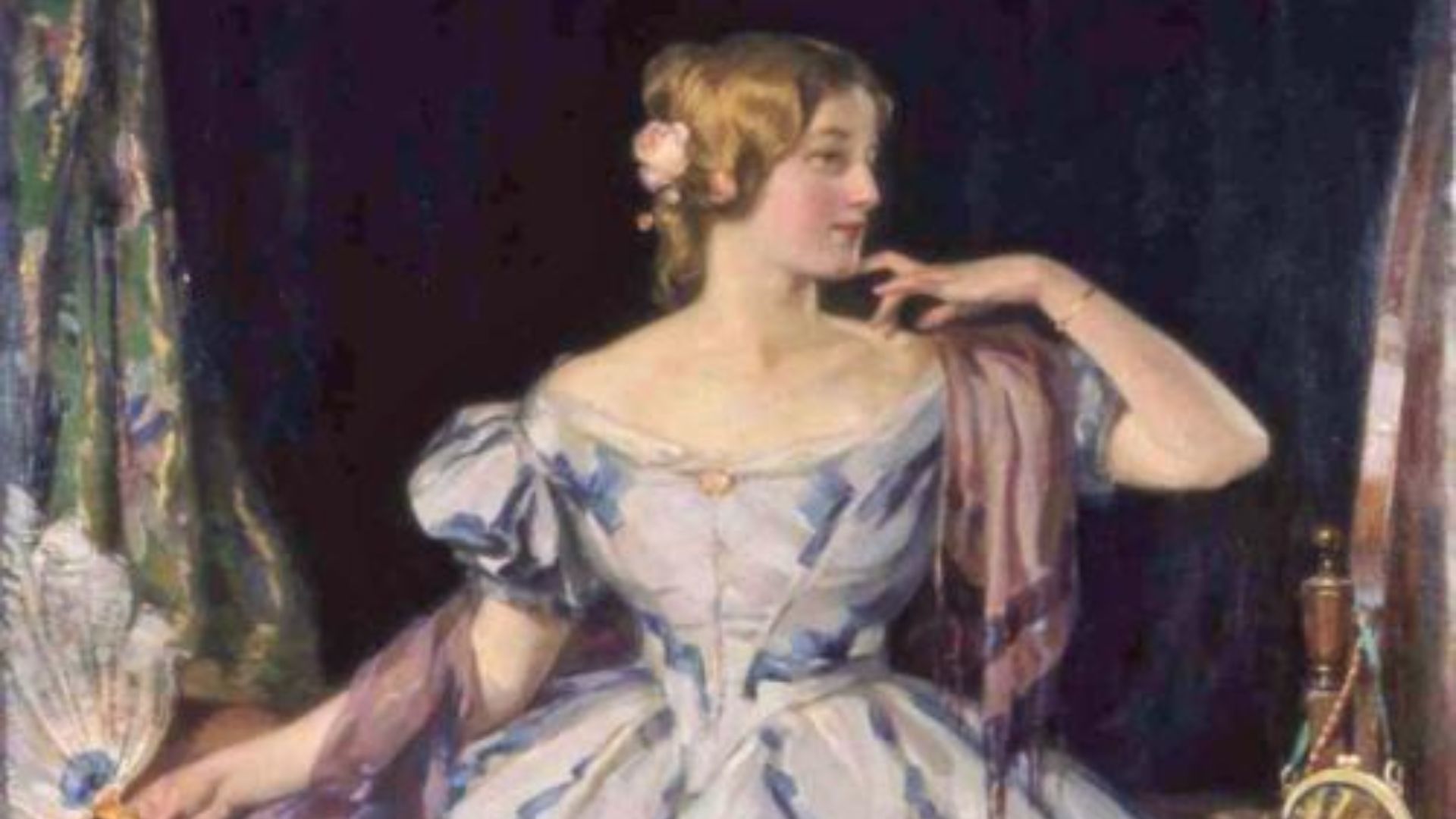
Calls created debts that had to be settled. Receiving one obliged you to return it, if only by leaving a card, and ignoring it read as a rebuff. A dinner or ball required a call within a few days. A gentleman introduced to a lady at a ball was expected to call the next day, and skipping it told her he was finished.
19. Wedding Calls Ran for Months
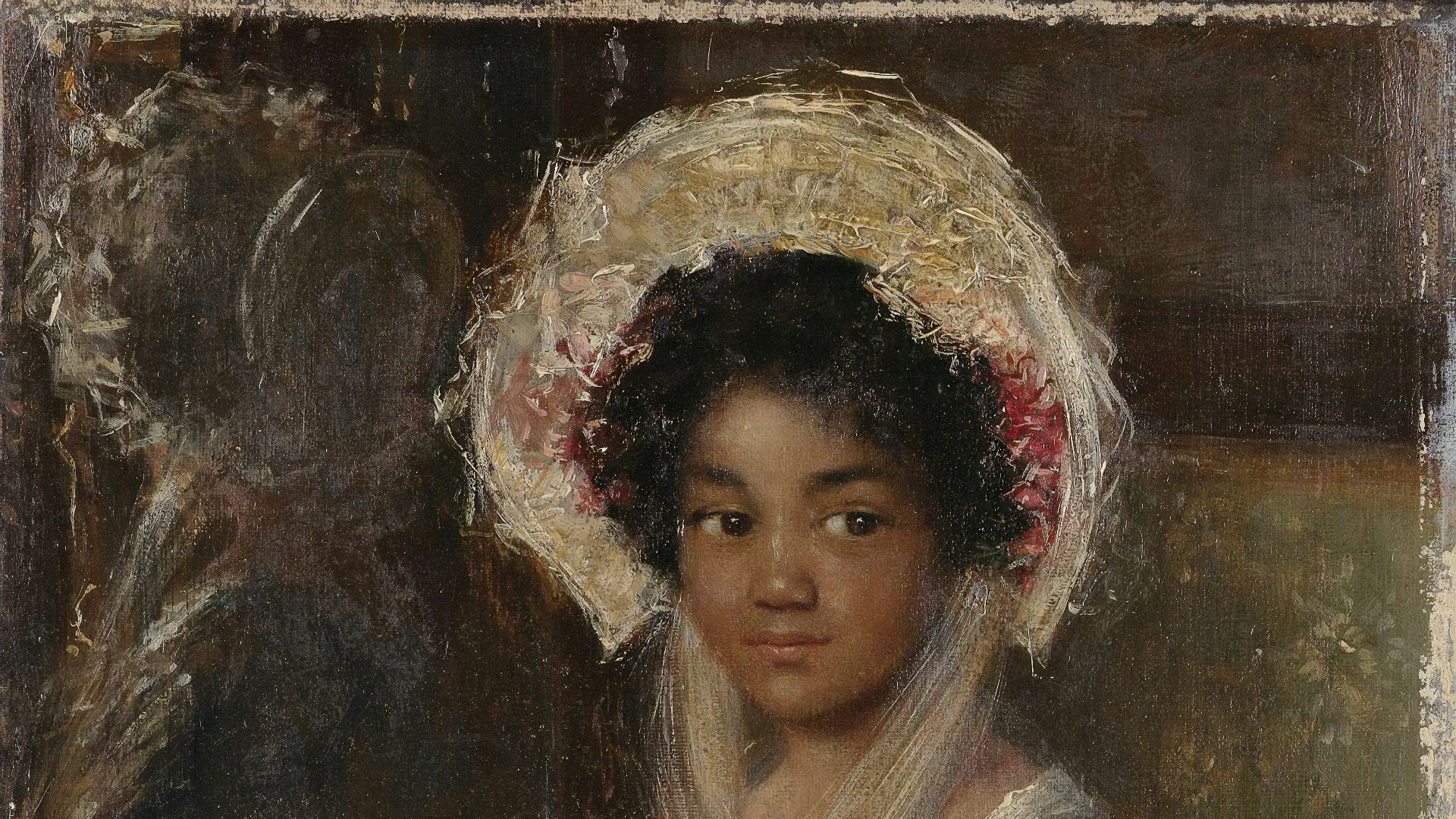
Newlyweds owed and were owed visits for a month or two after the ceremony. Neighbors of similar standing called on the couple, who then had to work through the returns. Setting up a household came with a stack of obligations attached.
 The Cleveland Museum of Art on Unsplash
20. New Year's Day Suspended Everything
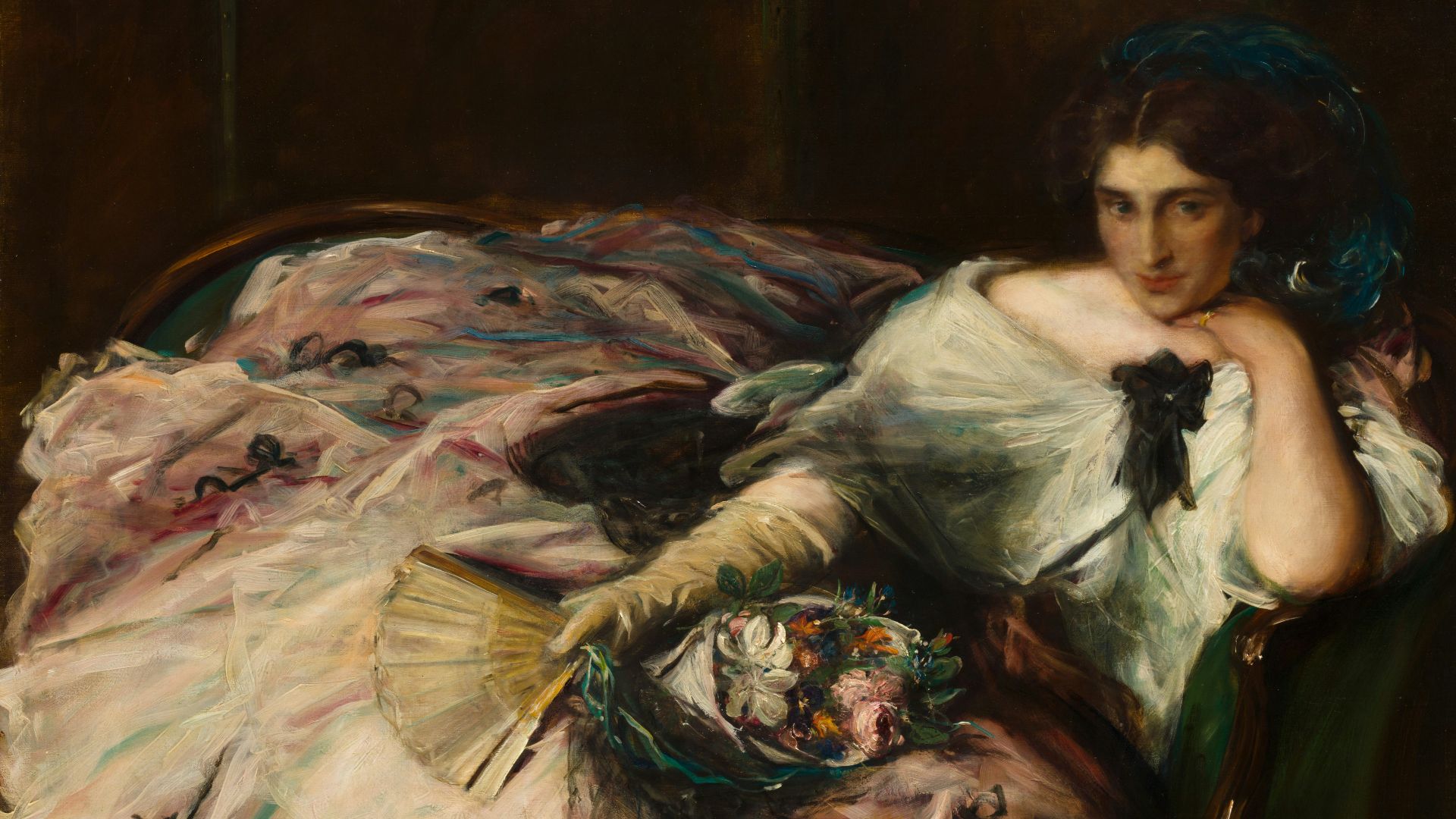
New Year's Day ran on different rules. Gentlemen did the calling, from nine in the morning until ten at night, a much wider window than usual. Hats and coats came off in the hall, refreshments were served, and the fifteen-minute limit loosened. For one day a year, visiting somebody's house was almost simple.
KEEP ON READING