Gone Before Anyone Understood Them
Most diseases are driven out. A vaccine arrives, or a city builds a sewer system, and the reason for the decline is readily identified. Some diseases, however, just stopped on their own. Some killed thousands over decades and then disappeared completely, leaving medicine without a clue as to what transpired. Others had a cause sitting in plain sight the whole time, in something people ate or breathed every day, and they ended within a few years of somebody spotting it. Here's 20 that disappeared, some with an answer attached and some without.
1. English Sweating Sickness
It arrived with Henry VII's army in 1485 and could kill a healthy adult between breakfast and dinner. Five epidemics swept England, the last in 1551, and then it never returned. Hantavirus is the leading theory but nobody has proven it.
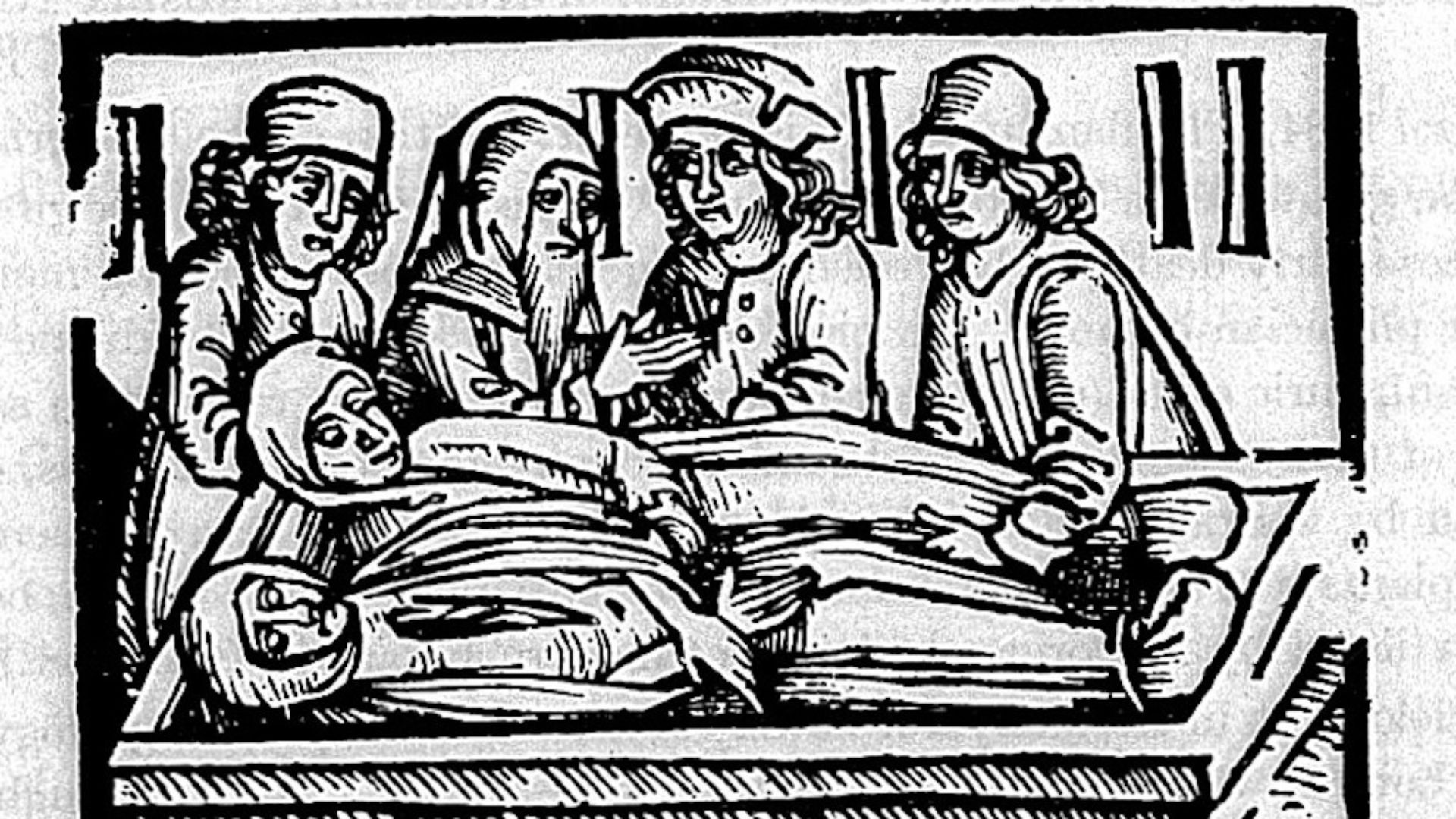 Euricius Cordus (1486-1535) on Wikimedia
2. The Picardy Sweat
Northern France had its own version of the sweating sickness that started in 1718, with close to two hundred recorded outbreaks over two centuries. The last one was in 1918. Whether it was related to the English disease is still unsettled.
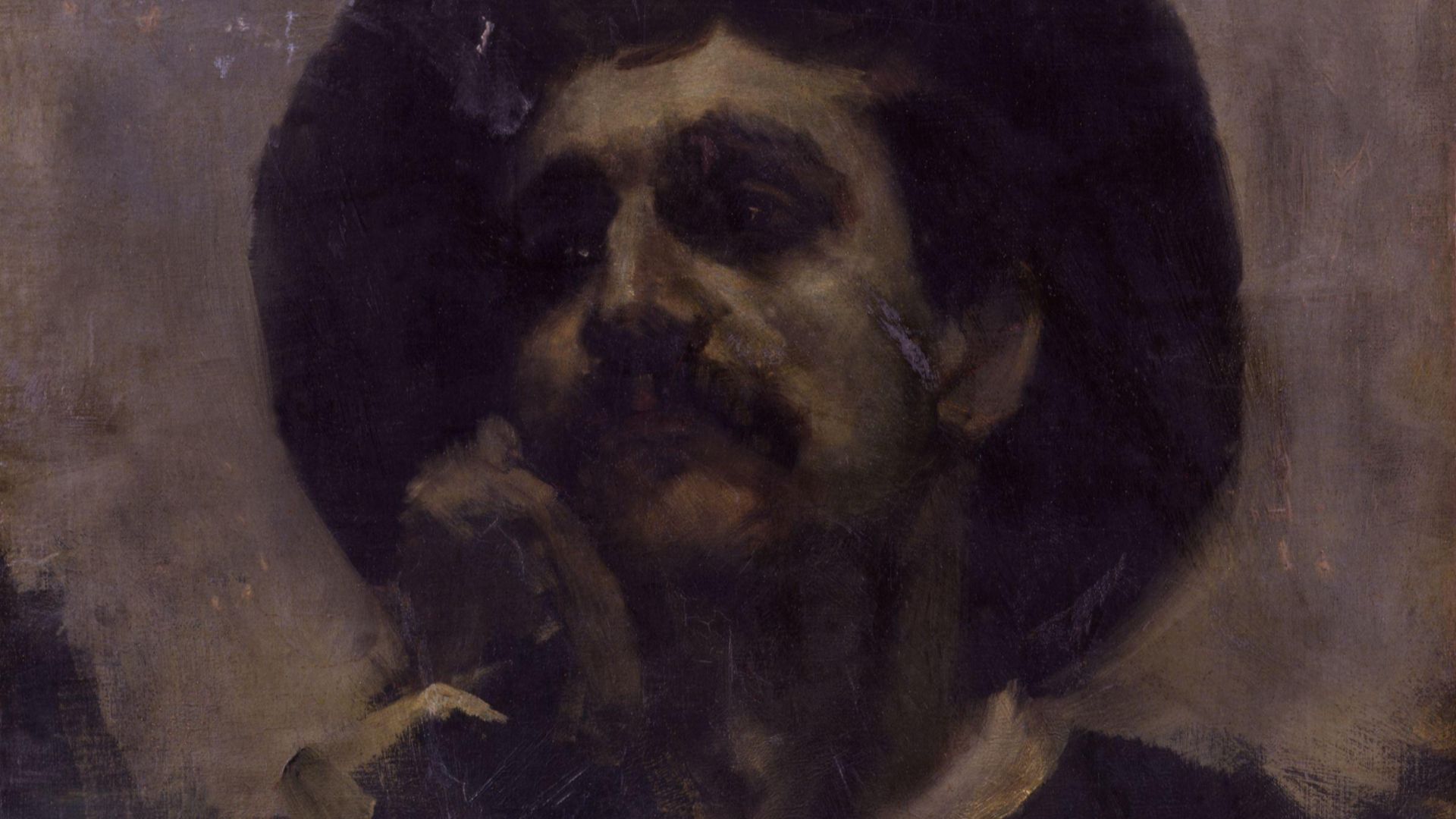 commons.wikimedia.org on Google
3. Encephalitis Lethargica
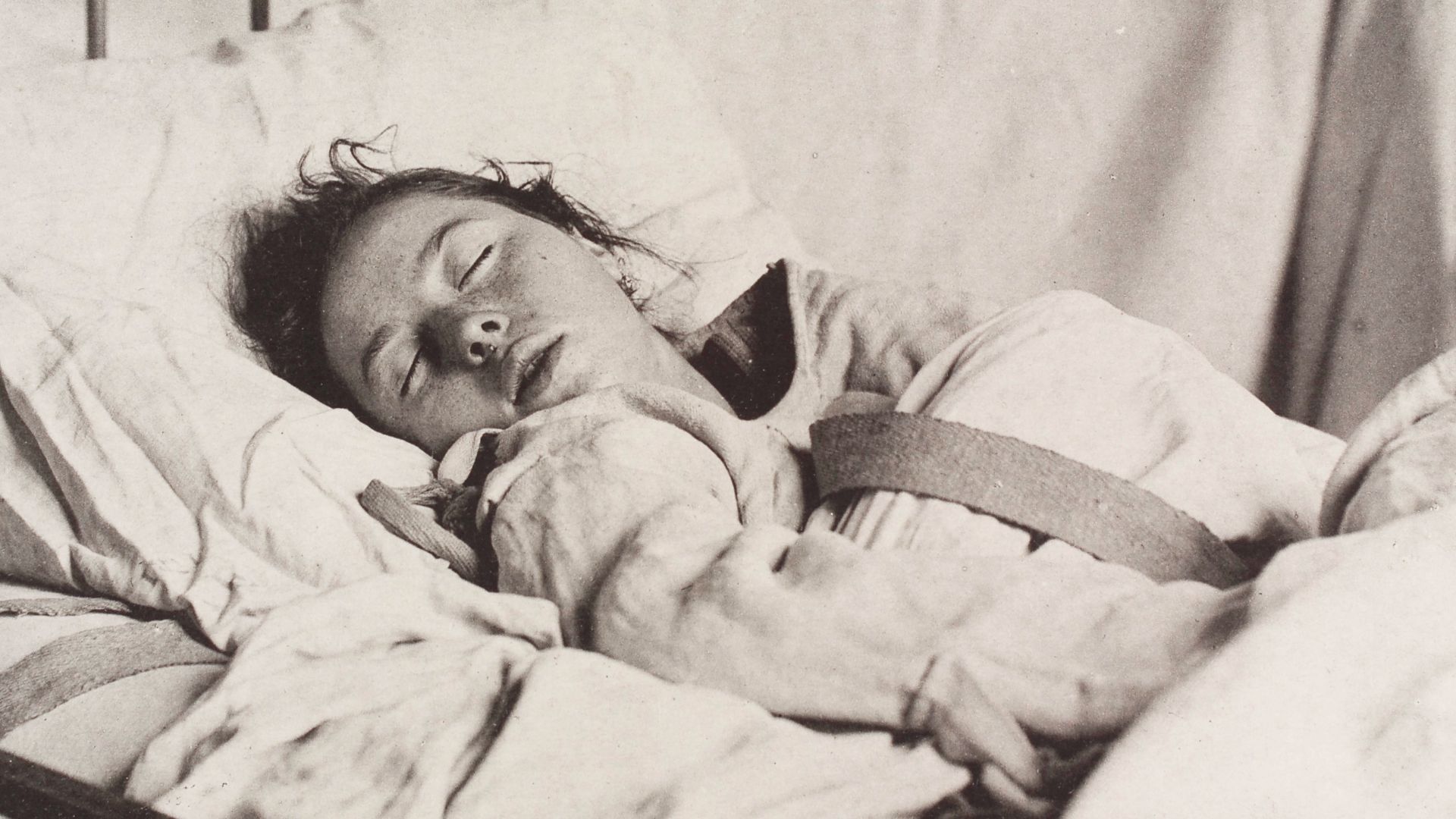
Roughly a million people caught it between 1916 and 1927. Survivors were left frozen, awake but unable to move or speak, and some sat that way in institutions for forty years. It stopped as abruptly as it started, and the cause has never been pinned down.
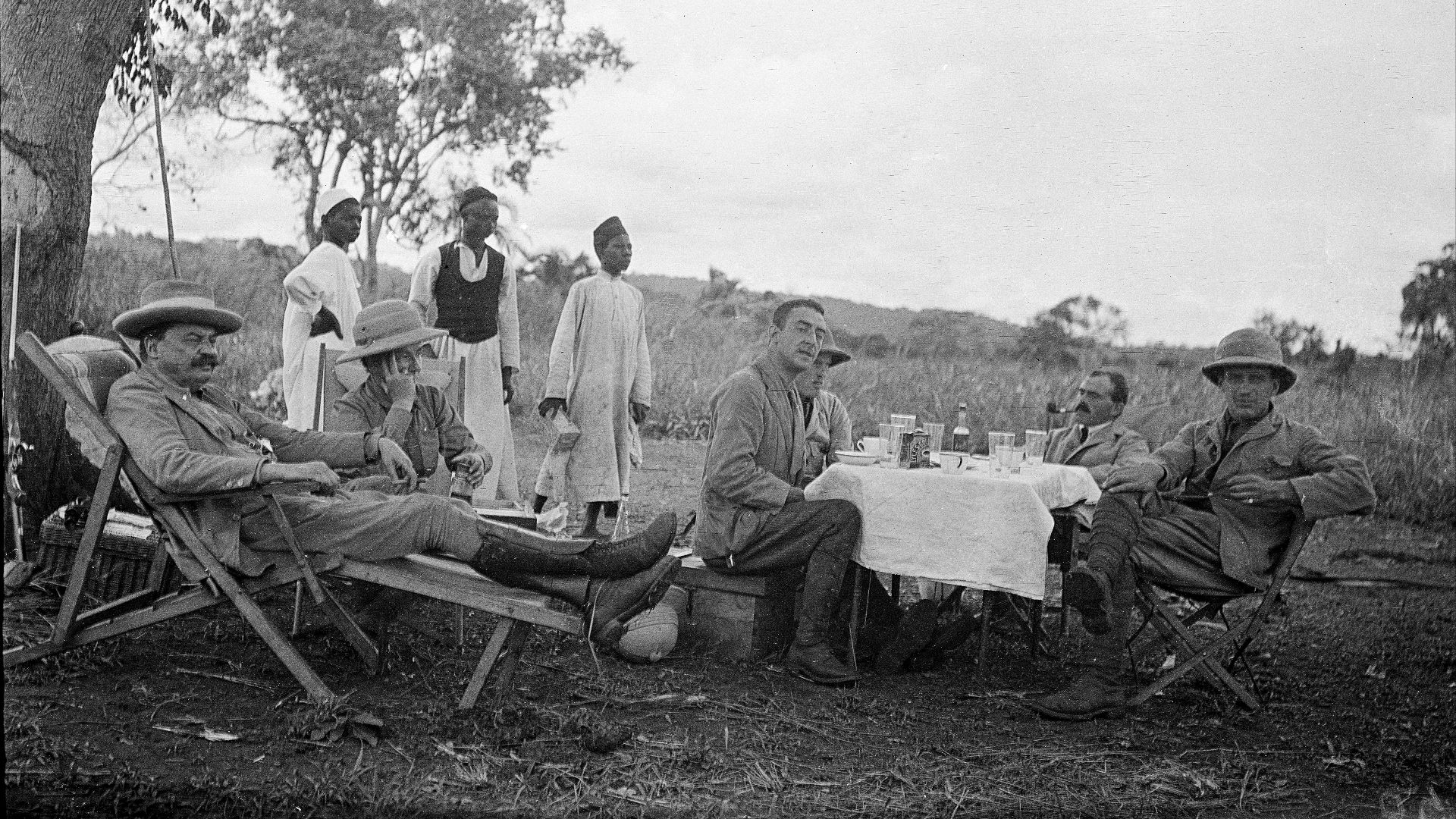
4. The Plague of Athens
Thucydides caught it himself in 430 BC and wrote the symptoms down carefully enough that historians have been guessing at it ever since. Typhoid fever came out ahead in a 2006 study of DNA from a burial pit, though the finding drew immediate criticism. It killed perhaps a quarter of the city.
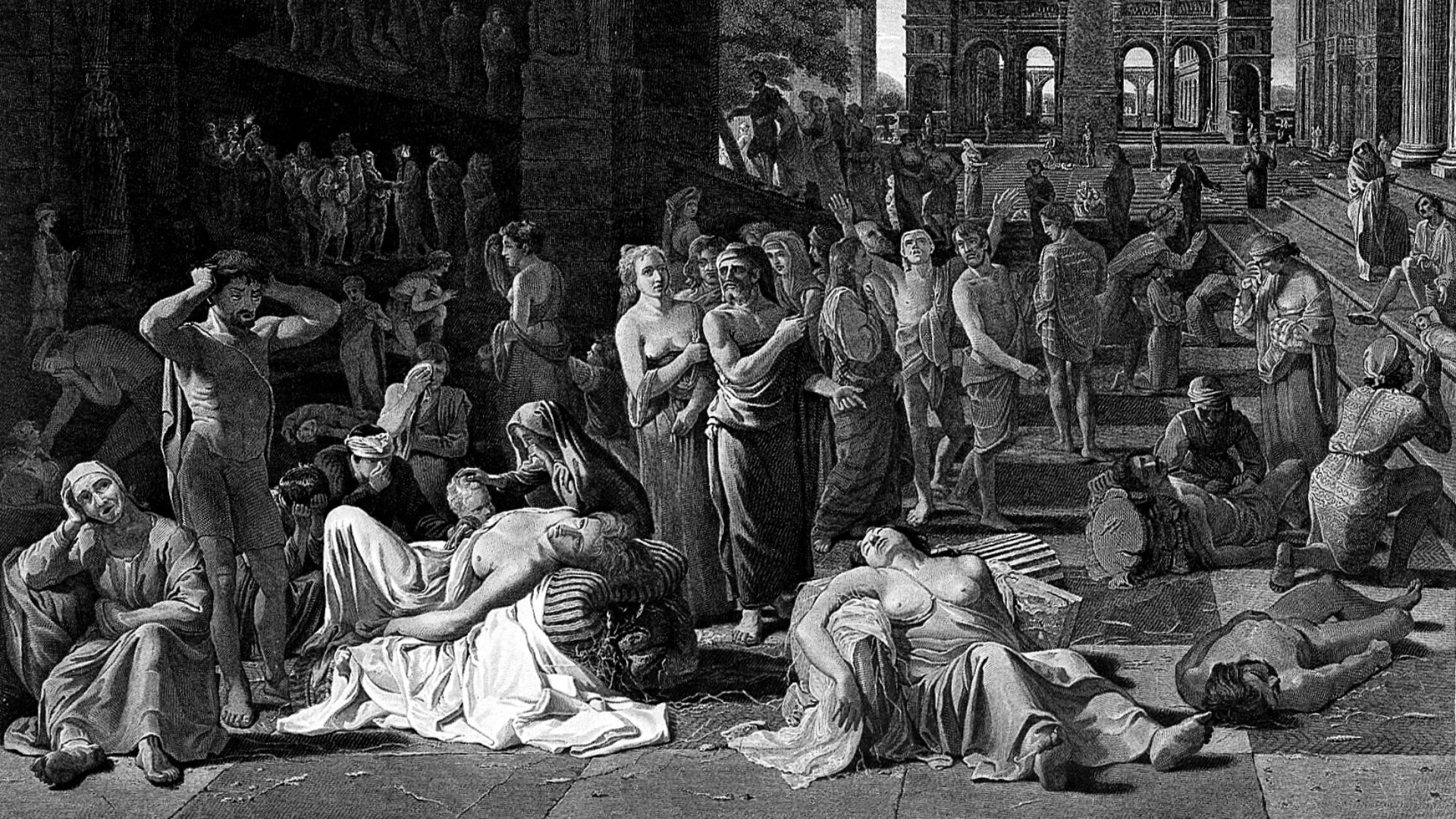
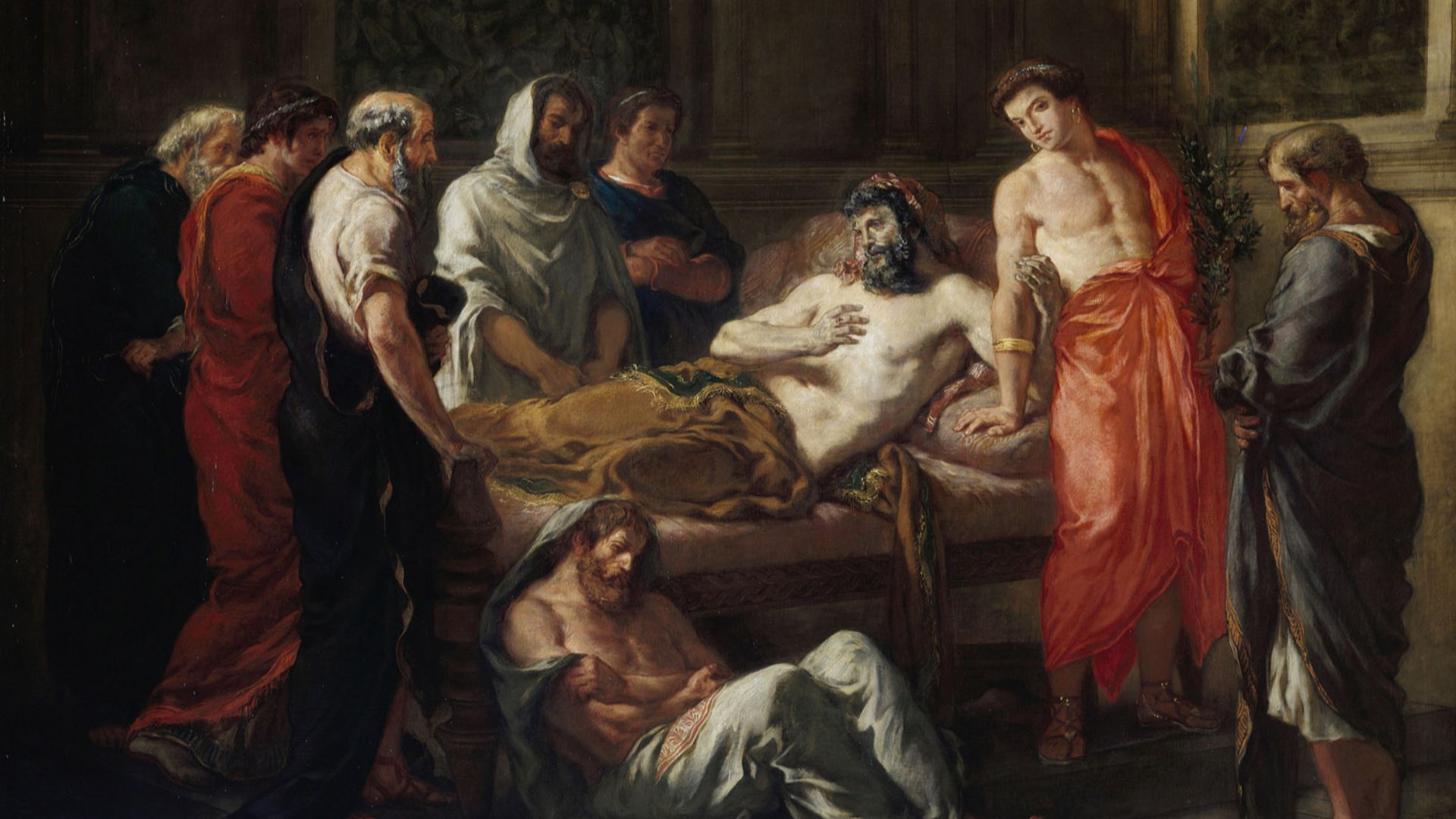
5. The Antonine Plague
Galen described an outbreak that ran through the Roman Empire from 165 to 180 and killed millions. Smallpox is the leading candidate, and measles has supporters. No physical evidence has settled it.
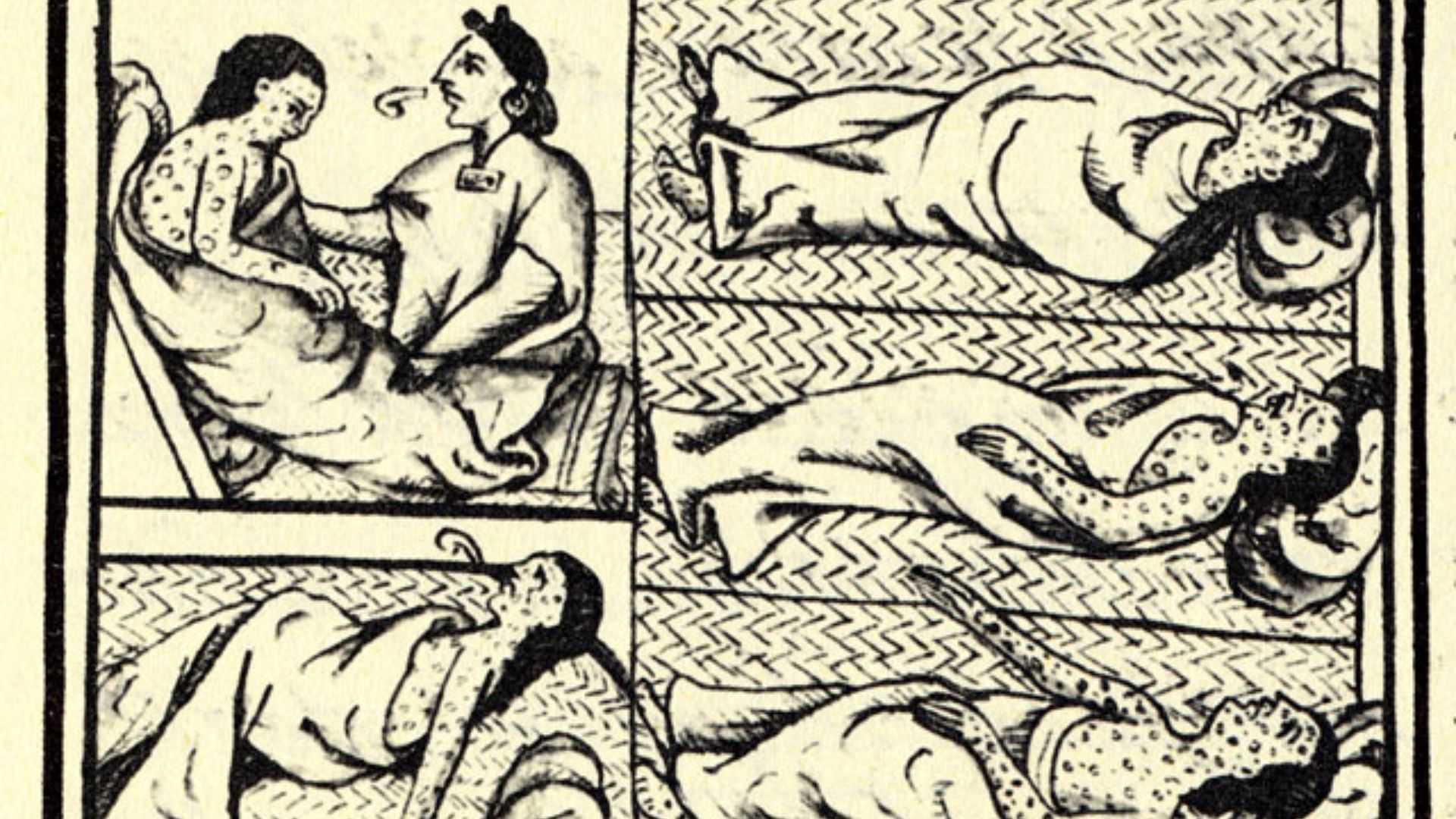
6. Cocoliztli
Two epidemics in colonial Mexico, in 1545 and 1576, killed a devastating share of the indigenous population. A 2018 study of teeth from a Oaxacan burial ground found a strain of Salmonella, which is the strongest lead anyone has produced. The disease itself never recurred under that name.
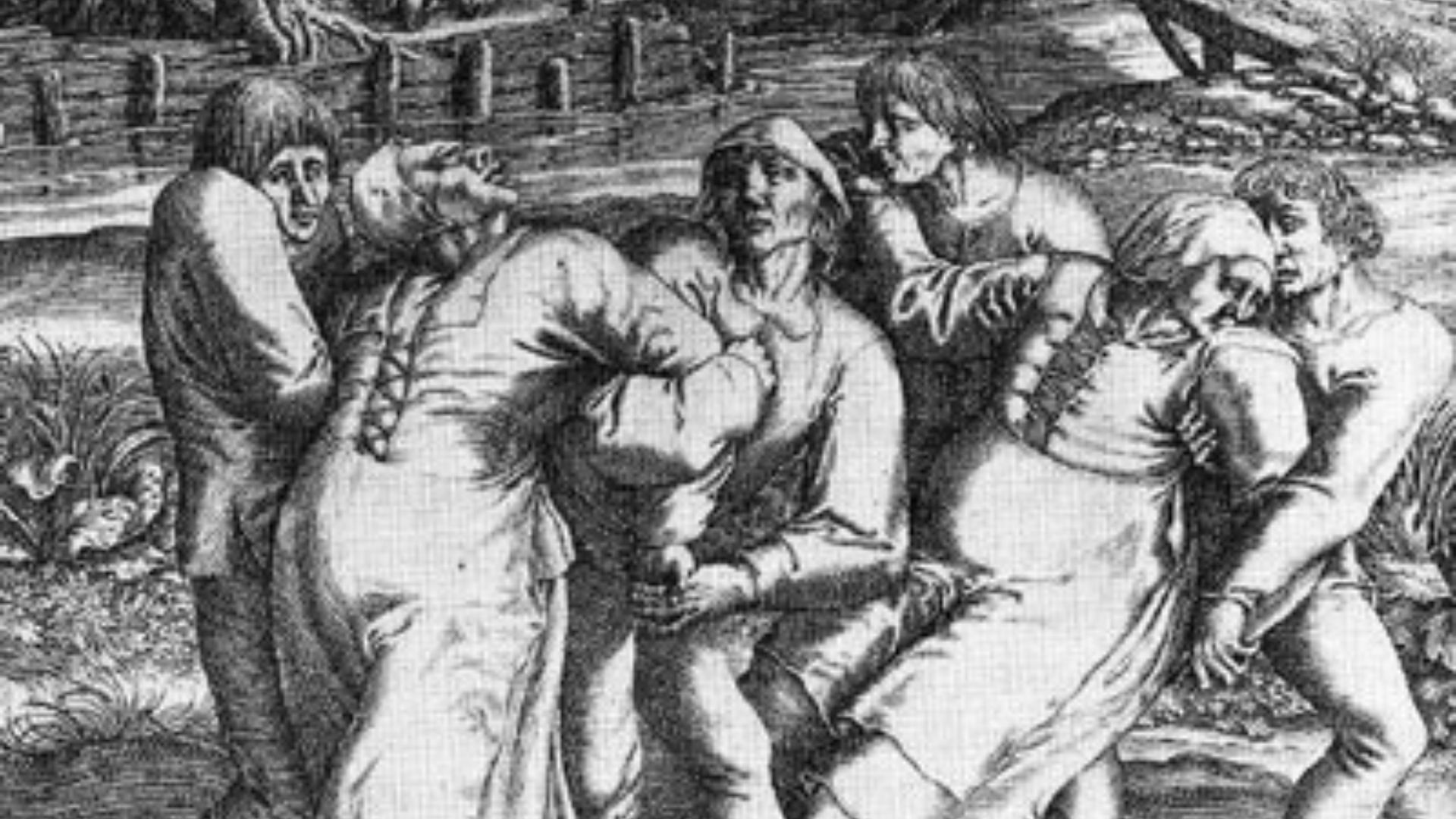
7. The Dancing Plague of 1518
A woman in Strasbourg started dancing in the street in July and could not stop. Within weeks hundreds had joined her, and some are recorded as having danced until they collapsed. Historians lean toward mass psychogenic illness brought on by famine and religious dread.
 Unknown authorUnknown author on Wikimedia
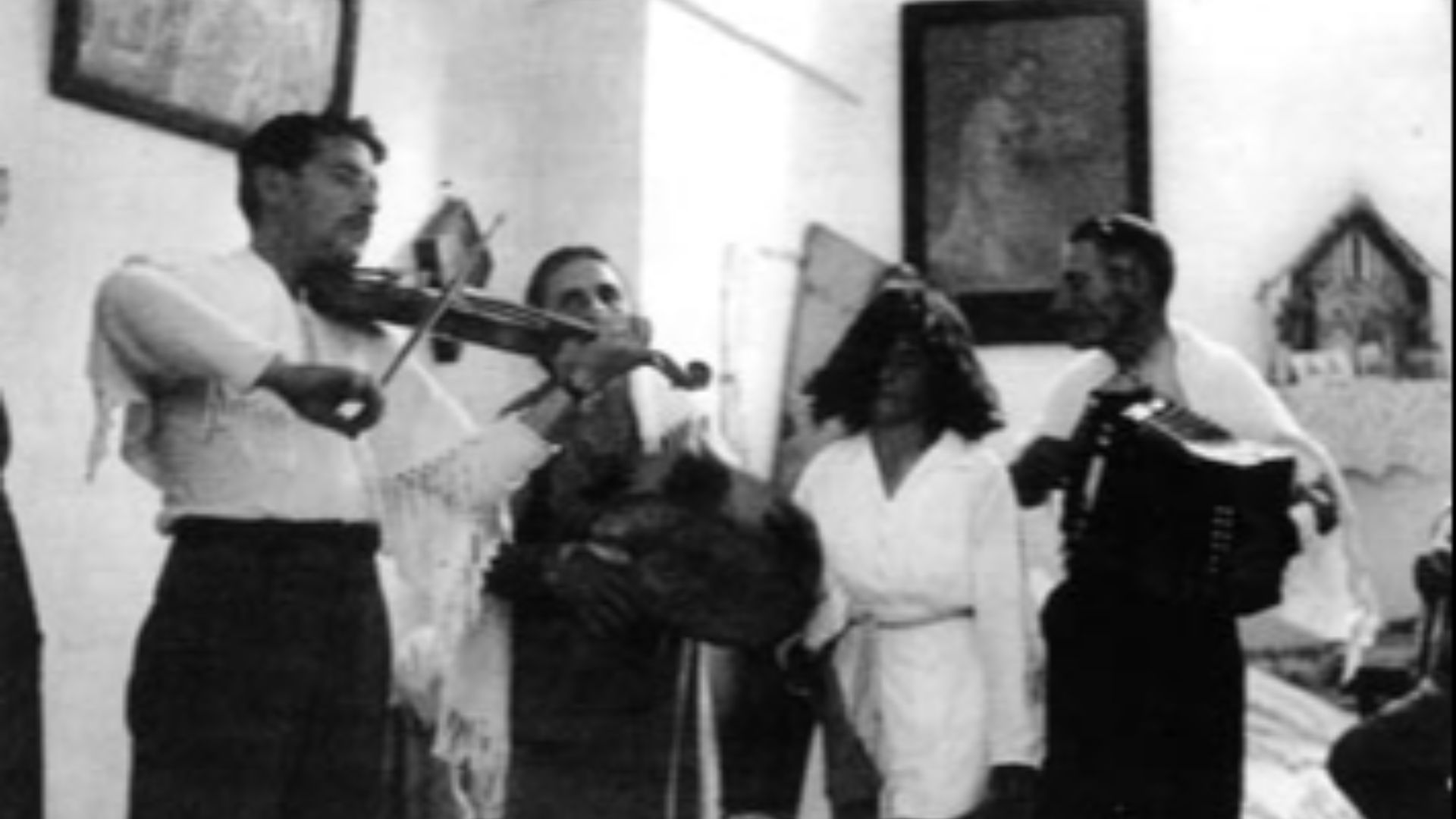
8. Tarantism
Southern Italians spent centuries believing a spider bite could only be cured by dancing to a specific tempo. Whole villages organized around the treatment, which is where the tarantella comes from. It faded through the twentieth century without anyone banning it or curing it.
9. Chlorosis
For three centuries, doctors diagnosed teenage girls with green sickness, named for the pale greenish tint it was said to give the skin. Cases filled European medical texts and then thinned out until the diagnosis was gone by the 1930s. Iron deficiency accounts for some of it, and the rest may be a label that falsely lumped together several unrelated problems.
10. Neurasthenia
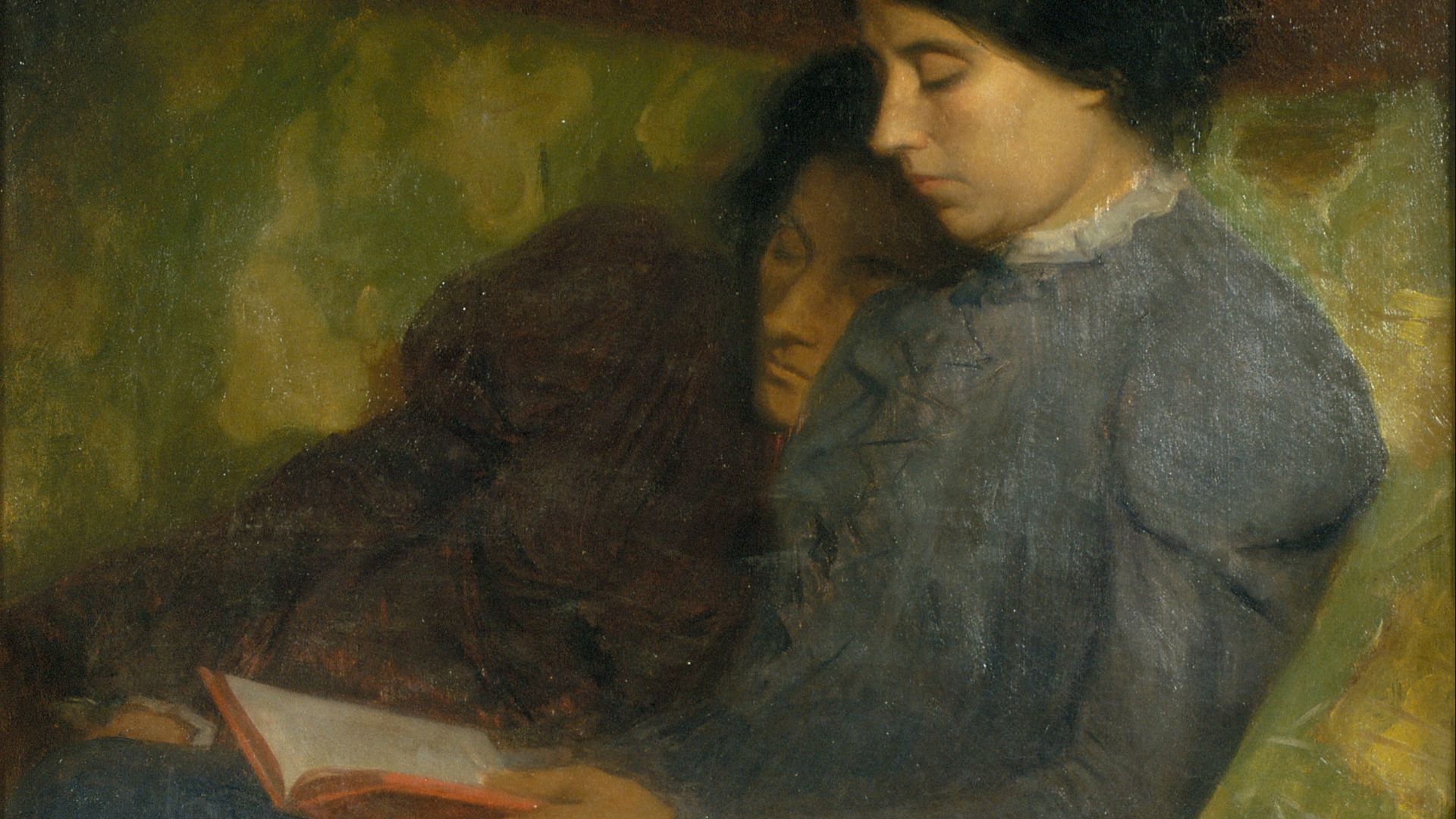
George Beard named it in 1869 to cover exhaustion and nervous collapse in overworked professionals. It was among the most common diagnoses in America for decades. Western medicine dropped it, though it remains in use in China.

11. Hysteria
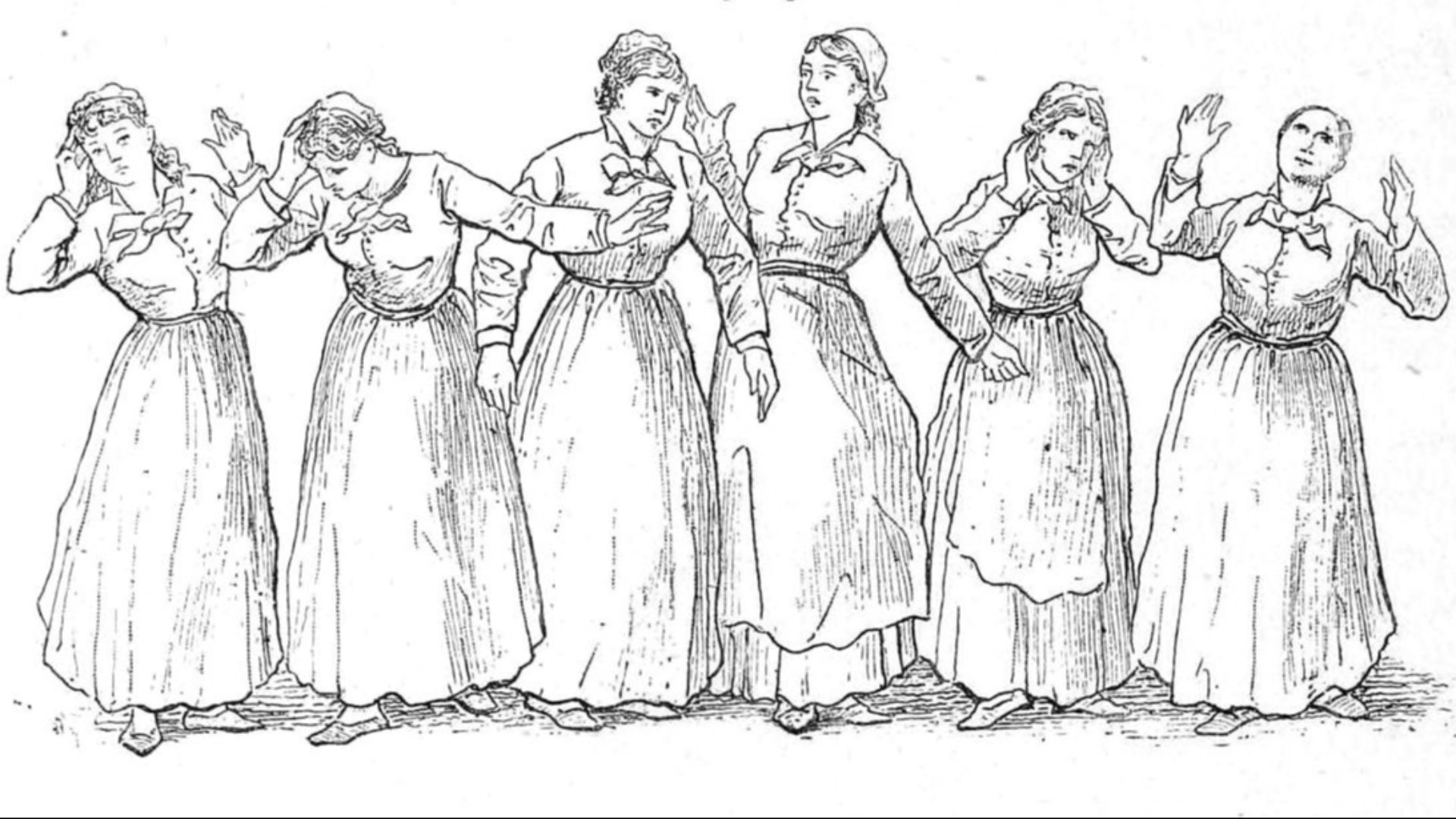
For most of medical history this was a real diagnosis with a real treatment plan attached. The American Psychiatric Association removed it in 1980. What patients actually had got redistributed across a dozen other conditions.
12. Dromomania
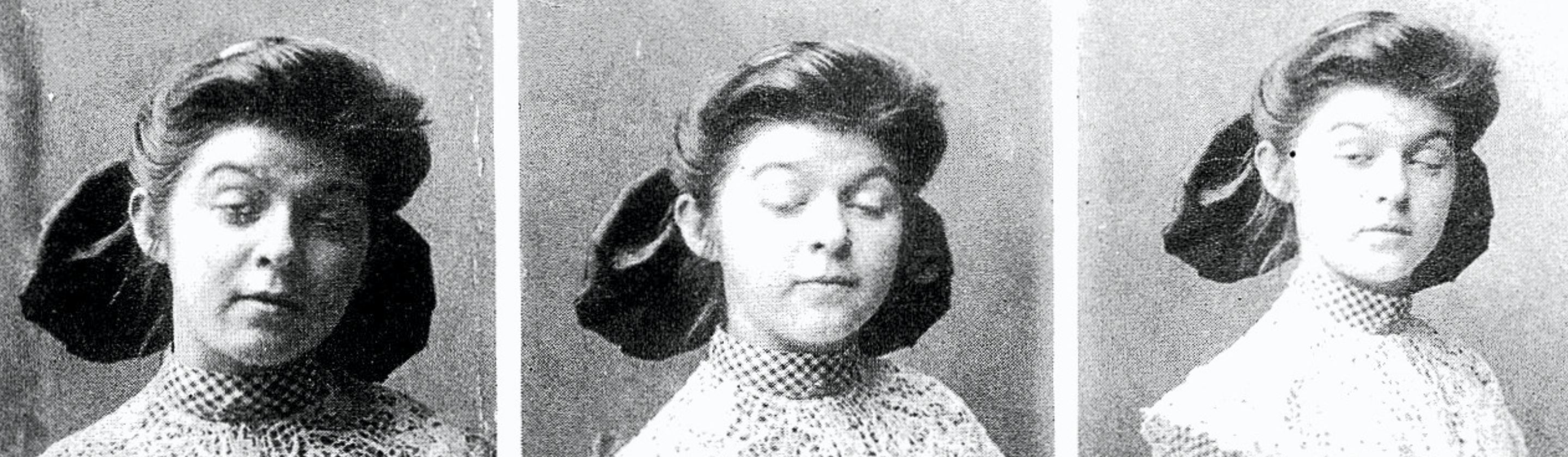
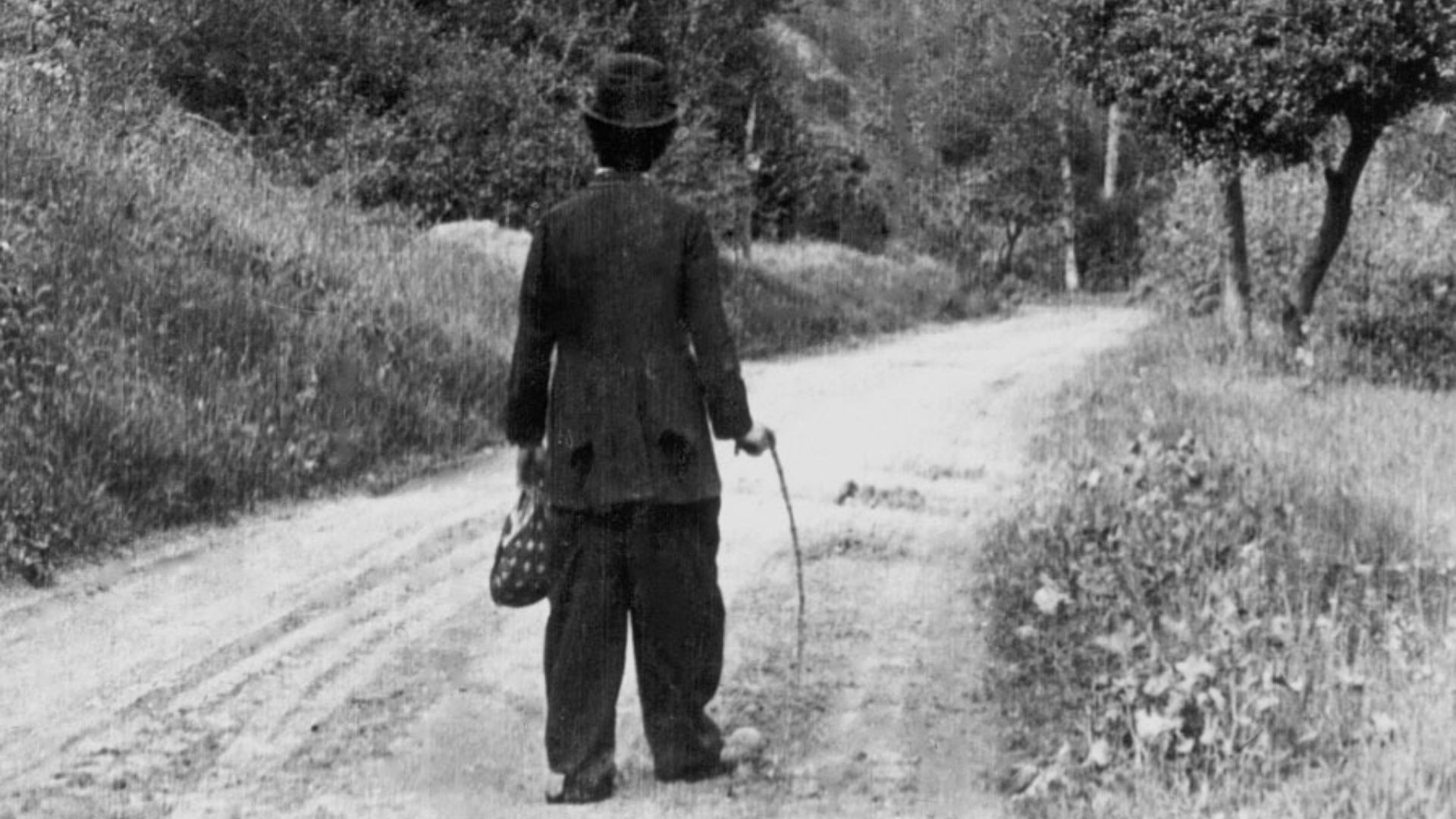
Starting in 1886, French doctors documented men who walked away from their lives and turned up hundreds of miles later unable to account for the trip. The first case was a Bordeaux gas fitter named Albert Dadas. The epidemic ended around 1909 and the diagnosis went with it.
13. Milk Sickness
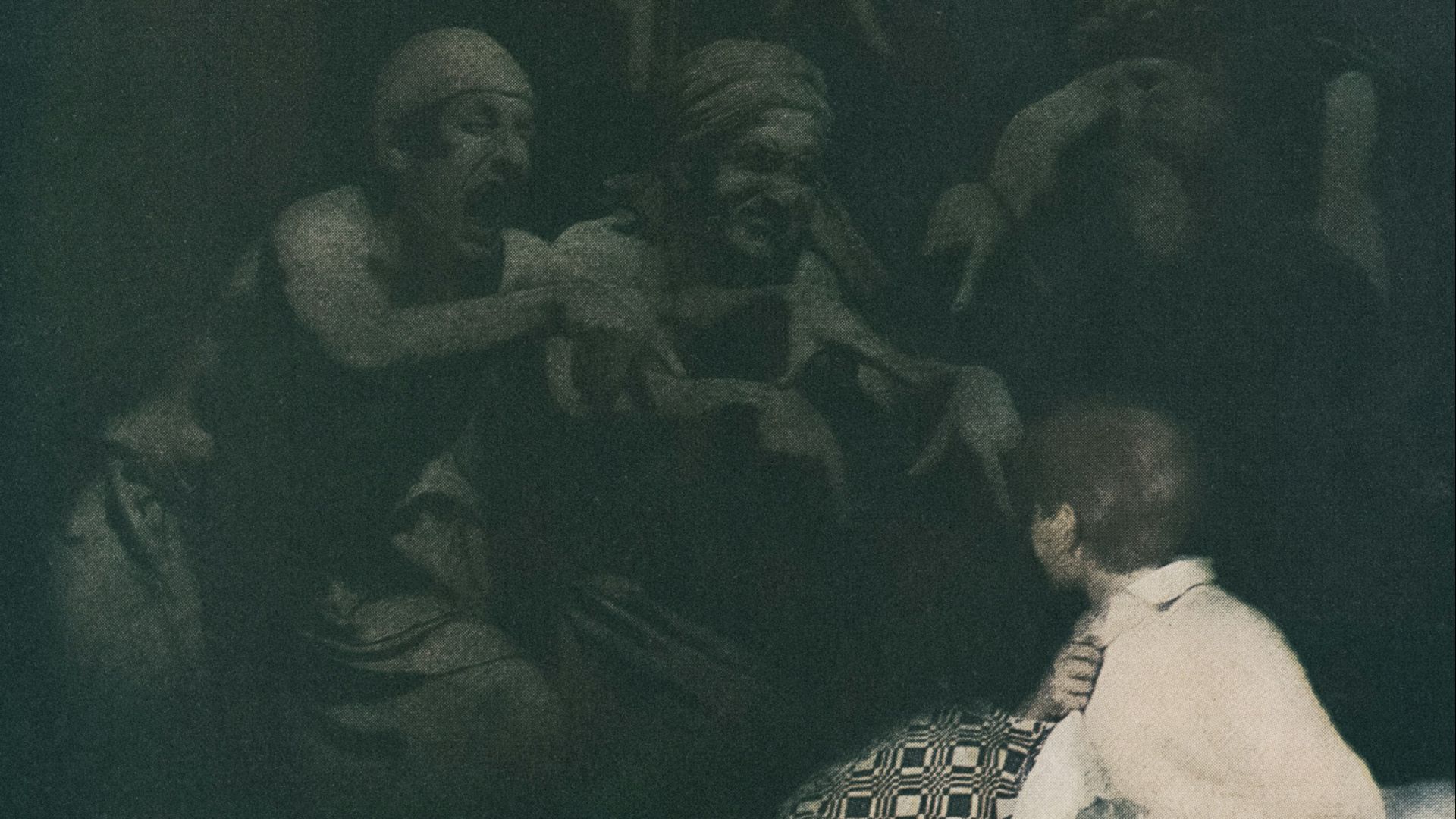
Frontier settlements lost whole families to a wasting illness, including Abraham Lincoln's mother in 1818. Cows were eating white snakeroot and passing the toxin into their milk. Once that connection was made, the disease disappeared from American life.
 Keith Weller/USDA on Wikimedia
14. St. Anthony's Fire
Medieval Europe suffered outbreaks of burning limbs and hallucinations that arrived along with the rye harvest. The culprit was a fungus growing on the grain. Better milling and grain cleaning ended it, and the last serious outbreak in France was in 1951.
 The New York Public Library on Unsplash
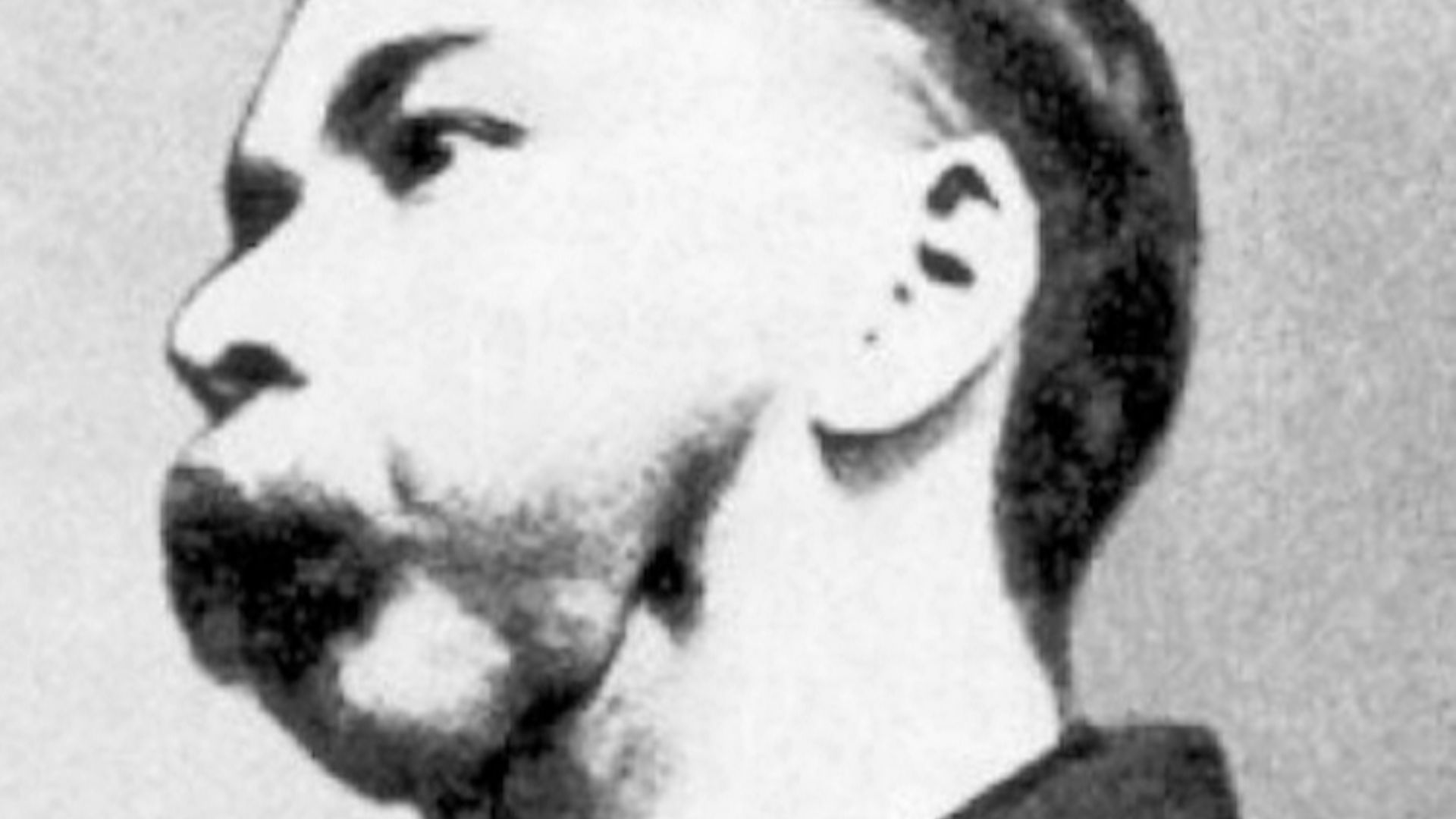
15. Phossy Jaw
Match factory workers who breathed white phosphorus developed abscesses in the jawbone that glowed faintly in the dark. Removing the jaw was the standard treatment. An international ban on white phosphorus matches in 1906 ended the disease outright.
 Dr. John P. Andrews on Wikimedia
16. Bromism
Bromide salts were sold as sedatives and headache powders for a century, and taking them steadily brought on tremors and psychosis. A meaningful share of psychiatric admissions in the early 1900s were bromide poisoning that nobody recognized. Regulators pulled bromides from over-the-counter products in the 1970s.
 Alchemist-hp (pse-mendelejew.de) on Wikimedia
17. The Tanganyika Laughter Epidemic
Three girls at a boarding school started laughing in January 1962, and it spread to almost a thousand people across the region. Schools closed for months. It ran its course by the following year and has been categorized as mass psychogenic illness.
 Oluwasegun Seyi Dominic on Pexels
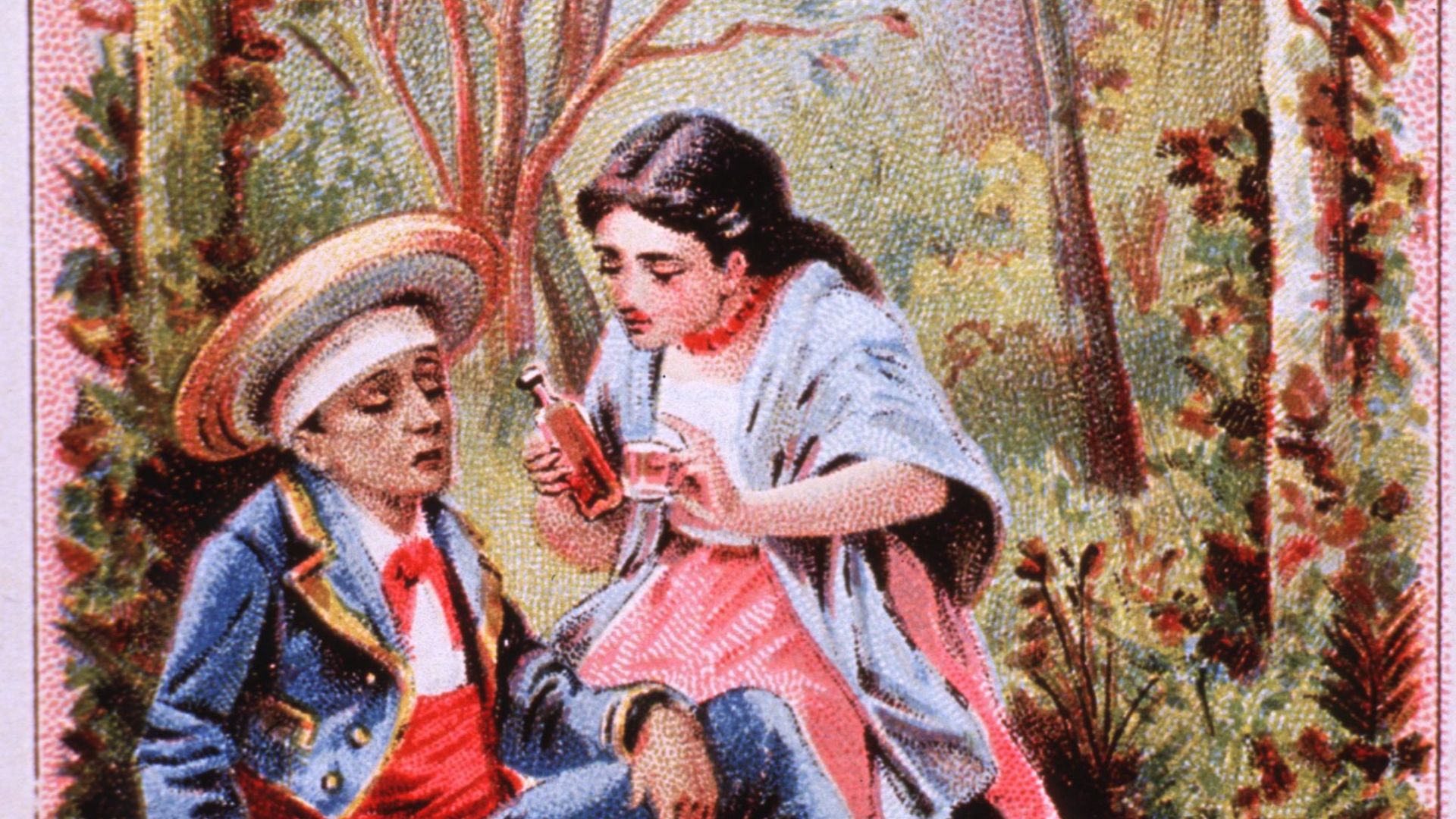
18. The Ague
Malaria was endemic to the English marshes for centuries, common enough that Shakespeare's audiences knew exactly what an ague was. Draining the wetlands took the mosquitoes with it. Britain has not had homegrown malaria in about a hundred years.
 National Library of Medicine - History of Medicine on Wikimedia
19. Summer Diarrhea
City infants died in enormous numbers every July and August, and doctors accepted it as a fact of urban life. The cause was contaminated milk sold from open cans in hot weather. Pasteurization and clean milk laws erased it within a generation.

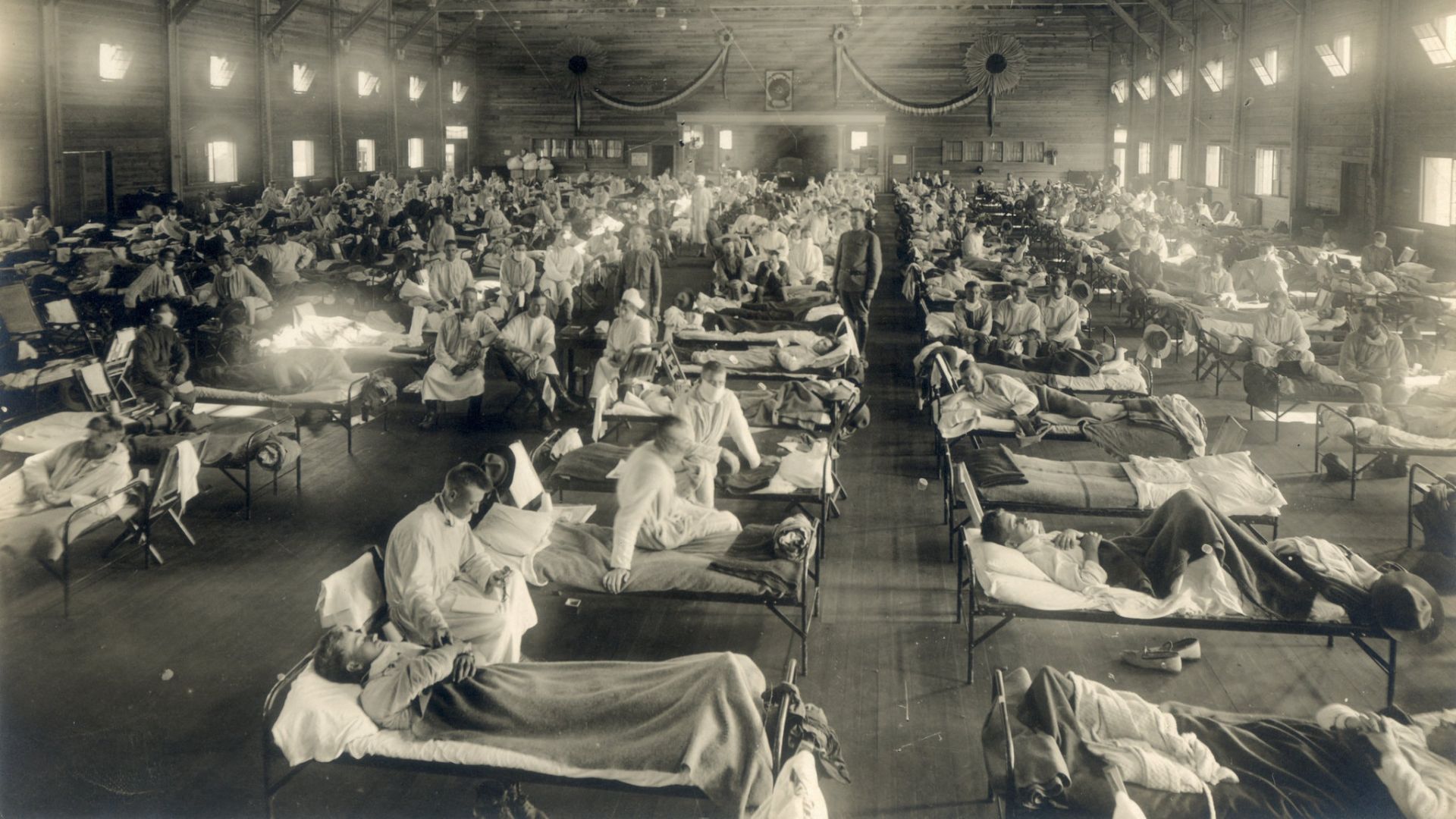
20. The 1918 Flu
The virus killed somewhere north of fifty million people in about two years and then stopped being as deadly. Its descendants still circulate as ordinary seasonal flu. Why that particular strain was so lethal, and why it burned out when it did, has never been fully answered.
KEEP ON READING