One More Conversation
History leaves us with so many unanswered questions. From great rulers to celebrated artists and mathematicians, there's not much we wouldn't trade if it were possible to bring someone back from the afterlife. Think of all the enormous gaps that could be filled, stories that could be told, or all the remarkable work that could be finished! Given that the world has since changed so much, the brilliant minds of the past would likely marvel at what we've since accomplished. Here are 20 historical figures we'd love to see again if we could.
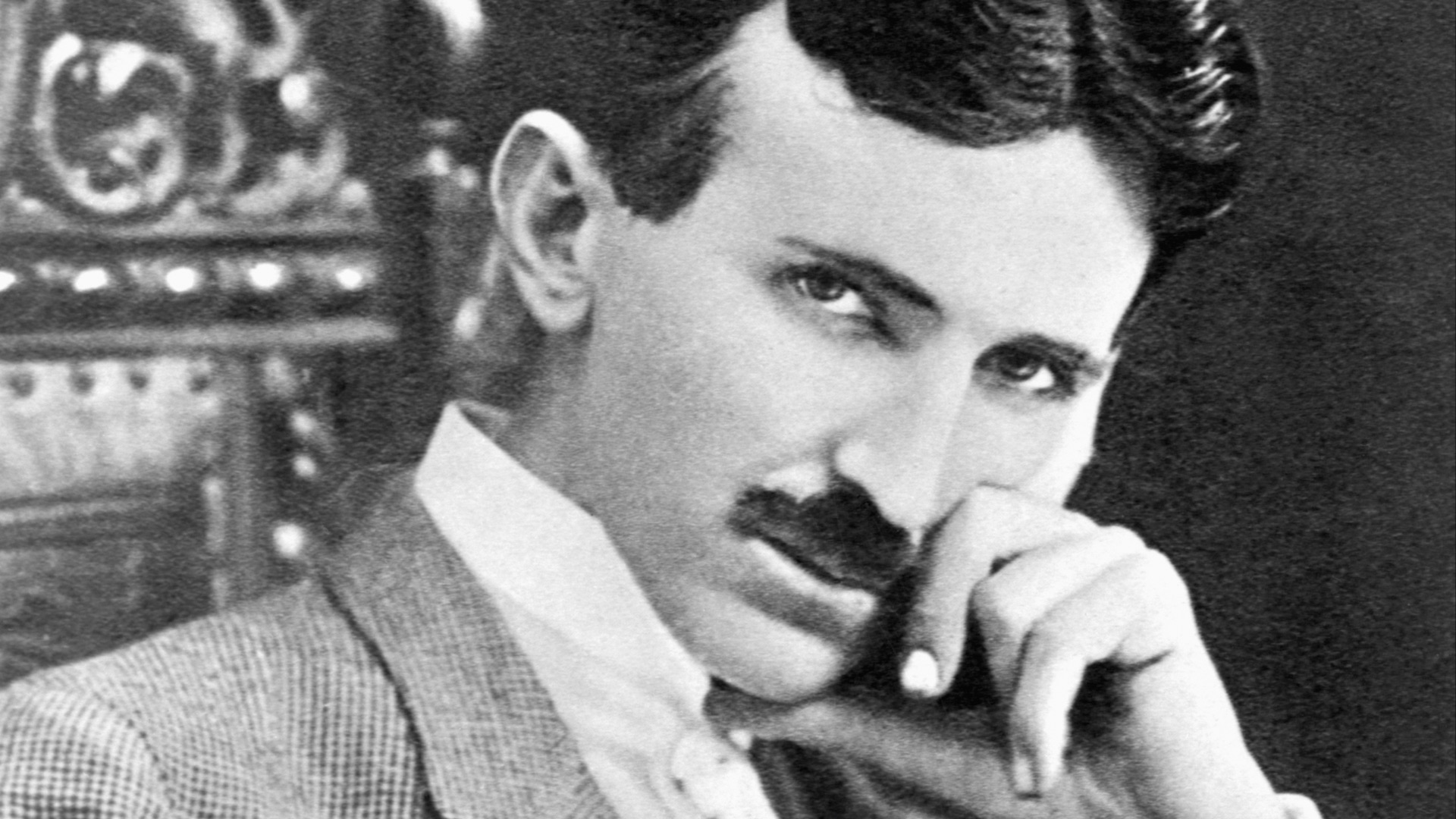
1. Leonardo da Vinci
If you could bring back one Renaissance artist, the first you'd think of is probably Leonardo da Vinci. After all, who wouldn't want to see the great one create works such as the Mona Lisa and The Last Supper in real time? You'd also finally get to ask him about the ideas he'd had scattered throughout notebooks, which ranged from anatomy to engineering.
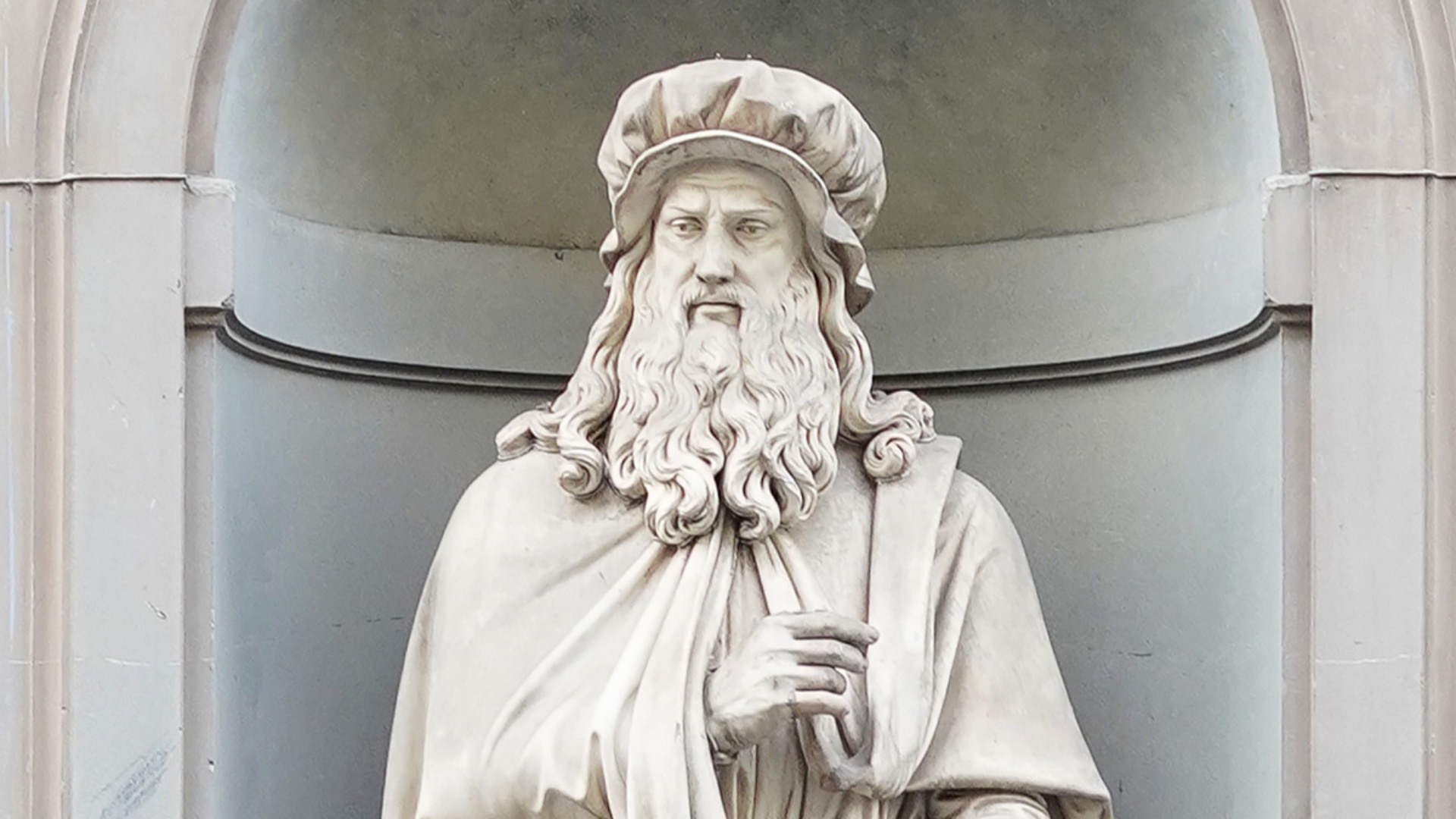
2. Cleopatra VII
Did Cleopatra really die from a snake bite? Well, if the last active ruler of Ptolemaic Egypt were brought back to life, we'd finally get an answer once and for all. Plus, hearing her describe the alliances she'd made could separate political reality from the stories that accumulated afterward.
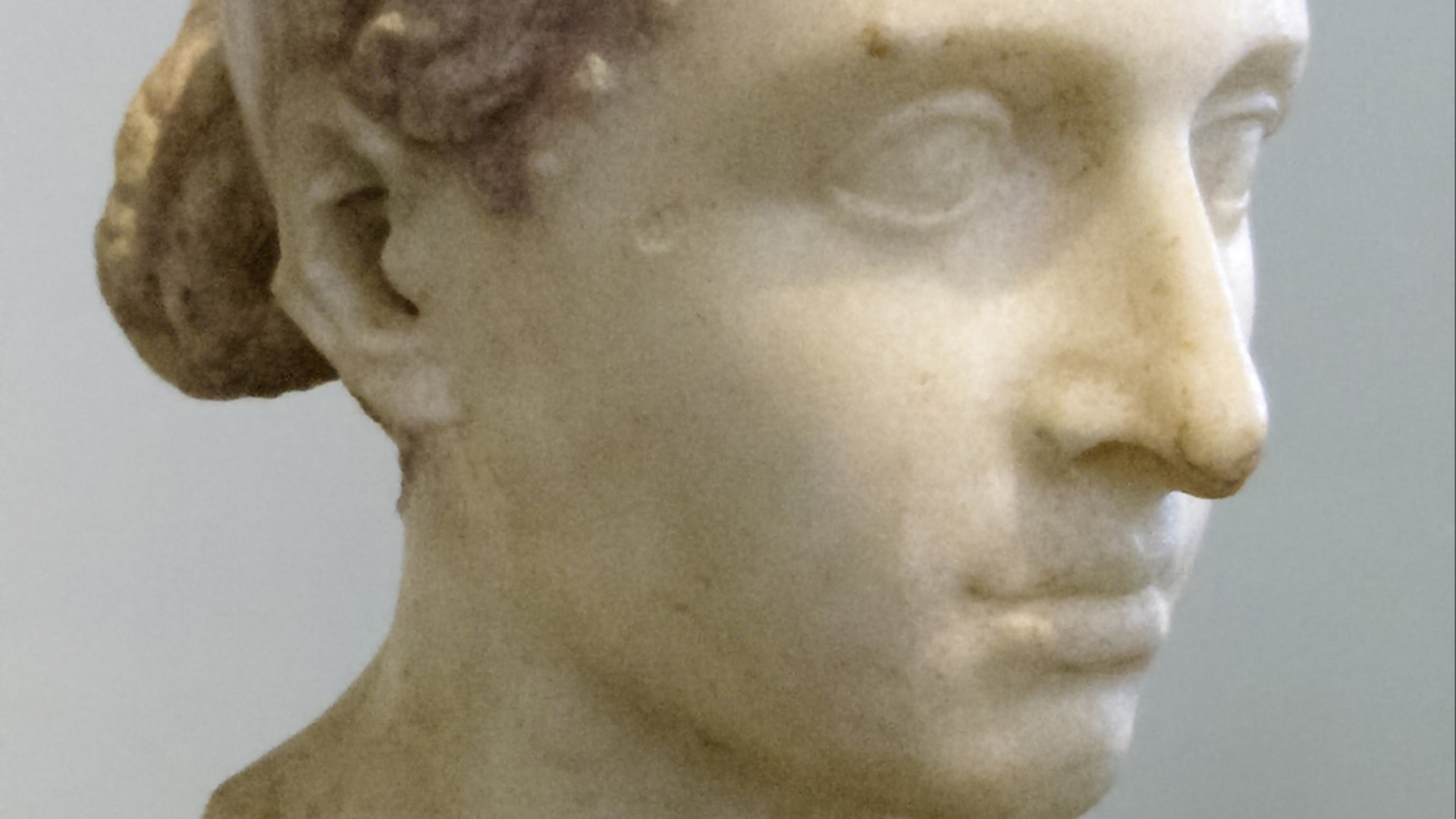
3. Nikola Tesla
Modern electricity would give Nikola Tesla plenty to examine. That's no surprise: his work on alternating-current systems and electrical engineering helped advance technologies that are now fundamental to everyday life. It's wild to think that Tesla died in 1943, long before wireless devices and advanced robotics became common.
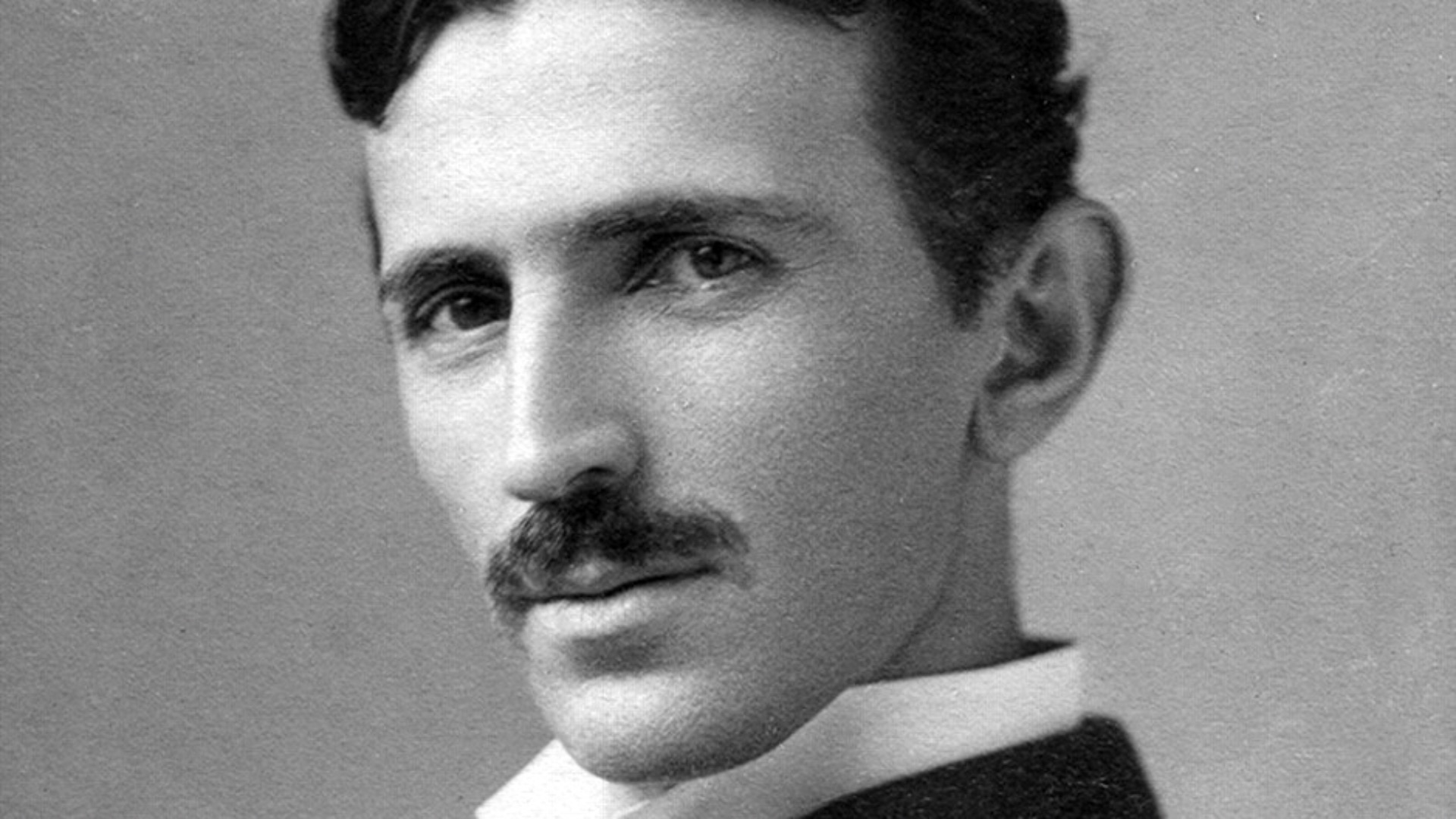
4. William Shakespeare
People have spent centuries analyzing Shakespeare's plays and arguing over details of his life. Bringing the playwright back would certainly settle more than a few academic disagreements! Who knows? He might even write an entirely new play...
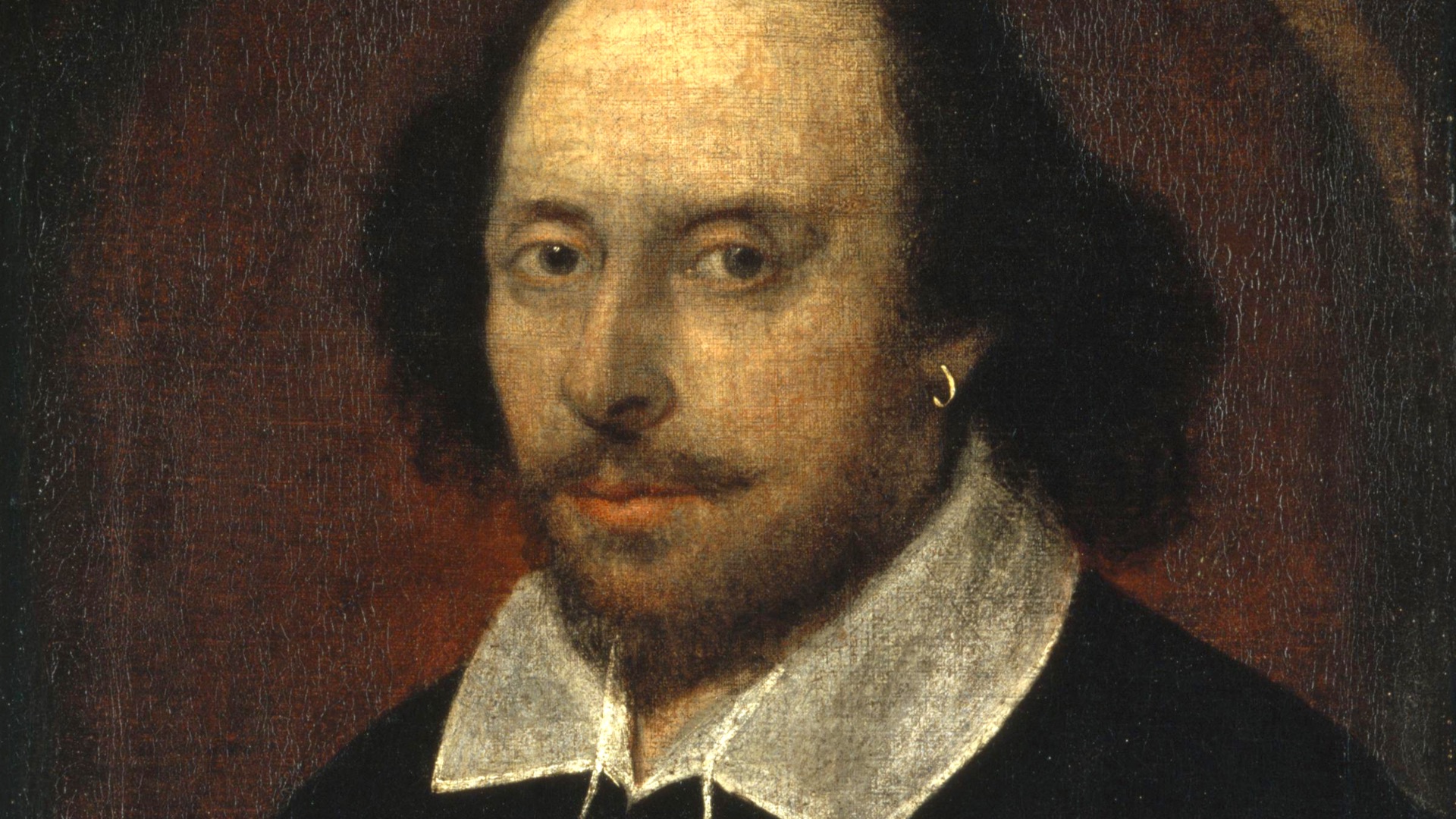 Attributed to John Taylor on Wikimedia
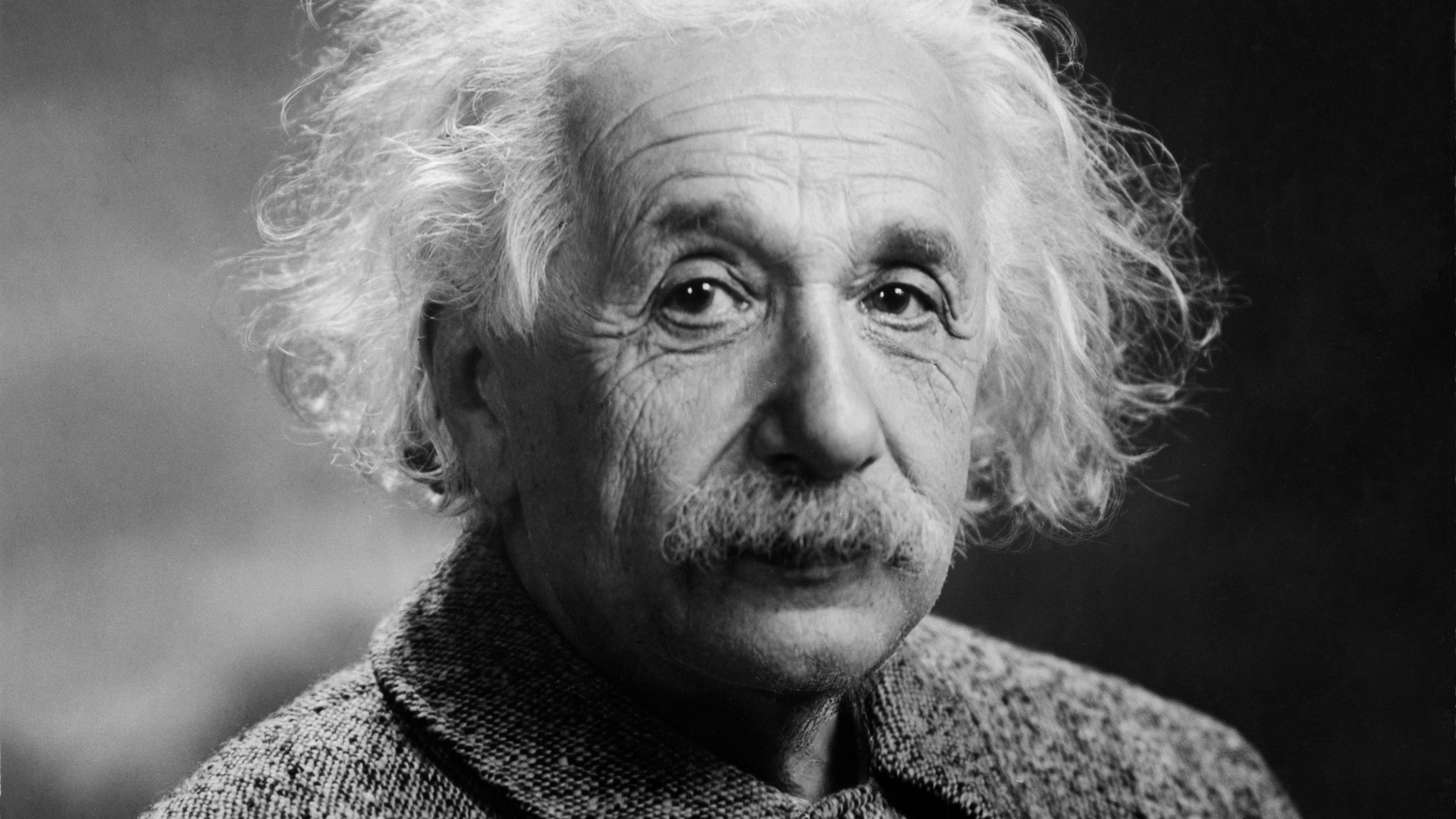
5. Albert Einstein
Einstein lived long enough to see his ideas transform physics, but he still missed out on what scientists now know about the universe. Presenting him with modern observations of the subjects he'd researched would certainly make for an extraordinary conversation.
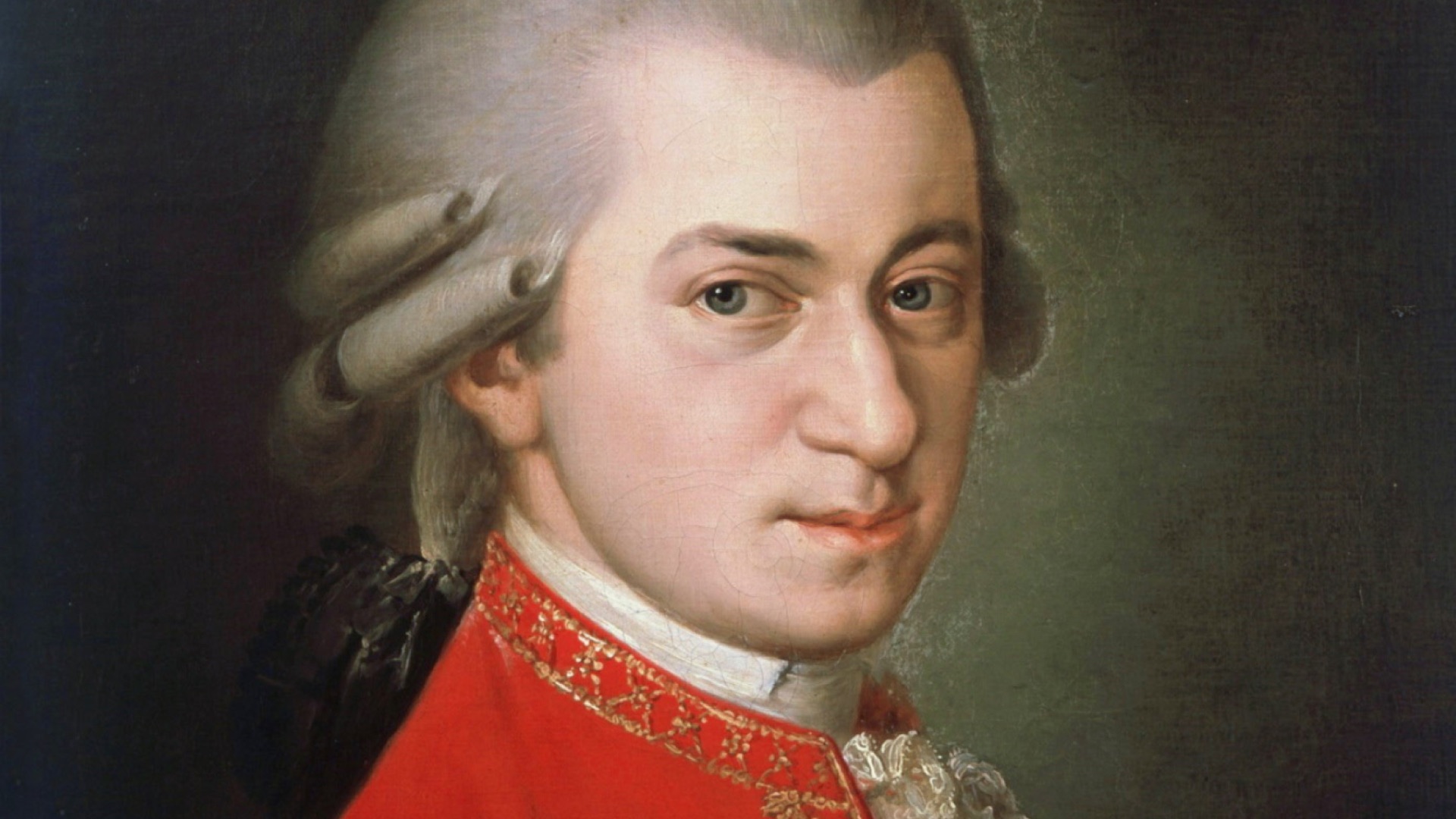
6. Wolfgang Amadeus Mozart
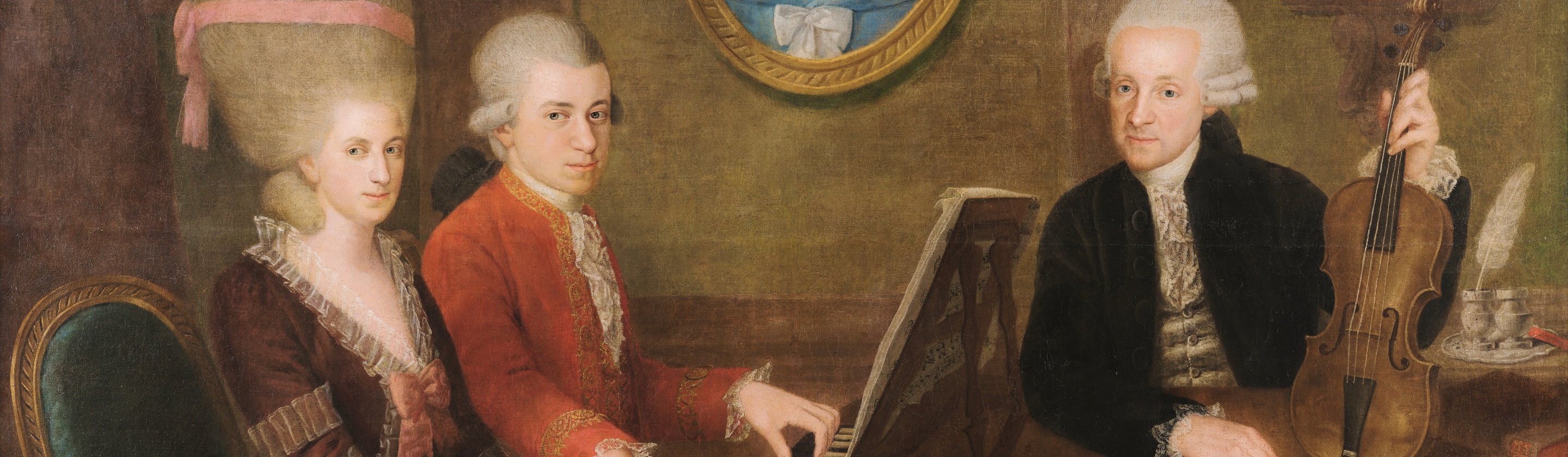
Mozart died in 1791 at only 35, and yet, despite his short life, he left behind more than 600 compositions. It's impossible to know what another 30 or 40 years might have added to that body of work, and the thought of that is reason enough to want him back.
7. Ada Lovelace
Ada Lovelace is frequently associated with the earliest history of computer programming, and more than that, she also considered possibilities beyond simple arithmetic at a time when programmable electronic computers didn't even exist yet. With artificial intelligence on the rise, her reaction to the modern technological world would be worth recording.
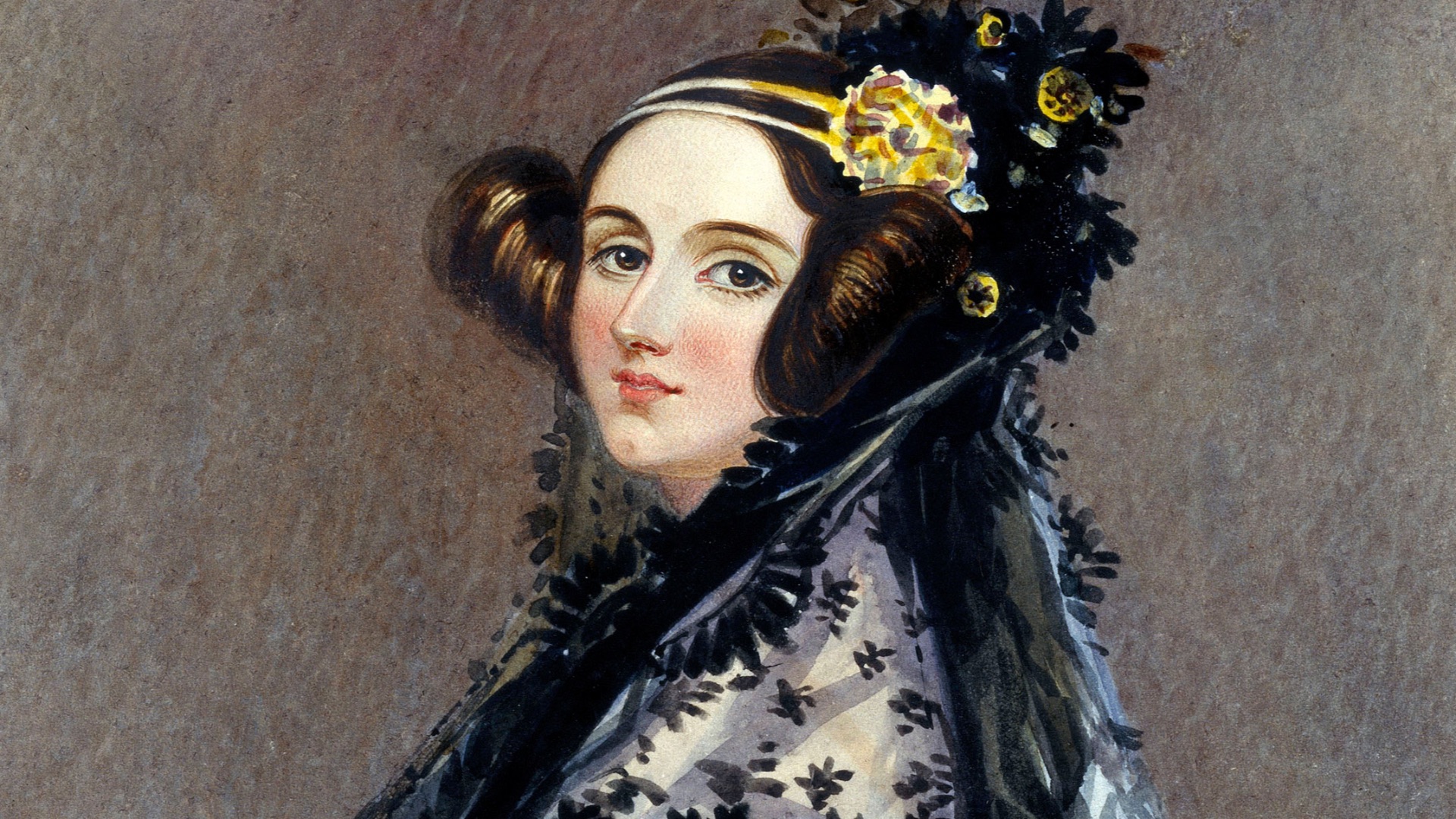 Alfred Edward Chalon on Wikimedia
8. Abraham Lincoln
Having led the United States through the Civil War, issued the Emancipation Proclamation, and won reelection in 1864, President Abraham Lincoln's life was cut much too short. Few American presidents withstood the test of time as much as him, so you'd probably be over the moon at the chance to speak to him directly.
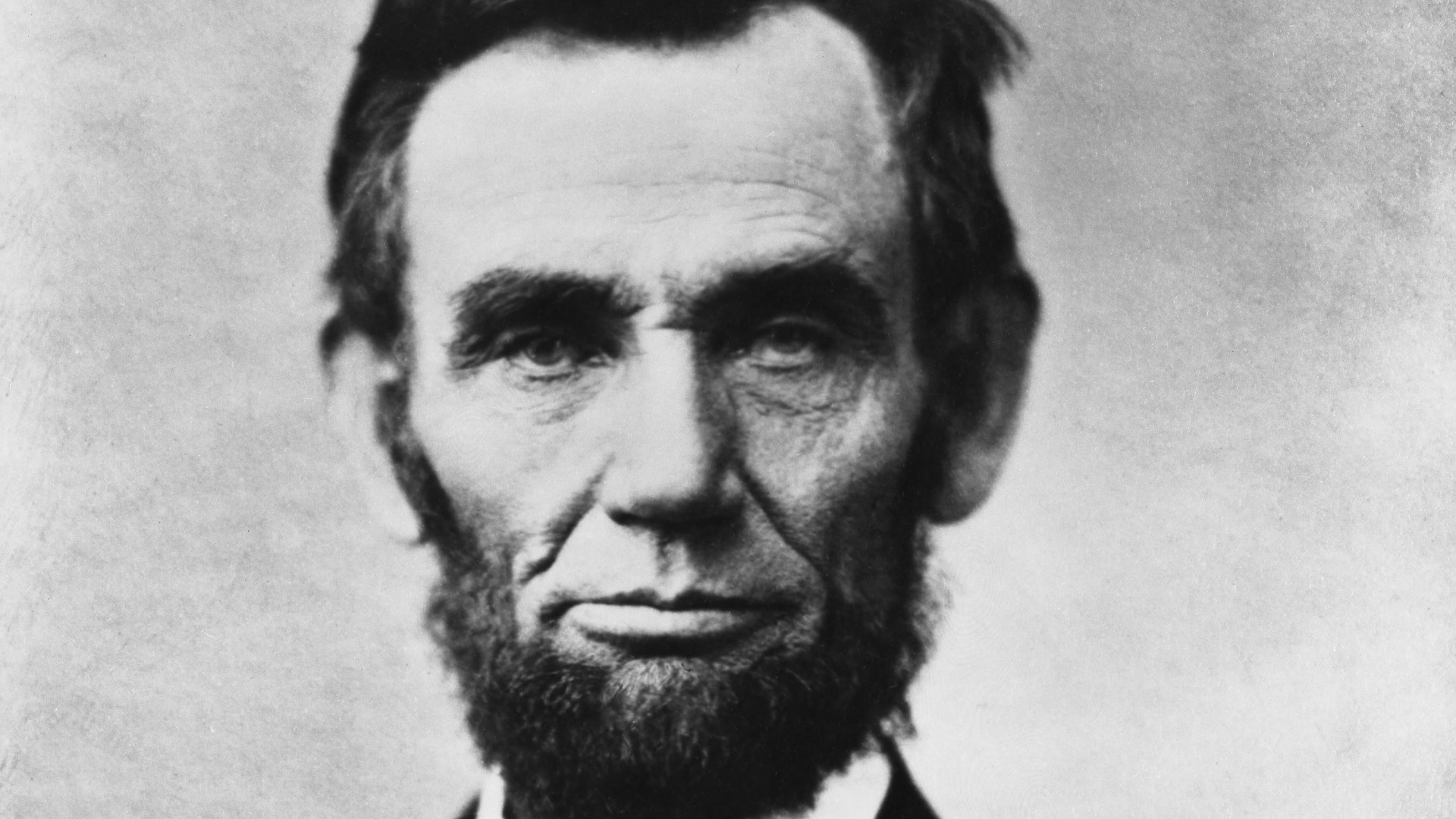 Alexander Gardner on Wikimedia
9. Marie Curie
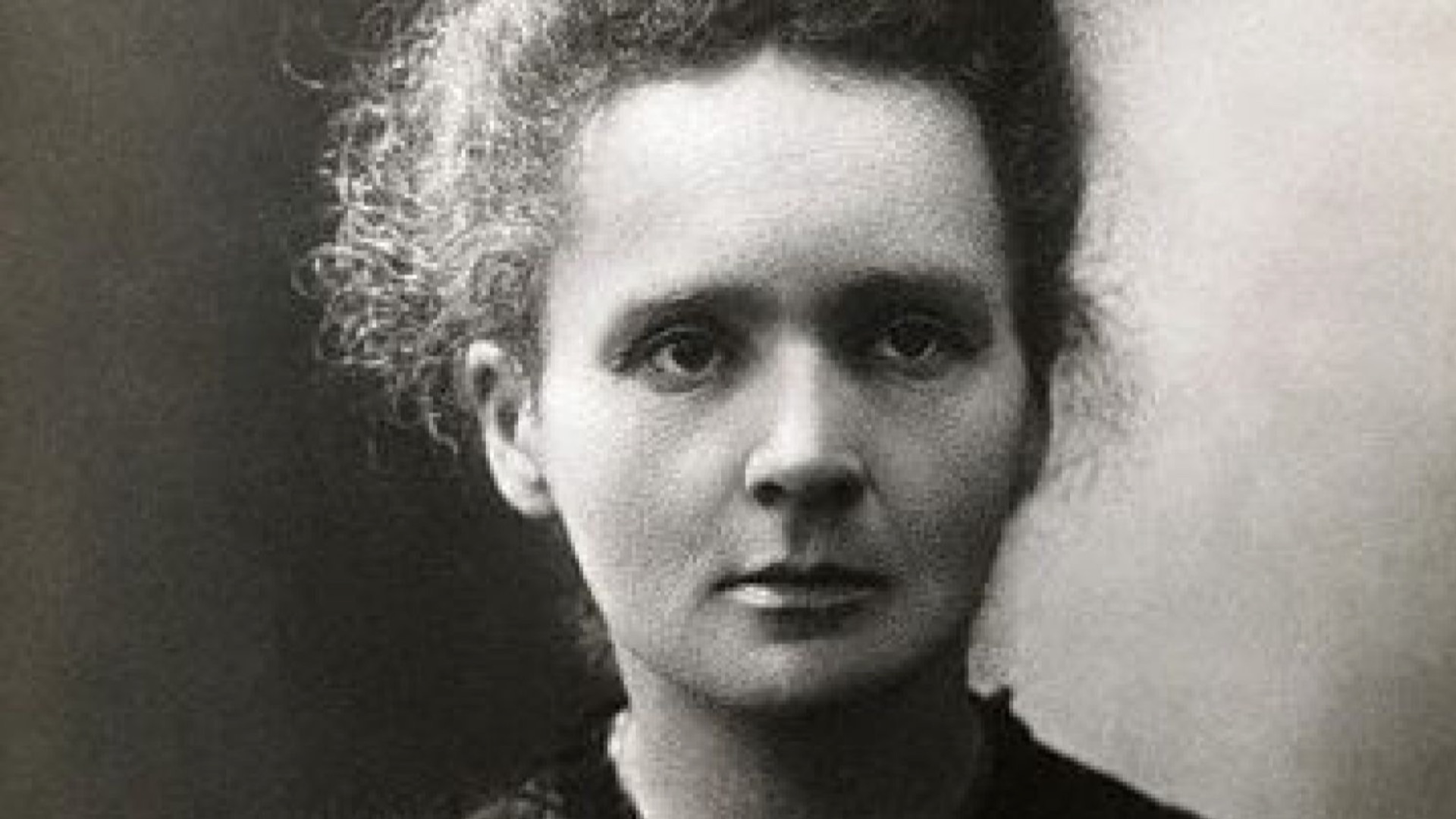
The first person to win Nobel Prizes in two different scientific fields, Marie Curie helped transform the scientific understanding of radioactivity. An even bigger feat is that her research took place before scientists even fully understood the dangers created by prolonged exposure to radioactive materials. Bringing her back would present her with an extraordinary view of how far everything has progressed.
10. Alexander the Great
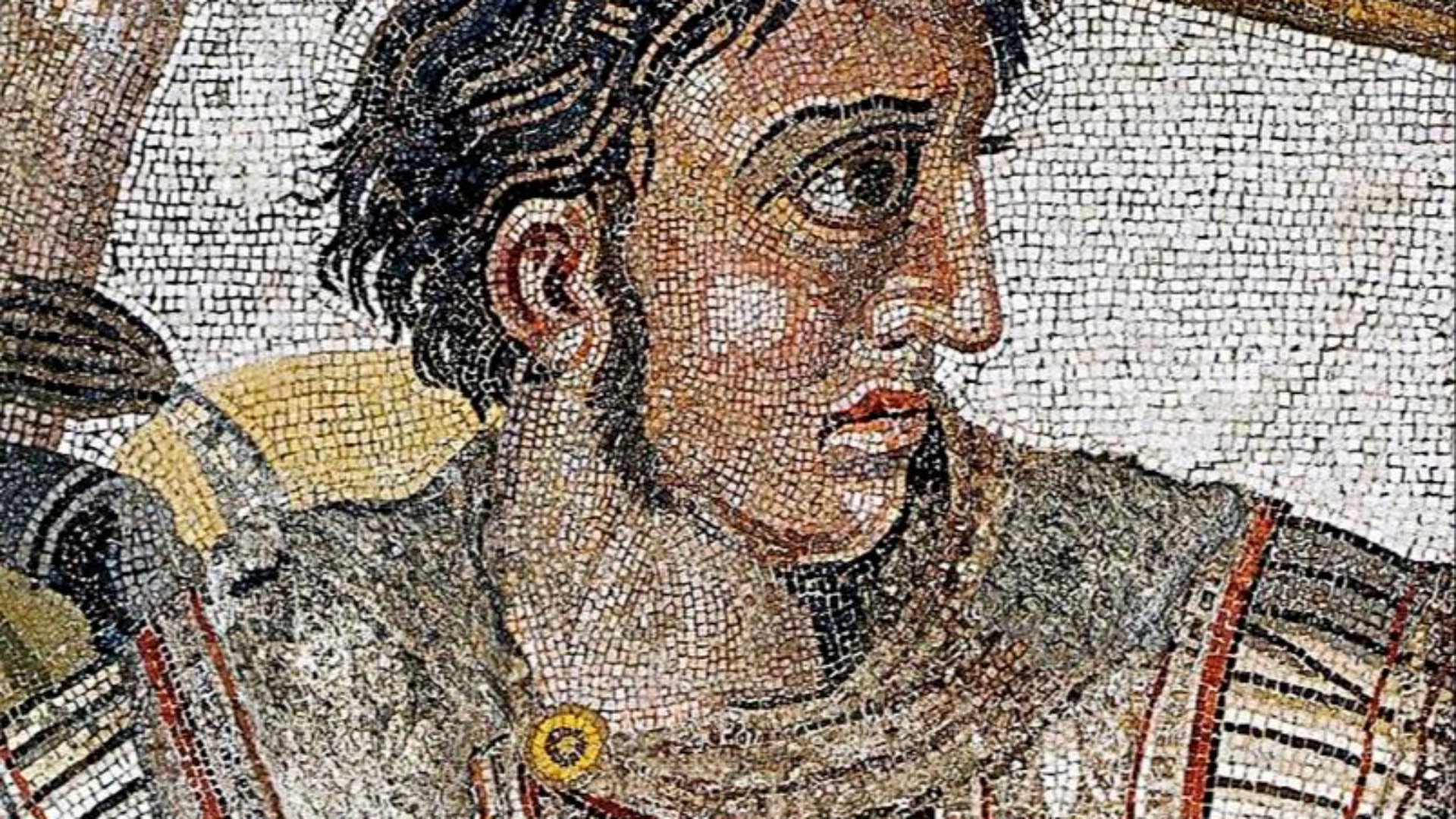
Alexander created an enormous empire before dying in Babylon in 323 BCE at only 32 years old. Historians still wonder about what would have come next had he survived. Bringing him back would mean we could finally ask about his intentions and expectations.
11. Alan Turing
Like Ada Lovelace, Alan Turing's ideas concerning computation helped lay the foundations for technologies that would later come after his death in 1954. Considering how dramatically computing has changed in the modern era, Turing would return to a nearly brand-new world.
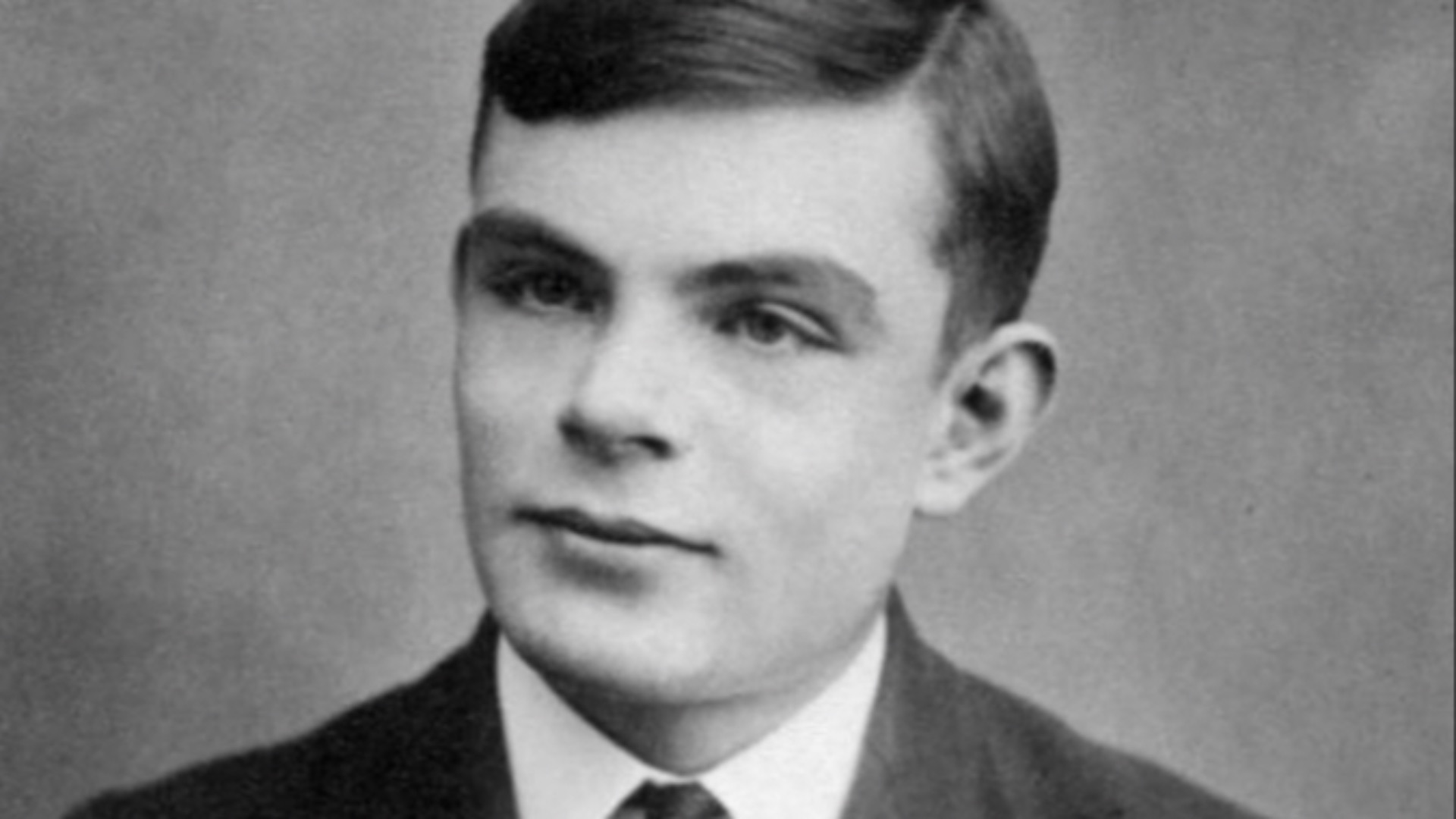 Possibly Arthur Reginald Chaffin (1893-1954) on Wikimedia
12. Amelia Earhart
What happened to Amelia Earhart? Did she crash? Where did it all end? It's not hard to see how bringing her back could solve one of the 20th century's most enduring mysteries with a single conversation. To this day, neither the aviators nor their aircraft have ever been found, and we've only been left to grapple with numerous theories ever since.
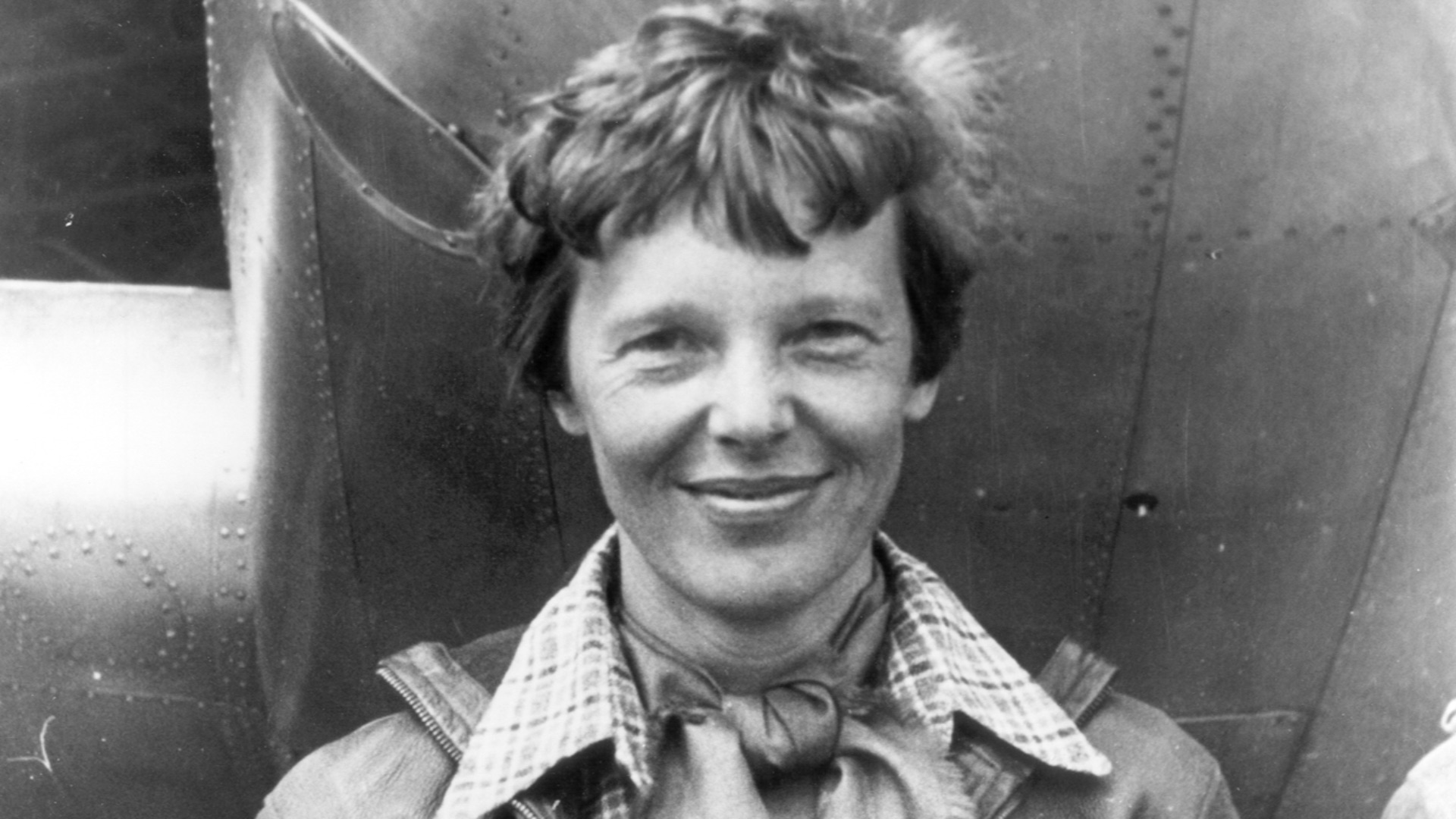 Underwood & Underwood (active 1880 – c. 1950)[1] on Wikimedia
13. Galileo Galilei
Galileo would probably be pleased to discover just how much larger our view of the universe has become. Today's spacecraft and detailed astronomical measurements would likely give him much to talk about! And after seeing all of it, we'd certainly want his opinion on everything.
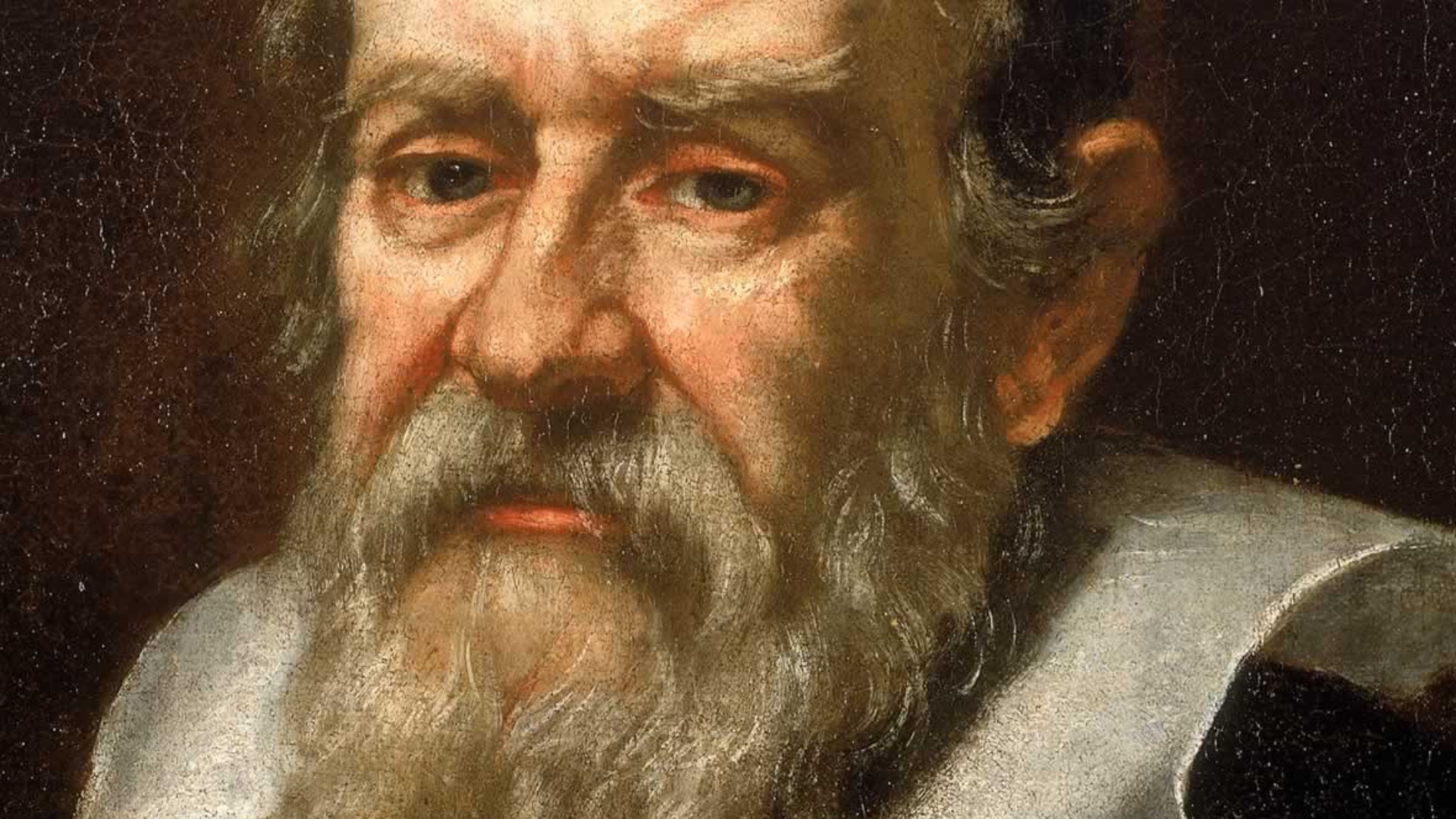 Justus Sustermans on Wikimedia
14. Harriet Tubman
Much of Harriet Tubman's extraordinary life is documented, but nothing would beat hearing her describe it in her own words. What was her journey like through the Underground Railroad? What about her other experiences, which covered some of the most consequential events in 19th-century American history? A firsthand account could answer all the questions and curiosities we'd have.
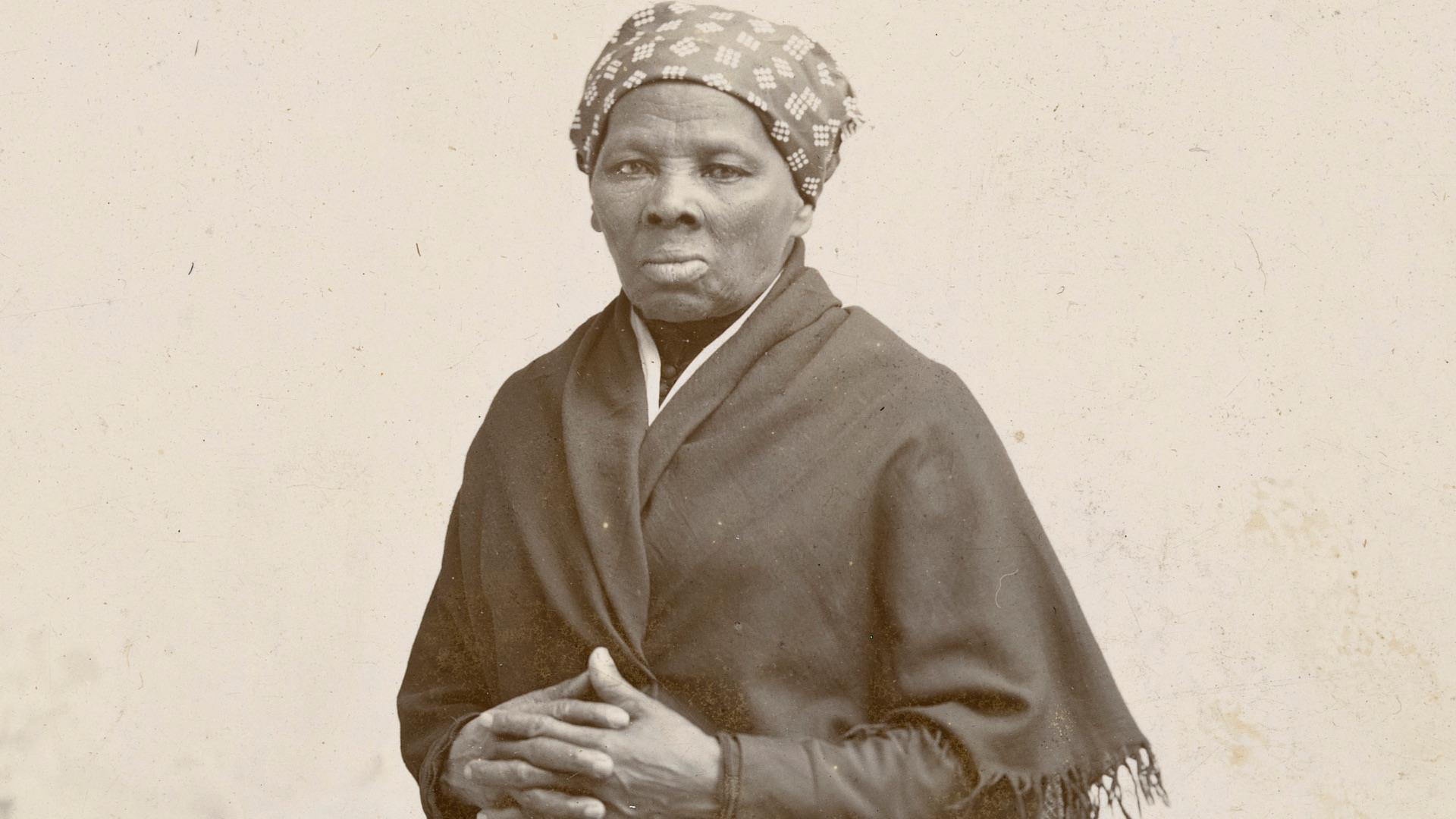 Photographer: Horatio Seymour Squyer, 1848 - 18 Dec 1905 on Wikimedia
15. Socrates
Socrates left behind no writings of his own, which already creates some mystery. In fact, much of what we know about his ideas comes through other writers. Sitting him down for a philosophy discussion would certainly provide enough material to sustain the field for generations.
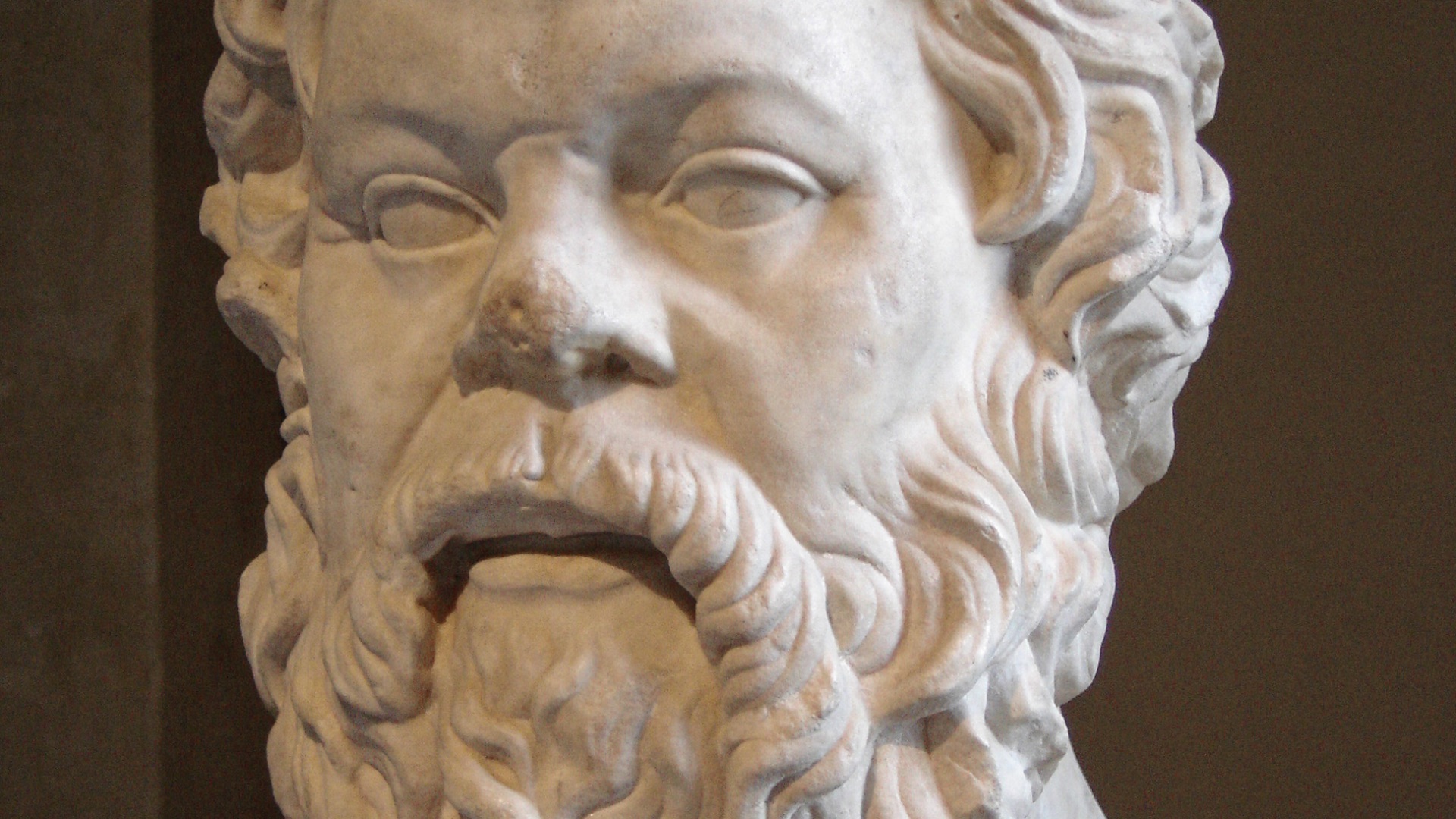 Copy of Lysippos (?) on Wikimedia
16. Vincent van Gogh
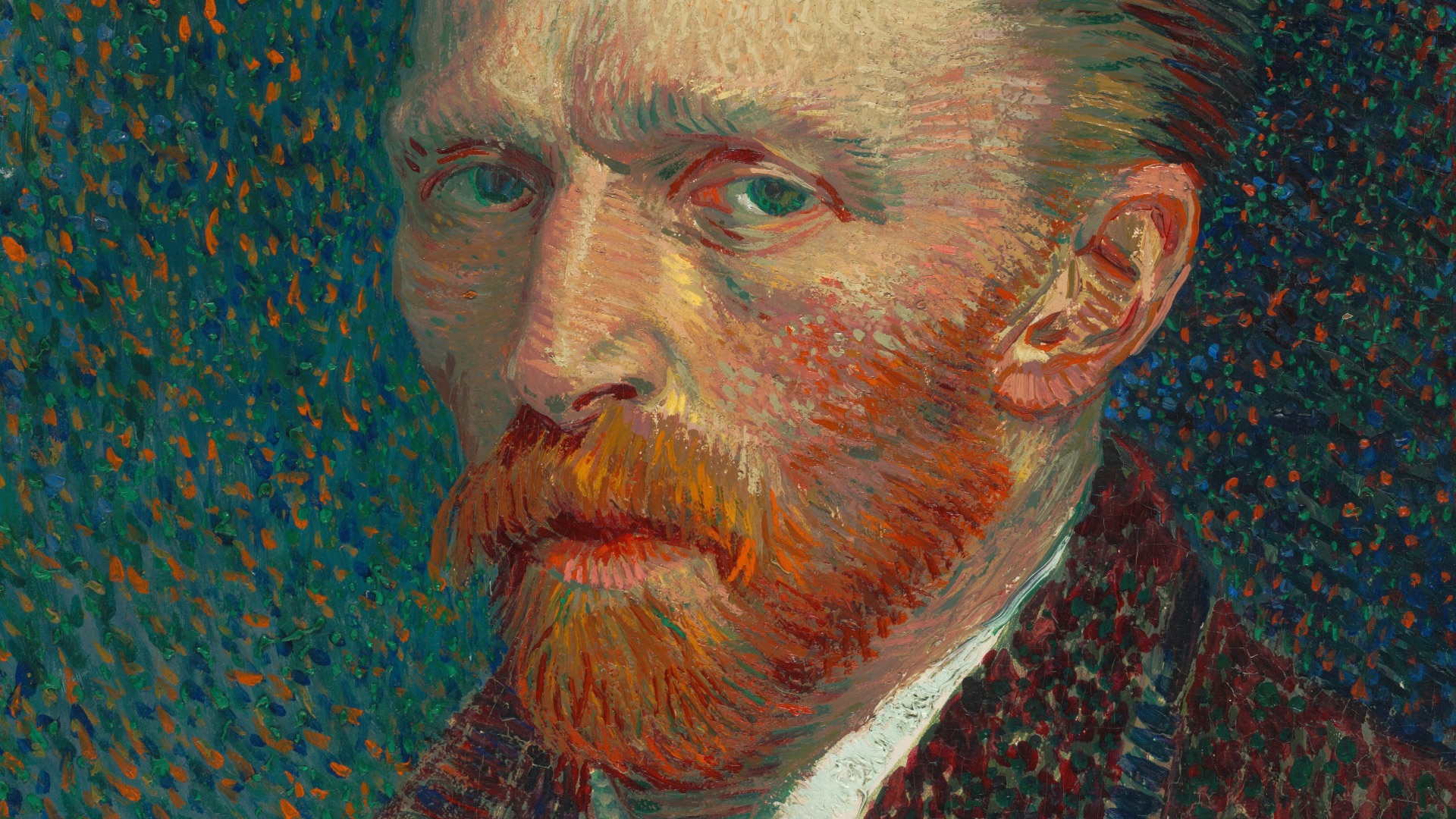
Leonardo da Vinci isn't the only artist we'd love to bring back to life. Vincent van Gogh, too, would draw an enormous crowd. Today, his paintings rank among the most recognizable works in Western art, and letting him see how influential his work has become would be an extraordinary feeling.
17. Hypatia of Alexandria
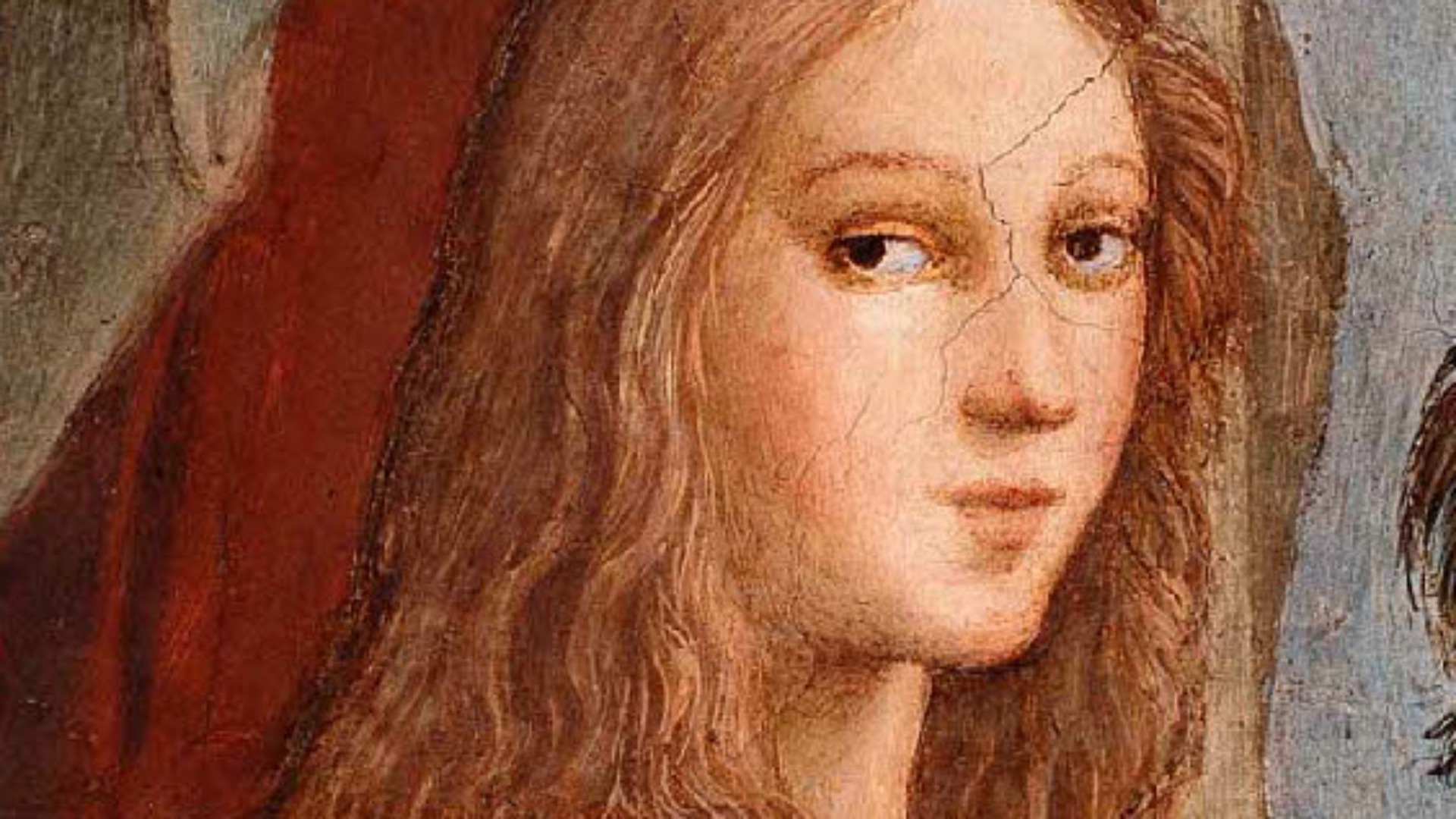
Though Hypatia was a mathematician, astronomer, and philosopher, most of her own work hasn't survived. Bringing her back could recover all that intellectual knowledge that was lost to time. She could also describe the scholarly culture of ancient Alexandria from her own perspective, which would make for an extremely interesting tale.
18. Isaac Newton
Like Einstein, Newton helped establish important principles in physics, while also making major contributions to mathematics and optics. Considering modern science has expanded far beyond what was available in the 17th and early 18th centuries, it'd be incredibly interesting to see what would happen if Newton were handed new material to study.
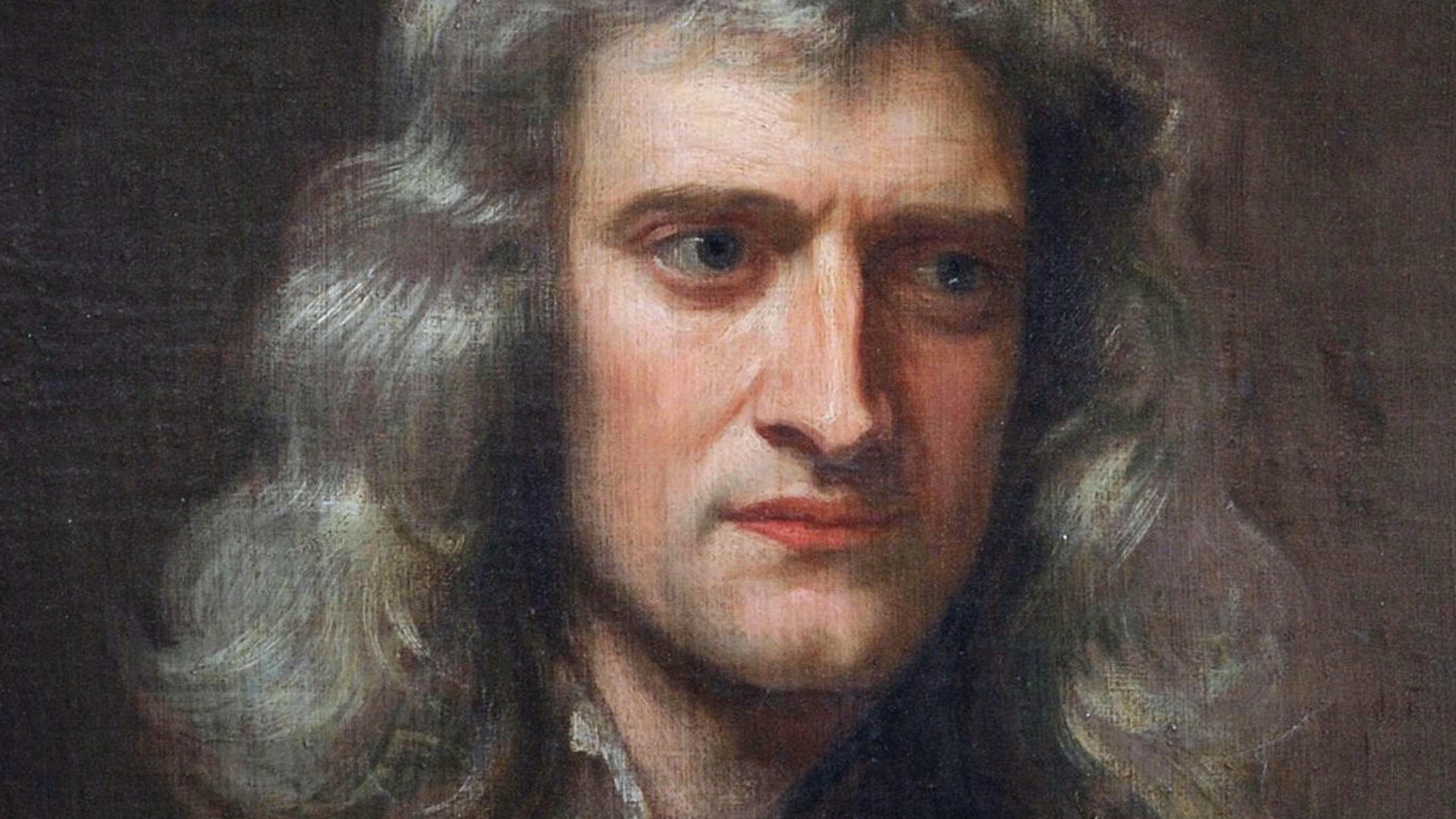 James Thronill after Sir Godfrey Kneller on Wikimedia
19. Joan of Arc
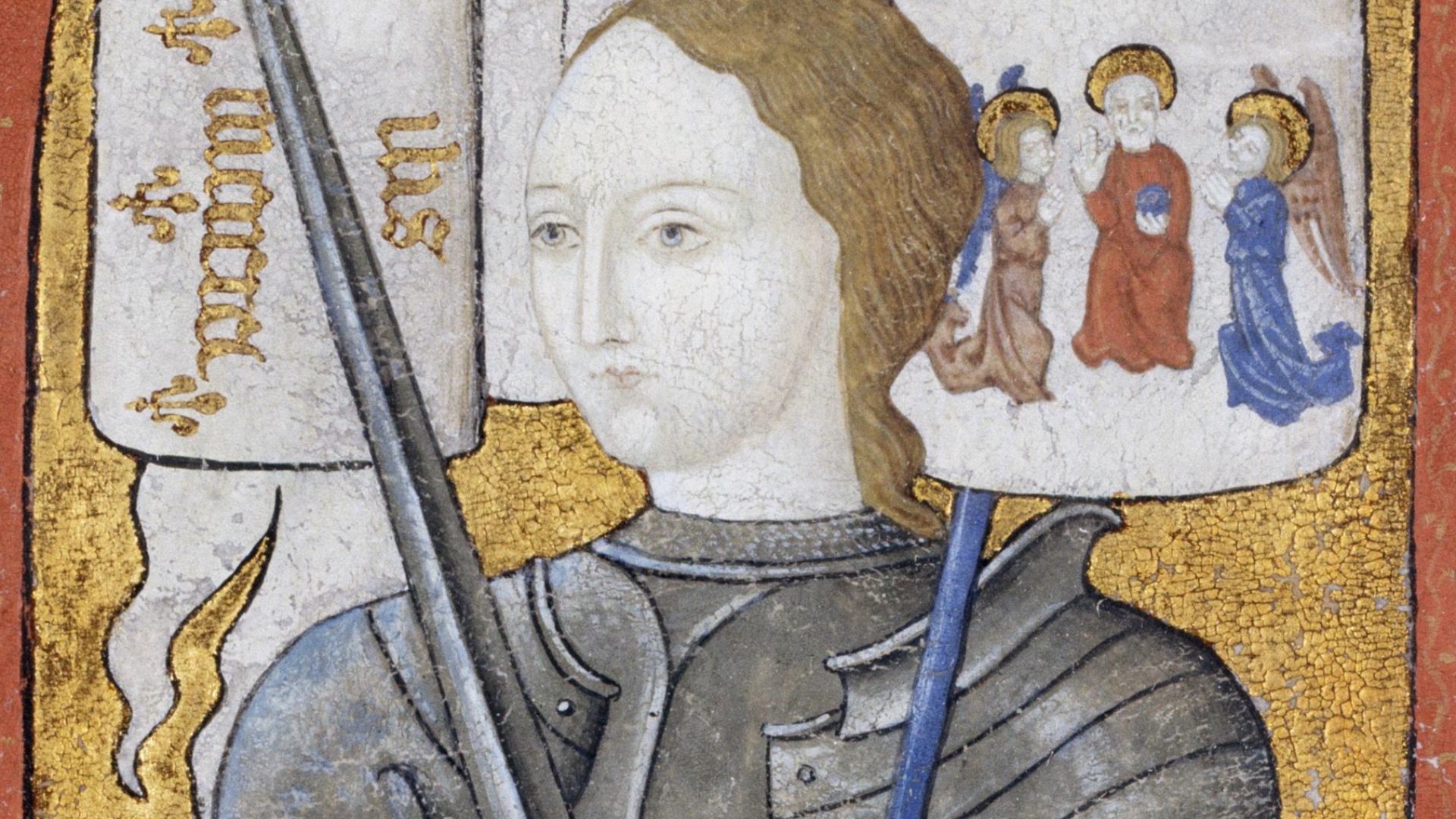
Joan of Arc's extraordinary rise from a teenage peasant to a prominent figure in the Hundred Years' War has no doubt inspired endless fascination. Given that, like others on the list, hearing her story firsthand would be enthralling, and it would also allow historians to better understand her experiences without centuries of political, religious, and cultural interpretation layered over them.
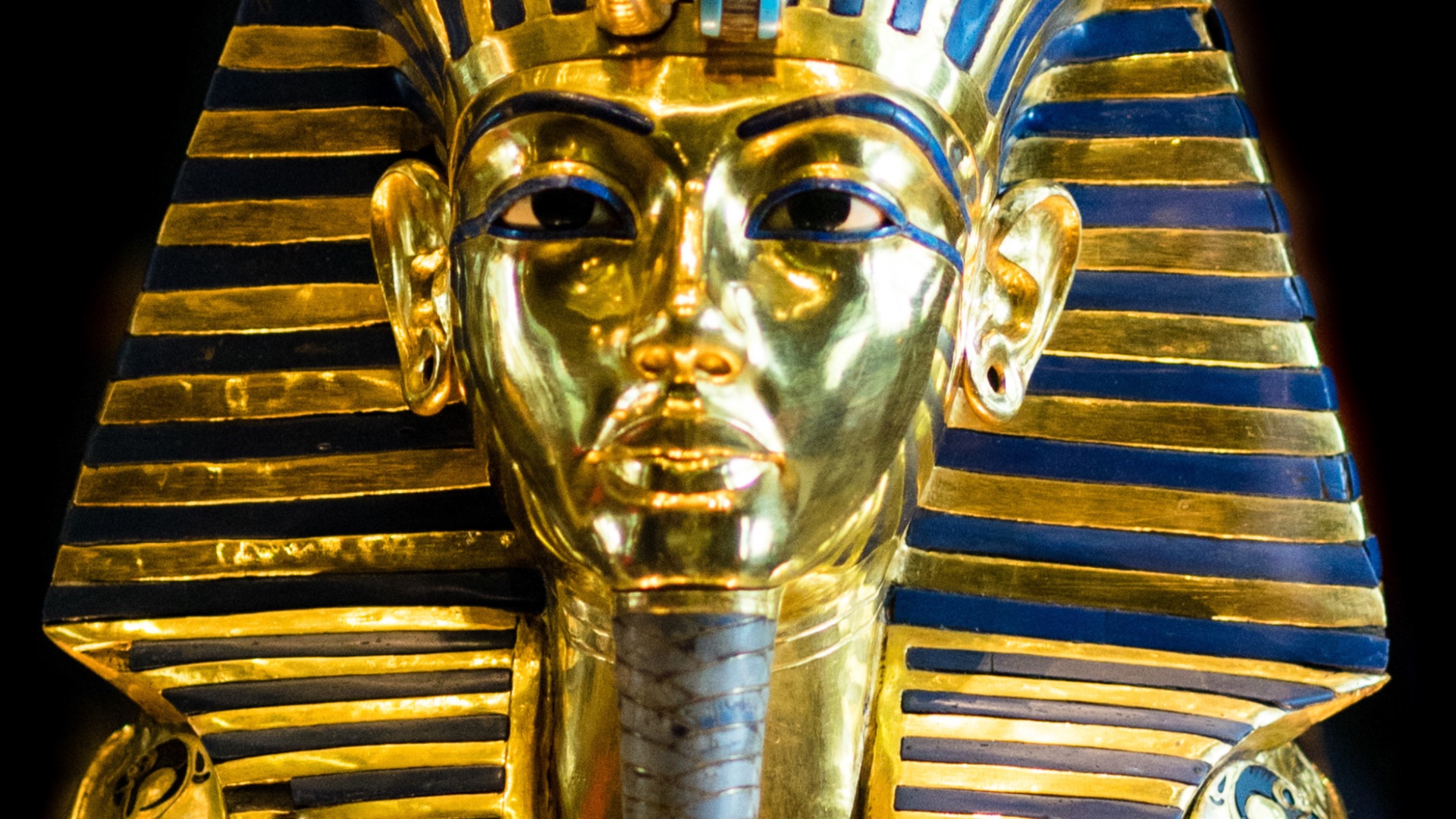
20. Tutankhamun
Despite his tomb having been preserved in impeccable condition, historians don't actually know a great deal about the young pharaoh Tutankhamun. Even a quick conversation with him could illuminate daily royal life, family relationships, and court politics in a civilization more than 3,000 years removed from our own. Archaeologists, too, would probably jump at the chance to replace years of inference with actual testimony.