When Queens Weren’t “Peaceful,” & Politics Wasn’t Polite
Most of us grow up with a pretty specific mental image of women in history: patrons, spouses, mothers, hostesses, maybe the occasional “influential behind the scenes” figure. Then you start reading actual records and realize plenty of women held power the same way men did, which sometimes meant raising armies, ordering campaigns, and picking fights that changed borders. It isn’t that women were warmongers, but that when a woman had the throne, the title, or the leverage, she could use it to start a conflict just as decisively as a man in her position. Here are 20 famous wars and uprisings where a woman was central to the spark.
 Giovanni Battista Tiepolo on Wikimedia
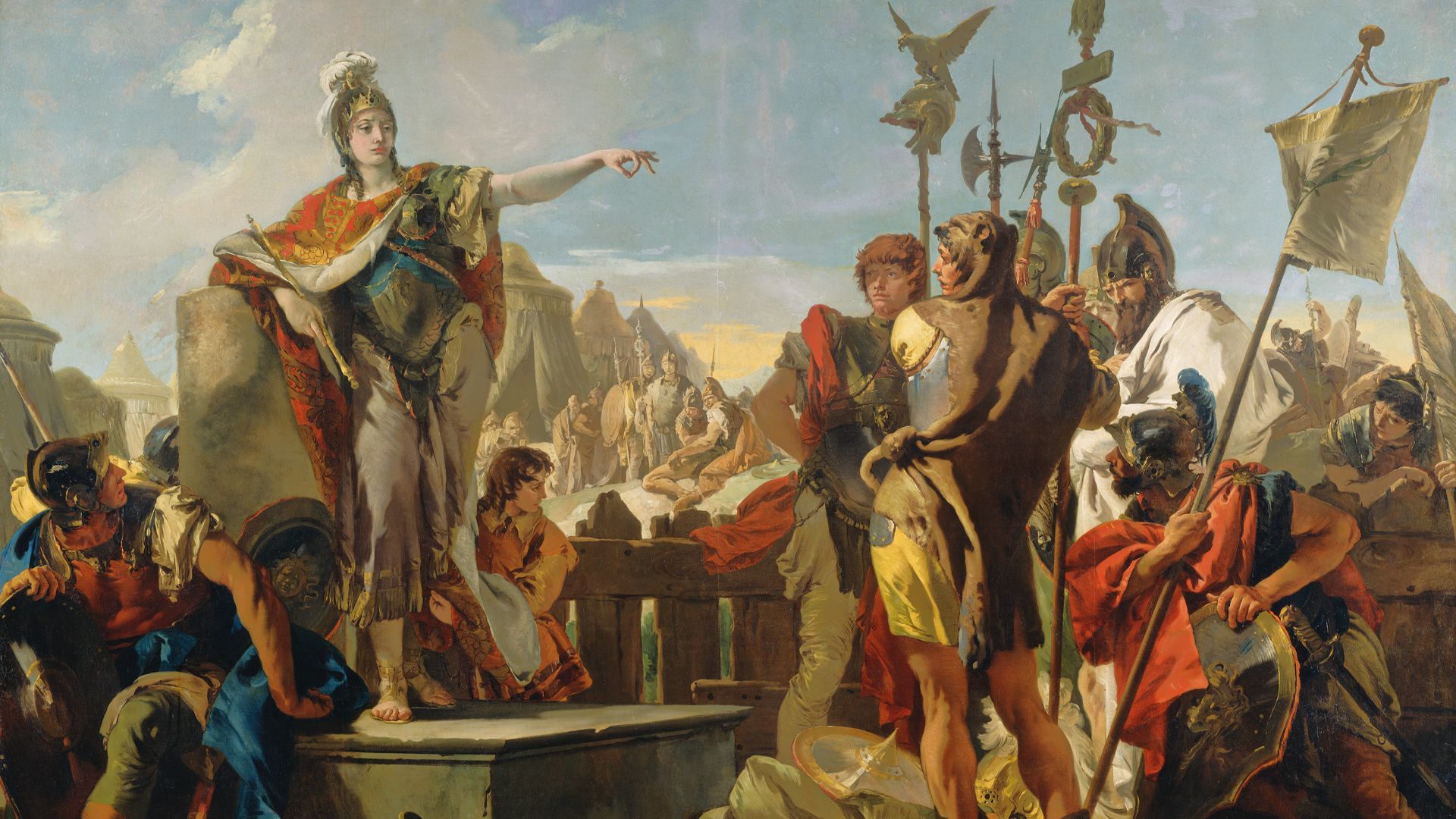
1. Boudica’s Revolt Against Rome
Boudica led a major uprising in Roman Britain around 60 AD after abuses and political seizure of Iceni lands. Her forces attacked and destroyed major Roman settlements before the Romans regrouped and crushed the revolt. It’s remembered partly because it escalated with shocking speed and shook Roman control of Britain.
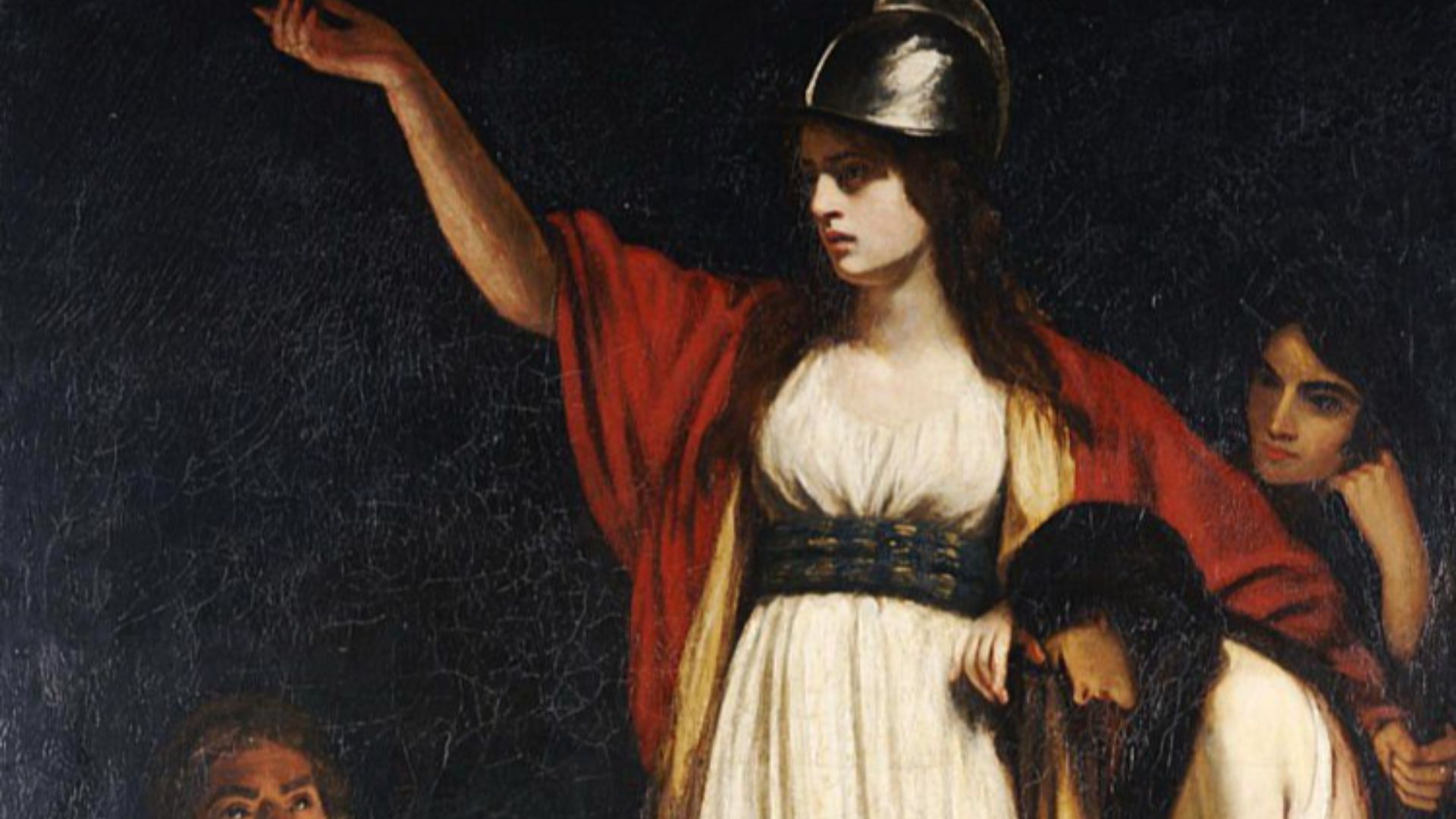
2. Zenobia’s Break with Rome
Queen Zenobia’s Palmyrene regime expanded aggressively and eventually entered open conflict with Emperor Aurelian. She backed military moves that turned Palmyra from an important ally into a serious rival, pushing the situation into war. Her campaign decisions made a confrontation with Rome basically unavoidable.
 Sir Edward Poynter (1878) on Wikimedia
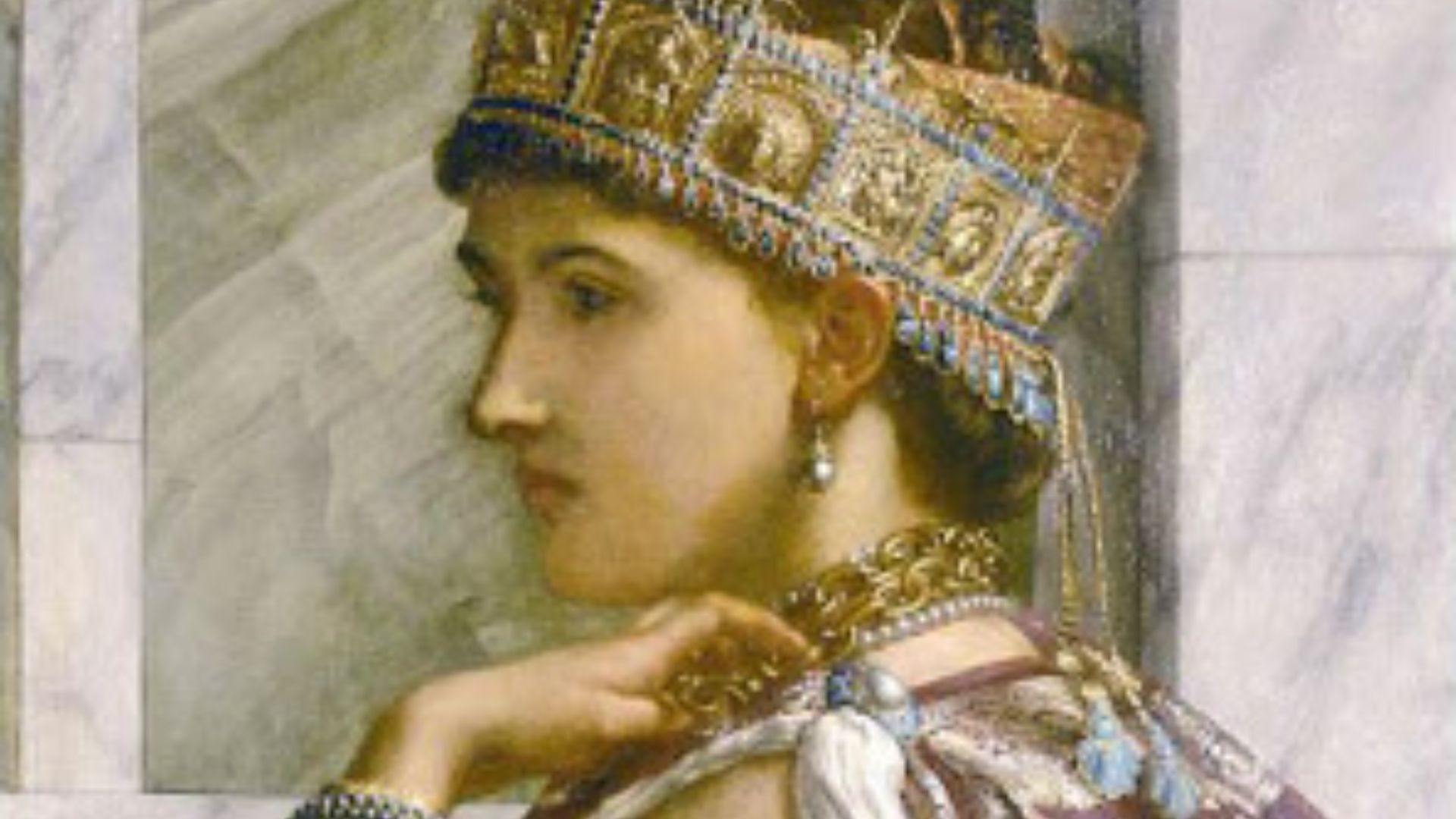
3. Amanirenas & the Kushite War with Rome
Queen Amanirenas of Kush is strongly associated with launching attacks into Roman-controlled Egypt and then forcing Rome into a hard negotiation. She’s notable because she didn’t just resist; she helped drive the conflict’s direction and outcome. The war ended with terms that preserved Kushite independence in meaningful ways.
 Chapman & Dunham (1952) on Wikimedia
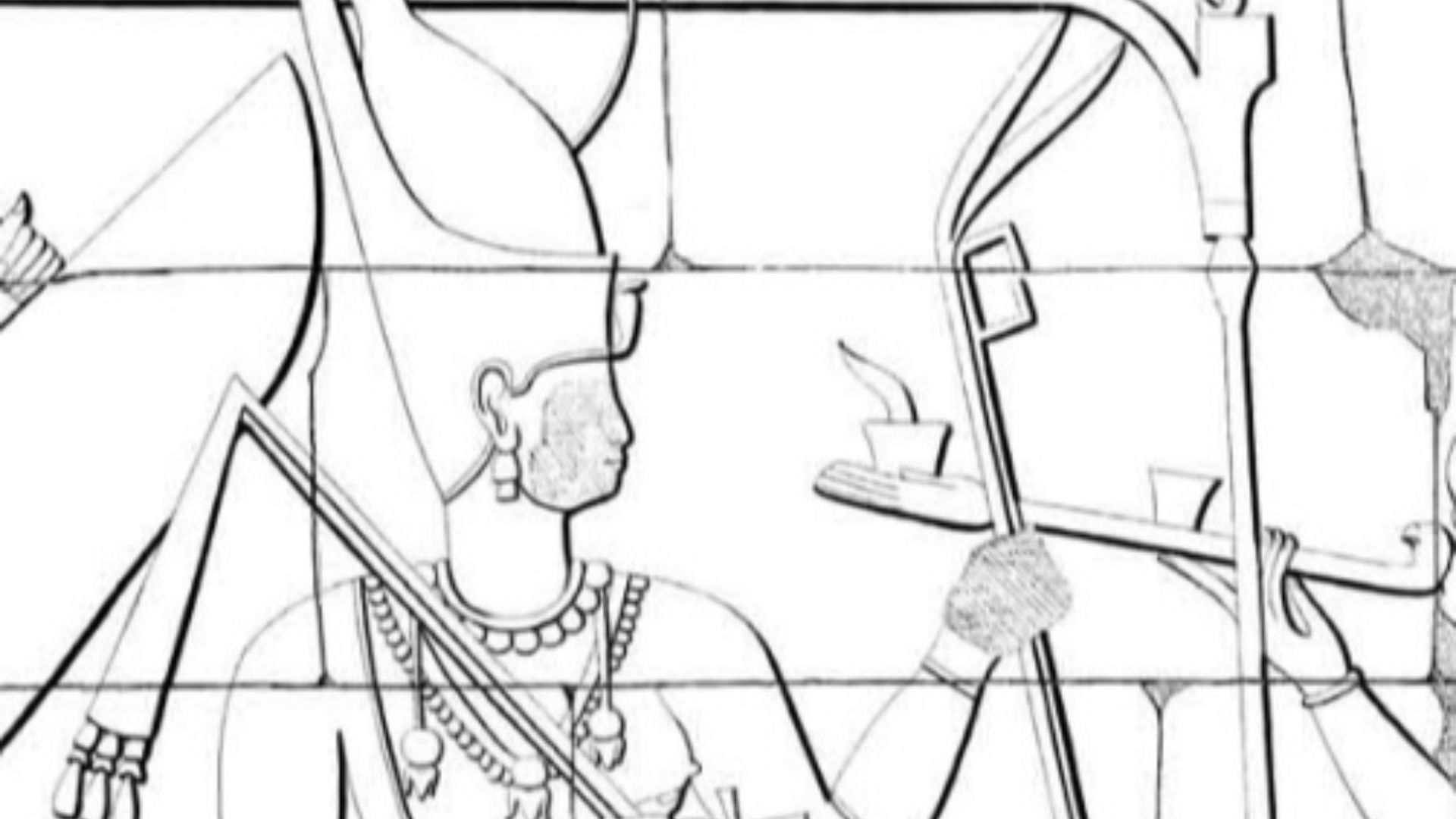
4. Queen Teuta & the First Illyrian War
Under Queen Teuta’s regency, Illyrian piracy escalated and provoked Rome into declaring war. Even if Rome fired the formal starting gun, it was her policy choices that created the conditions that triggered the conflict.
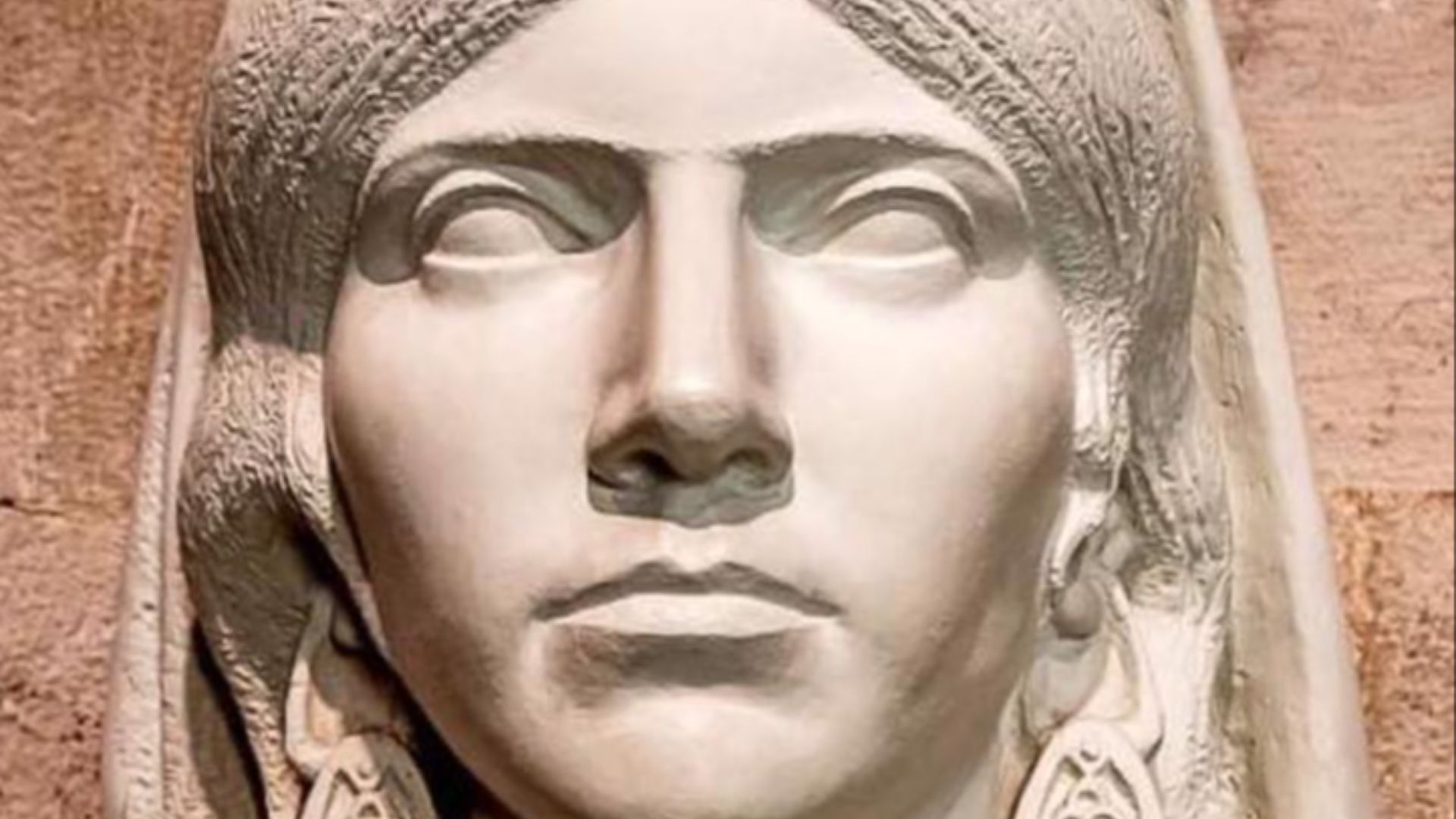
5. Empress Dowager Cixi & the Boxer War Escalation
During the Boxer Crisis, an imperial decree (issued under the Qing court with Cixi effectively holding power) declared war against multiple foreign powers. In doing so, she transformed the Boxer Rebellion from a regional, anti-foreign, and anti-Qing uprising into an imperial-backed war. However you interpret the politics, the move dramatically raised the stakes and shaped the conflict’s next phase.
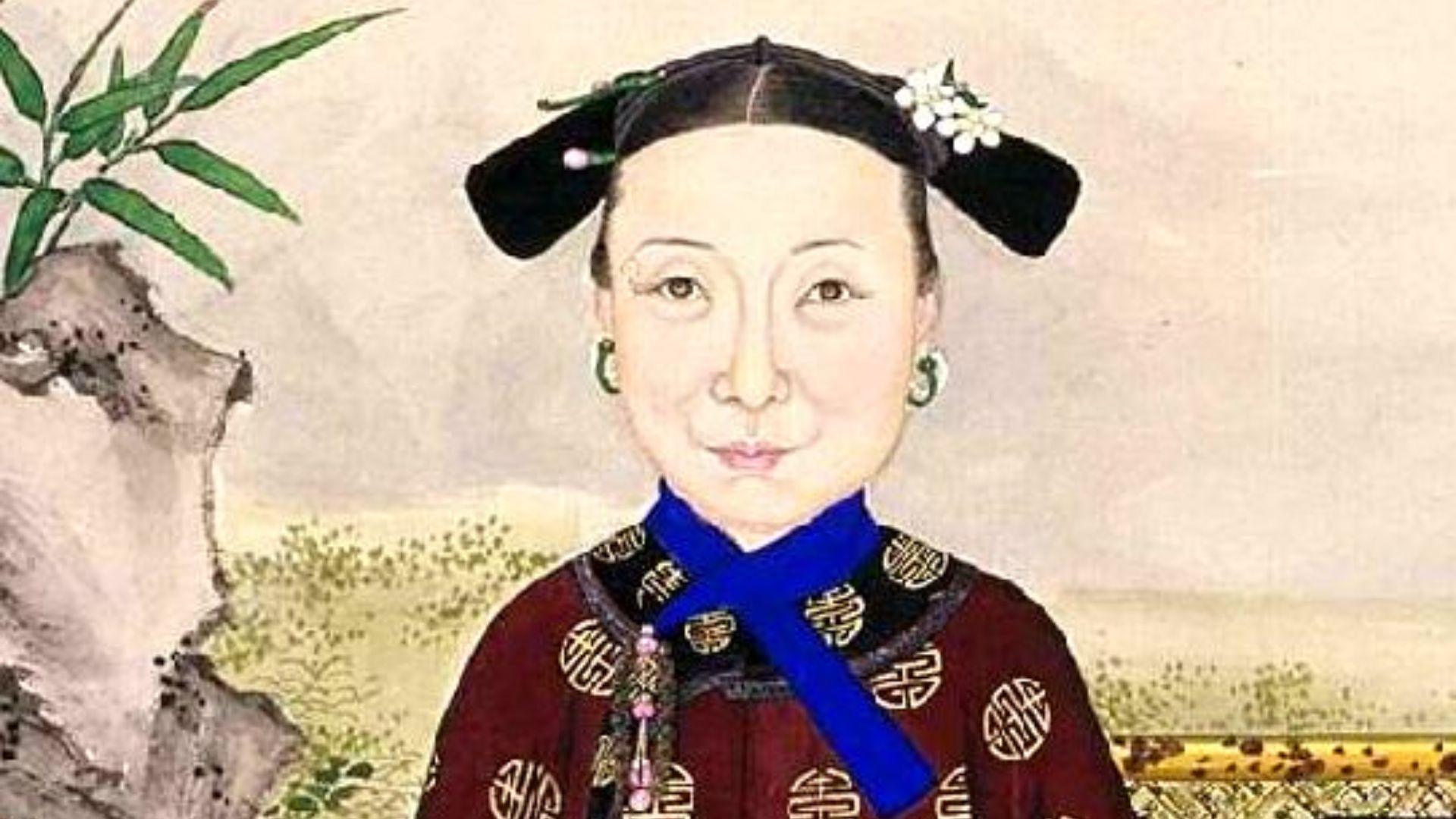
6. Nzinga’s Wars Against Portuguese Expansion
Nzinga (Njinga) spent decades resisting Portuguese power through warfare, alliances, and strategic pivots as ruler of Ndongo and Matamba. Through the use of guerrilla tactics and strategy, she managed to maintain Matamba's independence until her death.
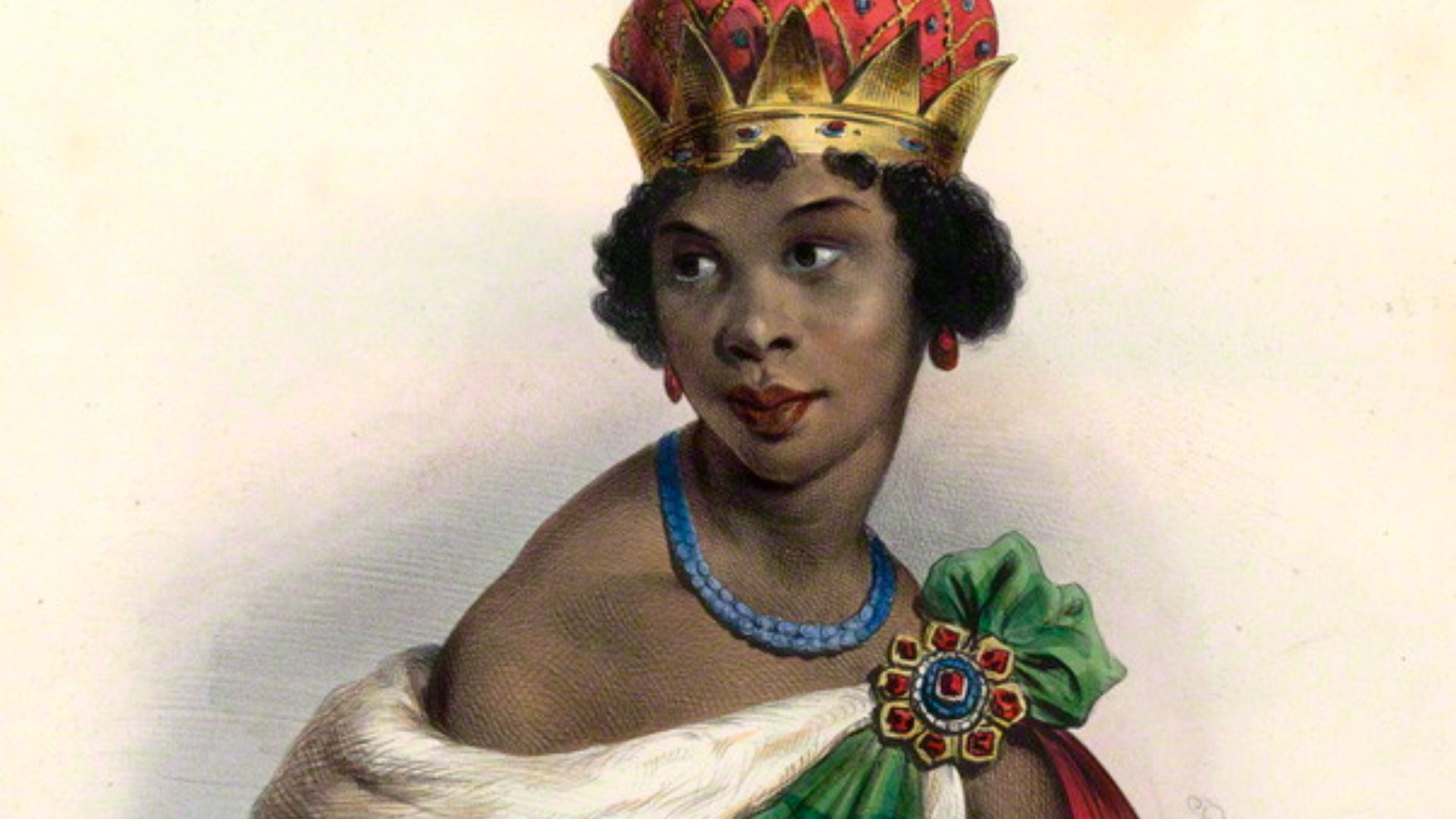
7. Queen Amina’s Expansion Campaigns
Queen Amina of Zazzau is remembered in oral histories as a renowned Hausa warrior queen who launched extensive military campaigns that expanded her kingdom to its largest borders. The specifics are debated in detail, but her legacy is consistently tied to organized conquest and defense in the region.
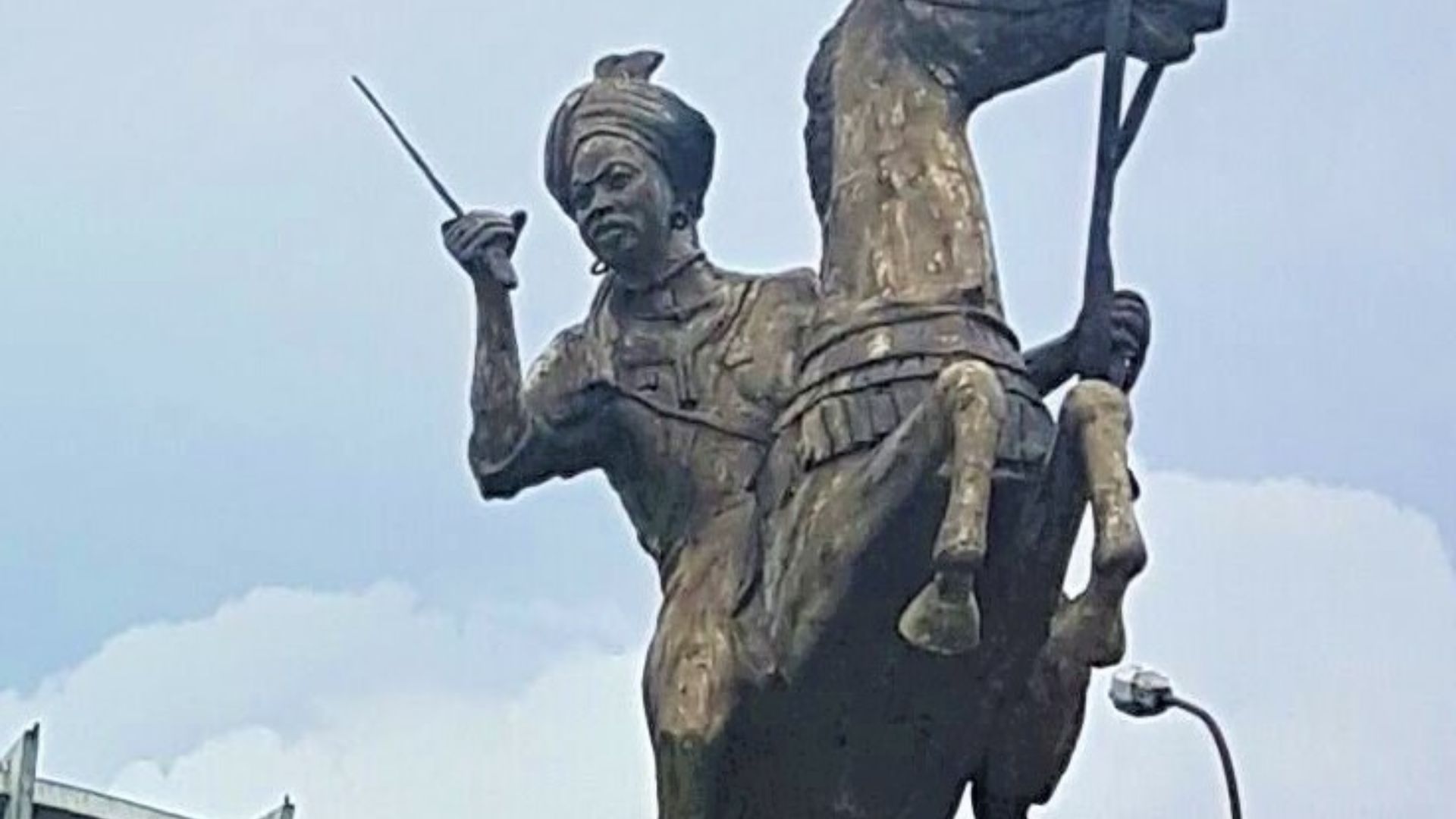
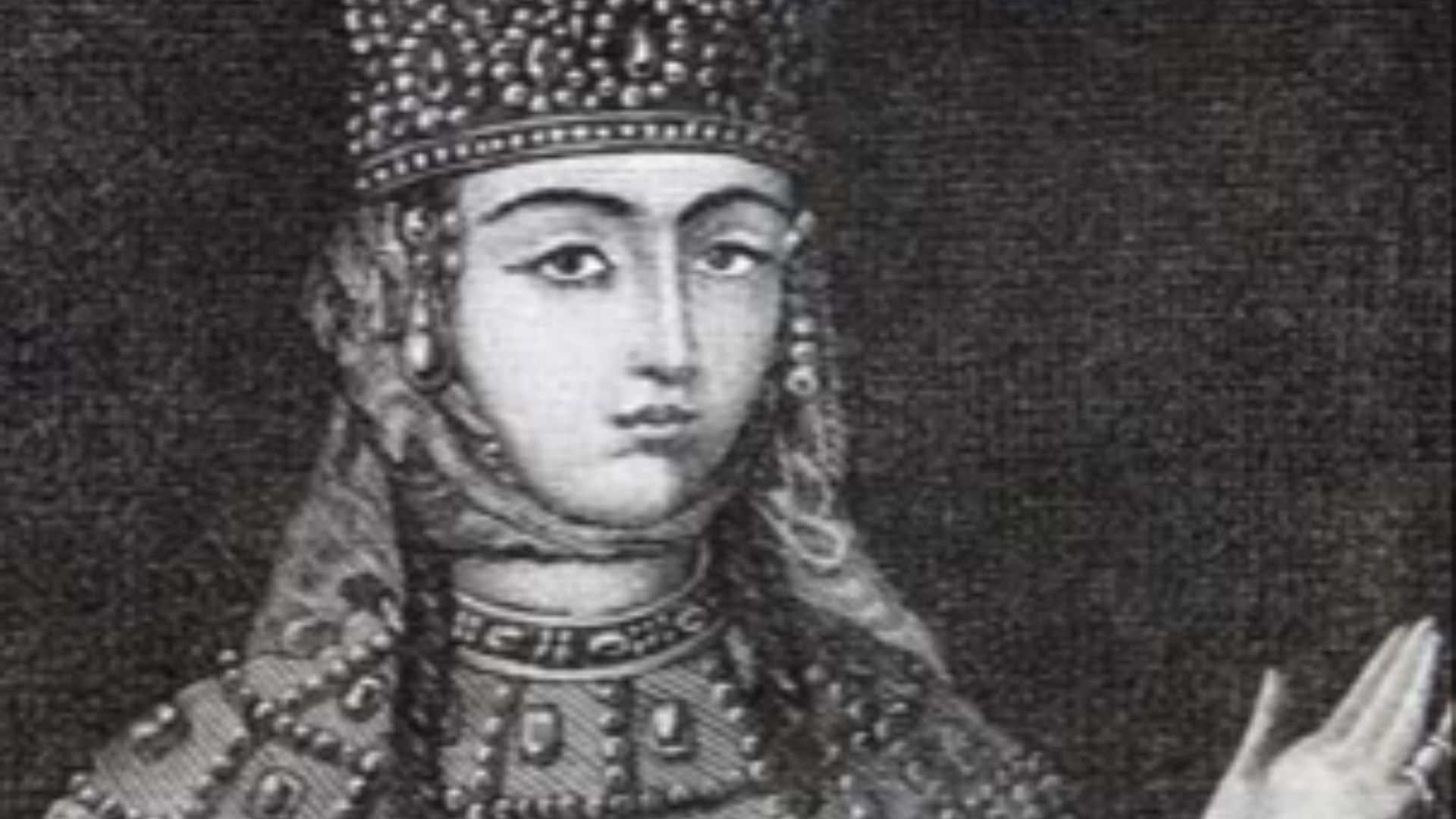
8. Queen Tamar’s Campaigns into the Caucasus & Beyond
Under Tamar of Georgia, the kingdom entered a period of major military activity and expansion, marking its "golden age." Sources describe campaigns in the early 1200s that pushed Georgian power outward and involved deliberate offensive moves. She may not have been a peaceful queen, but she was effective.
9. Ranavalona I & Militarized Rule in Madagascar
Ranavalona I’s reign is often discussed for domestic repression, but it also involved mobilization and military campaigns tied to maintaining sovereignty and control. Her state relied heavily on forced labor and militarized structures, and conflict was part of that system. The result was a long, hard-edged reign where violence wasn’t incidental.
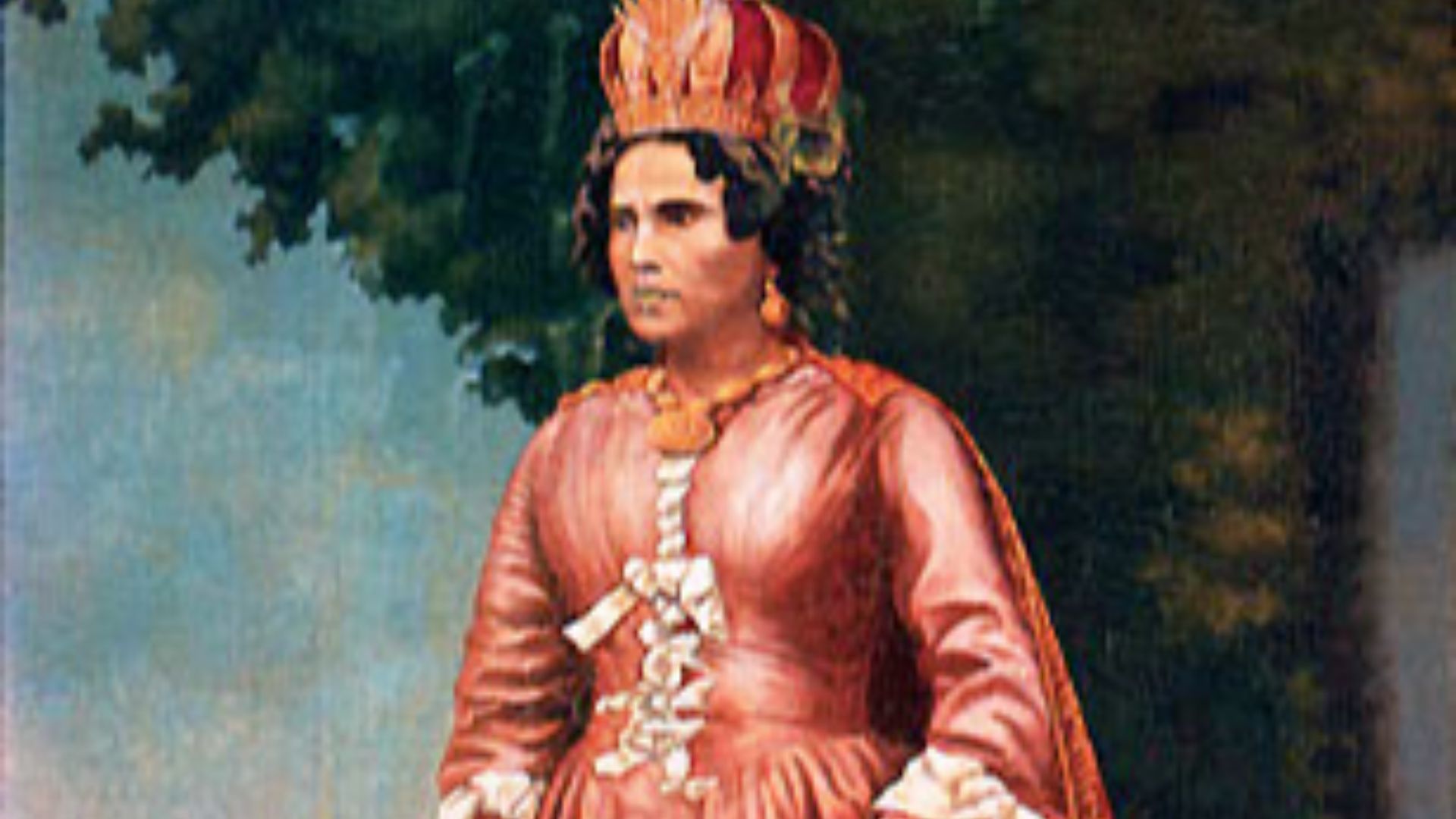 Philippe-Auguste Ramanankirahina (1860-1915) on Wikimedia
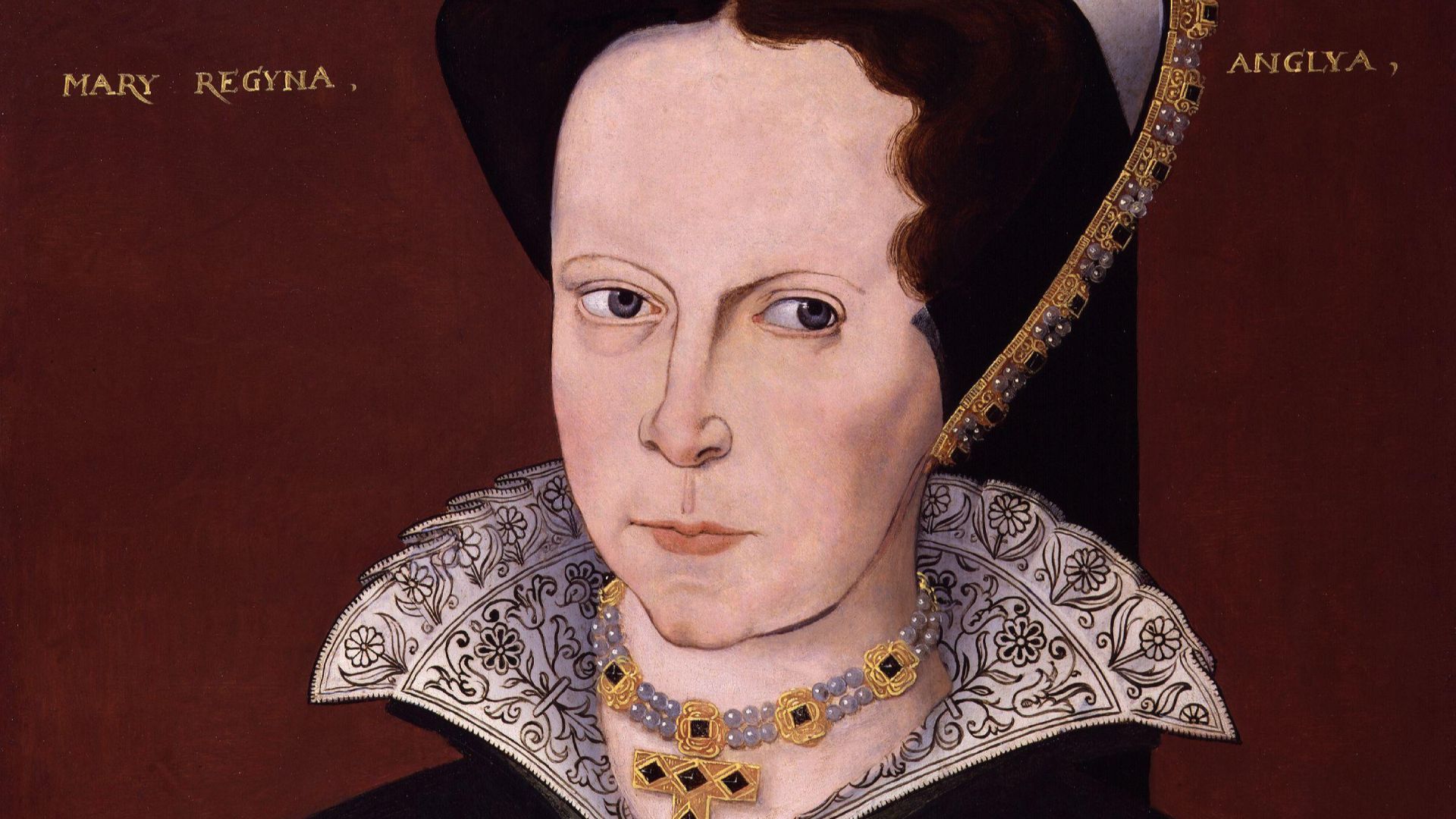
10. Mary I & England’s War with France
Under Queen Mary I, England entered the Anglo-French War (1557–1559), which culminated in the loss of Calais. The decision to join the broader conflict reshaped England’s strategic position and became a defining, painful headline of her reign.
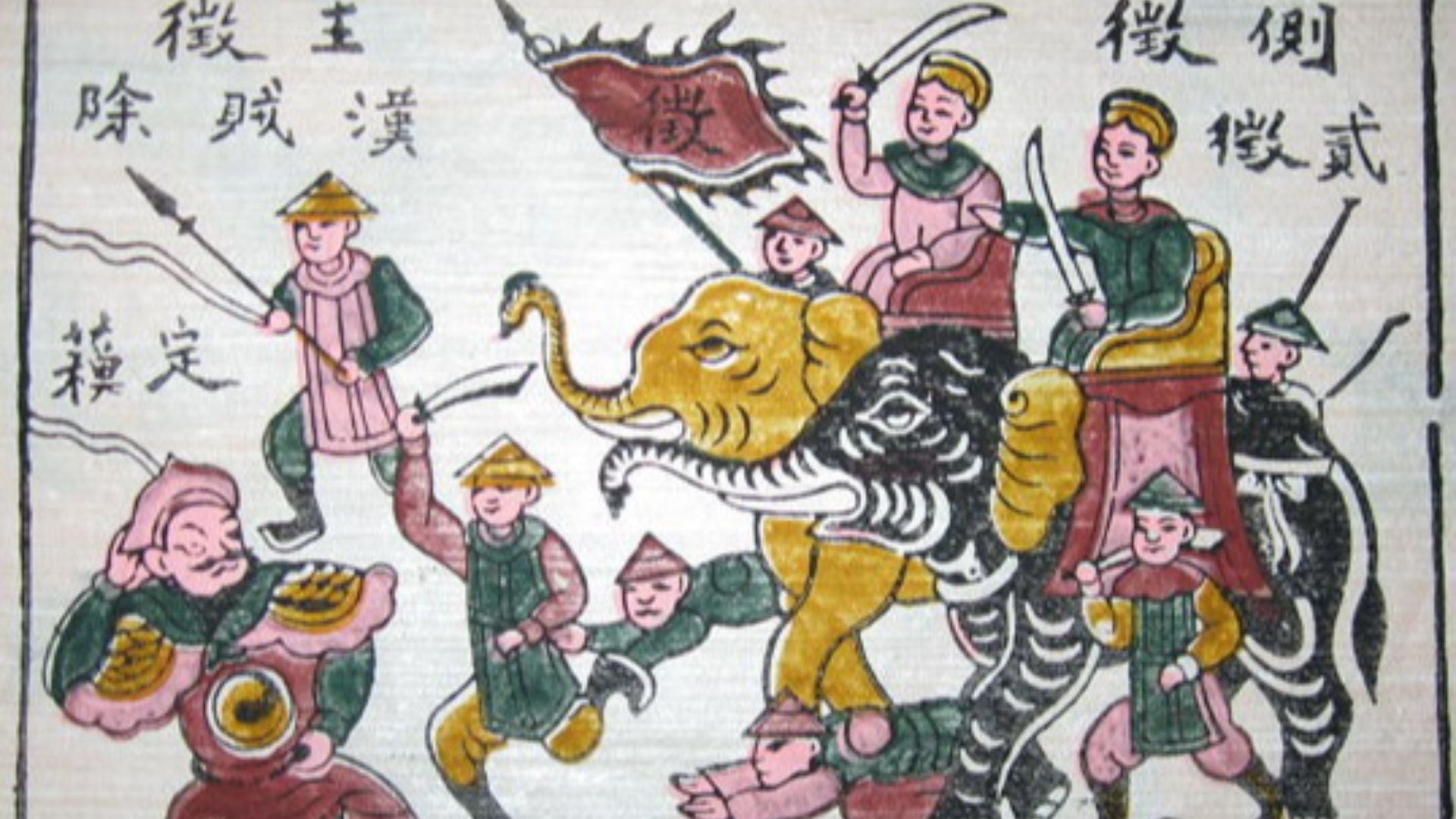
11. The Trưng Sisters’ Rebellion
Trưng Trắc and Trưng Nhị led an uprising against Chinese authorities in what is now northern Vietnam around 40 AD. They briefly established an autonomous rule before Han forces returned in force. It’s famous because it’s both a military revolt and a foundational national memory.
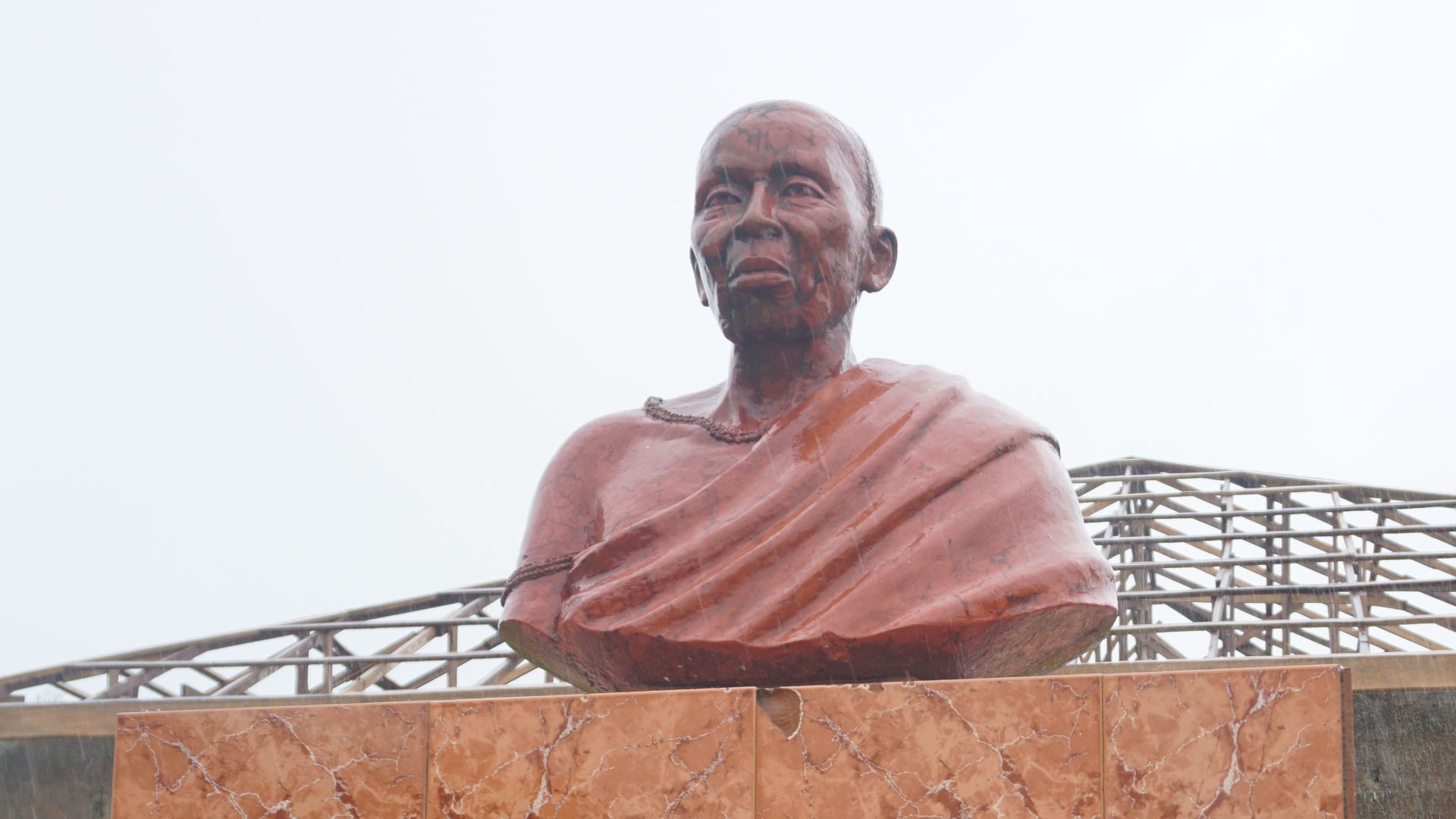
12. Yaa Asantewaa & the War of the Golden Stool
Yaa Asantewaa, the queen mother of Ejisu, led a rebellion in 1900 against British colonial rule, often called the War of the Golden Stool. The war was tied to British demands surrounding the Golden Stool, a major symbol of Ashanti identity. Even in defeat, the war became a lasting symbol of the anti-colonial struggle.
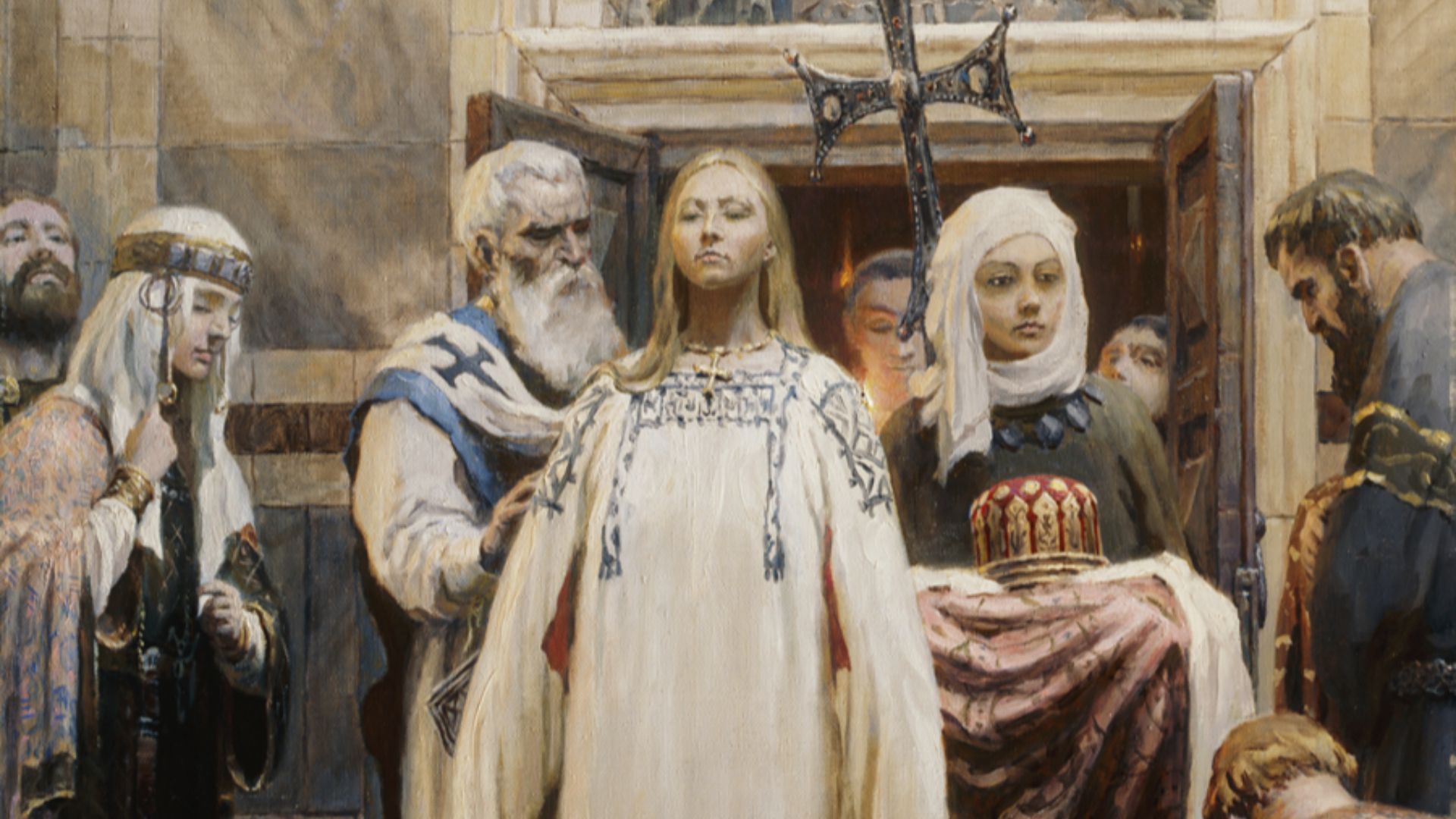
13. Olga of Kyiv & the Subjugation of the Drevlians
Olga is remembered for a ruthless campaign that subdued the Drevlians after they killed her husband, Igor. While parts of her revenge story are wrapped in dramatic retellings, the historical tradition consistently links her rule to a hard reassertion of control. If you want a case where political violence is used to stabilize power, this is it.
14. Margaret of Anjou & the Wars of the Roses Escalation
Margaret of Anjou is widely described as a major Lancastrian leader during the Wars of the Roses, especially as Henry VI’s mental condition worsened. She helped shape strategy and kept the conflict politically alive in the name of her son’s claim. Her actions directly provoked the Yorkist faction and pushed England into decades of civil war.
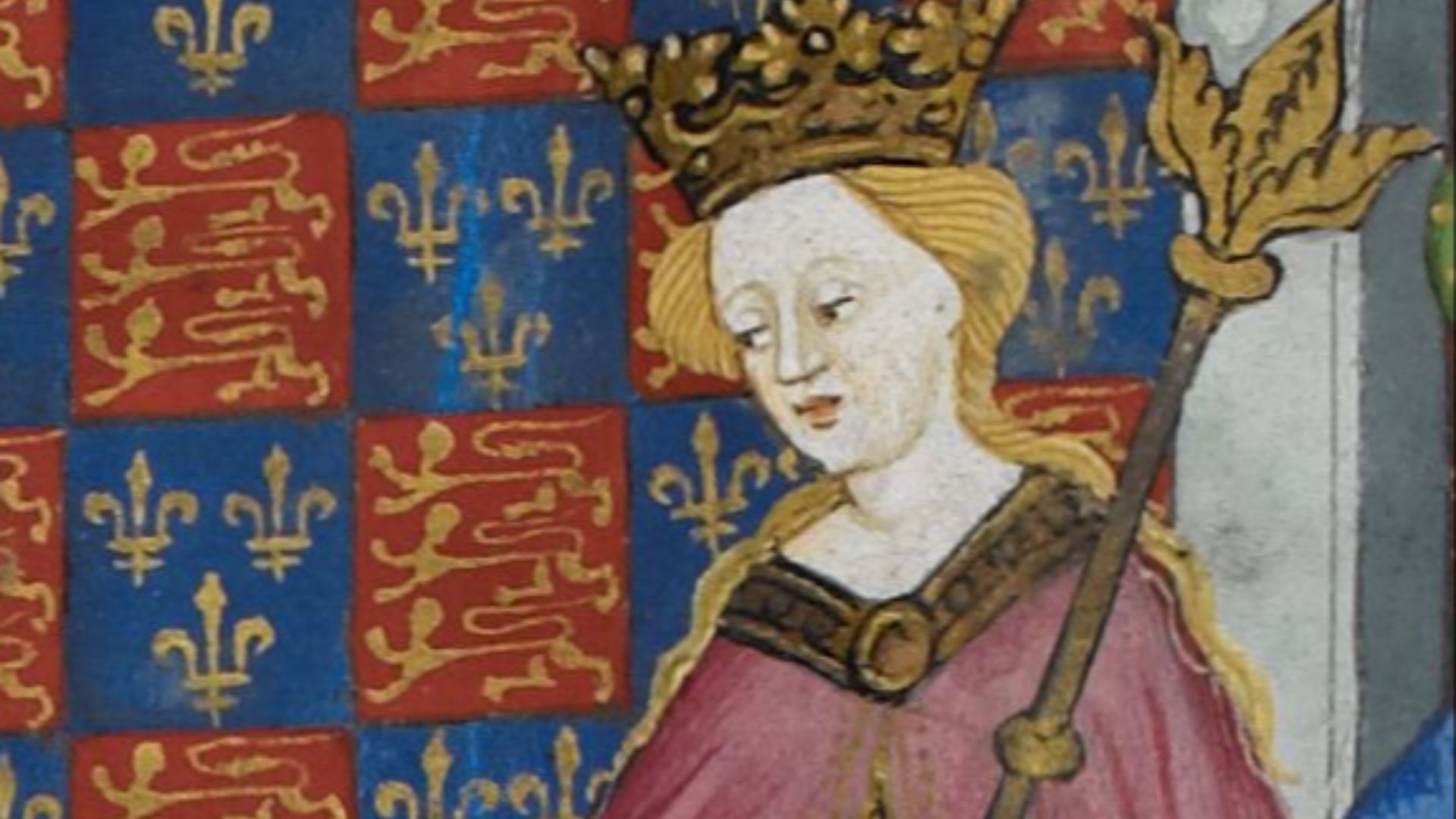 Talbot Master (fl. in Rouen, c. 1430–60) on Wikimedia
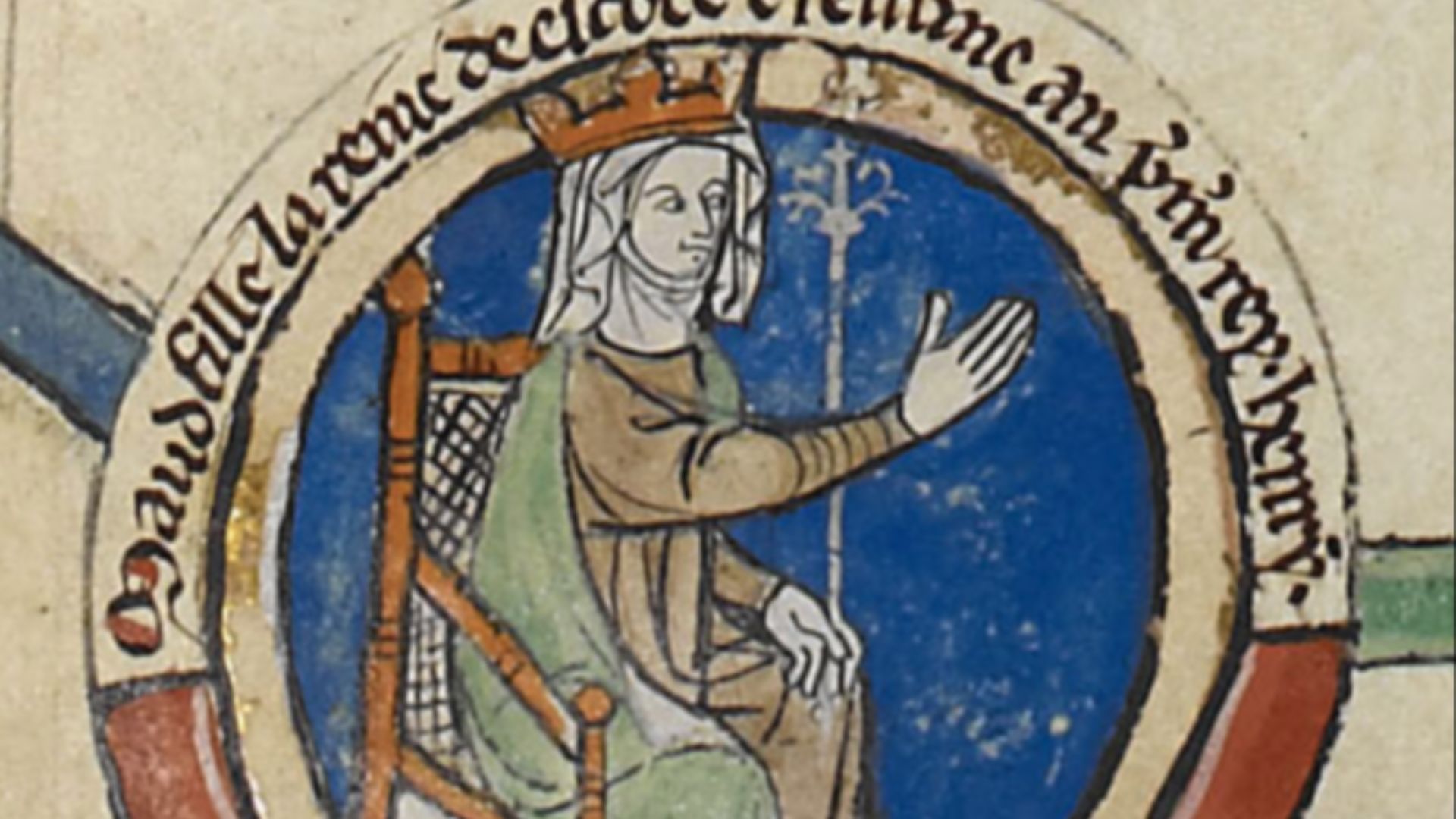
15. Empress Matilda’s Succession War
The civil war known as The Anarchy grew from a succession crisis, but Matilda’s claim and her supporters’ actions helped push it into sustained conflict. Even sources note that allies declared for her and mobilized a rebellion that escalated the situation into civil war. Her role is central because the conflict’s legitimacy argument revolved around her right to rule.
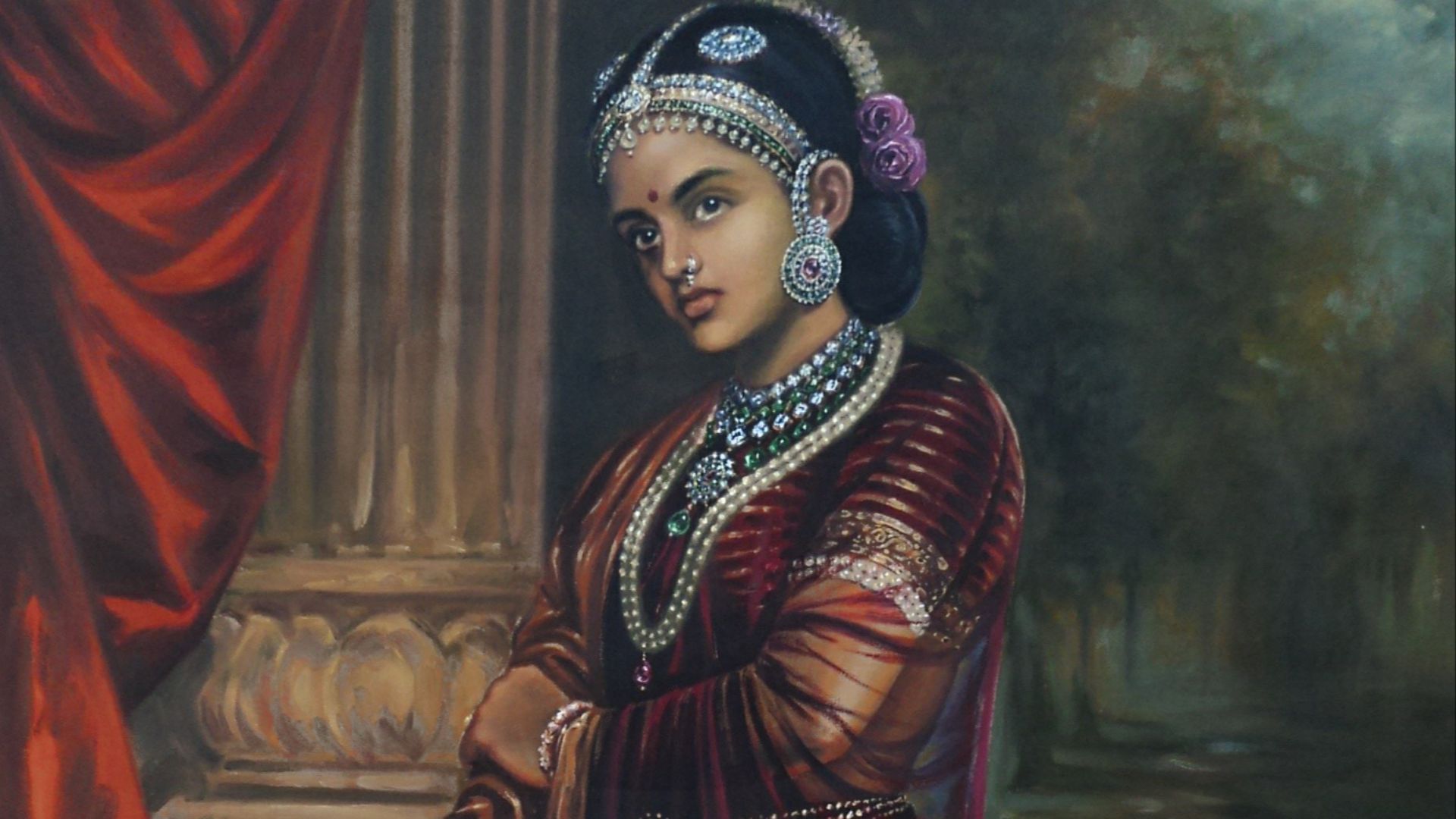
16. Rani Lakshmi Bai & the 1857 Rebellion’s Fighting
Lakshmi Bai, the Rani of Jhansi, became a major military leader during the Indian Rebellion of 1857–58. She wasn’t the rebellion’s origin point, but she did drive armed resistance and became one of its most recognized commanders.
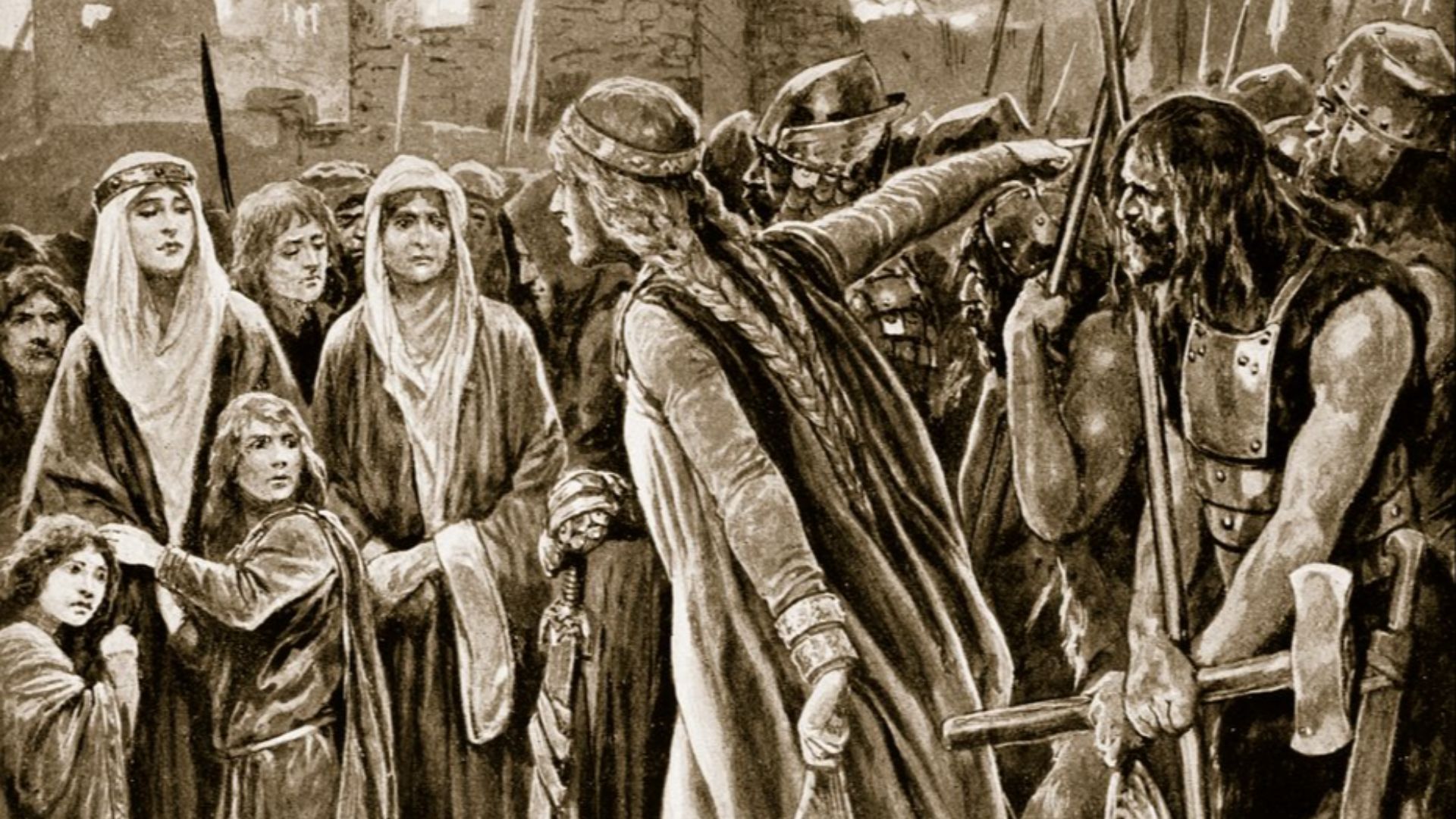
17. Æthelflæd’s Offensive Campaigns Against the Vikings
As Lady of the Mercians, Æthelflæd led campaigns that helped reclaim territory from Viking control. Her rule is tied to concrete military actions and strategic fortress-building that shifted the balance of power. Her rule was characterized by sustained offensive leadership more so than one war.
 Richard Caton Woodville Jr. on Wikimedia
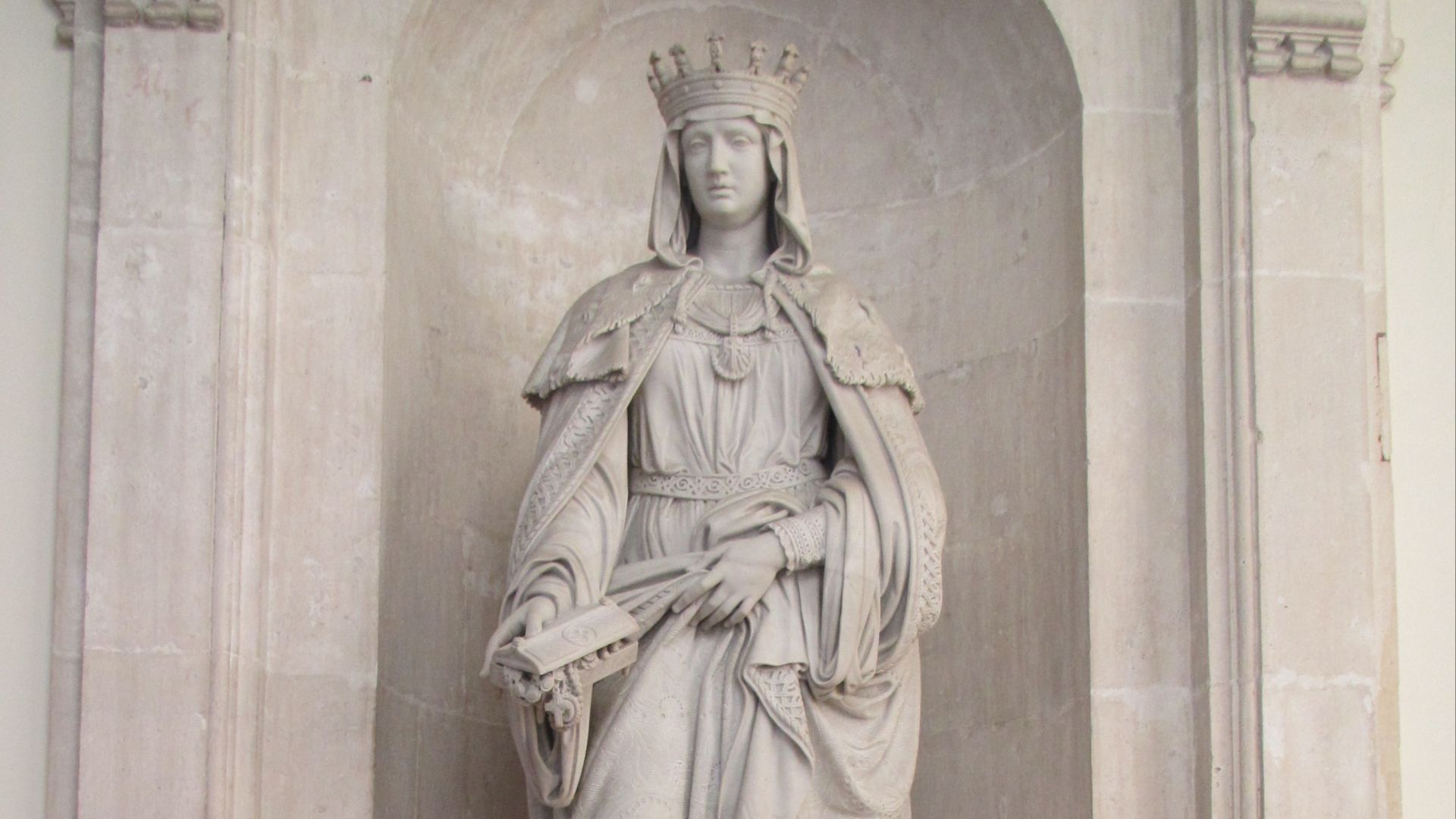
18. Isabella I & the Granada War
The Granada War was waged under the joint rule of Ferdinand II and Isabella I, and sources describe the war’s beginning and conduct as tied to their reign and decisions. Isabella’s role isn’t a footnote; she appears explicitly among commanders and as a central political driver of the campaign. It’s one of the most famous examples of a queen at the center of a major war in European history.
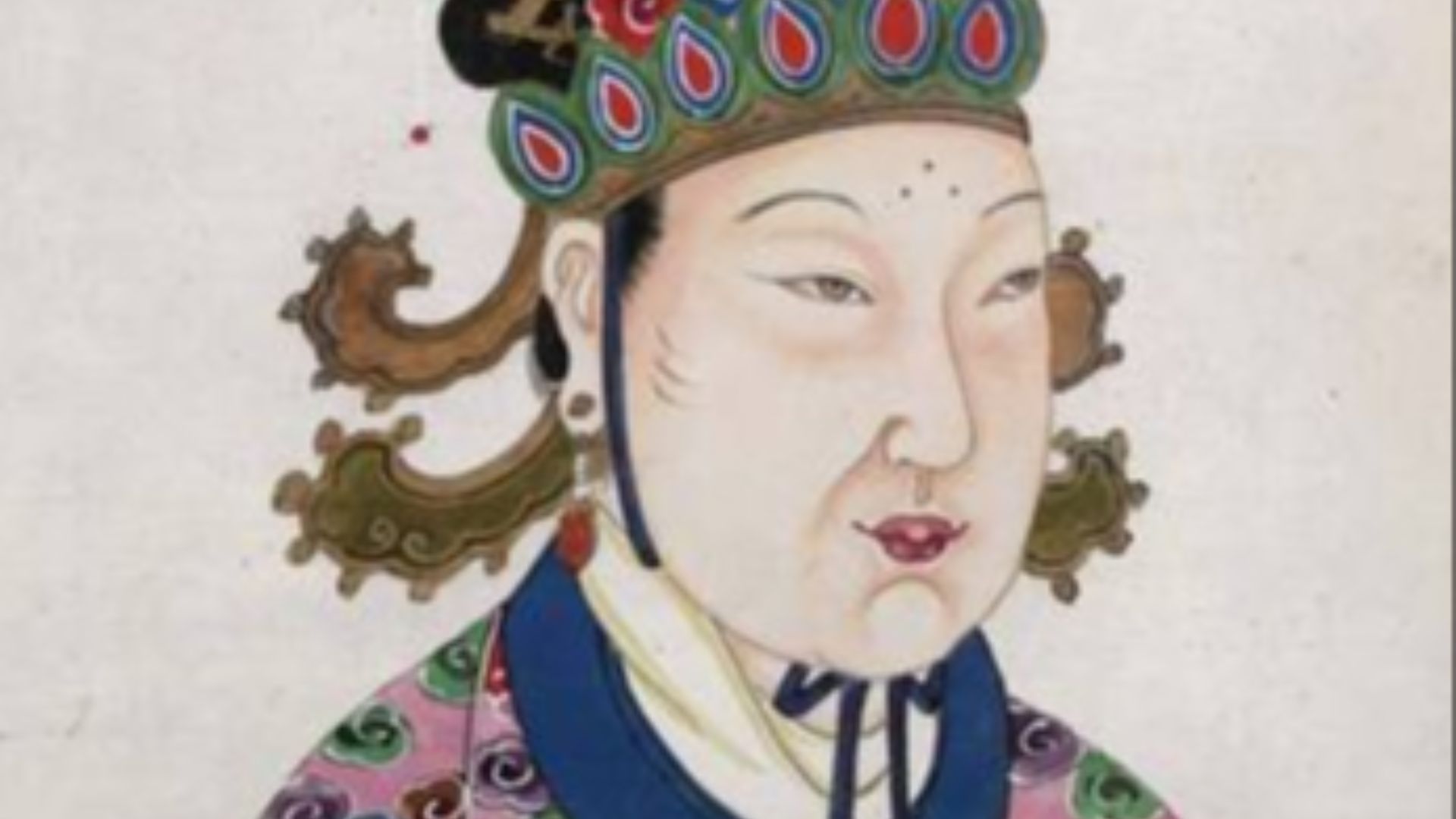
19. Wu Zetian & the Court-Directed Frontier Wars
Under Wu Zetian’s rule, the state commissioned generals for campaigns against rival powers, including Tibet, with sources describing her ordering military command and operations. As ruler, she directed conflict through the machinery of the empire. Her administration achieved significant military successes, expanding Chinese territory deep into Central Asia.
20. Elizabeth I & the Anglo-Spanish War
In the 16th century, Elizabeth I committed England to open conflict by backing the Dutch revolt and escalating privateering and military support. Once English troops and money were formally in play, the rivalry turned into a full-scale war that lasted nearly two decades. The outcome of the war was largely indecisive, but it allowed England to focus on domestic stability and, eventually, colonization in North America.
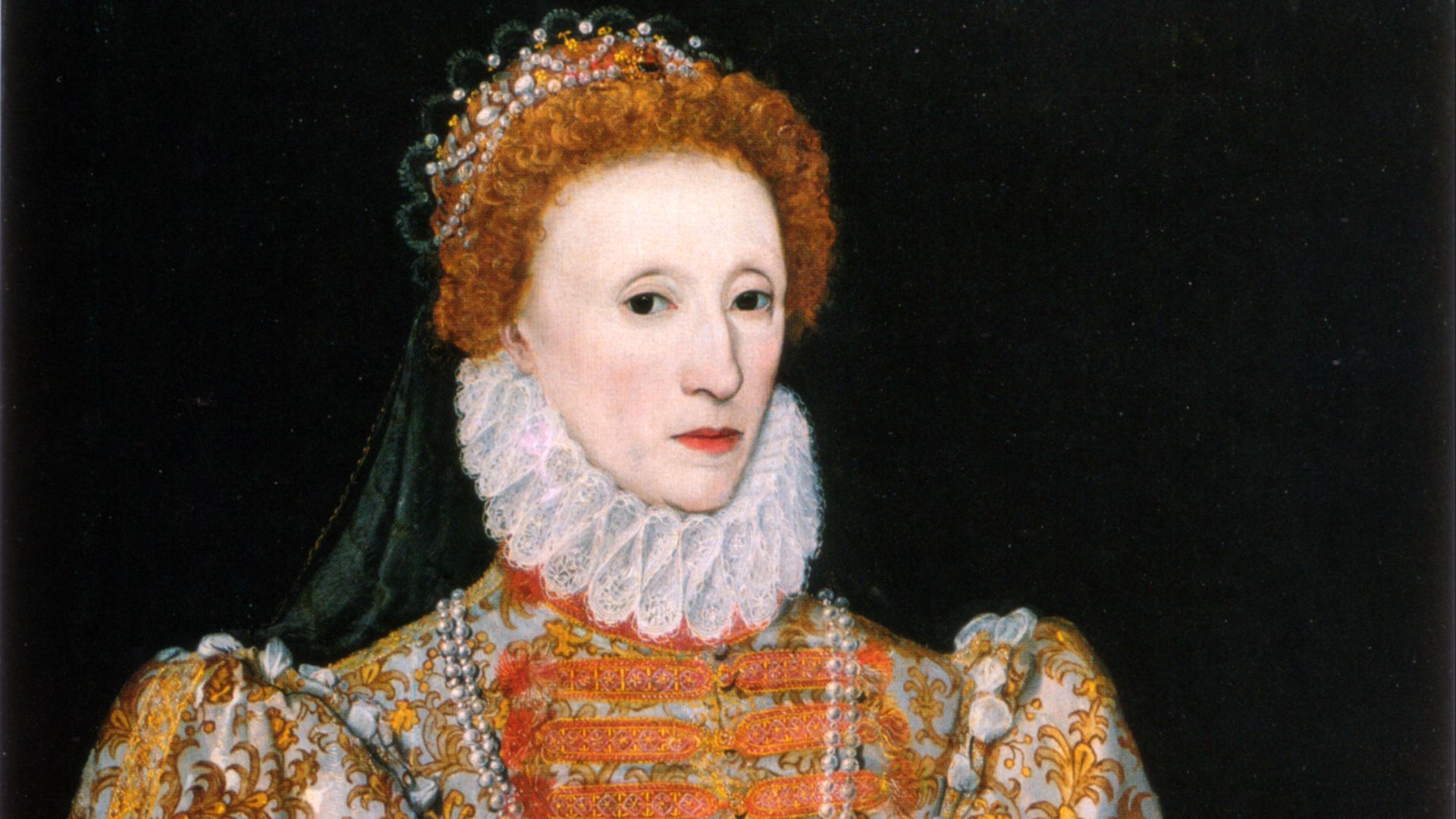 Unidentified painter on Wikimedia
KEEP ON READING