

Doing More Than Entertaining
Movies tend to change history a little bit, for better or for worse. A single scene can end up doing more public-memory work than a stack of books ever will. Some of these films sent people to museums and monuments. Others changed school lessons, political debates, tourist routes, internet jokes, and the way later movies staged the past. These 20 films left a lasting cultural impact because they gave people something specific to attach to complicated history.

1. Gone With the Wind
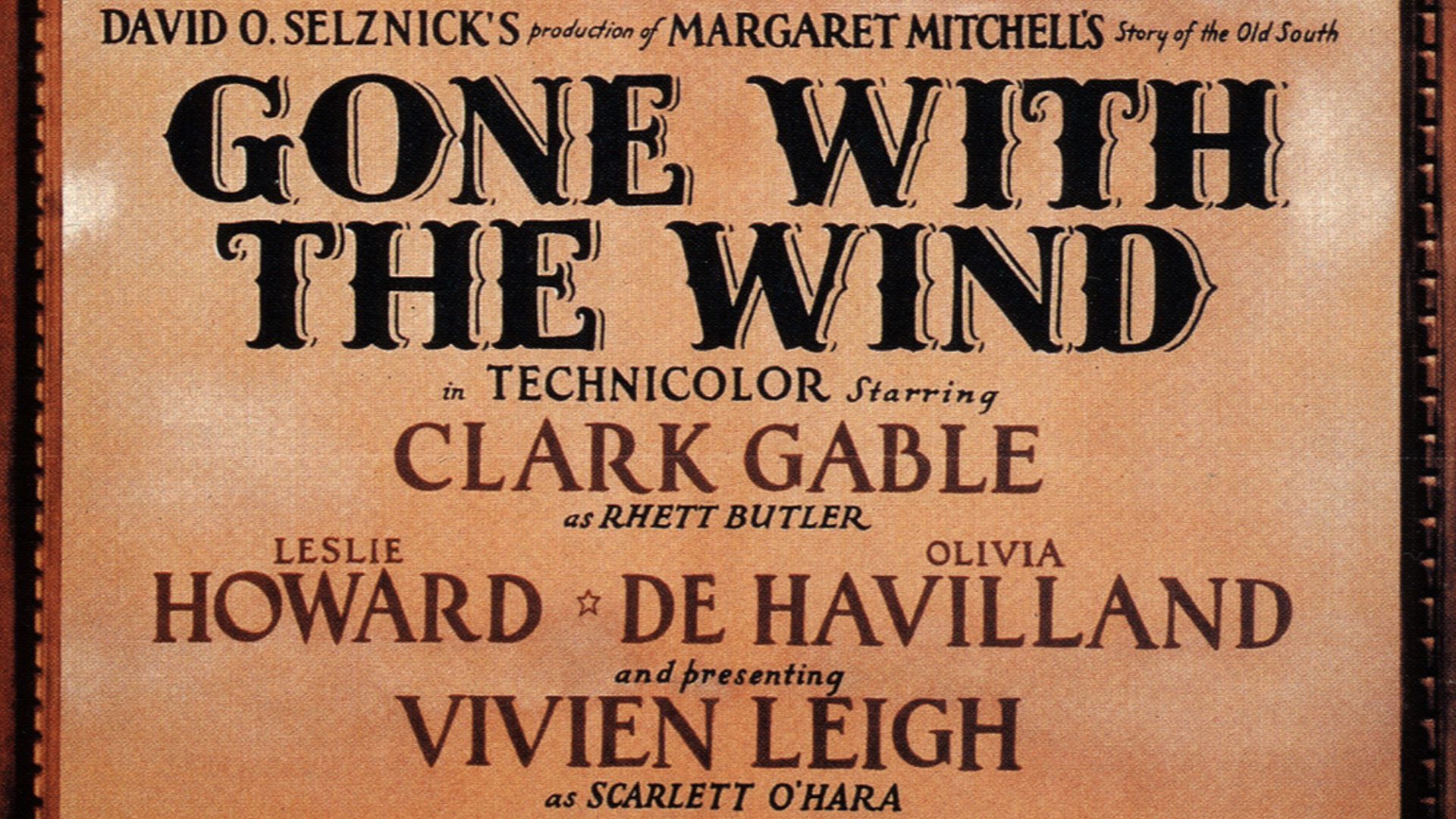
Gone With the Wind made Tara, Scarlett O’Hara, and the burning of Atlanta shorthand for a romanticized Civil War South. Its huge popularity helped keep plantation nostalgia in circulation, especially the idea of white Southern loss as tragic and glamorous, while the conversation about enslaved people wasn’t really discussed.
 Armando Seguso (per Heritage Auctions) on Wikimedia
2. The Birth of a Nation
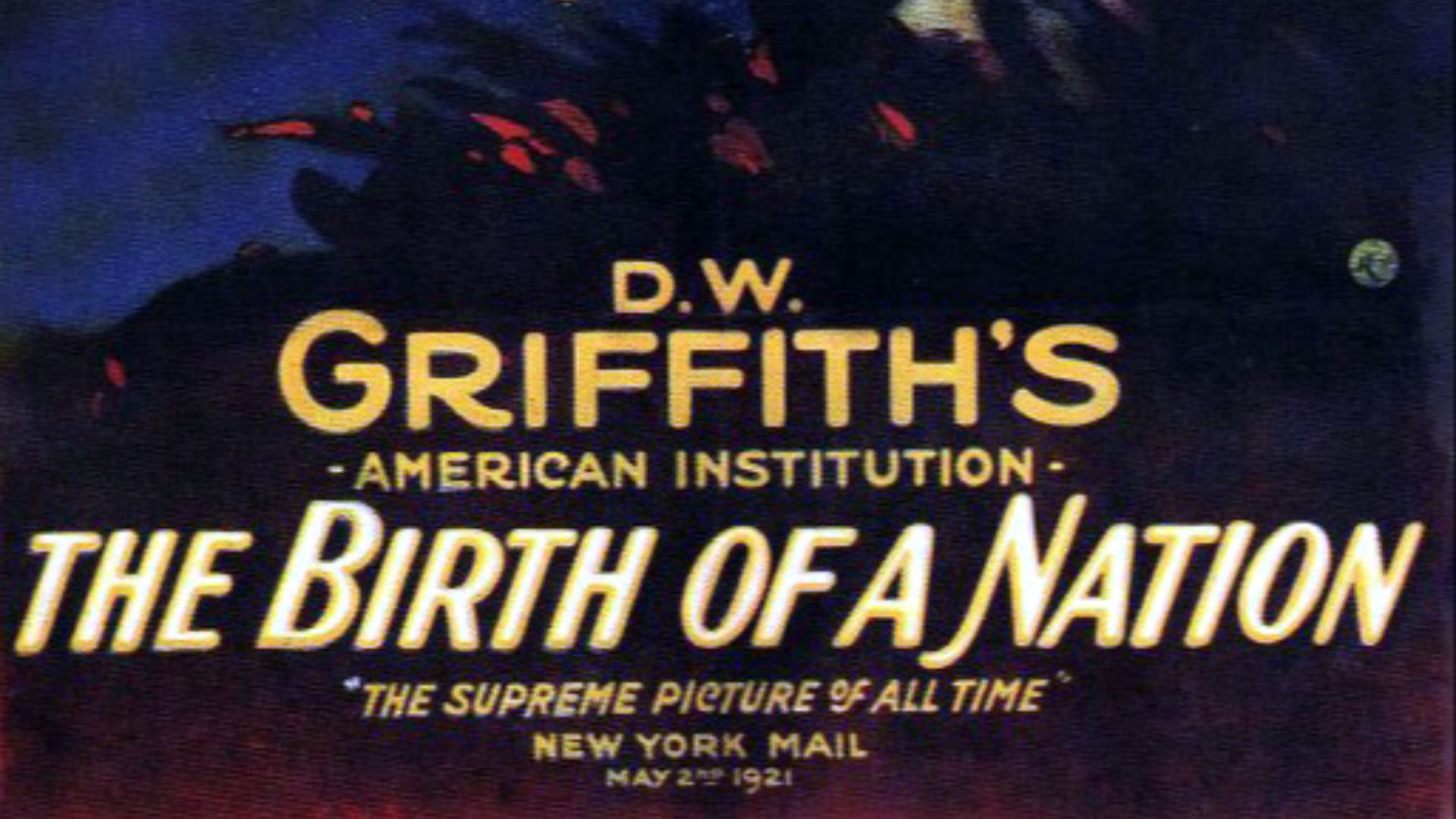
The Birth of a Nation gave the revived Ku Klux Klan a ready-made visual language in 1915. Its cultural damage wasn’t abstract. The film helped turn white supremacist ideology into a public spectacle.
 Employee(s) of Epoch Producing Corp on Wikimedia
3. JFK
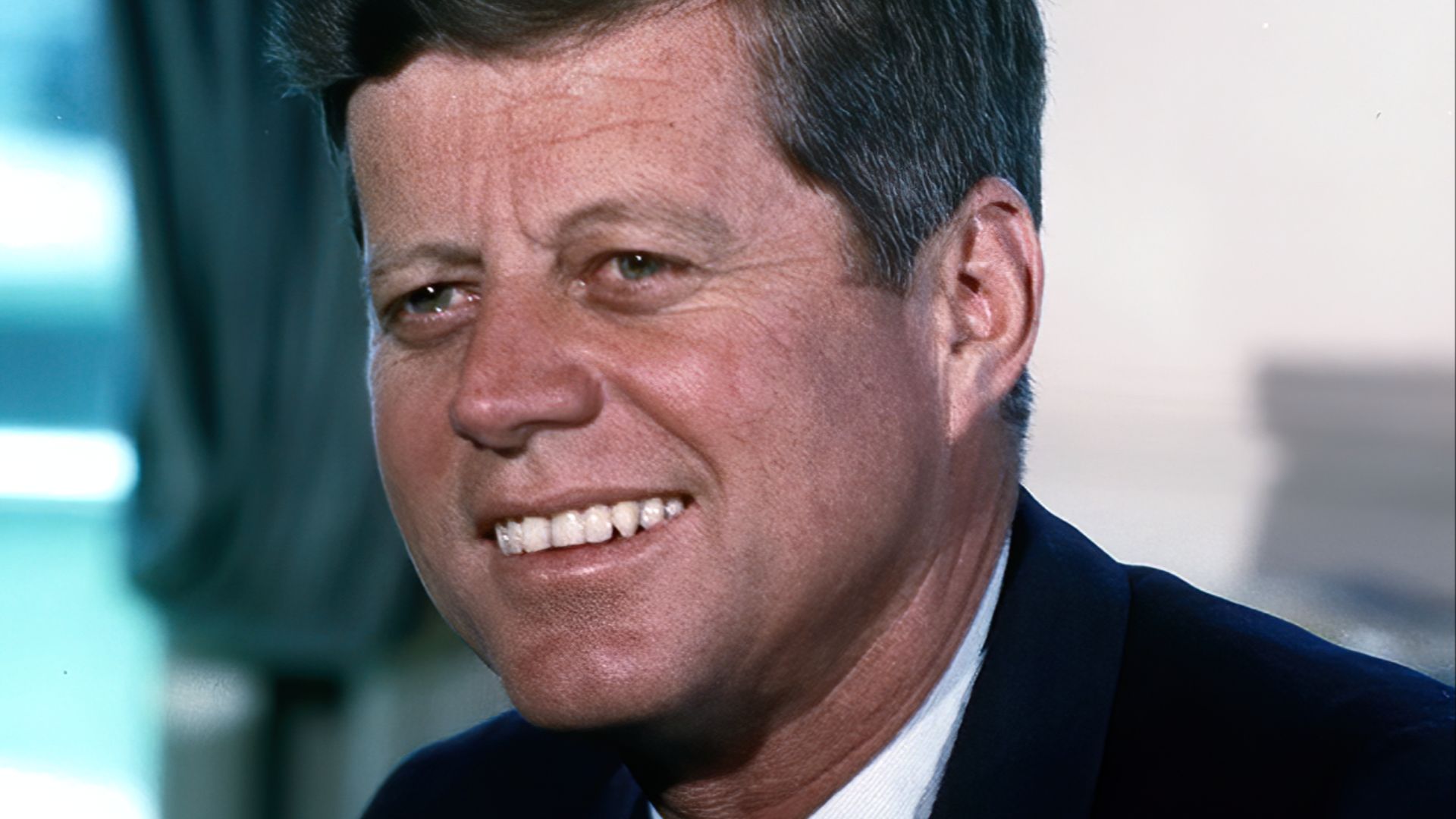
JFK pushed the Kennedy assassination suspicion out of niche circles and into mainstream politics. The film’s emphasis on sealed files helped fuel public pressure for the 1992 JFK Records Act, so its afterlife reached beyond theaters and into federal archives, hearings, document releases, and decades of debate.
 Cecil W. Stoughton on Wikimedia
4. Braveheart
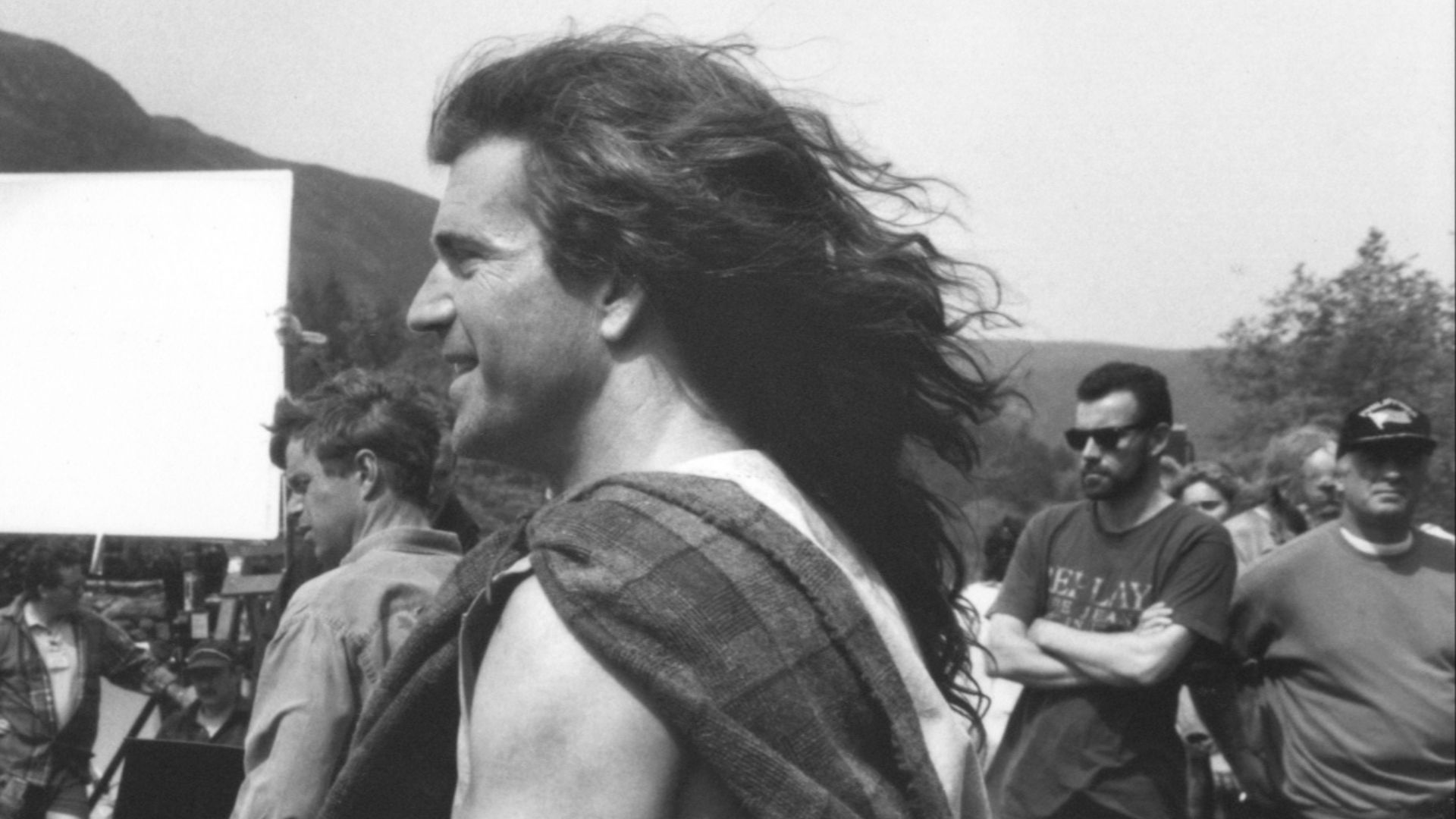
Braveheart made William Wallace a global tourism symbol for Scotland, especially around Stirling and the National Wallace Monument. The blue face paint, kilted warriors, and freedom speech gave gift shops, campaign posters, sports fans, and tour buses a Wallace they could sell, quote, and cheer for.
5. Gladiator
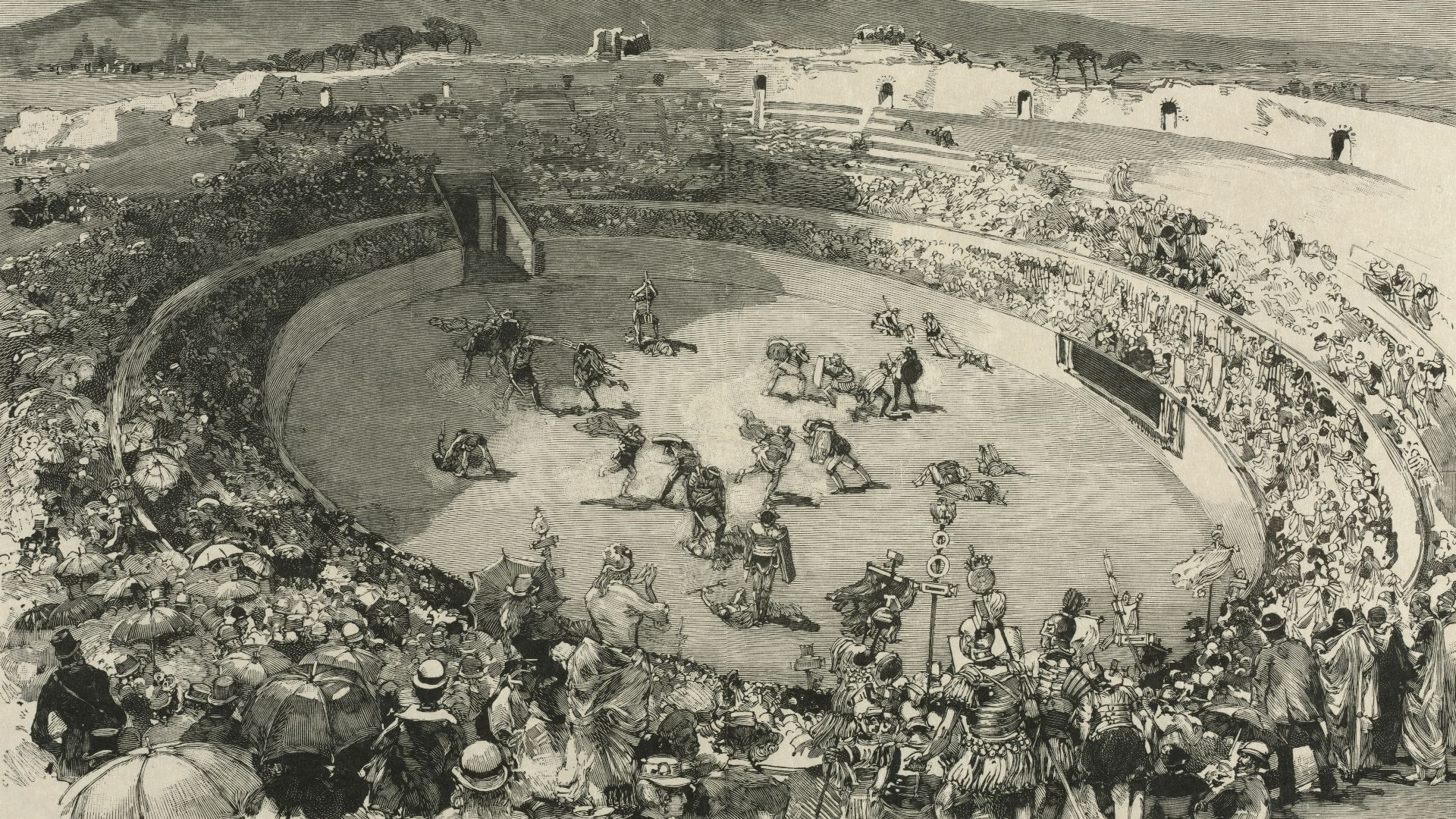
Gladiator helped revive the ancient-world epic for modern audiences after the genre had mostly slipped into old-Hollywood memory. Its Colosseum crowds, high tension, and revenge-driven Roman politics fed later TV, games, and films that treated Rome as a place of spectacle, corruption, and brutal entertainment.
 The Cleveland Museum of Art on Unsplash
6. 300
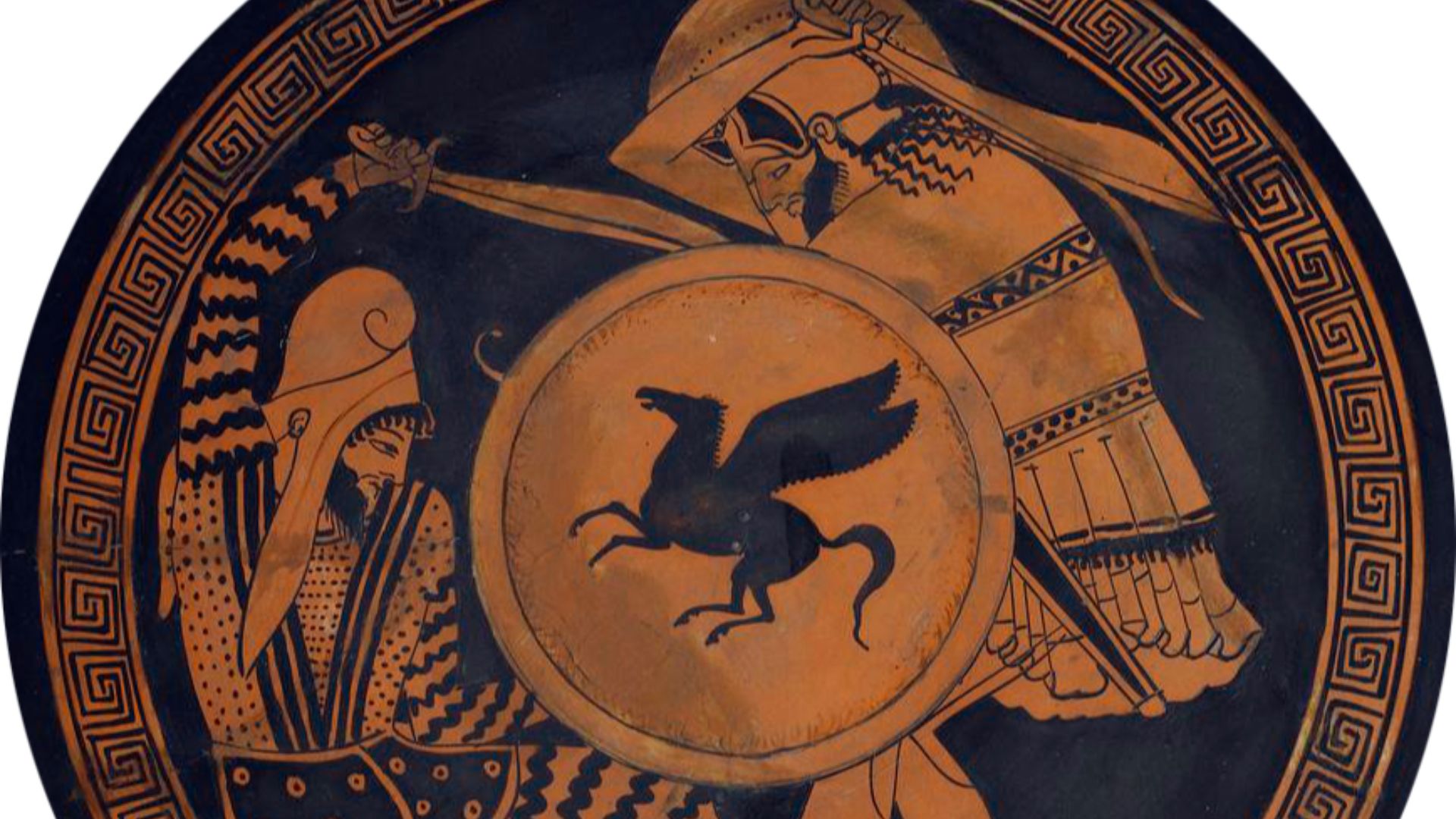
300 turned Thermopylae into internet culture. “This is Sparta!” moved from movie line to meme, remix, gym caption, sports hype, and political slogan, while its stylized Spartans became shorthand for extreme toughness. Sadly, it also left out all the intricacies of the Persian War.
7. Titanic
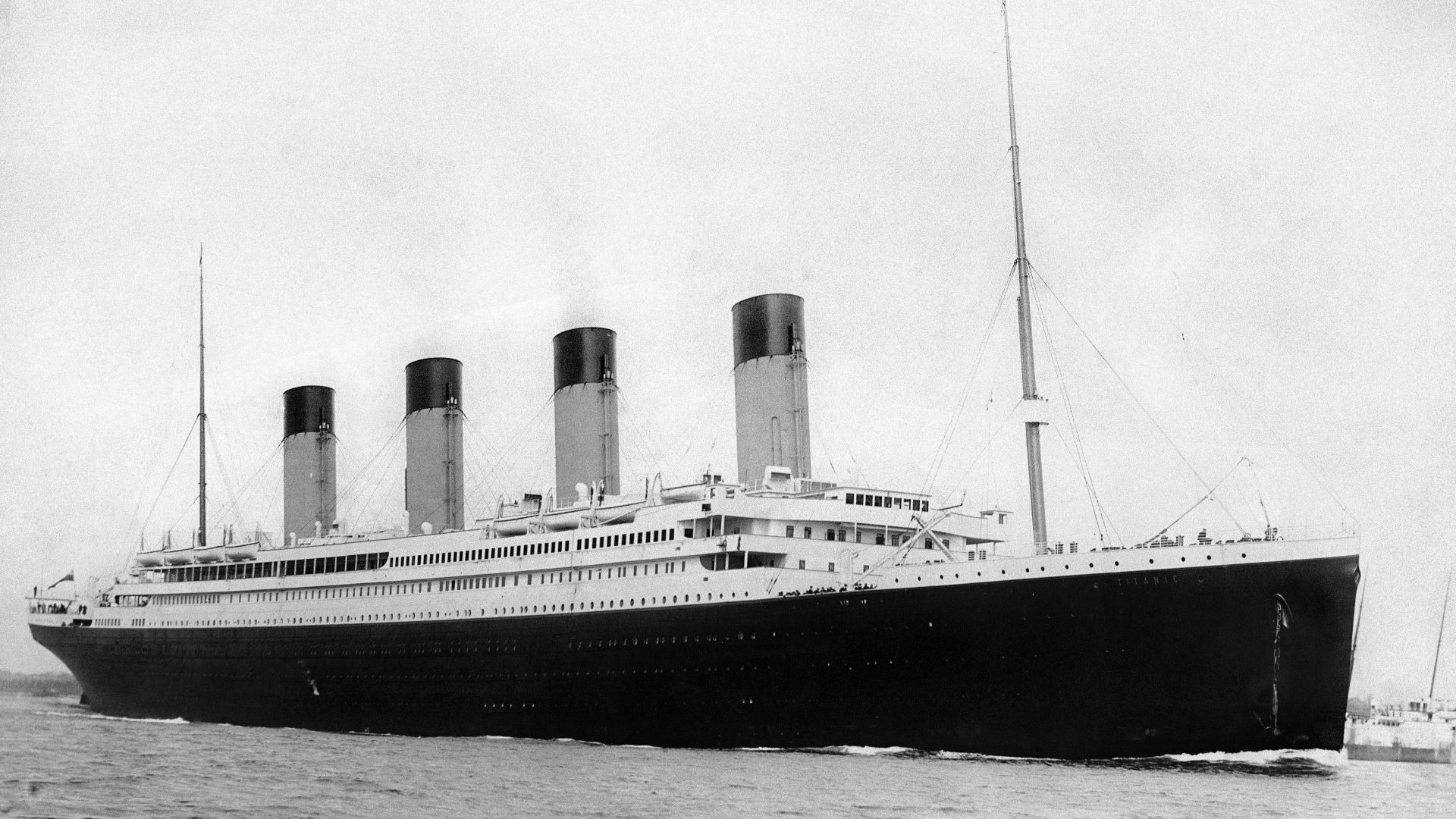
Titanic made the 1912 sinking feel more than an old maritime disaster. The story of Jack and Rose, combined with the Leonardo DiCaprio mania, all helped turn the ship into pop culture’s most familiar tragedy.
 Francis Godolphin Osbourne Stuart on Wikimedia
8. Schindler’s List
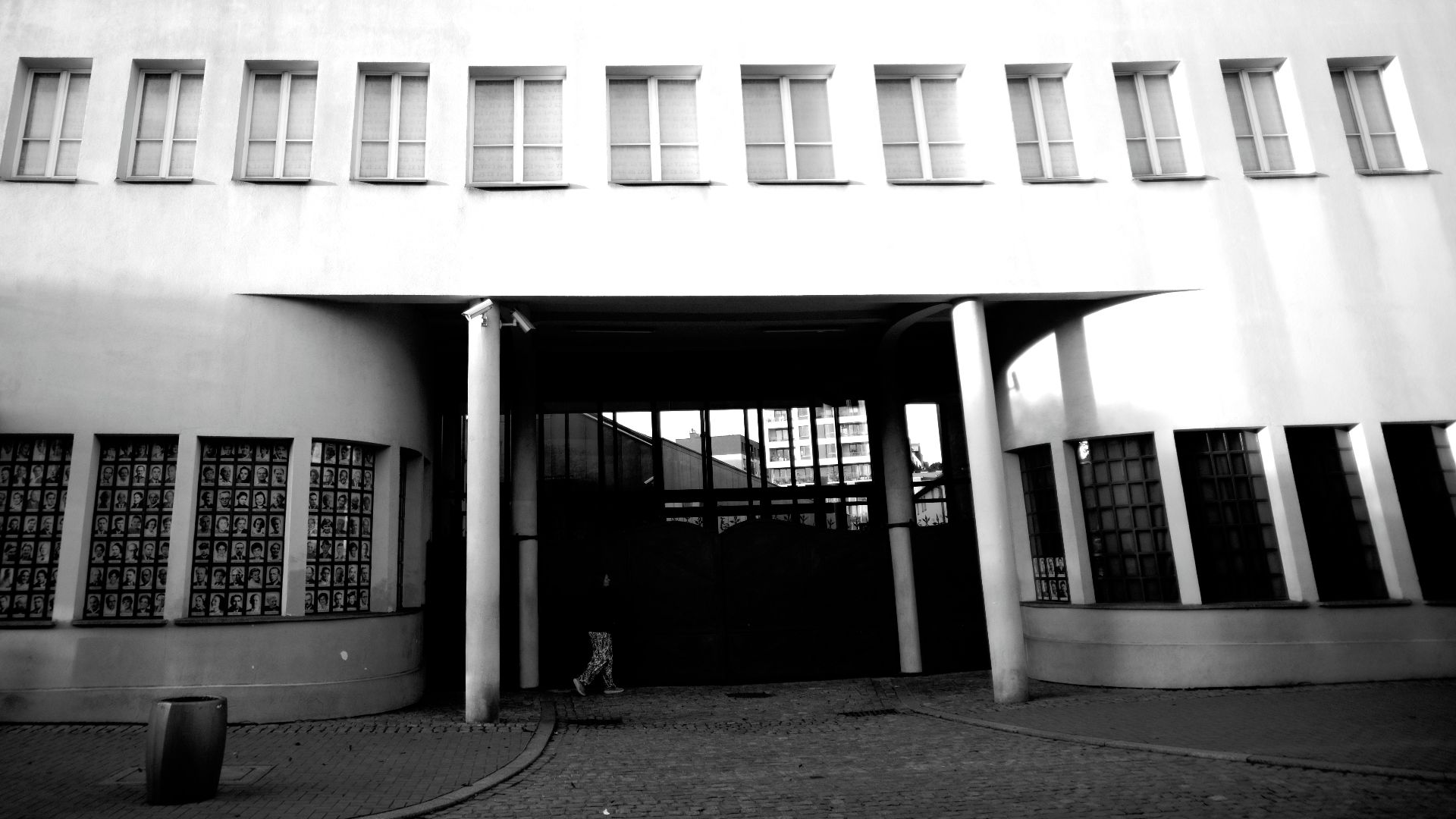
Schindler’s List changed Holocaust memory through what happened after the film as much as through the film itself. Steven Spielberg founded the Shoah Foundation in 1994, and survivor testimony became tied to classrooms, archives, digital learning projects, and public education.
9. Saving Private Ryan
Saving Private Ryan changed how D-Day looked and sounded on screen. Its Omaha Beach opening shaped later war films, prestige TV, and first-person shooter games, where shaky camera work, ringing ears, mud, blood, and confusion became the expected language of World War II combat.

10. Apocalypse Now
Apocalypse Now gave Vietnam War memories some of its most repeated pop-culture images: helicopters, Wagner, napalm, and jungle fog. Later films, music videos, comedy sketches, and antiwar references kept borrowing its language of exhaustion, arrogance, and command structures falling apart.
 Keven Law from Los Angeles, USA on Wikimedia
11. The Patriot
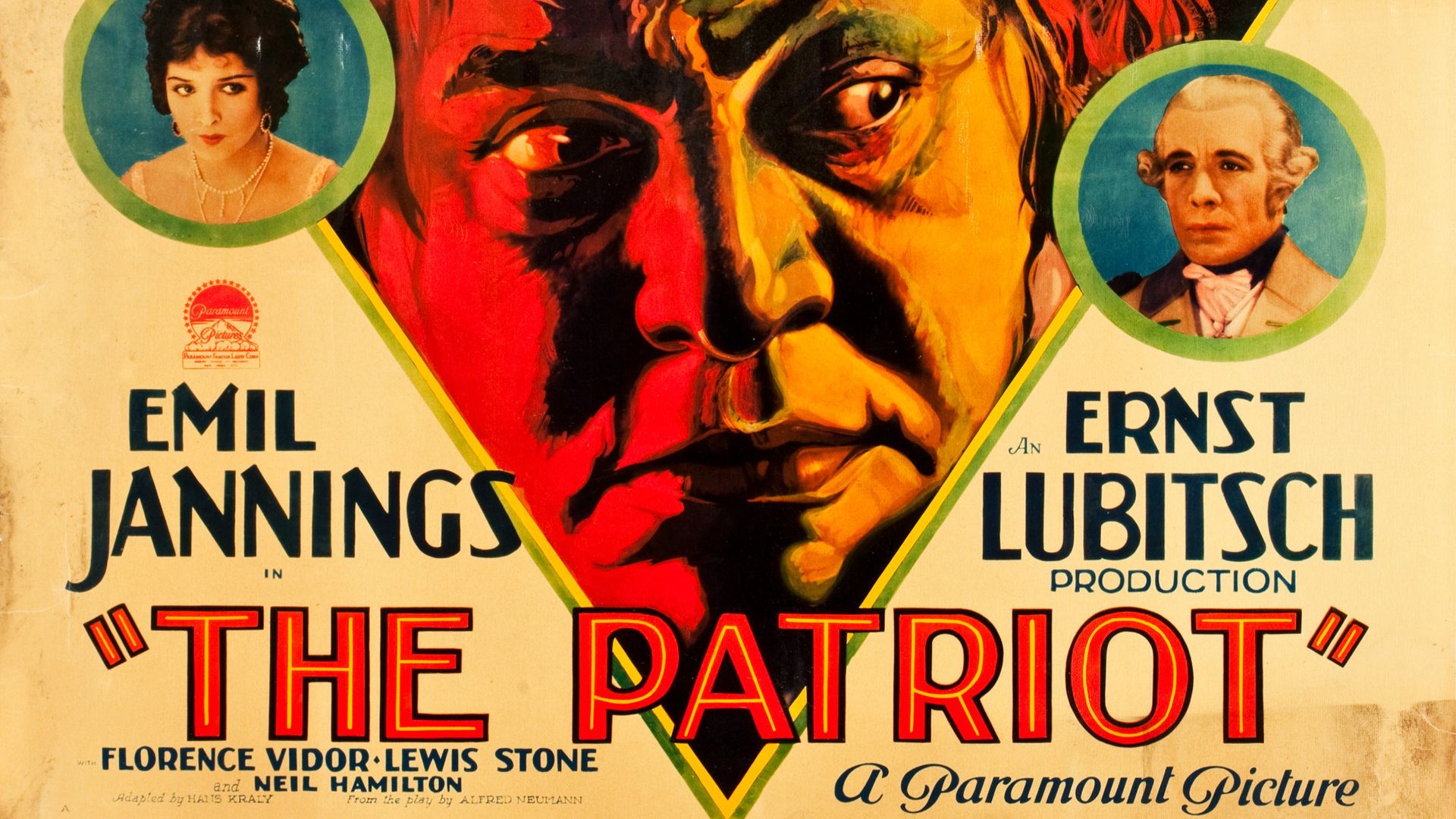
The Patriot made the Southern campaign of the American Revolution easier for mainstream audiences to picture, even if it cleaned up a lot. Its burned homes, militia ambushes, redcoat villainy, and Francis Marion-inspired hero gave school-age viewers and cable reruns a simple emotional map of the war.
 Paramount Pictures on Wikimedia
12. Lawrence of Arabia
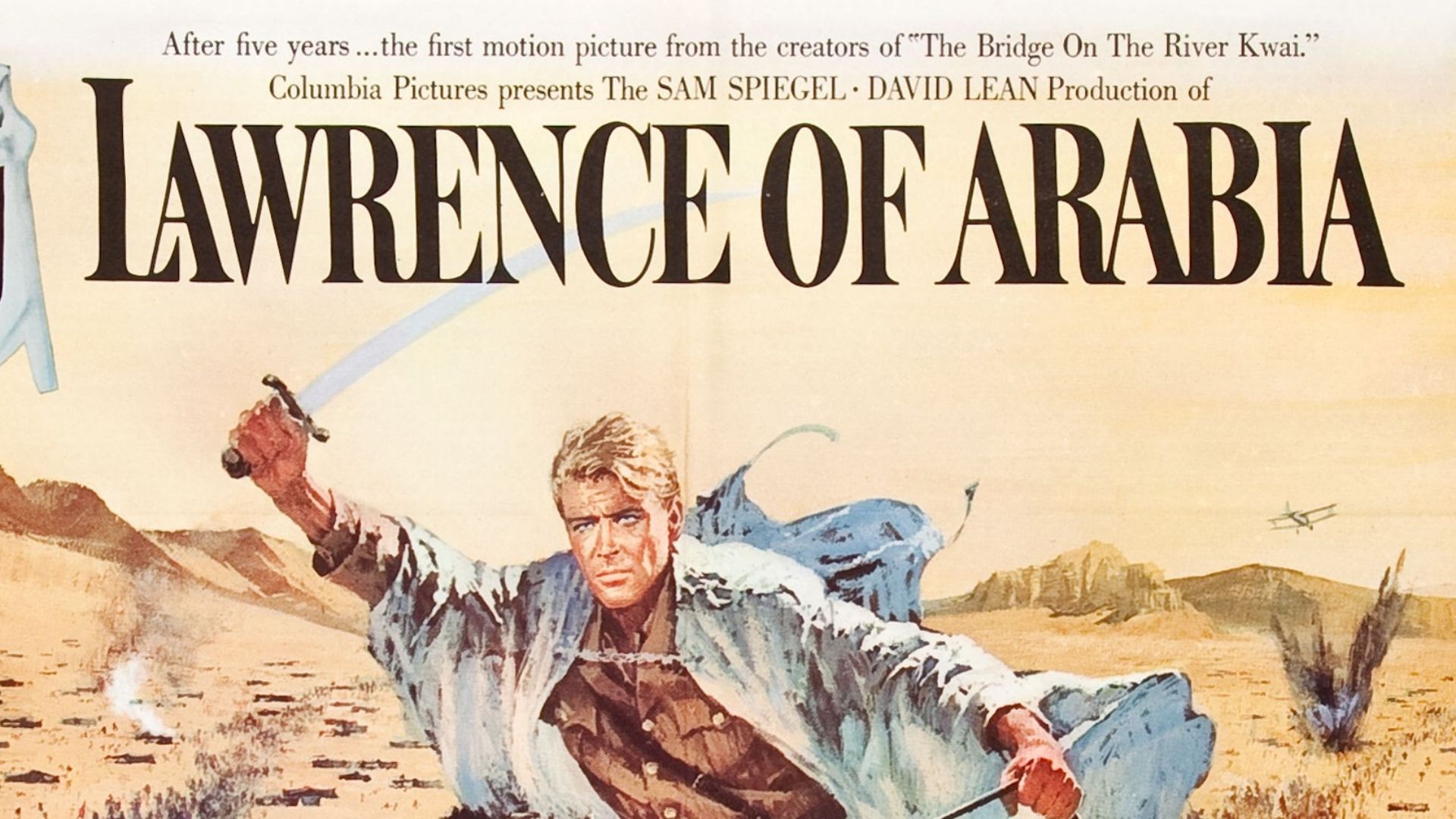
Lawrence of Arabia made T.E. Lawrence’s white robes, camel crossings, and desert marches the dominant public image of the Arab Revolt. That mattered because the real revolt involved Arab leaders and fighters, Ottoman power, and British strategy, while the movie pushed one British officer to the center.
 Incorporates artwork by Howard Terpning on Wikimedia
13. The Ten Commandments
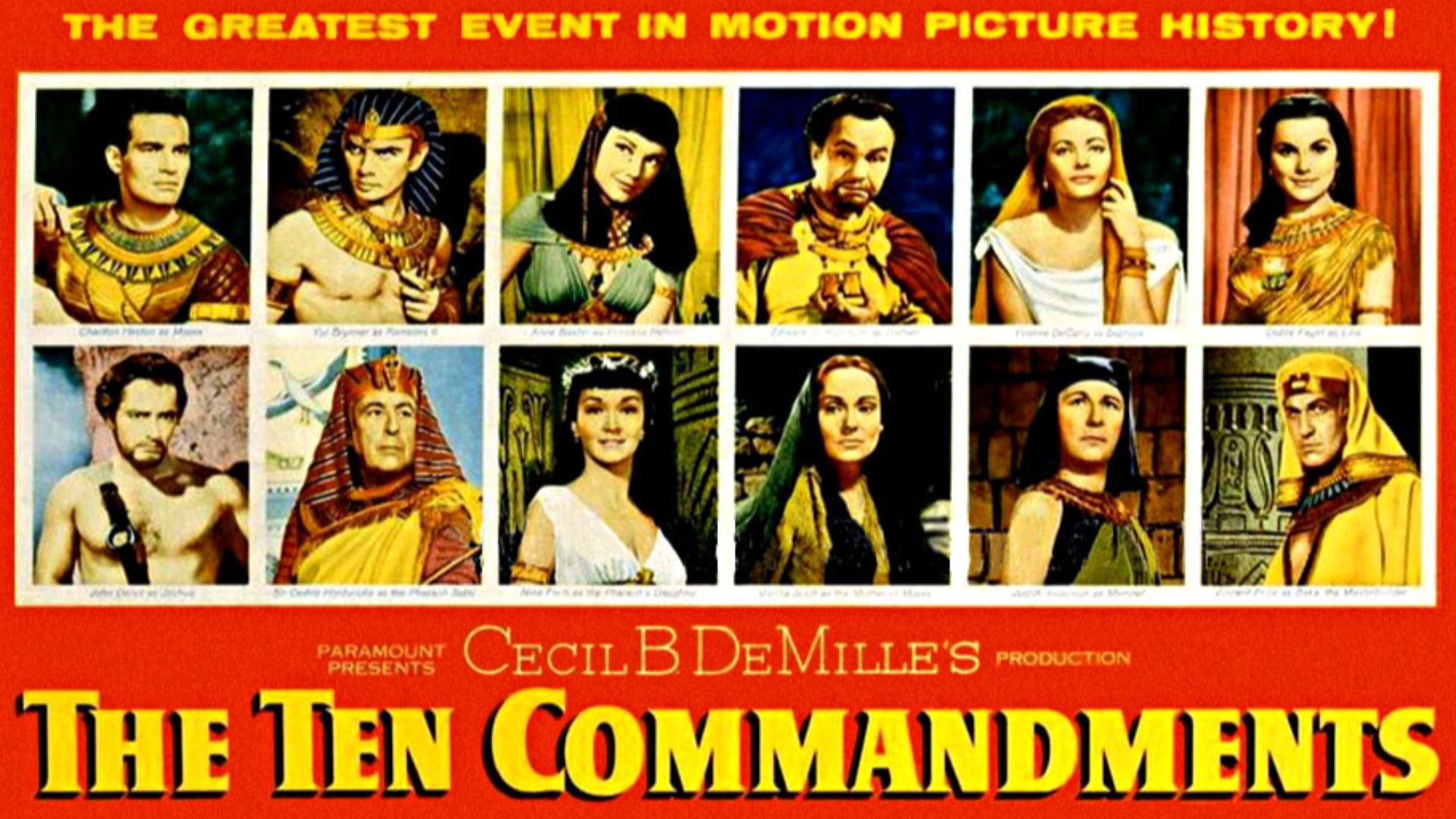
The Ten Commandments became a television ritual as much as a film. Its regular Easter-season broadcasts kept Charlton Heston’s Moses, Yul Brynner’s Pharaoh, the tablets, and the Red Sea scene in American living rooms for decades, shaping how many families pictured the Exodus story.
 Paramount Pictures artist on Wikimedia
14. Ben-Hur
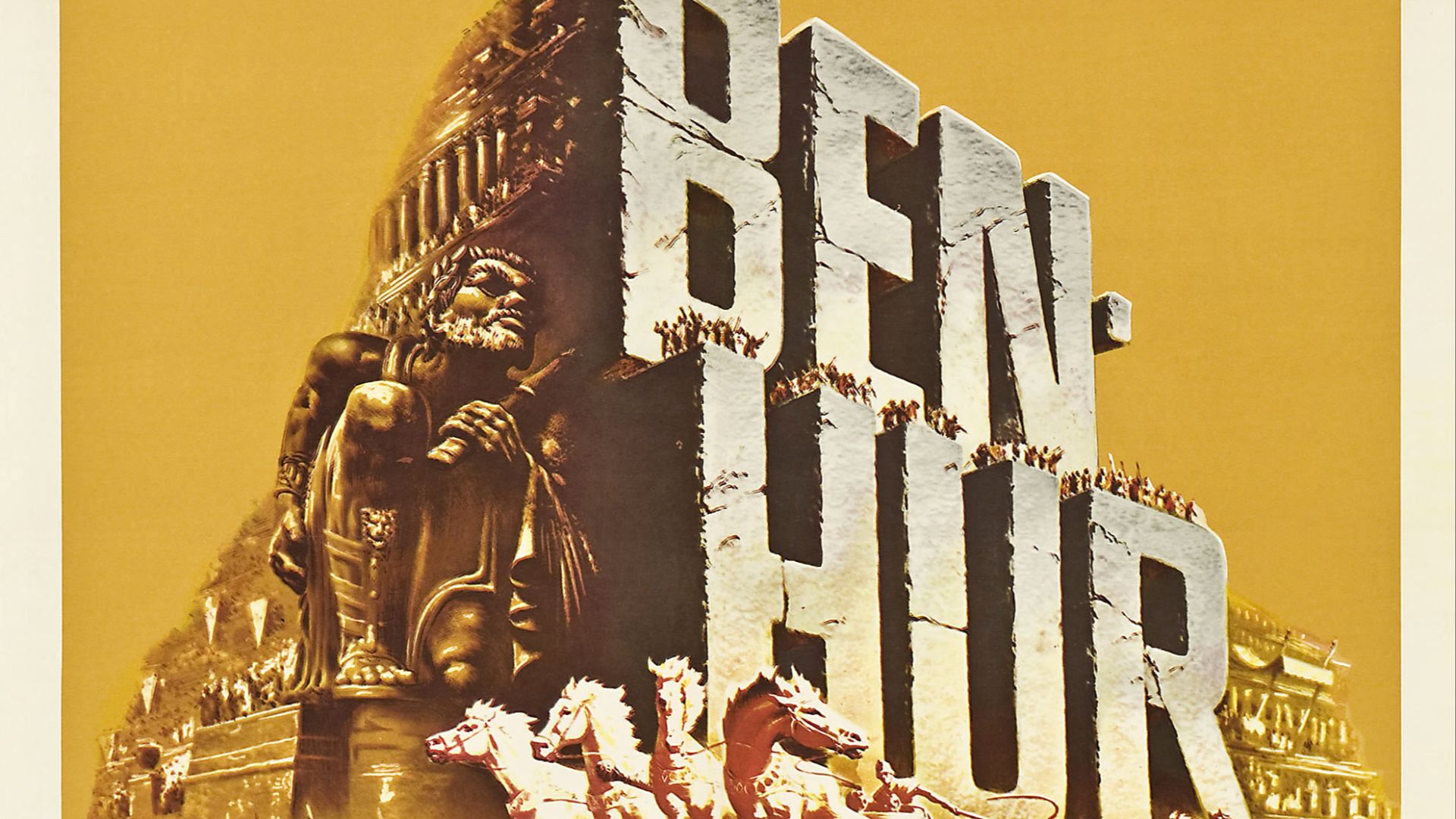
Ben-Hur made the chariot race a benchmark for Hollywood scale. The sequence became the thing later epics had to compete with: real horses, real crashes, huge crowds, and physical danger that viewers could feel, all without computer effects.
15. Forrest Gump
Forrest Gump turned postwar American history into a quotable memory tour. Elvis, Vietnam, Watergate, ping-pong diplomacy, Apple stock, and the counterculture all pass through Forrest’s life, making the chaos of the 1950s through the 1980s feel sweeter, simpler, and easier to package.
16. 12 Years a Slave
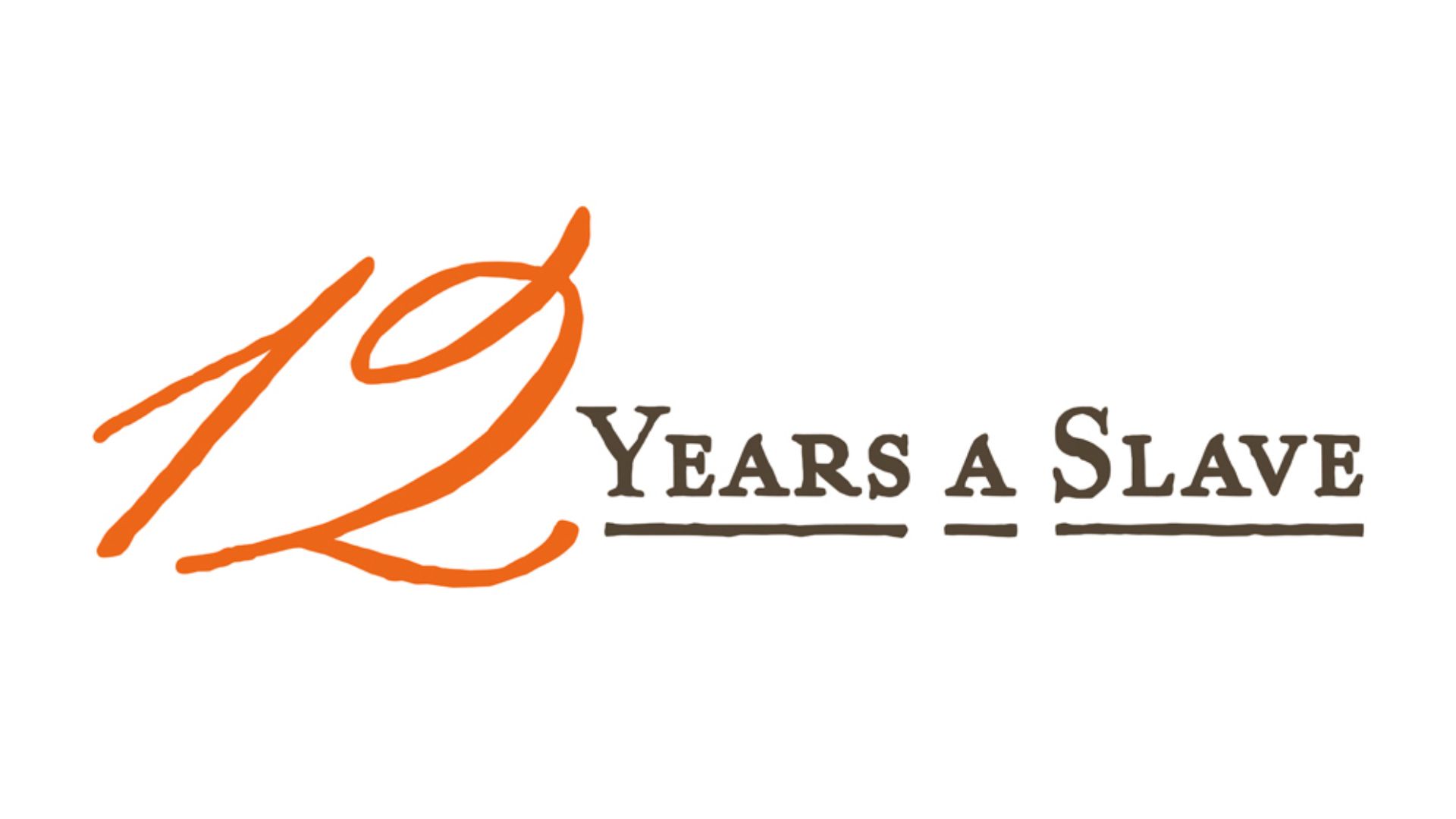
12 Years a Slave pushed Solomon Northup’s name into mainstream awareness and made slavery much harder to soften on screen. Its impact came from its brutality: separation from family, forced labor, abuse, surveillance, and fear inside daily life.
 Regency Enterprises
Film4
River Road Entertainment
Plan B Entertainment on Wikimedia
Regency Enterprises
Film4
River Road Entertainment
Plan B Entertainment on Wikimedia
17. The King’s Speech
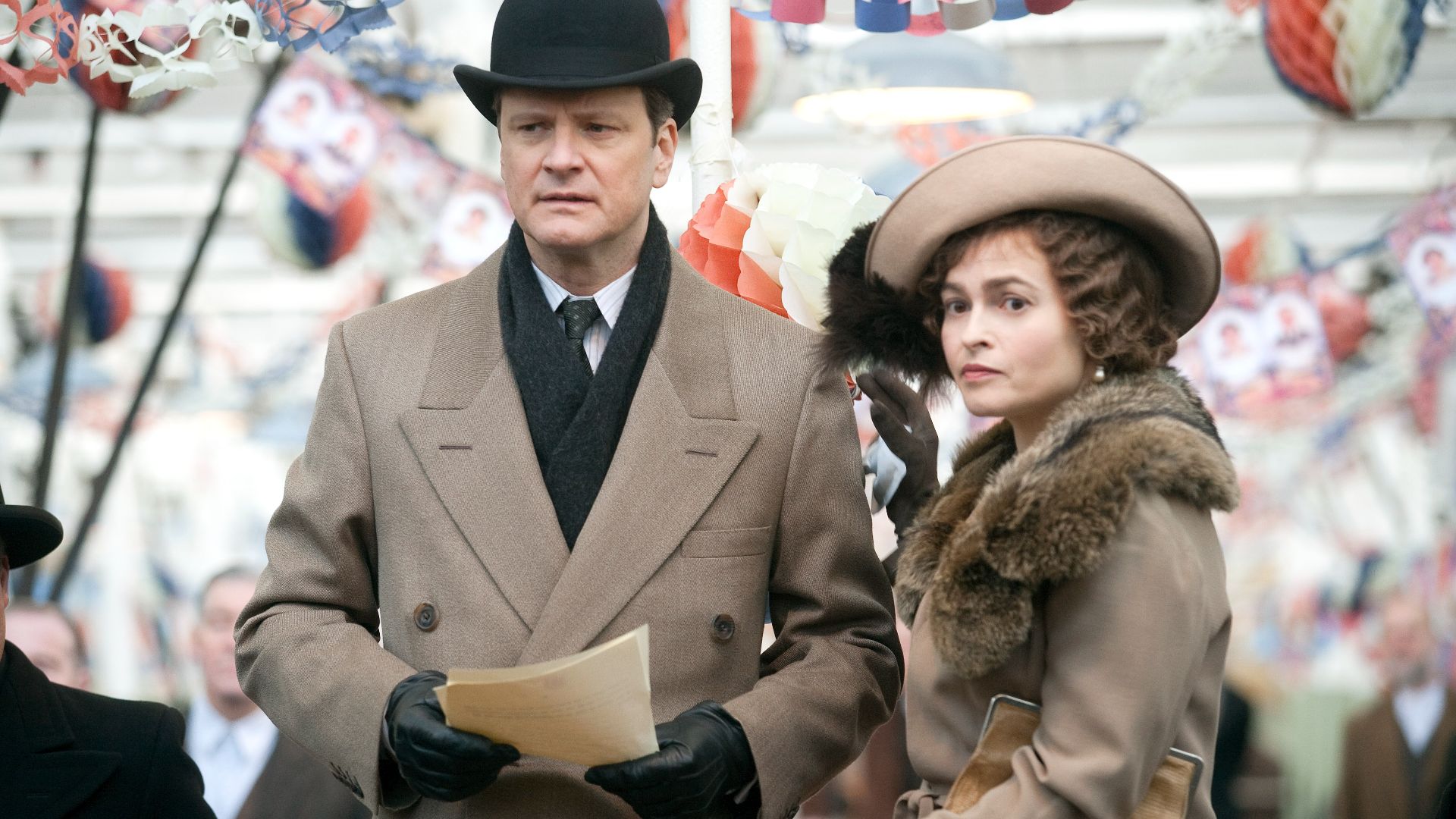
The King’s Speech changed George VI from a distant wartime king into a man remembered through his stammer and his work with Lionel Logue. It also put speech therapy, stammering, and public-speaking anxiety into everyday conversation, which isn’t something that royal period dramas usually manage to do.
 www.lancashire.gov.uk on Wikimedia
18. Lincoln
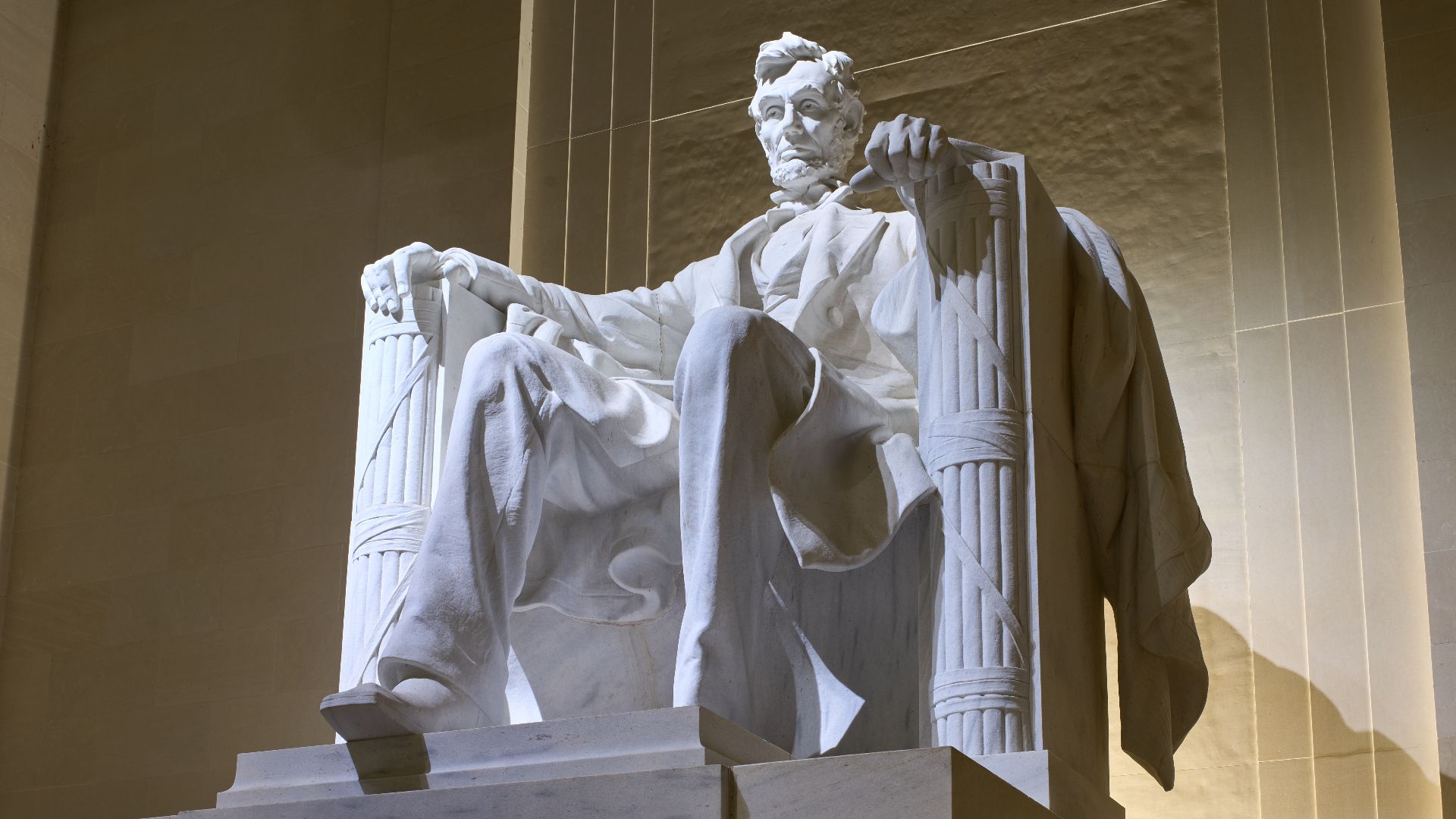
Lincoln reinvigorated the public’s interest in the 13th Amendment. The movie pushed viewers toward vote counting, lobbying, patronage jobs, abolitionist pressure, and congressional procedure. Pretty impressive for a procedural, which tends to feel lackluster compared to other genres.
 Frank Schulenburg on Wikimedia
19. Oppenheimer
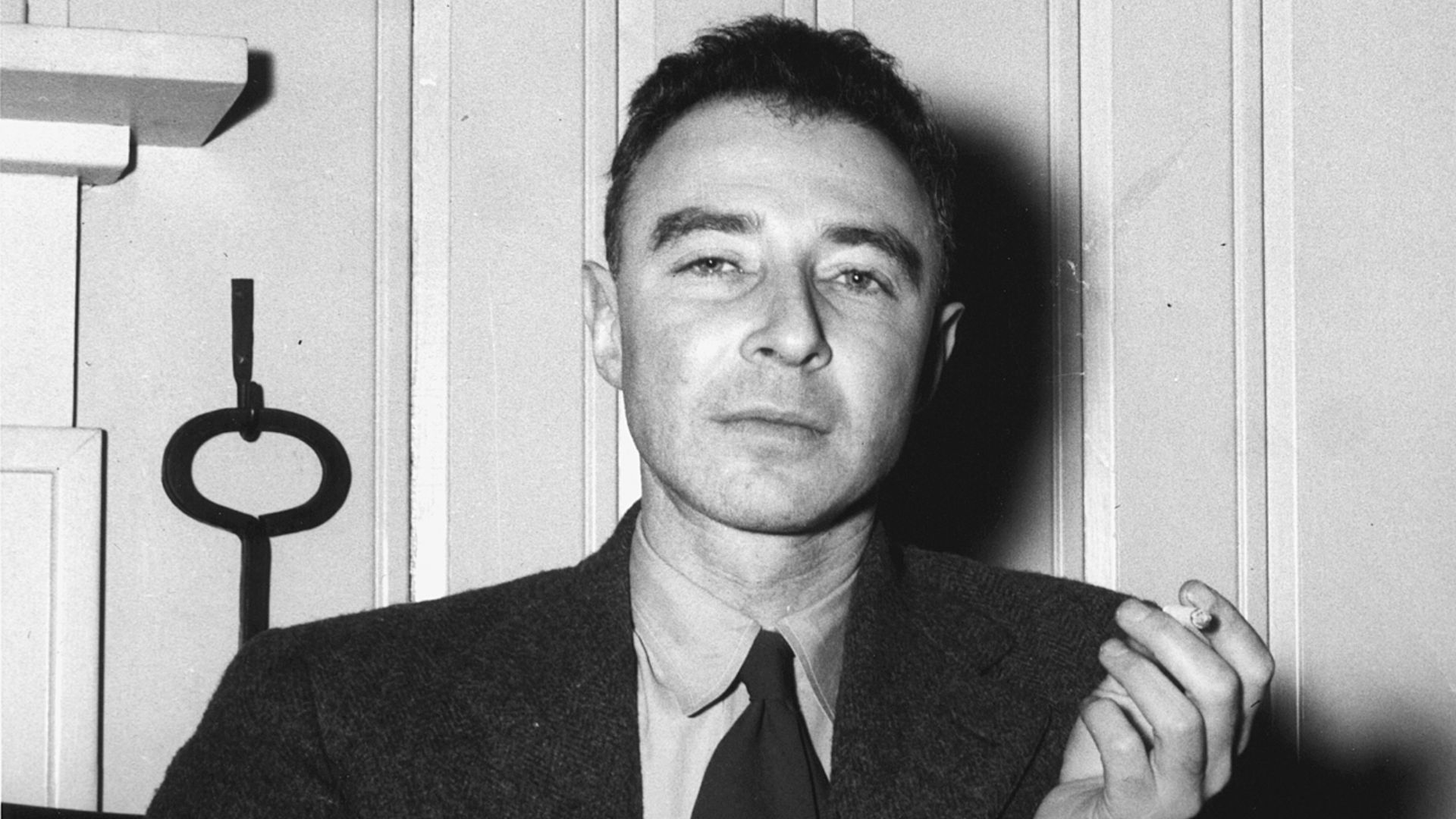
Oppenheimer turned Los Alamos, the Trinity test, and J. Robert Oppenheimer’s security hearing back into live cultural topics. Its impact showed up in museum visits, renewed interest in Manhattan Project sites, arguments over scientific responsibility, and a fresh round of public debate about nuclear history.
 Ed Westcott (U.S. Government photographer) on Wikimedia
20. Dunkirk
Dunkirk transformed the image of Operation Dynamo, now feeling much less like a simple rescue legend. Its images of stranded soldiers, civilian boats, oil-slicked water, and the ticking score helped renew attention around the Little Ships and Britain’s memory of survival in 1940.
KEEP ON READING
What Everyone Gets Wrong About The Middle Ages
Slejven Djurakovic on UnsplashWhen you think of the Middle Ages,…
By Sara Springsteen Apr 30, 2026
The King Who History Still Treats Too Kindly
Pierre Victor Verreydt (1813-1848) on WikimediaRichard I of England still…
By Emilie Richardson-Dupuis Apr 30, 2026
20 Powerful People Who Were Erased From History
Purposefully Hidden From Us. History is usually written by the…
By Sara Springsteen Apr 30, 2026
The Scientist Who Created a Two-Headed Dog
Günter Weiß on WikimediaThere is a photograph from 1954 that…
By Cameron Dick Apr 30, 2026
20 Classic Films That Quietly Rewrote Public Memory
Doing More Than Entertaining. Movies tend to change history a…
By Elizabeth Graham Apr 30, 2026
Humans Have Been Staring at Their Own Reflection for Thousands…
Negar Nikkhah on UnsplashLooking in a mirror is a normal…
By Breanna Schnurr Apr 30, 2026