

10 Military Tactics That Seemed Brilliant & 10 That Were Pure Desperation
How War Strategy Reveals The Line Between Innovation And Last Resorts
Military history is filled with moments where commanders either demonstrated remarkable ingenuity or resorted to measures born out of necessity, and the difference between the two often becomes clear only in hindsight. Some tactics reshaped warfare because they were carefully calculated and executed with precision, while others emerged when options were limited, and survival took priority over sustainability. Here are 10 military tactics that seemed brilliant and 10 that were pure desperation.
 Library of Congress on Unsplash
1. The Double Envelopment At Cannae (216 BCE)
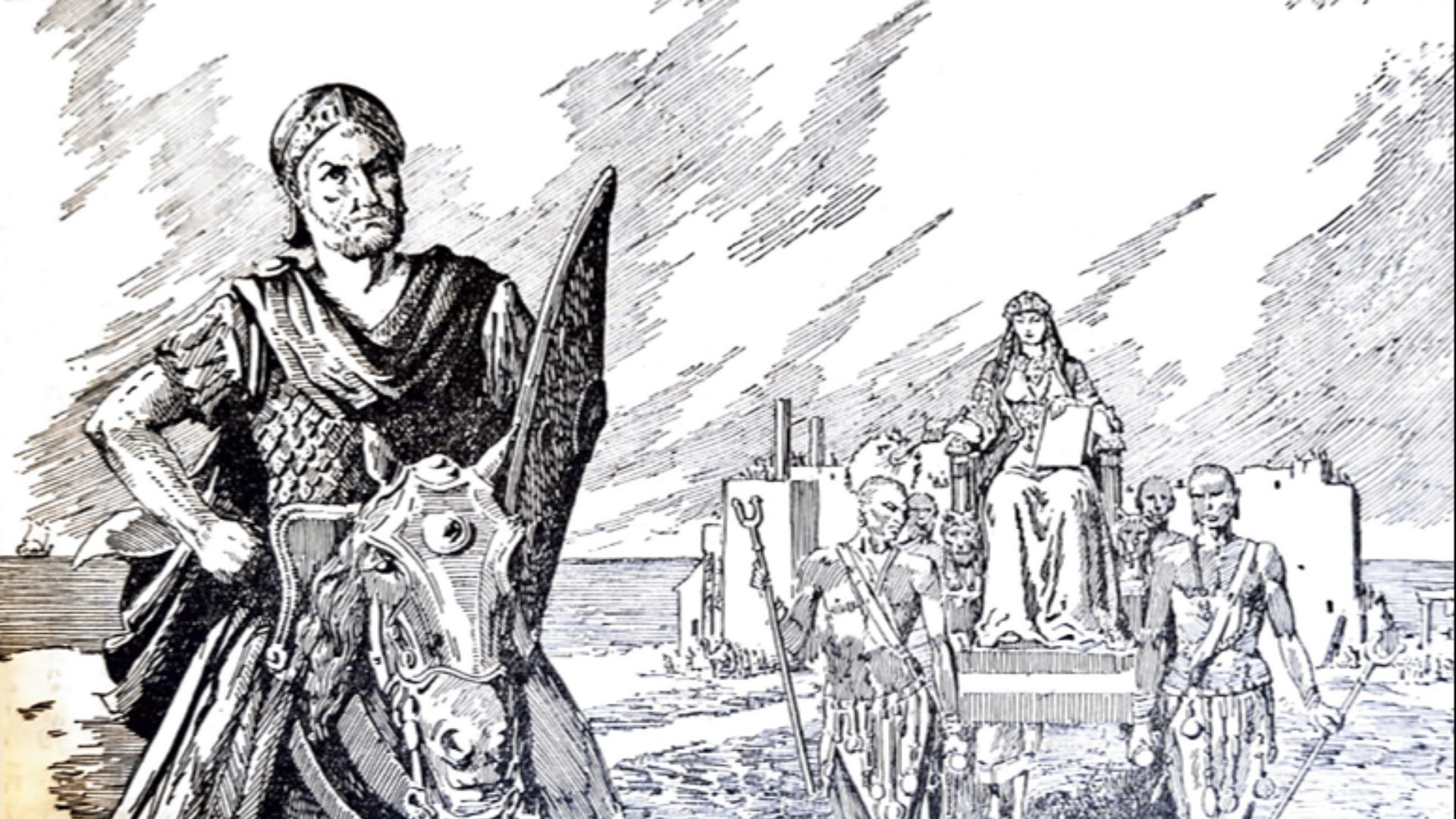
Hannibal’s Carthaginian army executed a carefully planned encirclement against a larger Roman force. By allowing his center to gradually fall back, he drew Roman troops inward while his stronger flanks surrounded them.
 Unknown authorUnknown author on Wikimedia
2. The Feigned Retreat Used By The Mongols (13th Century)
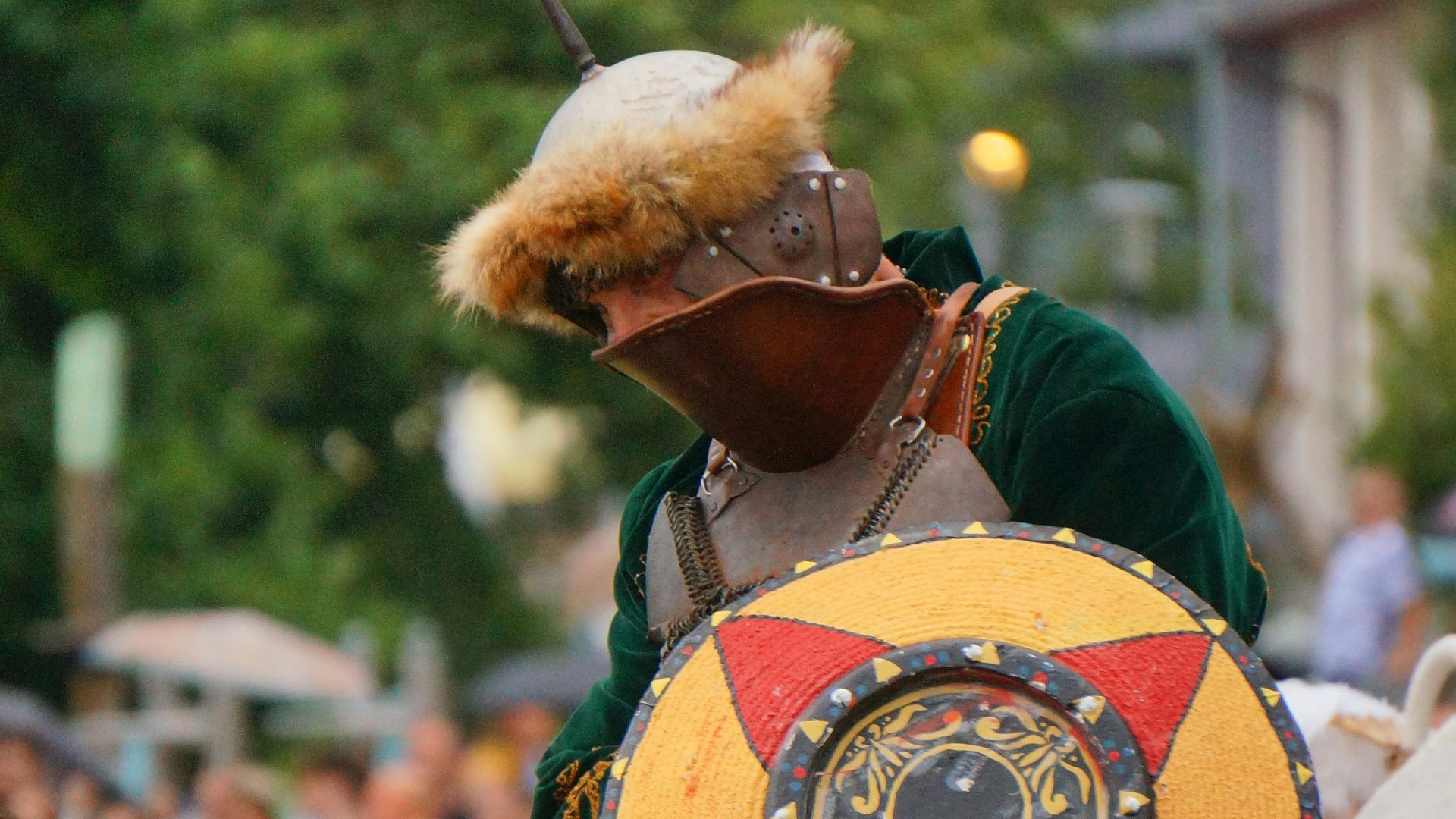
Mongol forces frequently pretended to retreat to lure enemies into disorganized pursuit. Once opposing troops broke formation, the Mongols would quickly turn and attack with coordinated precision. This tactic relied on discipline and communication rather than brute strength.
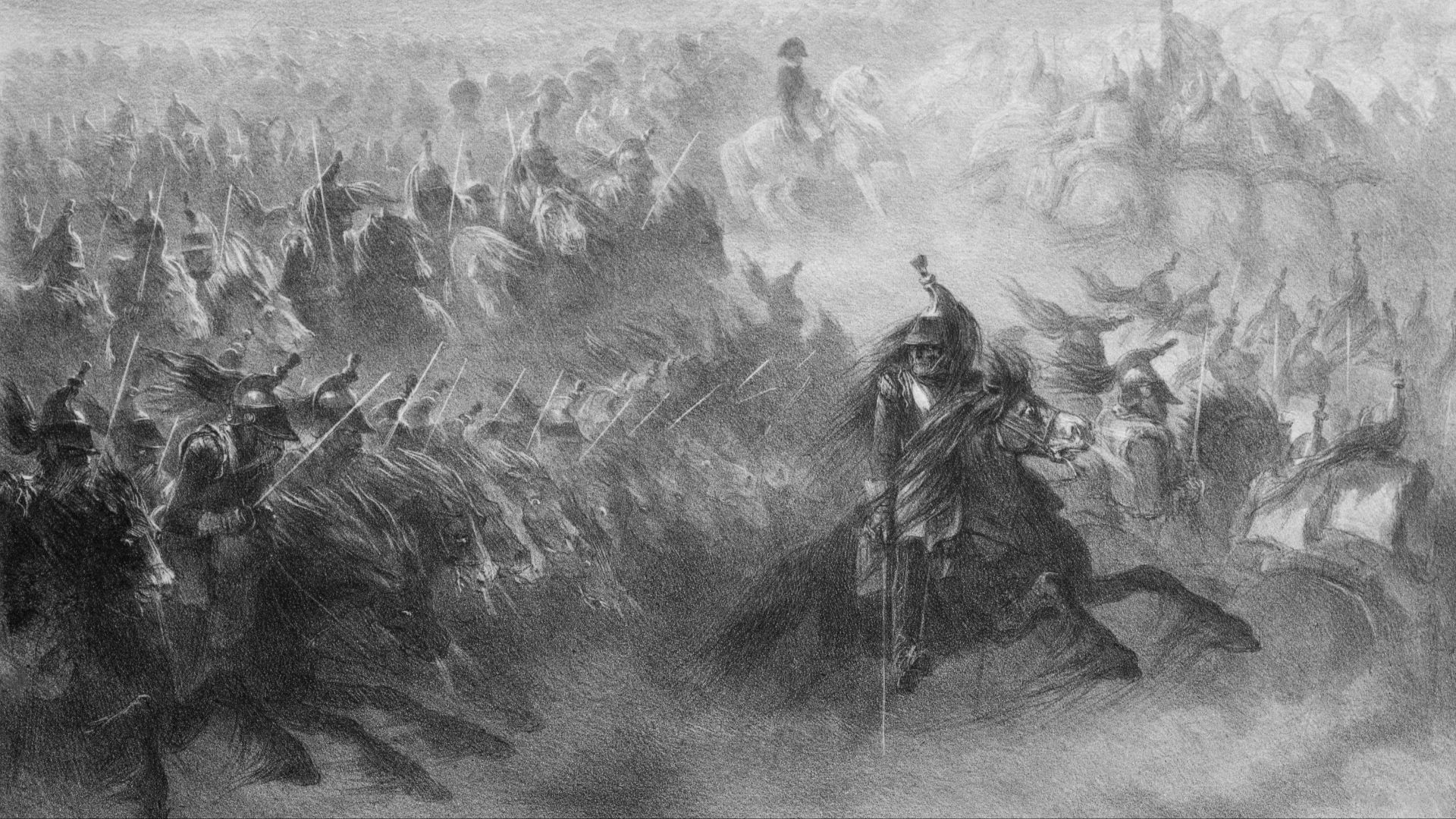
3. The Use Of Terrain At The Battle Of Agincourt (1415)
English forces under Henry V positioned themselves on narrow, muddy ground that limited French mobility. The longbowmen took advantage of this terrain, targeting heavily armored knights who struggled to advance.
 The Cleveland Museum of Art on Unsplash
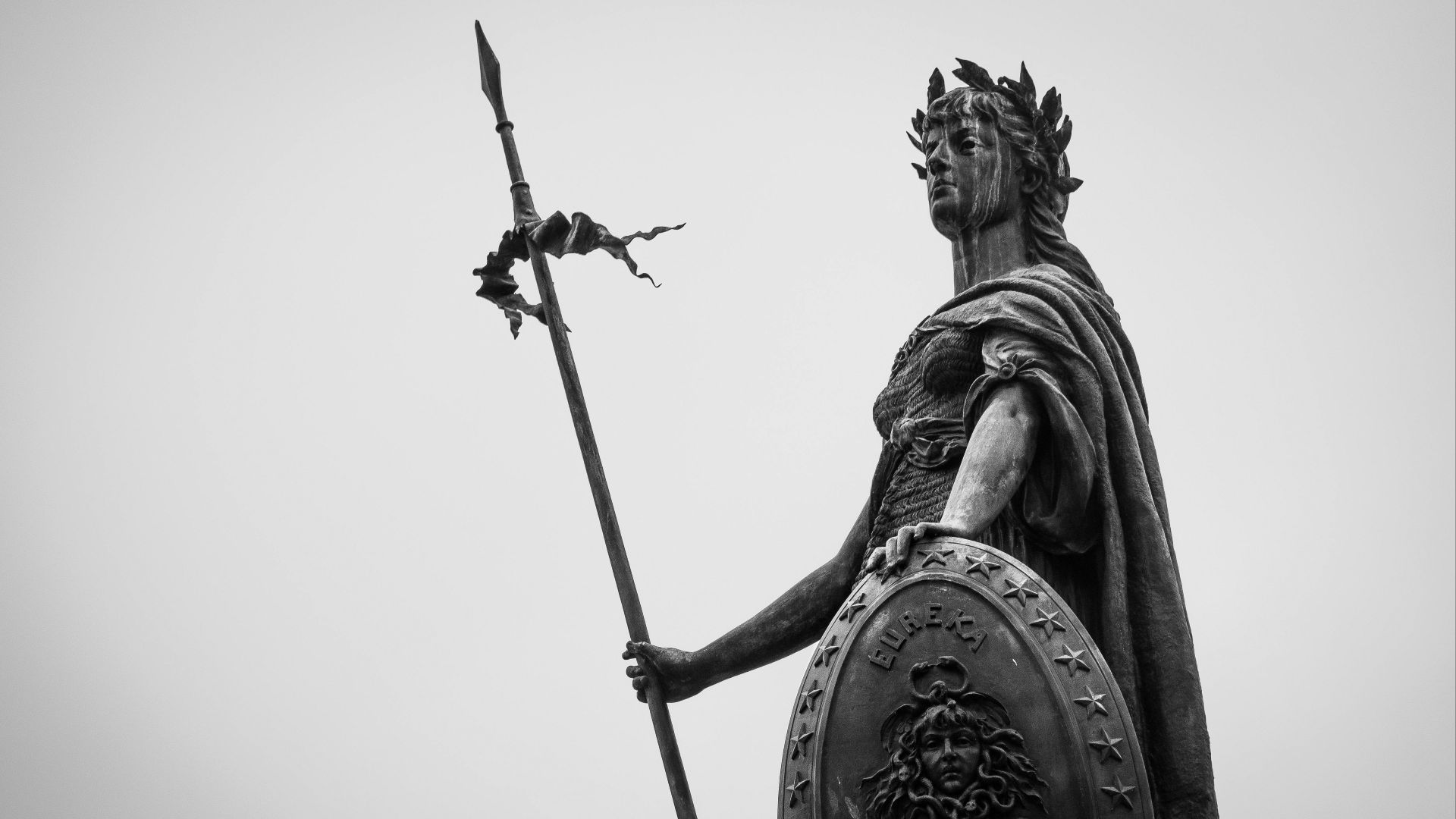
4. The Fabian Strategy Against Hannibal (Second Punic War)
Roman general Fabius Maximus avoided confrontation with Hannibal’s forces, instead focusing on delaying tactics. By cutting off supplies and avoiding large battles, he reduced the effectiveness of Hannibal’s army over time. Although initially unpopular, this cautious approach preserved Roman strength. It eventually contributed to Rome’s ability to continue the war.
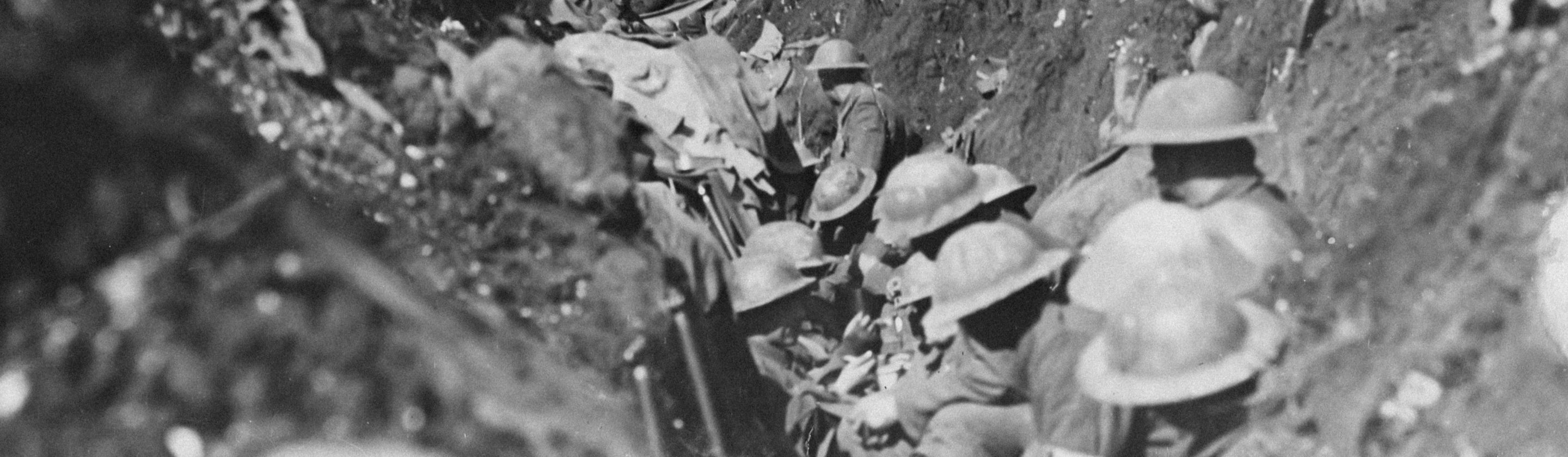
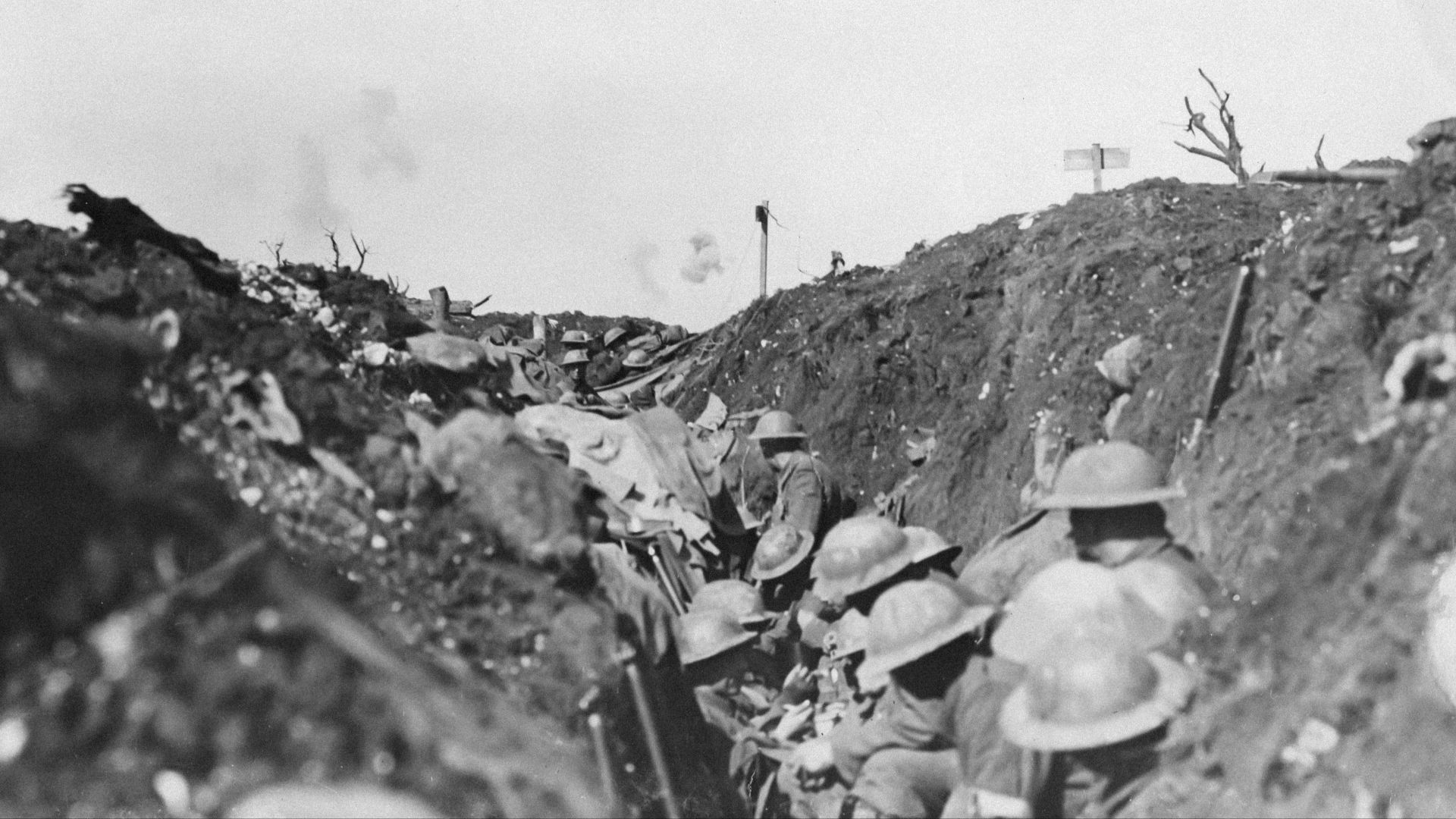
5. The Trench Warfare System In World War I (1914–1918)
While often associated with stalemate, trench systems represented a strategic adaptation to modern firepower. Defensive positions protected soldiers from artillery and machine guns, making frontal assaults difficult.
 Provincial Archives of Alberta on Unsplash
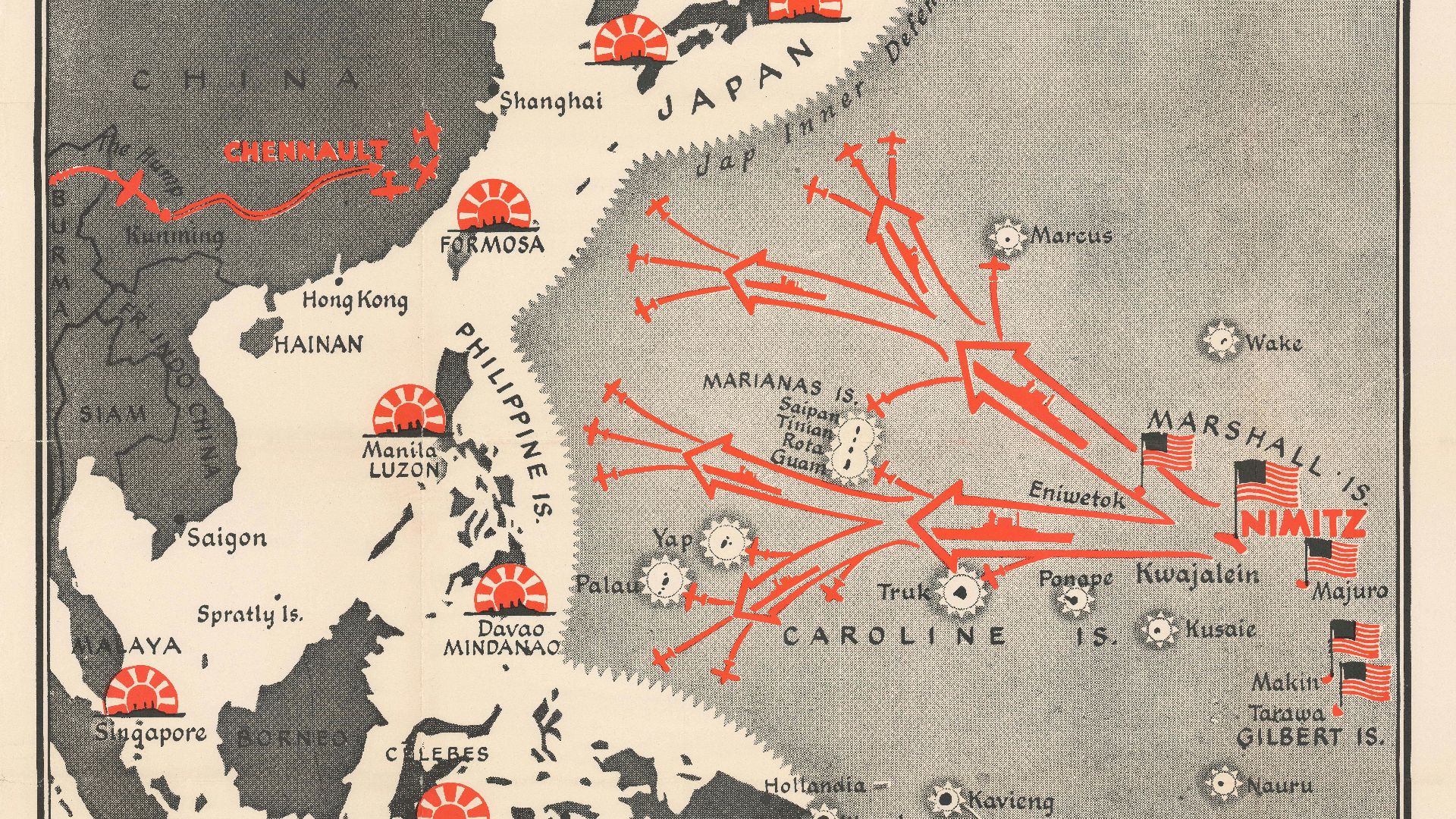
6. The Island-Hopping Campaign In The Pacific (World War II)
United States forces selectively targeted key islands rather than attacking every Japanese-held position. By capturing strategically important locations, they established bases closer to Japan. This allowed them to bypass heavily defended areas and conserve resources. The strategy accelerated the overall progress of the campaign.
7. The Use Of Blitzkrieg By Germany (Early World War II)
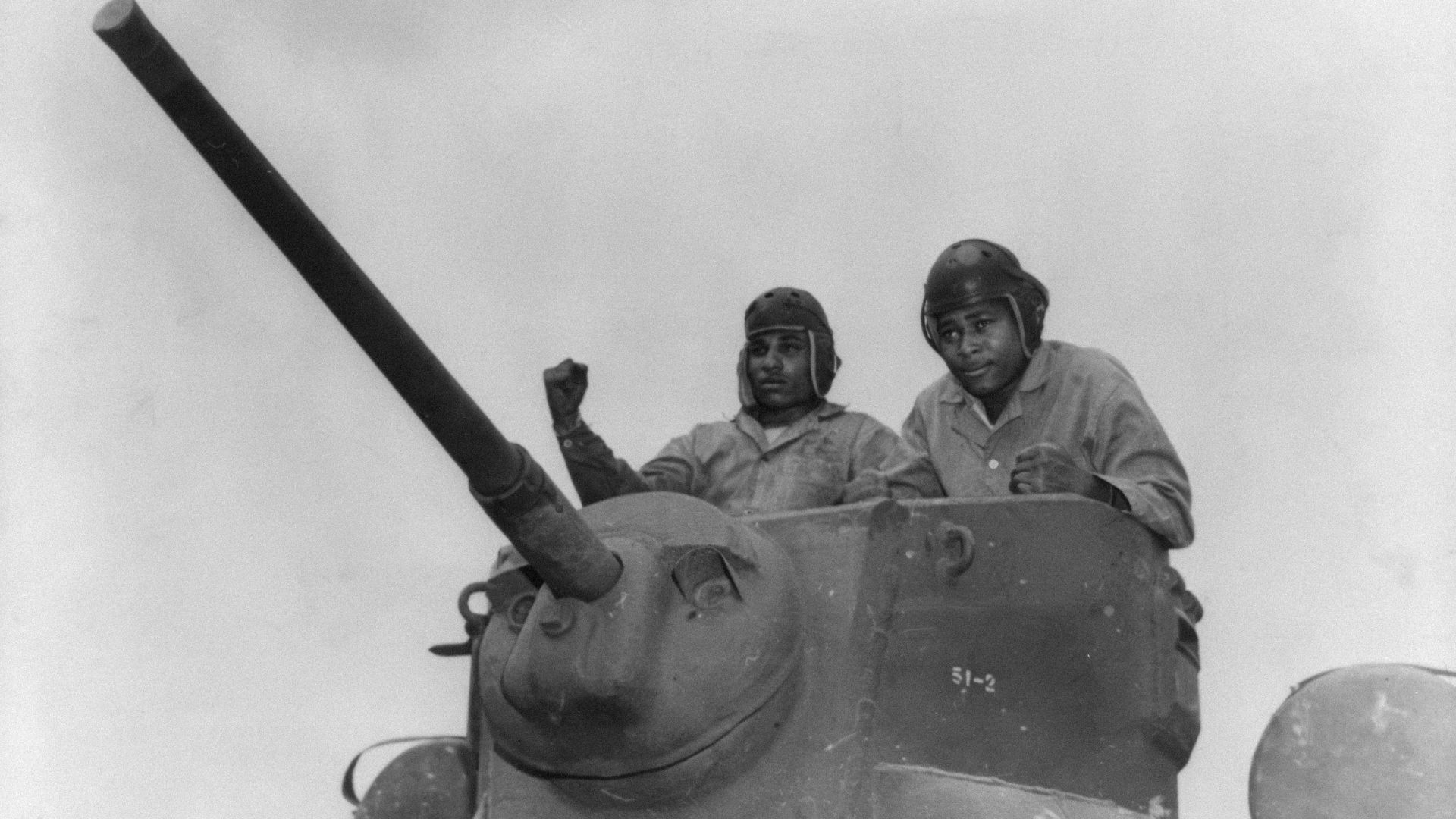
German forces combined speed, coordination, and concentrated attacks to overwhelm opponents. Tanks, aircraft, and infantry worked together to break through enemy lines rapidly. This approach disrupted communication and prevented effective resistance. It led to swift victories in the early stages of the war.
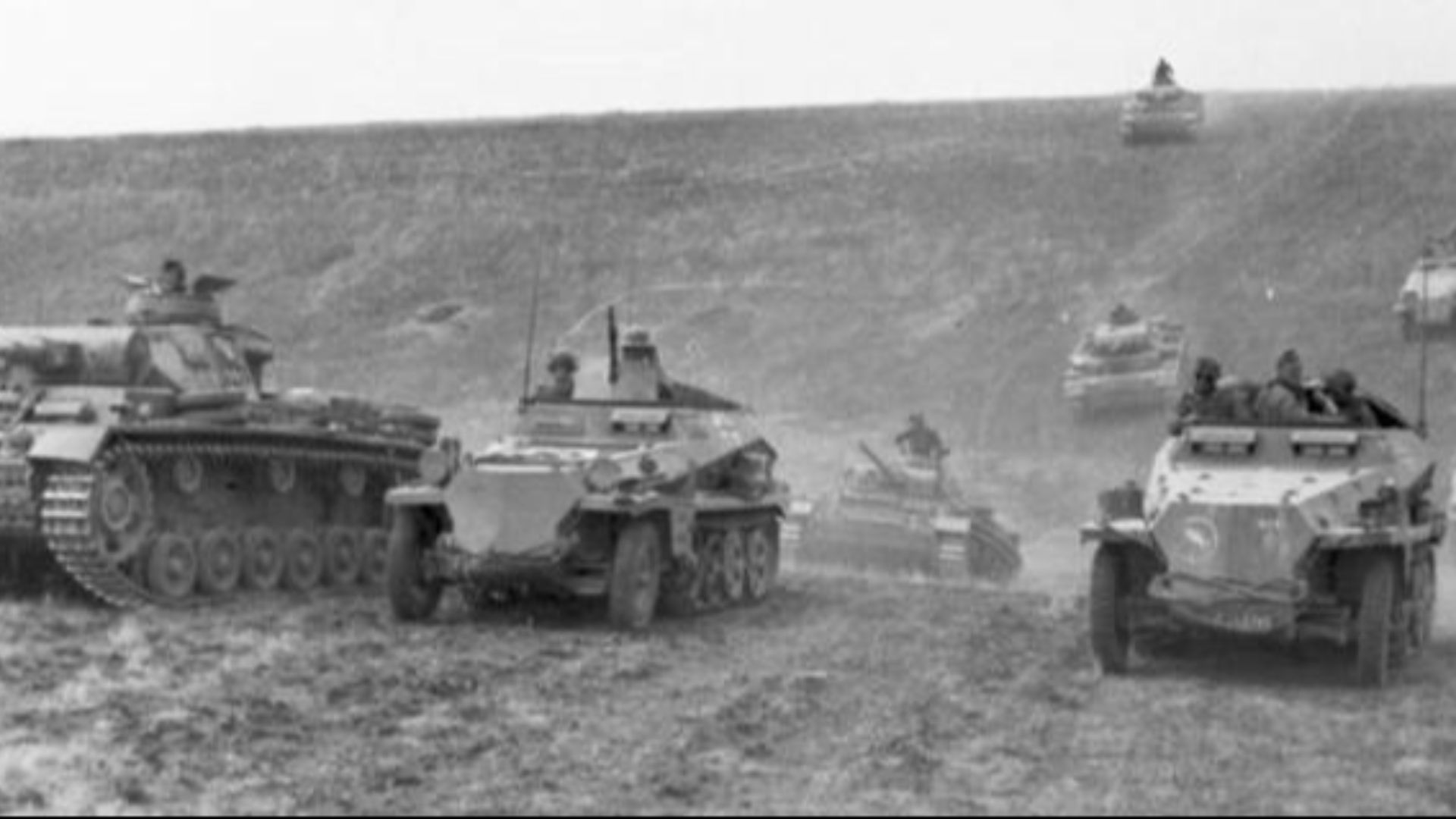
8. The Defense In Depth At The Battle Of Kursk (1943)
Soviet forces constructed multiple defensive layers to absorb and weaken German attacks. These included minefields, anti-tank positions, and fortified lines. As German forces advanced, they faced repeated resistance that slowed their progress. This strategy contributed to a turning point on the Eastern Front.
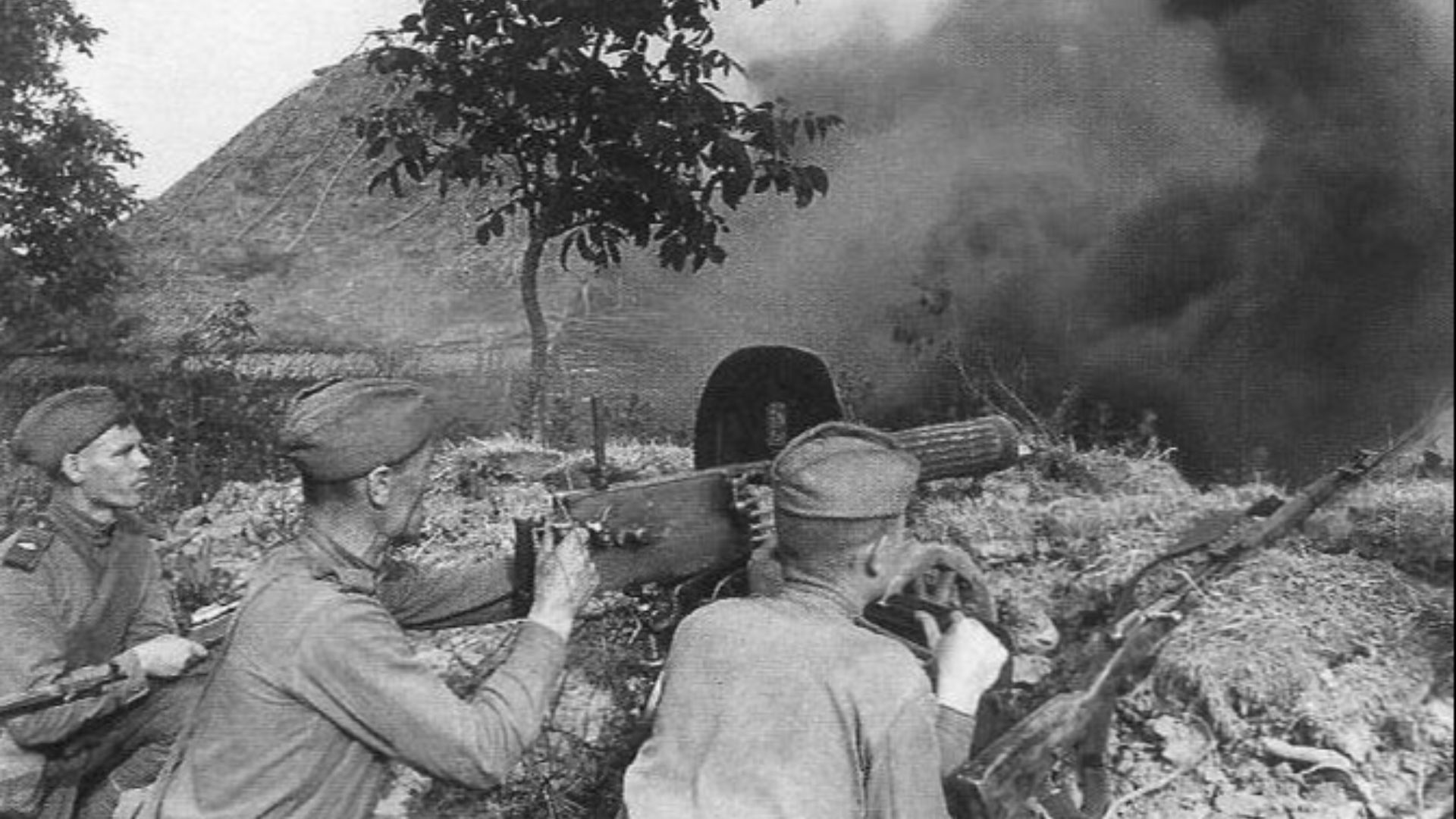 Unknown authorUnknown author on Wikimedia
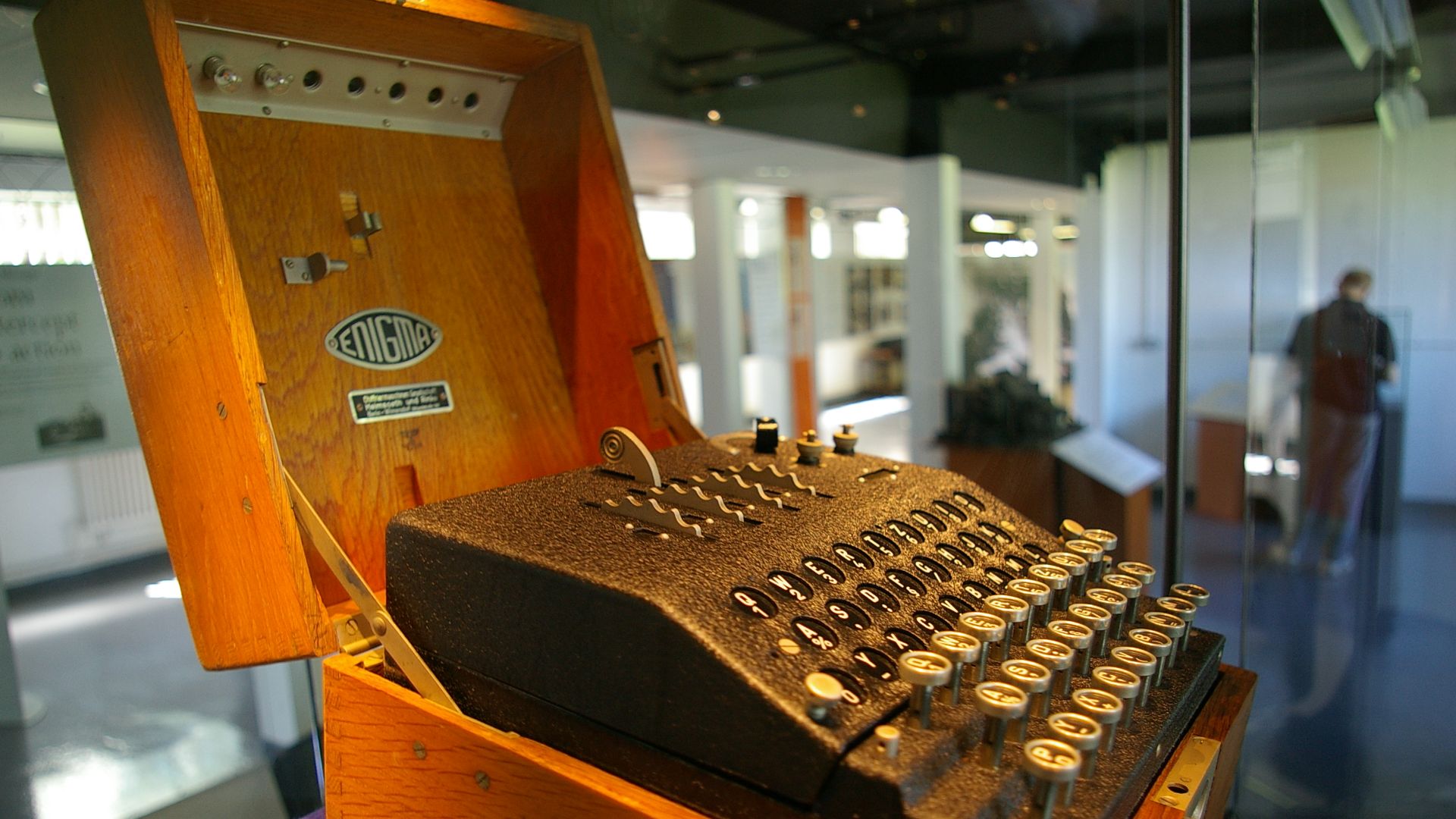
9. The Use Of Codebreaking At Bletchley Park (World War II)
Allied intelligence efforts successfully decrypted German communications, providing critical strategic advantages. This allowed commanders to anticipate enemy movements and plan accordingly. The information gained influenced naval and land operations. It demonstrated how intelligence could shape battlefield outcomes.
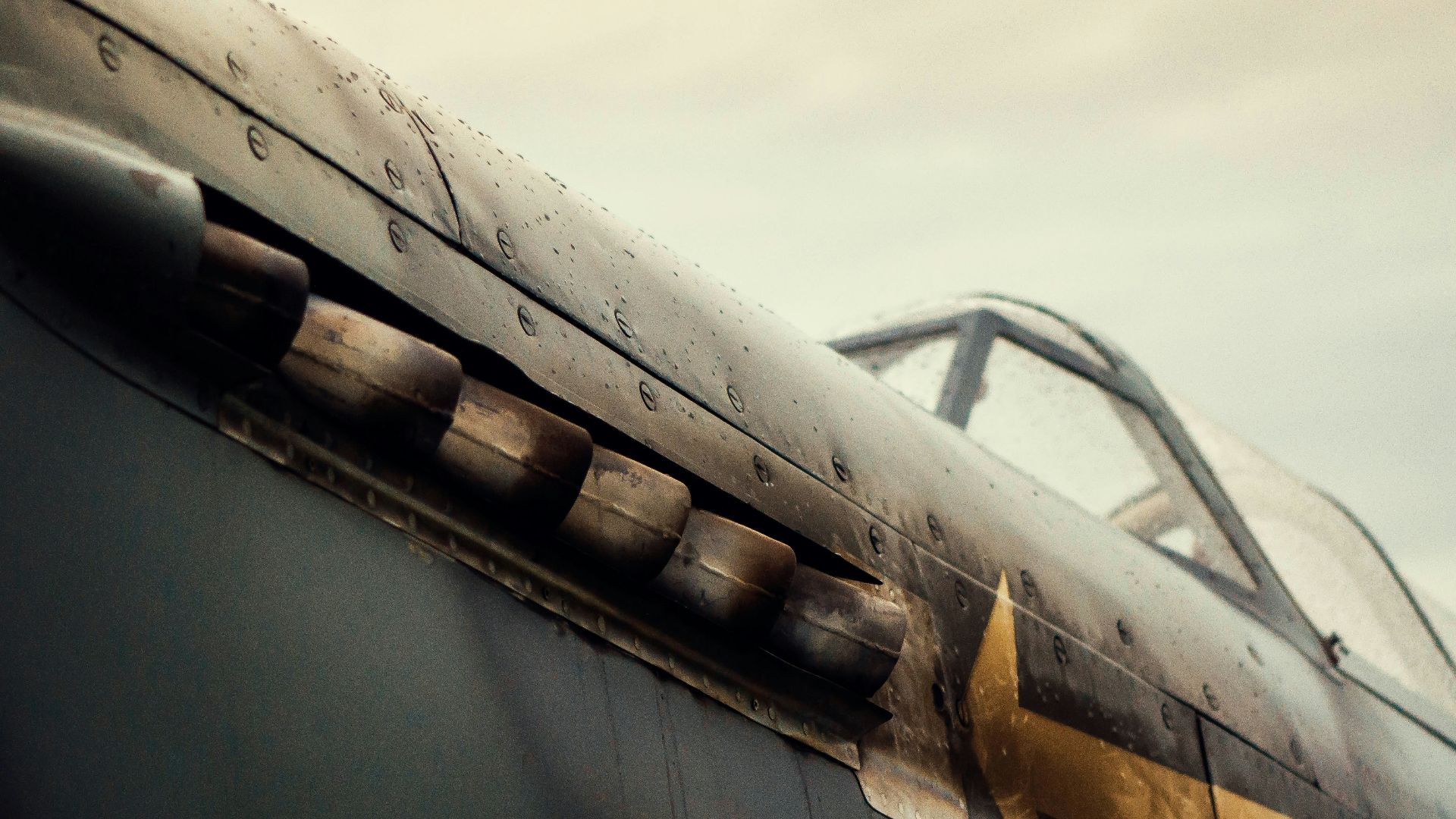
10. The Amphibious Assault At Normandy (1944)
The D-Day landings involved coordinated planning across land, sea, and air forces. Deception tactics misled German defenses about the invasion location. Once troops landed, they established a foothold despite heavy resistance. The operation marked a significant step toward the liberation of Western Europe.
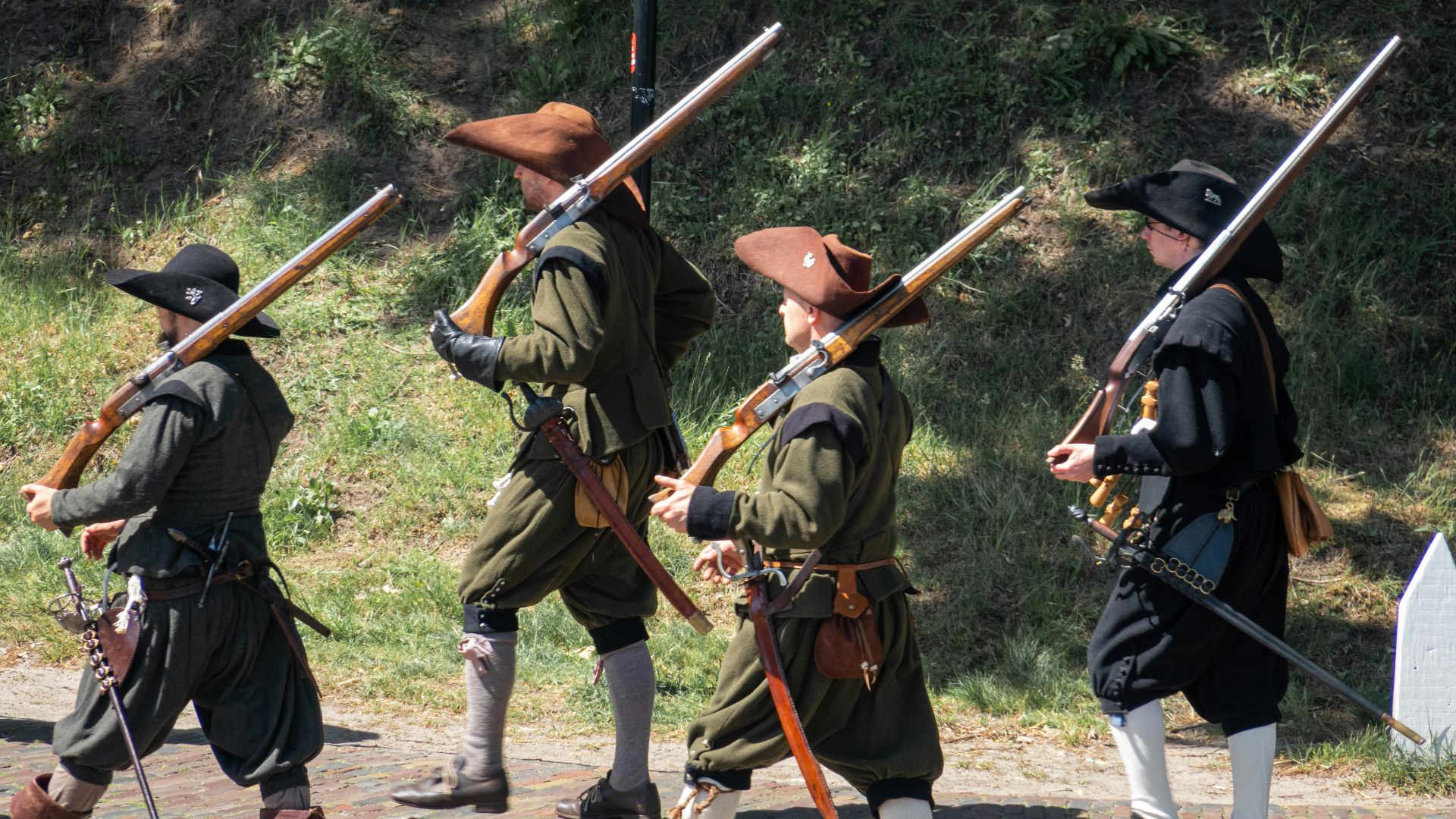
1. The Human Wave Attacks
This tactic involved sending large numbers of troops in repeated frontal assaults. It relied on overwhelming the enemy through sheer numbers rather than strategy. While sometimes effective in limited situations, it often resulted in extremely high casualties. It was frequently used when other options were limited.
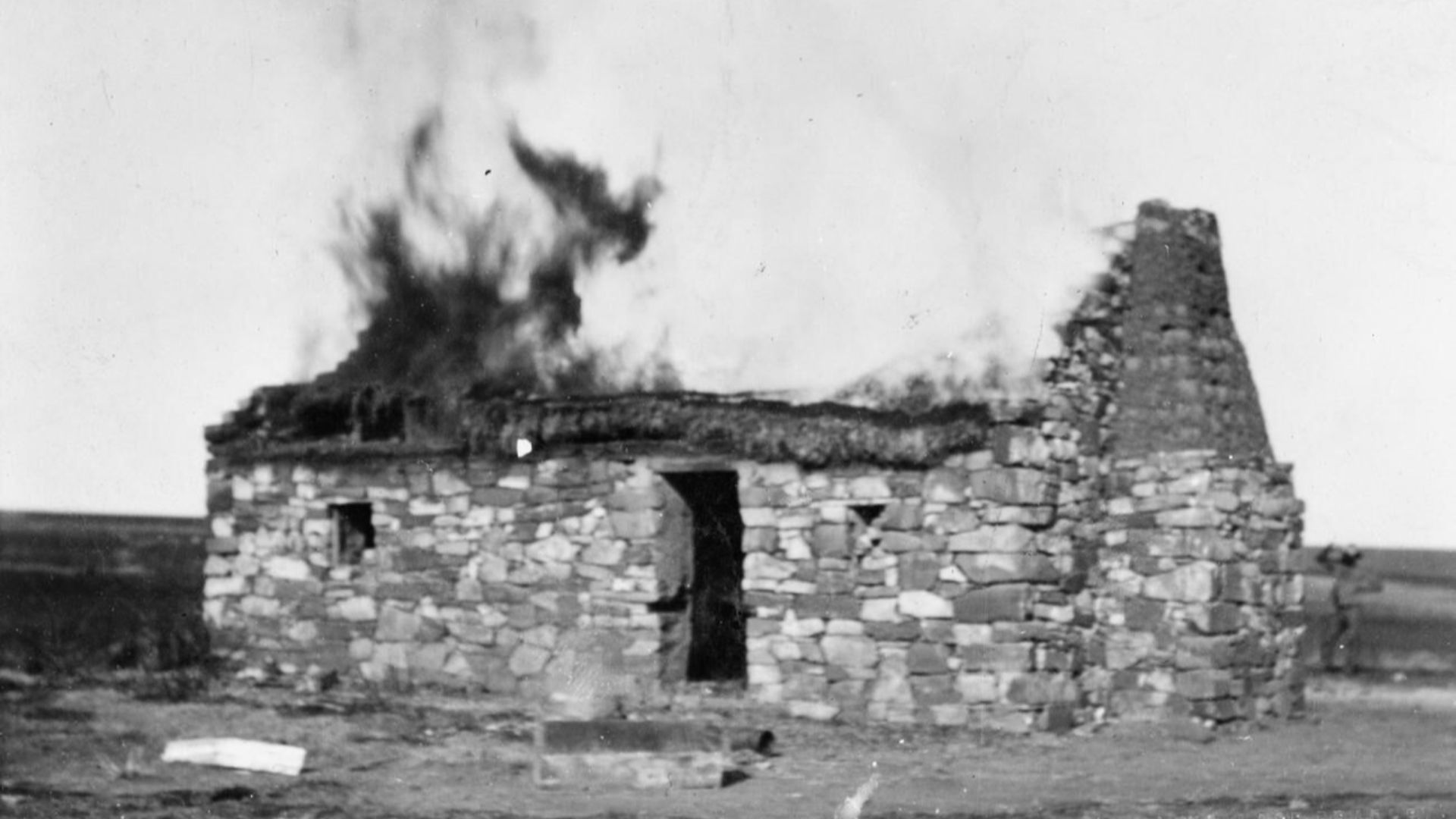
2. The Scorched Earth Policy In Russia (1812, 1941)
Retreating forces destroyed crops, infrastructure, and supplies to deny resources to advancing enemies. While it slowed invasions, it also caused hardship for civilians and the defending population.
 Unknown authorUnknown author on Wikimedia
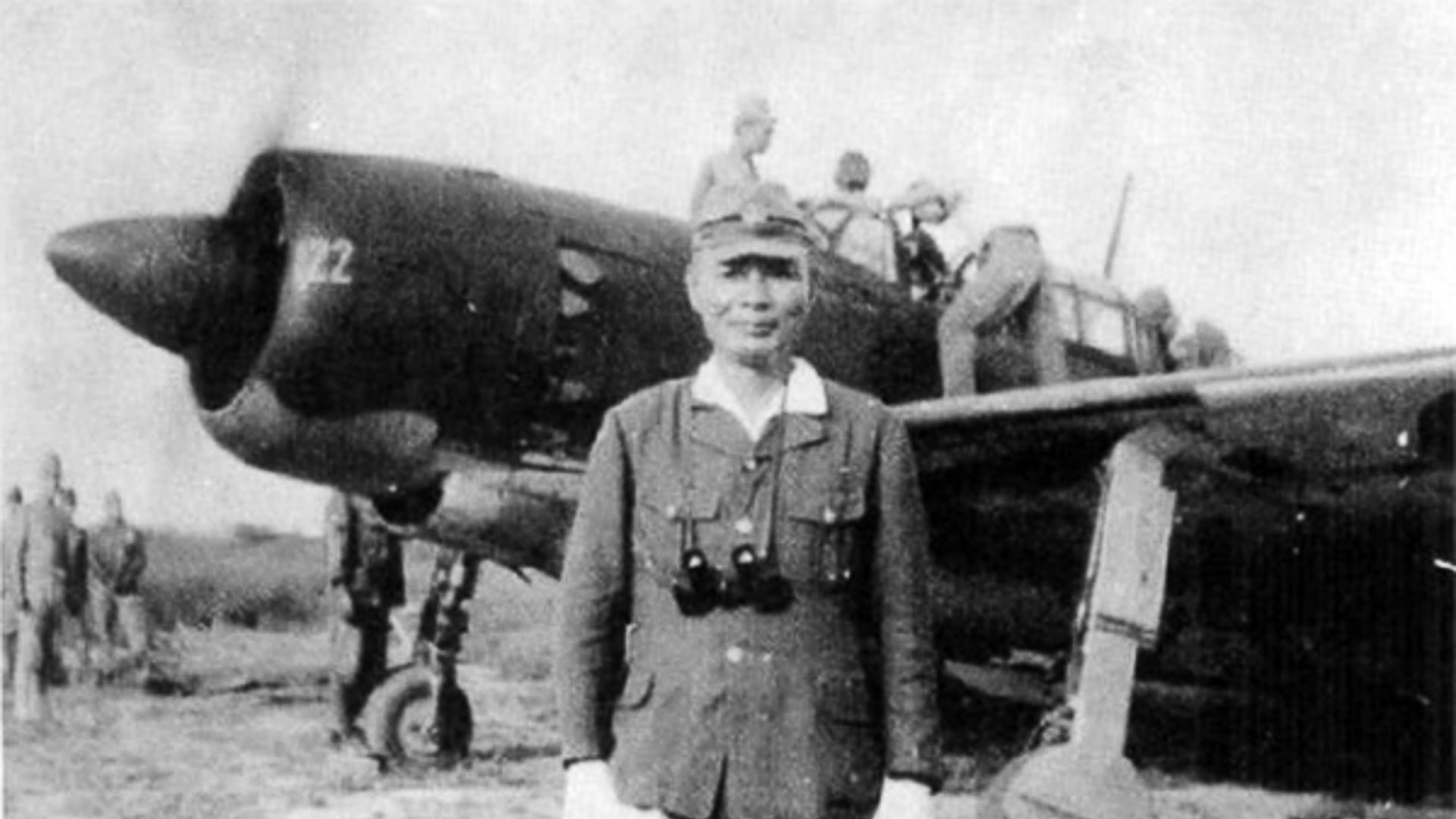
3. The Kamikaze Attacks By Japan (World War II)
Japanese pilots deliberately crashed aircraft into enemy ships as a form of attack. This tactic emerged late in the war when conventional options were diminishing. While it inflicted damage, it came at the cost of trained personnel. It highlighted the extreme measures taken under pressure.
 Unknown airman of Imperial Japanese Navy on Wikimedia
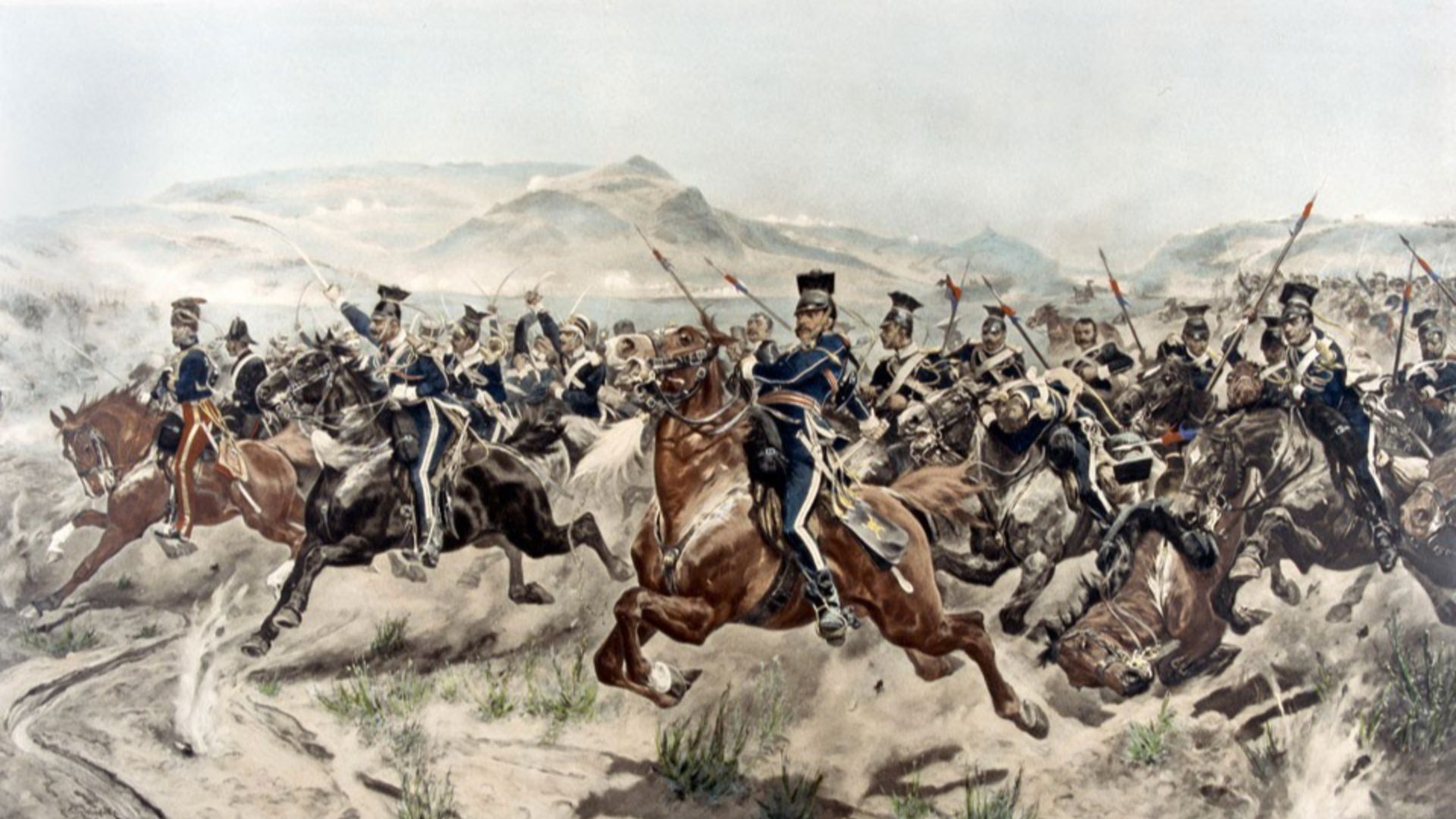
4. The Charge Of The Light Brigade (1854)
British cavalry advanced directly into heavily defended Russian artillery positions. The attack resulted from miscommunication and a lack of clear orders. Despite bravery, the charge led to significant losses with little strategic gain.
 Richard Caton Woodville Jr. on Wikimedia
5. The Use Of Child Soldiers
In some wars, forces have recruited children due to shortages of trained fighters. This practice reflects extreme desperation and a lack of resources. It often leads to long-term social and psychological consequences. It’s widely condemned under international law.
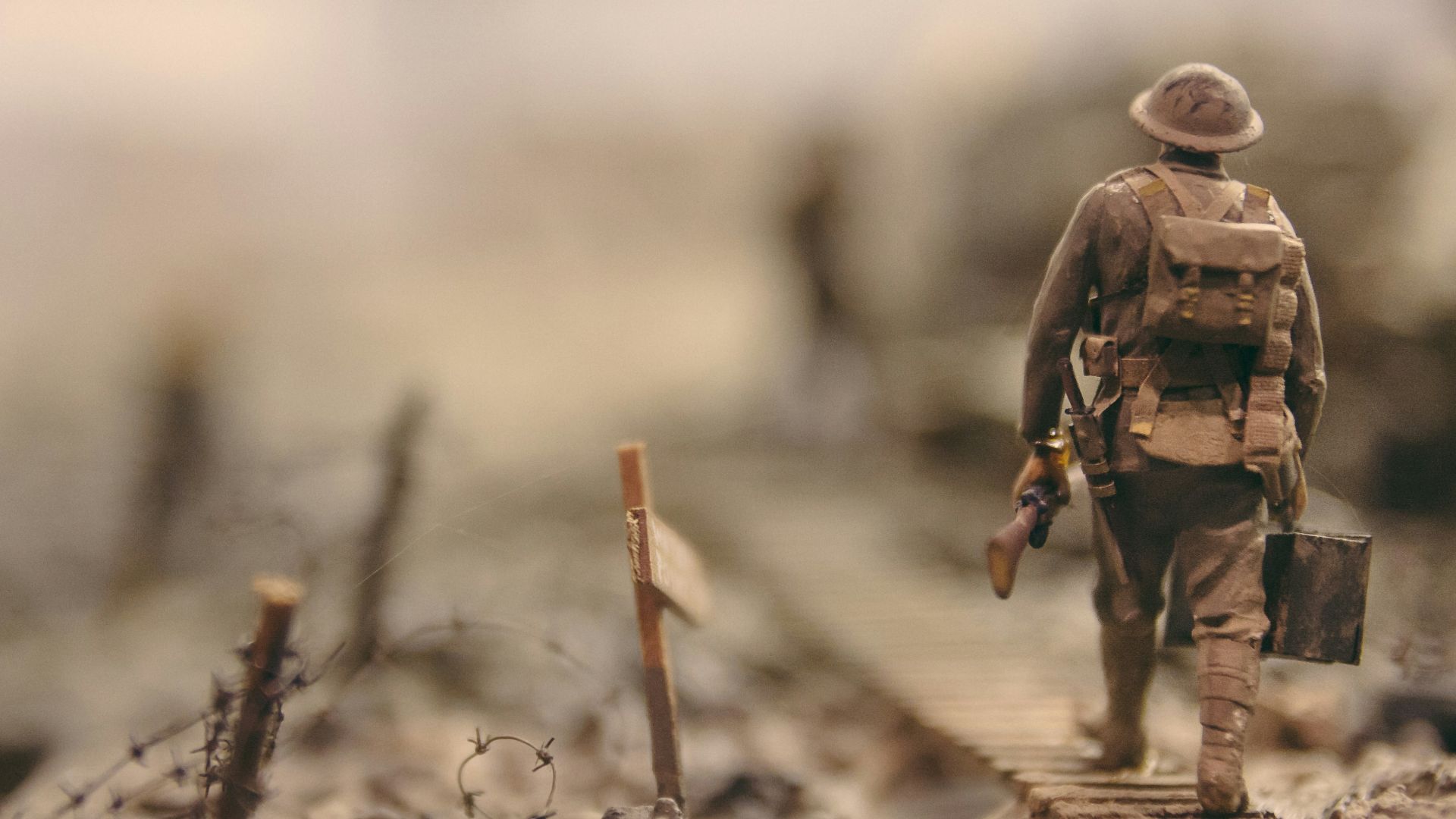
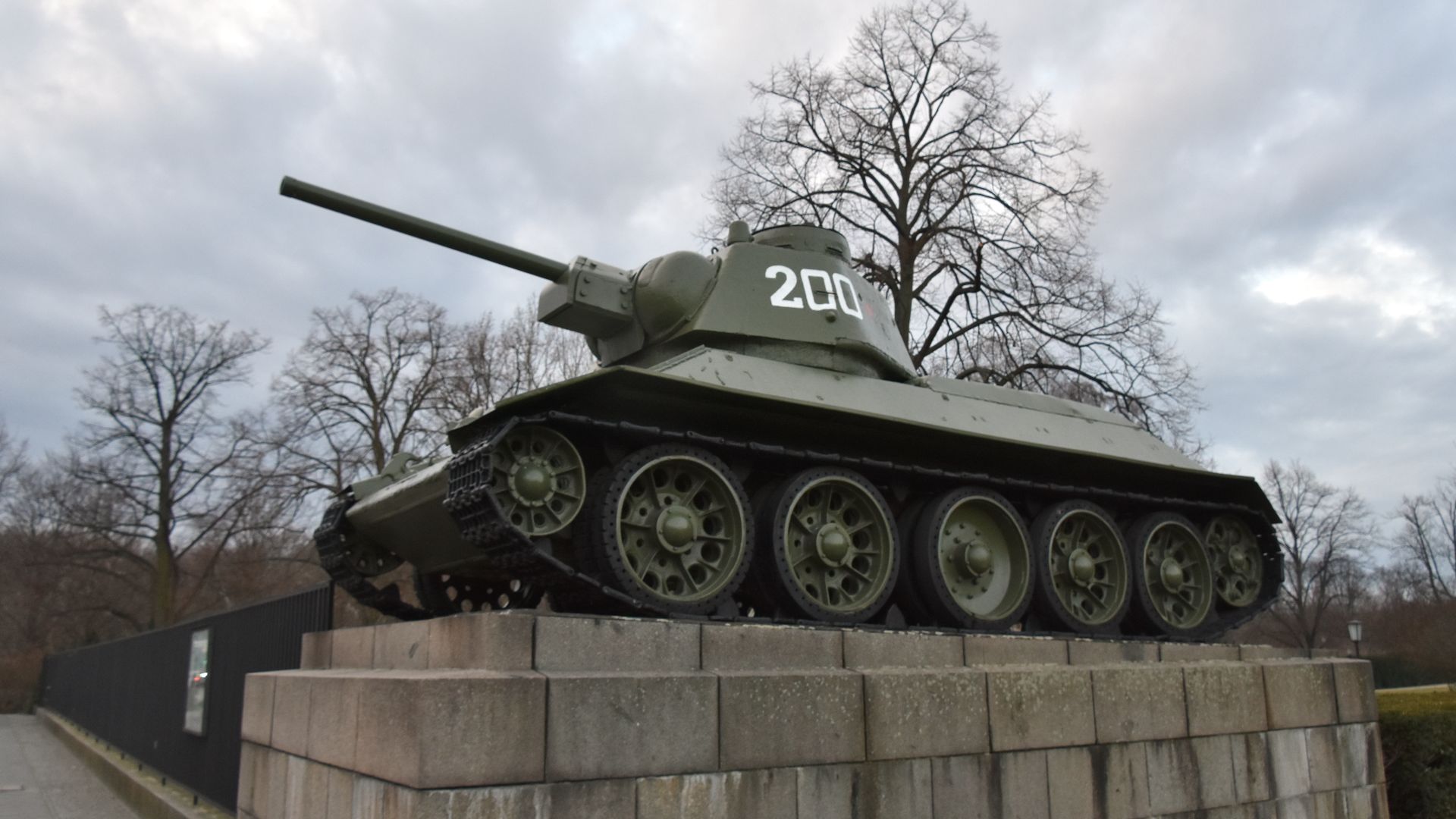
6. The Last-Ditch Defense Of Berlin (1945)
As Allied forces closed in, German defenders included poorly trained militia and youth units. Resources were limited, and coordination was increasingly difficult.
 Richard Mortel from Riyadh, Saudi Arabia on Wikimedia
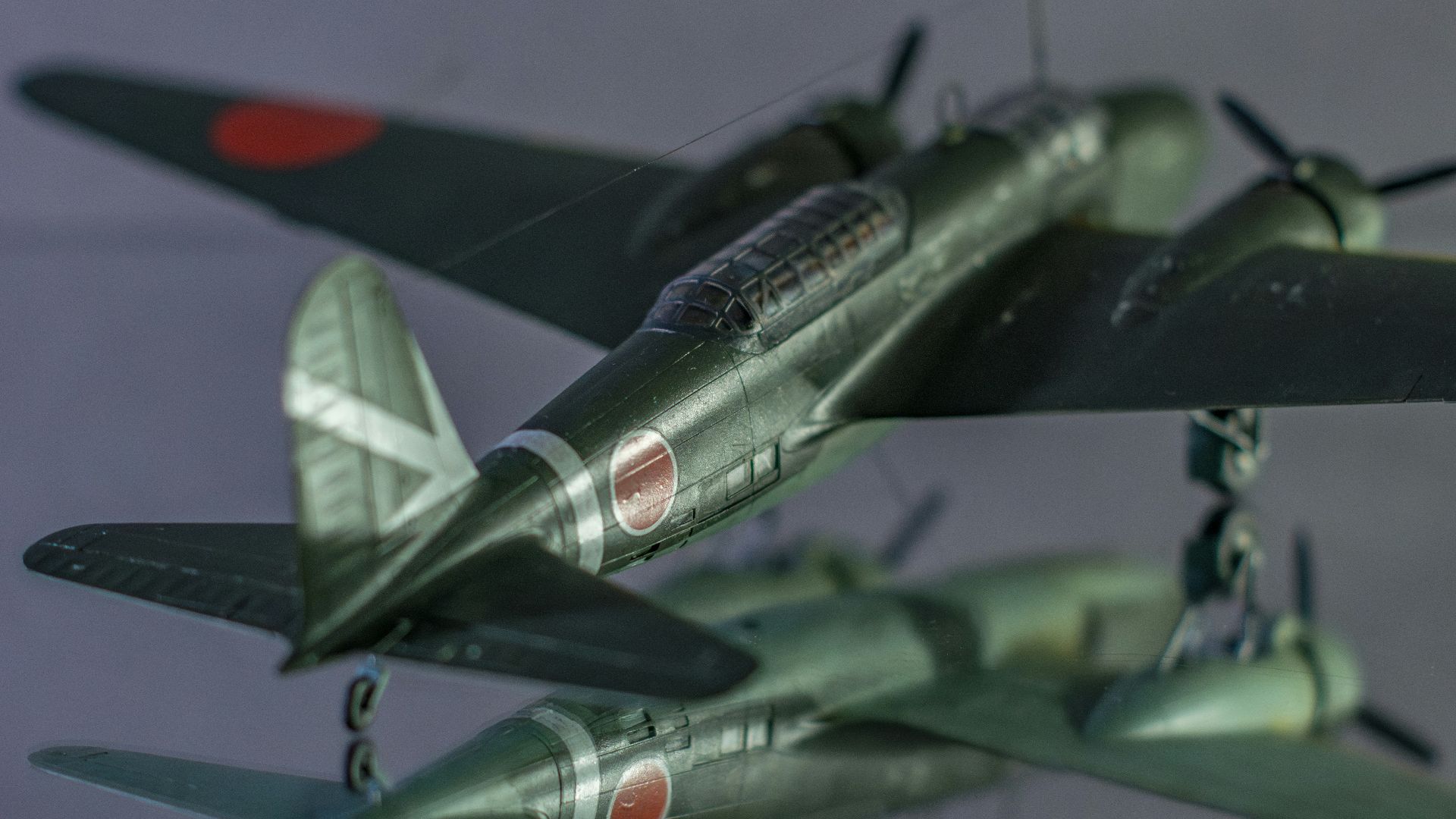
7. The Banzai Charges In The Pacific War
Japanese forces conducted mass infantry charges against fortified positions. These attacks were often made when retreat or surrender was not considered acceptable. While they demonstrated commitment, they typically resulted in heavy casualties.
8. The Use Of Fire Ships In Naval Warfare
Older vessels filled with combustible materials were sent toward enemy fleets. While occasionally effective, they were risky and difficult to control.
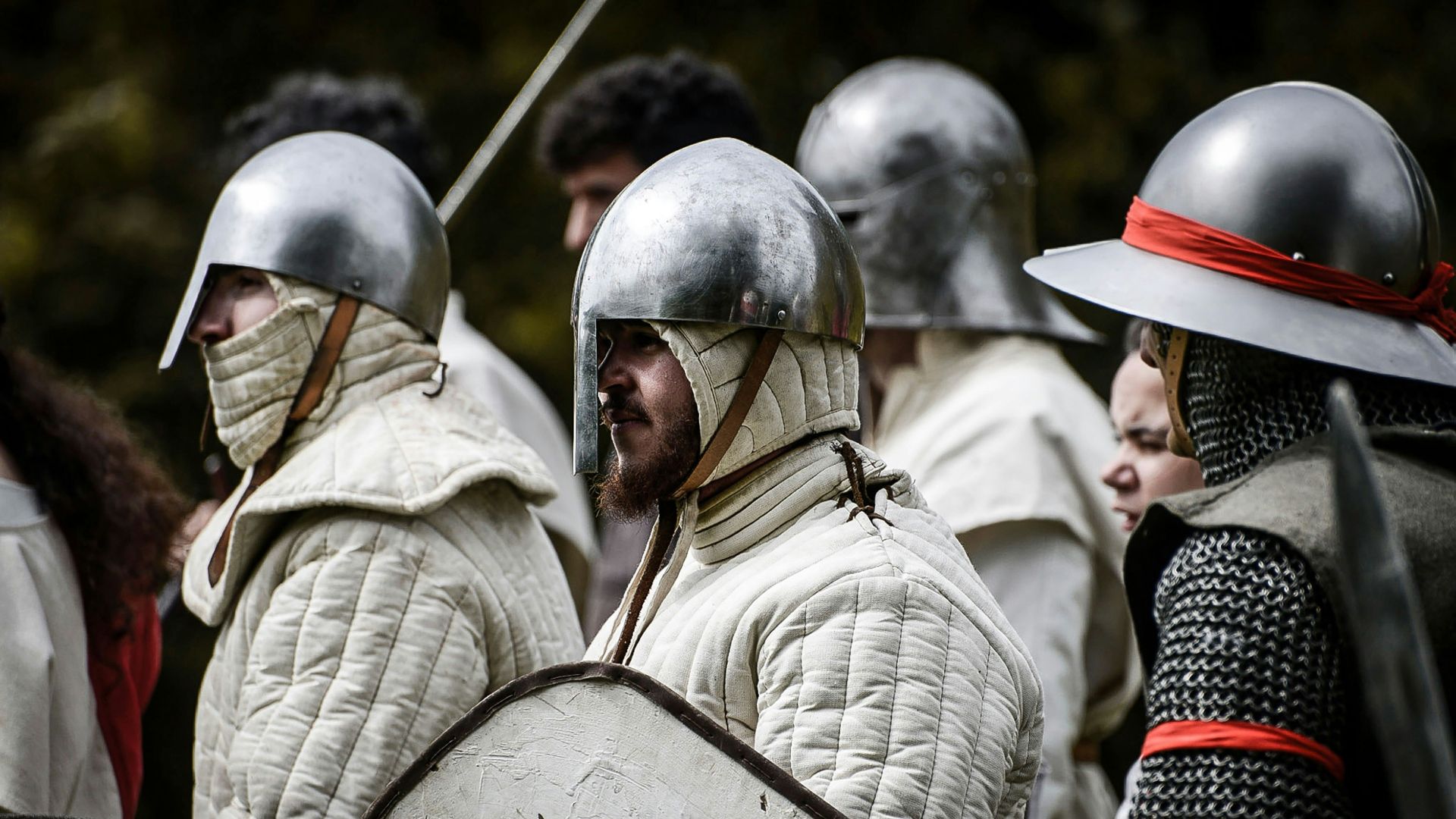
9. The Siege Starvation Tactics In Medieval Warfare
Defenders or attackers sometimes relied on cutting off food supplies to force surrender. While effective over time, it caused suffering for civilians trapped within cities.
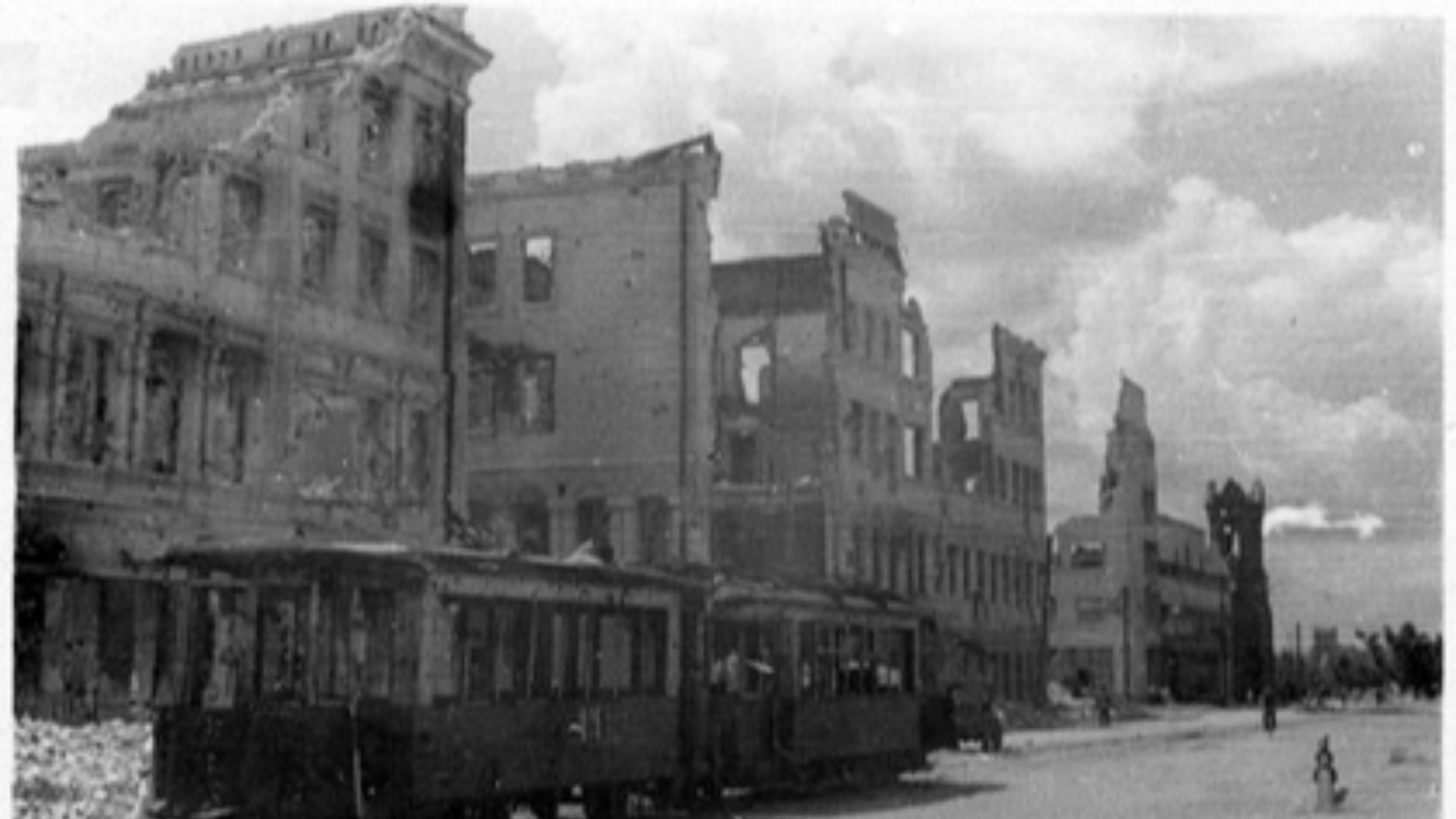
10. The Defense Of Stalingrad’s Final Stages (1942–1943)
As conditions worsened, both German and Soviet forces fought in extreme environments with limited supplies. Combat shifted to close-quarters fighting within ruins. Soldiers adapted to survival-based tactics rather than structured plans.
KEEP ON READING
The 20 Most Recognized Historical Figures Of All Time
The Biggest Names In History. Although the Earth has been…
By Cathy Liu Oct 4, 2024
10 of the Shortest Wars in History & 10 of…
Wars: Longest and Shortest. Throughout history, wars have varied dramatically…
By Emilie Richardson-Dupuis Oct 7, 2024
10 Fascinating Facts About Ancient Greece You Can Appreciate &…
Once Upon A Time Lived Some Ancient Weirdos.... Greece is…
By Megan Wickens Oct 7, 2024
20 Lesser-Known Facts About Christopher Columbus You Don't Learn In…
In 1492, He Sailed The Ocean Blue. Christopher Columbus is…
By Emilie Richardson-Dupuis Oct 9, 2024
20 Historical Landmarks That Have The Craziest Conspiracy Theories
Unsolved Mysteries Of Ancient Places . When there's not enough evidence…
By Megan Wickens Oct 9, 2024
The 20 Craziest Inventions & Discoveries Made During Ancient Times
Crazy Ancient Inventions . While we're busy making big advancements in…
By Cathy Liu Oct 9, 2024