How Power Expands—and Unravels
Throughout history, empires have risen through ambition, organization, and access to resources, yet the same forces that helped them grow often contributed to their decline. In some cases, overexpansion, corruption, and the pursuit of wealth at any cost weakened internal stability, while others thrived by building networks of exchange that encouraged cooperation and economic growth. Understanding these patterns helps explain why certain empires collapsed while others sustained influence for long periods. These 20 examples show how priorities, whether focused on extraction or exchange, shaped the course of entire civilizations.
1. Spanish Empire
The influx of silver and gold from the Americas brought immense wealth, but it also created economic imbalance. Heavy reliance on these resources led to inflation and weakened domestic production. Military campaigns and administrative costs further strained finances. Over time, these pressures contributed to long-term decline.
 Jordi Vich Navarro on Unsplash
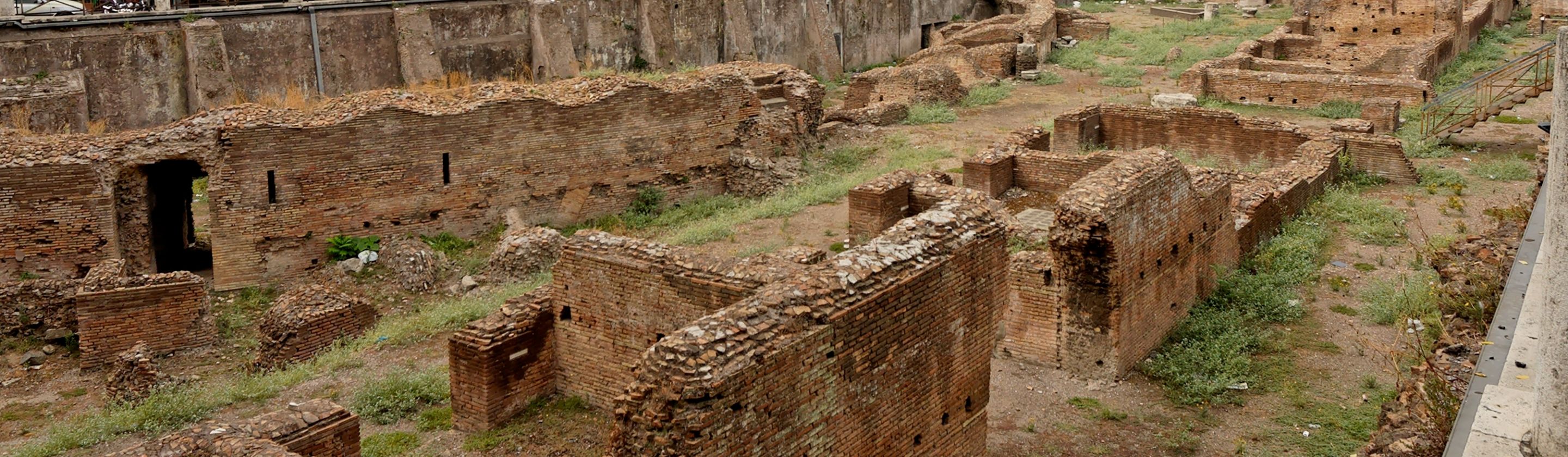
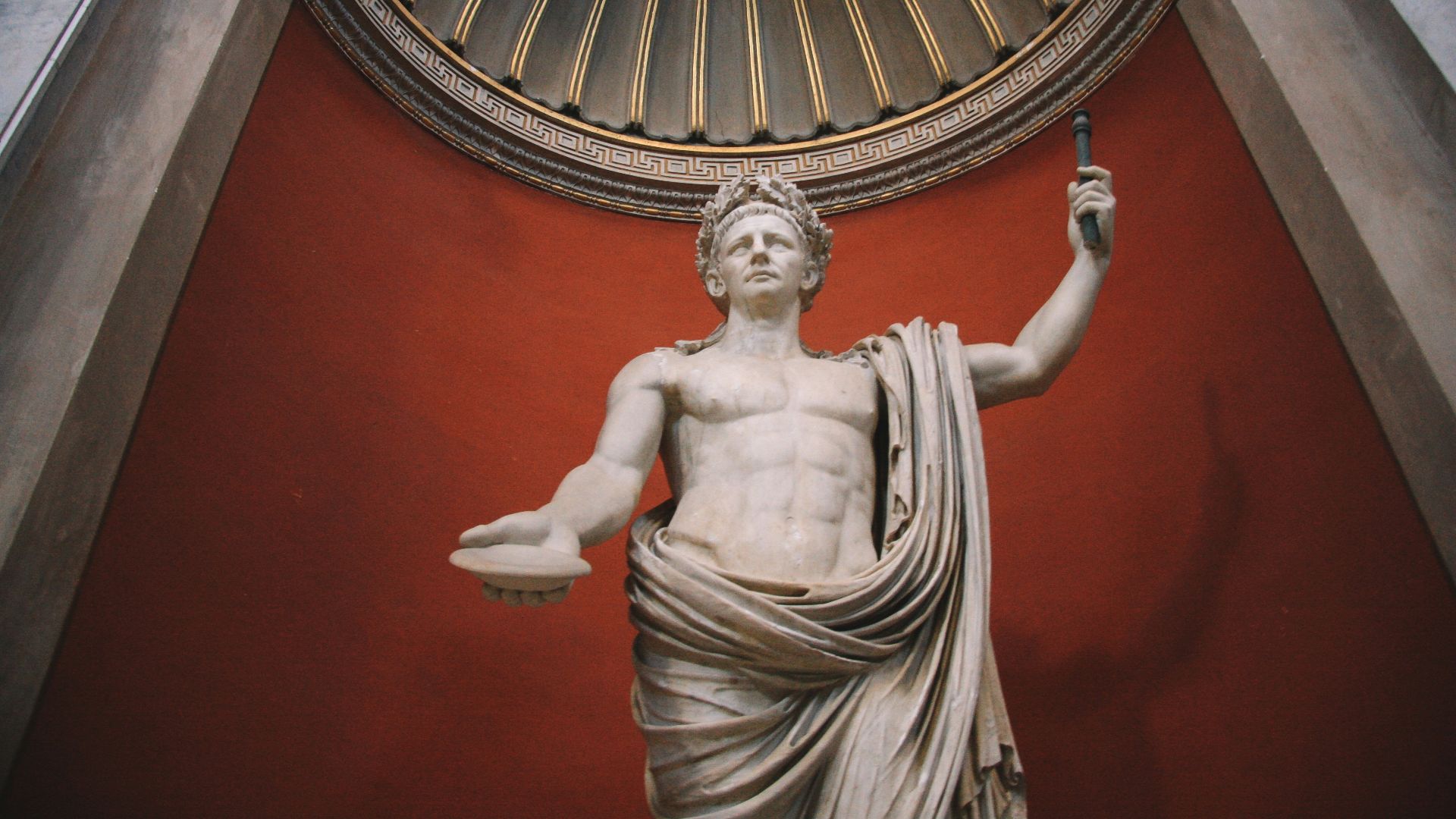
2. Roman Empire
As the empire expanded, maintaining control required significant resources and administrative complexity. Corruption, heavy taxation, and political instability became more common. Economic inequality and reliance on conquest for wealth created structural weaknesses. These factors played a role in its gradual fall in the West.
3. Abbasid Caliphate
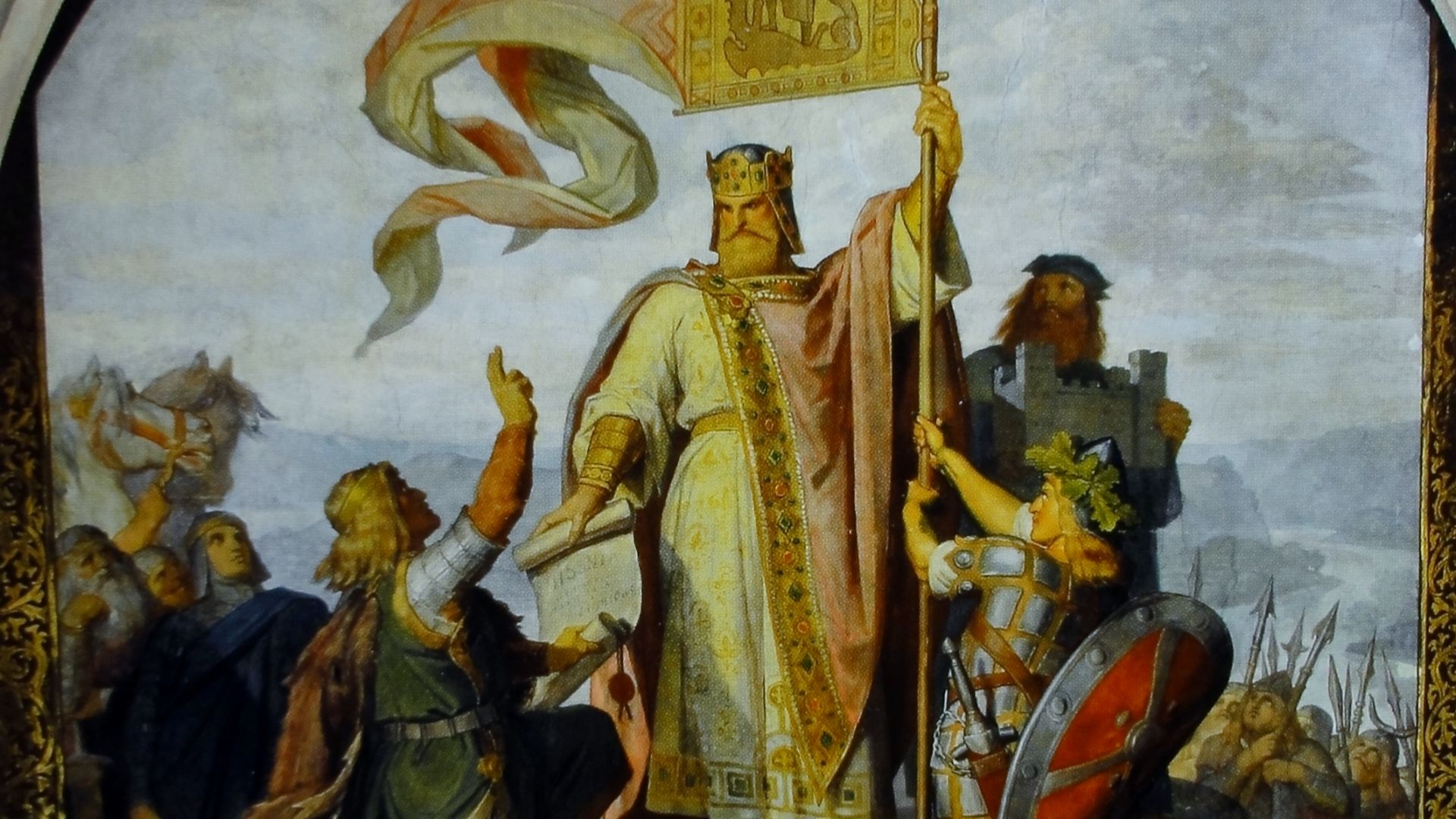
At its height, this empire controlled vast trade and cultural centers, but internal divisions weakened unity. Wealth concentration and political fragmentation reduced central authority. Regional leaders began acting independently, limiting cohesion. Over time, these issues contributed to its decline.

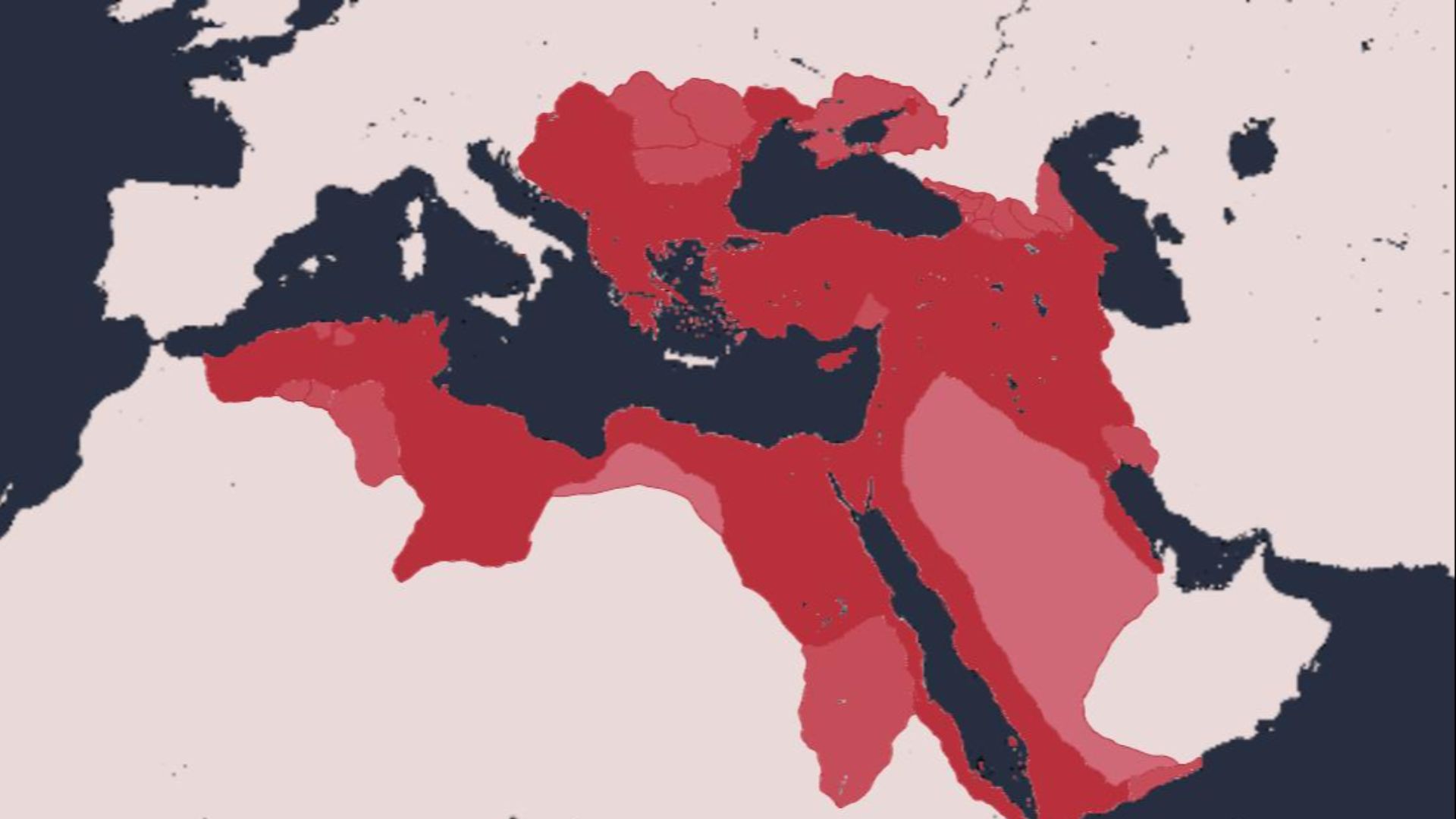
4. Ottoman Empire
While initially strong, the empire faced challenges managing its large and diverse territories. Economic difficulties and administrative inefficiencies became more noticeable over time. External competition and internal stagnation slowed progress. These pressures gradually reduced its influence.
5. Mughal Empire
The empire accumulated wealth through taxation and expansion, but later rulers struggled to maintain stability. Increased spending and administrative strain weakened central control. Regional powers began asserting independence, and this fragmentation contributed to its decline.

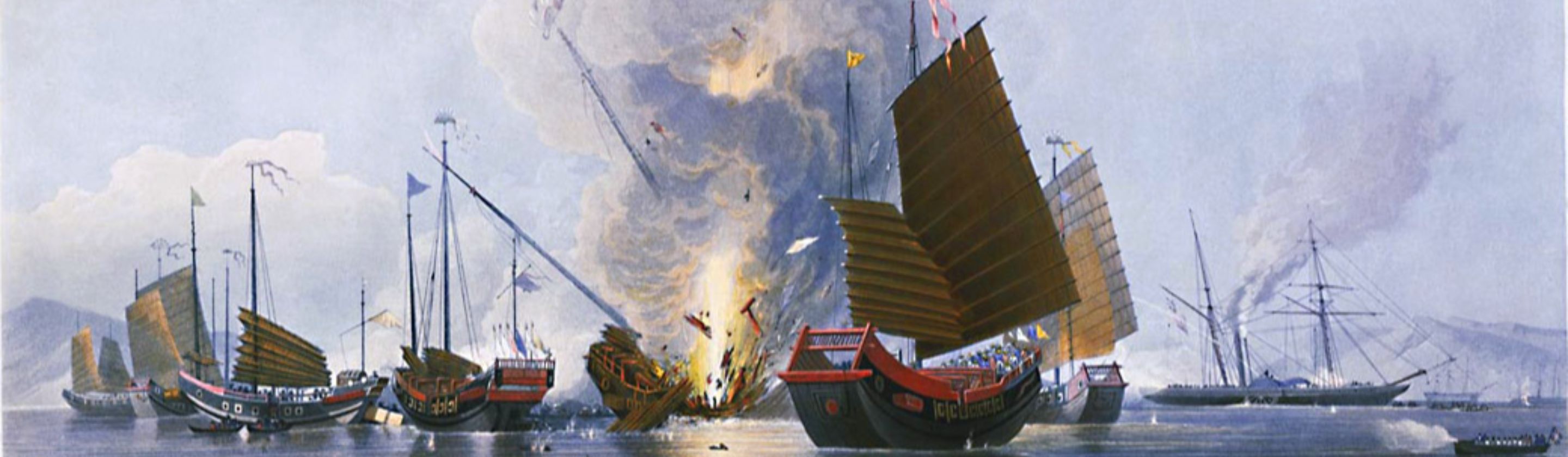
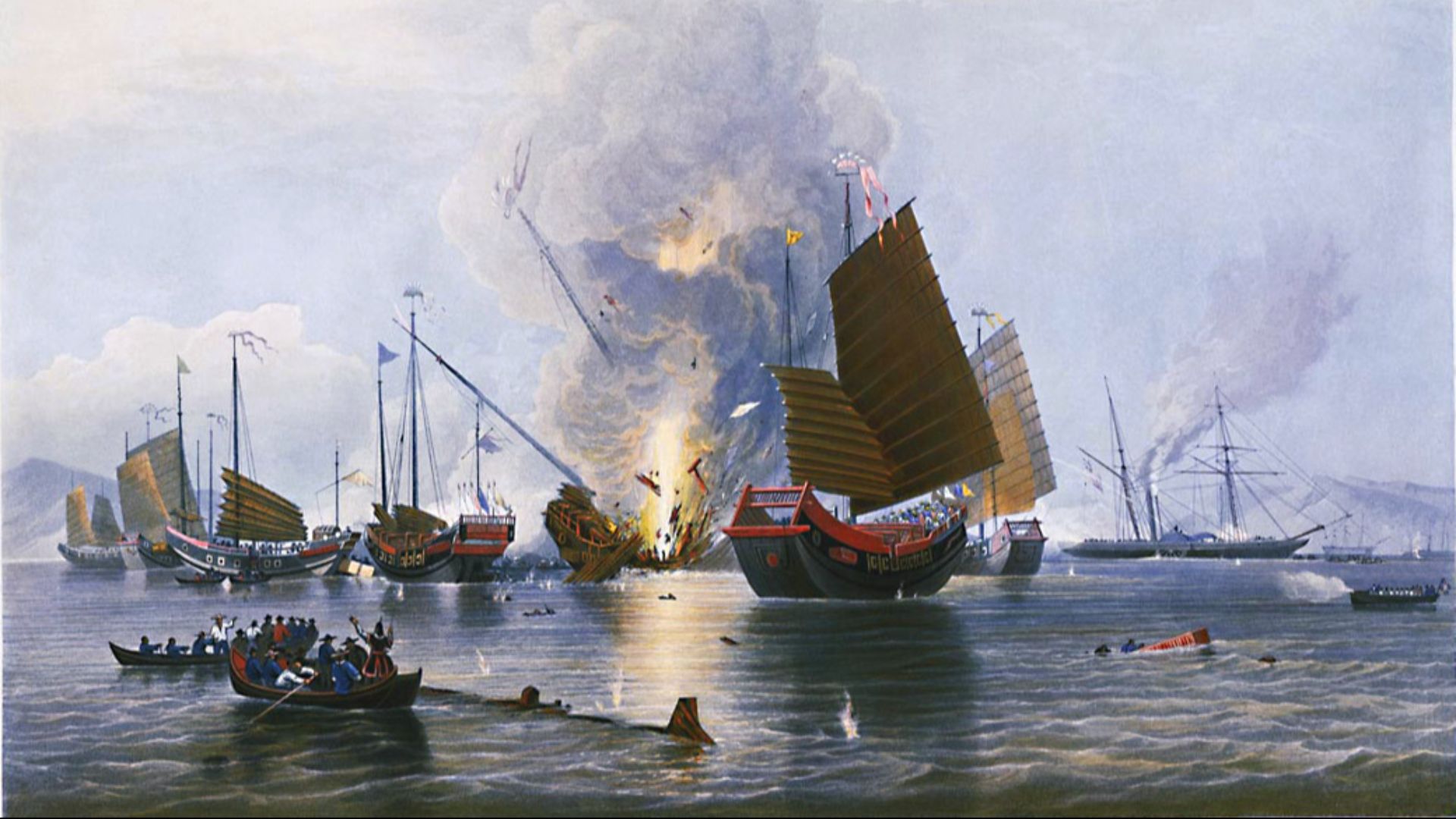
6. Qing Dynasty
Rapid population growth and resource strain created economic pressure. Corruption and inefficiency within the administration limited effective governance. External conflicts and internal rebellions further weakened the state. These combined issues led to its eventual fall.
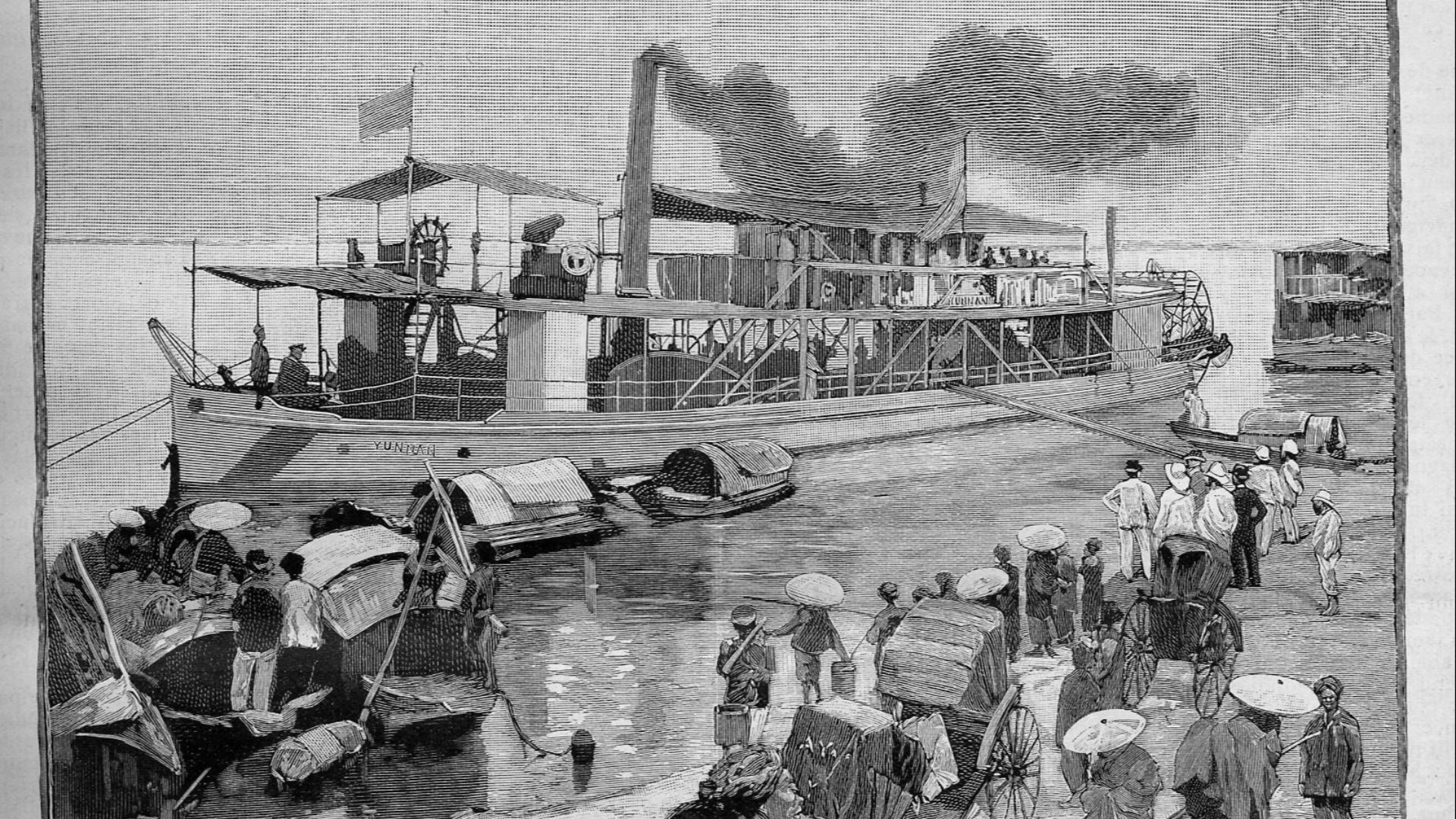
7. French Colonial Empire
Efforts to expand and maintain overseas territories required significant financial investment. Economic strain and resistance in colonies made control difficult. Changing global attitudes toward colonialism reduced support for expansion. These factors contributed to its eventual dissolution.
8. Portuguese Empire
Early success in global exploration brought wealth, but maintaining distant territories proved costly. Competition from other European powers reduced its dominance in trade routes. Economic reliance on overseas holdings created vulnerability. Over time, influence declined.
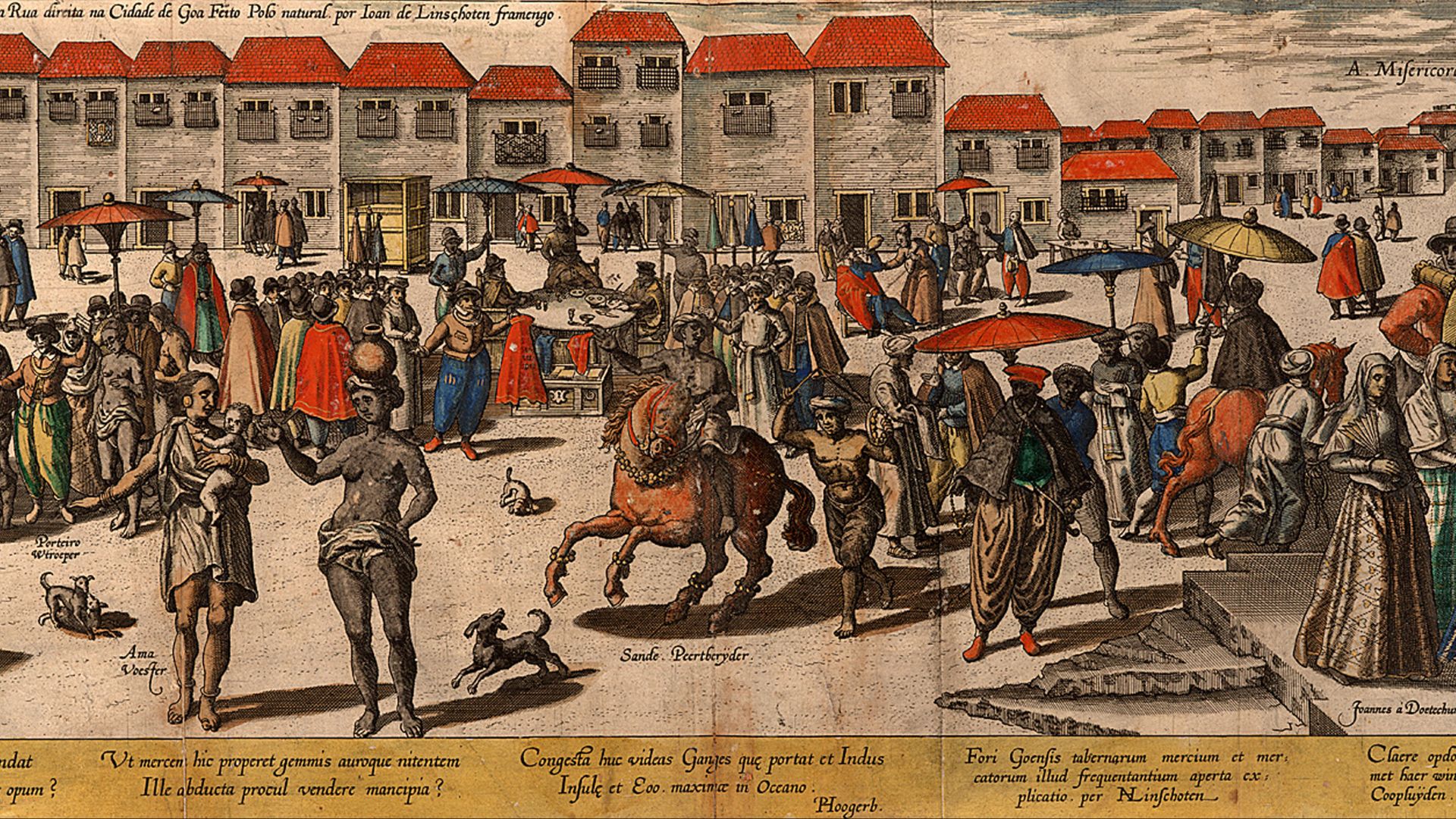 Jan Huygen van Linschoten on Wikimedia
9. Aztec Empire
The empire relied heavily on tribute from conquered regions. This system created resentment among subject peoples. When external forces arrived, these tensions made alliances against the empire more likely. Internal dissatisfaction played a role in its rapid collapse.
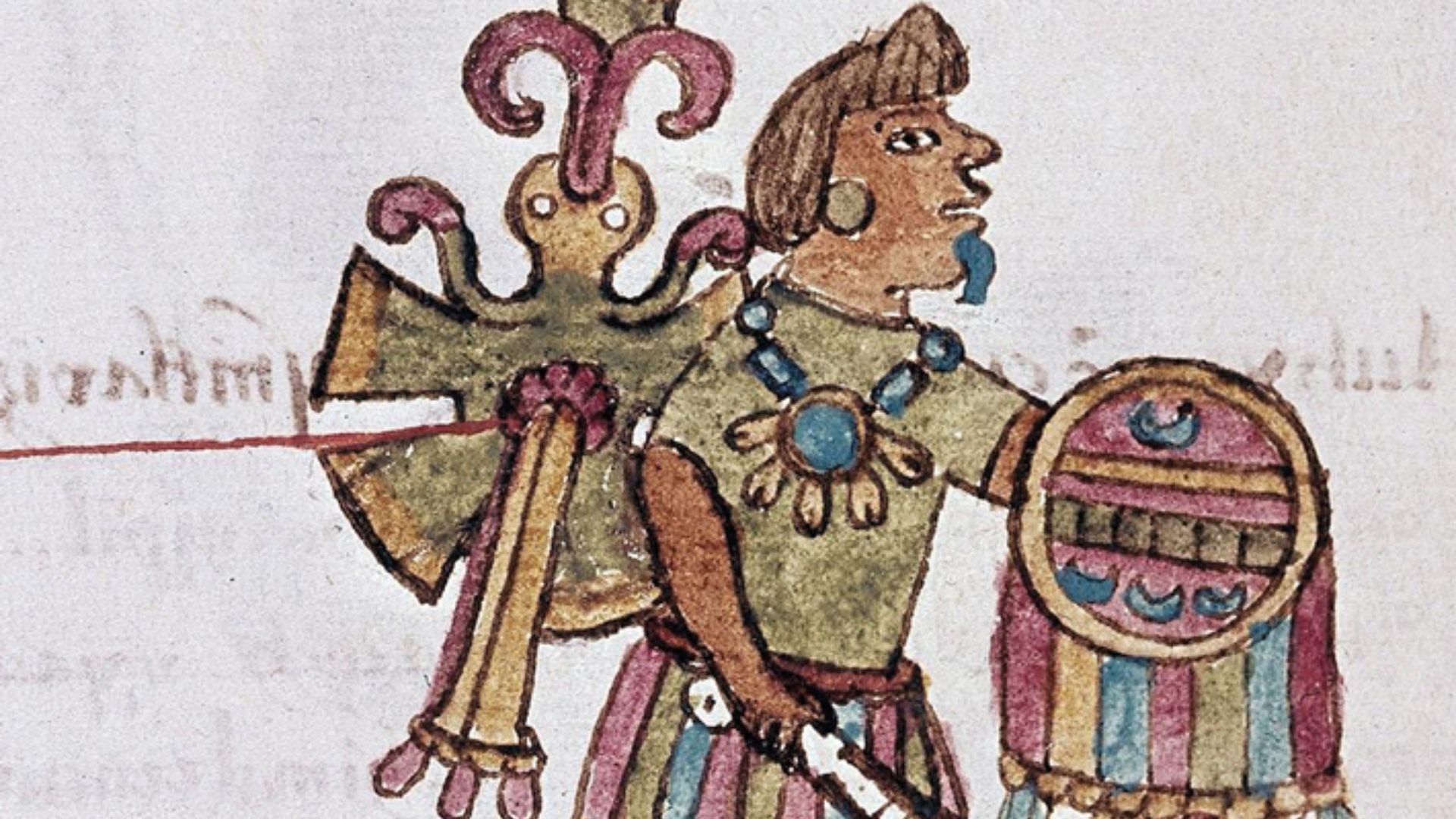 Bernardino de Sahagún on Wikimedia
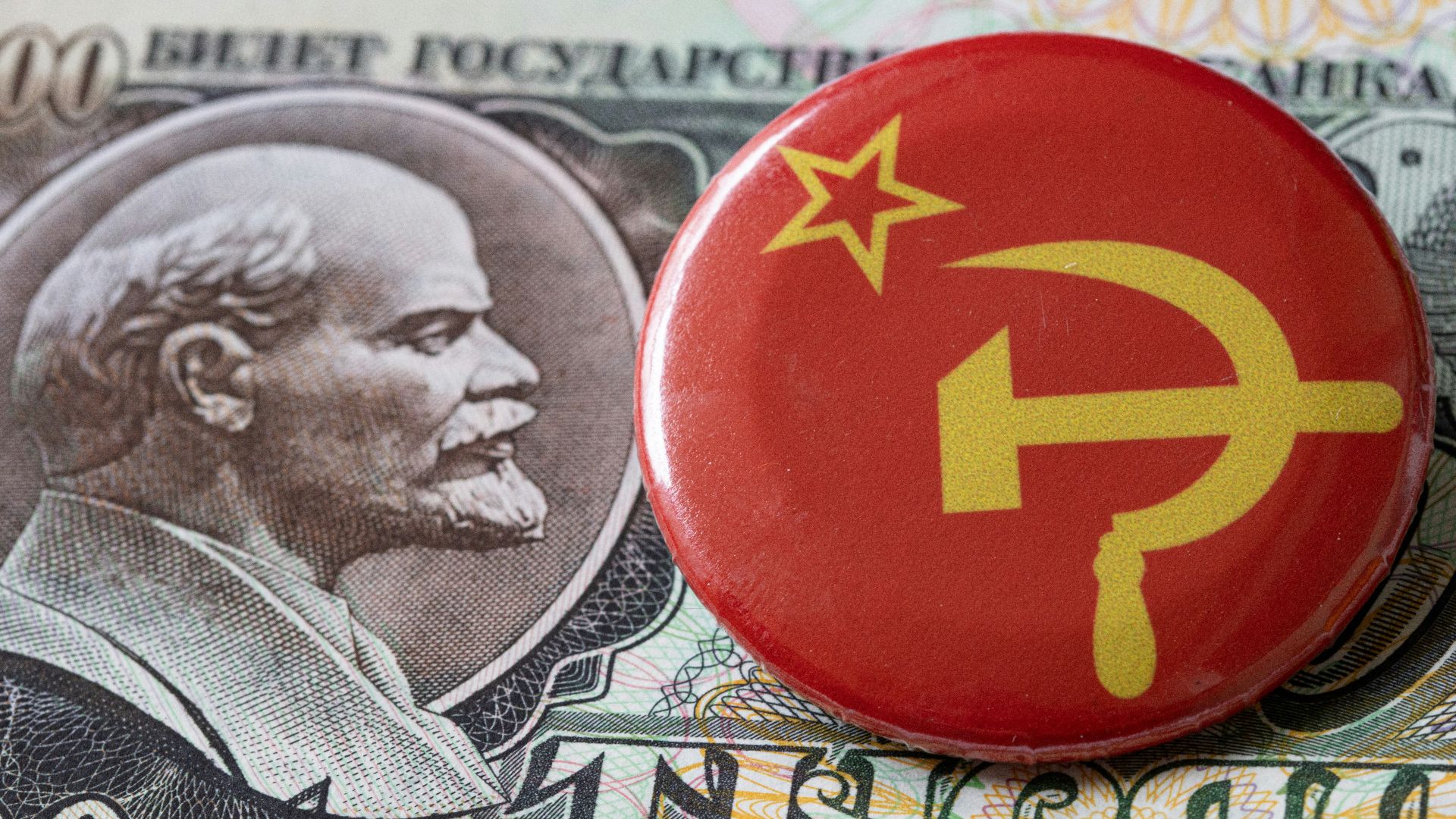
10. Soviet Union
Economic strain from maintaining influence and competing globally created long-term pressure. Centralized control limited flexibility and efficiency, and resource allocation often prioritizes expansion over sustainability.
1. Phoenician Civilization
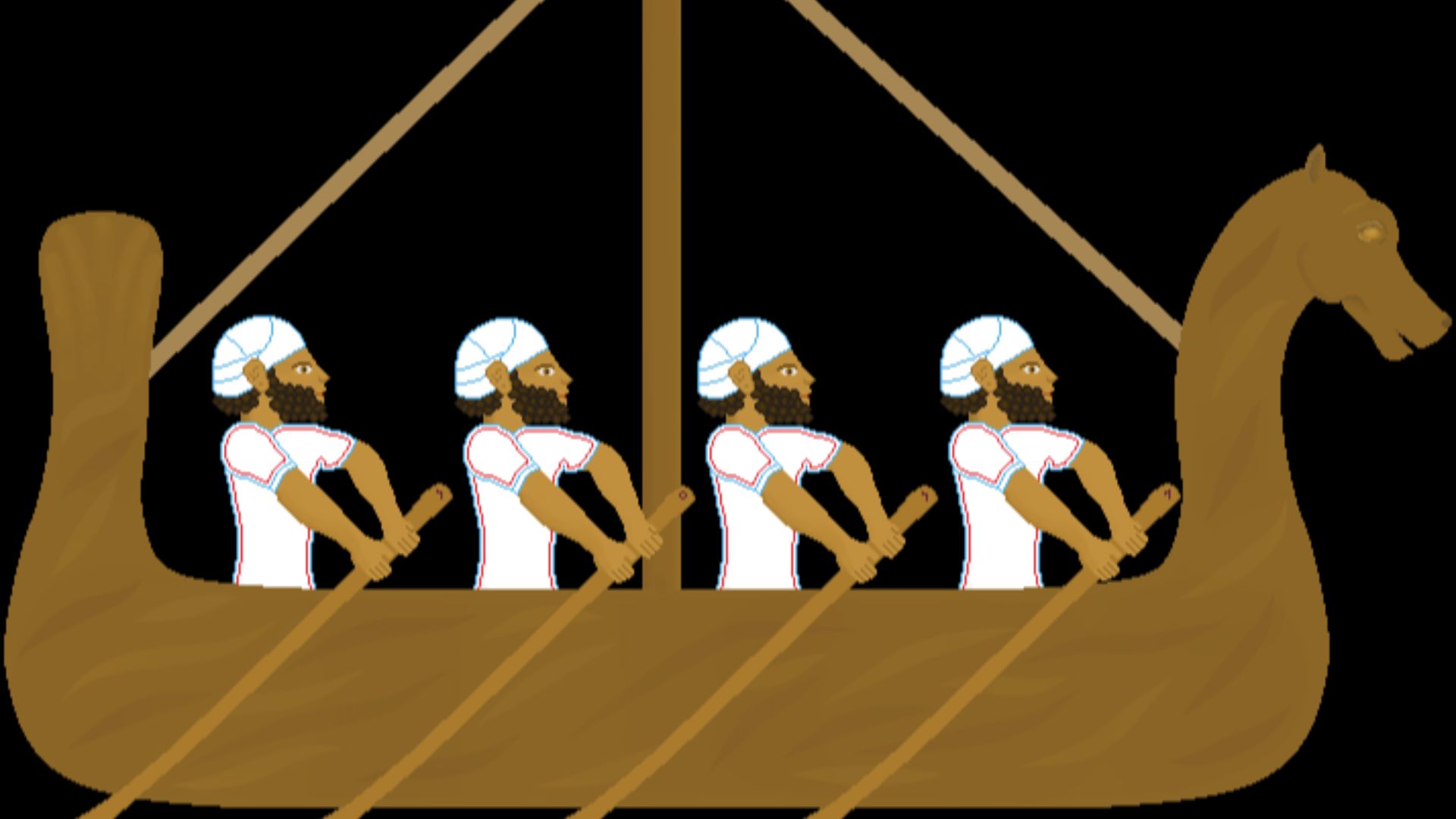
Known for maritime skill, this civilization established extensive trade networks across the Mediterranean. They exchanged goods such as textiles, glass, and metals. Their colonies supported commercial activity and cultural exchange. Trade was central to their success and influence.
2. Carthaginian Empire
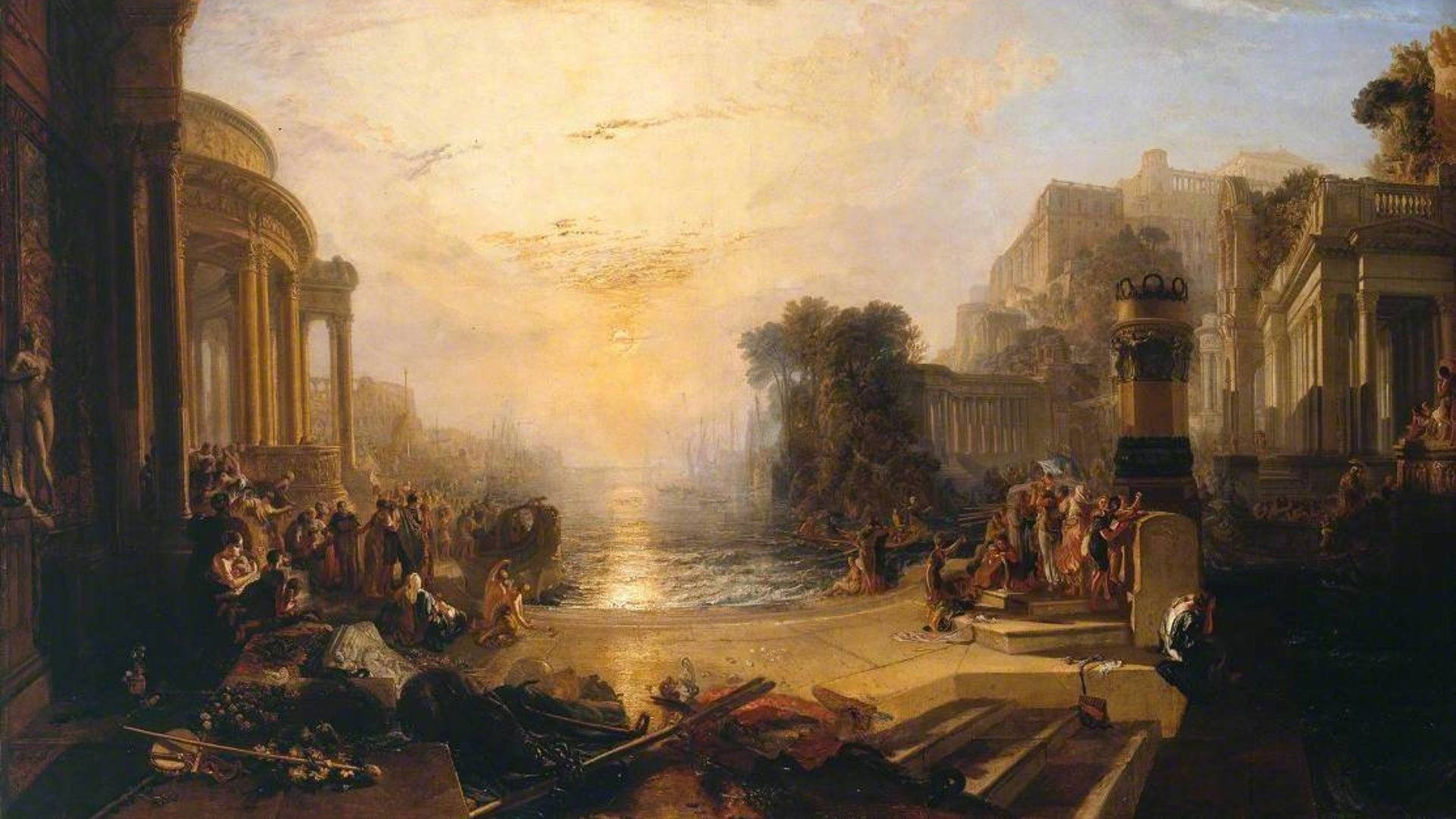
Originating from Phoenician roots, this empire expanded through commerce and naval strength. Control of trade routes allowed economic growth and regional influence. Markets and ports connected different cultures. Trade formed the foundation of its power.
3. Venetian Republic
Venice developed into a major trading hub linking Europe with the East. Its strategic location supported commerce in spices, textiles, and other goods. Strong naval capabilities protected these routes. Economic success was closely tied to trade activity.
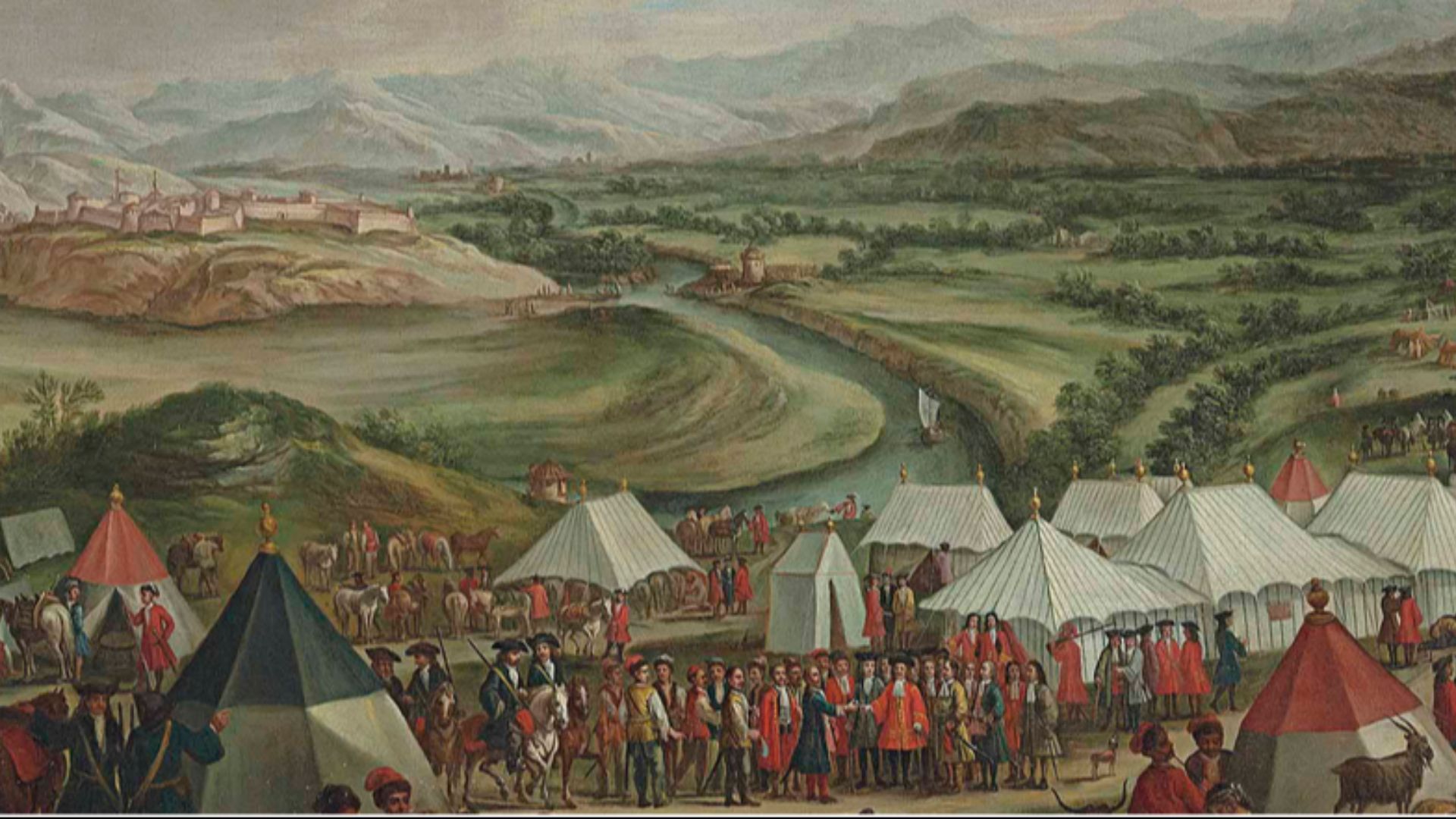
4. Dutch Empire
The Dutch focused heavily on maritime trade and established global commercial networks. Companies played a key role in organizing trade and expansion, and ports and shipping routes connected distant regions. Trade drove economic and political strength.
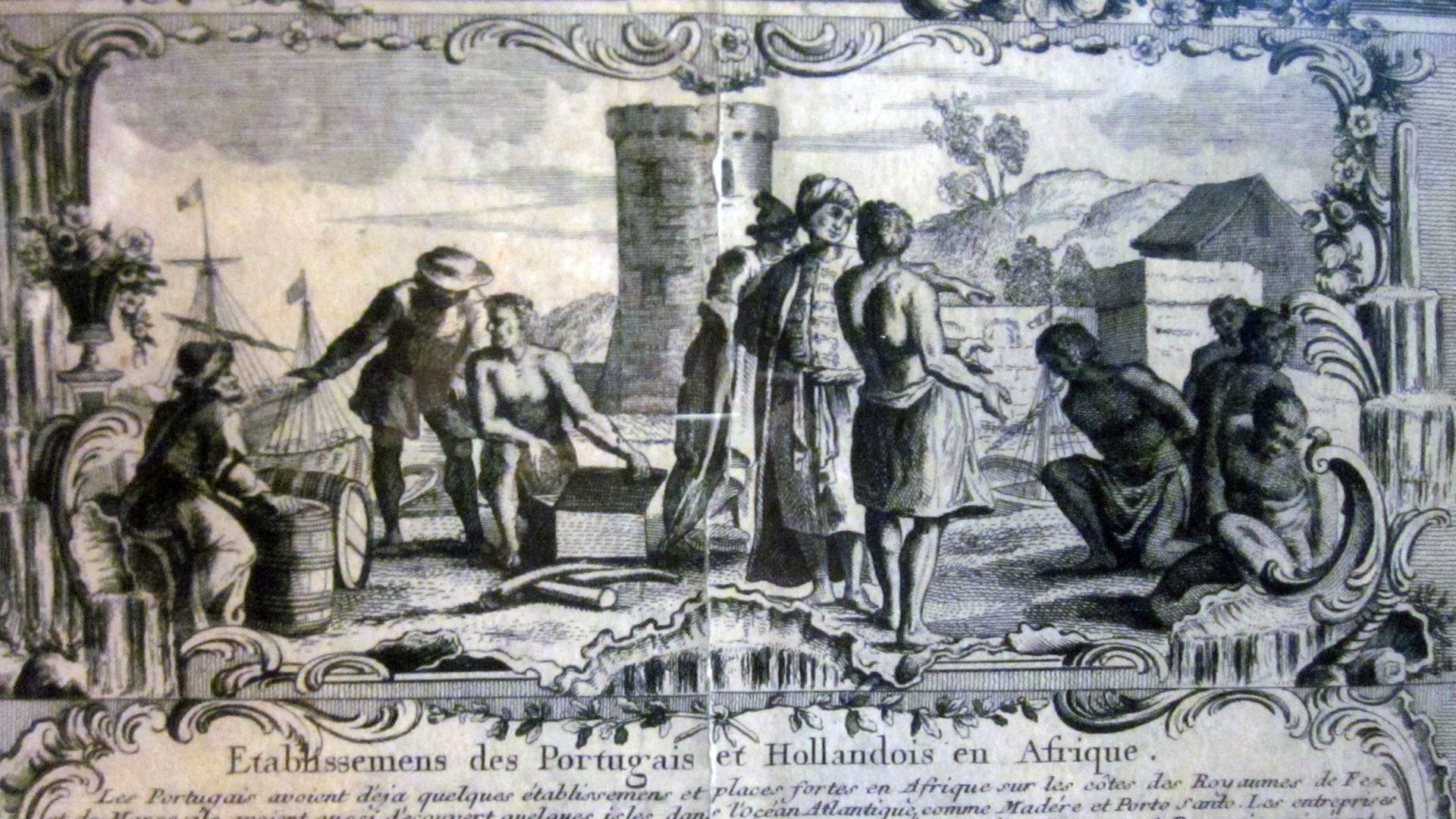
5. British Empire
While it expanded territorially, trade remained a central component of its growth. Control of sea routes enabled the exchange of goods across continents. Industrial production supported large-scale commerce. Economic networks reinforced their global influence.
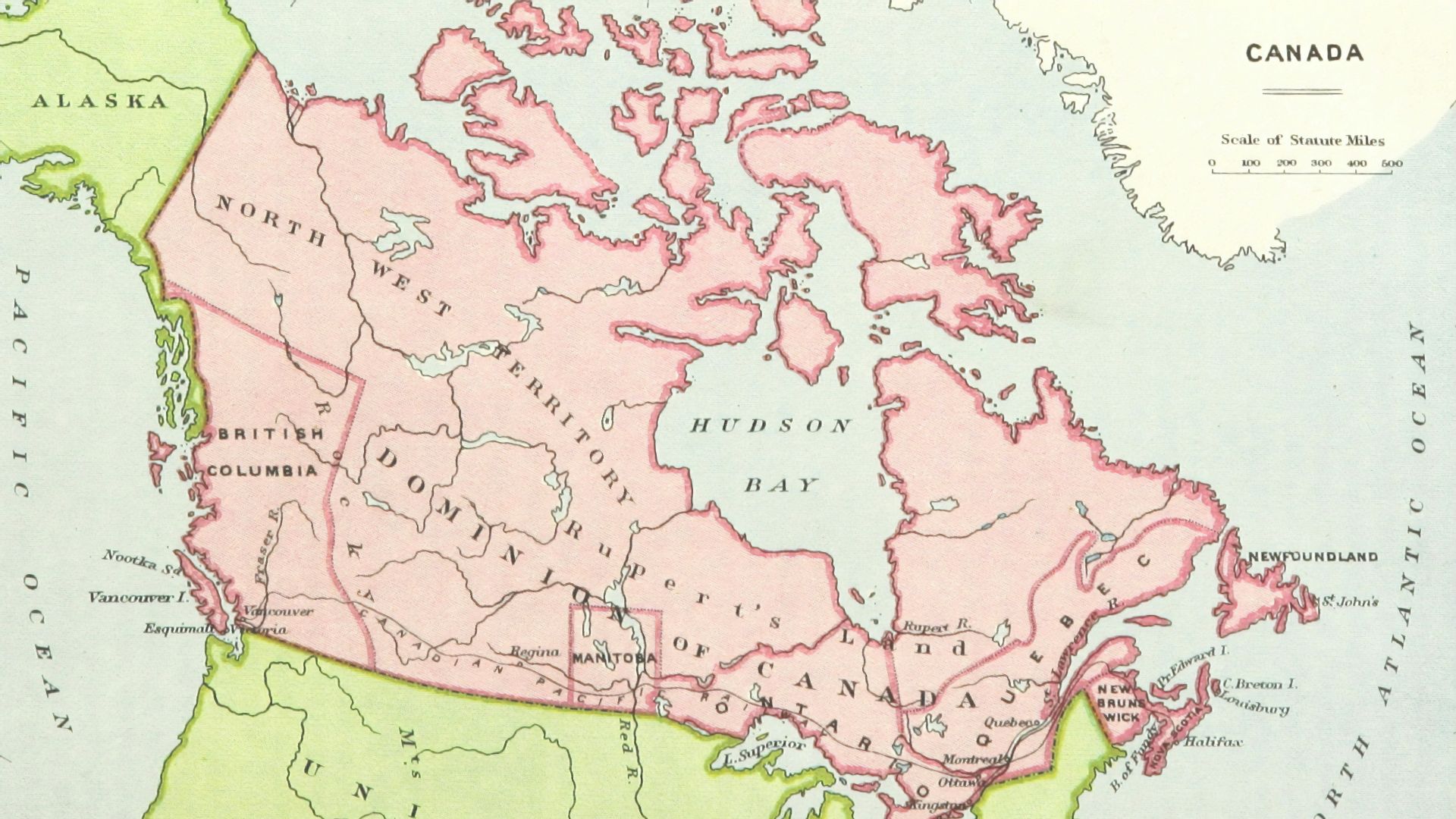
6. Mali Empire
Located in West Africa, this empire thrived on trans-Saharan trade. Gold and salt were among its most valuable commodities. Trade routes connected it to North Africa and beyond. Wealth from commerce supported cultural and political development.

7. Song Dynasty
Economic growth during this period was supported by internal and external trade. Innovations in technology and infrastructure improved commercial activity. Markets expanded within and beyond the empire. Trade contributed to a strong and dynamic economy.
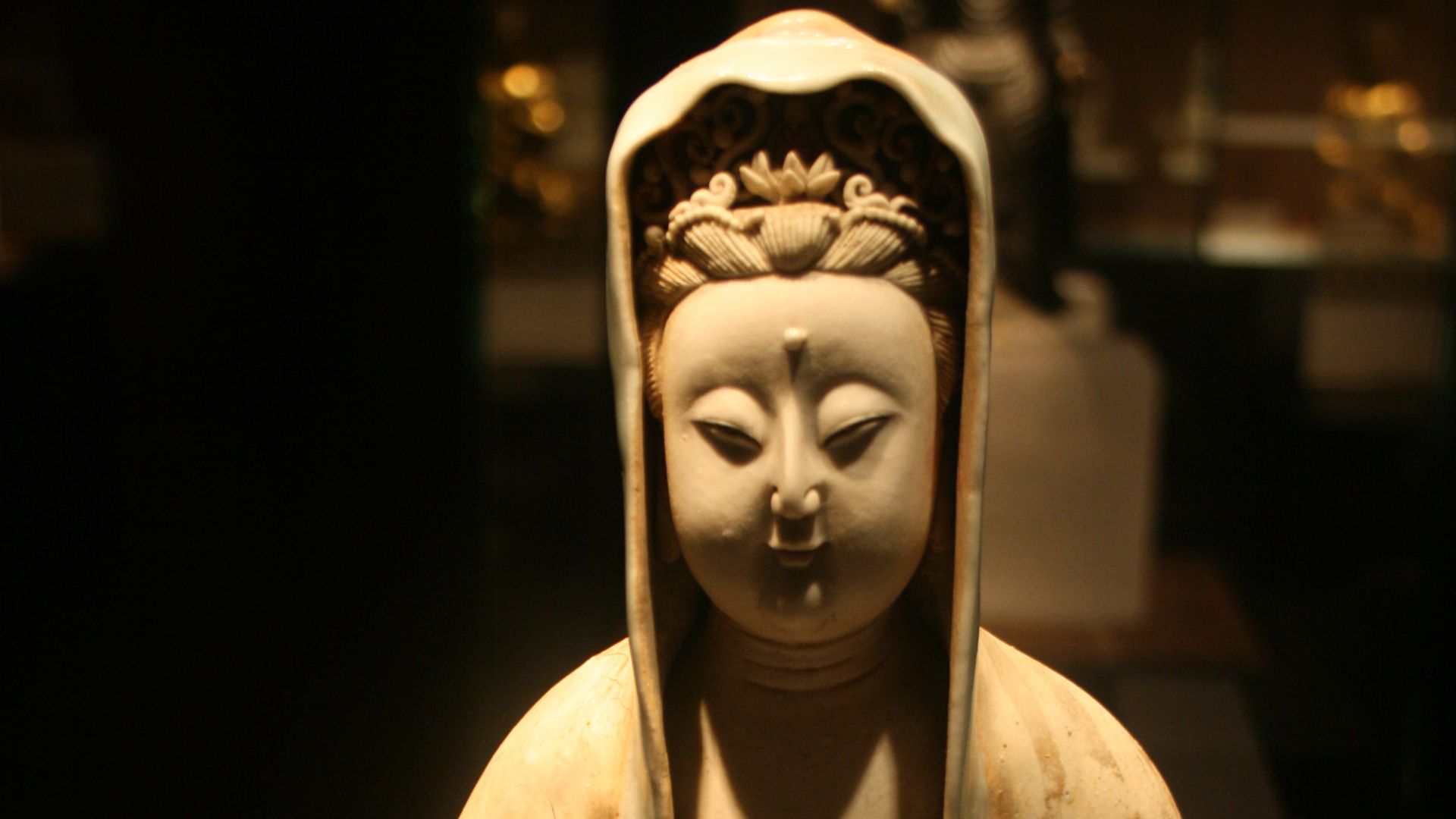
8. Srivijaya Empire
This maritime empire controlled key trade routes in Southeast Asia. Its position allowed it to benefit from passing commerce between regions. Ports served as centers for exchange and interaction, helping make trade essential to its prosperity.
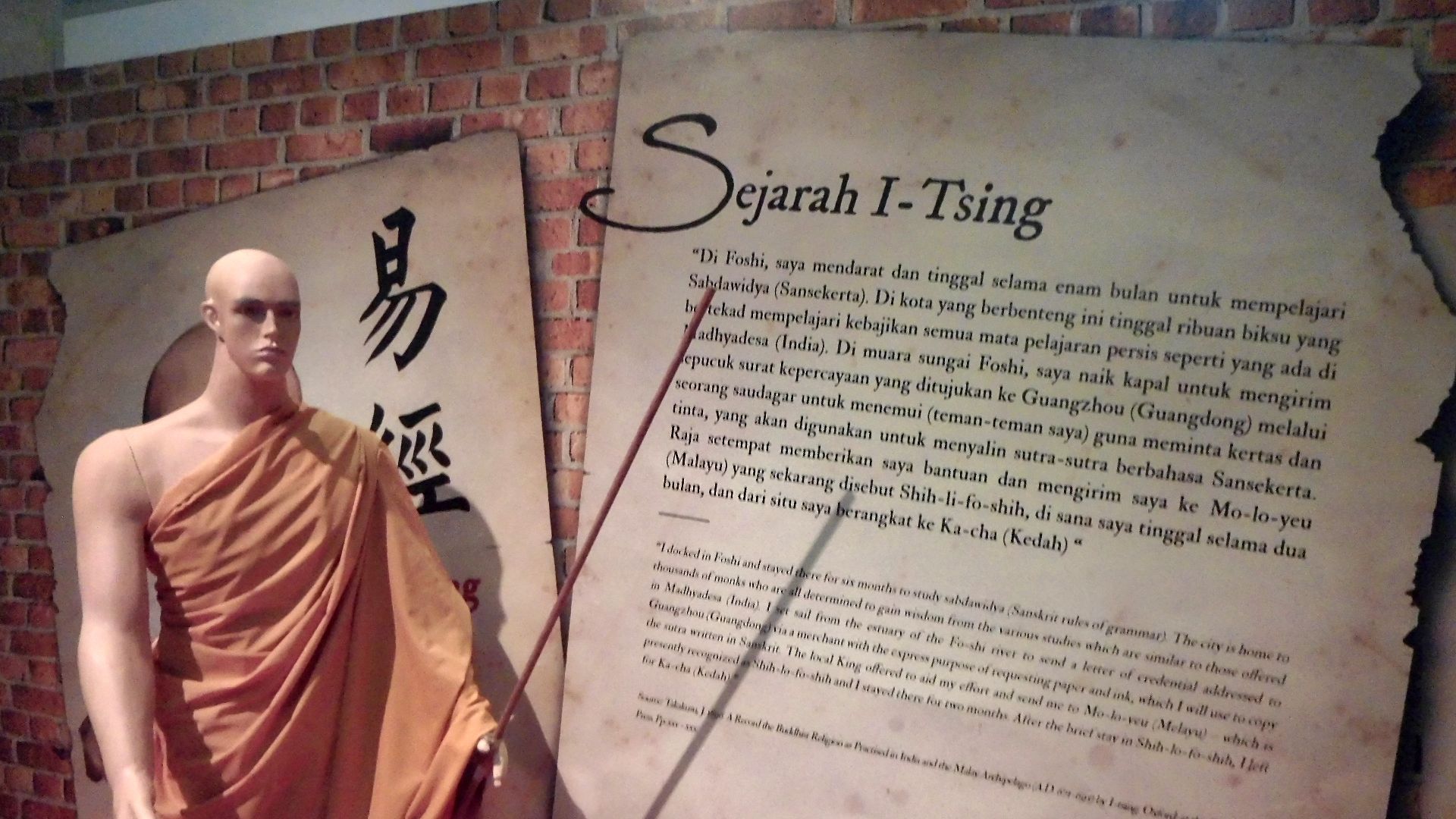 Gunawan Kartapranata on Wikimedia
9. Aksumite Empire
Situated near important trade routes, this empire connected Africa with the Mediterranean and Asia. Goods such as ivory and textiles were widely exchanged. Its strategic location supported economic growth.

10. Han Dynasty
Trade along the Silk Road connected this empire to distant regions. Goods such as silk moved across vast distances, and these exchanges encouraged cultural and economic interaction. Trade played a significant role in its development.
KEEP ON READING