20 Facts About the Vietnam War That Most People Don't Know About
More to the Story
The Vietnam War is one of the most discussed conflicts in modern American history, yet there's still a lot that flies under the radar in mainstream retellings. Beyond the headlines and Hollywood films, the war was shaped by a series of surprising decisions, overlooked statistics, and little-known moments that paint a much fuller picture of what actually happened. Here are 20 facts about the Vietnam War that most people don't know about.
1. Ho Chi Minh Quoted the American Declaration of Independence Decades Before the War
When Ho Chi Minh declared Vietnamese independence from France in September 1945, he opened his speech by quoting directly from the American Declaration of Independence. He'd spent time in the United States earlier in his life and reportedly admired certain American political ideals. It's a striking historical irony given how the relationship between the two countries would unfold just decades later.
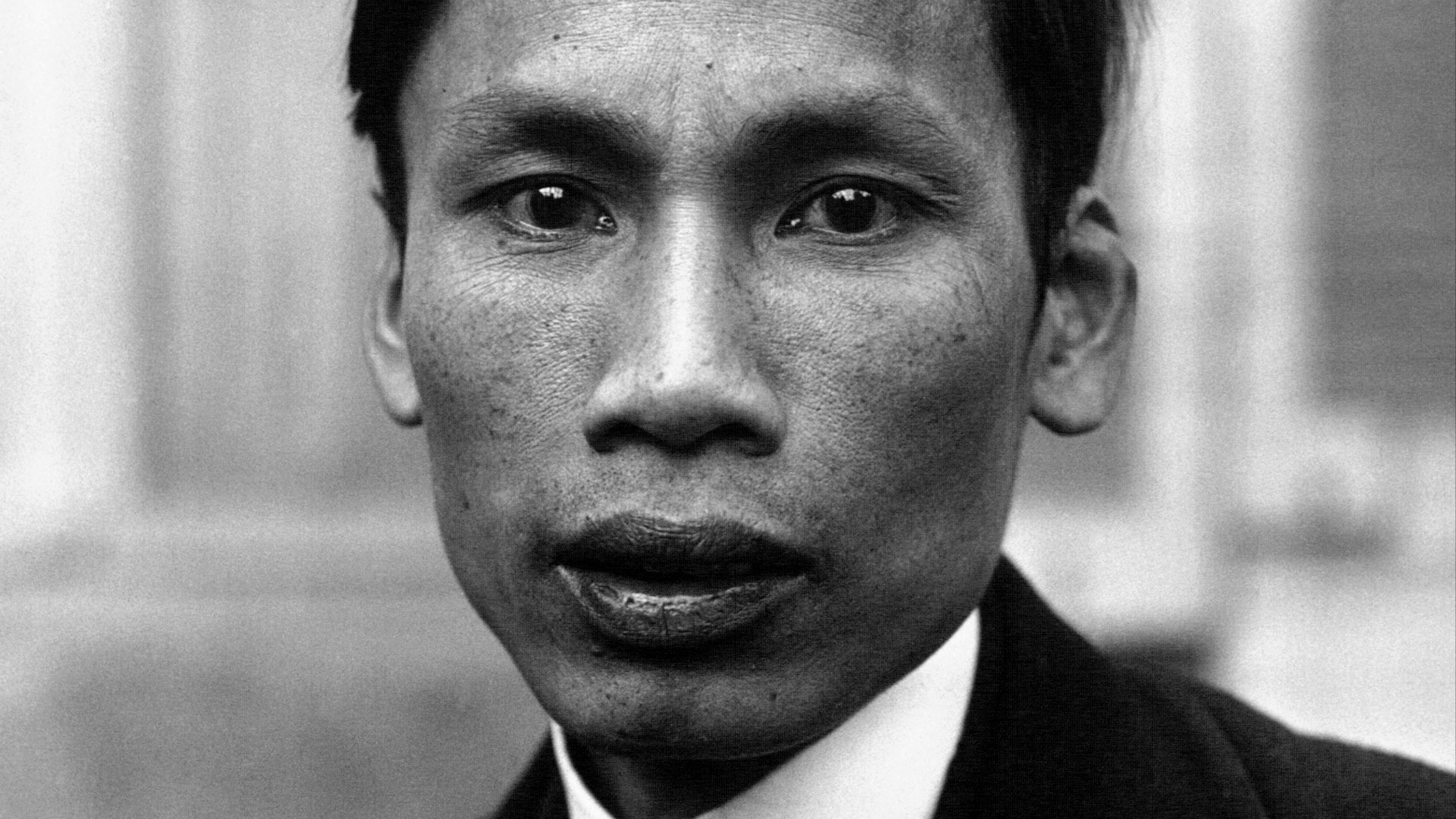 Agence de presse Meurisse on Wikimedia
2. Congress Never Officially Declared War
The United States never issued a formal declaration of war against North Vietnam, making the entire conflict technically unauthorized under a traditional definition of war. Instead, the Gulf of Tonkin Resolution of 1964 gave President Lyndon B. Johnson broad authority to use military force in Southeast Asia without a formal declaration. This ambiguity contributed significantly to public and political debate about the war's legitimacy throughout the 1960s and 1970s.
3. The Second Gulf of Tonkin Attack Probably Never Happened
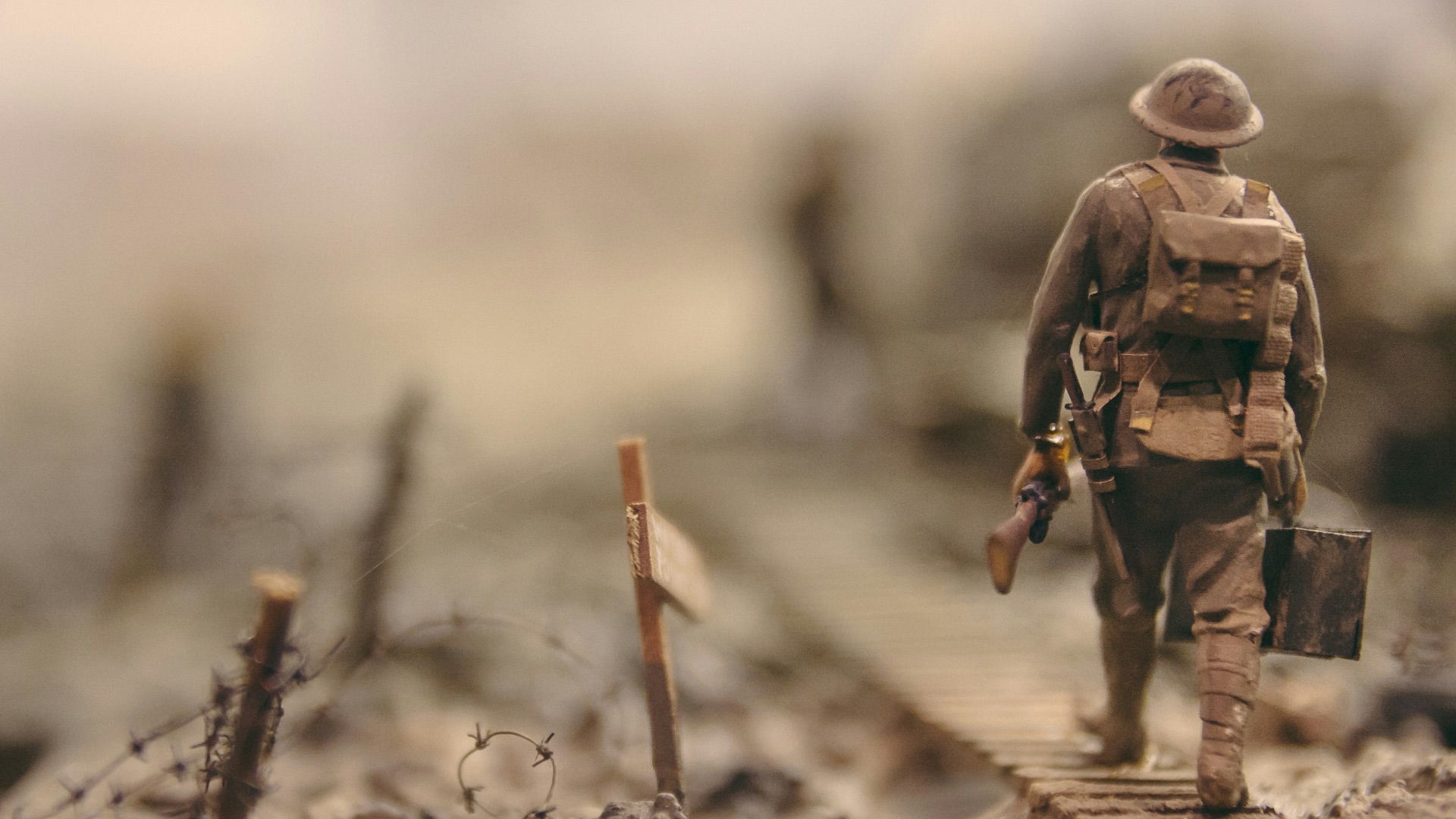
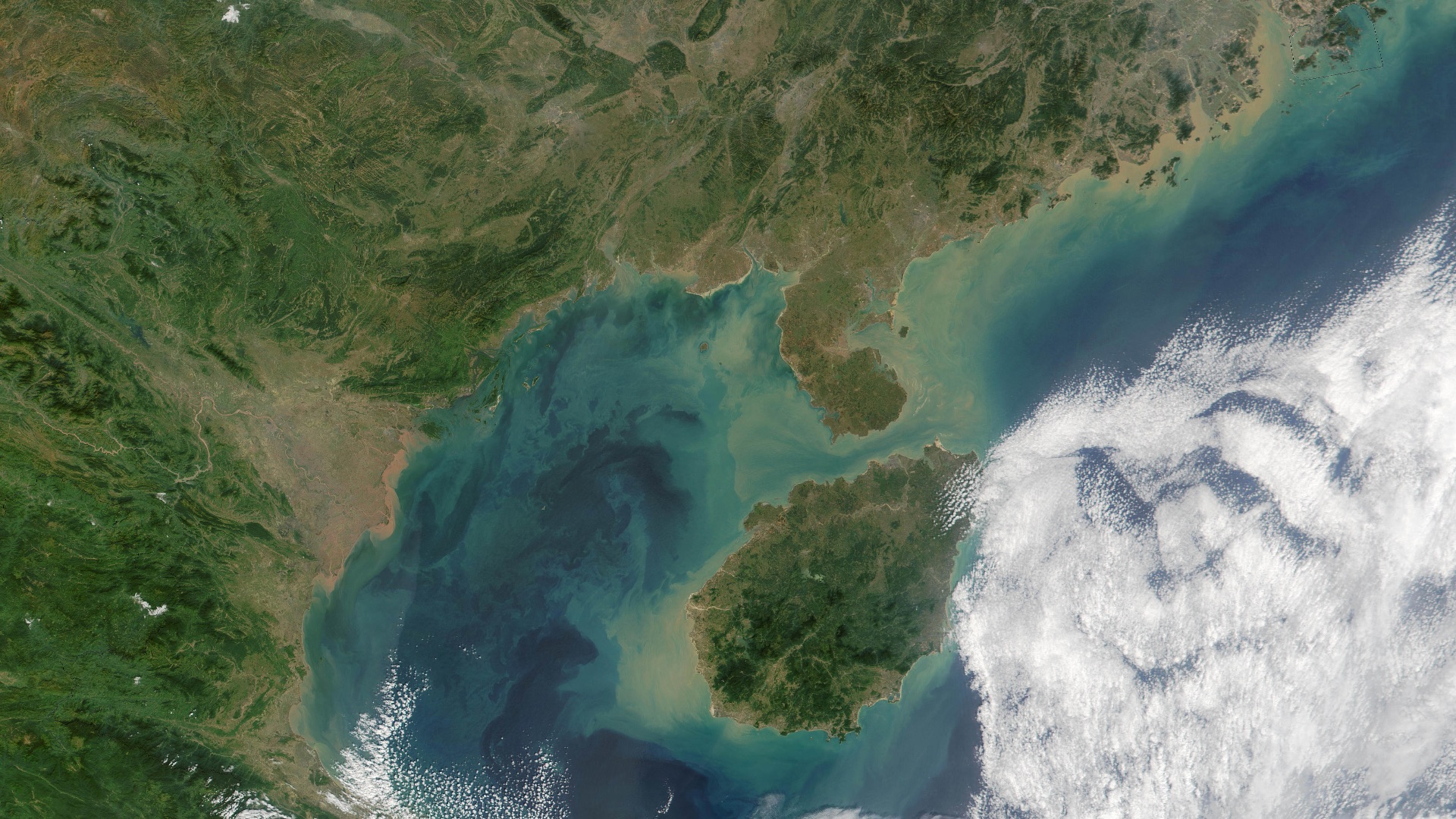
The Gulf of Tonkin incident is often cited as the trigger for full-scale American involvement, but the second alleged attack on U.S. naval vessels on August 4, 1964, is widely disputed. Declassified NSA documents and testimonies from naval officers suggest that the second attack was likely a misread of sonar data during poor weather conditions. President Johnson himself reportedly expressed private doubts about whether the attack ever took place.
 NASA (MODIS imagery from the Terra satellite) on Wikimedia
4. The U.S. Dropped More Explosives Than in All of World War II
The sheer scale of America's attack on Vietnam is difficult to comprehend: the U.S. dropped approximately 7.6 million tons of bombs over the course of the war, which exceeded the total tonnage dropped by all sides in World War II combined. A significant portion of those explosives fell not just on Vietnam, but also on neighboring Laos and Cambodia as part of efforts to disrupt North Vietnamese supply lines. Large areas of the region remain contaminated with unexploded ordnance to this day.
5. The Attack on Laos
As part of the covert air war, the U.S. dropped more than two million tons of explosives on Laos between 1964 and 1973, making it the country most heavily targeted by aerial bombardment per capita in recorded history. The campaign was largely kept secret from the American public and wasn’t widely acknowledged by the U.S. government until much later. It’s estimated that up to 30% of those explosives failed to detonate and continue to kill and injure people in Laos today.
6. American Soldiers Were Strikingly Young
While World War II soldiers had an average age of about 26, U.S. troops in Vietnam were still strikingly young, with many combat soldiers in their late teens or early twenties. Many were drafted with little warning and sent into a complex, unfamiliar conflict with limited preparation for the psychological toll it would take. That youth, combined with the war’s deep public controversy, helps explain a lot about the particular cultural trauma the Vietnam War left on American society.
7. More Than 10,000 American Women Served in Vietnam
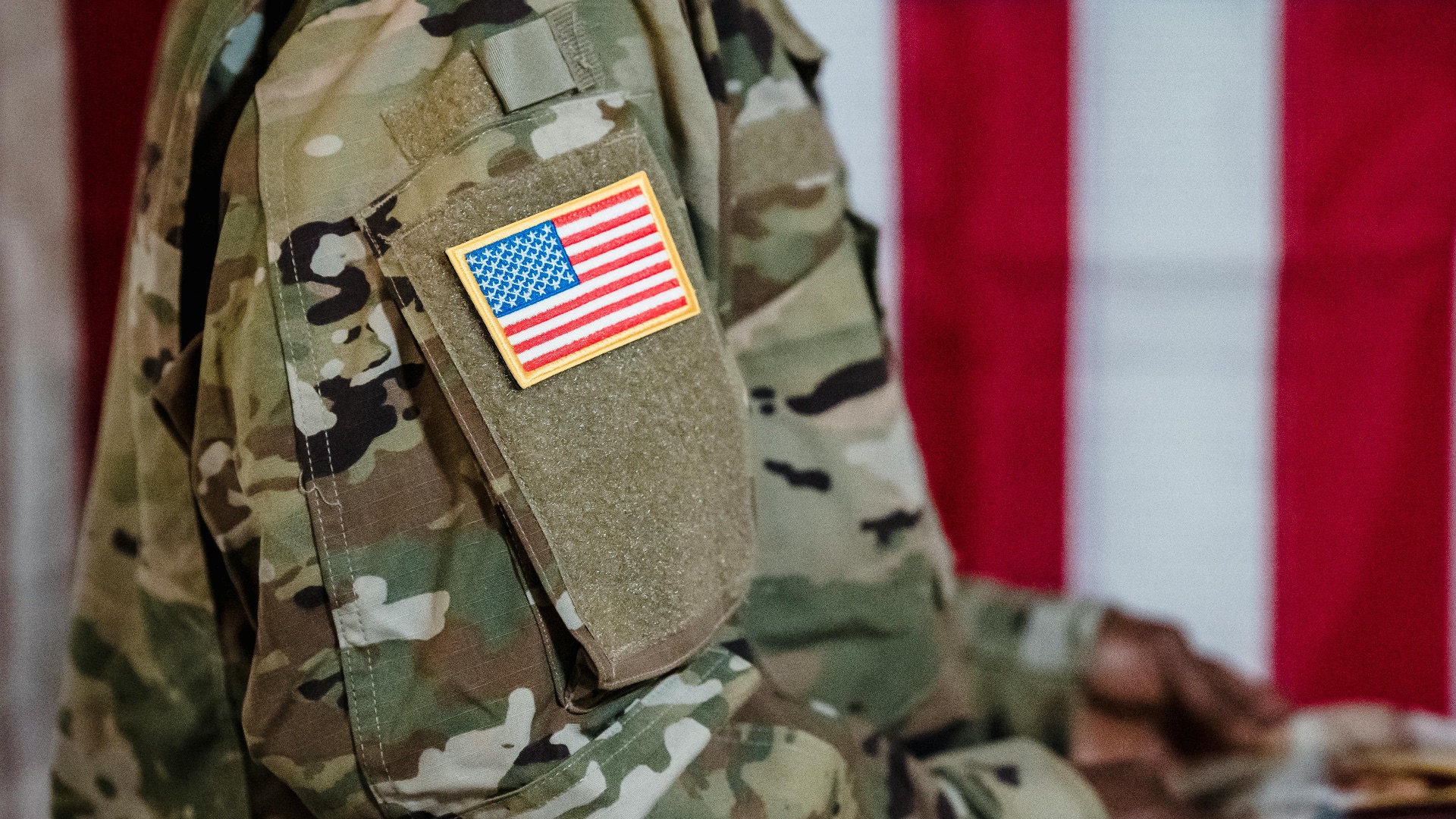
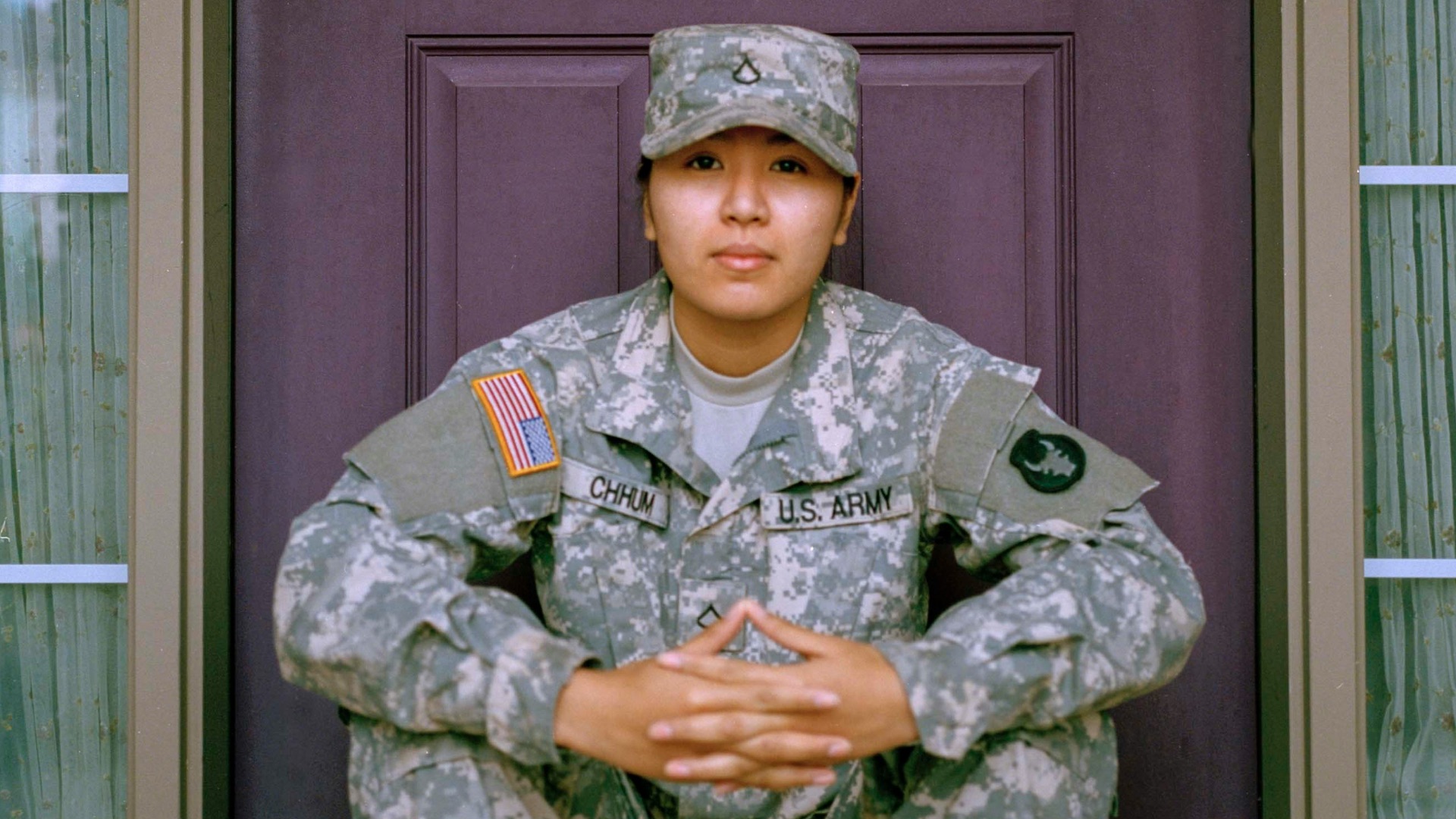
Women played a far larger role in the Vietnam War than most people realize, with over 10,000 American women serving in-country throughout the conflict. The majority served as military nurses, often working in incredibly dangerous and traumatic conditions close to active combat zones. Eight American servicewomen died during the war, and their names are inscribed on the Vietnam Veterans Memorial in Washington, D.C.
 Jessica Radanavong on Unsplash
8. South Korea Sent the Second-Largest Allied Fighting Force
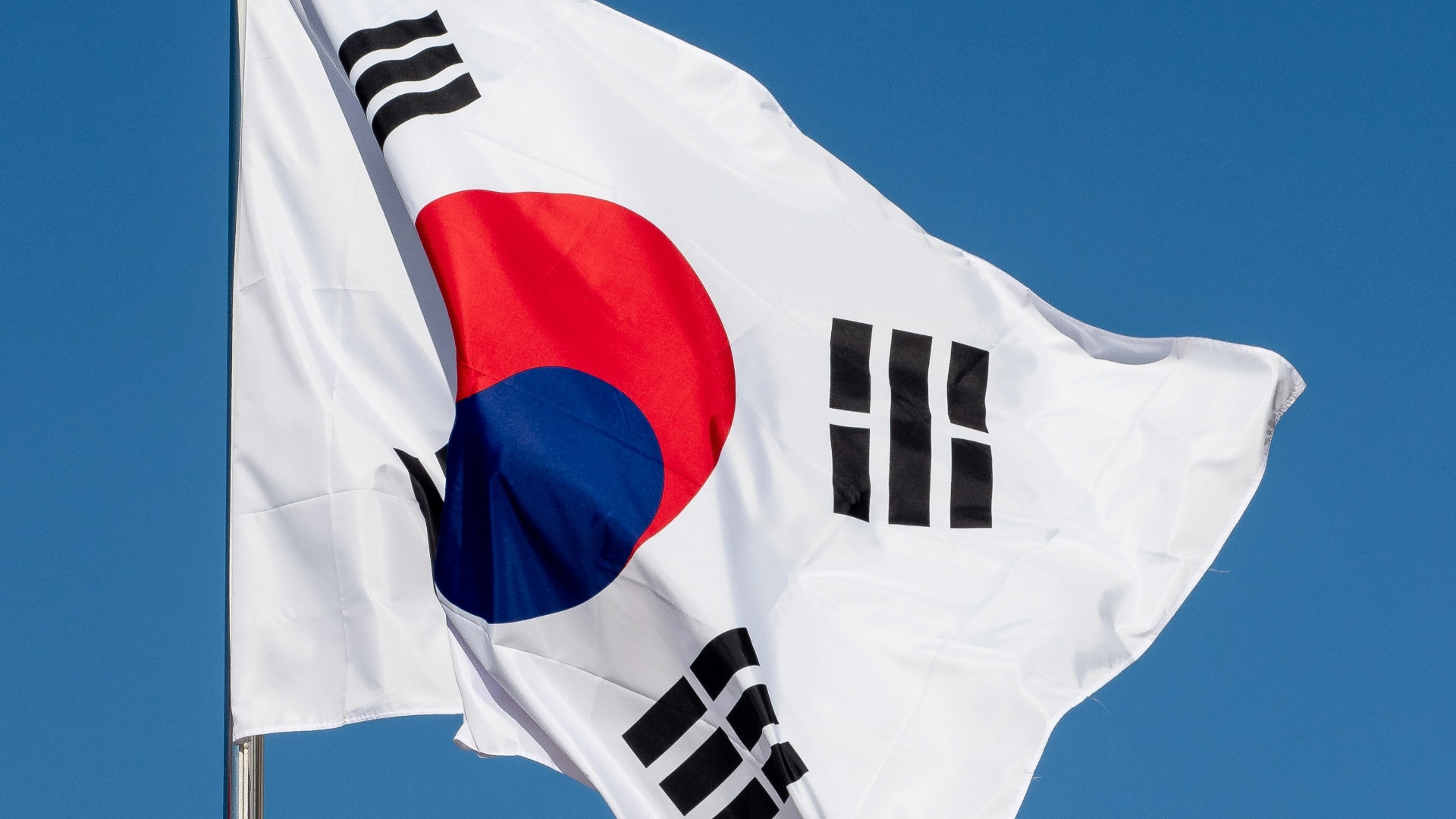
Most people know that Australia and other nations sent troops to support South Vietnam, but South Korea's contribution is frequently overlooked. At peak deployment, South Korea had over 300,000 soldiers serving in Vietnam, making it the second-largest foreign military presence after the United States. South Korean forces were considered among the most effective fighters in the war, though their operations also drew controversy due to reports of civilian casualties.
9. The Cu Chi Tunnels Stretched for Over 250 Kilometers
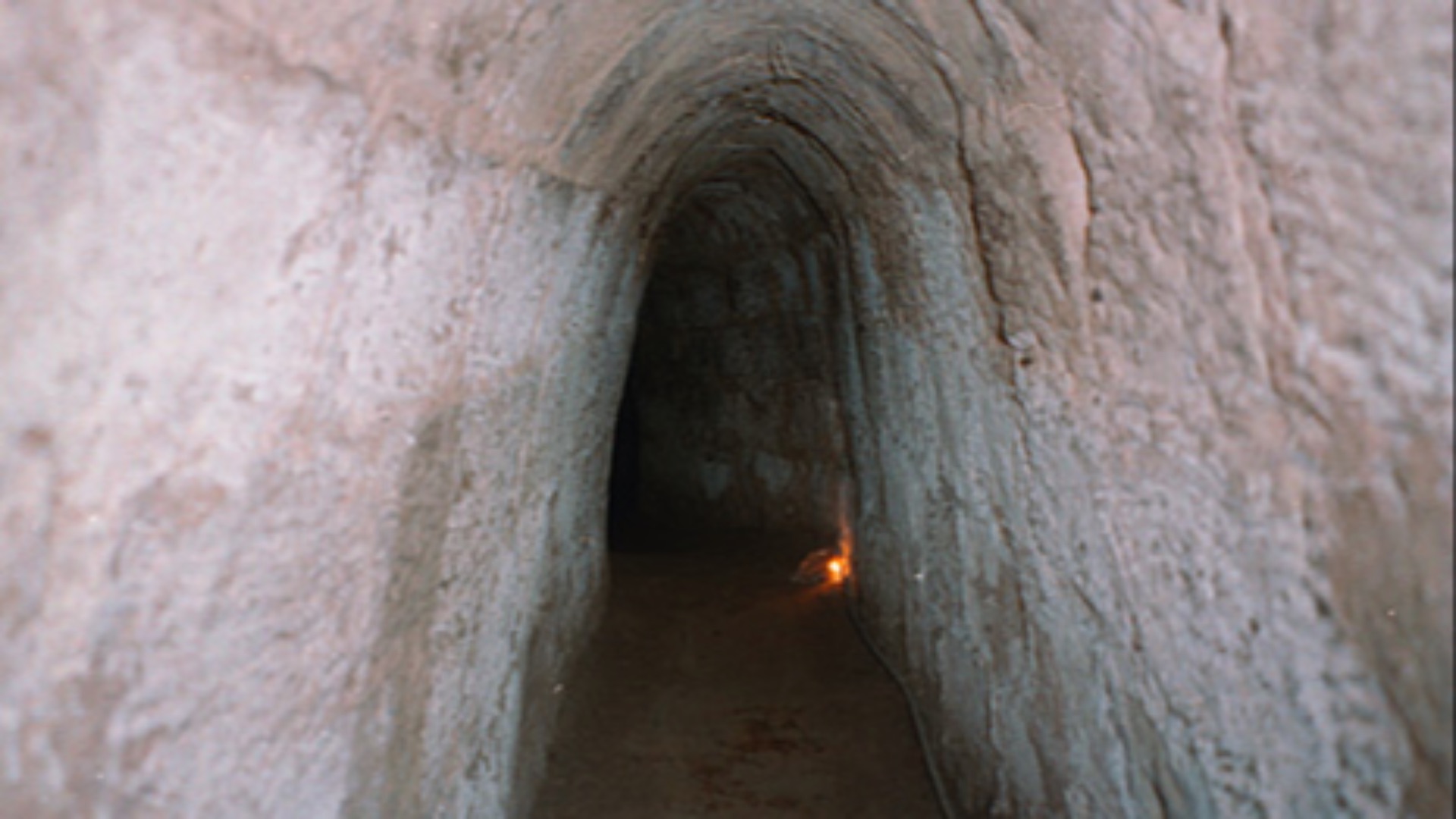
The Viet Cong constructed an extraordinary underground tunnel network beneath the Cu Chi district near Saigon that extended for more than 250 kilometers. These tunnels housed entire communities, including hospitals, kitchens, weapons factories, and command centers, all hidden just beneath the surface. American soldiers tasked with clearing the tunnels, known as "tunnel rats," operated in incredibly cramped and dangerous conditions that were deeply disorienting.
10. Project 100,000 Sent Underprepared Men Into Combat
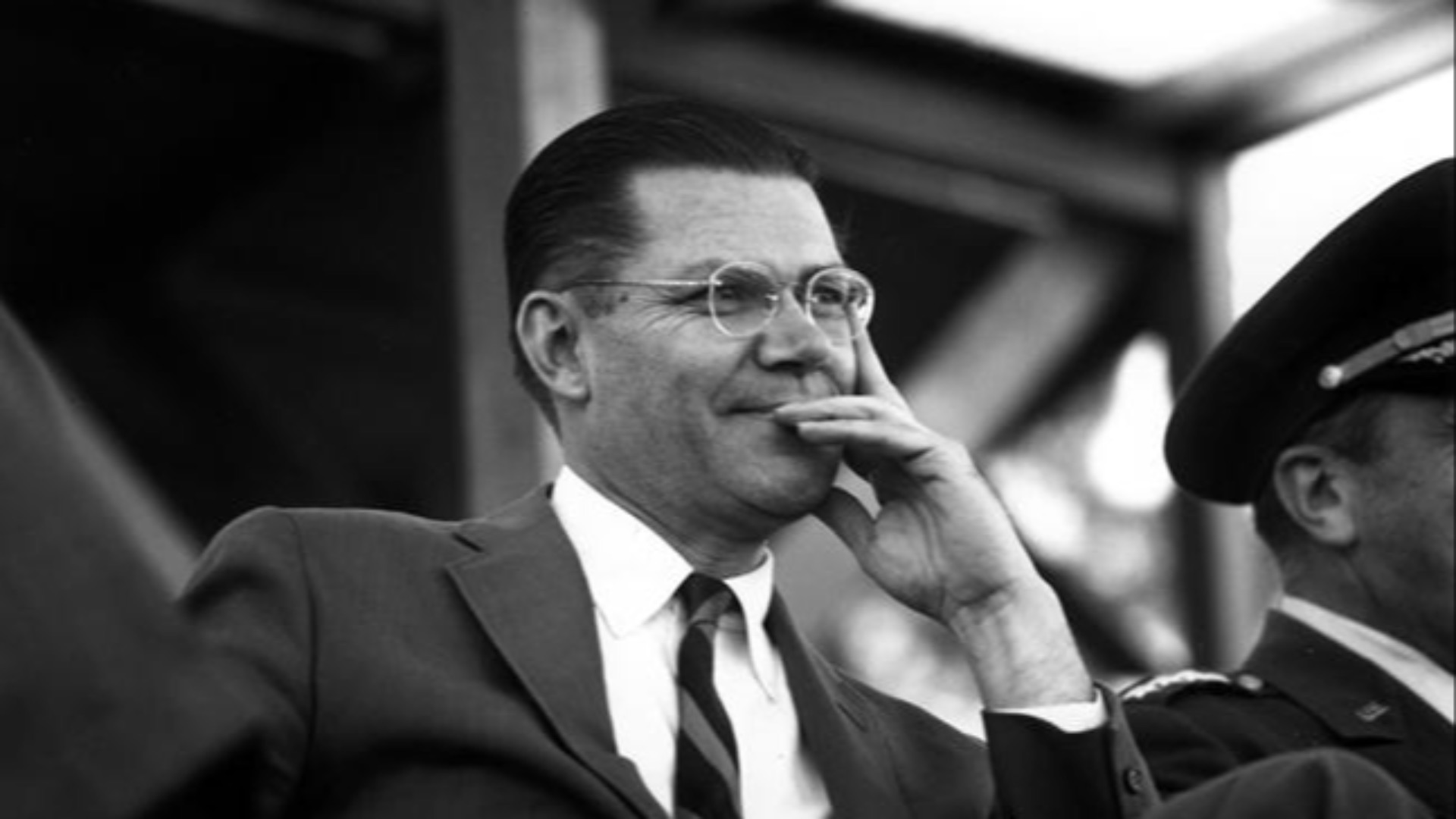
In 1966, Defense Secretary Robert McNamara launched Project 100,000, a program that lowered military induction standards to draft men who had previously been deemed unfit for service due to low aptitude test scores or minor physical issues. The stated goal was to provide training and opportunity to disadvantaged men, but critics argued it was primarily a way to meet troop quotas without politically toxic measures like calling up the National Guard. Studies later found that men recruited through the program suffered disproportionately high casualty rates and received little of the promised post-service support.
 Cecil Stoughton, White House photographer on Wikimedia
11. The Tet Offensive Was a Military Defeat for North Vietnam
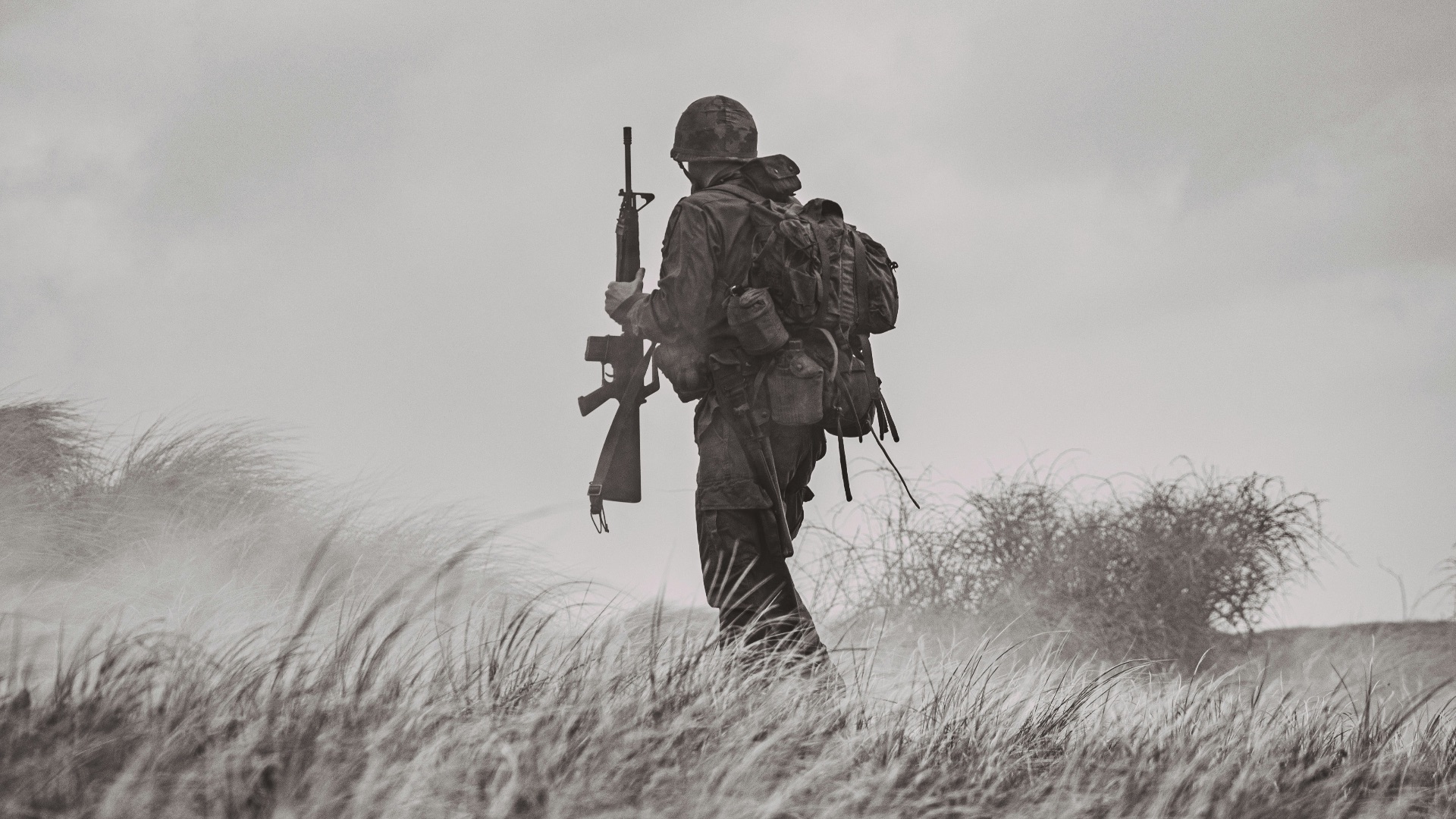
The 1968 Tet Offensive is often remembered as a turning point in the war, but it's less commonly known that it was actually a catastrophic military failure for the North Vietnamese and Viet Cong forces. They suffered enormous casualties, failed to hold any of their objectives, and didn't spark the popular uprising they'd anticipated in the South. However, the scale and audacity of the attacks shocked the American public and badly damaged confidence in the Johnson administration's claims that the war was being won.
12. The U.S. Ran a Massive Covert Program
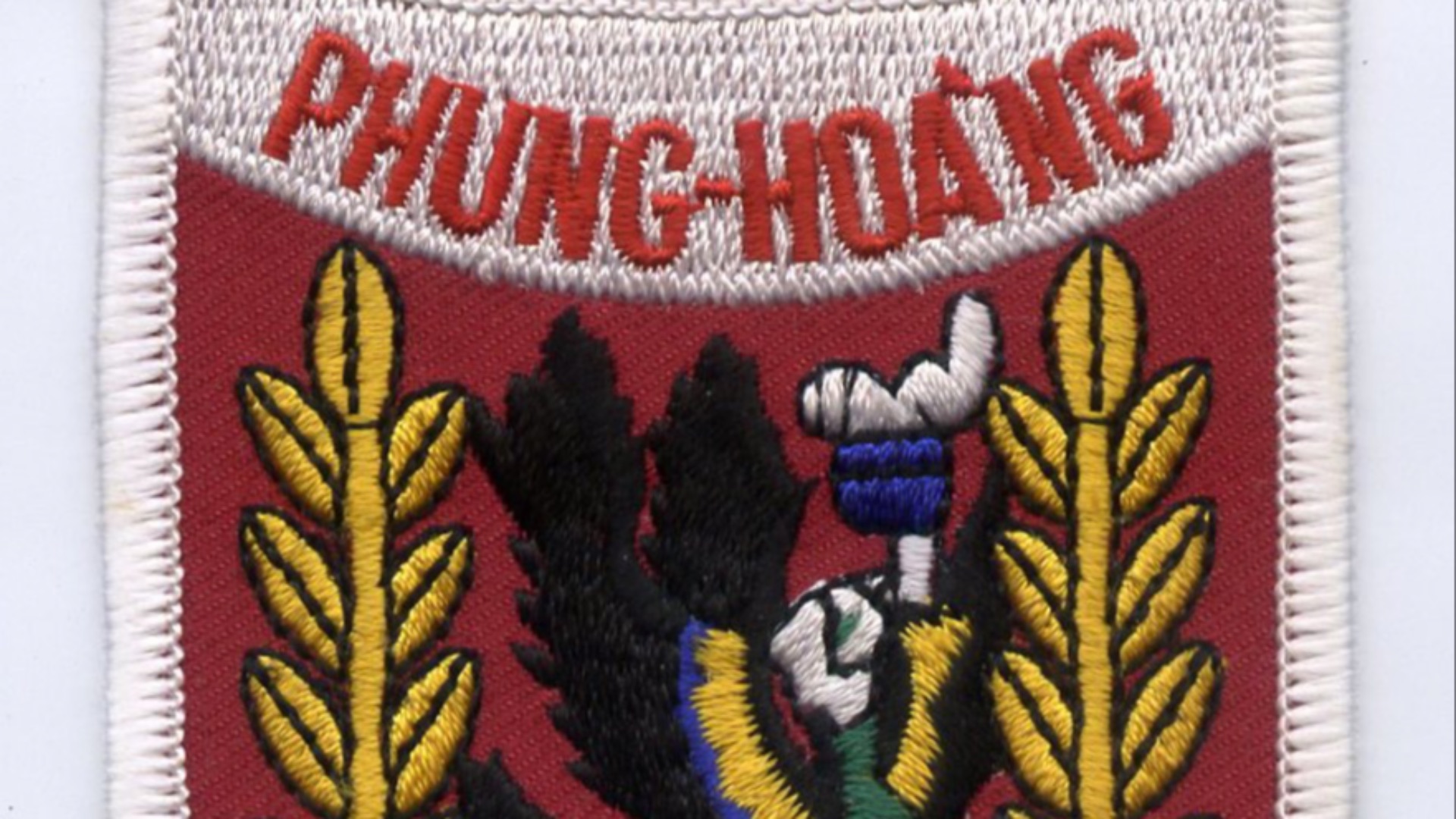
The Phoenix Program, run jointly by the CIA and South Vietnamese intelligence, was a counterinsurgency operation designed to neutralize Viet Cong leadership through capture, defection, or killing. Between 1965 and 1972, the program reportedly resulted in the capture of over 34,000 suspected Viet Cong operatives and the death of more than 20,000 others. The program remains deeply controversial due to widespread allegations of torture, extrajudicial killings, and the targeting of civilians with little or no evidence of actual involvement.
13. Agent Orange Affected Millions of People Across Generations
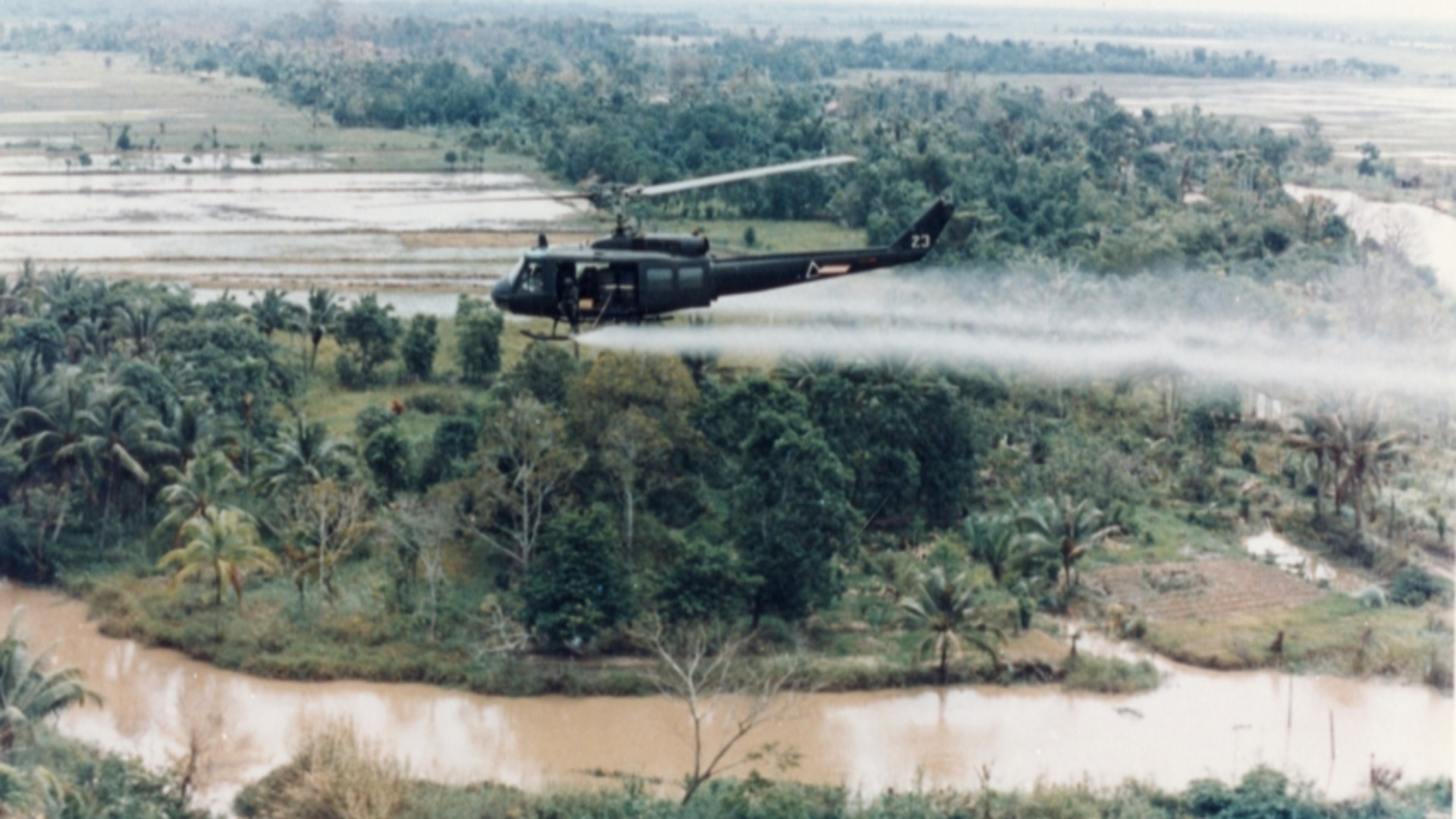
The U.S. military sprayed approximately 19 million gallons of herbicides across Vietnam under Operation Ranch Hand, with Agent Orange being the most notorious. The chemical, which contained the toxic compound dioxin, has been linked to cancer, neurological disorders, and severe birth defects in both American veterans and Vietnamese civilians. The health effects have been documented across multiple generations, and the Vietnamese government estimates that over three million people have been affected by Agent Orange-related illnesses.
14. North Vietnam Had a Surprisingly Sophisticated Air Defense Network
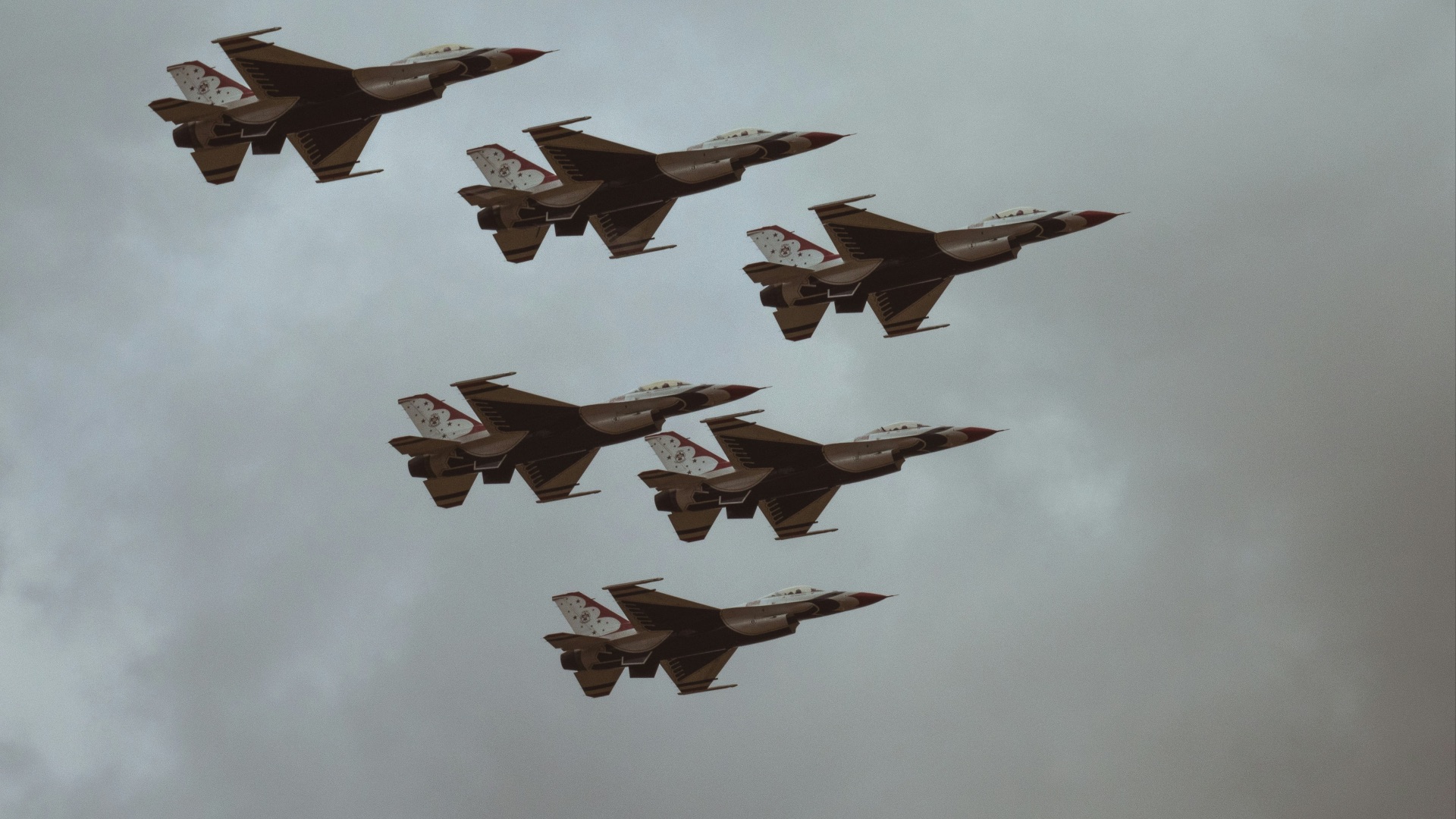
Thanks largely to Soviet military assistance, North Vietnam developed one of the most advanced anti-aircraft defense systems in the world at the time. Soviet-supplied surface-to-air missiles, radar systems, and MiG fighter jets posed a serious and ongoing challenge to U.S. air superiority throughout the conflict. The U.S. lost over 3,700 fixed-wing aircraft and 4,800 helicopters during the war, and North Vietnam's air defenses were a major contributing factor.
15. The Ho Chi Minh Trail Ran Through Laos and Cambodia
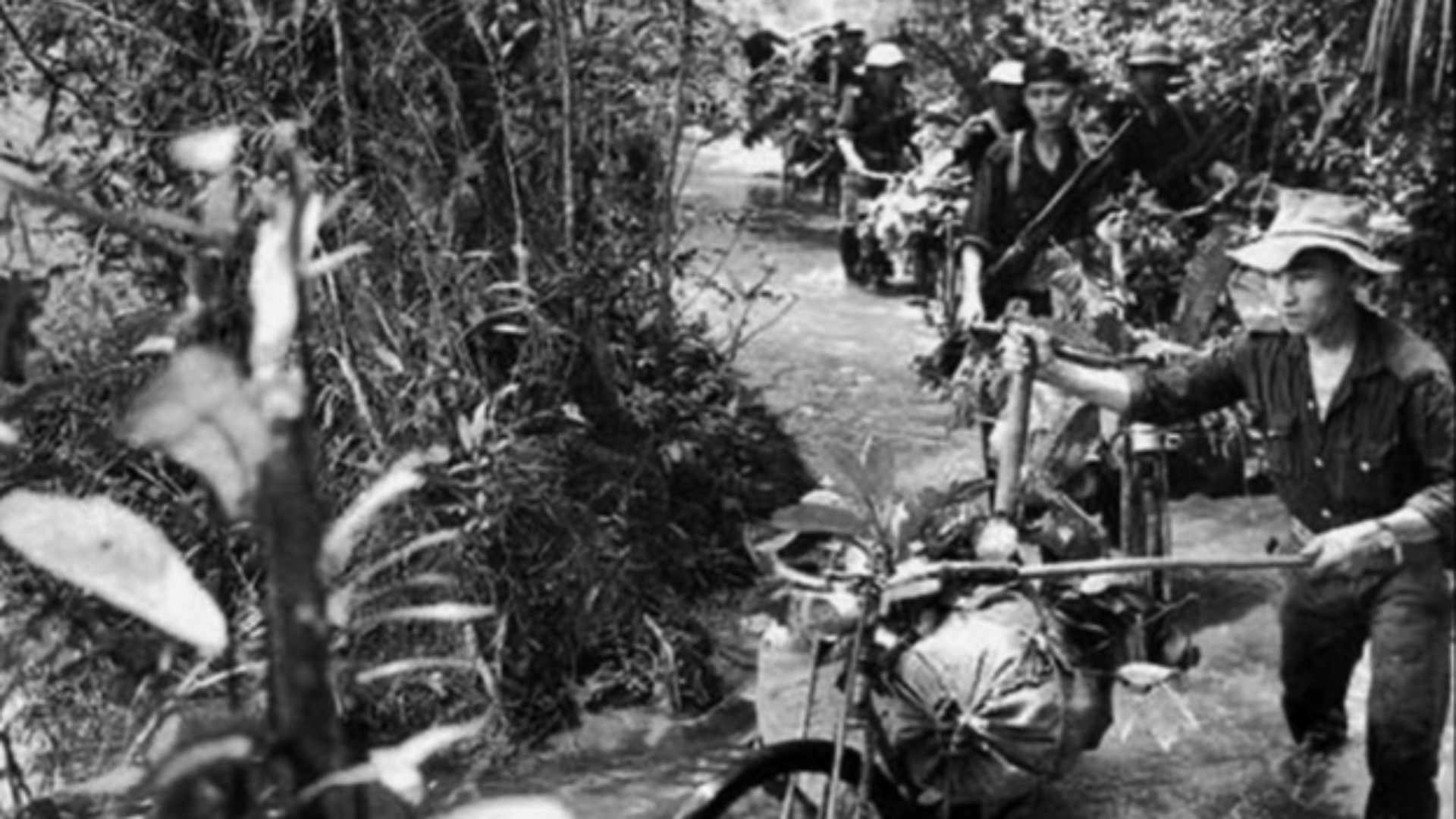
The Ho Chi Minh Trail, the primary supply route for North Vietnamese forces, wasn't a single road but rather a vast network of paths, roads, and waterways stretching through Laos and Cambodia as well as Vietnam. It's estimated that at its peak, the trail could move around 20,000 tons of supplies per month into South Vietnam. The U.S. spent enormous resources trying to disrupt the trail through bombing and ground operations, but the North Vietnamese proved remarkably adept at repairing and rerouting it after attacks.
 Unknown authorUnknown author on Wikimedia
16. The Vietnam War Was the First Televised War
For the first time in history, Americans could watch footage of a war playing out on their television screens in near-real time, which had a profound effect on public opinion. Graphic images and reports from journalists embedded with troops brought the reality of combat into living rooms across the country in a way that no previous conflict had. Many historians credit the war's television coverage as a major factor in turning public sentiment against continued U.S. involvement.

17. The Last Two Americans Died During the Fall of Saigon
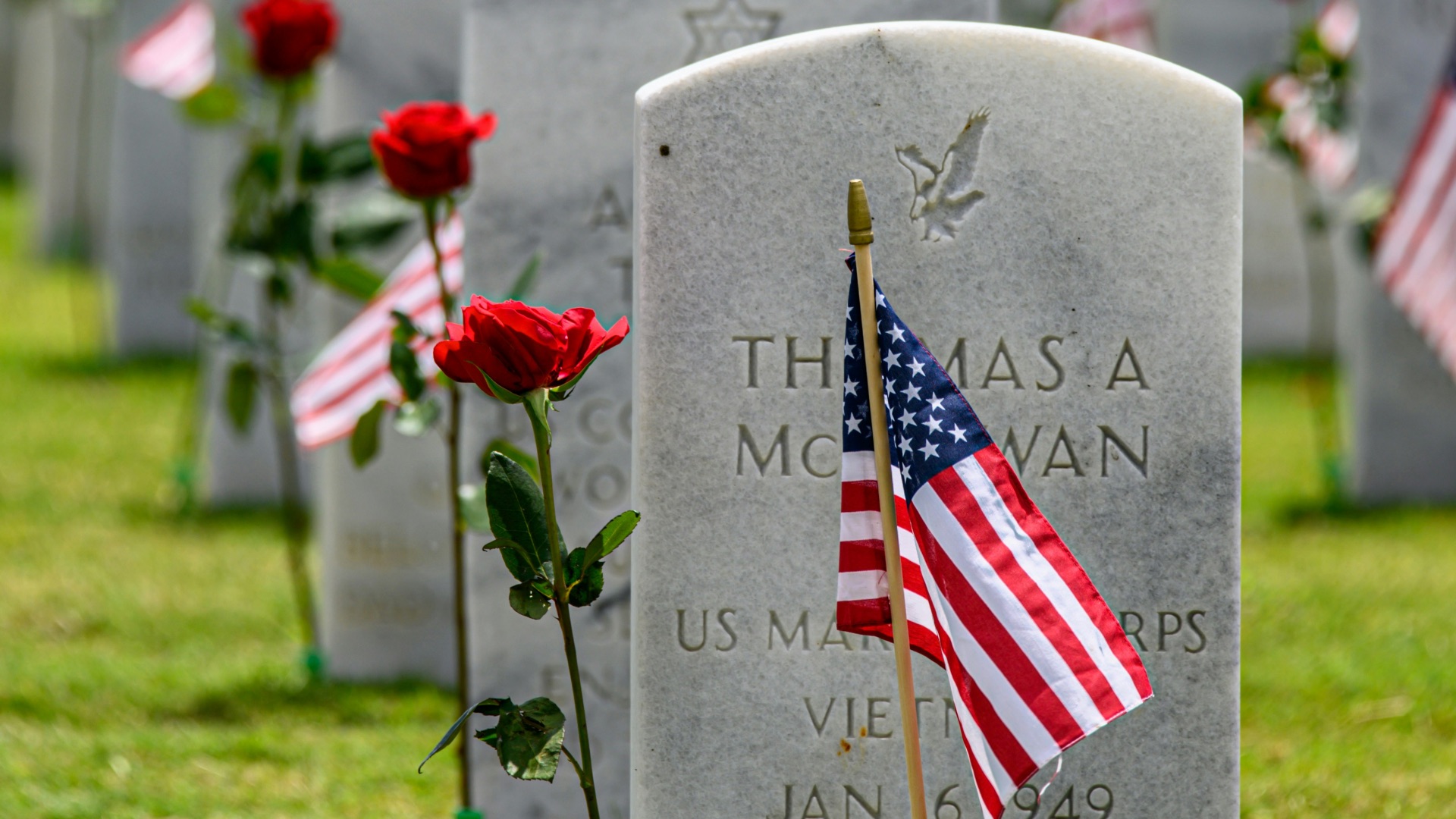
When Saigon fell on April 29 to 30, 1975, the last two American military personnel killed in the war were Marine Corporal Charles McMahon and Lance Corporal Darwin Judge, who died in a rocket attack during the chaotic final evacuation. They were among the last U.S. service members present in Vietnam and were killed just hours before the famous helicopter evacuations from the U.S. Embassy rooftop. Their deaths are often overlooked in broader accounts of the war's end.
18. The Vietnam Veterans Memorial Was Initially Controversial
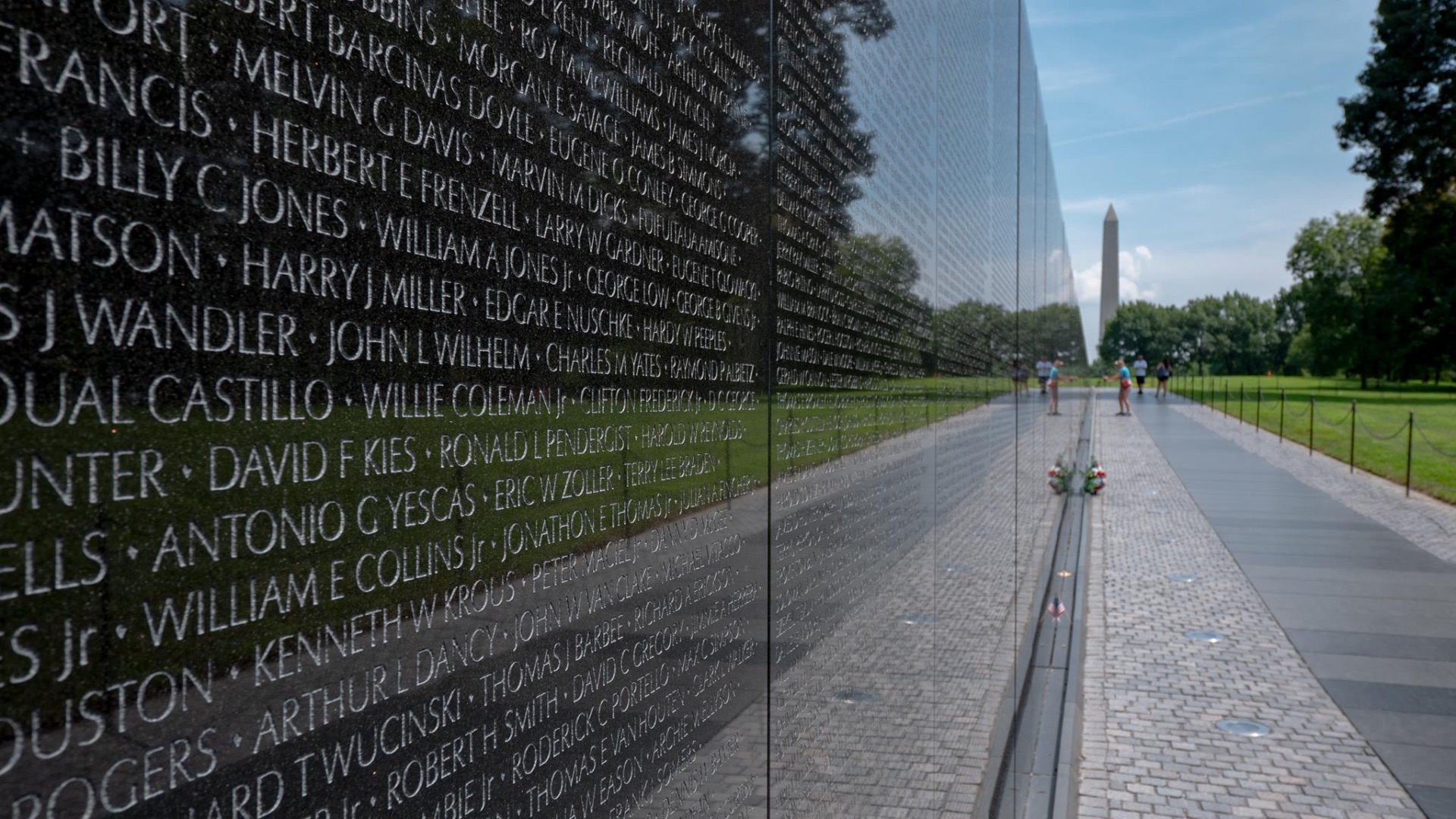
When Maya Lin's design for the Vietnam Veterans Memorial was selected in 1981, it was met with fierce opposition from veterans' groups and politicians who called it a "black gash of shame." Critics objected to its unconventional design, which differed dramatically from traditional upright monuments, and some took issue with the fact that the designer was a young Chinese-American woman. The memorial opened in 1982 and has since become one of the most visited and emotionally resonant monuments in Washington, D.C.
19. Over 3 Million Vietnamese People Perished in the War
American casualties in the war numbered approximately 58,000, a figure that's widely cited and memorialized, but Vietnamese losses on all sides were staggering by comparison. Estimates suggest that between 2 and 3 million Vietnamese soldiers and civilians lost their lives throughout the conflict, with millions more wounded or displaced. The sheer scale of Vietnamese casualties is an important part of the war's history that often receives far less attention in American-centric accounts.
20. Vietnam Is Now One of the United States' Strongest Trade Partners
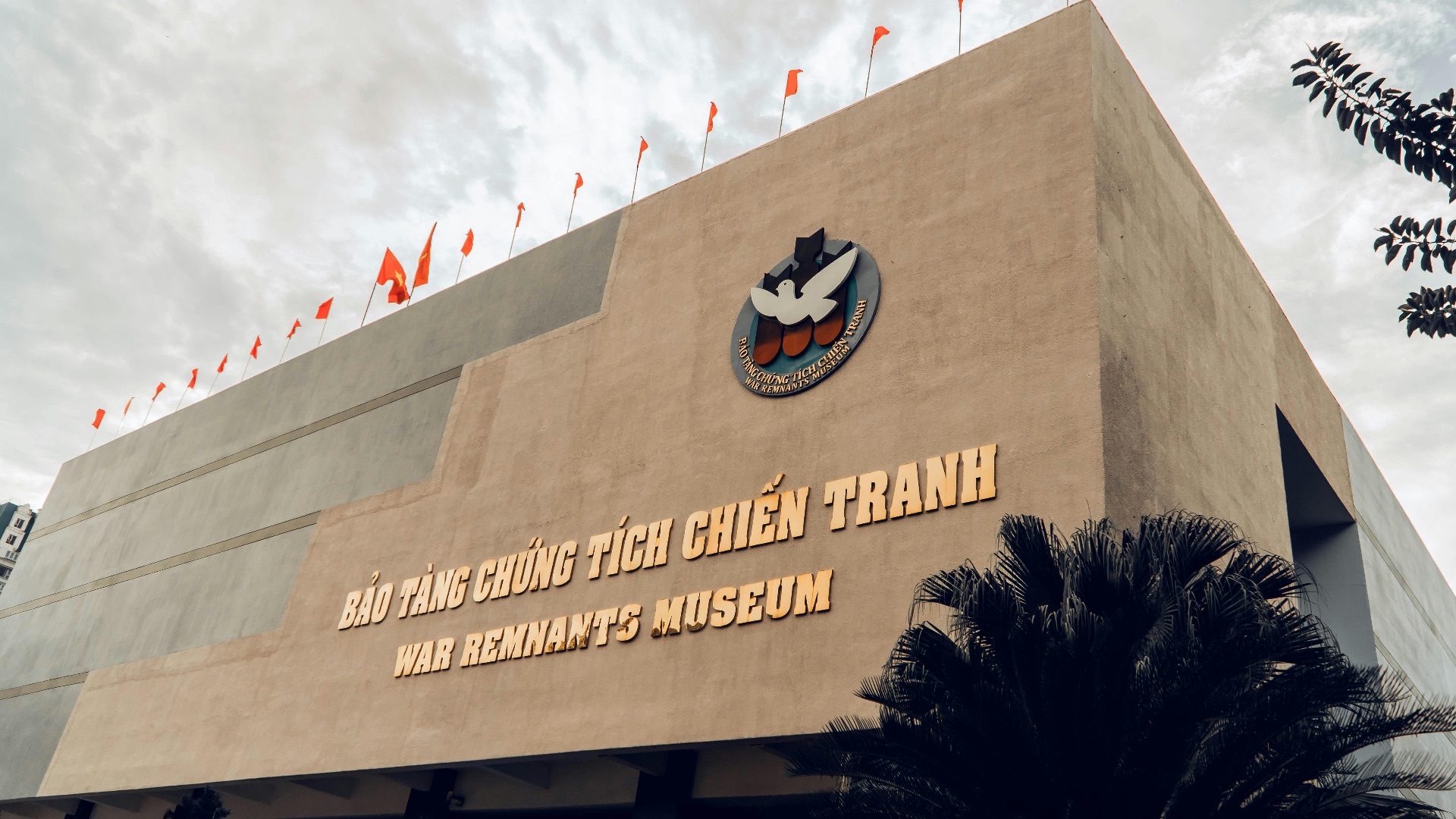
Perhaps one of the most unexpected postscripts to the war is the transformation of the U.S.-Vietnam relationship in the decades since. The two countries normalized diplomatic relations in 1995, and Vietnam has since become one of the fastest-growing U.S. trade partners, with bilateral trade exceeding $100 billion annually in recent years. The shift from bitter adversaries to close economic allies in just a few decades is a remarkable turn that few would have predicted when Saigon fell in 1975.
KEEP ON READING