

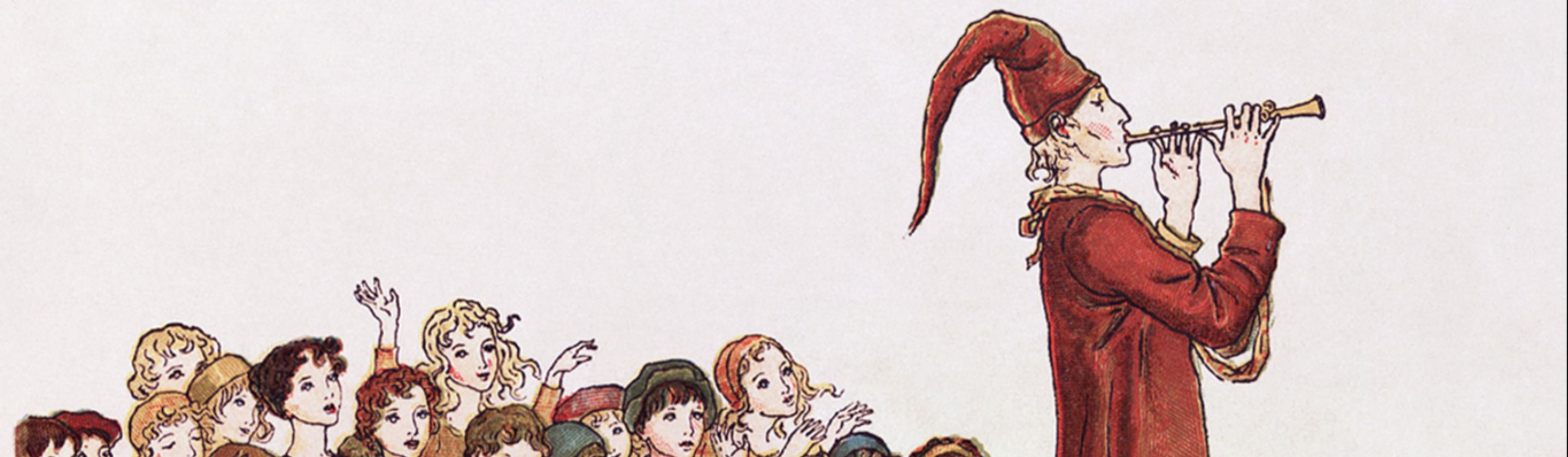
10 Myths That Defined Cultures & 10 Legends Born From True Events
How Stories Shape What Societies Believe
Across history, cultures have relied on stories to explain the unknown, reinforce values, and pass down traditions. While some of these tales were purely imaginative, others were rooted in real events that grew more dramatic over time. Myths often served as structured belief systems that shaped religion, identity, and social norms, while legends frequently began with actual people or events before evolving into something larger than life. These 20 examples highlight how narratives, whether imagined or grounded in truth, have influenced how societies understand the world.
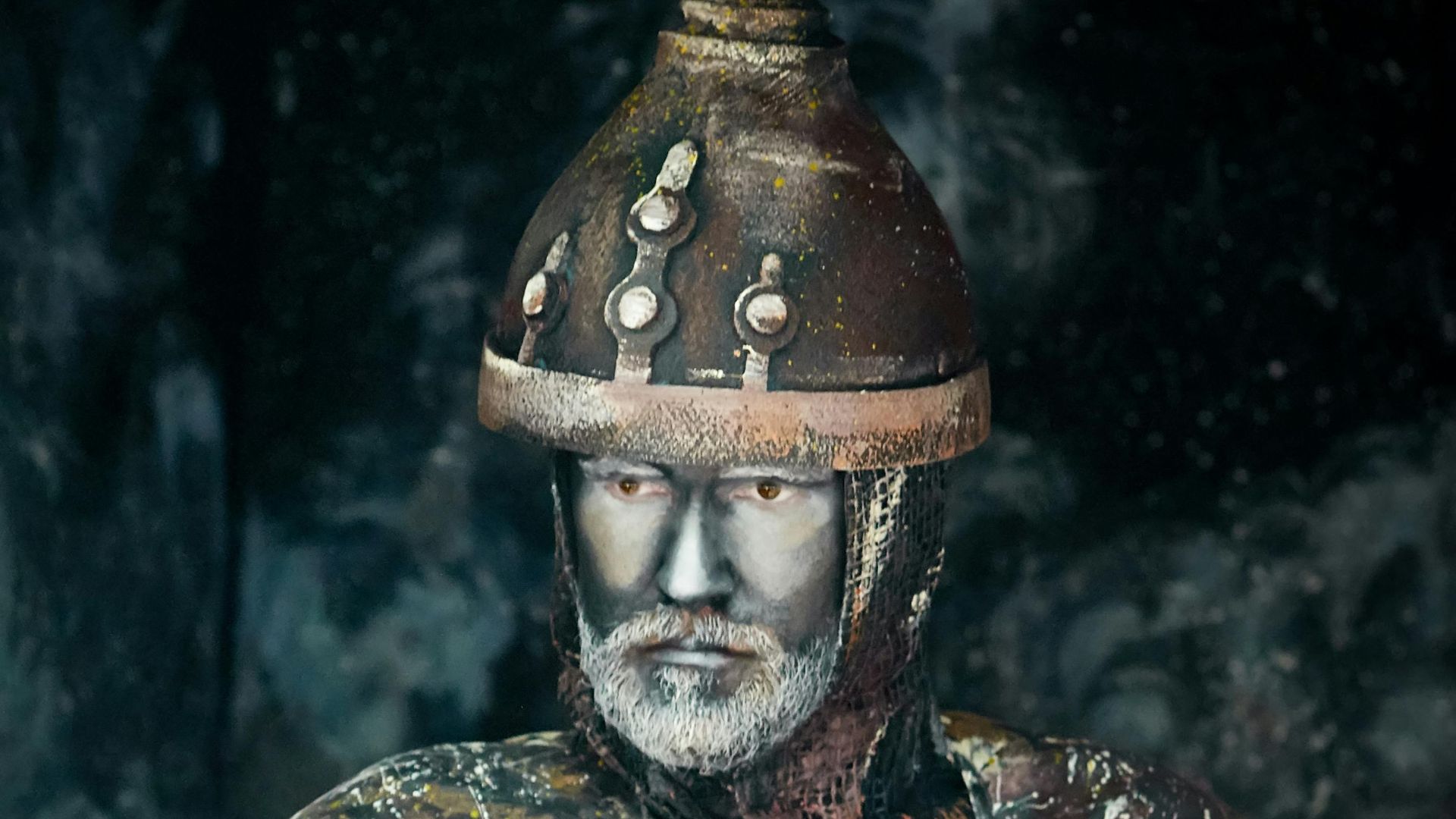
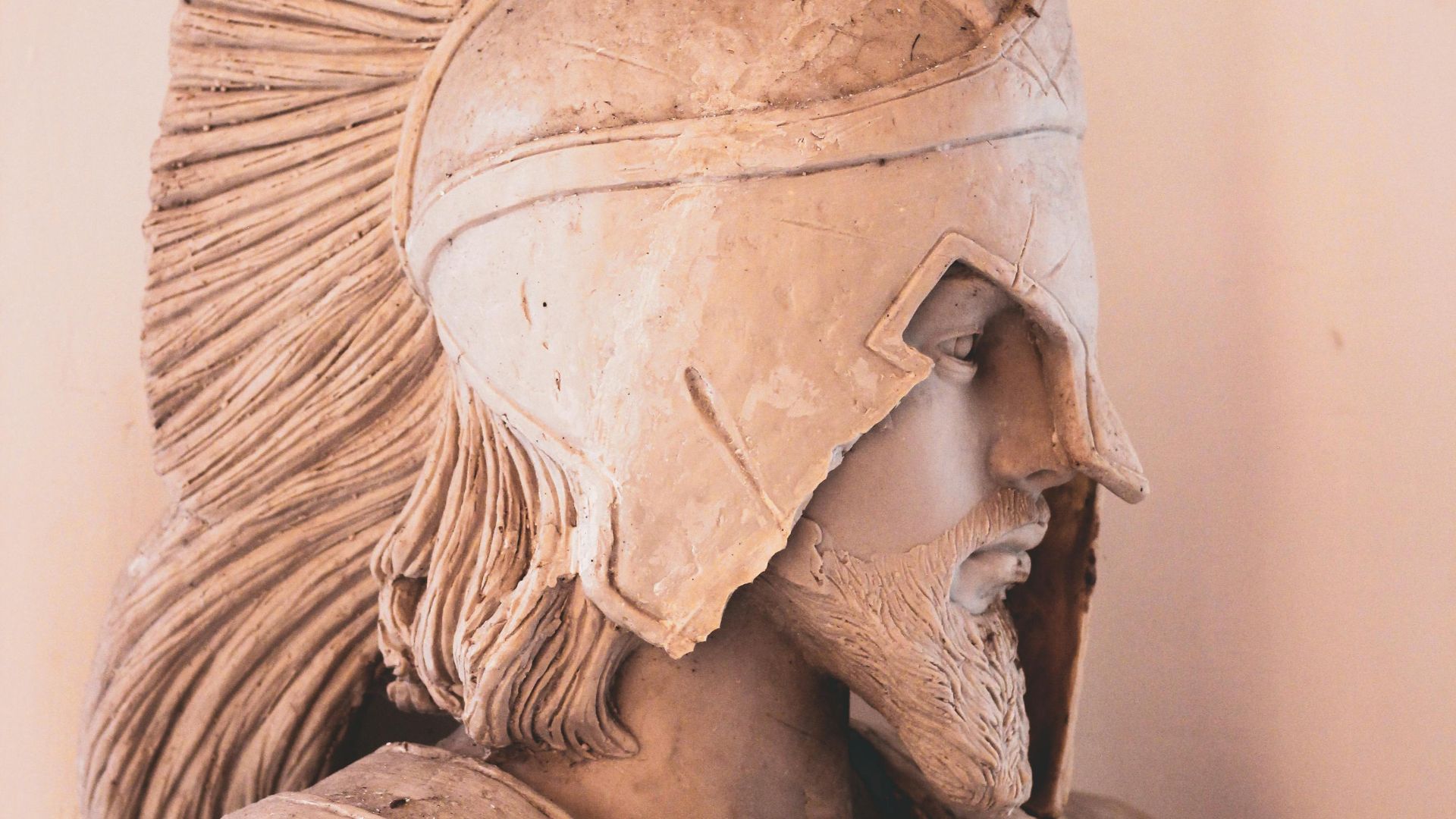
1. Zeus and the Greek Pantheon
Ancient Greek mythology centered around gods like Zeus, who was believed to rule the sky and enforce order. These stories weren’t just entertainment; they shaped religious practices and explained natural phenomena such as storms and lightning.
 Unknown artistUnknown artist on Wikimedia
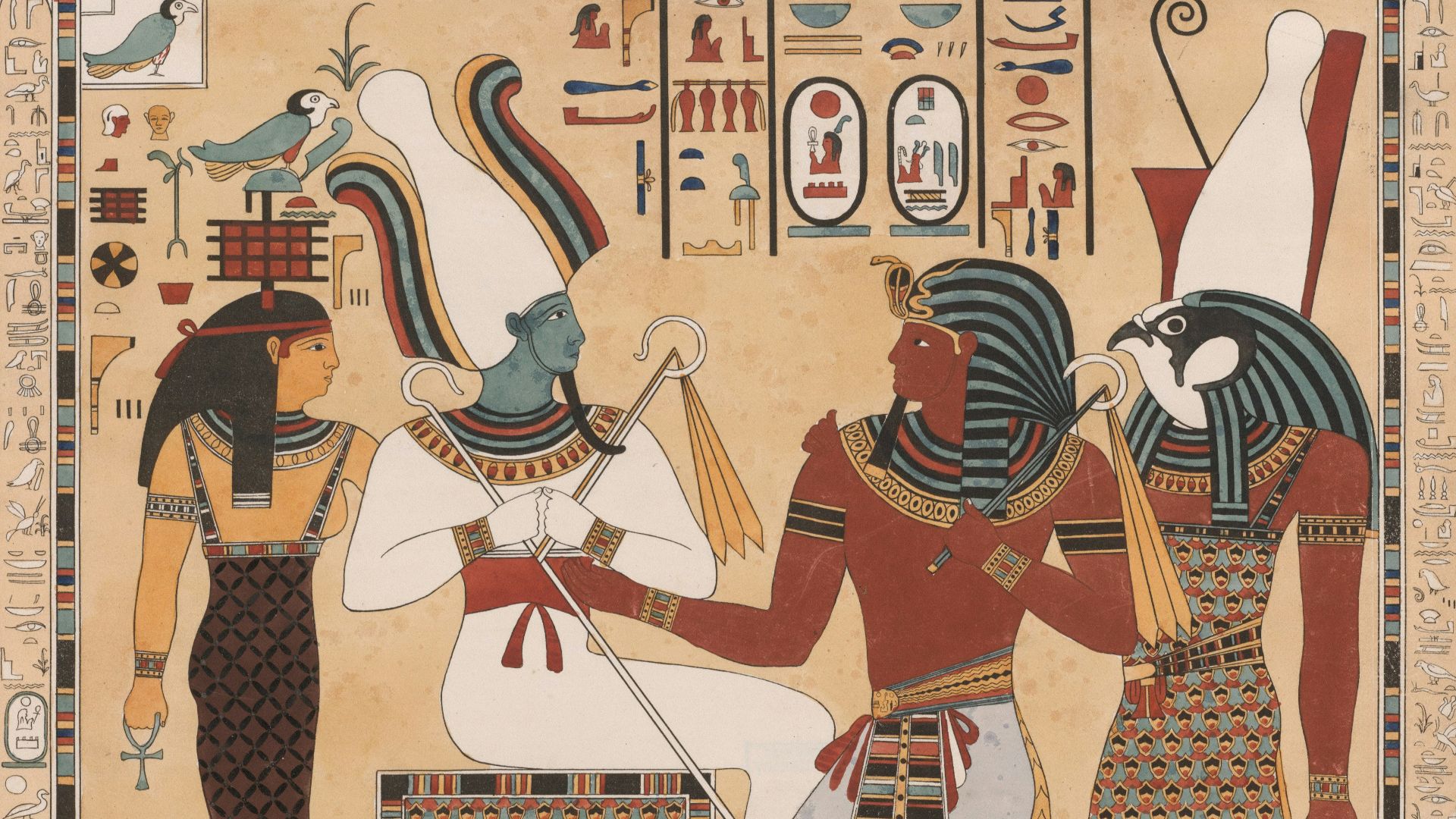
2. The Egyptian Myth of Osiris
The story of Osiris, Isis, and Horus played a major role in ancient Egyptian beliefs about death and the afterlife. Osiris’s death and resurrection symbolized renewal and eternal life, influencing burial practices and religious rituals.
 The New York Public Library on Unsplash
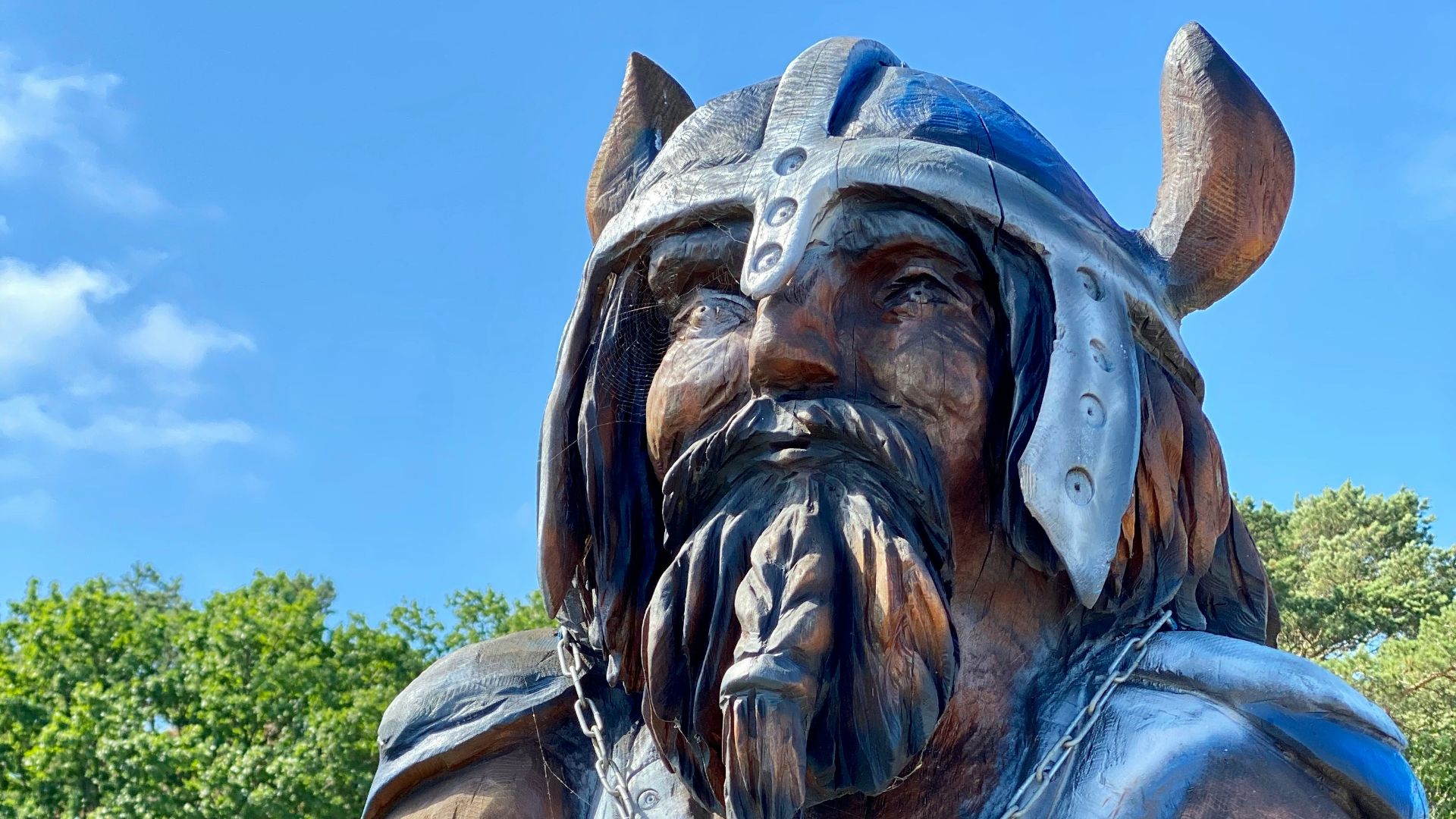
3. The Norse Myth of Ragnarok
Ragnarok described a future event in which the gods and giants would battle, leading to the destruction and rebirth of the world. This myth reflected the Norse understanding of fate and inevitability, emphasizing that even gods weren’t immune to destiny.
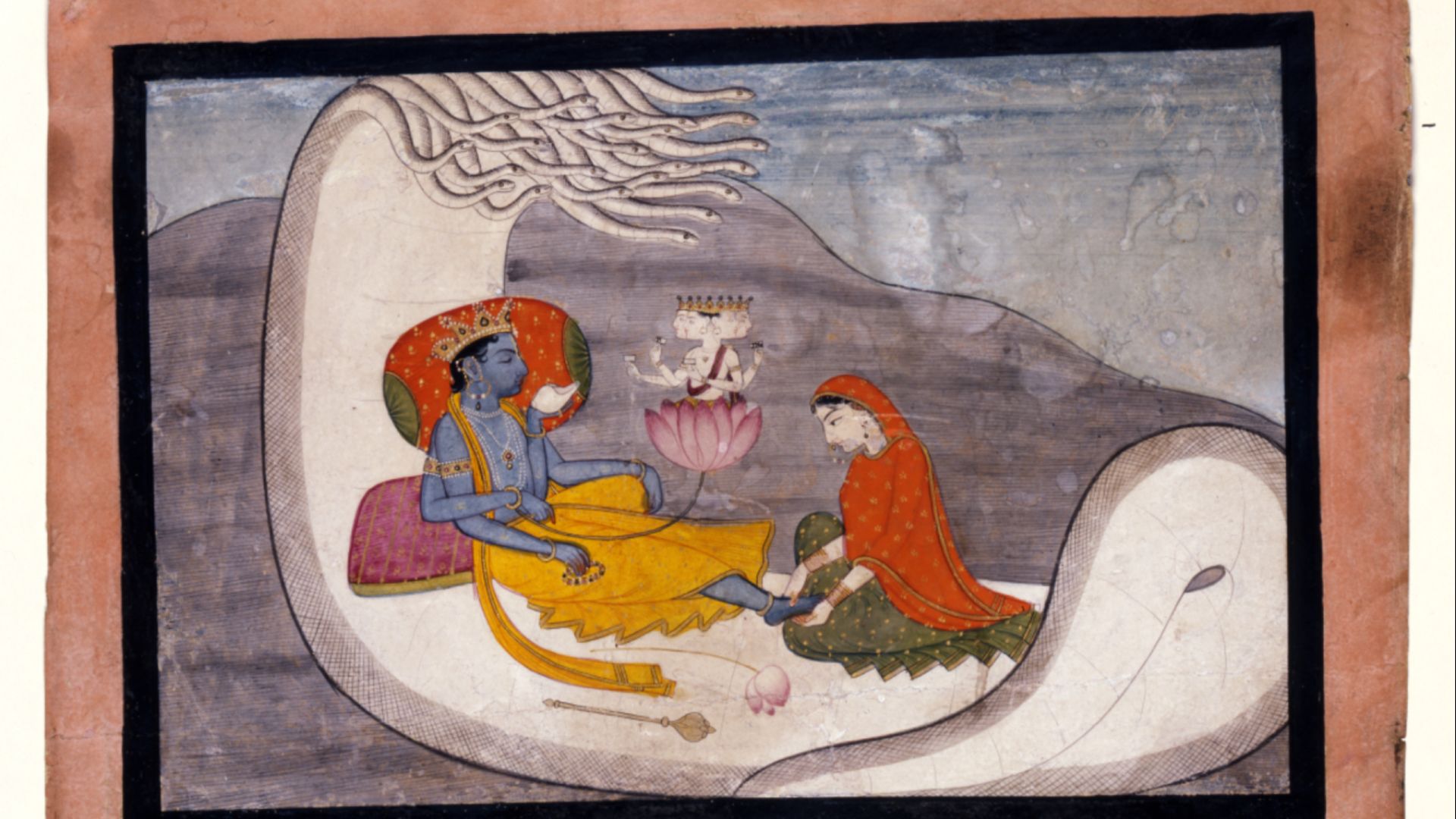
4. The Hindu Creation Myth of Brahma
In Hindu tradition, Brahma is often associated with the creation of the universe, emerging from a cosmic order that governs existence. These myths explain cycles of creation, preservation, and destruction that continue indefinitely.
 File Upload Bot (Kaldari) on Wikimedia
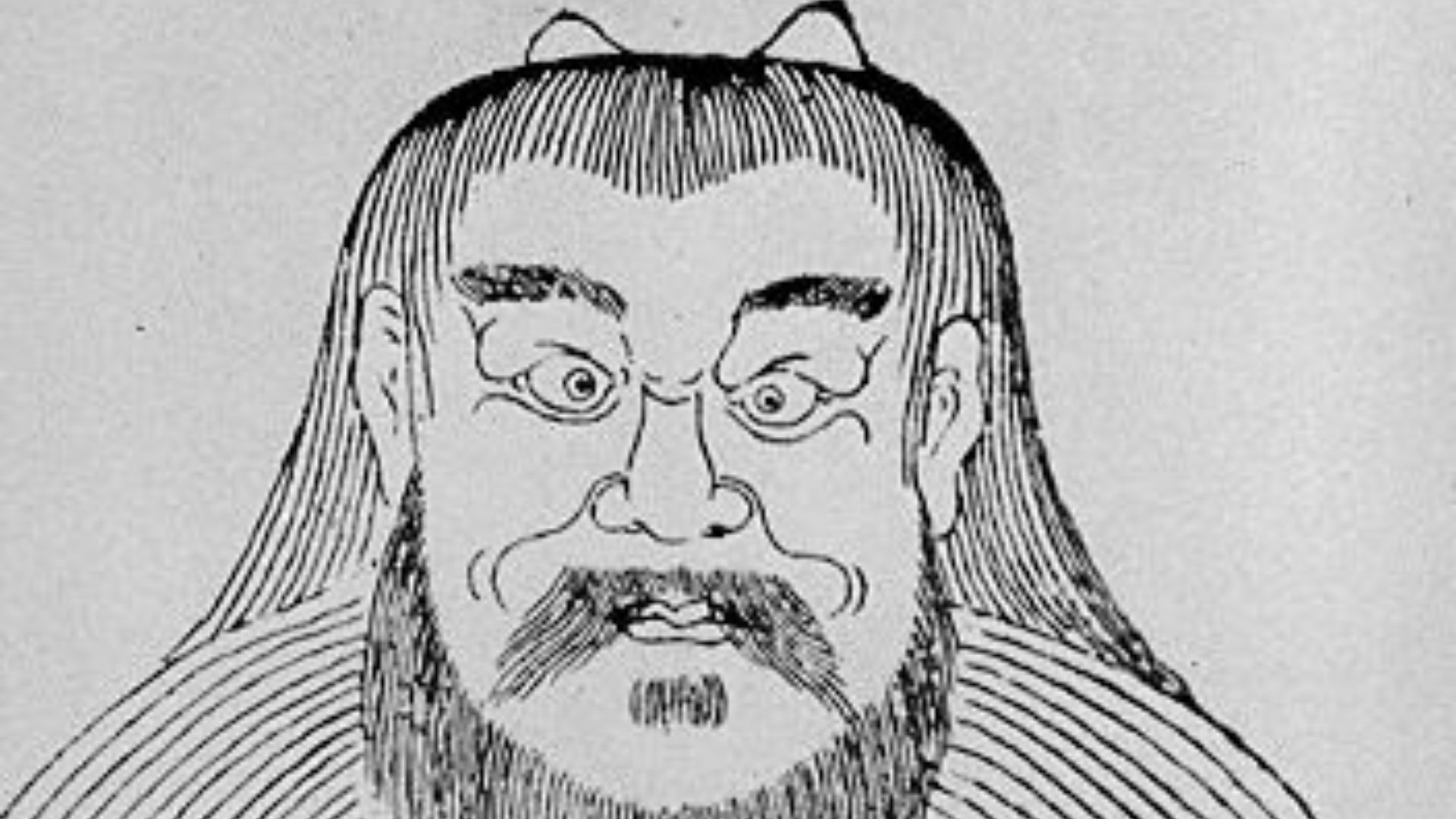
5. The Chinese Myth of Pangu
According to Chinese mythology, Pangu separated the sky and earth, forming the world as his body transformed into natural elements. This story explained the structure of the universe and humanity’s place within it.
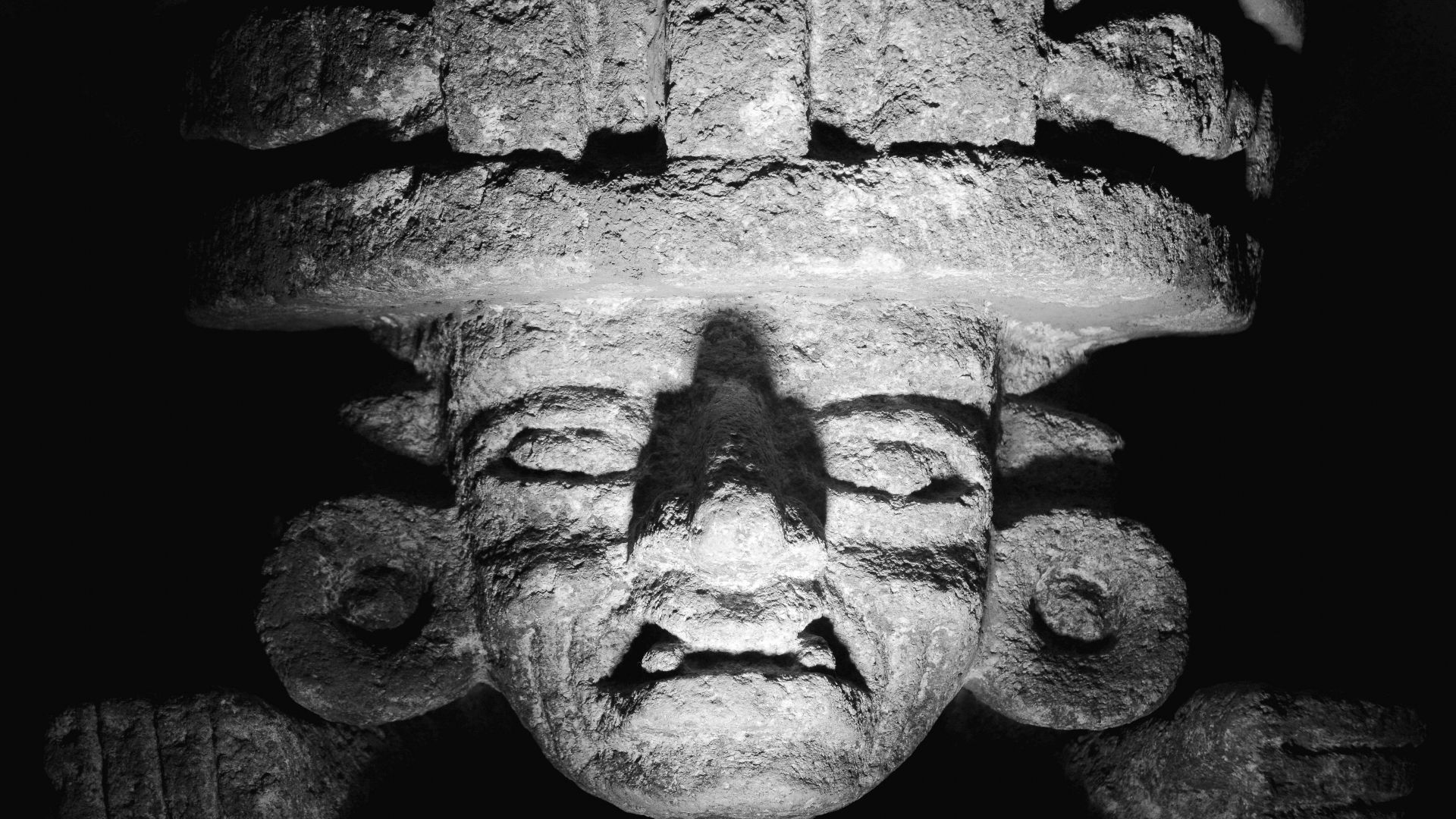
6. The Aztec Myth of the Five Suns
The Aztecs believed the world had gone through multiple creations and destructions, each ruled by a different sun. Their current era, the fifth sun, was thought to require human sacrifice to continue. This belief system shaped religious ceremonies and societal structure. It also reinforced the importance of maintaining cosmic balance through ritual.
7. The Japanese Myth of Amaterasu
Amaterasu, the sun goddess, is a central figure in Japanese mythology and is considered an ancestor of the imperial family. Her story helped legitimize political authority and unify cultural identity. The myth also emphasized themes of order, light, and renewal. It continues to influence Shinto traditions.
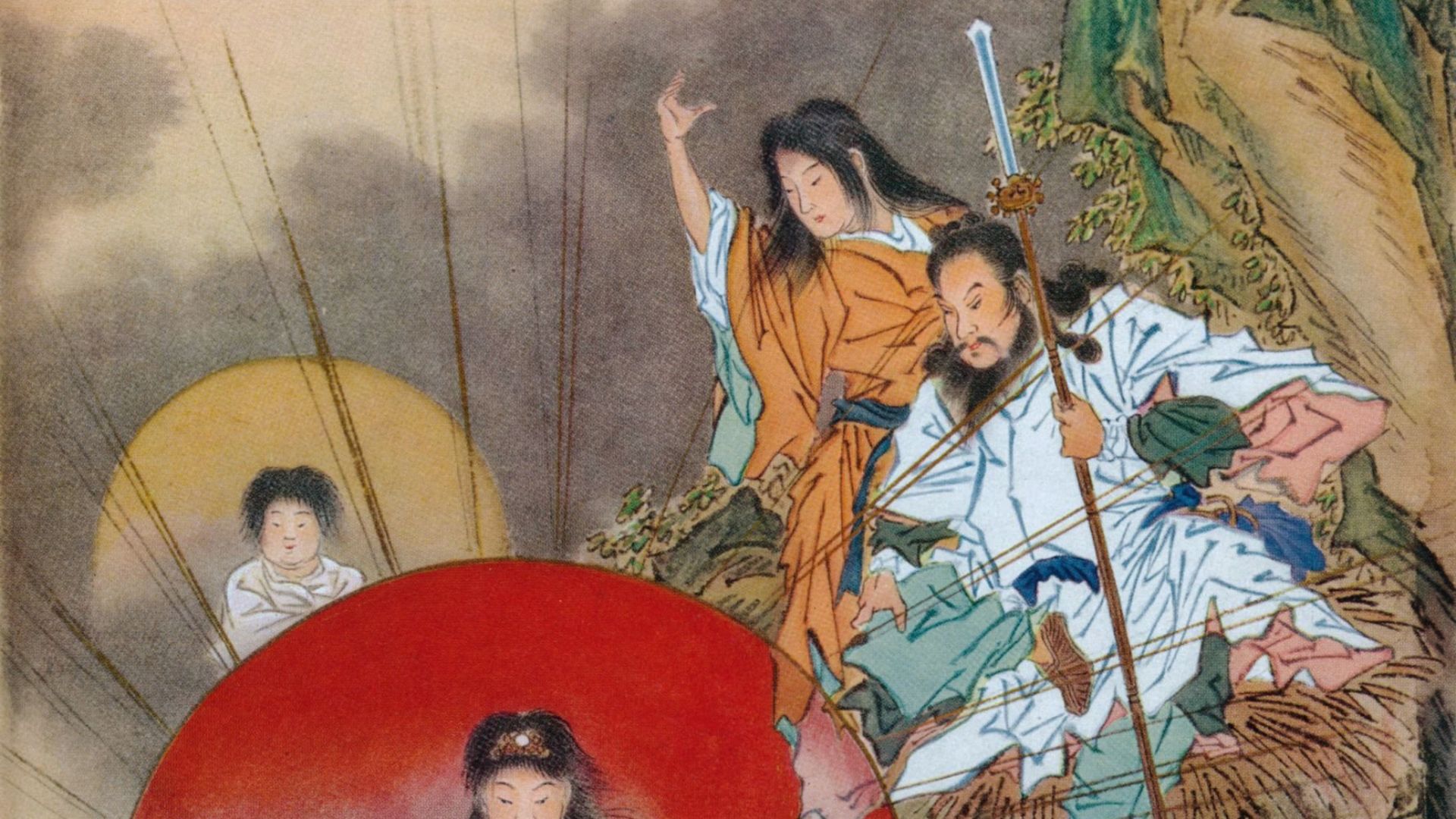 Unknown, after a work by Kawanabe Kyosai on Wikimedia
8. The Mesopotamian Epic of Gilgamesh
While Gilgamesh may have been based on a historical king, the epic surrounding him includes mythological elements like gods and immortality quests. The story explores human limits, friendship, and the inevitability of death.
9. The Maori Myth of Maui
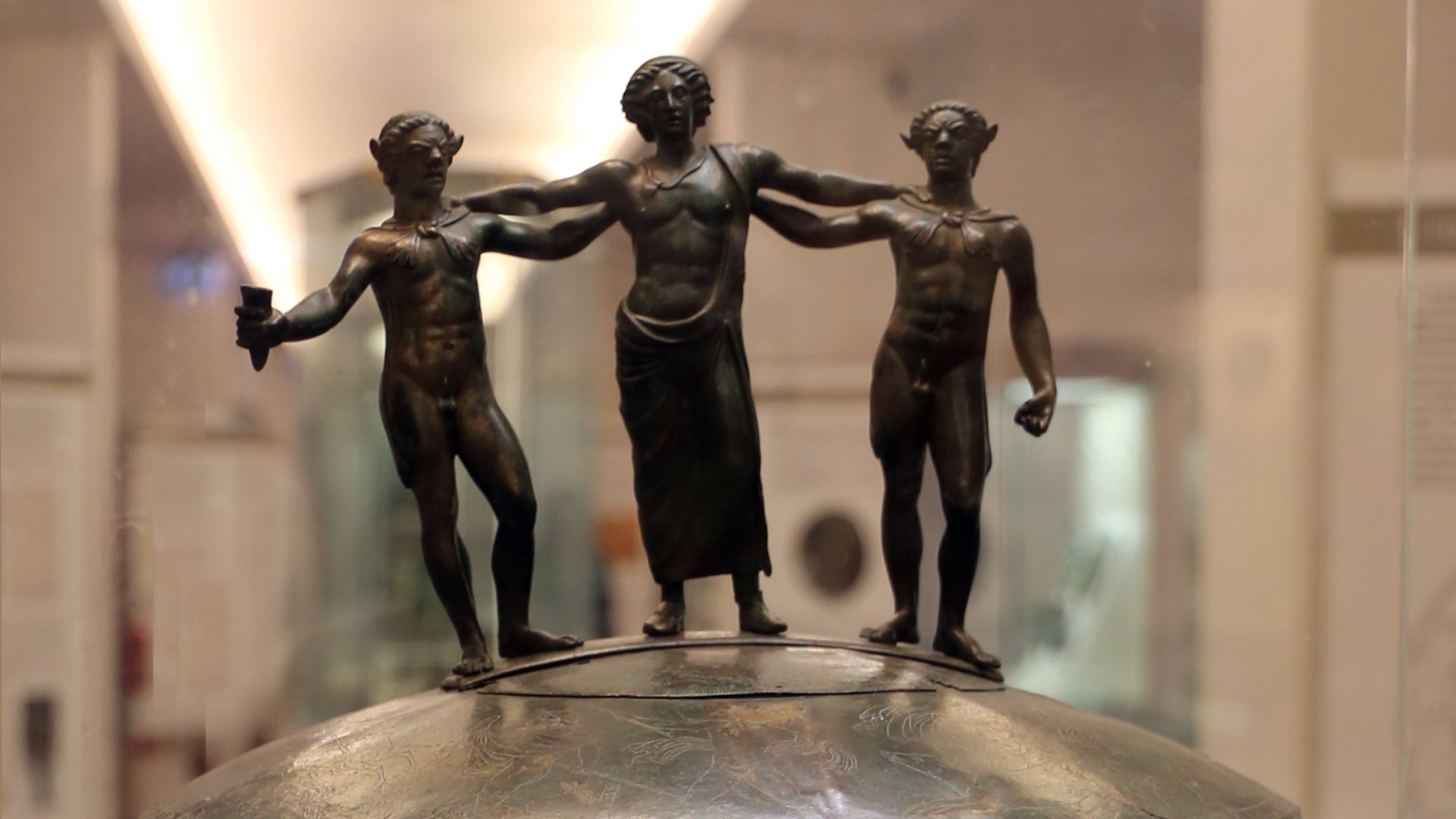
In Māori tradition, Maui is a trickster figure credited with slowing the sun and fishing up islands. These stories explained natural phenomena and reinforced cultural values about cleverness and resilience. They were passed down orally for generations. Maui’s tales remain an important part of Polynesian heritage.
 Bees And Green Tea on Unsplash
10. The Yoruba Myth of Creation
Yoruba mythology describes the god Obatala shaping humans from clay under the authority of the supreme deity Olodumare. This narrative explains human origins and emphasizes divine influence in daily life.
1. King Arthur
The legend of King Arthur likely originated from a Romano-British leader who resisted Saxon invasions in the early medieval period. Over time, stories added elements like Camelot, the Round Table, and magical figures such as Merlin.
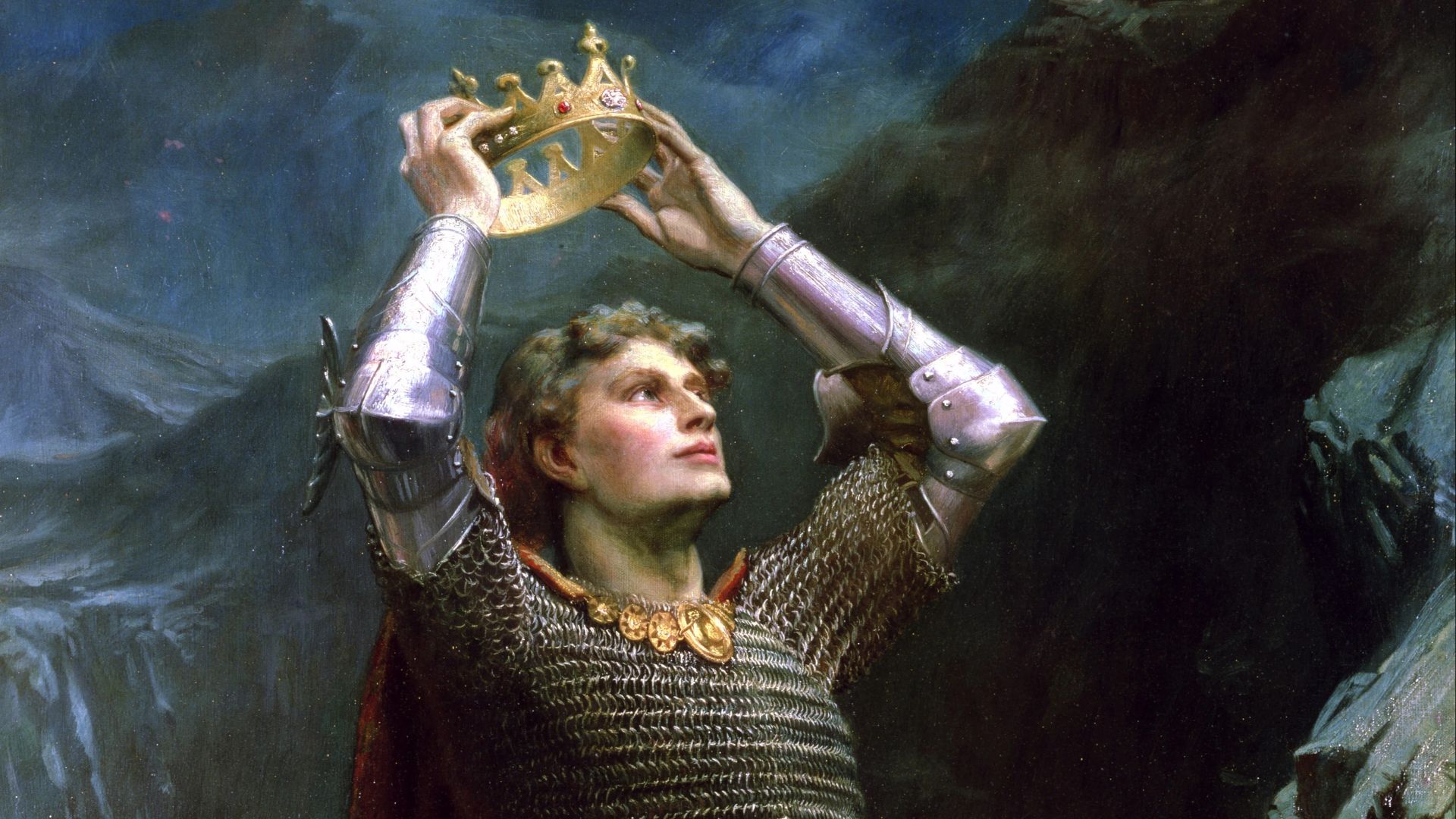 Charles Ernest Butler on Wikimedia
2. Robin Hood
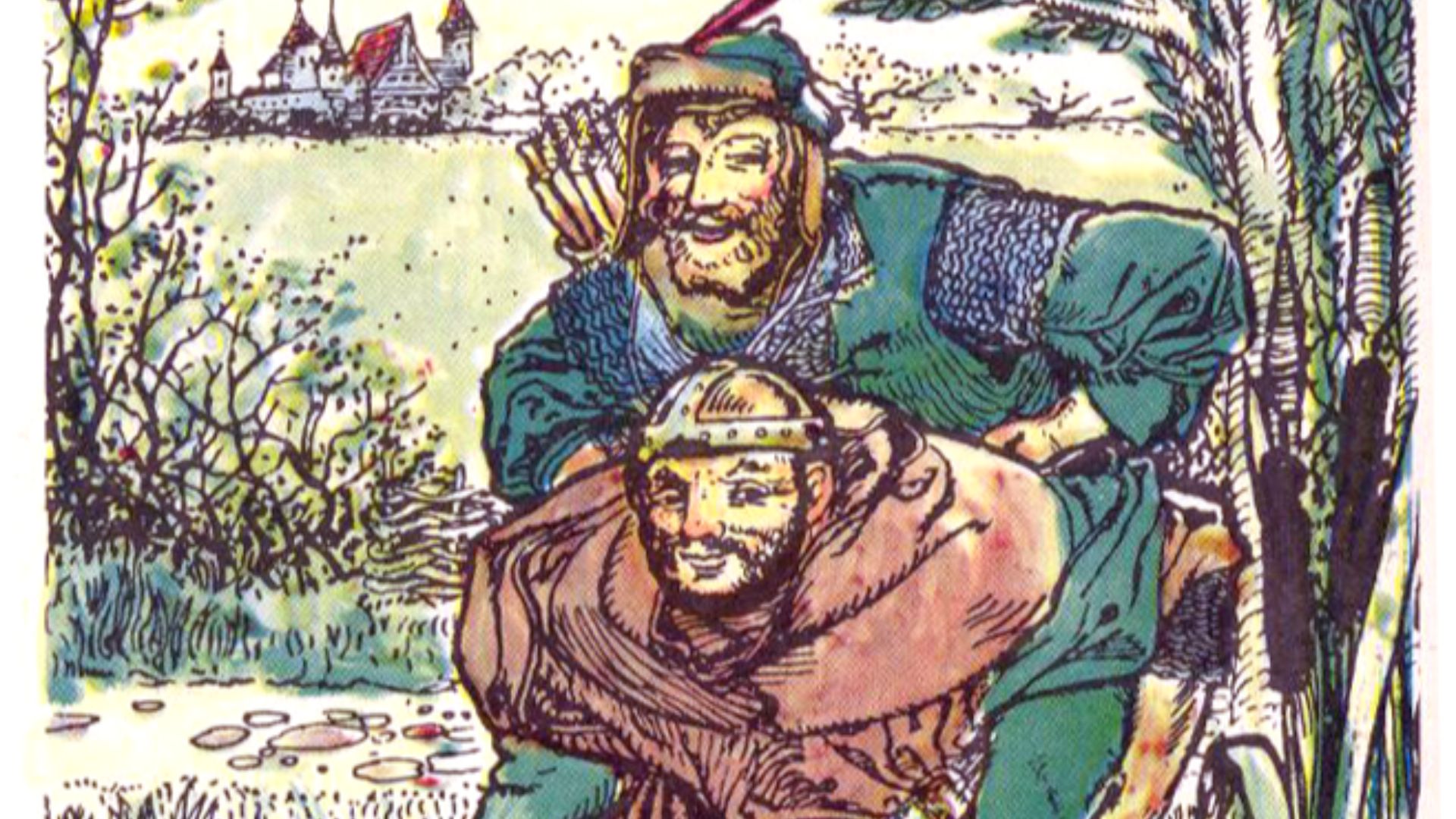
Robin Hood is believed to be inspired by real outlaws in medieval England who resisted authority. Historical records mention individuals with similar names involved in criminal activity. Over time, the story evolved into a tale of a noble figure who stole from the rich to help the poor.
3. The Trojan War
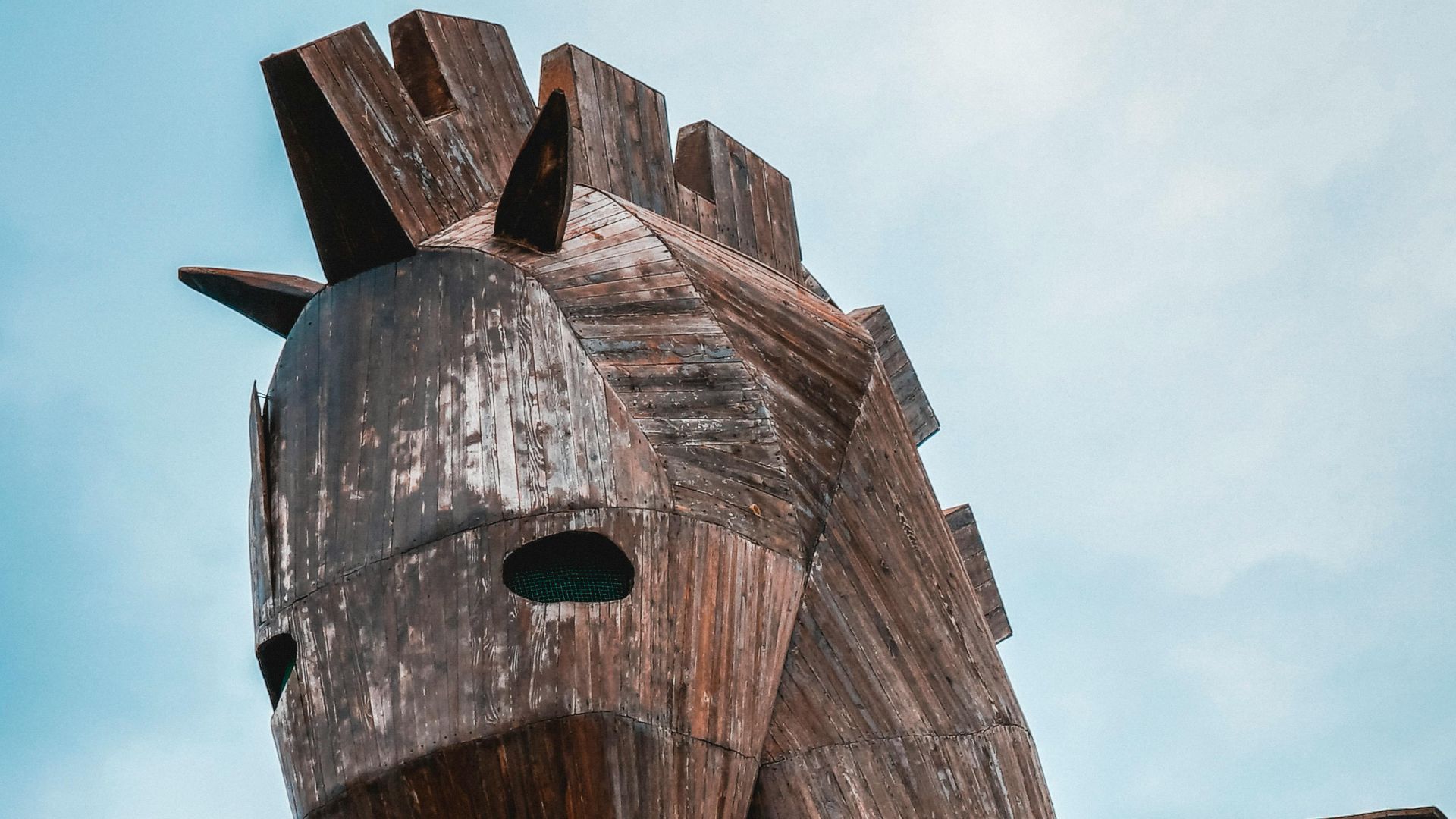
The Trojan War, described in Homer’s Iliad, was once thought to be purely mythical. Archaeological discoveries at Hisarlik in modern Turkey suggest a real conflict may have occurred around the late Bronze Age.
4. Joan of Arc
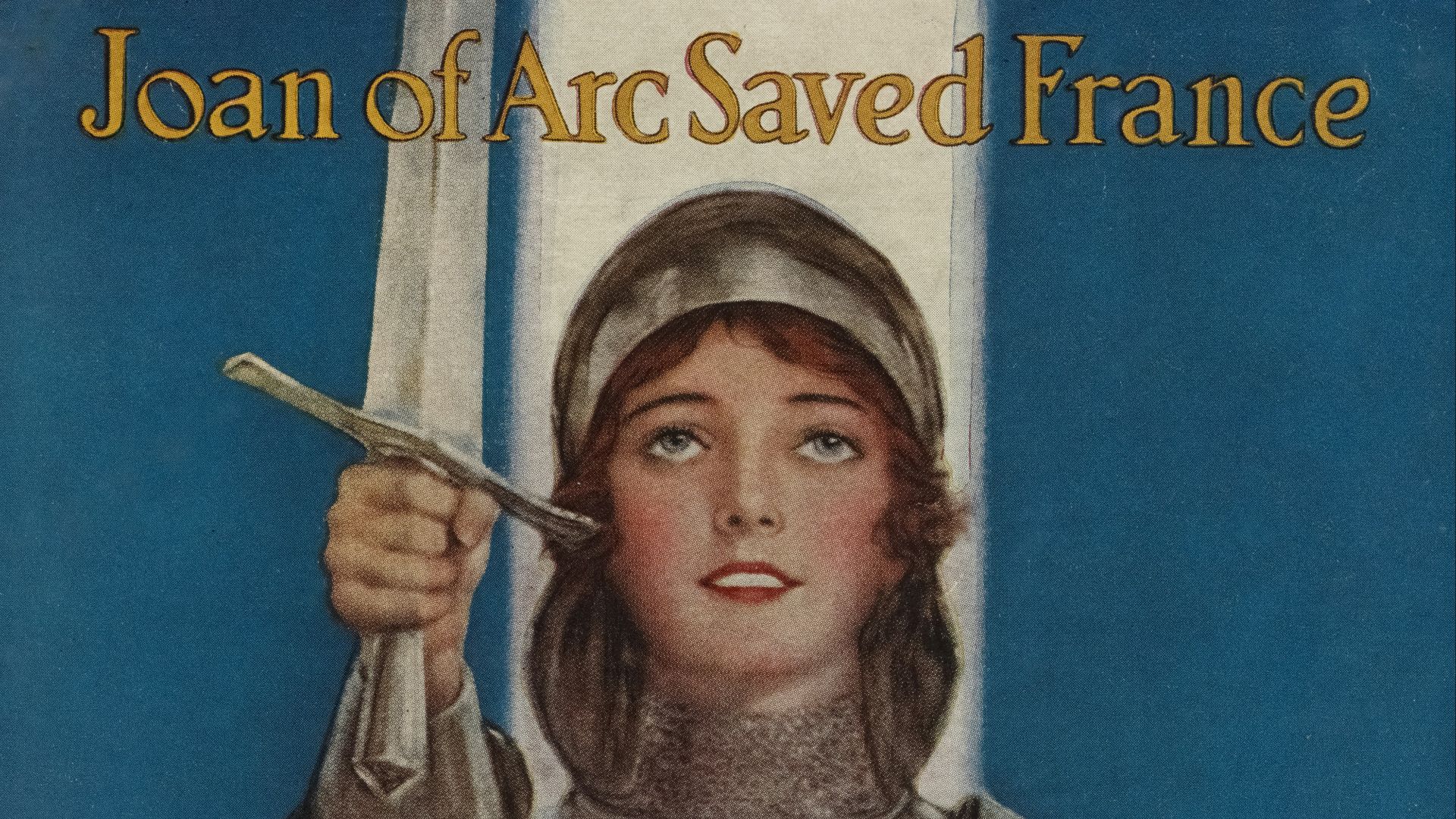
Joan of Arc was a real historical figure who led French forces during the Hundred Years’ War. Her claims of divine guidance and her eventual martyrdom elevated her status beyond that of a military leader. Over time, she became a symbol of faith, nationalism, and courage. Her story is both documented history and enduring legend.
 The New York Public Library on Unsplash
5. El Dorado
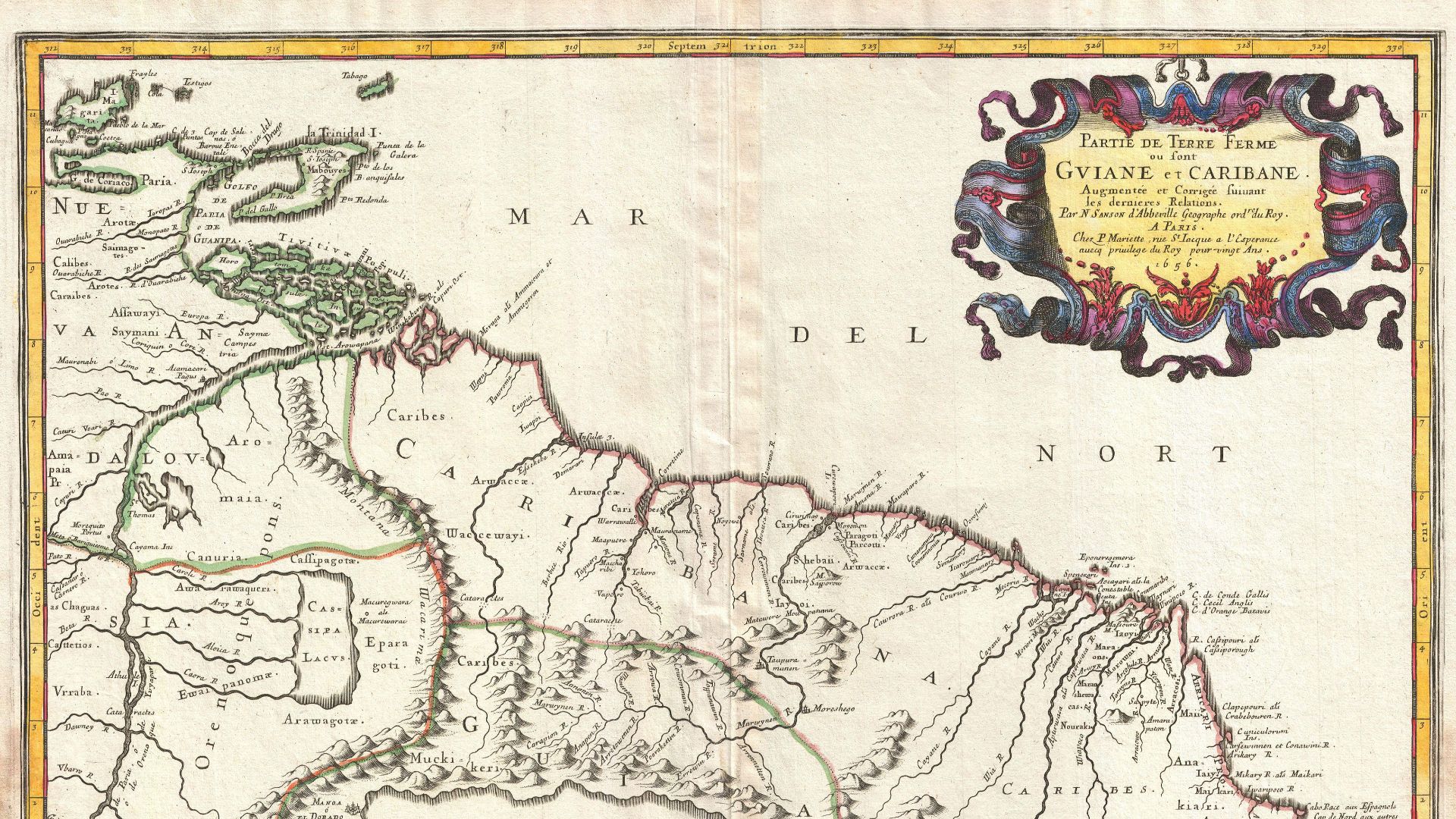
The legend of El Dorado began with reports of a Muisca leader in present-day Colombia who covered himself in gold dust during rituals. European explorers expanded this story into a mythical city of gold. This misunderstanding fueled numerous expeditions and colonial ambitions.
 http://www.geographicus.com/mm5/cartographers/sanson.txt on Wikimedia
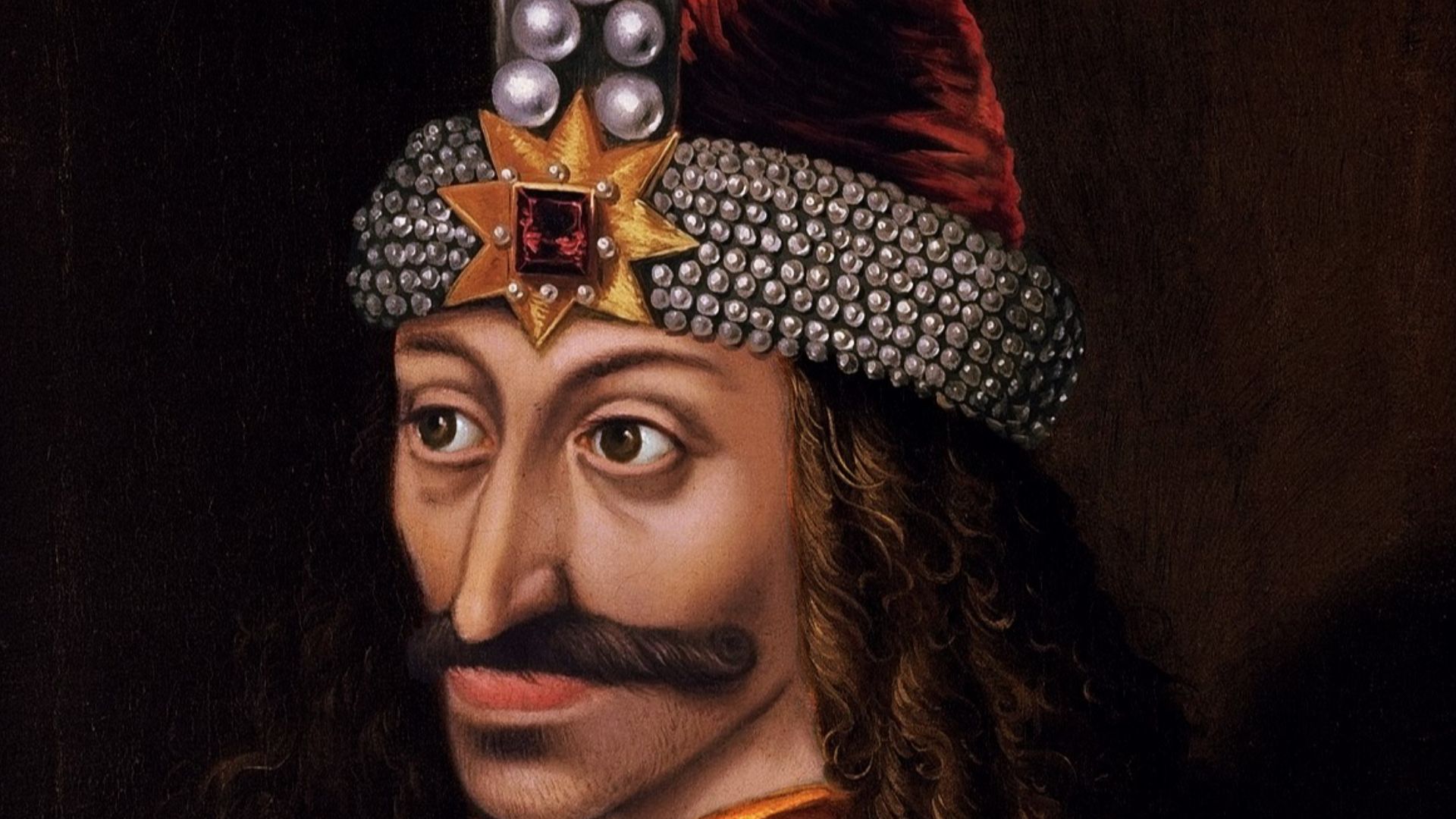
6. Vlad the Impaler and Dracula
Vlad III of Wallachia was a real ruler known for his harsh methods, including impalement. His reputation inspired Bram Stoker’s fictional Dracula, blending history with supernatural elements.
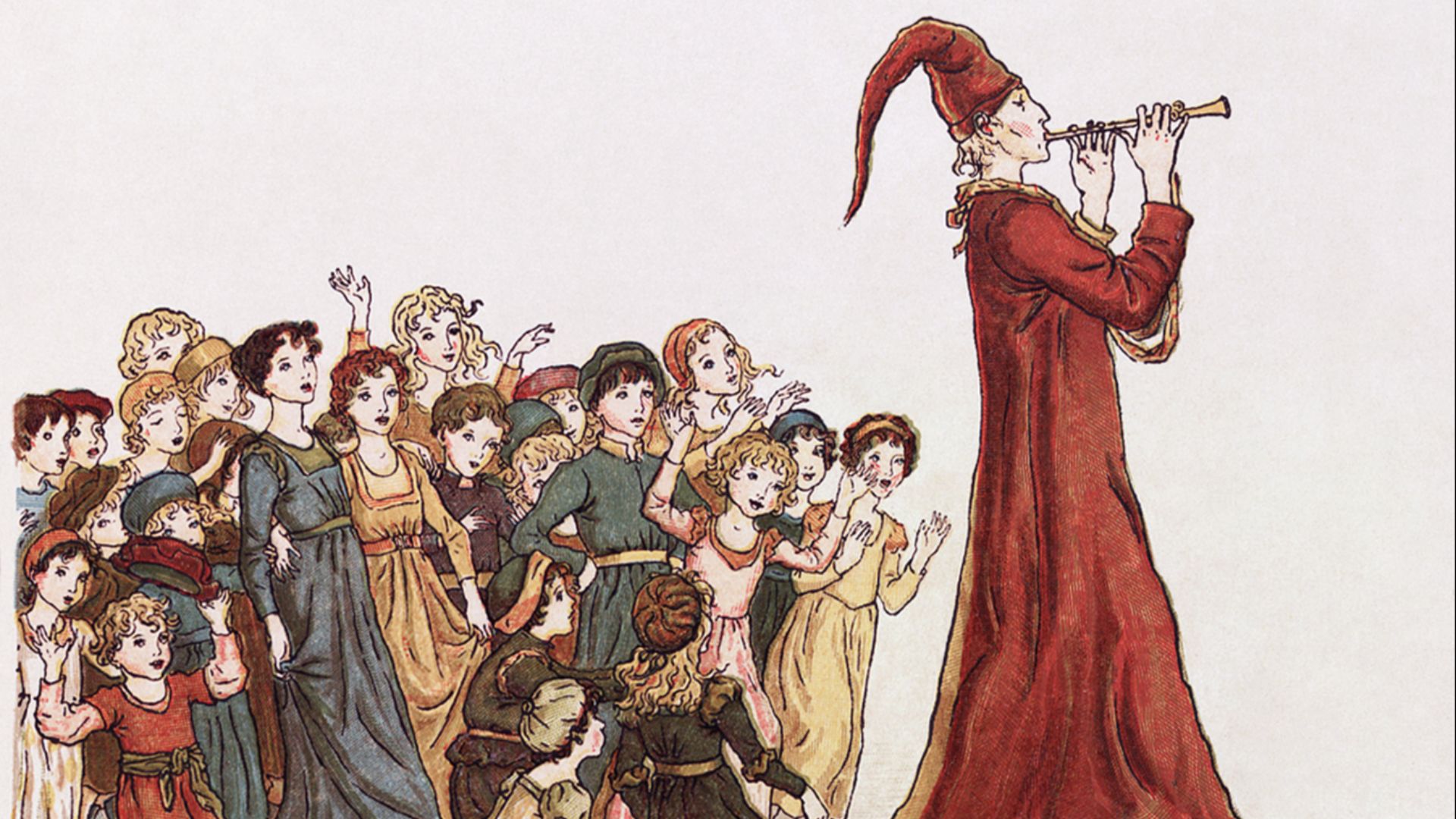
7. The Pied Piper of Hamelin
The story of the Pied Piper may be based on a real event in 13th-century Germany, where many children disappeared. Records mention a mysterious loss of young people, though the cause remains unclear. Over time, the tale evolved into a story involving a piper leading children away.
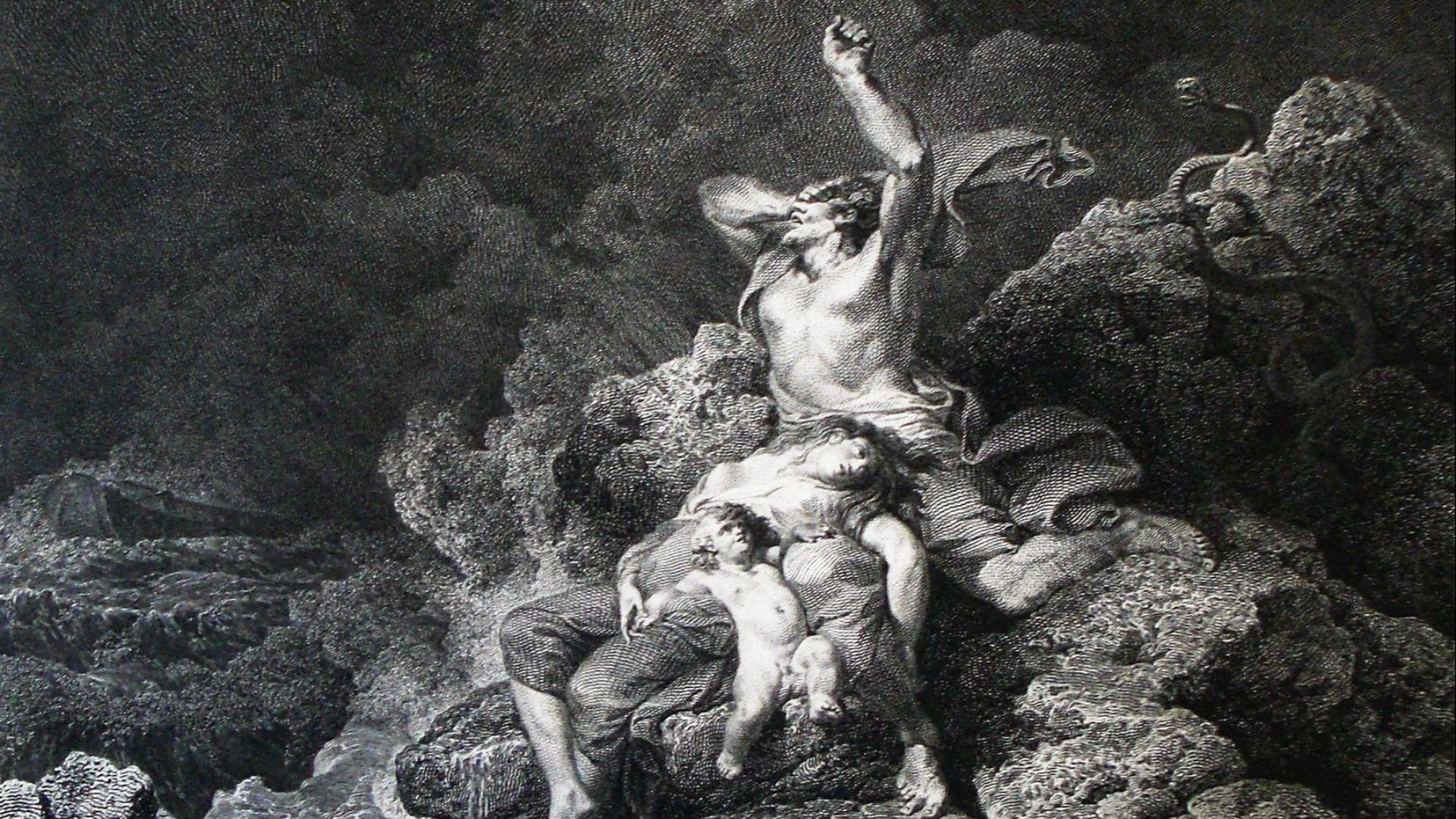
8. The Great Flood Stories
Flood myths appear in many cultures, including the biblical story of Noah and the Mesopotamian tale of Utnapishtim. Geological evidence suggests that large-scale flooding events occurred in ancient times.
9. William Tell
William Tell is said to have been a Swiss marksman who defied authority by shooting an apple off his son’s head. While historical evidence is limited, the story may reflect resistance movements in medieval Switzerland.
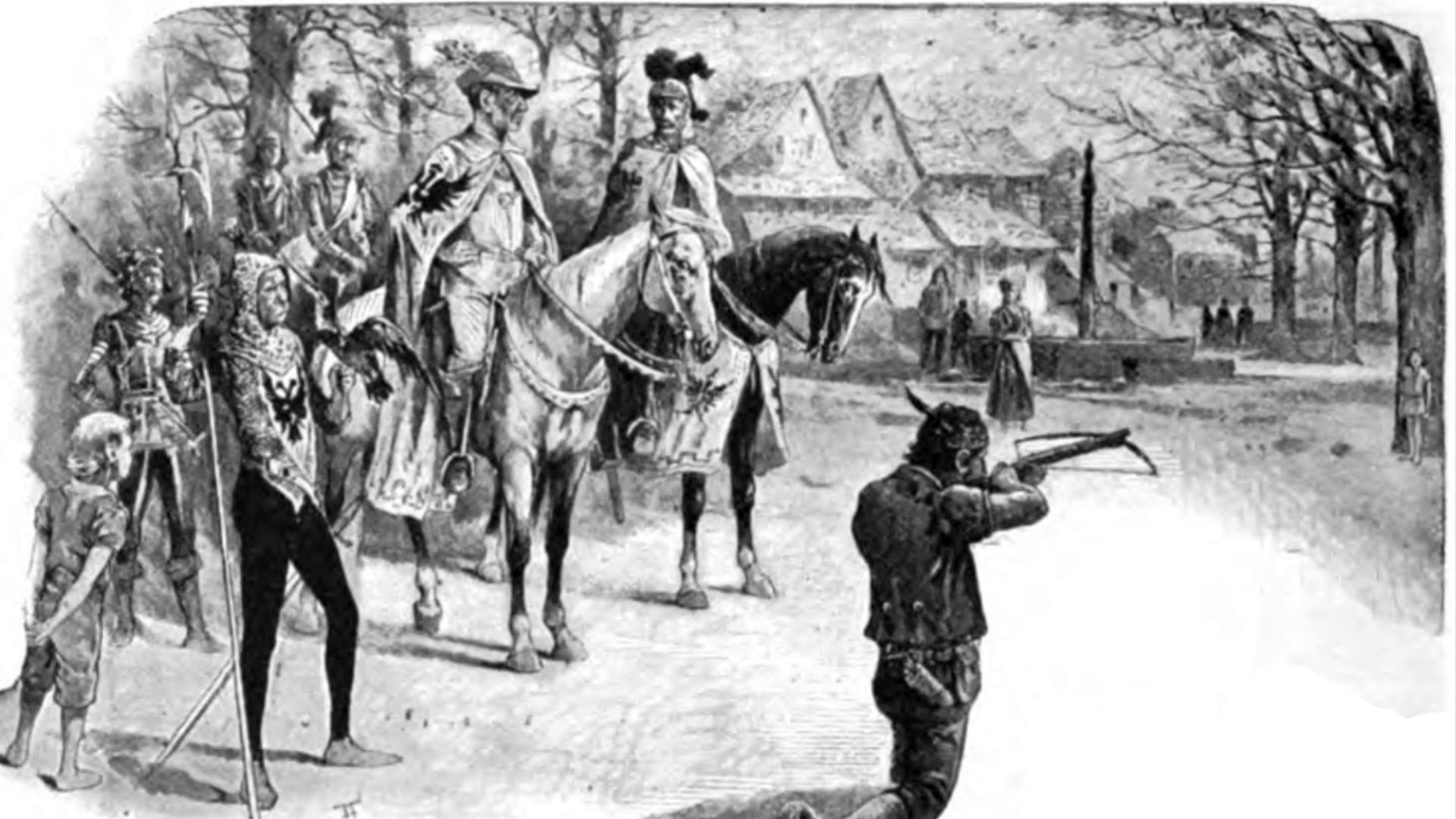 Frank Feller 1848-1908 on Wikimedia
10. The Bermuda Triangle
The Bermuda Triangle gained attention in the 20th century due to reports of unexplained ship and aircraft disappearances. While many incidents have been explained by weather, navigation errors, or human factors, the mystery persists in popular culture.

KEEP ON READING

20 Weirdest Historical Objects in Museums
Check Out the Pickled Heart of a Saint. Museums carry…
By Rob Shapiro Oct 1, 2025
20 Scariest Missing Persons Cases in History
Eerie Disappearances. There's something uniquely unsettling about a person who…
By Christy Chan May 1, 2026
20 Greatest Ancient Athletes In History
Ancient Olympics. Long before modern stadiums and multimillion-dollar endorsements, athletes…
By Sara Springsteen May 1, 2026
10 Phenomenal Mythical Creatures & 10 That Are Just Plain…
Legends Both Majestic And Peculiar. Do you ever wonder why…
By Chase Wexler Oct 1, 2025
10 Presidents Who Never Served In The Military & 10…
Commanders And Civilians In Office. Power can rise from very…
By David Davidovic Sep 1, 2025
20 Wars That Could Have Ended Much Sooner Than They…
Wars That Lasted Far Too Long. Wars are often remembered…
By David Davidovic Sep 1, 2025