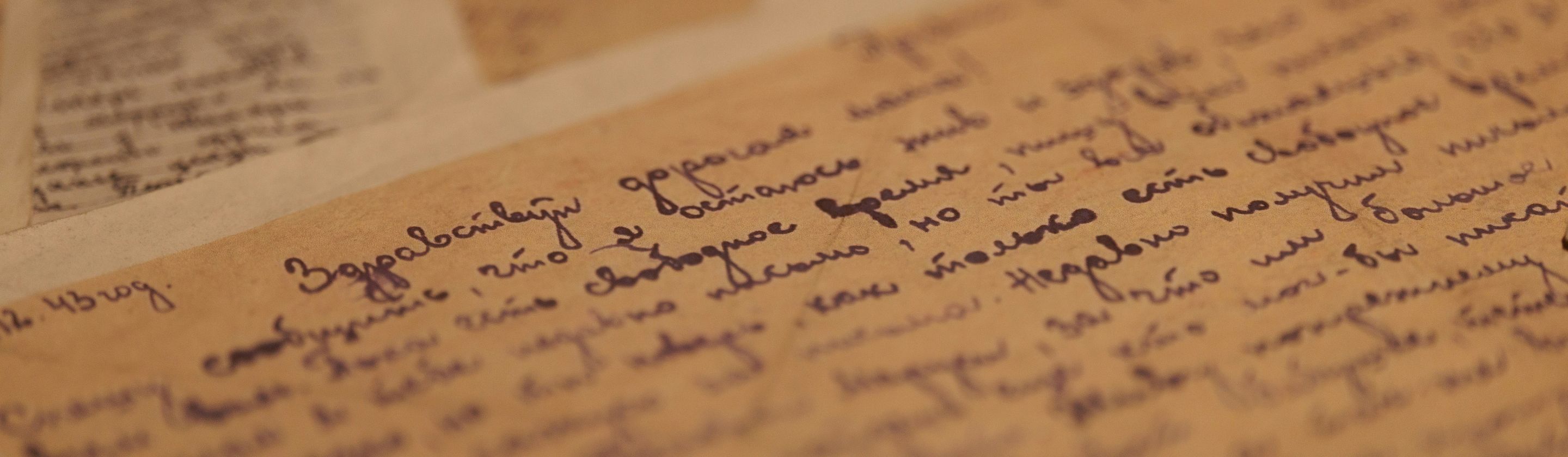
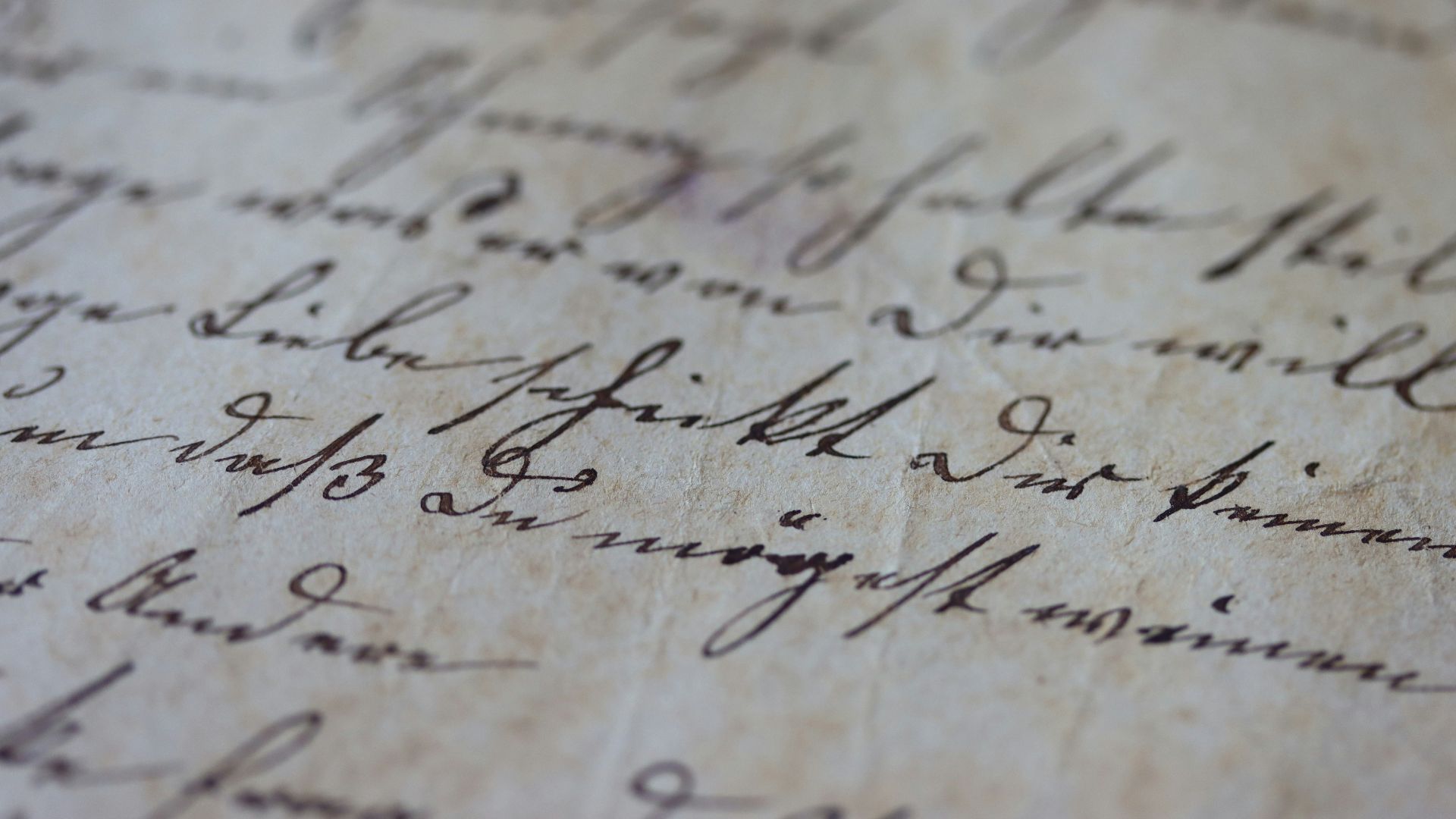
If you've ever read a letter from antiquity, you may recognize the strange pull it can have. The writer is long gone, the world around them has vanished, and still, the voice can feel close enough to make you pause. A birthday invitation, a political note, a worried message between friends; these things all seem to transcend time.
That feeling deserves a bit of care, though, because not every ancient letter was intimate or emotional. Many preserved letters were formal and practical, so we don’t have a foolproof understanding of intimate communication. That said, ancient letters feel personal to modern readers not because they were always heartfelt, but because the writing, sending, and saving of them carried visible effort.
The Medium Made Effort Visible
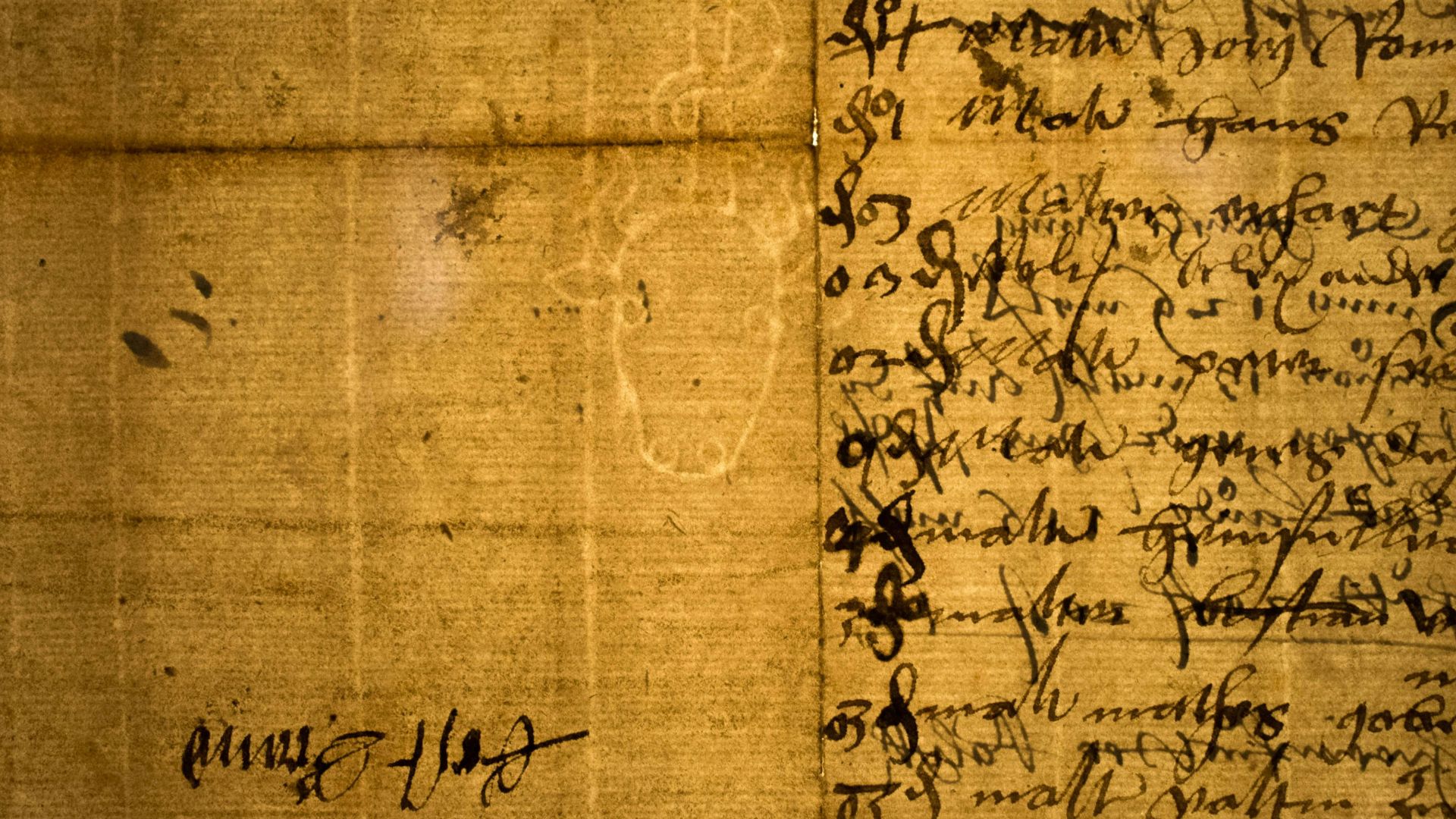
In the ancient world, a letter wasn’t as easily sent as it is today. It had to be written on something, carried by someone, and received as a real object. World History Encyclopedia notes that many ancient cultures had ways to send messages over long distances, and that personal letters often traveled through friends, enslaved people, merchants, or travelers rather than through any kind of private postal system.
The materials varied quite a bit, which is part of what makes these letters feel so grounded. Some messages were written on papyrus, parchment, wax tablets, wood, or pottery fragments, depending on the place, period, cost, and purpose. Britannica describes ostraca as pottery shards or limestone flakes used as writing surfaces in antiquity, especially among Egyptians, Greeks, and Hebrews.
That physical side changes how a letter feels now. A message scratched onto a fragile scrap, a wooden tablet, or a folded sheet of papyrus seems to carry the pressure of the hand behind it. One strong example is the Vindolanda tablets from Roman Britain, a group of nearly 780 texts written on thin sheets of wood at the fort of Vindolanda in the late first and early second centuries.
The journey of a letter could matter almost as much as the writing itself. A papyrus letter might be folded, tied, and sealed, partly to protect it before it reached the person on the other end.
The Personal Voice
Ancient letters often followed expected patterns, so they weren’t always as spontaneous as they may seem. Greetings, health wishes, the names of sender and receiver, polite openings; all of these could be part of the structure. World History Encyclopedia describes these kinds of formulaic greetings in ancient letters.
Those habits didn’t wipe out personality, though. They often gave writers a familiar frame for saying something direct, affectionate, anxious, or useful. The famous Vindolanda birthday invitation from Claudia Severa to Sulpicia Lepidina shows this well. The Roman Inscriptions of Britain entry notes that Severa sent a warm invitation and added personal greetings in the letter. The letter is practical, yes, and it also carries a real social bond between two women in Roman Britain.
Some ancient letters were also polished for public life, which makes the subject a little messier. Pliny the Younger's letters, for example, are valuable and vivid, but they weren’t private jottings. Pliny's letters were largely written with publication in mind and arranged by Pliny himself. That doesn’t make them useless as examples of ancient personal writing, but it does provide some context as to how he chose to organize his thoughts. A letter can sound intimate while still being shaped, edited, and aware of its audience, which isn’t so different from half the things people post online today.
Slow Communication Gave Words More Weight
The pace of ancient correspondence changed how letters worked. When a reply might take days or longer, a letter had to carry more than a passing reaction. It might need to explain a situation, ask for news, send instructions, offer reassurance, or hold a relationship together across some pretty far distances.
Modern messages are built for speed, and speed is not the enemy of connection. A text can be tender, funny, perfectly timed, or exactly what someone needs in a difficult moment. Even so, digital messages often arrive in a flood of alerts, group chats, and half-formed thoughts, so even meaningful words can start to feel disposable.
Handwritten communication still carries a different signal for many people. UNC-Chapel Hill's discussion of handwritten letters quotes psychology professor Sara Algoe saying that a letter shows someone was thinking about the recipient and "took the time to actually put pen to paper." Handwriting isn’t automatically more sincere than typing, but it does support the idea that effort can make a message feel more valued.
That same feeling is part of why ancient letters still land so strongly. They were physical objects, shaped by social rules but not trapped by them, and often sent across real gaps of time and space. Not every ancient letter was a tiny masterpiece of feeling. The better truth is simpler: when a voice from the past reaches you through a fragile object, you can feel the effort it took to get there.
KEEP ON READING