When Places Become History
Some towns don’t end with one last bell toll; they fade through disaster, war, climate pressure, or even politics. These 20 places were once real communities with streets and everyday routines, but history had other plans for towns that once stood tall. Join us as we walk down Memory Lane and reexamine just what happened to a few once-popular spots.
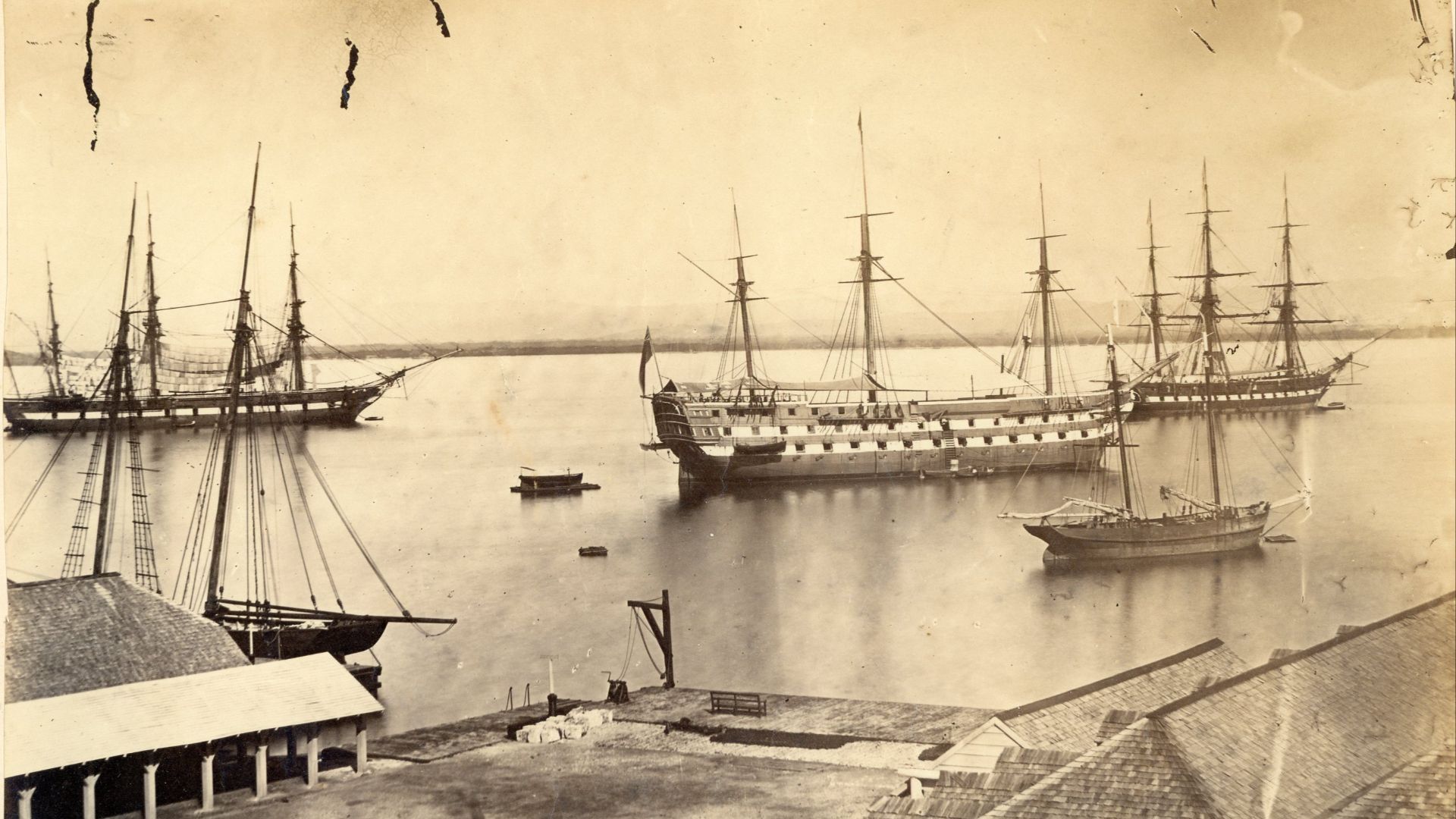 Captain F. L. Grundy of the 2nd Battalion, 6th Foot circa 1865 on Wikimedia
1. Roanoke Colony, North Carolina
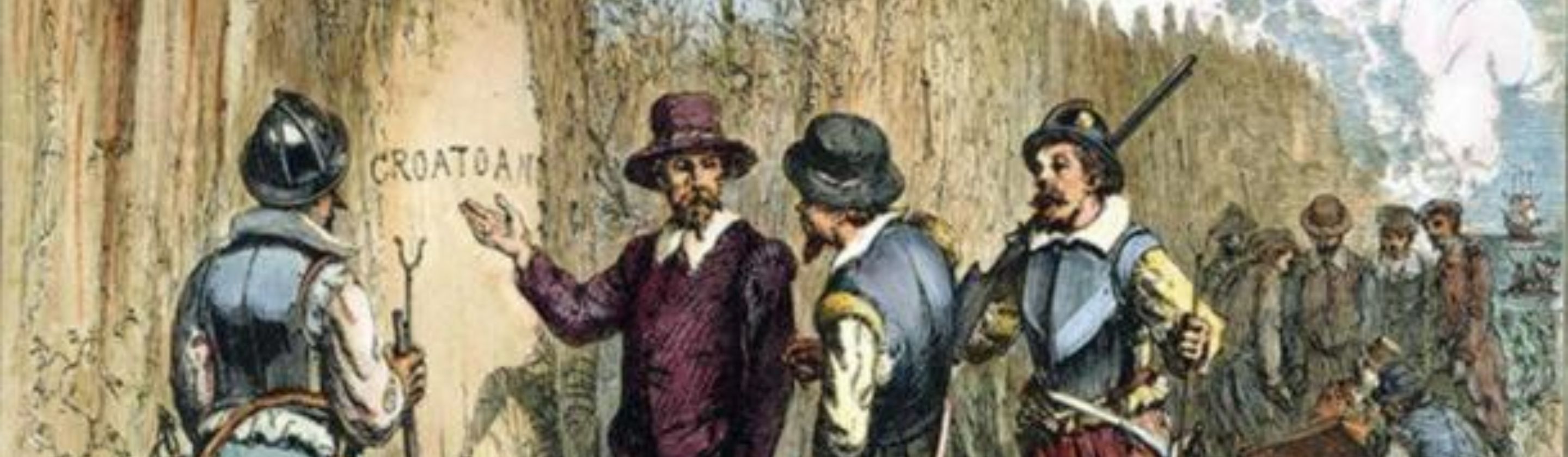
Roanoke is still famous today, and for anyone familiar with the story, it’s easy to see why. Long story short? The people who settled there in 1587 were mysteriously gone when John White returned in 1590. The word “Croatoan” carved at the site has kept theories alive, but there’s no solid evidence for what happened to them.
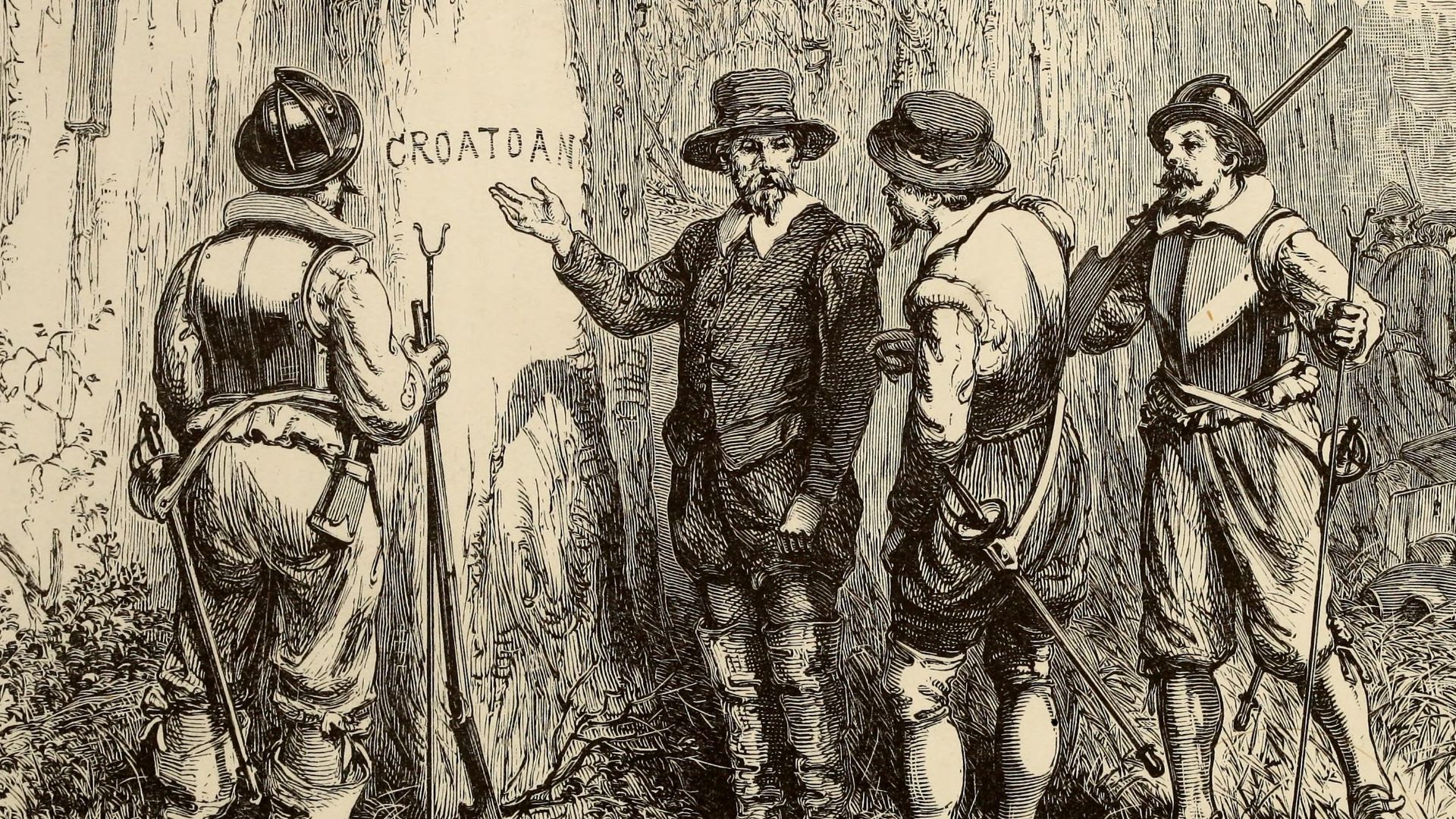 Design by William Ludwell Sheppard, Engraving by William James Linton on Wikimedia
2. Pompeii, Italy
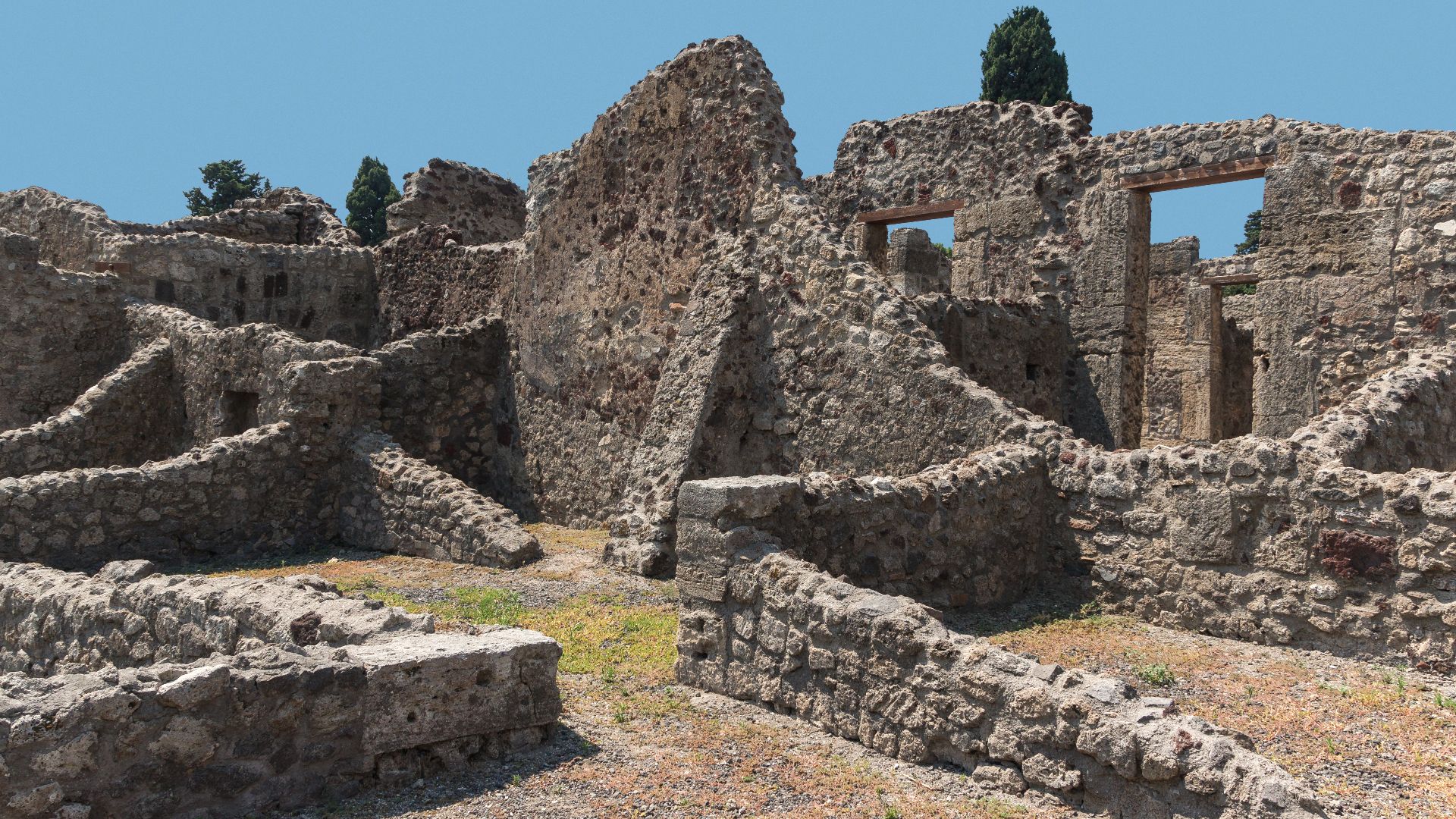
Pompeii was once a thriving Roman town until Mount Vesuvius erupted in A.D. 79, burying it under volcanic material. Though its demise seems cut-and-dry, researchers still debate details such as how many people escaped, how many returned briefly, and how daily life ended in different parts of the city. It was later excavated and opened to visitors, but it never returned to its former glory.
3. Herculaneum, Italy
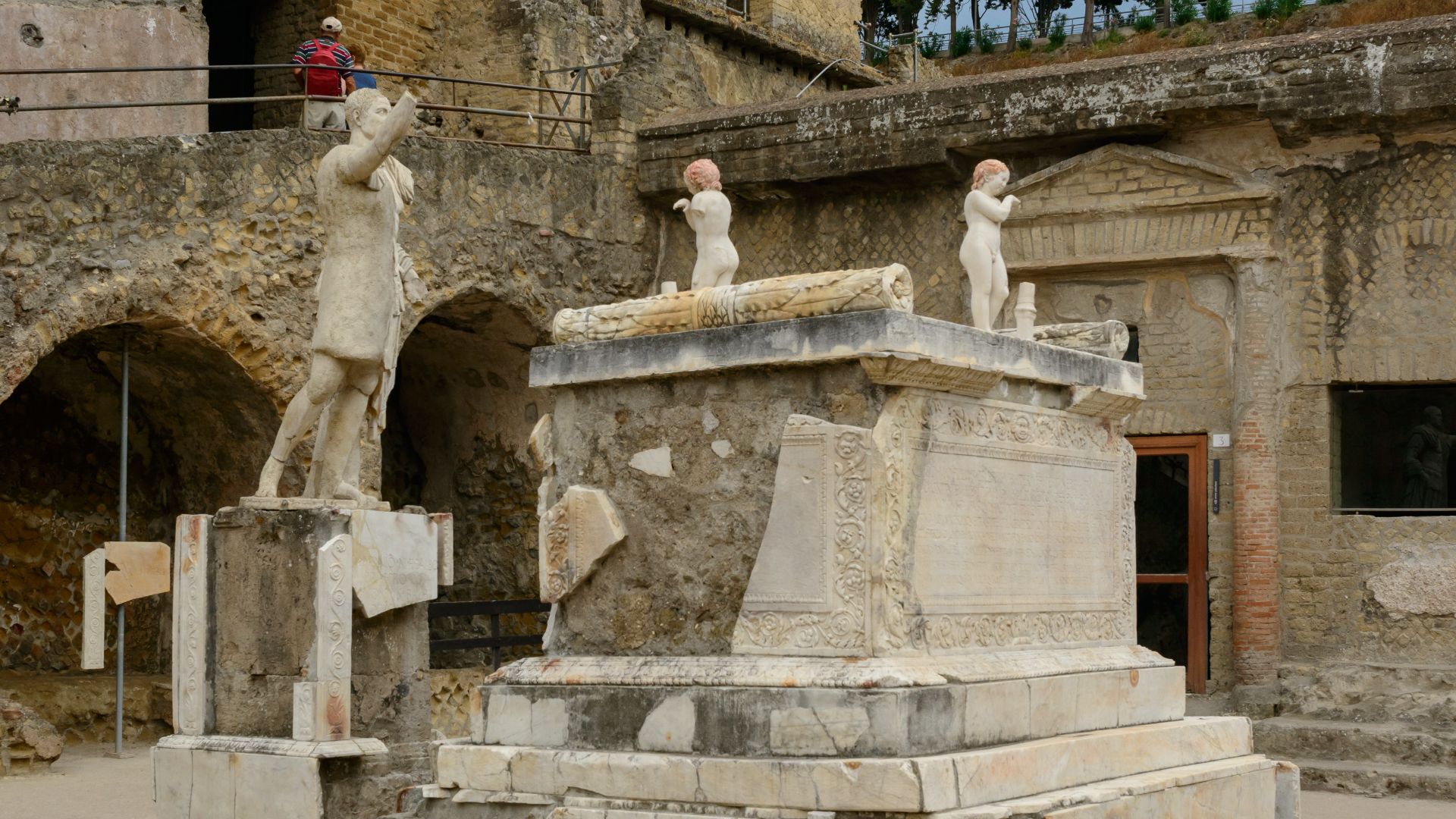
Herculaneum disappeared in the same Vesuvius disaster that buried Pompeii, but there was one major difference: it was sealed by different volcanic flows that preserved wood, food, and buildings in remarkable condition. You can walk its streets today, but the town itself never resumed normal life.
4. Akrotiri, Santorini
Back in 1600 B.C., Akrotiri was a Bronze Age settlement on Thera, now Santorini. It was buried by the massive volcanic eruption of Thera. Few human remains have actually been found there, so one strong theory is that earthquakes or early volcanic warnings gave residents time to evacuate before the final catastrophe.
5. Helike, Greece
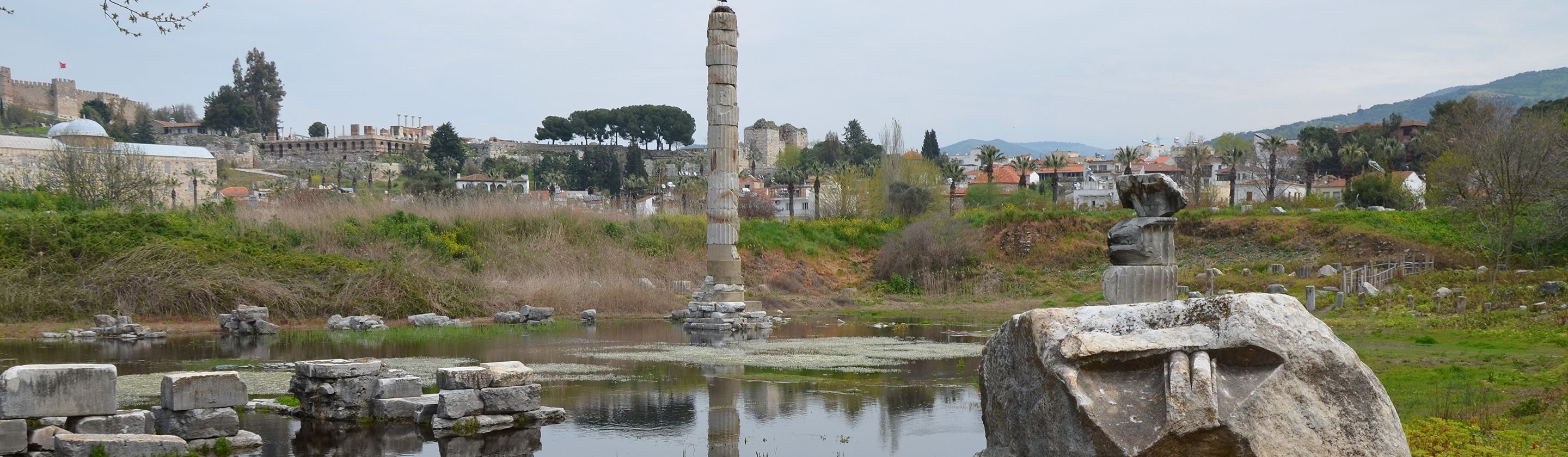
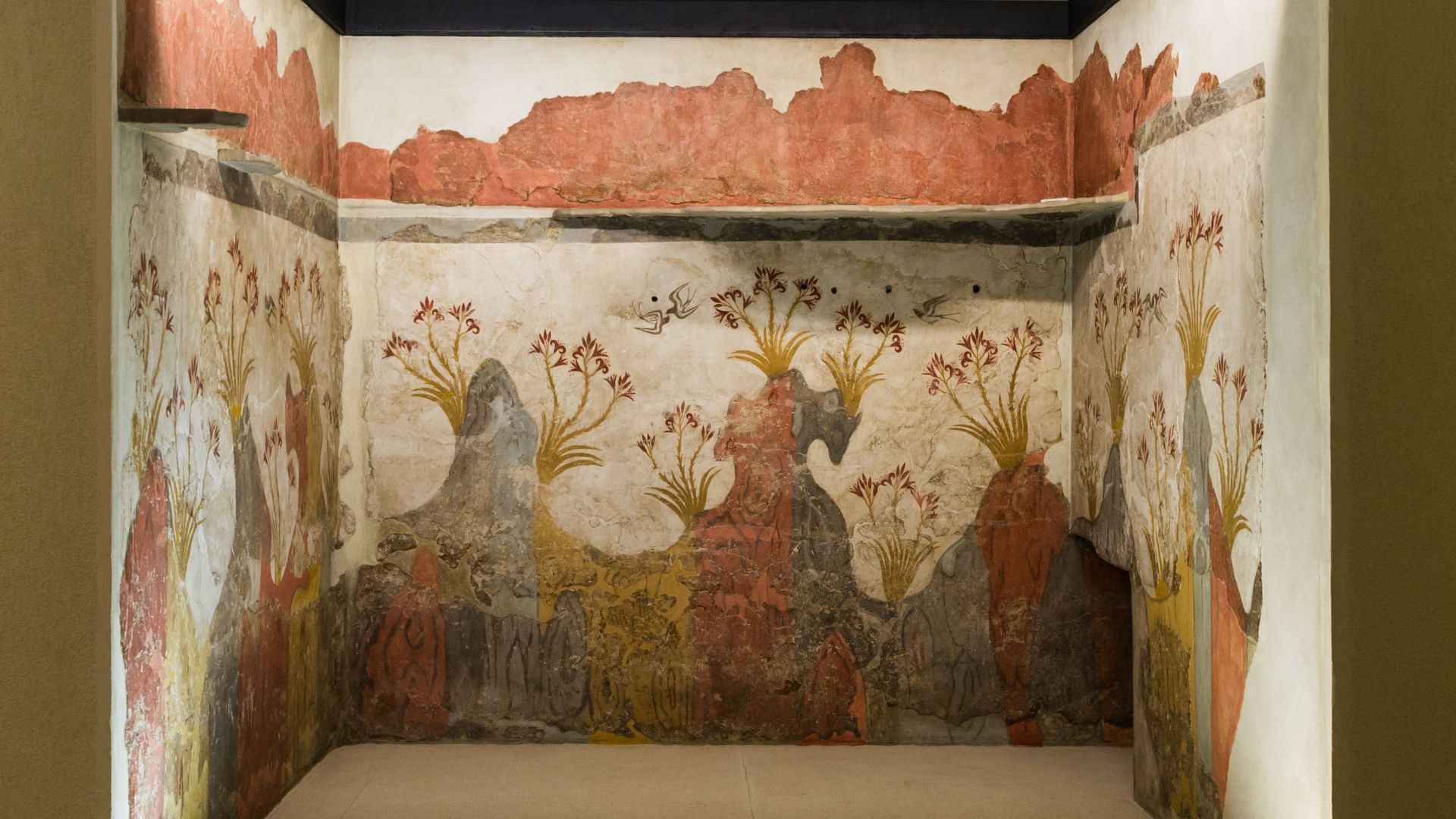
Helike was an ancient Greek city that was destroyed and submerged by an earthquake and tsunami around 373 or 372 B.C. Ancient writers framed the disaster as divine punishment, but modern research suggests seismic activity, liquefaction, and flooding near the Gulf of Corinth.
6. Dunwich, England
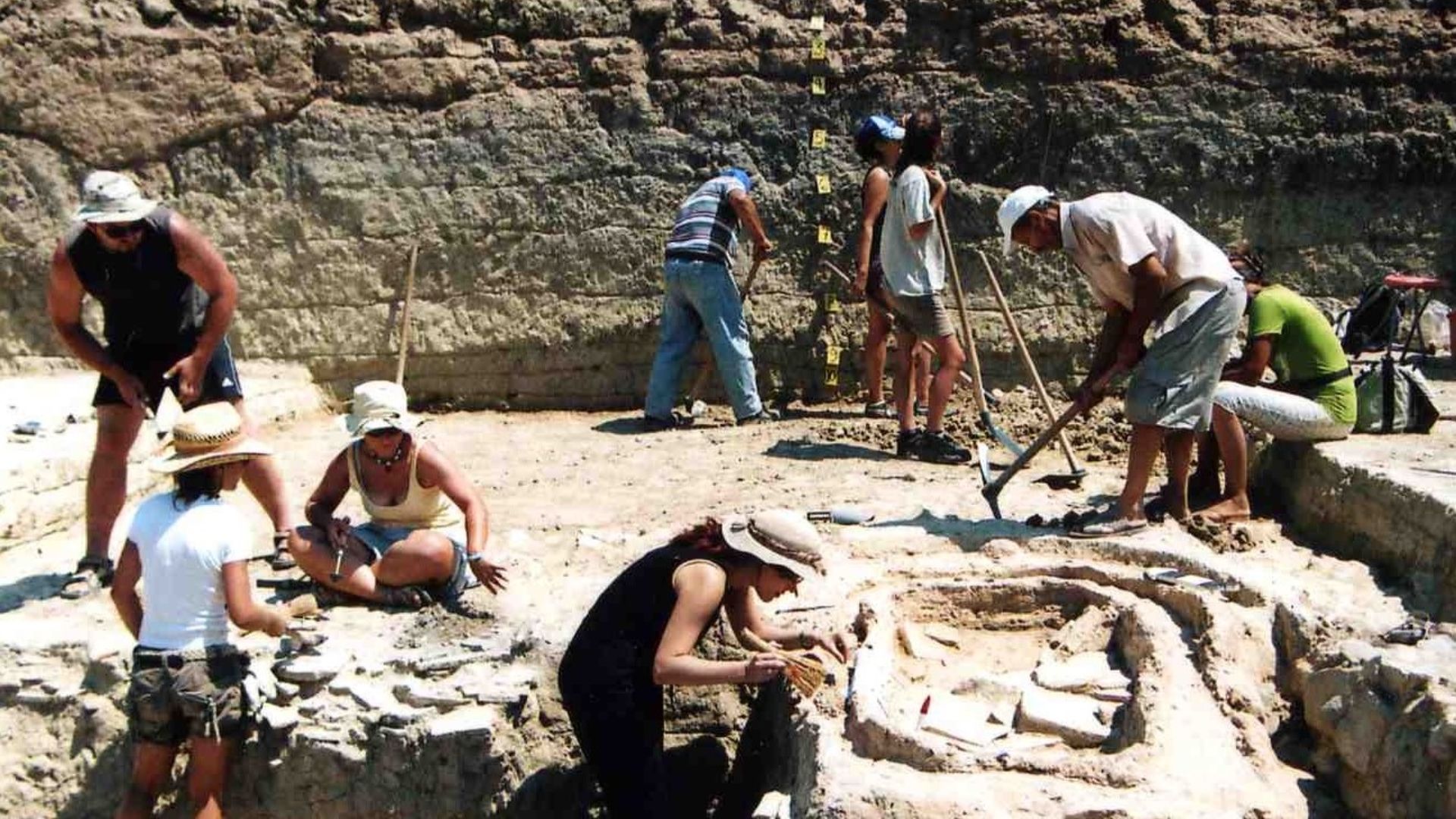
Dunwich was once an important medieval port, but storms and coastal erosion pulled a lot of it into the North Sea. Today’s theories about its decline don’t necessarily point to one single storm, instead focusing more on repeated coastal change, a shifting harbor, and economic damage.
7. Cahokia, Illinois
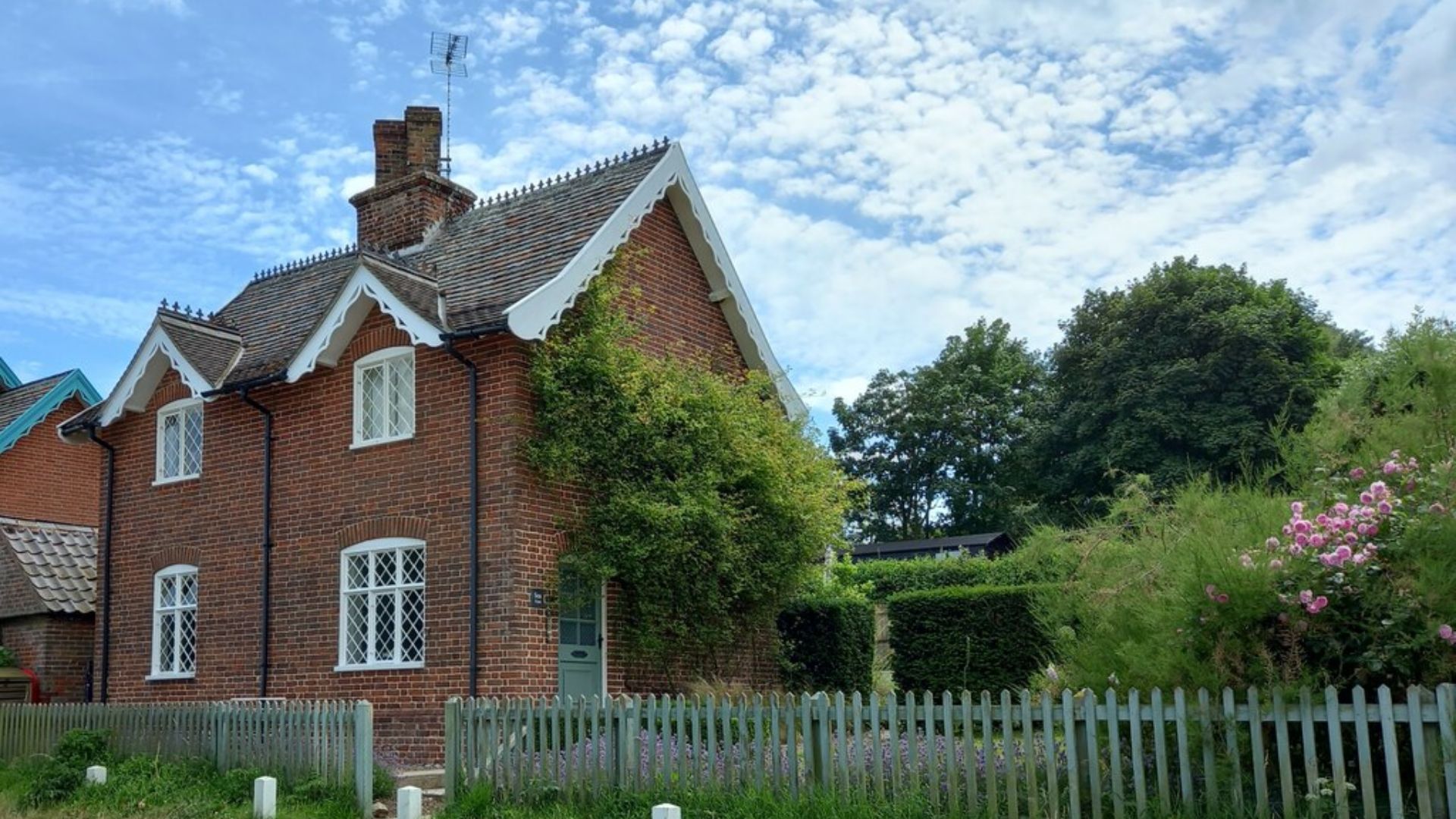
Cahokia was one of the largest urban centers north of Mexico before its population declined and the city was abandoned around A.D. 1350. Scholars have proposed climate stress, flooding, political change, resource pressure, and social unrest, though recent work has pushed back against such single-cause explanations.
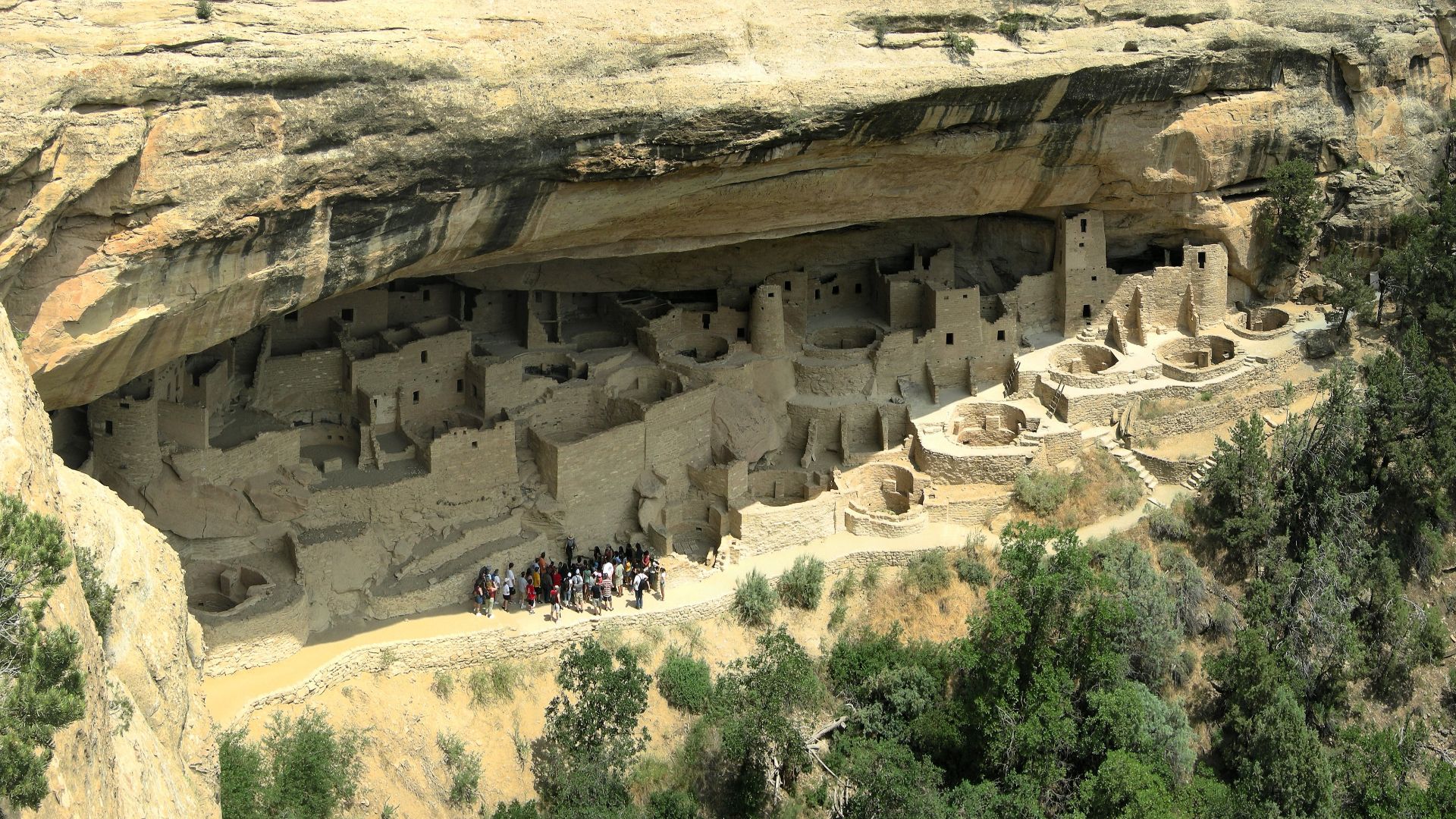
8. Mesa Verde’s Cliff Communities, Colorado
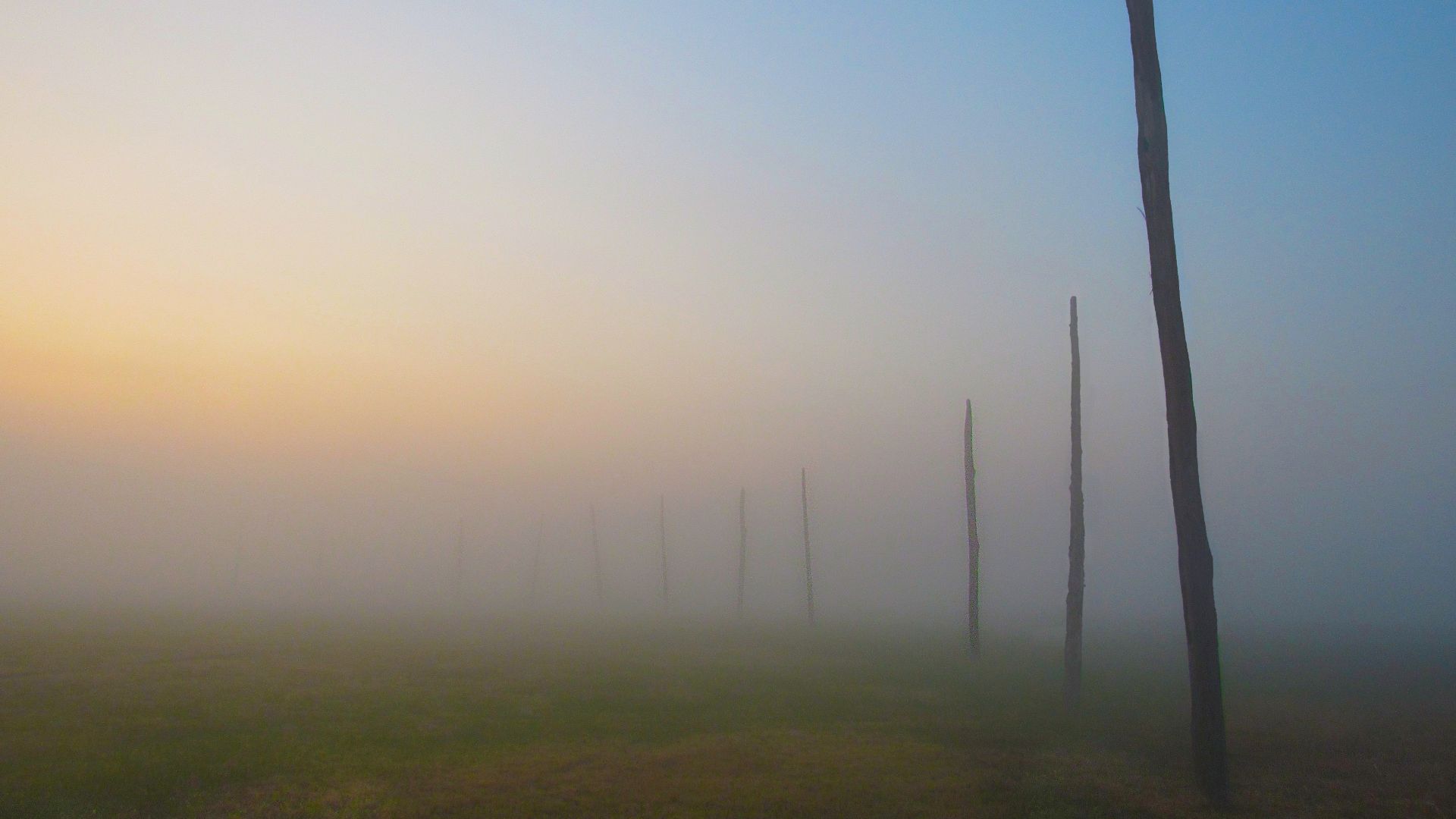
The cliff dwellings of Mesa Verde were occupied by Ancestral Pueblo people before the region was largely depopulated in the late 1200s. It’s fun to imagine some sort of mystery, but the likely explanation combines drought, depleted farmland, and social stress rather than one simple answer.
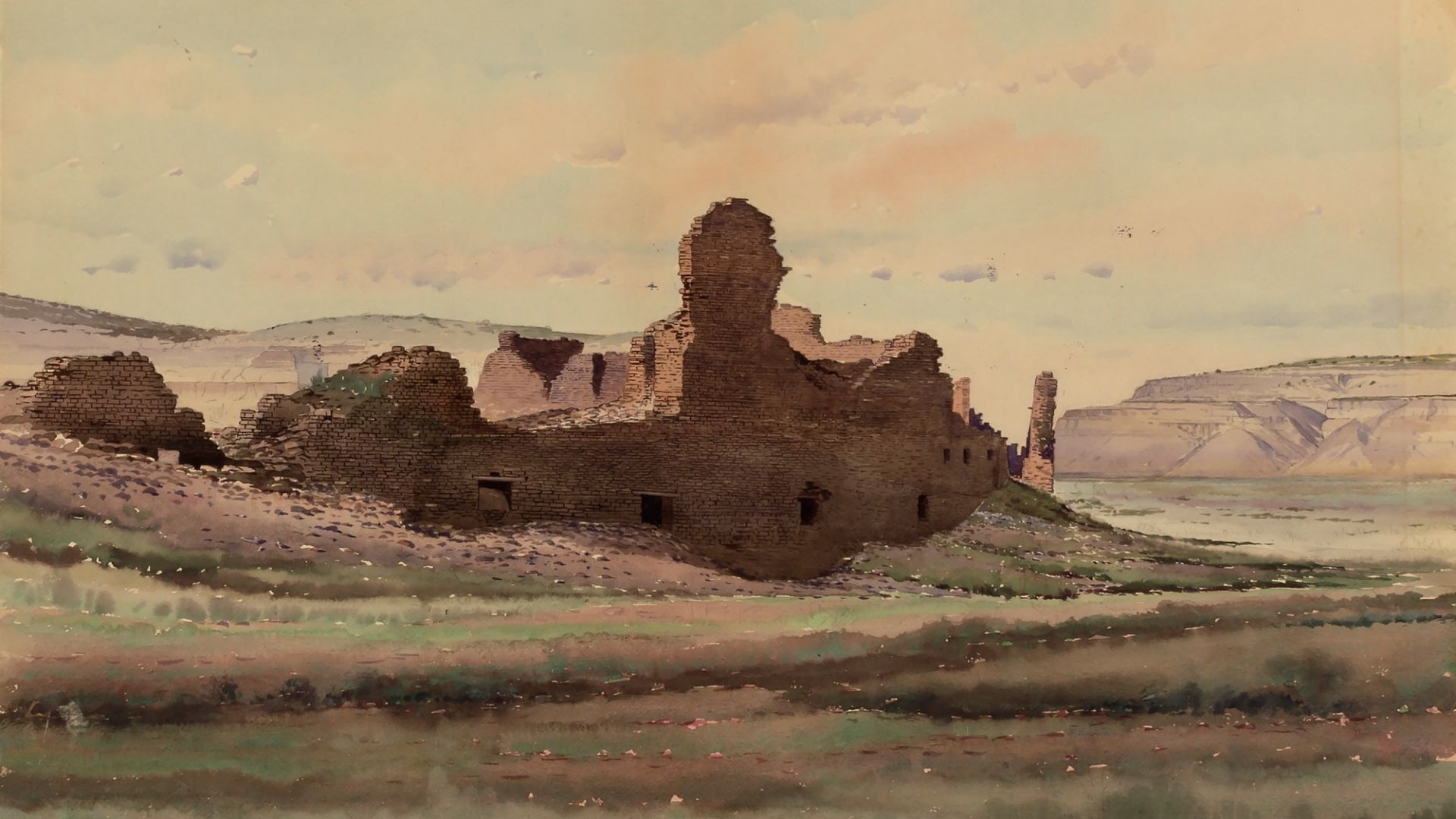
9. Chaco Canyon, New Mexico
Chaco Canyon was a major Ancestral Pueblo center between about 850 and 1250. It had everything you could imagine: great houses, roads, ceremonial spaces, and long-distance connections—but none of it mattered. Explanations for its decline range from drought and environmental pressure, but no one knows for sure, and it still holds deep meaning for Indigenous communities today.
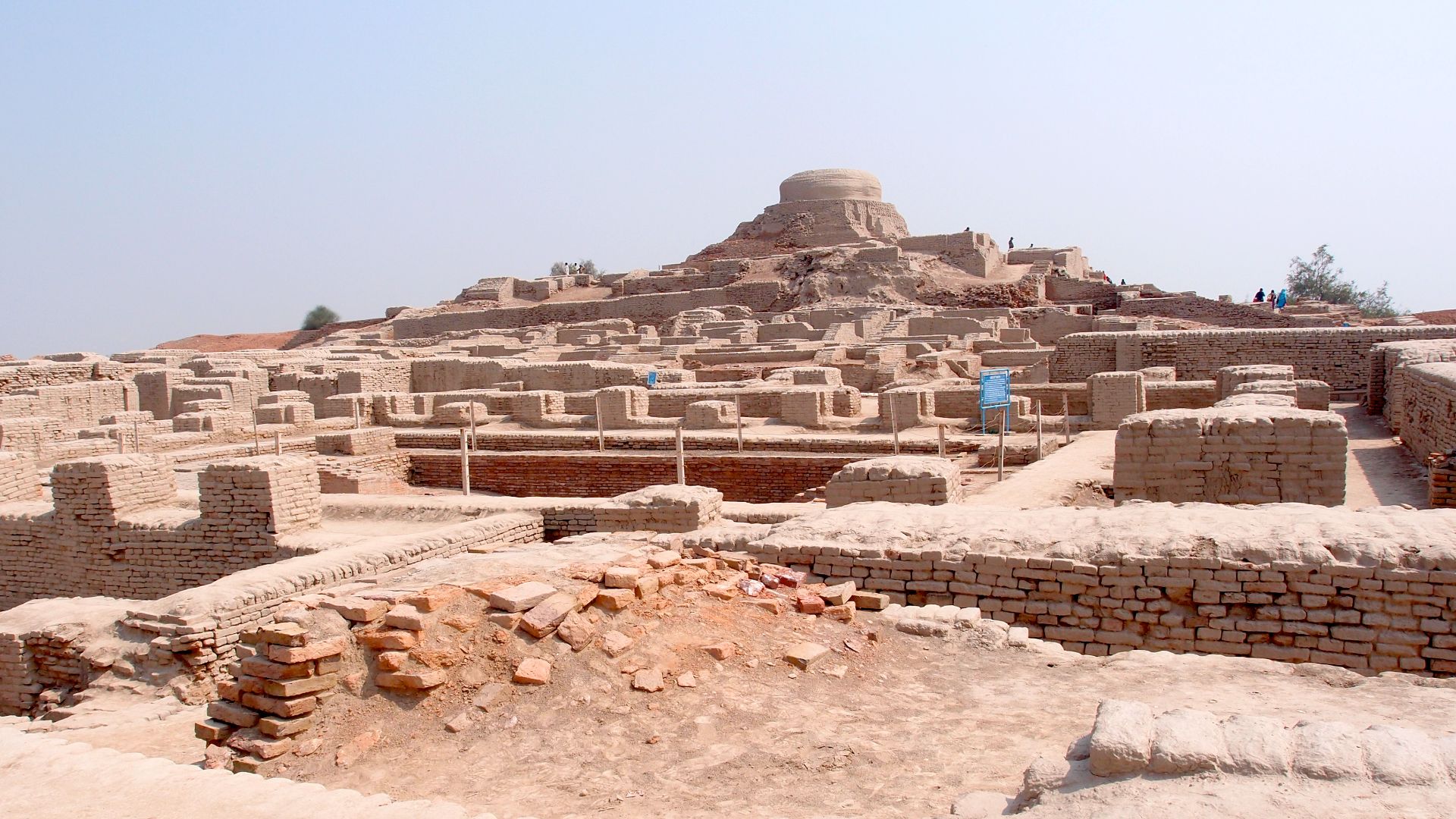
10. Mohenjo-daro, Pakistan
Around 1900 B.C., Mohenjo-daro was one of the great cities of the Indus civilization. It’s long gone now, however, and theories about its abandonment include changing river patterns, weaker monsoons, climate stress, and broader shifts across the Indus world.
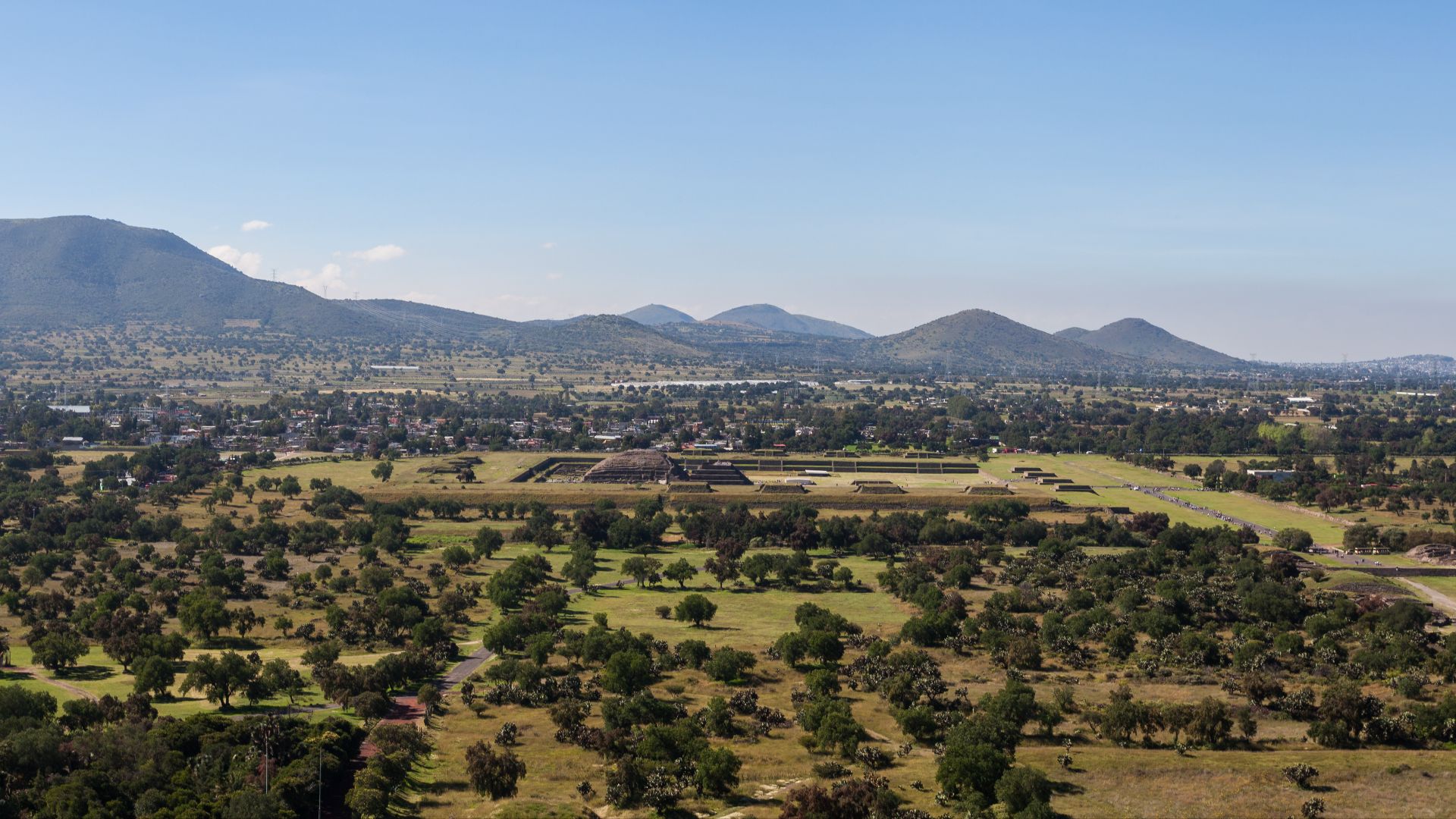
11. Teotihuacán, México
Teotihuacan was a huge pre-Aztec city whose decline remains one of the major puzzles of Mesoamerican archaeology. Evidence of burning in elite areas has led to a few theories of internal revolt, but other ideas focus mainly on drought, political breakdown, outside pressure, and even earthquake damage.
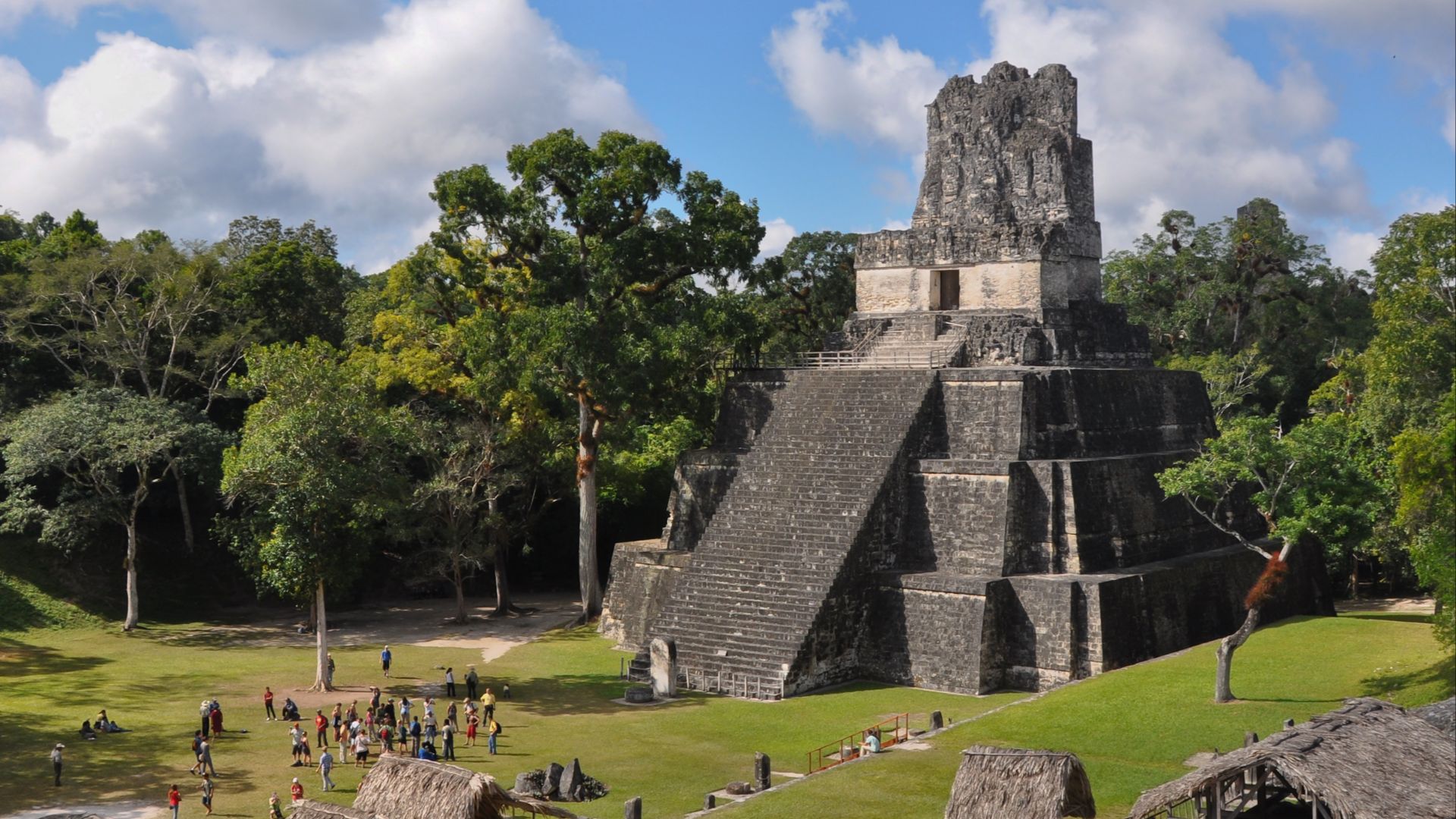
12. Tikal, Guatemala
Tikal was a powerful Maya city that declined in the 800s, with major abandonment around A.D. 900. Researchers have connected its fall to all sorts of unfortunate events, including drought, political conflict, and resource strain. One study even discovered water problems involving toxic reservoirs.
 Mike Vondran
derivative work: MrPanyGoff on Wikimedia
Mike Vondran
derivative work: MrPanyGoff on Wikimedia
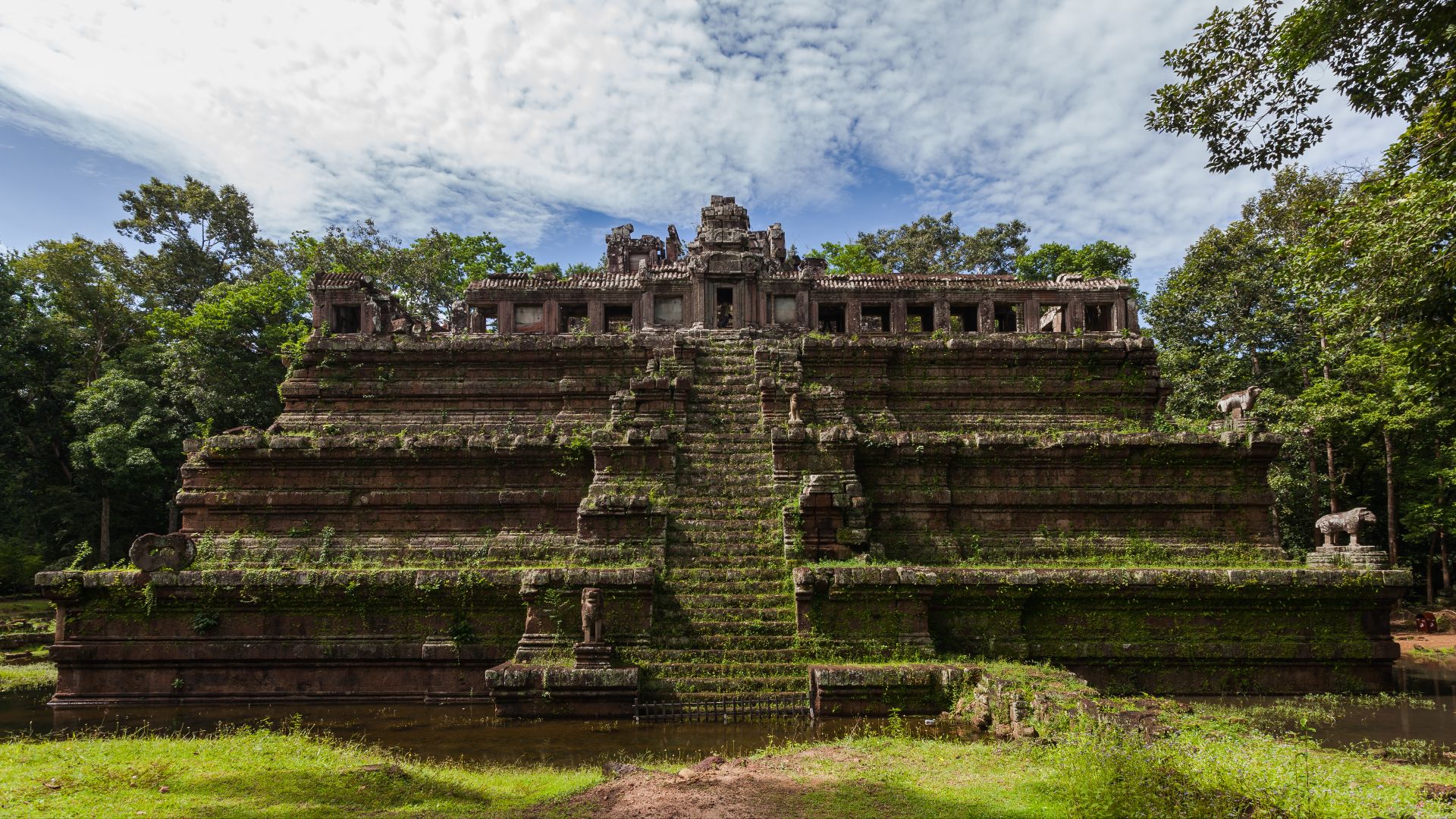
13. Angkor, Cambodia
Angkor was the monumental heart of the Khmer Empire, complete with everything from temples and reservoirs to canals and capitals. That didn’t stop its decline, though, which has since been linked to political shifts, attacks from Ayutthaya, religious change, and decades of drought.
14. Great Zimbabwe, Zimbabwe
Great Zimbabwe was a major stone-built city and political center in southern Africa before it declined and was abandoned around 1450. Theories have zeroed in on a few reasons for its decline, such as shifting trade routes, resource pressure, political change, water problems, and environmental stress. That said, scholars still can’t reduce it to one easy explanation.
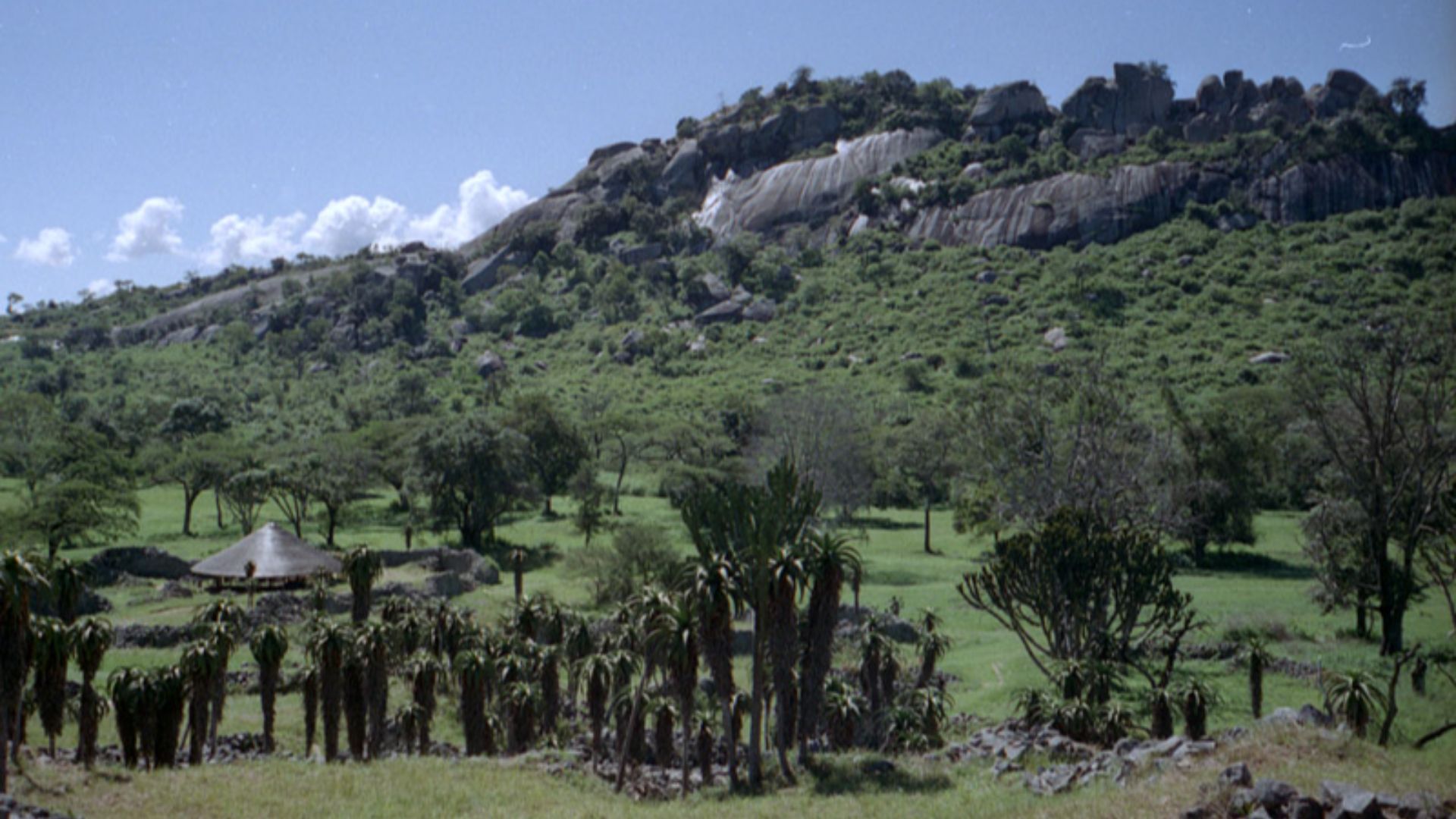 Image taken by Jan Derk in 1997 in Zimbabwe. on Wikimedia
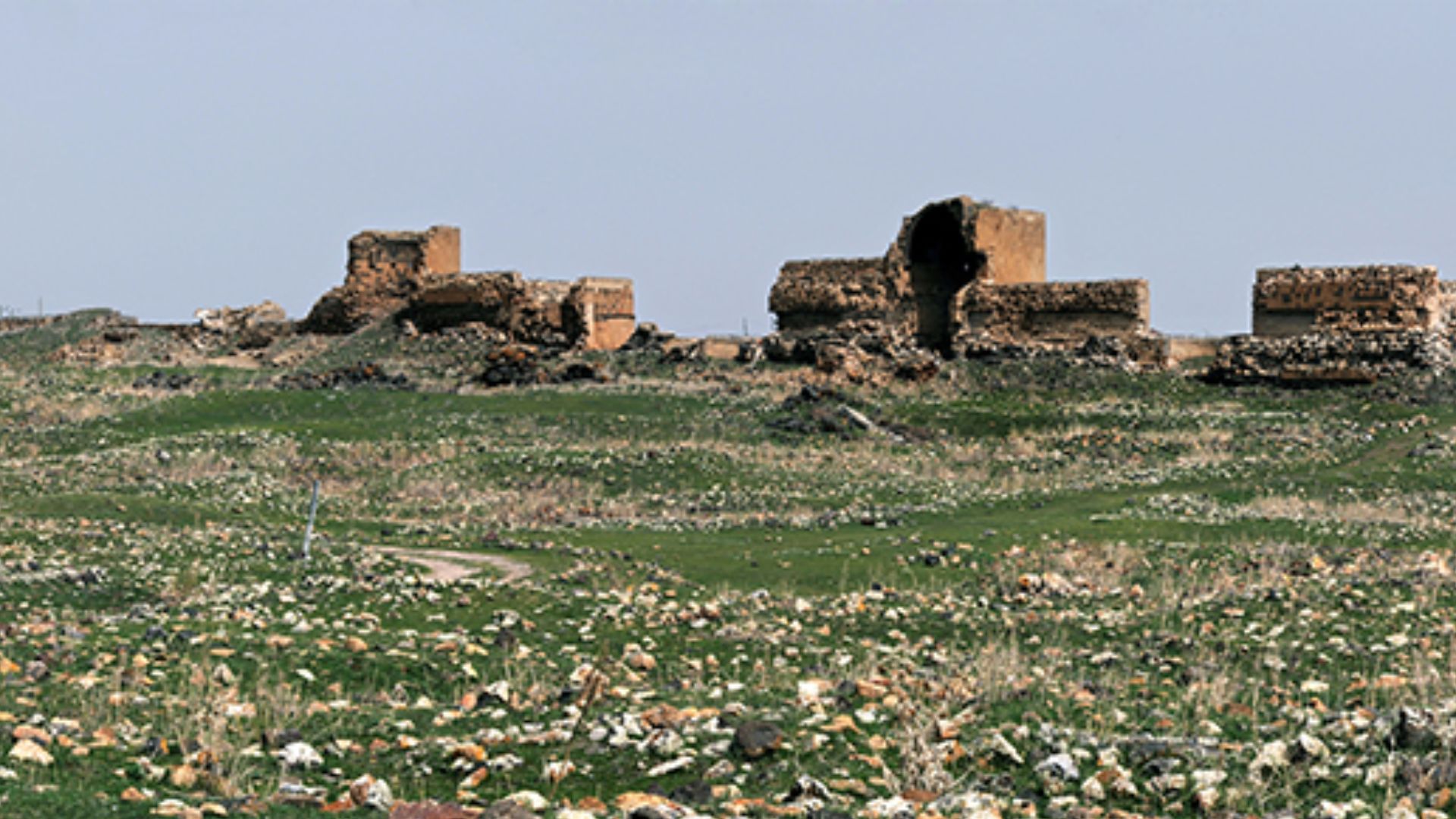
15. Ani, Turkey
Ani was a medieval Armenian city so celebrated for its churches and trade that it actually became a symbol of lost grandeur. Mongol raids, a devastating 1319 earthquake, and other factors significantly contributed to its long decline—and by the 18th century, it was essentially abandoned.
 20110419_Ani_North_Walls_Turkey_Panorama.jpg: Ggia
derivative work: Jjtkk on Wikimedia
20110419_Ani_North_Walls_Turkey_Panorama.jpg: Ggia
derivative work: Jjtkk on Wikimedia
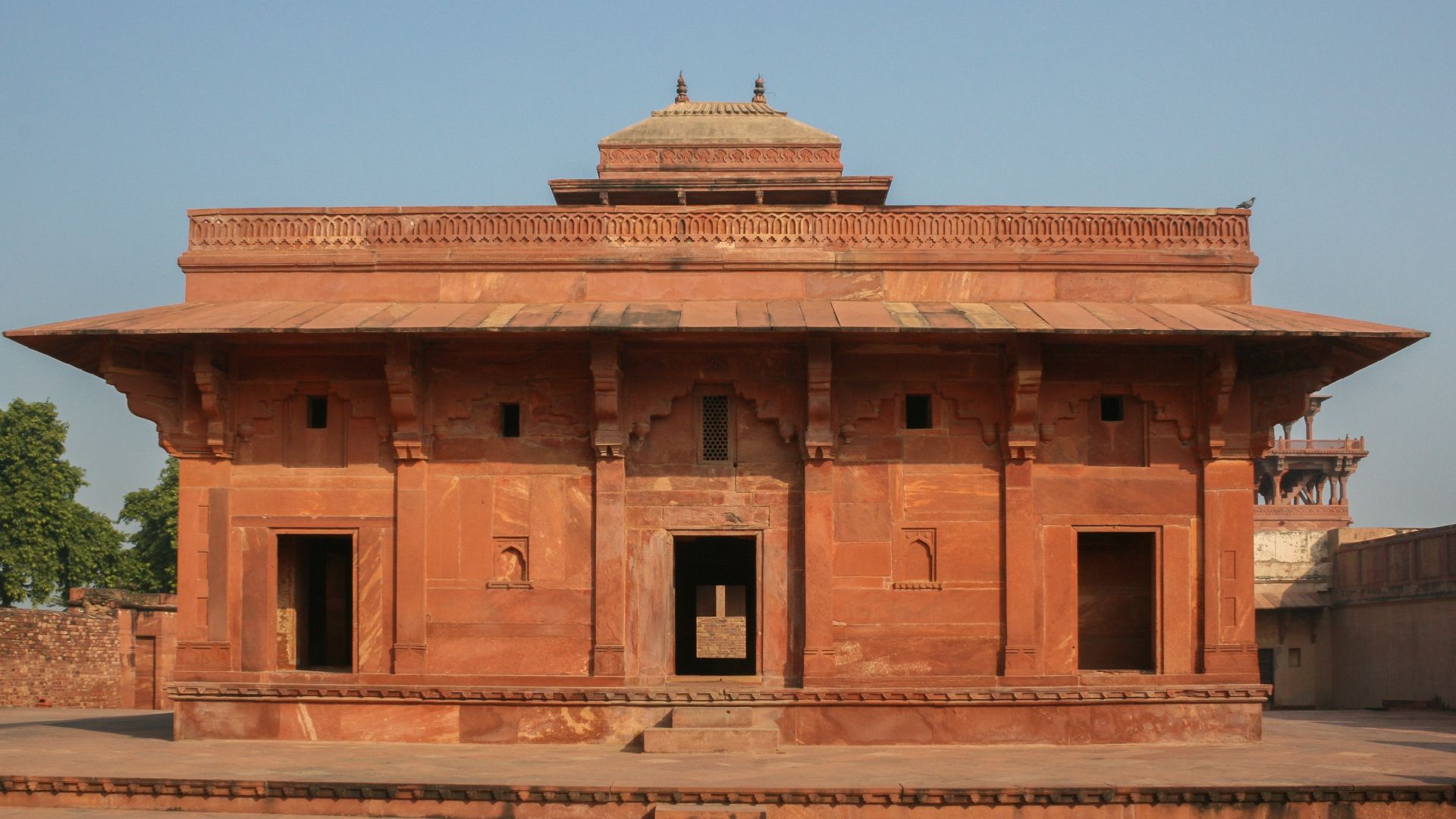
16. Fatehpur Sikri, India
Built by Mughal emperor Akbar, Fatehpur Sikri served briefly as an imperial capital in the late 1500s. Its abandonment is tied to a bunch of contributing factors: the move of the capital, strategic concerns, and water-supply problems, though historians also note that Akbar’s political priorities changed.
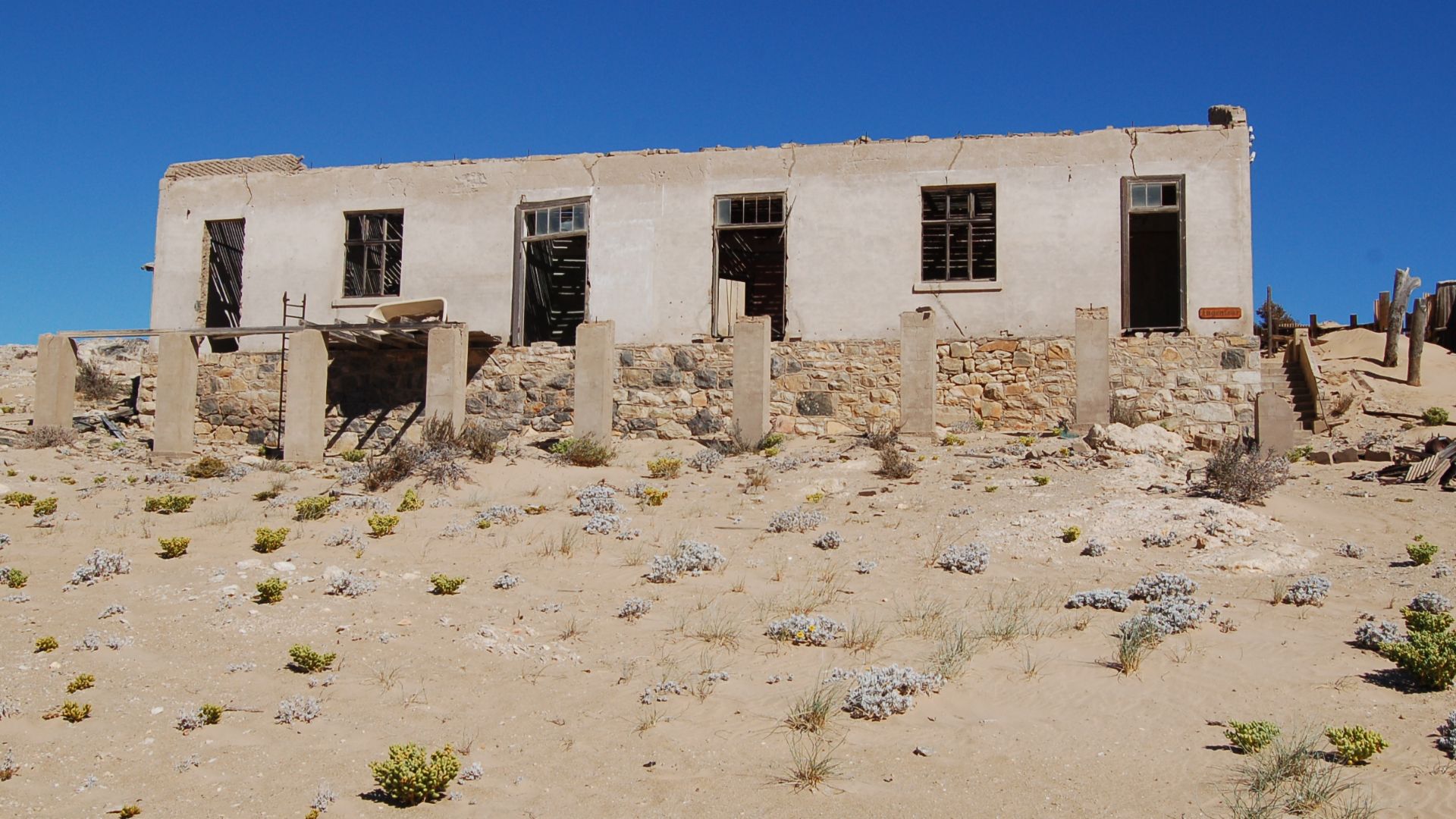
17. Kolmanskop, Namibia
It didn’t take long for Kolmanskop to quickly establish itself after diamonds were found in the Namib Desert in the early 20th century. Its decline, however, followed the depletion of local diamond fields and the discovery of richer deposits farther south, which pulled workers and money away. By 1956, it was abandoned.
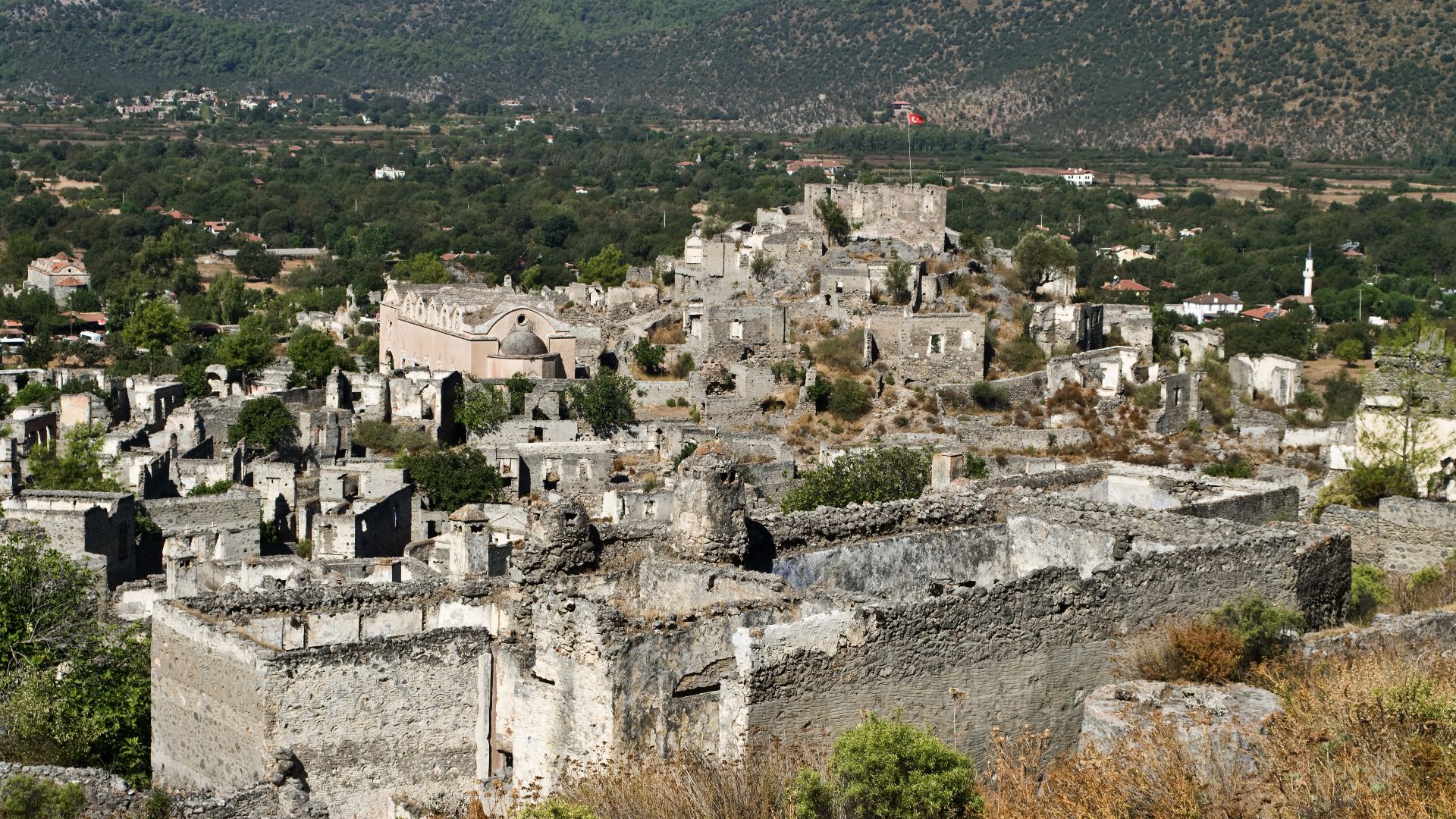
18. Kayaköy, Turkey
Kayaköy, formerly known as Livissi, was largely emptied after the 1923 population exchange between Greece and Turkey. The historical explanation is political displacement, but later abandonment was moved along by the fact that resettled people often didn’t remain there. You can still spot stone houses that cover the hillside, but the old community never came home.
19. Craco, Italy
Craco—a hilltop town in Basilicata with roots going back many centuries. But geology eventually had its say, with landslides forcing evacuation in the 1960s. A flood then worsened conditions in 1972, and the 1980 Irpinia earthquake sealed the old town’s fate. People moved to newer settlements nearby, while the historic center stayed behind as a ghost town.
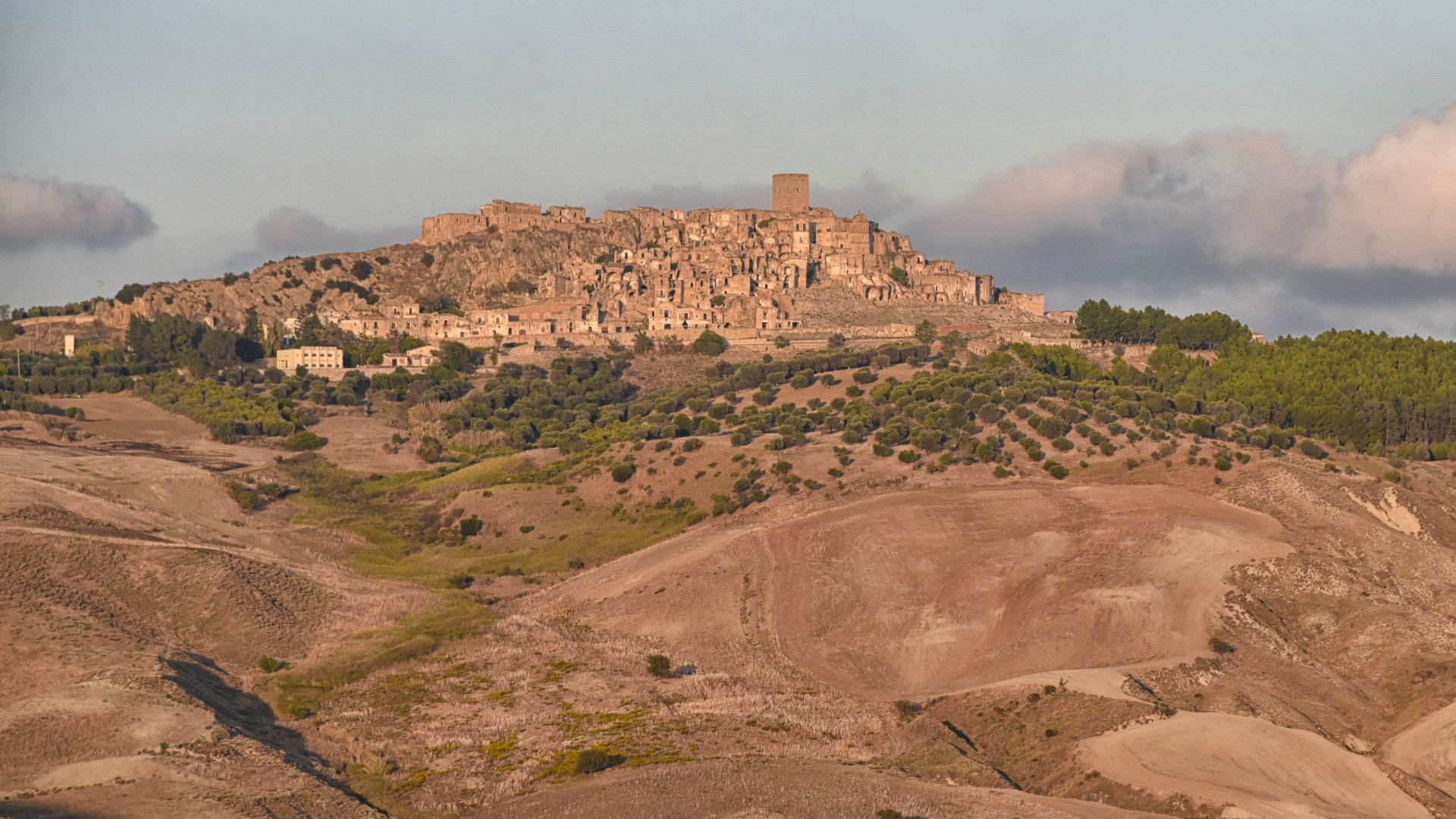 Anna Nicoletta Menzella on Wikimedia
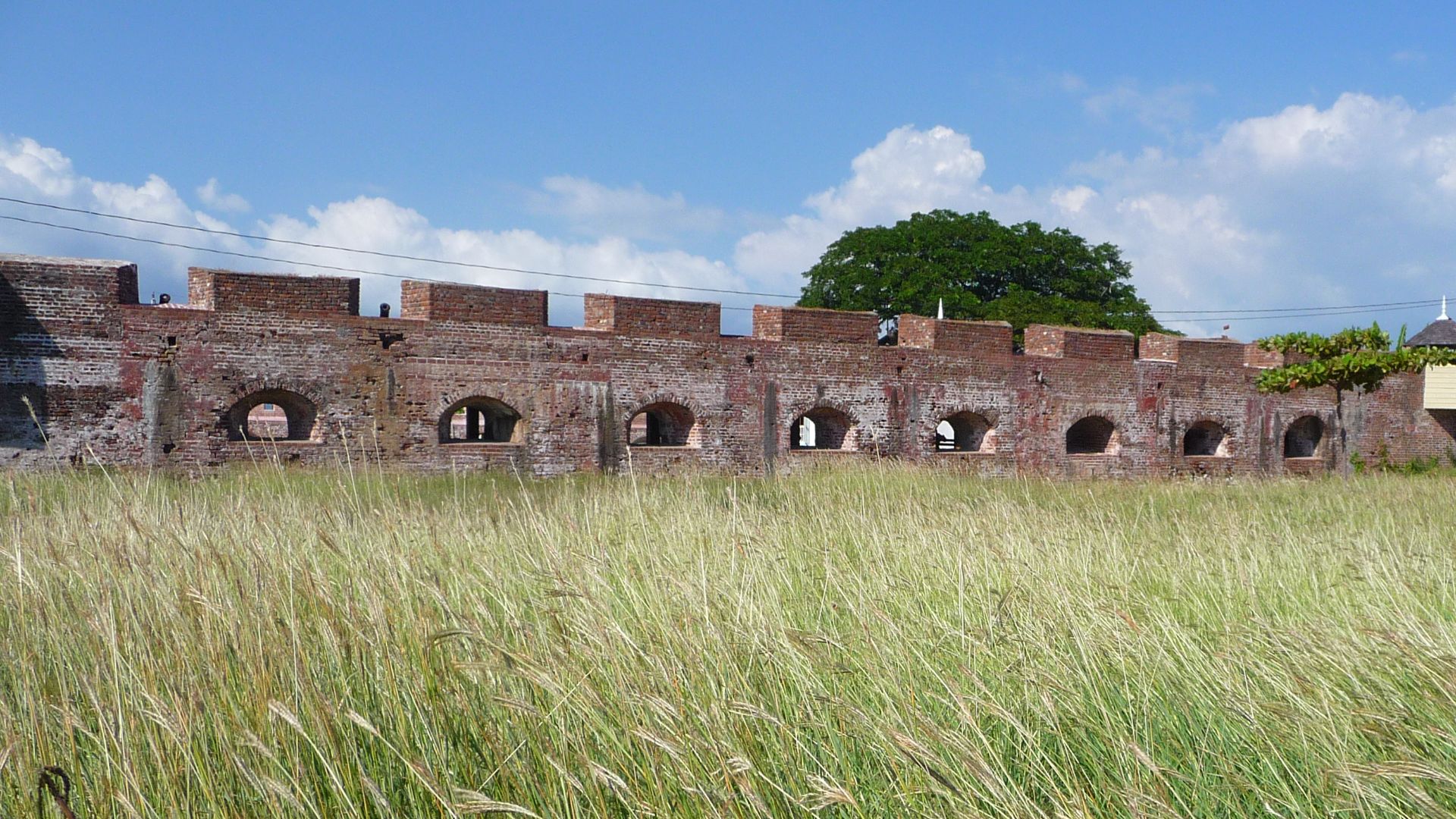
20. Port Royal, Jamaica
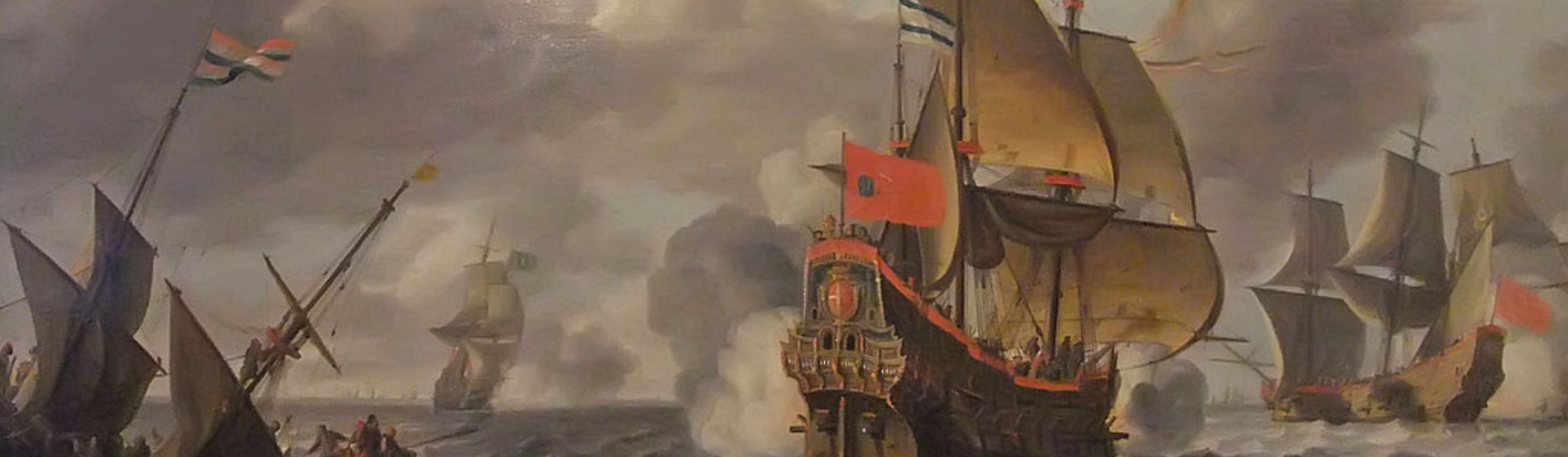
Before the 1692 earthquake, Port Royal was one of the busiest colonial ports in the Caribbean. But once the disaster struck, it caused much of it to sink beneath the sea. Survivors rebuilt across the harbor at what became Kingston, and Port Royal never returned to its former self.
KEEP ON READING