

Crowns, Daggers, And Bad Luck
Royal life has always come with better clothes, louder music, and a much higher chance of dying in a doorway. Kings were surrounded by guards, servants, cousins, advisers, priests, and people smiling through their teeth. That made betrayal feel almost built into the job. A throne could make a man powerful, but it also made him visible, touchable, and worth removing. These kings learned, in the most brutal way, that the knife often came from someone close enough to bow.
 Christian Albrecht von Benzon on Wikimedia
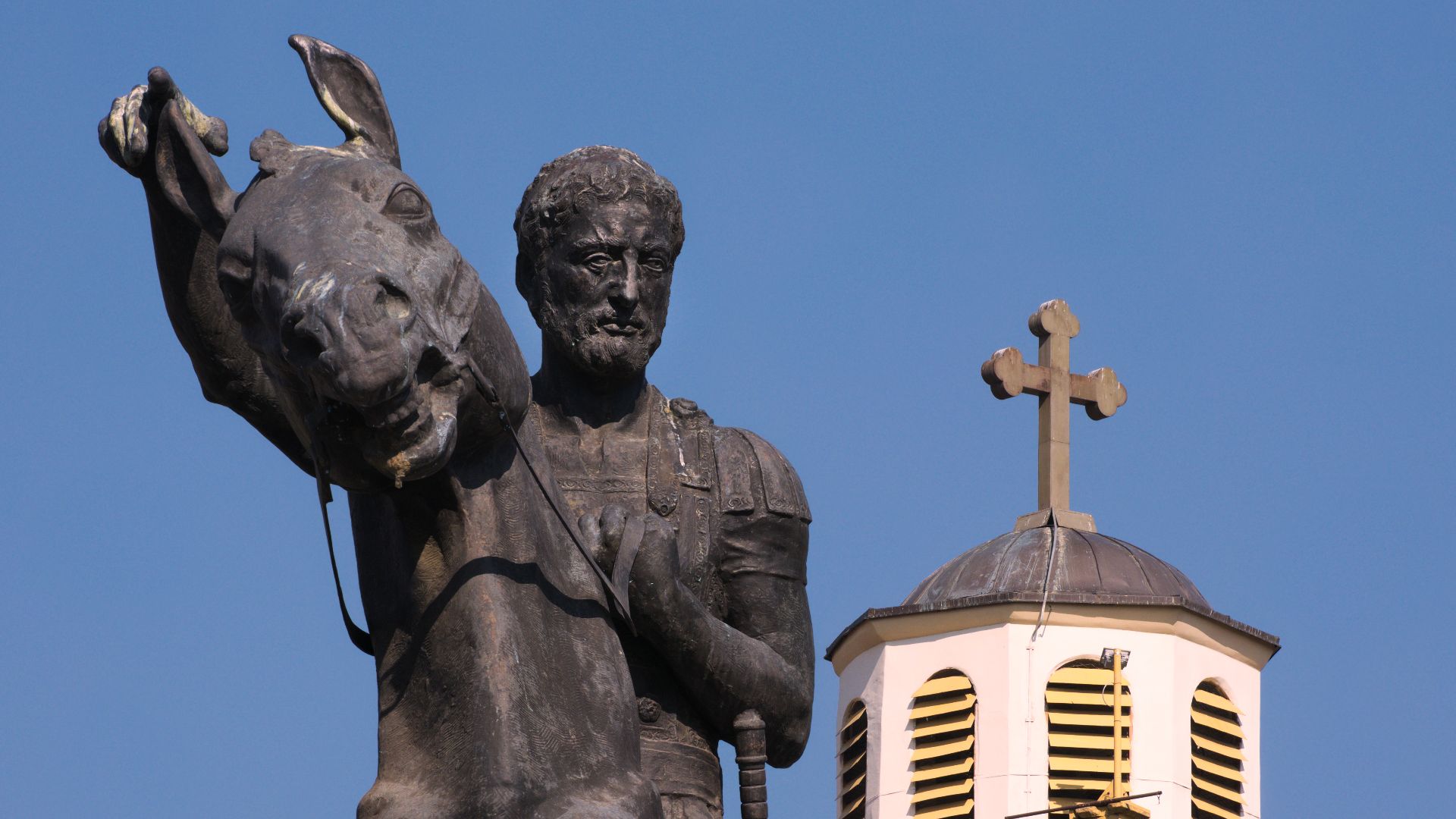
1. Philip II Of Macedon
Philip II had turned Macedonia into a major power by the time he was assassinated in 336 BC. He was killed during a public celebration by Pausanias, one of his own bodyguards. The murder left the throne to his son, Alexander, who would soon become one of the most famous rulers in history.
2. Darius III Of Persia
Darius III was not killed by Alexander the Great, even though Alexander had defeated him. He was murdered by Bessus, one of his own satraps, after the Persian position had become desperate. Bessus then tried to claim power for himself.
 Unknown Flemish artist on Wikimedia
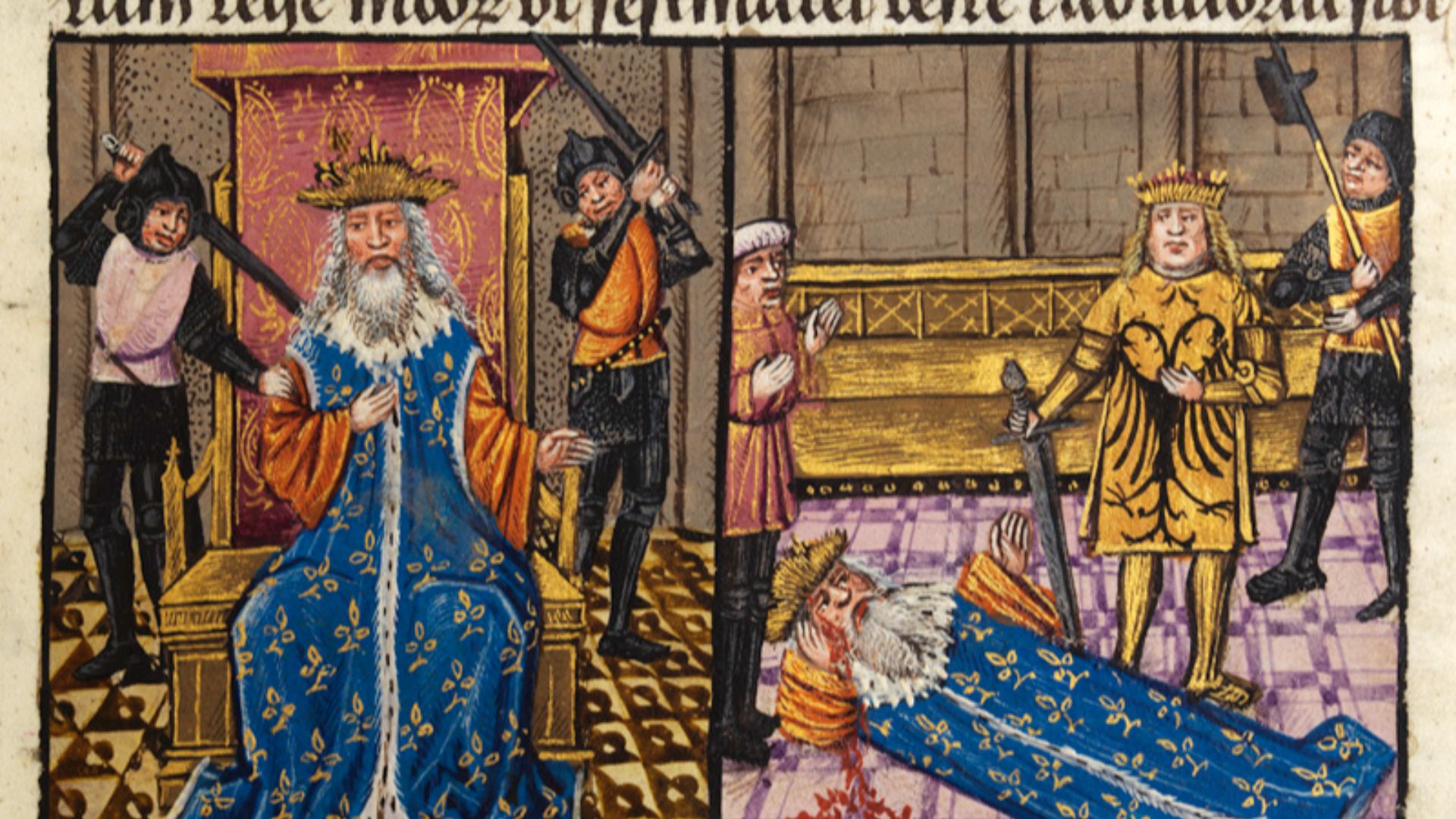
3. Xerxes I Of Persia
Xerxes I survived the pressures of ruling a vast empire, but he was eventually killed inside his own court. Artabanus, a powerful official close to the royal family, murdered him and tried to influence what happened next. His death showed how dangerous palace politics could be.
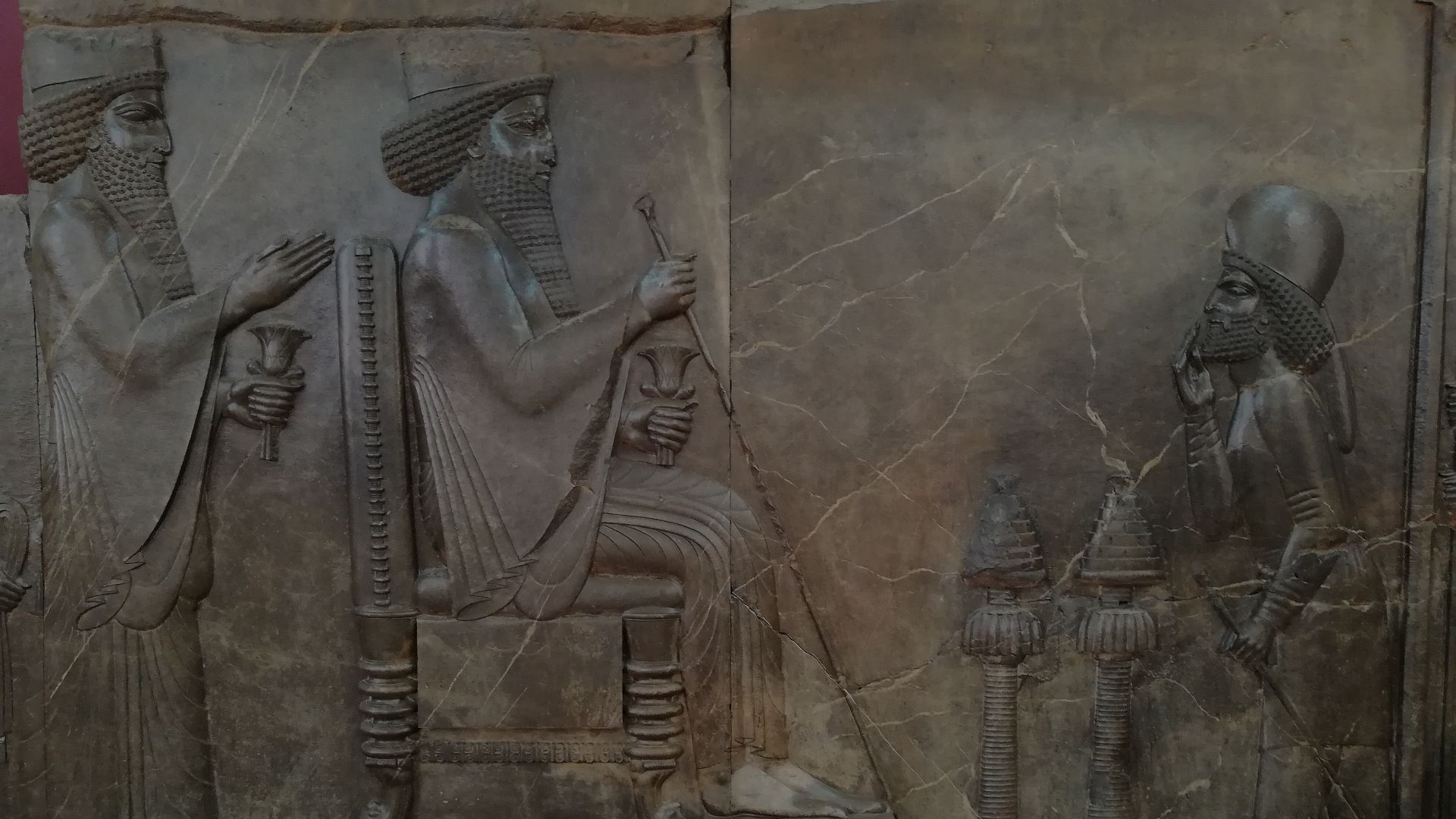
4. Sennacherib Of Assyria
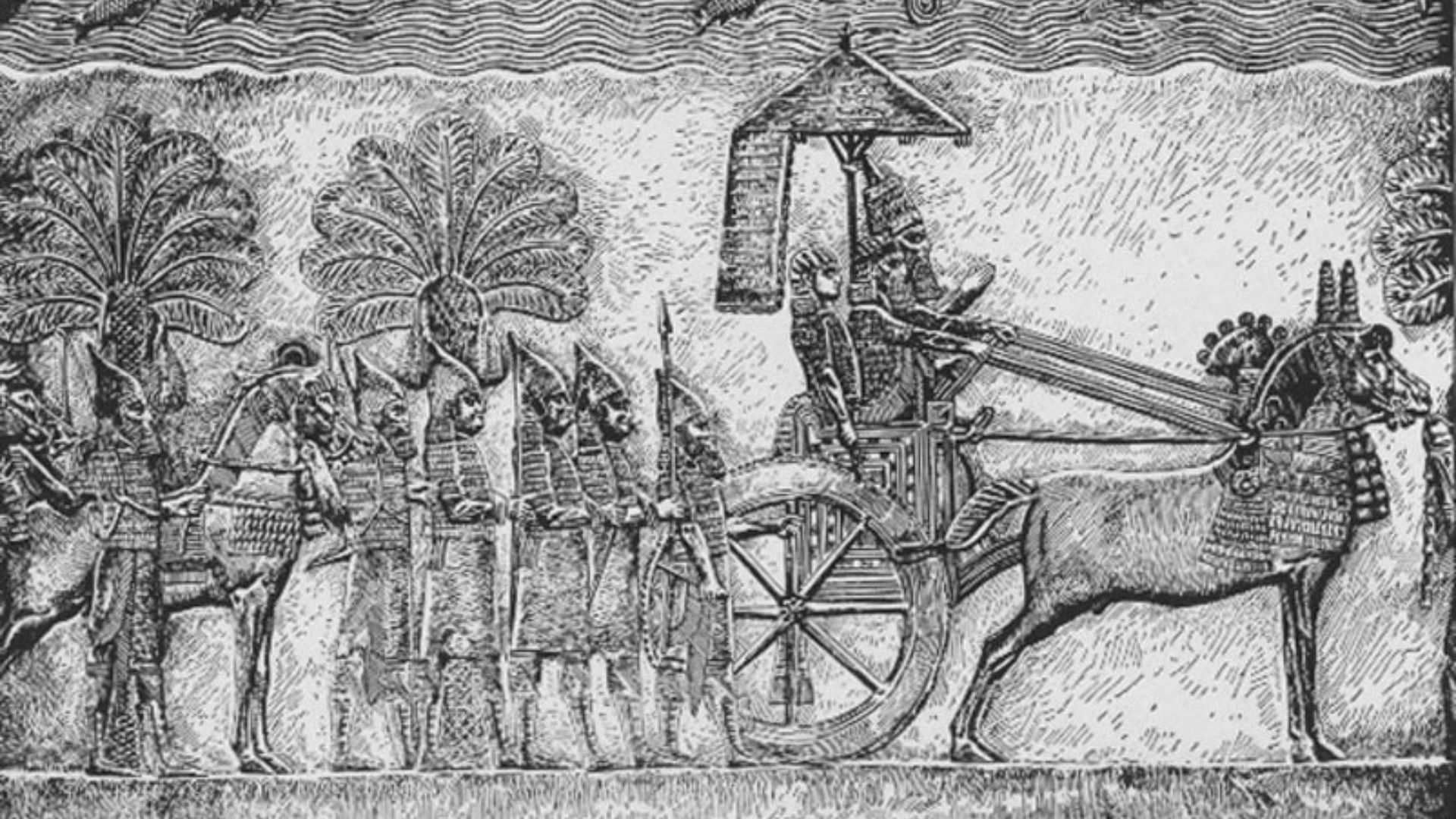
Sennacherib was one of Assyria’s most powerful kings. In 681 BC, he was attacked and killed by several of his own sons inside the royal citadel. After years of warfare and conquest, the threat that ended his life came from within his own family.
 Unknown authorUnknown author on Wikimedia
5. Sigebert I Of Austrasia
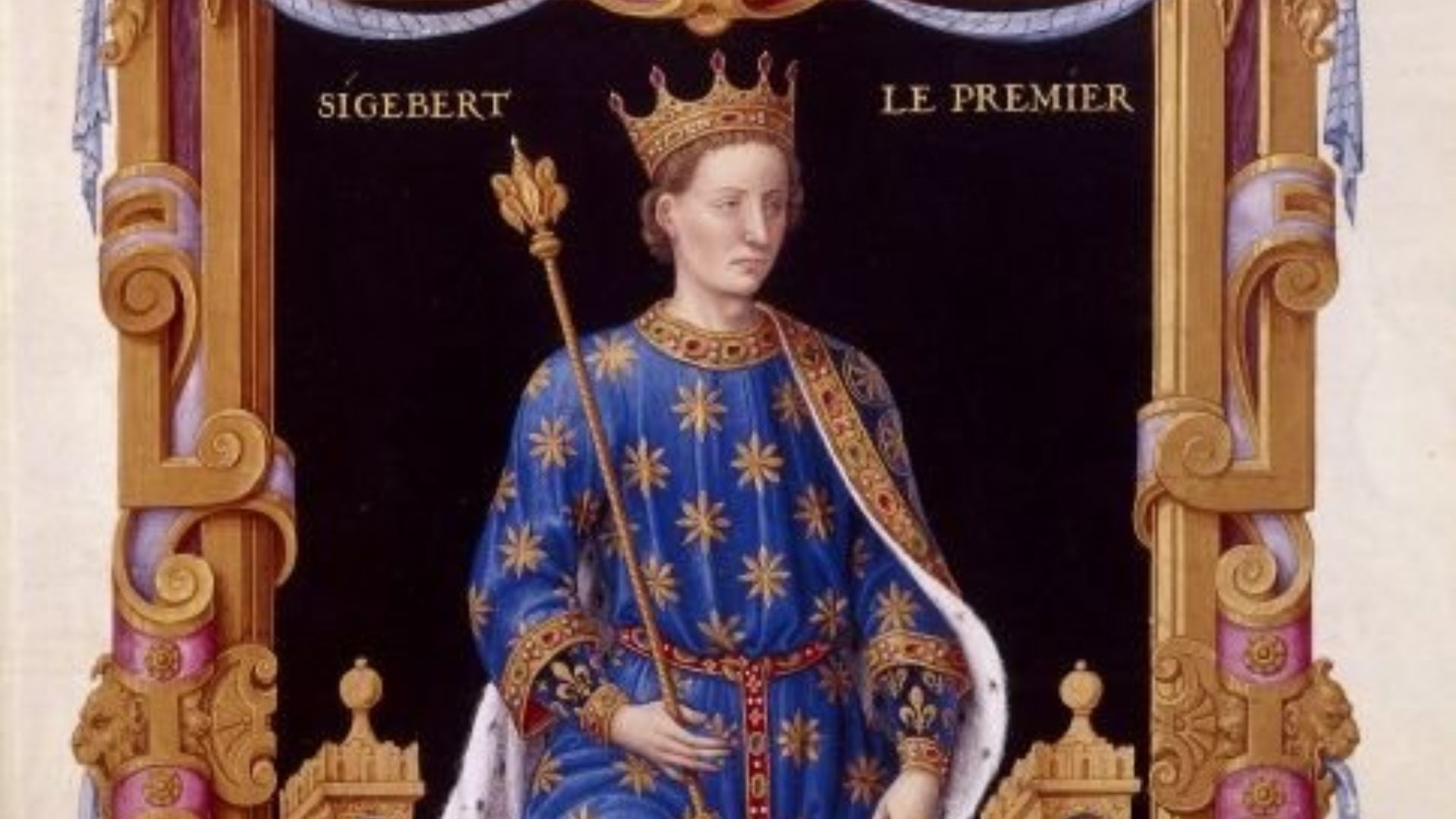
Sigebert I had just gained the upper hand against his rival Chilperic when he was assassinated. He was being recognized by Chilperic’s subjects when two attackers working for Fredegund killed him. His death came at the moment when his position seemed strongest.
6. Chilperic I Of Neustria
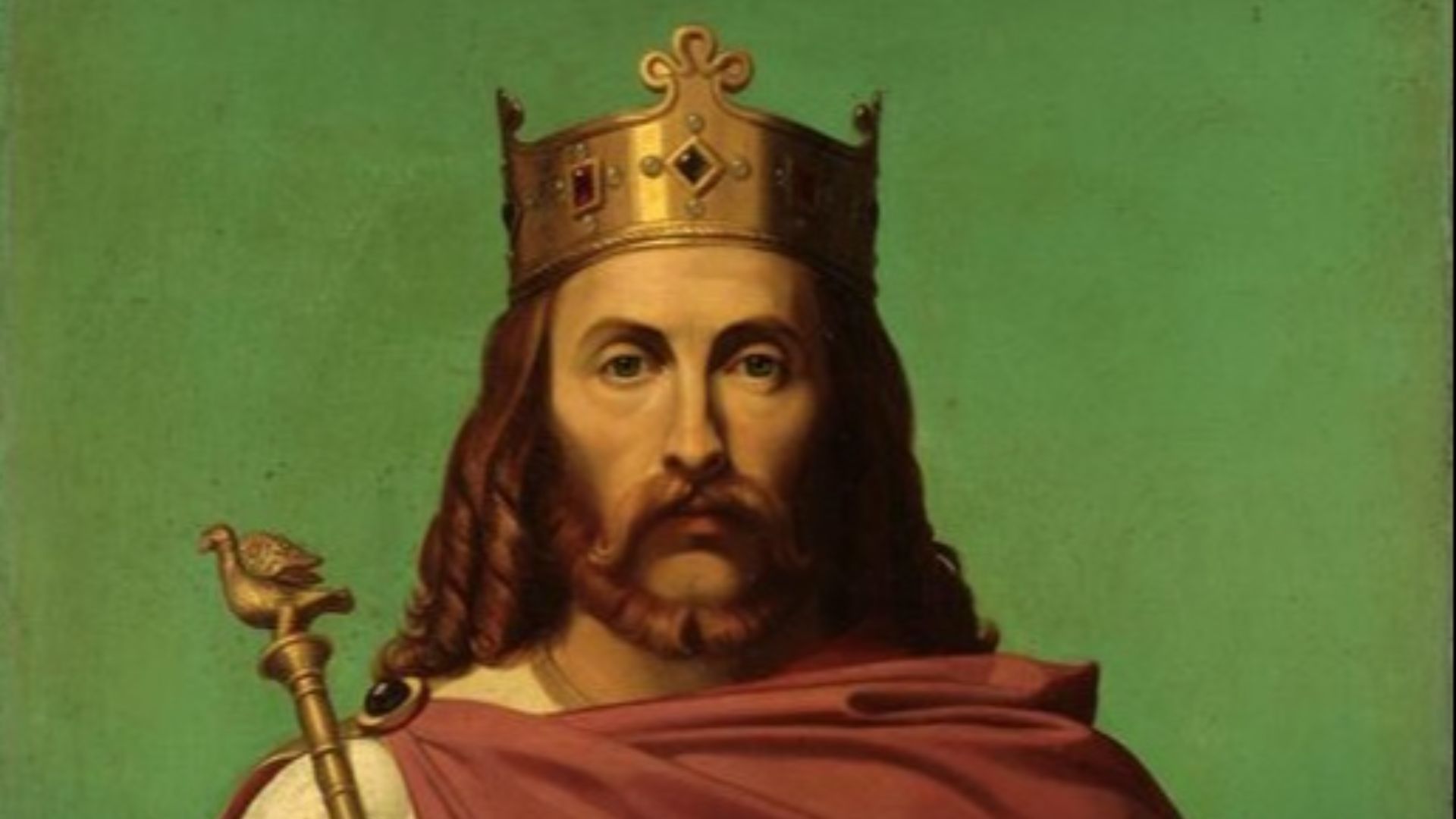
Chilperic I ruled during a violent period of Merovingian politics. In 584, he was returning from a hunting trip near Chelles when an unknown attacker stabbed him to death. The identity of the killer was never firmly established.
 Atala Stamaty, Madame Augustin Varcollier (1803-1885) on Wikimedia
7. Childeric II
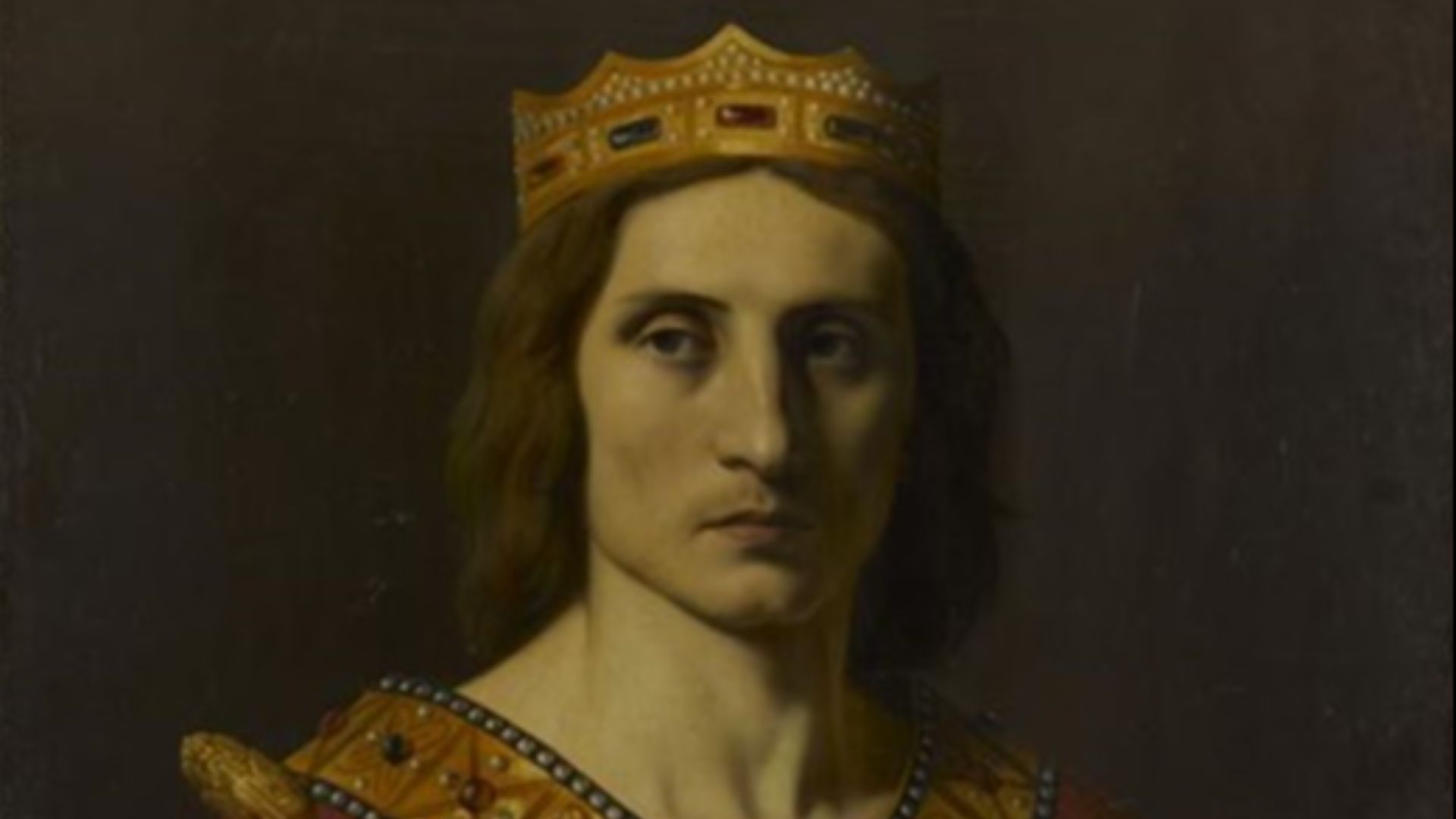
Childeric II made enemies among the nobility, especially after punishing a nobleman named Bodilo. That punishment helped lead to a conspiracy against him. He was killed while hunting, along with his wife and young son.
8. Alboin, King Of The Lombards
Alboin’s death became one of the most famous stories from Lombard history. According to tradition, his wife Rosamund helped arrange his murder after his sword had been removed or made unusable. He was killed in his own room, far from the battlefield.
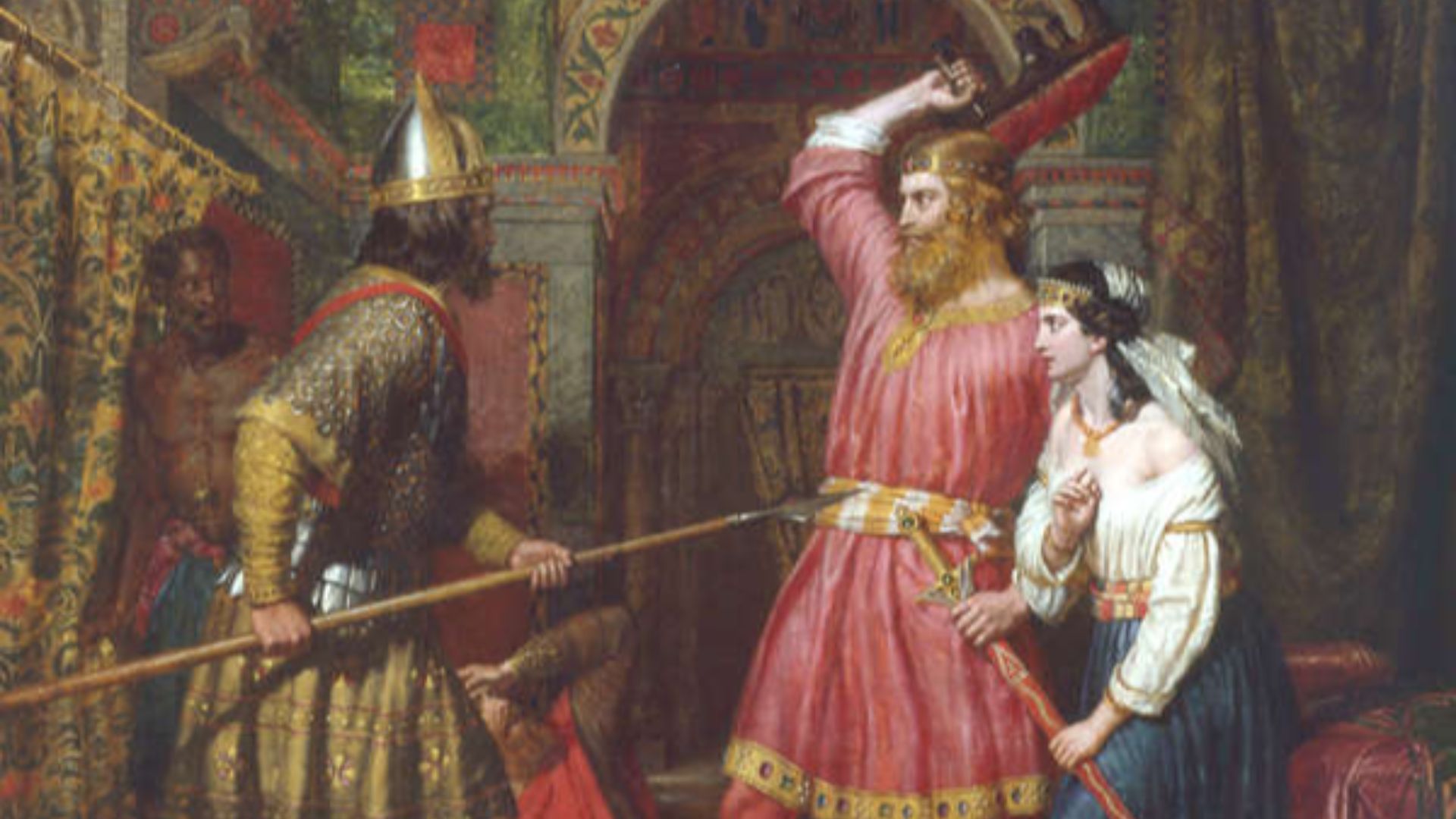
9. Edmund I Of England
Edmund I was killed in 946 at Pucklechurch. According to the traditional account, he was trying to protect a servant from an outlaw named Leofa when he was stabbed. His death was sudden and personal rather than the result of a formal rebellion.
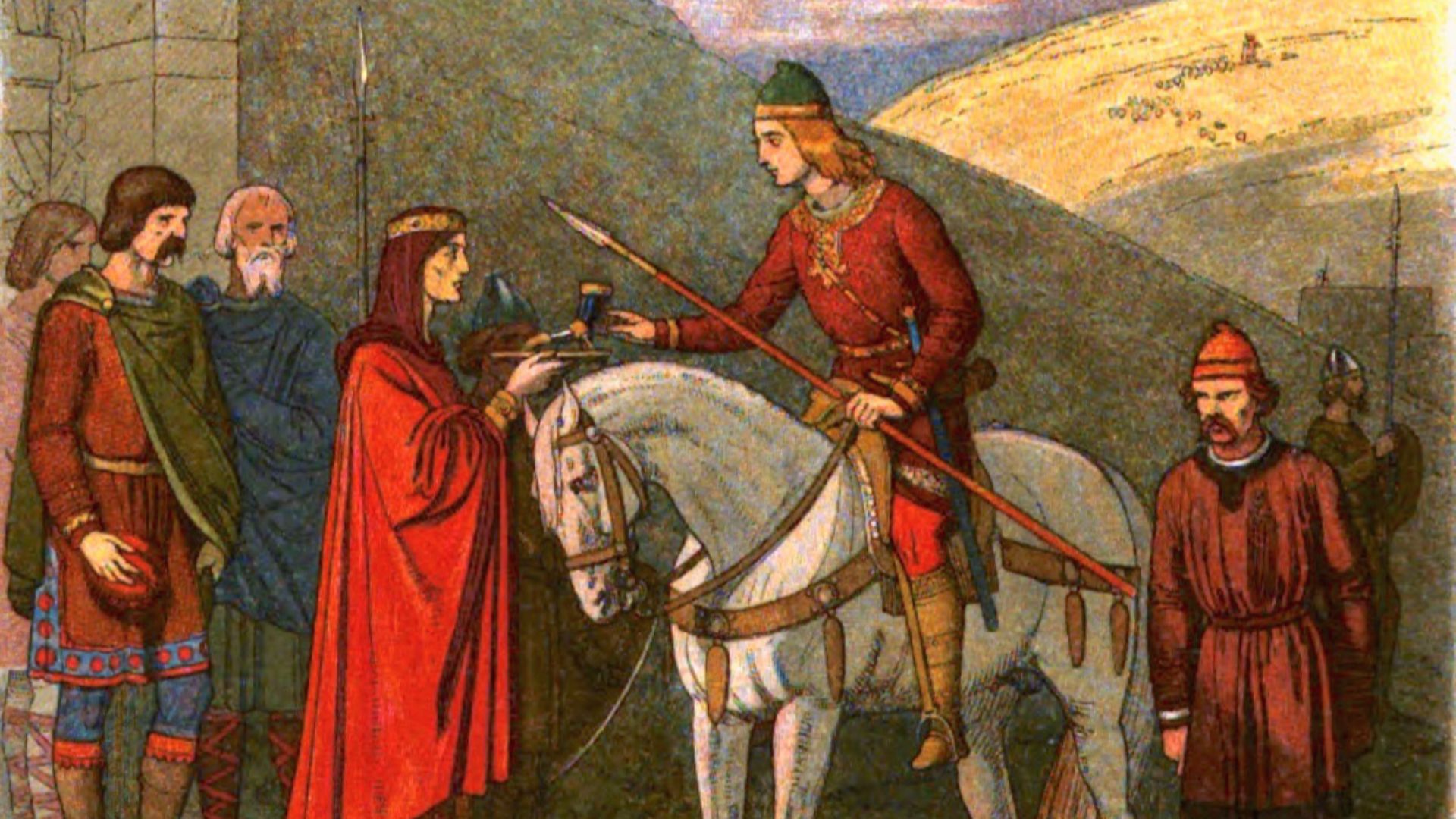
10. Edward The Martyr
Edward the Martyr was still a teenager when he was killed in 978. Tradition says he was murdered near Corfe Castle, likely in connection with a dispute over the succession. His short reign ended before he had much chance to rule on his own terms.
 James William Edmund Doyle / Edmund Evans on Wikimedia
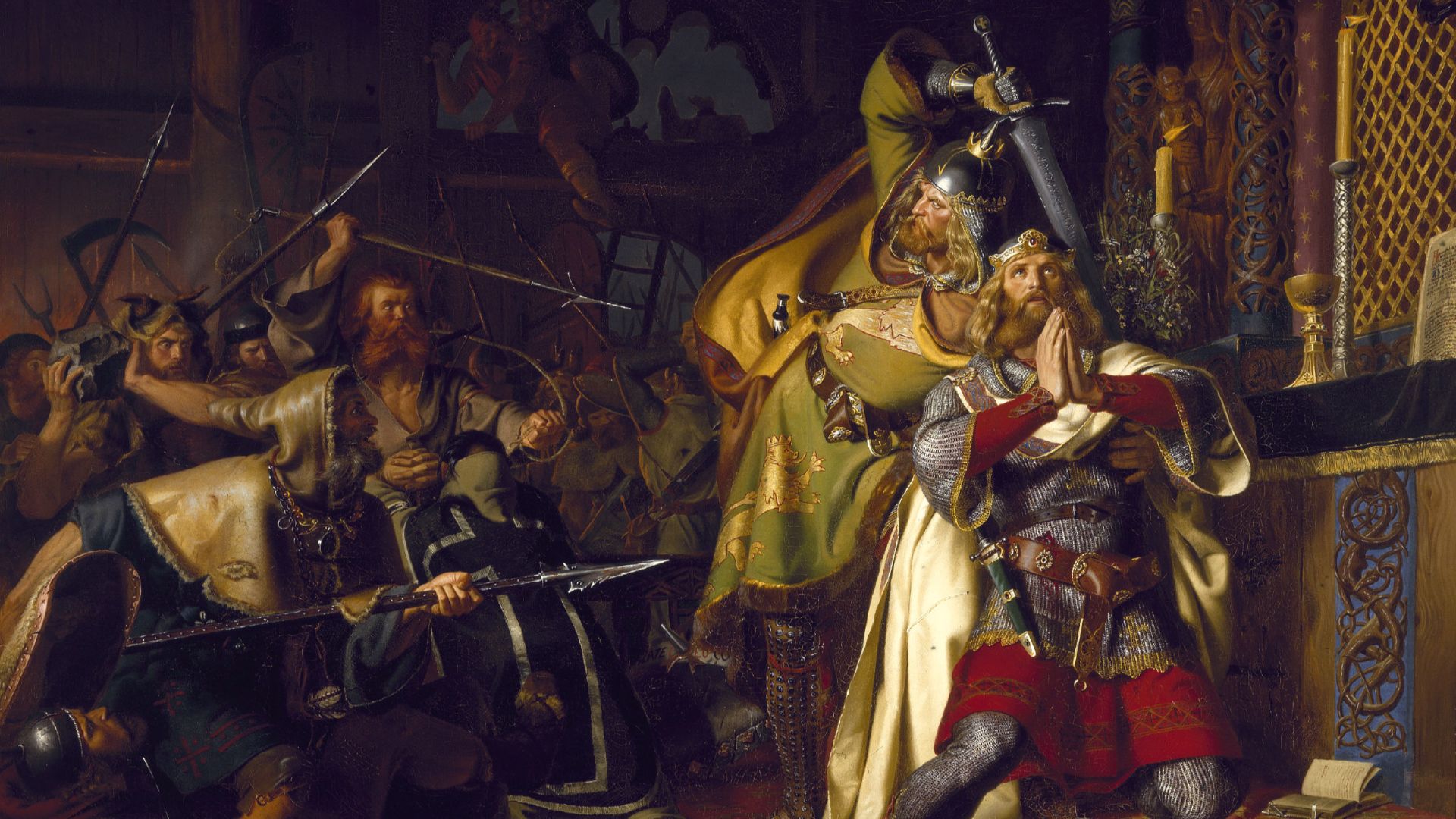
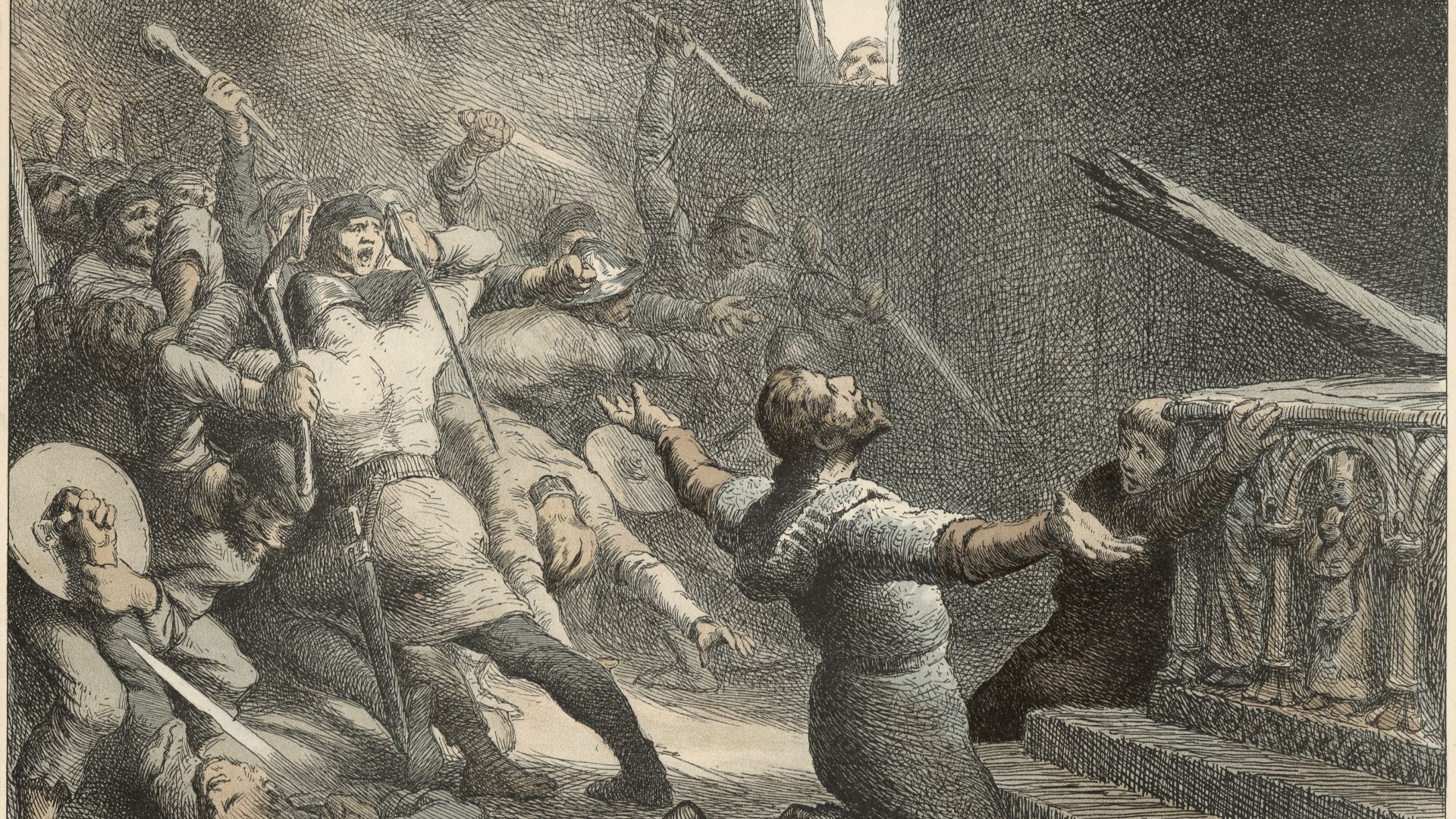
11. Canute IV Of Denmark
Canute IV tried to strengthen royal authority and support the church, but those efforts created serious opposition. In 1086, rebels attacked him at the church in Odense where he had taken refuge. He was killed there during the uprising.
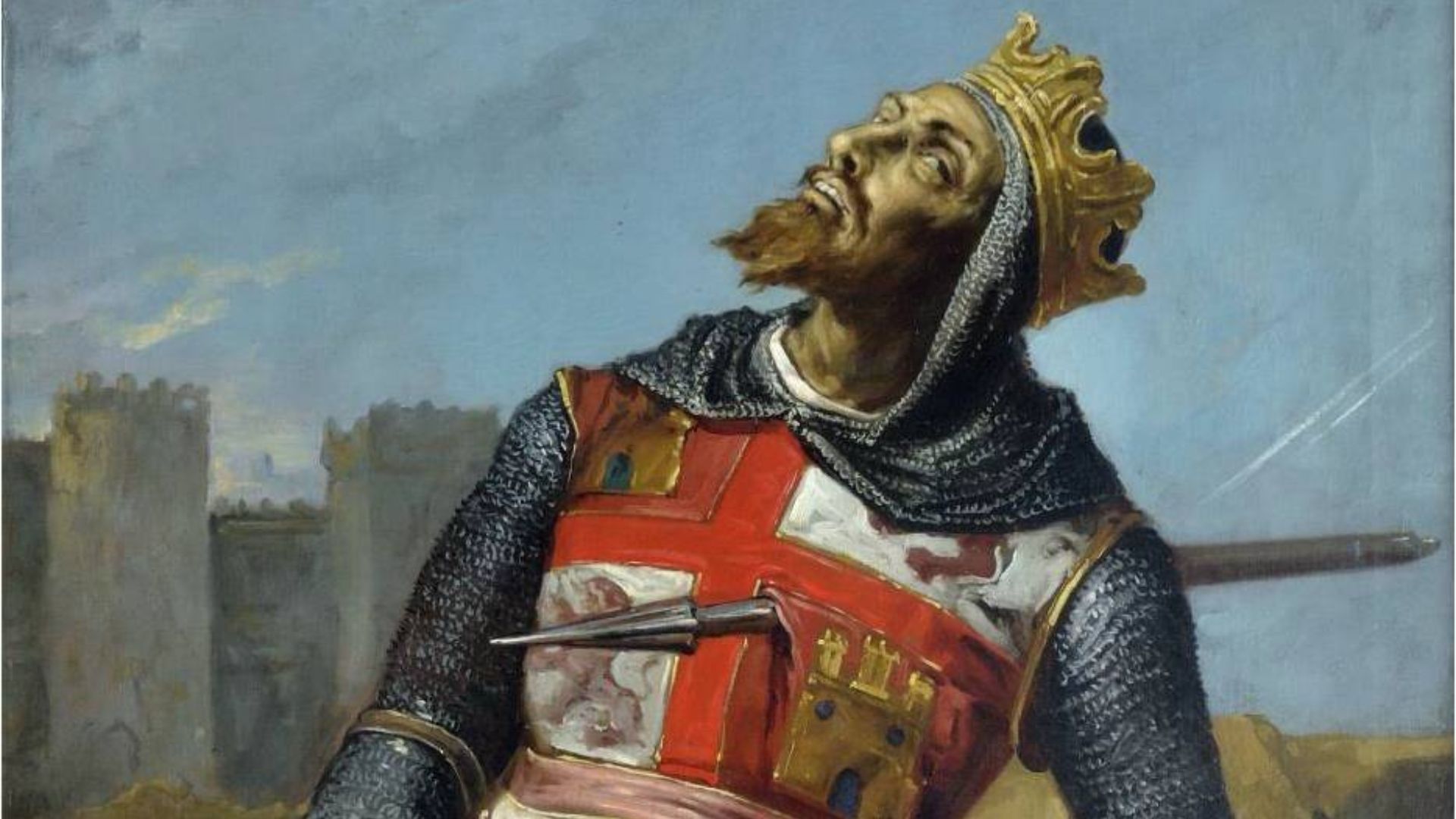
12. Sancho II Of Castile
Sancho II was besieging Zamora when he was assassinated. A man known as Bellido Dolfos gained access to him under false pretenses and killed him before fleeing back into the city. The murder became closely tied to the legend and politics of the siege.
 José María Rodríguez de Losada on Wikimedia
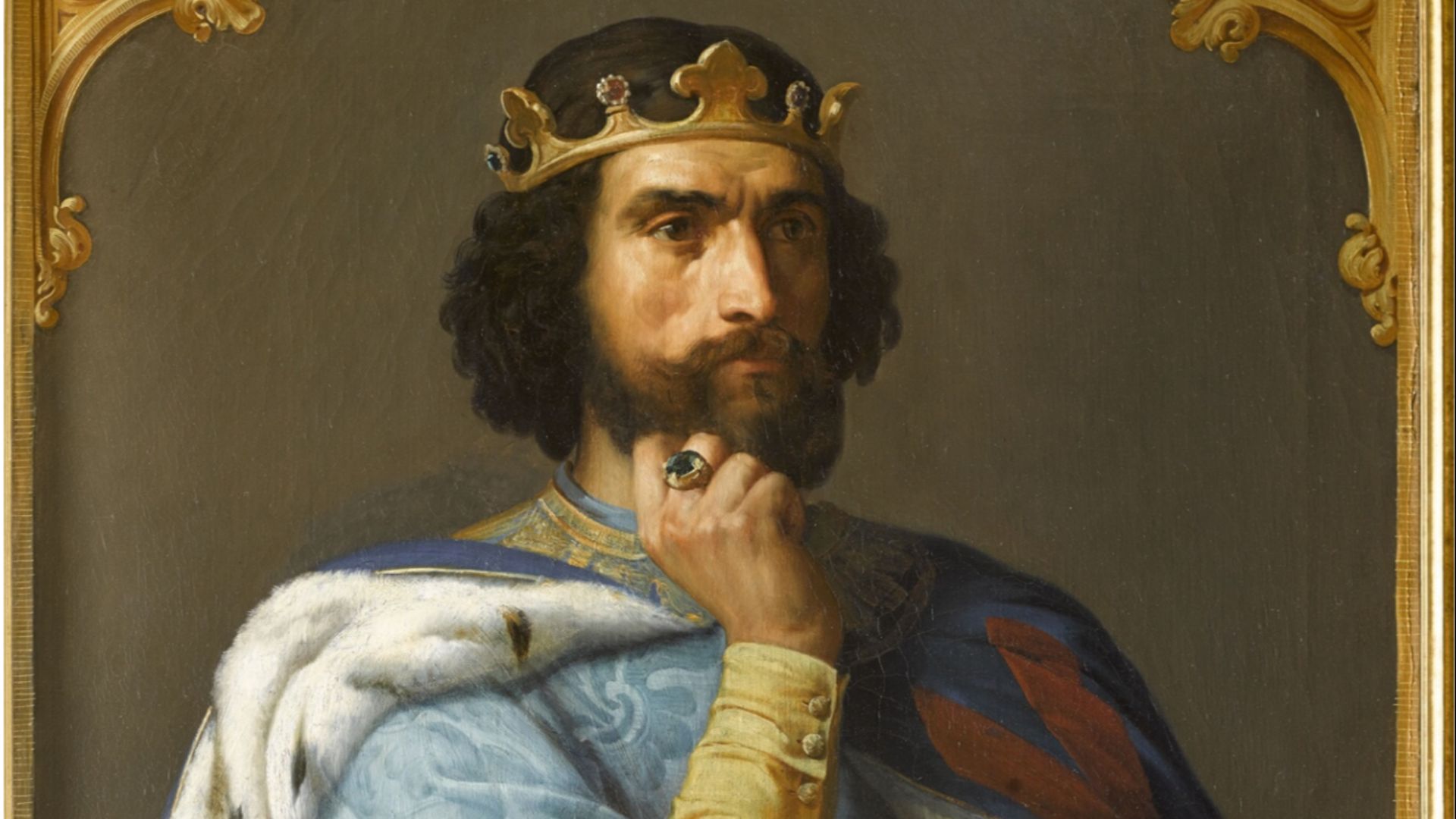
13. Conrad Of Montferrat
Conrad of Montferrat had just been chosen as king of Jerusalem when he was killed in 1192. He was stabbed in the street at Acre by assassins. The question of who ordered the killing has remained part of the larger political mystery around his death.
 François-Édouard Picot on Wikimedia
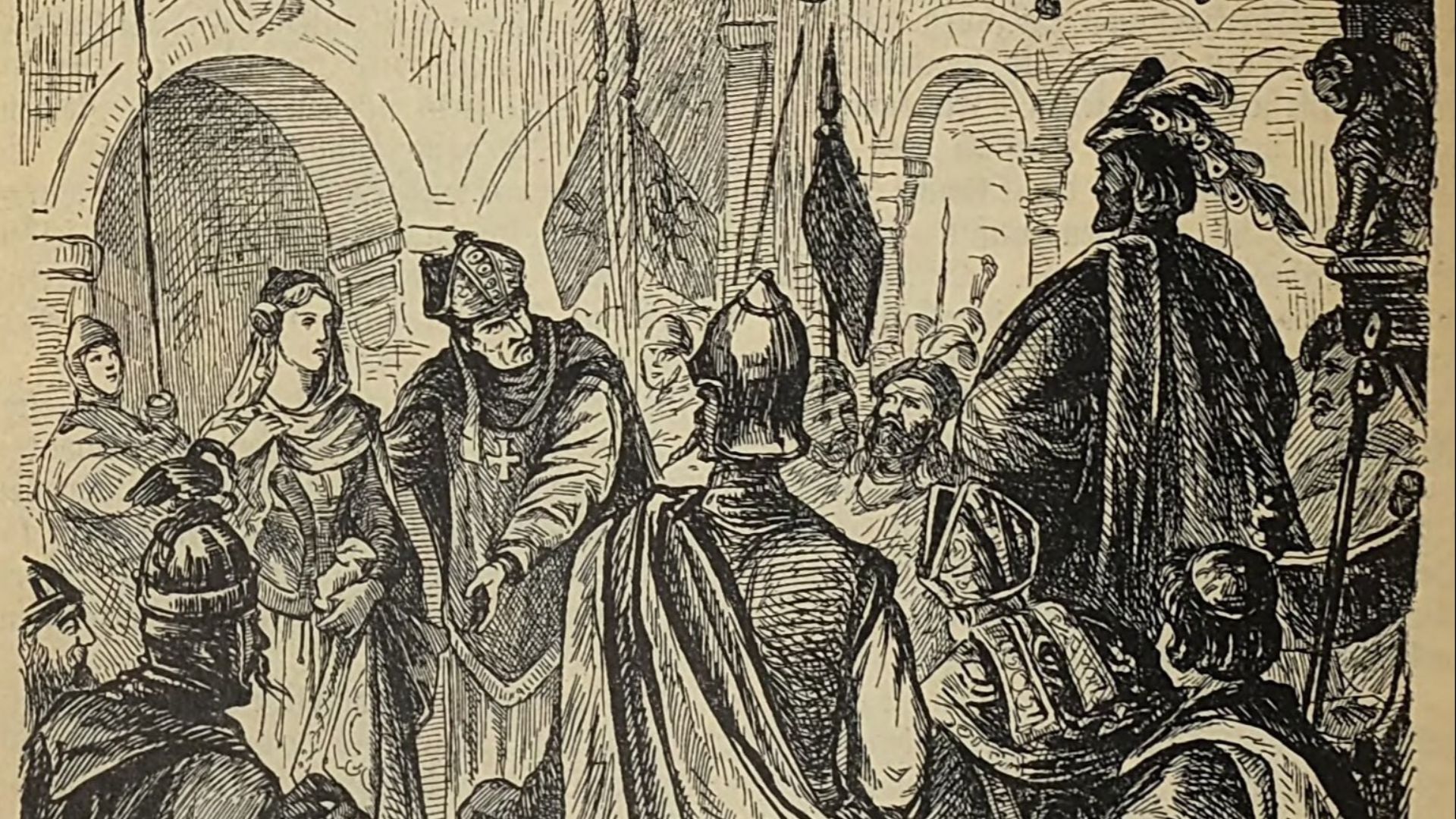
14. Philip Of Swabia
Philip of Swabia was king of Germany during a bitter struggle for power. In 1208, he was assassinated at Bamberg by Otto of Wittelsbach. His murder shocked the empire and changed the course of the succession conflict.
 Emil Nietzsch Sohn on Wikimedia
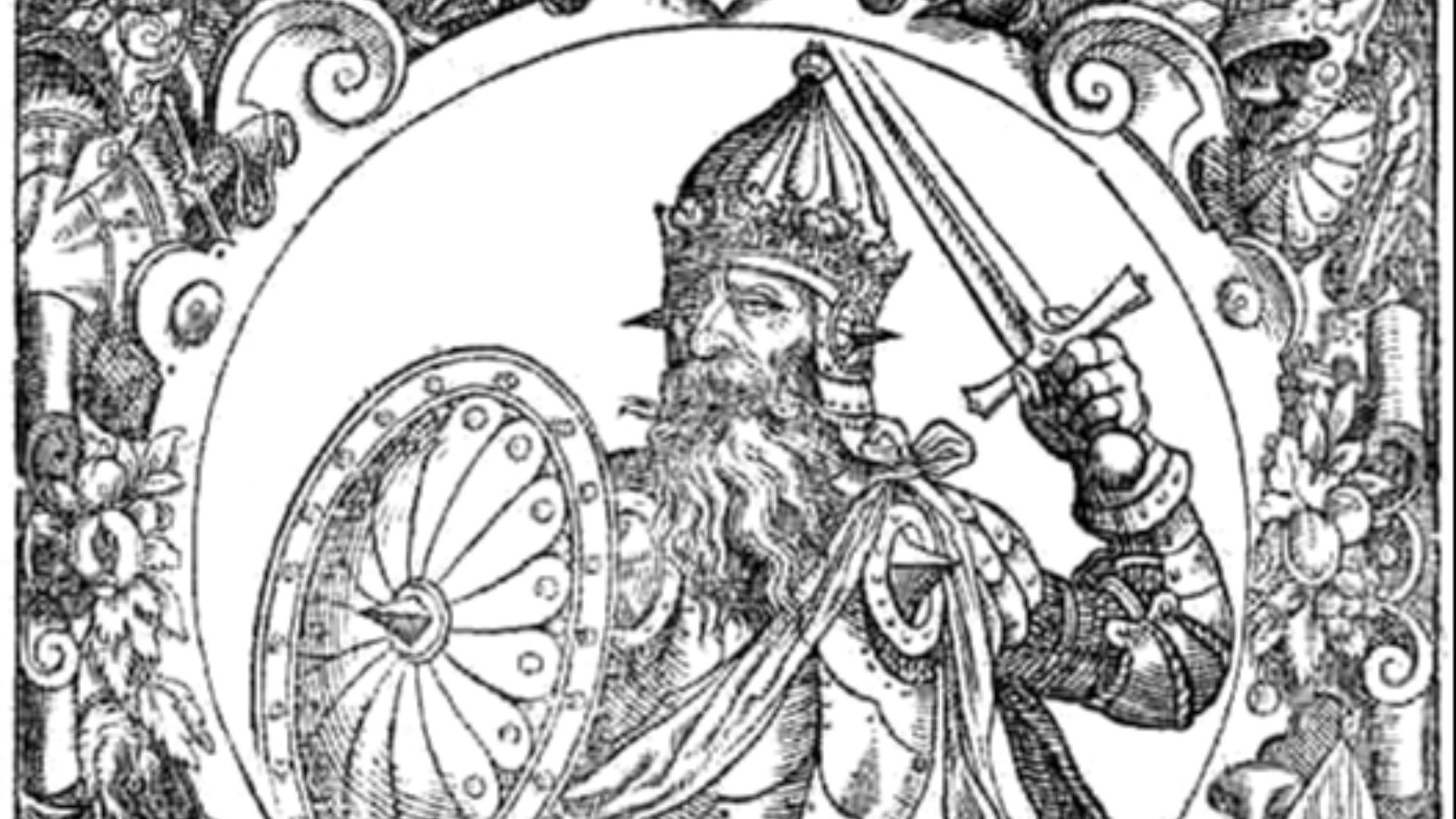
15. Mindaugas Of Lithuania
Mindaugas was Lithuania’s first crowned king. In 1263, he was assassinated by political rivals, including his nephew Treniota and Duke Daumantas of Pskov. His death ended his attempt to hold royal authority together in a deeply divided political world.
 Александр Гваньини on Wikimedia
16. Eric V Of Denmark
Eric V of Denmark was murdered in 1286 after a hunting trip. According to tradition, assassins disguised as friars found him in a barn at Finderup and stabbed him repeatedly. The killing became one of Denmark’s most notorious royal murders.
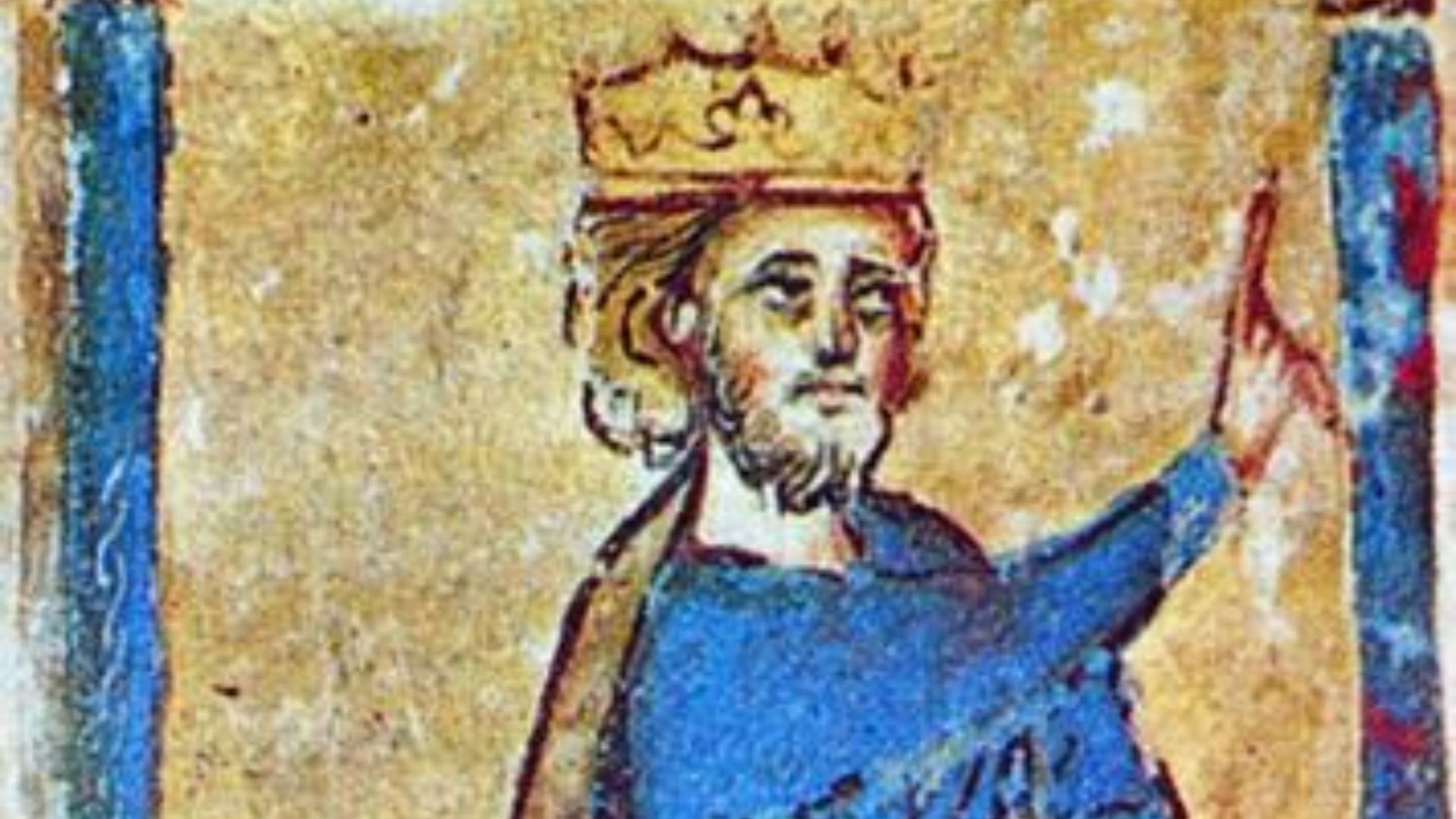
17. Przemysł II Of Poland
Przemysł II had only recently been crowned king of Poland when he was attacked in 1296. His enemies first tried to kidnap him, but the attempt failed. He was then killed, showing how unstable his newly restored kingship still was.
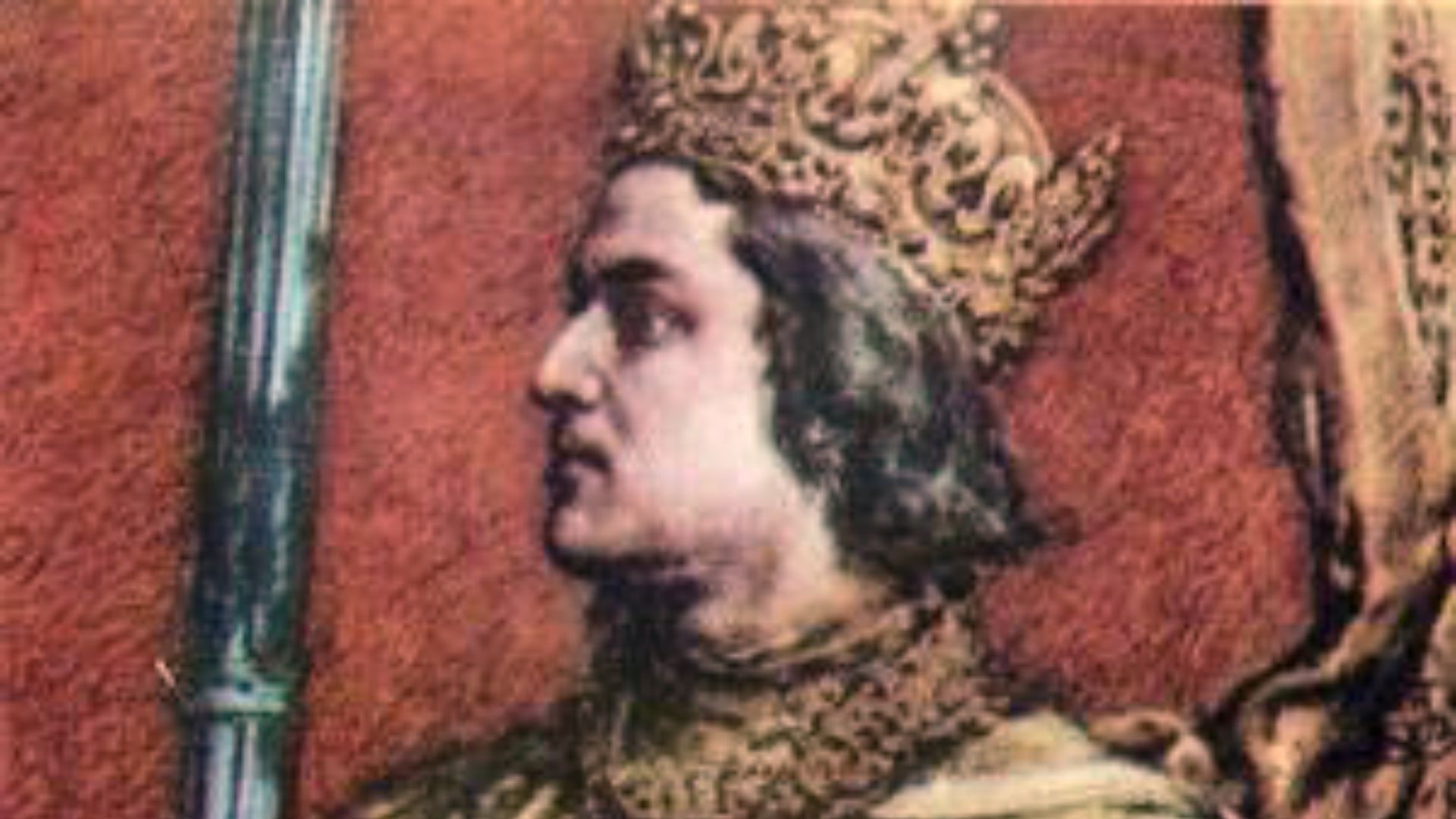
18. Wenceslaus III Of Bohemia
Wenceslaus III was preparing for a campaign into Poland when he was assassinated in 1306. He was stabbed at Olomouc by a killer whose identity was never clearly settled. His death ended the native Přemyslid dynasty.
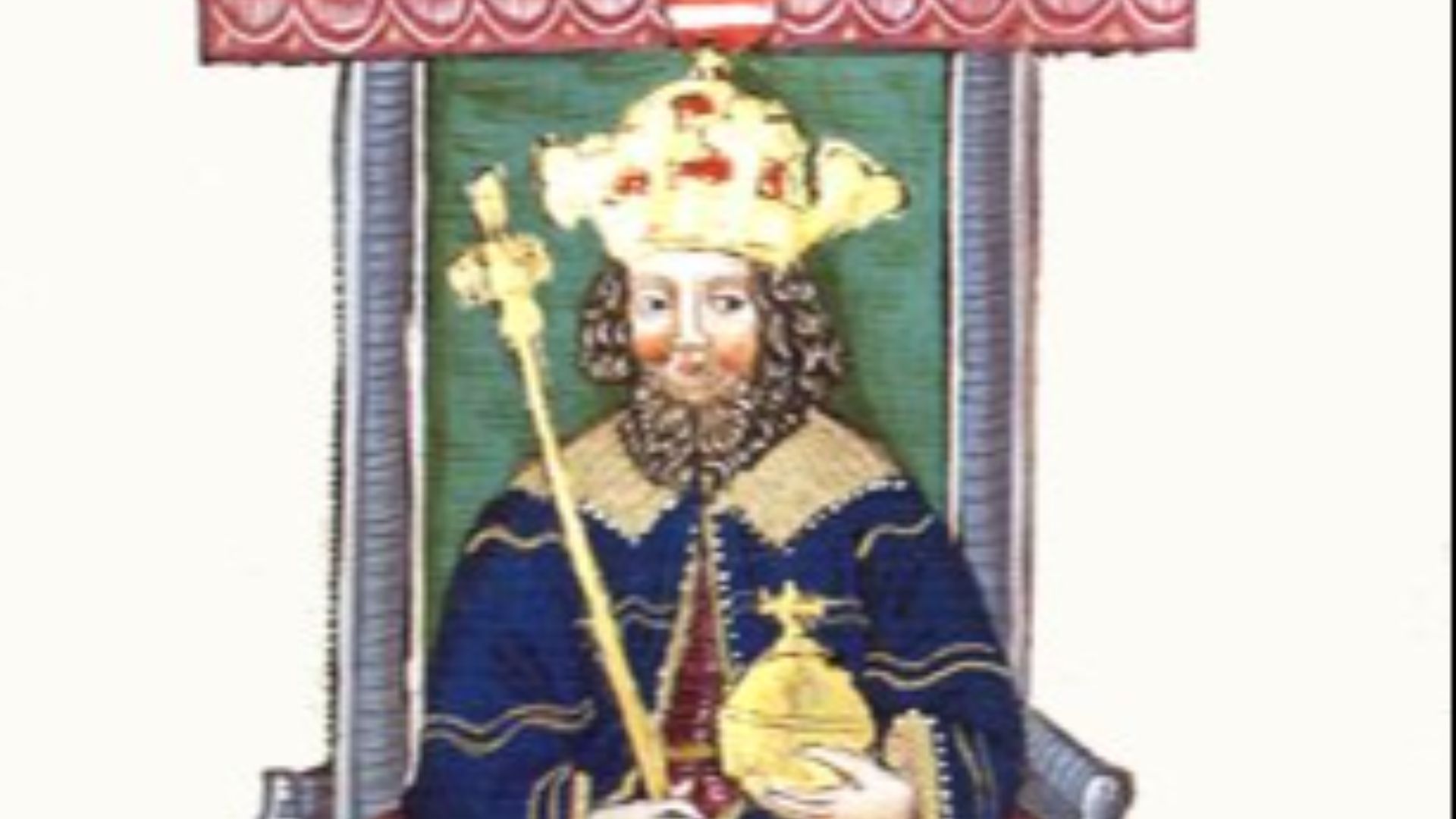 No machine-readable author provided. Mathiasrex assumed (based on copyright claims). on Wikimedia
19. James I Of Scotland
James I of Scotland was killed at Perth in 1437. Conspirators broke into the Dominican friary where he was staying, and he tried to hide beneath the floor. They found him and stabbed him to death.
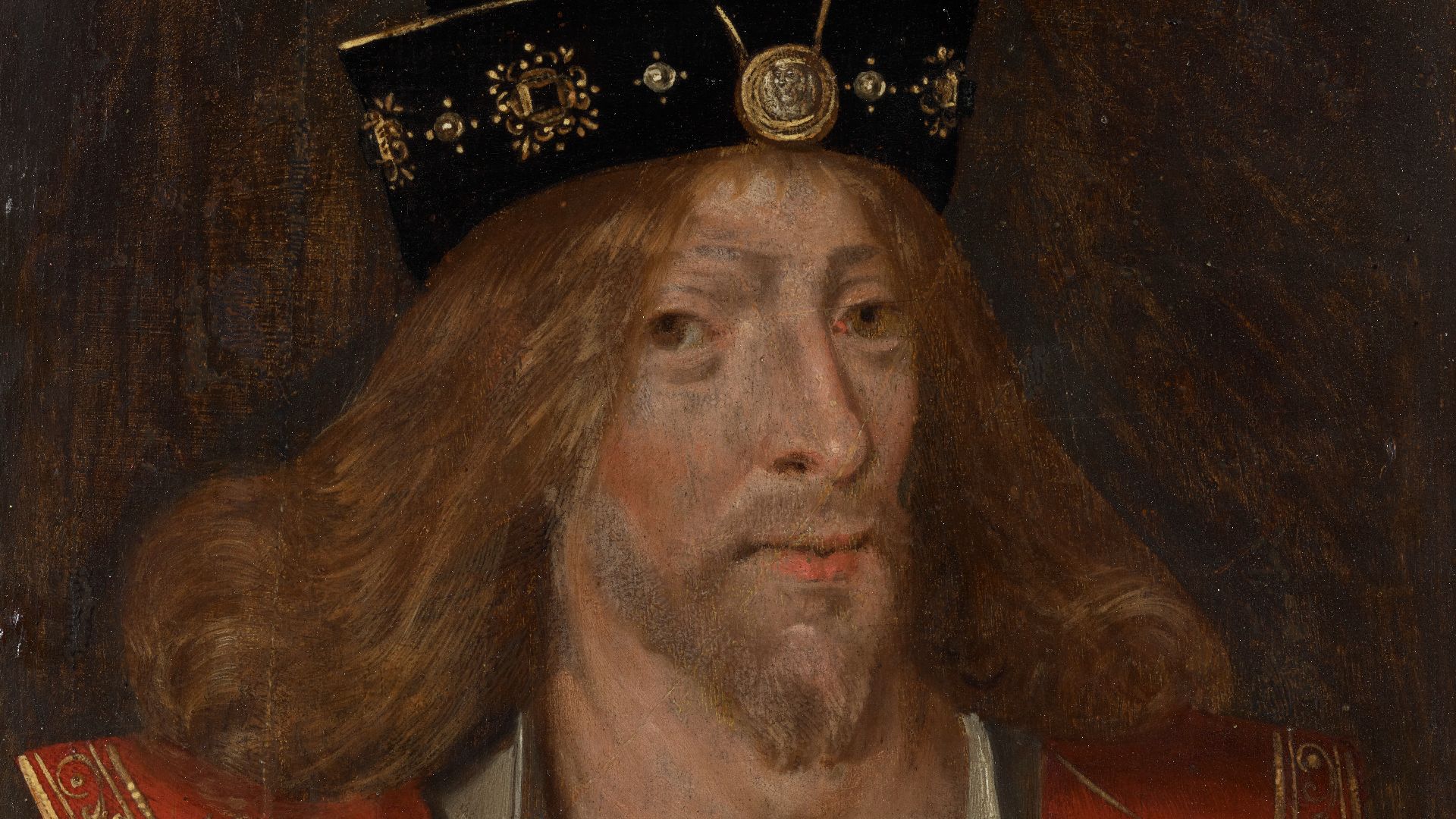
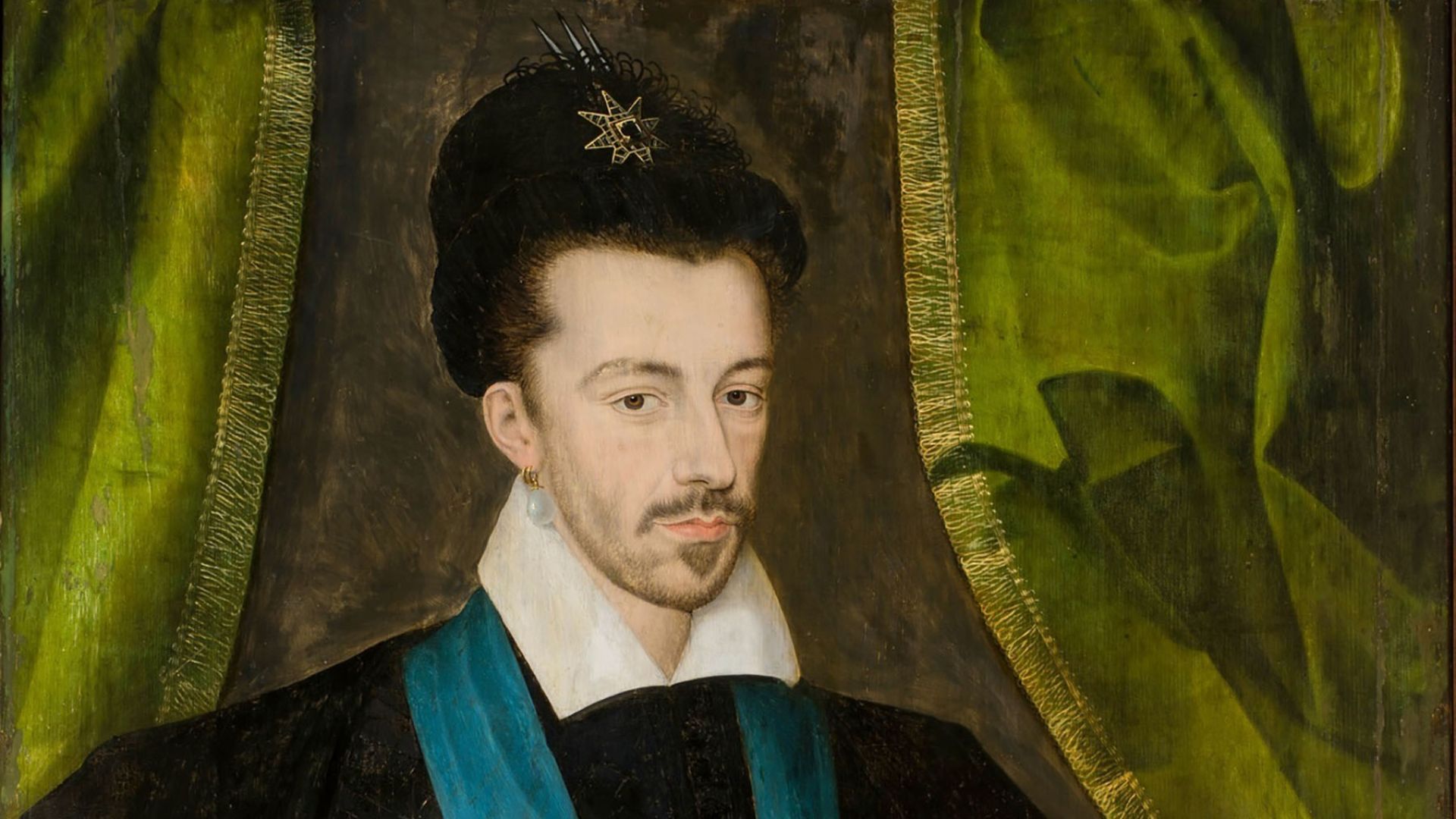
20. Henry III Of France
Henry III of France was assassinated in 1589 by Jacques Clément, a Dominican friar. Clément gained access to the king by presenting letters, then stabbed him at close range. The murder had major consequences for the French succession.
KEEP ON READING
The story of Ching Shih, the Woman Who Became the…
Unknown author on WikimediaFew figures in history are as feared…
By Emilie Richardson-Dupuis Dec 29, 2025
Einstein's Violin Just Sold At An Auction—And It Earned More…
A Visionary's Violin. Wanda von Debschitz-Kunowski on WikimediaWhen you hear…
By Ashley Bast Nov 3, 2025
This Infamous Ancient Greek Burned Down An Ancient Wonder Just…
History remembers kings and conquerors, but sometimes, it also remembers…
By David Davidovic Nov 12, 2025
The Mysterious "Sea People" Who Collapsed Civilization
3,200 years ago, Bronze Age civilization in the Mediterranean suddenly…
By Robbie Woods Mar 18, 2025
20 Kings Who Were Literally Stabbed In The Back
Crowns, Daggers, And Bad Luck. Royal life has always come…
By Cameron Dick Apr 30, 2026
20 Soldiers Who Defied Expectations
Changing the Rules of the Battlefield. You’ve probably heard plenty…
By Annie Byrd Feb 10, 2026