10 Tiny Decisions That Changed History & 10 Tiny Mistakes That Made Everything Worse
10 Tiny Decisions That Changed History & 10 Tiny Mistakes That Made Everything Worse
The Small Moments That Moved the World
History gets taught as a series of grand forces: empires, revolutions, ideologies sweeping across continents. But pull the thread on almost any turning point and you'll find something small at the center. A wrong turn. A message held too long. The gap between how history is remembered and how it actually happened is often just one ordinary moment. Here's 10 tiny decisions that changed history, and 10 tiny mistakes that made everything worse.
 {{Borchert, Erich [Eric]}} on Wikimedia
1. Fleming Didn't Clean His Petri Dish
In 1928, Alexander Fleming left a petri dish uncovered before vacation and returned to find mold had killed the surrounding bacteria. A tidier scientist would have tossed it; Fleming investigated, identified Penicillium notatum, and launched the antibiotic era.
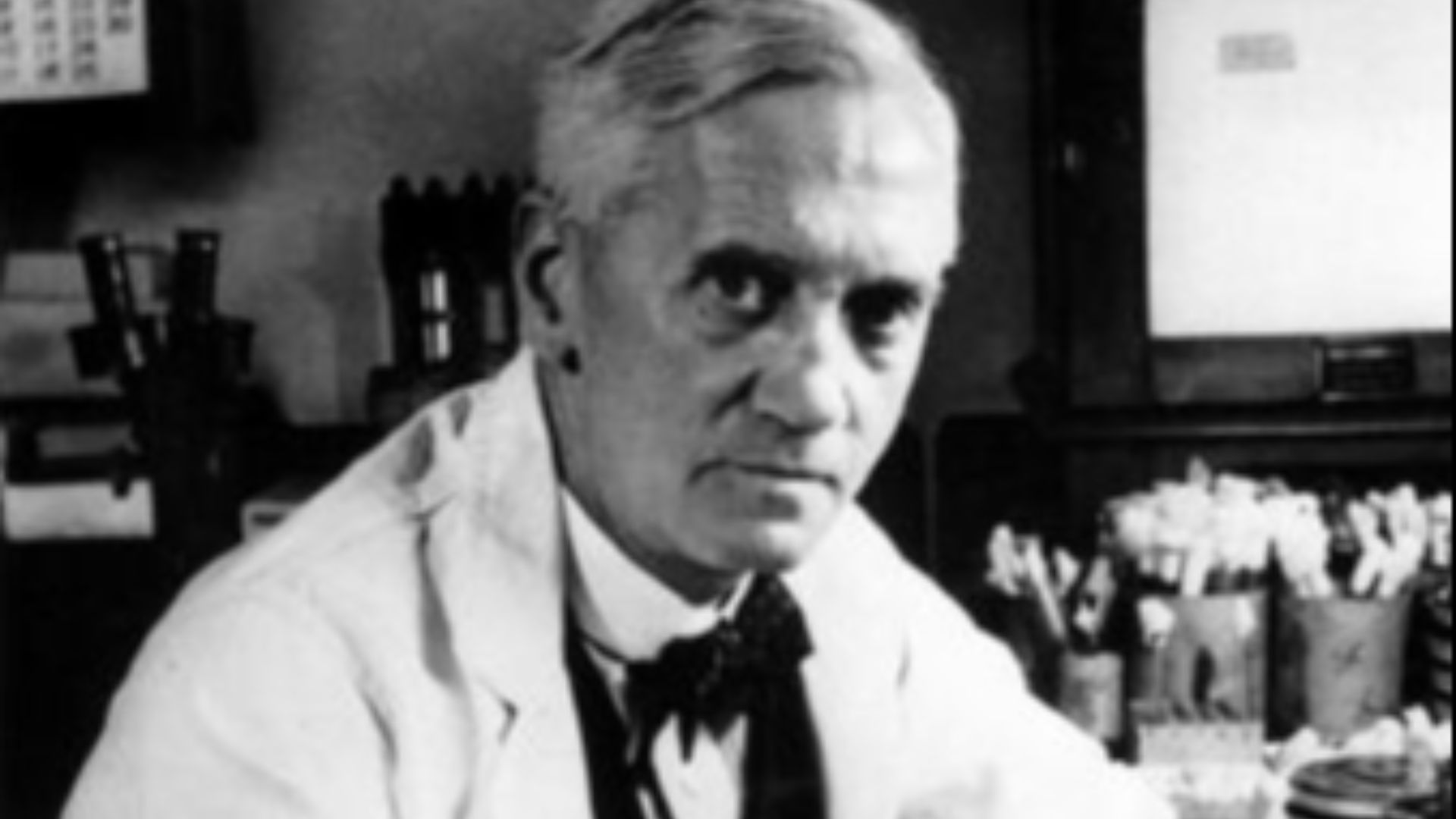 Calibuon at English Wikibooks, cropped by User:AlanM1 on Wikimedia
2. Churchill Chose Oil Over Coal
In 1911, Winston Churchill converted the Royal Navy from coal to oil, a gamble since Britain had almost no oil of its own. Oil-powered ships were faster and easier to refuel, giving Britain a decisive edge in World War I and quietly shaping a century of Middle Eastern geopolitics.
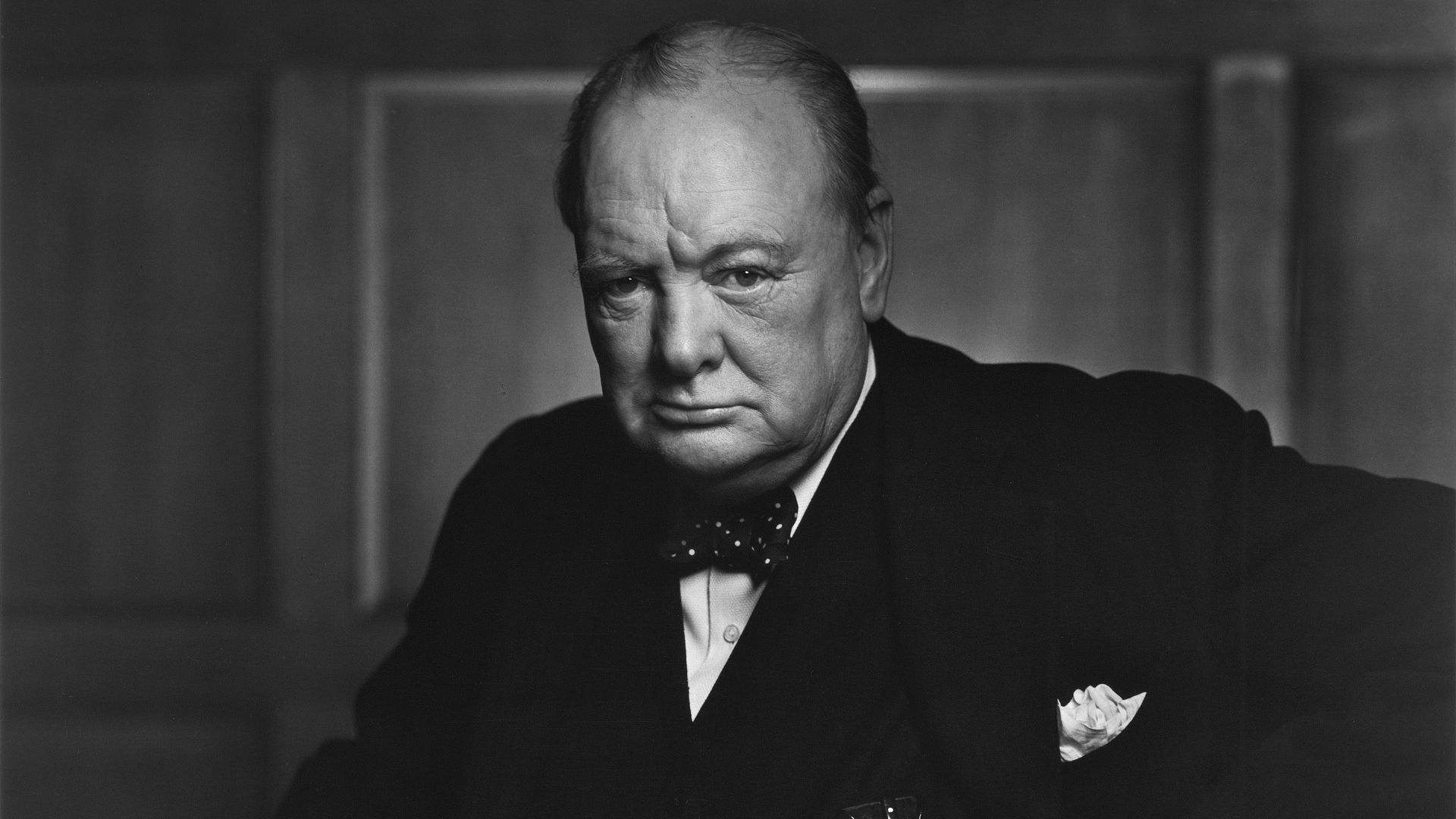
3. Gutenberg Borrowed from the Wine Press
Gutenberg looked at a screw press used to crush grapes and realized the same mechanism could press inked type onto paper. That leap produced the movable-type printing press, and the Protestant Reformation, the Scientific Revolution, and mass literacy followed.
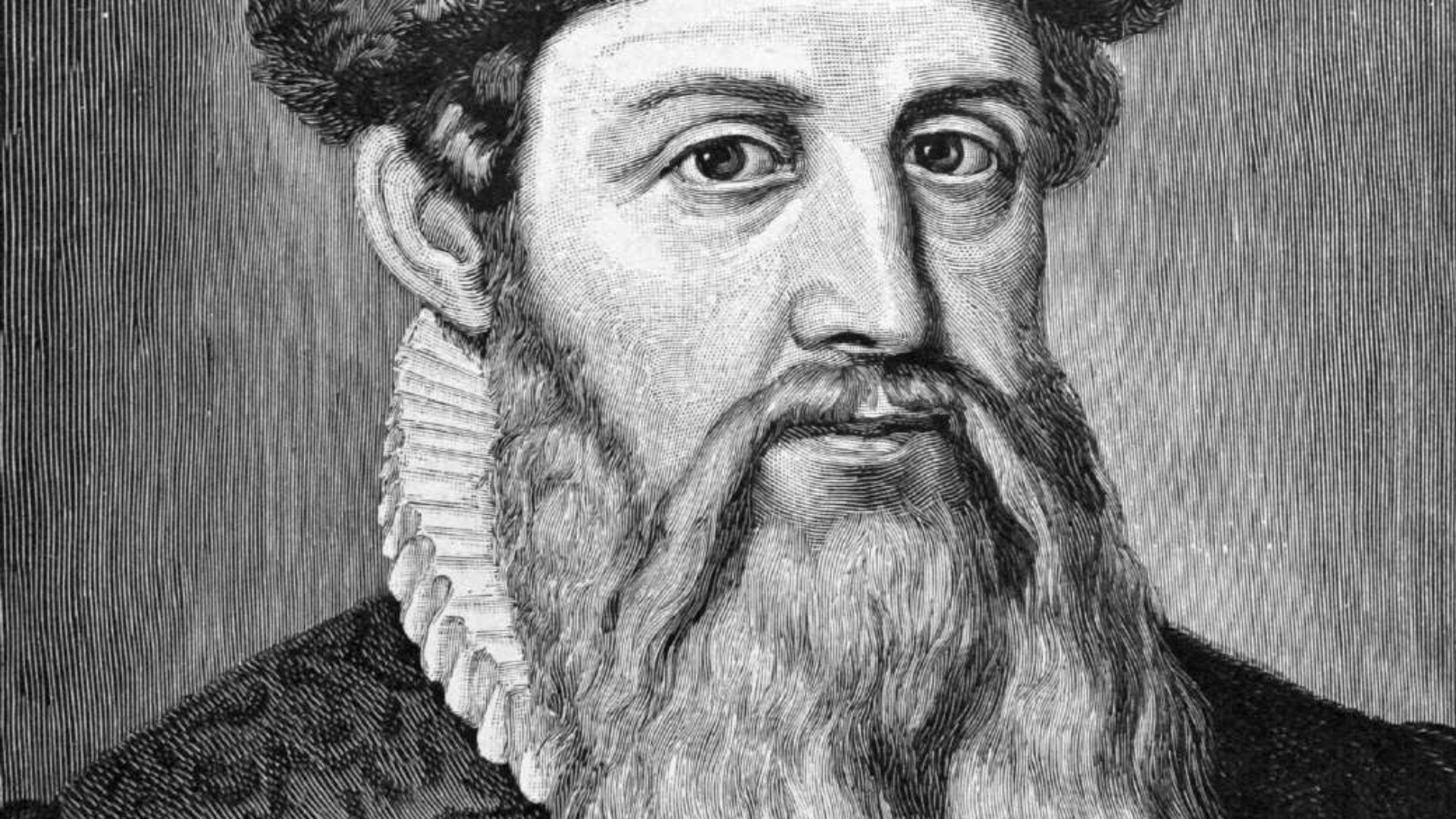
4. Darwin Said Yes to the Beagle
Charles Darwin almost didn't go on the Beagle. The captain nearly rejected him over the shape of his nose, and Darwin's father disapproved of the voyage. He went anyway, and the five-year trip produced the observations that became On the Origin of Species.
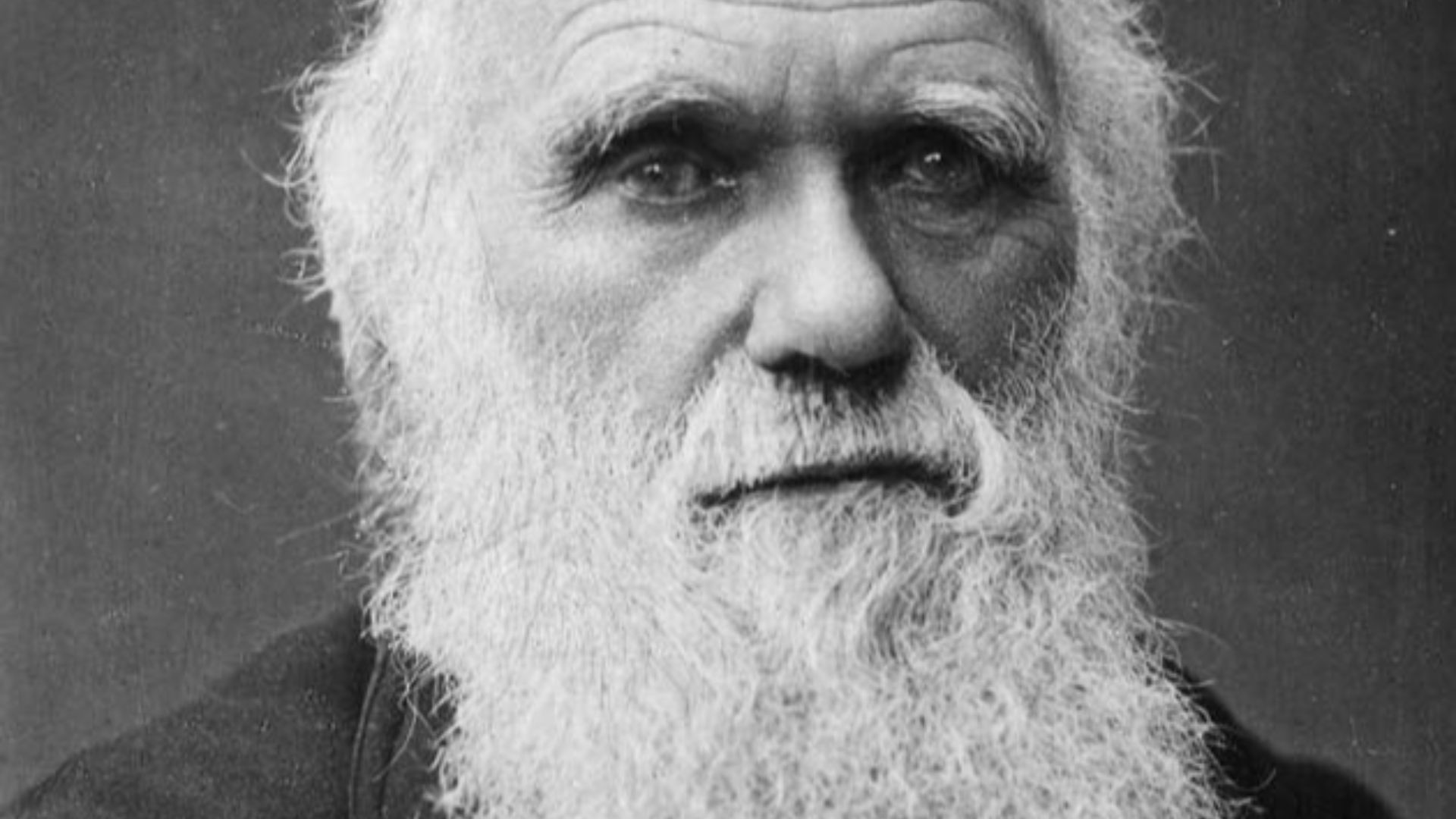 Herbert Rose Barraud on Wikimedia
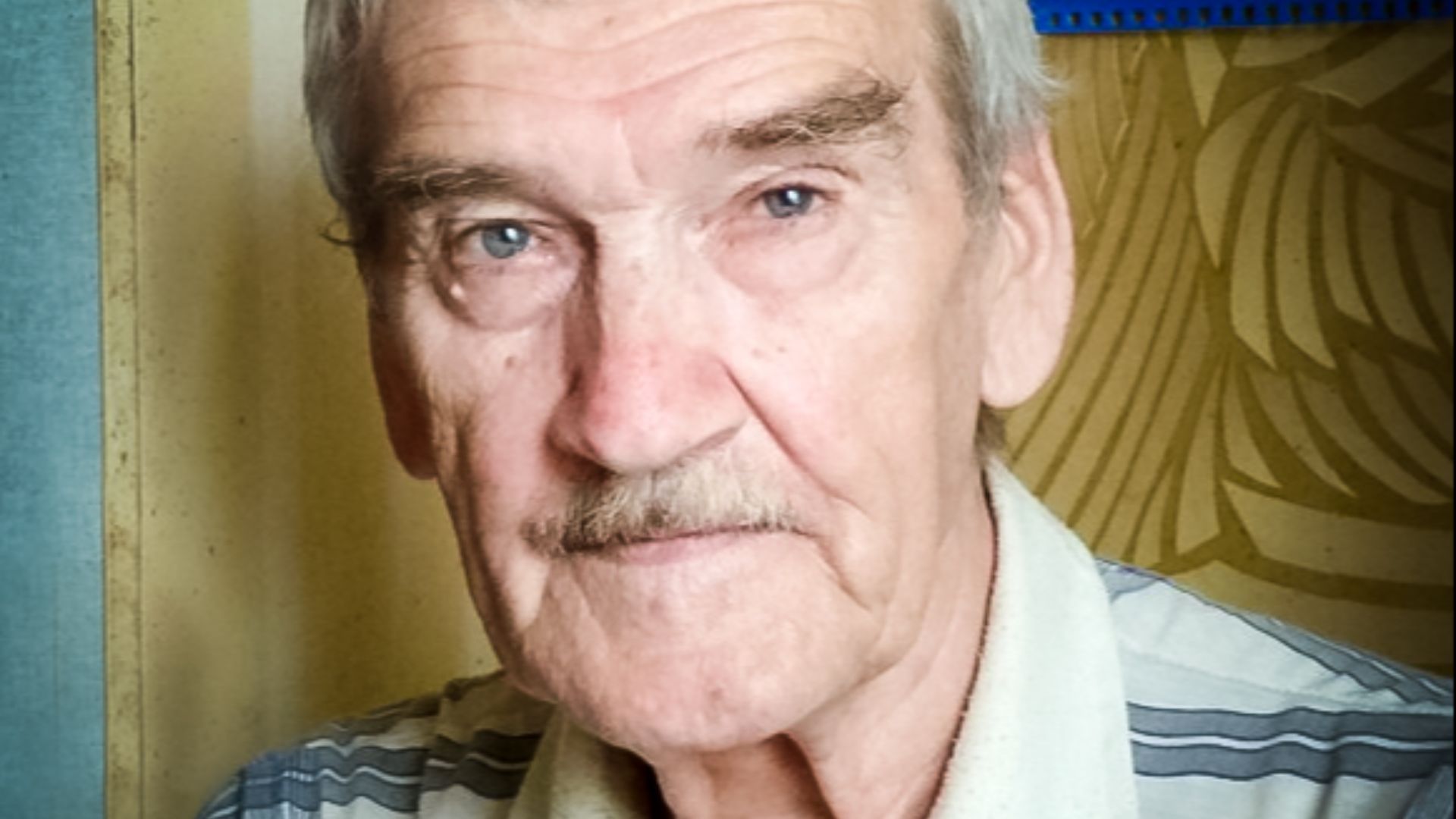
5. Stanislav Petrov Didn't Follow Protocol
On September 26, 1983, Soviet early-warning systems reported five incoming U.S. nuclear missiles. Duty officer Stanislav Petrov judged it a malfunction, reasoning that a real first strike wouldn't be just five missiles, and he was right.
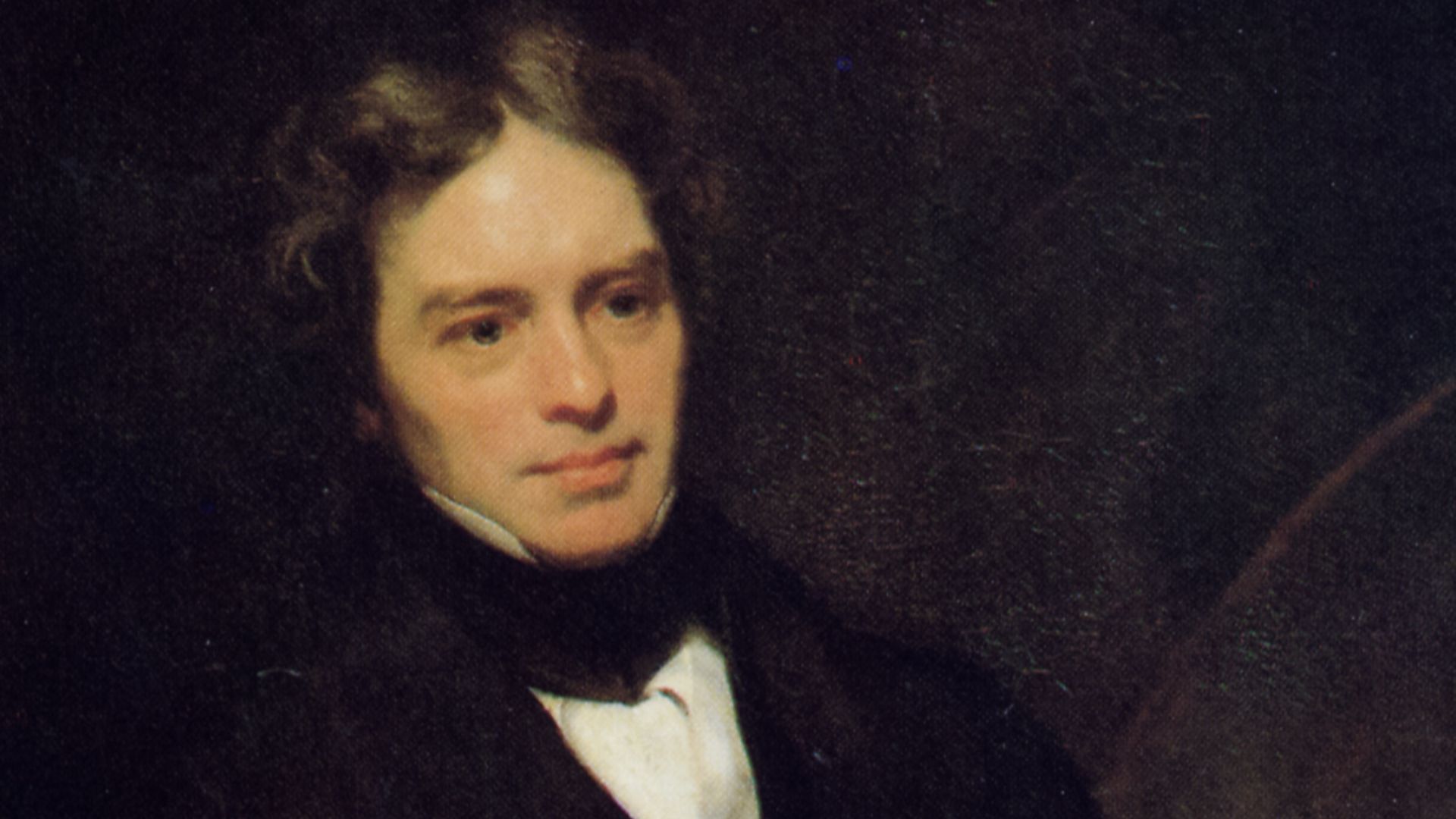
6. Faraday Made One More Attempt
After years of failed experiments, Michael Faraday wound two coils of wire around an iron ring in 1831 and noticed a flicker when he switched the current on and off. He recognized it as electromagnetic induction, the principle behind every electric generator since.
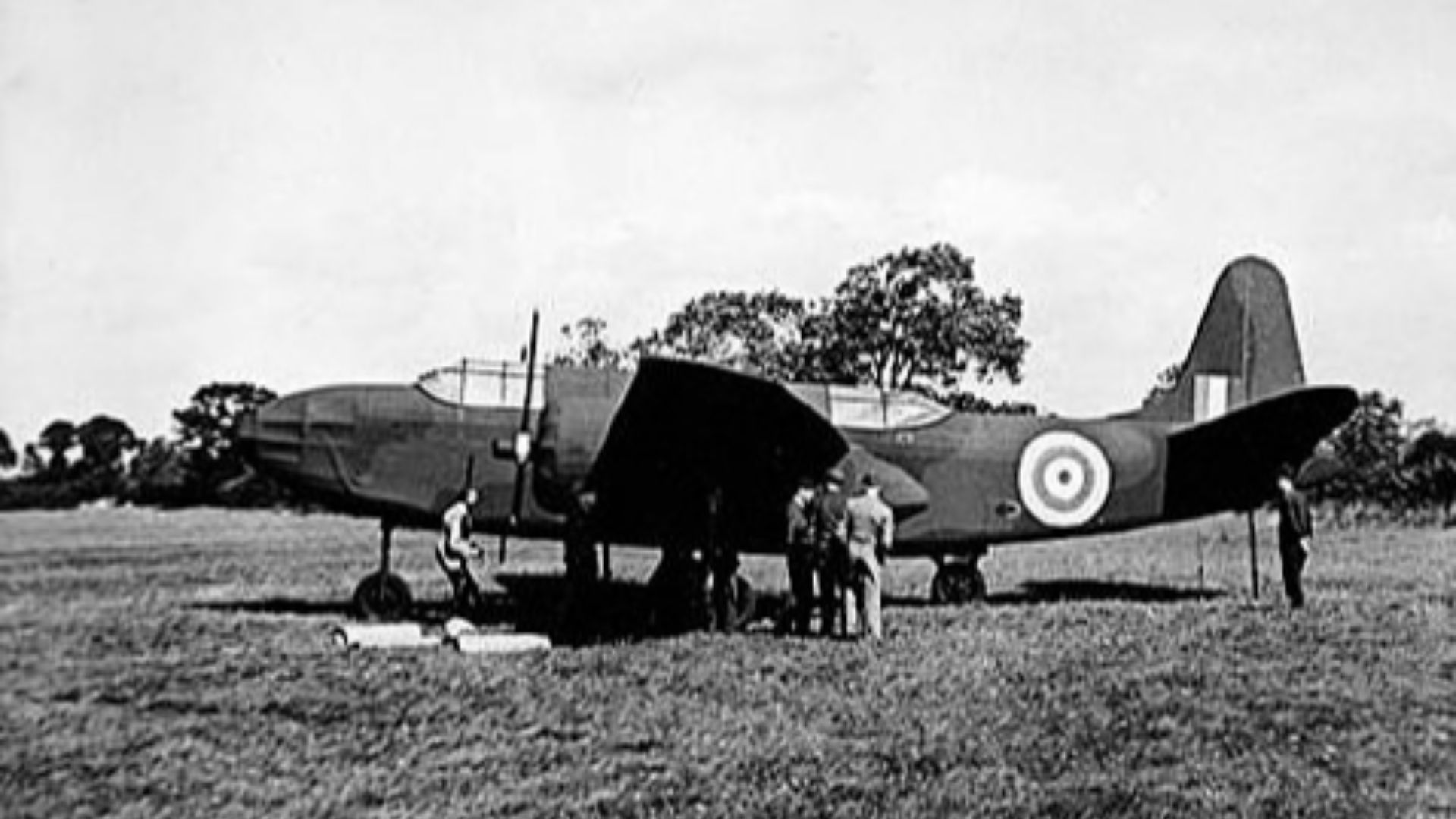
7. The Allies Committed Fully to the Deception
D-Day's success depended on convincing Germany the invasion would come at Pas-de-Calais rather than Normandy. Operation Fortitude, with its fake army groups, inflatable tanks, and false radio traffic, held that belief long enough to keep German Panzer reserves from reaching the beaches in time.
 Royal Air Force official photographer, Post-Work: User:W.wolny on Wikimedia
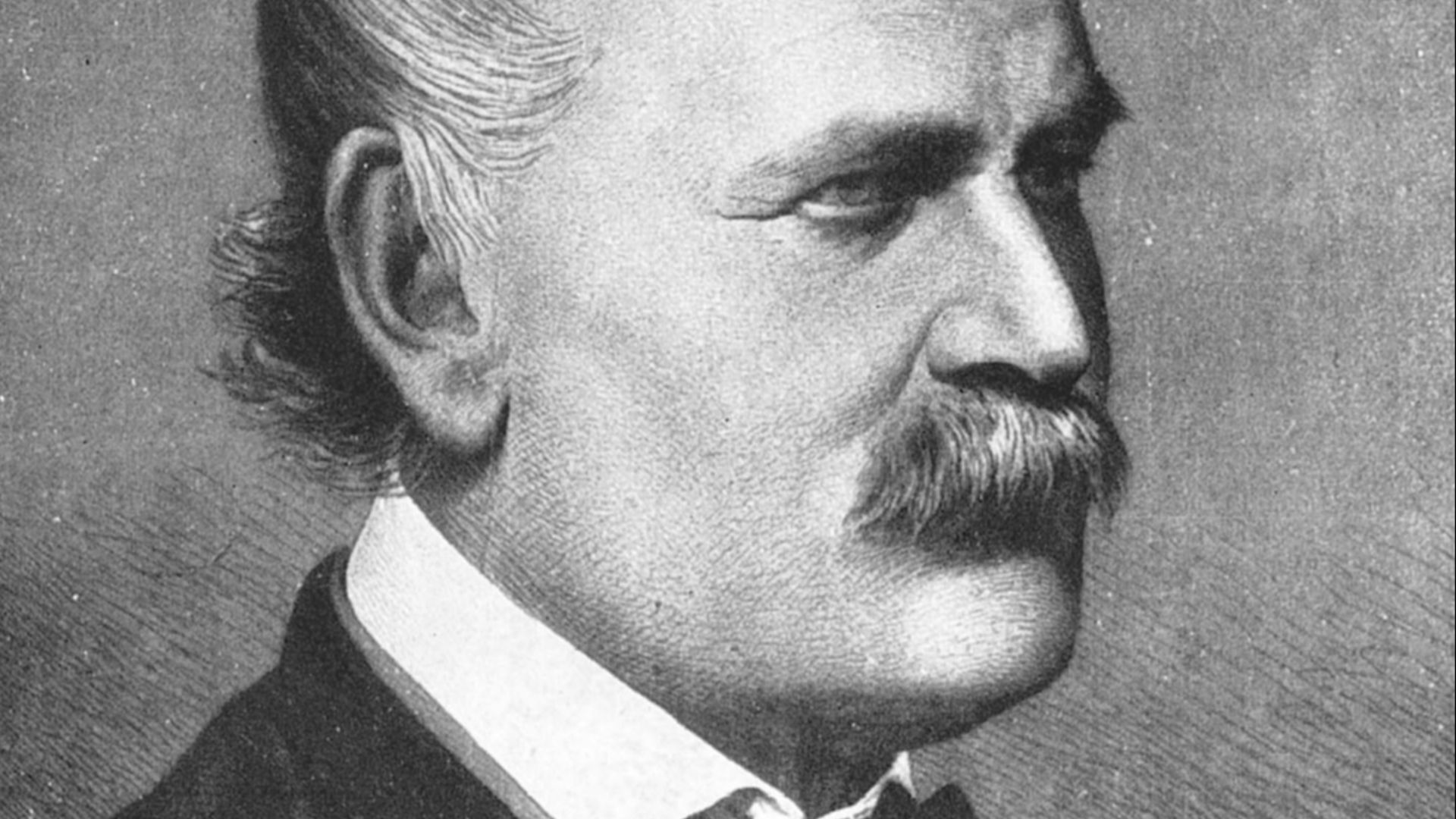
8. A Surgeon Washed His Hands
In the 1840s, Ignaz Semmelweis noticed that mortality in a Vienna maternity ward dropped when doctors washed their hands with chlorinated lime before deliveries. He implemented the practice despite ridicule, and it worked.
 After Jenő Doby's engravig on Wikimedia
9. Lincoln Waited for a Victory
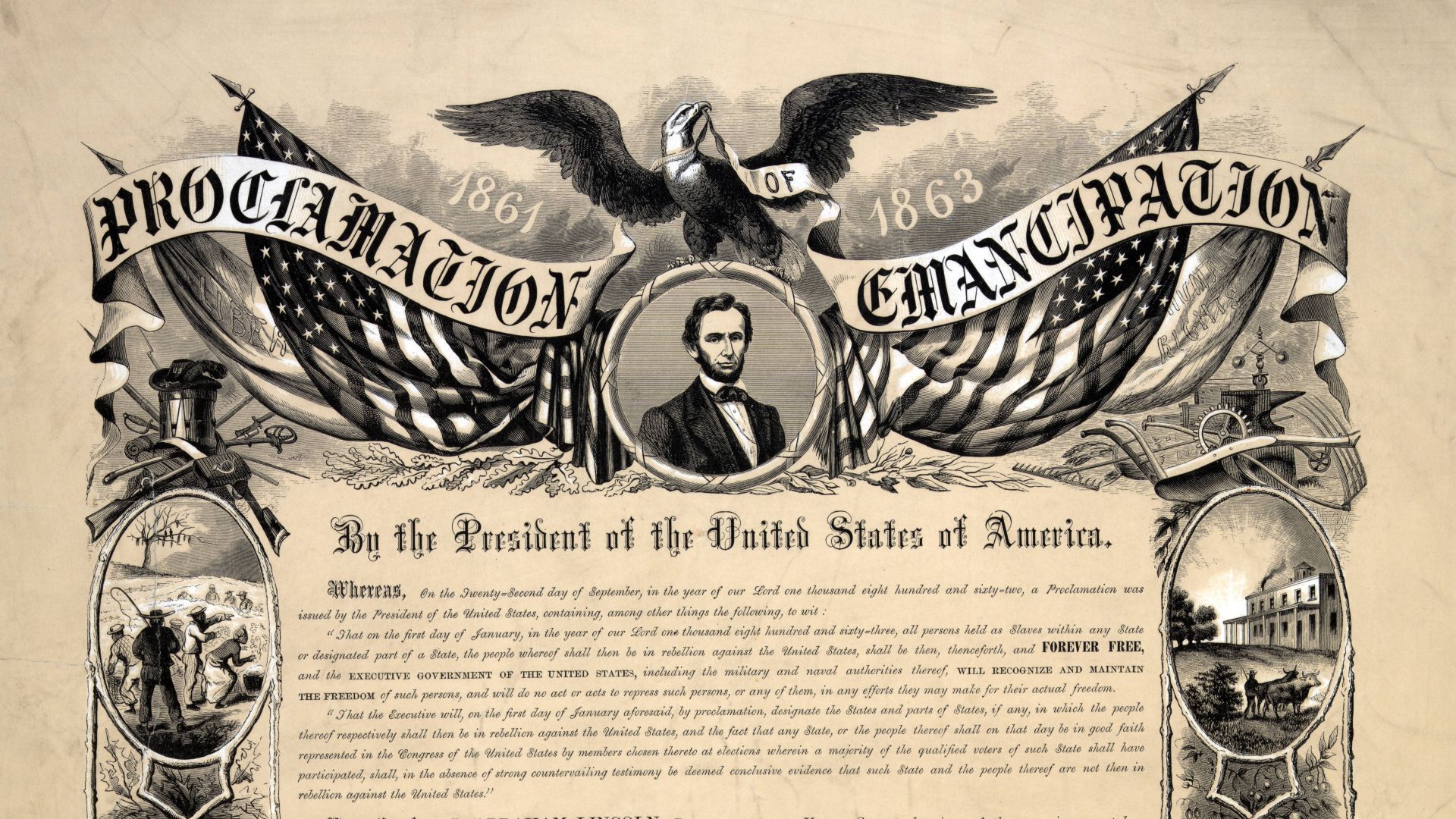
Seward advised Lincoln not to release the Emancipation Proclamation after a string of Union defeats, warning it would look like desperation. Lincoln held it two months until Antietam, and the timing turned the proclamation from a plea into a position of strength.
 Engraving by W. Roberts. on Wikimedia
10. Trever Photographed the Scrolls Immediately
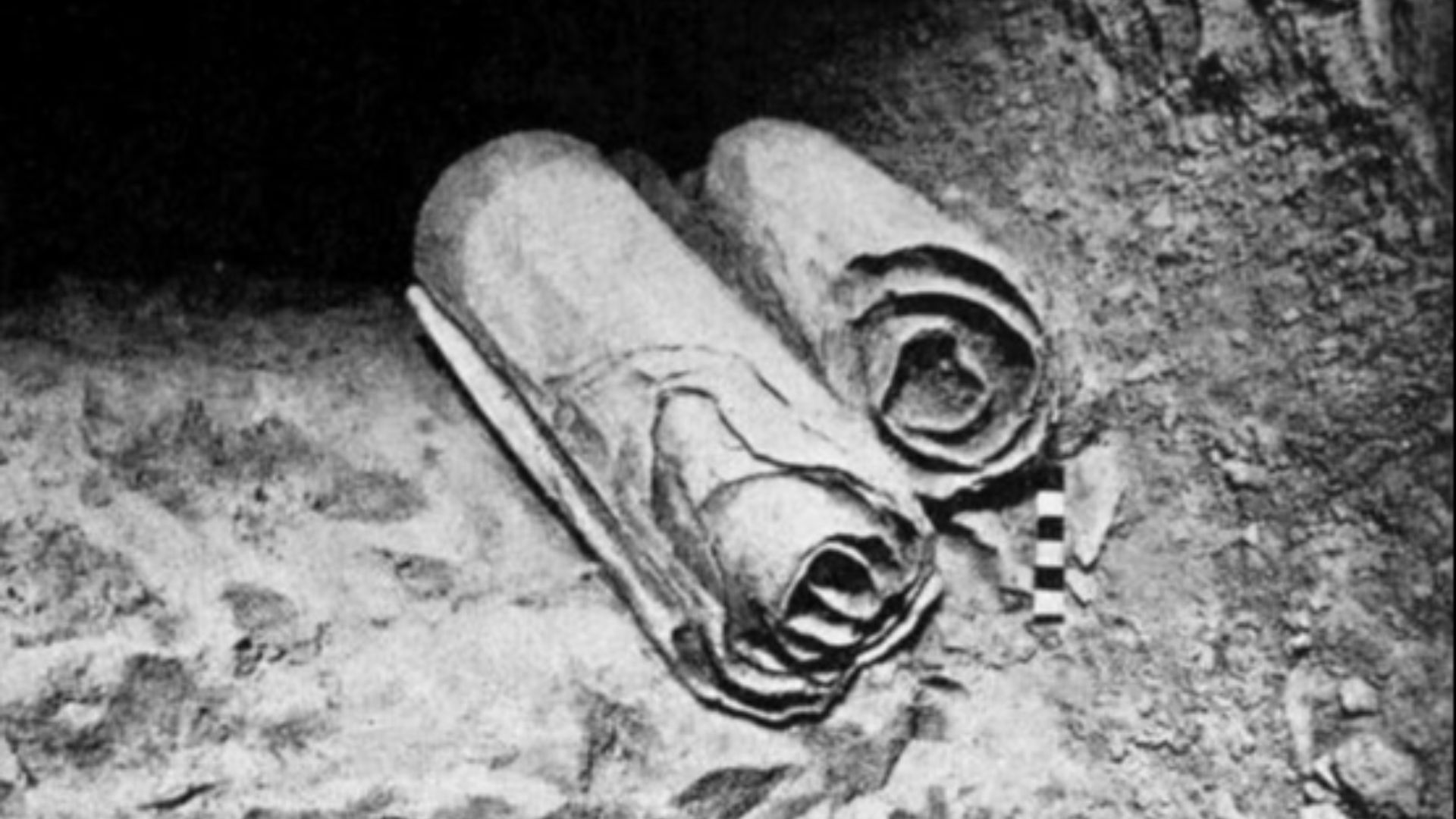
When Bedouin shepherds brought ancient manuscripts to a Bethlehem antiquities dealer in 1947, scholar John Trever recognized their significance and photographed them before they could be sold piecemeal. His quick action preserved the Dead Sea Scrolls, including the earliest known manuscripts of the Hebrew Bible.
Now, here's 10 tiny mistakes that made everything worse.
 Abraham Meir Habermann, 1901–1980 on Wikimedia
1. A Driver Took a Wrong Turn
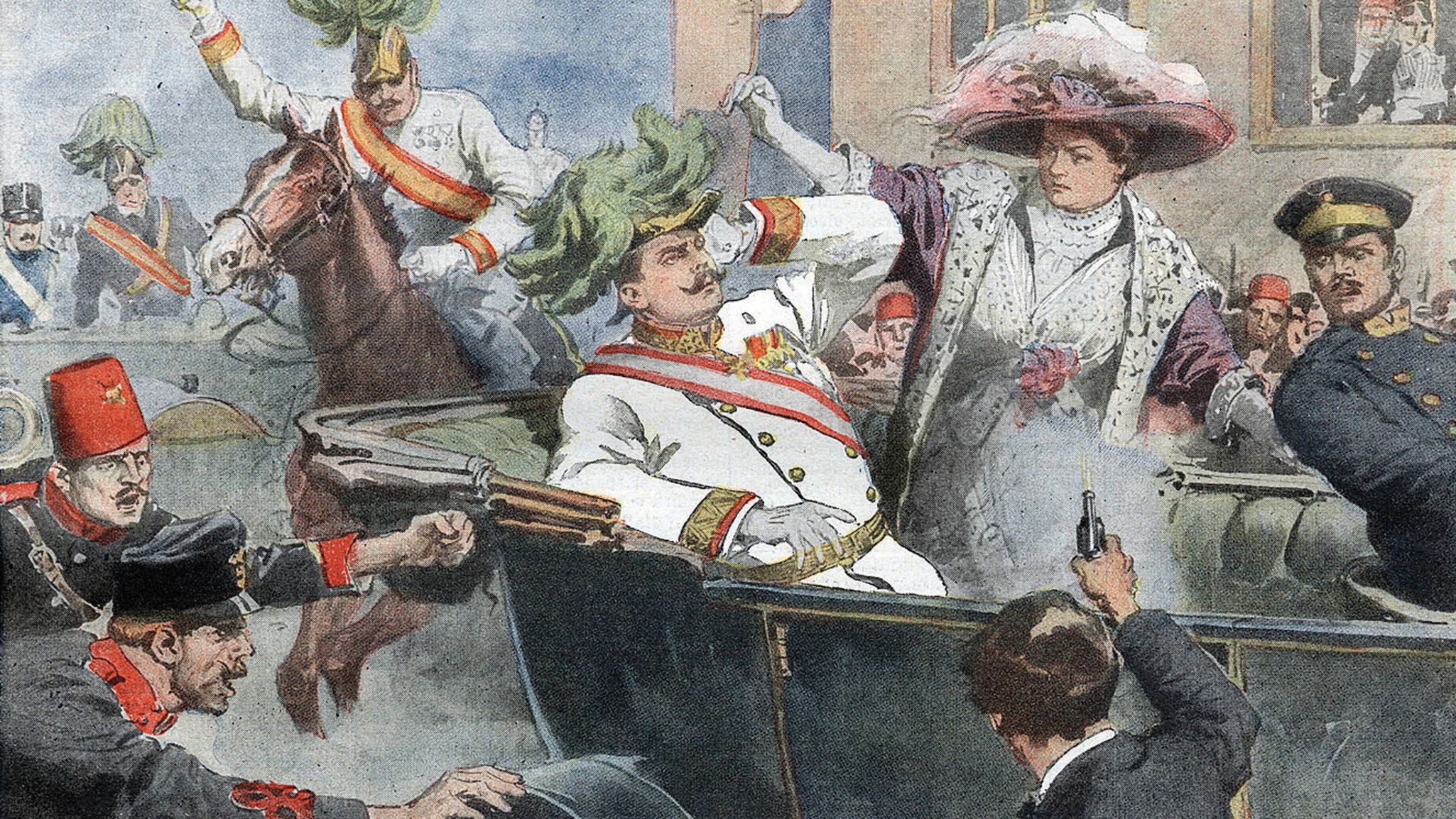
On June 28, 1914, Archduke Franz Ferdinand's motorcade made a wrong turn in Sarajevo and stalled in front of Gavrilo Princip, one of the day's assassins who had already given up and stepped into a deli. Princip fired two shots, and within six weeks the assassination had started World War I.
2. The Vasa Opened Its Cannon Ports
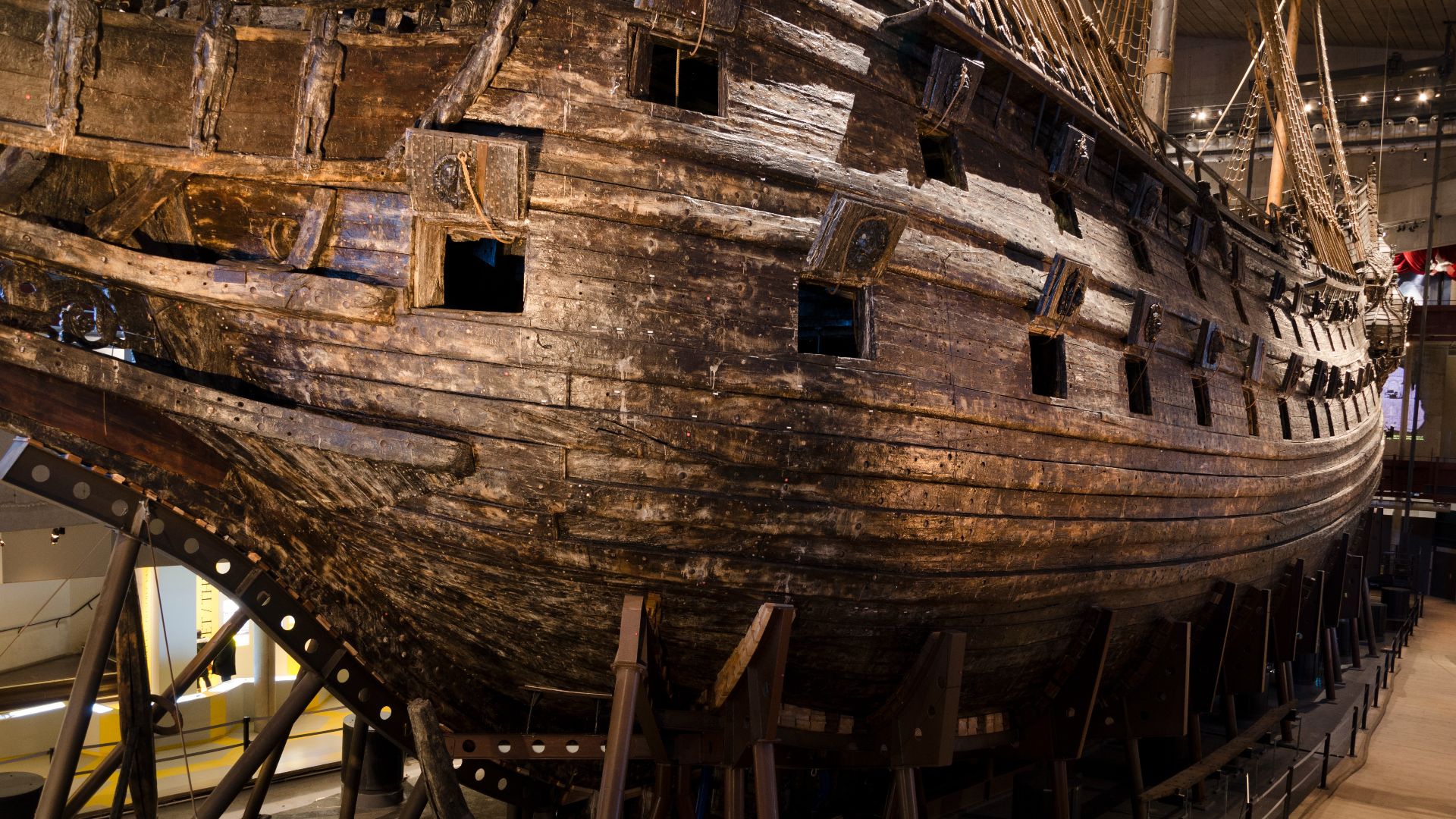
Sweden's warship the Vasa was the most powerful vessel in the Baltic when it launched in 1628 and sank less than a mile later. The crew opened the lower cannon ports for a celebratory salvo; those ports sat barely a meter above the waterline, water flooded in, and the Vasa went down in full view of the Stockholm harbor.
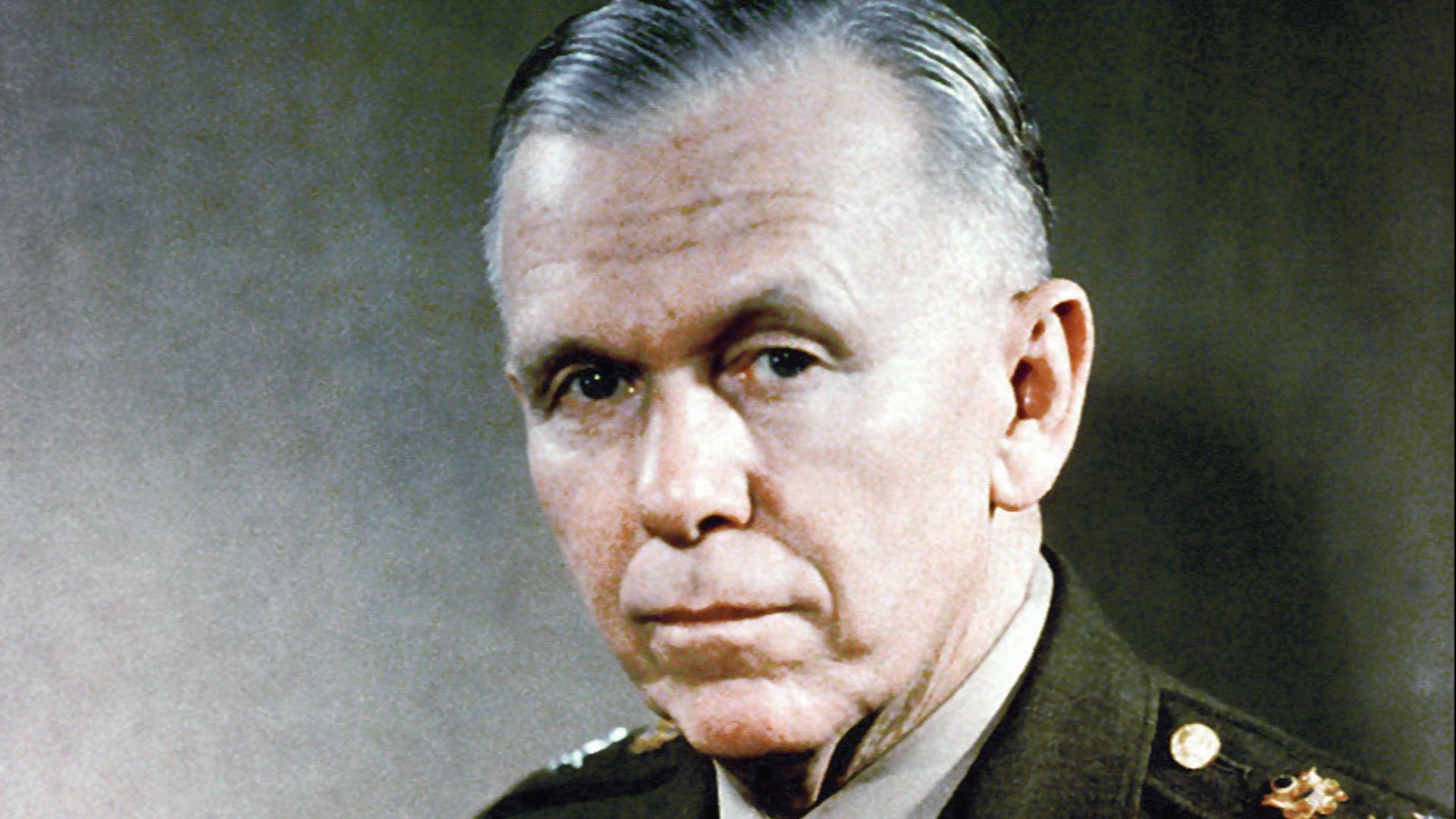
3. Napoleon Underestimated Spain
When Napoleon installed his brother on the Spanish throne in 1808, he assumed the country would comply as the rest of Europe had. Instead he got six years of civilian resistance so distinctive it gave the world the word "guerrilla," draining resources he would need in Russia.
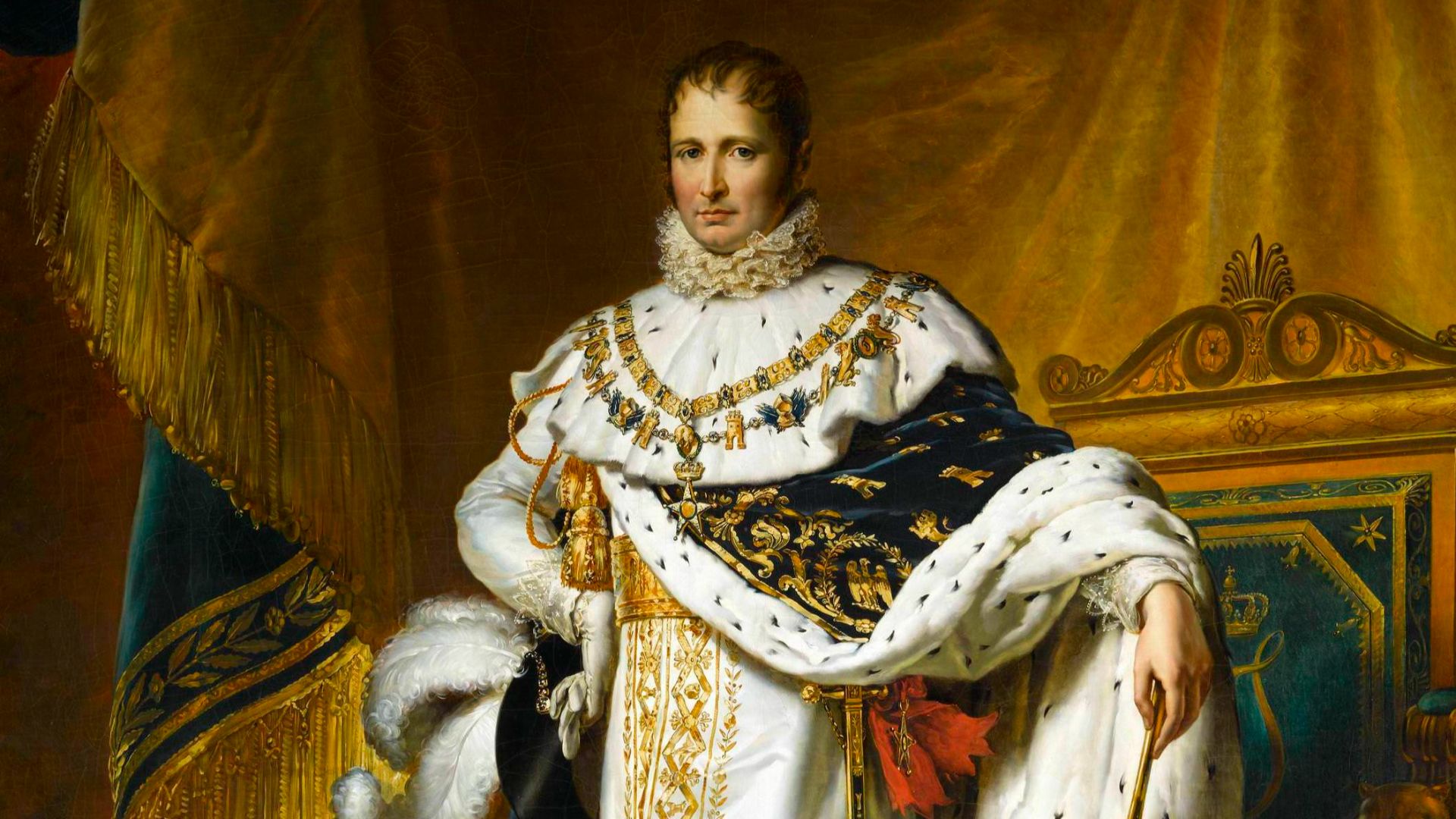
4. A Warning Went by Telegram
On December 7, 1941, cryptographers decoded a message indicating an imminent Japanese attack and General Marshall sent a warning to Pearl Harbor by commercial telegram due to radio interference. Western Union delivered it by bicycle messenger hours after the bombing had begun.
 Unknown authorUnknown author on Wikimedia
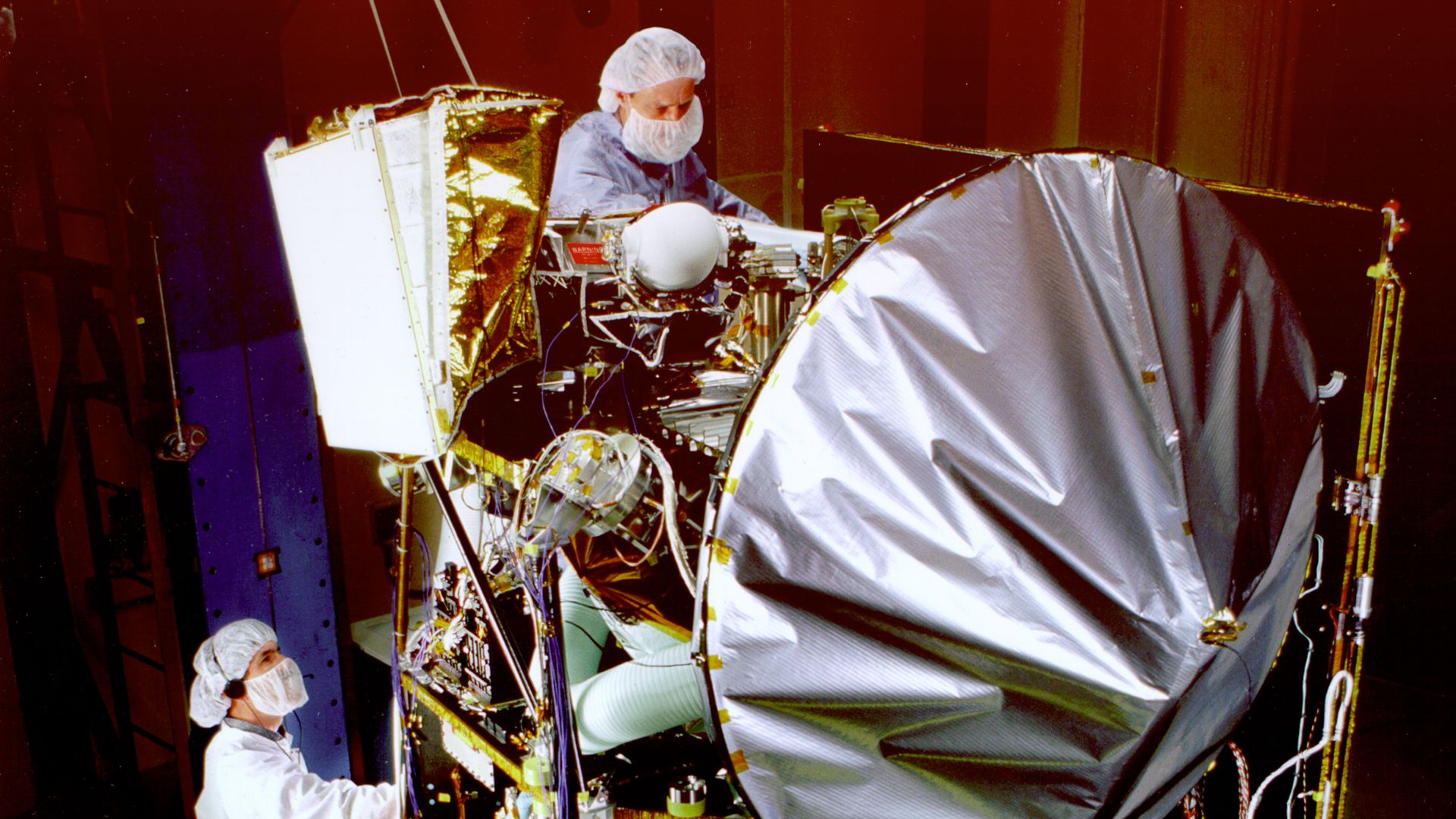
5. NASA Used Two Unit Systems
In 1999, the Mars Climate Orbiter was lost because one engineering team used metric units and another used imperial. The mismatch caused the spacecraft to enter the Martian atmosphere at the wrong angle, destroying a $327 million mission over a unit conversion.
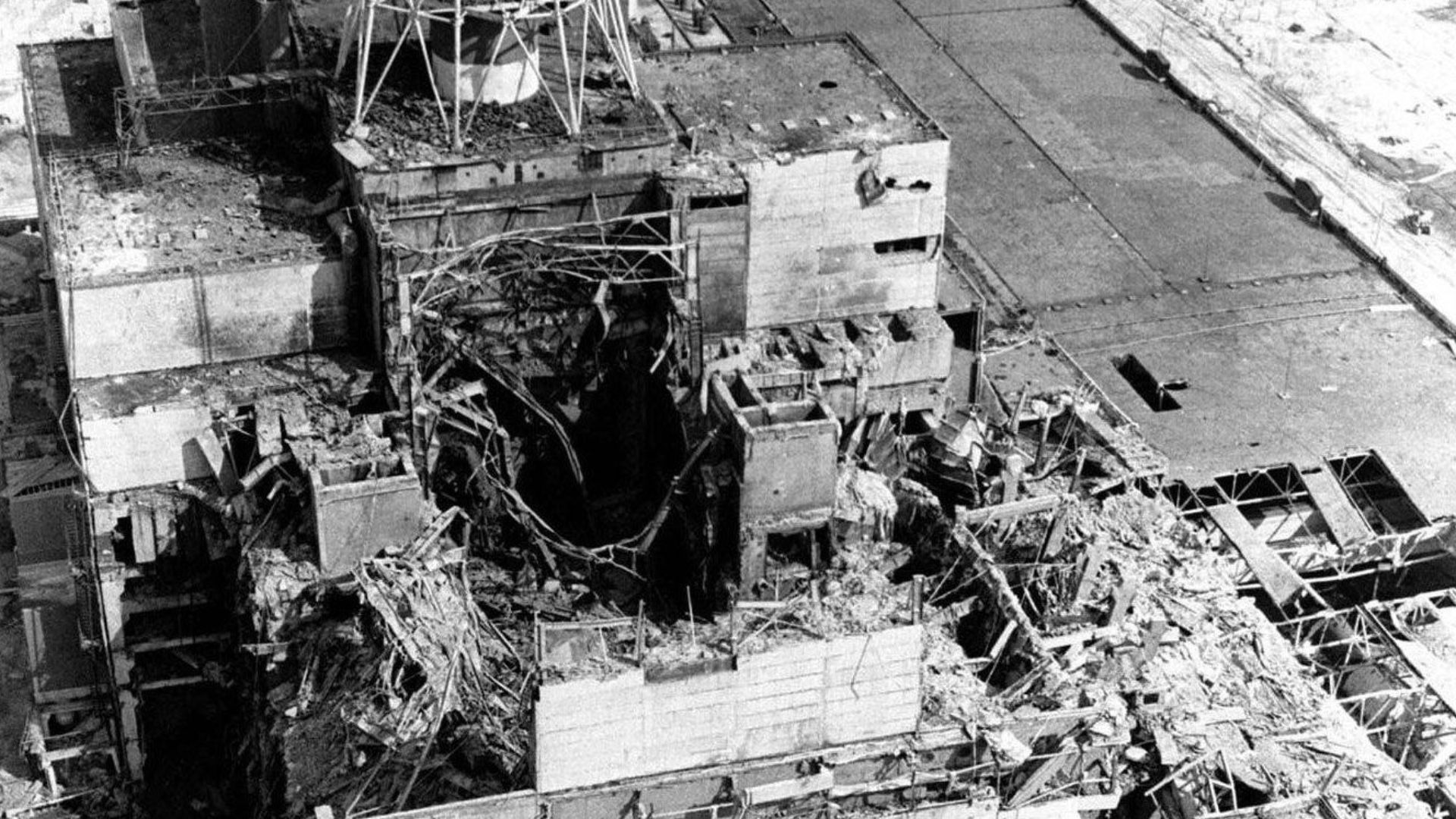
6. Chernobyl's Test Was Handed to the Night Shift
The safety test that triggered the 1986 Chernobyl disaster had been delayed nearly a full day and was handed off to a night shift crew unfamiliar with the procedure. The reactor was placed in an unstable low-power state and the test ran anyway, triggering the explosion that contaminated roughly 150,000 square kilometers of Europe.
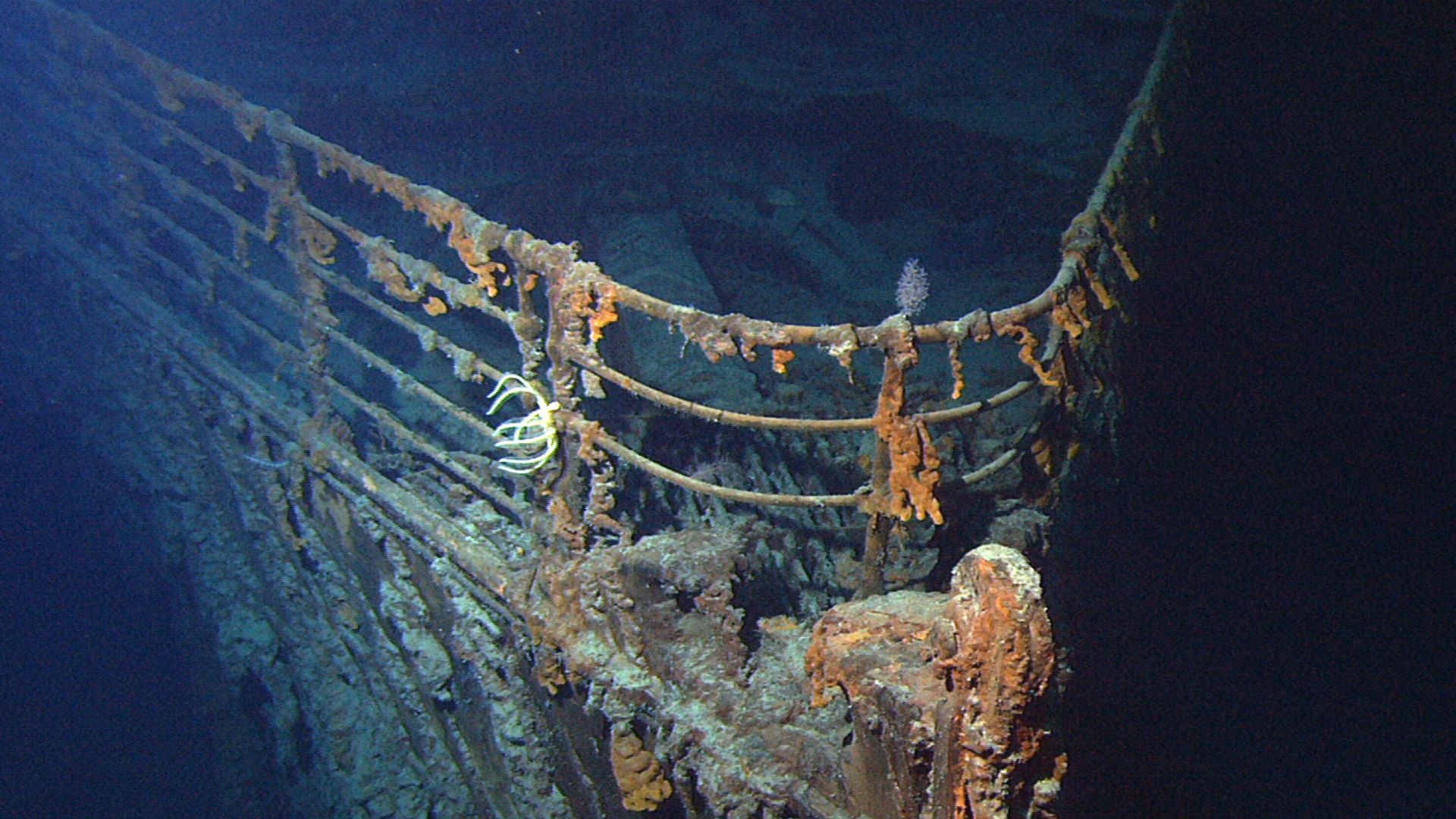
7. The Titanic Kept Its Speed
On April 14, 1912, the Titanic had received at least six ice warnings and was still traveling at nearly full speed when it struck the iceberg. The decision not to slow down was not ignorance; it was schedule pressure and overconfidence in a vessel her builders had called unsinkable.
 Courtesy of NOAA/Institute for Exploration/University of Rhode Island (NOAA/IFE/URI). on Wikimedia
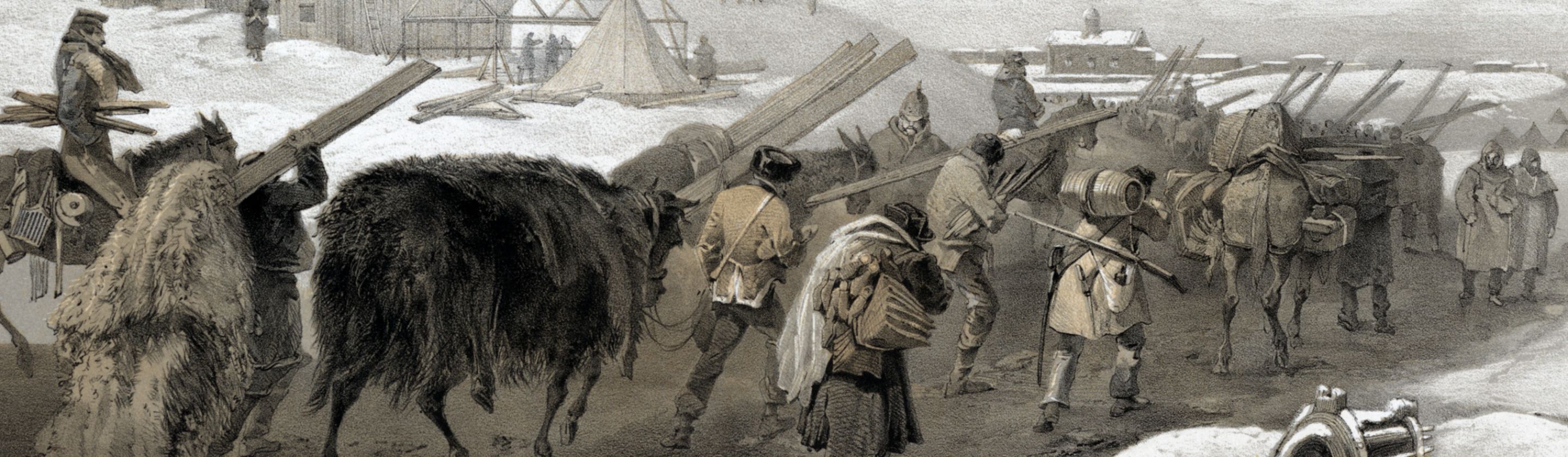
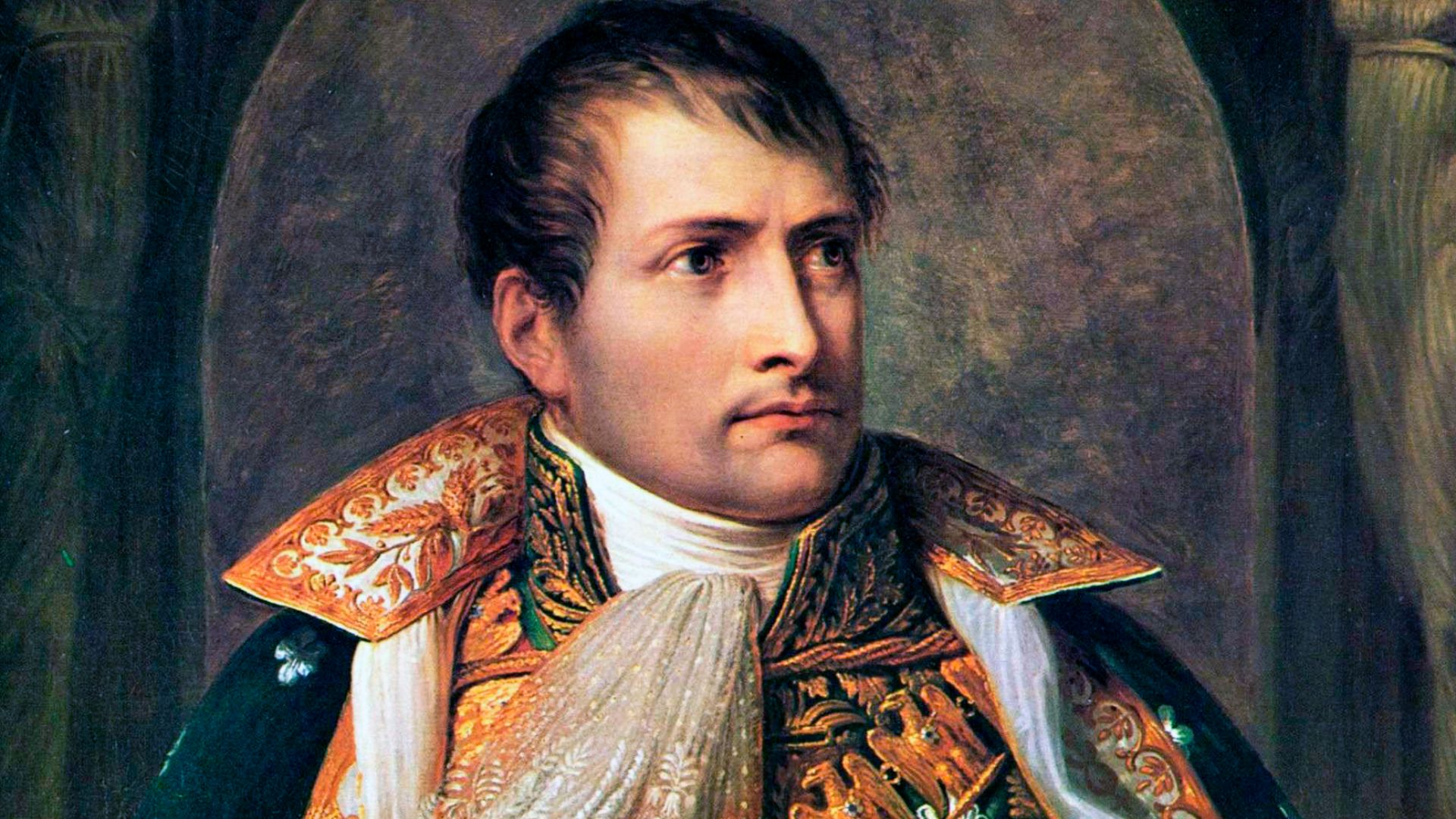
8. Napoleon Invaded Russia in June
Napoleon launched his Russian campaign in late June 1812 with almost no margin before winter, and the Russians refused to engage, retreating and burning supplies as they went. Moscow had been evacuated and set on fire; he waited five weeks for a surrender that never came, then retreated through the same frozen countryside.
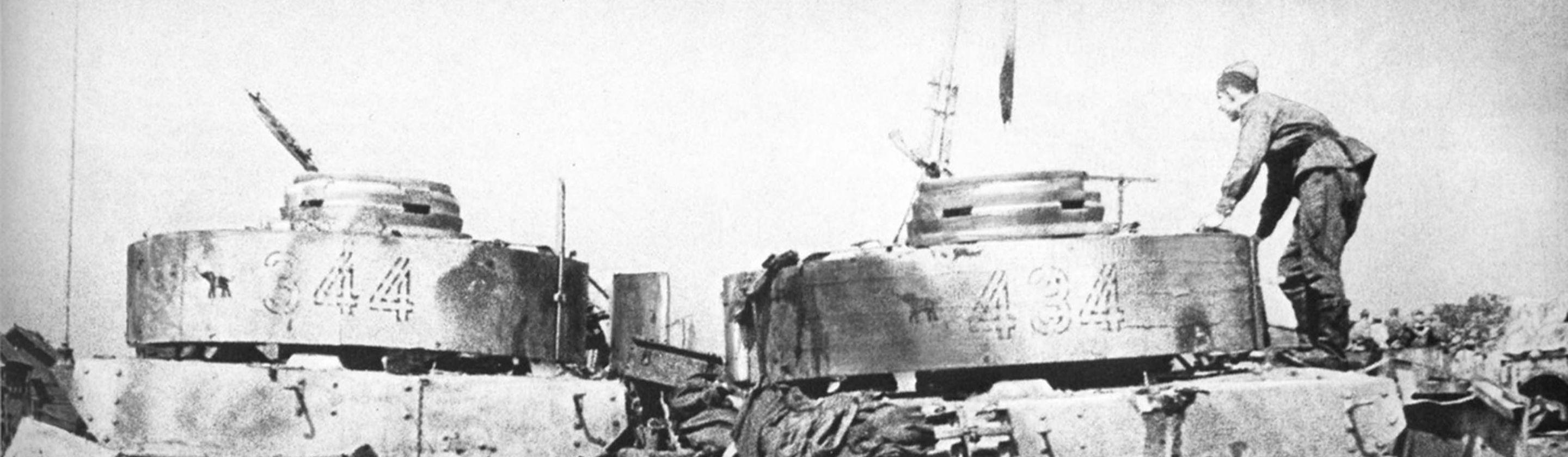
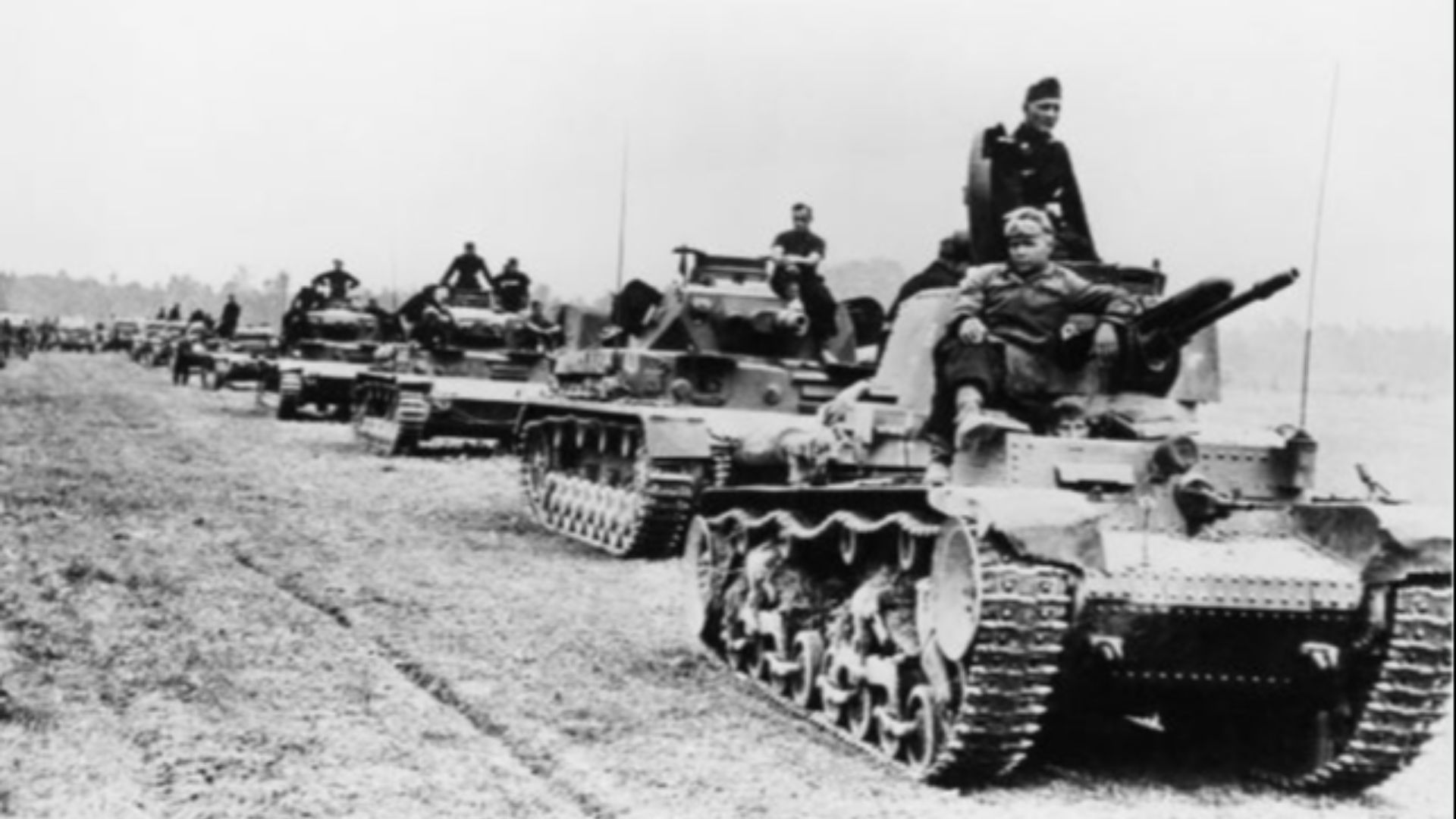
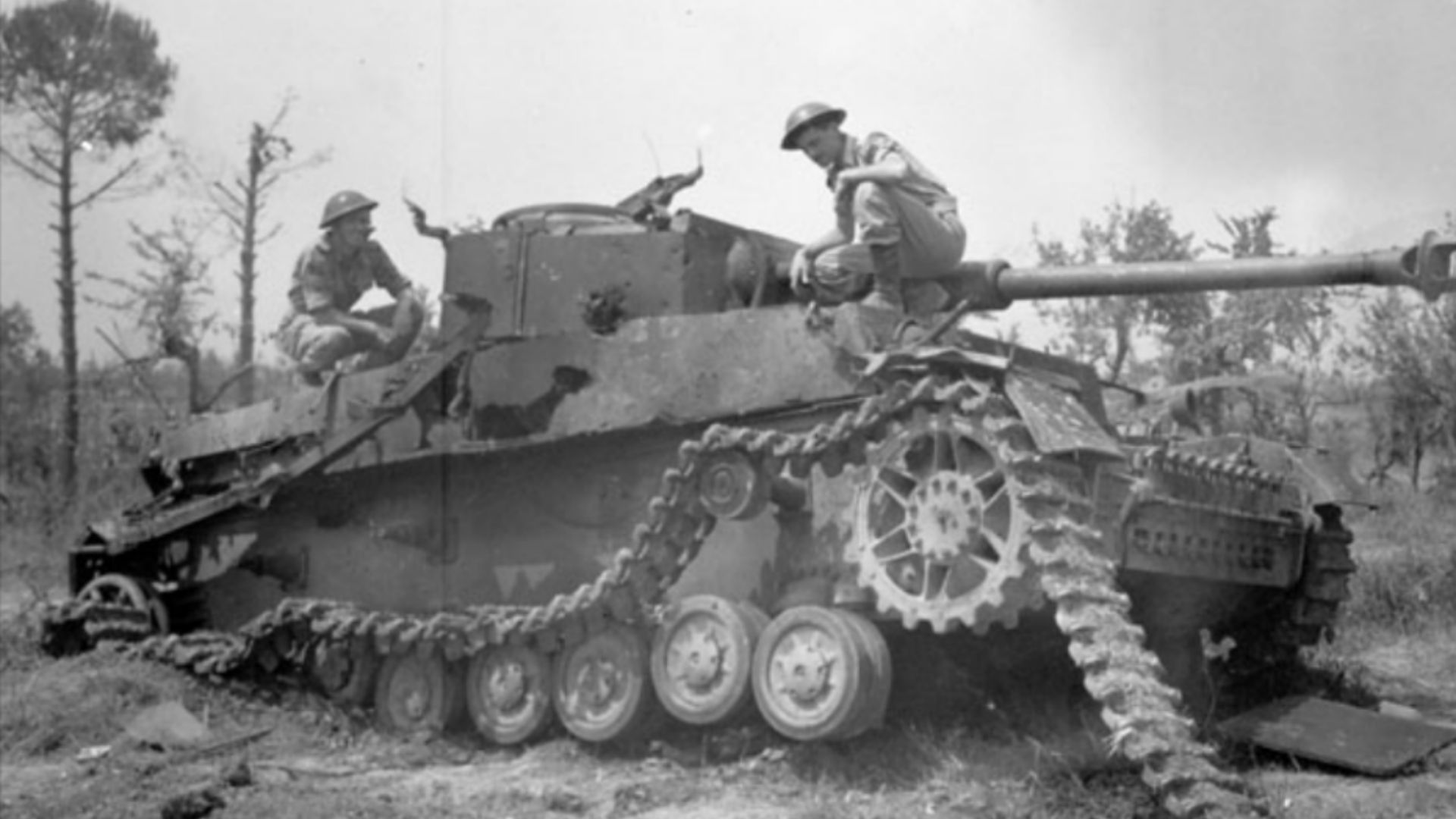
9. Hitler Halted the Panzers at Dunkirk
In late May 1940, German Panzers had the British Expeditionary Force trapped at Dunkirk when Hitler issued a three-day halt order. The pause let Britain evacuate over 330,000 Allied soldiers, the core of the army that would return to Western Europe four years later.
 Lieut. Strathy E.E. Smith / Canada. Dept. of National Defence on Wikimedia
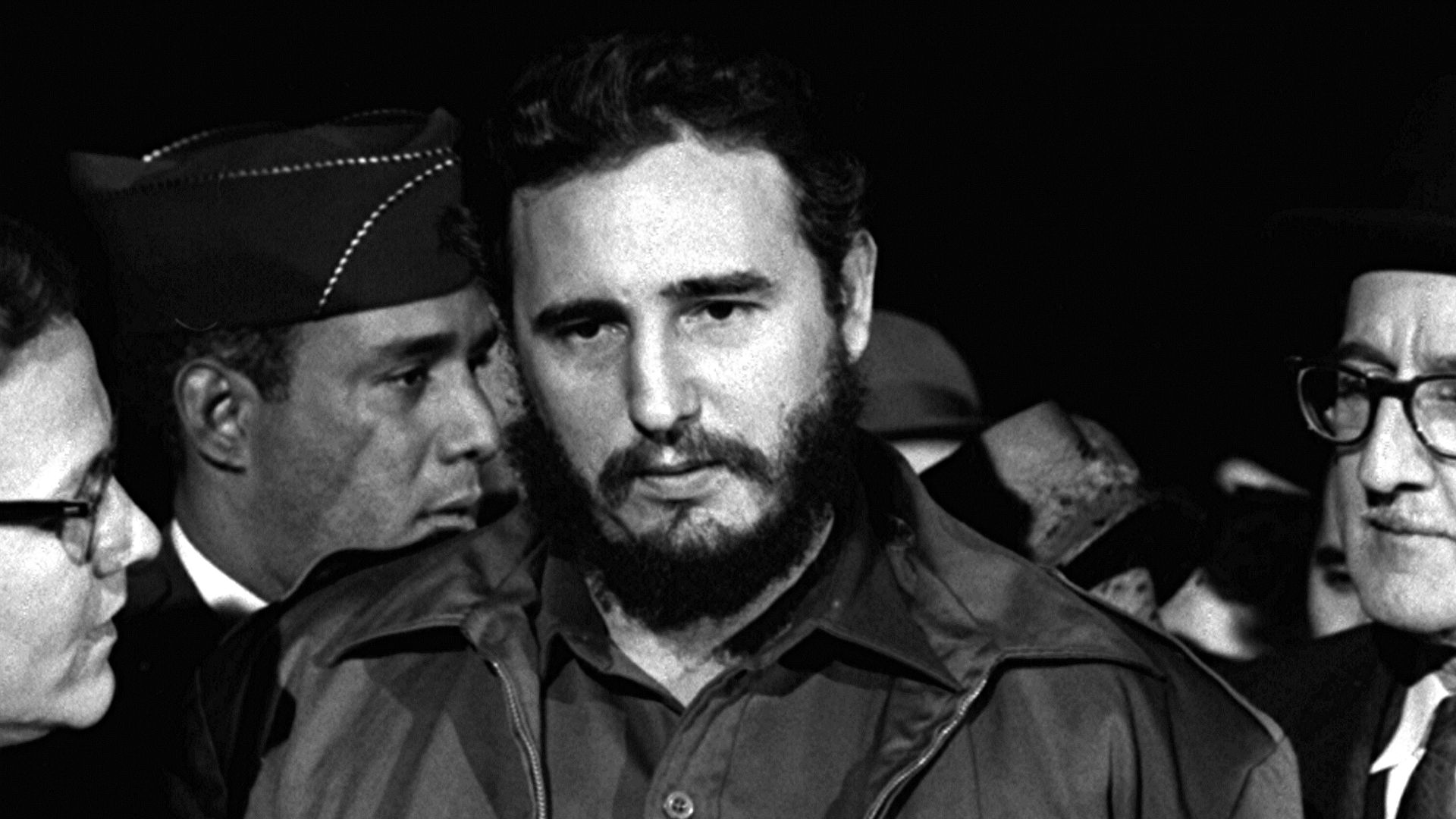
10. Kennedy Canceled the Air Strikes
The Bay of Pigs failed largely because Kennedy canceled air strikes meant to destroy Castro's remaining air force the night before the landing, hoping to preserve plausible deniability. Castro's planes sank two supply ships and pinned the exile brigade on the beach, and the operation collapsed in three days.
KEEP ON READING