
10 Things We Know About the First Thanksgiving & 10 That Remain a Mystery
An Incomplete Picture of an American Tradition
Considering how often the story of the first Thanksgiving is told in American classrooms, you'd think historians would have a pretty good understanding of what took place in 1621. However, remarkably few written records of the gathering have survived, leaving plenty of room for speculation about everything from the food people ate to the conversations they had. Although some details have been established with reasonable certainty, others may never come to light. Here are 10 things we know about the first Thanksgiving and 10 that remain a mystery centuries later.
1. It Was a Three-Day Celebration
While most Americans dedicate an afternoon or evening to celebrating Thanksgiving, the original gathering lasted considerably longer. Edward Winslow, an English colonist who witnessed the festivities, documented three days of feasting and entertainment involving the settlers and their Indigenous guests.
2. The Wampanoag Outnumbered the Pilgrims
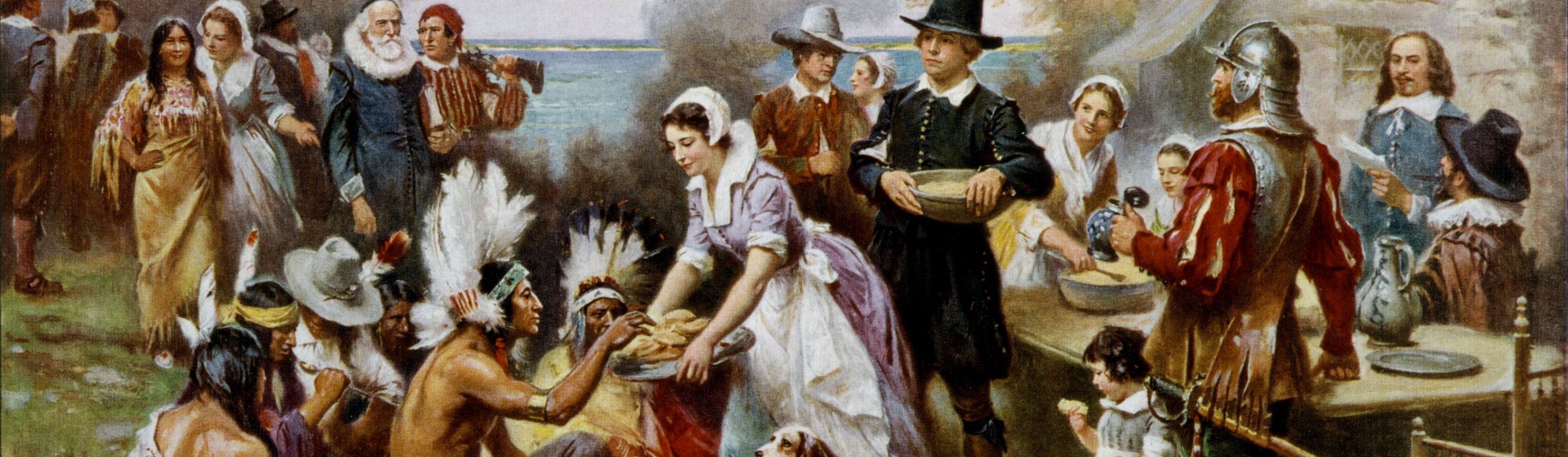
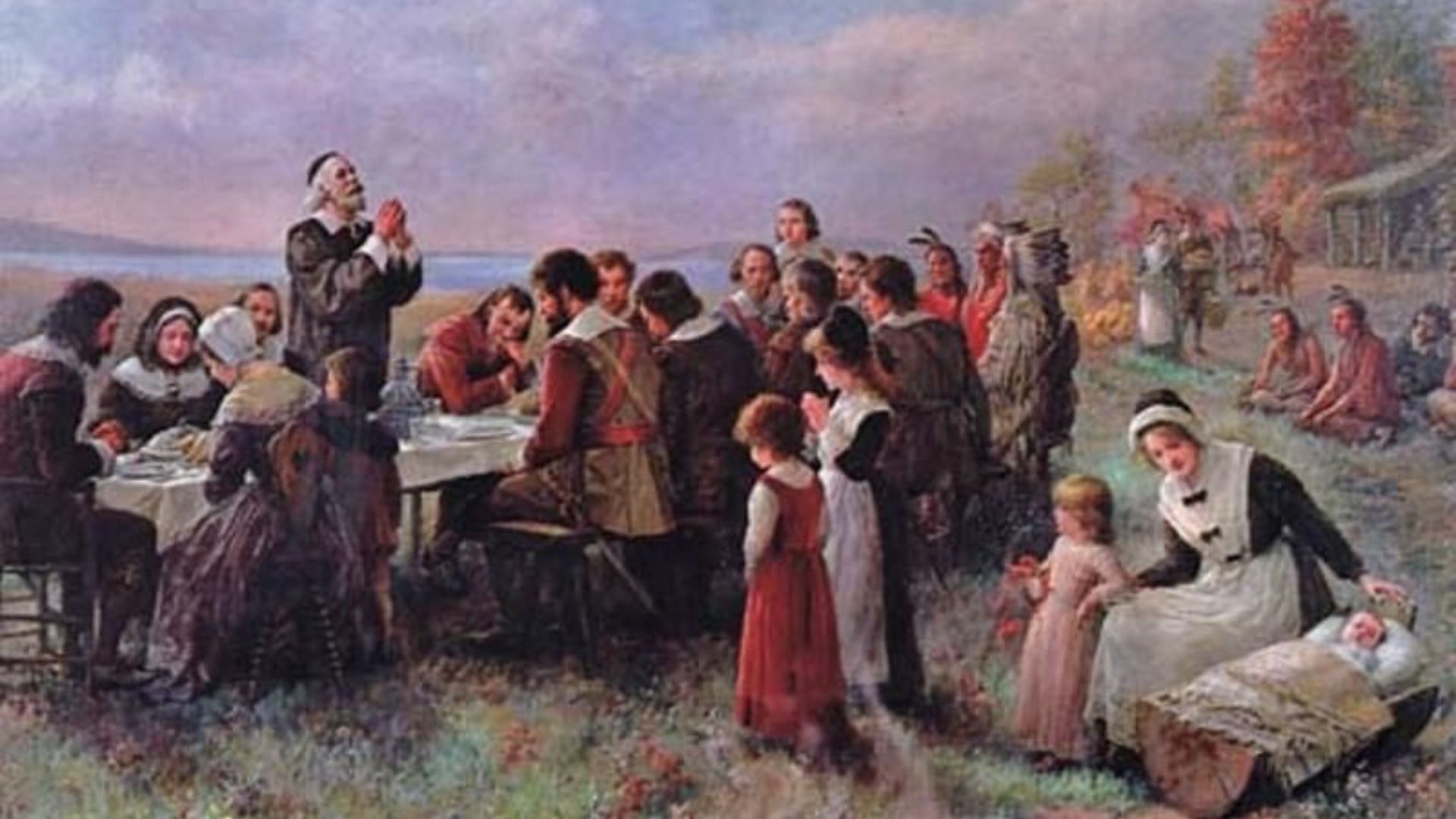
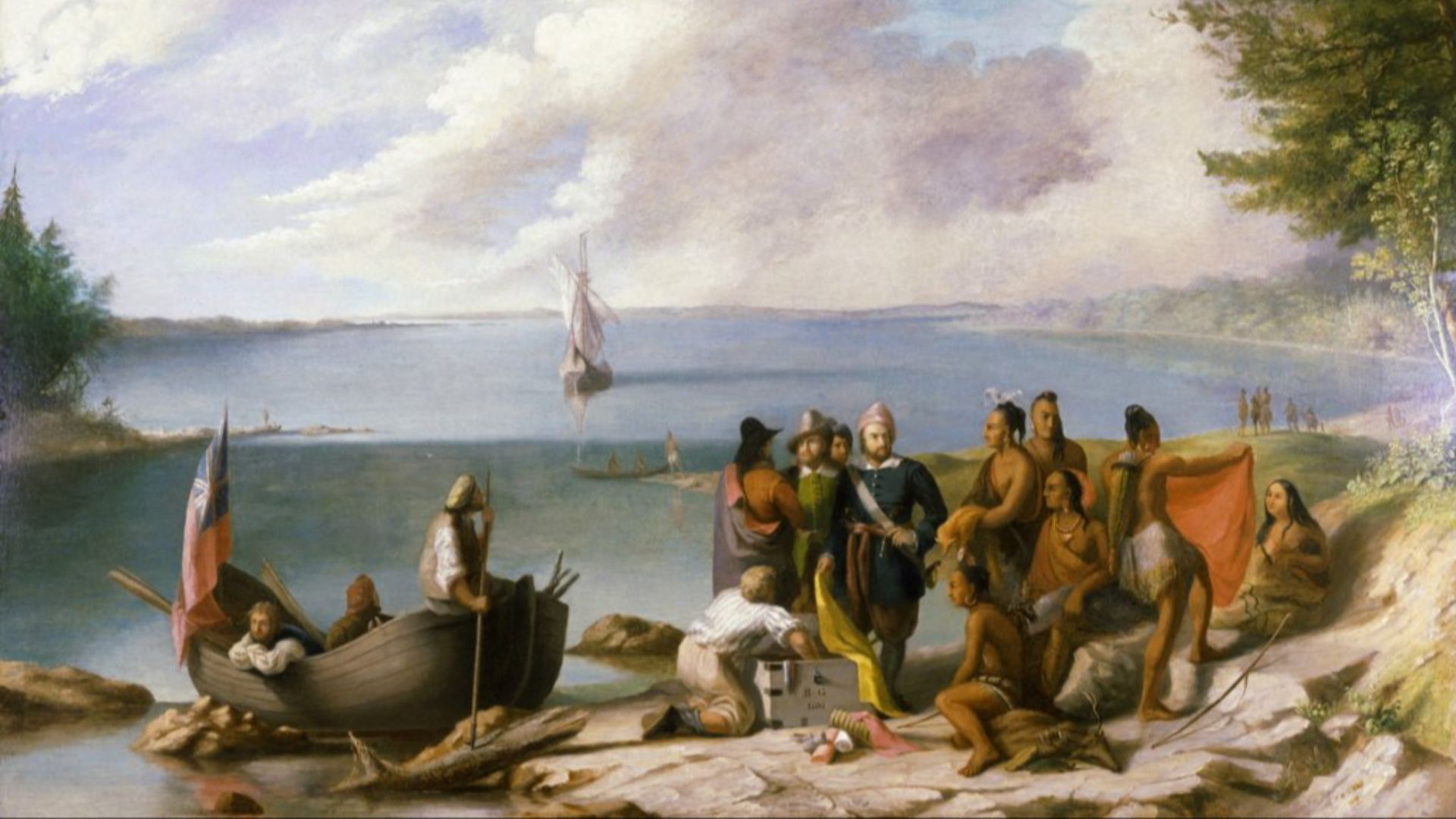
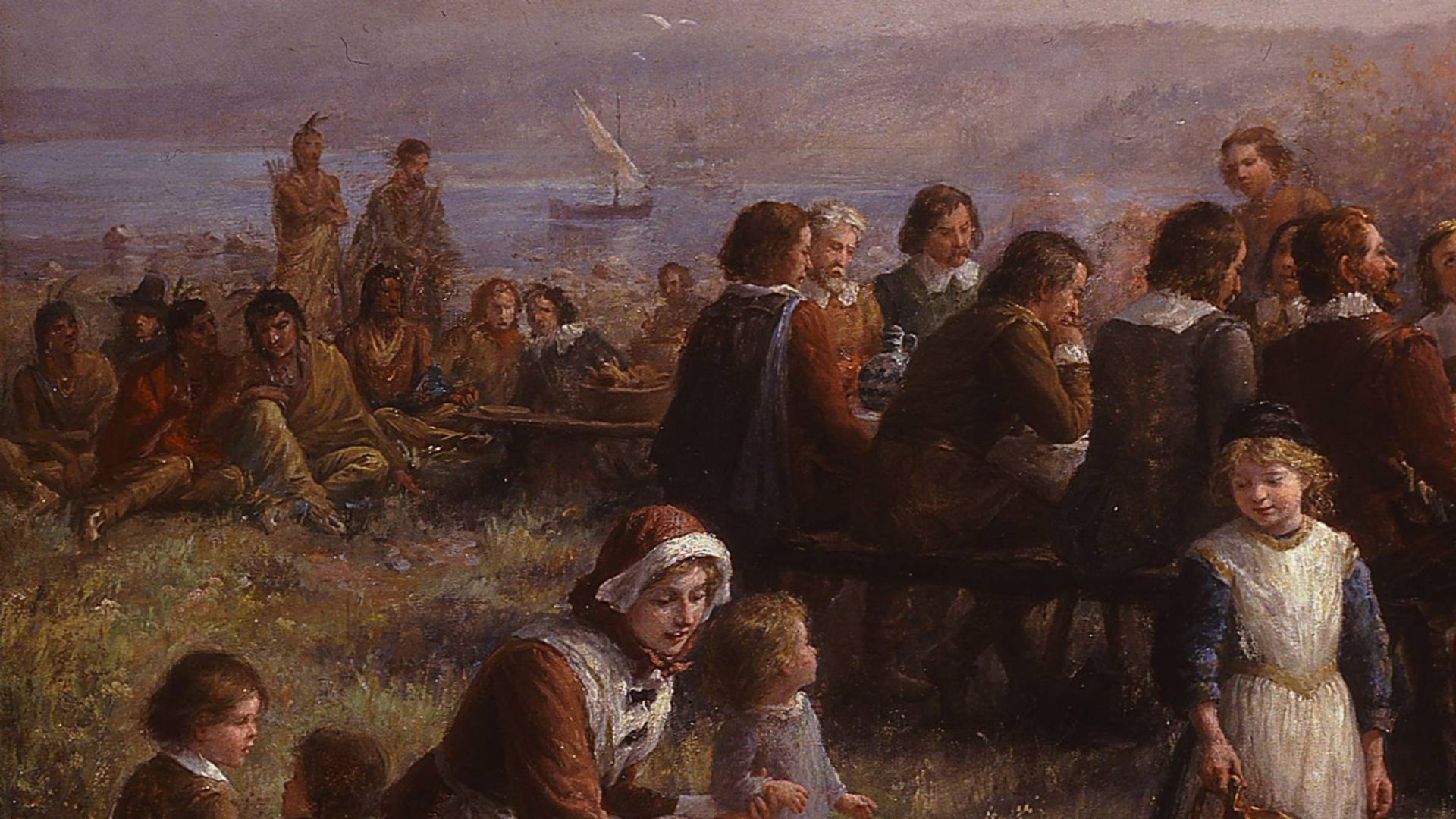
Many famous paintings of the first Thanksgiving give the impression that the English settlers made up the majority of those in attendance. In reality, approximately 90 Wampanoag men joined the Plymouth Colony with only around 50 surviving Mayflower passengers. There were many more Indigenous people at the gathering than many historical illustrations would have you believe.
 William Allen Wall on Wikimedia
3. Venison Was on the Menu
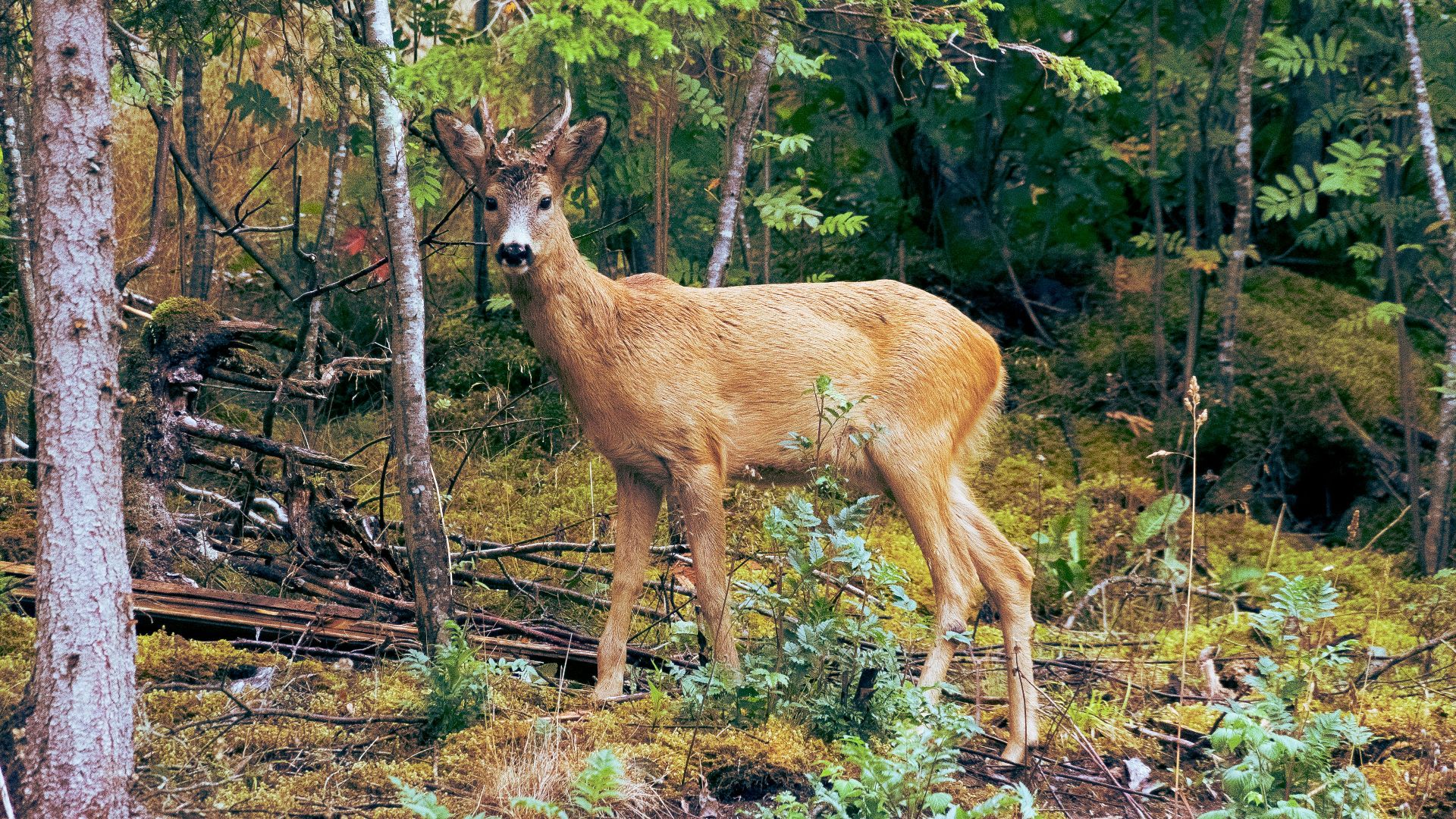
Of all the meats that might've been served at the first Thanksgiving, venison is one of the few we can confidently say was available. Winslow recorded that the Wampanoag hunted five deer, which they presented to the English leaders. Given the sheer number of people who needed to be fed, this was a particularly valuable contribution to the festivities.
4. It Celebrated a Successful Harvest
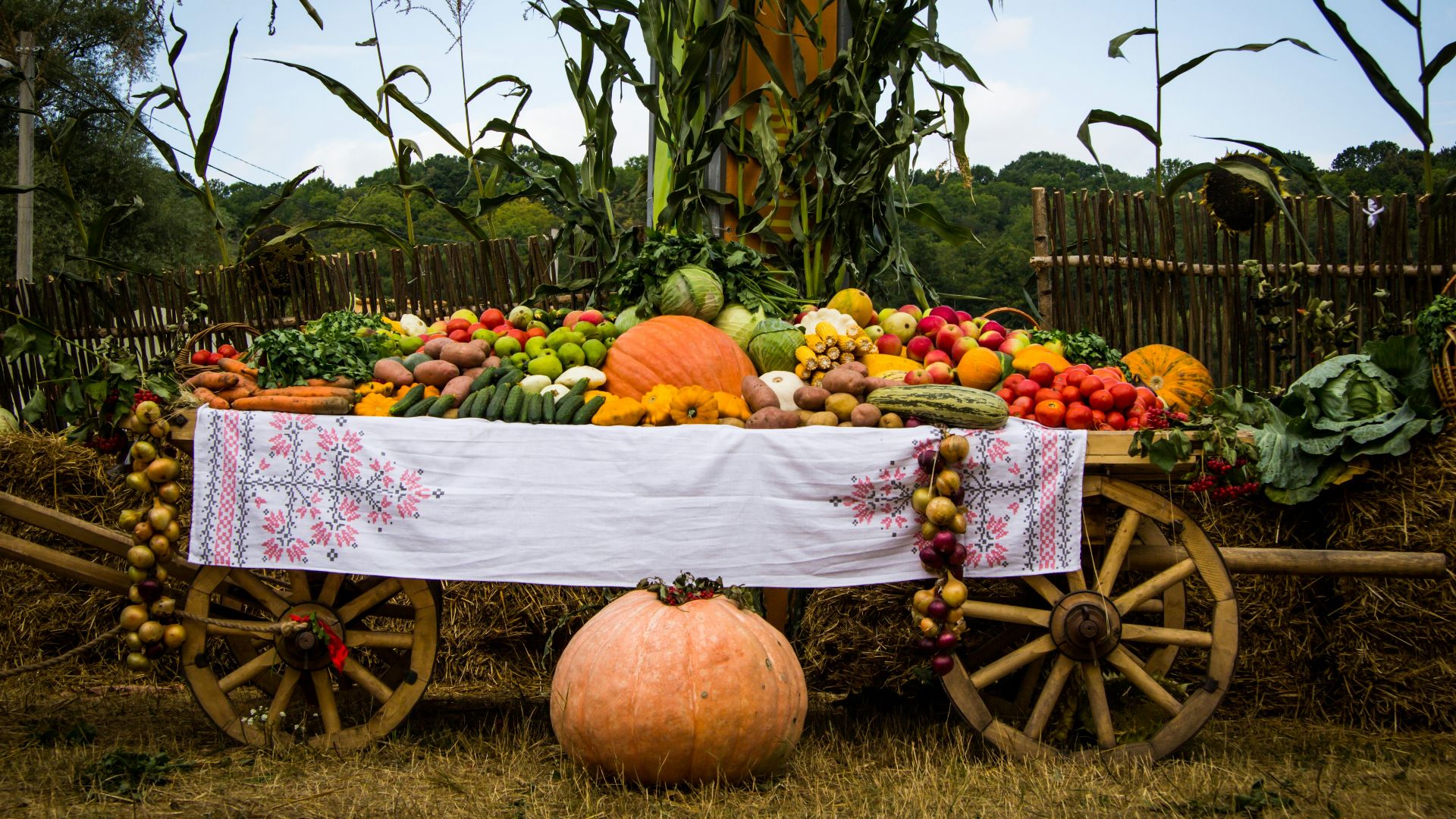
After enduring an exceptionally difficult first winter in North America, the surviving English settlers had good reason to celebrate their agricultural accomplishments. The gathering took place following their first successful harvest at Plymouth in 1621. Having enough food to hold a three-day feast was especially meaningful for a community that had previously experienced severe shortages.
5. Ousamequin Was in Attendance
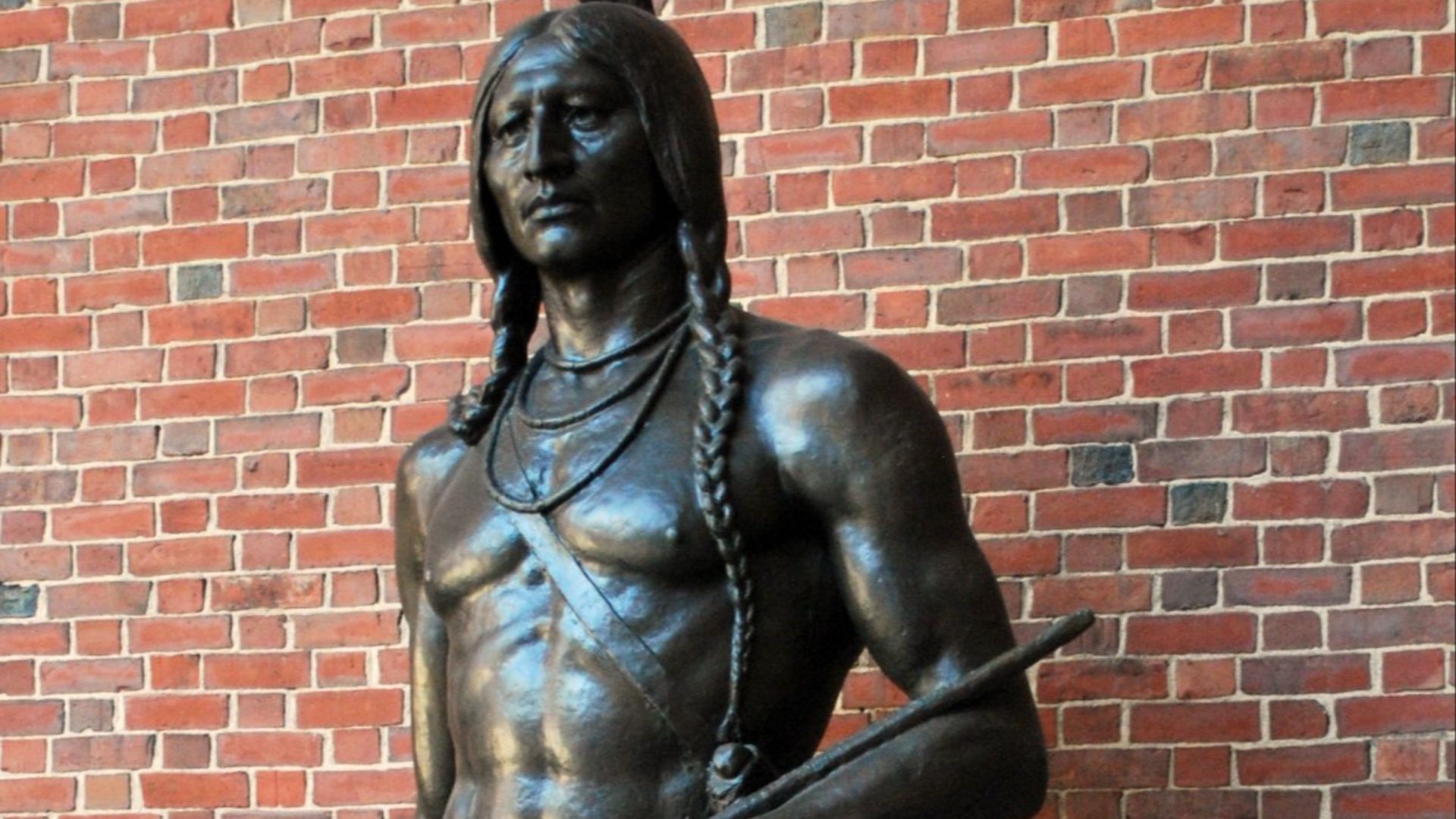
Often referred to in English historical accounts as Massasoit, Ousamequin was an influential Wampanoag leader who attended the celebration. Earlier that year, he'd established an agreement of mutual protection with the English settlers. His participation suggests that the occasion carried political and diplomatic significance beyond simply celebrating a successful harvest.
6. Four Men Were Sent to Hunt Birds
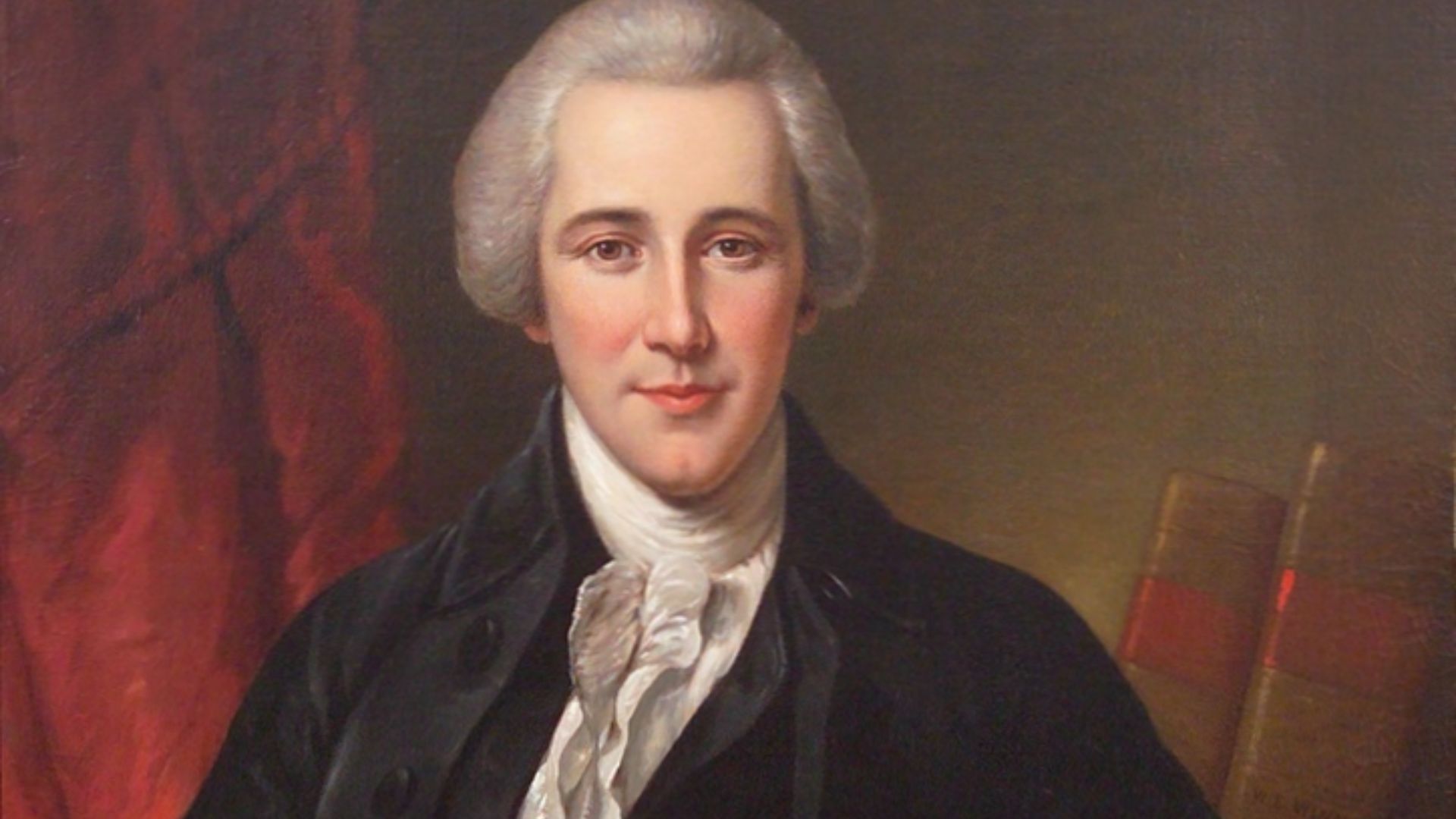
As part of the preparations for the harvest celebration, Plymouth Governor William Bradford organized a hunting expedition. Four colonists were sent to hunt wild birds, returning with enough meat to help feed the English community for nearly a week. Unfortunately, Winslow never specified which species of birds they'd brought back.
 William E. Winner (died 1883) on Wikimedia
7. There Were Activities Beyond Eating
The original Thanksgiving wasn't simply an extended dinner party, as Winslow also mentioned recreational activities involving the English settlers. Among the documented festivities was a demonstration involving their firearms. Although such displays weren't unusual at public celebrations in 17th-century England, they may have held additional significance given the circumstances in Plymouth.
8. It Took Place on Former Patuxet Land
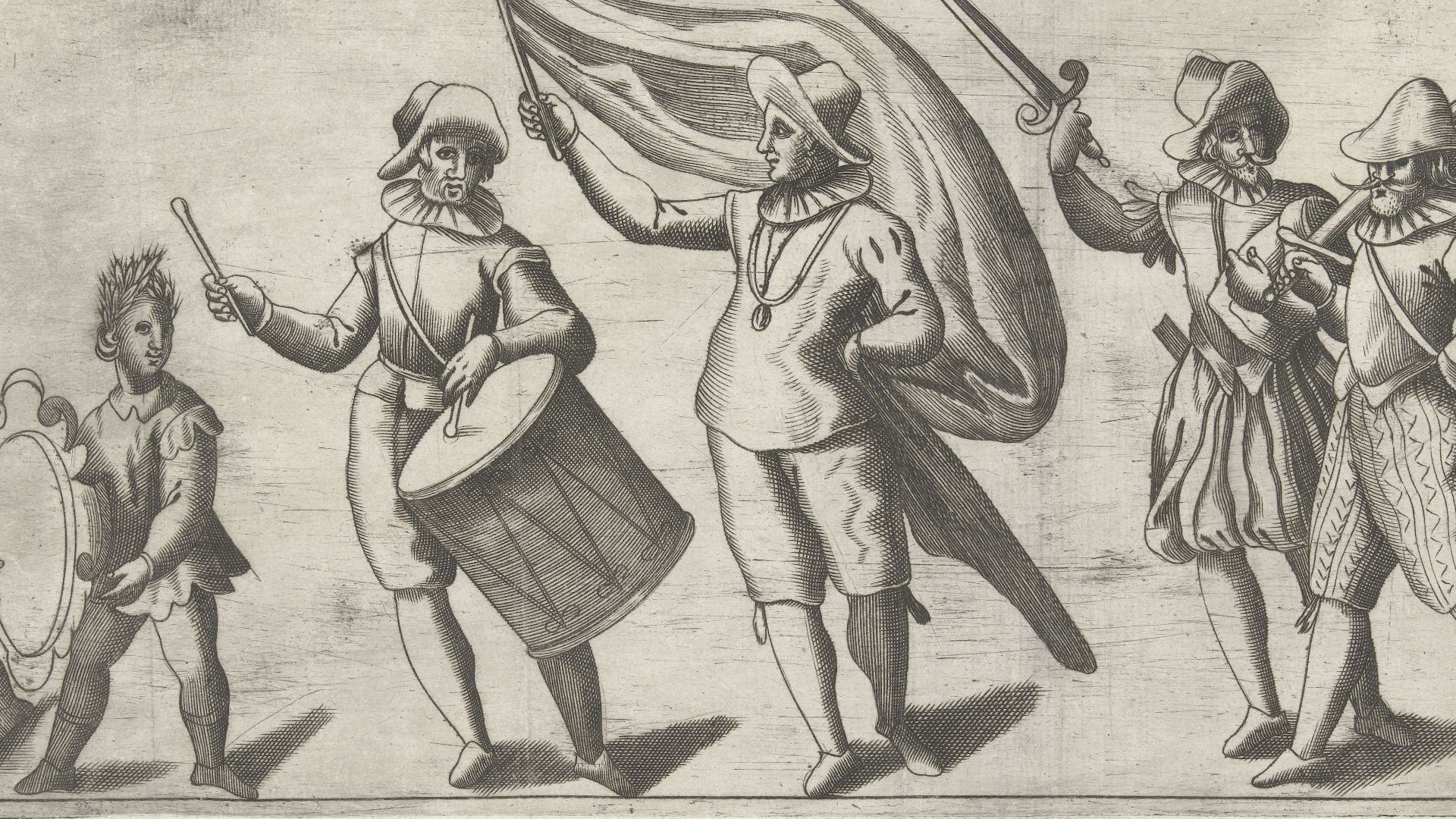
Long before Plymouth became an English colony, the area was home to an Indigenous community known as Patuxet. A devastating epidemic had killed much of the local population before the Mayflower arrived in 1620. The famous harvest celebration therefore took place on land that Indigenous people had already inhabited and cultivated for generations.
9. Giving Thanks Was Already an Indigenous Tradition
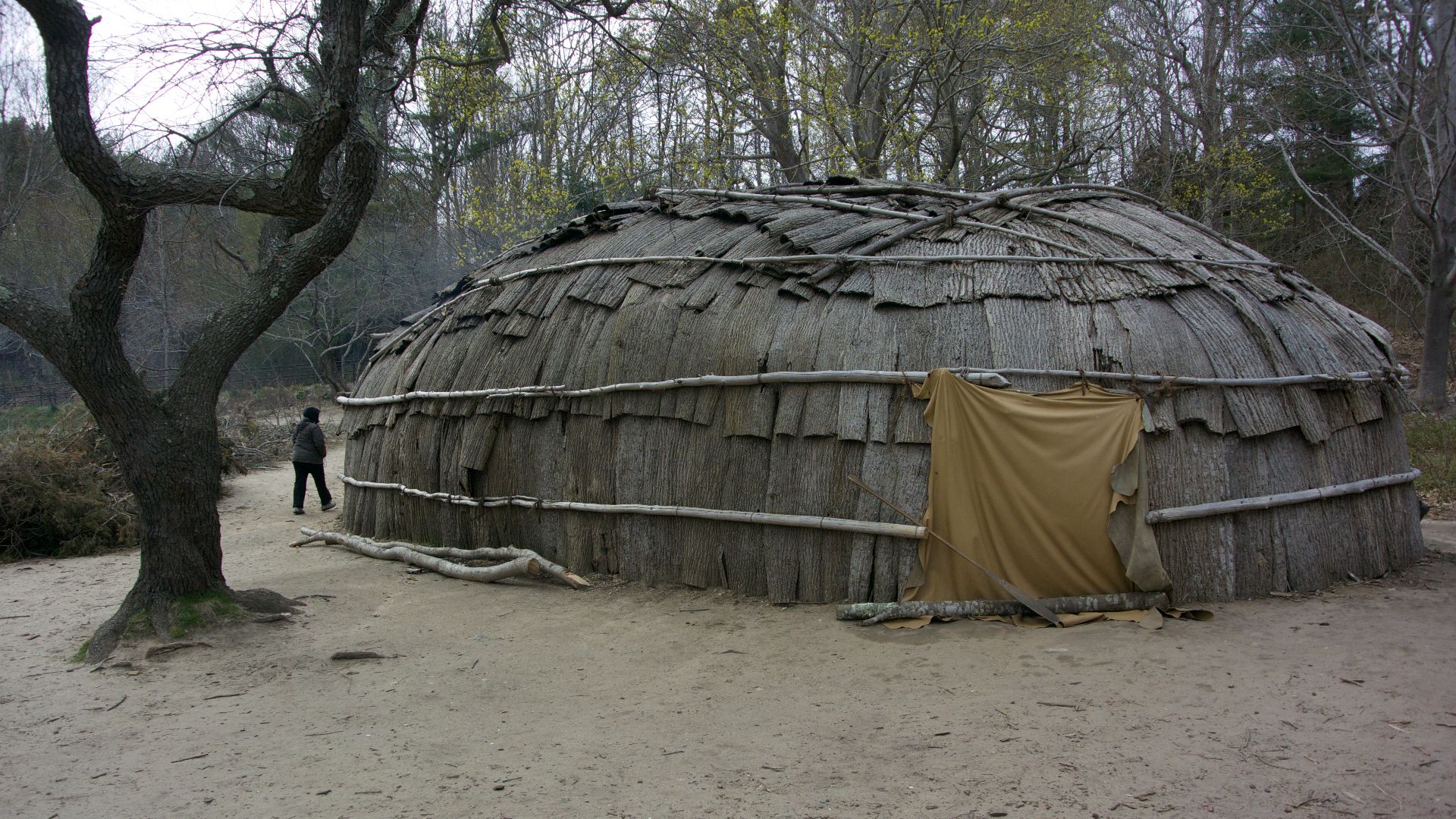
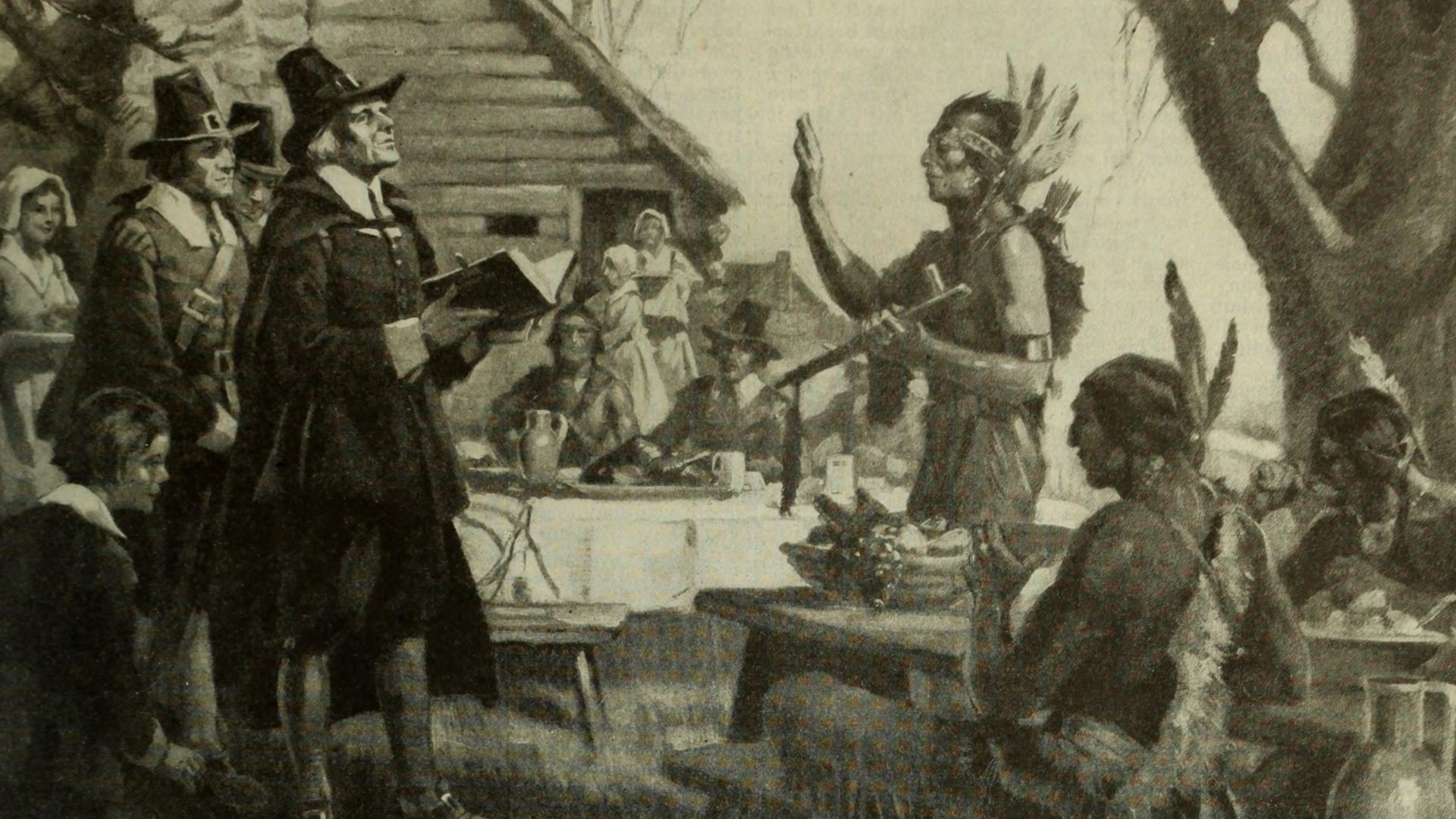
The Pilgrims weren't the ones who introduced the practice of expressing gratitude for a successful harvest to North America. Indigenous communities, including the Wampanoag, had their own longstanding traditions of giving thanks for seasonal foods and natural resources. These customs existed long before the English settlers arrived and continued independently of the American holiday that eventually developed.
 Internet Archive Book Images on Wikimedia
10. It Wasn't Originally Called the First Thanksgiving
Neither of the two surviving English accounts refers to the 1621 celebration as the First Thanksgiving. The settlers also made a distinction between festive harvest celebrations and formal religious days of thanksgiving, which were generally more solemn occasions. It wasn't until centuries later, particularly during the 19th century, that the gathering became widely recognized as the inspiration for the American holiday.
Now that we've discussed the details we know for sure about the original gathering, here are 10 things historians still can't say with certainty about the first Thanksgiving.
1. The Exact Dates of the Celebration
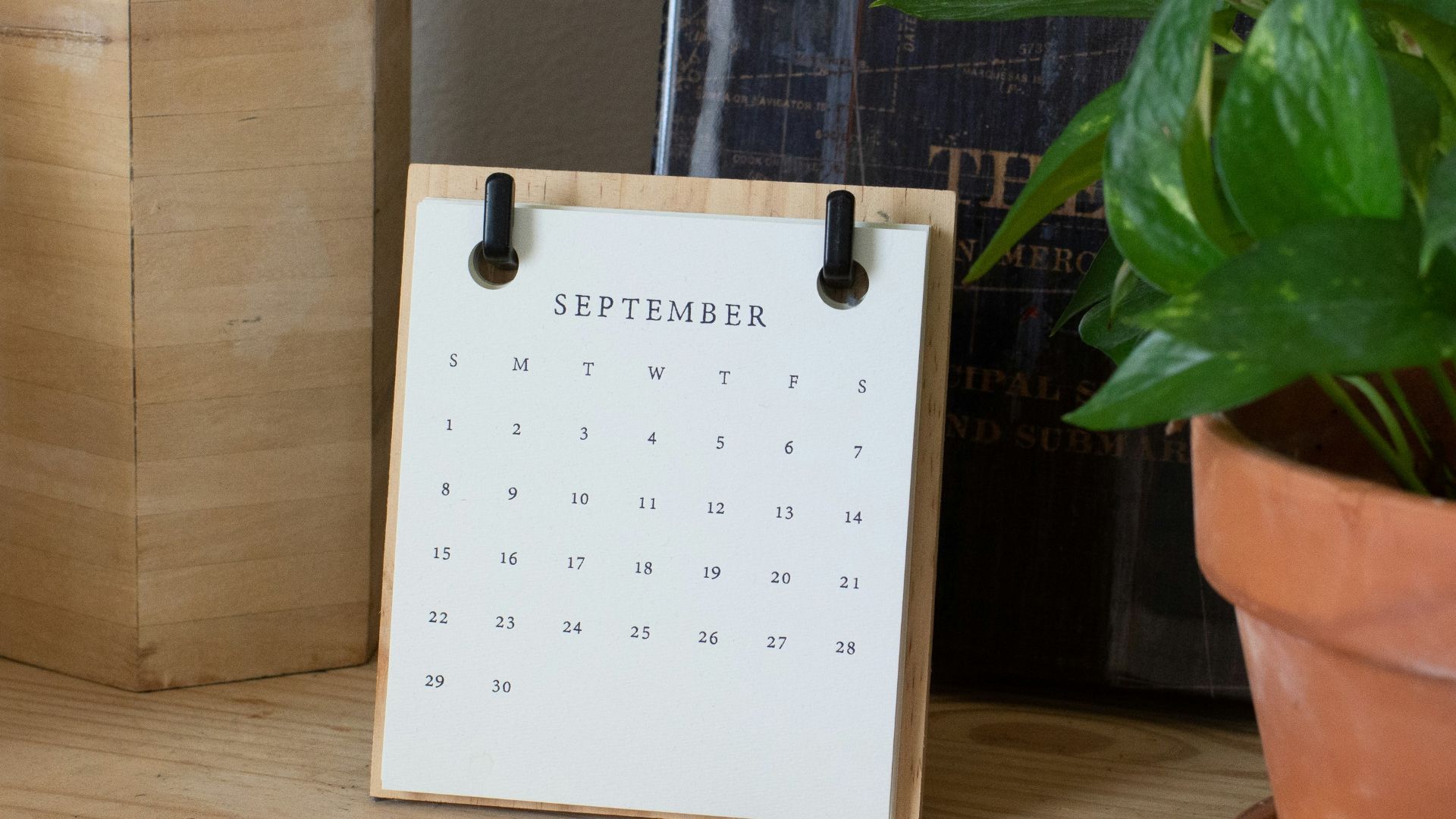
There's no particular day on the calendar that historians can confidently identify as the anniversary of the original Thanksgiving. Based on surviving records and the timing of the harvest, researchers generally place the gathering between September 21 and November 9, 1621. Whether those in attendance enjoyed relatively pleasant autumn weather or had to contend with considerably colder temperatures remains unknown.
2. Whether the Wampanoag Were Formally Invited
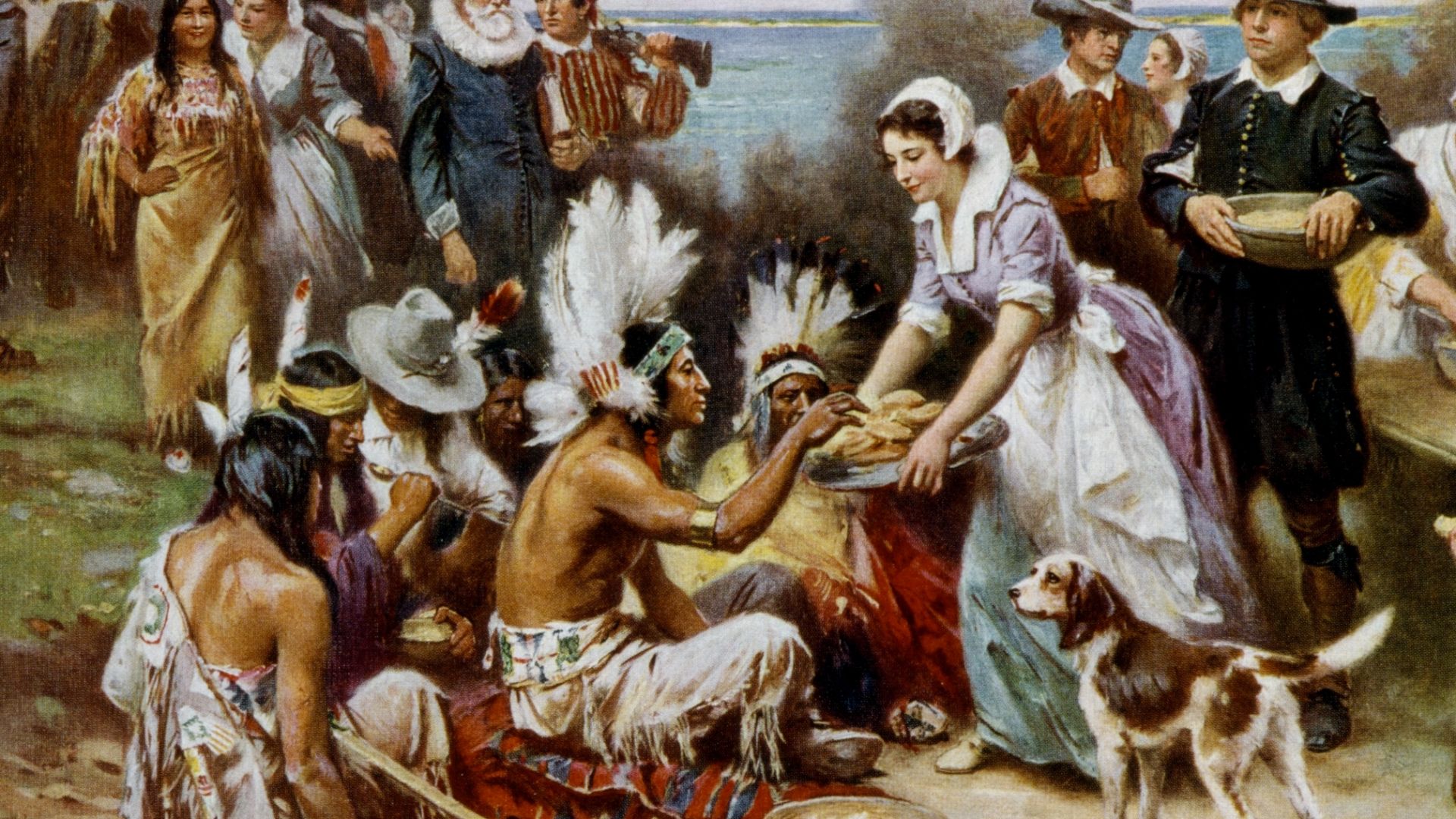
The familiar story of the Pilgrims extending a friendly dinner invitation to their Indigenous neighbors isn't explicitly supported by the surviving eyewitness account. One interpretation suggests that the Wampanoag arrived to investigate the activities taking place at the settlement, possibly after hearing gunfire. We don't know for certain whether the English were expecting them or what arrangements, if any, had been made beforehand.
 Jean Leon Gerome Ferris on Wikimedia
3. Whether Turkey Was Served
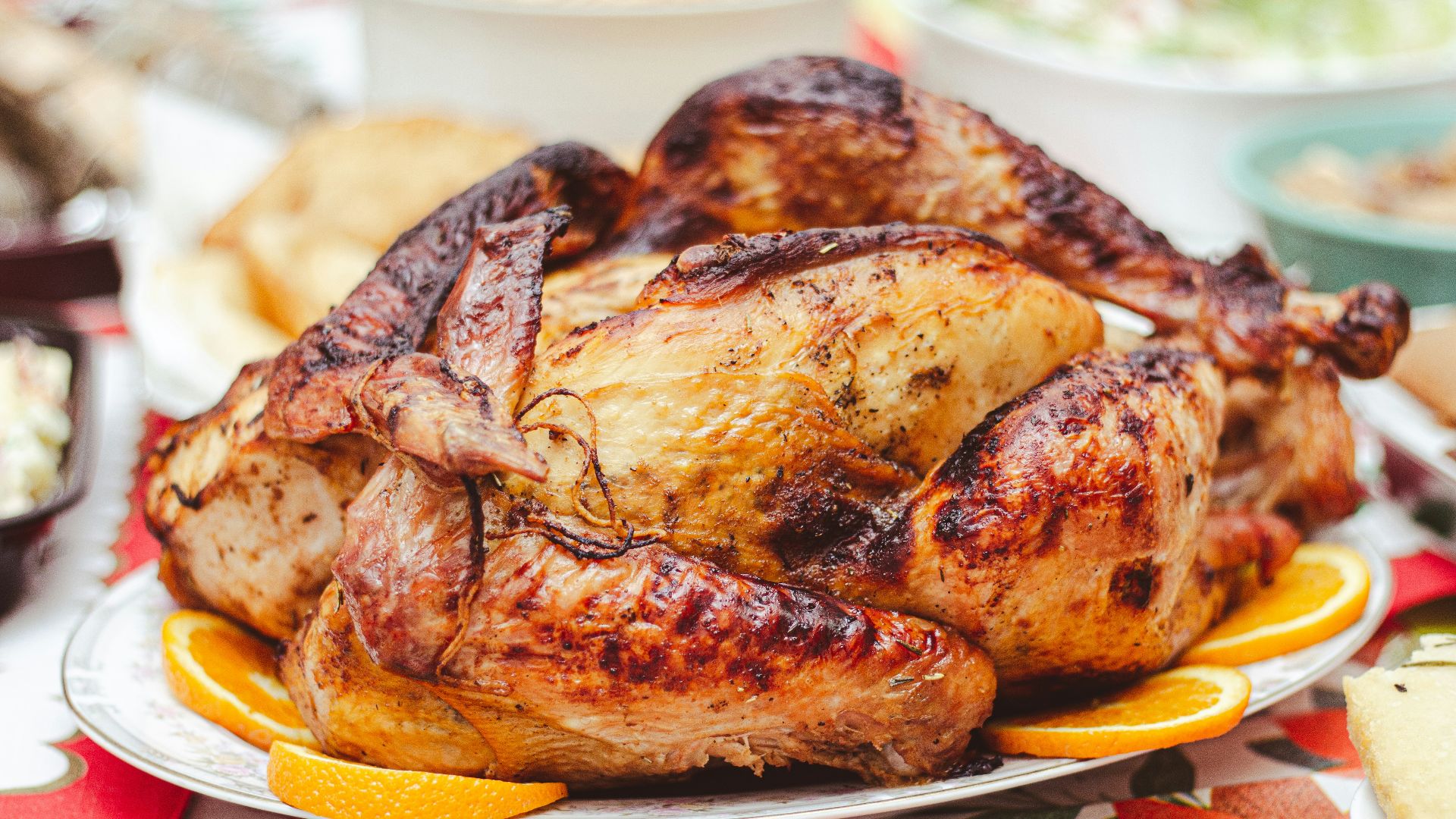
Perhaps the most amusing uncertainty surrounding the first Thanksgiving concerns the very bird that Americans now consider essential to the holiday. Bradford documented an abundance of wild turkeys in the area that autumn, so it's entirely possible that some were served at the feast. However, ducks, geese, and other wild birds were also available, and there's no definitive record of which varieties made it onto the menu.
4. Where Everyone Slept
Accommodating approximately 90 additional people for three days would've been quite an undertaking for such a small settlement. Some of the Wampanoag visitors may have put up temporary shelters or camped near the English colony. Unfortunately, no surviving eyewitness account explains where everyone slept or whether any visitors stayed inside the settlers' buildings.
5. Whether Wampanoag Women & Children Attended
Although Winslow specifically documented the presence of Ousamequin and approximately 90 men, he didn't mention any Wampanoag women or children. Just because they weren't included in his account doesn't necessarily mean they weren't there, particularly given how little attention he devoted to individual participants. The Indigenous group in attendance may have been more diverse than his brief description suggests.
 Jennie Augusta Brownscombe on Wikimedia
6. Who Was Responsible for Cooking Everything
Preparing enough food for well over 100 people would've required an enormous amount of work, especially without the convenience of modern kitchen equipment. Only four adult Mayflower women had survived the colony's first winter, so they likely received some help from other members of the community. How the cooking duties were divided among the English women, children, men, and Indigenous participants is still unclear.
7. How the Food Was Served
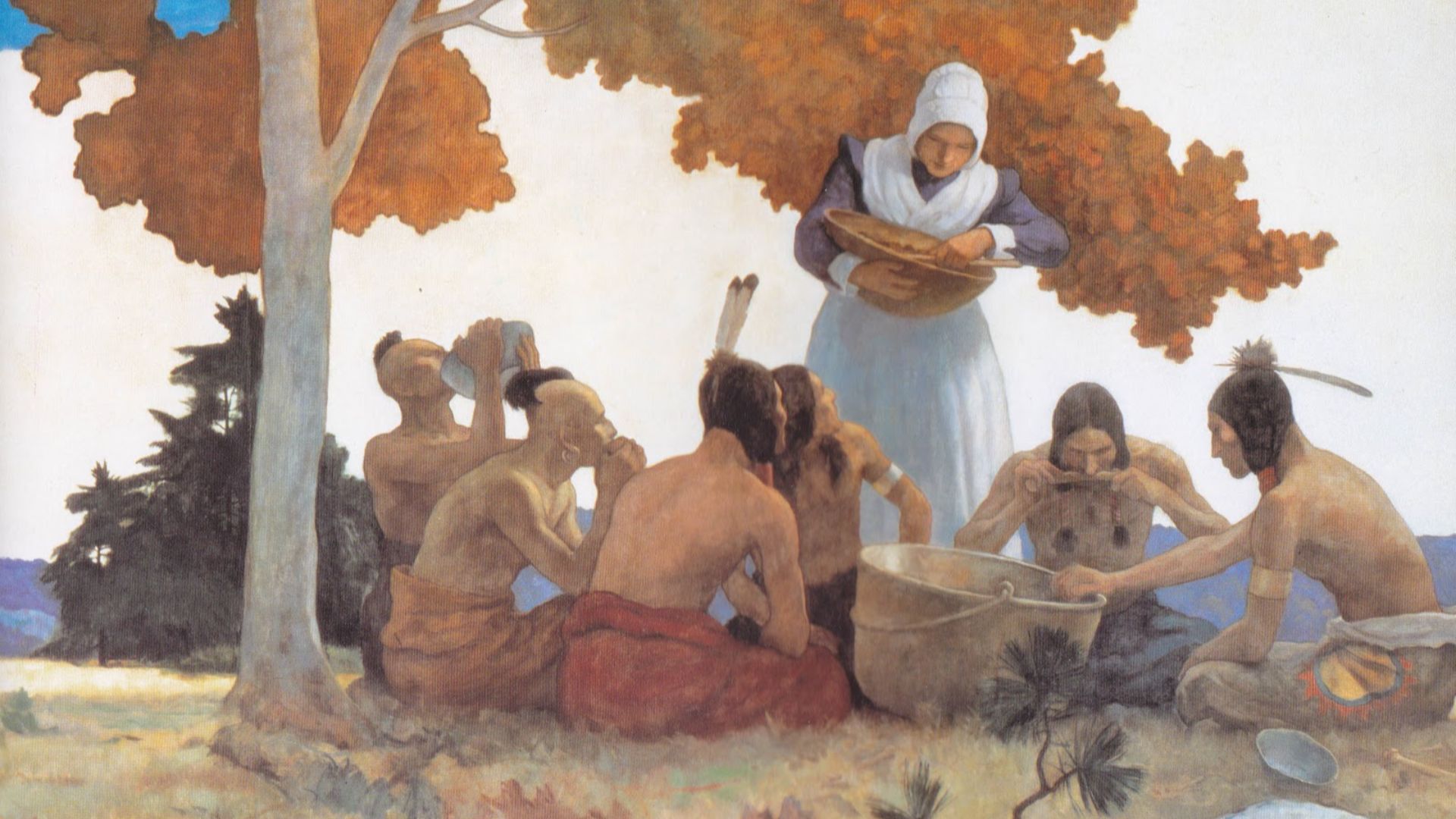
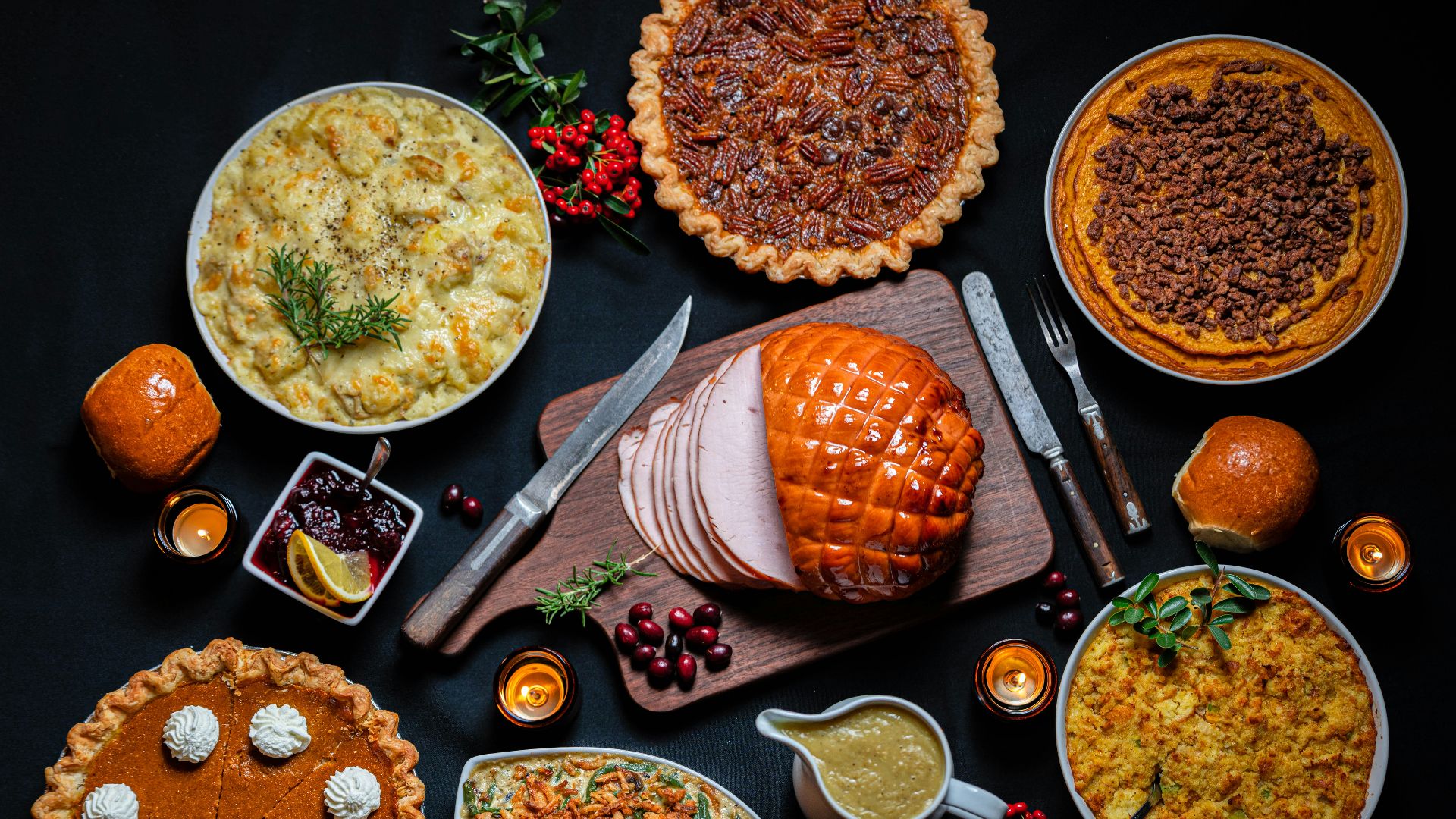
Countless artistic depictions show the Pilgrims and Wampanoag sitting around a large communal table covered with freshly prepared dishes. However, there's little historical evidence to suggest that everyone ate together, and we don't know how much furniture was available or whether groups had separate dining areas. The actual setup may have been considerably more informal than the elaborate arrangements featured in popular paintings.
8. What Everyone Drank
Fresh water was available in the area, while beer was a familiar beverage among the English settlers. It's unclear whether the colonists had any beer left or had enough resources to brew some specifically for the occasion. Despite mentioning hunting expeditions and food supplies, the surviving accounts don't tell us what anyone drank over the course of those three days.
9. What Games Were Played
Winslow's reference to recreational activities suggests that the participants spent at least some of their time entertaining themselves between meals. English pastimes such as stoolball and various physical competitions have been suggested as possibilities, alongside traditional Wampanoag games. Whether any of these games were actually played, let alone whether members of both communities participated in them together, is open to speculation.
10. How the Two Groups Truly Felt About the Gathering
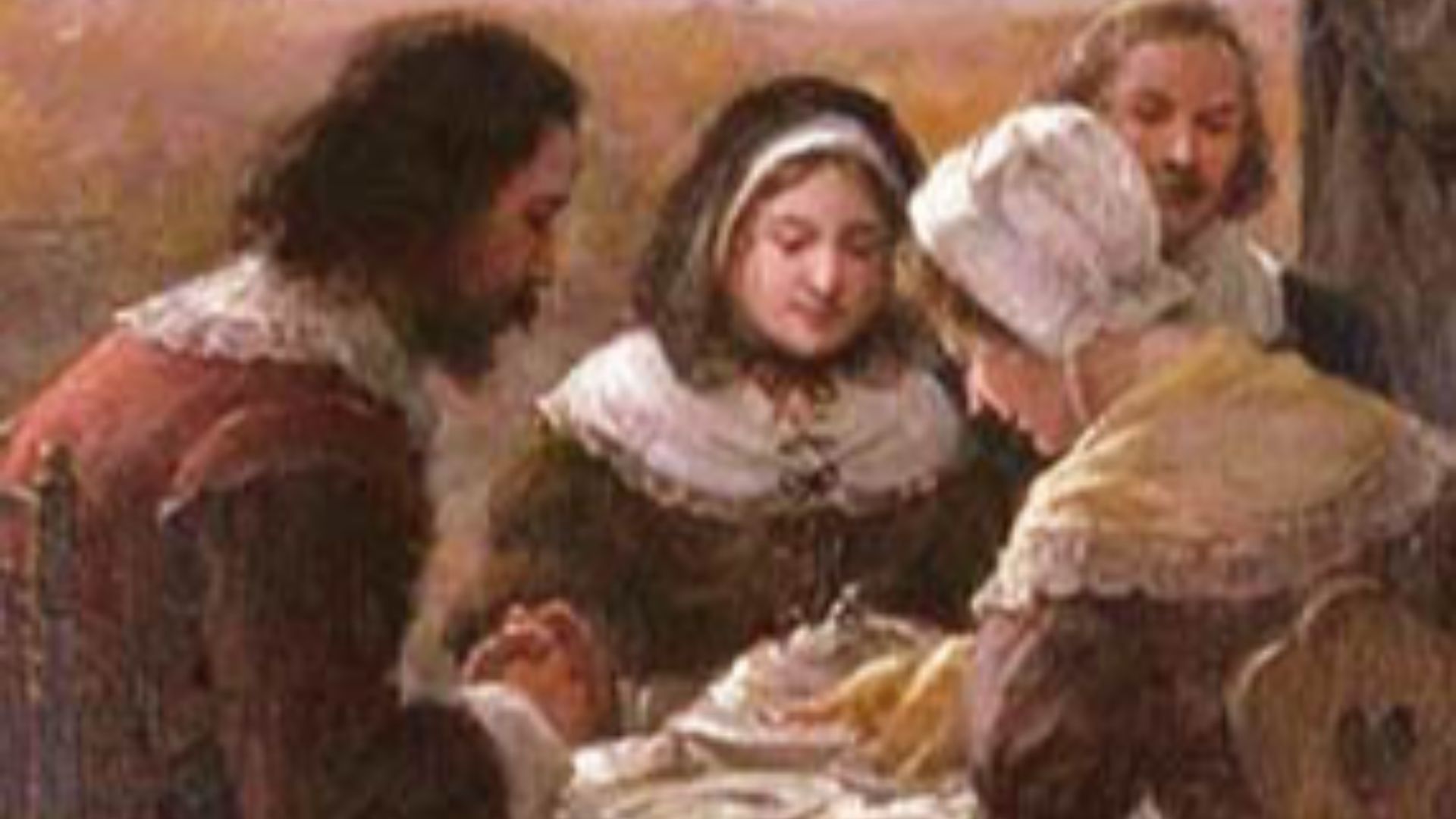
Perhaps the most significant unanswered question concerns the personal experiences of the people who attended. While Winslow described the occasion positively, his account was written from the perspective of an English settler reporting on the colony's circumstances. Without more firsthand testimony from individual Wampanoag participants, it's difficult to know exactly how they felt about the celebration, what reservations they may have had, or what they hoped to accomplish by attending.
 Jennie Augusta Brownscombe (1850-1936) on Wikimedia
KEEP ON READING