

20 Environmental Mistakes That Took Decades To Clean Up
The Damage Was Fast. The Recovery Was Not.
Environmental disasters compress time in the wrong direction. The decision or the dumping happens quickly, and the consequences stretch across generations in ways nobody at the beginning could anticipate. Some of these mistakes came from genuine ignorance. Others came from knowing and deciding not to care. Here's 20 of them.
 Department of the Army Special Photographic Office on Wikimedia
1. Love Canal, New York
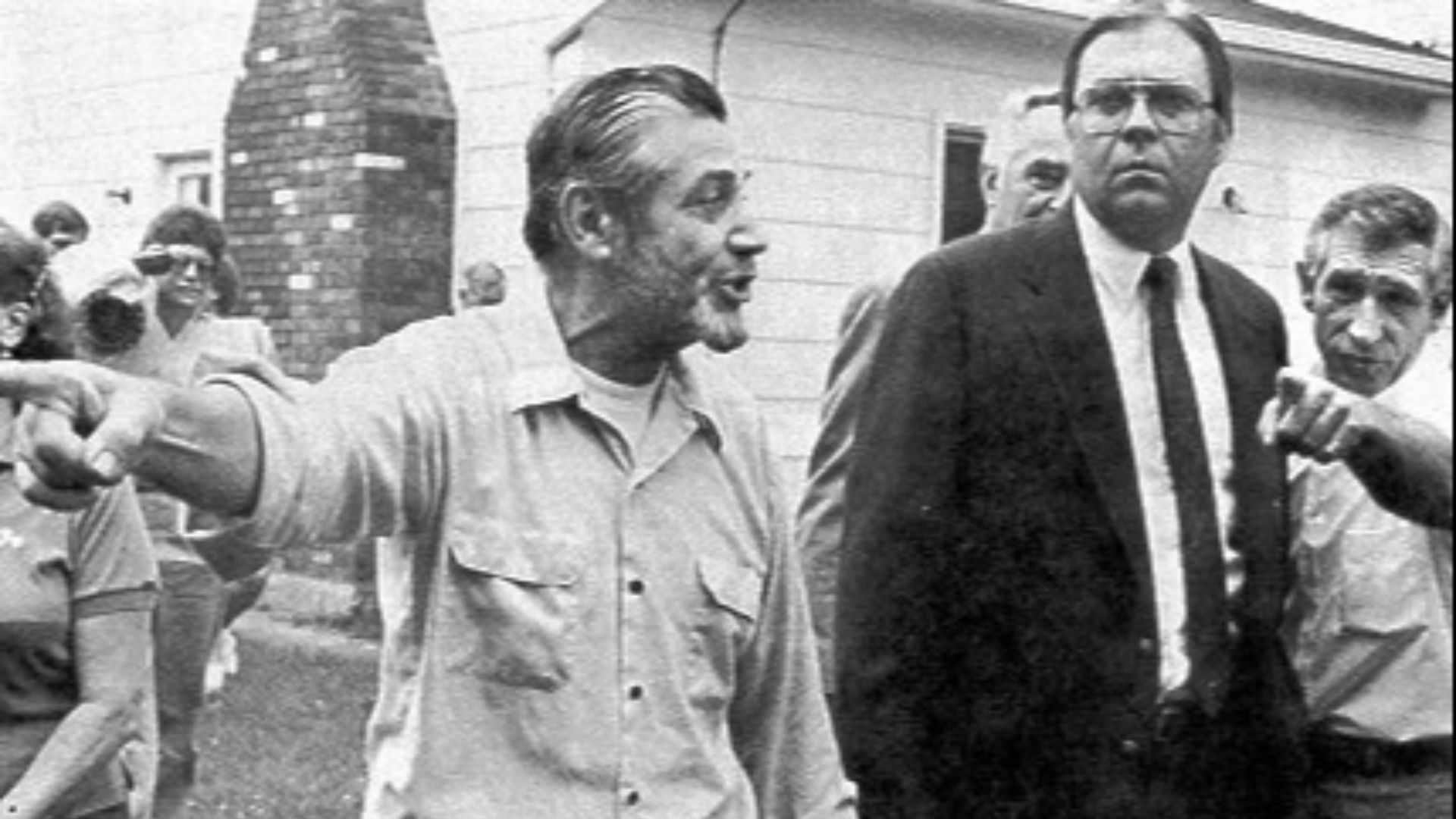
Hooker Chemical dumped 21,000 tons of toxic waste into a former canal near Niagara Falls between the 1940s and 1953, then sold the site to a school board for one dollar. Homes and a school were built over the buried waste, and by the 1970s residents were reporting abnormal rates of cancer and birth defects. The federal government eventually relocated hundreds of families.
 USEPA Environmental-Protection-Agency on Wikimedia
2. The Cuyahoga River Fire, Ohio
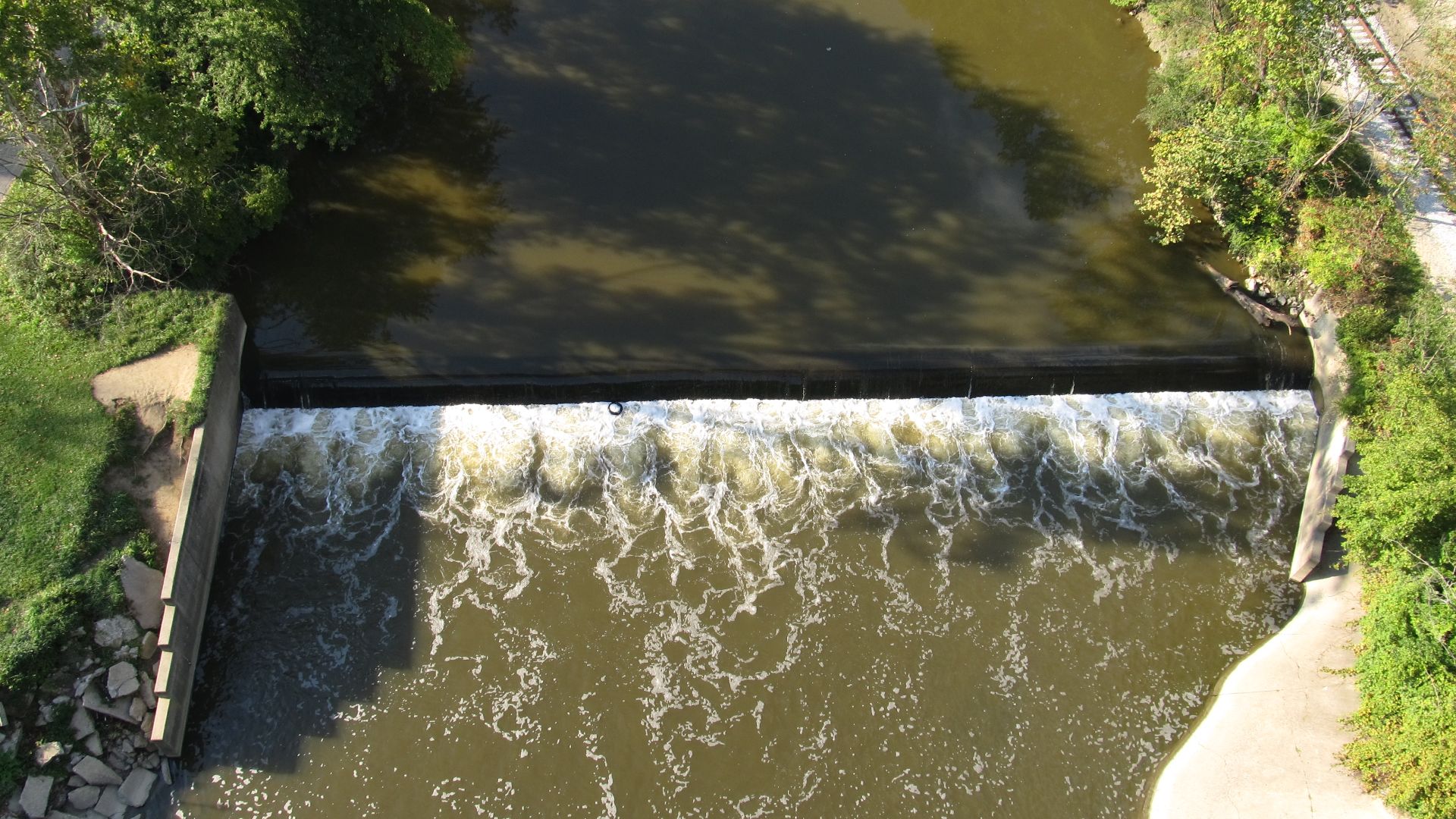
The Cuyahoga River caught fire multiple times due to industrial pollution, most notably in 1969 when a slick of oil and debris burned hot enough to damage two railroad bridges. The fire helped drive the Clean Water Act in 1972, but ecological recovery took another thirty years.
3. The Aral Sea
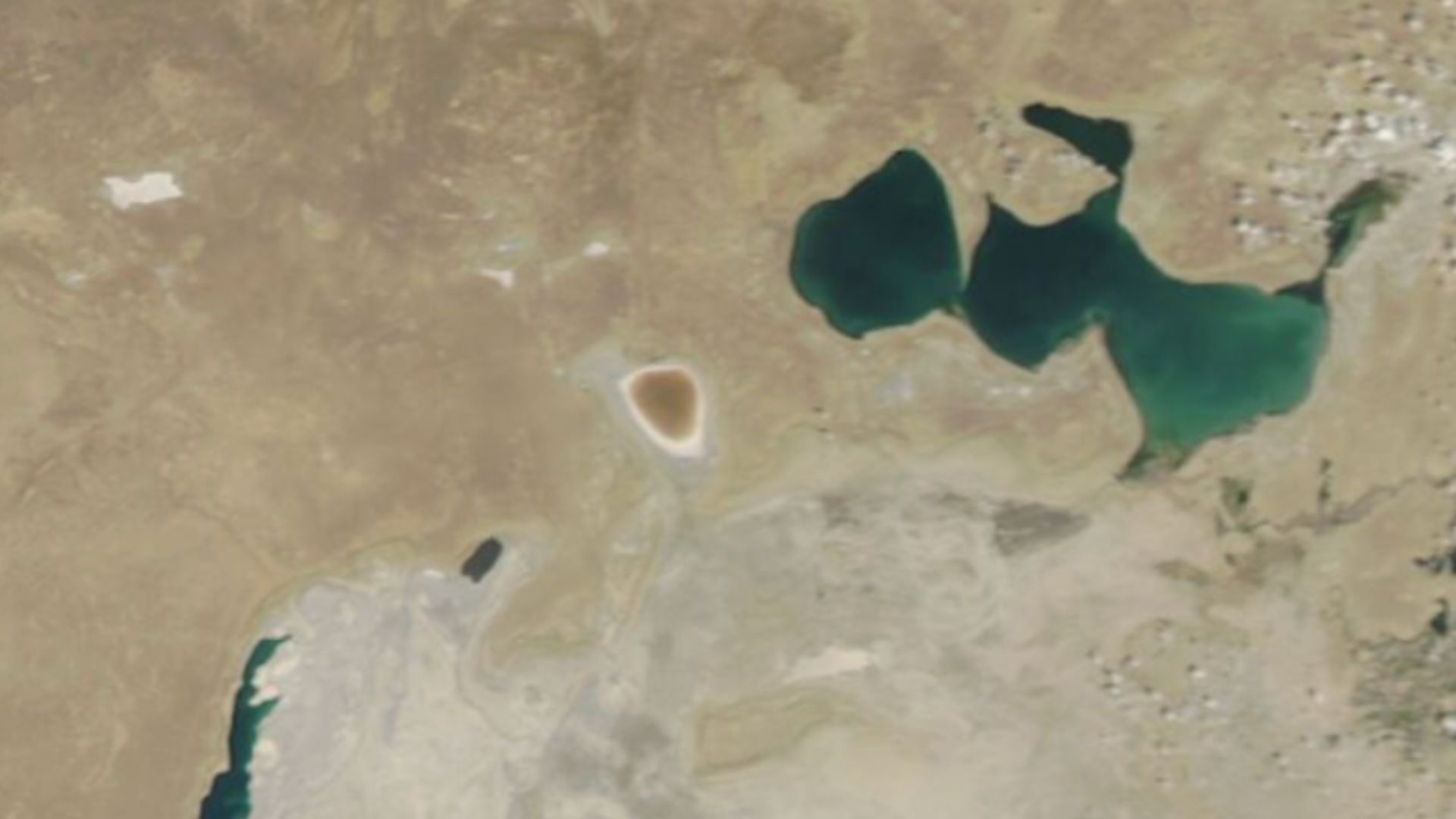
The Soviet Union began diverting the rivers feeding the Aral Sea in the 1960s to irrigate cotton, and what had been the fourth largest lake in the world began to shrink. By the 1980s the fishing industry had collapsed and the surrounding region was a salt desert.
Partial restoration began in the 2000s but the southern basin is effectively gone.
4. Minamata Disease, Japan
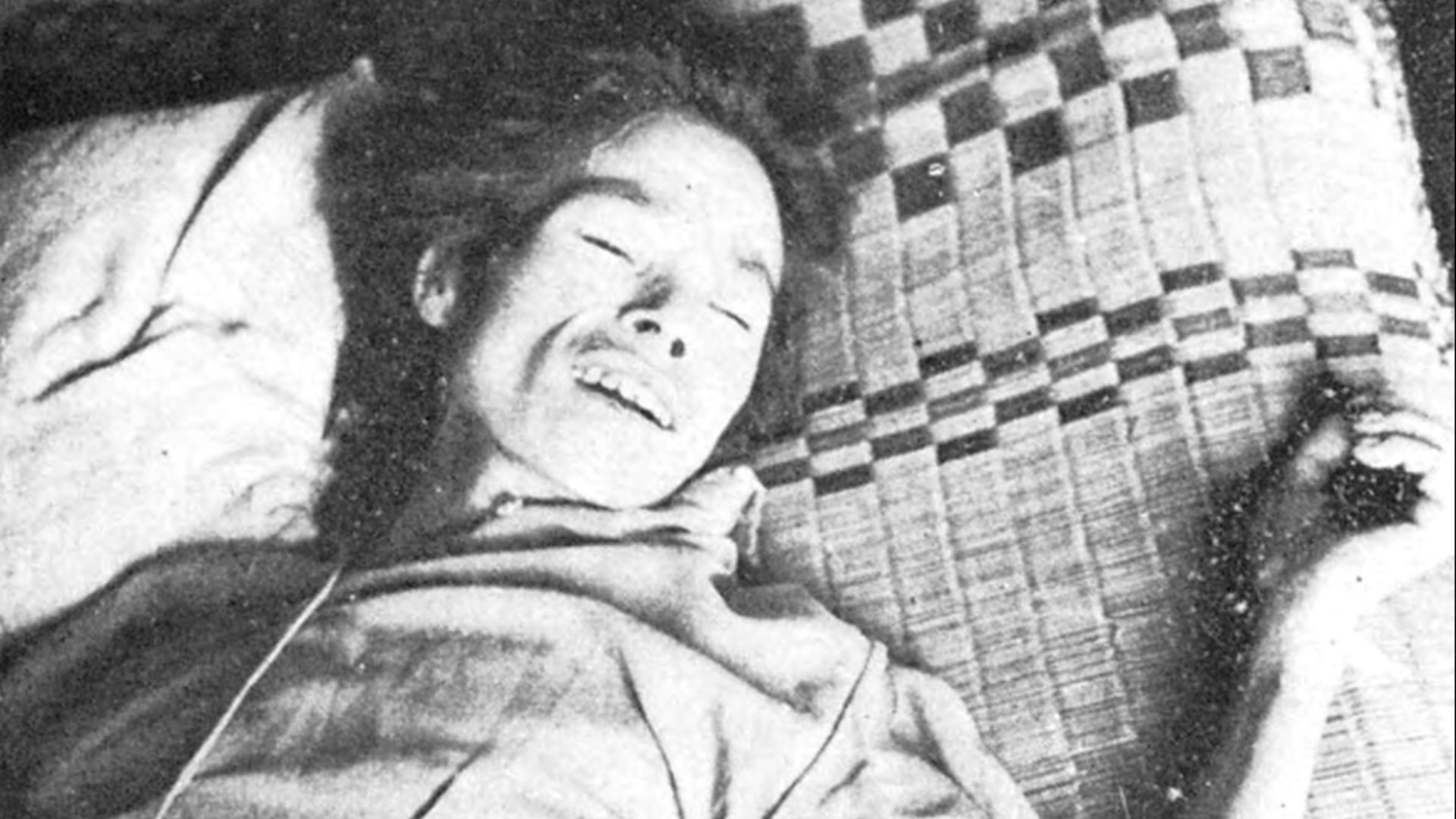
The Chisso Corporation discharged mercury wastewater into Minamata Bay from 1932 onward, and the methylmercury accumulated in fish that local communities depended on for protein. By the time the disease was identified in 1956, residents had severe neurological damage, and cleanup of the bay sediment was not completed until 2012.
5. DDT and the Bald Eagle
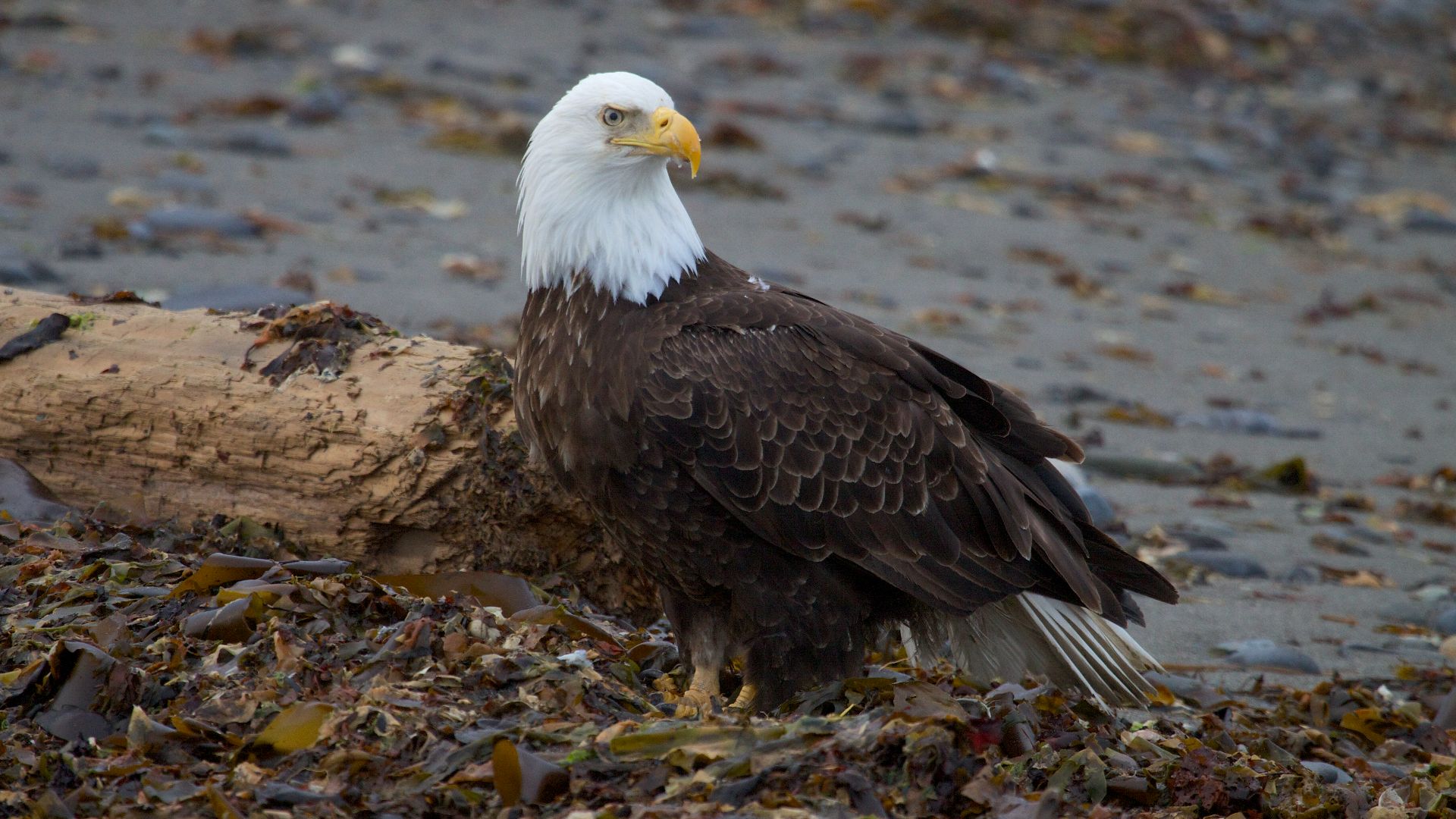
DDT was used extensively across the United States from the 1940s and accumulated in fish-eating birds, causing eggshell thinning that devastated bald eagle, peregrine falcon, and osprey populations. It was banned in 1972, and the bald eagle was not off the endangered species list until 2007.
6. The Exxon Valdez, Alaska
The Exxon Valdez spilled approximately eleven million gallons of crude oil across 1,300 miles of Alaskan coastline in March 1989, killing hundreds of thousands of seabirds and devastating the herring population that supported the regional fishing economy. Studies in the 2000s found oil still persisting under beach sediments, and some species had not fully recovered more than two decades later.
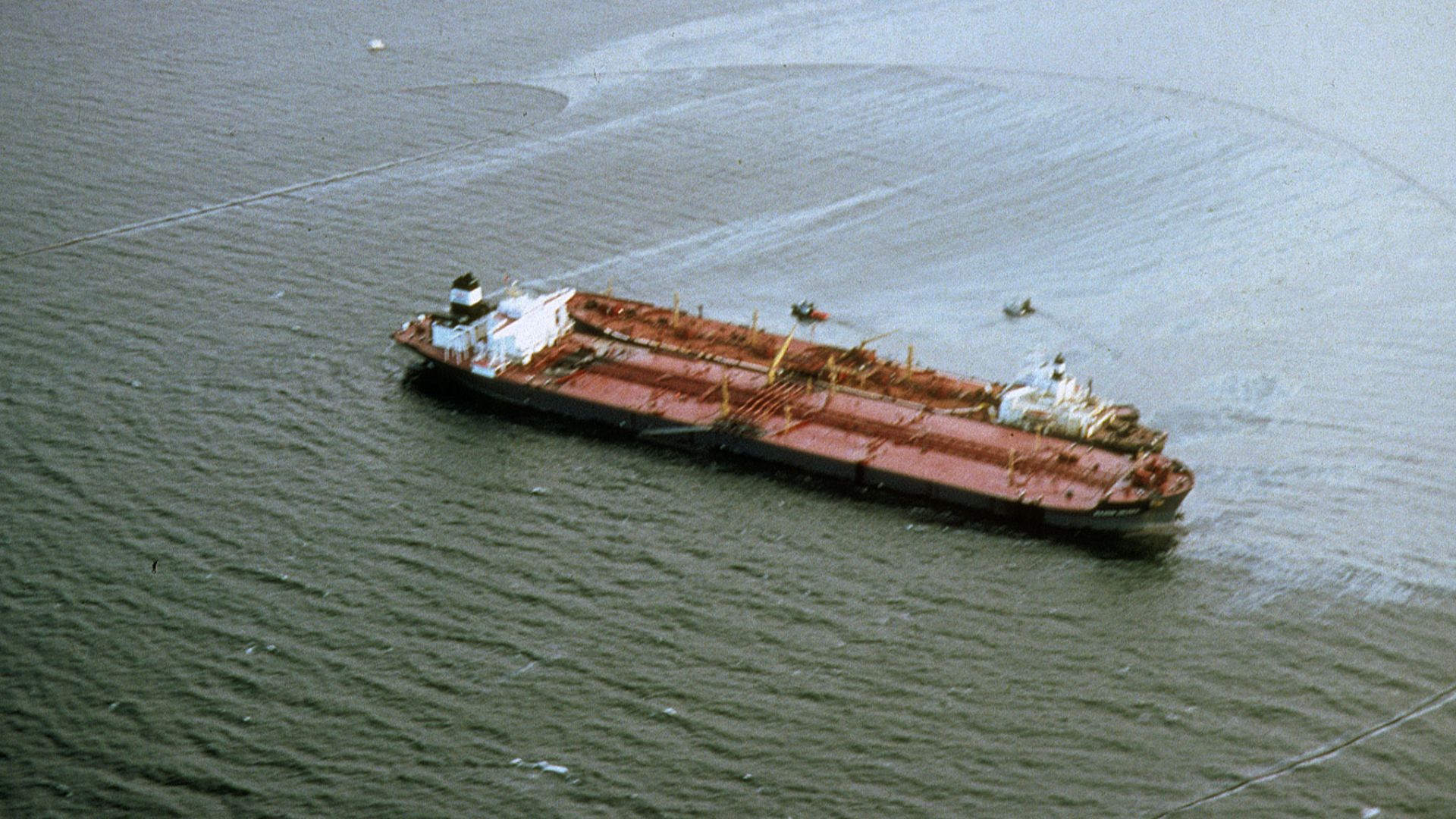 Exxon Valdez Oil Spill Trustee Council on Wikimedia
7. Chernobyl Exclusion Zone, Ukraine
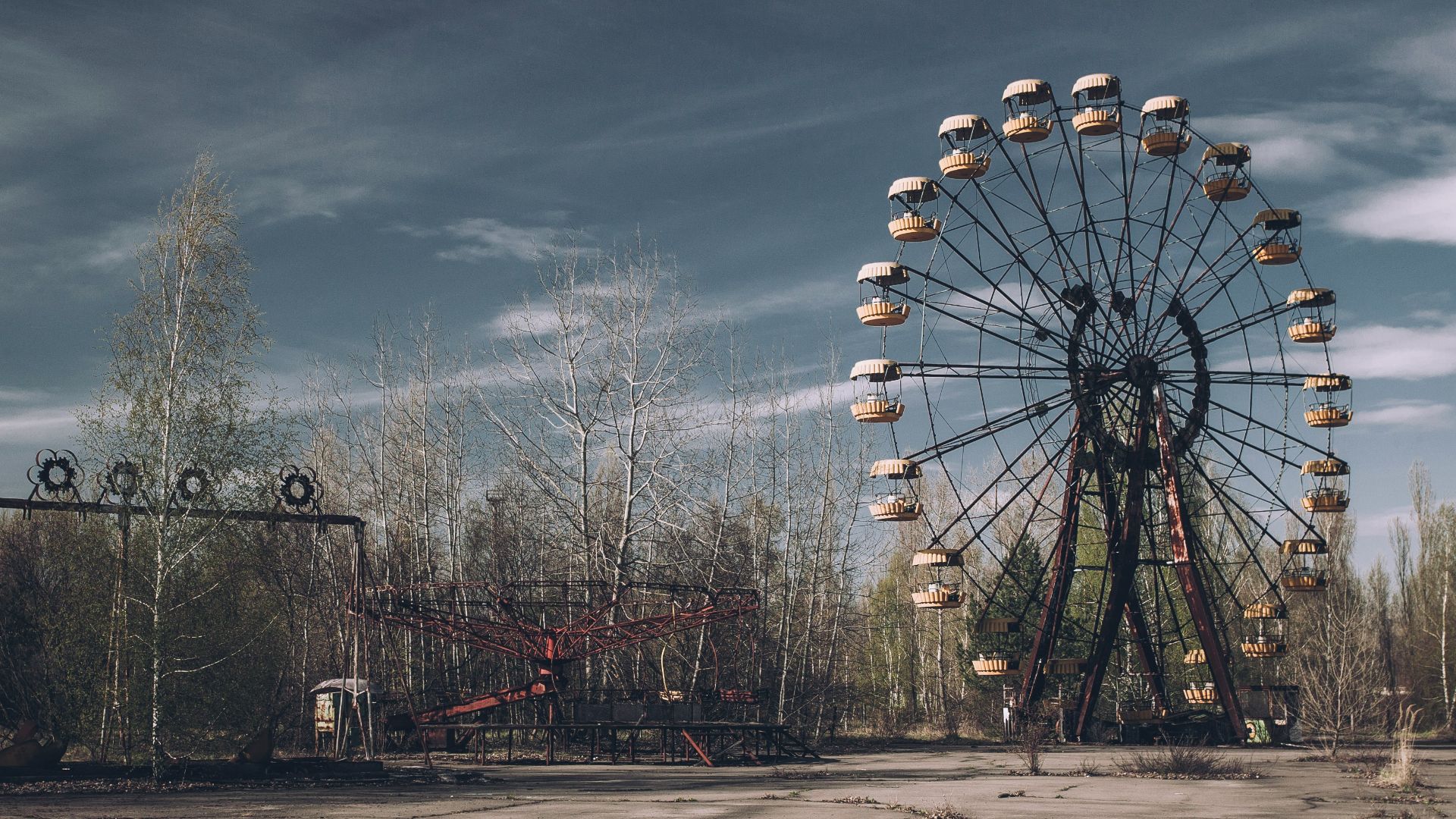
The explosion at Chernobyl's Reactor No. 4 in April 1986 contaminated large areas of Ukraine, Belarus, and parts of Europe, and more than 350,000 people were permanently relocated. The site will remain hazardous for thousands of years, and containment costs continue with no foreseeable end.
8. The Salton Sea, California
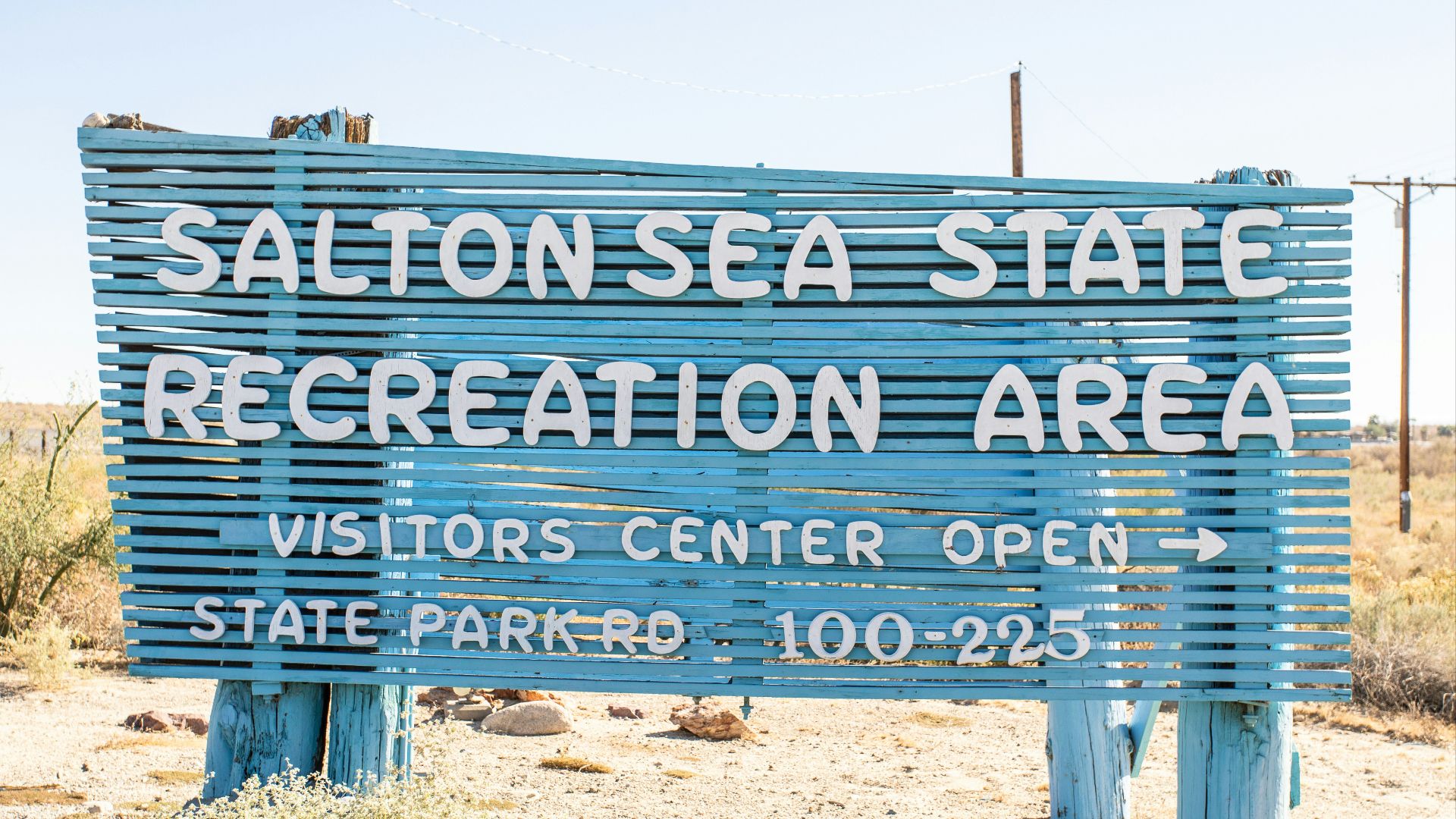
The Salton Sea was created accidentally in 1905 when an irrigation canal broke and the Colorado River flooded a dry basin for two years. It has been shrinking since the 1970s, and the receding shoreline now exposes lakebed containing pesticide residue that generates dust storms affecting air quality across a wide region.
 Felicia Montenegro on Unsplash
9. Times Beach, Missouri
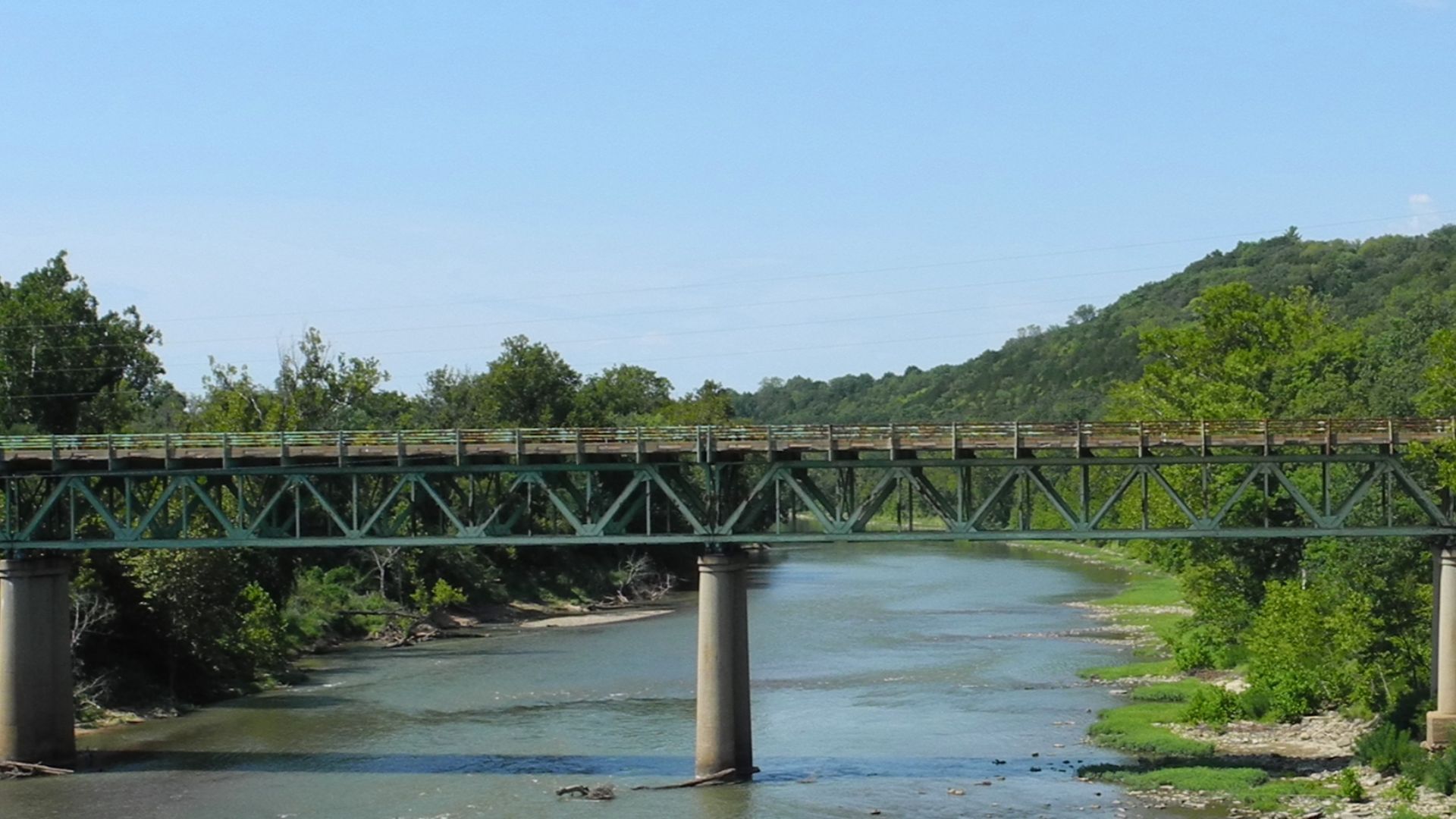
Times Beach, Missouri had its roads sprayed with dioxin-laced waste oil in the early 1970s as a legal dust suppressant. When contamination was discovered in 1982, the EPA purchased every property and relocated the entire population, and cleanup was not completed until 1997.
10. The Great Pacific Garbage Patch
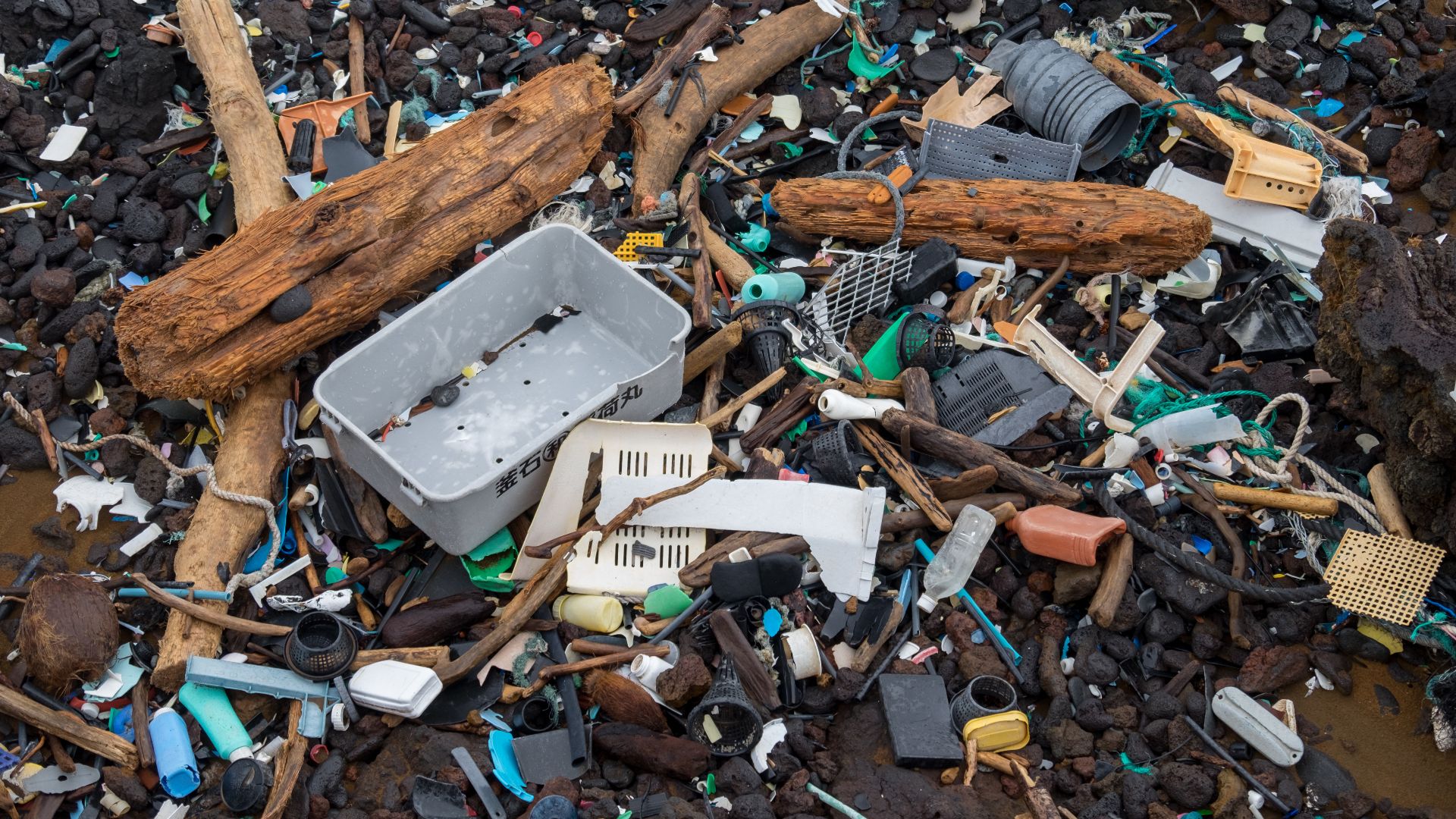
Plastic has been accumulating in the North Pacific Gyre since the 1950s, but the scale was not documented until the late 1990s. The patch now covers an estimated 1.6 million square kilometers and no comprehensive cleanup has been completed.
 Justin Dolske from Cupertino, USA on Wikimedia
11. Asbestos in Public Buildings
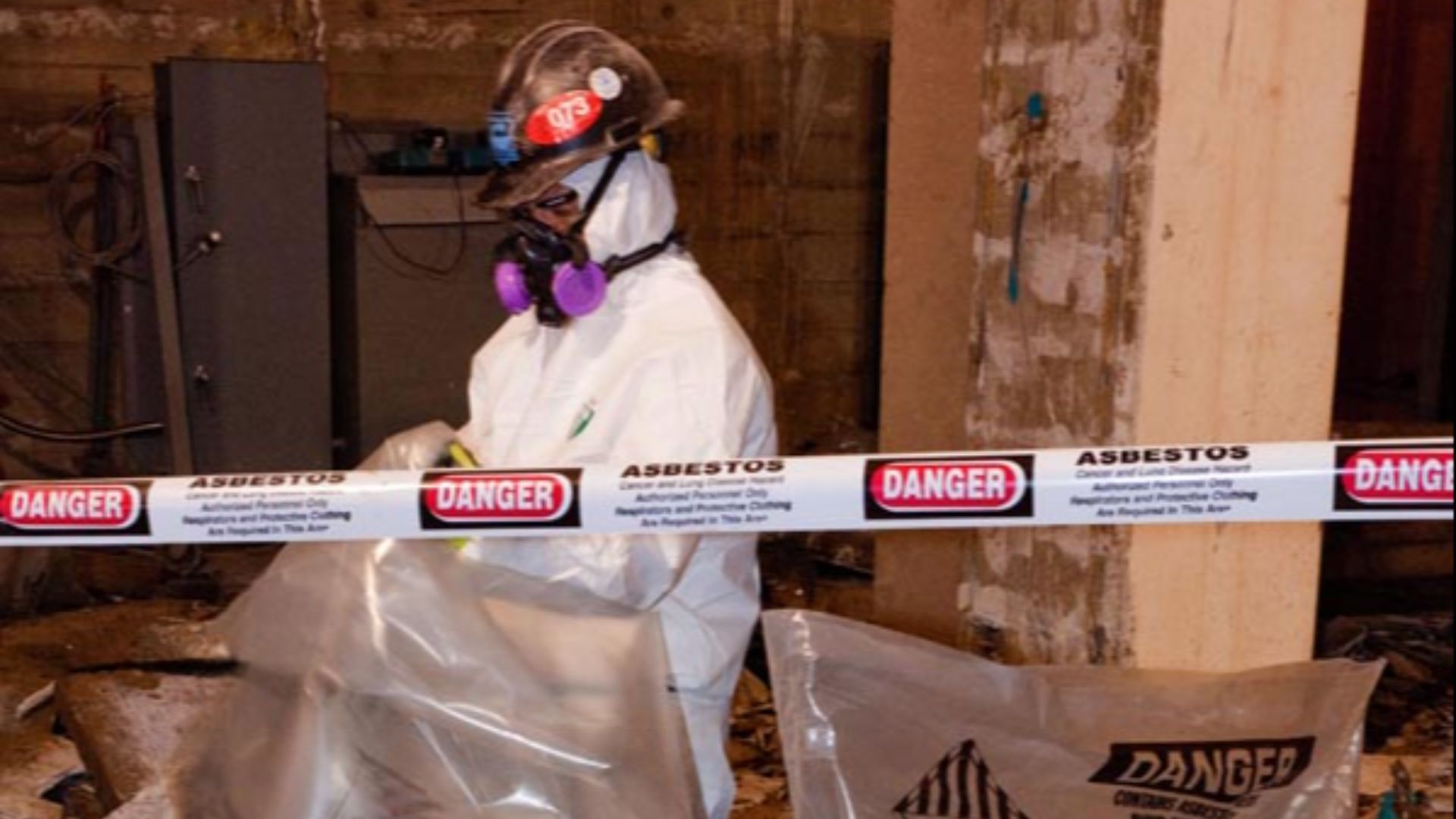
Asbestos was used extensively as a building material from the early twentieth century through the 1970s, and its links to mesothelioma and lung disease were suppressed by the industries that produced it. By the time regulation began it was present in schools and public buildings across the country, and removal efforts have continued for more than forty years.
 Oregon Department of Transportation on Wikimedia
12. The Berkeley Pit, Montana
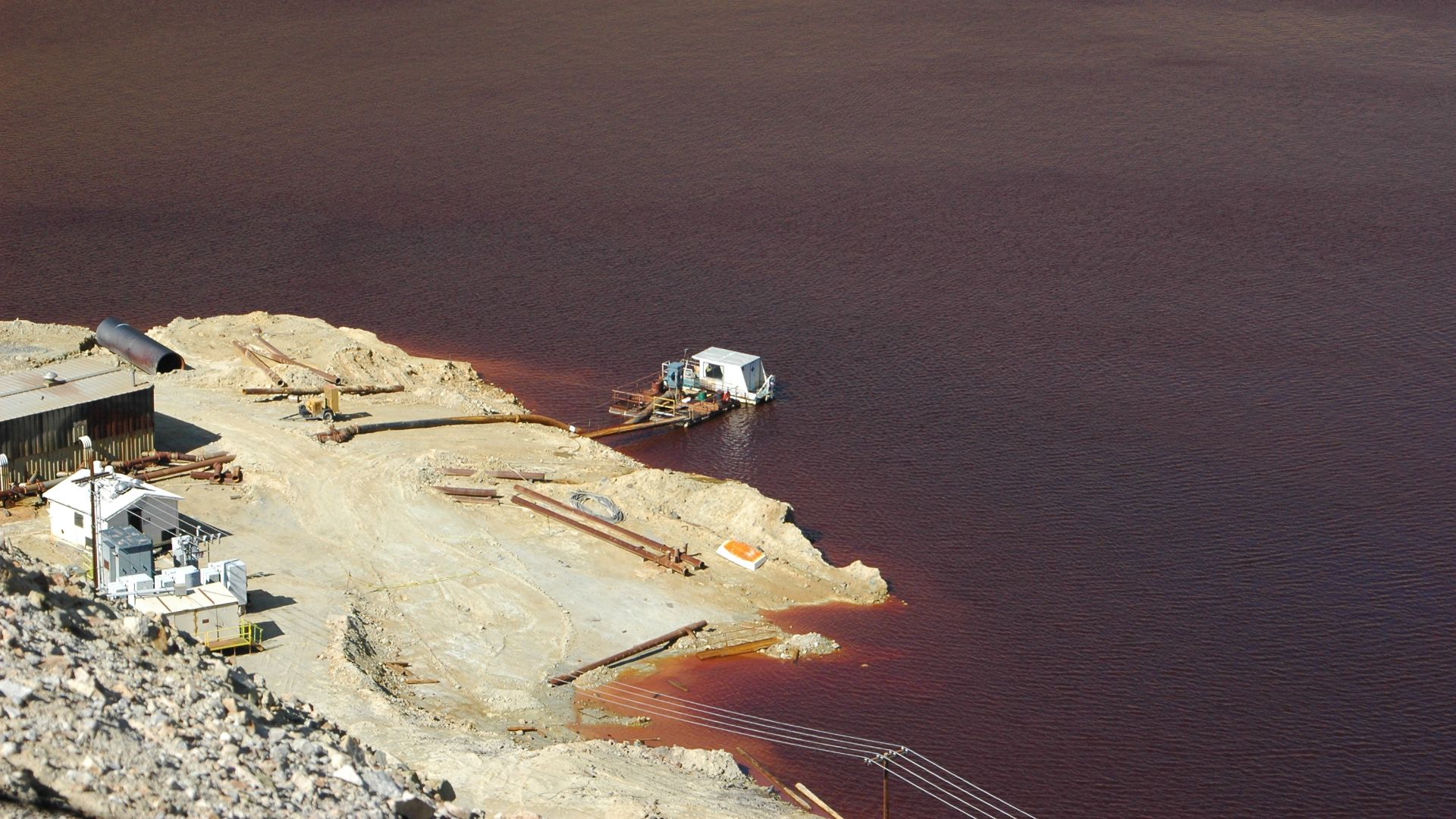
The Berkeley Pit in Butte, Montana began filling with acidic, heavy-metal-laden water after the mine was decommissioned in 1982 and now holds approximately forty billion gallons of contaminated water that cannot reach the regional groundwater table.
It became a Superfund site in 1987 and has required continuous management since.
 Matt Dente from Seattle, United States on Wikimedia
13. Lead in Gasoline
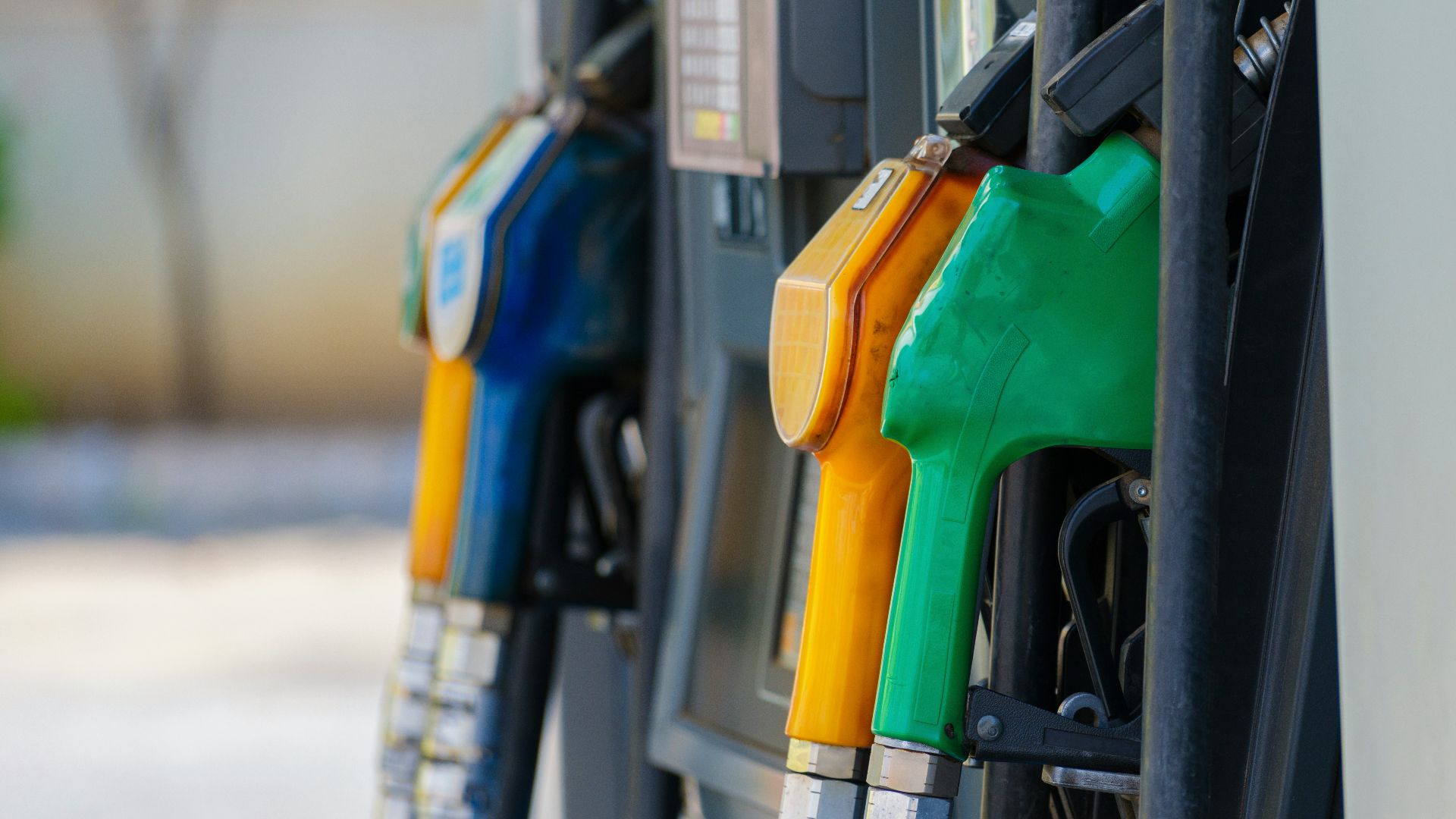
Tetraethyl lead was added to gasoline from the 1920s despite early warnings about its toxicity, and the practice continued until the United States phased it out between 1973 and 1986. The resulting widespread exposure has been linked to measurable declines in childhood IQ and increases in violent crime across an entire generation.
14. The Bhopal Disaster, India
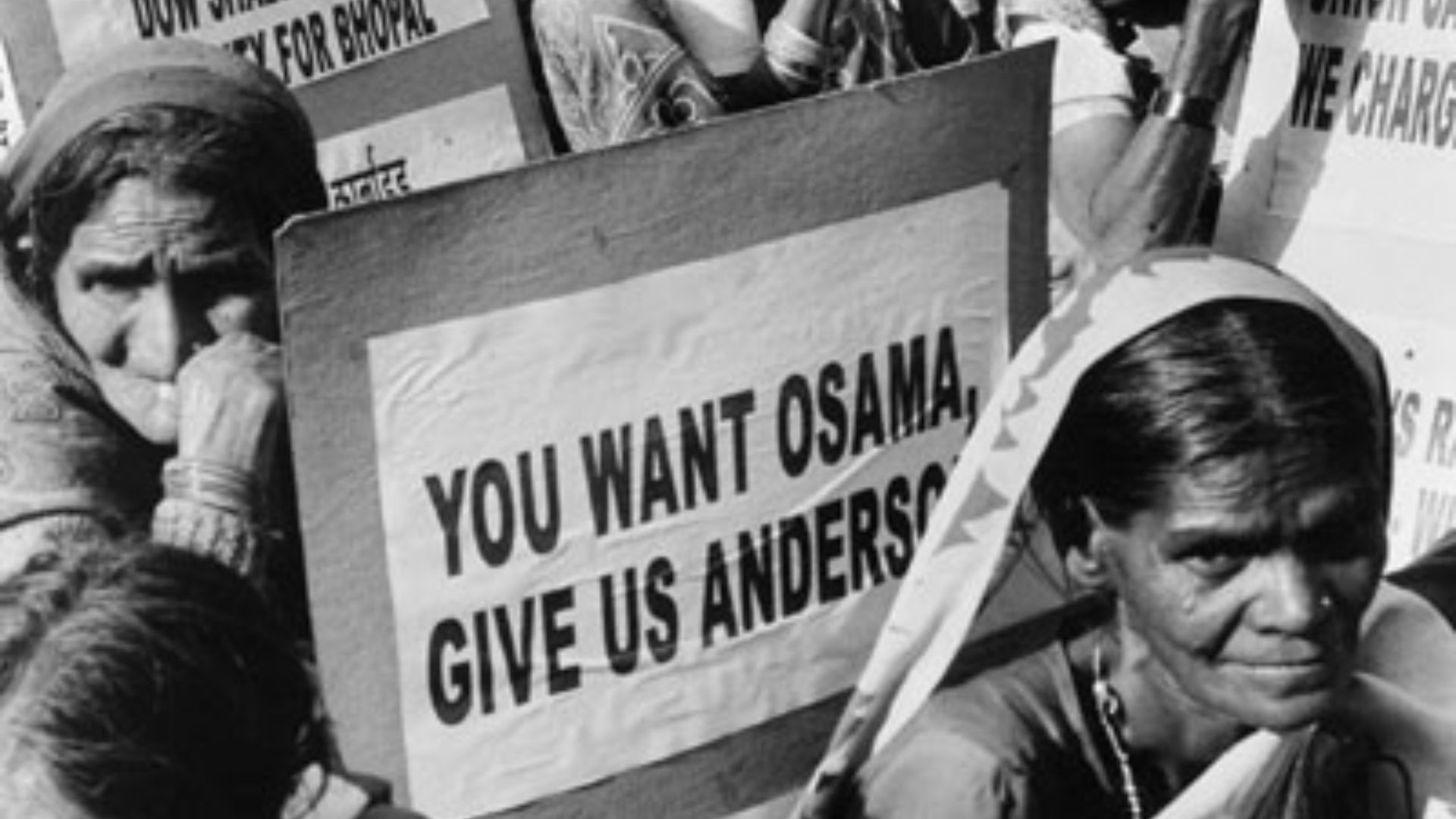
A Union Carbide plant in Bhopal released approximately forty tons of methyl isocyanate gas on December 3, 1984, killing thousands immediately. The site was never fully remediated, and legal proceedings with Dow Chemical were still ongoing more than thirty years later.
 Obi from ROMA ,LONDON on Wikimedia
15. Acid Rain in the Northeastern United States
Coal plant emissions produced acid rain across the Northeastern United States and Canada from the 1950s through the 1980s, killing fish populations in thousands of waterways. The Clean Air Act Amendments of 1990 reduced the source, but full biological recovery of some affected lakes has taken more than thirty years.
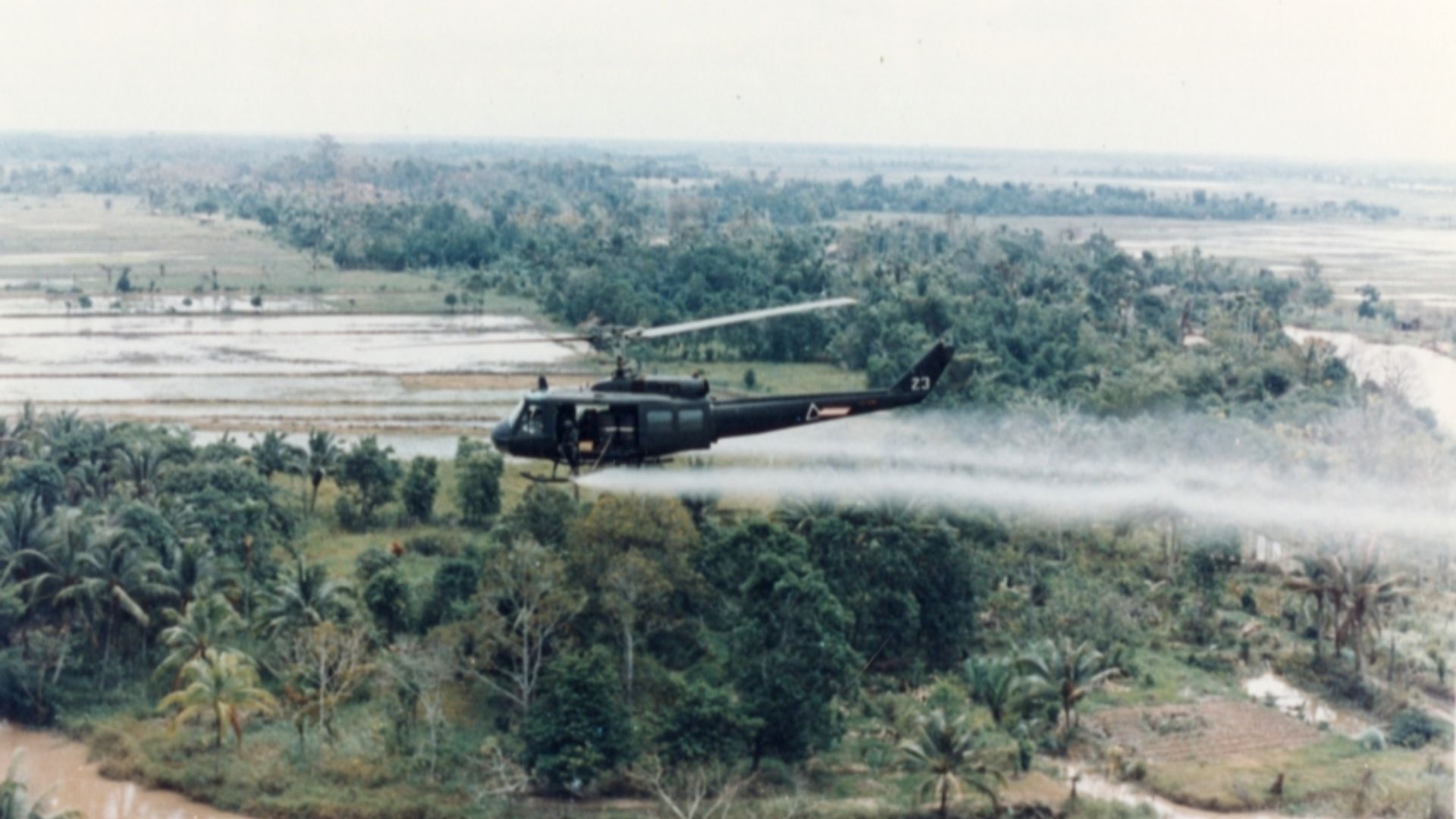
16. Agent Orange, Vietnam
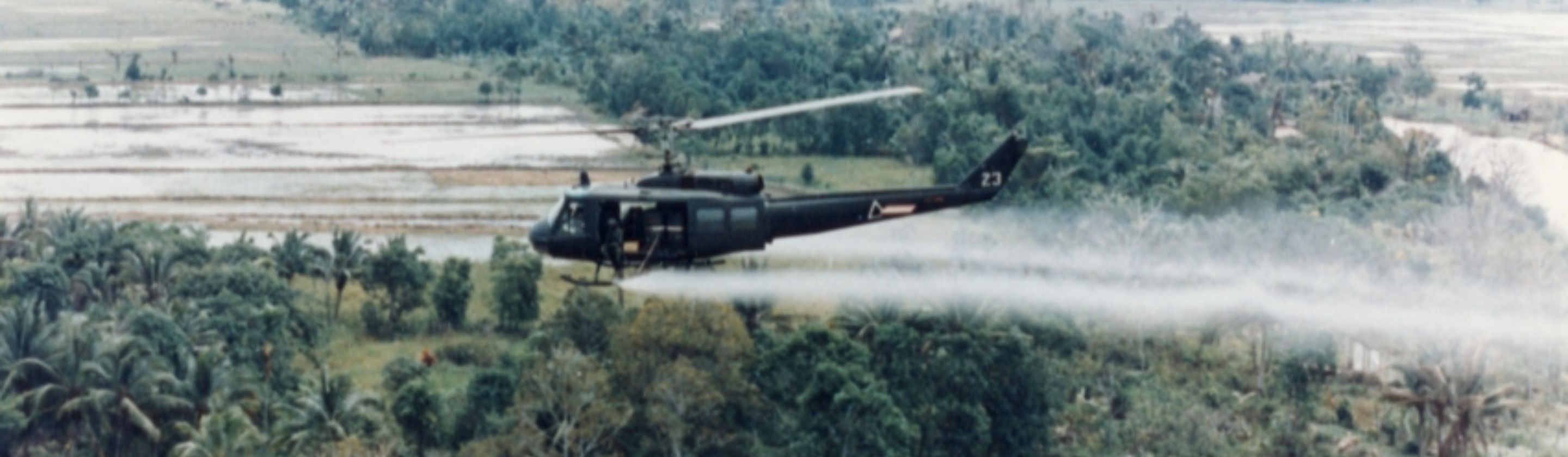
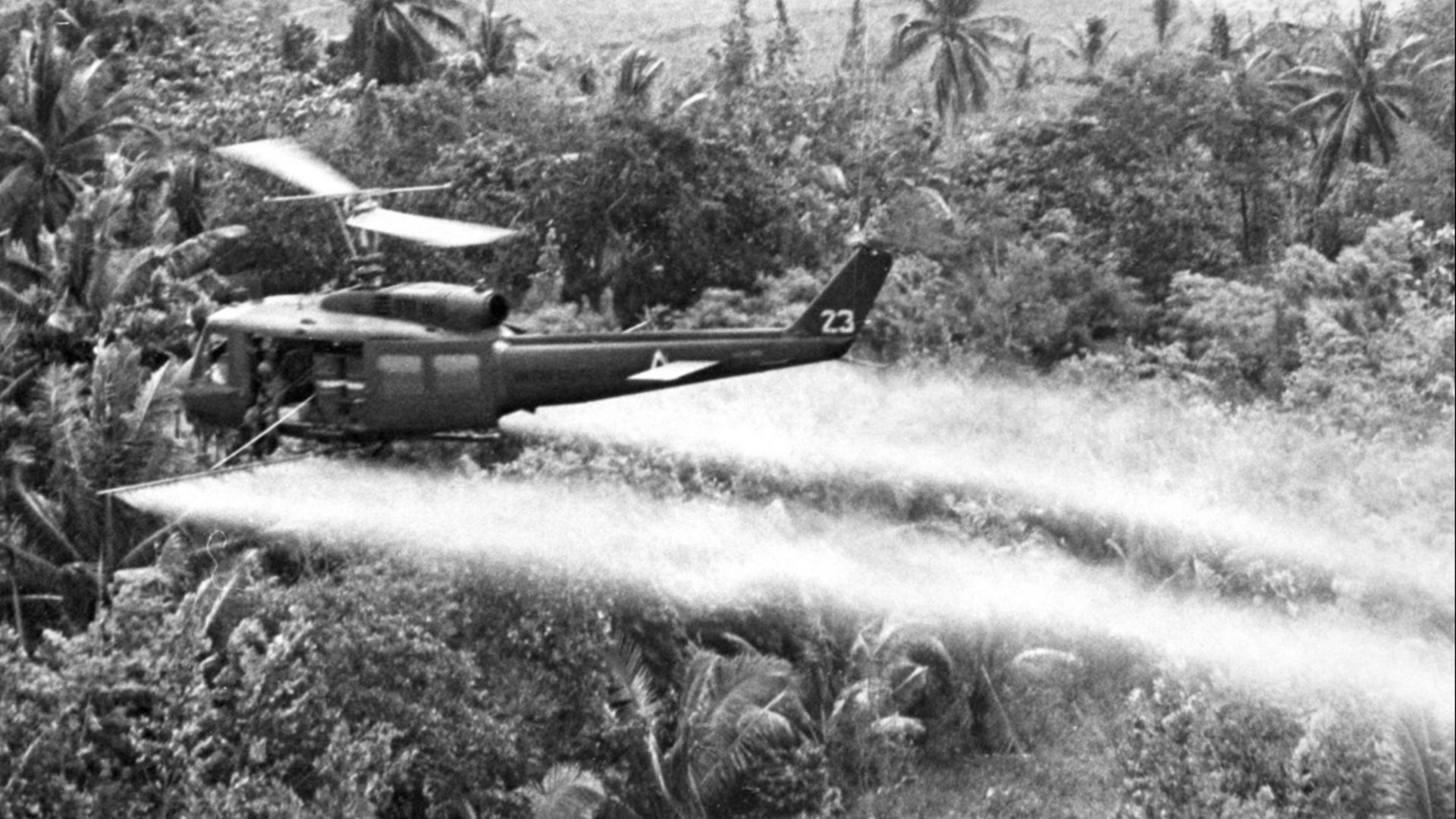
The United States military sprayed approximately twenty million gallons of herbicide including Agent Orange across Vietnam, Laos, and Cambodia between 1961 and 1971. The dioxin it contained has been linked to cancer and birth defects in veterans and Vietnamese civilians alike, and cleanup of the most contaminated former air bases did not begin until the 2010s.
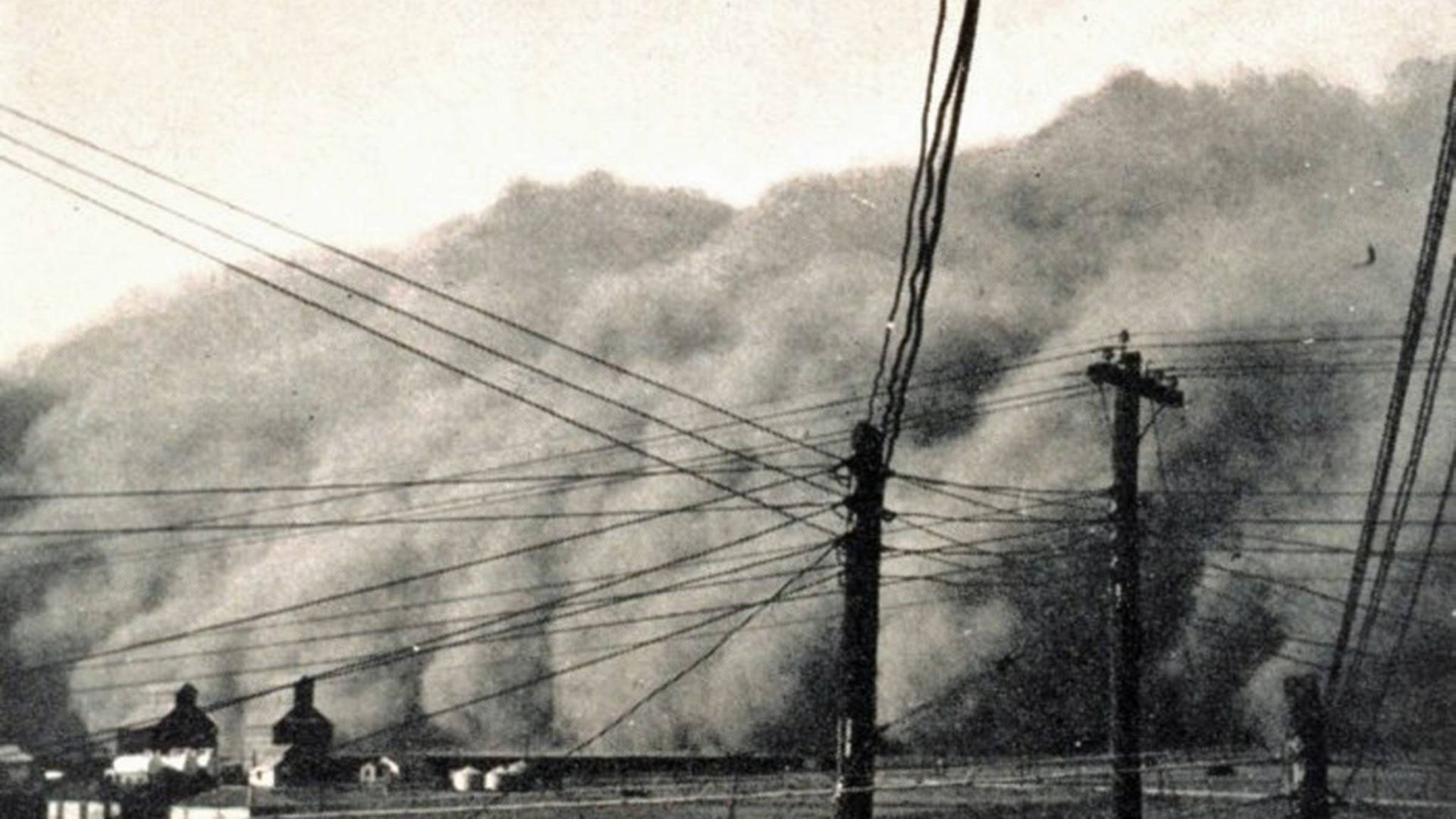
17. The Dust Bowl
The Dust Bowl was the cumulative result of decades of deep plowing that stripped the Great Plains of the native grasses holding the soil in place. When drought arrived in 1931 the unanchored soil blew away in storms that reached New York and Washington, and agricultural recovery took until after World War II.
 Unknown photographer on Wikimedia
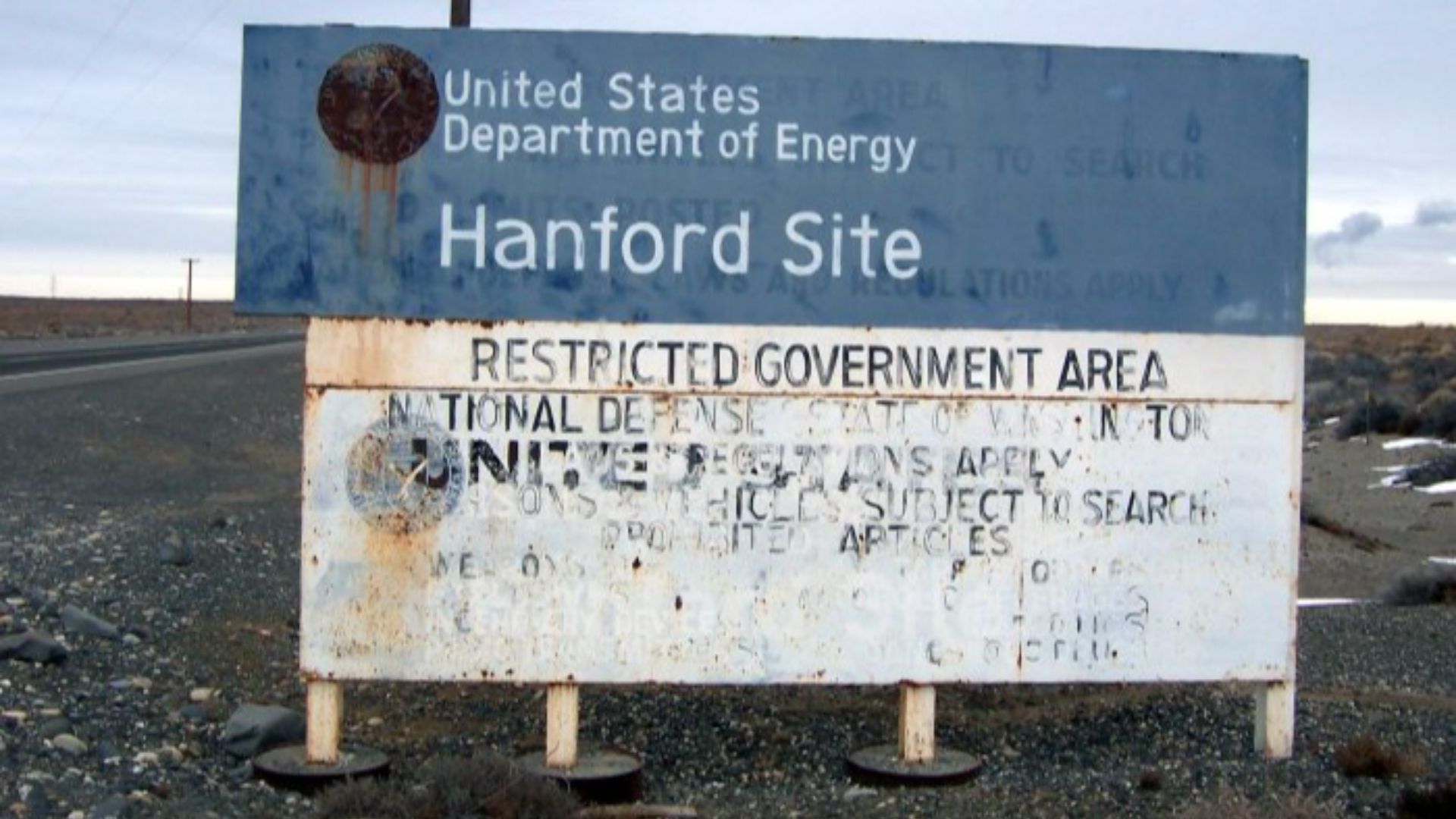
18. The Hanford Site, Washington
The Hanford Site produced plutonium for the Manhattan Project and Cold War arsenal, generating approximately 56 million gallons of radioactive waste in underground tanks, many of which have leaked. The contamination plume is moving toward the Columbia River, and cleanup begun in 1989 is not expected to be completed until at least 2050.
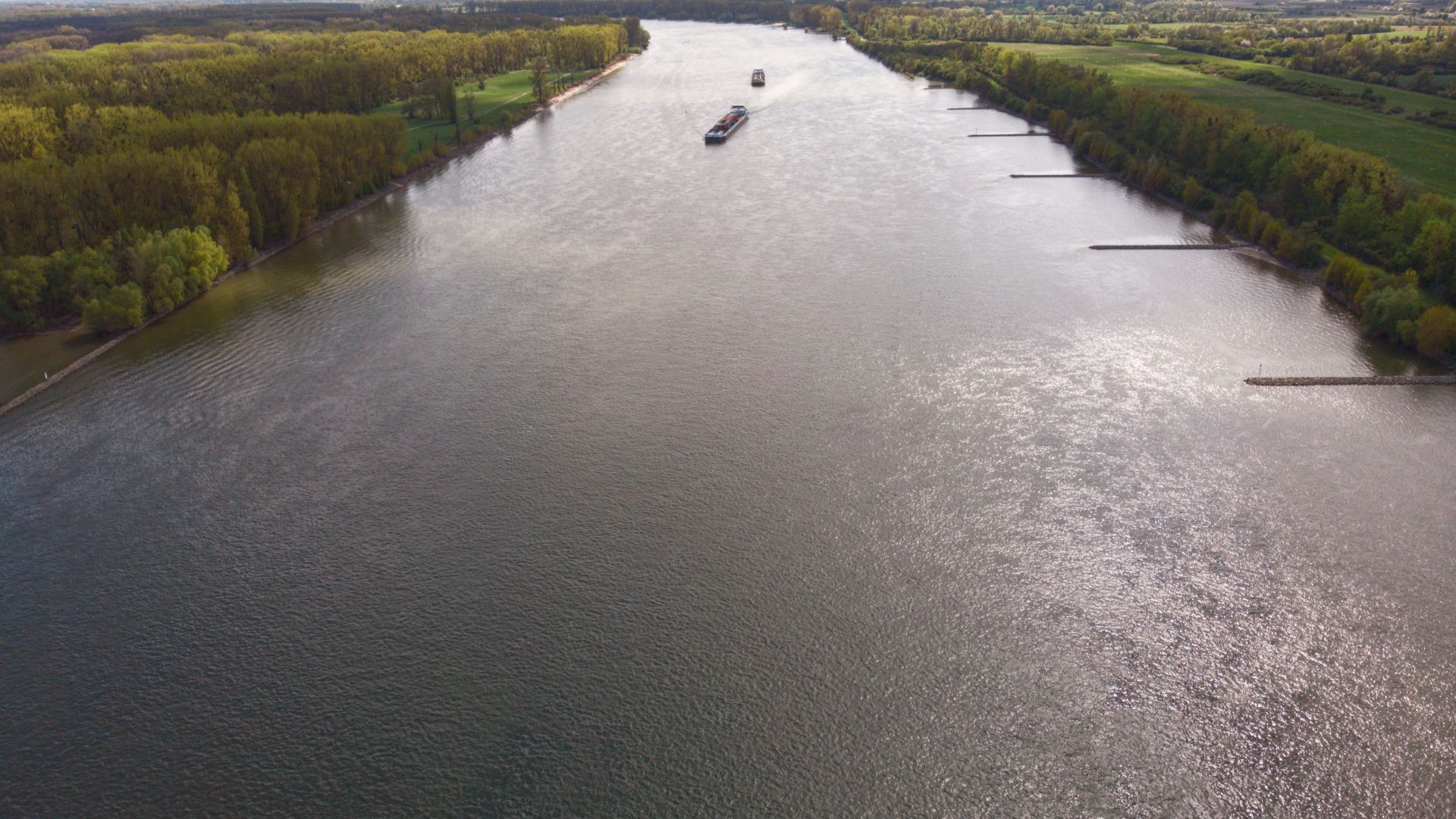
19. The Rhine River Chemical Spill
A fire at a Sandoz warehouse near Basel in 1986 released approximately thirty tons of chemicals into the Rhine, killing virtually all aquatic life along 400 kilometers. Salmon and other species did not return until the early 2000s.
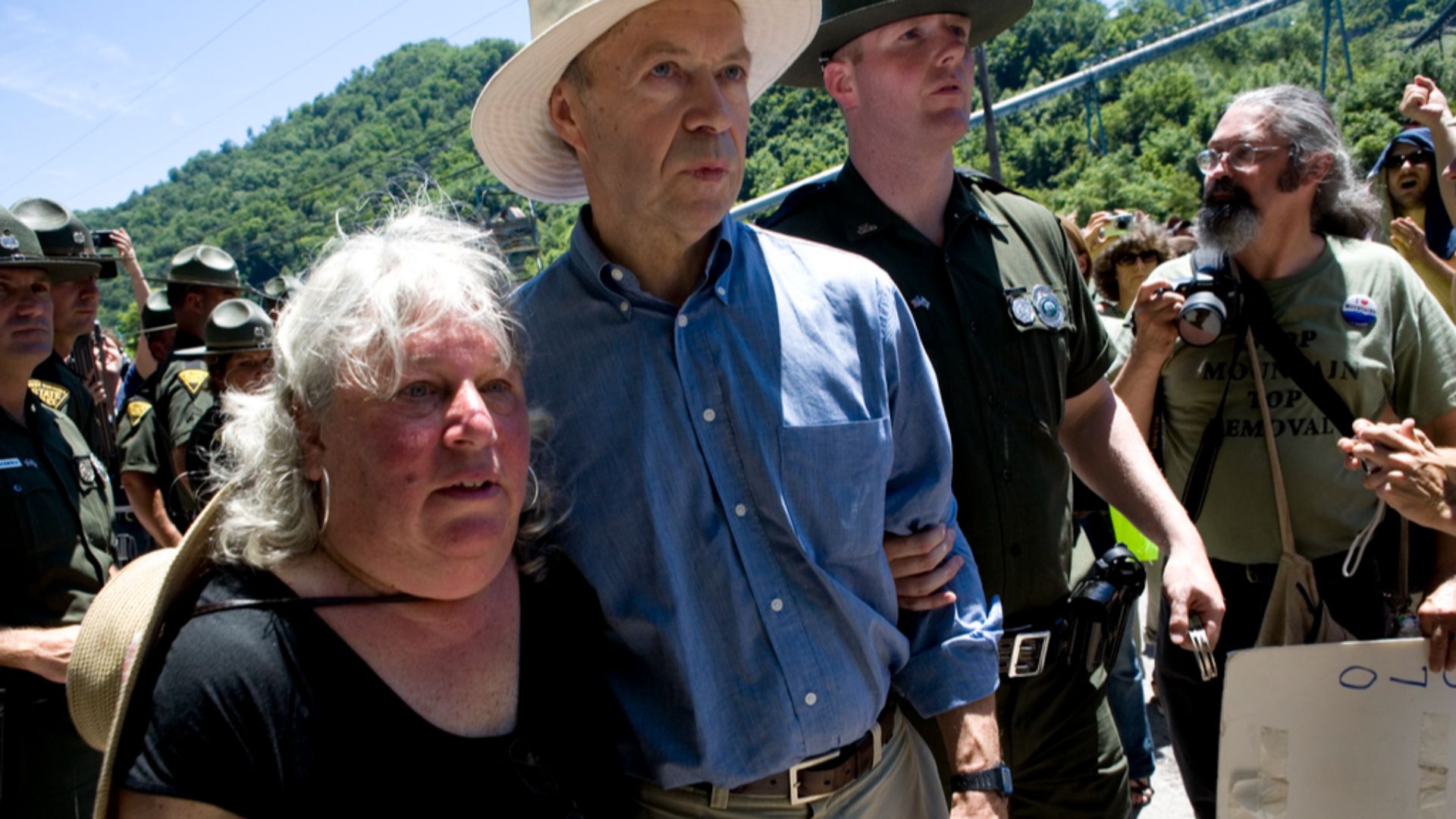
20. Mountaintop Removal Coal Mining, Appalachia
Mountaintop removal mining in Appalachia from the 1970s onward involved blasting mountain summits to access coal and depositing debris into adjacent valleys, burying streams and permanently altering watersheds. More than 500 mountains and 2,000 miles of streams have been affected, and restoration to anything resembling original ecology has proven largely impossible.
KEEP ON READING

20 Burning Rivalries From The Golden Age Of Hollywood
Tinseltown's Most Famous Feuds. The Golden Age of Hollywood gave…
By Sara Springsteen Jun 10, 2026
10 Tiny Decisions That Changed History & 10 Tiny Mistakes…
The Small Moments That Moved the World. History gets taught…
By Cameron Dick Jun 10, 2026
First Timers: 20 Historical Women Who Broke All Kinds Of…
Rolling Out The Red Carpet. Since what seems like the…
By Elizabeth Graham Jun 10, 2026
20 Mistresses Kings Gave More Power To Than Their Wives
Power Didn’t Always Wear a Crown. History loves to pretend…
By Emilie Richardson-Dupuis Jun 10, 2026
20 assassination attempts that changed the world
History has been shaped not only by great leaders and…
By Noone Jun 10, 2026
10 Royals Who Never Married & 10 Who Married More…
Royal history is full of dramatic love stories, political marriages,…
By Noone Jun 10, 2026